The grain packaging industry across Africa is experiencing rapid transformation, driven by the growth in agricultural processing, retail food demand, and export packaging requirements. Whether you are packaging maize flour, rice, sugar, beans, or coffee granules, the right grain packaging machine can dramatically improve production efficiency, reduce waste, and meet international packaging standards. This guide provides a complete overview to help buyers across Africa make smart purchasing decisions.
Understanding the African Grain Packaging Market
Africa’s food processing sector is one of the fastest-growing in the world. From small-scale millers to large-scale agro-processing corporations, packaging machinery needs vary widely. The key grains packaged on the continent include rice, maize, millet, sorghum, wheat flour, sugar, and various legumes. In recent years, the demand for convenient, pre-packaged staple foods has surged, particularly in urban centers such as Lagos, Nairobi, Addis Ababa, and Johannesburg.
Key Market Drivers
- Urbanization: Rising urban populations prefer packaged grains for convenience and longer shelf life.
- Export Compliance: International buyers require sealed, labeled, and accurately weighed packages.
- Government Investment: Numerous African governments are investing in agro-processing zones to reduce post-harvest losses.
- Retail Modernization: Supermarkets and retail chains demand consistent, branded packaging.
Types of Grain Packaging Machines Suitable for Africa
Selecting the right machinery depends on your target package format, production capacity, and the physical characteristics of the grain. Below is a quick comparison of common machine types.
| Machine Type | Best For | Pack Format | Capacity Range |
|---|---|---|---|
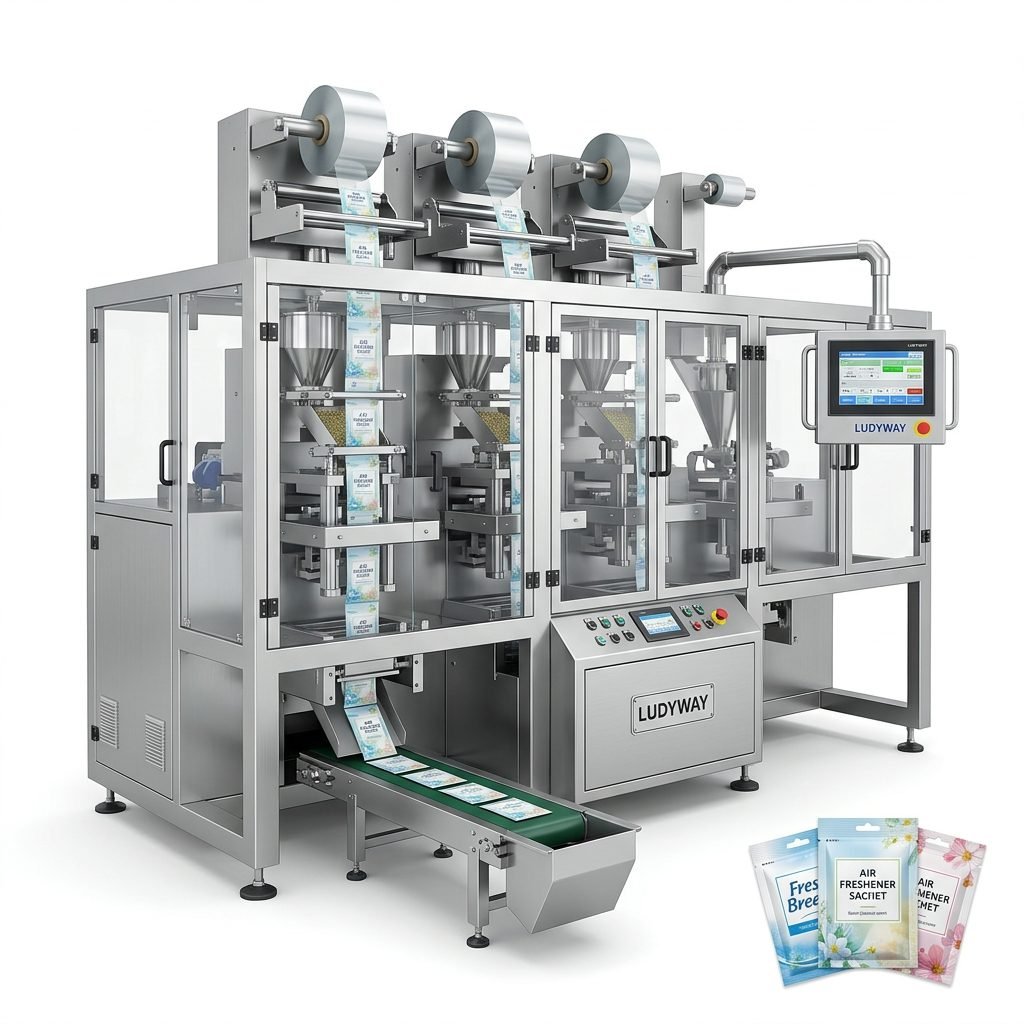
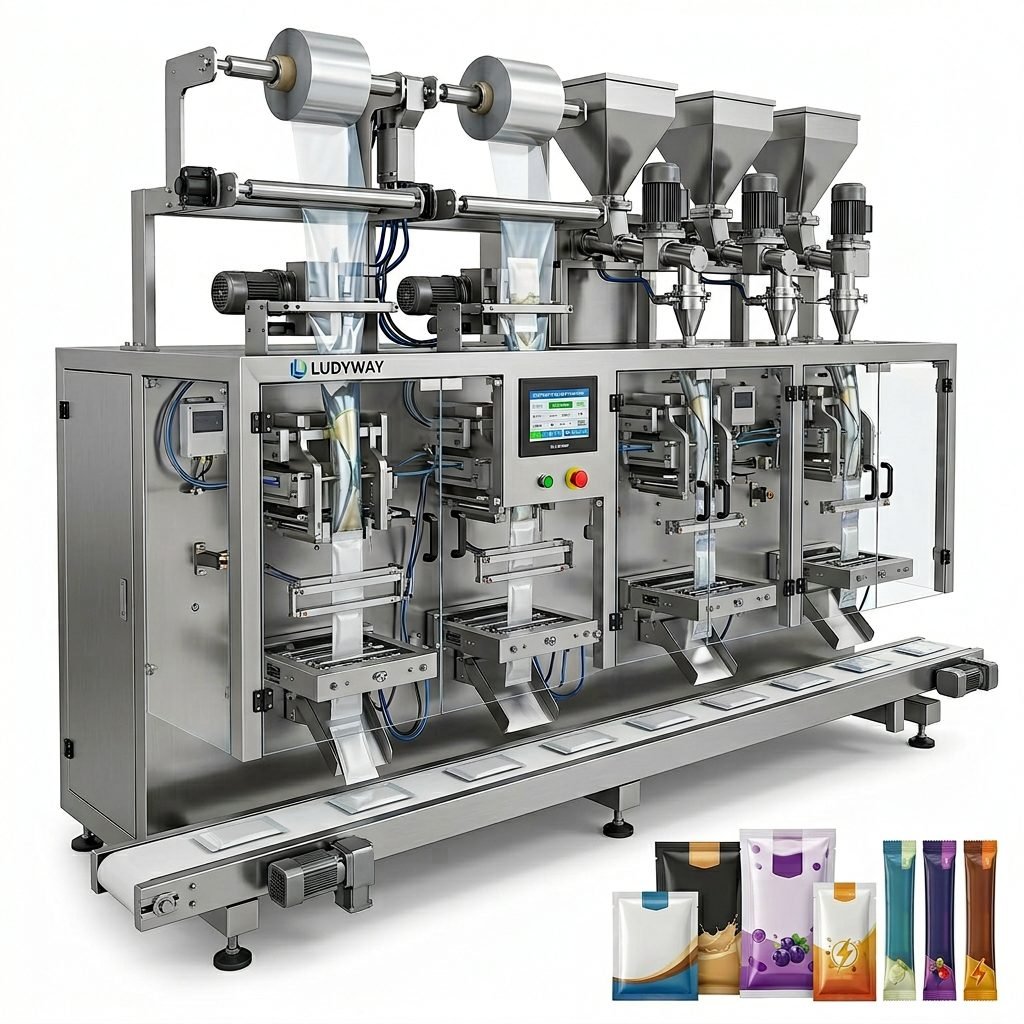
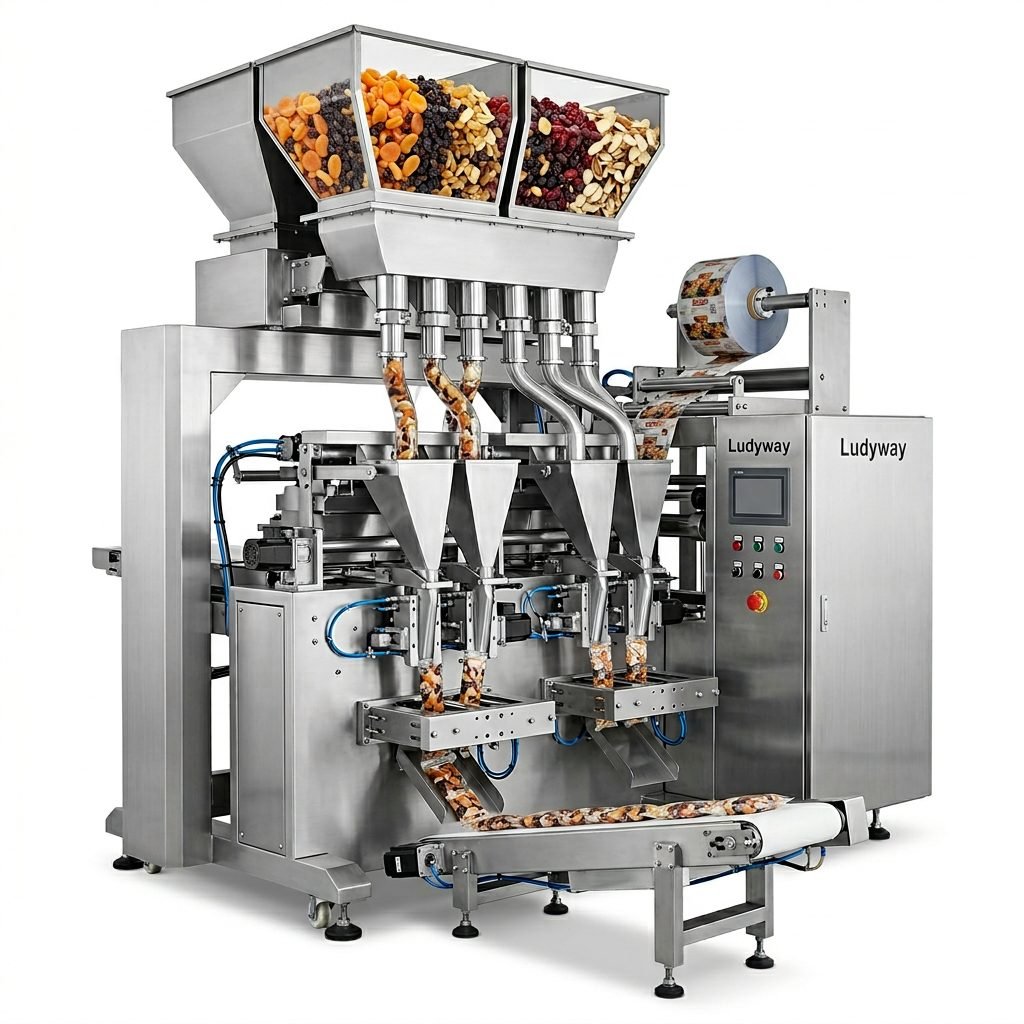
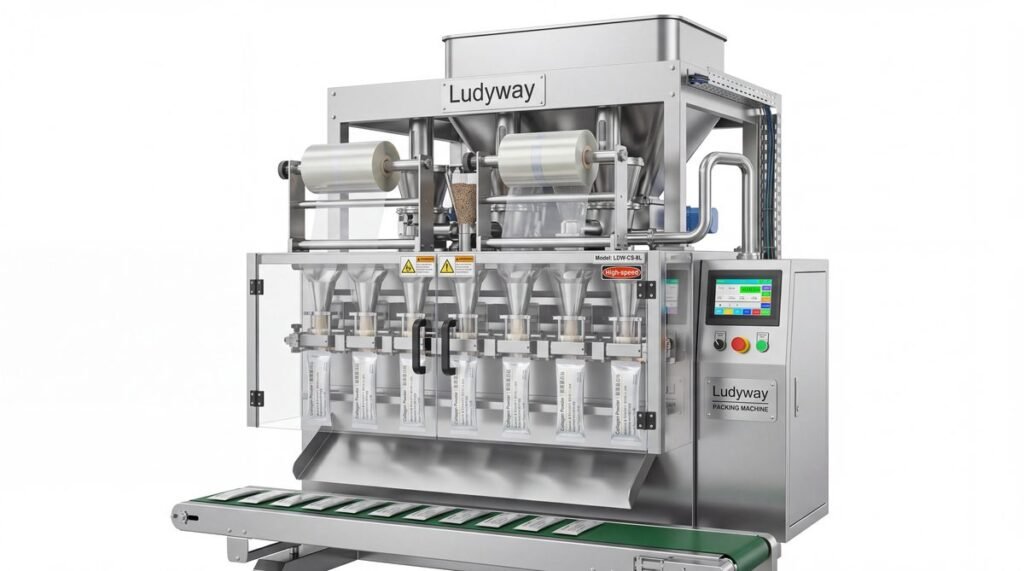
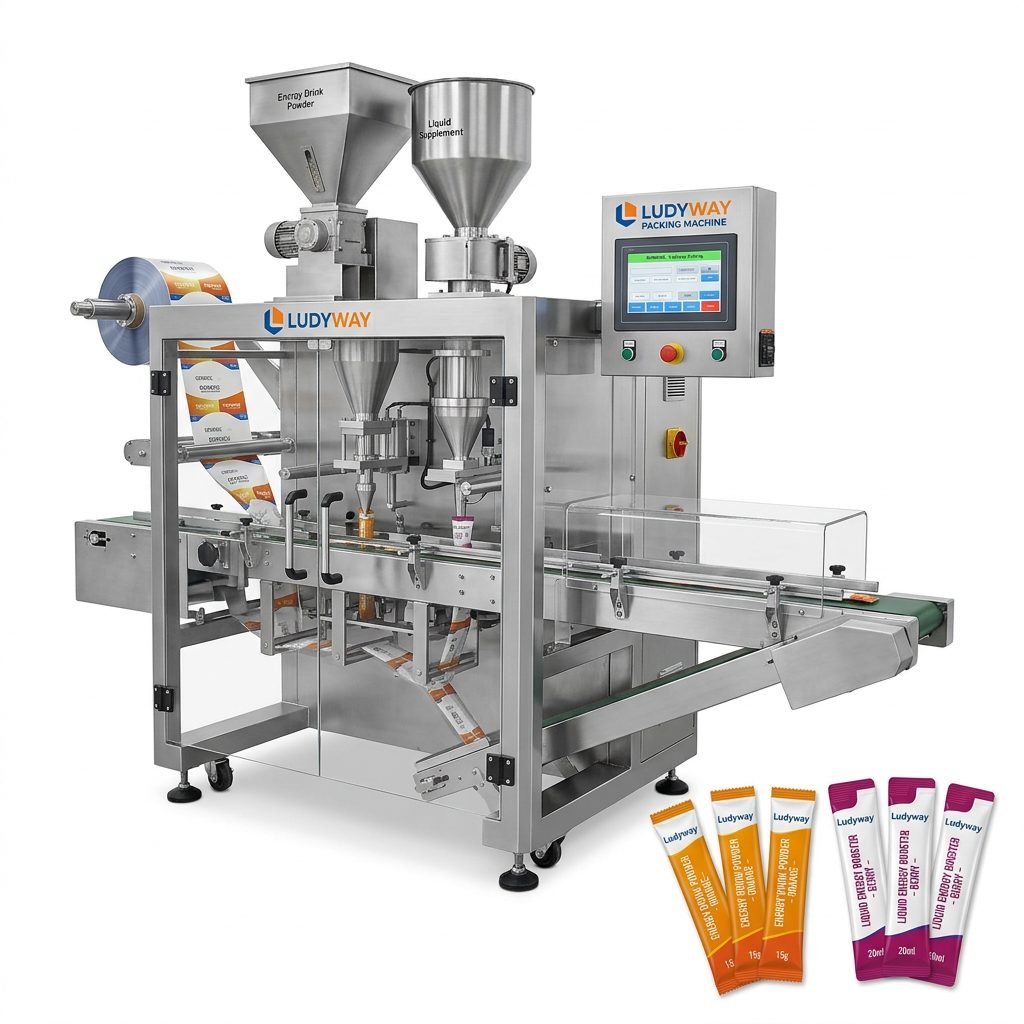
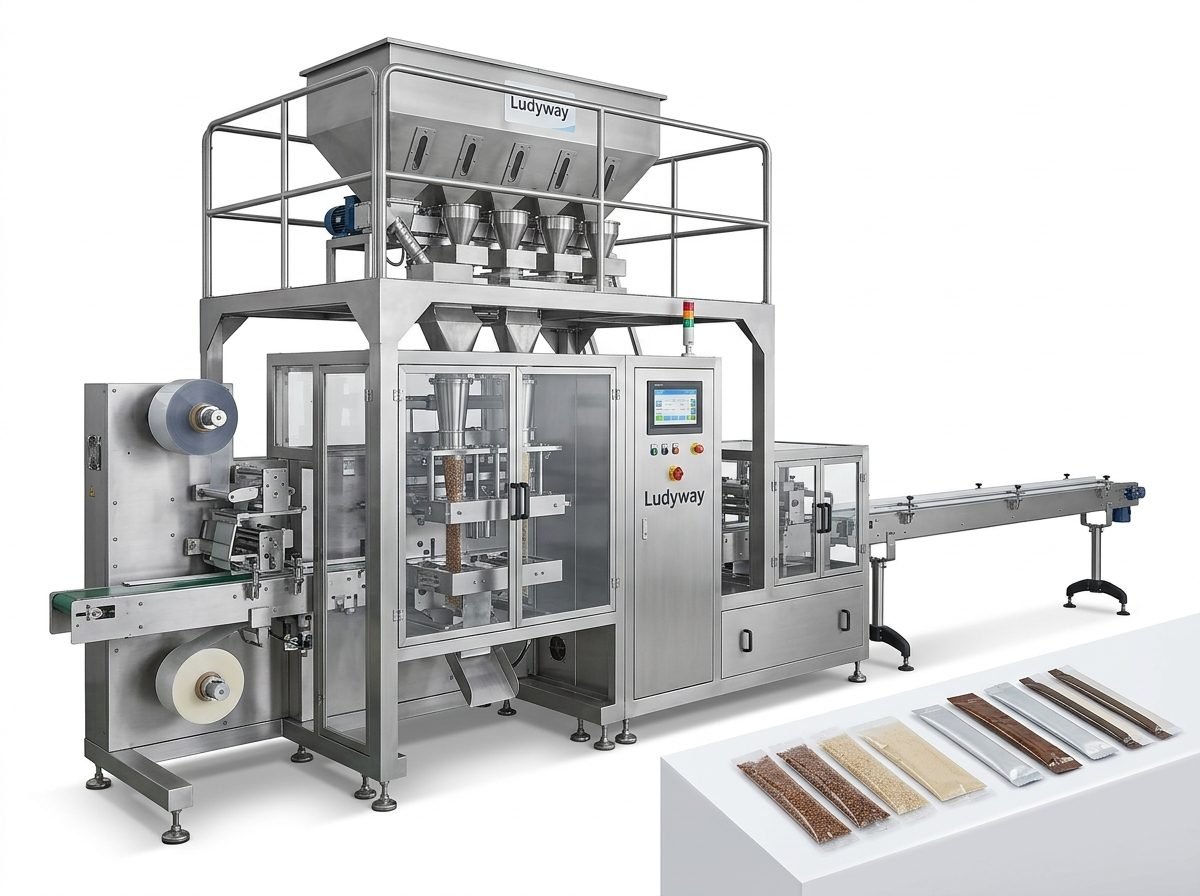
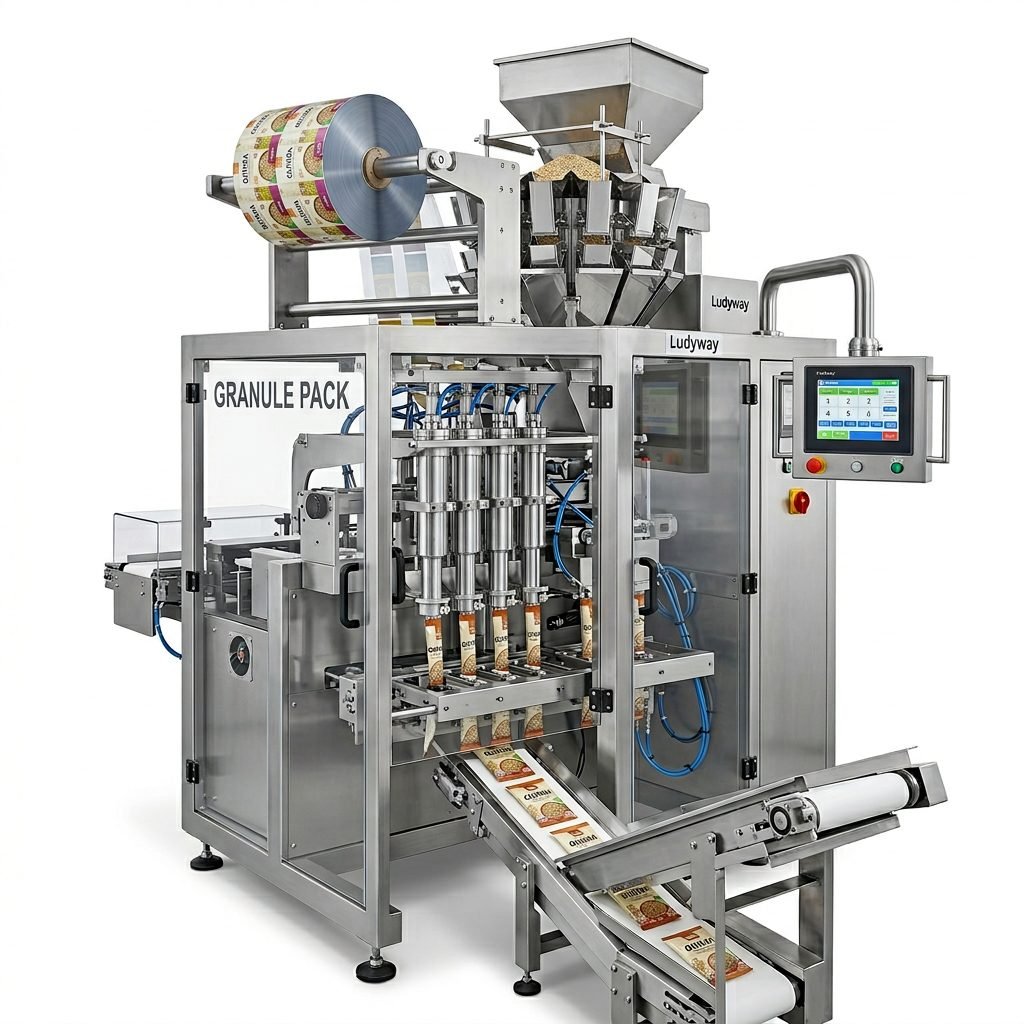
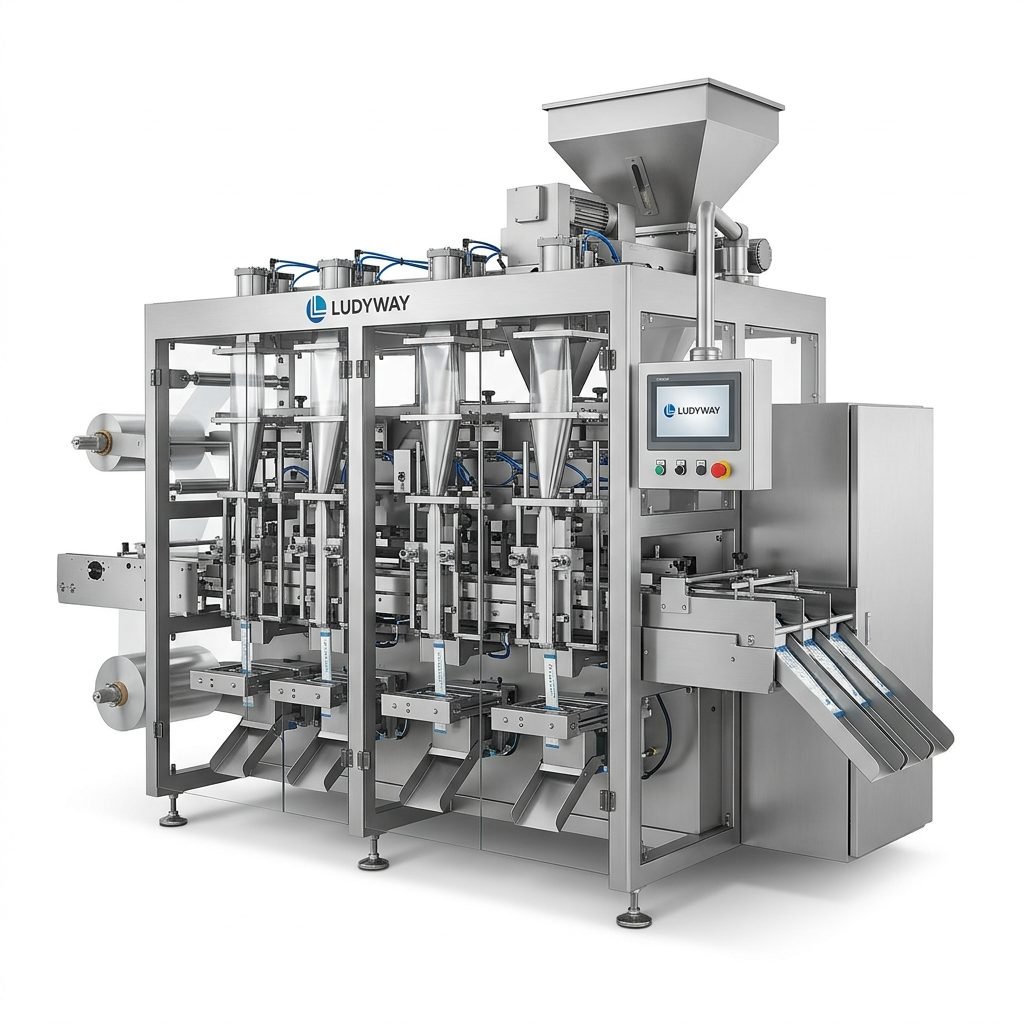
| Multi-Lane Stick Pack Machines | Single-serve sugar, instant coffee, salt | Stick packs, sachets (1g-20g) | Up to 400 packs/min |
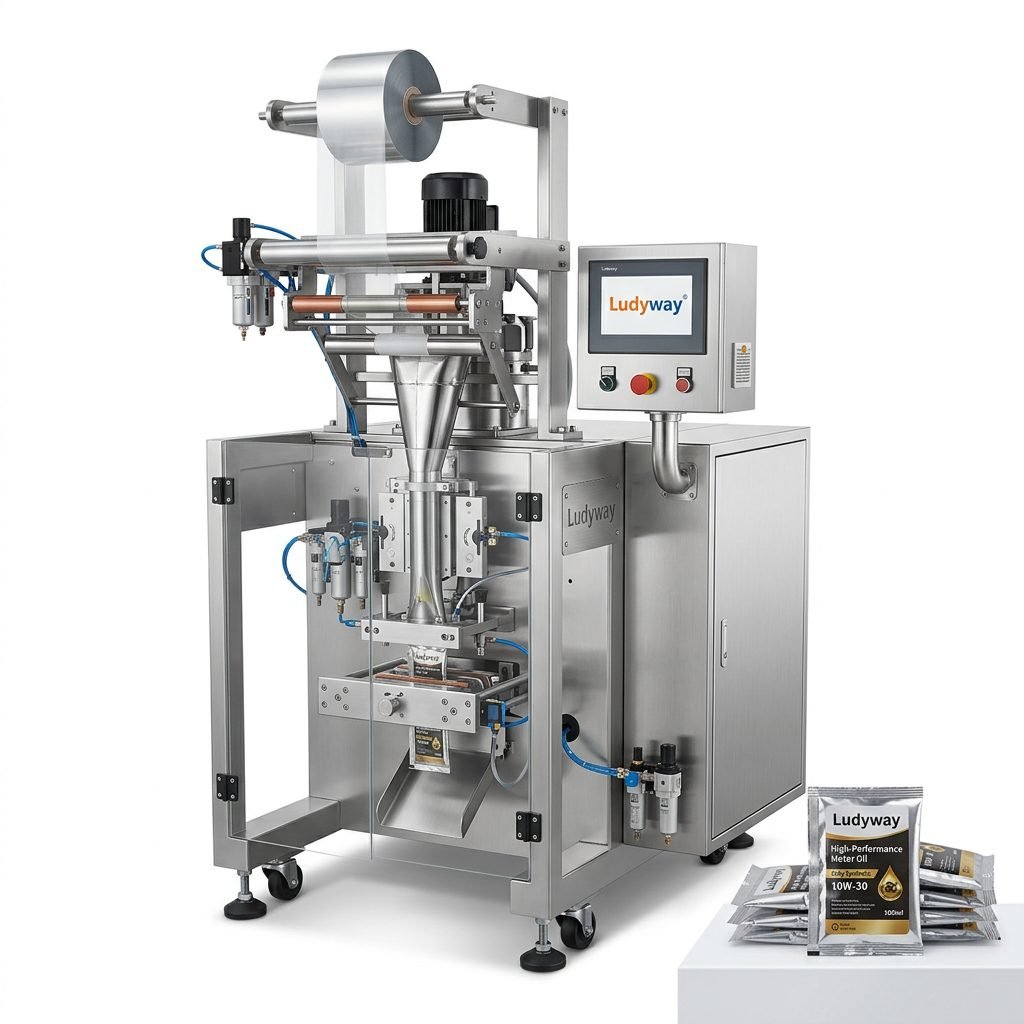
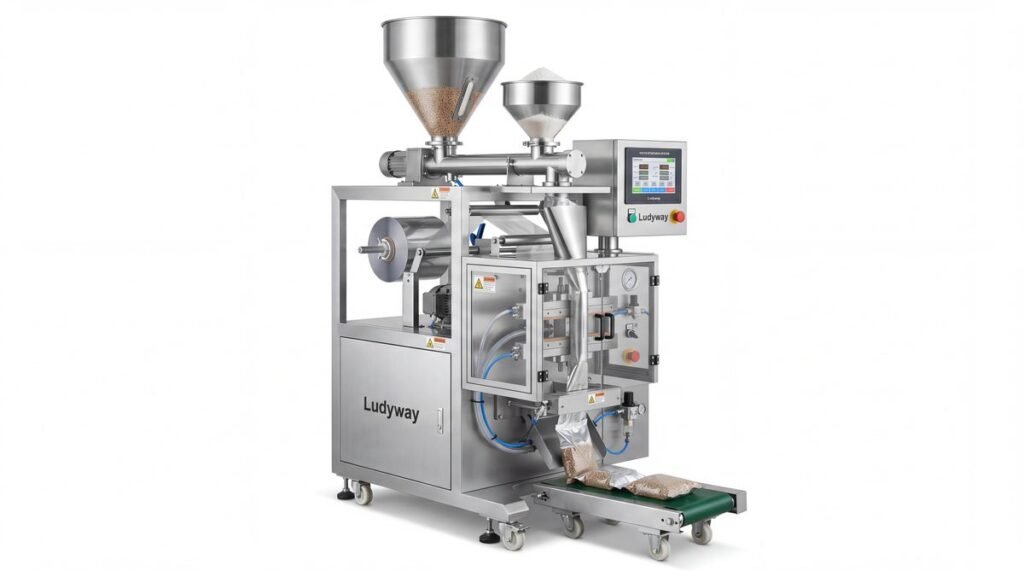
| Sachet / Pouch Packaging Lines | Flour, powdered grains, spices | 3-side seal, 4-side seal pouches | 40-180 packs/min |
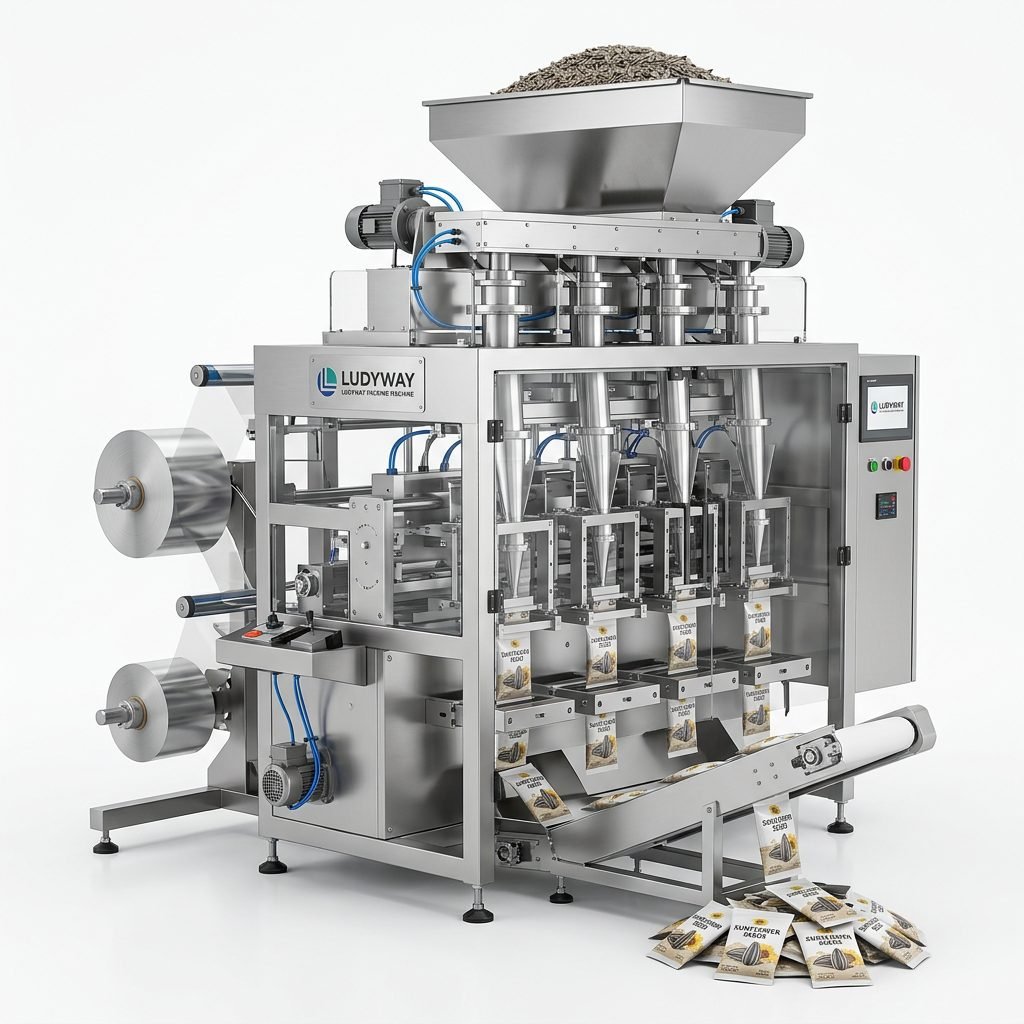
| Premade Pouch Rotary Machines | Premium rice, specialty grains, exports | Doypack, zipper pouches (250g-5kg) | 25-60 packs/min |
| Bulk Bagging Systems | Wholesale maize, animal feed, industrial grains | Open mouth bags, valve bags (5kg-50kg) | 4-15 bags/min |
Factors to Consider Before Buying a Grain Packaging Machine
1. Product Characteristics and Flowability
Grains such as rice, maize, and beans are free-flowing granules that pack easily. However, flour and powdered grains present challenges including dust generation, bridging in hoppers, and inconsistent filling. Your supplier should provide auger fillers or volumetric cup fillers suited to the product density.
2. Packaging Speed vs. Labor Costs
In many African markets, balancing automation with labor availability is crucial. Entry-level semi-automatic machines may be suitable for startups, while fully automated multi-lane systems are ideal for operations distributing to supermarket chains or export markets.
3. Power Supply and Operational Environment
Power stability varies significantly across regions in Africa. Key considerations include:
- Voltage fluctuation tolerance of the machine electronics.
- Compatibility with generator or solar backup systems.
- Dust and humidity resistance for tropical and semi-arid regions.
- Availability of local technical support or remote diagnostics.
4. Bag Material and Sealing Integrity
Humidity and temperature extremes in Africa demand high-barrier packaging films. Look for machines offering consistent heat sealing temperature control and compatibility with laminated films that protect grains from moisture and pests.
Key Advantages of Automated Grain Packaging
Investing in automated grain packaging equipment provides numerous benefits for African processors.
- Precise Weight Accuracy: Reduces product giveaway and ensures regulatory compliance.
- Extended Shelf Life: Nitrogen flushing and hermetic sealing protect against spoilage.
- Brand Enhancement: Consistent, high-quality packaging attracts premium retail customers.
- Scalability: Modular lines can expand from 1,000 to 10,000 packs per hour.
- Data Tracking: Modern systems record production data for inventory and quality control.
Selecting a Reliable Supplier for Africa
When sourcing grain packaging machines, prioritize manufacturers with proven experience in African installations. Look for turnkey packaging line capabilities covering feeding, weighing, filling, sealing, coding, and cartoning. A reliable partner should provide remote technical support, operator training, and quick spare parts dispatch to minimize downtime. Ludyway, one of the largest packaging machine manufacturers in China, has served customers in over 100 countries and regions, offering advanced granule packaging systems backed by a 20,000㎡ manufacturing facility and more than 30 years of industry experience.
Key Questions to Ask Potential Suppliers
- Do you have reference installations in Africa operating on unstable power grids?
- What spare parts and after-sales service agreements are available?
- Can the machine handle multiple grain types and bag sizes?
- Is remote training and video-based troubleshooting provided?
Recommended Packaging Line Configurations
Small-Scale Millers and Startups
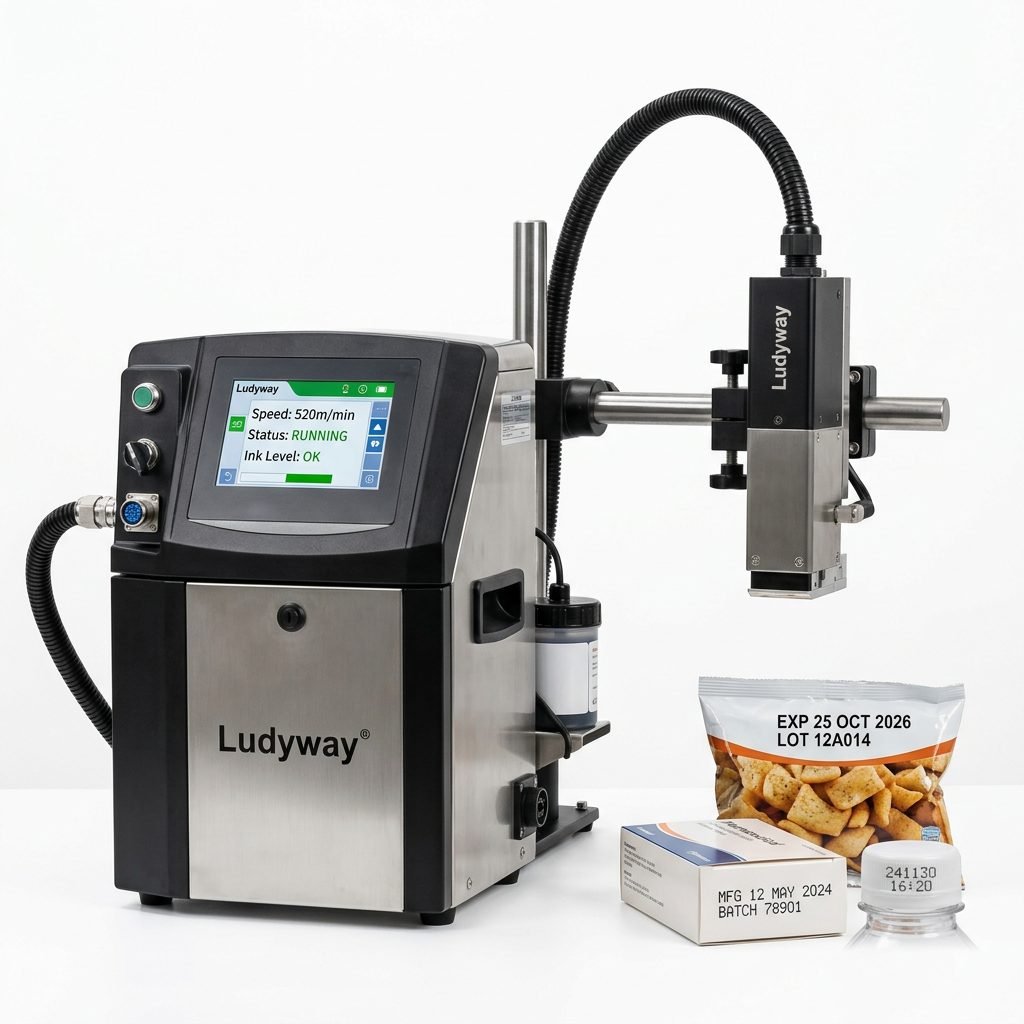
A compact vertical form fill seal sachet line with a volumetric cup filler and basic date printer is often sufficient for entry into the packaged grains market. Throughput of 30-60 packs per minute for 500g-1kg packs is typical.
Mid-Size Regional Processors
A multi-lane stick pack or sachet line combined with a multi-head weigher provides greater speed and accuracy. These lines can output 80-150 packs per minute and are suitable for supplying urban retail chains.
Large Export-Oriented Mills
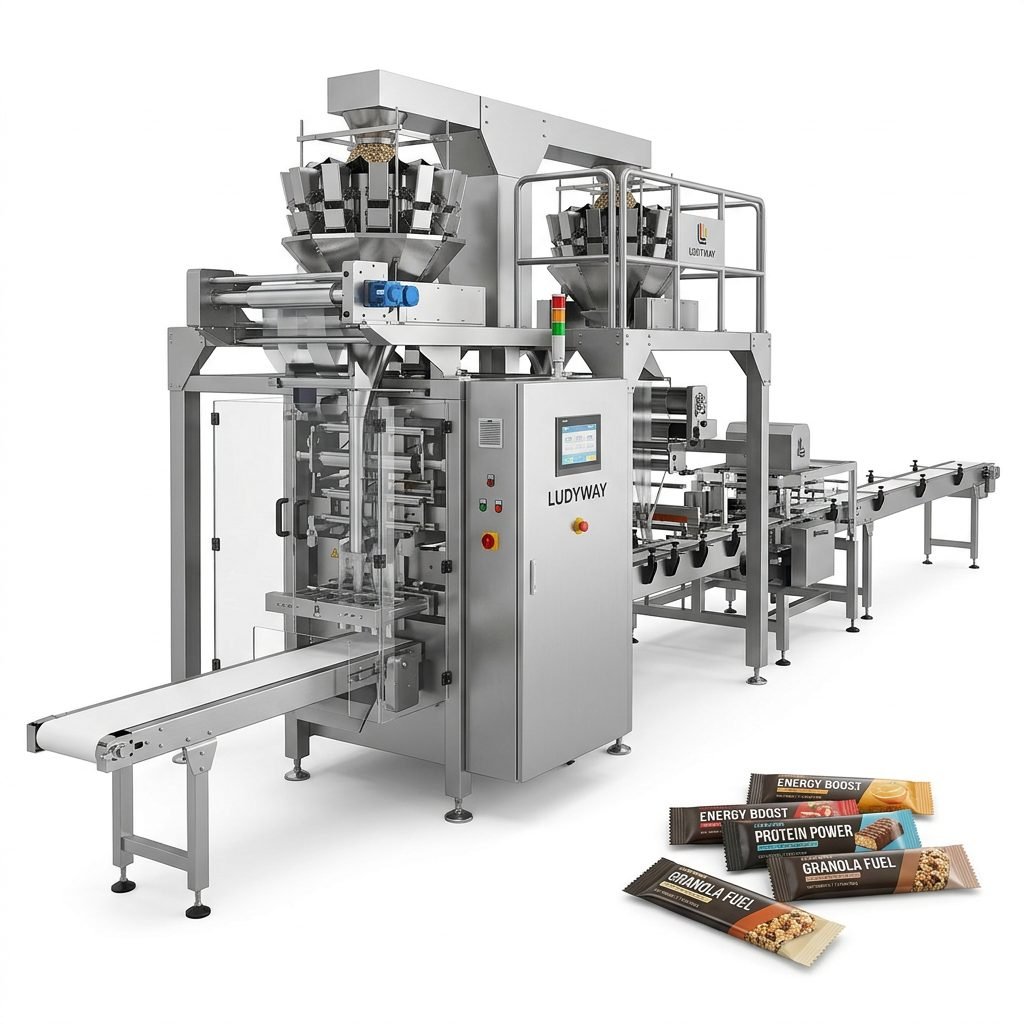
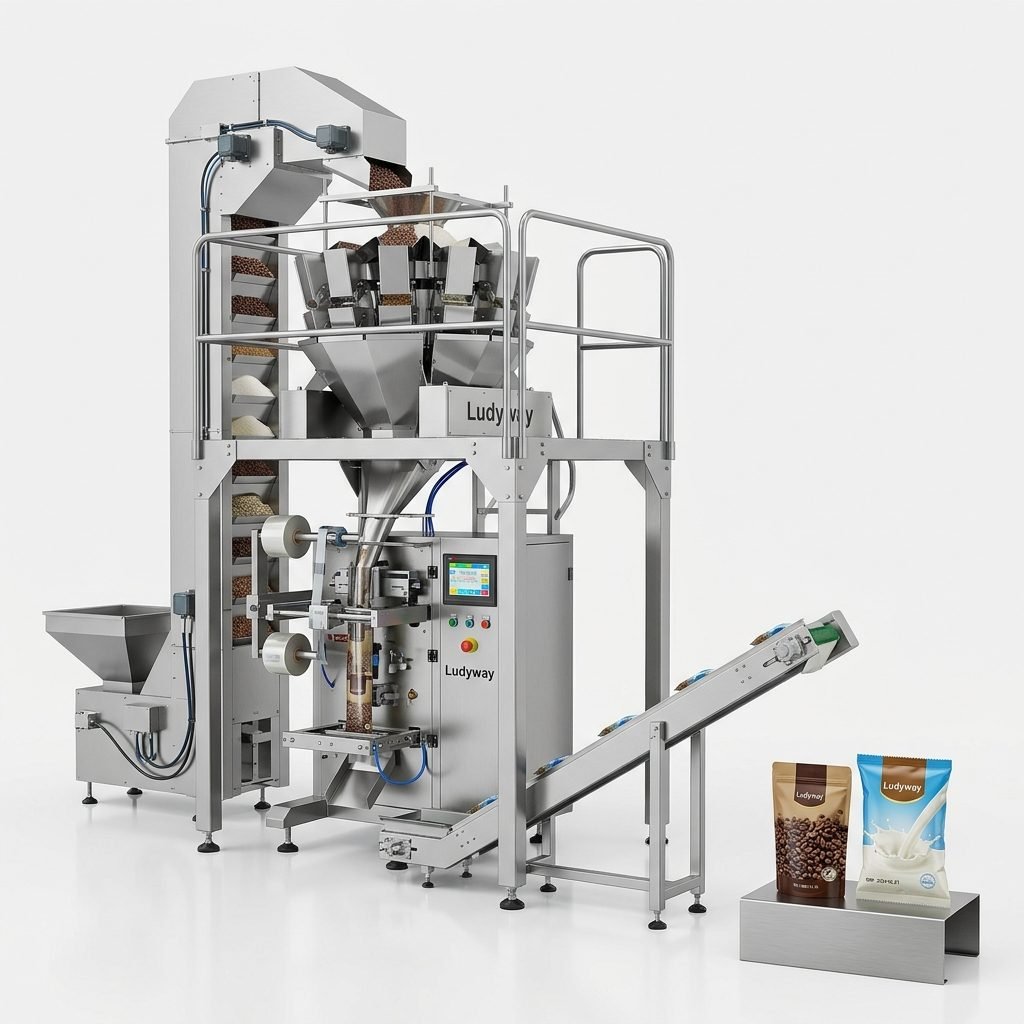
Fully integrated turnkey packaging lines including bucket elevators, multi-head weighers, premade pouch rotary fillers, checkweighers, metal detectors, and case packing systems. Output can exceed 200 packs per minute with minimal operator intervention.
Maintenance and Operational Sustainability
Regular preventative maintenance is essential for packaging machinery longevity in African conditions. Dusty environments require daily cleaning of sensors and seals. Scheduled lubrication of moving parts and inspection of electrical connections should be performed weekly. Partnering with a supplier that offers comprehensive maintenance training ensures your team can handle routine servicing independently, reducing reliance on external technicians.
Future Trends in African Grain Packaging
- Sustainable Materials: Growing demand for recyclable and biodegradable packaging films.
- Smart Packaging Integration: QR codes and NFC tags for traceability and brand engagement.
- Compact Modular Systems: Smaller footprint machines designed for urban production facilities.
- Digital Service Platforms: Predictive maintenance alerts and remote diagnostics reduce downtime.
Choosing the right grain packaging machine in Africa involves careful evaluation of your product characteristics, market requirements, infrastructure conditions, and long-term growth plans. By selecting robust equipment designed for local conditions—and backed by responsive technical support—agro-processors across the continent can improve product quality, increase profitability, and expand their market reach significantly.