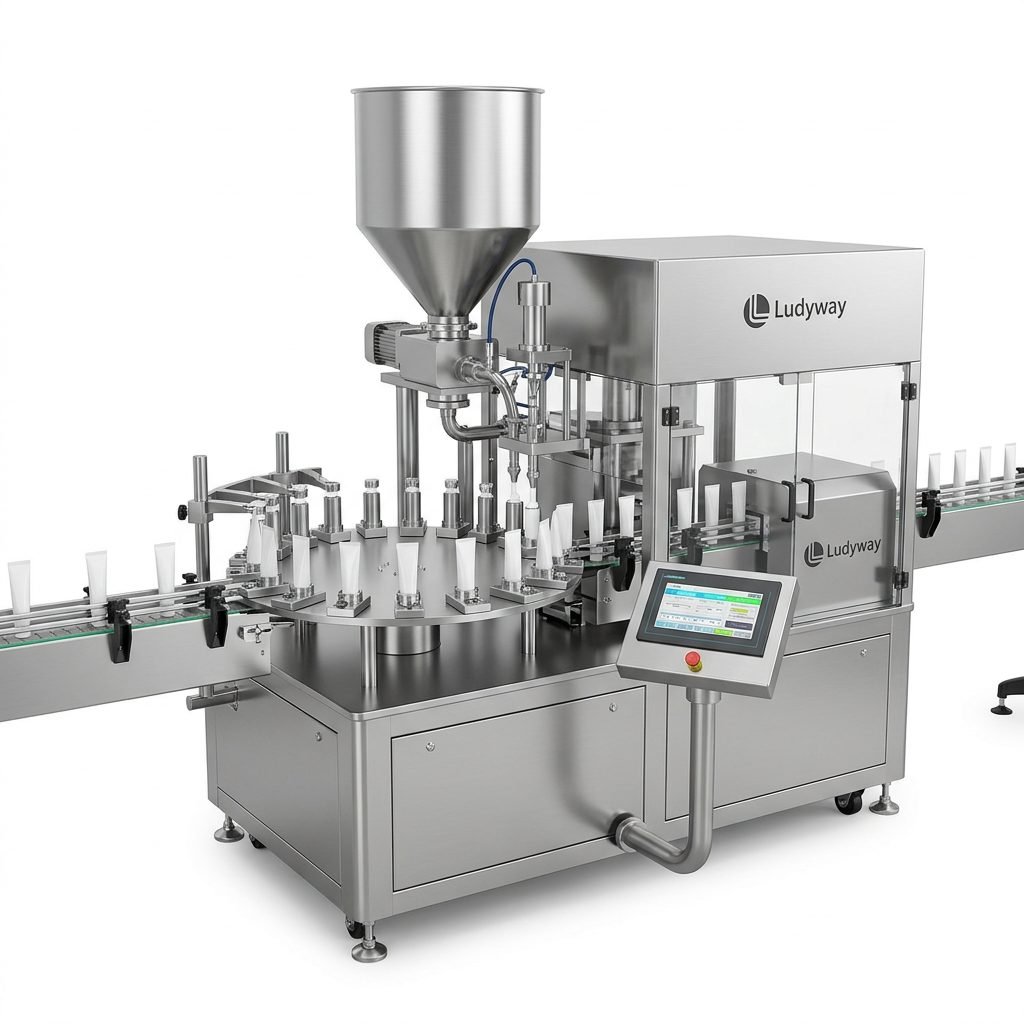
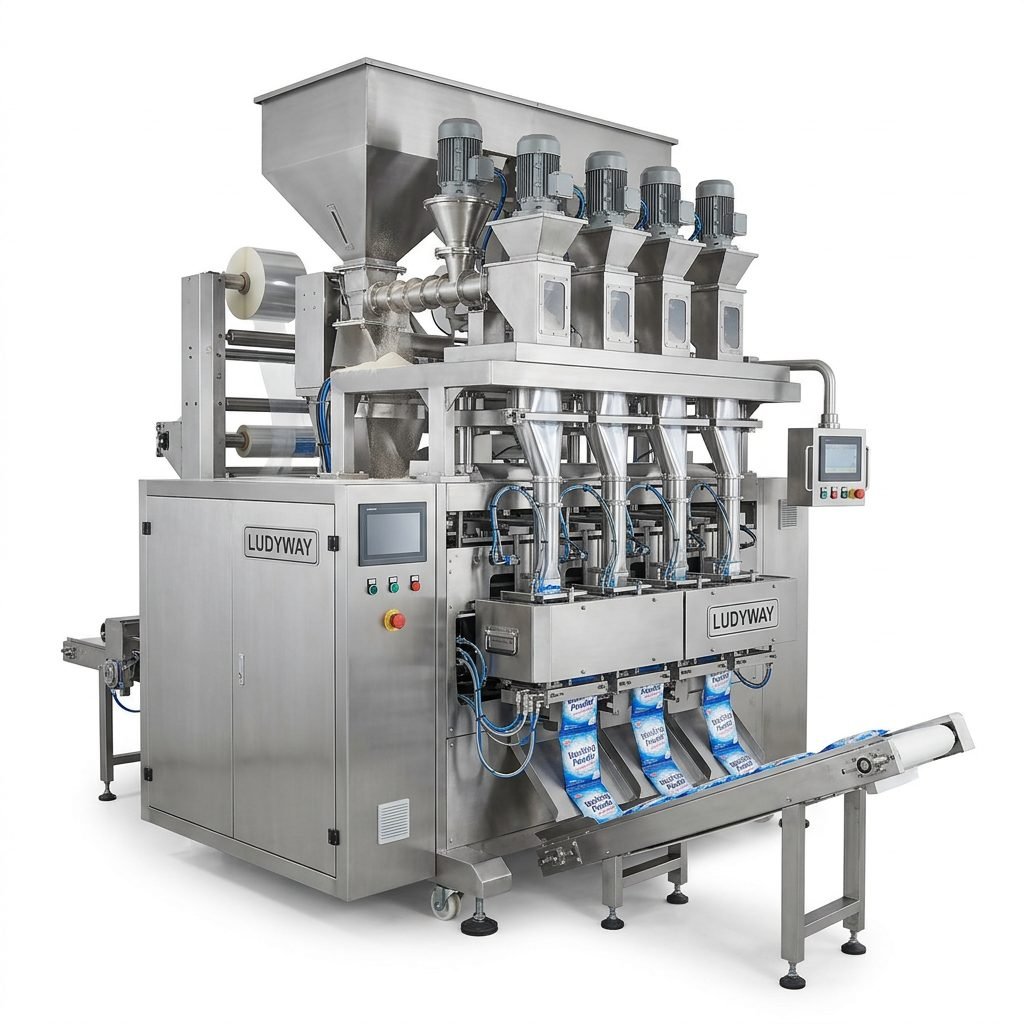
Investing in the right food packaging machine in South America is a strategic decision that directly impacts your production efficiency, product shelf life, and brand reputation. Whether you are packing coffee in Colombia, quinoa in Peru, or dried fruits in Chile, the diverse climate and growing consumer demand require equipment that is robust, flexible, and compliant with international standards. This guide walks you through the essential factors to consider before making a purchase.
Understanding the South American Food Packaging Landscape
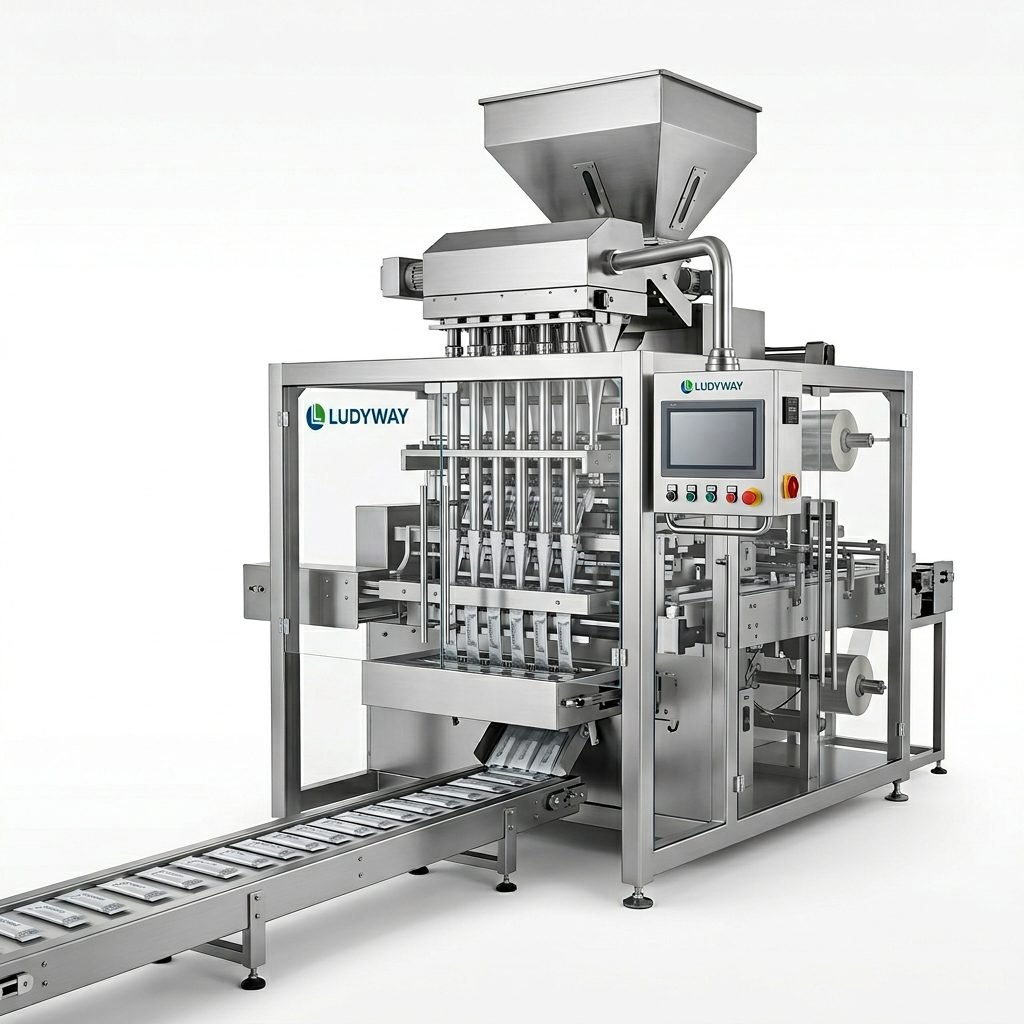
The South American food processing market is rapidly evolving, driven by urbanization and a shift towards convenient, portion-controlled packaging. From stick packs for instant coffee to sachets for sauces, the demand for flexible packaging solutions is skyrocketing. However, the region presents unique challenges, including varying humidity levels and specific import regulations. Therefore, selecting a packaging machine manufacturer with global expertise and local support is crucial.
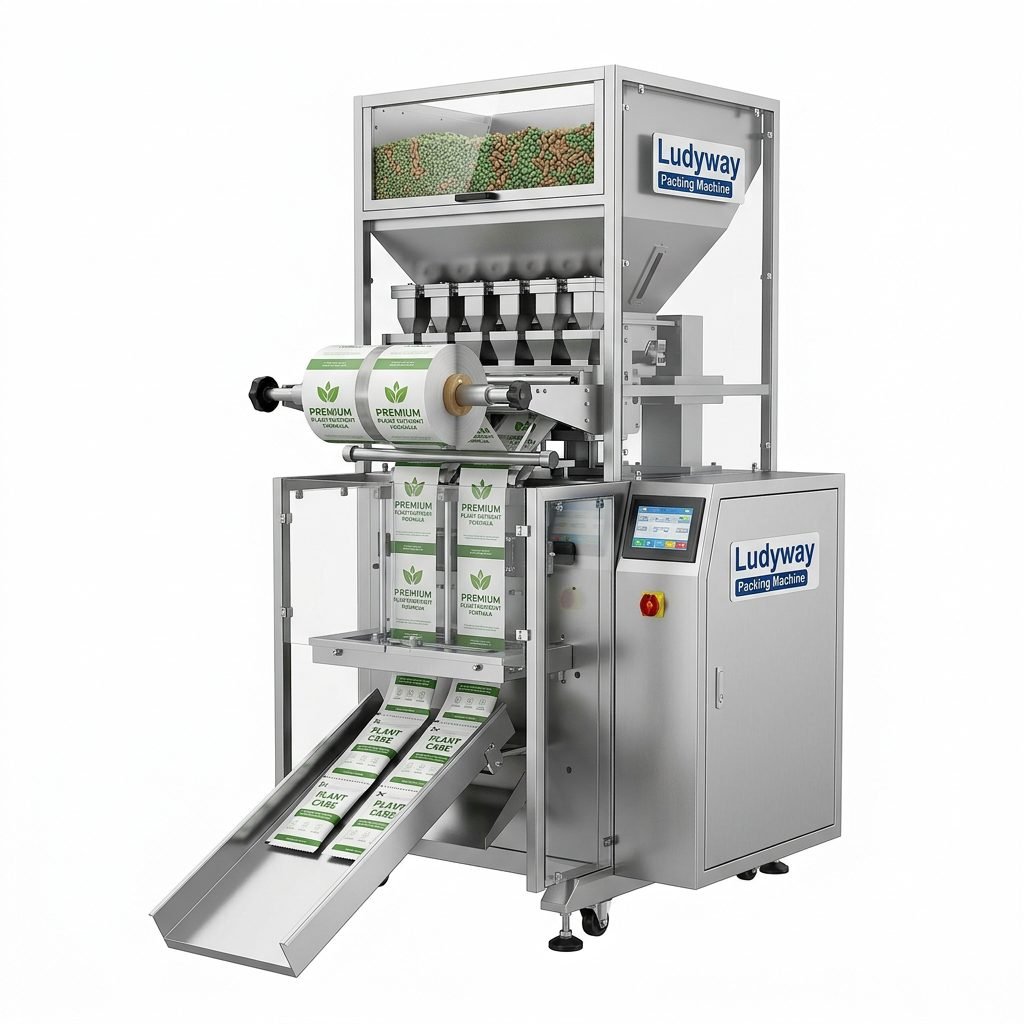
Key Food Packaging Machine Types for the Region
Before diving into technical specs, it’s vital to identify the specific machine type that fits your product. Below is a breakdown of the most common technologies serving the Latin American food industry.
| Machine Type | Best For | Key Advantage |
|---|---|---|
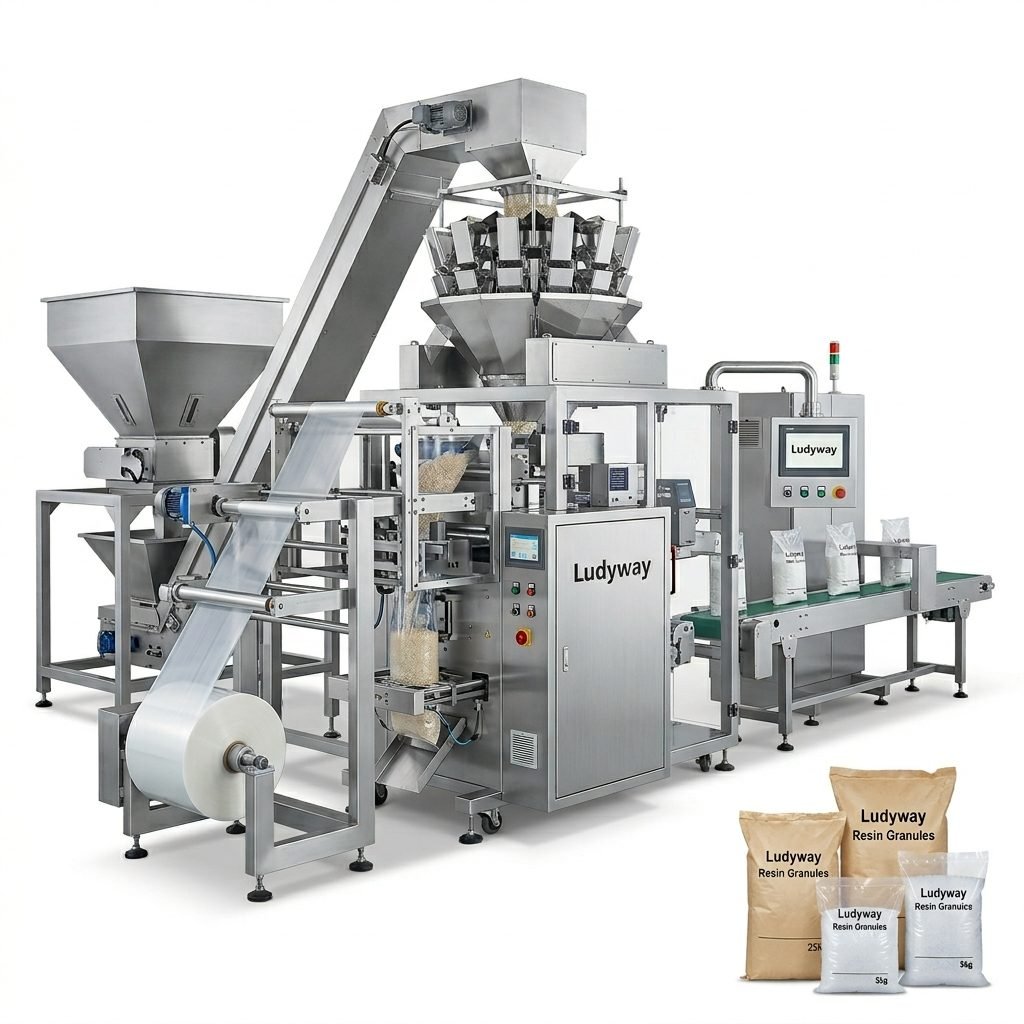
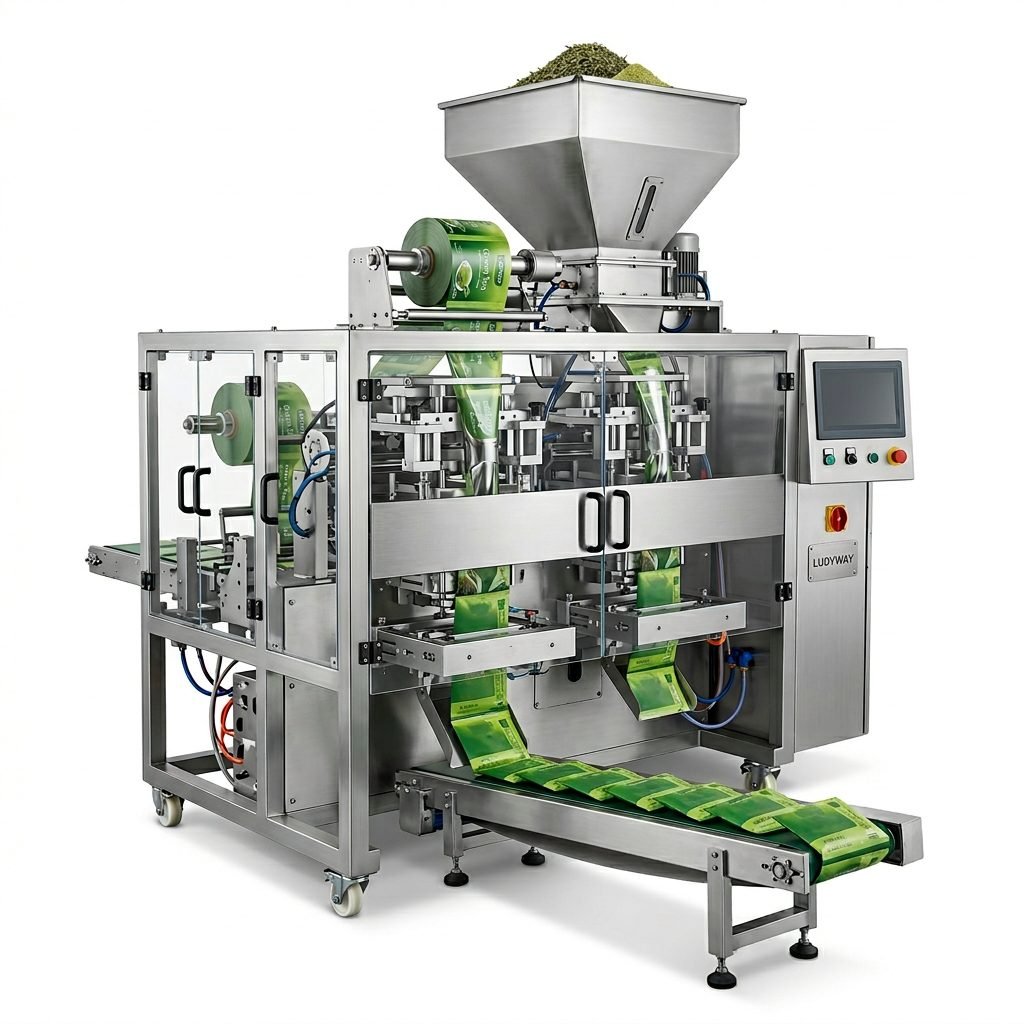
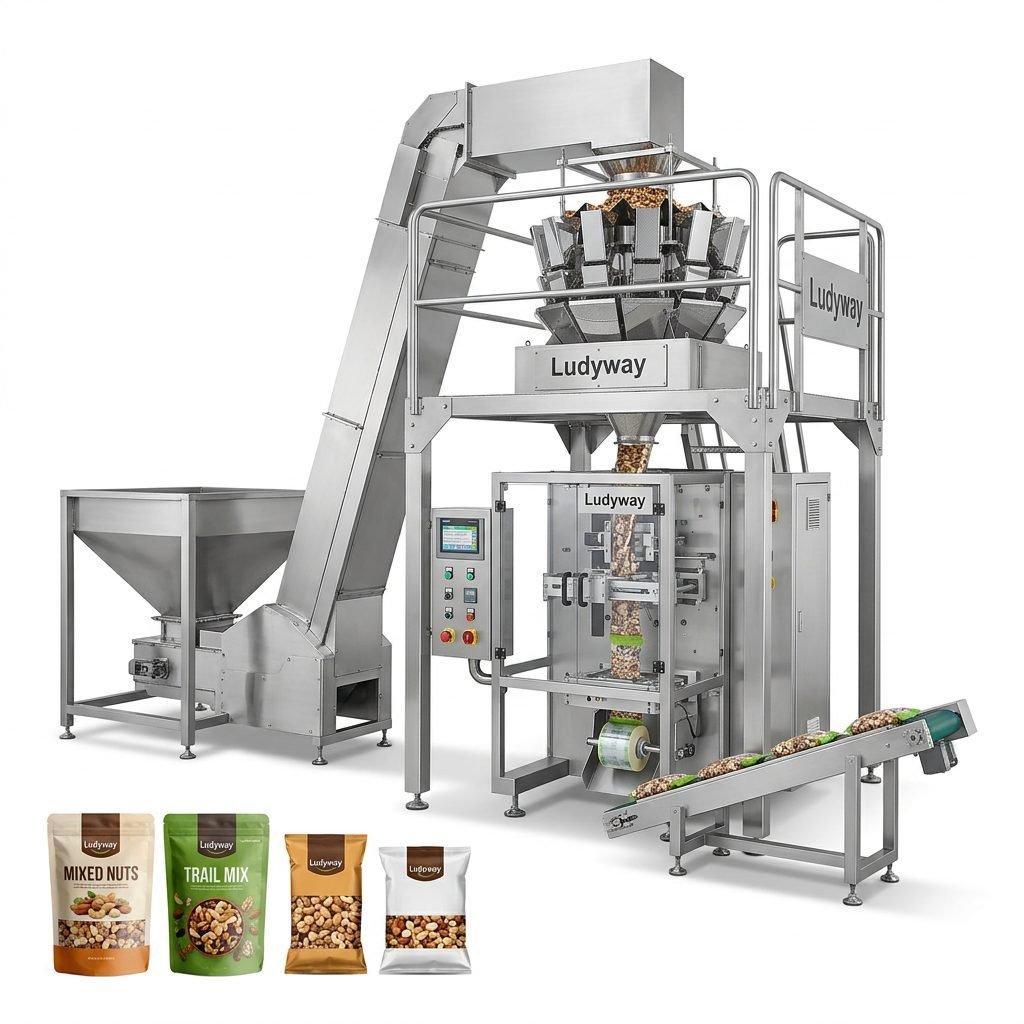
| Vertical Form Fill Seal (VFFS) | Coffee, sugar, grains, snacks | High-speed pillow bag production |
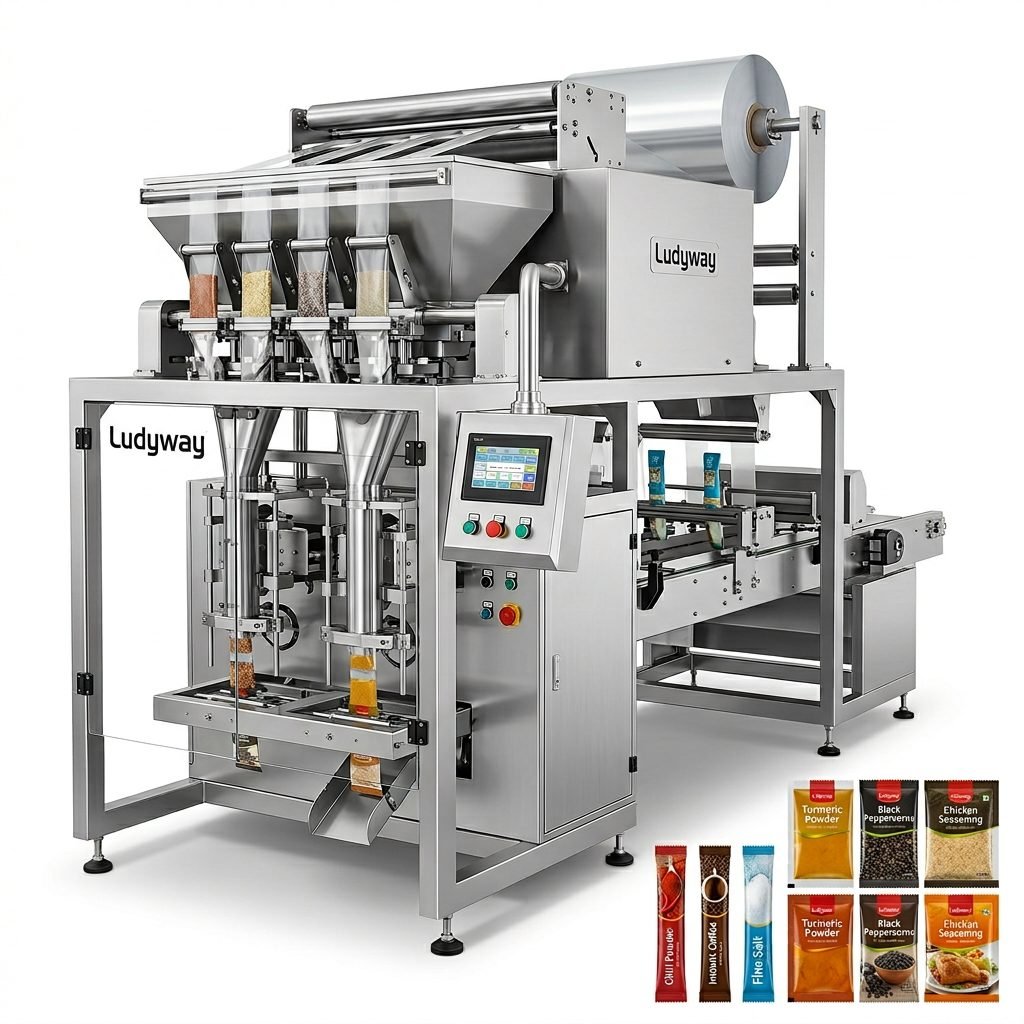
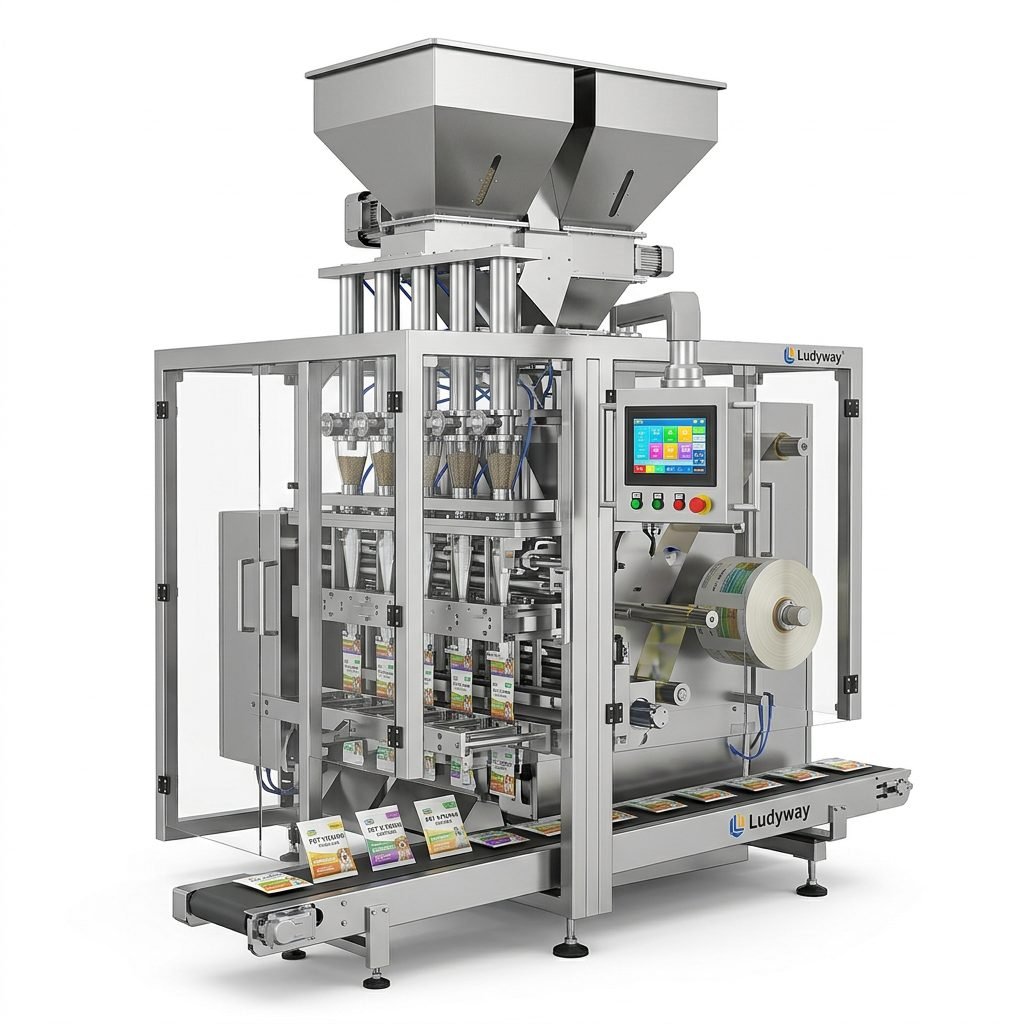
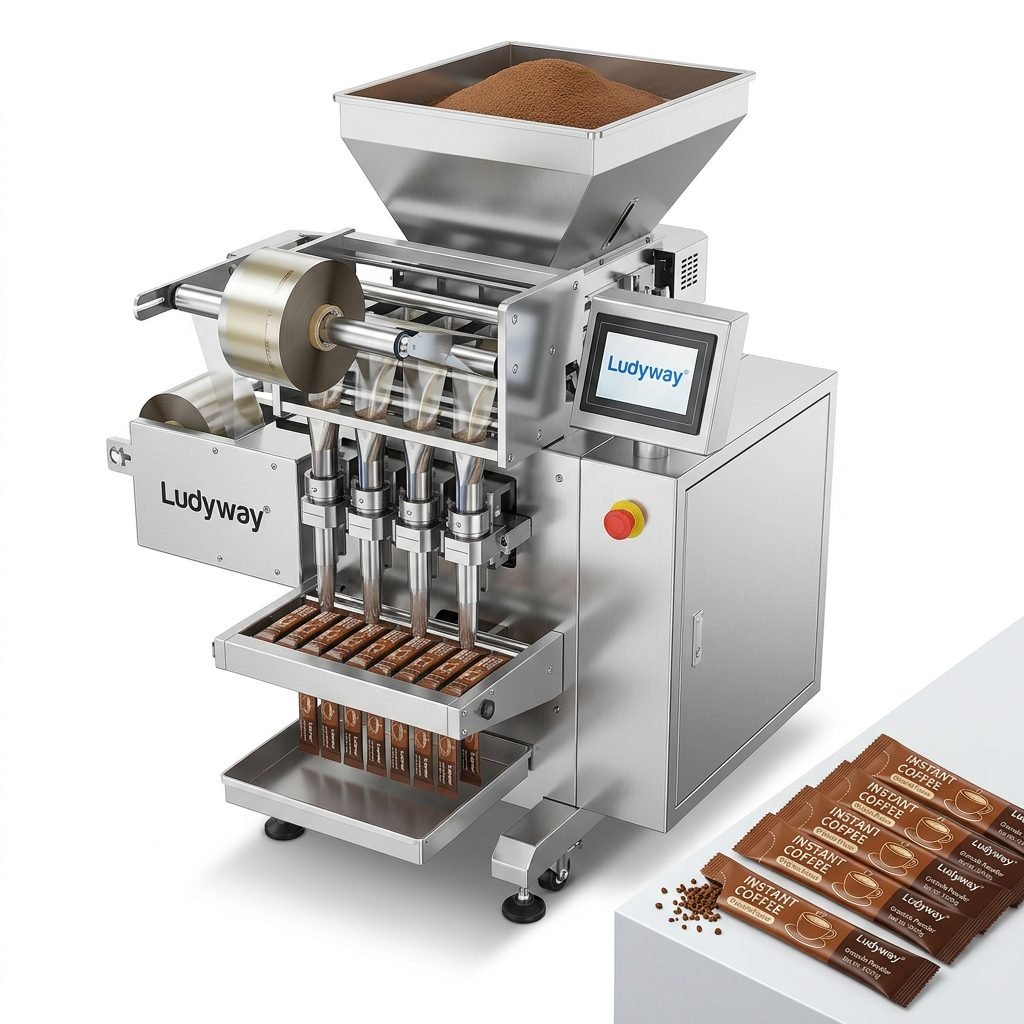
| Multi-Lane Stick Pack Machines | Instant drinks, sugar, salt, supplements | Ultra-high output for small portions |
| Pre-made Pouch Fill & Seal | Nuts, dried fruit, pet food | Premium look with zipper capabilities |
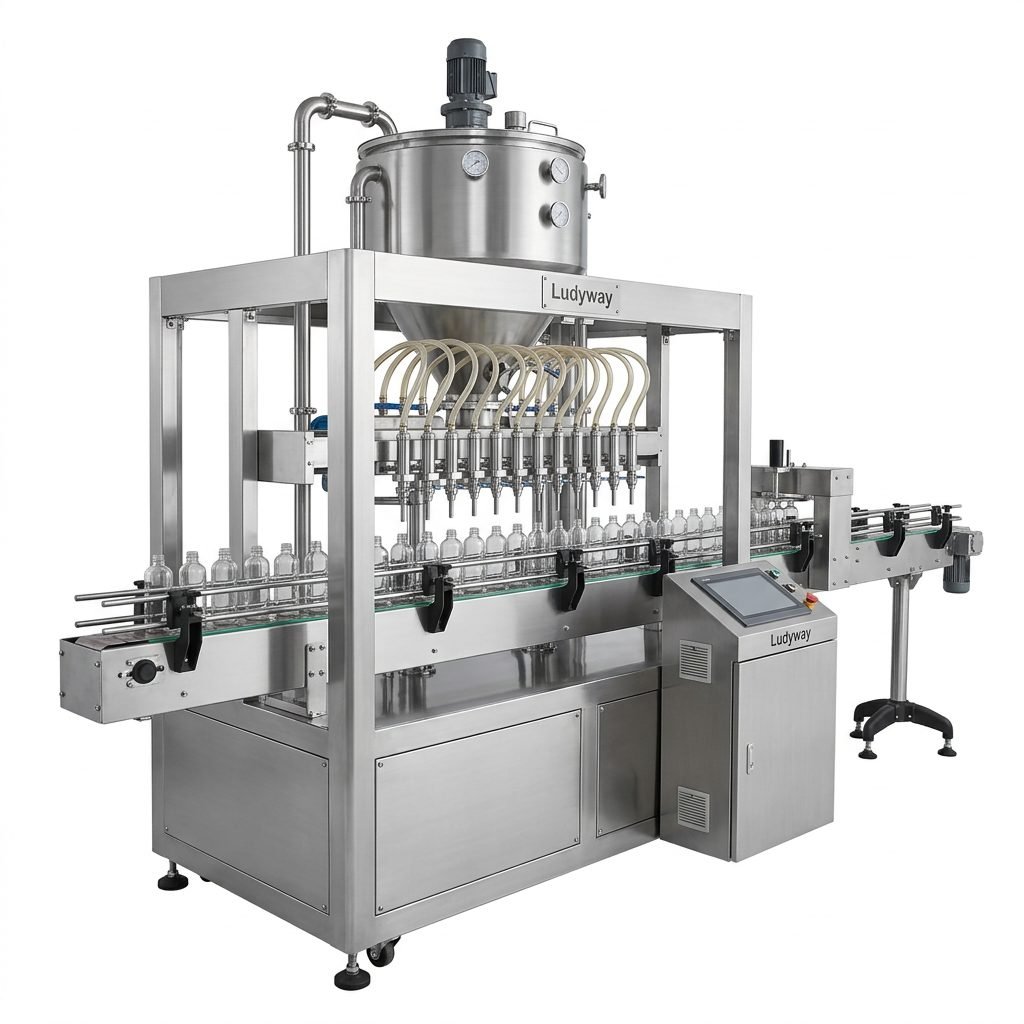
| Liquid Filling & Sealing | Sauces, honey, coconut oil | Precise volumetric filling for sachets |
Evaluating Material Compatibility
South American producers often work with laminated films to protect against moisture. Ensure your chosen packaging equipment can handle the specific thickness and structure of your packaging material, whether it’s BOPP, PET/AL/PE, or biodegradable films. The sealing temperature and pressure must be precisely adjustable to avoid leaks in hot and humid coastal regions.
Critical Factors for Selecting Equipment
To maximize your return on investment, you must look beyond the initial price tag. Here are the top considerations for buyers in the South American market:
- Production Speed and Output: How many packs per minute (ppm) do you truly need? A multi-lane machine can significantly boost output for high-demand products like sugar and instant coffee.
- Automation Level: From semi-automatic to fully automatic lines with robotic palletizing, assess your labor costs and available technical skills.
- Changeover Flexibility: If your plant co-packs multiple products, quick tool-less changeover is essential to minimize downtime.
- Durability and Construction: Machines should be built with stainless steel frames and food-grade components to withstand aggressive cleaning routines.
- After-Sales Support: Look for partners offering remote diagnostics, local spare parts, and multilingual service teams to serve the Latin American region.
Navigating Local Regulations and Standards
Compliance with ANVISA (Brazil) or MERCOSUR standards is non-negotiable. Your packaging line must facilitate sanitary processes and provide data integrity for traceability. Additionally, electrical requirements often differ (e.g., 220V/60Hz in many South American countries), so confirming the motor specifications is a must.
Spotlight on Granule and Powder Packaging Solutions
For staple products like sugar, salt, flour, and powdered milk, the packaging format plays a huge role in consumer acceptance. Below is a comparison of popular formats:
| Product Format | Recommended Machine | Market Trend |
|---|---|---|
| Single-Serve Sugar | Multi-Lane Stick Pack | High volume, HoReCa channels |
| Family Size Flour | VFFS with Auger Filler | Steady demand in retail |
| Instant Coffee | High-Speed Multi-Lane | Growing export opportunity |
The Importance of Turnkey Production Lines
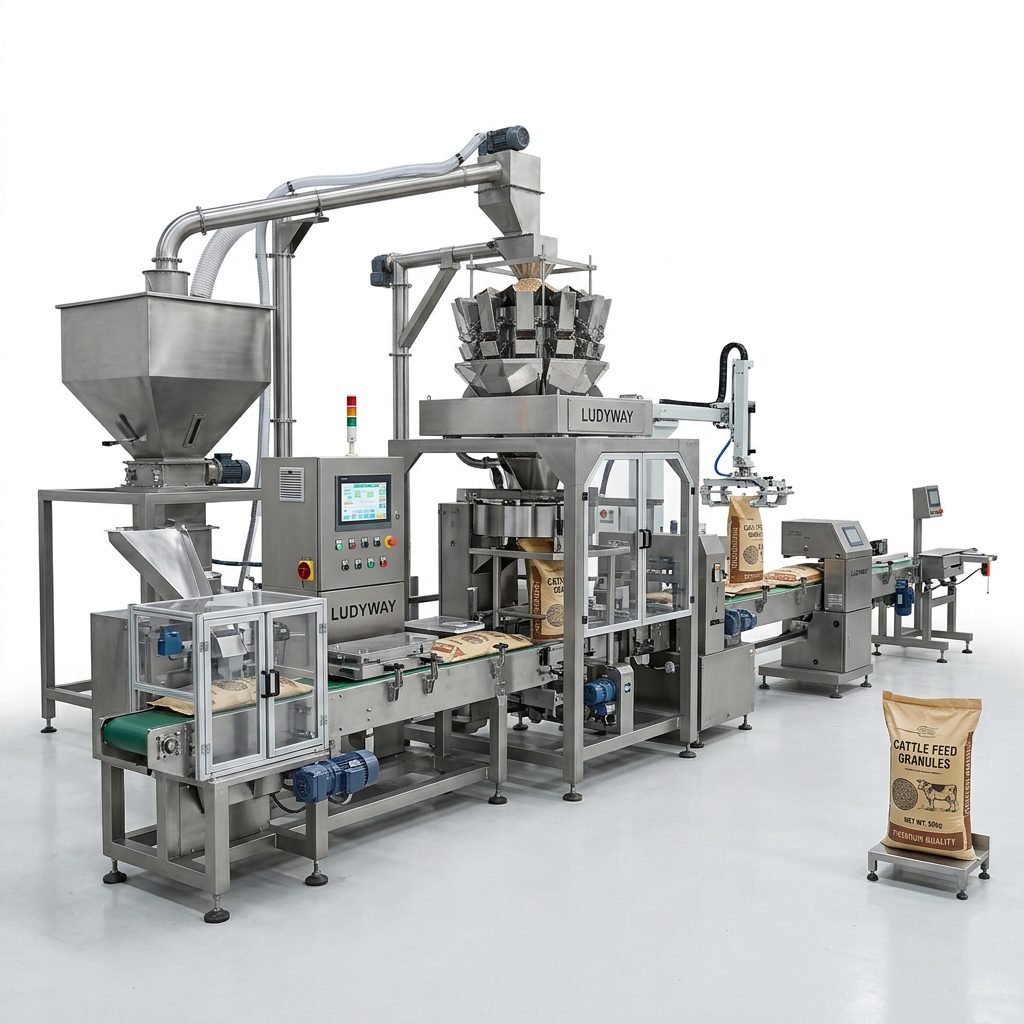
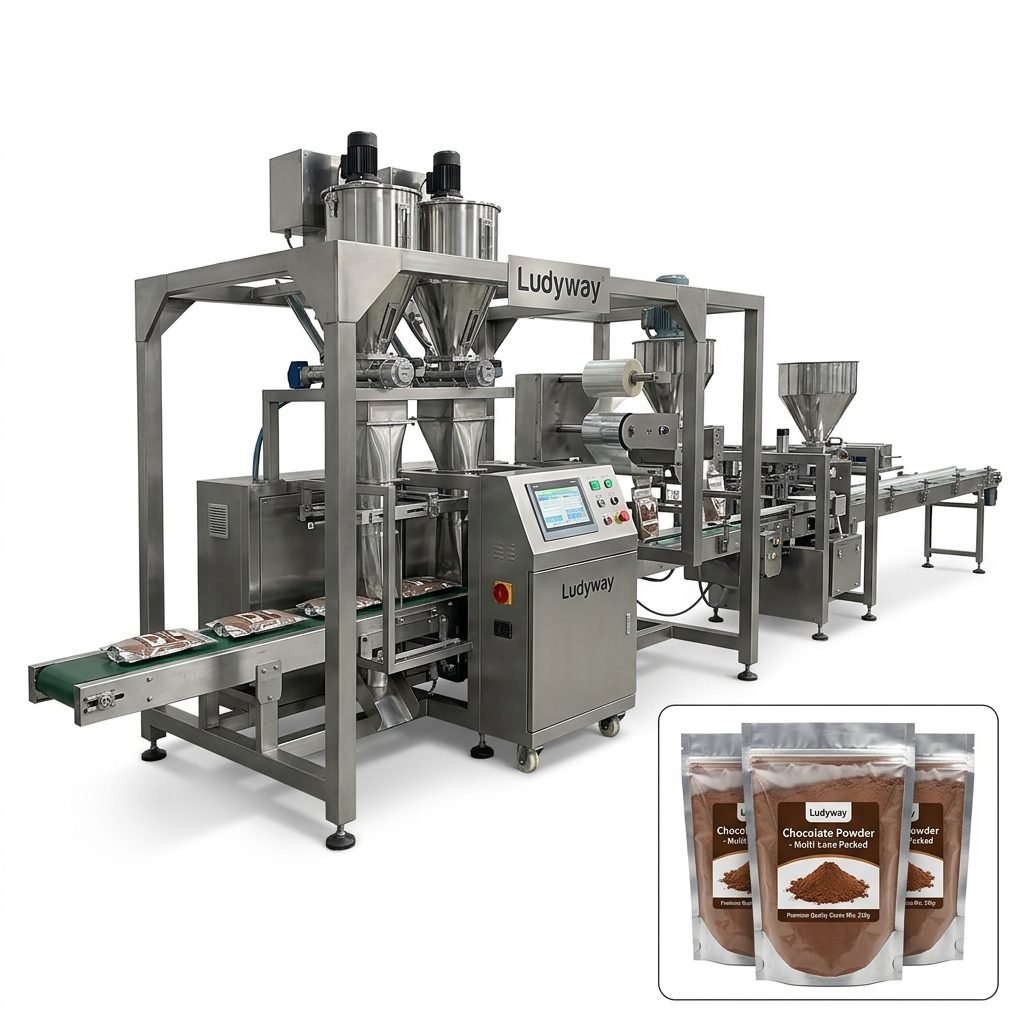
Rather than sourcing a standalone machine, many South American food companies are opting for turnkey packaging solutions. These integrated systems handle feeding, weighing, filling, sealing, coding, and final cartoning seamlessly. This approach reduces integration risks and ensures a single point of accountability, which is vital if you are scaling up production for international export.
Why Choose a Specialized Manufacturer for Your Line?
Selecting the right industrial partner is as important as selecting the hardware. A manufacturer with deep experience in the food, pharmaceutical, and health industries brings value beyond the sale. For instance, Ludyway supports a modern 20,000㎡ facility and specializes in advanced packaging equipment for granule, powder, liquid, and pouch applications, providing reliable and efficient systems to clients in over 100 countries. When evaluating suppliers, always prioritize those offering extensive internal manufacturing capabilities and customization.
Servo-Driven vs. Mechanical Machines
Modern food packaging relies heavily on servo-driven technology. Unlike traditional mechanical machines, servo motors offer precise control over film tension and seal timing. This is particularly important for handling delicate materials or achieving ultra-long shelf life for snacks and baked goods in high-altitude regions of the Andes.
Integrating Ancillary Equipment
A successful packaging line doesn’t end with the primary wrapper. You’ll need to consider ancillary systems to round out your production:
- Multihead Weighers: For accurate distribution of dry foods like nuts and grains.
- Checkweighers and Metal Detectors: Critical for export compliance and quality assurance.
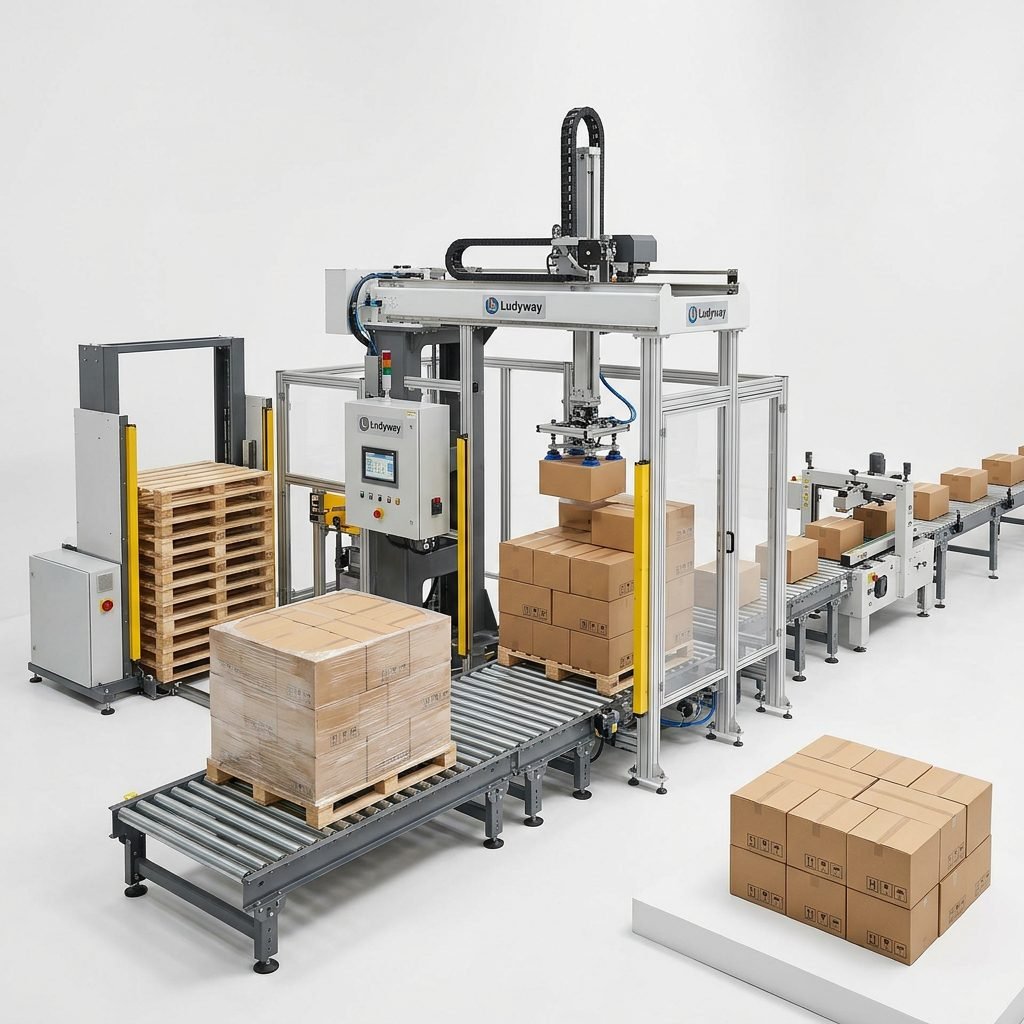
- End-of-Line Automation: Automated palletizing systems and stretch wrappers reduce labor dependency.
- Date Coding Machines: For batch tracking and expiry labeling.
Preparing Your Facility for Installation
Before the machine arrives, ensure your manufacturing floor has the correct utility hookups. This includes checking compressed air quality (vital for pneumatic actuators), stable electrical grounding, and adequate dust extraction. In tropical climates, you might also need a chiller unit to keep sealing jaws cool for consistent performance.
Total Cost of Ownership
When budgeting, don’t just look at the invoice. Calculate the total cost of ownership (TCO) over 5 to 10 years. This includes:
- Availability of wear-spare parts.
- Energy consumption per pack.
- Film waste rates during startup.
- Expected maintenance labor.
A slightly higher upfront investment often yields a drastically lower TCO in high-volume environments.
Final Checklist: Connecting with a Supplier
Once you are ready to engage, ensure you provide the following details to your packaging machine partner to get an accurate quotation:
- Product characteristics (density, flowability, particle size).
- Target bag dimensions and film specification.
- Desired output in packs per minute.
- Site voltage and altitude above sea level.
- Packaging room layout.
Sealing the Deal
Selecting the right South America food packaging machine empowers your brand to compete globally. By focusing on the specific demands of your product, the harshness of local logistics, and the engineering quality of the equipment, you can build a high-efficiency line that delivers growth for decades. Conduct thorough research, visit factories if possible, and partner with a manufacturer that acts as an extension of your team.