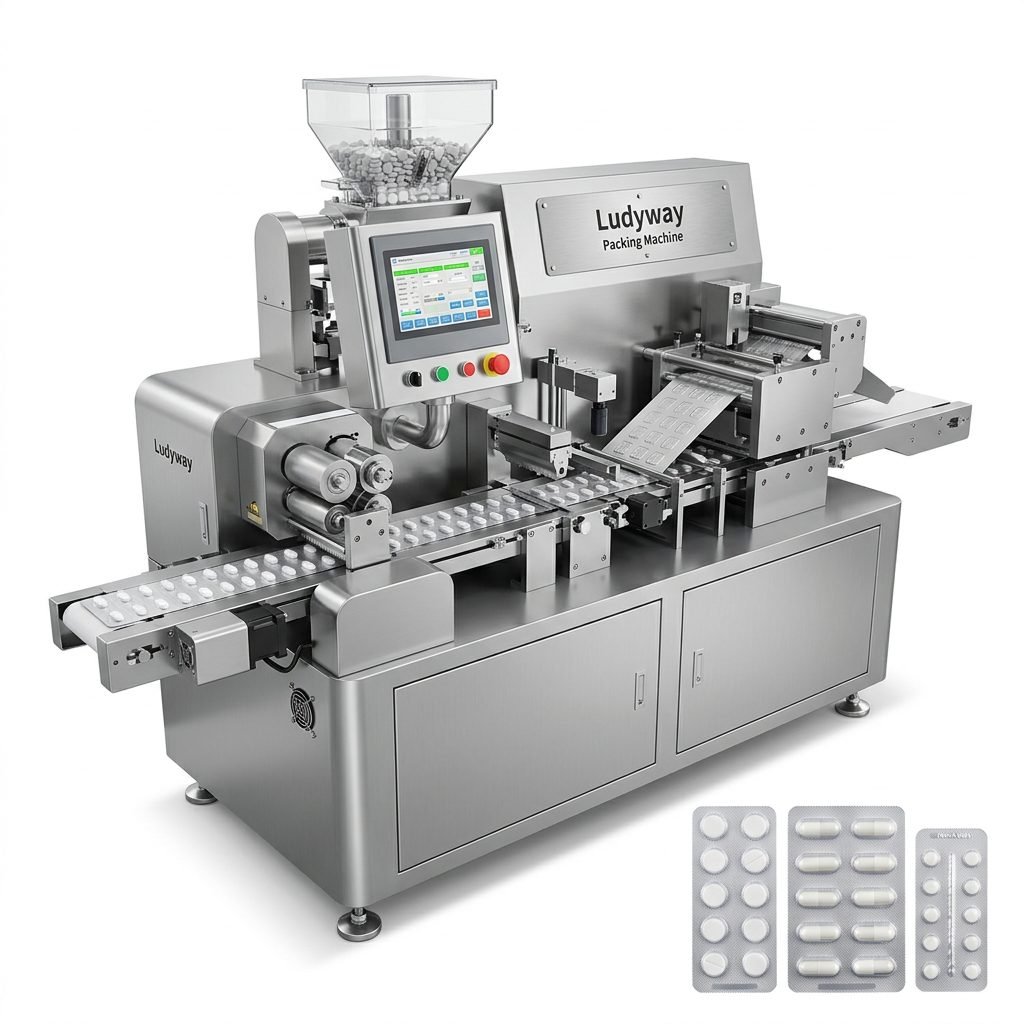
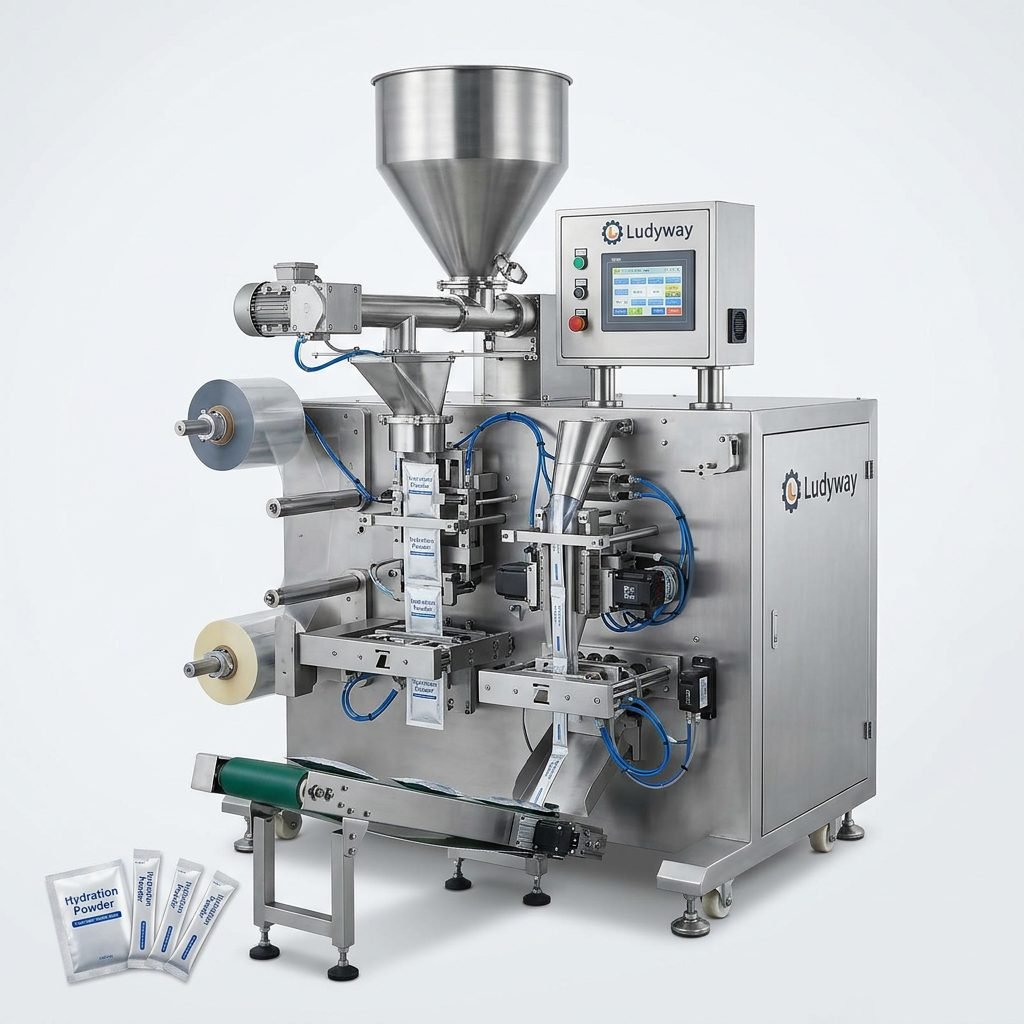
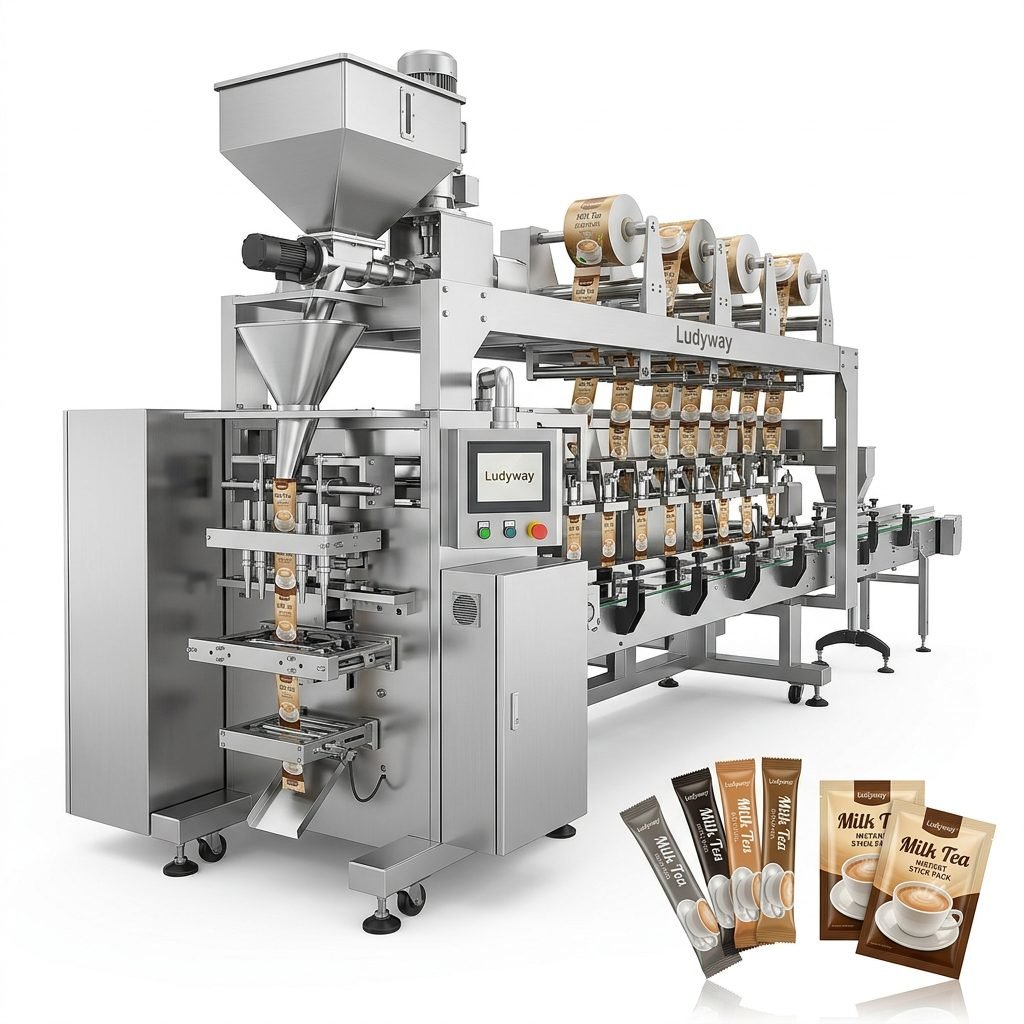
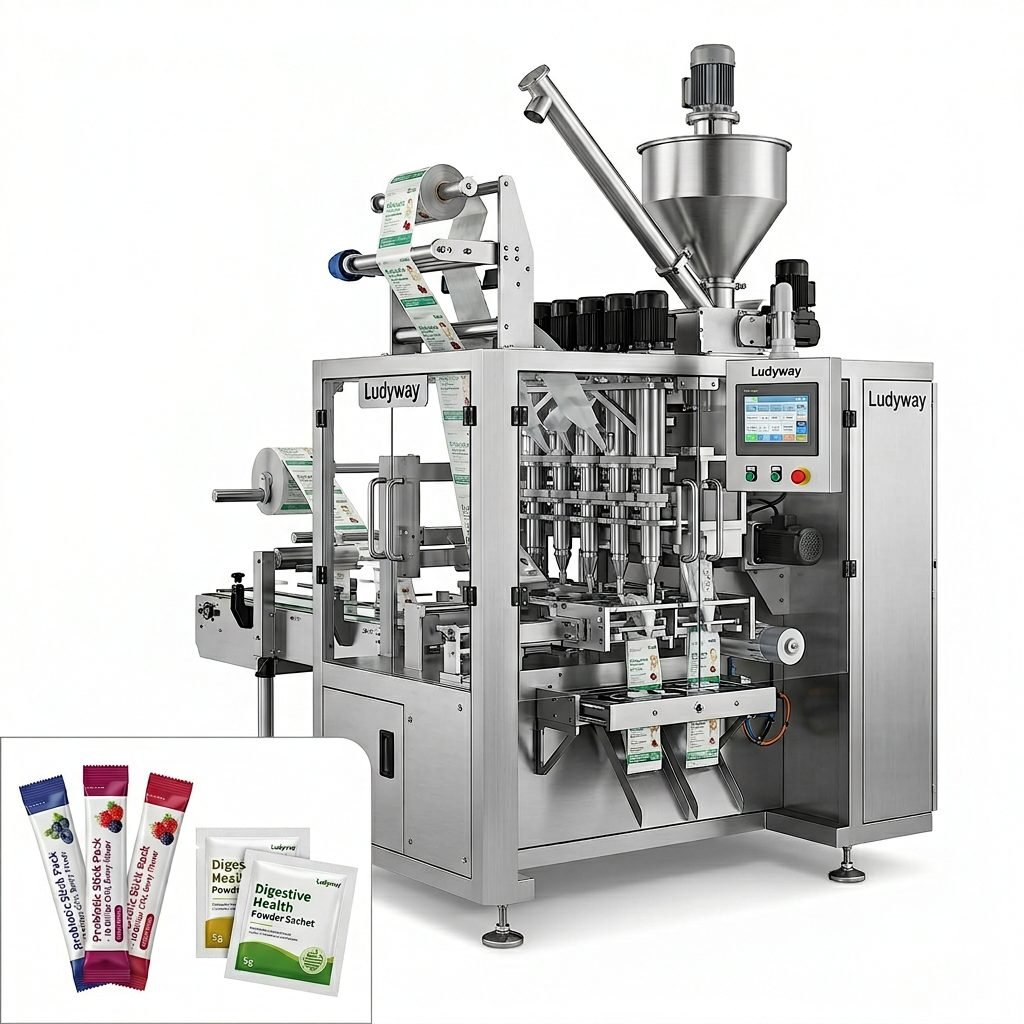
The cannabis industry is growing rapidly, and with it comes the critical need for efficient, compliant, and professional packaging. Choosing the right marijuana packaging equipment is not just about putting product in a bag; it’s about ensuring product integrity, meeting strict regulatory requirements, and creating a brand experience that resonates with consumers. This guide will walk you through the different types of machines available, associated costs, and key factors to consider when selecting the best equipment for your operation.
Understanding the Types of Marijuana Packaging Equipment
The packaging process for cannabis products varies significantly depending on the product form. Therefore, the machinery required differs accordingly. Here’s a breakdown of the primary equipment categories.
1. Pre-Roll Joint Packaging Machines
Pre-rolls are one of the most popular cannabis products, and their packaging demands speed and precision. Specialized pre-roll packaging machines can handle tasks like:
- Tube Filling and Capping: Automatically inserting pre-rolls into glass or plastic tubes and sealing them with child-resistant caps.
- Blister Packaging: Sealing individual pre-rolls in child-resistant blister cards, which is often required for medical cannabis.
- Pouch Packaging: Placing pre-rolls into stand-up or flat pouches with proper labeling.
These systems range from semi-automatic tabletop units to high-speed, fully automated lines that can package hundreds of units per minute.
2. Flower and Bud Packaging Systems
Packaging dried cannabis flower requires equipment that can handle delicate, irregularly shaped product without causing excessive shake or damage. Common solutions include:
Weighing and Filling Machines: These are crucial. They use multi-head weighers or volumetric cup fillers to accurately portion specific amounts (e.g., 3.5g, 7g, 28g) into containers. Accuracy is non-negotiable for regulatory compliance.
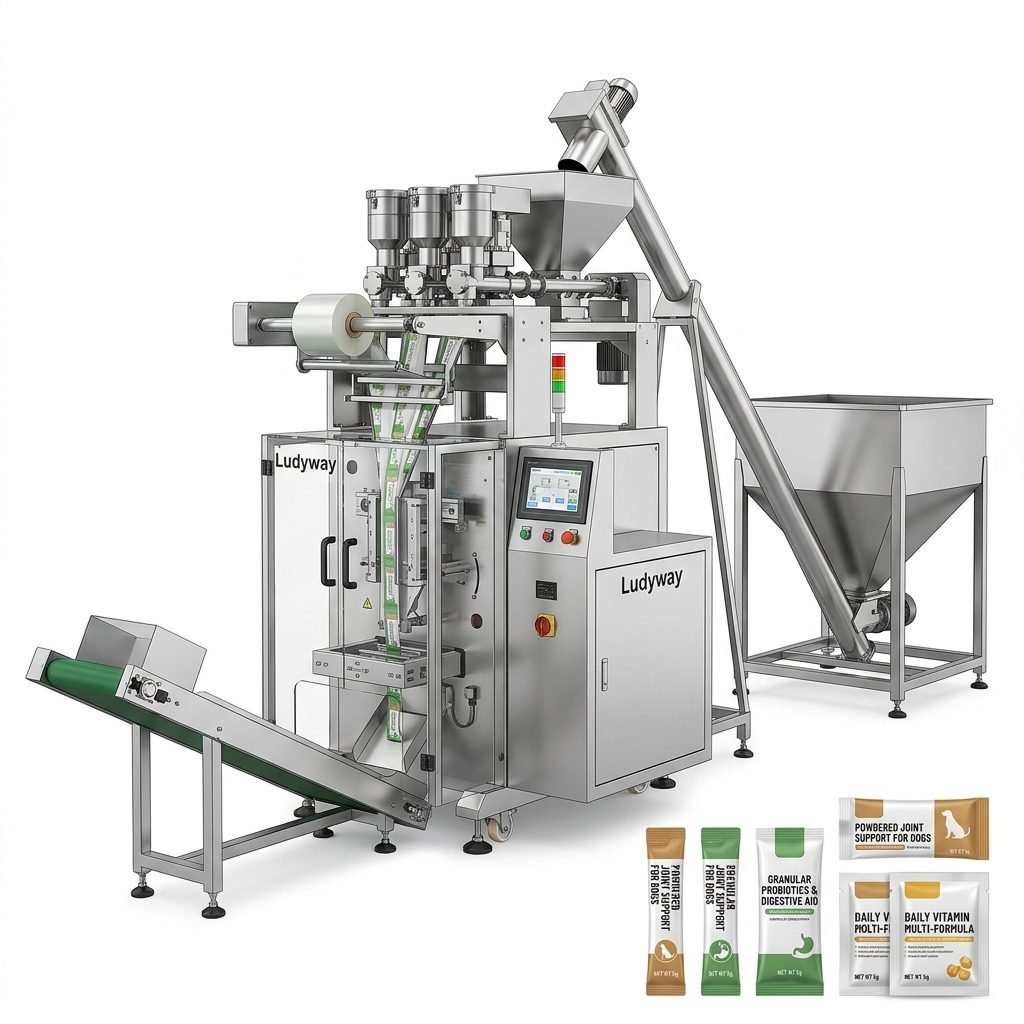
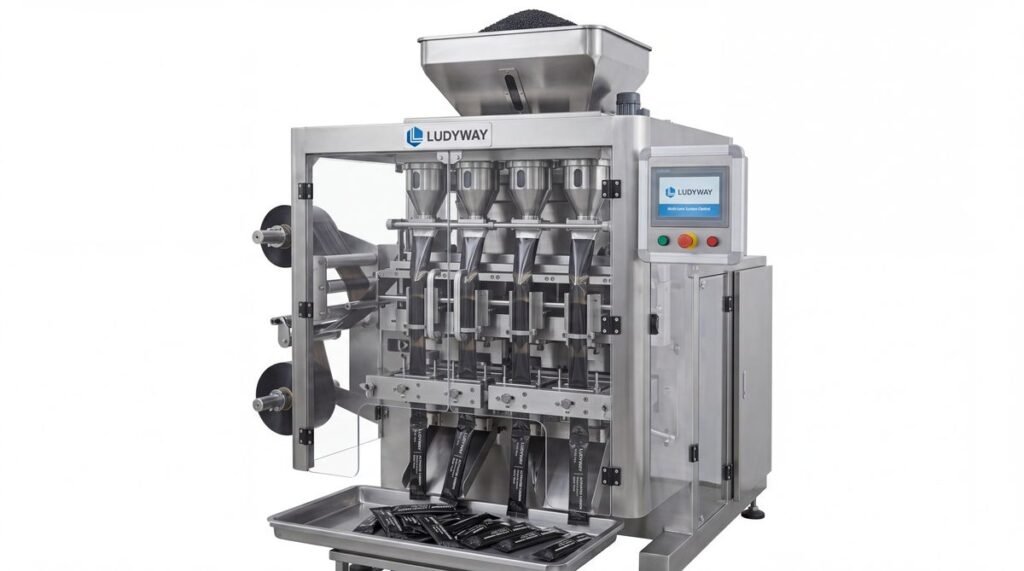
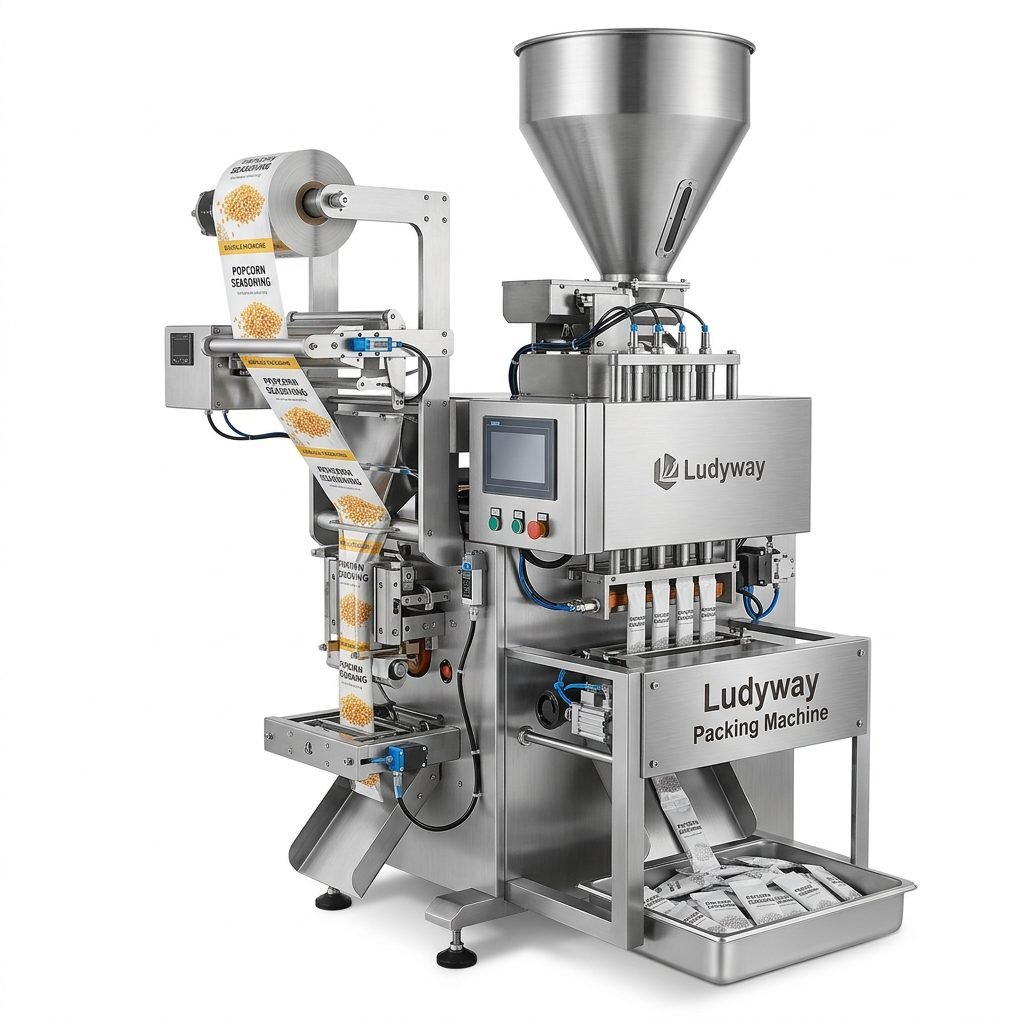
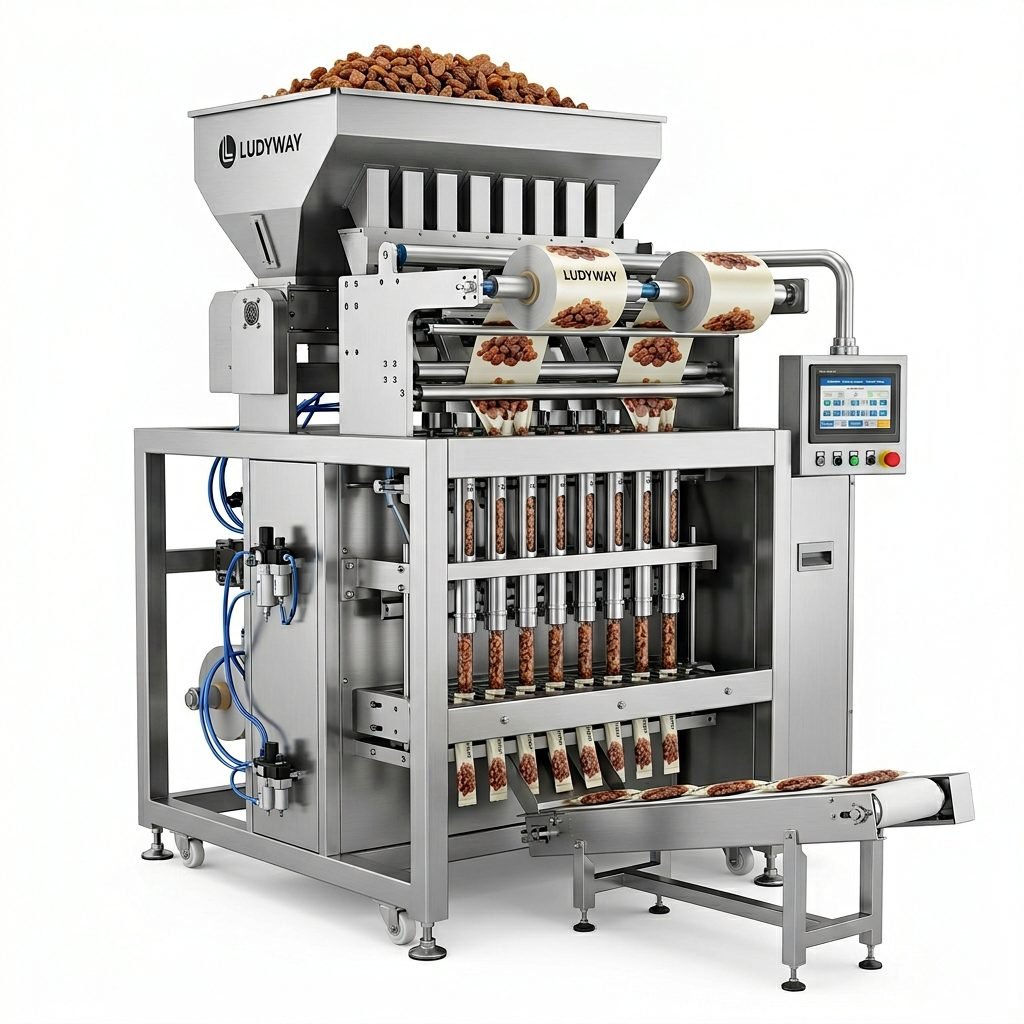
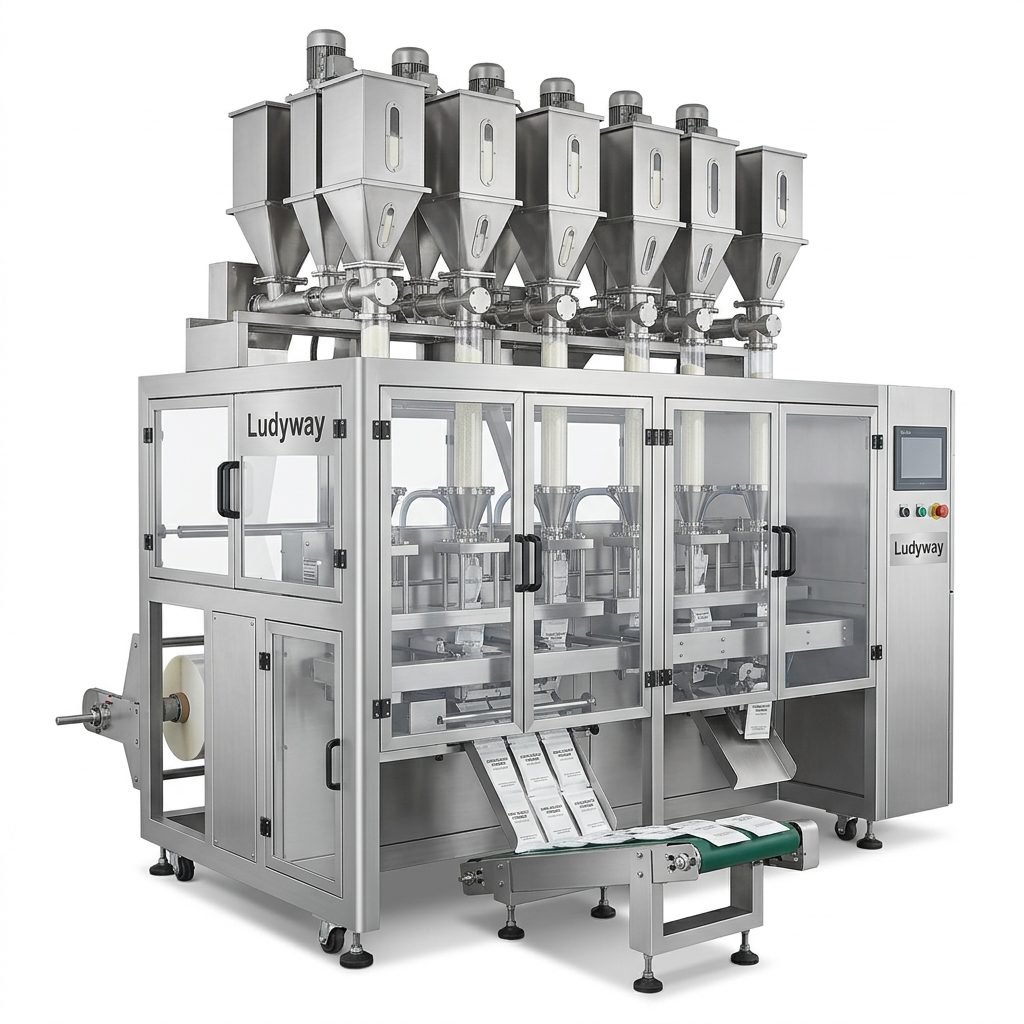
Pouch Form-Fill-Seal (FFS) Machines: These versatile machines create the pouch from a roll of film, fill it with the weighed flower, and seal it—all in one continuous process. They are excellent for creating branded, airtight pouches that preserve freshness.
Jar and Tin Filling Lines: For premium flower, automatic lines can orient, fill, and seal jars or tins, often integrating labeling and tamper-evidence features.
3. Concentrate and Extract Packaging Equipment
Oils, waxes, shatters, and other concentrates require precise, clean, and often sterile packaging. Key equipment includes:
Liquid and Viscous Filling Machines:
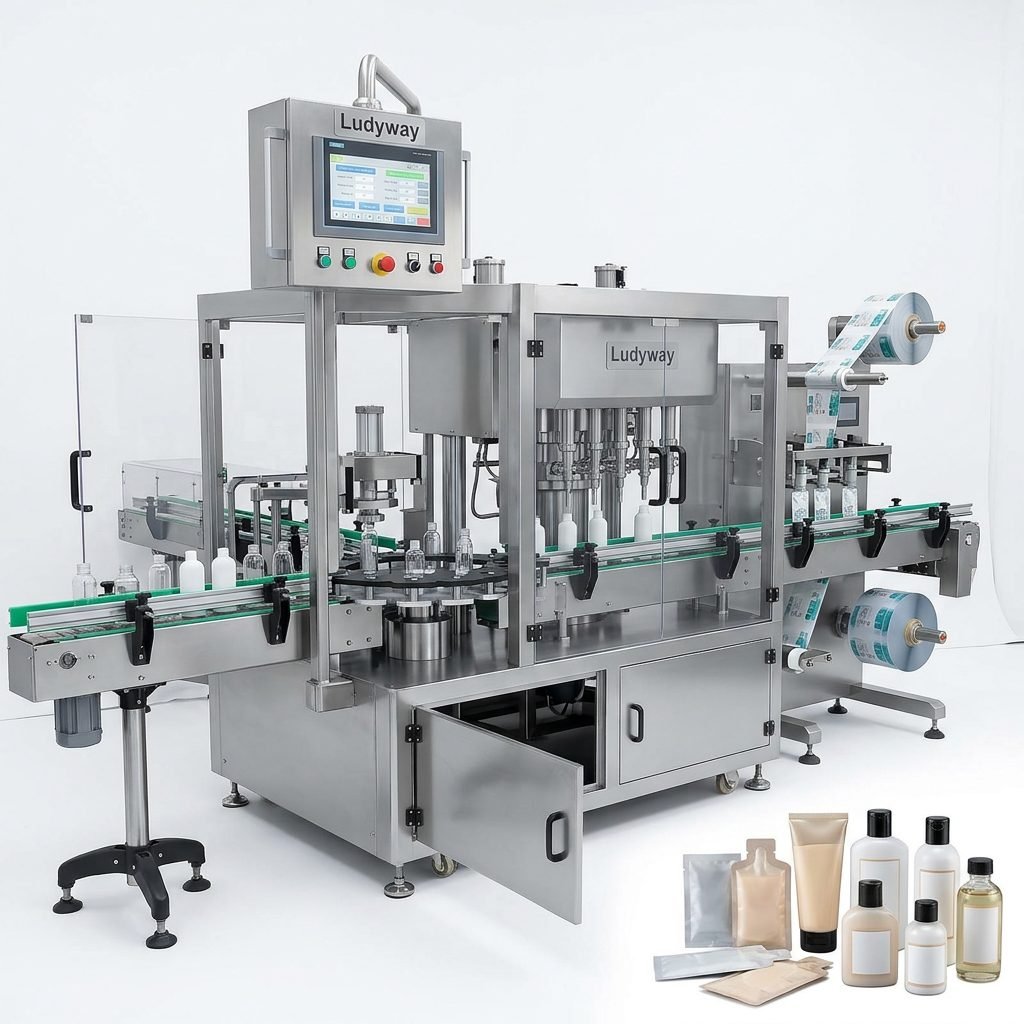
These use piston fillers, peristaltic pumps, or time-pressure systems to dispense exact amounts of oil into cartridges, syringes, or jars. Accuracy to within ±0.5% is common for compliance.
Cartridge Assembly and Capping:
Automated systems can assemble vape cartridges, fill them with oil, and attach mouthpieces and caps at high speeds.
Given the sticky nature of many concentrates, equipment with easy-clean designs and minimal dead volume is essential to reduce waste and maintain purity.
4. Edible and Infused Product Packaging
For gummies, chocolates, and baked goods, packaging machinery is similar to that used in the conventional food industry but must consider cannabis-specific labeling. This includes:
Vertical Form-Fill-Seal (VFFS) Machines: The workhorse for packaging individual pieces or multi-packs of edibles into pouches.
Flow Wrappers: Used to wrap individual chocolate bars or candy bars in foil or film.
Cartoning Machines: For placing packaged edibles into child-resistant, tamper-evident boxes that meet regulatory standards.
Breaking Down the Costs of Packaging Machinery
Investment in packaging equipment varies widely based on automation level, speed, and customization. Here’s a general cost framework.
Entry-Level / Semi-Automatic Machines
Cost Range: $5,000 – $30,000
These are ideal for small startups or craft producers. They require more manual labor for tasks like loading product or containers but offer a lower upfront cost. Examples include semi-auto tube fillers, tabletop pouch sealers, and manual filling stations with scales.
Mid-Range / Automatic Standalone Machines
Cost Range: $30,000 – $100,000
This category covers most single-function automatic machines, such as a fully automatic pouch FFS machine, a multi-head weigher with an inline filler, or a liquid filling machine. They significantly boost output and consistency for growing businesses.
High-End / Integrated Turnkey Lines
Cost Range: $100,000 – $500,000+
For large-scale producers, a complete integrated line is necessary. This might combine weighing, filling, capping, labeling, and cartoning into one synchronized system. The cost reflects high speed, precision, minimal labor, and often, high levels of customization. Partnering with an experienced supplier like Ludyway Packaging Machinery is crucial for designing and implementing such complex lines effectively.
Remember to factor in ongoing costs: maintenance, spare parts, training, and potential costs for re-validation if you change packaging materials.
How to Choose the Best Machines for Your Business
Selecting equipment is a strategic decision. Follow this checklist to make an informed choice.
1. Define Your Product and Output Requirements
Product Format: Be specific about your product’s physical properties (size, shape, viscosity).
Production Speed (Units/Minute or Hour): Calculate your current and projected 2-3 year volume. Don’t overbuy speed you don’t need, but ensure you have room to grow.
Packaging Materials: Decide on your primary packaging (pouch, jar, tube) and ensure the machine is compatible with that material.
2. Prioritize Compliance and Safety Features
This is non-negotiable in the cannabis industry. Your equipment must help you meet regulations.
Dosing Accuracy: The machine must consistently fill to the exact weight or volume stated on the label. Look for machines with high-precision scales or fillers and check their certification standards.
Child-Resistant (CR) and Tamper-Evident (TE) Compatibility: Can the machine reliably apply CR caps or create TE seals? Test this during demos.
Hygiene and Cleanability: Surfaces should be stainless steel or similarly non-porous. Design should allow for quick disassembly and cleaning to prevent cross-contamination.
3. Evaluate Automation Level and Labor Impact
Higher automation reduces long-term labor costs and human error. Ask:
- How many operators are needed to run the line?
- Does it integrate easily with upstream/downstream equipment (e.g., conveyors, labelers)?
- What is the changeover time between different products or package sizes? Quick changeovers are vital for flexibility.
4. Assess the Supplier’s Expertise and Support
The machine is only as good as the company behind it. When evaluating suppliers like Ludyway Machinery, consider:
Industry Experience: Do they have a proven track record in cannabis or similarly regulated industries (pharmaceutical, nutraceutical)?
Service and Parts Availability: What is their response time for service? Is there local technical support? Are spare parts readily available?
Training and Documentation: Comprehensive training for your team is essential for smooth operation and maintenance. Clear manuals in your language are a must.
Always request references and, if possible, visit a facility where their equipment is running. A reliable partner will provide complete packaging solutions and support you through installation and beyond.
Conclusion: Investing in Your Brand’s Future
Selecting the right marijuana packaging equipment is a critical investment that impacts your compliance, operational efficiency, product quality, and brand perception. By thoroughly understanding your product needs, prioritizing compliance features, and partnering with a knowledgeable and reliable equipment supplier, you can build a packaging operation that scales with your business and delights your customers. The right machine is not an expense; it’s a cornerstone of your brand’s professionalism and long-term success in the competitive cannabis market.
Frequently Asked Questions (FAQs)
1. What is the most important feature to look for in cannabis packaging equipment?
Dosing accuracy and compliance support are paramount. The machine must consistently fill to the exact weight or volume required by law. Features that facilitate child-resistant and tamper-evident packaging are also critical non-negotiables.
2. Can I use standard food packaging machines for cannabis products?
While possible for some edibles, it is often not advisable for most cannabis products. “Standard” machines may lack the required precision for legal dosing, may not be compatible with mandatory CR/TE closures, and their hygiene standards might not be sufficient. It’s best to use equipment designed or adapted for regulated industries.
3. How much should I budget for a basic packaging setup for pre-rolls?
For a small-scale operation, a semi-automatic tube filling and capping machine can start around $8,000 – $15,000. A more automatic system that includes counting and placing pre-rolls into tubes could range from $25,000 to $60,000. Always budget for ancillary equipment like conveyors and labelers.
4. How do I ensure the machine remains compliant as regulations change?
Work with a supplier who is actively engaged in the cannabis industry and stays abreast of regulatory changes. They should offer software updates and mechanical modifications if new standards (like stricter tare weight rules) are implemented. This is a key advantage of partnering with specialized providers.
5. What kind of maintenance do these machines require?
Daily cleaning is essential. Scheduled maintenance includes lubrication, inspection of seals and wear parts (like augers or filling nozzles), and calibration of scales and sensors. A good supplier will provide a detailed maintenance schedule and training for your team. Having a service contract can prevent costly downtime.