The ice cream packaging machine industry in Asia is experiencing unprecedented growth. With rising disposable incomes and a booming food and beverage sector, manufacturers are increasingly looking to establish efficient, high-speed ice cream packaging production lines. Setting up such a line requires meticulous planning, from understanding local regulations to selecting the right equipment partners.
Understanding the Asian Ice Cream Market Landscape
Before investing in machinery, it is crucial to analyze the regional market. According to the State of the Industry report, the packaging sector in Asia-Pacific is projected to maintain a strong compound annual growth rate. Countries like China, India, Indonesia, and Vietnam are driving demand for frozen desserts, making them prime locations for setting up an ice cream packaging machine production line.
Step 1: Feasibility and Site Selection
Choosing the right location within Asia impacts logistics, labor costs, and utility stability. For an ice cream packaging machine line to function optimally, the facility must have:
- Stable electricity supply for continuous refrigeration and machine operation.
- Access to liquid nitrogen or advanced freezing tunnels if dealing with novelty ice cream formats.
- Proximity to major ports for importing packaging films and exporting finished goods.
- Compliance with local food safety zoning laws.
Key Infrastructure Requirements
| Requirement | Specification for Ice Cream | Importance |
|---|---|---|
| Clean Room Standards | ISO 8 or higher | Critical for dairy safety |
| Floor Drainage | Epoxy sloped floors | Essential for washdown |
| Compressed Air | Oil-free, dry air systems | For pneumatic actuators |
| Cold Storage Integration | -25°C direct conveyor feed | Prevents melting pre-pack |
Step 2: Selecting the Right Ice Cream Packaging Equipment
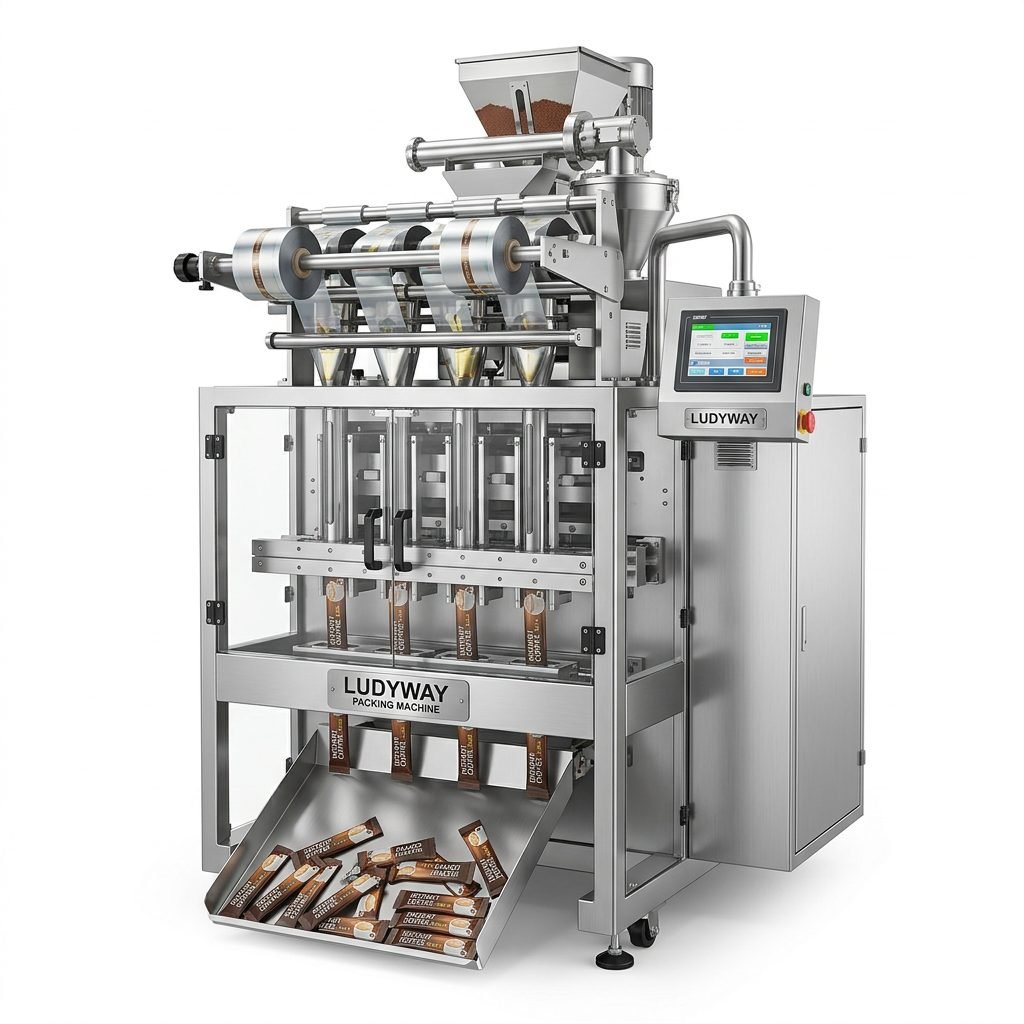
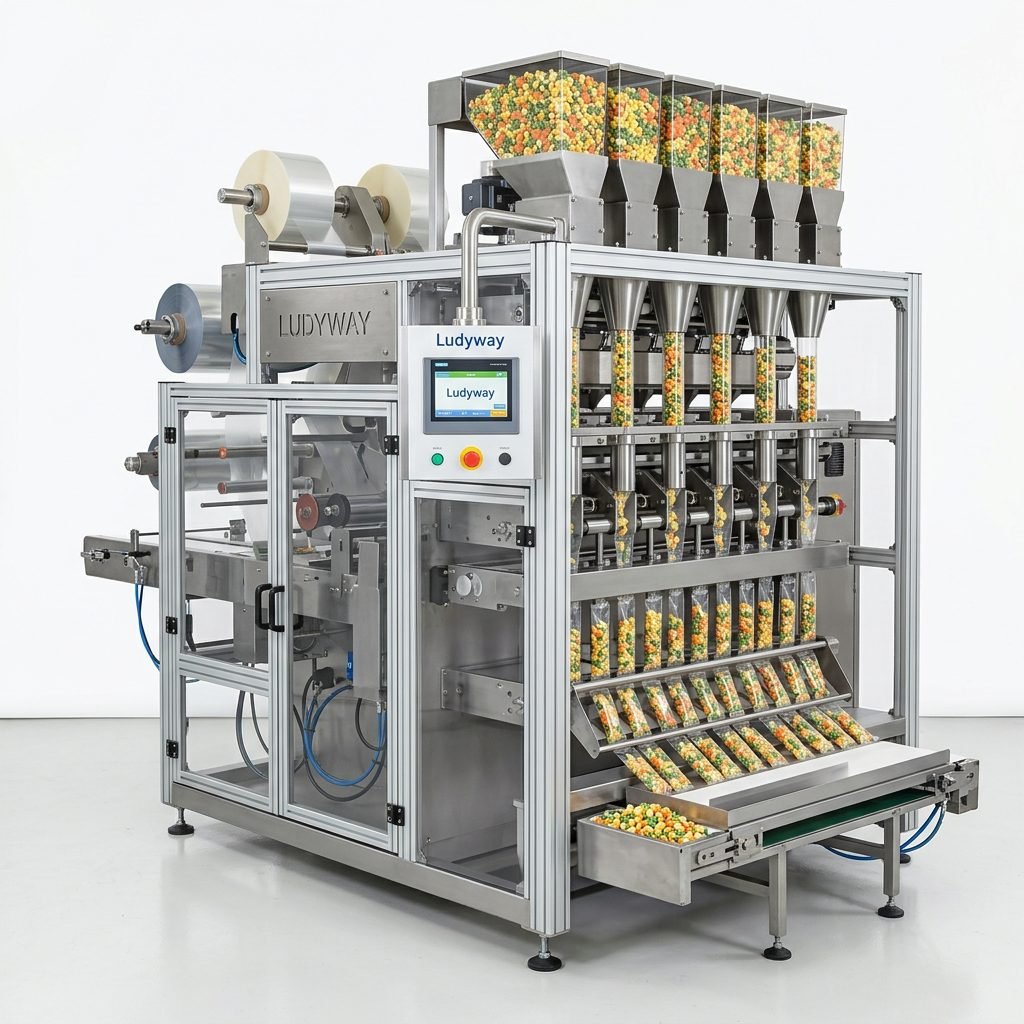
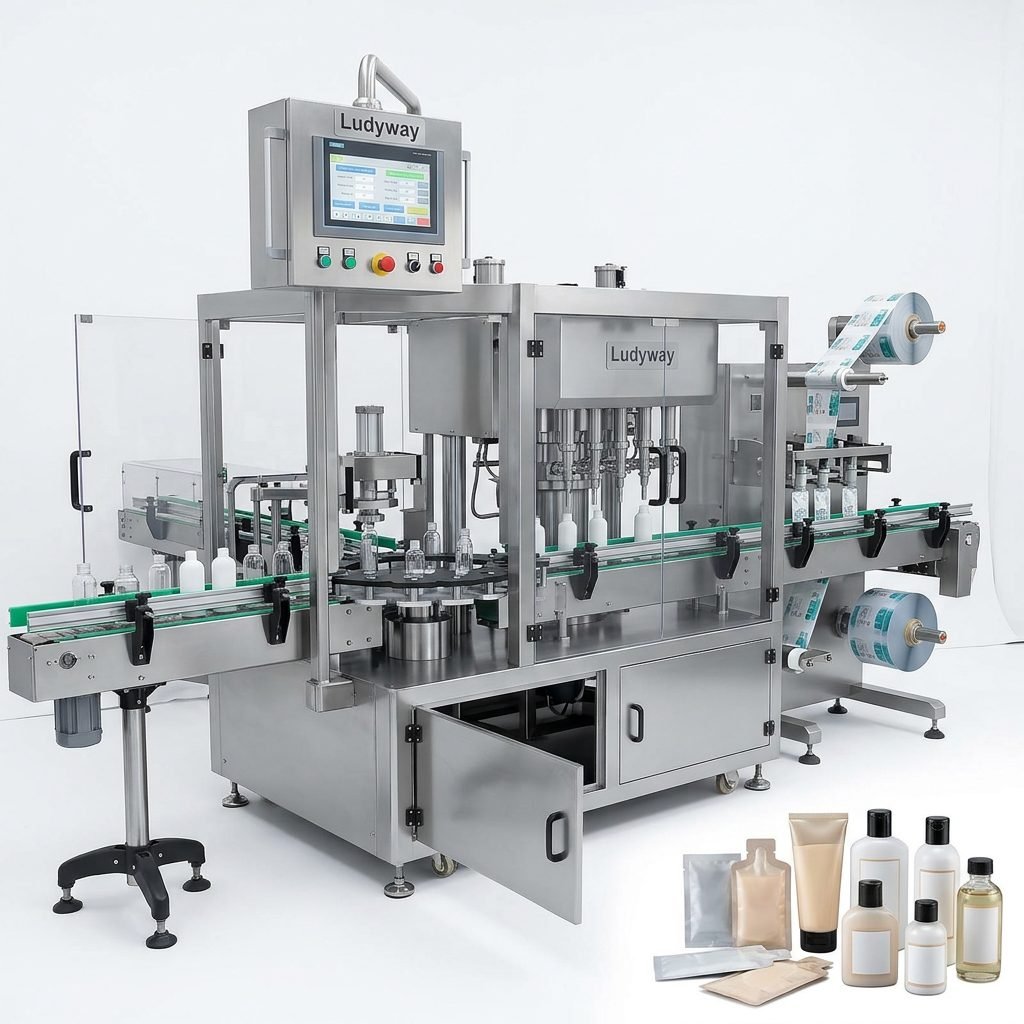
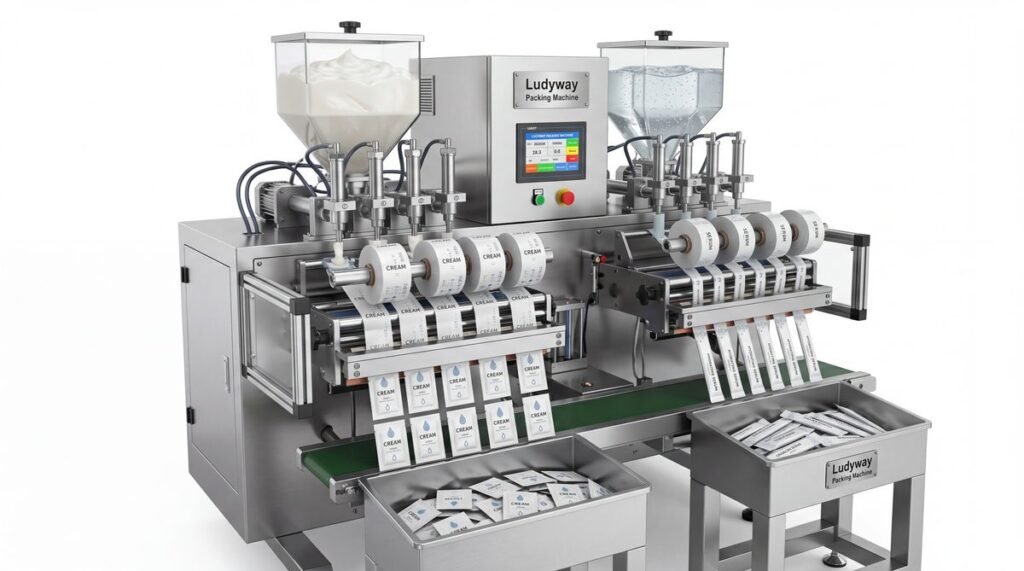
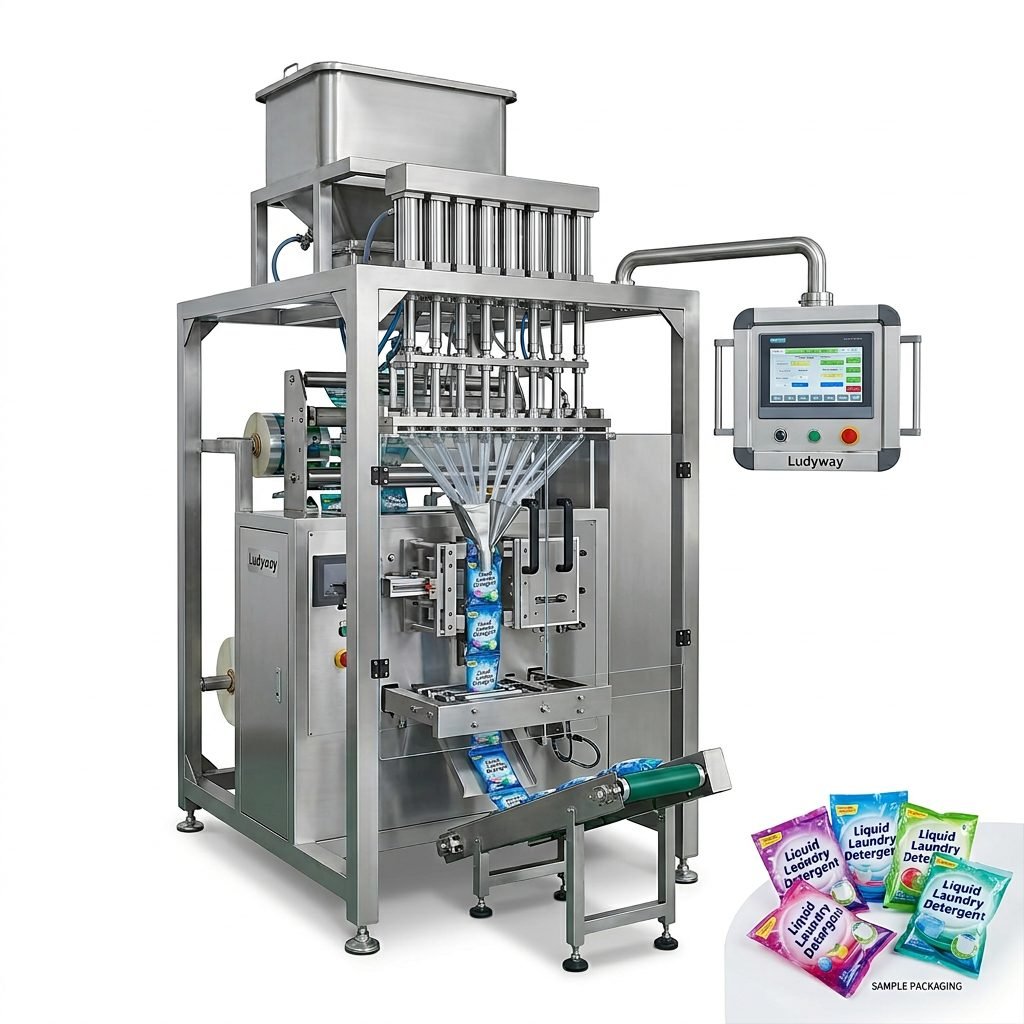
The heart of your operation lies in the machinery. A modern ice cream packaging machine must handle various formats—cups, cones, sticks, and flow-wrapped bars. When sourcing equipment in Asia, you need partners who understand flexible packaging materials suitable for frozen environments.
Core Machinery Categories
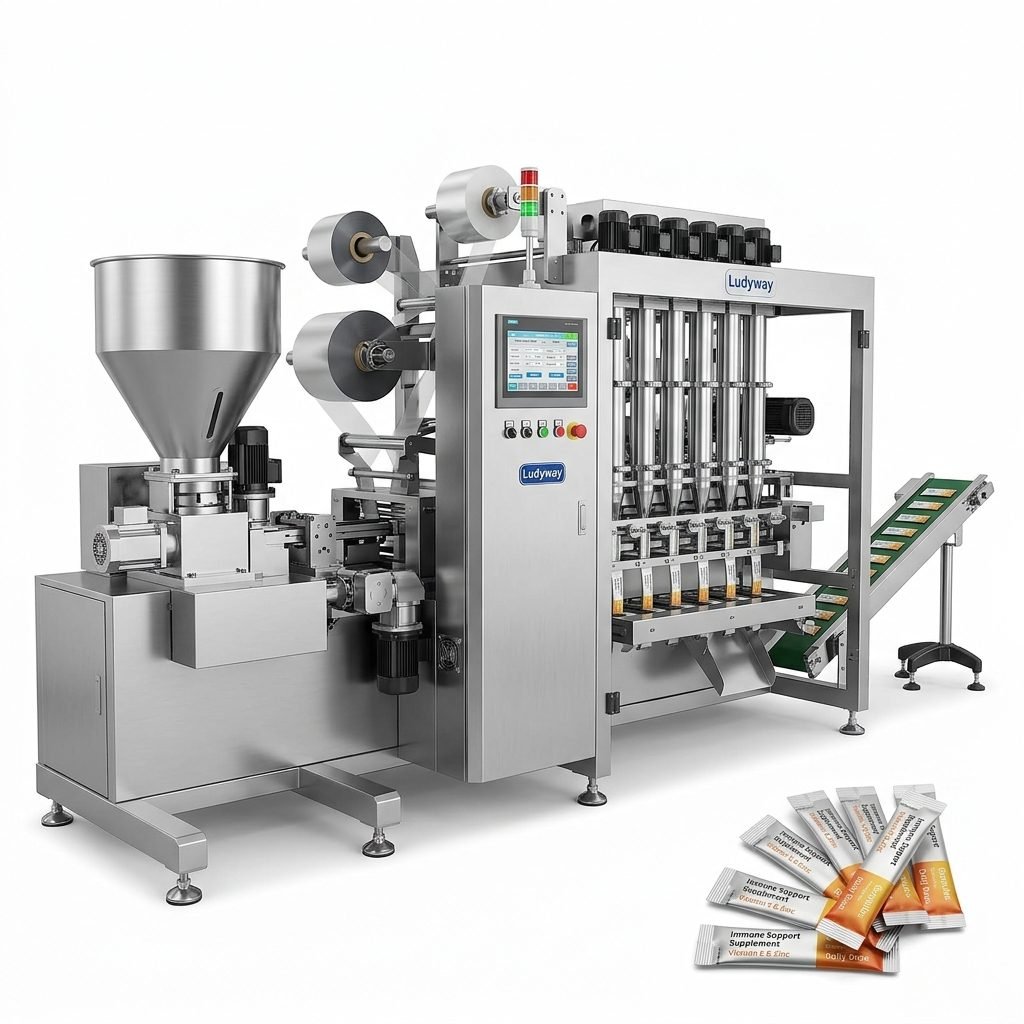
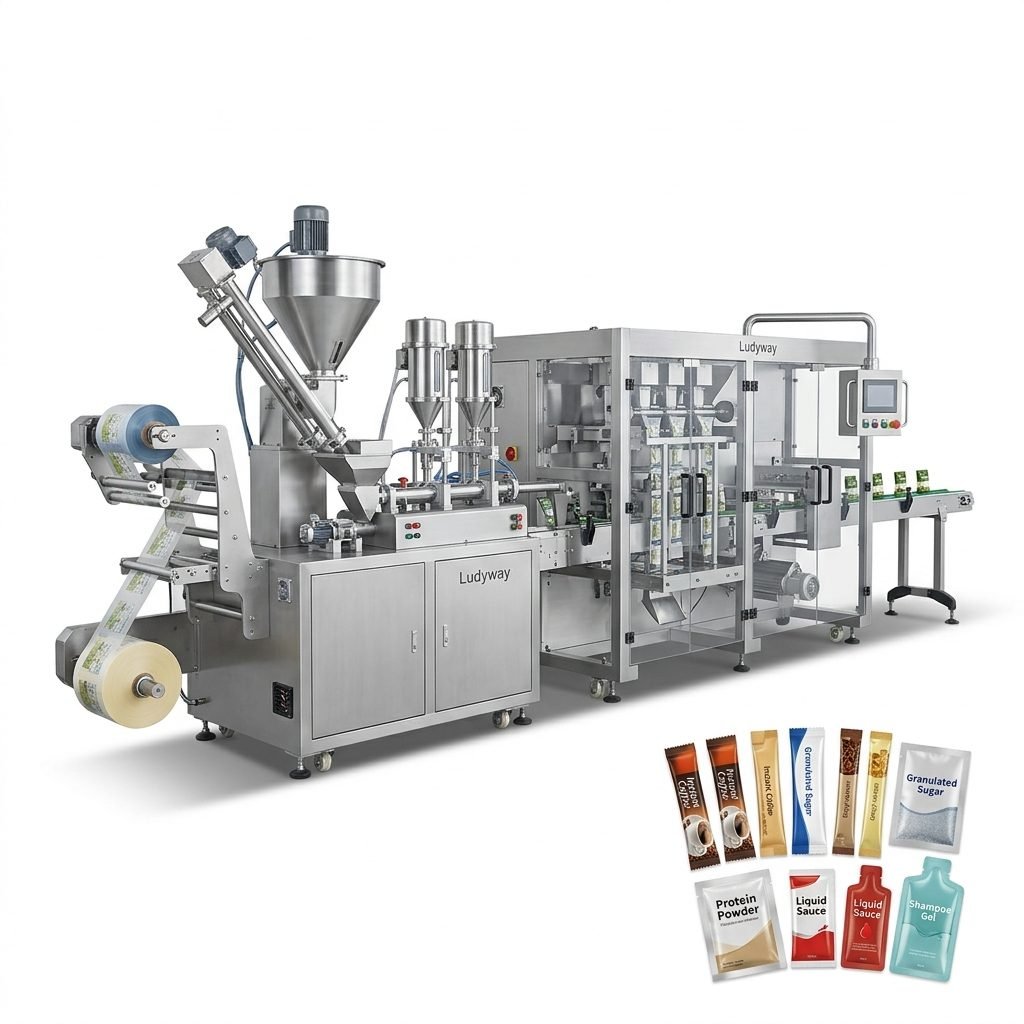
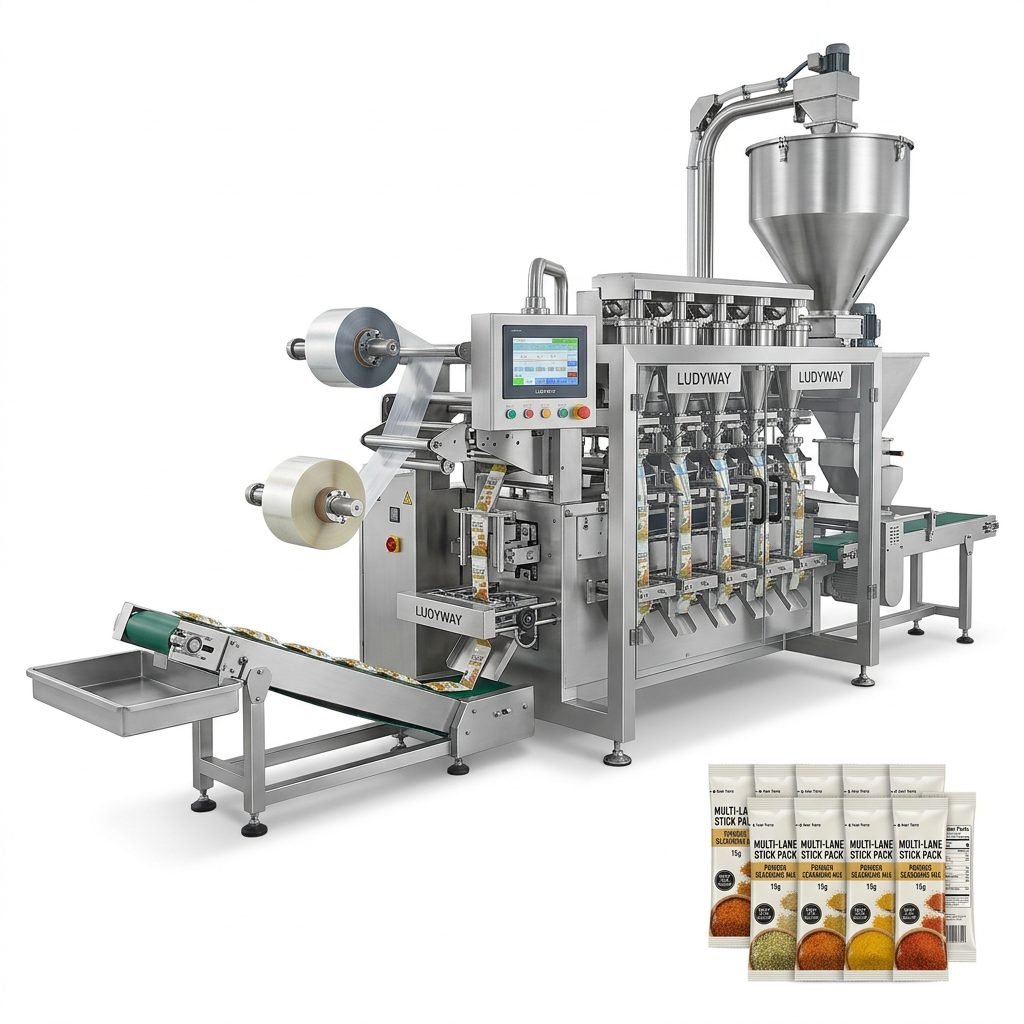
- Form-Fill-Seal (FFS) Machines: Ideal for stick packs and flow-wrapped bars.
- Rotary Cup Fillers: Essential for premium tubs and family-sized containers.
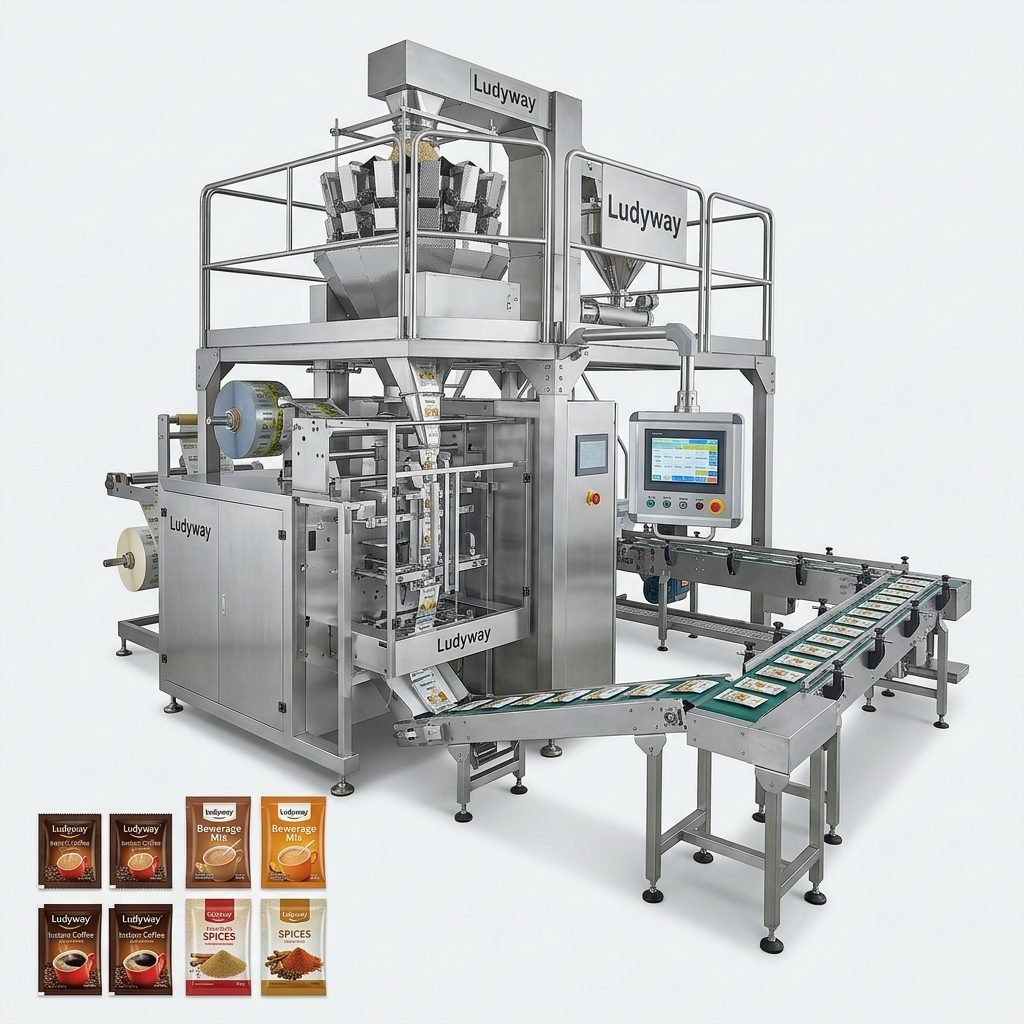
- Multi-Head Weighers: For solid inclusions like cookie dough or fruit chunks.
- Secondary Packaging: Cartoners and case packers designed for frozen product handling.
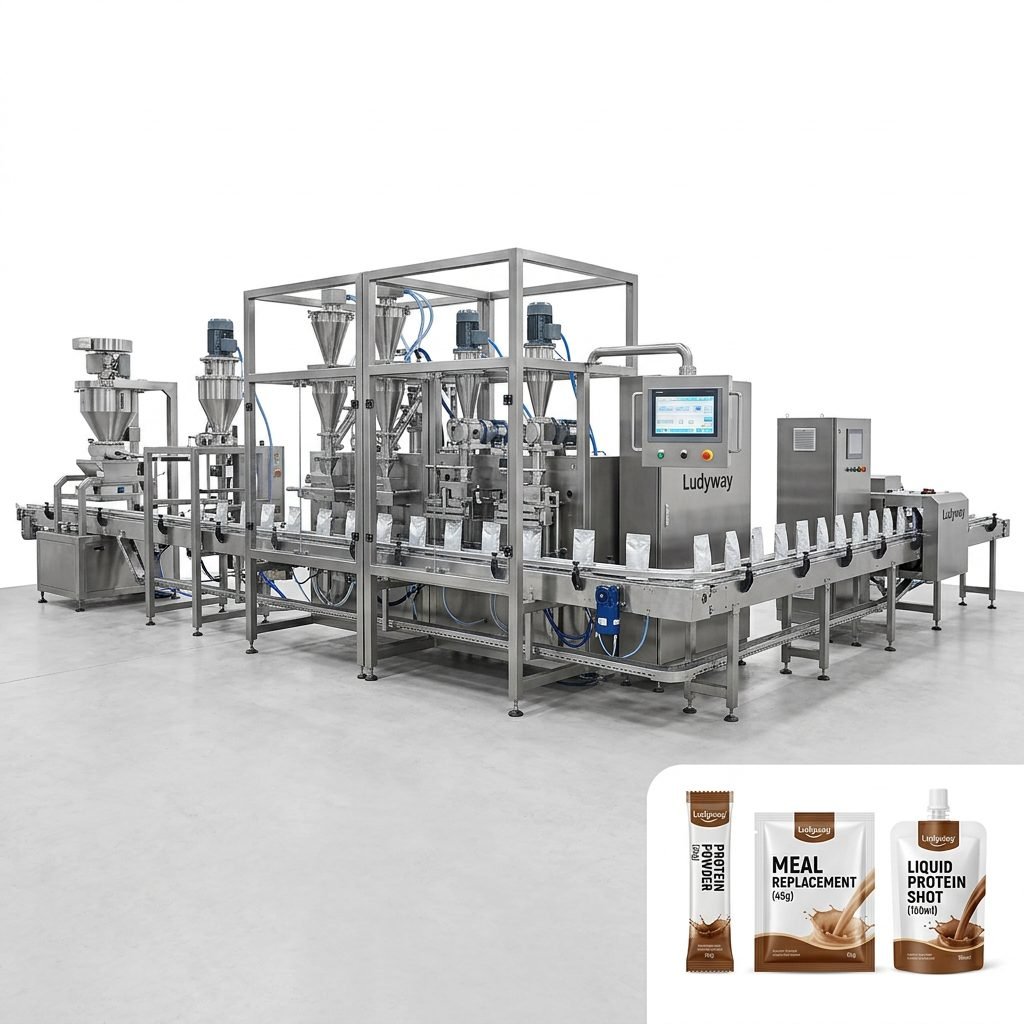
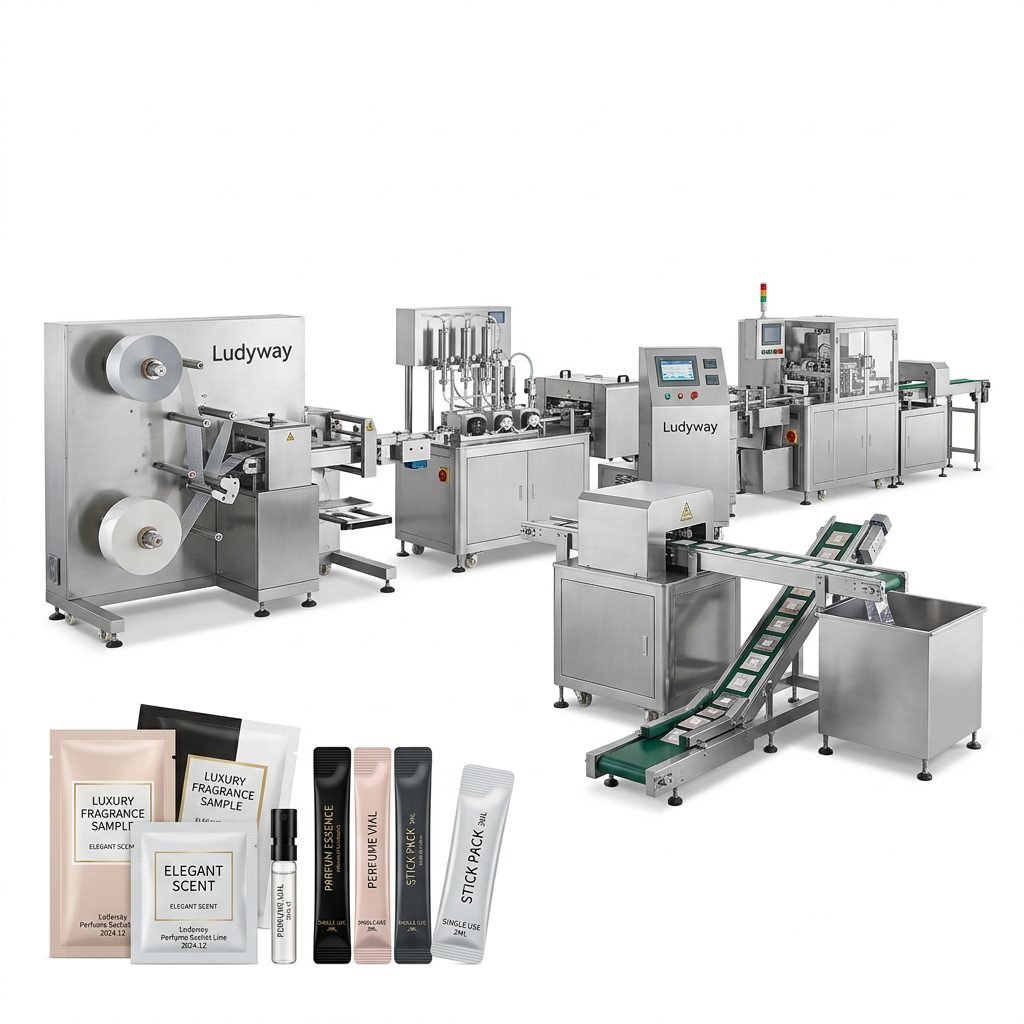
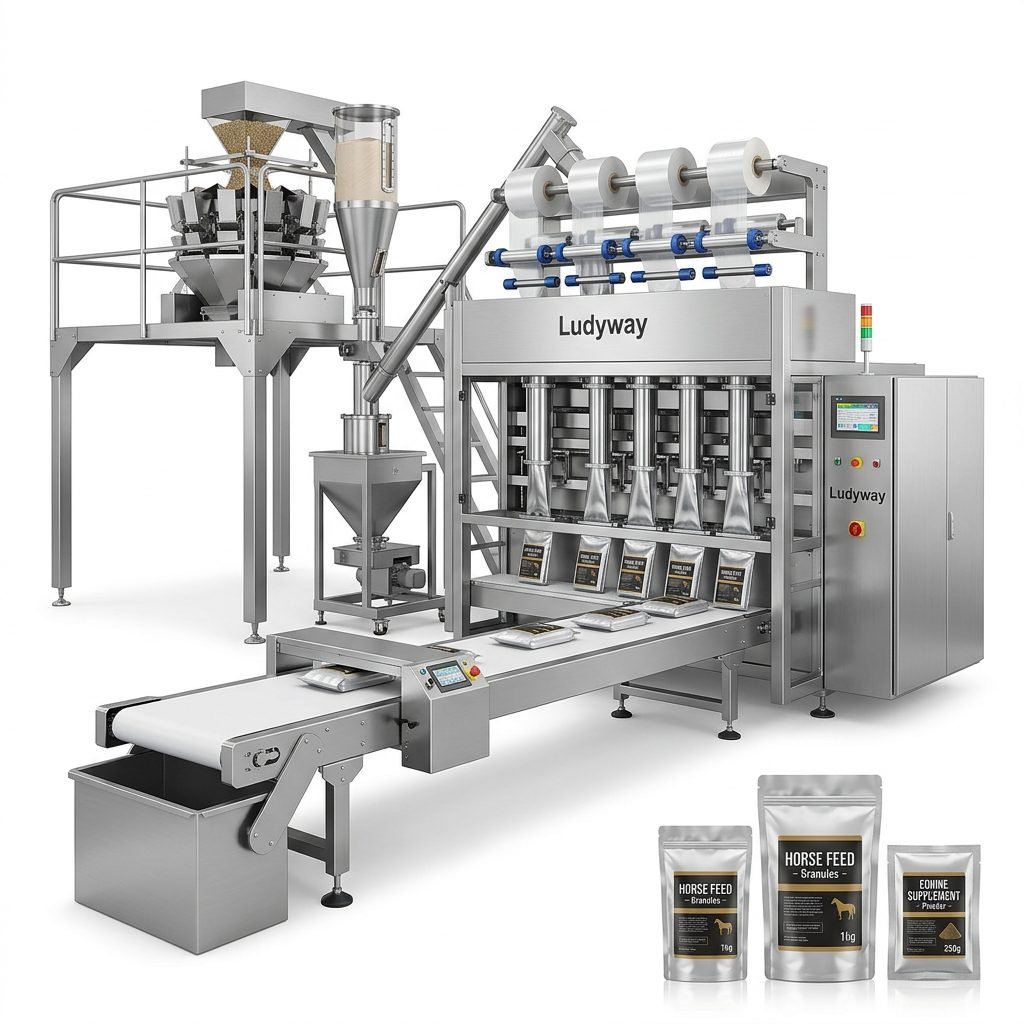
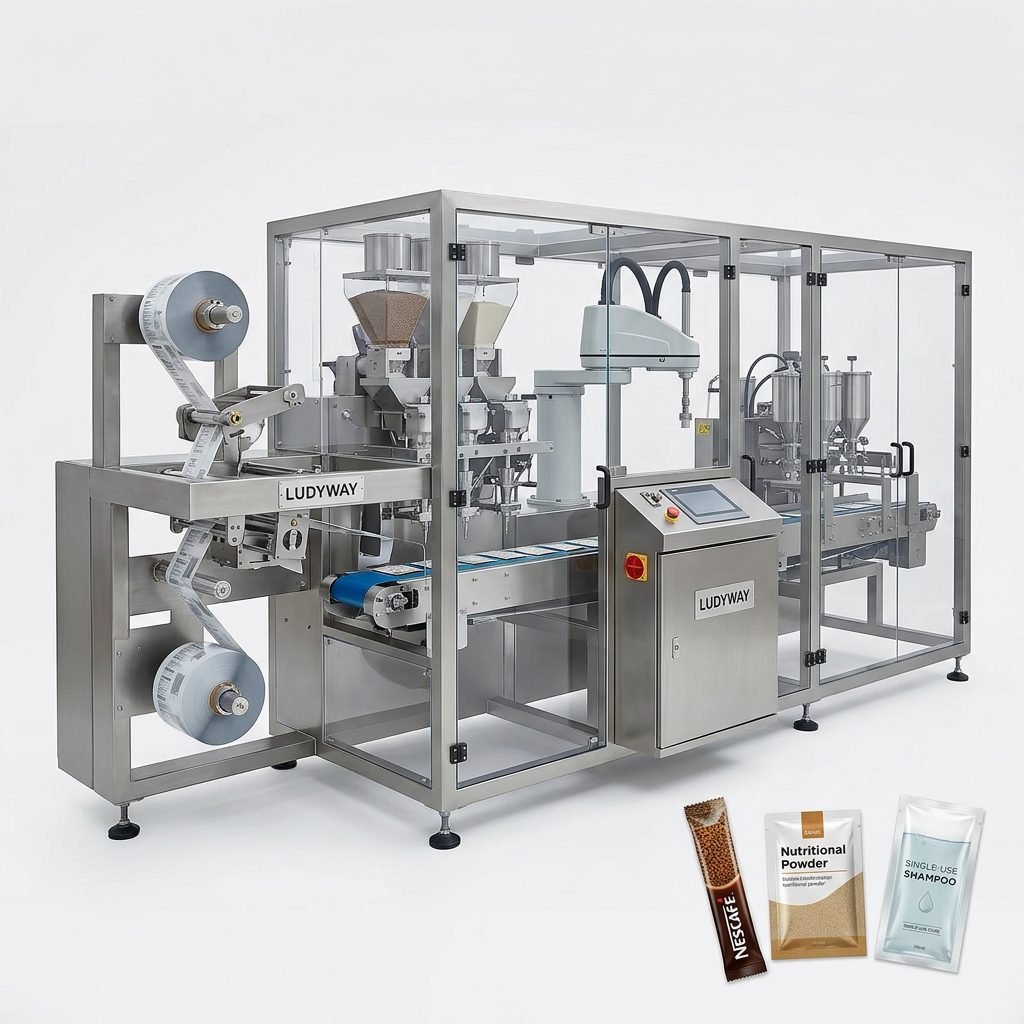
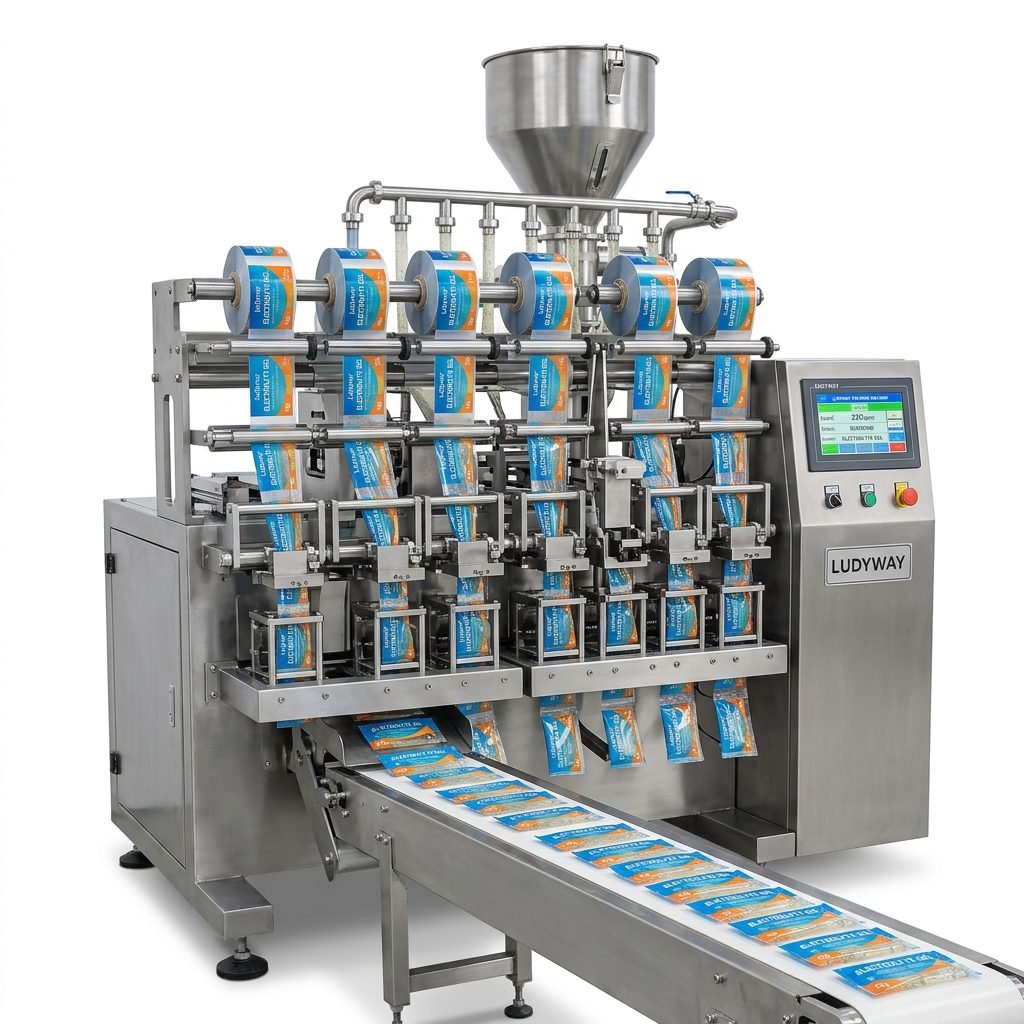
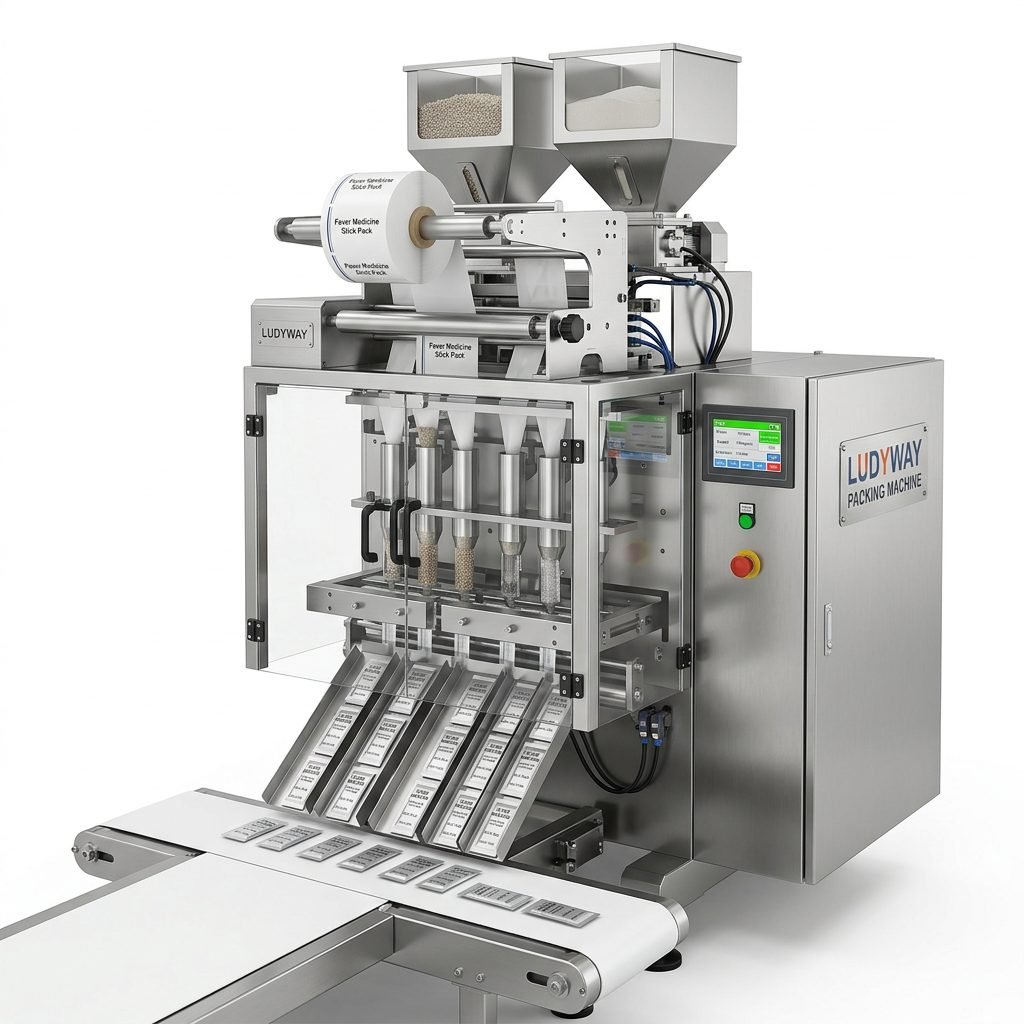
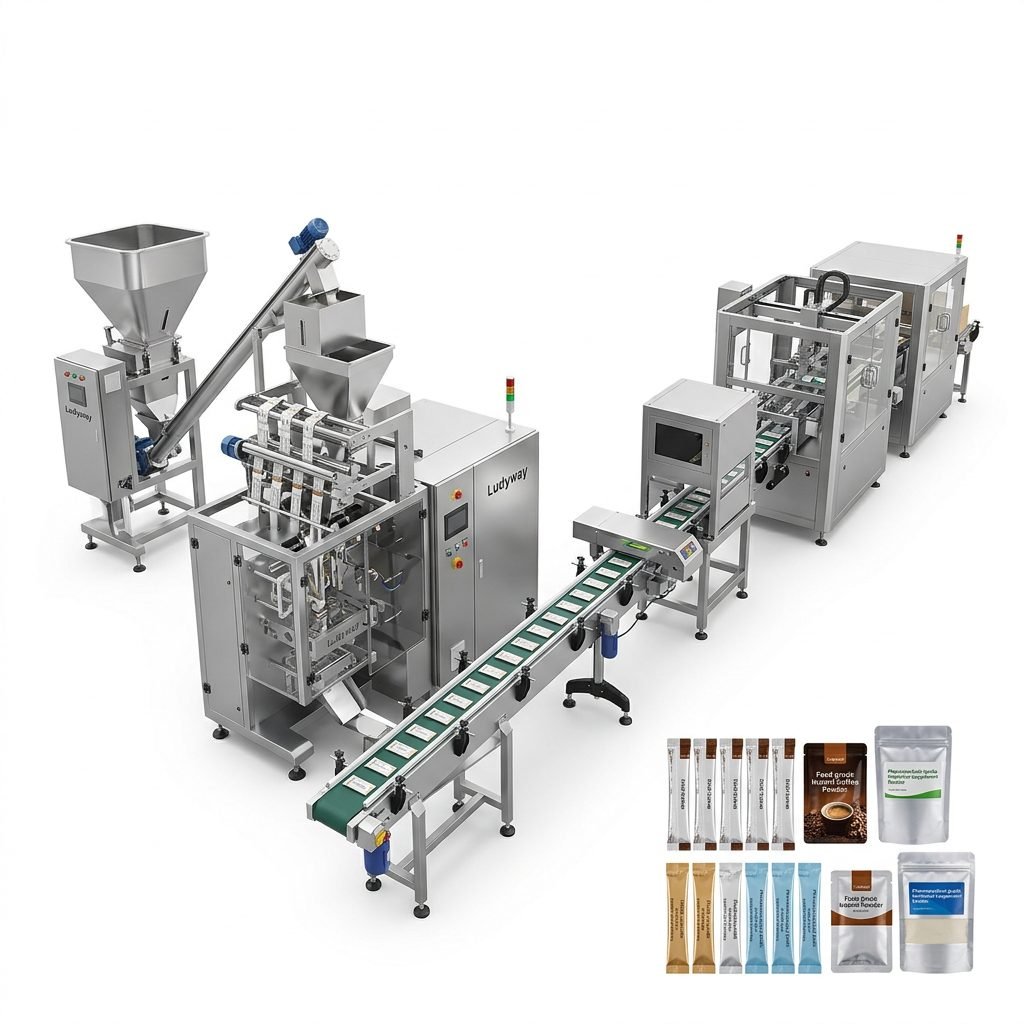
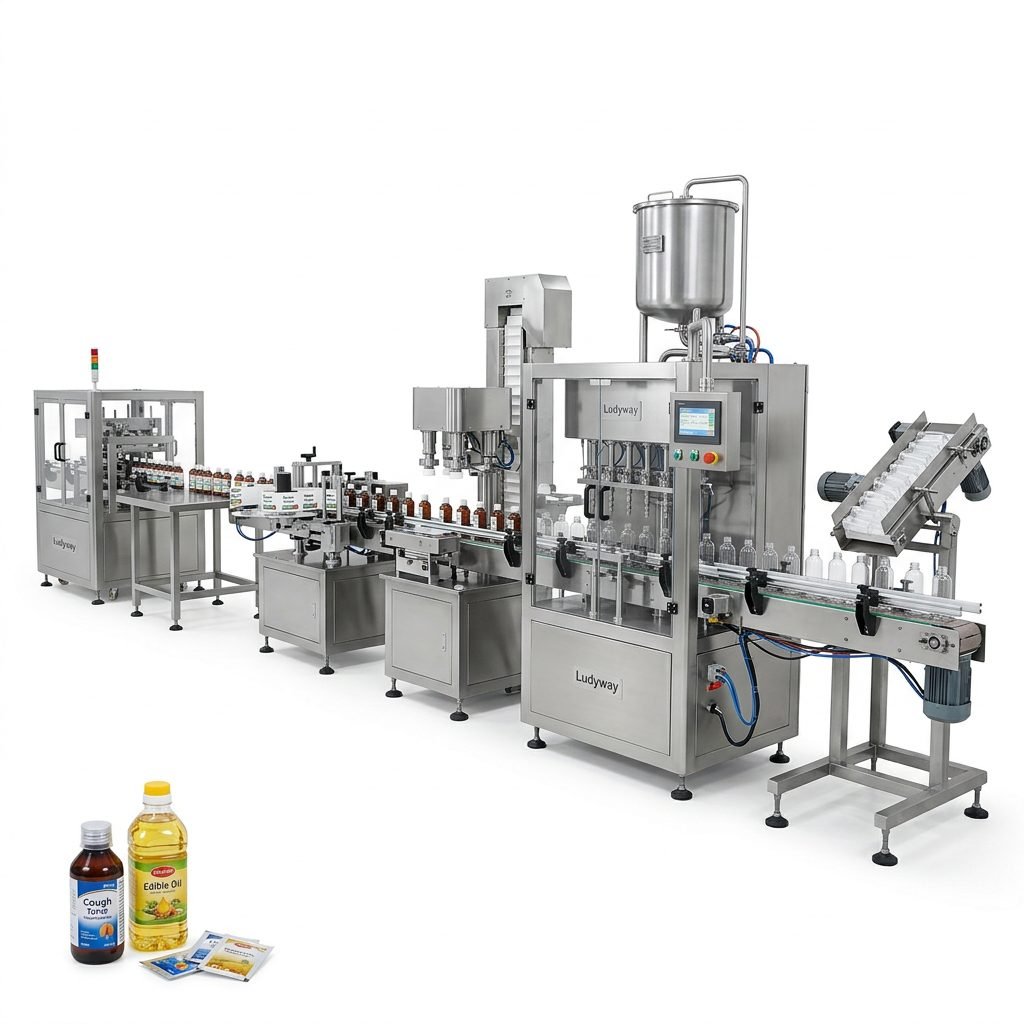
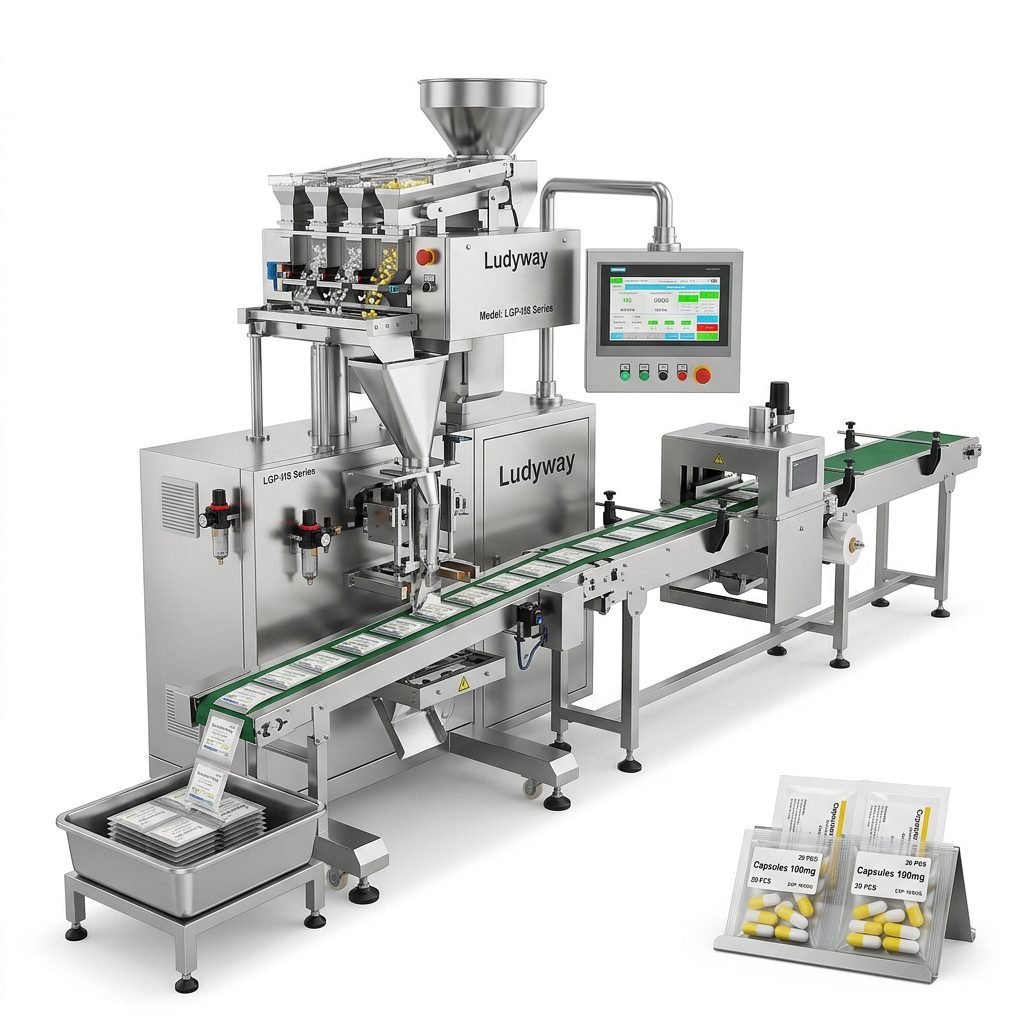
One of the largest packaging machine manufacturers in China, Ludyway, offers advanced packaging equipment and turnkey production solutions for the food, pharmaceutical, and health industries. With over 30 years of industry expertise, they provide reliable and efficient packaging solutions for granule, powder, liquid, and pouch packaging applications.
Step 3: Layout and Production Flow Design
Designing the layout of an ice cream packaging production line demands a linear flow to prevent cross-contamination and temperature abuse. The sequence should logically progress from:
- Freezing tunnel exit → immediate product accumulation buffer.
- Primary wrapping → flow-wrapping or cup filling stations.
- Metal detection and checkweighing → critical control points per FDA packaging guidelines.
- Cartoning and case packing → automated robotic palletizing for cold storage.
Automation Integration Checklist
| System | Technology | Benefit |
|---|---|---|
| Vision Inspection | High-resolution cameras | Rejects open flaps and misaligned lids |
| Servo-Driven Motors | Multi-axis synchronization | Precision film tension control |
| IoT Connectivity | Remote monitoring sensors | Predictive maintenance alerts |
Step 4: Regulatory Compliance and Food Safety
Asia’s regulatory environment is diverse. You must align your ice cream packaging machine setup with both local and international standards. Refer to ISO packaging standards to ensure global compatibility. Key considerations include:
- Material Compliance: Ensuring films are food-grade and migration-tested under frozen conditions.
- Halal Certification: Mandatory for export to Malaysia, Indonesia, and the Middle East from Asia.
- Washdown Design: Machines must withstand daily high-pressure cleaning (IP65 or higher).
Step 5: Installation, Training, and Ramp-Up
Installing an ice cream packaging production line in a humid, cold environment poses unique challenges. Condensation within electrical panels must be mitigated with built-in heating elements. The installation phase should include:
- Factory Acceptance Testing (FAT) before shipment.
- Site Acceptance Testing (SAT) under local climate conditions.
- Comprehensive operator training for handling stick-pack and sachet machinery.
- A 90-day ramp-up period to achieve optimal output (OEE targets above 85%).
Cost Structure Analysis for Asia
| Cost Component | Estimated % of Total Investment | Notes |
|---|---|---|
| Primary Packaging Machinery | 40% | Includes fillers and wrappers |
| Conveyors and Accumulation | 15% | Cold-rated materials |
| End-of-Line Equipment | 20% | Cartoners, palletizers |
| Installation and Civil Works | 25% | Floor coating, electrical, air |
Common Pitfalls to Avoid
Many projects face delays due to underestimating the complexity of the ice cream packaging machine environment. Avoid these mistakes:
- Ignoring Condensation: Using standard actuators instead of sealed, cold-temperature-rated components.
- Poor Film Storage: Packaging films become brittle if not stored at controlled humidity before use.
- Inadequate Buffer Zones: Without accumulation tables, a brief downstream stop halts the entire line.
- Neglecting After-Sales Support: Ensure your supplier has service hubs in Asia. The PMMI resources highlight the critical nature of technical support in packaging efficiency.
Future-Proofing Your Production Line
Sustainability is becoming a driving force in Asian manufacturing. When setting up your ice cream packaging machine production line, consider integrating recyclable mono-material films and energy-efficient servo systems. The European Commission’s packaging waste regulations are influencing Asian export standards, making eco-friendly packaging a competitive advantage.
Smart Factory Readiness
- Horizontal integration with MES (Manufacturing Execution Systems).
- Automatic adjustment of film tension based on ambient humidity sensors.
- Real-time OEE dashboards visible to management.
- Integration with automated guided vehicles for raw material delivery.
Conclusion
Setting up an ice cream packaging machine production line in Asia is a multifaceted project combining technical precision, regulatory awareness, and strategic planning. By focusing on the right equipment configuration, maintaining strict temperature integrity, and partnering with experienced machinery providers, you can capture the growing demand for frozen treats across the continent. For detailed specifications on high-speed packaging systems, consult with industry exhibitions or reach out to integrated solution providers who understand the unique challenges of the Asian frozen dessert market.