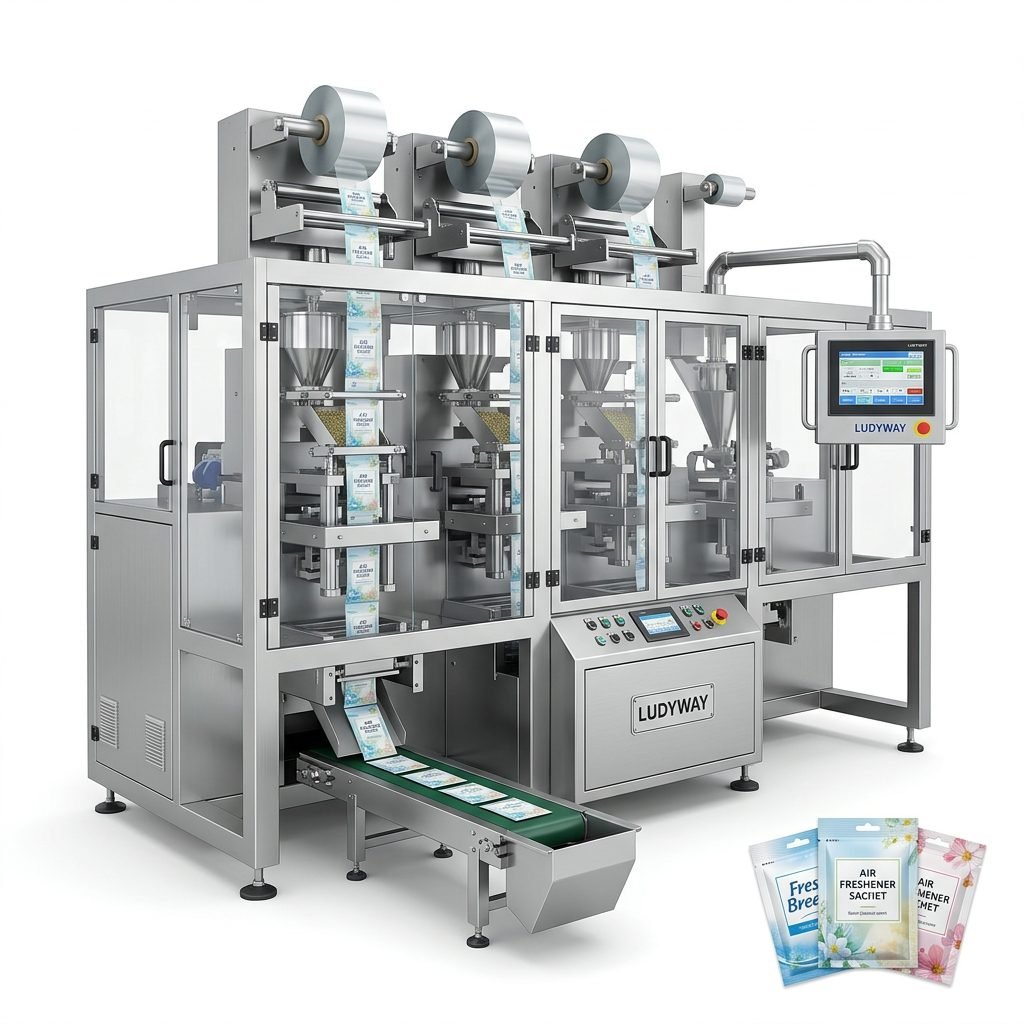
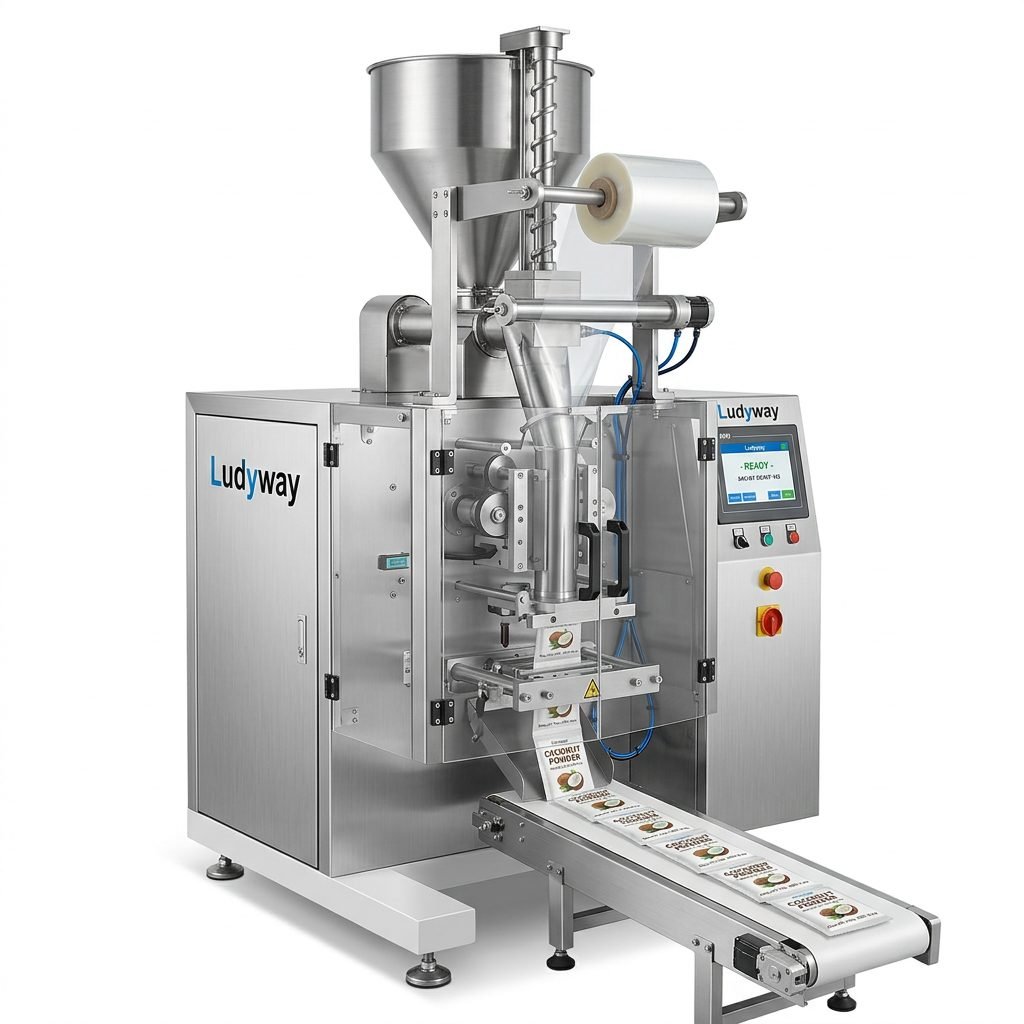
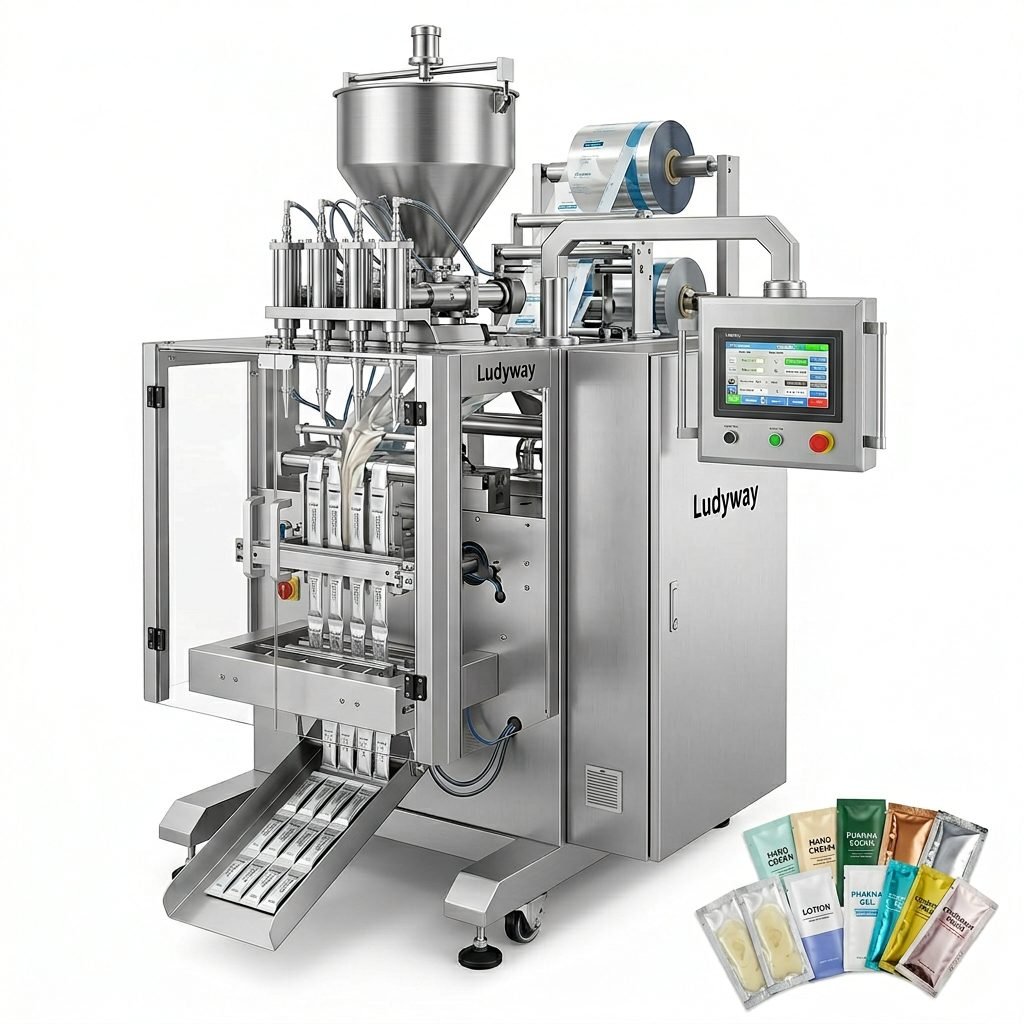
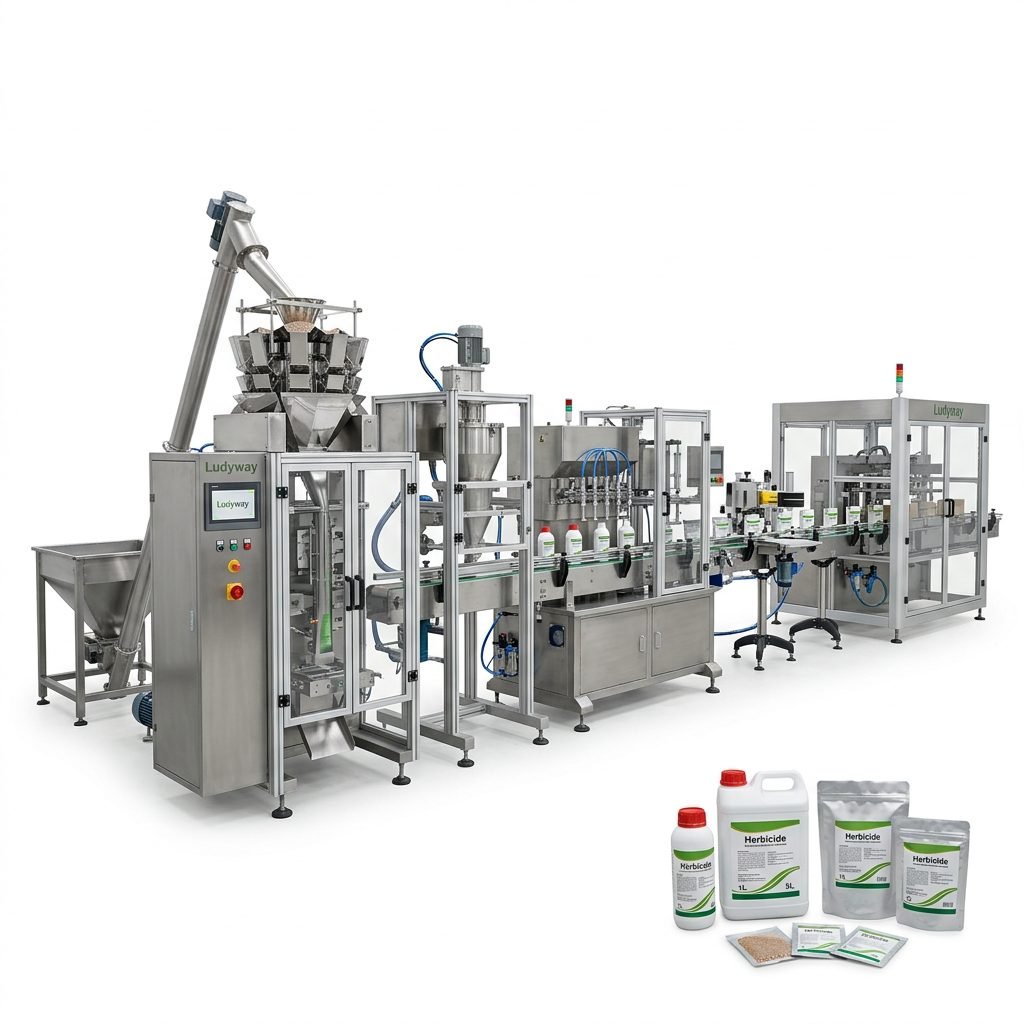
Investing in the right hand packing machine is a critical decision that directly affects your production efficiency, product quality, and long-term operational costs. Whether you are packaging powders, granules, liquids, or solid products, understanding the key selection criteria will help you avoid costly mistakes and choose equipment that matches your specific requirements. This comprehensive buyer’s guide walks you through every factor you need to evaluate before making your purchase.
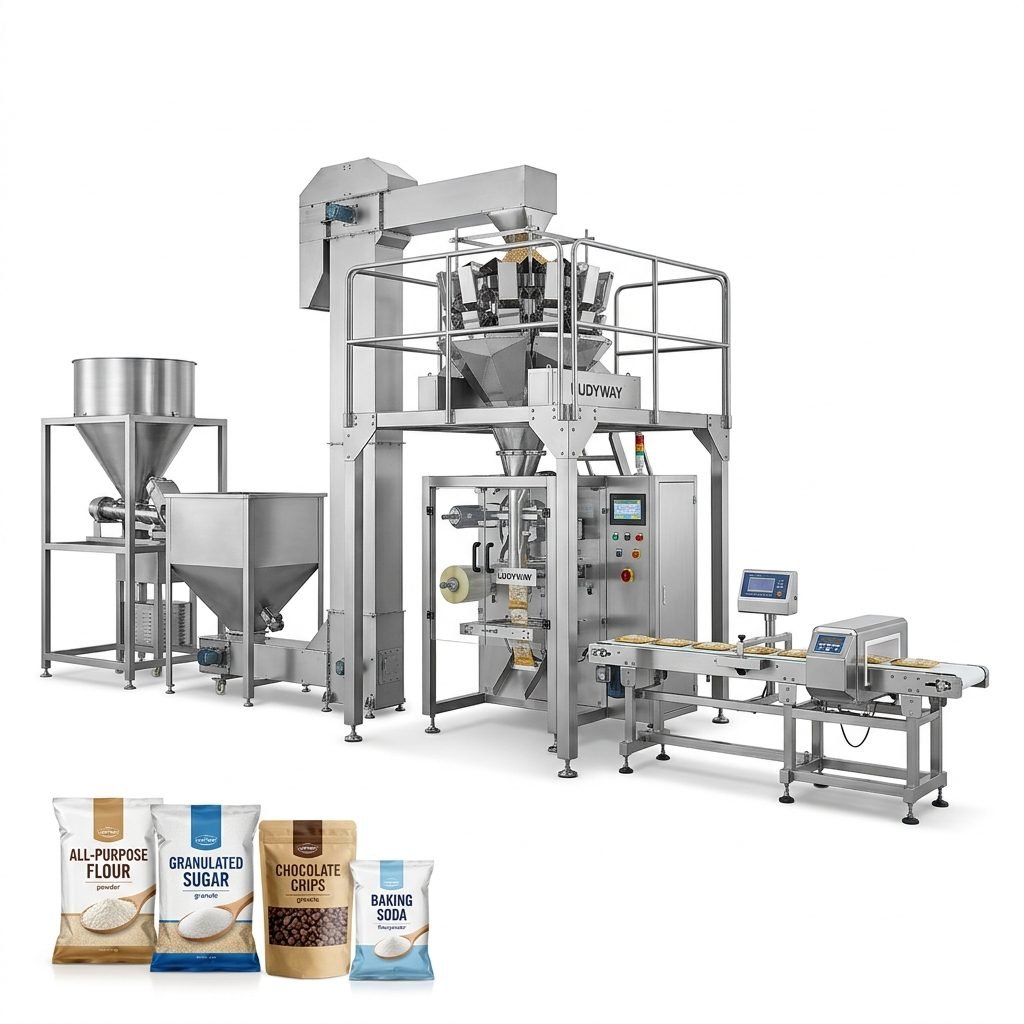
Understanding Hand Packing Machines and Their Applications
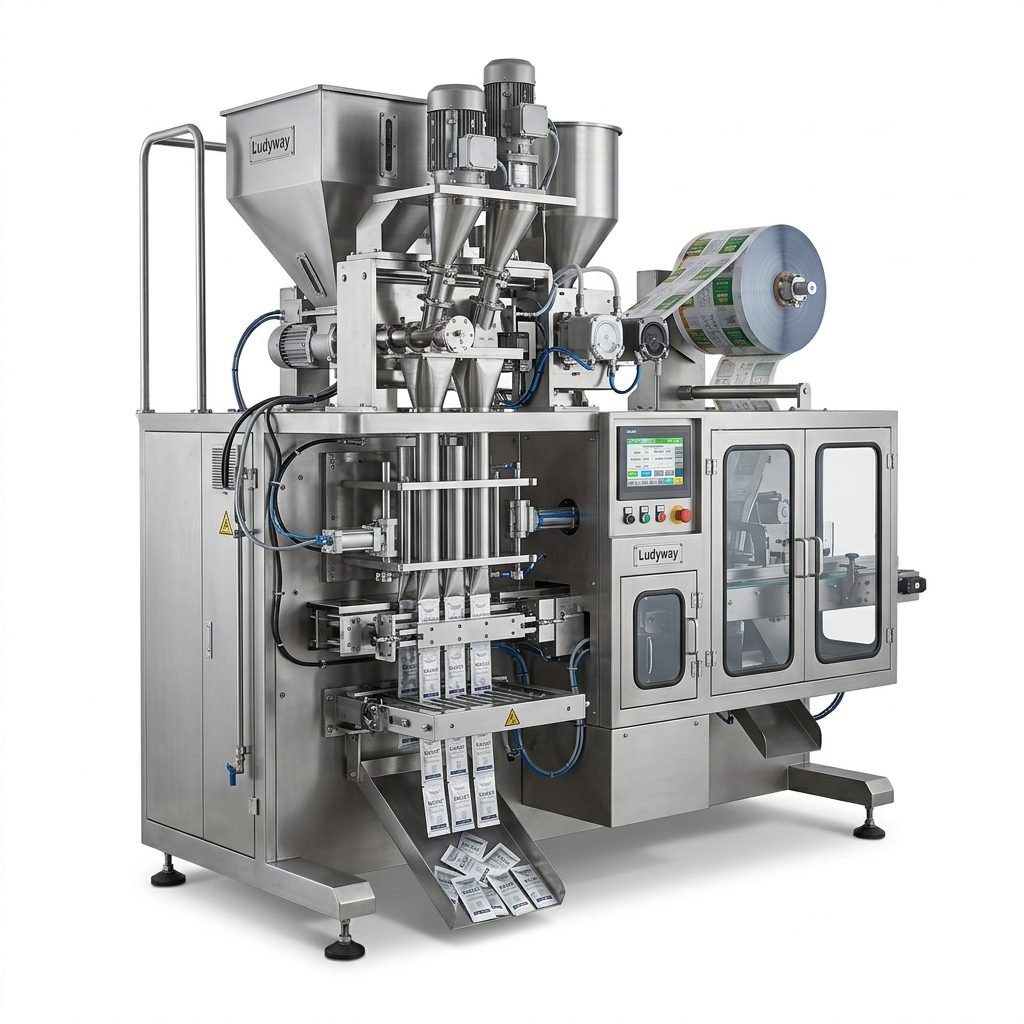
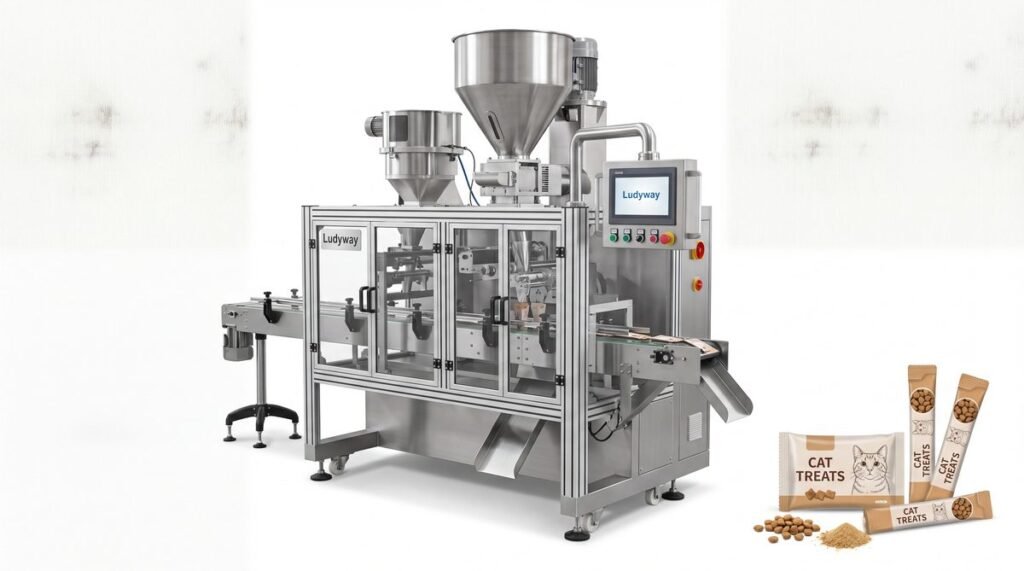
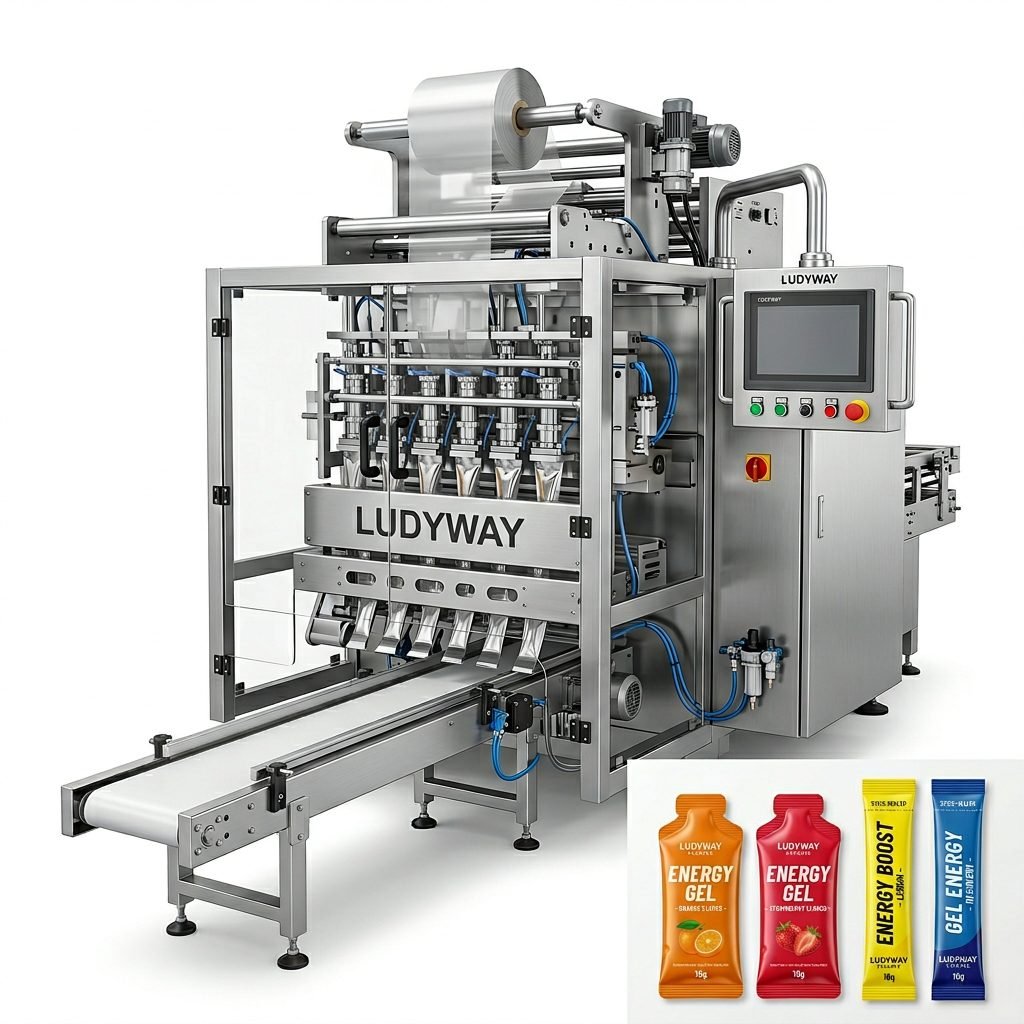
A hand packing machine refers to packaging equipment designed for manual or semi-automatic operation, commonly used by small to medium-sized manufacturers, contract packagers, and businesses entering new product categories. These machines handle a wide variety of packaging formats including stick packs, sachets, pouches, and pre-made bags. Unlike fully automated high-speed lines, hand packing machines offer greater flexibility for short production runs and frequent product changeovers.
Industries that frequently rely on hand packing solutions include food and beverage, pharmaceuticals, nutraceuticals, cosmetics, chemicals, and pet food. Understanding your specific application is the first step in selecting the right machine. According to PMMI packaging industry market research, the demand for flexible packaging equipment continues to grow across multiple sectors, making equipment selection more important than ever.
Key Factors to Consider When Choosing a Hand Packing Machine
1. Product Characteristics and Material Compatibility
The physical properties of your product determine which type of hand packing machine will work best. Consider the following:
- Product form: Is it a free-flowing powder, sticky granule, viscous liquid, paste, or solid item? Each form requires different dosing and filling mechanisms.
- Particle size and density: Fine powders may require specialized dust-control features, while large granules need different feeding systems.
- Moisture sensitivity: Hygroscopic products may need machines with enhanced sealing capabilities and moisture barrier packaging materials.
- Temperature sensitivity: Heat-sensitive products require sealing systems that do not compromise product integrity.
For manufacturers seeking guidance on FDA packaging and food contact substances regulations, understanding material compatibility is essential for compliance and product safety.
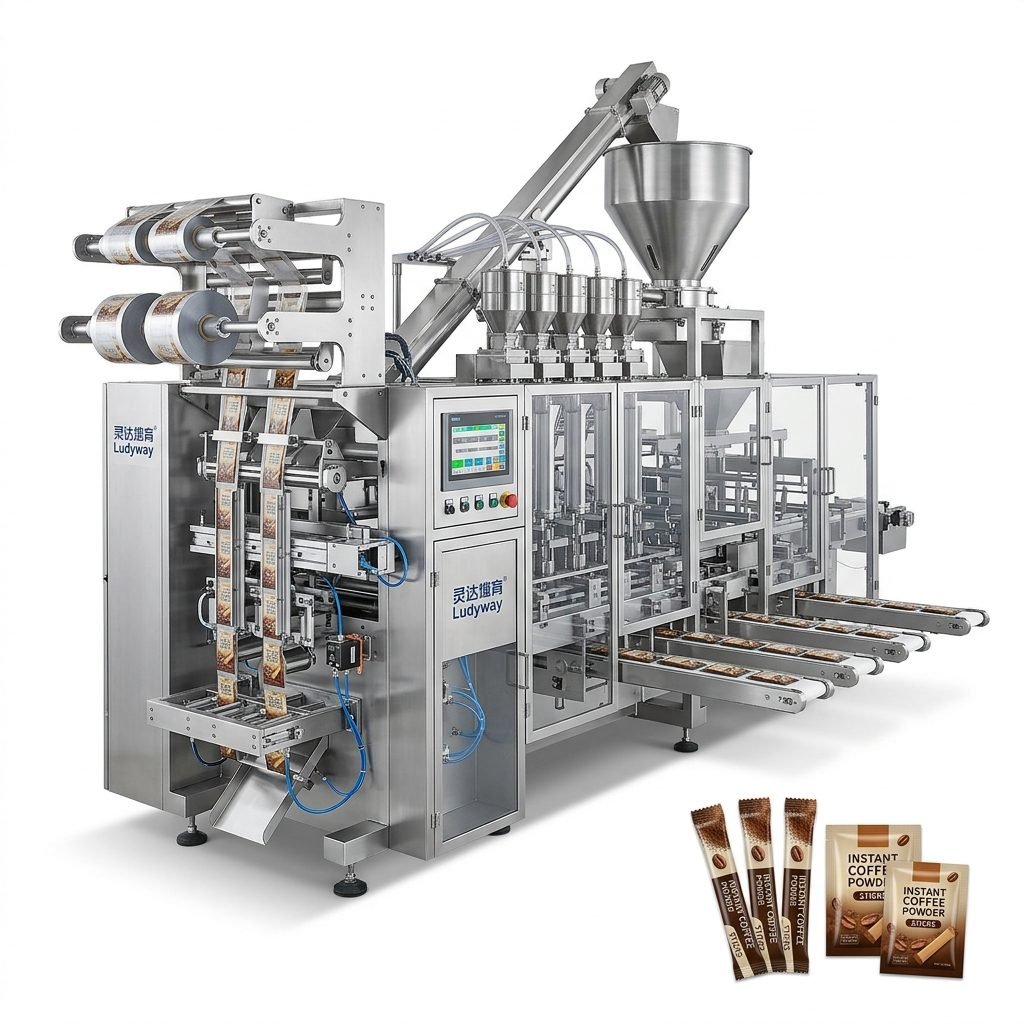
2. Packaging Format and Bag Type
Hand packing machines support various packaging formats. Your choice should align with your target market and product positioning. Common formats include:
| Packaging Format | Best For | Typical Applications |
|---|---|---|
| Stick Packs | Single-serve powders, liquids | Coffee, sugar, supplements, energy drinks |
| Sachets | Sample sizes, travel packs | Shampoo, sauces, cosmetics, pharmaceuticals |
| Pouches | Larger volumes, resealable options | Pet food, frozen products, bulk ingredients |
| Pre-made Bags | Fast changeovers, premium look | Nuts, dried fruits, specialty foods |
The Flexible Packaging Association provides valuable industry data on packaging format trends that can help you make informed decisions about which format best suits your market.
3. Production Speed and Capacity Requirements
Your current and projected production volume should guide your equipment selection. Ask yourself:
- How many units do you need to produce per hour, per shift, or per day?
- Do you anticipate scaling up production within the next 2-3 years?
- Will you run multiple products on the same machine?
Manual hand packing machines typically produce 10-30 packs per minute, while semi-automatic systems can reach 40-80 packs per minute. Understanding your capacity needs prevents under-investment in equipment that quickly becomes a bottleneck or over-investment in capacity you cannot utilize.
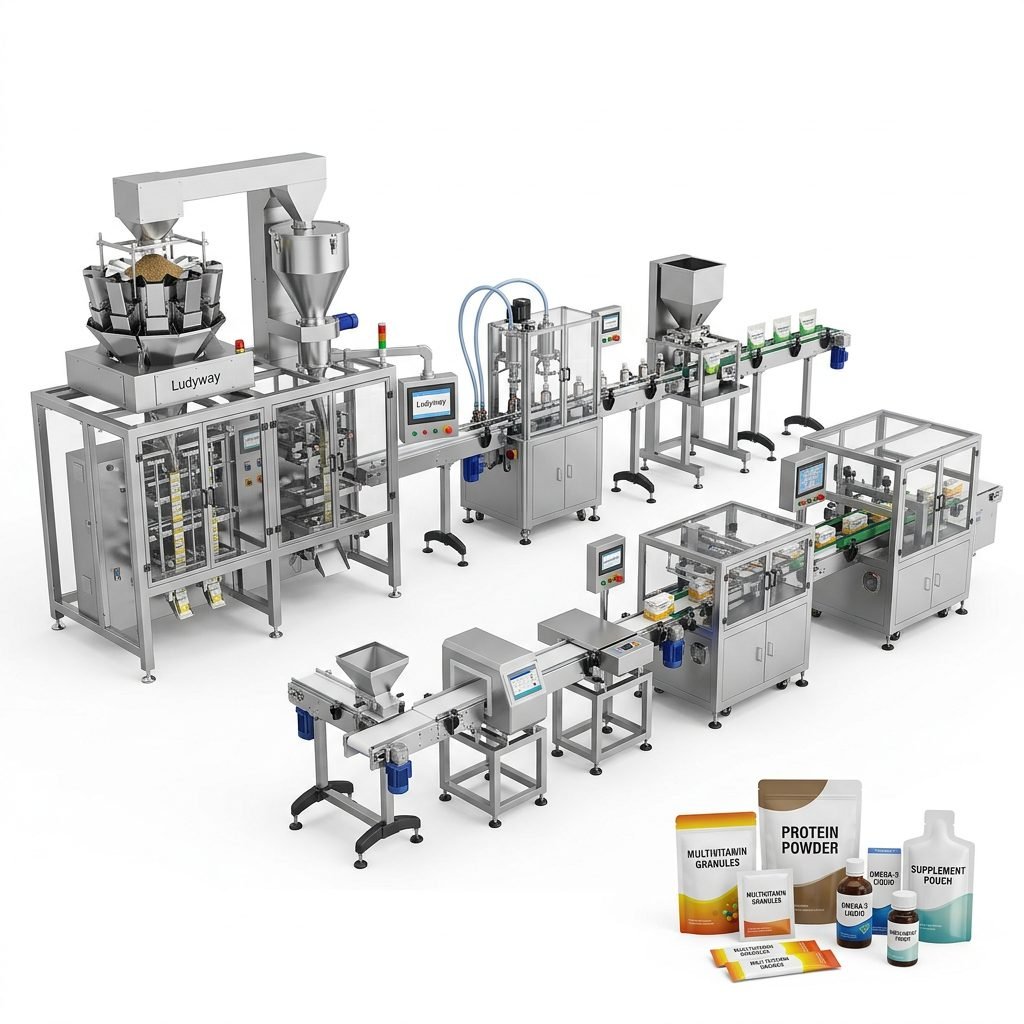
4. Filling Accuracy and Dosing Technology
Accurate filling is critical for product consistency, regulatory compliance, and cost control. Different dosing technologies suit different products:
- Volumetric fillers: Ideal for free-flowing powders and granules with consistent density.
- Auger fillers: Best for fine powders that require precise weight-based dosing.
- Piston fillers: Suitable for liquids, pastes, and viscous products.
- Multi-head weighers: Provide high accuracy for solid products like snacks, nuts, and hardware parts.
Standards such as ISO 11607 packaging standards provide guidance on validation requirements that may apply to your filling and sealing processes, particularly in regulated industries.
Types of Hand Packing Machines
Manual Hand Packing Machines
These are entry-level systems where operators manually fill and seal each package. They are low-cost and easy to operate, making them suitable for startups, artisanal producers, and businesses with very low production volumes. However, they have limited throughput and higher labor dependency.
Semi-Automatic Hand Packing Machines
Semi-automatic machines automate either the filling or sealing process while the operator handles other tasks. These machines strike a balance between cost and productivity, typically offering better consistency than fully manual systems while remaining more affordable than fully automatic lines. For growing businesses, semi-automatic equipment often represents the most practical investment.

Technical Specifications to Evaluate
When comparing different hand packing machine models, pay close attention to the following technical specifications:
| Specification | Why It Matters |
|---|---|
| Filling Range | Must match your product weight or volume requirements |
| Bag Size Range | Must accommodate your desired packaging dimensions |
| Sealing Temperature | Must be compatible with your packaging film material |
| Power Requirements | Must match your facility’s electrical supply |
| Air Consumption | Pneumatic machines require adequate compressed air supply |
| Construction Material | Stainless steel is preferred for food and pharma applications |
Budget, ROI, and Total Cost of Ownership
The purchase price of a hand packing machine is only one part of the total cost equation. A comprehensive cost analysis should include:
- Initial purchase price including shipping, installation, and commissioning
- Operating costs such as labor, electricity, compressed air, and consumables
- Maintenance costs including spare parts, routine servicing, and unexpected repairs
- Packaging material waste from machine inefficiency or poor sealing quality
- Downtime costs when the machine is out of service
Calculating your return on investment (ROI) helps justify the capital expenditure and compare different equipment options objectively. A machine that costs 20% more upfront but reduces labor by 50% and waste by 30% may deliver significantly better long-term value.

Working with Reliable Packaging Machinery Suppliers
Selecting the right supplier is as important as selecting the right machine. A dependable supplier provides technical expertise, after-sales support, spare parts availability, and training resources that directly impact your long-term satisfaction with the equipment. When evaluating suppliers, consider their industry experience, manufacturing capabilities, customer references, and commitment to ISO packaging and distribution standards.
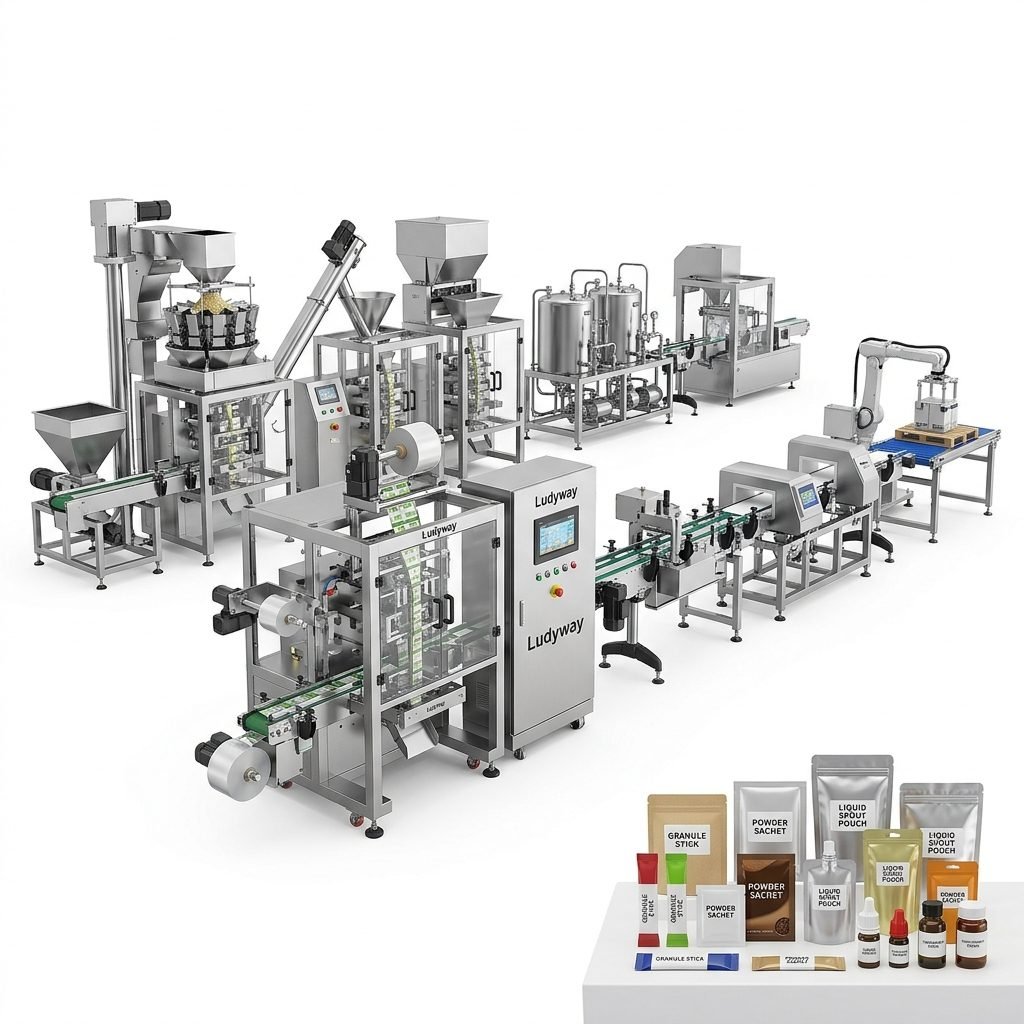
Established manufacturers with decades of industry experience, such as Ludyway Machinery, combine manufacturing expertise with engineering capabilities to help customers improve packaging efficiency and operational consistency. With a 20,000-square-meter manufacturing facility and more than 130 professionals, experienced suppliers can provide integrated packaging systems tailored to specific production requirements. For more information on industry trends, the PMMI State of the Industry report offers valuable insights into packaging machinery market developments.
Regulatory Compliance and Quality Standards
Depending on your industry and target market, your hand packing machine may need to comply with various regulations and standards. Key considerations include:
- Food safety regulations from authorities like the FDA food packaging division
- Pharmaceutical GMP requirements for drug and medical device packaging
- CE marking for equipment sold in the European Economic Area
- UL certification for electrical safety in North American markets
- Sustainability regulations such as the European packaging and packaging waste regulation
Ensuring your equipment meets applicable standards upfront avoids costly retrofits and compliance issues later. The Flexible Packaging Association regulatory affairs resources can help you stay informed about changing requirements.
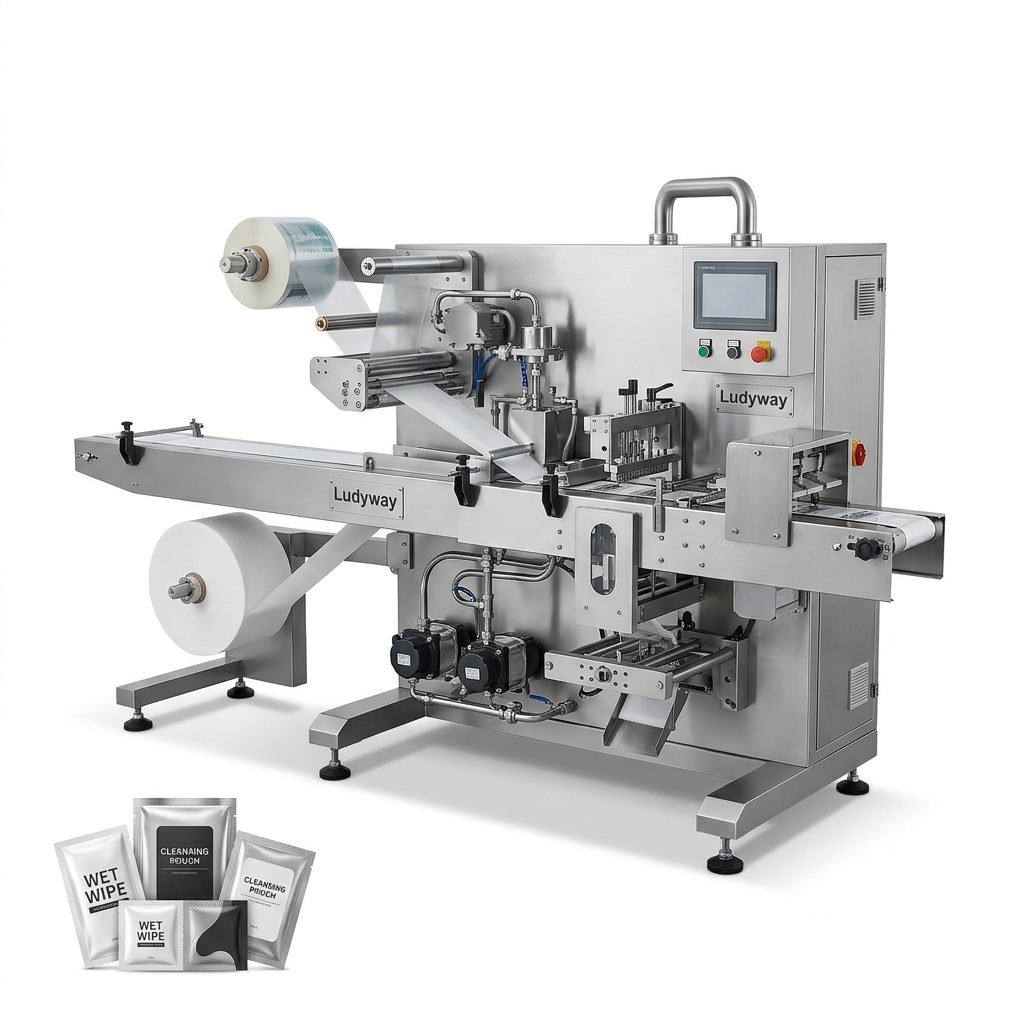
Installation, Training, and After-Sales Support
The relationship with your equipment supplier should not end at the point of sale. Comprehensive after-sales support is essential for maximizing machine uptime and productivity throughout its service life. When evaluating suppliers, confirm the following:
- Installation and commissioning services — will the supplier send technicians to your facility?
- Operator training programs — are they included in the purchase price or available at additional cost?
- Spare parts availability — how quickly can replacement parts be shipped to your location?
- Remote technical support — can issues be diagnosed and resolved without on-site visits?
- Warranty terms — what is covered and for how long?
These factors significantly affect your total cost of ownership and long-term satisfaction with the equipment. The PMMI packaging industry resources provide additional guidance on evaluating packaging machinery and building effective supplier partnerships.
Conclusion: Making an Informed Decision
Choosing the right hand packing machine requires careful evaluation of your product characteristics, production requirements, packaging format preferences, budget constraints, and long-term growth plans. By systematically assessing each factor outlined in this guide, you can narrow down your options and select equipment that delivers reliable performance, consistent quality, and strong return on investment.
Take the time to visit supplier facilities when possible, request product demonstrations with your actual materials, and speak with existing customers about their experiences. A well-chosen hand packing machine will serve as a productive asset for years to come, supporting your business growth and helping you meet evolving market demands. For ongoing industry insights, resources from the Flexible Packaging Association and PMMI – The Association for Packaging and Processing Technologies are excellent references for staying current with packaging technology and market trends.