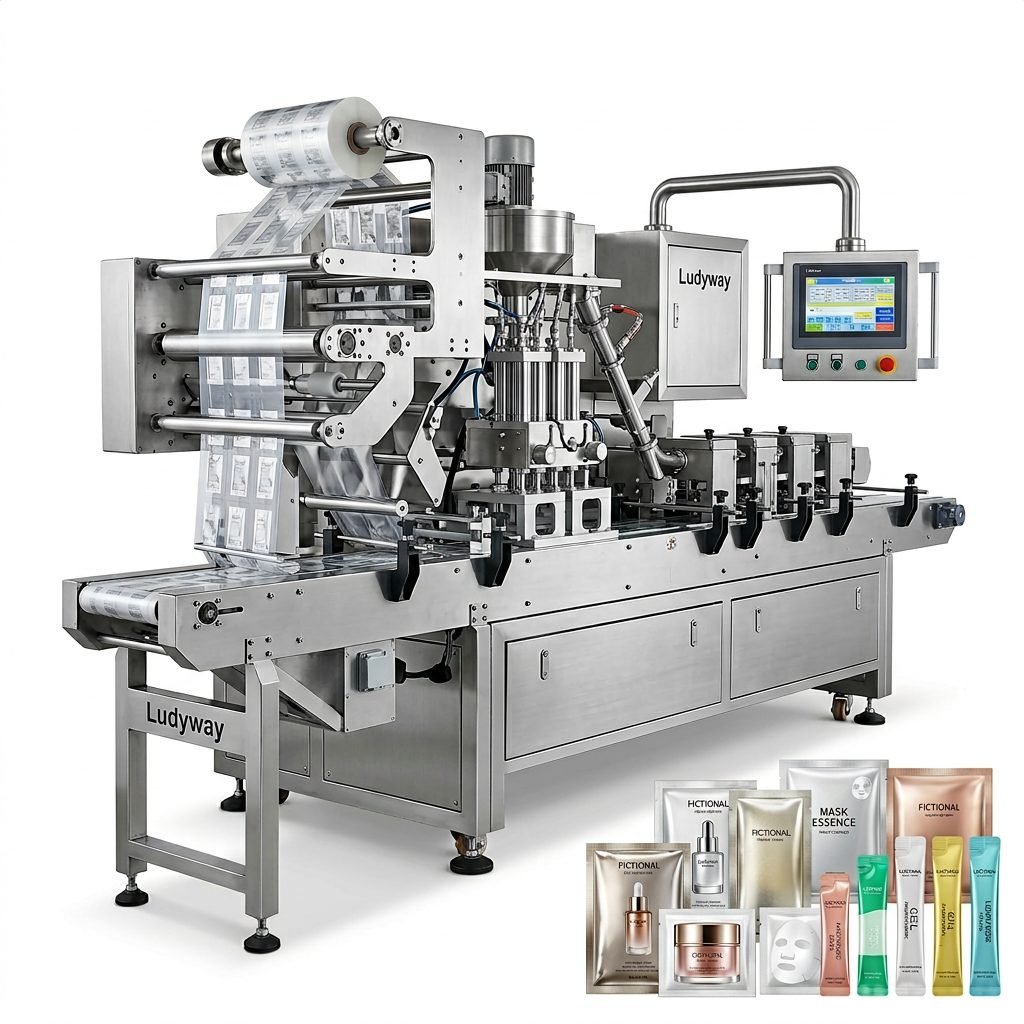
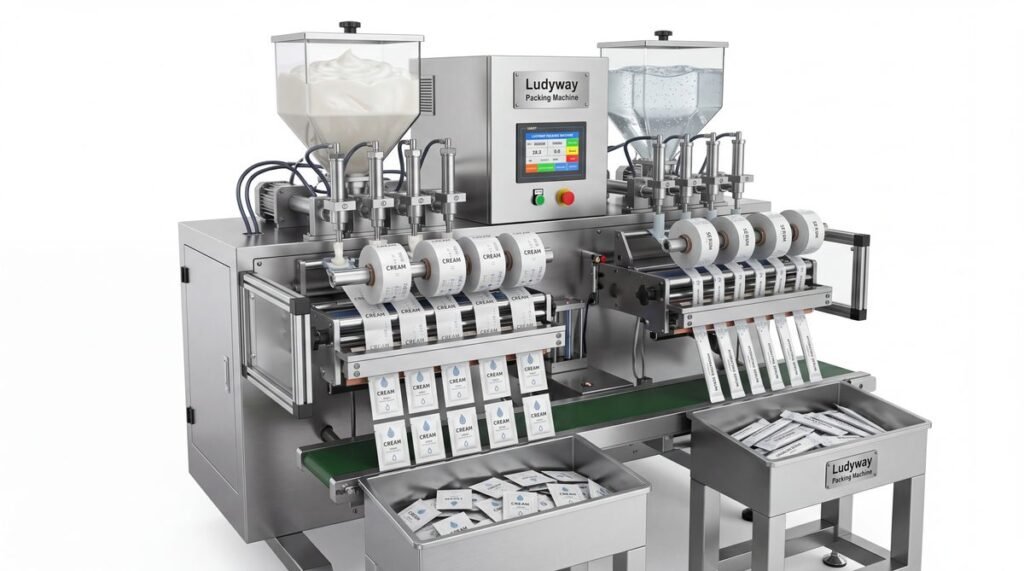
Germany represents one of the most sophisticated and highly regulated markets for packaging machinery in Europe. Setting up a chewing gum packaging machine production line here requires careful planning, strict adherence to regulatory frameworks, and a deep understanding of both technical and operational requirements. This comprehensive guide walks you through every essential step — from initial market assessment and regulatory compliance to equipment selection, installation, and long-term maintenance. Whether you are launching a new facility or upgrading an existing line, understanding German standards is critical to achieving efficient production and sustainable growth in the confectionery packaging sector.
Understanding the German Chewing Gum Packaging Market
Germany is home to some of the world’s largest confectionery manufacturers and boasts a mature packaging machinery sector. The chewing gum segment, in particular, demands high-speed multi-lane packaging systems capable of handling stick pack, sachet, and pillow pack formats. According to PMMI business intelligence reports, the European packaging machinery market continues to grow steadily, driven by automation trends and demand for flexible packaging solutions. Understanding local market dynamics — including consumer preferences for sustainable packaging and portion-controlled formats — will directly influence your production line configuration.
Key Regulatory Requirements in Germany
Before installing any packaging machinery in Germany, you must navigate a complex regulatory landscape. Compliance is not optional — it is a legal prerequisite for operation. The following sections outline the most critical regulations that apply specifically to chewing gum packaging operations.
CE Certification and Machinery Directive
All packaging machines imported into or operated within Germany must carry CE marking in accordance with the EU Machinery Directive 2006/42/EC. This certification confirms that the equipment meets essential health and safety requirements. For a chewing gum packaging line, this includes guarding systems, emergency stop functions, and noise level compliance. Manufacturers should reference ISO packaging standards to ensure their equipment aligns with harmonized technical specifications recognized across the European Union.
Food Contact Materials Compliance
Since chewing gum is a food product, all packaging materials that come into direct contact with the gum must comply with FDA food contact substance regulations as well as EU Regulation (EC) No 1935/2004. This includes film laminates, foil materials, and any coatings used in the packaging process. German authorities, including the Federal Institute for Risk Assessment (BfR), enforce strict migration limits for substances that could transfer from packaging to the product. Ensuring your packaging materials meet these requirements is essential for market access and consumer safety.
Choosing the Right Chewing Gum Packaging Machine
Selecting the appropriate packaging equipment is perhaps the most consequential decision in setting up your production line. The following table compares the most common machine types used for chewing gum packaging applications in Germany and across Europe:
| Machine Type | Packaging Format | Typical Speed Range | Best Suited For |
|---|---|---|---|
| Multi-Lane Stick Pack Machine | Stick packs, sachets | 200-800 packs/min | High-volume gum sticks, portion packs |
| Horizontal Flow Wrapper | Pillow packs, individual wraps | 100-600 packs/min | Individually wrapped gum pieces |
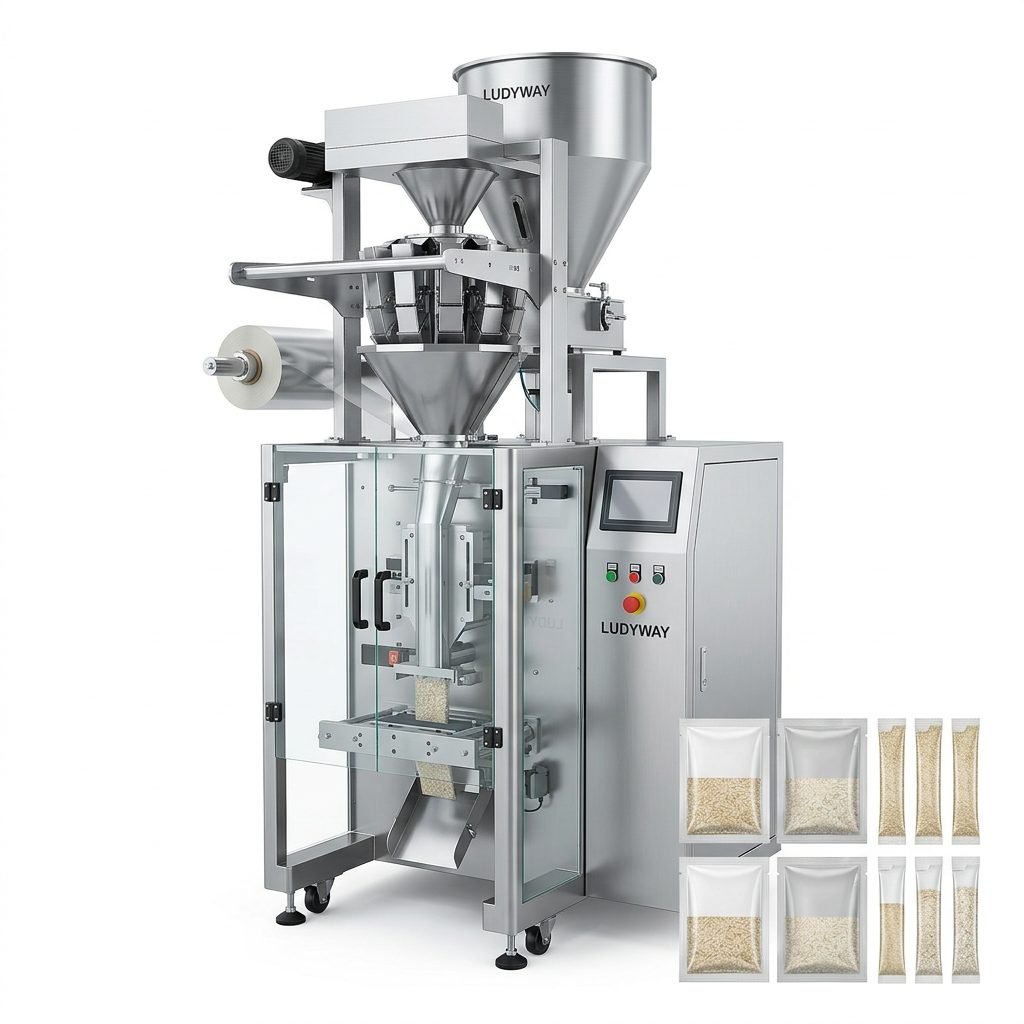
| Vertical Form Fill Seal (VFFS) | Pillow bags, gusseted pouches | 60-200 packs/min | Bulk gum pouches, family packs |
| Premade Pouch Filling Line | Stand-up pouches, zipper bags | 40-120 packs/min | Premium packaging, resealable formats |
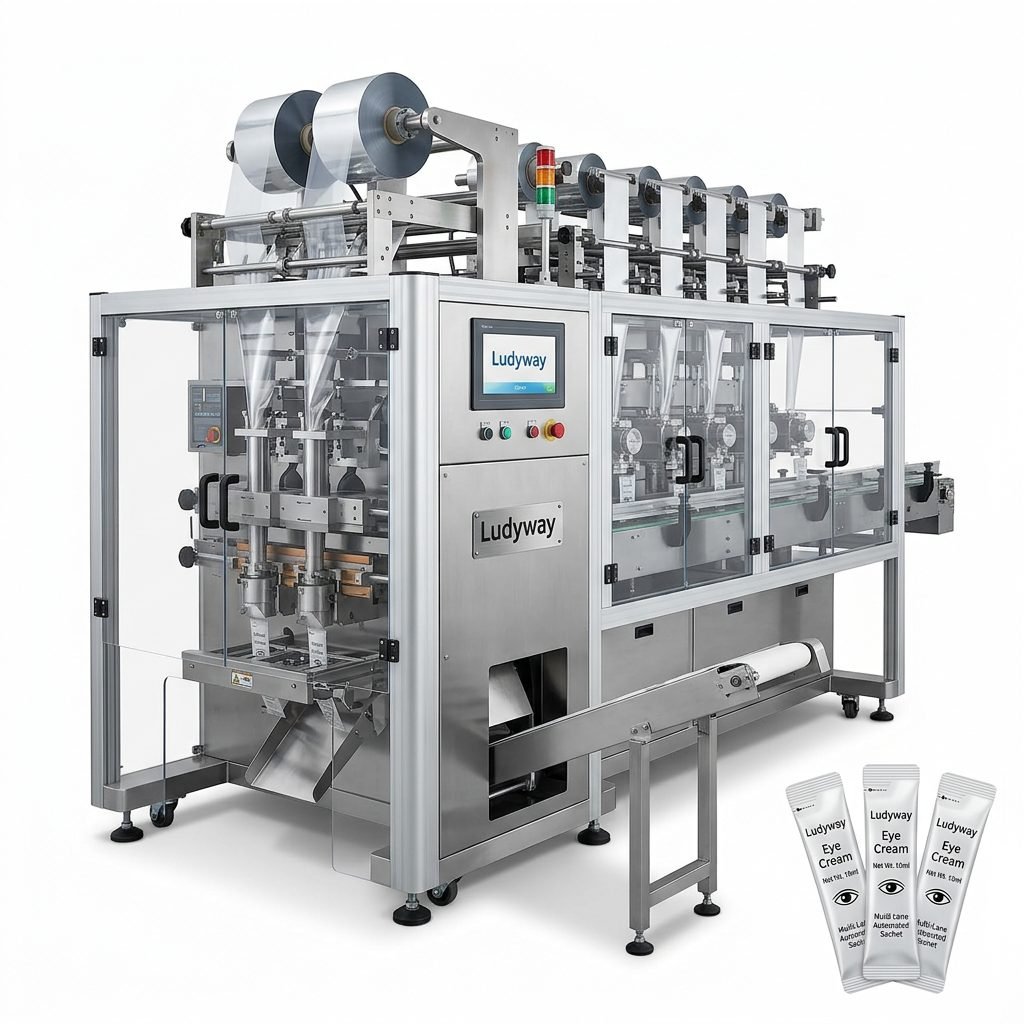
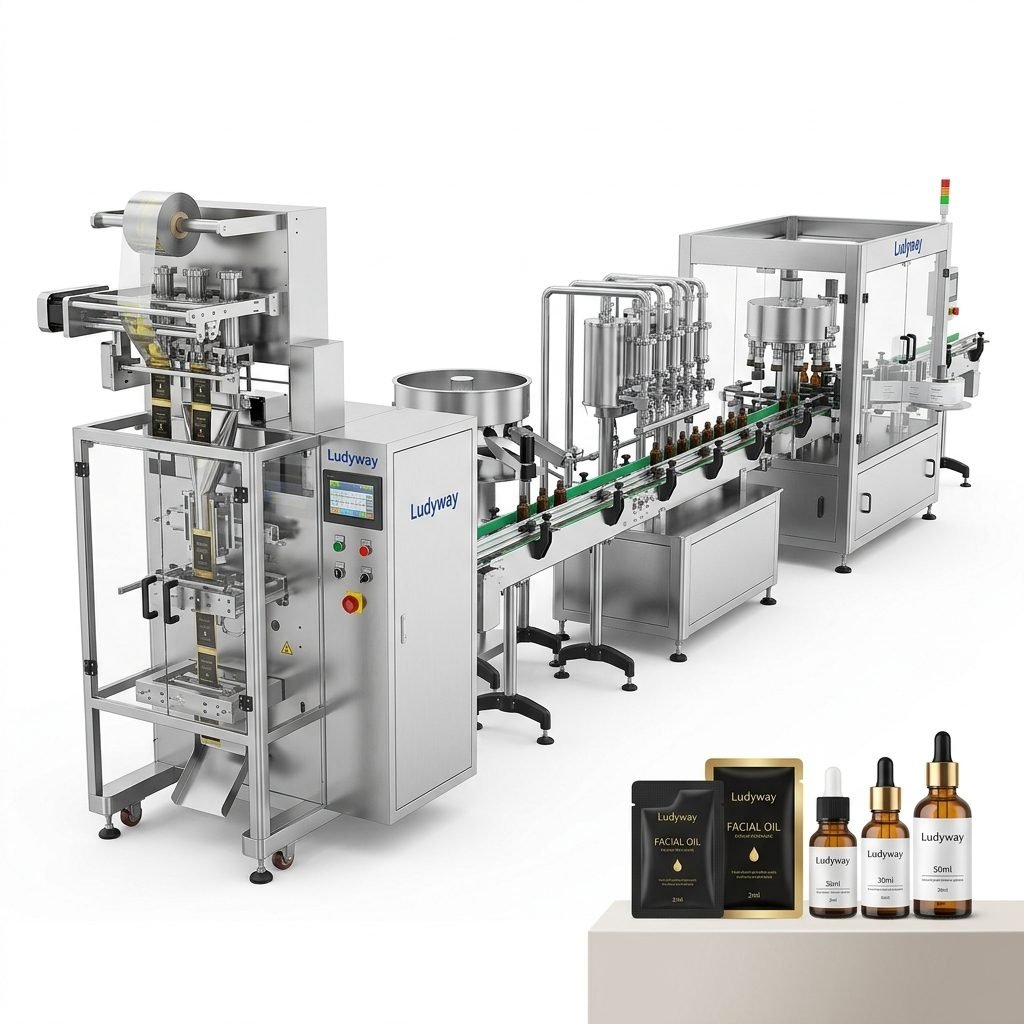
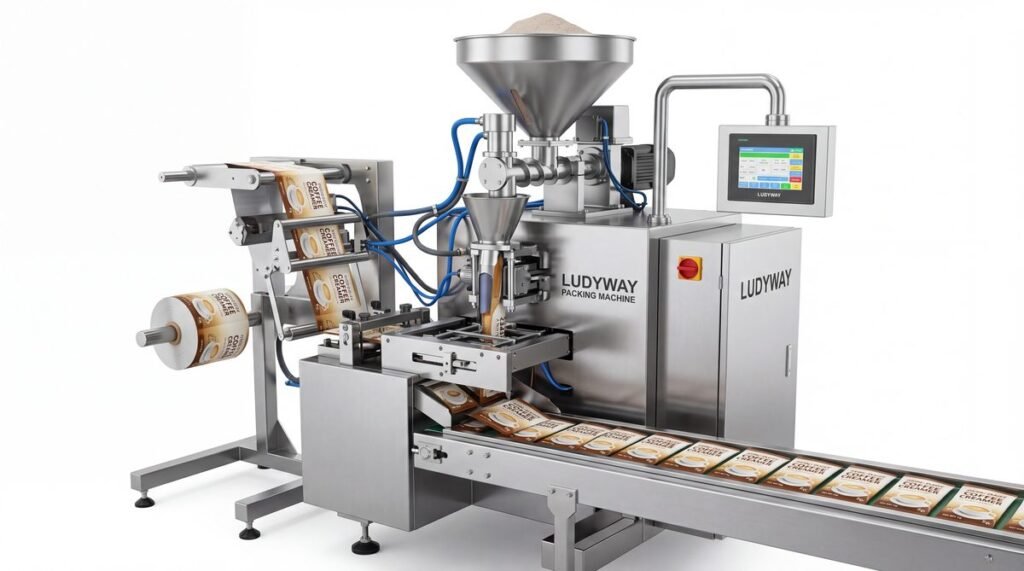
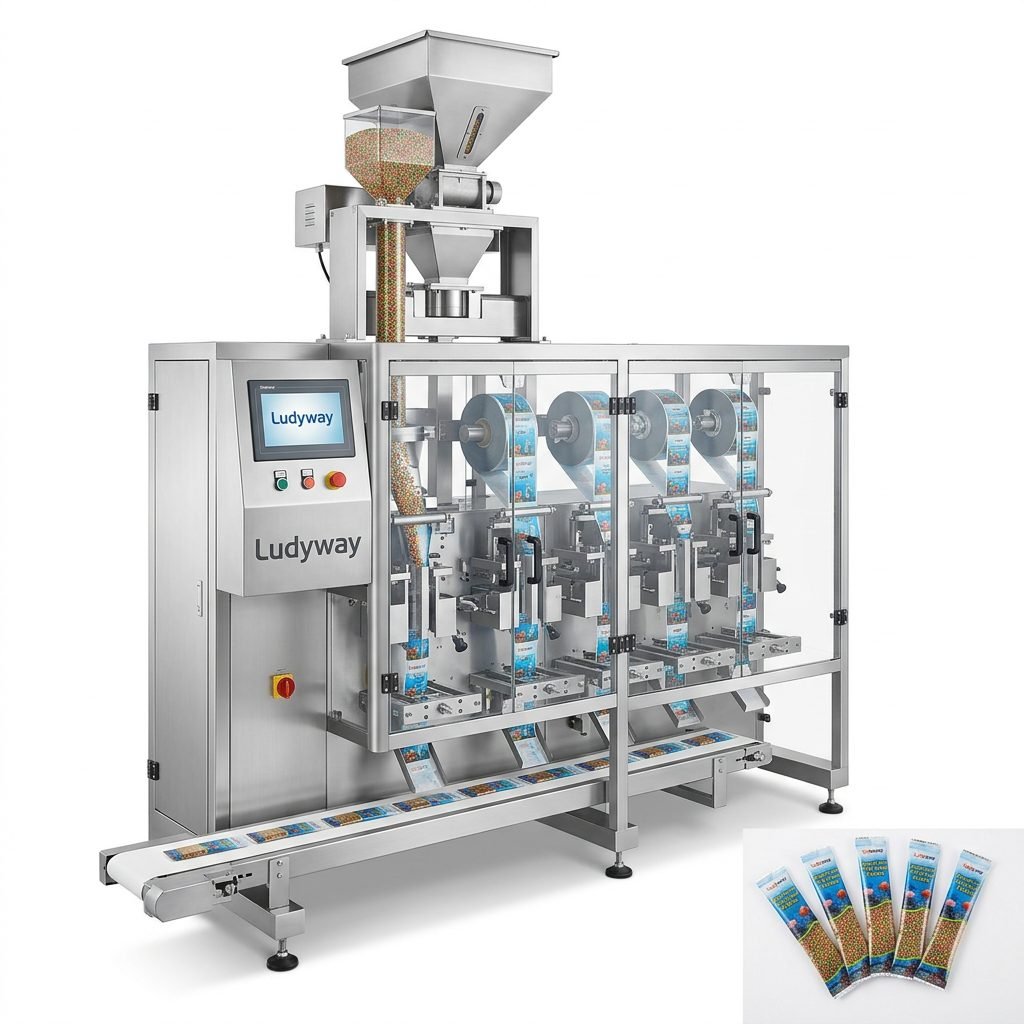
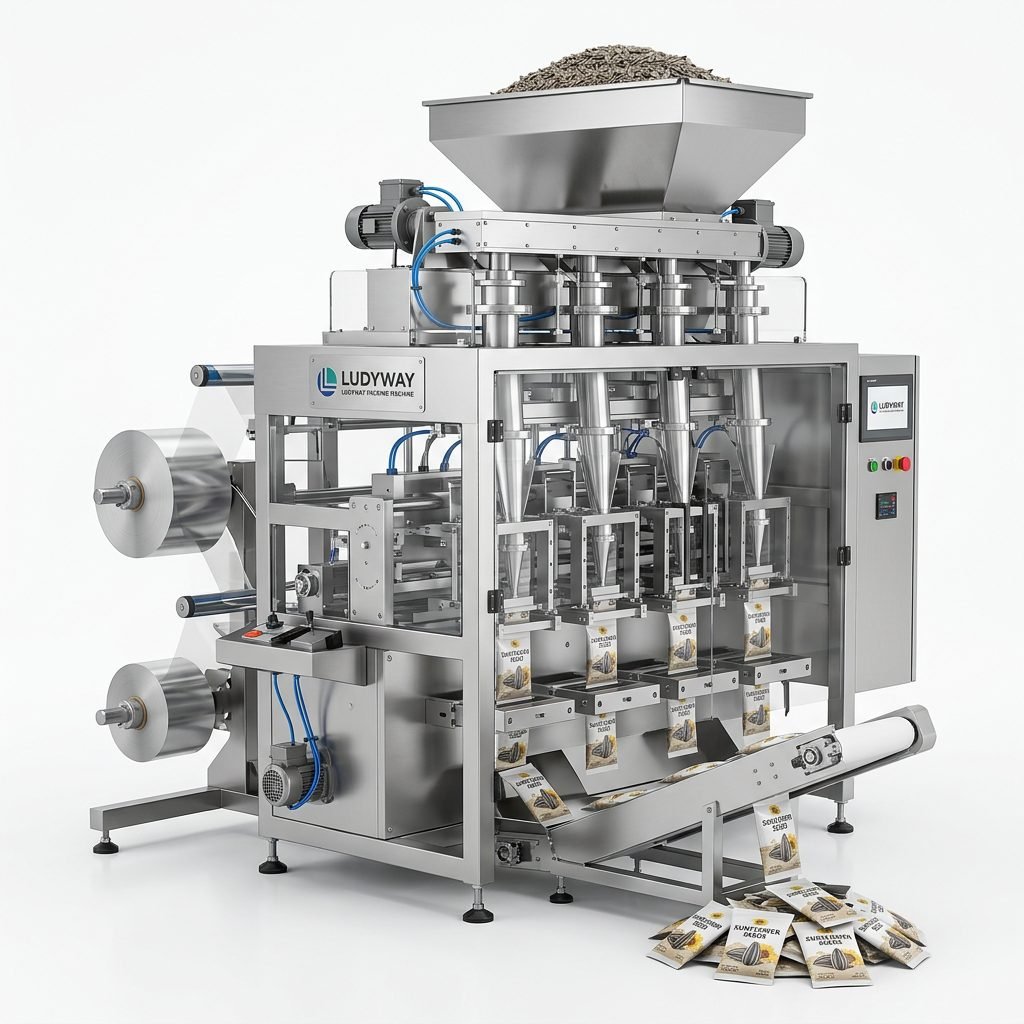
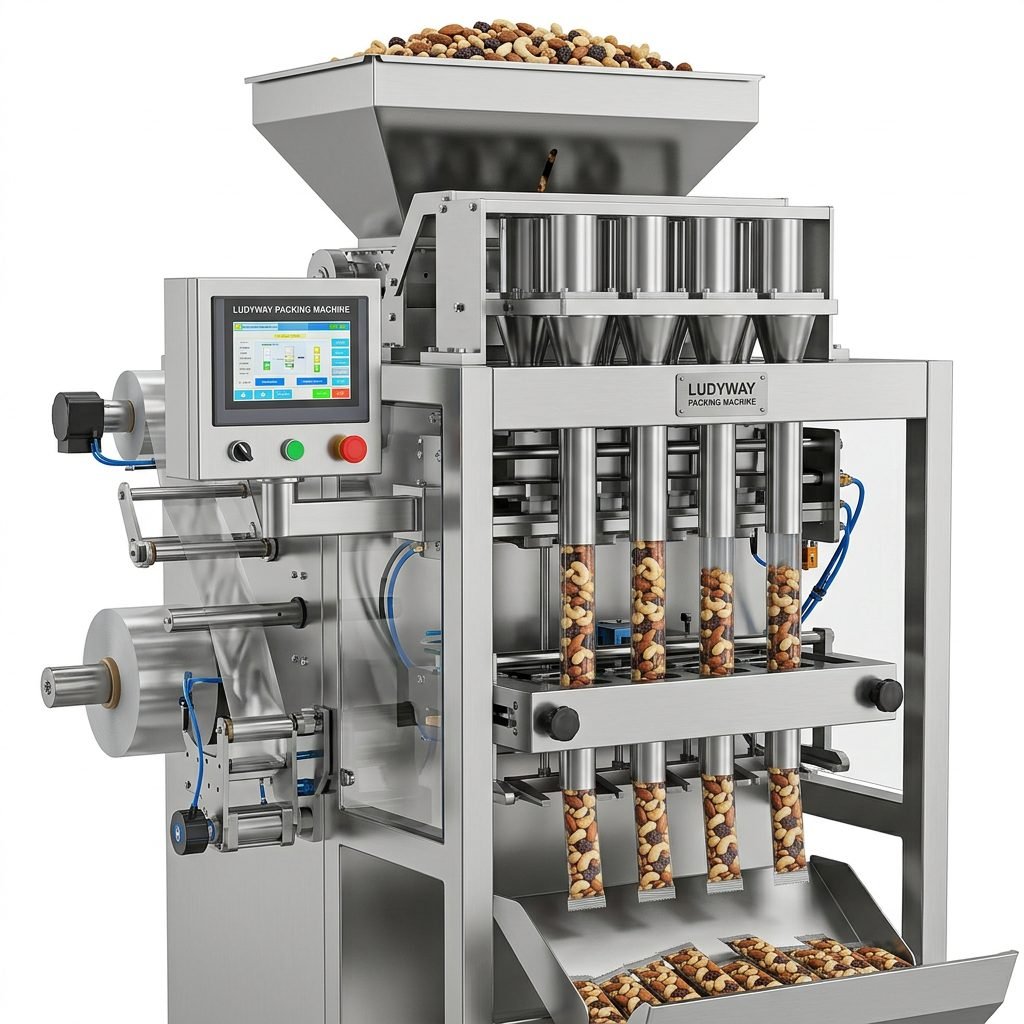
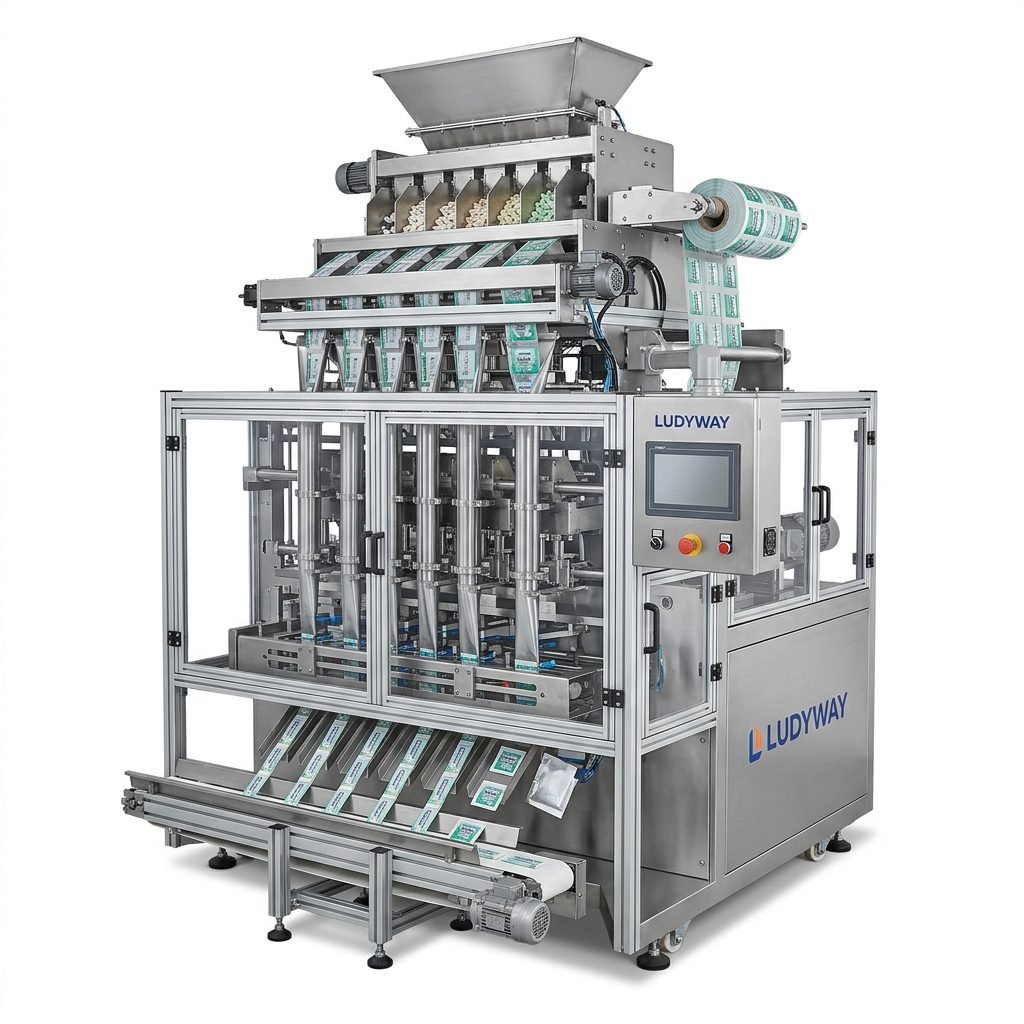
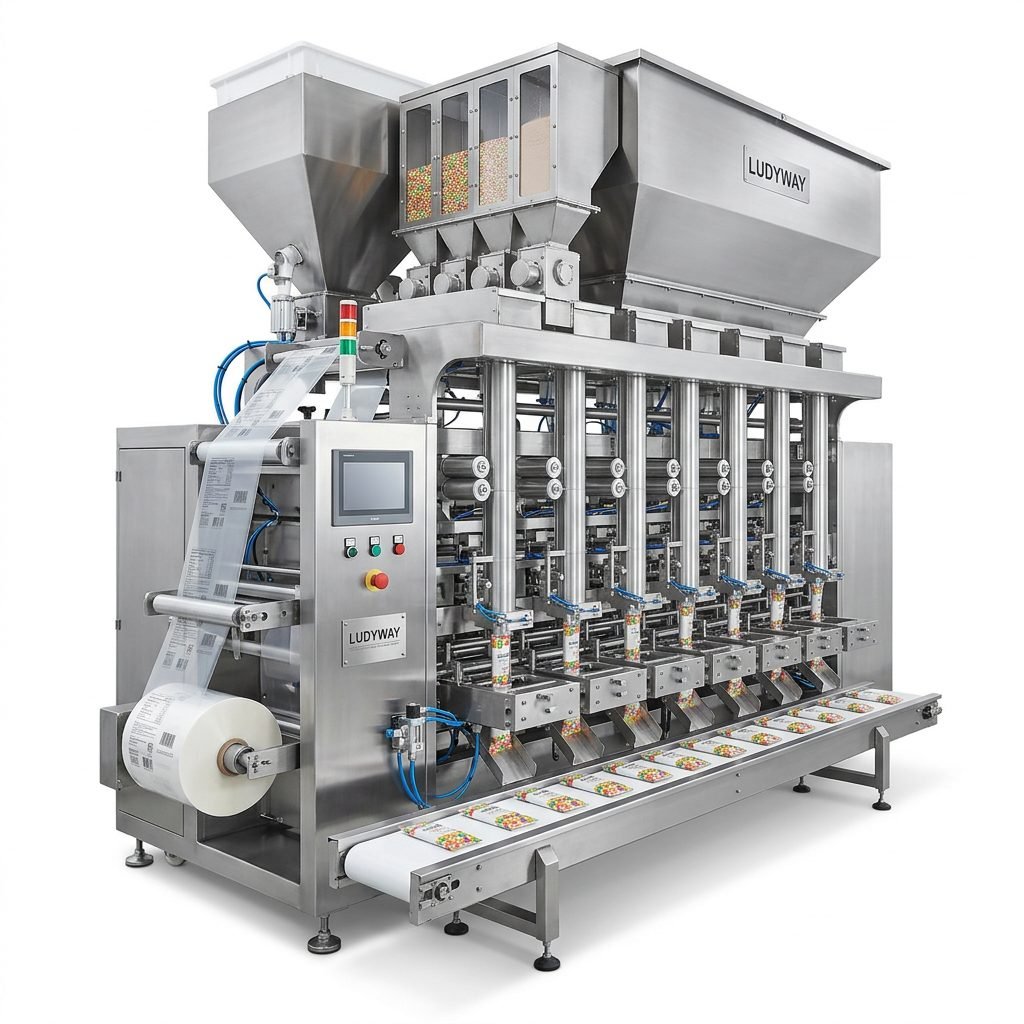
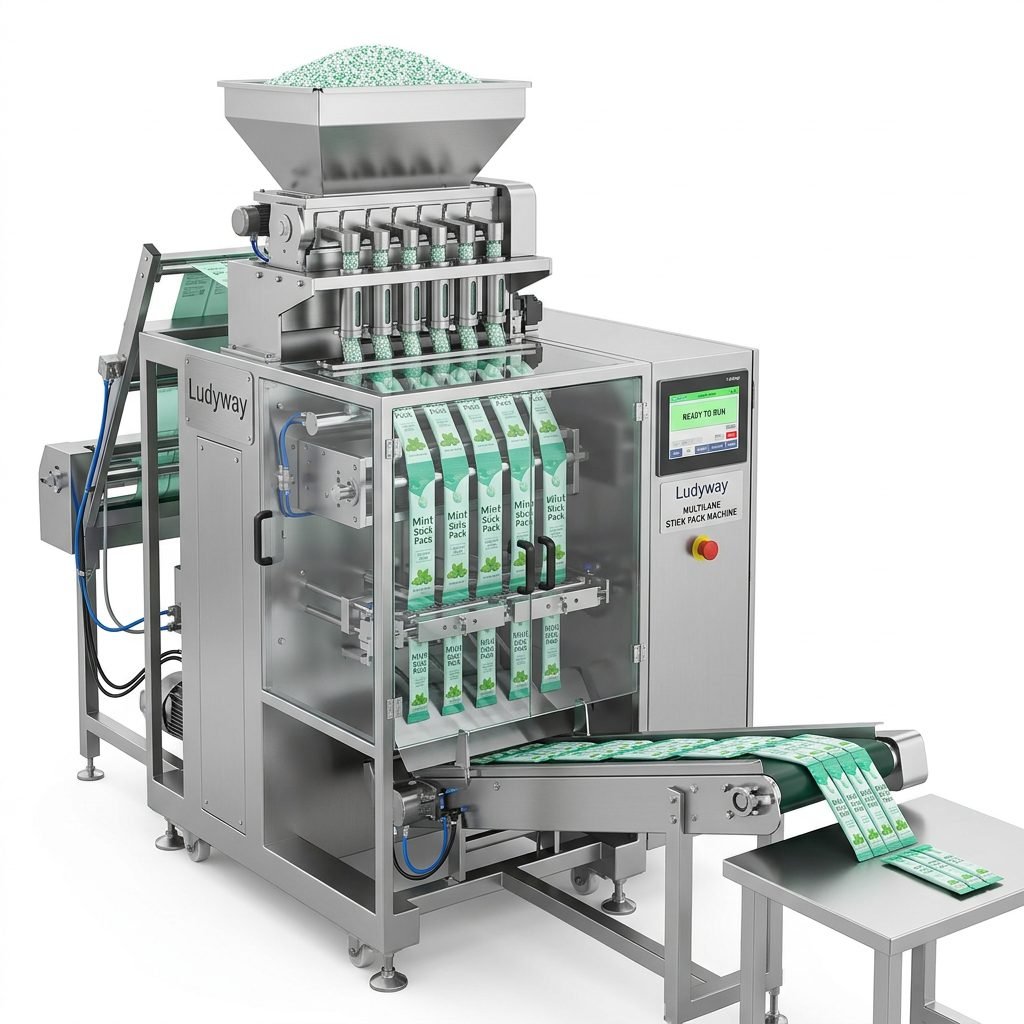
For most chewing gum manufacturers in Germany, multi-lane stick pack machines offer the best balance of speed, versatility, and packaging material efficiency. These systems can run multiple lanes simultaneously, dramatically increasing output while maintaining consistent seal integrity. When sourcing equipment, it is advisable to work with experienced manufacturers who understand European requirements. Ludyway is one of the largest packaging machine manufacturers with extensive experience in multi-lane stick pack and sachet packaging systems for global markets, including turnkey solutions tailored to German production standards.
Production Line Layout and Integration
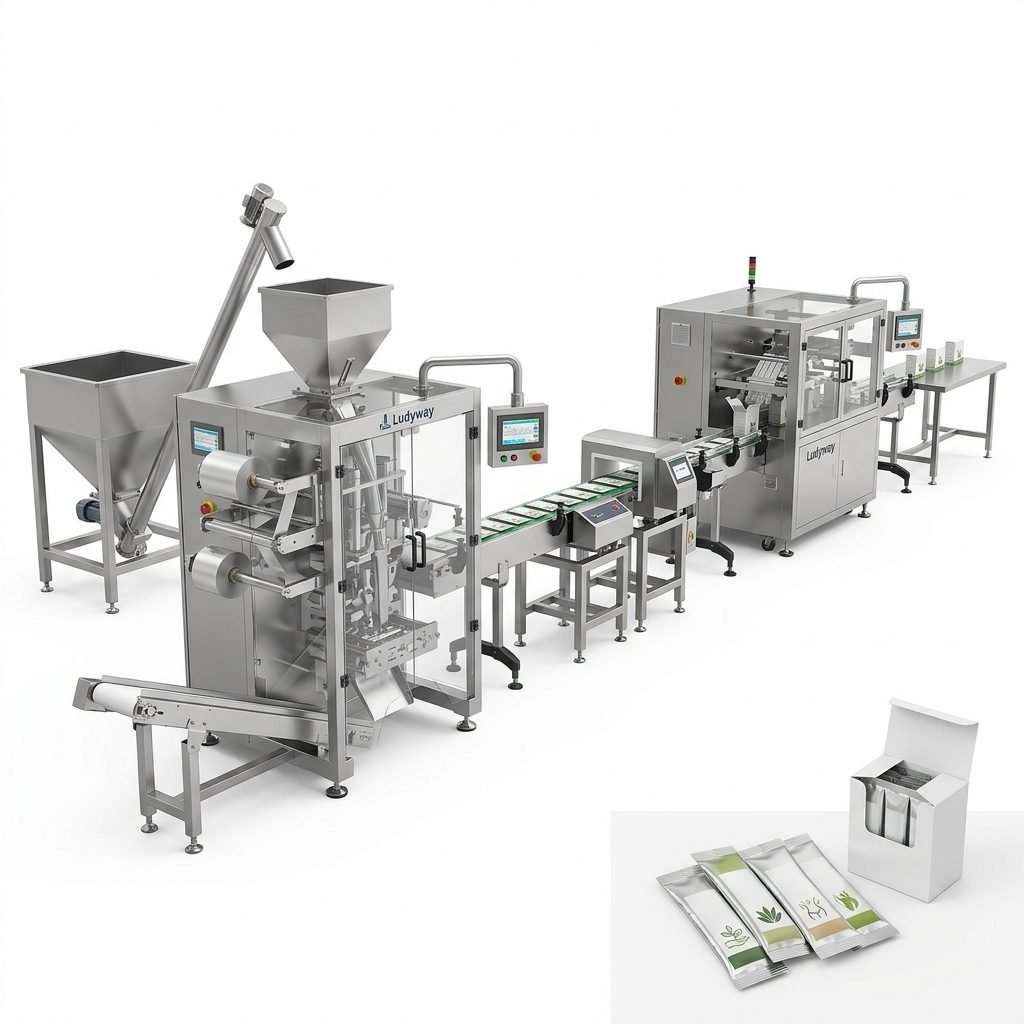
A well-designed production line layout maximizes efficiency and minimizes bottlenecks. In German facilities, where labor costs are high and automation is prioritized, the integration of upstream and downstream equipment is critical. Key considerations include:
- Infeed systems — Automated feeding of gum pieces or sticks into the packaging machine using vibratory or belt conveyors calibrated for consistent product orientation.
- Primary packaging unit — The core packaging machine that forms, fills, and seals the chewing gum into the desired format.
- Checkweighing and inspection — ISO 11607-aligned quality control stations, including metal detection and vision inspection systems, to ensure every pack meets weight and seal integrity standards.
- Secondary packaging — Cartoning machines, case packers, and palletizing systems that prepare finished packs for distribution.
- Coding and marking — Batch coding and traceability systems compliant with German and EU labeling requirements.
Installation and Commissioning Process
The installation of a chewing gum packaging production line in Germany must follow a structured commissioning protocol. This typically involves several distinct phases:
Pre-Installation Preparation
Before the machinery arrives, ensure that the facility meets all utility requirements: compressed air supply (typically 6-8 bar), electrical connections matching German industrial standards (400V, 50Hz, three-phase), and adequate ventilation. Floor load capacity should be verified, as high-speed packaging lines can be heavy. Additionally, confirm that your facility complies with EU packaging waste regulations regarding material handling and disposal systems.
Mechanical and Electrical Installation
Professional installation by certified technicians is strongly recommended. All electrical work must comply with German VDE standards, and mechanical anchoring must meet local seismic and safety codes. Proper leveling and alignment of multi-lane machines are critical to achieving consistent packaging quality across all lanes.
Commissioning and Validation
Once installed, the line undergoes rigorous testing — first dry runs without product, then wet runs with actual chewing gum. Seal strength testing, weight verification, and speed ramp-up trials should be conducted systematically. Documentation of all commissioning activities is essential for regulatory audits and future maintenance reference.
Staff Training and Safety Protocols
German workplace safety regulations, governed by the DGUV (German Social Accident Insurance), mandate comprehensive operator training before any packaging line goes into full production. Training programs should cover:
- Machine operation — Hands-on training for operators on start-up, shutdown, and changeover procedures specific to chewing gum packaging formats.
- Safety systems — Understanding of emergency stops, interlocking guards, light curtains, and lockout-tagout (LOTO) procedures as required by German Betriebssicherheitsverordnung (BetrSichV).
- Quality control — Training on inline inspection equipment, rejection systems, and documentation practices that support traceability and compliance with flexible packaging regulatory affairs guidelines.
- Hygiene protocols — Since chewing gum is a food product, operators must follow strict hygiene procedures, including protective clothing, hand sanitation, and cleaning schedules.
Maintenance and Troubleshooting
A proactive maintenance strategy is essential for maximizing uptime and extending the service life of your packaging line. German manufacturers typically implement Total Productive Maintenance (TPM) or similar systematic approaches. Key maintenance activities include:
| Maintenance Level | Frequency | Key Activities |
|---|---|---|
| Daily (Operator) | Every shift | Visual inspection, cleaning of sealing jaws, sensor lens cleaning, lubrication check |
| Weekly (Technician) | Once per week | Belt tension checks, seal temperature calibration, film tracking alignment, safety system testing |
| Monthly (Engineering) | Once per month | Gearbox oil inspection, bearing replacement assessment, electrical connection tightening, PLC backup |
| Annual (Manufacturer) | Once per year | Full mechanical overhaul, software updates, critical component replacement, performance audit |
Common troubleshooting scenarios for chewing gum packaging lines include film misalignment, inconsistent seal temperatures, and product jamming at the infeed. Maintaining a spare parts inventory for critical components — including sealing jaws, sensors, belts, and drive motors — can significantly reduce downtime. German suppliers often offer service contracts that include remote diagnostics and on-site support, which can be invaluable during peak production periods.
Environmental and Sustainability Considerations
Sustainability is a major focus in the German packaging industry. The European Commission’s Packaging and Packaging Waste Regulation sets ambitious targets for recyclability and recycled content. For chewing gum packaging, this means transitioning toward mono-material films, reducing material thickness without compromising barrier properties, and designing for recyclability. Many German retailers and consumers now expect packaging to carry recognized environmental certifications. Integrating these considerations into your production line design from the outset can provide a competitive advantage in the German market.
Conclusion
Setting up a chewing gum packaging machine production line in Germany is a substantial undertaking that requires meticulous planning, regulatory diligence, and the right equipment partnerships. From CE certification and food contact compliance to multi-lane machine selection and ongoing maintenance, every aspect of the process contributes to long-term operational success. The German market rewards companies that prioritize quality, efficiency, and sustainability — values that should be embedded in every decision throughout the production line setup journey. By following the guidance outlined in this article and working with experienced equipment suppliers who understand both the technical and regulatory landscape, you can establish a high-performance packaging operation that meets the exacting standards of the German confectionery industry. For further technical consultation or to explore customized packaging line solutions, consider reaching out to specialized manufacturers with a proven track record in European markets.