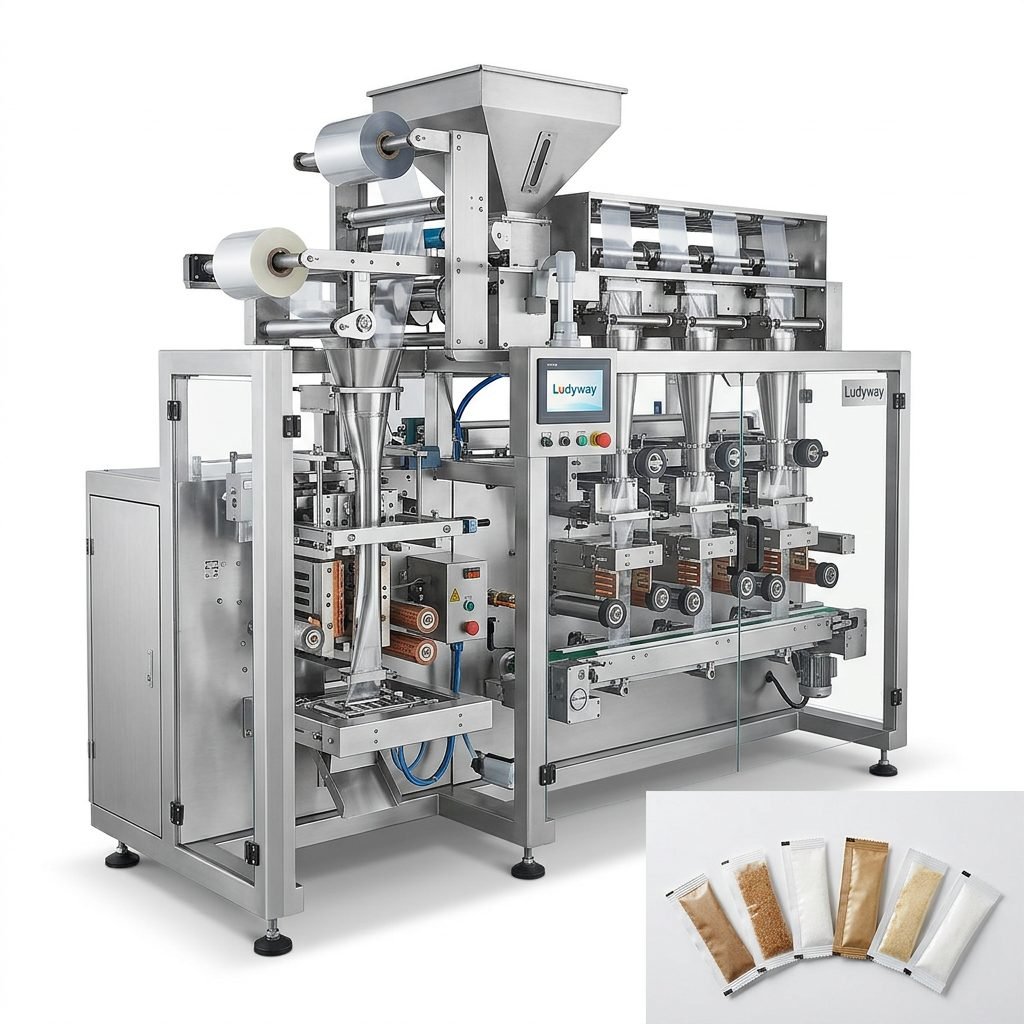
Investing in a tabletop vacuum skin packaging machine is a strategic decision for food processors, retailers, and laboratories seeking to extend product shelf life while maintaining premium presentation. Unlike floor-standing models, compact tabletop VSP systems offer flexibility, reduced footprint, and cost-effective entry into vacuum skin packaging technology. This guide walks you through the critical factors to evaluate before making a purchase.
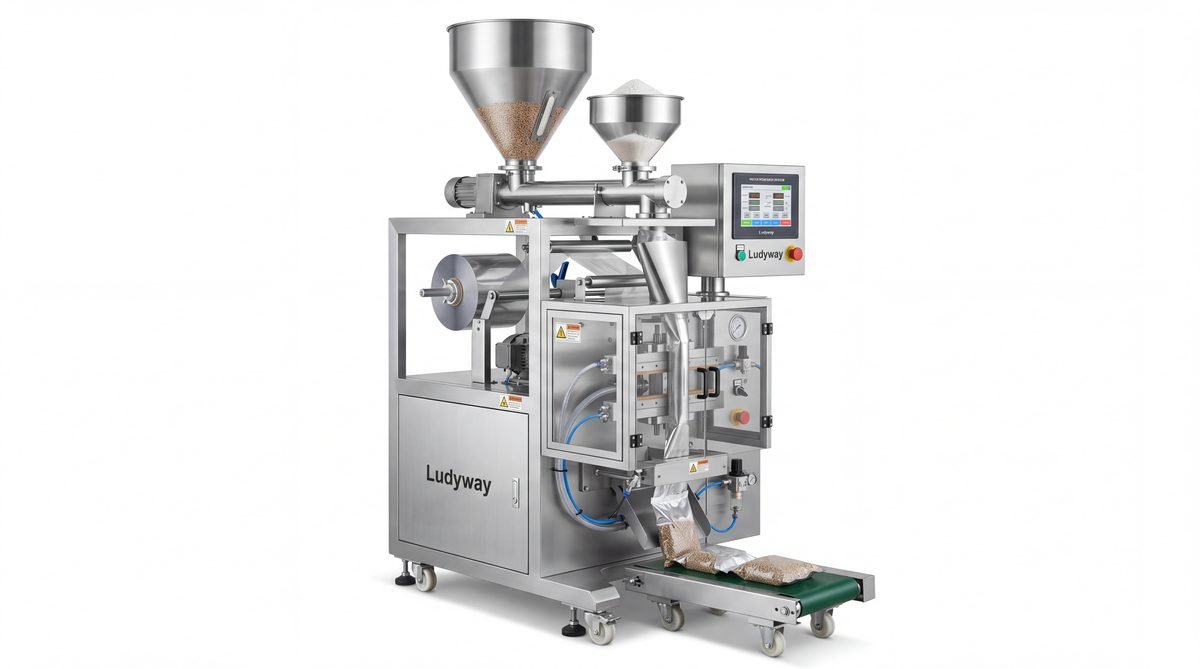
Understanding Tabletop Vacuum Skin Packaging Technology
Vacuum skin packaging (VSP) uses a combination of vacuum and heat to tightly seal a transparent film over a product placed on a tray or board. The result is a wrinkle-free, second-skin appearance that immobilizes the product, prevents moisture migration, and dramatically extends shelf life. Tabletop configurations bring this technology to operations with limited space or moderate production volumes.
Key advantages include enhanced product visibility, improved barrier protection, and reduced packaging material waste compared to traditional shrink wrapping or modified atmosphere packaging (MAP). For small to mid-sized producers, a tabletop VSP machine delivers professional-grade packaging without the capital expenditure of full-scale industrial lines.
Critical Factors to Evaluate Before Purchasing
Chamber Dimensions and Product Clearance
The chamber size directly determines what products you can package. Measure your largest product dimensions — including height — and add at least 15–20 mm of clearance for film draw and sealing. Common tabletop chamber sizes range from 380×280 mm to 520×420 mm, with depth varying between 80 mm and 150 mm. Undersized chambers lead to film bridging, wrinkled seals, and inconsistent vacuum levels across the package surface.
Vacuum Pump Performance
The vacuum pump is the heart of any VSP system. Tabletop machines typically use oil-lubricated rotary vane pumps or dry scroll pumps. Oil-lubricated pumps achieve deeper vacuum levels (below 1 mbar) and are preferred for high-barrier applications. Dry pumps eliminate oil maintenance but may not reach the same vacuum depth. Evaluate pump displacement — measured in cubic meters per hour (m³/h) — as this determines cycle speed.
Sealing System and Film Compatibility
Not all films perform equally across different machines. Verify that the machine’s heating system is compatible with your preferred flexible packaging materials. Upper film typically requires high-barrier properties (EVOH, PVDC, or multi-layer structures), while the lower web can be rigid or semi-rigid. The sealing frame should provide even heat distribution to prevent cold spots or burn-through.

Technical Specifications Comparison
The following table outlines key parameters to compare across different tabletop VSP models. Use this as a reference checklist when evaluating suppliers:
| Specification | Entry-Level Range | Professional Range |
|---|---|---|
| Chamber Size (mm) | 380×280 to 420×320 | 480×380 to 520×420 |
| Vacuum Level (mbar) | 2–5 mbar | 0.5–2 mbar |
| Cycle Time (seconds) | 25–45 seconds | 15–30 seconds |
| Pump Type | Dry scroll / Basic rotary vane | Oil-lubricated rotary vane (high-flow) |
| Sealing Temperature Control | Single-zone analog | Multi-zone digital PID |
| Film Width Compatibility | Up to 350 mm | Up to 450 mm |
Application-Specific Considerations
Fresh Protein and Seafood Packaging
For meat, poultry, and fish applications, the tabletop VSP machine must handle purge and moisture effectively. Look for models with angled chamber floors or drip collection trays. Rapid vacuum cycling is essential to prevent liquid from being drawn into the pump. Machines designed for protein applications often feature stainless steel construction and easy-washdown surfaces compliant with FDA food contact requirements.
Dairy, Cheese, and Fermented Products
Cheese and fermented items benefit from VSP’s ability to create a tight, oxygen-free environment that prevents mold growth. However, some cheeses release gases during aging. Evaluate whether you need a breathable film option or if the machine can be configured for gas flushing before final sealing.
Prepared Meals and Ready-to-Cook Portions
Tabletop machines excel for portion-controlled meal prep. The skin-tight seal prevents product movement during transport, making it ideal for home delivery meal kits and retail grab-and-go sections. Verify that the machine can accommodate the tray depth and board materials used in your meal program.
Key Questions to Ask Potential Suppliers
- What is the achievable vacuum level and cycle time? — Request documented performance data, not just marketing claims.
- Is the pump serviceable locally? — Verify spare parts availability and whether your maintenance team can perform routine oil changes and filter replacements.
- What training and support is included? — Installation guidance, operator training, and remote troubleshooting access vary significantly between manufacturers.
- Can the machine handle my specific tray and film combination? — Provide samples to the manufacturer for compatibility testing before committing.
- What are the electrical requirements? — Confirm voltage, phase, and amperage match your facility’s power supply.
- Is there a pathway to scale up? — If production volumes grow, can the supplier offer larger machines or multi-lane configurations?
Maintenance and Long-Term Reliability
A well-maintained tabletop VSP machine should deliver 7–10 years of reliable service. The most critical maintenance tasks include regular vacuum pump oil changes (every 500–800 operating hours for oil-lubricated pumps), sealing gasket inspection, and heating element calibration. Silicone gaskets degrade over time and should be replaced annually in high-usage environments. Keep a spare parts kit on hand — at minimum, replacement gaskets, heating elements, and pump filters.
Cost Structure and ROI Analysis
Tabletop vacuum skin packaging machines typically range from $8,000 to $35,000 USD, depending on chamber size, pump quality, and automation features. Beyond the initial capital cost, factor in ongoing expenses:
- Film consumption — VSP film costs $0.03–$0.12 per package depending on gauge and barrier properties
- Pump maintenance — Oil and filter changes average $150–$400 annually
- Energy consumption — Tabletop units draw 1.5–3.5 kW during operation
- Training and labor — Operator skill level affects cycle consistency and film waste
ROI is typically achieved within 12–18 months through reduced product spoilage, extended shelf life, and premium retail positioning. For many small processors, the ability to offer VSP packaging unlocks higher-margin sales channels that were previously inaccessible.
Industry Standards and Compliance
Depending on your market, your packaging process may need to meet specific standards. Refer to ISO packaging standards for guidance on terminology, testing methods, and performance criteria. For medical or pharmaceutical applications, ISO 11607 governs packaging for terminally sterilized medical devices. Food processors should align with applicable FDA and local health authority packaging requirements.
When Tabletop Isn’t Enough: Scaling Your Packaging Operation
Tabletop VSP machines are purpose-built for low to moderate production volumes — typically 20 to 80 packages per hour depending on product size and operator efficiency. If your demand approaches 150+ packages per hour or you require automated film feeding and product loading, it may be time to evaluate floor-standing or inline vacuum skin packaging systems.
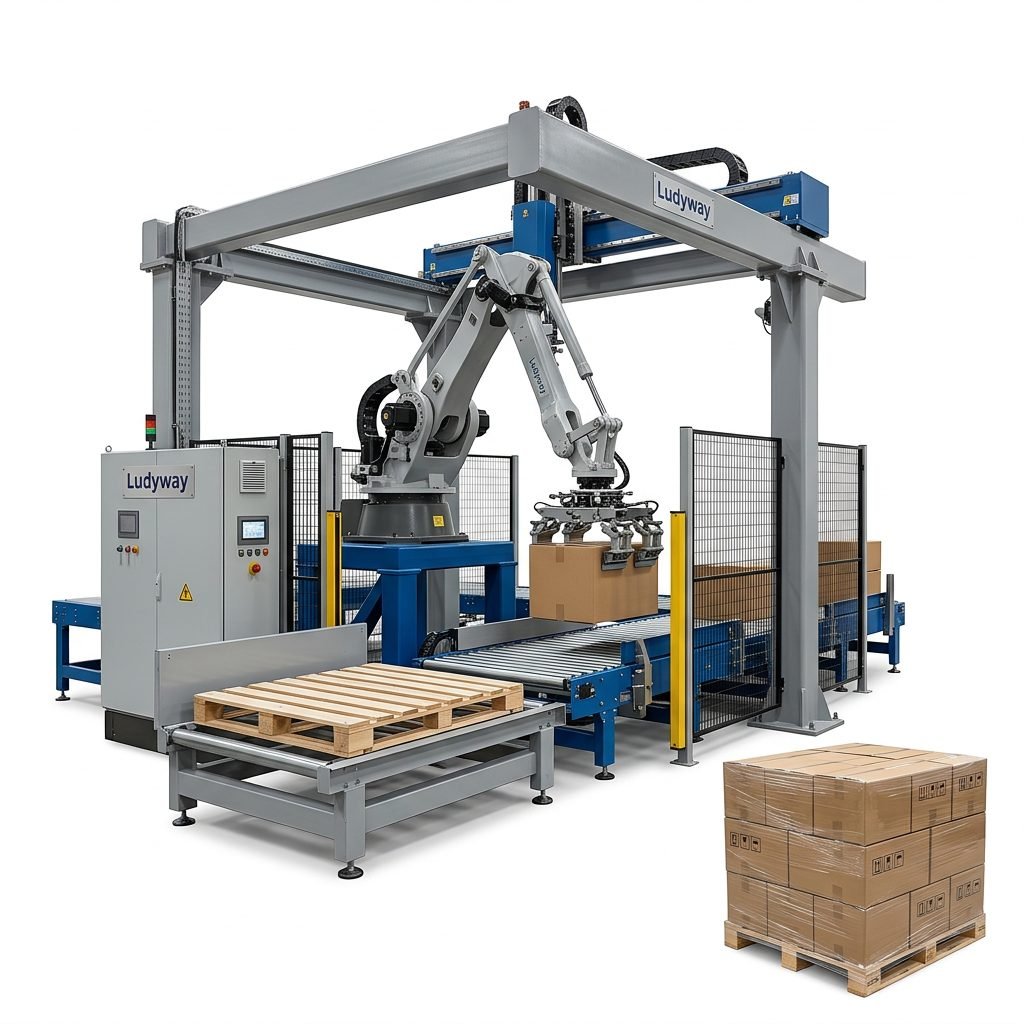
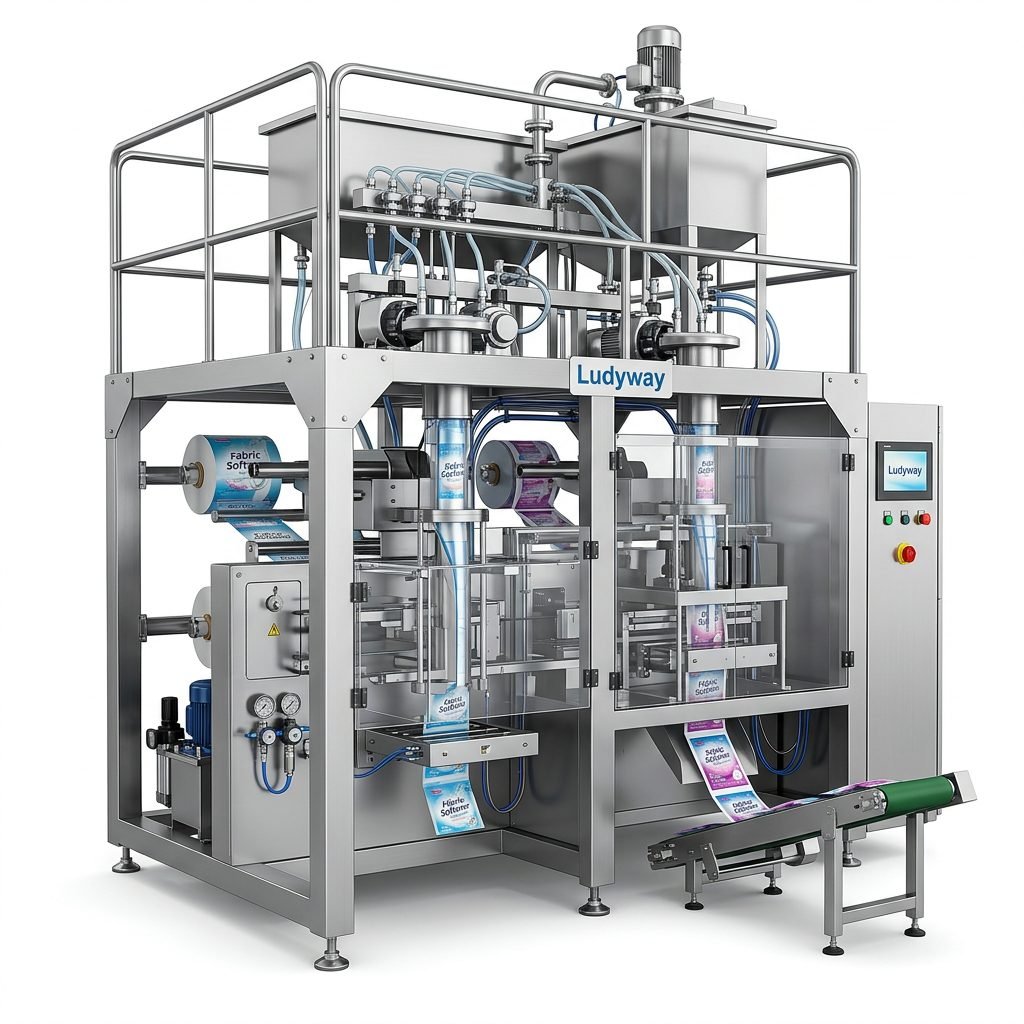
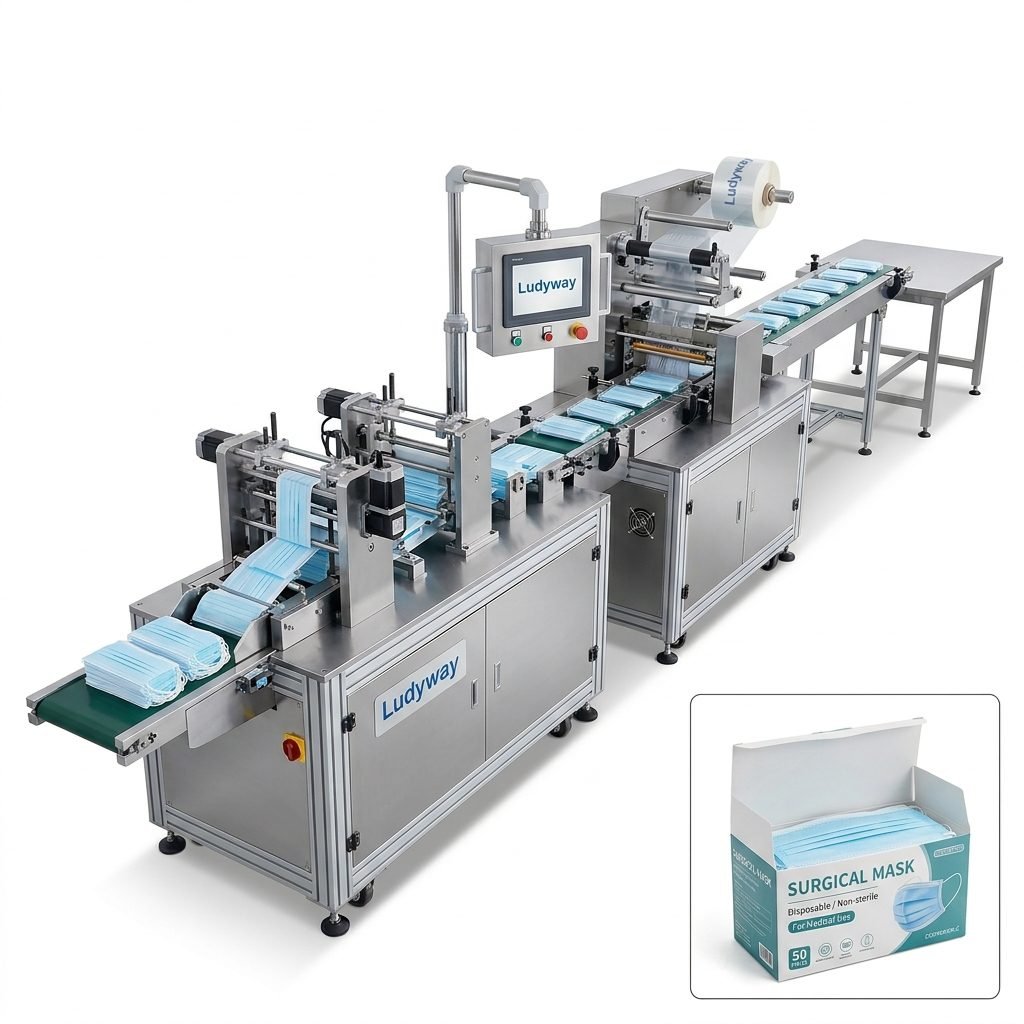
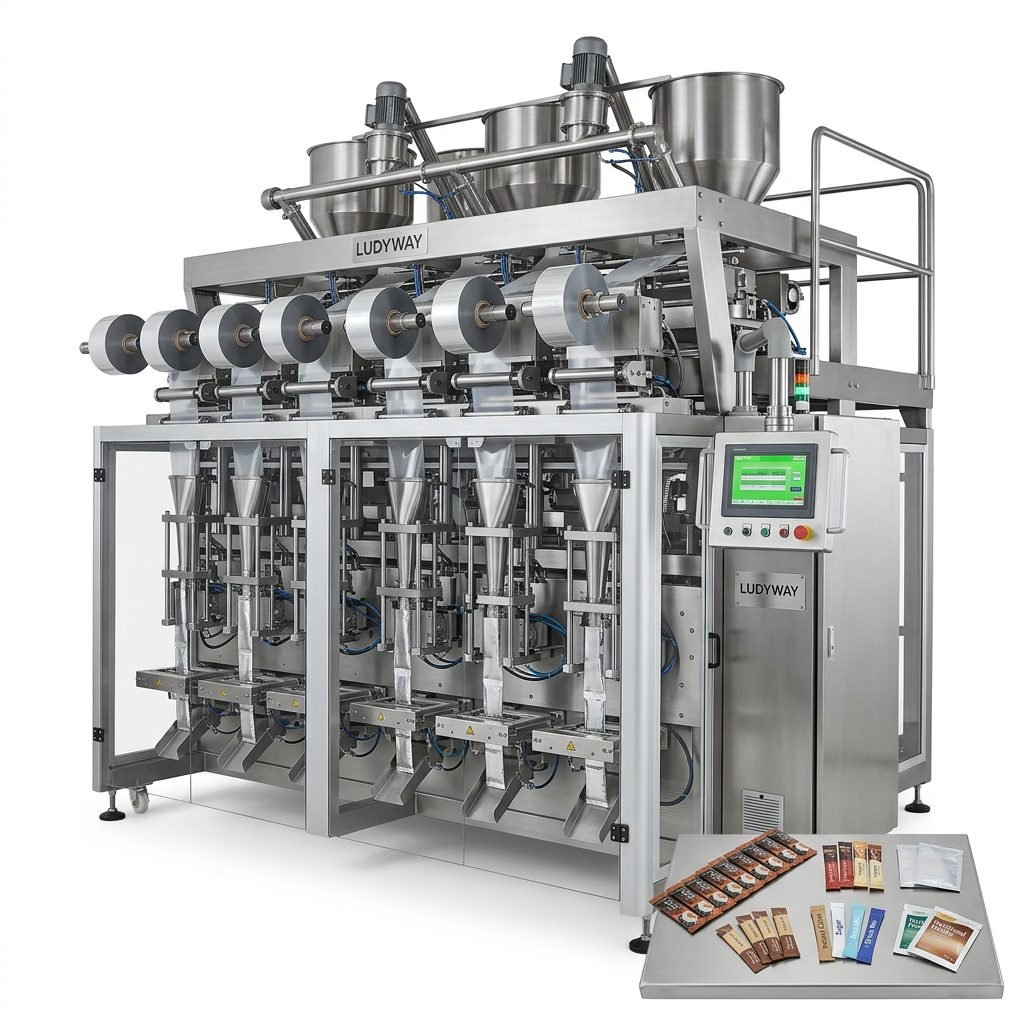
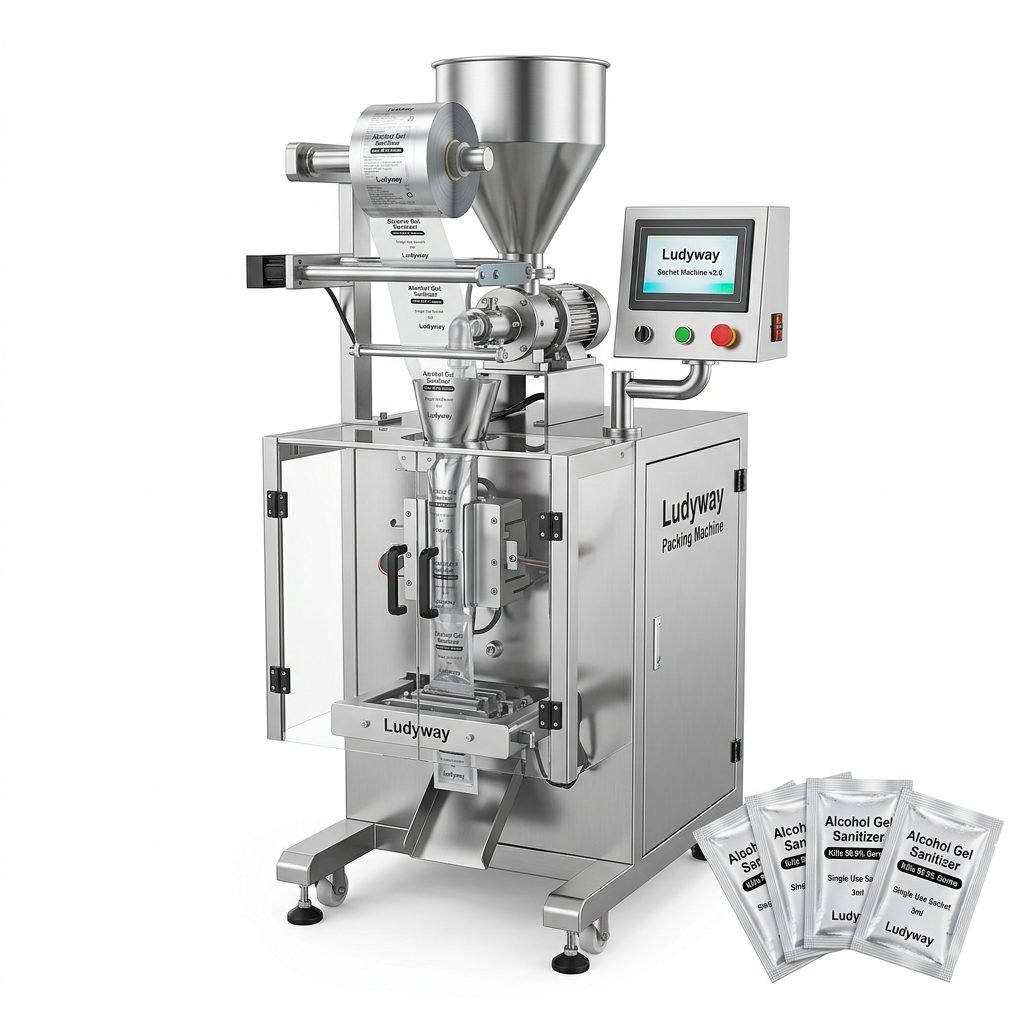
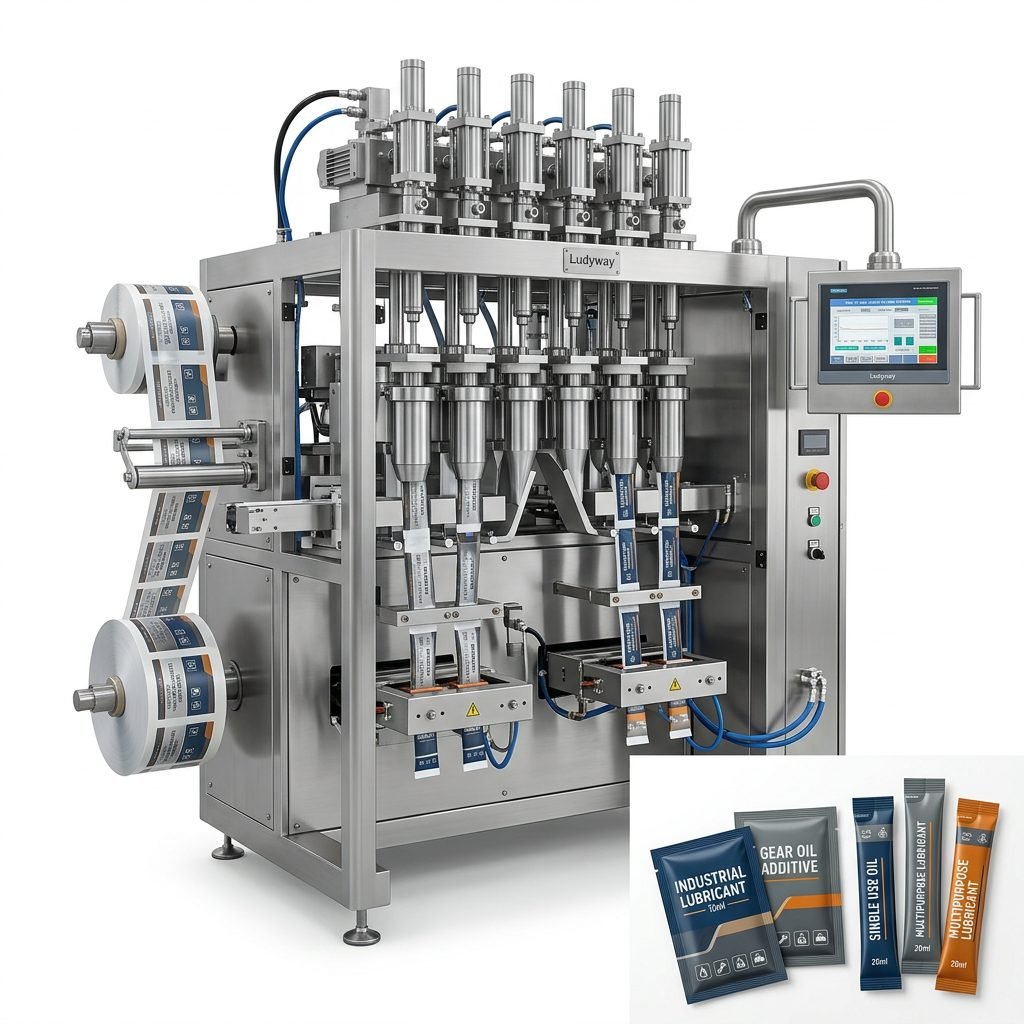
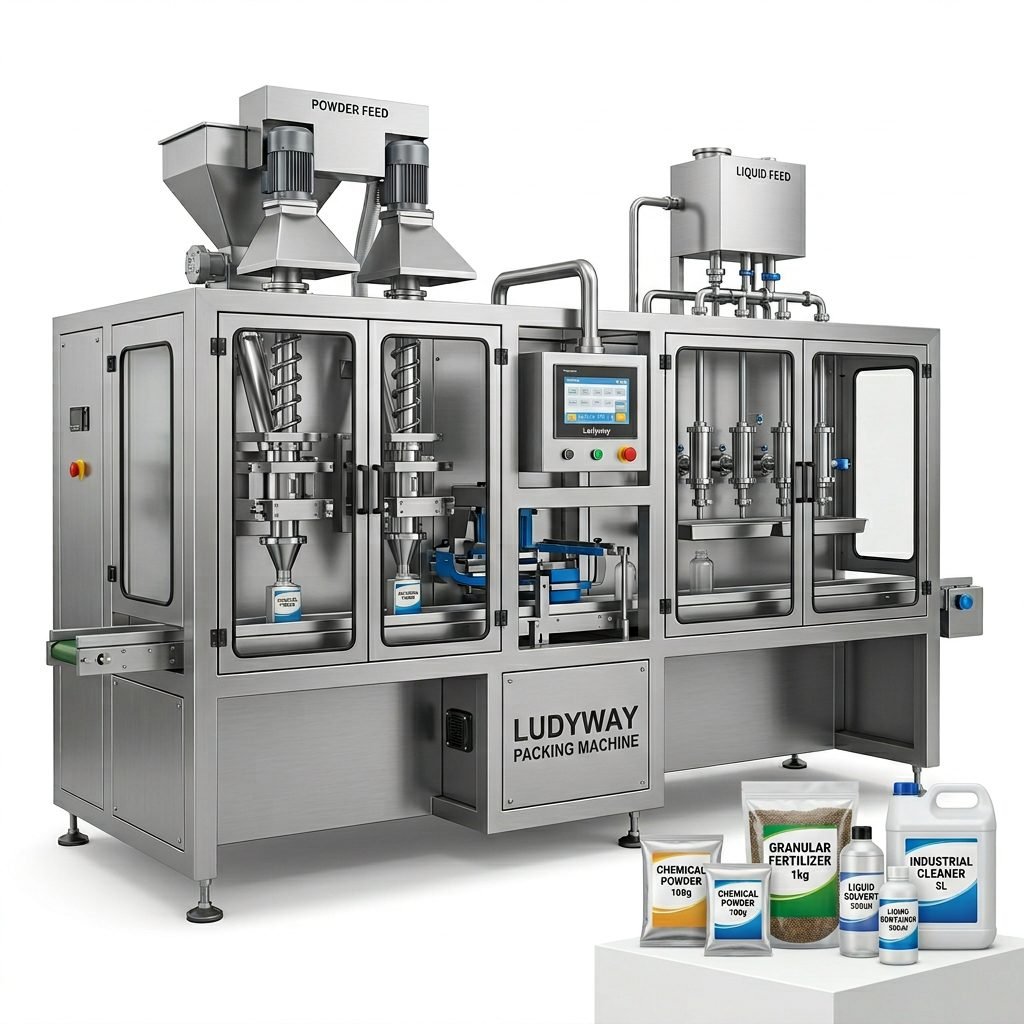
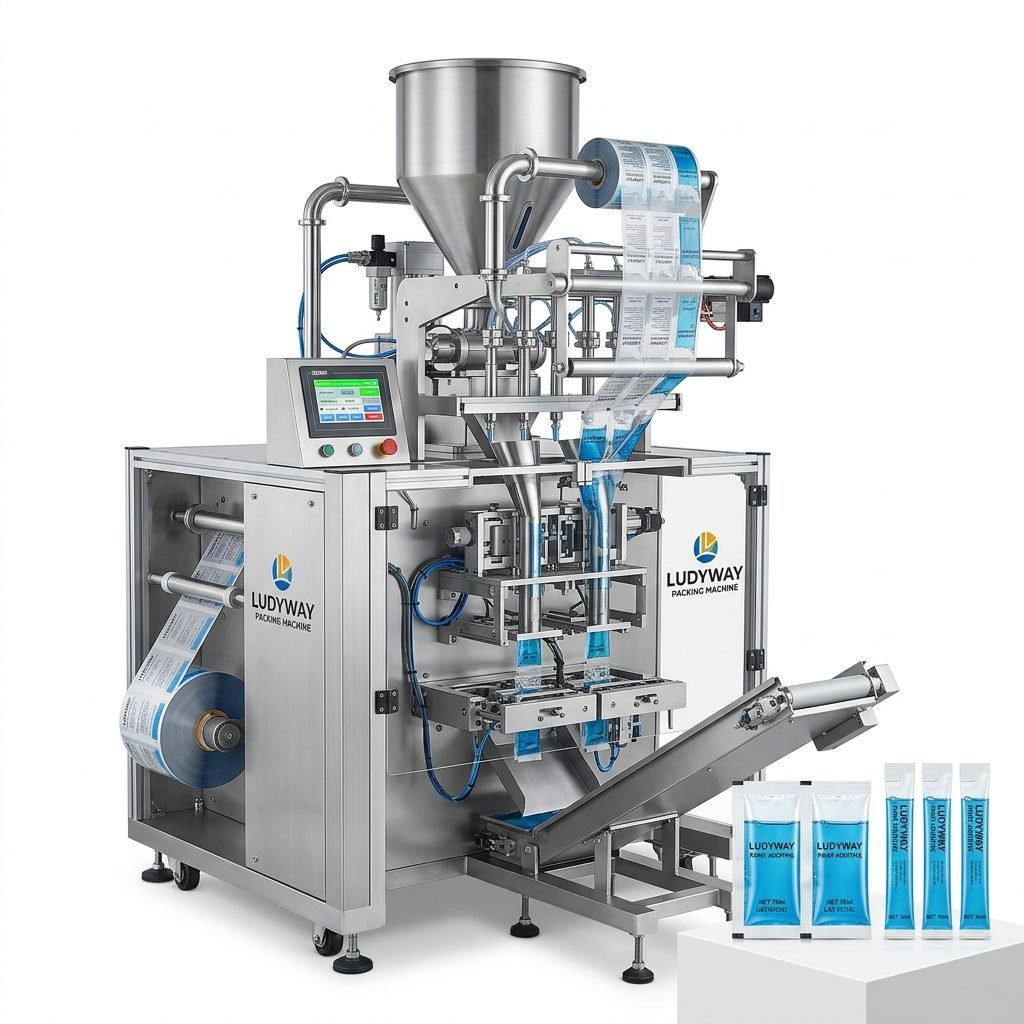
For manufacturers seeking comprehensive packaging solutions that extend beyond tabletop VSP equipment, Ludyway Machinery offers a broad portfolio of automated packaging machines and turnkey packaging line solutions. With over 30 years of experience, a 20,000-square-meter manufacturing facility, and more than 50 machine models serving customers in over 100 countries, Ludyway provides integrated packaging systems spanning powder, granule, liquid, stick pack, sachet, pouch, and other flexible packaging applications across food, pharmaceutical, cosmetic, and industrial sectors.
Making the Final Decision
Your ideal tabletop vacuum skin packaging machine should align with current production needs while accommodating reasonable growth. Prioritize chamber size, vacuum performance, and film compatibility above aesthetic features or brand name alone. Request hands-on demonstrations with your actual products and packaging materials whenever possible. A machine that performs flawlessly with manufacturer-supplied samples may behave differently with your specific tray dimensions and film specifications.
Also consider the manufacturer’s reputation for after-sales support. Technical assistance availability, spare parts logistics, and warranty terms are just as important as the machine specifications themselves. Reading industry reports from organizations like PMMI’s Business Intelligence Library can provide valuable context on packaging machinery market trends and supplier benchmarks before finalizing your investment.