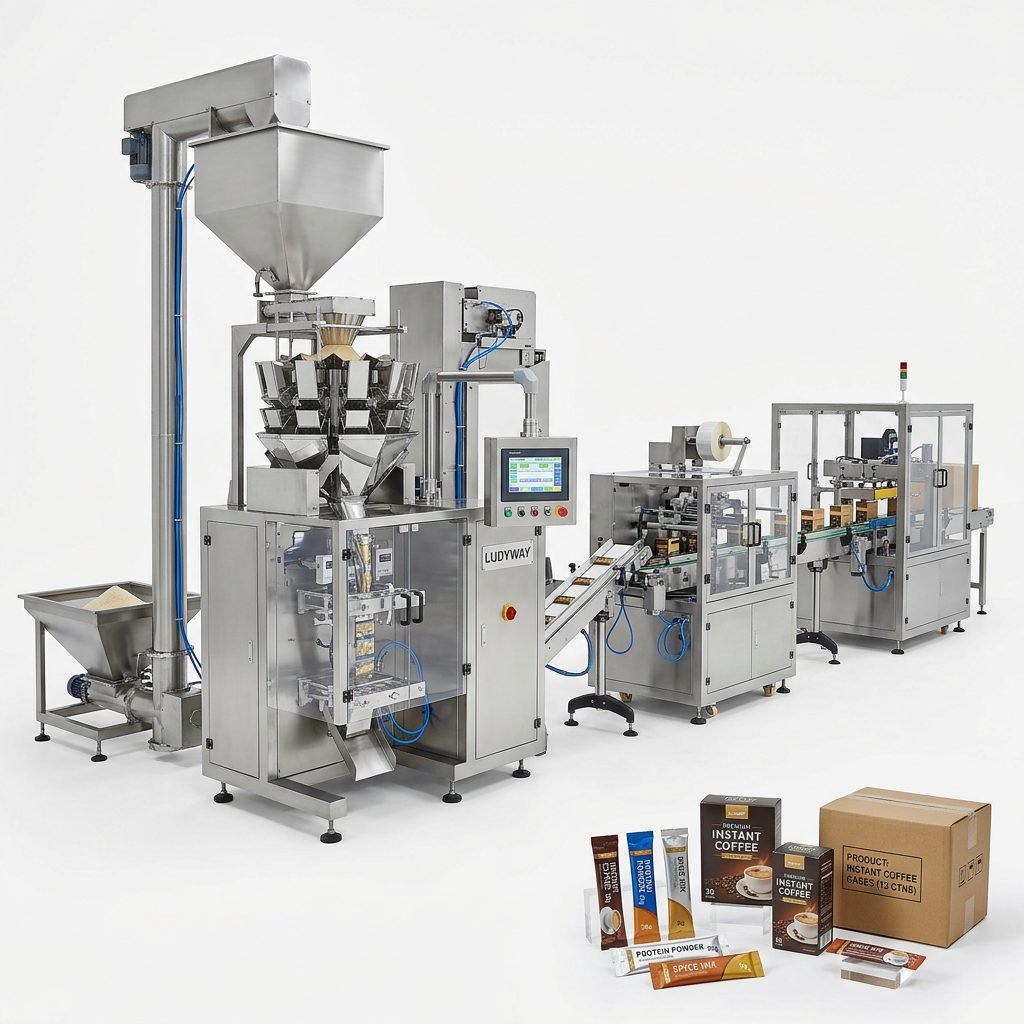
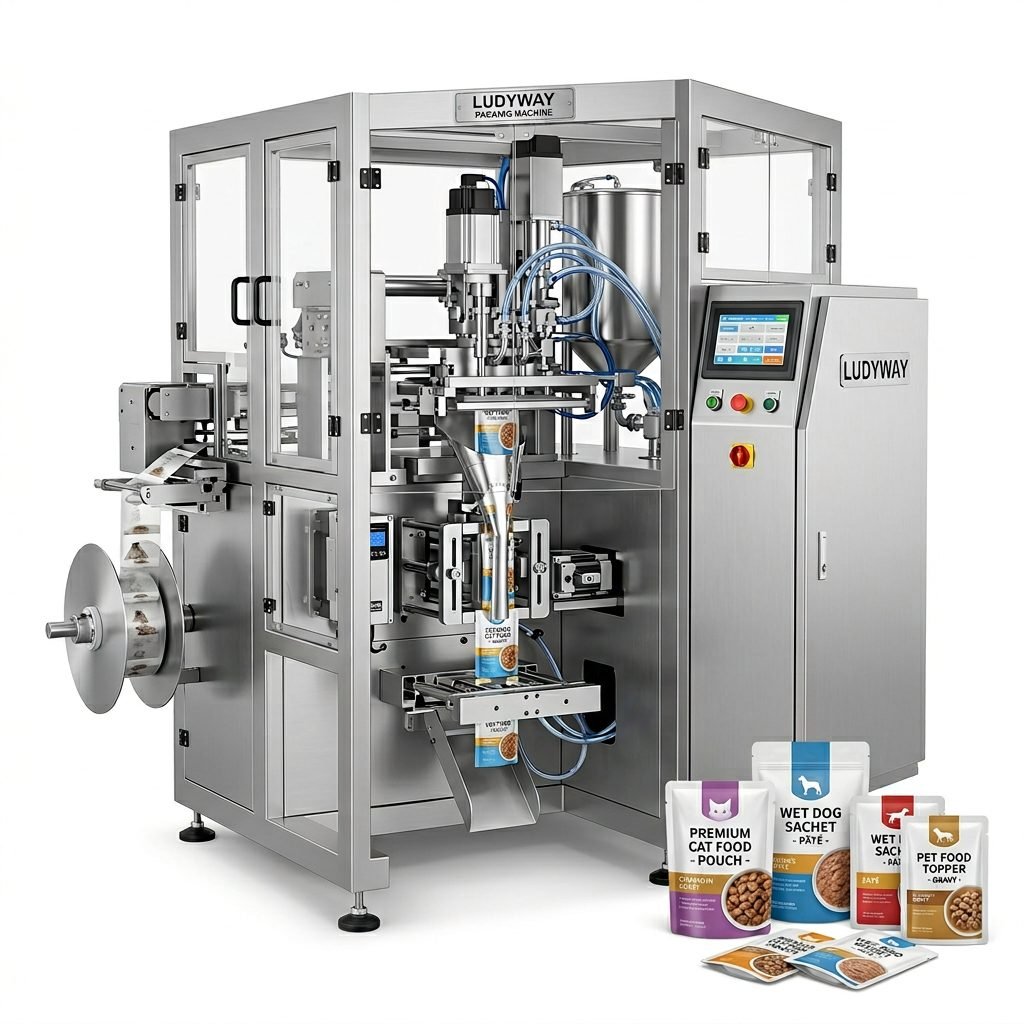
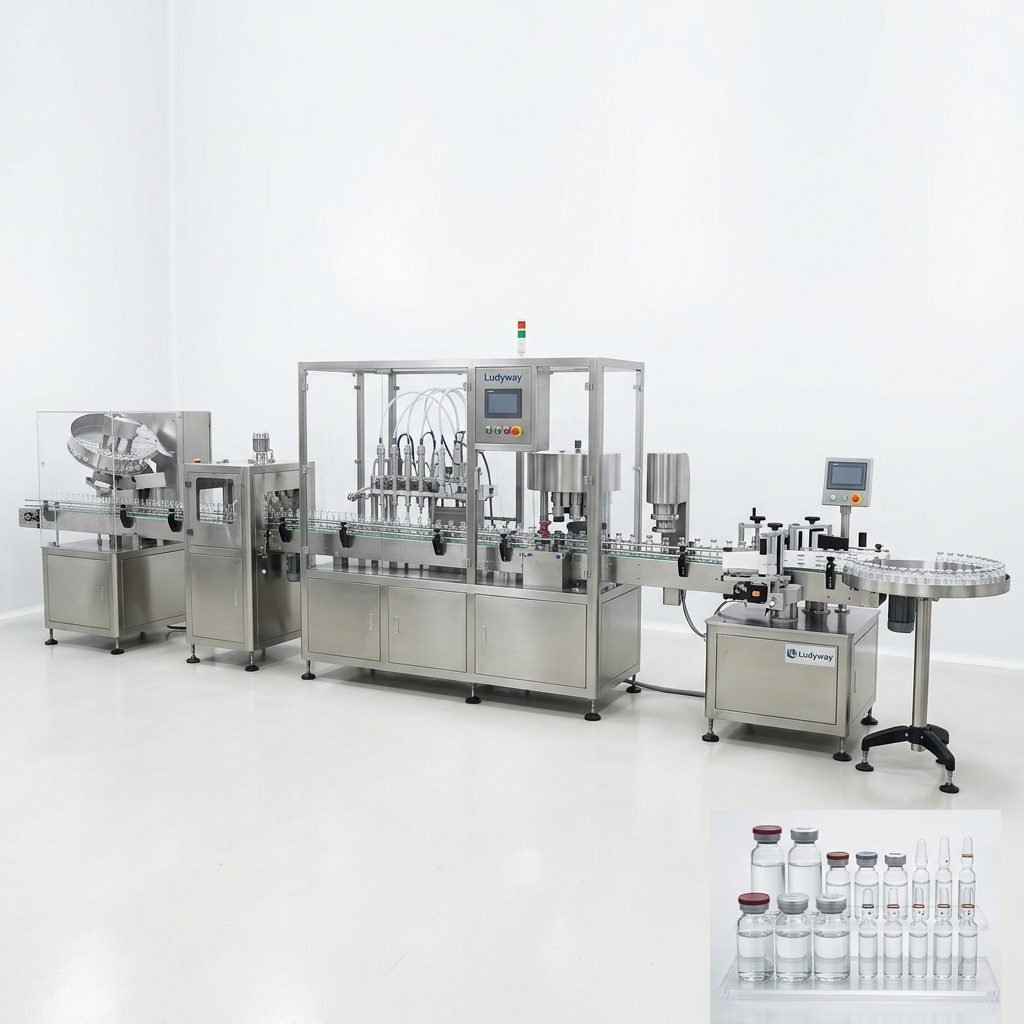
The sauce pouch packaging machine market in South America is experiencing significant growth as food manufacturers across Brazil, Argentina, Colombia, Chile, and Peru seek automated solutions for ketchup, mayonnaise, chili sauce, soy sauce, and other condiment packaging. Whether you are launching a new product line or upgrading an existing facility, understanding the key features, machine types, and regional considerations is essential for making an informed investment.
This guide covers everything you need to know about selecting the right sauce pouch packaging equipment for your South American operation, from technical specifications to after-sales support.
Why South America Is a Growing Market for Sauce Pouch Packaging
South America’s food processing sector has expanded rapidly in recent years. The demand for convenient, single-serve and multi-serve sauce pouches is rising due to changing consumer habits, urbanization, and the growth of quick-service restaurants. Brazil alone accounts for a substantial share of the region’s flexible packaging consumption, driven by its large population and robust food export industry.
Key factors fueling demand include:
- Food service expansion – Hotels, restaurants, and catering businesses increasingly prefer portion-controlled sauce sachets.
- Retail growth – Supermarkets and convenience stores across Latin America are stocking more pouch-packed sauces.
- Export opportunities – South American manufacturers are exporting sauces to North America, Europe, and Asia, requiring packaging that meets international packaging machinery standards.
- Shelf-life requirements – Advanced pouch sealing technology extends product freshness without preservatives.
Types of Sauce Pouch Packaging Machines
Different sauce products require different packaging approaches. Below are the most common machine configurations used in South American facilities:
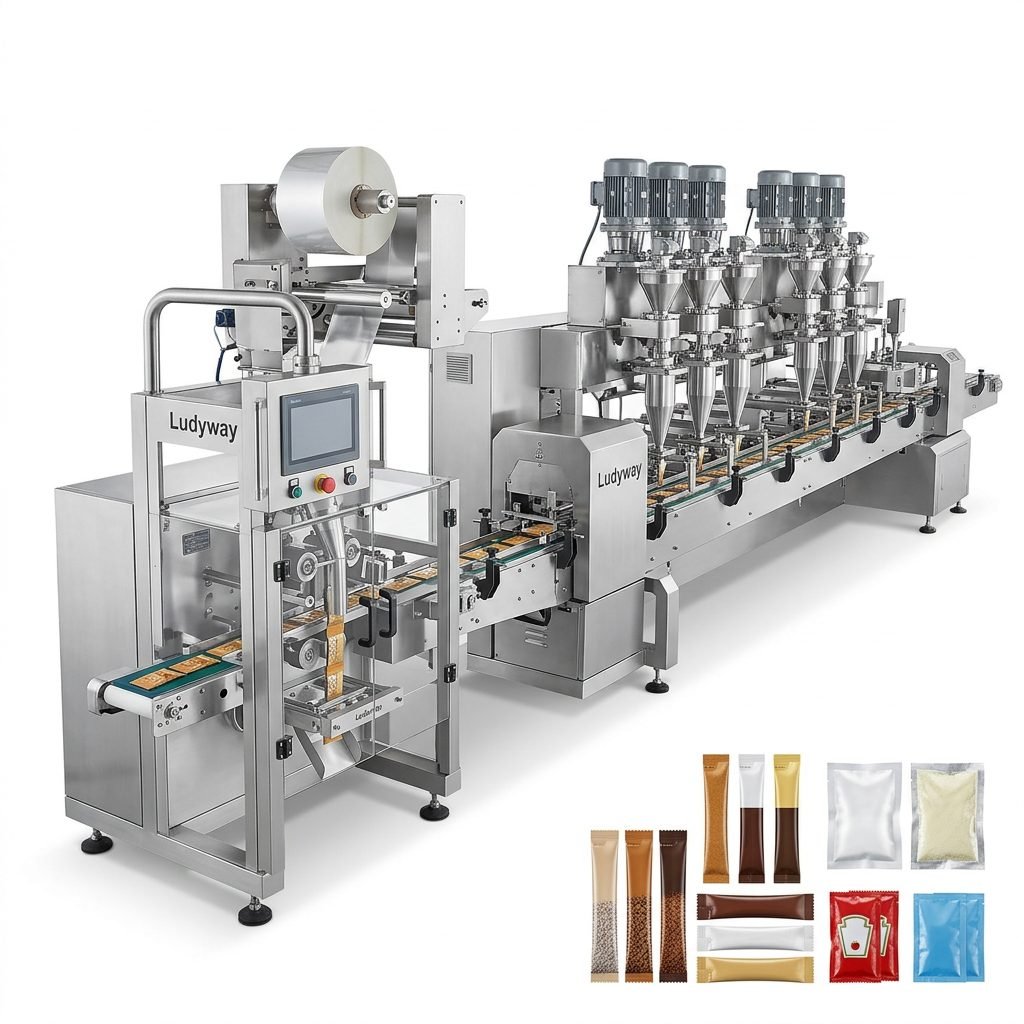
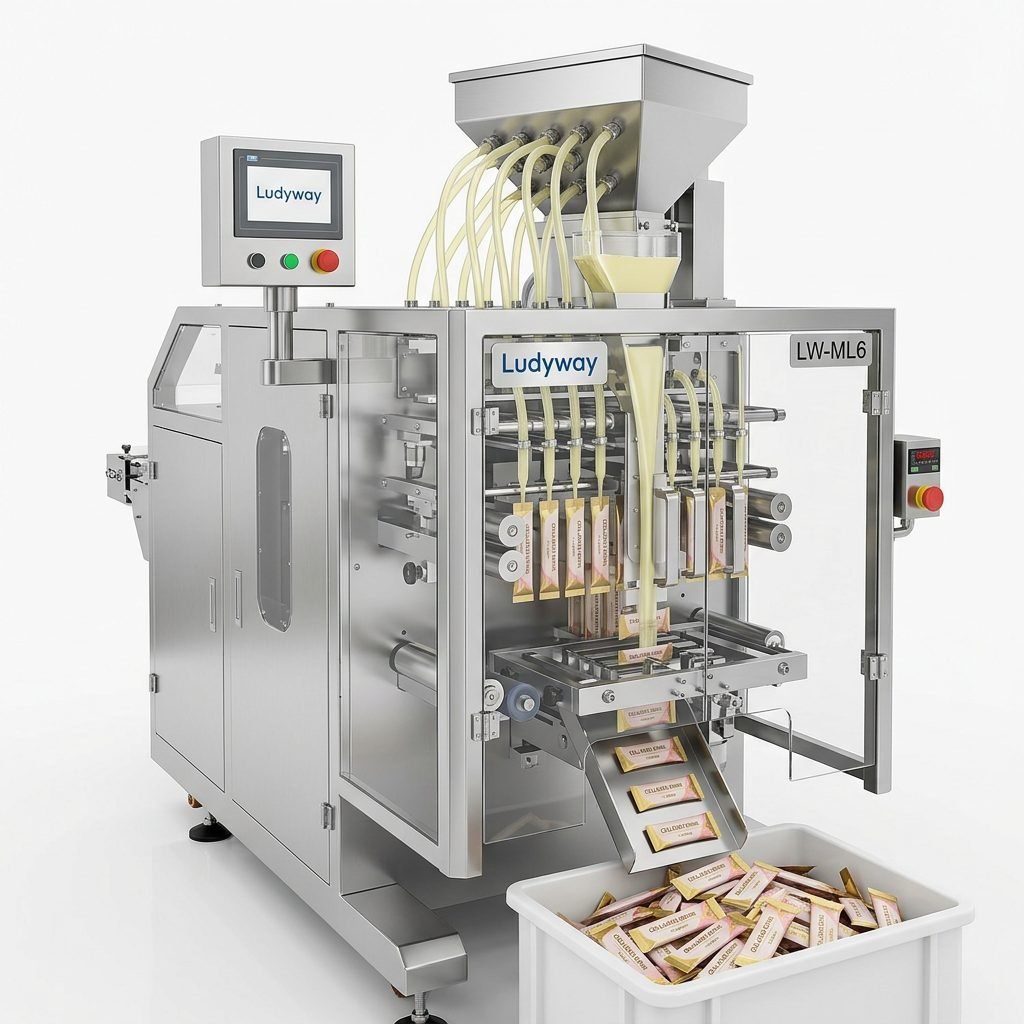
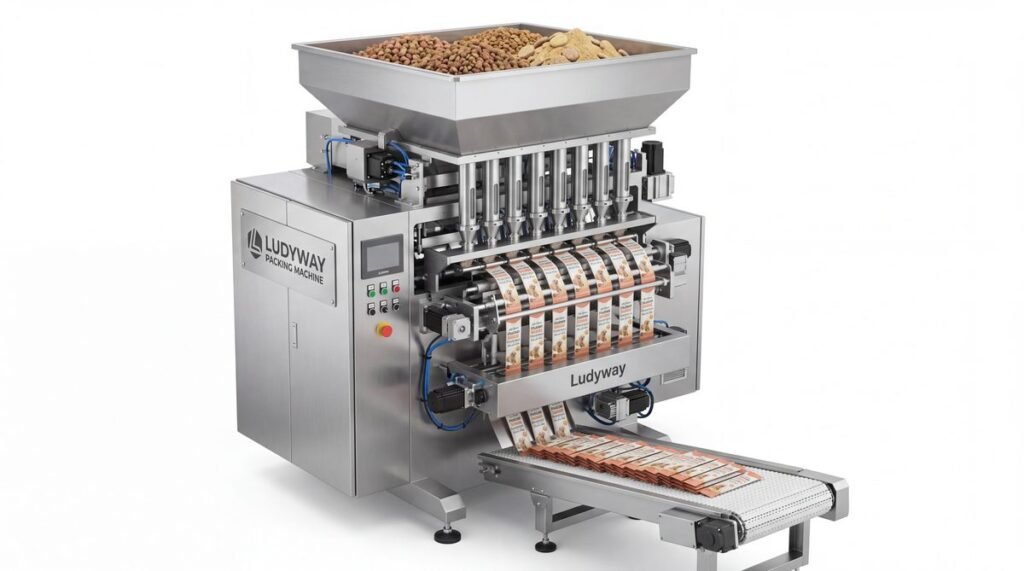
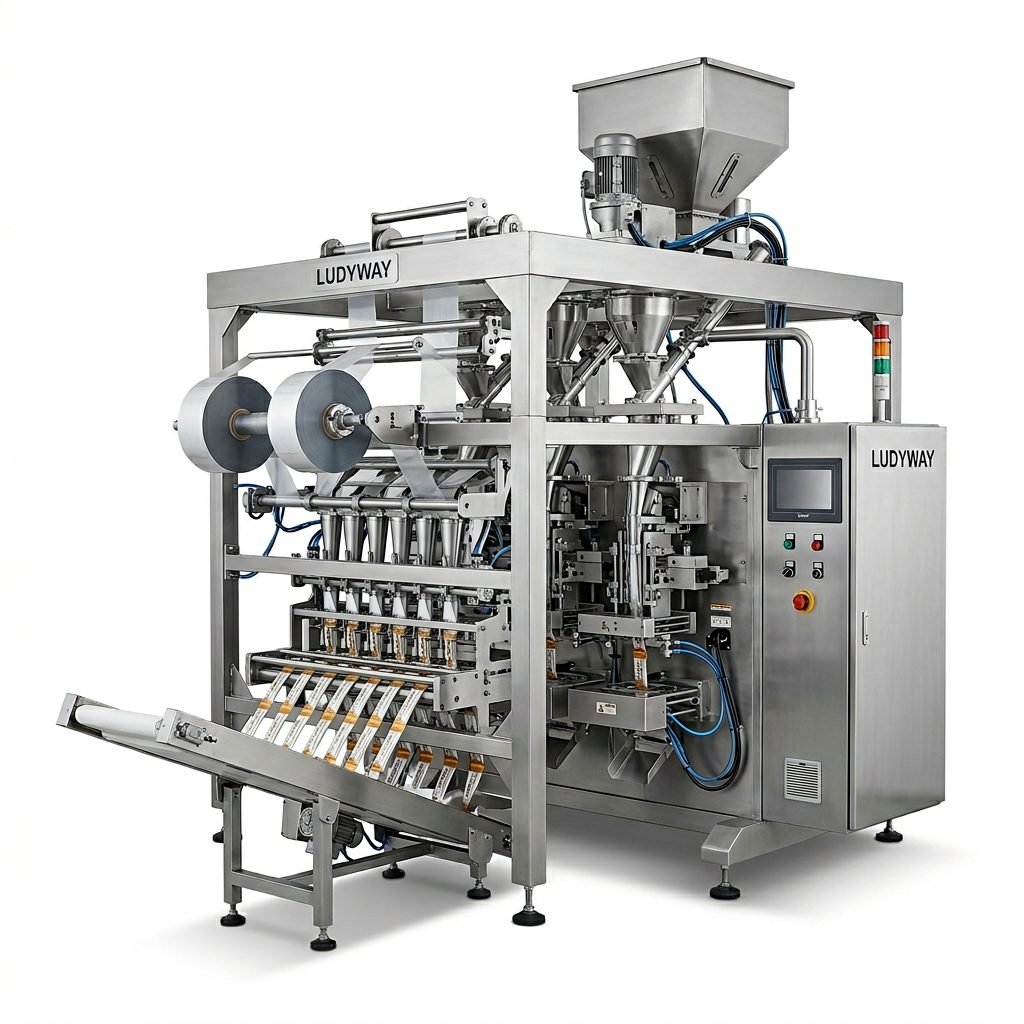
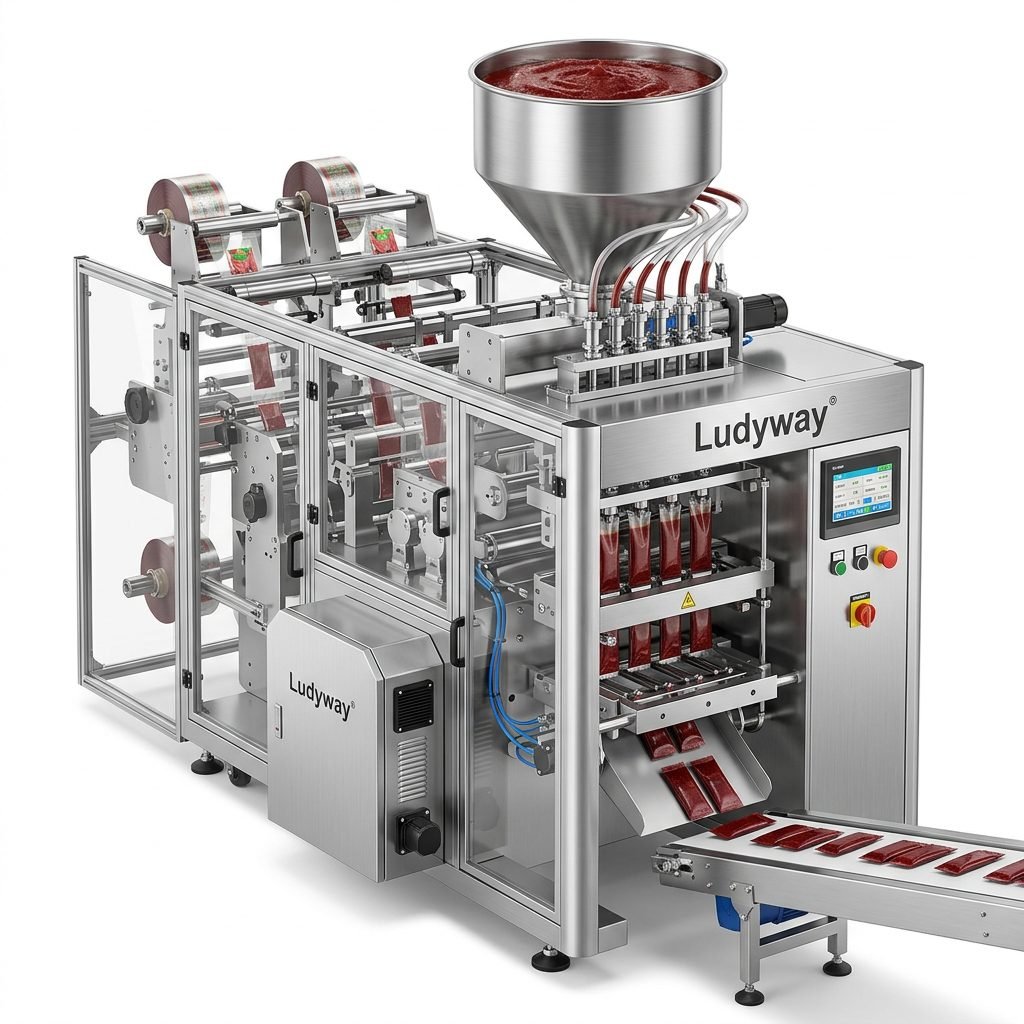
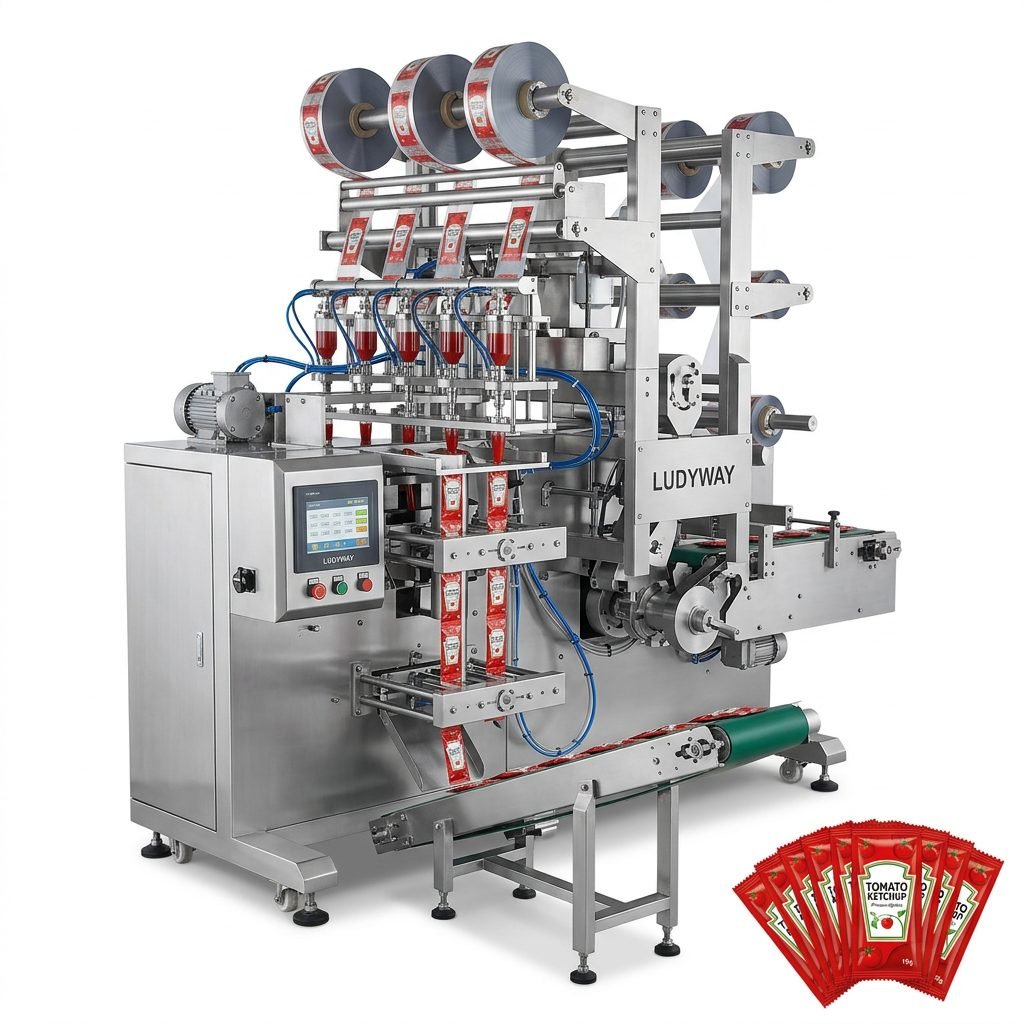
Multi-Lane Stick Pack Machines
Ideal for high-volume production of single-serve sauce portions, multi-lane stick pack machines can produce up to 400-600 packs per minute across multiple lanes. These are widely used for ketchup, mustard, and hot sauce sachets supplied to fast-food chains.
Pre-Made Pouch Filling and Sealing Machines
For larger pouch formats (100g to 1kg), rotary or inline pre-made pouch machines offer versatility across different pouch styles, including stand-up pouches with spouts—increasingly popular for premium sauce brands in Argentina and Brazil.
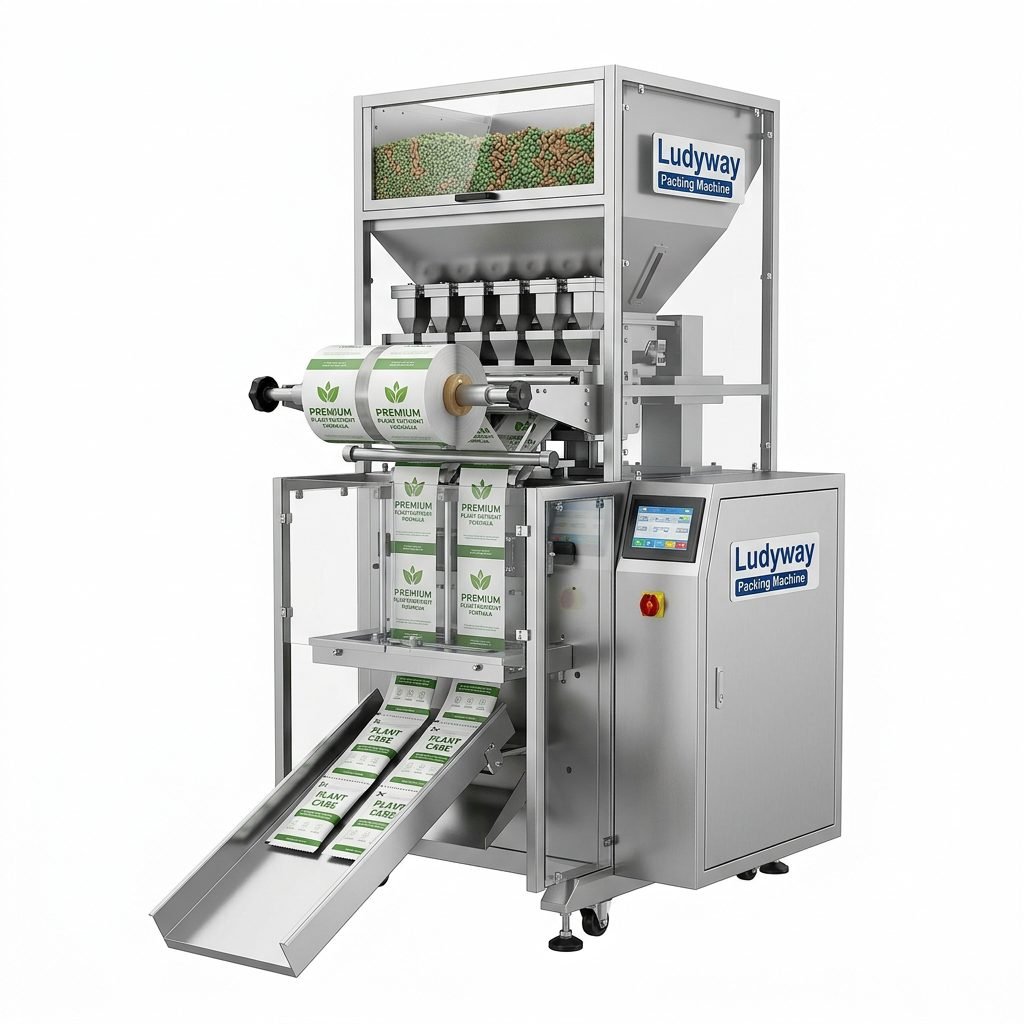
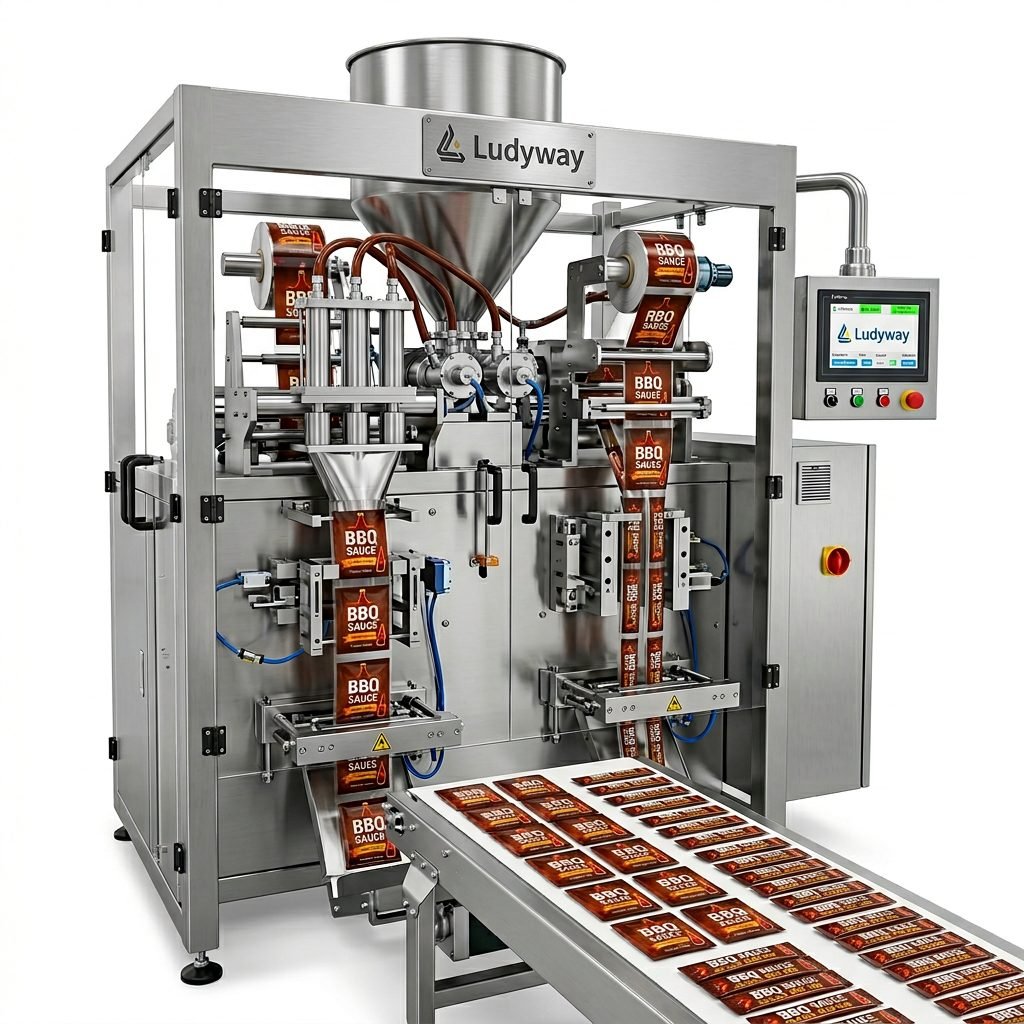
Vertical Form-Fill-Seal (VFFS) Machines
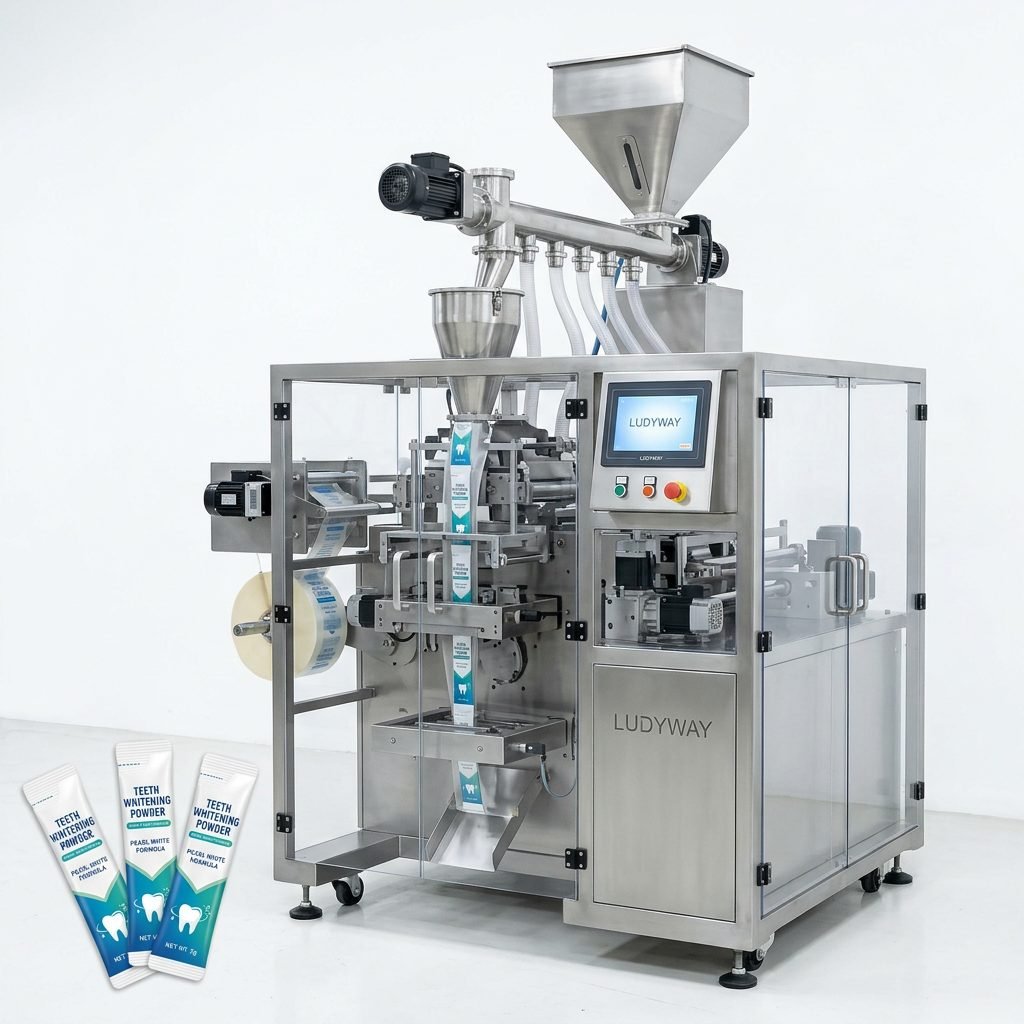
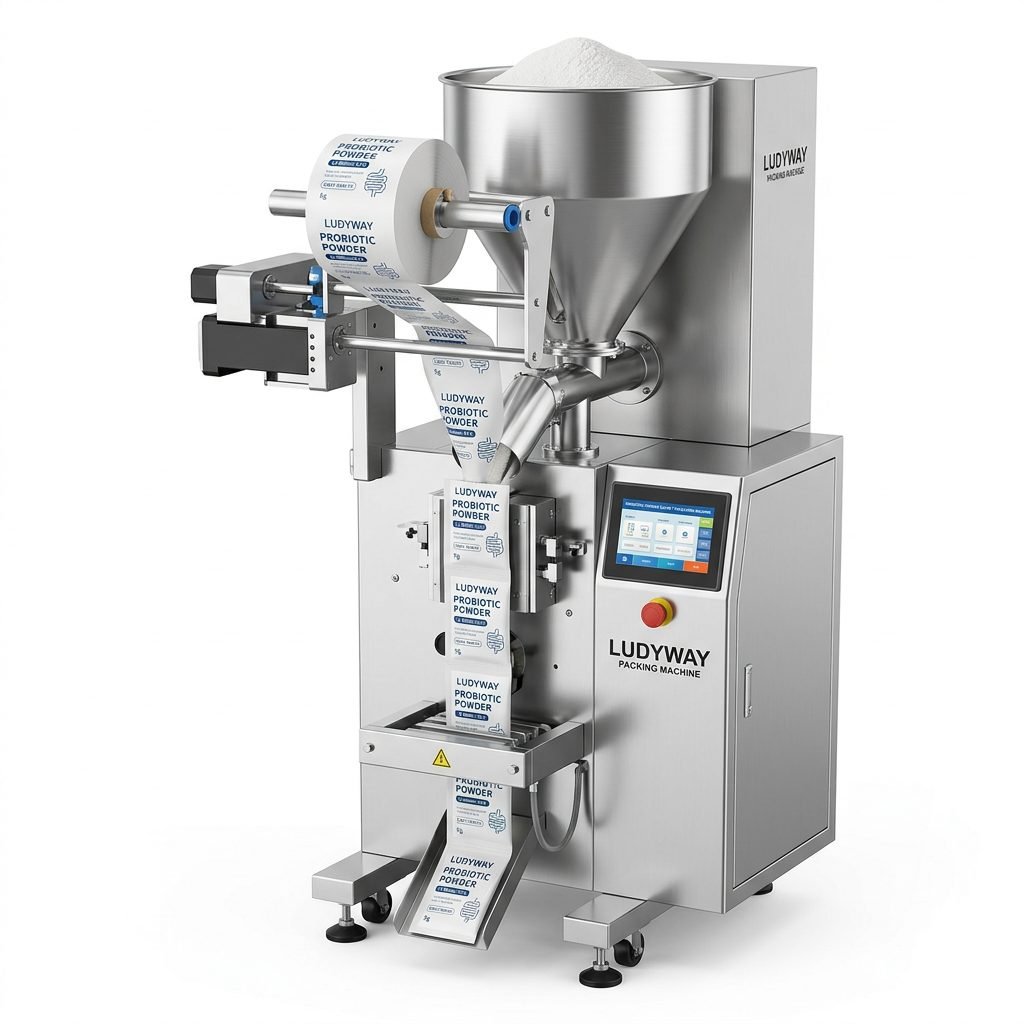
VFFS machines form pouches from roll stock film, fill them with sauce, and seal them in one continuous operation. These machines are cost-effective for medium-to-high volume production and support various pouch shapes including pillow pouches and gusseted bags.
Key Technical Specifications to Evaluate
When comparing sauce pouch packaging machines for the South American market, pay close attention to the following parameters. These specifications directly impact production efficiency and product quality.
| Specification | Typical Range | Importance |
|---|---|---|
| Filling Capacity | 30 – 600 packs/min | Determines overall line output |
| Filling Accuracy | ±0.5% – ±1.5% | Minimizes product giveaway |
| Pouch Size Range | 3g – 1000g | Must match your product portfolio |
| Film Compatibility | PET/PE, AL/PE, NY/PE | Affects barrier properties and shelf life |
| Power Requirements | 220V/380V, 50/60Hz | Must align with local electrical standards |
| Air Consumption | 0.6 – 1.0 m³/min | Impacts facility utility planning |
| Machine Footprint | 2m² – 8m² | Critical for floor space optimization |
Critical Features for Sauce Packaging Applications
Sauces present unique challenges compared to dry products. Viscosity varies widely—from thin soy sauce to thick mayonnaise—and temperature control during filling can be essential for certain products. Look for these features when evaluating equipment:
- Viscosity-Adaptive Filling Systems – Piston fillers, gear pumps, or flow meters depending on sauce thickness and particulate content.
- Hot-Fill Capability – For sauces that require filling at elevated temperatures (80°C–95°C) to ensure sterility.
- Clean-in-Place (CIP) Systems – Automated cleaning cycles that reduce downtime between product changeovers, essential for facilities producing multiple sauce varieties.
- Nitrogen Flushing – Extends shelf life by removing oxygen from the headspace before sealing, particularly important for food contact compliant packaging.
- Servo-Driven Sealing Jaws – Provide precise temperature and pressure control for leak-proof seals on liquid-filled pouches.
- Date Coding Integration – Inline inkjet or thermal transfer printers for batch codes and expiration dates.
Regulatory Considerations for South American Markets
Each country in South America has its own regulatory framework for food packaging. Brazil follows ANVISA guidelines, Argentina adheres to INAL (National Food Institute) standards, and Chile enforces regulations under its Ministry of Health. Packaging machinery must support the use of approved food-grade materials and enable compliance with local labeling requirements, including nutritional information panels and allergen declarations in Spanish or Portuguese.
Additionally, many South American exporters align their packaging with MERCOSUR harmonized standards, which facilitates cross-border trade within the region. Ensuring your machine can handle films certified for direct food contact is non-negotiable.
How to Choose a Reliable Sauce Pouch Packaging Machine Supplier
Selecting the right equipment partner is as important as choosing the machine itself. South American buyers should evaluate suppliers based on the following criteria:
Industry Experience and Track Record
Look for manufacturers with proven experience in liquid and sauce packaging, not just dry products. A supplier that understands viscosity challenges, sanitation requirements, and hot-fill processes will deliver a more reliable solution. For instance, Ludyway is one of the largest packaging machine manufacturers in China, with over 30 years of industry expertise and more than 50 intelligent packaging machine models serving customers in over 100 countries, including markets across South America.
Local Service and Support
Equipment downtime can cost thousands of dollars per hour. Prioritize suppliers that offer local technical support, either through regional offices or certified service partners in Brazil, Argentina, or Colombia. Remote diagnostic capabilities and readily available spare parts are equally important.
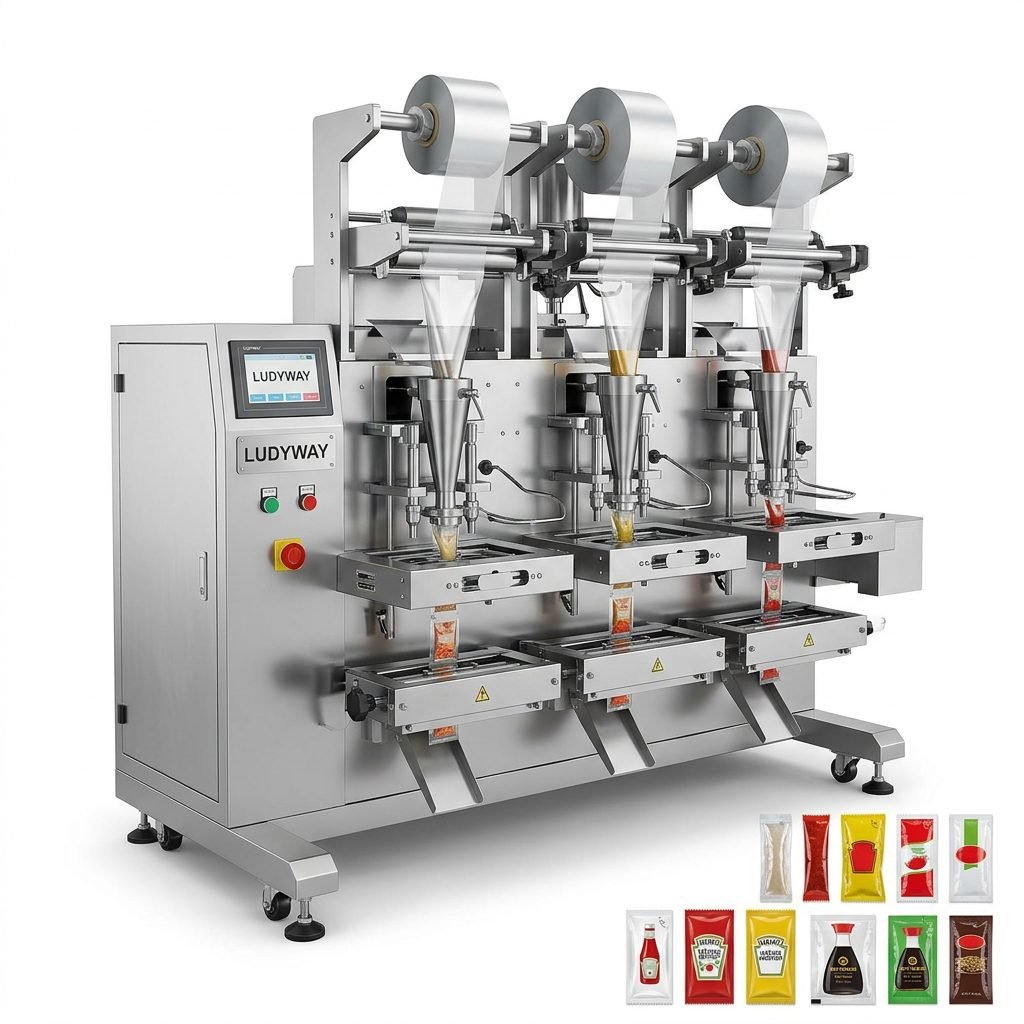
Customization and Turnkey Solutions
Many sauce producers require integrated lines that include filling, capping, labeling, cartoning, and palletizing. A supplier offering turnkey solutions can streamline project management and ensure all components work seamlessly together.
Installation, Training, and Maintenance Tips
Proper installation and operator training are critical for maximizing the lifespan and performance of your sauce pouch packaging machine. Follow these best practices:
- Pre-Installation Site Preparation – Ensure your facility has the correct power supply, compressed air lines, and drainage systems in place before the machine arrives.
- Comprehensive Operator Training – Invest in at least 3-5 days of hands-on training for your production team, covering machine operation, troubleshooting, and daily maintenance procedures.
- Preventive Maintenance Schedule – Establish a routine maintenance calendar for critical components such as sealing jaws, filling nozzles, and sensors. Replace wear parts proactively to avoid unexpected breakdowns.
- Spare Parts Inventory – Stock essential spare parts locally, including sealing elements, O-rings, filters, and belts, to minimize lead times during repairs.
- Software Updates – Keep the machine’s control system updated with the latest firmware from the manufacturer to benefit from performance improvements and new features.
Cost Considerations and ROI Analysis
The price of a sauce pouch packaging machine varies widely depending on automation level, speed, and configuration. Entry-level semi-automatic machines may start around $15,000–$30,000, while high-speed multi-lane systems with full automation can range from $80,000 to $250,000 or more. When calculating ROI, consider:
| Cost Factor | Impact on ROI |
|---|---|
| Labor Savings | Automated lines can reduce manual labor by 60-80% |
| Material Waste Reduction | Precision filling cuts product giveaway by 2-5% |
| Production Speed Gains | Higher throughput increases revenue capacity |
| Reduced Rework | Consistent seal quality lowers rejection rates |
| Energy Efficiency | Modern servo-driven machines consume 20-30% less energy |
Final Thoughts on Purchasing a Sauce Pouch Packaging Machine in South America
Investing in a sauce pouch packaging machine is a strategic decision that can transform your production capabilities and position your brand for growth in the dynamic South American market. By carefully evaluating machine specifications, supplier credentials, regulatory requirements, and total cost of ownership, you can select equipment that delivers consistent performance, product quality, and profitability for years to come.
Take the time to visit supplier facilities, request sample runs with your actual sauce formulations, and speak with existing customers in the region. A well-informed decision today will pay dividends in operational efficiency and market competitiveness tomorrow. For further guidance on packaging machinery market trends and flexible packaging innovations, consult industry associations that provide up-to-date research and technical resources.