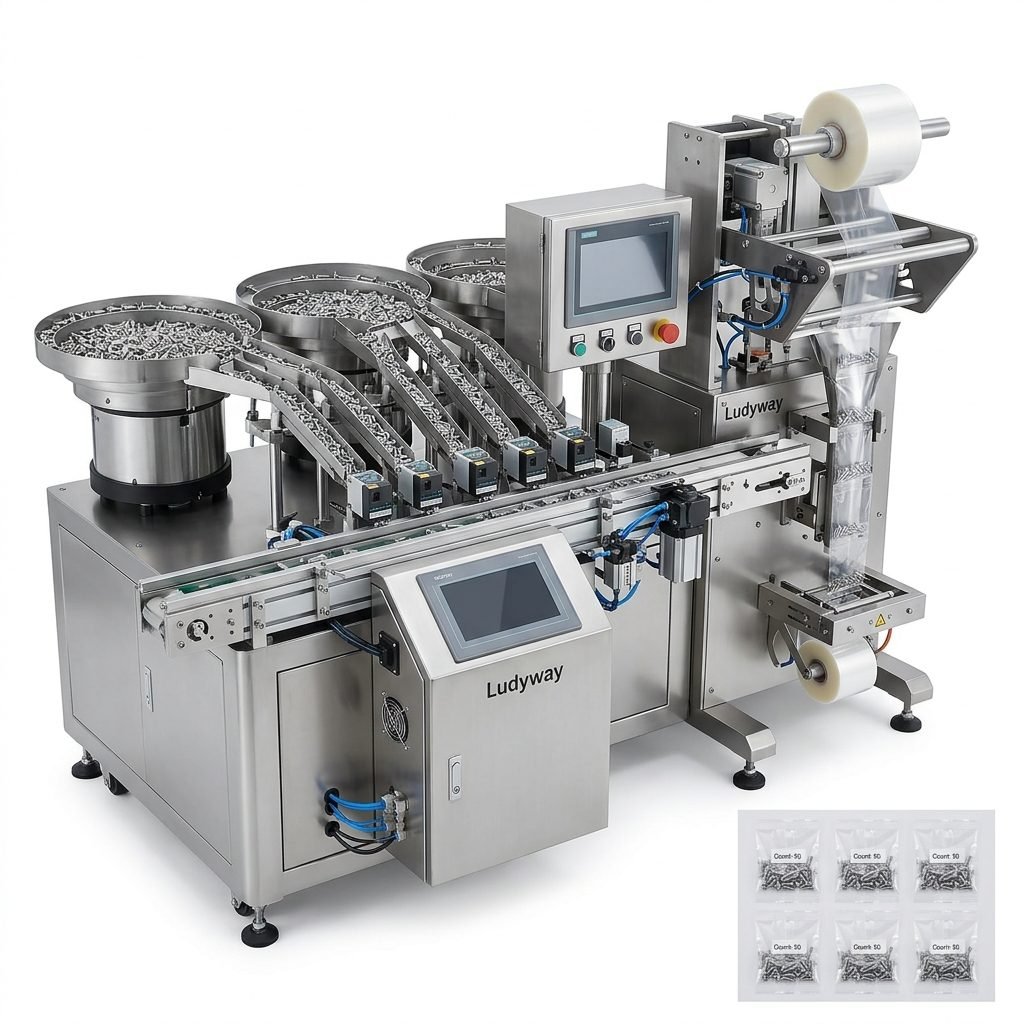
Selecting the appropriate sauce packaging machinery is a critical decision that directly impacts your production efficiency, product quality, and overall operational costs. An automatic filling and sealing machine is not a one-size-fits-all solution; the right choice depends on a nuanced understanding of your specific sauce characteristics, production volume, and business goals. This guide will walk you through the essential factors to consider, ensuring you invest in equipment that seamlessly integrates with your production line and drives long-term success.
Understanding Your Sauce Product Profile
The journey to the right machine begins with a deep analysis of the sauce you are packaging. Its physical and chemical properties dictate the machine’s required specifications.
Key Product Characteristics to Evaluate:
Viscosity & Texture: Is your sauce a thin vinegar, a creamy mayonnaise, a chunky salsa, or a thick paste? This determines the filling pump type (e.g., piston, gear, peristaltic) and nozzle design to prevent clogging and ensure accurate fill volumes.
Particle Size & Composition: Sauces with seeds, herbs, or vegetable pieces require special consideration. The machine’s product pathway, valves, and filling mechanism must handle particulates without damage or separation.
Temperature & Sensitivity: Hot-fill sauces, like some ketchups, need heat-resistant components and possibly cooling tunnels. Conversely, sensitive products like fresh dairy-based sauces may require sterile or nitrogen-flushed environments.
Acidity & Corrosiveness: High-acid sauces (e.g., tomato-based, citrus-infused) demand that all product-contact parts are made from food-grade stainless steel (like 316L) to resist corrosion and maintain hygiene.
Core Machine Specifications and Capabilities
Once your product profile is clear, you can match it with the technical capabilities of potential machines. Focus on these core specifications.
Filling Accuracy and Speed
Accuracy is non-negotiable for cost control and regulatory compliance. Look for machines with high-precision servo-driven filling systems that offer repeatability within ±0.5% to 1%. Speed, measured in containers or pouches per minute (CPM/PPM), must align with your line’s output target. Remember, the highest speed isn’t always best if it compromises accuracy or handles your product poorly.
Packaging Format Compatibility
Your market dictates the package. Ensure the machine is designed for your specific format:
- Bottles & Jars: Requires precise capping/sealing and potentially labelers.
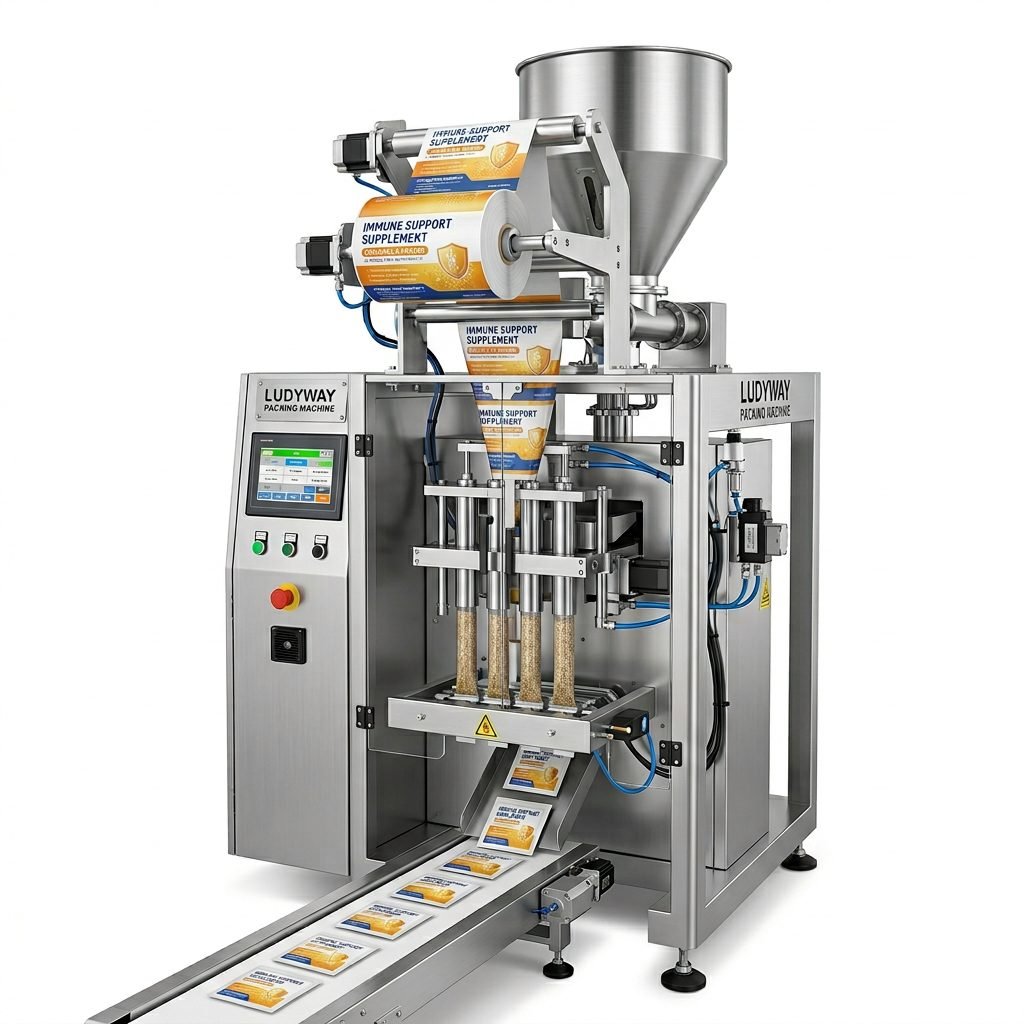
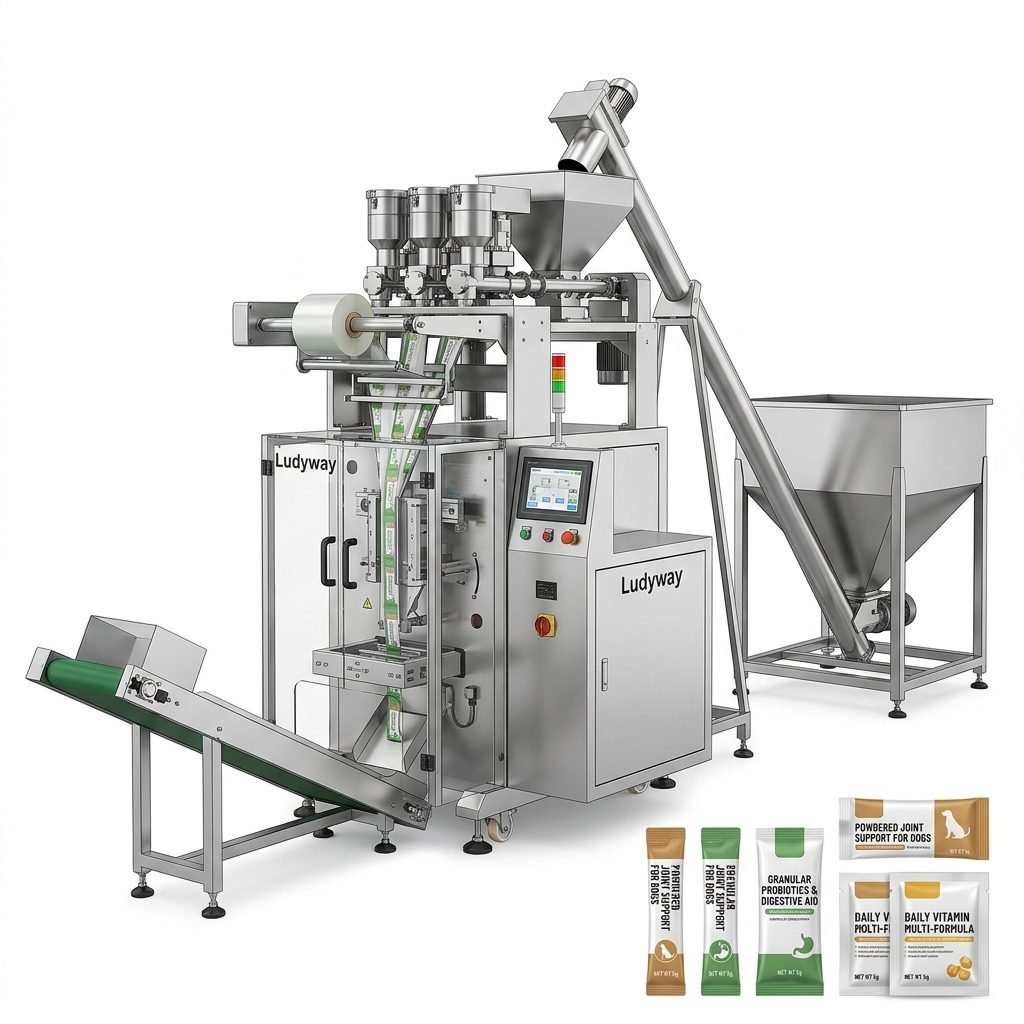
- Flexible Pouches (Stand-up, Doypack, Flat): Needs a robust form-fill-seal (FFS) system and possibly a degassing station.
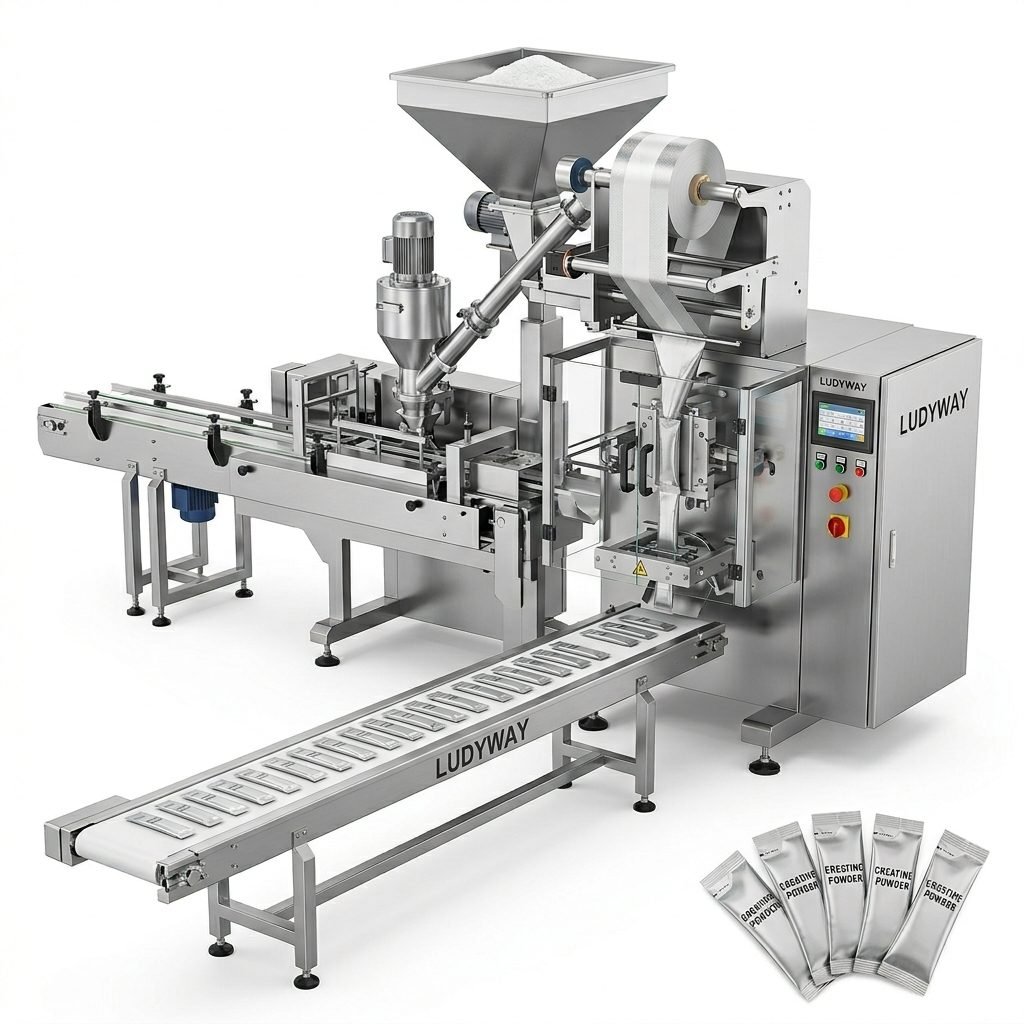
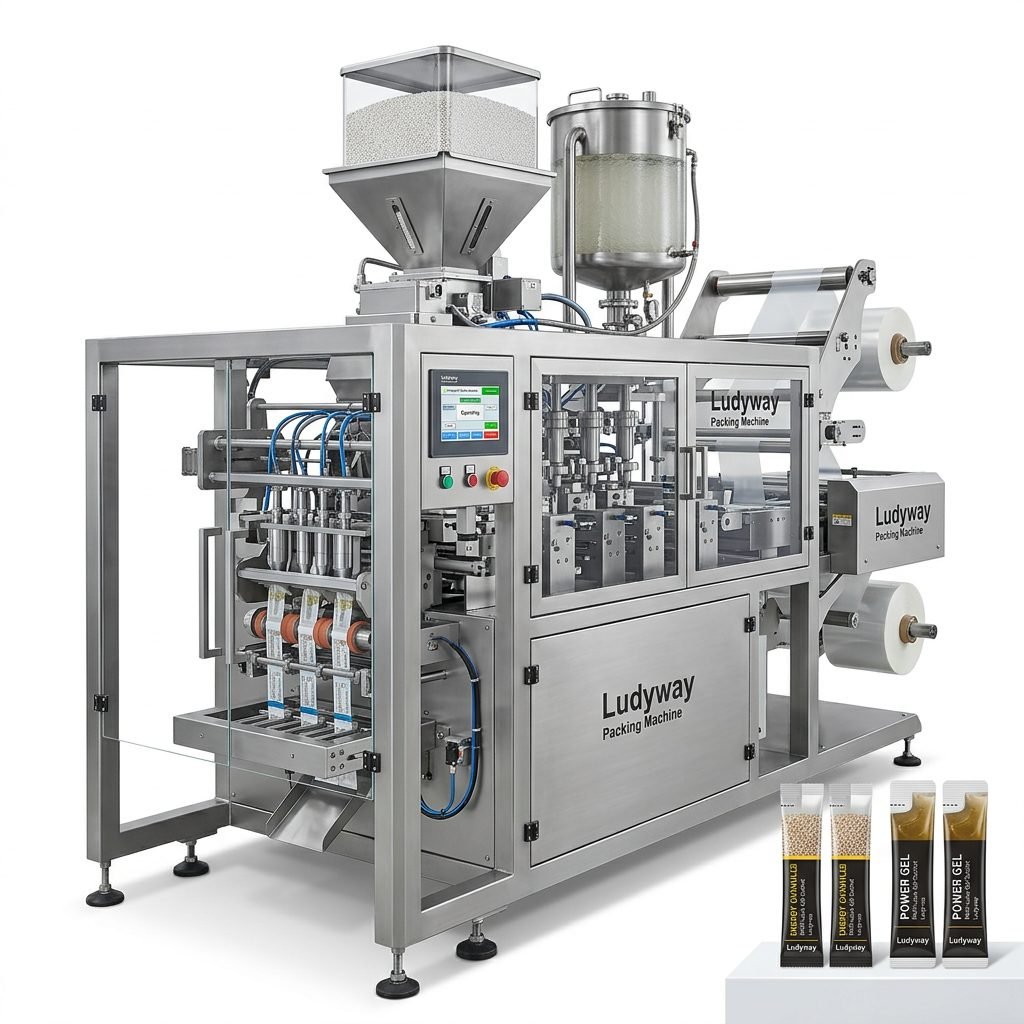
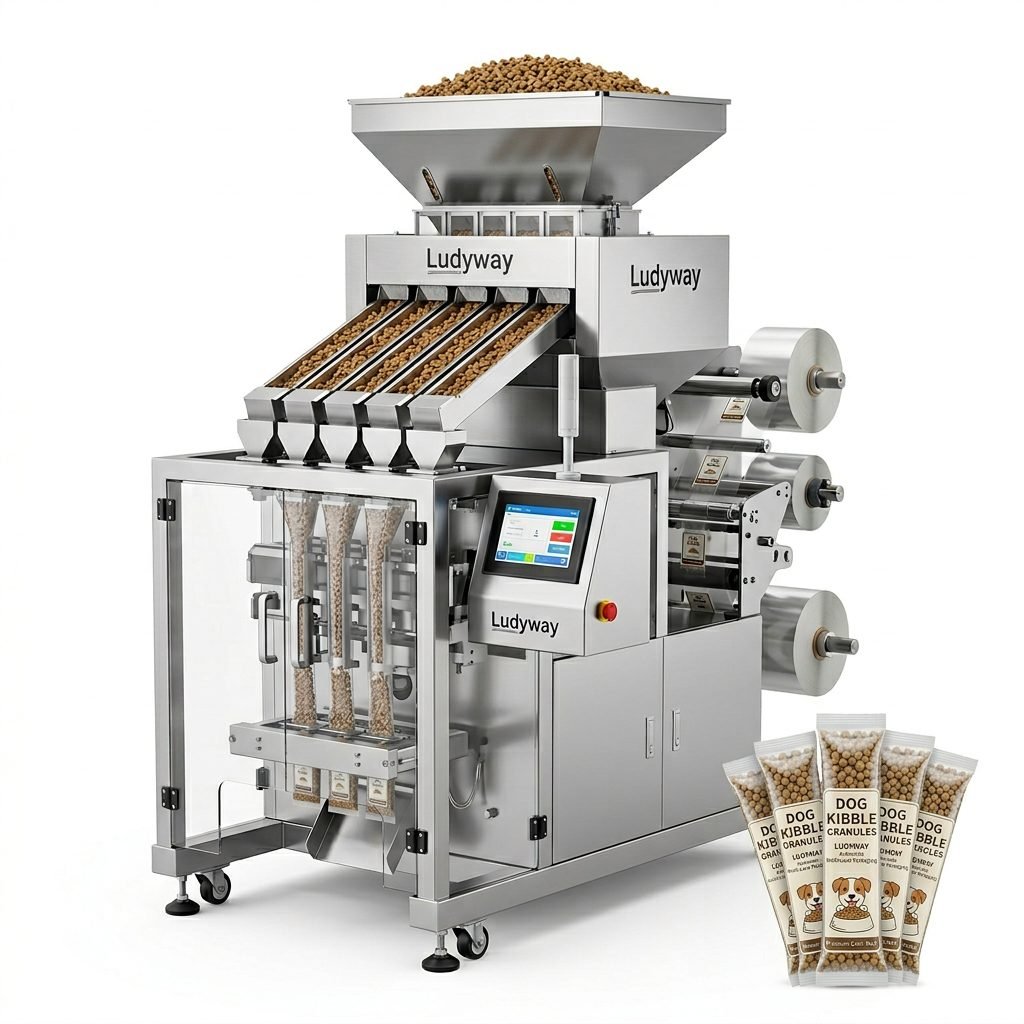
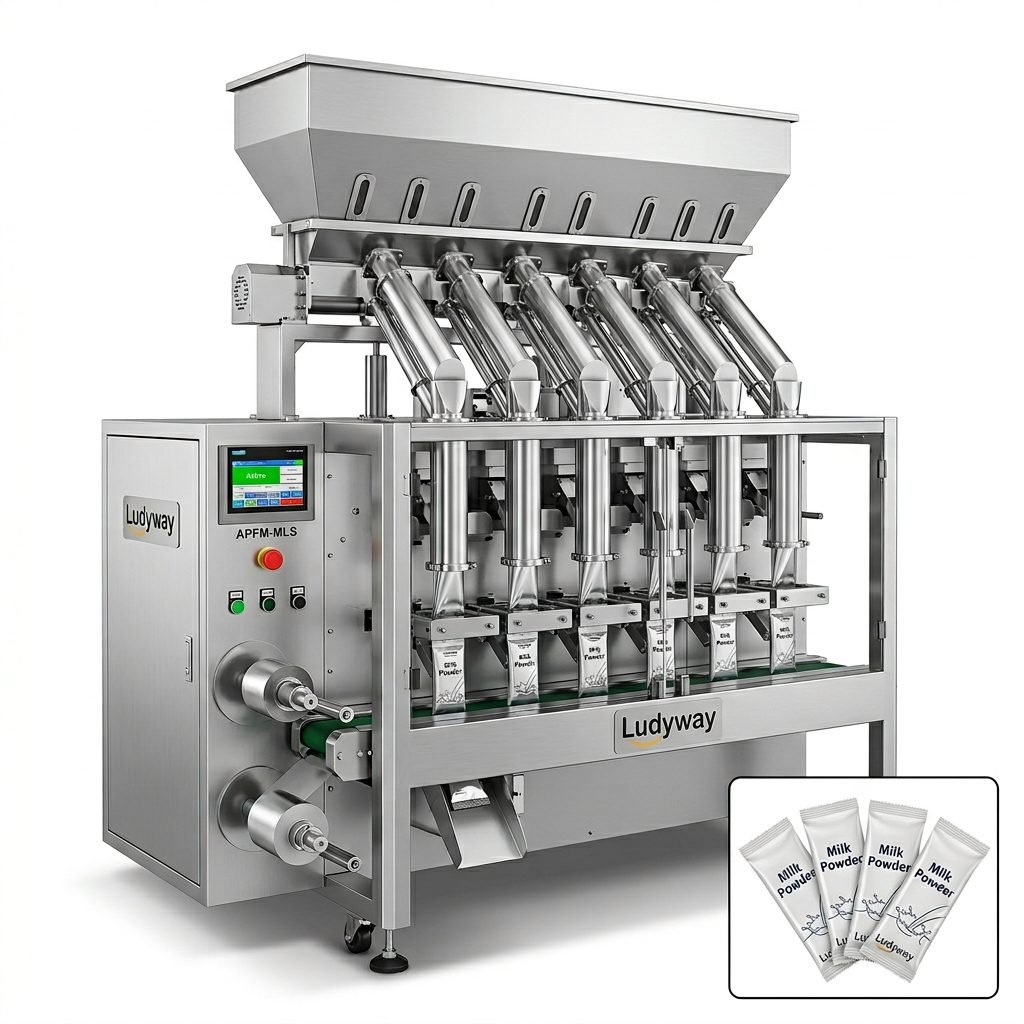
- Sachets & Stick Packs: Ideal for single-serve portions, requiring high-speed vertical FFS technology.
For businesses looking to package sauces into convenient single-serve formats, exploring advanced sachet packaging machines can be a strategic move to tap into new market segments.
Sealing Technology and Integrity
A perfect fill is worthless without a perfect seal. The sealing method must be compatible with your packaging material (e.g., laminated films, foil). Common technologies include constant heat sealing, impulse sealing, and ultrasonic sealing, each suited to different materials and production speeds. The machine should include leak detection systems to automatically reject faulty packages.
Integration with Your Production Line Ecosystem
The machine is a component of a larger system. Its ability to integrate smoothly is crucial for automated efficiency.
Integration Checklist:
✅ Upstream Compatibility: Can it receive containers from your unscrambler or accept film from your reel? Interface communication (e.g., PLC signals) is key.
✅ Downstream Synchronization: Can it transfer filled packages to your cartoner, case packer, or labeling machine at the correct rate?
✅ Footprint & Utilities: Does it fit your floor space? What are its requirements for electrical power, compressed air, and possibly water or gas?
✅ Control System & Data: Is the Human-Machine Interface (HMI) user-friendly? Does it offer production data tracking, OEE monitoring, and connectivity for Industry 4.0 data collection?
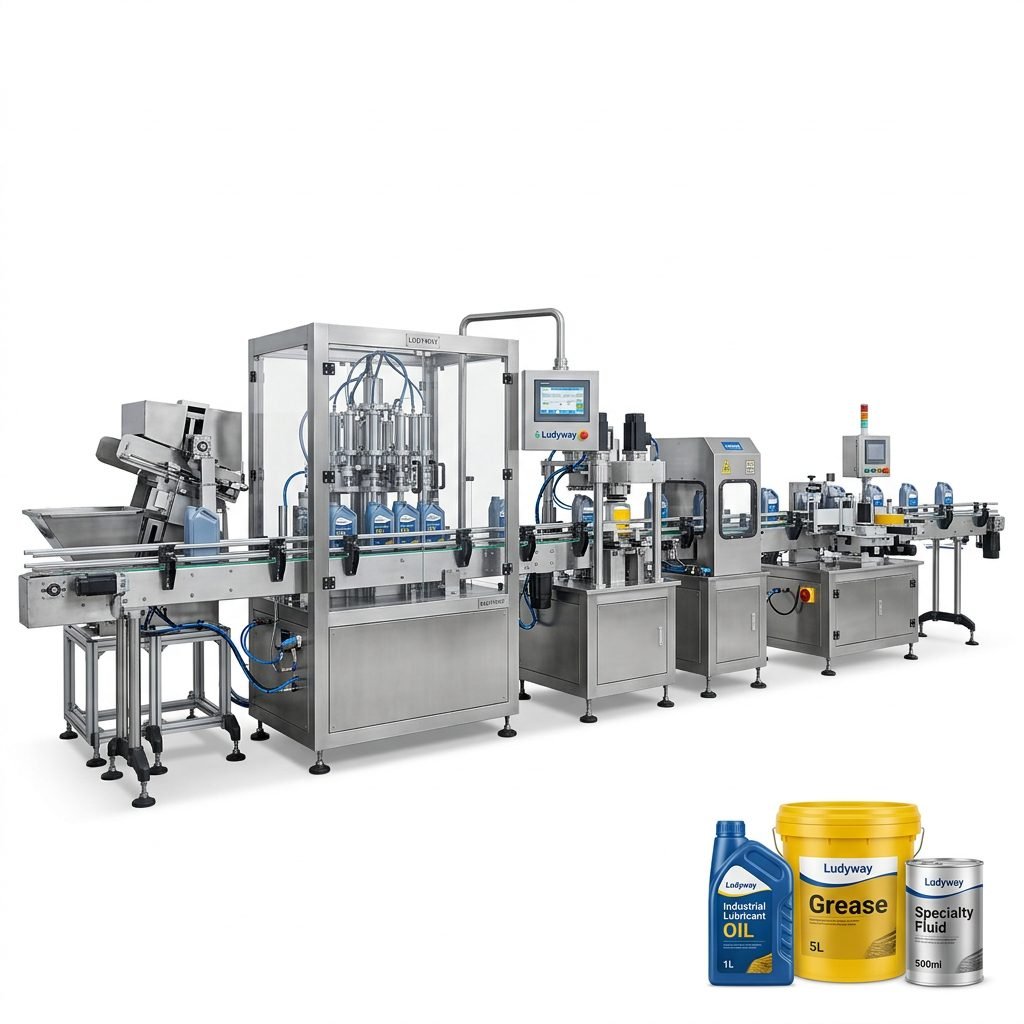
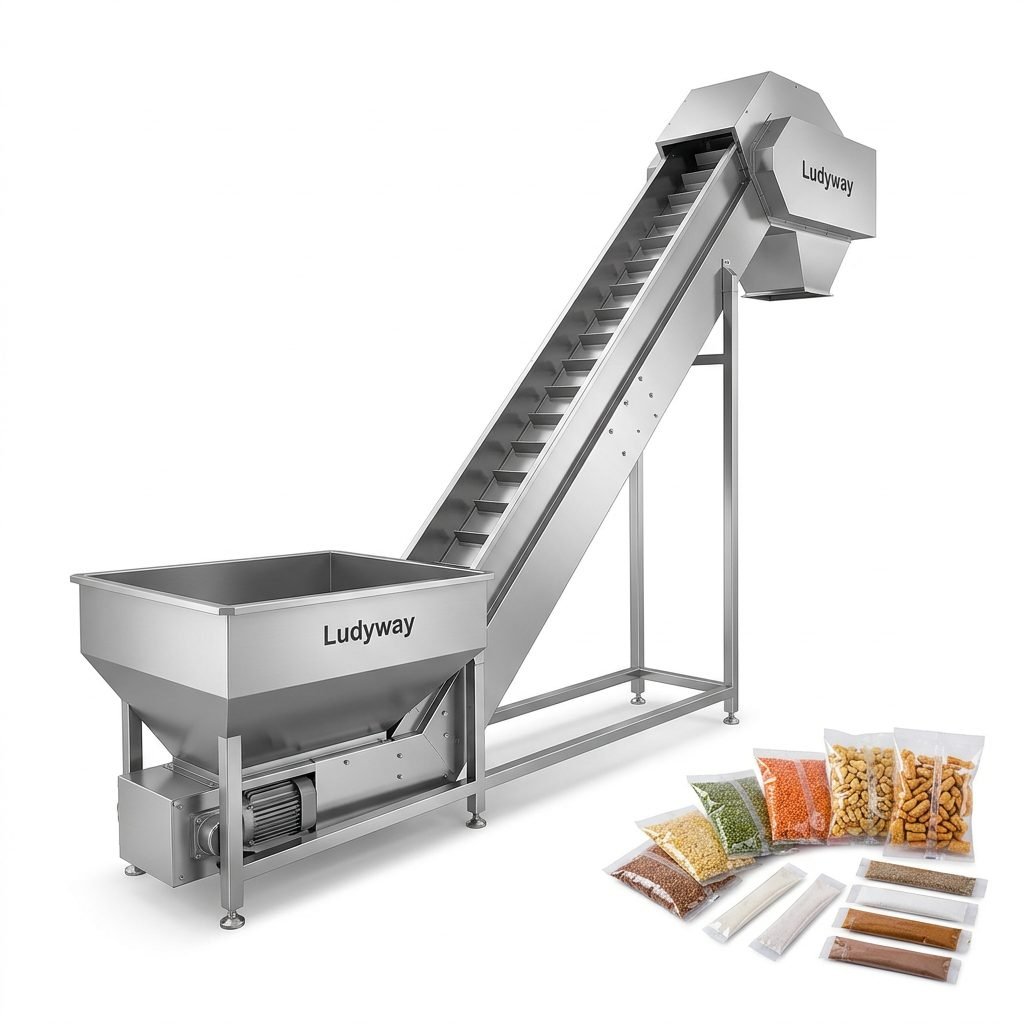
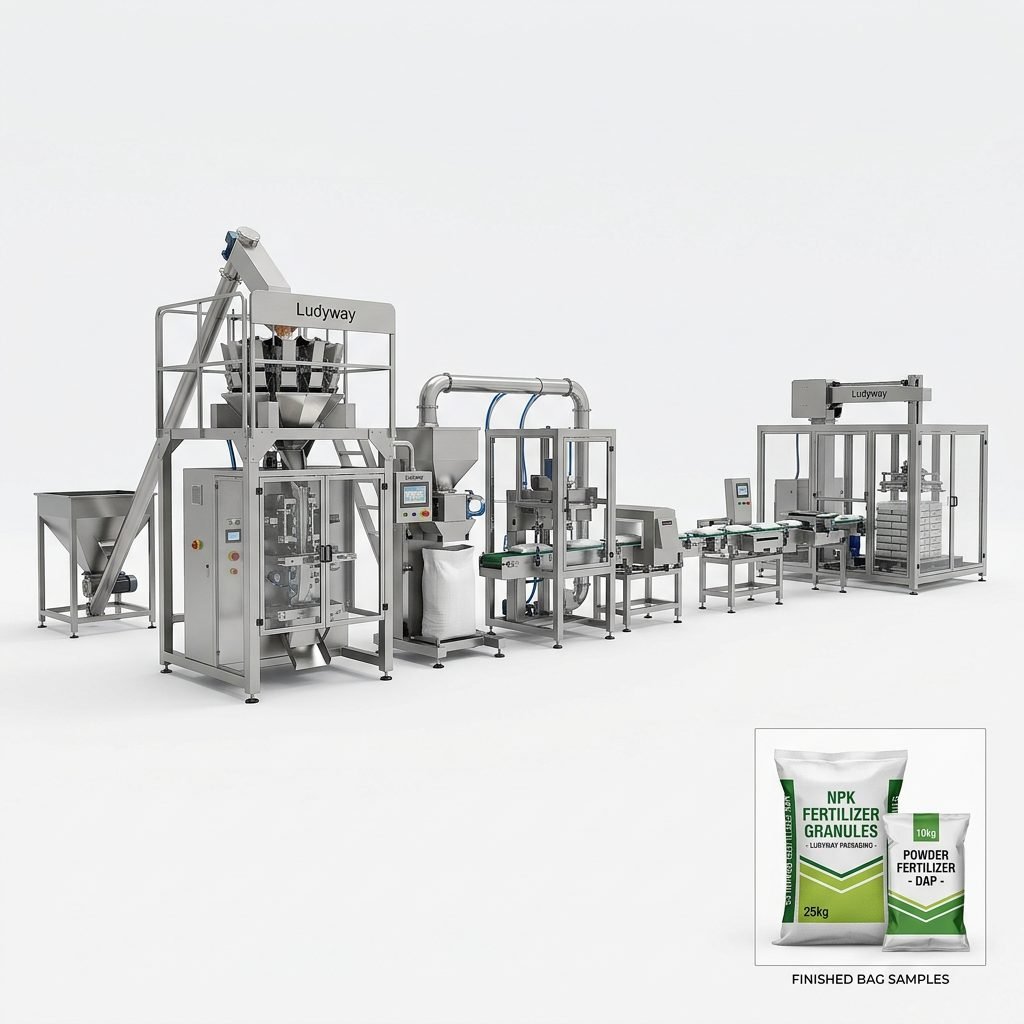
For complex production needs, a turnkey production solution provided by an experienced supplier can ensure all line components are designed to work in perfect harmony from the start.
Supplier Selection: Beyond the Machine
The manufacturer or supplier you choose is as important as the machine itself. They are your long-term partner for support and success.
Technical Support and Service
Investigate the supplier’s support structure. Do they offer comprehensive installation, training, and on-site commissioning? What is their spare parts availability and average response time for technical support? A reliable partner with proven industry experience can prevent costly downtime.
Customization and Flexibility
Can the base machine be customized to your unique needs? This might include special cleaning systems (CIP/SIP), customized nozzle layouts, or integration with specific robotics. A supplier with strong engineering capabilities will offer tailored solutions rather than just off-the-shelf models.
Companies like Ludyway Machinery, with decades of focused experience, often provide the engineering depth needed for such custom projects, ensuring the machinery adapts to your process, not the other way around.
Total Cost of Ownership (TCO) Analysis
Look beyond the initial purchase price. The true cost includes:
- Operational Costs: Energy consumption, required consumables (sealing jaws, gaskets), and labor.
- Maintenance Costs: Routine upkeep and expected part replacements.
- Efficiency Losses: Cost of product waste, packaging material waste, and downtime.
- Future-Proofing: Can the machine be upgraded or reconfigured for future products or higher speeds?
A slightly higher initial investment in a robust, efficient, and reliable machine from a reputable supplier almost always yields a lower TCO and a faster return on investment (ROI).
Frequently Asked Questions (FAQs)
Q1: What is the most important factor when choosing a sauce filling machine?
A: The most critical factor is matching the machine’s filling technology and material compatibility to the specific viscosity, particulates, and sensitivity of your sauce product. Accuracy and hygiene are paramount.
Q2: How do I determine the right speed (CPM) for my operation?
A: Calculate based on your target daily/weekly output, accounting for planned downtime (breaks, changeovers). Choose a machine that operates comfortably at 70-80% of its max speed to ensure longevity and allow for future demand growth.
Q3: Can one machine handle different sauce types and package sizes?
A: Many modern machines are designed for quick changeovers. Look for models with tool-less adjustments, recipe memory on the HMI, and easy-to-swap part kits (like nozzle assemblies) to minimize downtime between production runs.
Q4: What maintenance should I expect?
A: Daily cleaning of product-contact parts, weekly lubrication of moving components, and periodic inspection of seals, sensors, and wear parts (like filling pistons or pump rotors) as per the manufacturer’s manual. A good supplier will provide a clear maintenance schedule.
Q5: Why is supplier experience so heavily emphasized?
A> An experienced supplier brings invaluable application knowledge. They can foresee potential issues with your specific product, recommend optimal configurations, and provide reliable after-sales support. Their expertise reduces your risk and helps ensure a smooth, successful project from installation to full production.