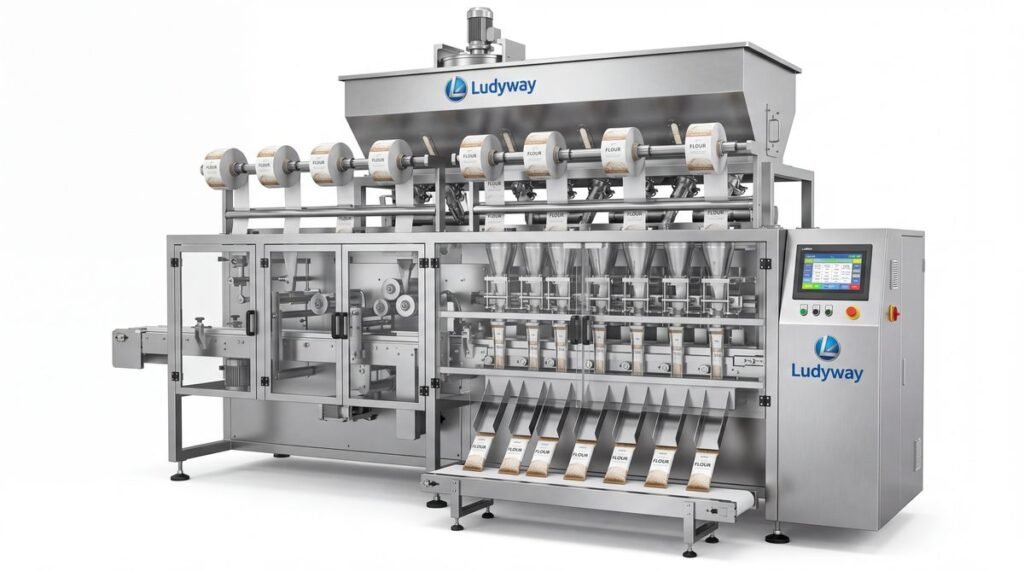
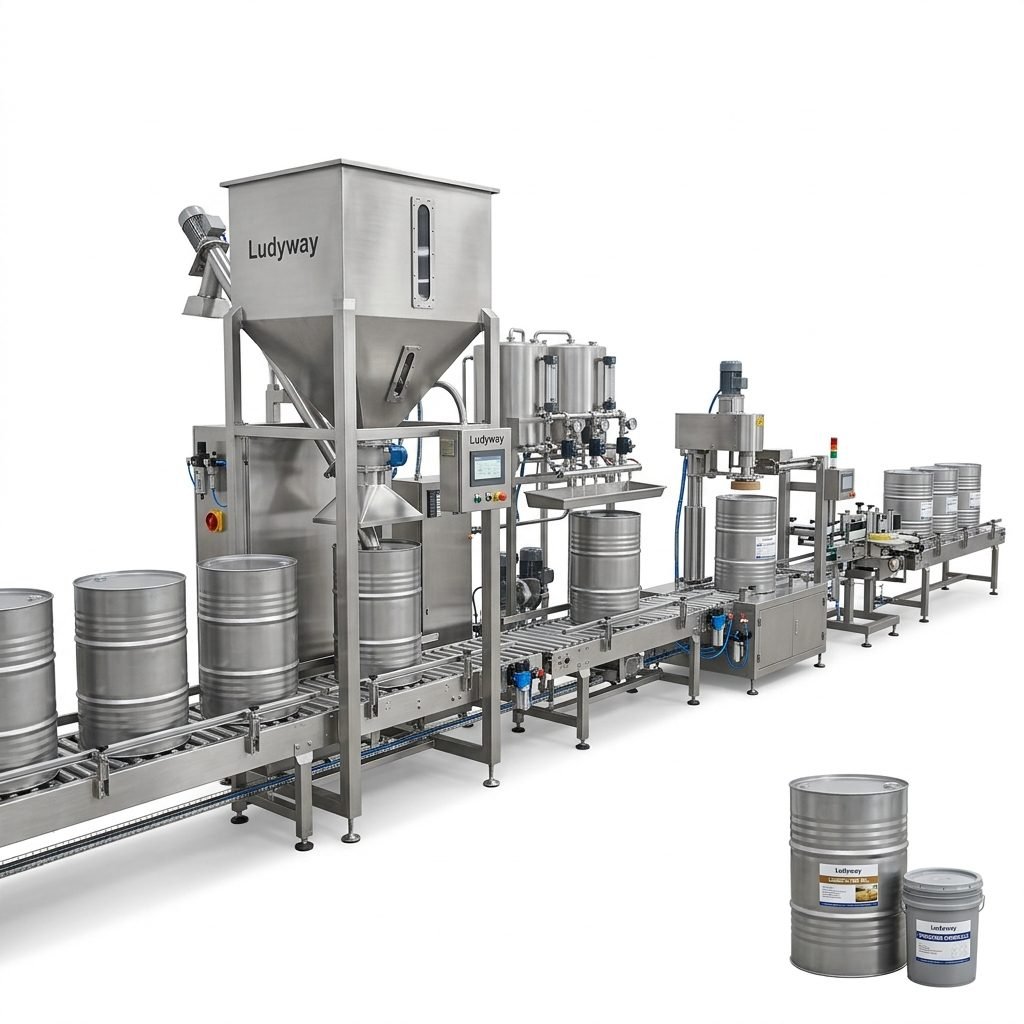
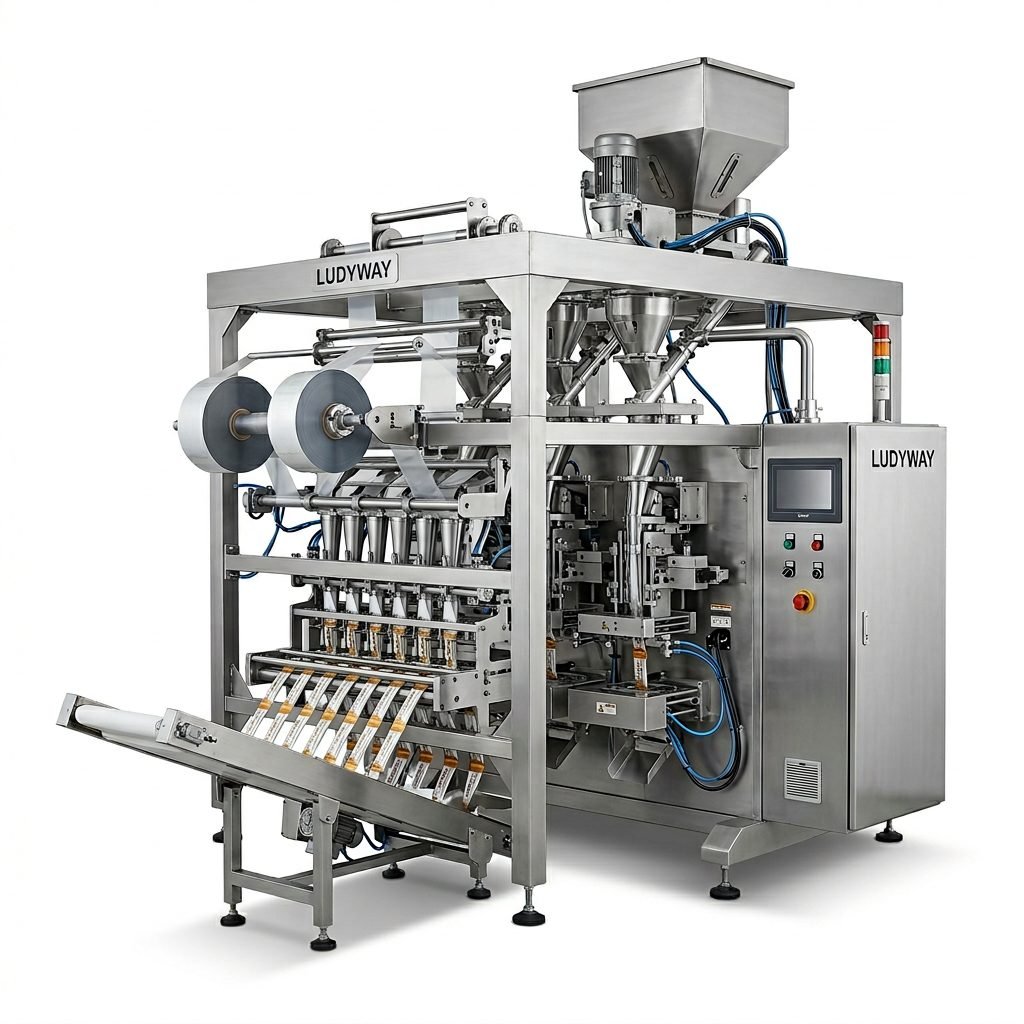
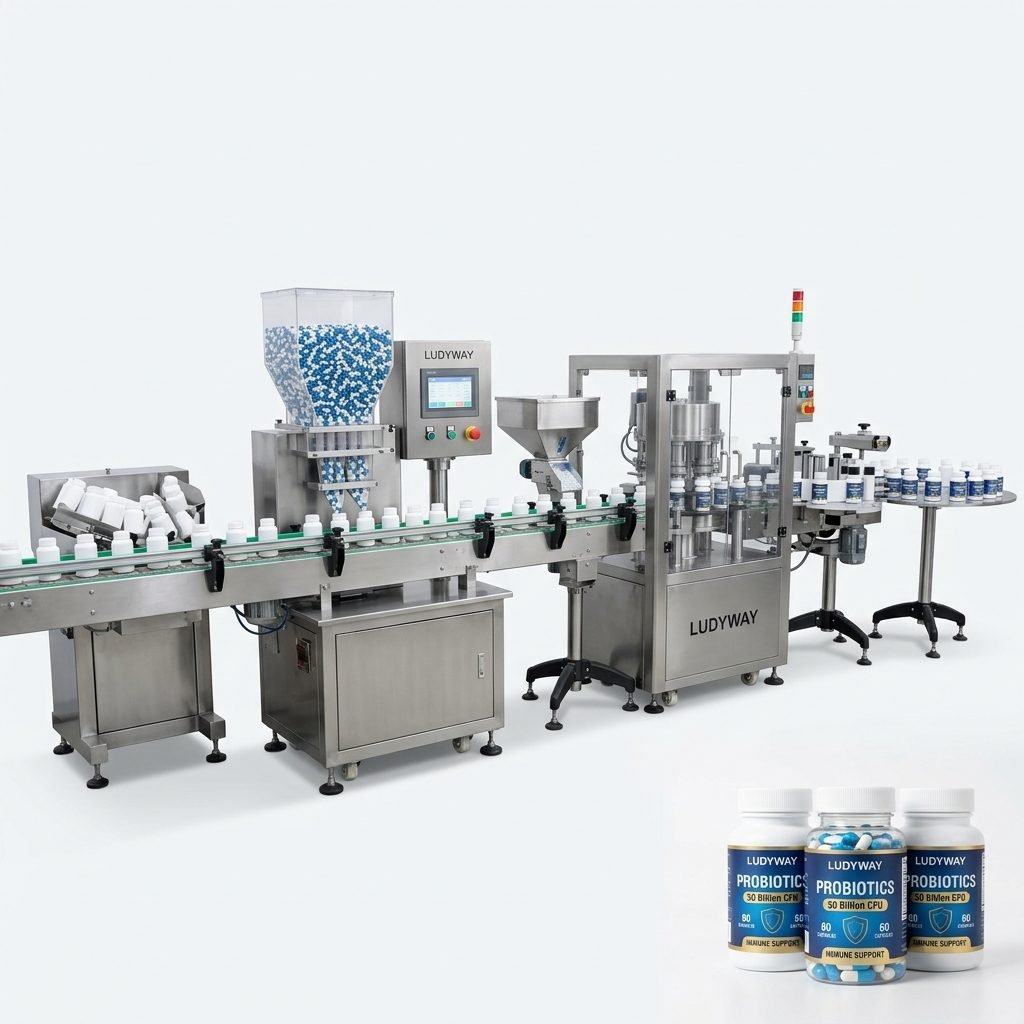
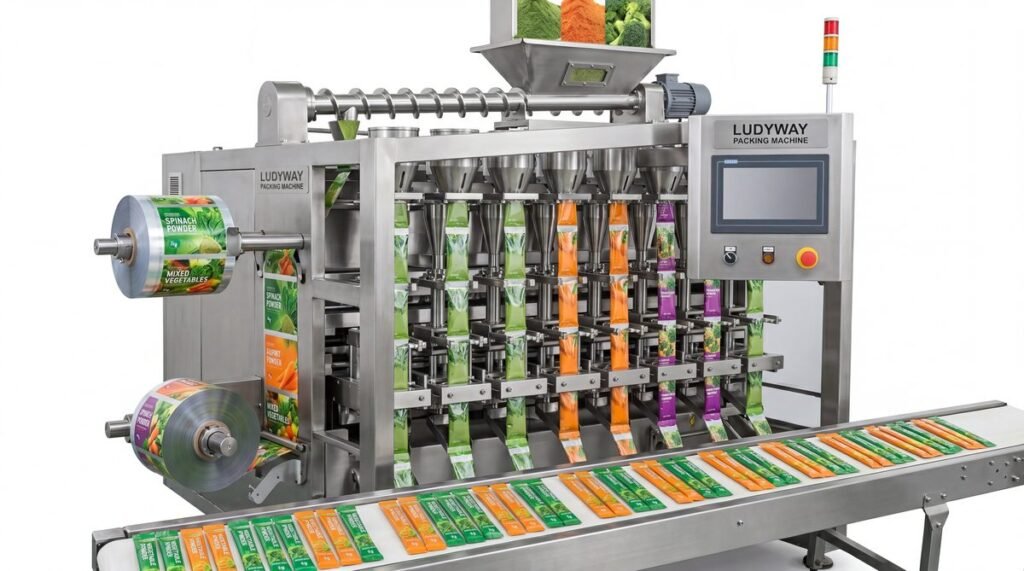
Establishing a vacuum seal packaging machine production line in Europe requires meticulous planning, adherence to strict regulatory frameworks, and strategic equipment selection. Whether you are in the food, pharmaceutical, or chemical sector, vacuum packaging extends product shelf life, protects against contamination, and enhances logistics efficiency. This guide walks you through every critical phase—from facility preparation and regulation compliance to integrating high-speed automated systems.

Understanding European Vacuum Packaging Regulations
Before installing any machinery, you must align your operation with EU Directives and harmonized standards. The European Commission Packaging and Packaging Waste Regulation sets essential requirements for material reduction and recyclability. For food contact applications, compliance with FDA Food Contact Substances standards is often required alongside EU-specific frameworks.
Key Machinery Directives
- 2006/42/EC Machinery Directive: Mandates CE marking for all packaging equipment installed in the European Economic Area.
- EN 415 Series: Safety standards specifically for packaging machines, covering guarding, interlocks, and emergency stops.
- ISO 11607: Critical for terminally sterilized medical device packaging, covering validation requirements for forming, sealing, and assembly processes.
Designing Your Vacuum Seal Production Line Layout
A turnkey vacuum packaging line typically integrates multiple modules. The physical layout must optimize material flow, minimize operator intervention, and accommodate future expansion. European facilities often prioritize energy efficiency and ergonomic design.
| Line Component | Function | Key Consideration for EU |
|---|---|---|
| Product Infeed & Conveyor | Automated loading of granules, powders, or solids | Stainless steel construction, IP65 washdown |
| Vacuum Chamber Sealer | Air evacuation and hermetic pouch sealing | Gas flush capability for modified atmosphere packaging |
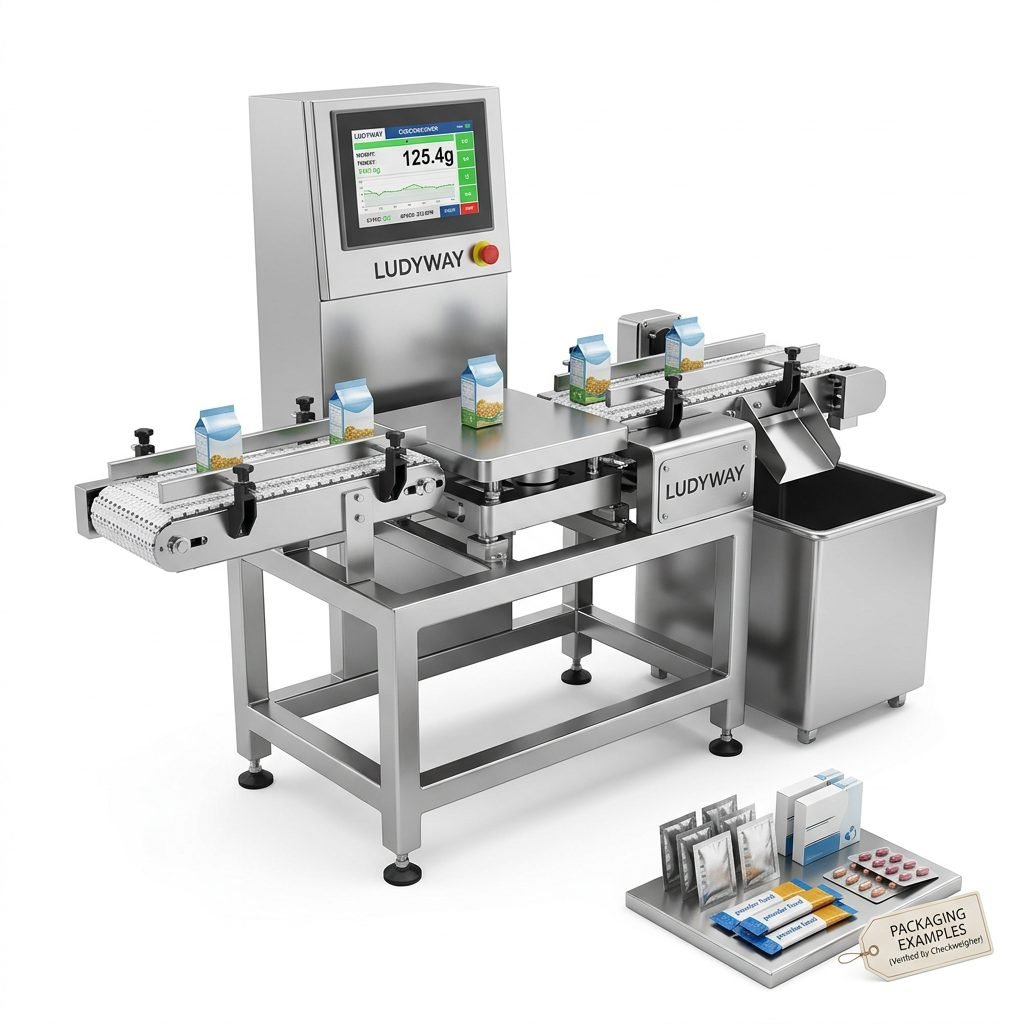
| Checkweigher & Vision System | Weight verification, seal integrity inspection | ISO 11607 validation ready |
| Secondary Cartoning | Automated pouch collation and boxing | FSC-certified carton compatibility |
| Palletizing & Wrapping | End-of-line stacking and stretch film application | Energy-efficient servo drives |
Selecting the Right Vacuum Packaging Technology
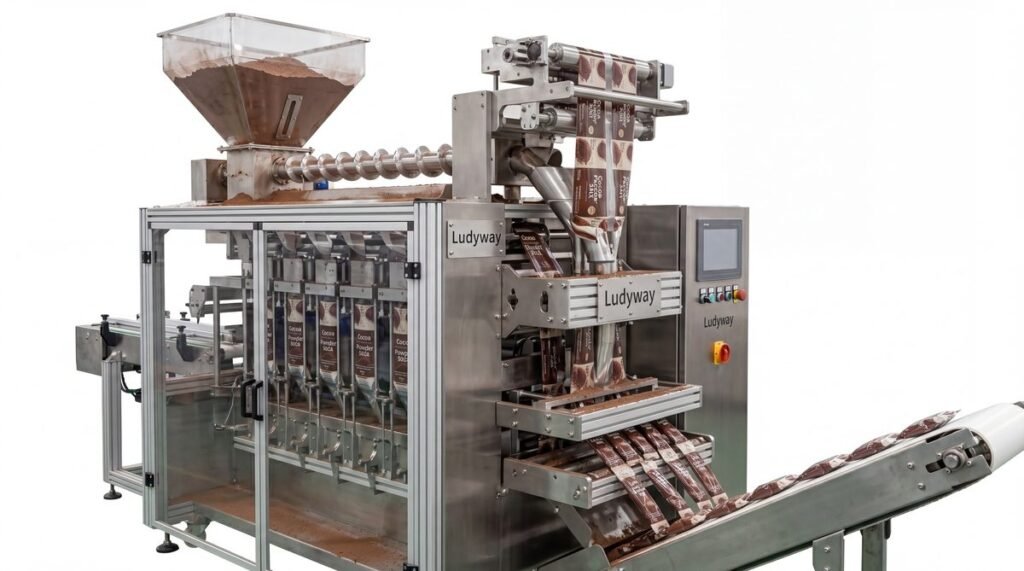
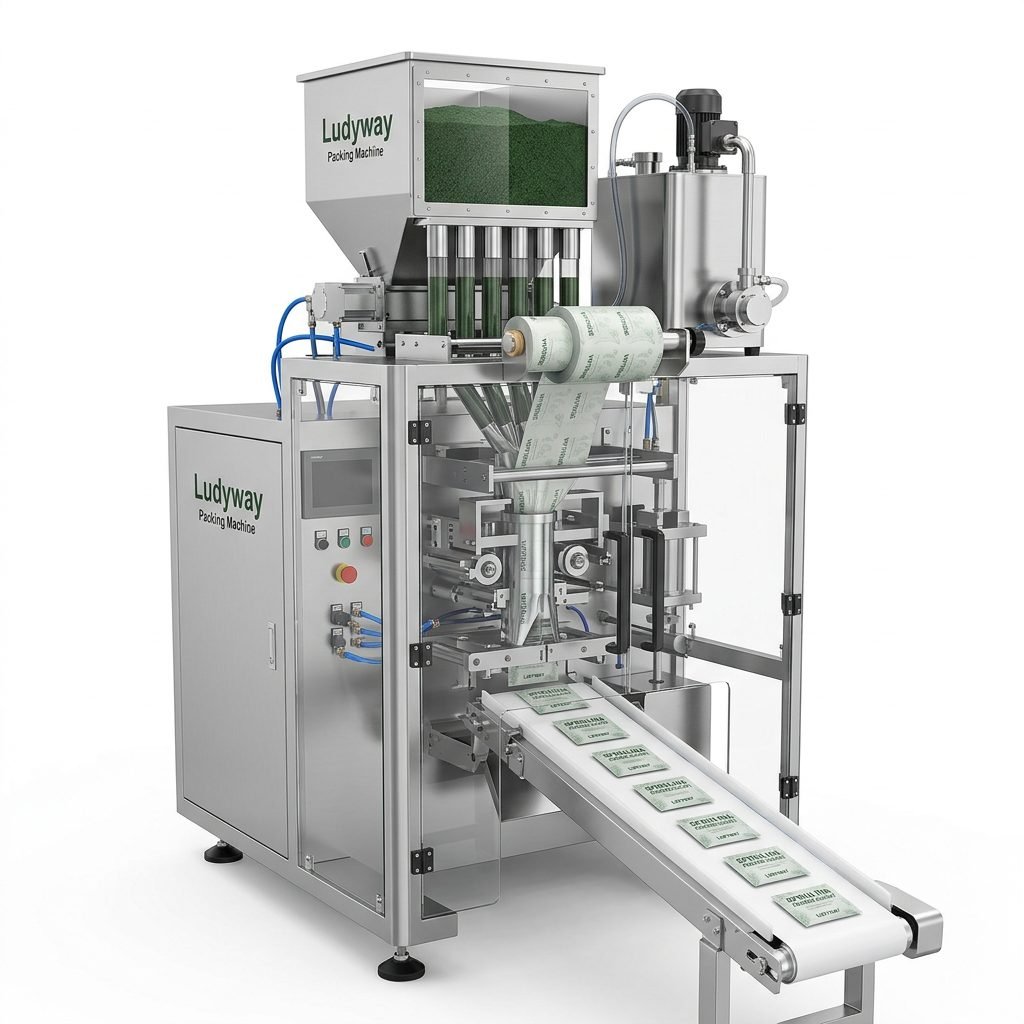
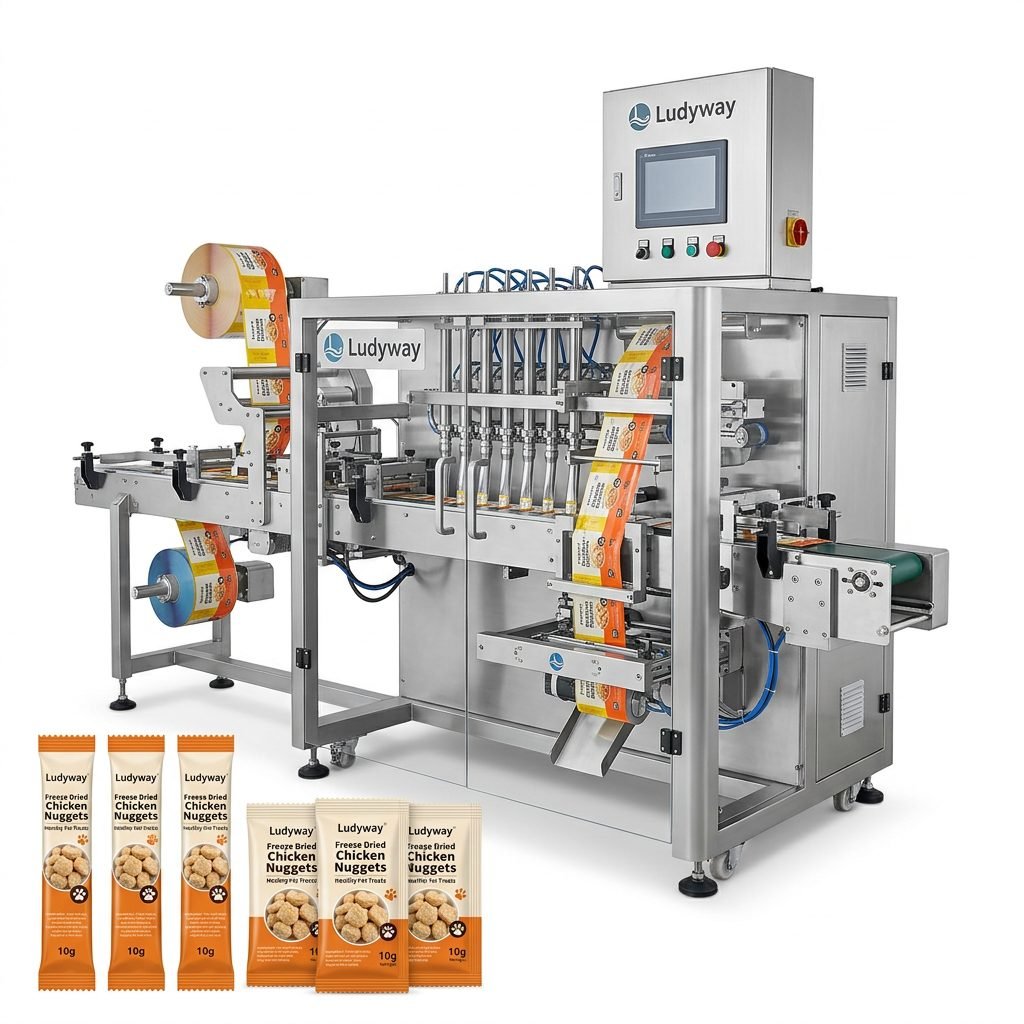
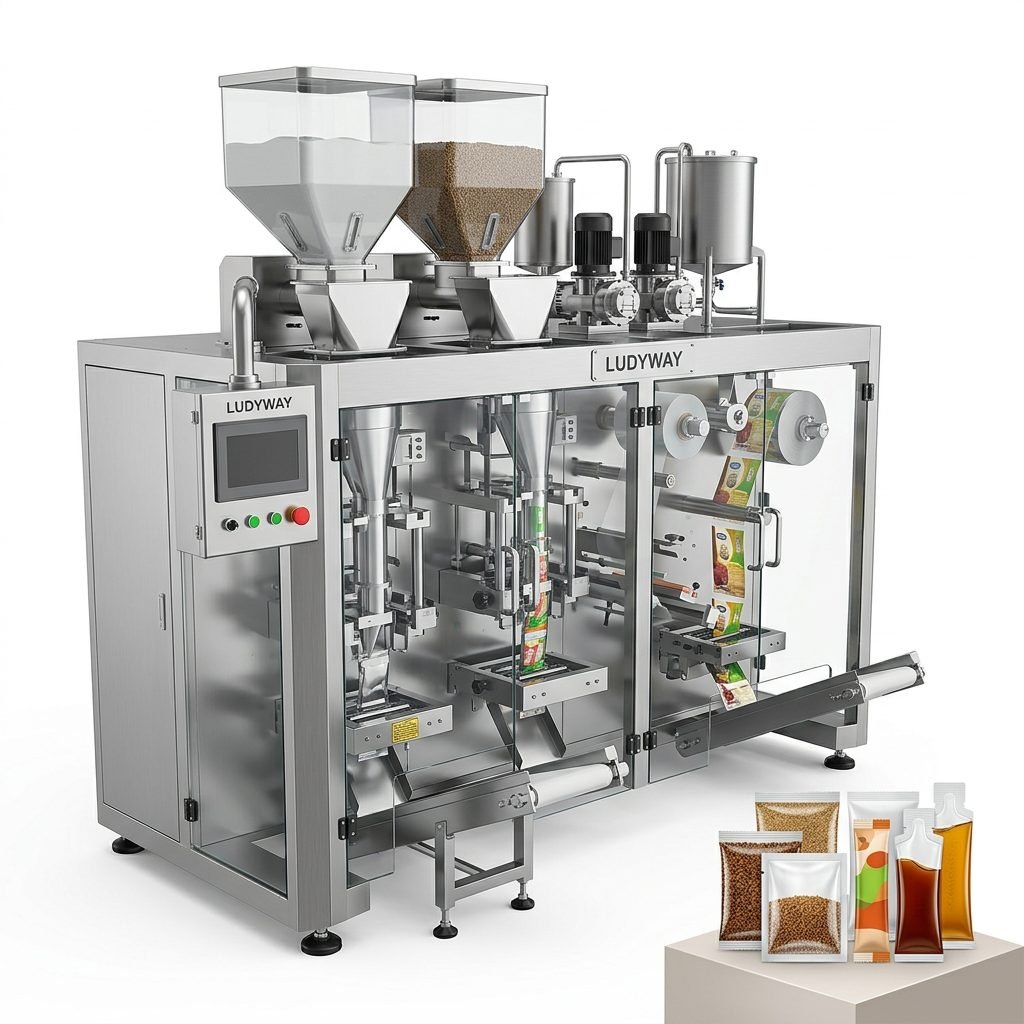
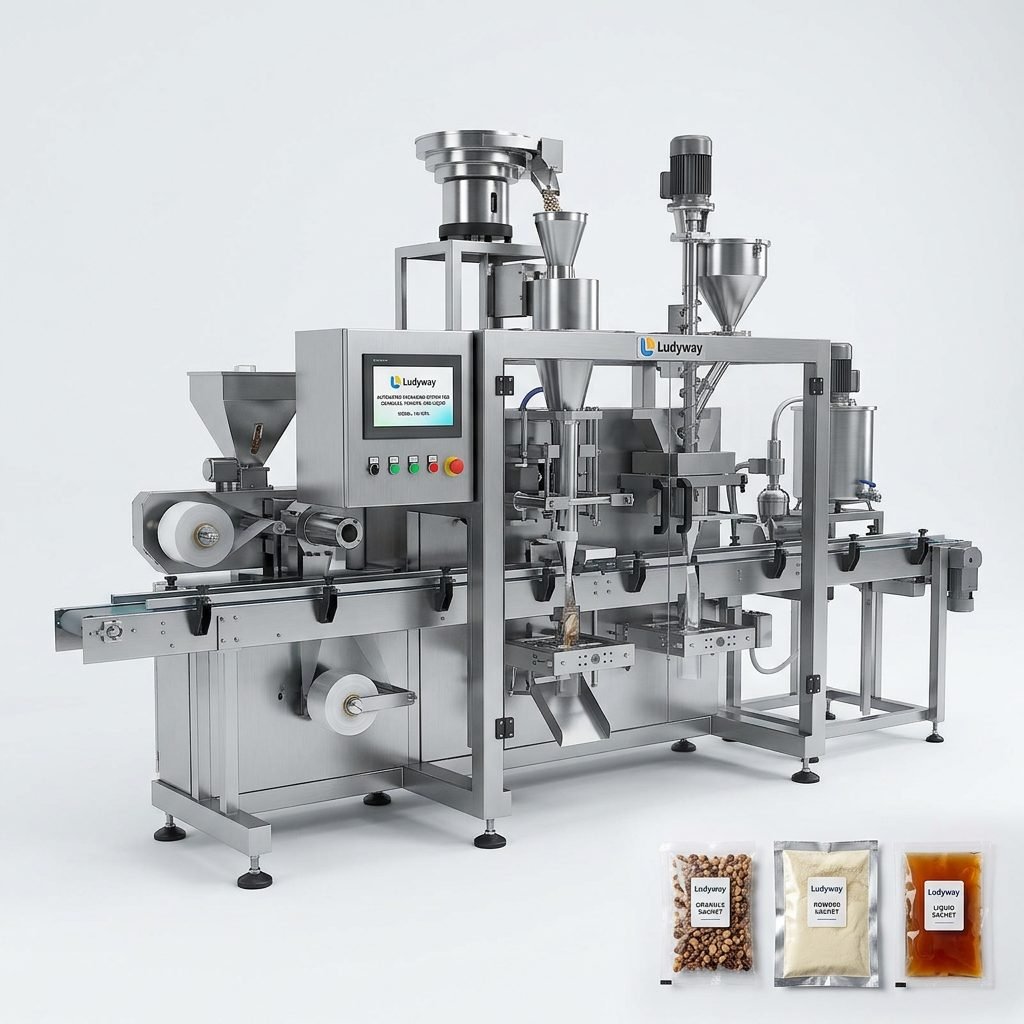
The European market demands flexibility. You must choose between chamber vacuum sealers, nozzle vacuum machines, and thermoforming systems based on your product characteristics. For high-speed applications, multi-lane stick pack and sachet systems with integrated vacuum and gas flushing capabilities are increasingly popular in PMMI packaging industry resources reports.
Common Machine Configurations
- Double Chamber Machines: Ideal for medium-volume meat, cheese, and ready-meal producers.
- Belt-Fed Continuous Vacuum Sealers: Suitable for high-throughput lines requiring minimal operator handling.
- Rotary Vacuum Systems: Maximum speed for granular products like coffee or nuts, often paired with multi-lane stick pack machines.
When evaluating suppliers, verify that each machine comes with full CE documentation, technical files, and risk assessments as required by the Machinery Directive.
Installation and Validation Protocols
Proper installation directly impacts your line’s Overall Equipment Effectiveness. Start with a Factory Acceptance Test (FAT) at the manufacturer’s facility, followed by a Site Acceptance Test at your European plant. Ludyway, one of the largest packaging machine manufacturers, provides comprehensive installation support including IQ/OQ/PQ documentation for pharmaceutical-grade applications.
Critical Validation Steps
- Installation Qualification: Verify all utilities (compressed air, electrical, nitrogen supply) meet specifications.
- Operational Qualification: Test vacuum levels, seal strength, and gas flush ratios across all operating ranges.
- Performance Qualification: Run production batches to confirm consistency under actual manufacturing conditions.
Integrating Quality Control Systems
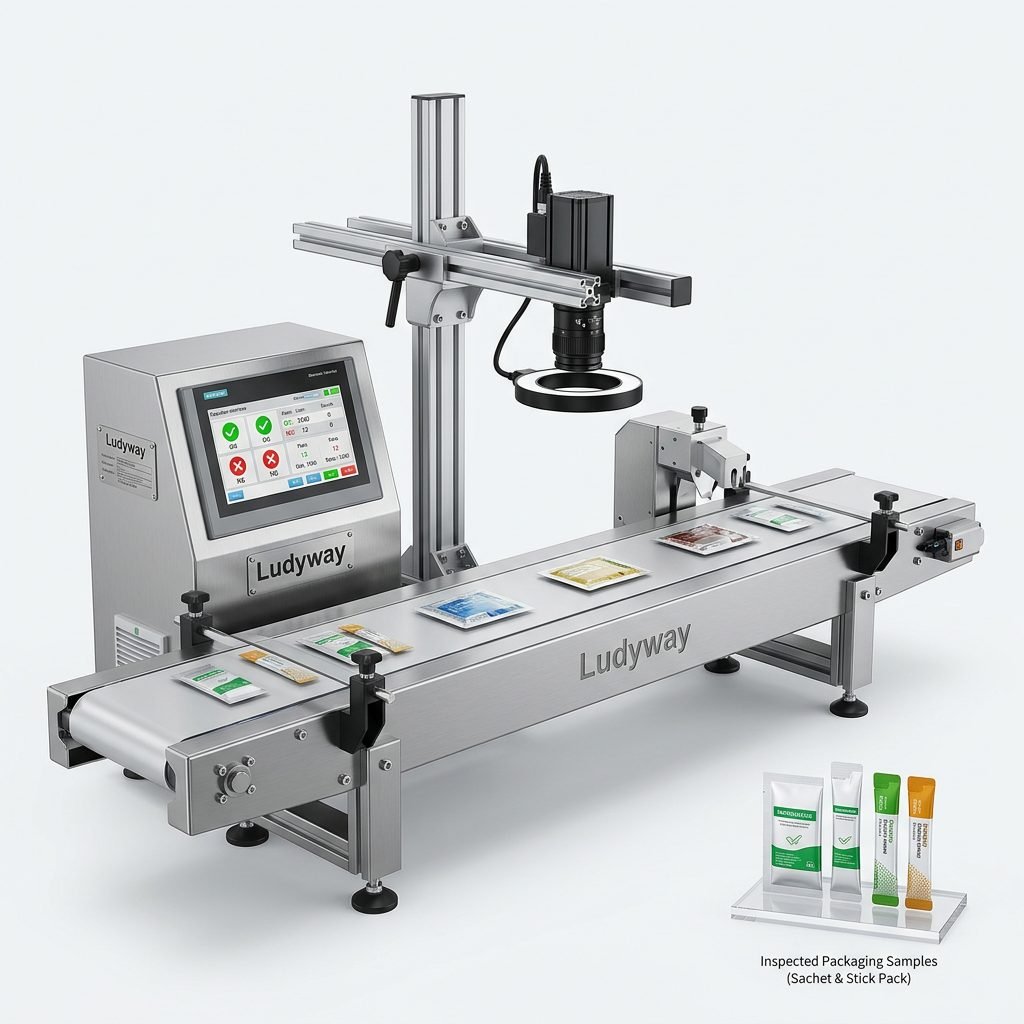
European consumers and regulators expect zero-defect packaging. Your vacuum seal line must incorporate inline inspection technologies. Seal integrity testers using pressure decay or water bath methods are mandatory for medical and high-value food products. Vision systems detect pouch defects, label misalignment, and print quality issues at full line speed.
| Inspection Type | Technology | Detection Capability |
|---|---|---|
| Seal Integrity | Pressure Decay, Dye Penetration | Micro-leaks down to 10 microns |
| Weight Control | Dynamic Checkweigher | ±0.1g accuracy at high speed |
| Foreign Object Detection | X-ray, Metal Detector | Stainless steel, ferrous, non-ferrous |
| Label & Print Quality | High-Resolution Camera | OCR, barcode verification, skew detection |
Workforce Training and Safety Compliance
European occupational safety regulations enforce strict operator training. Your staff must be competent in lockout/tagout procedures, machine guarding, and emergency response. Many companies opt for comprehensive training packages that cover mechanical setup, electrical troubleshooting, and software programming for the specific vacuum seal machines installed.
Essential Training Modules
- Machine operation and recipe management for different product SKUs.
- Cleaning and sanitation protocols compliant with EU food hygiene regulations.
- Preventive maintenance scheduling and spare parts inventory management.
- Data logging and traceability system operation for full production batch records.
Maintenance and Long-Term Support
Procuring vacuum packaging machinery is a long-term partnership. Evaluate suppliers based on their local European service presence, spare parts availability, and technical support responsiveness. The most efficient production lines incorporate remote diagnostic capabilities, allowing technicians to troubleshoot issues without onsite visits—a critical factor given Europe’s emphasis on minimizing downtime.
Ensure your maintenance contracts cover periodic replacement of wear parts such as sealing bars, Teflon tapes, vacuum pump filters, and gaskets. A well-maintained vacuum pump delivers consistent chamber evacuation speed, directly influencing cycle time and final package quality. Refer to ISO packaging standards for guidance on maintaining equipment within validated parameters.
Sustainability and Future-Proofing
Europe’s Green Deal and circular economy action plan is reshaping packaging requirements. Your vacuum seal line should be compatible with recyclable mono-material films and bio-based packaging substrates. Look for machines that minimize film waste through precise feed control and that support reduced energy consumption via servo-driven motions rather than pneumatic systems. The Flexible Packaging Association offers extensive resources on sustainable material trends and regulatory developments affecting vacuum packaging operations.
By meticulously following these steps, you establish a vacuum seal packaging line that meets European standards, delivers high productivity, and flexibly adapts to changing market demands and sustainability mandates.