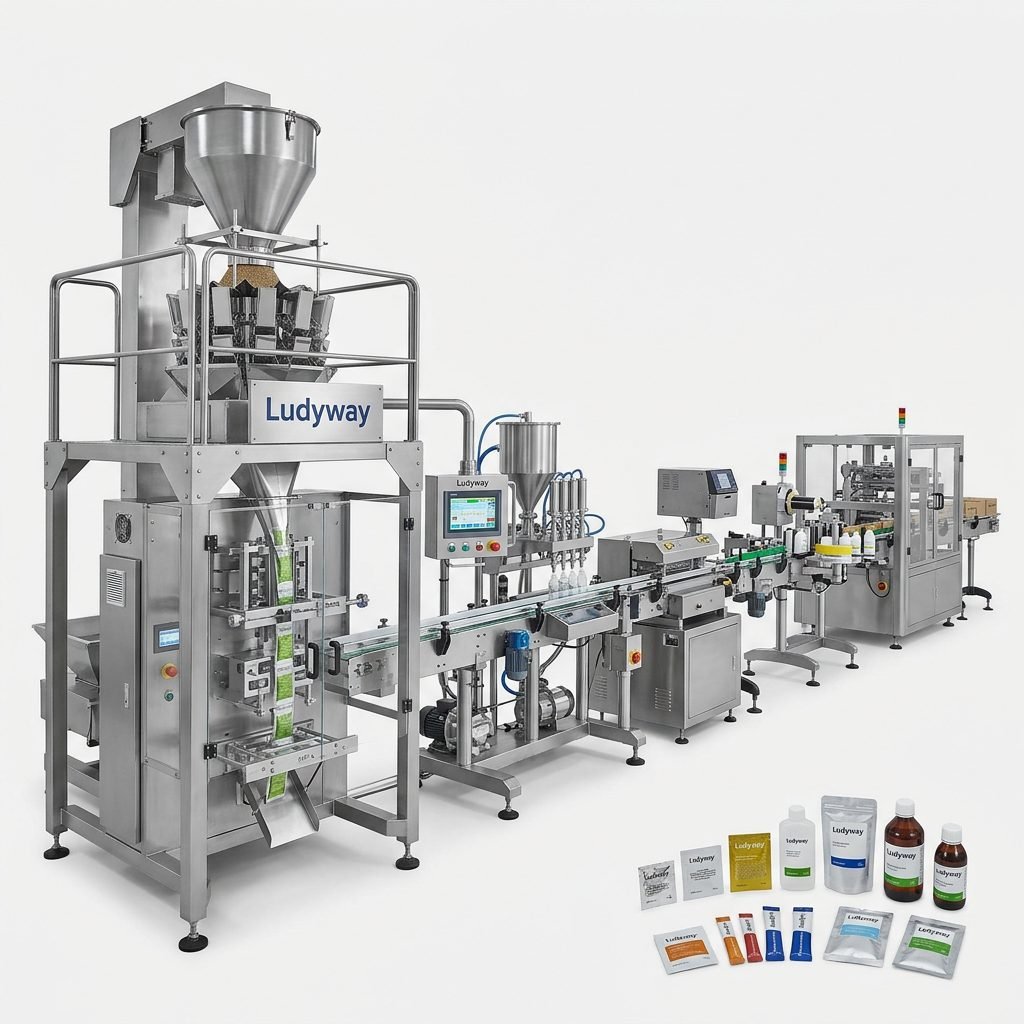
Investing in a peanut butter packaging machine is a critical decision for any food manufacturer looking to scale production, ensure product consistency, and meet stringent hygiene standards. Unlike free-flowing liquids or dry granules, peanut butter presents unique challenges due to its high viscosity, density, and sometimes chunky texture. Selecting the wrong equipment can lead to inaccurate filling, product waste, and costly downtime. This comprehensive guide walks you through the essential factors, machine types, and key features to consider before making your purchase, ensuring you choose a solution that aligns perfectly with your production capacity and business goals.
Understanding the Challenges of Peanut Butter Packaging
Peanut butter is not a one-size-fits-all product. Its formulation varies from ultra-smooth creamy varieties to thick, crunchy types with solid inclusions. This requires a machine designed to handle back pressure and product bridging effectively. Furthermore, the oil separation common in natural peanut butter necessitates gentle product agitation within the hopper. A high-quality packaging machine must also accommodate the specific barrier films required to protect against oxygen and moisture, preserving the product’s rich flavor and shelf life. Understanding these nuances is the first step in filtering out generic fillers from specialized, robust equipment.
Key Machine Types for Peanut Butter Filling
Selecting the right automation level depends on your current output and future growth plans. The market generally offers three tiers of machinery, each suited to different scales of operation:
1. Semi-Automatic Piston Fillers
Ideal for startups and small-batch producers, semi-automatic piston fillers use a volumetric piston mechanism to draw product from a hopper and dispense it into containers. Operators typically place the jar or pouch manually. These machines excel at handling a wide viscosity range and are relatively easy to clean and maintain. While they require manual labor for container handling, they offer precise, repeatable fill volumes at a fraction of the cost of fully automated lines.
2. Fully Automatic Inline Filling Systems
For medium to large-scale production, fully automatic inline systems are the industry standard. These integrated lines combine automatic container feeding, multi-head piston or gear pump filling stations, indexing conveyors, and automated lidding or capping. They significantly increase throughput and reduce labor costs. Modern systems often feature servo-driven controls for rapid, splash-free filling of thick pastes. When integrated with a turnkey packaging solution, these machines can seamlessly transition from filling to capping and labeling.
3. Rotary Filling Machines
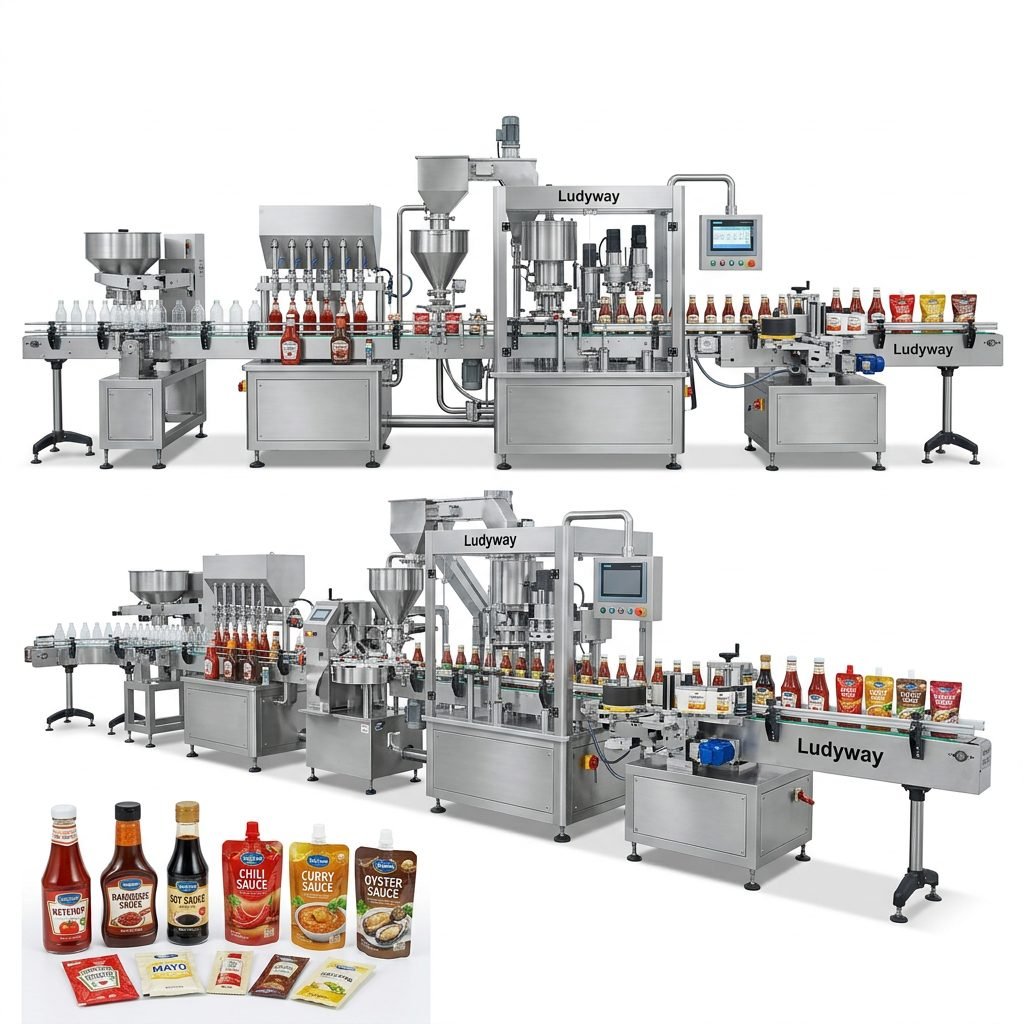
For high-speed operations exceeding 100 containers per minute, rotary fillers are the premium choice. Containers move continuously around a central carousel, passing under filling stations that descend and synchronize perfectly with the container’s motion. This rotary design provides maximum dwell time for the fill without sacrificing line speed—a critical advantage when dispensing dense, thick peanut butter that cannot be forced out too quickly without causing splashing or inaccurate weight.
Essential Features to Evaluate
Beyond the basic machine type, specific engineering details determine long-term reliability. Use the following checklist to compare different peanut butter packaging machine models:
- Hopper Design: Look for a conical, jacketed hopper with a slow-speed agitator. A heating jacket (for hot-fill processes) or a cooling jacket helps maintain optimal product viscosity. An auto-level sensor can automate refilling from a supply tank.
- Filling Mechanism: For chunky styles, a positive displacement piston with a rotary valve often performs better than gear pumps, as pumps can damage delicate peanut particulates. Ensure the valve has no pinch points that could crush inclusions.
- Nozzle Configuration: A diving nozzle (bottom-up fill) minimizes air entrapment, which is crucial for peanut butter to prevent oxidation. Adjustable suck-back prevents stringing and drips at the end of the cycle, keeping the container sealing area clean.
- Material Construction: All product contact parts must be food-grade 304 or 316 stainless steel with sanitary polishing. Pneumatic components and seals must be FDA-compliant and oil-resistant to withstand the fatty nature of the product.
- Control System: A touchscreen PLC interface with recipe storage allows operators to switch between jar sizes and fill volumes instantly without mechanical adjustments, reducing changeover time drastically.
Comparing Key Specifications
The table below highlights the typical differences between the main categories of peanut butter fillers, helping you quickly align your budget and output requirements:
| Feature | Semi-Automatic | Inline Automatic | Rotary Automatic |
|---|---|---|---|
| Output Range | 5 – 25 CPM | 30 – 80 CPM | 80 – 200+ CPM |
| Best For | Startups, Small Batches | Mid-Scale Brands | Major Manufacturers |
| Container Types | Jars, Tubs, Pails | Jars, Bottles, Sachets | Primarily Jars |
| Integration | Standalone | Full Line (Capper/Labeler) | Monoblock System |
The Rise of Sachet and Stick Pack Packaging
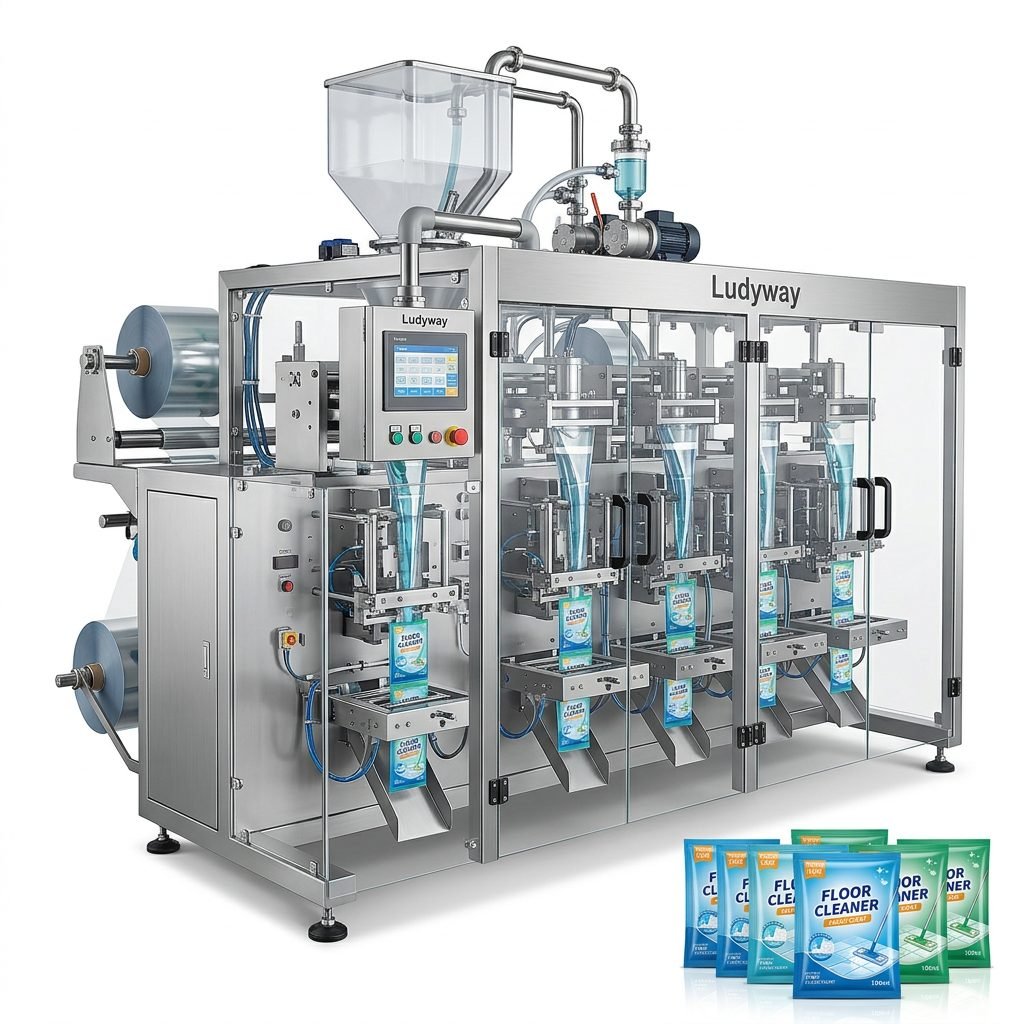
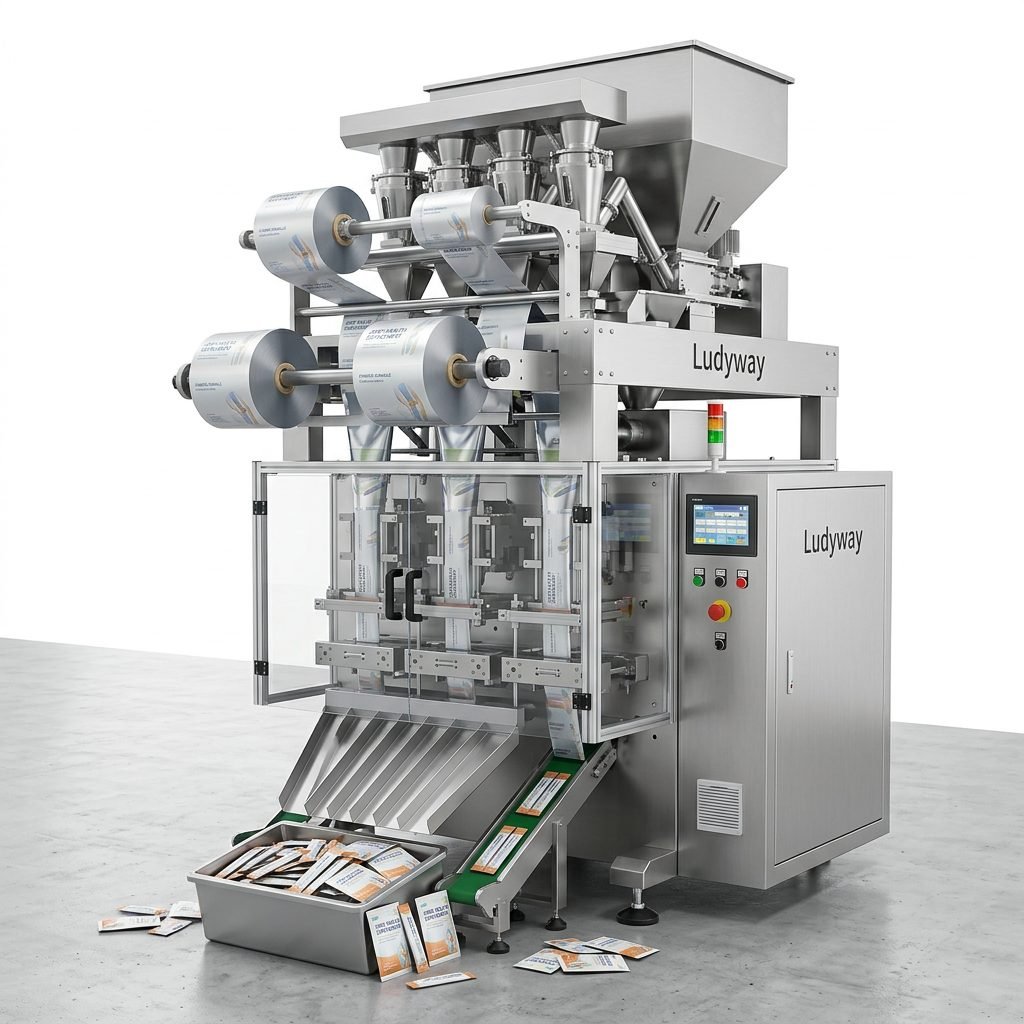
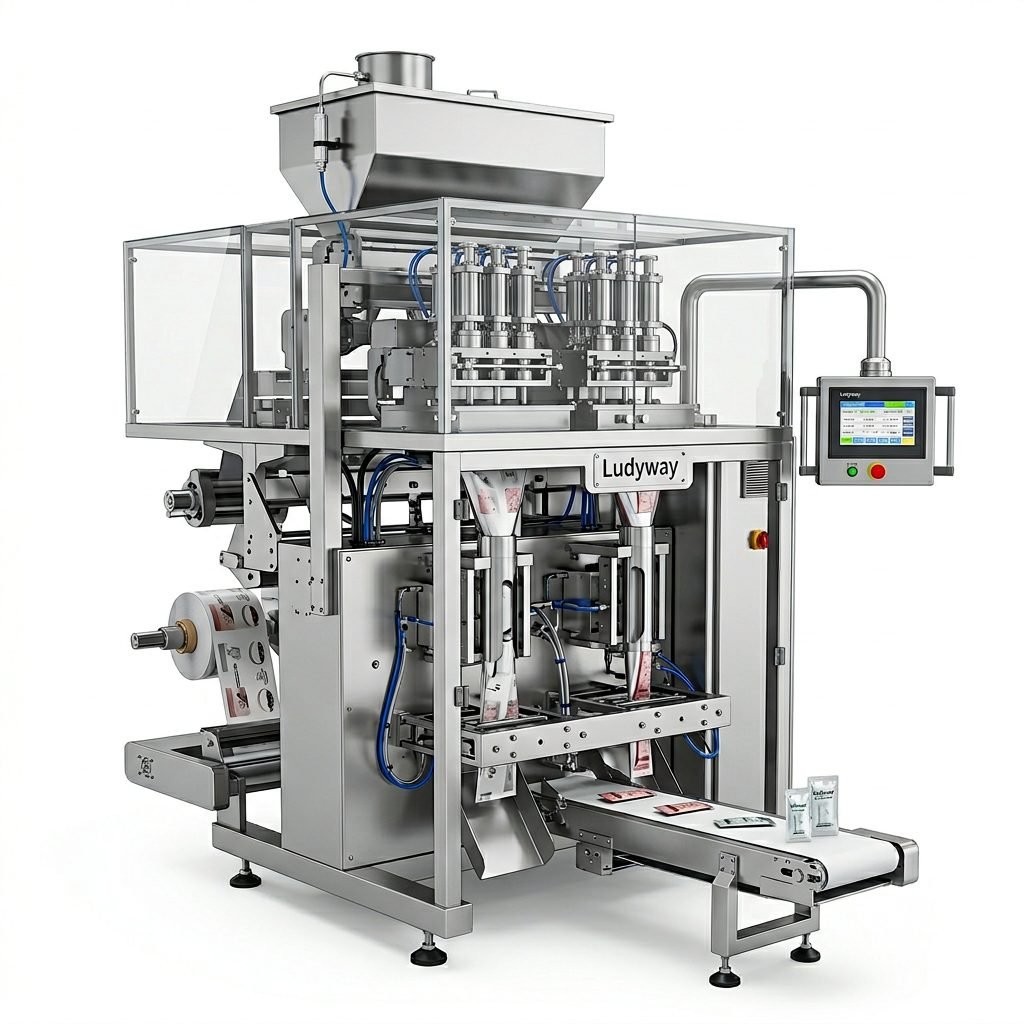
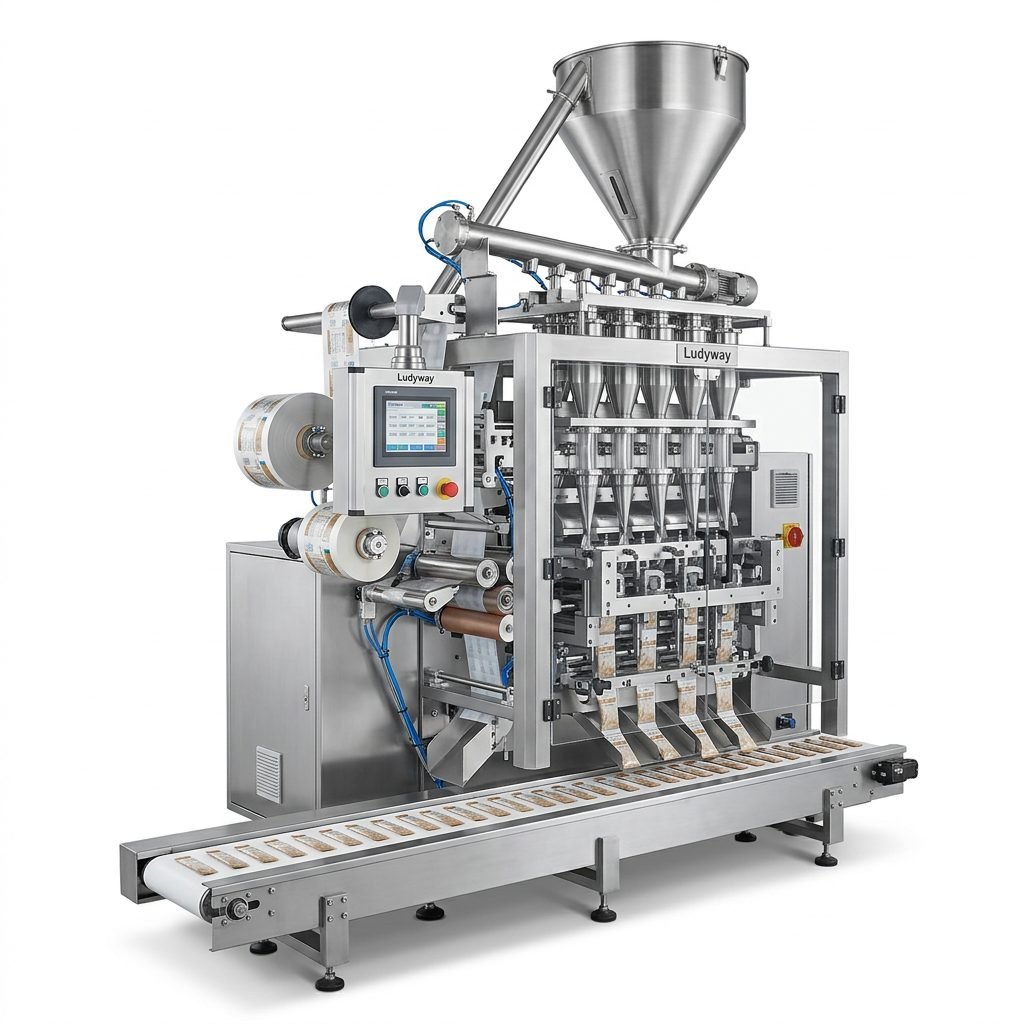
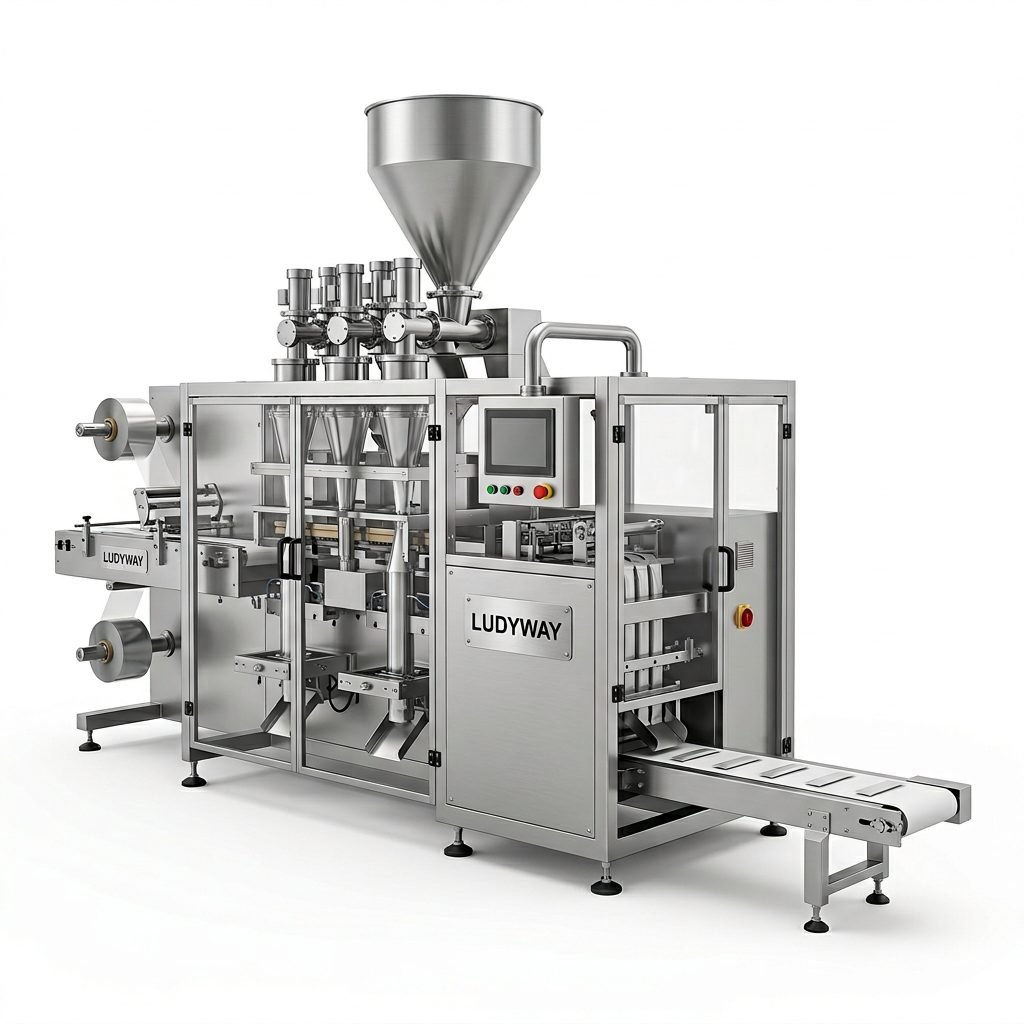
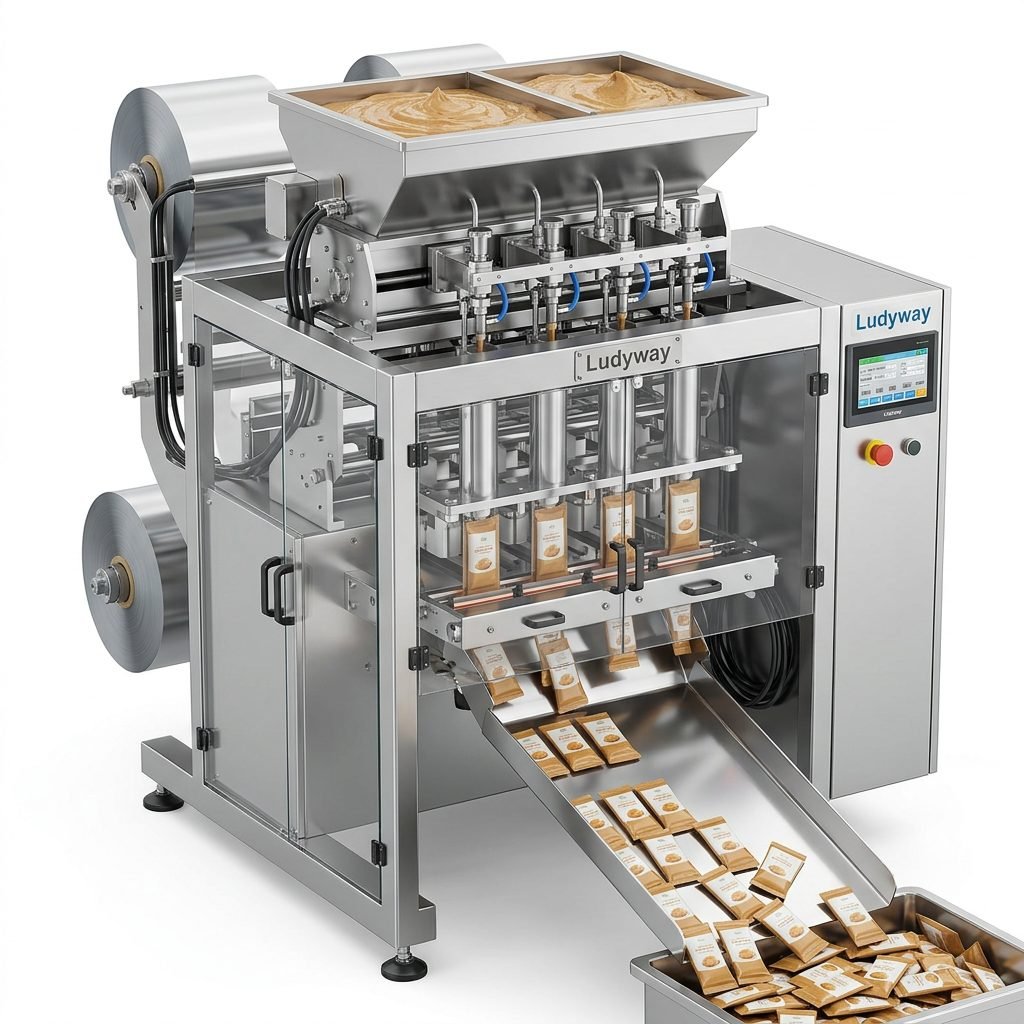
While glass and plastic jars dominate the traditional peanut butter market, single-serve sachets and stick packs are rapidly gaining popularity for on-the-go consumption, travel packs, and protein-rich snack kits. This trend necessitates a different kind of machinery—specifically, multi-lane vertical form fill seal (VFFS) machines designed for high-viscosity products. These machines must exert significant pressure to accurately dose peanut butter into a flat film tube without damaging the seal integrity. Common lane configurations range from 4 to 12 lanes, producing thousands of small packets per hour. For companies looking to diversify into this high-margin format, the same meticulous approach to multi-lane sachet packaging machinery applies, with heavy emphasis on the filling system’s torque and the film’s compatibility with oily substances.

Integration with Complete Production Lines
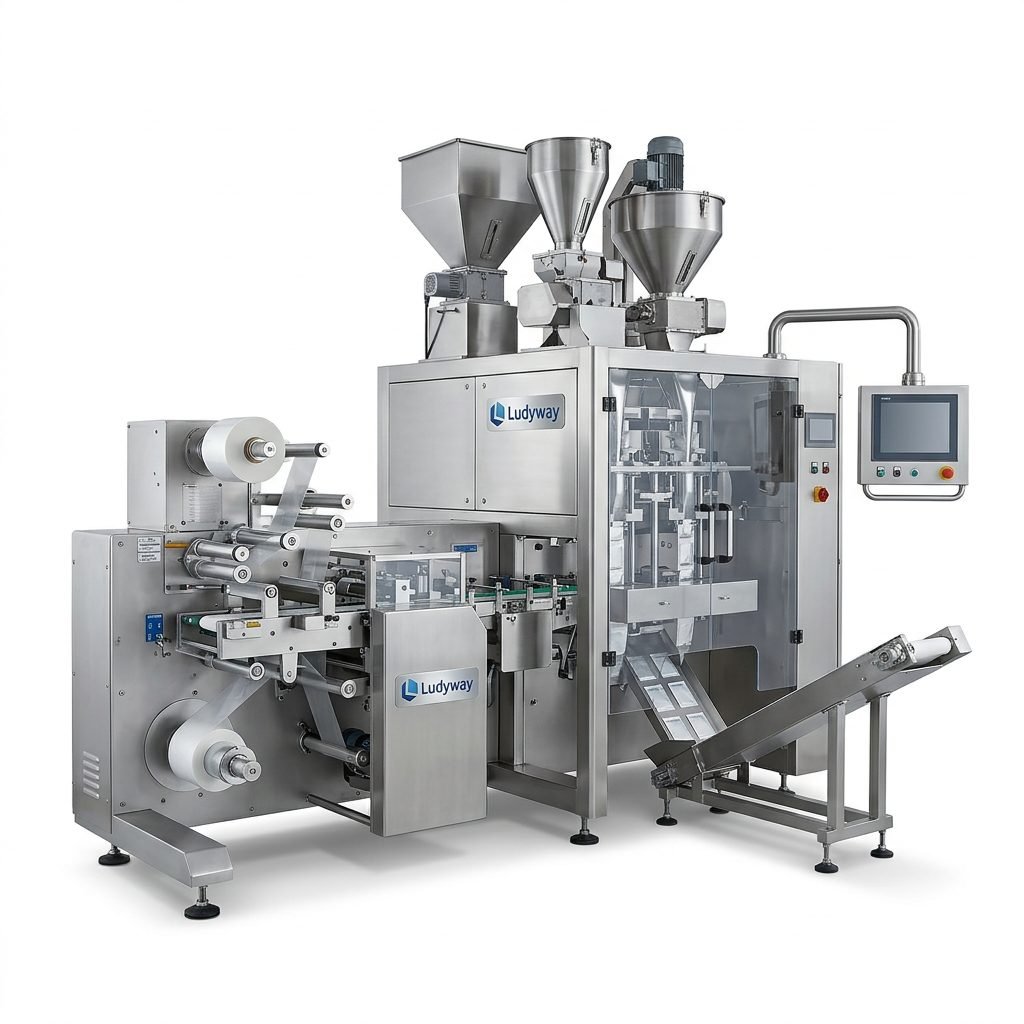
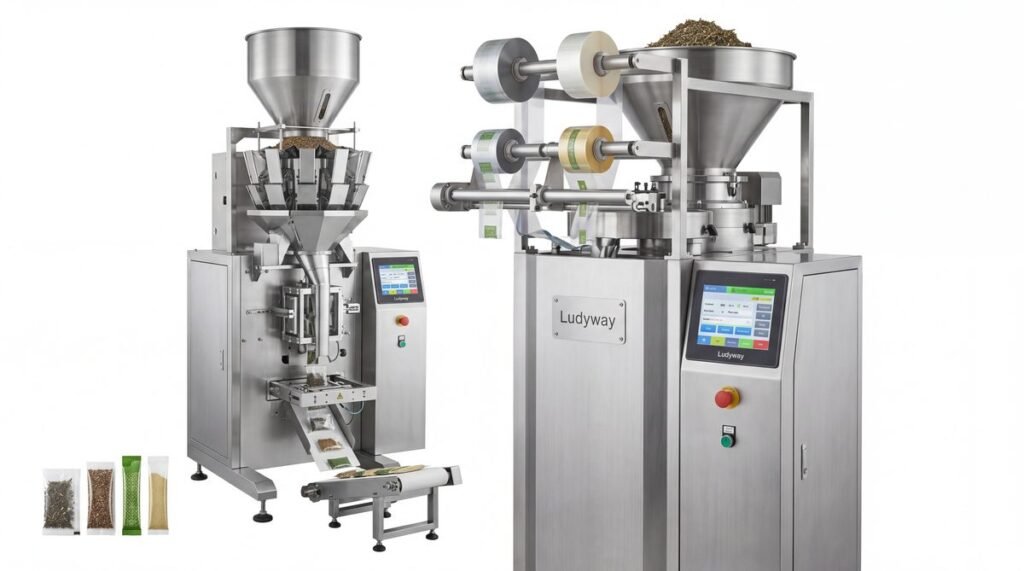
A filler is just one piece of the puzzle. To maximize efficiency, your peanut butter packaging machine must integrate seamlessly with upstream and downstream equipment. Upstream, this might include a transfer pump or a conveyor from the grinding mill. Downstream, it is critical to synchronize the filler with a capping machine (to torque down lids immediately after fill) and a labeling machine. For jar lines, an accumulation table prevents micro-stops from cascading down the line. Leading manufacturers like Ludyway, one of the largest packaging machine manufacturers in China, specialize in offering fully integrated turnkey production solutions that combine robust filling systems with automated capping, labeling, and cartoning equipment, ensuring a single-source responsibility for the entire line’s performance.
Cleaning and Maintenance Considerations
Peanut butter is a soil-loading product that can be difficult to remove from surfaces if left to dry. Therefore, Clean-in-Place (CIP) compatibility is invaluable. Look for machines with sanitary quick-clamp fittings that allow operators to disassemble the product path without tools in under 15 minutes. The hopper and piston cylinders should be accessible for scrubbing. Advanced systems offer automated flush cycles that recover product from the lines at the end of the batch, significantly reducing the water and chemical load during washdown. Always verify that the machine’s electrical enclosures have a high IP rating (IP65 or above) to withstand the mandatory wet cleaning environment of a nut processing facility.
Quality Control: Weight Accuracy and Metal Detection
The density of peanut butter varies slightly with temperature and aeration. Therefore, relying solely on volumetric dosing without checks can lead to giveaway or underfills. The best practice is to integrate an in-line checkweigher immediately after the filler. The checkweigher provides real-time feedback to the filler’s servo motor, dynamically adjusting the dose to maintain exact net weight. Furthermore, as a critical control point for food safety, your line must include a high-sensitivity metal detector. Given that peanuts are legumes grown in the ground, the risk of ferrous and non-ferrous metallic contaminants entering the product stream is real. Advanced tunnel-type metal detectors can inspect jars or sachets without slowing production, rejecting non-conforming units automatically. For more insights on industry standards and quality benchmarks, resources from organizations like the Flexible Packaging Association are invaluable.
Key Takeaways for Buyers
Choosing the right peanut butter packaging machine is a strategic investment that impacts product quality and operational efficiency for years. Start by precisely defining your product’s viscosity and particulate profile, then match it with the appropriate filling technology—be it a semi-automatic piston filler or a high-speed rotary system. Prioritize sanitary design, CIP features, and the machine’s ability to integrate into a complete line with quality control checkpoints. By focusing on these core attributes and partnering with an experienced equipment provider, you can build a reliable packaging line capable of handling the unique demands of this beloved spread while supporting your brand’s growth in a competitive market.
For those exploring cutting-edge solutions tailored to high-viscosity products, evaluating the advanced engineering and global support offered by a trusted packaging machine manufacturer is an essential step toward future-proofing your production.