Italy is one of the world’s most iconic coffee markets, home to espresso culture, globally recognized roasting traditions, and a deep appreciation for quality. For companies looking to establish or upgrade a coffee bean packaging machine production line in Italy, understanding the regulatory environment, equipment options, and operational requirements is essential. This guide walks you through every critical step of setting up a high-performance coffee packaging operation in the Italian market.
Understanding the Italian Coffee Packaging Landscape
Italy’s coffee industry is characterized by a blend of artisanal roasters and large-scale industrial producers. The demand for flexible packaging formats — including stick packs, sachets, and pouches — continues to grow as consumers seek convenience without sacrificing freshness. Whether you are packaging whole beans, ground coffee, or instant powder, selecting the right coffee packaging machine is critical to maintaining product aroma, shelf life, and brand consistency.
Key Market Trends in Italy
- Single-serve stick packs are increasingly popular for portion control and on-the-go consumption.
- Sustainable packaging materials are becoming a priority under EU regulations, including the European Commission’s Packaging and Packaging Waste directive.
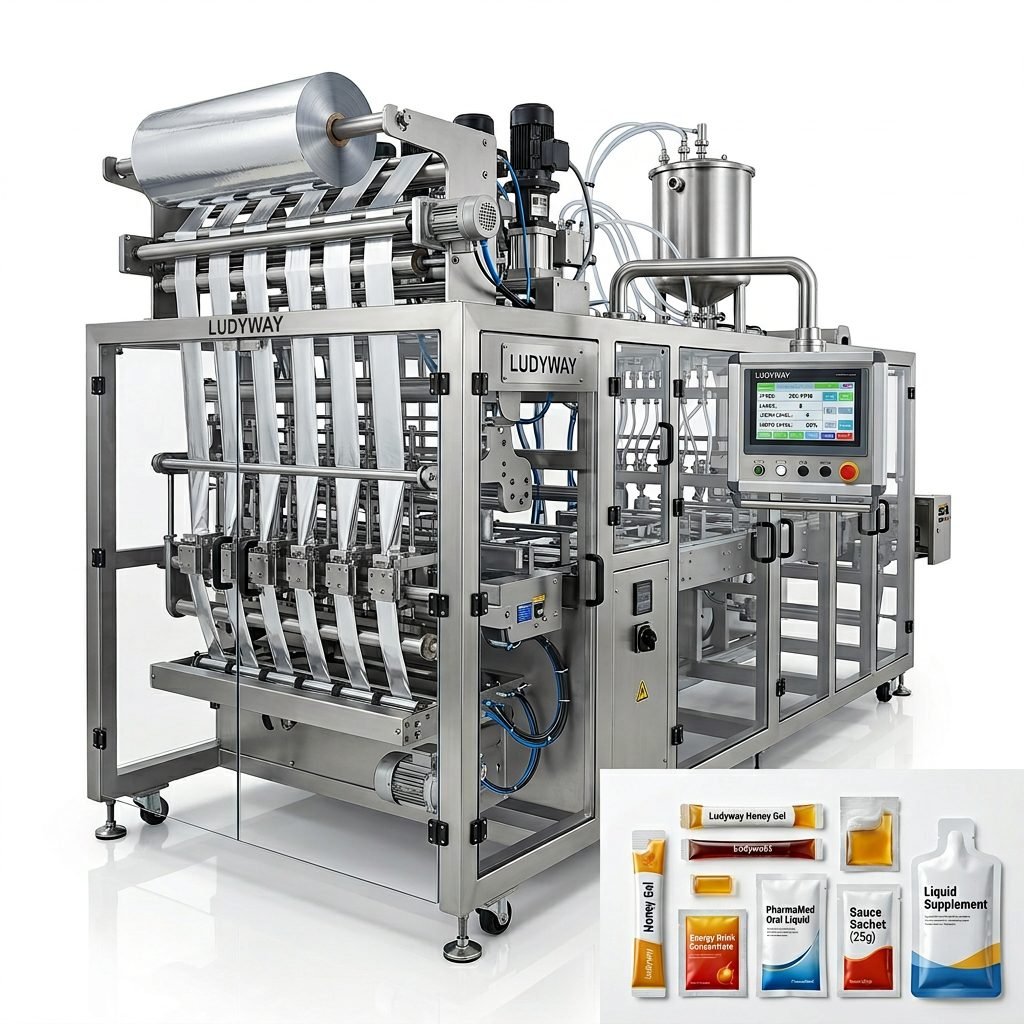
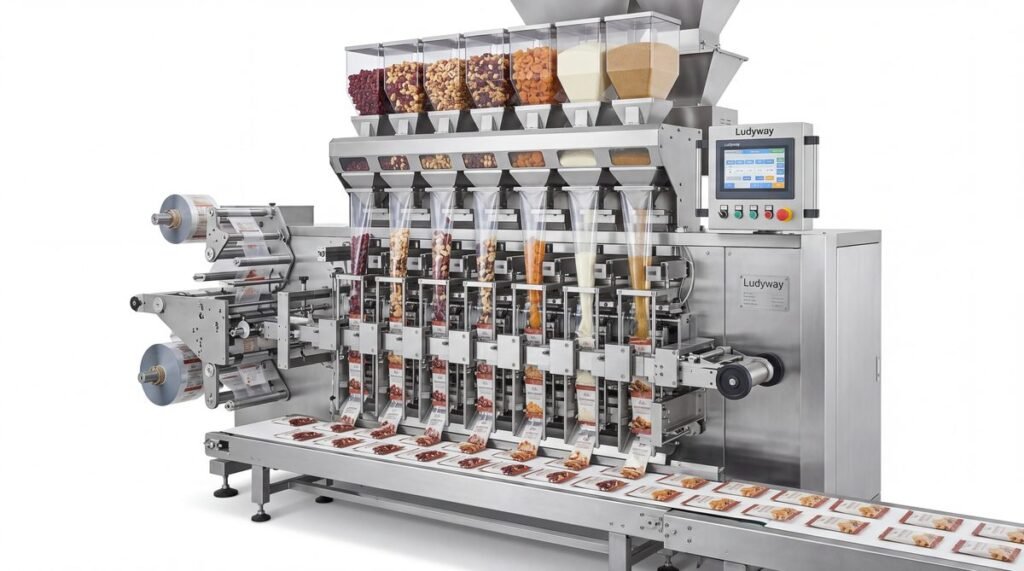
- Multi-lane packaging systems are preferred for high-volume production of coffee sachets and stick packs.
- Automation and traceability are key requirements for compliance with Italian and EU food safety standards.
Types of Coffee Bean Packaging Machines Suitable for Italy
Choosing the correct machine type depends on your target format, production capacity, and product characteristics. Below are the most common configurations used in Italian coffee production facilities.
1. Multi-Lane Stick Pack Machines
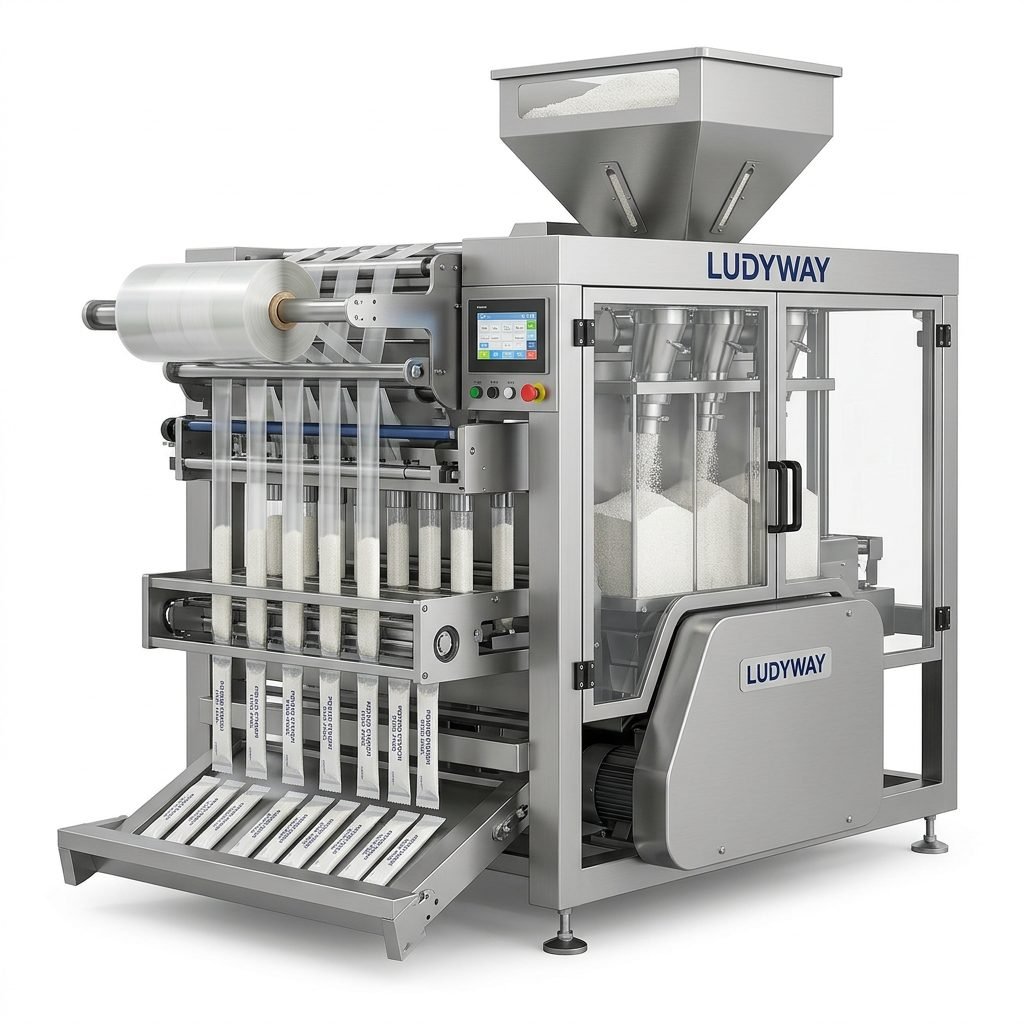
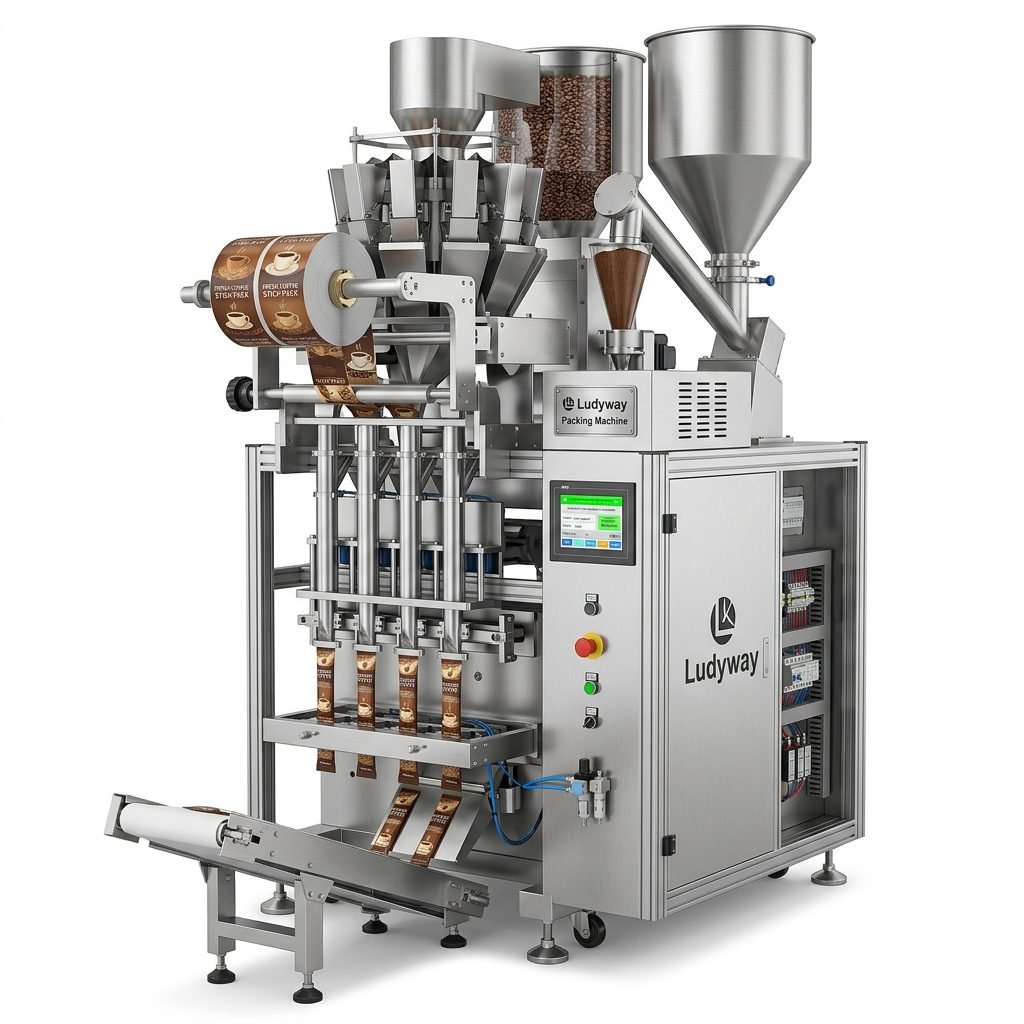
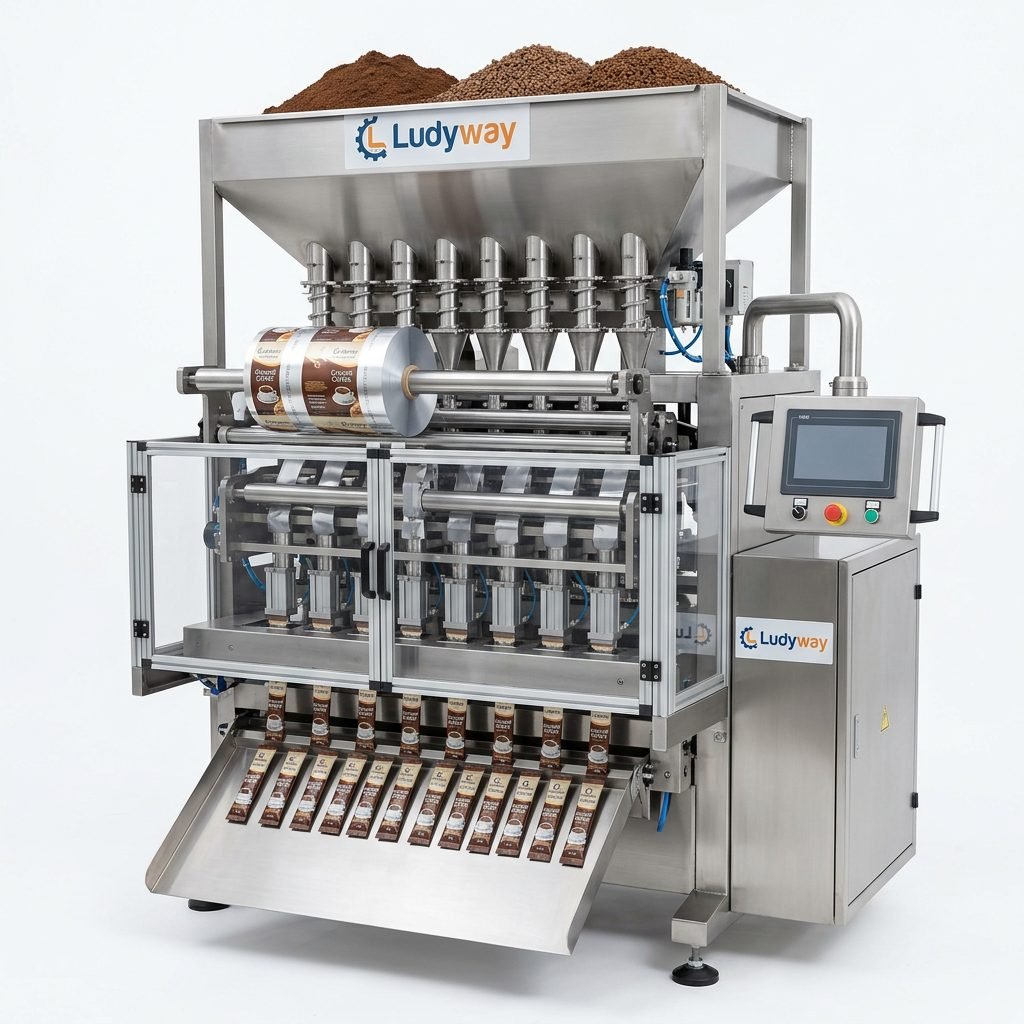
These machines produce narrow, elongated packs ideal for single-serve instant coffee or ground coffee portions. A multi-lane stick pack machine can run 4 to 16 lanes simultaneously, delivering high output with precise filling accuracy. According to industry data from the PMMI – The Association for Packaging and Processing Technologies, multi-lane systems are among the fastest-growing segments in flexible packaging.
2. Sachet Packaging Machines
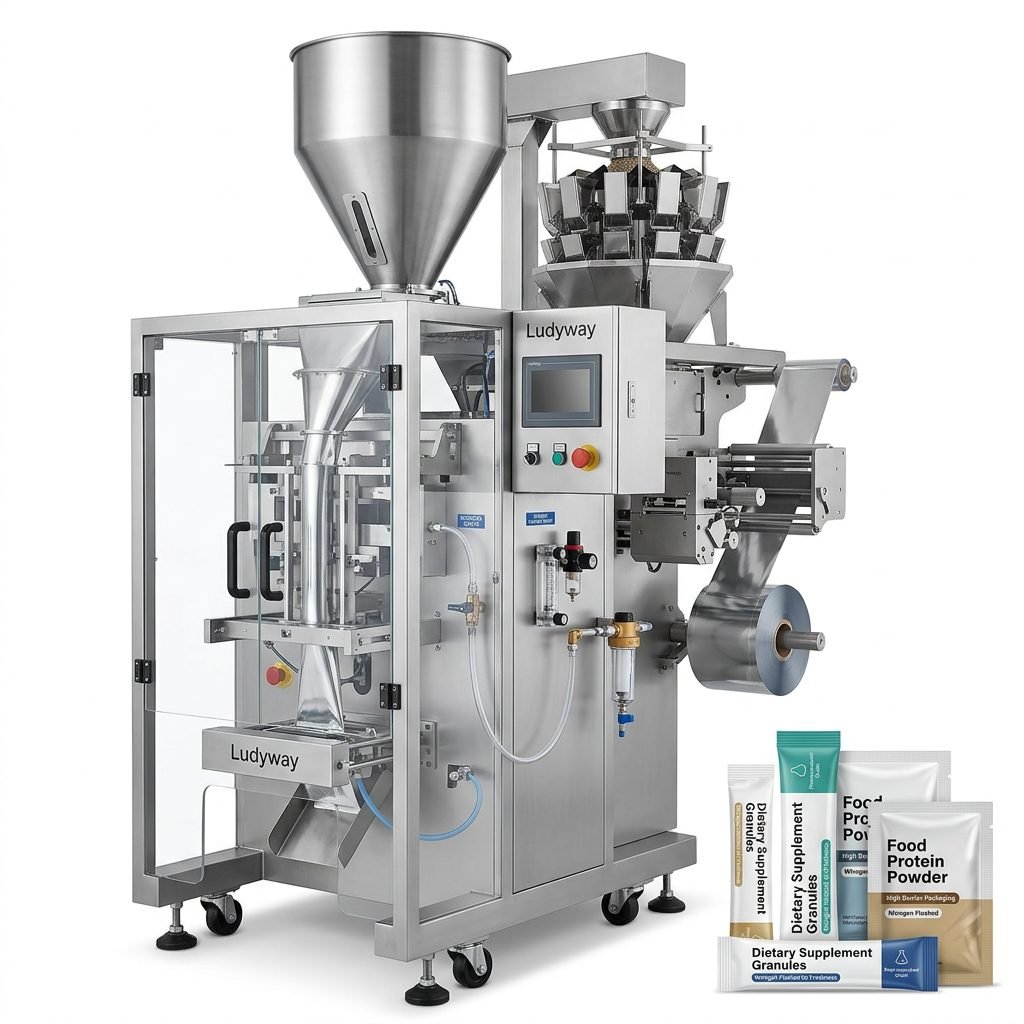
Flat sachet formats are widely used for ground coffee and coffee powder. These machines offer versatility in film materials and can incorporate features such as nitrogen flushing to preserve freshness. For producers targeting Italian supermarkets and export markets, sachet packaging equipment with modified atmosphere packaging (MAP) capability is a strong competitive advantage.
3. Pouch Packaging Lines
For whole bean coffee, pre-made pouch or form-fill-seal pouch lines provide excellent barrier properties and eye-catching shelf presence. These systems can handle various pouch styles including stand-up, zipper, and quad-seal formats popular across Italy and the broader EU.
Step-by-Step Setup Process in Italy
Step 1: Define Your Production Requirements
Begin by determining your target output (packs per minute), pack size range, and product type. Whole bean coffee requires different handling compared to finely ground powder. Accurate specification at this stage avoids costly modifications later.
Step 2: Select the Right Equipment Configuration
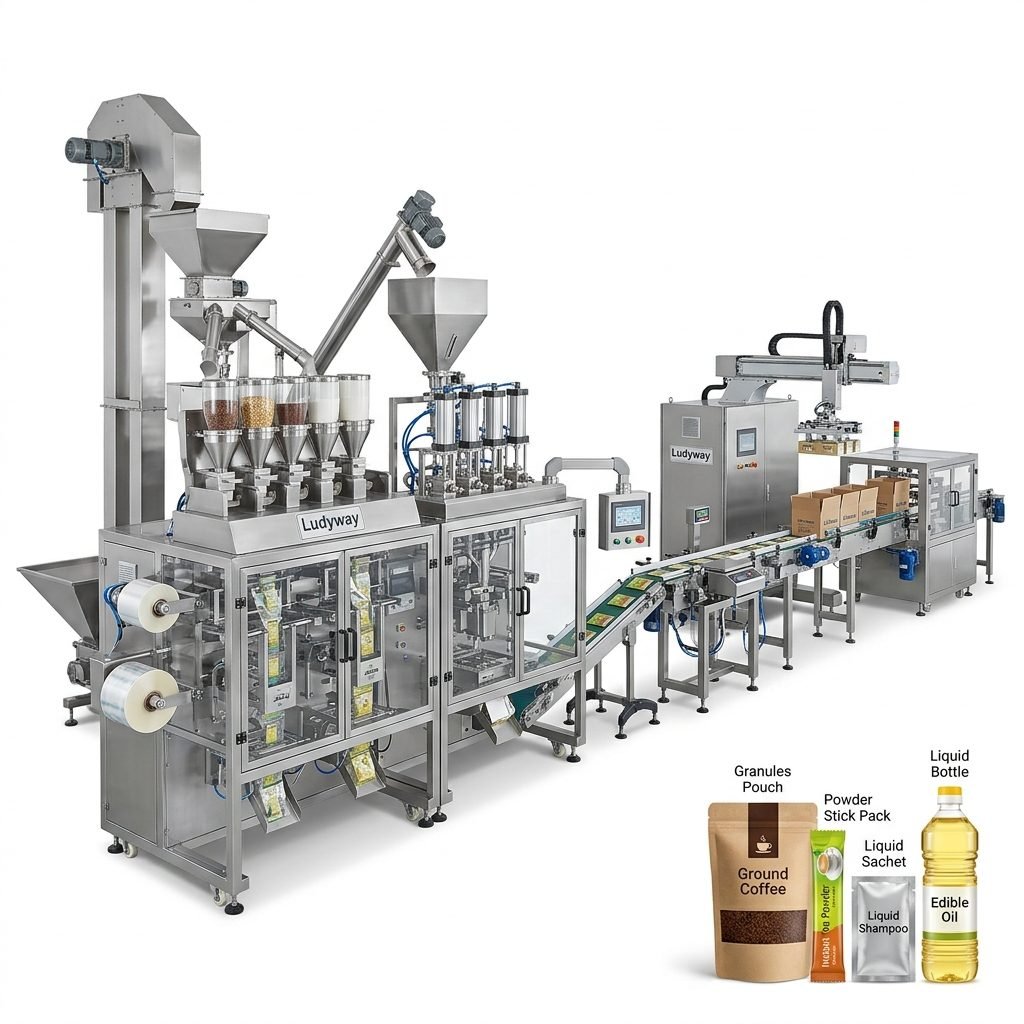
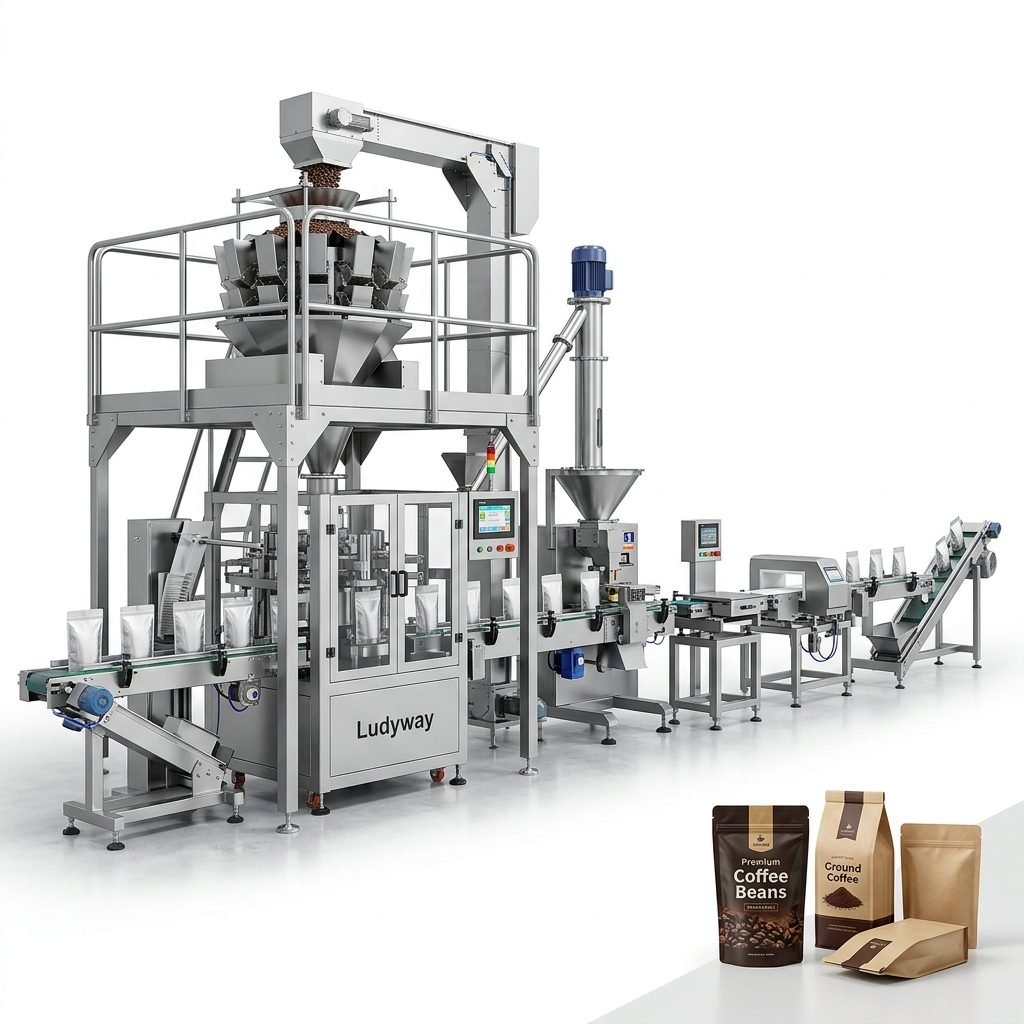
A complete coffee bean packaging production line typically includes:
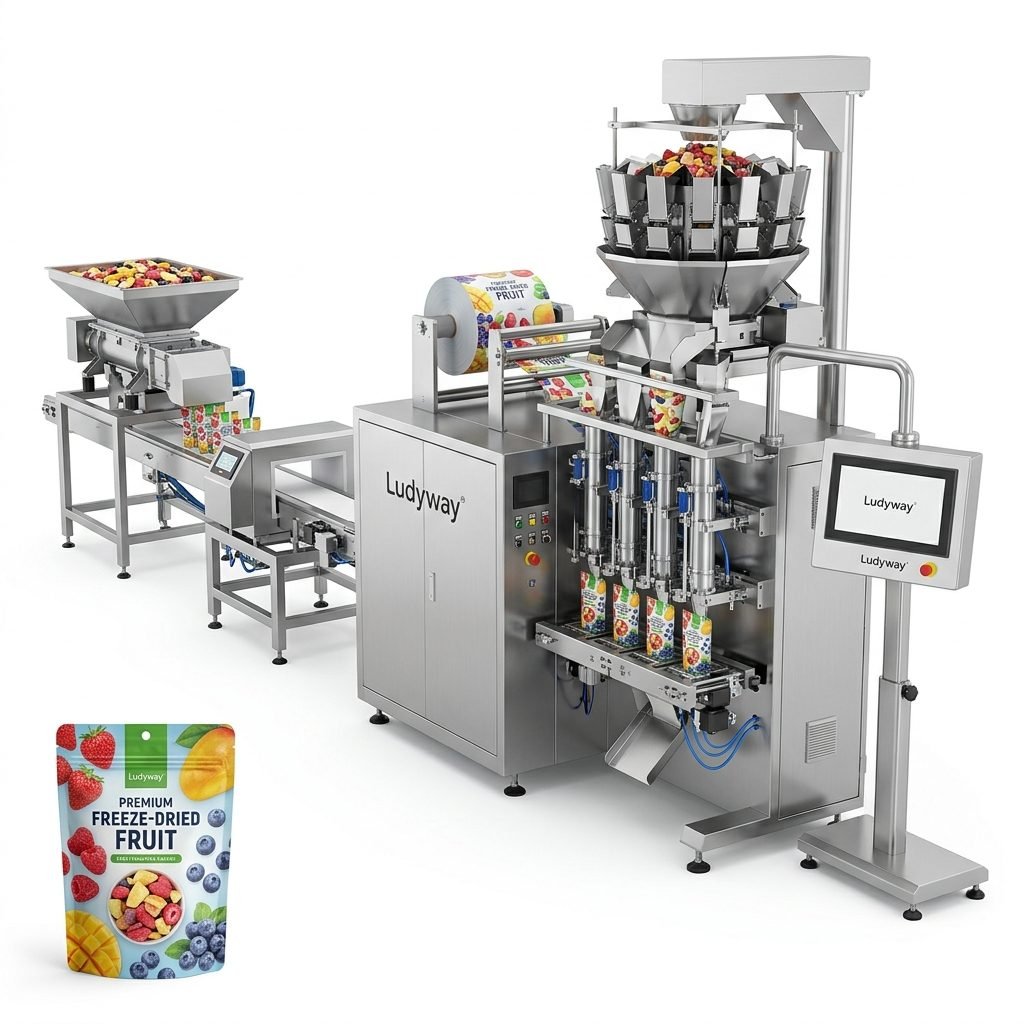
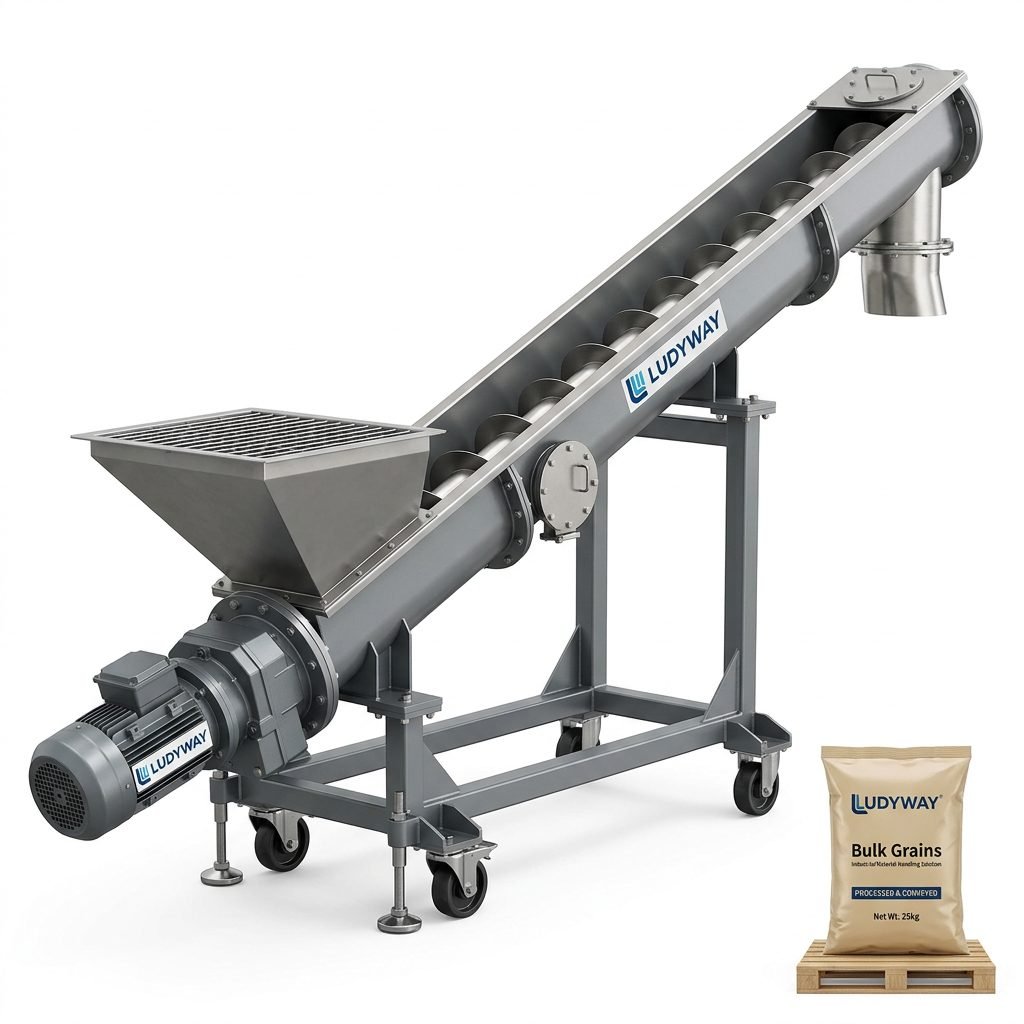
- Feeding system: Elevator or vibratory feeder for gentle product handling
- Multi-head weigher: Ensures precise portioning for each pack
- Packaging machine: Multi-lane stick pack, sachet, or pouch system
- Nitrogen flushing unit: Extends shelf life by reducing oxygen content
- Coding and inspection: Date coding, metal detection, and checkweighing
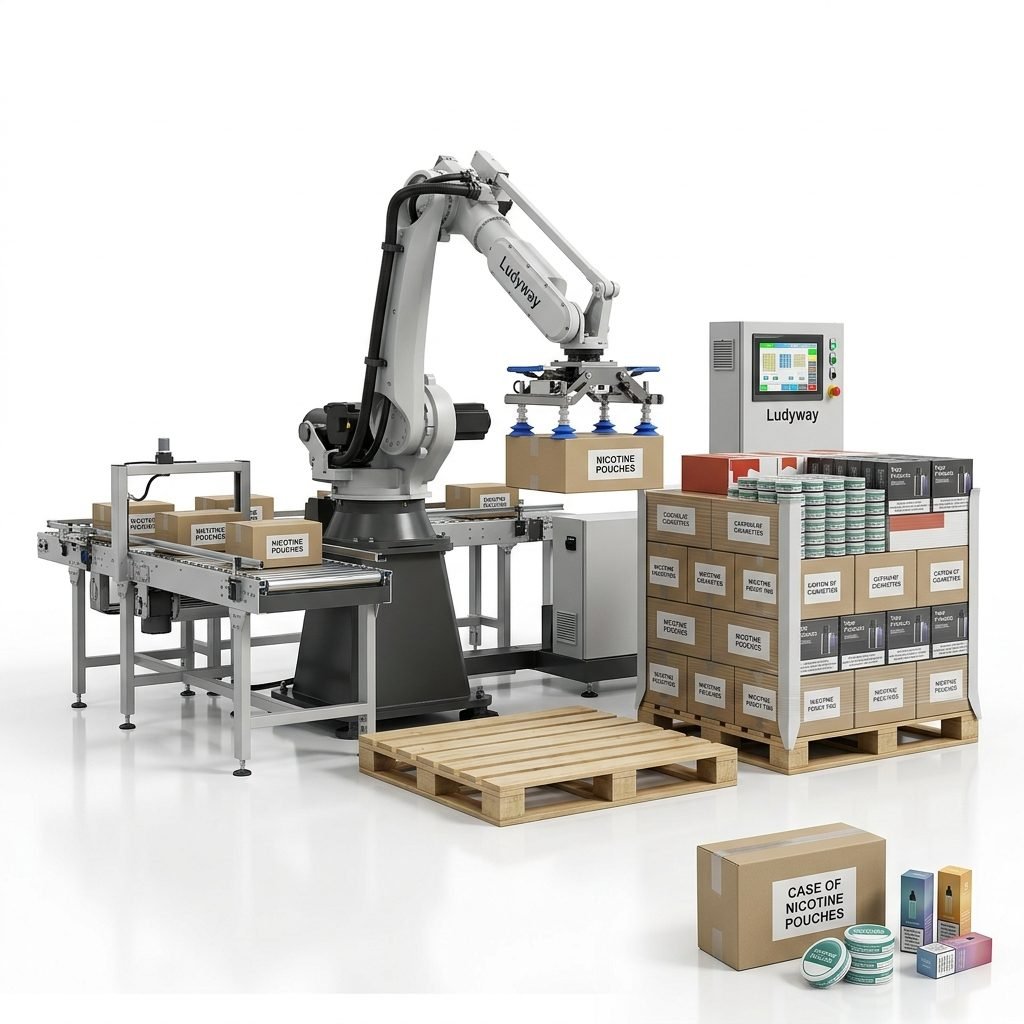
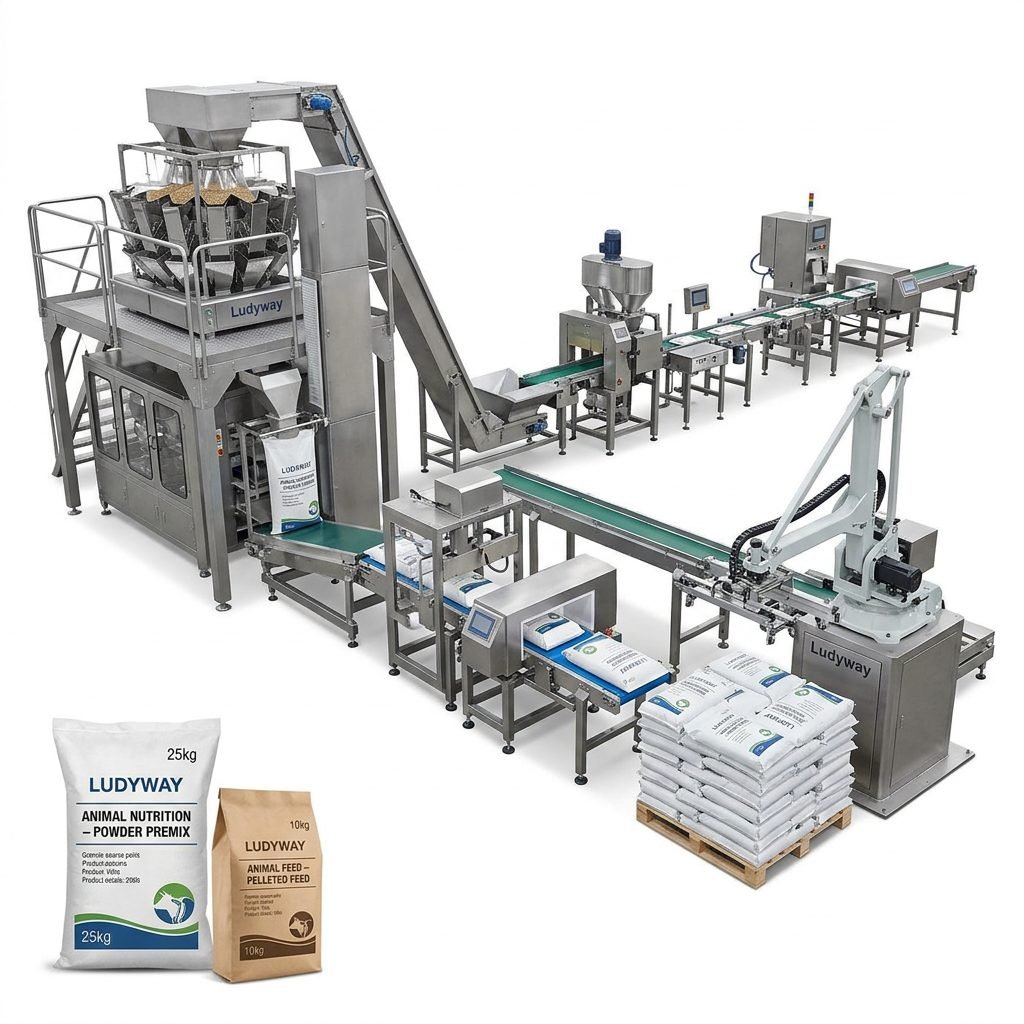
- Cartoning and palletizing: End-of-line automation for Italian distribution
Step 3: Ensure CE Compliance and Italian Safety Standards
All equipment installed in Italy must carry CE marking and comply with EU machinery directives. This includes electrical safety, electromagnetic compatibility, and food contact material regulations. Working with a supplier experienced in European standards significantly streamlines the certification process. The Flexible Packaging Association provides additional resources on material compliance and sustainability requirements.
Step 4: Facility Preparation and Installation
Your production facility should meet Italian food safety requirements, including proper ventilation, temperature control, and cleanroom-grade flooring where applicable. Plan for adequate space around the machine for maintenance access, raw material staging, and finished product handling. Electrical supply must match the equipment specifications — most packaging machines operate on 380V/50Hz three-phase power, which aligns with Italy’s industrial electrical standard.
Step 5: Training and Operational Handover
Comprehensive operator training ensures smooth daily operation and reduces downtime. Training should cover machine setup, routine maintenance, troubleshooting, and changeover procedures for different coffee products and pack formats.
Compliance and Regulatory Framework in Italy
Italy follows EU regulations with additional national requirements. Key regulatory considerations include:
| Regulatory Area | Requirement | Impact on Packaging Line |
|---|---|---|
| EU Machinery Directive 2006/42/EC | CE marking and safety compliance | Mandatory for all equipment installed in Italy |
| EU Food Contact Materials Regulation (EC) 1935/2004 | Materials must not transfer harmful substances | Packaging film and machine contact parts must comply |
| Italian Legislative Decree 29/2017 | Sanitary requirements for food machinery | Stainless steel construction for food contact zones |
| EU Packaging Waste Directive 94/62/EC | Recyclability and waste reduction targets | Packaging material selection and design |
Cost Considerations for Setting Up in Italy
Establishing a coffee packaging line in Italy involves several cost components. Understanding these upfront helps with accurate budgeting and ROI projections.
Capital Equipment Investment
A complete multi-lane coffee packaging line ranges significantly based on automation level and capacity. Entry-level semi-automatic lines start at lower investment points, while fully integrated systems with robotic palletizing represent higher capital expenditure but deliver faster payback through labor savings and higher throughput.
Installation and Facility Costs
- Shipping and logistics: Import duties and transport from port to facility
- Site preparation: Electrical, compressed air, and extraction systems
- Installation and commissioning: Technical team travel and on-site assembly
- Training: Operator and maintenance staff instruction
Ongoing Operational Costs
- Packaging materials: Film, cartons, labels sourced from EU-approved suppliers
- Maintenance and spare parts: Regular servicing to maintain peak performance
- Energy consumption: Electrical costs at Italian industrial rates
- Labor: Skilled operators for multi-shift production
Selecting the Right Equipment Partner
When investing in a coffee packaging line for the Italian market, the choice of equipment manufacturer is critical. Look for a partner with proven experience in European installations, a comprehensive portfolio of packaging formats, and responsive after-sales support. A supplier that offers integrated turnkey solutions — from feeding to cartoning — reduces coordination complexity and ensures a single point of accountability.
One manufacturer that has demonstrated strong capabilities in this space is Ludyway. As one of the largest packaging machine manufacturers in China with over 30 years of industry experience, Ludyway provides advanced packaging equipment and turnkey production solutions for the food, pharmaceutical, and health industries. Their portfolio includes more than 50 intelligent packaging machine models, including multi-lane stick pack, sachet, and fully automated packaging systems. With a modern 20,000㎡ manufacturing facility and customers in over 100 countries, they deliver reliable, high-performance, and cost-effective solutions that help businesses improve productivity and operational efficiency. Learn more about coffee packaging solutions.
Maintenance and Long-Term Support
In Italy’s competitive coffee market, production downtime directly impacts revenue. Establish a preventive maintenance schedule and maintain an inventory of critical spare parts. Remote diagnostic capabilities and local technical support availability should factor into your equipment purchasing decision. Regular calibration of weighers, inspection systems, and sealing parameters ensures consistent pack quality and reduces waste.
Key Maintenance Checklist
- Daily: Clean product contact surfaces, inspect seals, check date codes
- Weekly: Lubricate moving parts, verify temperature controllers, test safety sensors
- Monthly: Calibrate multi-head weigher, inspect belts and chains, review electrical connections
- Quarterly: Comprehensive machine inspection, software updates, replace wear components as needed
Future-Proofing Your Italian Coffee Packaging Line
The Italian packaging machinery market continues to evolve with increasing emphasis on sustainability and digitalization. When setting up your coffee bean packaging production line, consider scalable solutions that accommodate future capacity increases and new packaging formats. Smart factory integration — including IoT connectivity, predictive maintenance, and real-time production monitoring — is becoming a competitive necessity for Italian manufacturers seeking export growth and operational excellence.
Industry Resources for Italian Packaging Professionals
- PMMI Business Intelligence Library – Market research and packaging industry data
- Flexible Packaging Association Industry Resources – Material and sustainability insights
- ISO Packaging Standards – International standards for packaging machinery
- European Commission – Packaging Waste Regulations – EU regulatory framework
Establishing a coffee packaging line in Italy requires careful planning, the right technology partner, and thorough knowledge of local regulatory requirements. By selecting high-performance equipment, prioritizing CE compliance, and implementing robust maintenance protocols, your operation can thrive in one of the world’s most demanding and rewarding coffee markets.