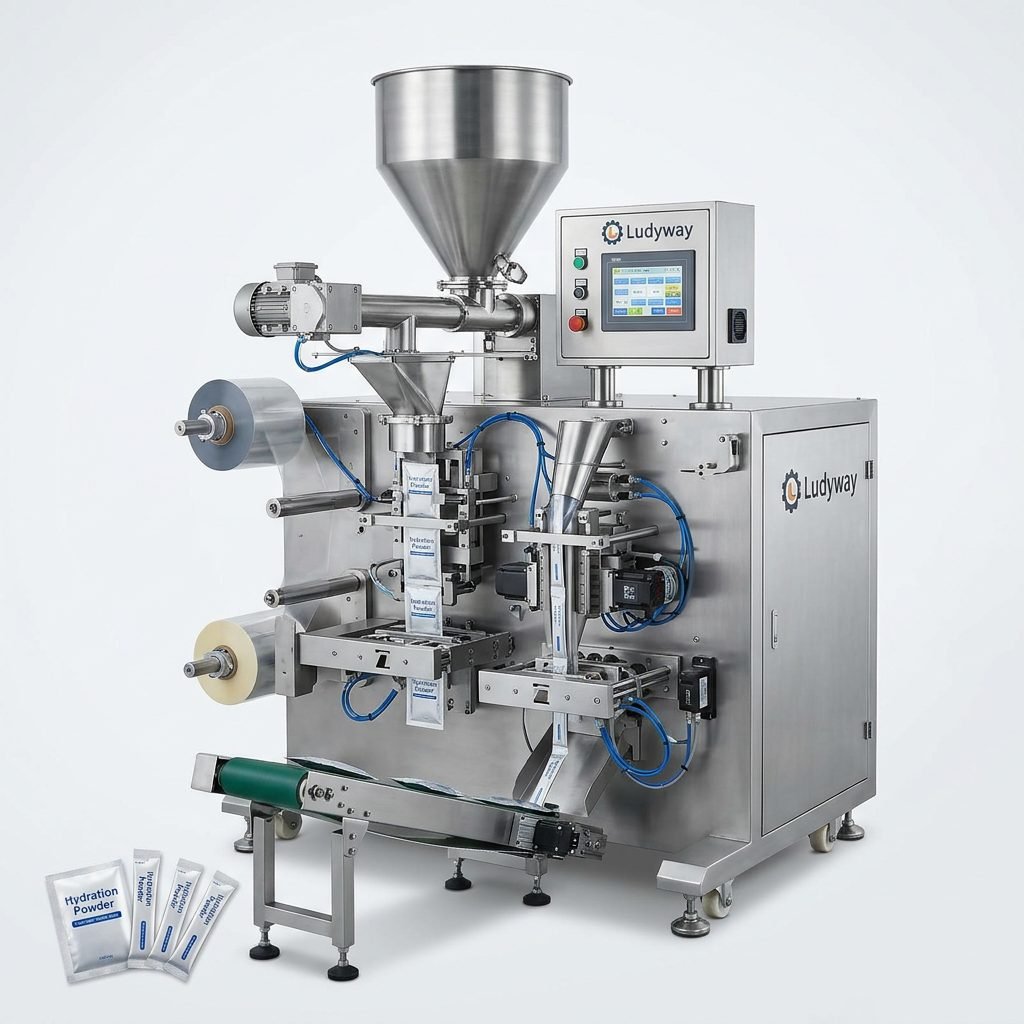
Establishing a cookie packaging machine production line in Europe requires careful planning, regulatory compliance, and strategic equipment selection. Whether you are launching a new bakery brand or scaling an existing operation, understanding the European market’s unique requirements is essential for long-term success.
Understanding the European Cookie Packaging Market
Europe represents one of the world’s most sophisticated markets for packaged baked goods. Consumer expectations for product freshness, sustainable packaging, and premium presentation drive continuous innovation in packaging technology. According to PMMI’s State of the Industry Reports, the European packaging machinery sector continues to experience steady growth, fueled by automation trends and stricter food safety standards.
The Flexible Packaging Association notes that flexible packaging formats, including flow wraps and pillow packs commonly used for cookies, are gaining market share due to their material efficiency and consumer convenience. For production managers, this translates into a need for versatile machinery capable of handling multiple packaging formats while maintaining high-speed output.

Key Regulatory Framework for EU Packaging Operations
Before procuring any equipment, you must familiarize yourself with the regulatory landscape governing food packaging within the European Union. Non-compliance can result in costly delays, fines, or even market exclusion.
CE Marking and Machinery Directive
All packaging machinery installed in the EU must bear the CE mark, demonstrating conformity with the Machinery Directive 2006/42/EC. This certification covers essential health and safety requirements, including mechanical guarding, electrical safety, and noise emissions. When sourcing equipment from non-EU manufacturers, ensure the supplier provides a valid Declaration of Conformity and technical documentation in accordance with EU standards.
Food Contact Materials Regulation
Cookie packaging involves direct or indirect food contact materials, subject to Regulation (EC) No 1935/2004. The FDA Food Packaging Guidelines offer useful parallel references, but EU-specific requirements under EFSA oversight take precedence. Packaging films, laminates, and coatings must undergo migration testing to ensure no harmful substances transfer to the food product.
Packaging Waste and Sustainability
The European Commission’s Packaging and Packaging Waste Regulation sets ambitious targets for recyclability, recycled content, and waste reduction. As of 2025, all packaging placed on the EU market must be designed for recycling, with specific targets escalating through 2030 and beyond. Cookie manufacturers should select packaging materials and machinery compatible with mono-material films, paper-based solutions, or certified compostable structures where appropriate.
| Regulation / Directive | Scope | Key Requirement |
|---|---|---|
| Machinery Directive 2006/42/EC | All packaging machinery | CE marking, safety compliance |
| Regulation (EC) No 1935/2004 | Food contact materials | Migration limits, material safety |
| EU Packaging Waste Directive 94/62/EC | Packaging design and waste | Recyclability, heavy metal limits |
| Regulation (EU) 2023/988 (GPSR) | General product safety | Traceability, risk assessment |
Selecting the Right Cookie Packaging Equipment
Choosing appropriate machinery involves evaluating your production volume, packaging format, and automation requirements. The following categories represent the core equipment types for a cookie packaging line:
Flow Wrapping Machines
Flow wrappers are the industry standard for individually wrapped cookies and biscuit stacks. Modern servo-driven models offer precise film tension control, minimizing material waste while ensuring tight, attractive seals. Look for machines with quick-change forming heads and automatic film splicing to reduce downtime during format changes.
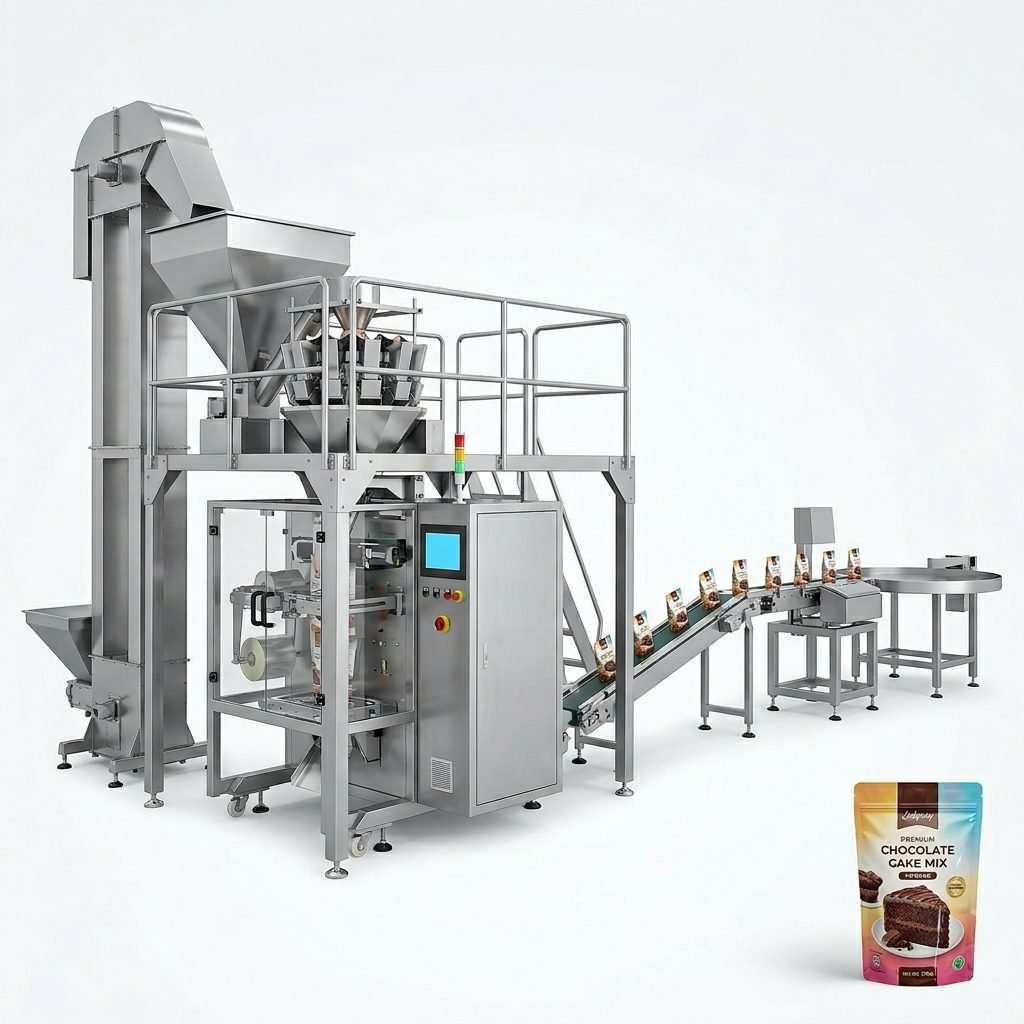
Vertical Form Fill Seal (VFFS) Systems
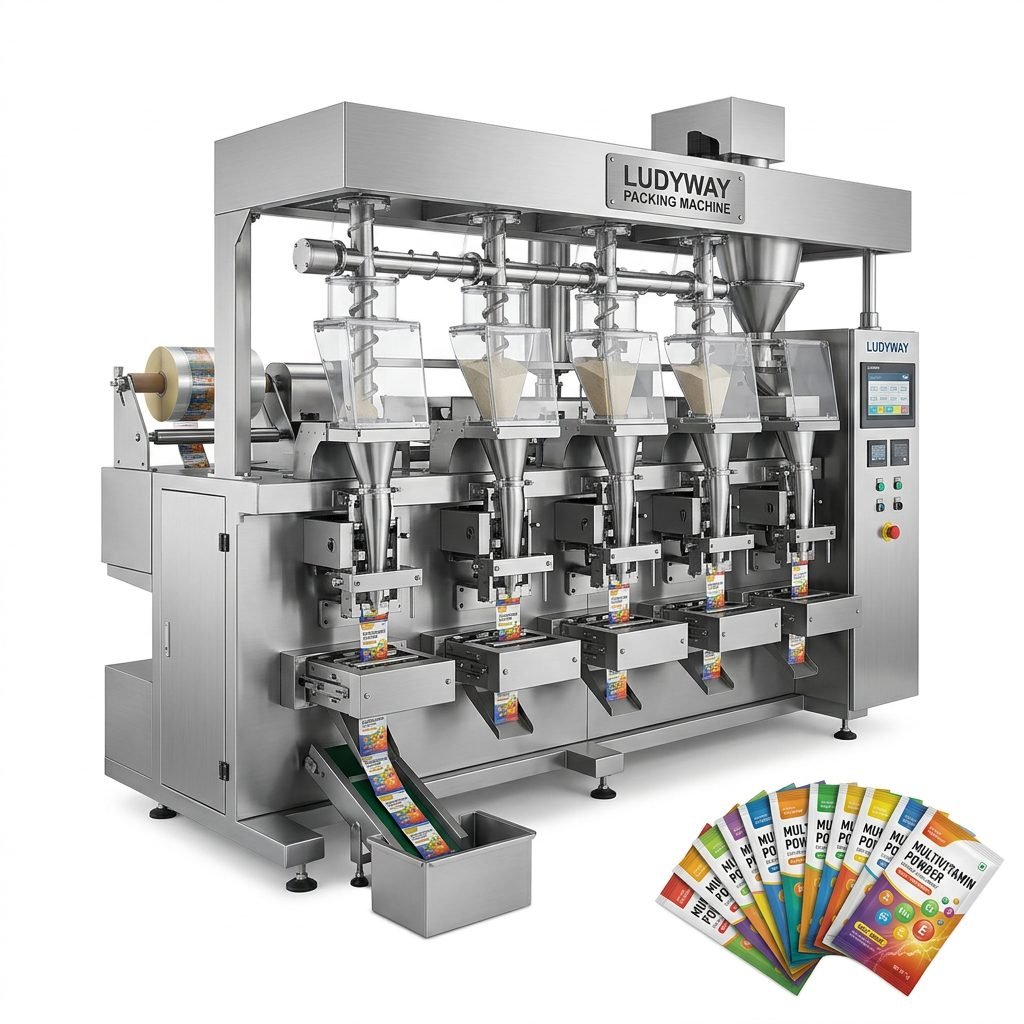
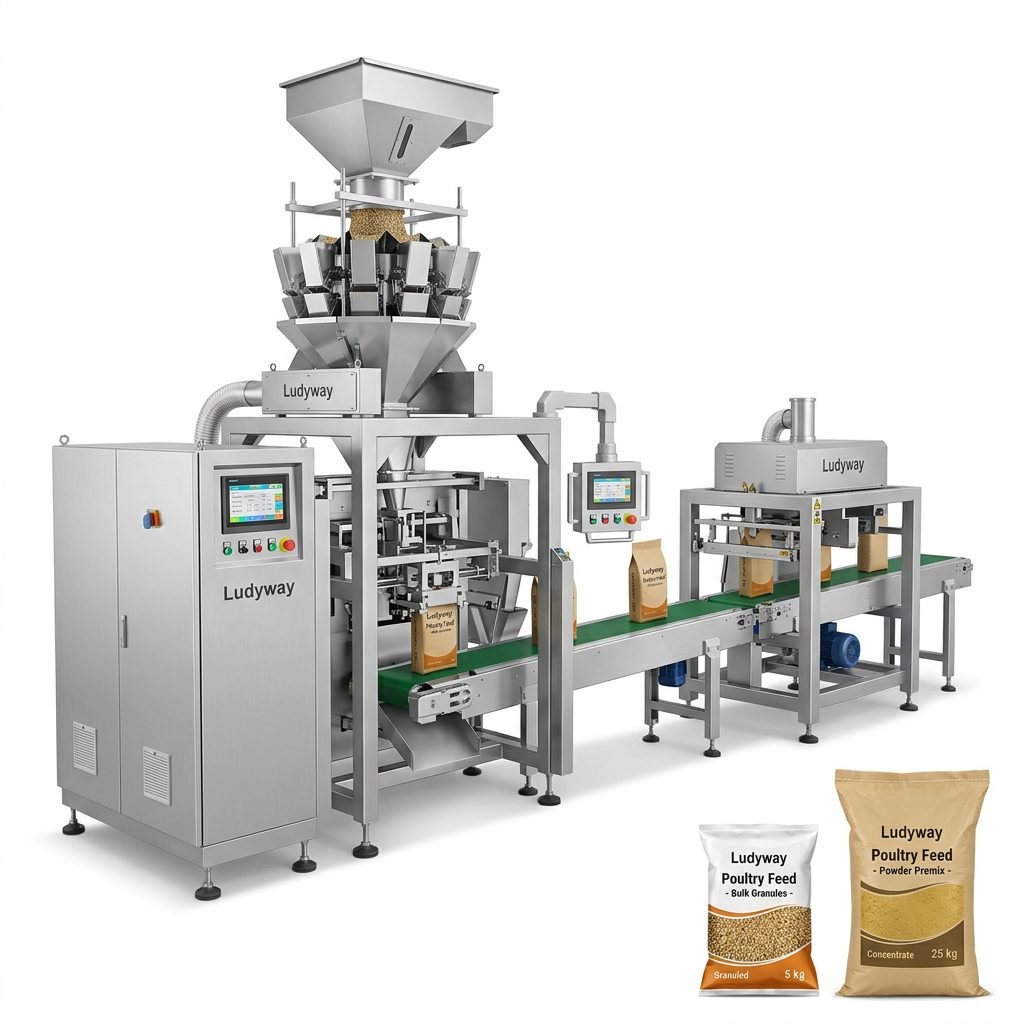
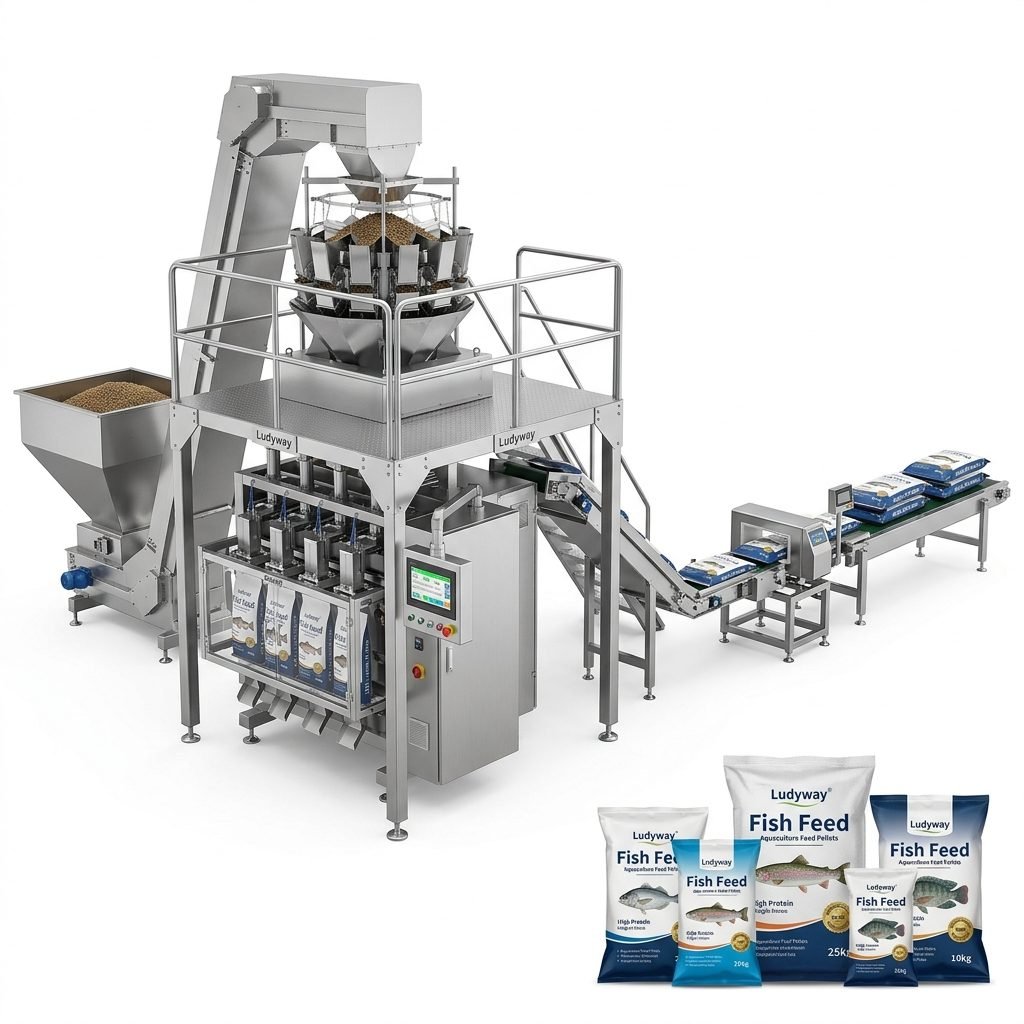
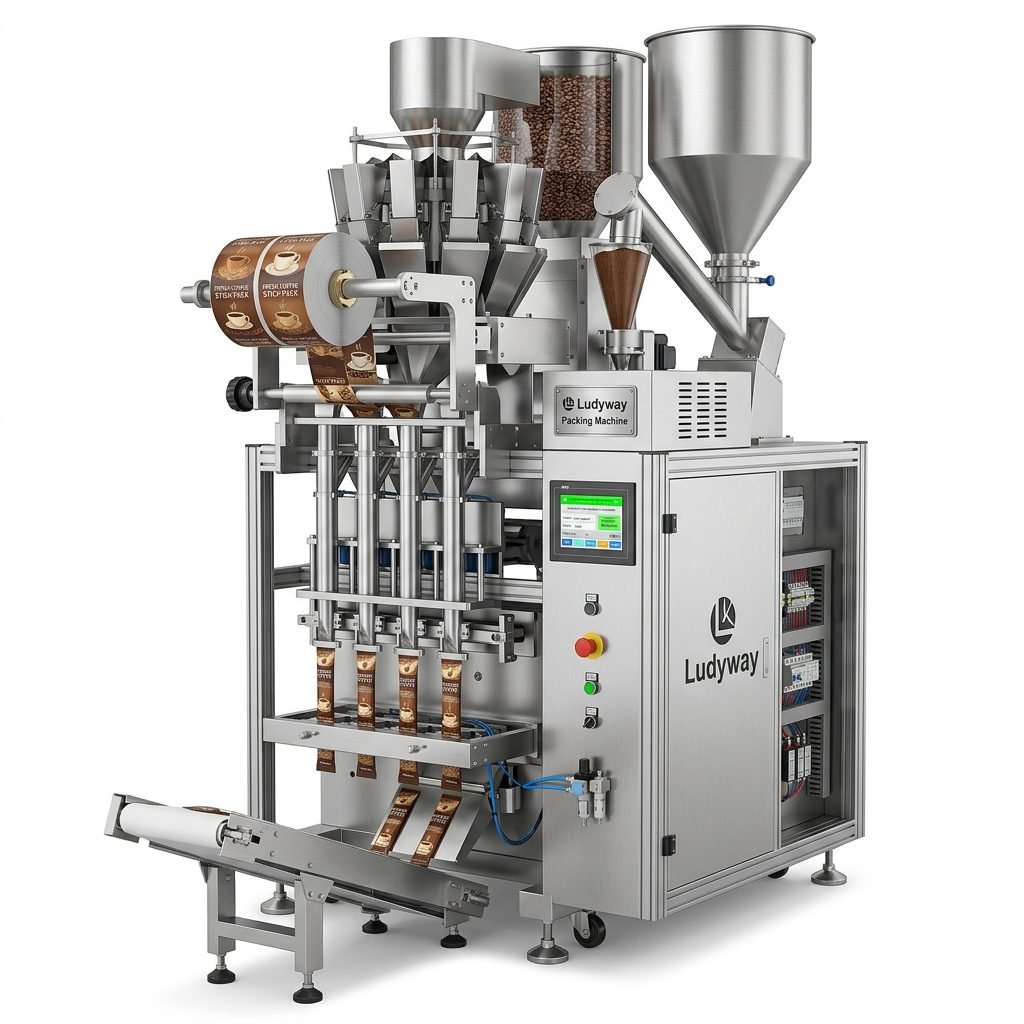
For bagged cookie formats, VFFS machines provide exceptional versatility. Multi-head weighers integrated with VFFS systems deliver high-speed, accurate portioning for mini cookies, bite-sized products, or mixed assortments. Consider models with gas flushing capability for modified atmosphere packaging (MAP) when extended shelf life is required.

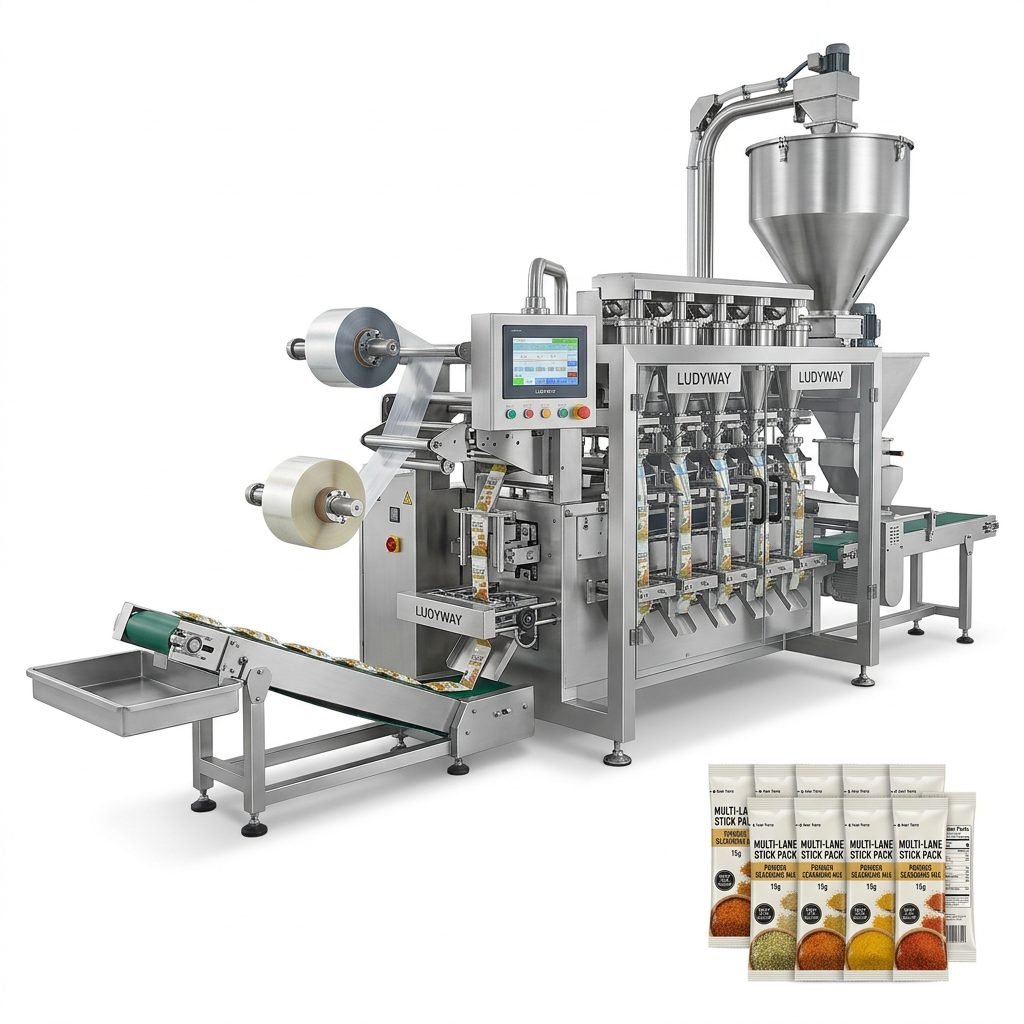
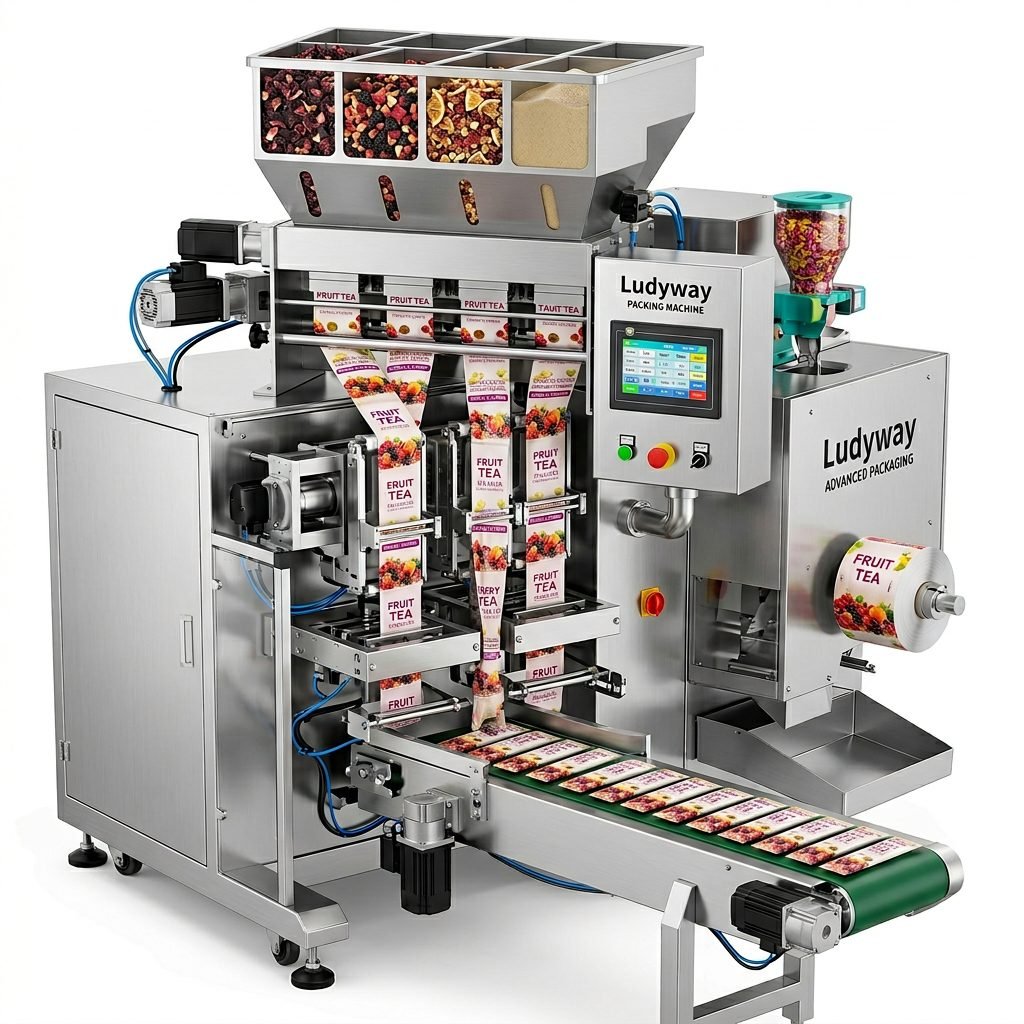
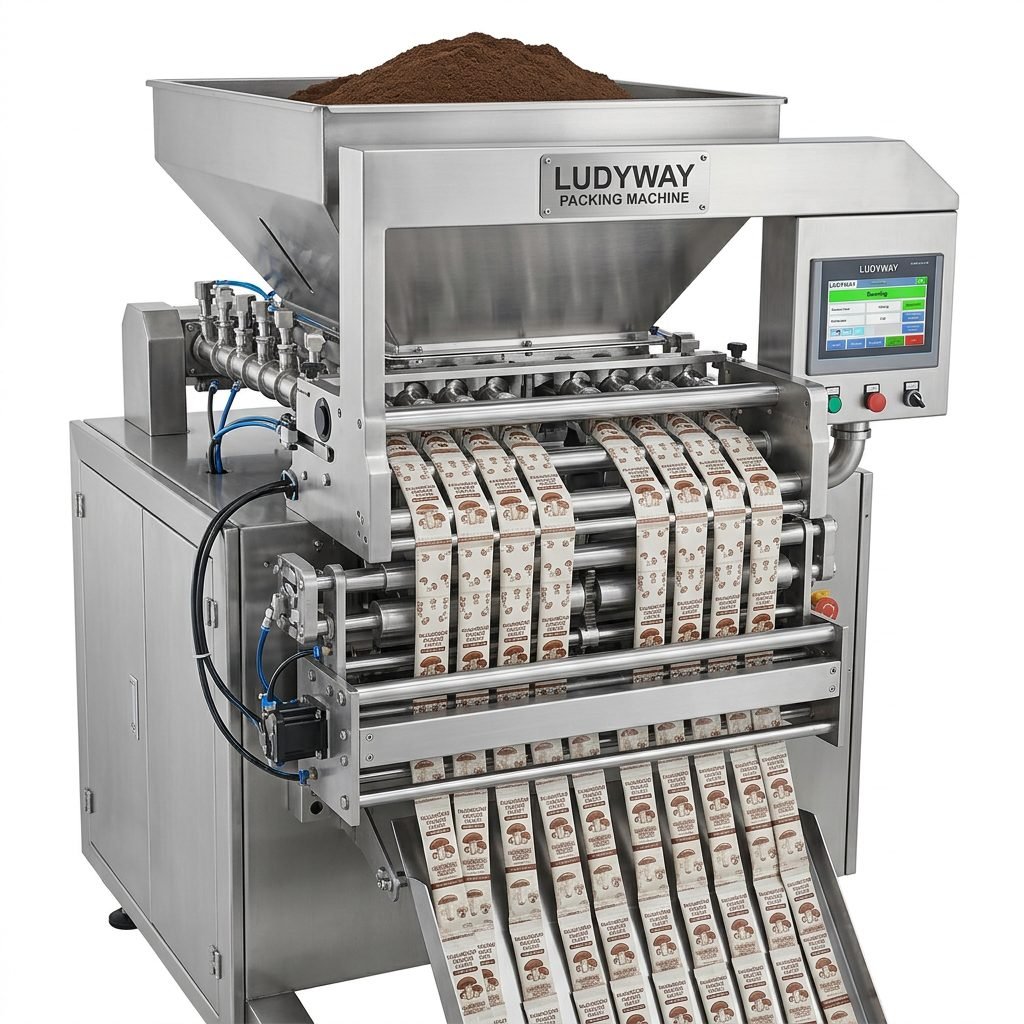
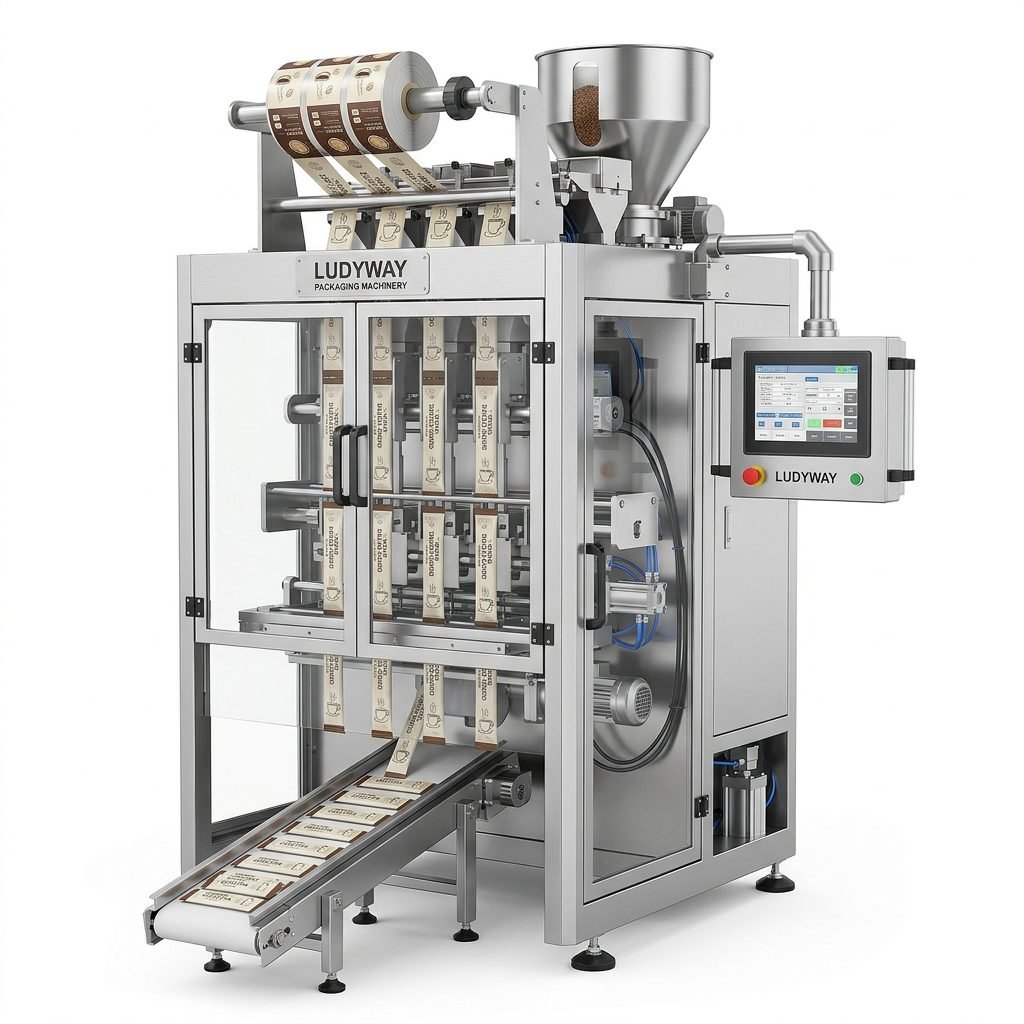
Multi-Lane Stick Pack Machines
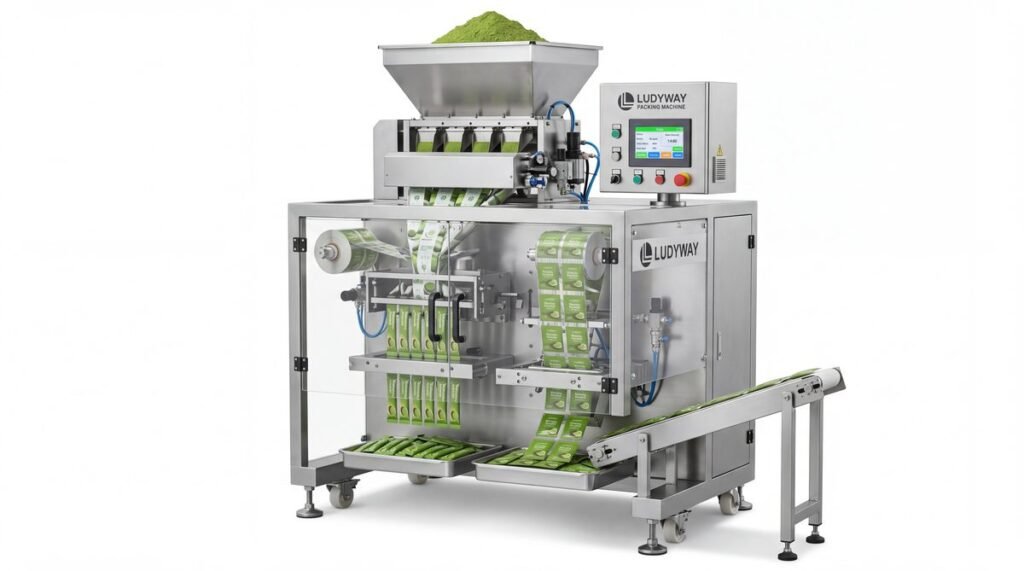
For single-serve cookie portions or on-the-go snack formats, multi-lane stick pack machines offer unmatched throughput. These systems can produce up to 400-600 packs per minute across multiple lanes, making them ideal for high-volume contract packaging operations serving European retail chains.
Cartoning and Case Packing
End-of-line automation completes the production line. Automatic cartoners erect, load, and close cartons at speeds matching upstream flow wrappers. Robotic case packers with vision guidance provide flexibility for mixed SKU palletizing, accommodating the diverse product ranges common in European bakeries.
Production Line Layout and Facility Planning
Efficient line layout maximizes throughput while complying with EU hygiene and safety standards. Consider the following factors during facility design:
- Hygienic zoning – Separate raw material handling from finished product areas to prevent cross-contamination, in accordance with HACCP principles and EU food hygiene regulations.
- Access and maintenance – Ensure adequate clearance around all machinery for cleaning, servicing, and part replacement. The machinery directive requires safe access for operators and maintenance personnel.
- Utilities infrastructure – Plan compressed air, electrical supply, and extraction systems to support the line’s peak load. Multi-lane machines typically require 6-8 bar compressed air and substantial power capacity.
- Material flow – Design linear or U-shaped configurations that minimize operator travel and material handling. Integrate automatic feeding systems for packaging films, cartons, and pallets.
- Environmental controls – Cookie packaging often requires temperature and humidity control to maintain product crispness and prevent film sticking. Specify HVAC systems accordingly.
Installation, Commissioning, and Validation
A structured approach to installation and commissioning is critical for meeting EU regulatory expectations and achieving rapid production ramp-up. Follow these phases:
Pre-Installation Preparation
Verify that all utilities meet equipment specifications. Prepare the installation site with proper flooring, drainage, and anchoring points. Review the supplier’s installation manual and risk assessment documentation. Factory Acceptance Testing (FAT) should be completed at the manufacturer’s facility before shipment to Europe, significantly reducing on-site debugging time.
Site Acceptance Testing (SAT)
Upon installation, conduct comprehensive SAT to verify that equipment performs to specification under actual production conditions. This includes speed trials, seal integrity testing, weighing accuracy verification, and metal detector calibration. Document all results for your technical file, which may be requested by competent authorities during inspections.
IQ/OQ/PQ Validation
For pharmaceutical-grade or private-label cookie production requiring strict quality assurance, implement Installation Qualification (IQ), Operational Qualification (OQ), and Performance Qualification (PQ) protocols. These structured validation activities demonstrate that equipment is installed correctly, operates within defined parameters, and consistently produces packaging meeting predefined quality attributes.
Ongoing Compliance and Quality Assurance
Maintaining compliance after commissioning requires systematic quality management aligned with ISO 9001 and food safety standards. Establish the following routines:
| Quality Activity | Frequency | Purpose |
|---|---|---|
| Seal integrity testing | Every shift | Prevent leaks and product spoilage |
| Metal detector check | Start of shift + hourly | Foreign body detection |
| Weighing accuracy audit | Daily | Comply with average weight legislation |
| Preventive maintenance | Per supplier schedule | Maximize equipment uptime |
Sourcing Packaging Machinery for the European Market
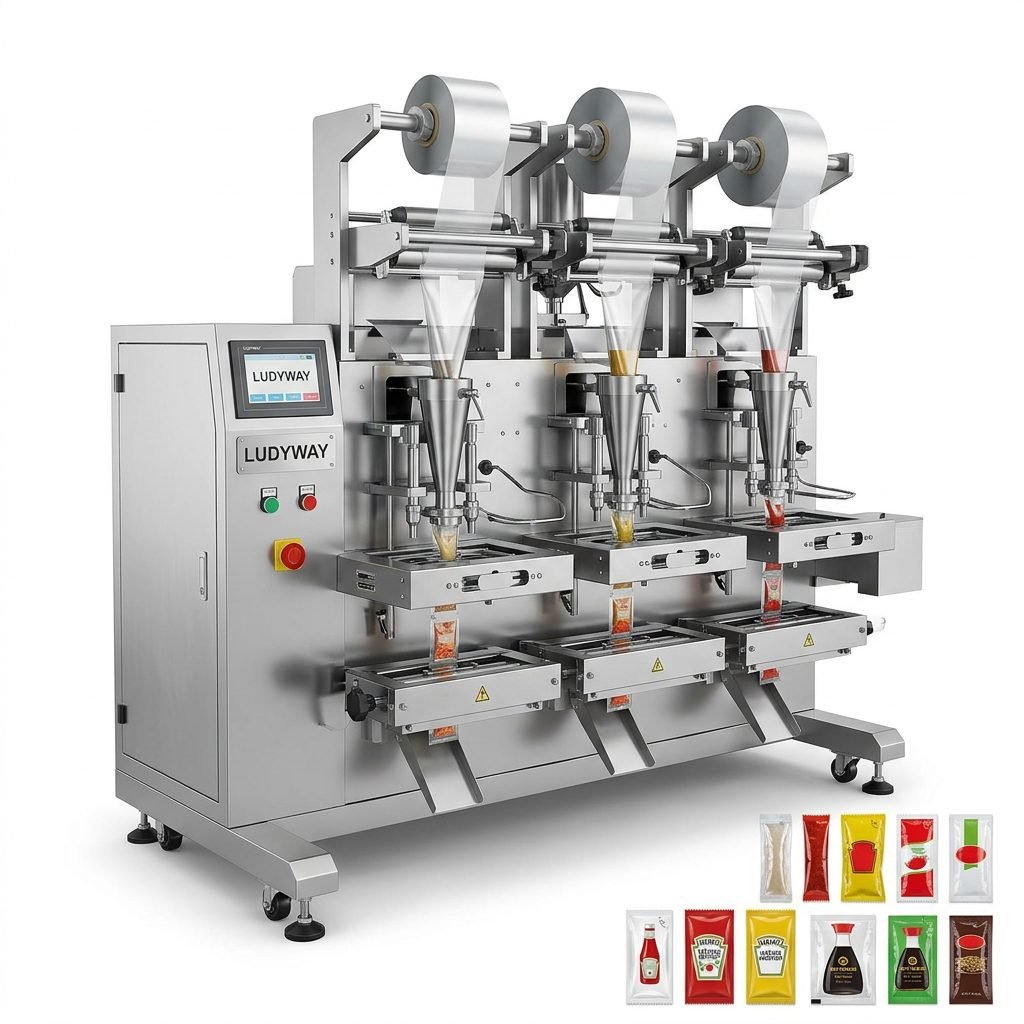
European buyers increasingly evaluate global suppliers for cost-effective, high-quality packaging solutions. When assessing machinery manufacturers, prioritize those with demonstrated experience exporting to the EU and familiarity with CE certification requirements. Ludyway, one of the largest packaging machine manufacturers in China with over 30 years of industry expertise and customers in more than 100 countries, offers comprehensive turnkey packaging solutions spanning sachet, stick pack, granule, and pouch formats. The company’s 20,000㎡ modern production facility and engineering team support customized line configurations that can be adapted to European standards, including CE-compliant electrical systems and food-grade material contact parts.
Key Evaluation Criteria for Suppliers
- CE certification documentation – Verify that the supplier can provide a complete technical file, including risk assessments, electrical schematics, and declarations of conformity recognized by EU authorities.
- Material compatibility – Request film testing on your specific packaging materials to confirm seal quality and machine performance before purchase.
- Service and support – Ensure the supplier offers remote diagnostic capabilities, spare parts availability within Europe, and preferably local service engineers or trained distributor partners.
- Reference installations – Ask for case studies or contact information for existing European customers with similar applications.
- Industry standards compliance – Refer to ISO Packaging Standards (ICS 55) for guidance on relevant international standards applicable to packaging machinery.
Training and Workforce Development
Investing in operator and maintenance training pays dividends in reduced downtime and consistent packaging quality. Develop training programs covering:
- Machine operation and format changeover procedures.
- Cleaning and sanitation protocols aligned with EU hygiene requirements.
- Basic troubleshooting and preventive maintenance tasks.
- Quality inspection procedures for seals, weights, and date codes.
- Safety procedures and emergency stop protocols in accordance with the Machinery Directive.
Many equipment suppliers offer on-site training during commissioning, which should be supplemented with documented standard operating procedures (SOPs) and periodic refresher training.
Future-Proofing Your Packaging Line
The European packaging landscape continues to evolve rapidly. To protect your investment, consider these forward-looking strategies:
- Modular machine design – Choose platforms that accommodate additional lanes or format modules as your product range expands.
- Digital connectivity – Invest in equipment with OPC-UA or similar protocols, enabling integration with Manufacturing Execution Systems (MES) and compliance with emerging EU digital product passport requirements.
- Sustainable material readiness – Verify that your machines can process recyclable mono-materials, paper-based films, or bio-based polymers, which are increasingly mandated by EU legislation.
- Energy efficiency – Select servo-driven systems with regenerative braking and energy monitoring features to reduce operational costs and carbon footprint.
For further industry insights, the Flexible Packaging Association and PMMI – The Association for Packaging and Processing Technologies provide extensive resources on packaging trends, standards, and market data relevant to European operations.
Setting up a cookie packaging machine production line in Europe is a significant undertaking, but with thorough planning, regulatory awareness, and the right equipment partners, you can build a competitive, compliant, and efficient operation ready to serve Europe’s dynamic cookie market.