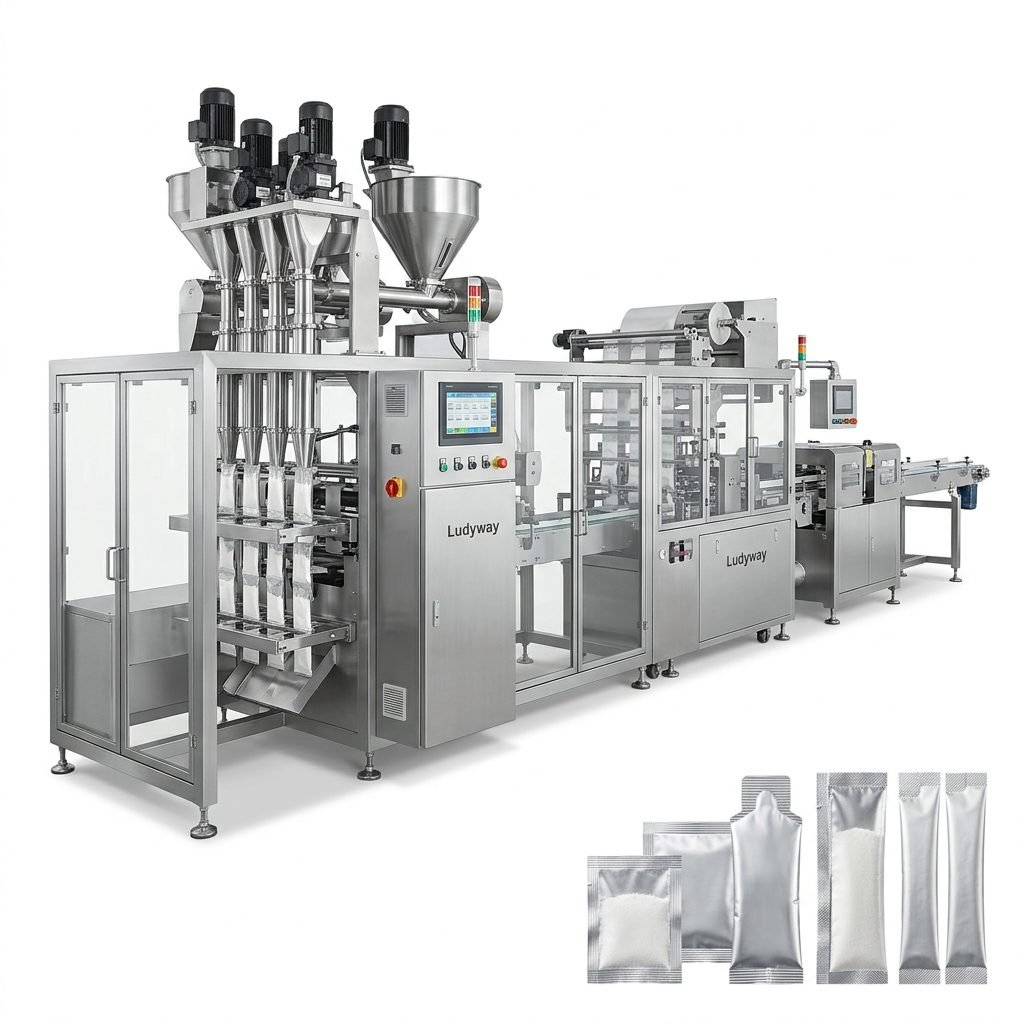
Selecting the optimal food packaging machine for your production facility in Luxembourg requires a strategic approach. The Grand Duchy’s strategic position in the heart of Europe, its highly regulated market, and its sophisticated consumer base demand packaging solutions that are not only efficient but also fully compliant with European Union packaging regulations. Whether you are packaging granules, powders, liquids, or pouches, the right equipment choice directly impacts your operational efficiency, product quality, and bottom line.

1. Analyze Your Product Characteristics First
Before evaluating any packaging machinery, you must thoroughly understand your product’s physical properties. The type of material you are packaging—free-flowing granules, fine cohesive powders, viscous liquids, or delicate solids—will fundamentally determine the machine configuration you need.
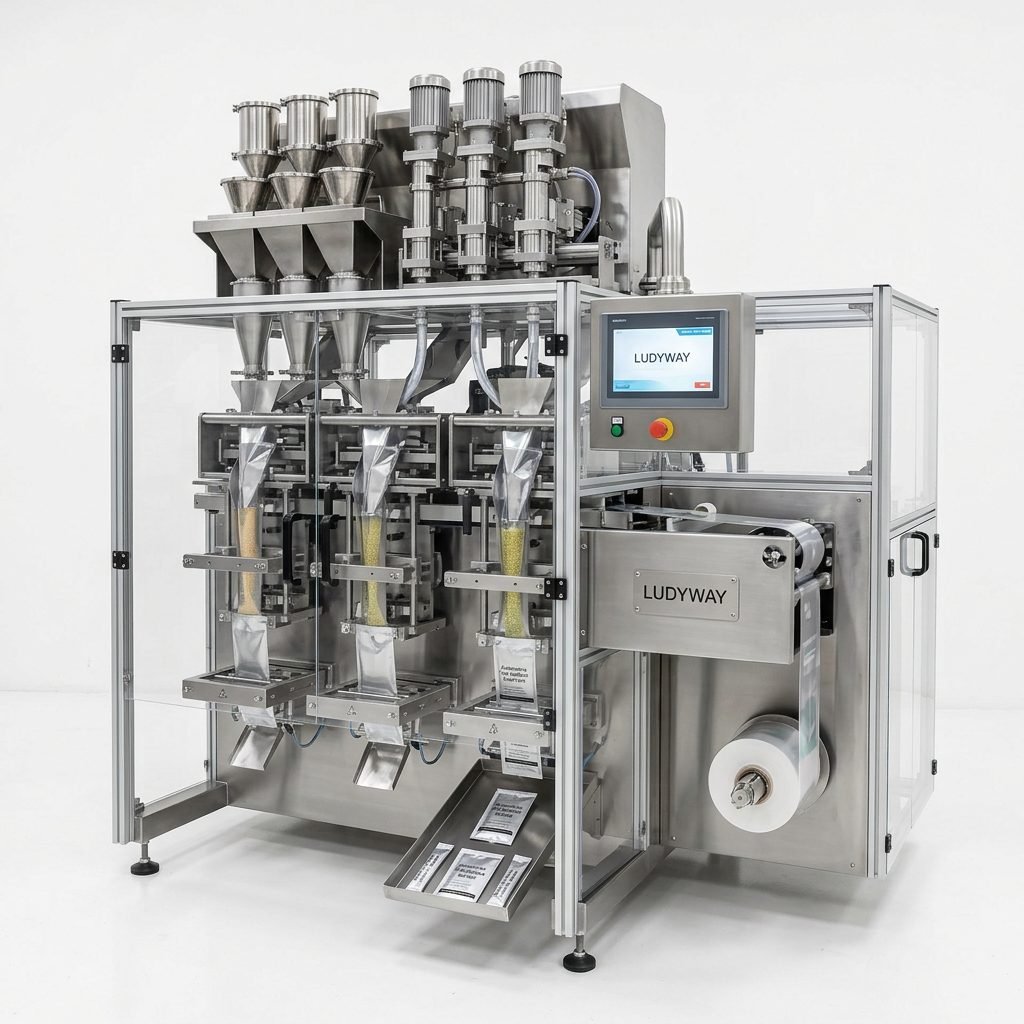
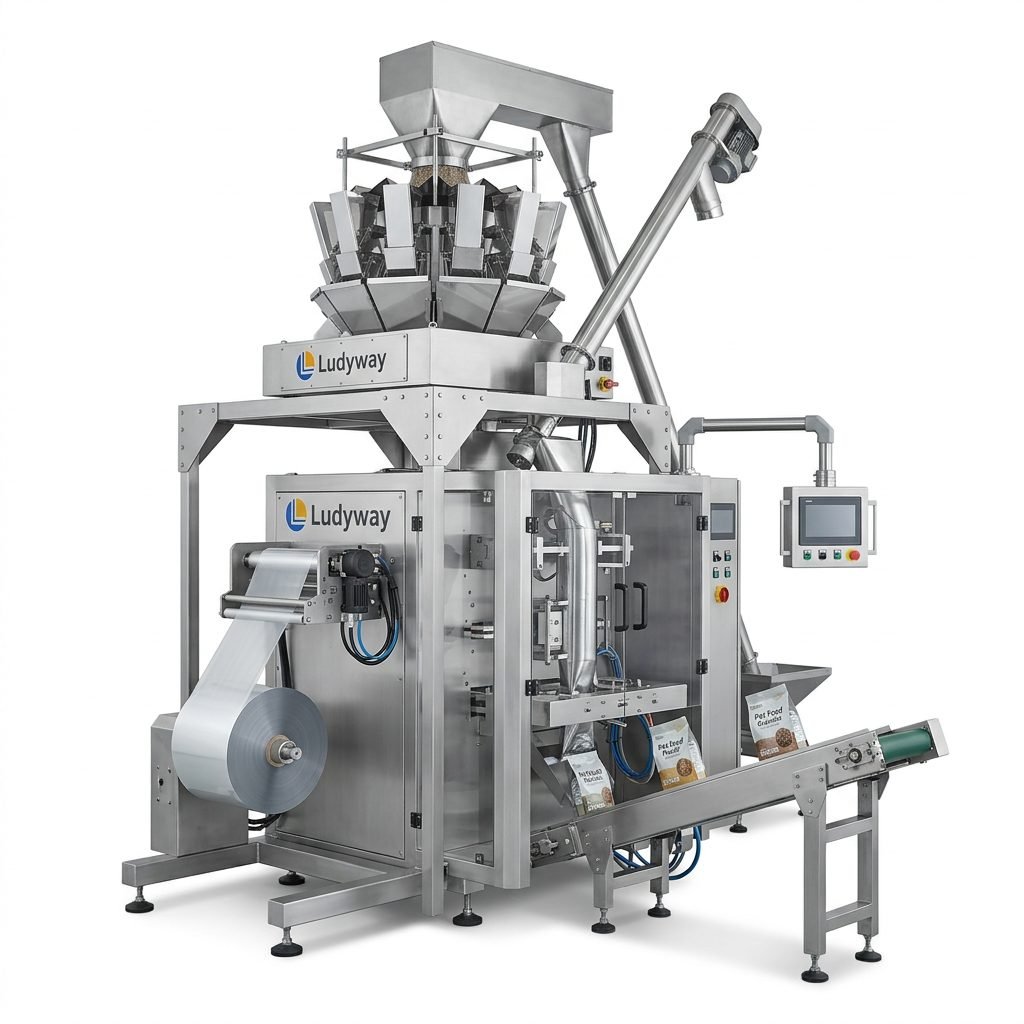
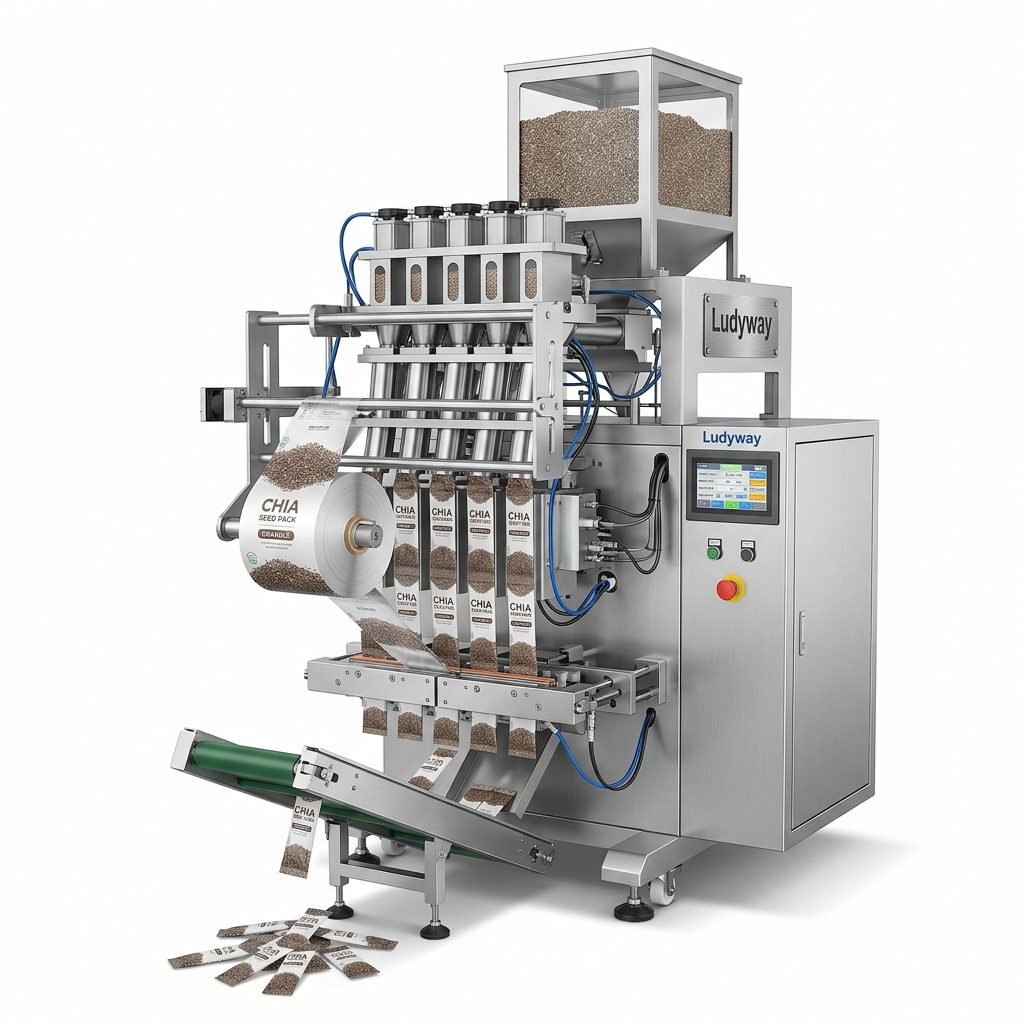
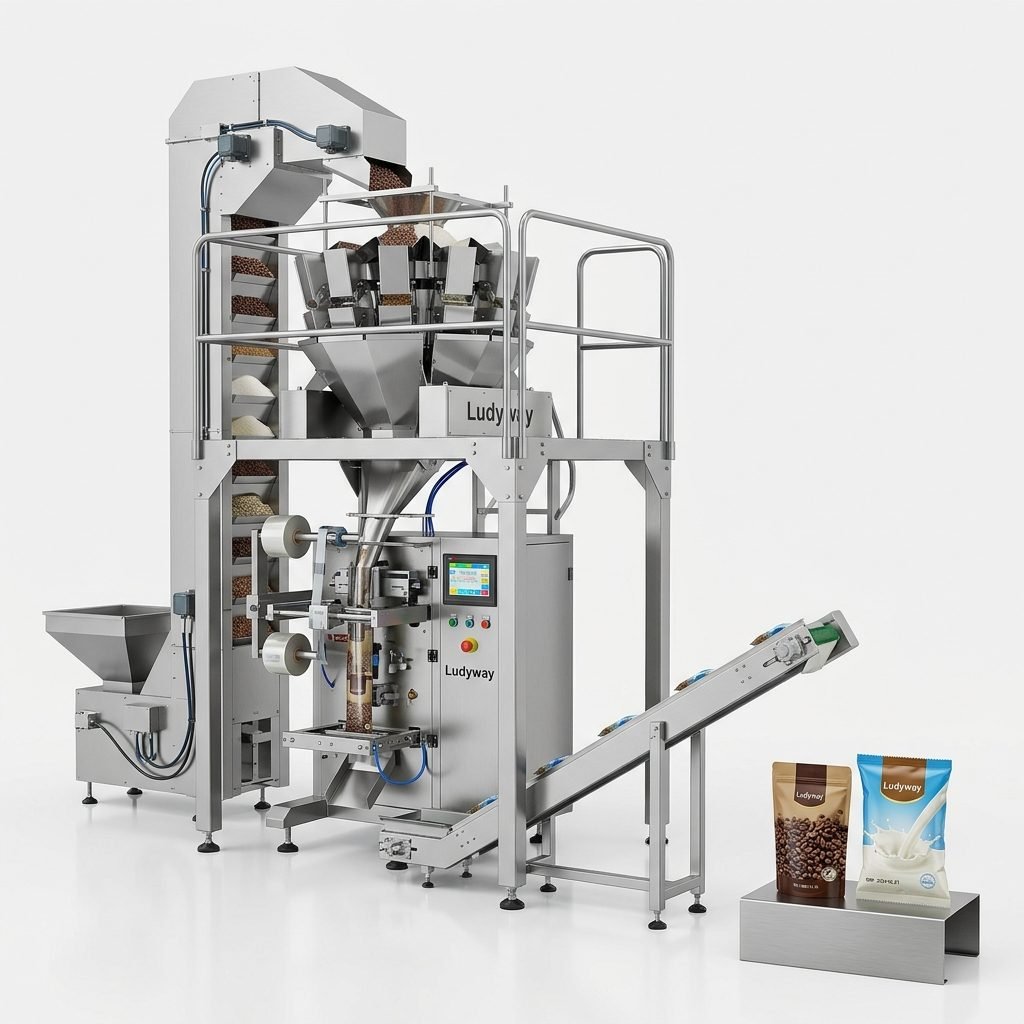
- Granules: Products like chia seeds, coffee beans, dried fruits, pet food kibble, and nuts require gentle handling and precise weighing systems. Multi-head weighers or volumetric cup fillers are commonly integrated into granule packaging machines to ensure accuracy at high speeds.
- Powders: Fine materials such as protein powder, spices, flour, turmeric, beetroot powder, and milk powder demand specialized dust-controlled filling systems. Auger fillers are essential for achieving consistent portion weights while minimizing product waste and airborne dust.
- Liquids & Pastes: Products ranging from olive oil, shampoo, and hand sanitizer to sauces, ketchup, honey, and creams require piston fillers, peristaltic pumps, or magnetic flow meters. The viscosity level is the determining factor in selecting the appropriate liquid filling mechanism.
- Mixed or Specialty Products: Items like soup mixes with dehydrated vegetables, instant noodle seasoning sachets, or snack packs with multiple components may need combination weighers and customized feeding systems.
2. Determine the Optimal Packaging Format
The Luxembourg market embraces diverse packaging formats, each suited to specific product categories and consumer preferences. Your choice of packaging style directly influences machine selection. Understanding the flexible packaging landscape helps you align with current industry trends.
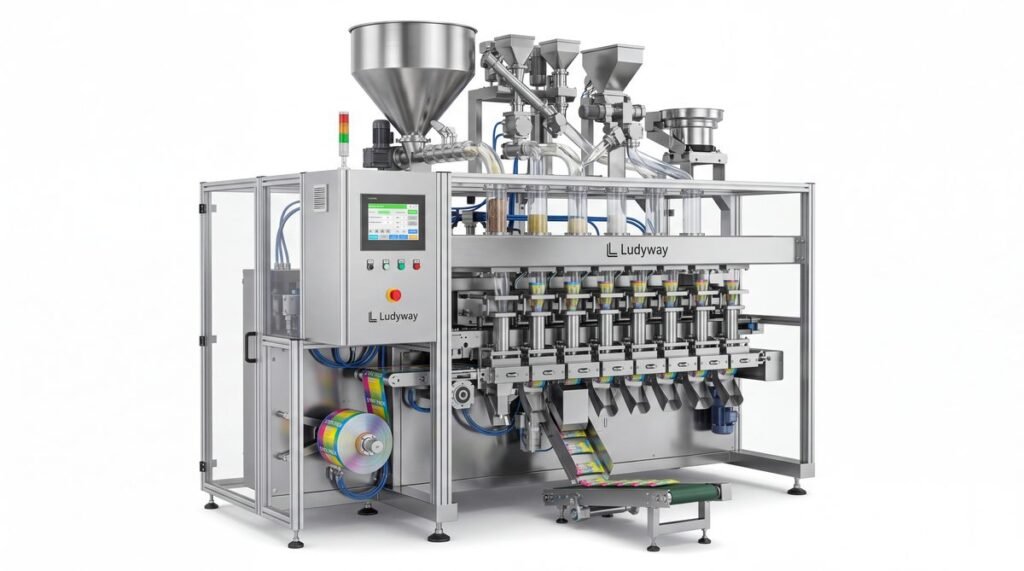
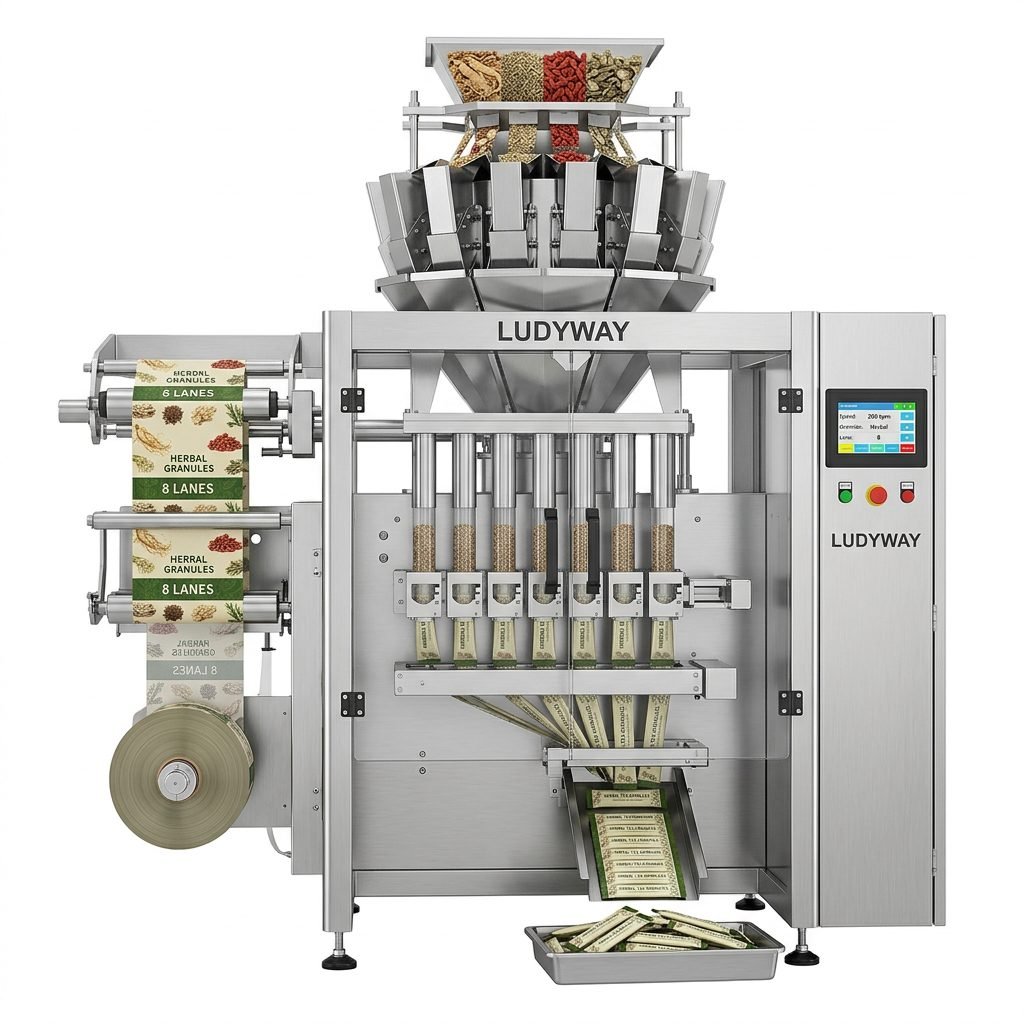
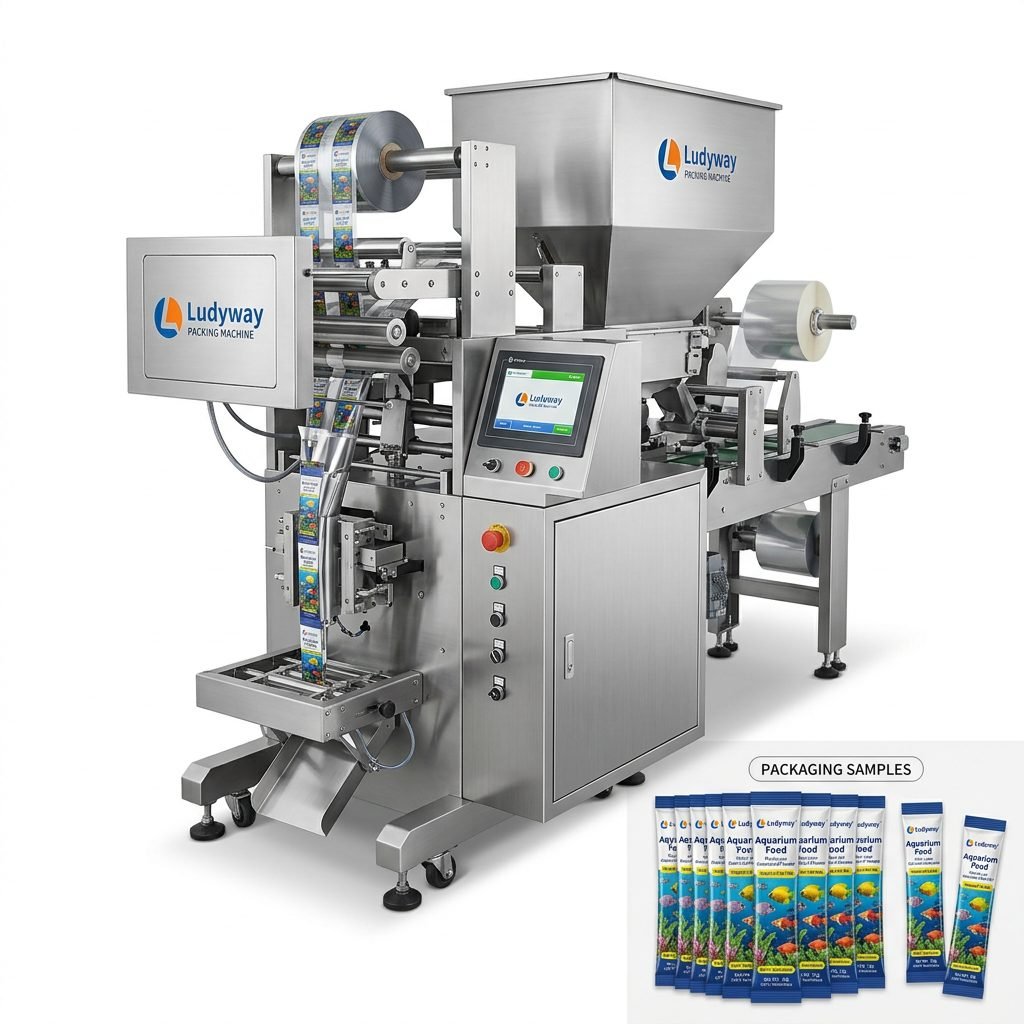
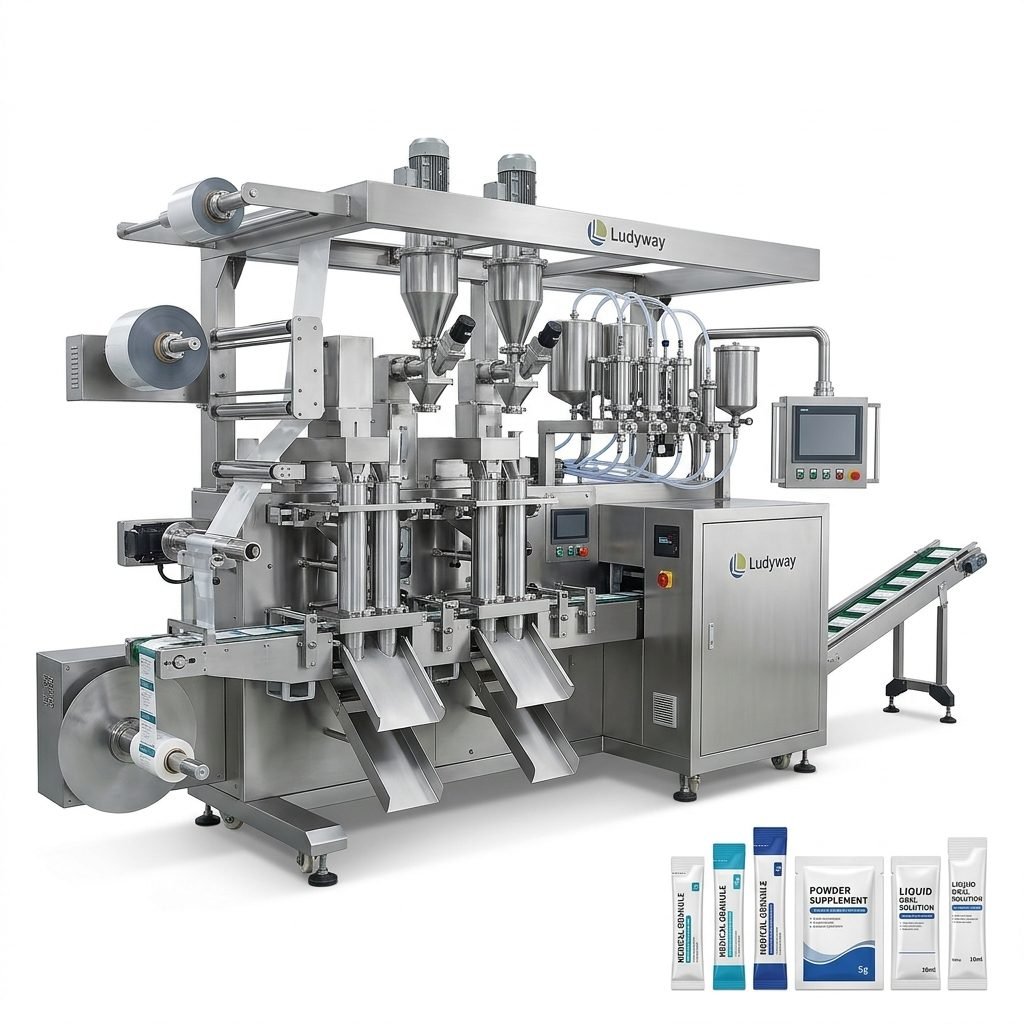
- Stick Packs: These narrow, elongated sachets are enormously popular for single-serve powders, instant coffee, sugar, sweeteners, energy drink mixes, and nutritional supplements. Multi-lane stick pack machines can produce 200-600 packs per minute across 4 to 12 lanes simultaneously, delivering exceptional throughput for high-demand products.
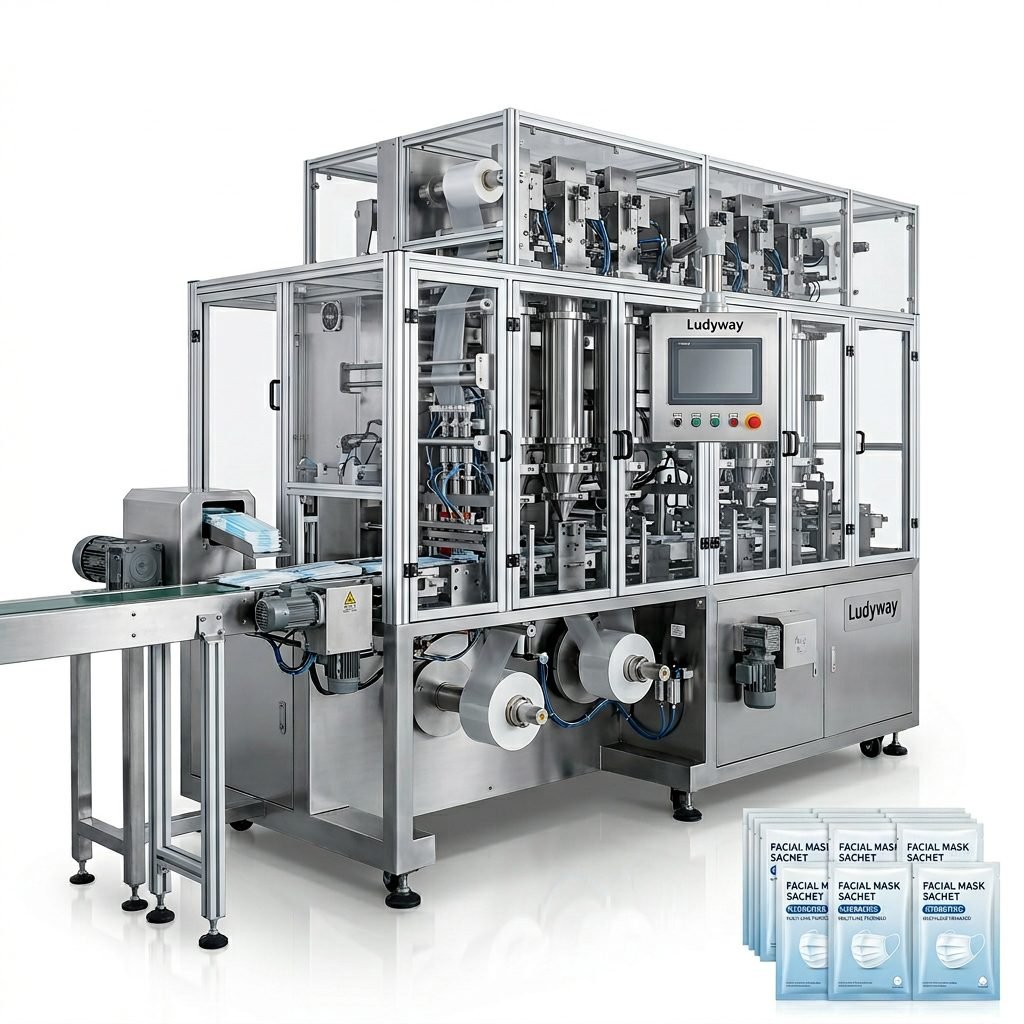
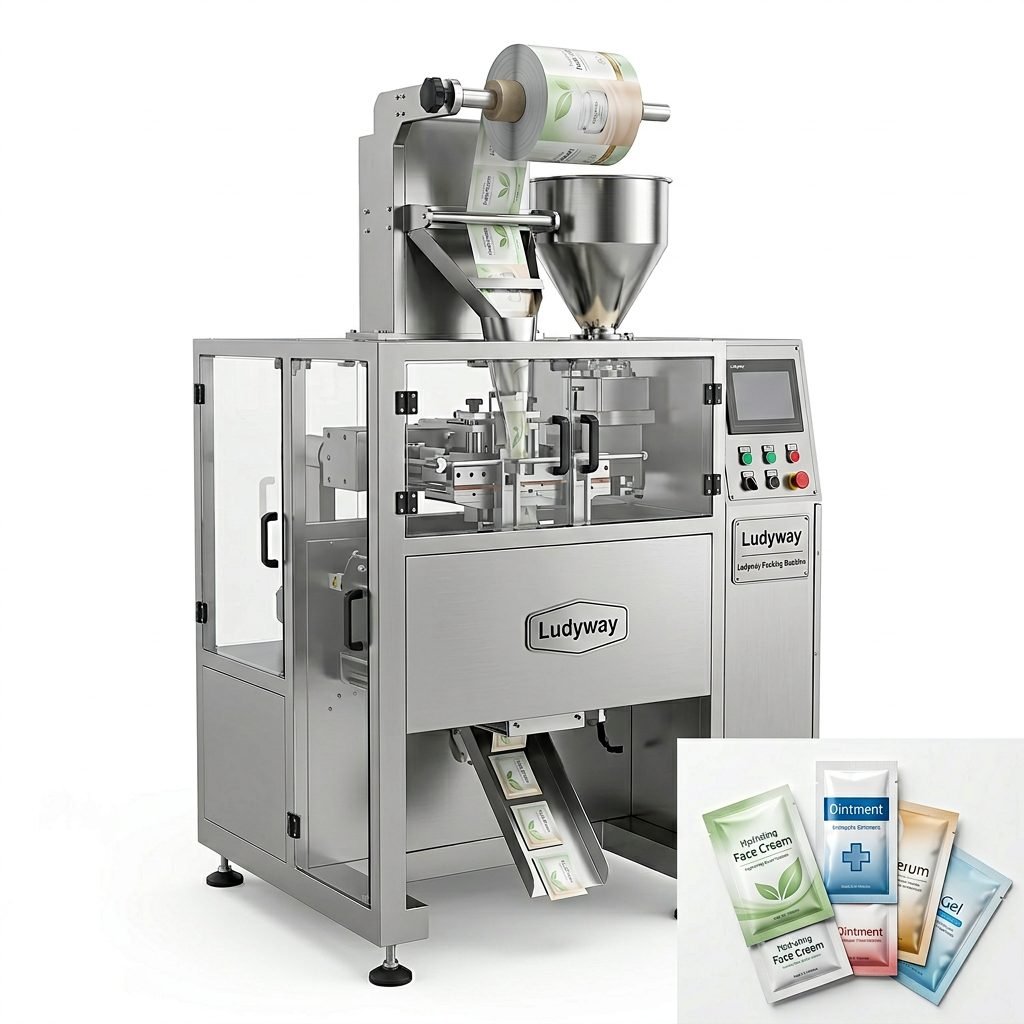
- Sachets & Flat Pouches: Common in the food service and hospitality sectors, sachets are ideal for ketchup, mayonnaise, sauces, condiments, shampoo samples, and cosmetic creams. Three-side-seal and four-side-seal sachet machines offer versatility for various film types and product consistencies.
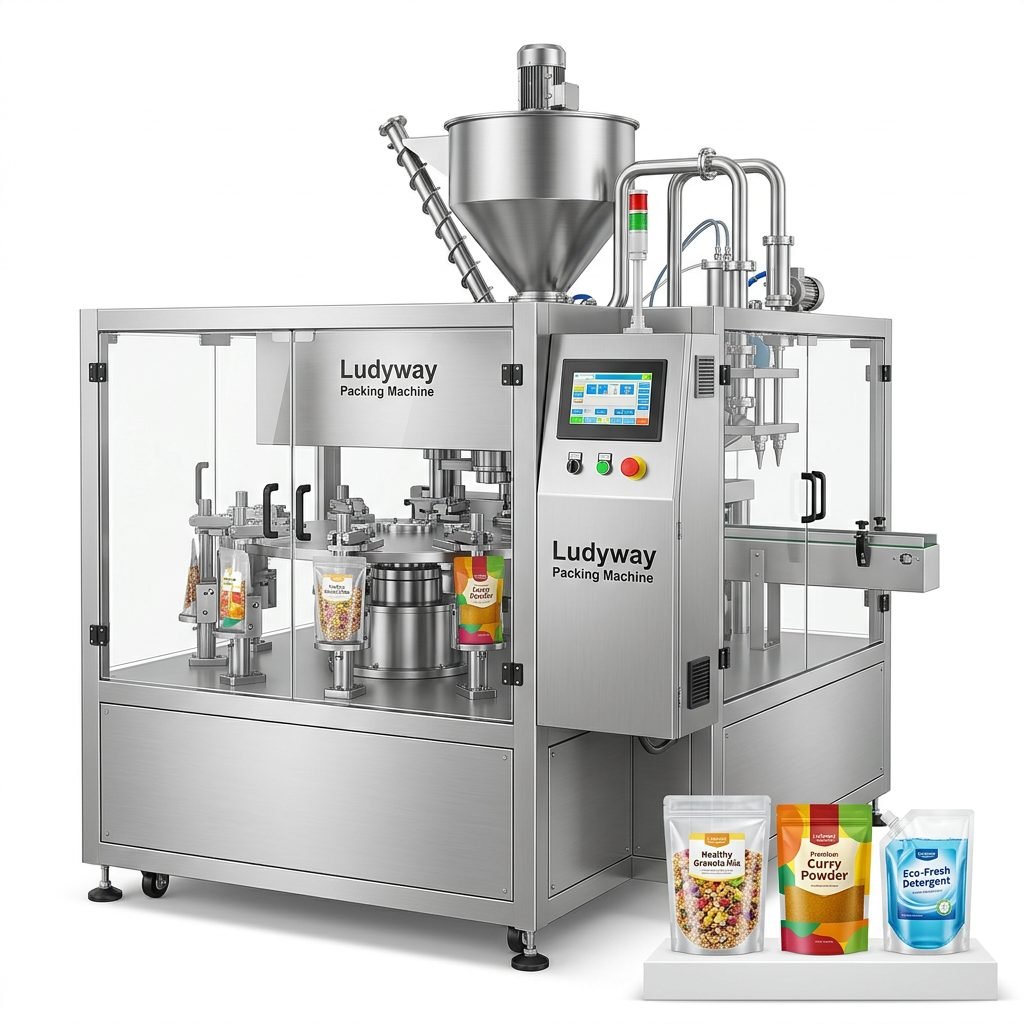
- Stand-Up Pouches: With zipper closures and resealable features, stand-up pouches are increasingly preferred for premium snacks, granola, dried fruits, pet treats, and laundry detergent pods. These require specialized pouch-making or premade pouch filling and sealing equipment.
- Preformed Pouch Systems: For products that demand premium shelf presentation or unique packaging shapes, rotary or inline premade pouch fill-seal machines offer flexibility across multiple pouch styles and sizes.
3. Evaluate Production Capacity and Speed Requirements
Your current and projected production volumes are critical parameters that dictate the level of automation and the number of lanes your packaging machine should feature. Underestimating future demand can lead to costly bottlenecks, while over-specifying can strain your capital budget unnecessarily.
| Production Scale | Output Range (Packs/Min) | Recommended Machine Type | Typical Lanes |
|---|---|---|---|
| Small / Startup | 30 – 80 | Single-lane vertical form fill seal | 1 – 2 |
| Medium / Growing | 80 – 250 | Multi-lane sachet or stick pack | 4 – 8 |
| Large / Industrial | 250 – 800+ | High-speed multi-lane system | 10 – 12+ |
| Turnkey Line | Custom | Integrated filling, cartoning, palletizing | Fully automated |
For businesses in Luxembourg serving both domestic and export markets across the EU, scalable solutions are particularly valuable. A machine that can be expanded with additional lanes or upgraded with higher-speed components protects your long-term investment.
4. Verify Compliance with EU and Luxembourg Regulations
Operating within the European Union means your food packaging machinery must adhere to stringent regulatory standards. Luxembourg, as an EU member state, enforces all applicable directives and regulations. Non-compliance can result in severe penalties, product recalls, and reputational damage.
- CE Marking & Machinery Directive (2006/42/EC): All packaging equipment imported into or used within the EU must carry the CE mark, signifying conformity with health, safety, and environmental protection requirements.
- Food Contact Materials Regulation (EC) No 1935/2004: Packaging films and materials that come into direct contact with food must comply with strict migration limits and safety standards. Your machine must be designed to handle approved, food-grade materials without contamination risks. Refer to FDA food packaging guidance for comparable international standards.
- Hygienic Design & Cleanability: Machines intended for food applications should feature stainless steel construction (typically SUS304 or SUS316L), sloped surfaces to prevent product accumulation, tool-free disassembly for cleaning, and sealed electrical enclosures. Validation according to ISO packaging standards is highly recommended.
- ATEX Directives (2014/34/EU): If you are packaging explosive dusts such as fine flour, powdered sugar, or certain chemical powders, the machine must meet ATEX requirements for potentially explosive atmospheres.
5. Assess Automation Level and Integration Capabilities
Modern packaging operations in Luxembourg increasingly demand seamless integration between upstream and downstream processes. The degree of automation you choose affects everything from labor costs to production consistency.
- Semi-Automatic: Suitable for lower volumes where manual product loading is acceptable. Operators place products into the machine, which then completes the filling and sealing cycle. Lower initial investment but higher ongoing labor costs.
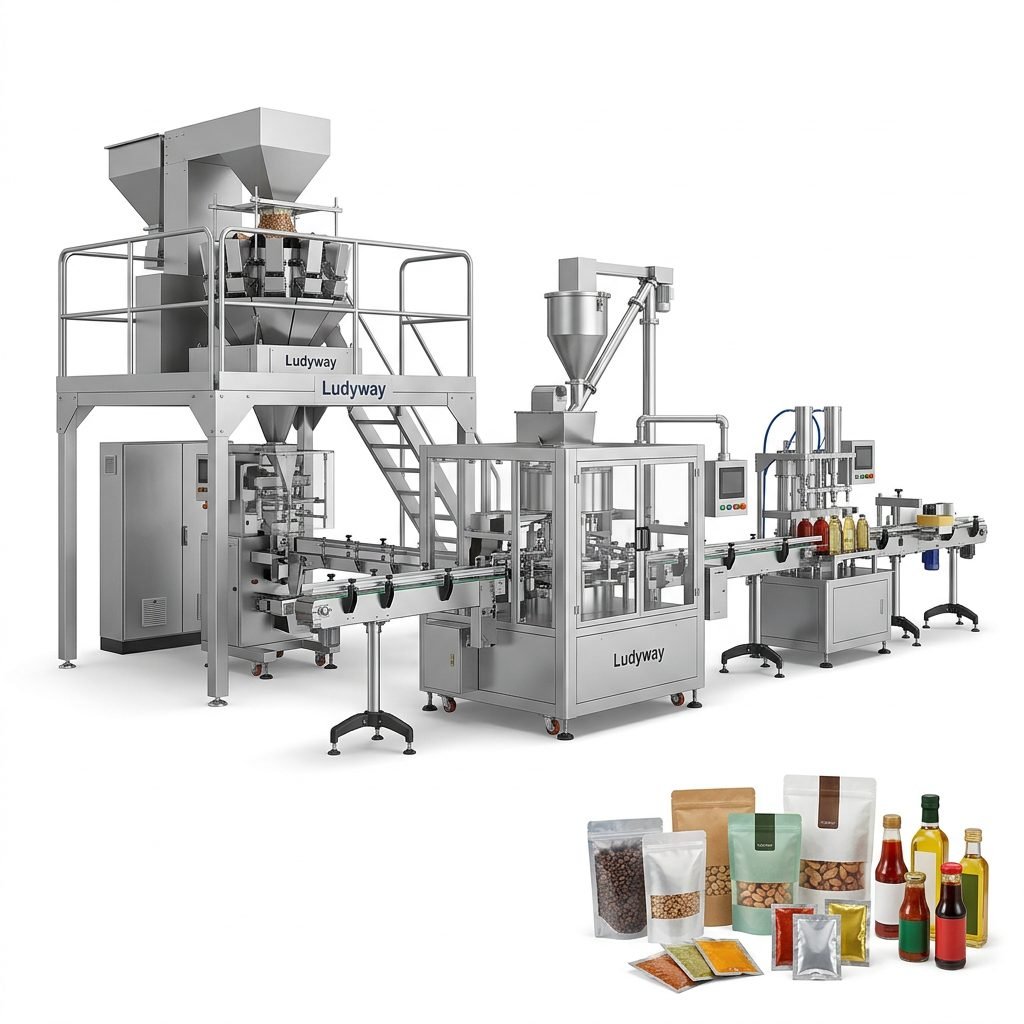
- Fully Automatic Inline: The machine automatically feeds, fills, seals, and discharges finished packs. Conveyor connections to upstream weighing systems and downstream checkweighers, metal detectors, and cartoning machines create a continuous production flow.
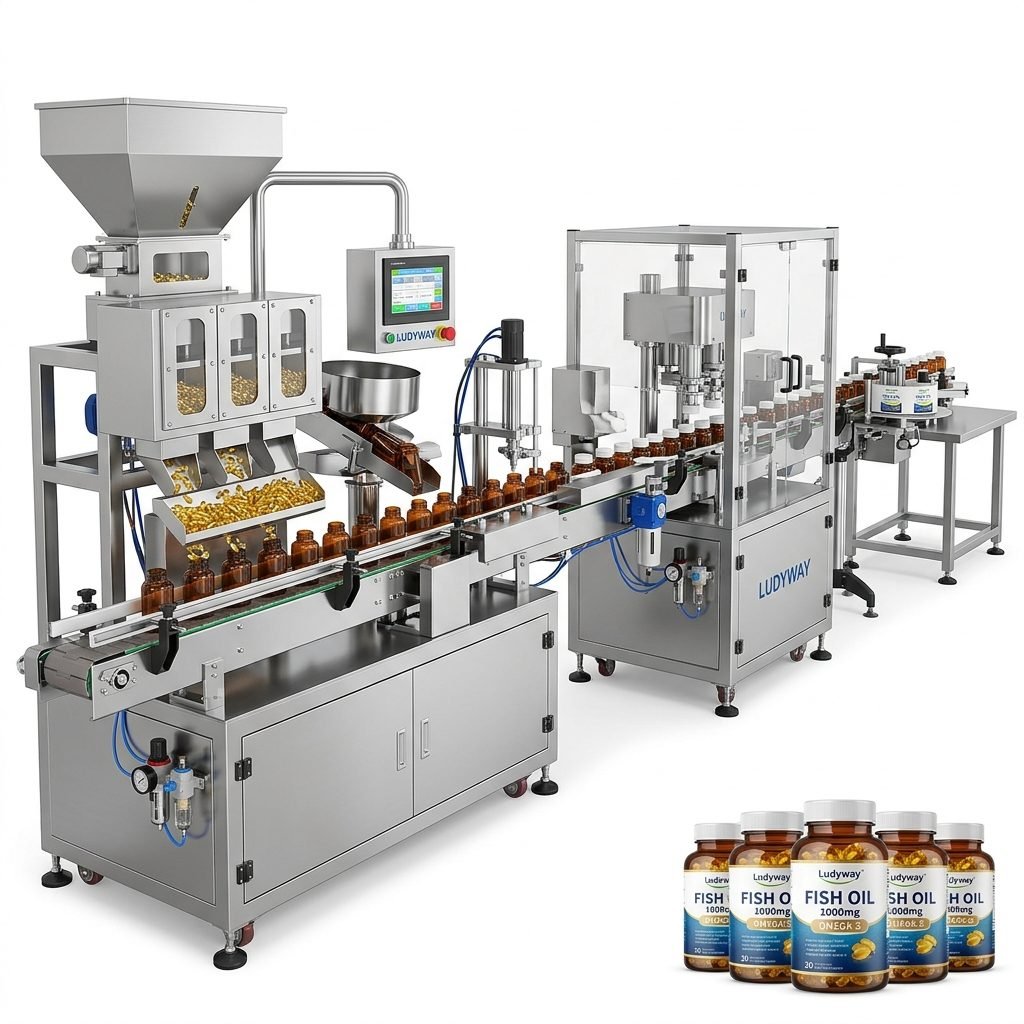
- Turnkey Integrated Lines: Comprehensive solutions that combine multiple stages—from product feeding and dosing to primary packaging, secondary cartoning, case packing, and palletizing. These systems minimize human intervention and maximize throughput. A reputable packaging machine manufacturer such as Ludyway offers over 50 intelligent packaging machine models and complete turnkey production solutions for the food, pharmaceutical, and health industries, backed by an experienced engineering team and a modern 20,000㎡ manufacturing facility.
- Smart Factory Readiness: Look for machines equipped with IoT sensors, data logging capabilities, and compatibility with ERP or MES systems. Predictive maintenance alerts and remote diagnostics can significantly reduce unplanned downtime.

6. Calculate Total Cost of Ownership (TCO)
The purchase price of a packaging machine represents only a fraction of its total lifecycle cost. Smart buyers in Luxembourg evaluate the complete financial picture before making a decision. A thorough TCO analysis prevents unexpected expenses and ensures a solid return on investment.
| Cost Category | Key Considerations | Estimated % of TCO |
|---|---|---|
| Initial Equipment Cost | Machine price, shipping, import duties, installation, training | 40% – 55% |
| Consumables & Materials | Packaging film, spare parts, lubricants, cleaning supplies | 20% – 30% |
| Energy & Utilities | Electricity consumption, compressed air requirements | 5% – 10% |
| Maintenance & Repairs | Scheduled servicing, unexpected breakdowns, technician availability | 10% – 15% |
| Labor Costs | Operators required per shift, skill level requirements | 5% – 15% |
Request detailed quotations that include all ancillary equipment—vibratory feeders, bucket elevators, conveyor systems, coding and marking machines, checkweighers, and metal detectors—to avoid surprises. A comprehensive proposal should also outline recommended spare parts lists and preventive maintenance schedules.
7. Prioritize After-Sales Support and Service Accessibility
Even the most robust packaging machinery requires periodic maintenance and occasional troubleshooting. Given Luxembourg’s location, you should verify that your chosen supplier can provide timely and effective after-sales support. A machine that cannot be serviced quickly becomes a production liability.
- Remote Diagnostic Capability: Modern machines equipped with VPN-enabled PLC systems allow technicians to diagnose issues remotely, often resolving problems without an on-site visit. This capability is invaluable for minimizing downtime in Luxembourg-based operations.
- Local Service Partners: Verify whether the manufacturer has authorized service agents or technical partners within the Benelux region or neighboring Germany and France. Proximity to qualified service engineers directly correlates with response time.
- Spare Parts Availability: Confirm that critical spare parts are stocked in European warehouses and can be dispatched quickly. Waiting weeks for components shipped from distant manufacturing locations can cripple your production schedule.
- Operator Training Programs: Comprehensive initial and refresher training ensures your team operates the machine efficiently and safely. Training should cover setup, changeover procedures, daily maintenance, and quality control checks.
- Warranty and Service Contracts: Carefully review warranty terms, including coverage duration, included components, and exclusions. Evaluate optional extended service contracts for their value proposition against potential downtime costs.

8. Test with Your Actual Products Before Final Purchase
No amount of specification review can replace real-world testing with your specific products and packaging materials. Before committing to a purchase, insist on conducting thorough trials using your actual formulations. This step validates machine performance and uncovers potential issues that may not be apparent from technical datasheets alone.
- Send representative product samples to the manufacturer’s testing facility. Include both your standard product and any challenging variants that may pose filling or sealing difficulties.
- Request detailed test reports covering fill accuracy across multiple lanes, seal integrity, production speed, film waste percentage, and changeover time between formats.
- Evaluate finished pack quality for seal strength, appearance, and overall presentation. The packaging is often the consumer’s first interaction with your brand, making visual quality paramount in the Luxembourg market.
- If possible, attend the factory acceptance test (FAT) in person or via live video feed. This allows you to observe the machine operating under simulated production conditions and ask questions directly to the engineering team.
Key Takeaways for Luxembourg-Based Buyers
Investing in the right food packaging machine is a strategic decision that shapes your production efficiency, product quality, and market competitiveness for years to come. By methodically evaluating your product characteristics, desired packaging format, capacity requirements, regulatory obligations, automation goals, and total cost of ownership, you position your company for sustainable growth within Luxembourg and the broader European market.
The European packaging machinery market continues to evolve with increasing emphasis on sustainability, digitalization, and flexibility. Partnering with an experienced supplier who understands both your technical requirements and the regulatory landscape of the EU ensures your packaging operation remains efficient, compliant, and ready to scale. For the latest insights on packaging industry trends, consulting resources from organizations like PMMI’s business intelligence library and the Flexible Packaging Association can provide valuable market context as you navigate your equipment selection journey.