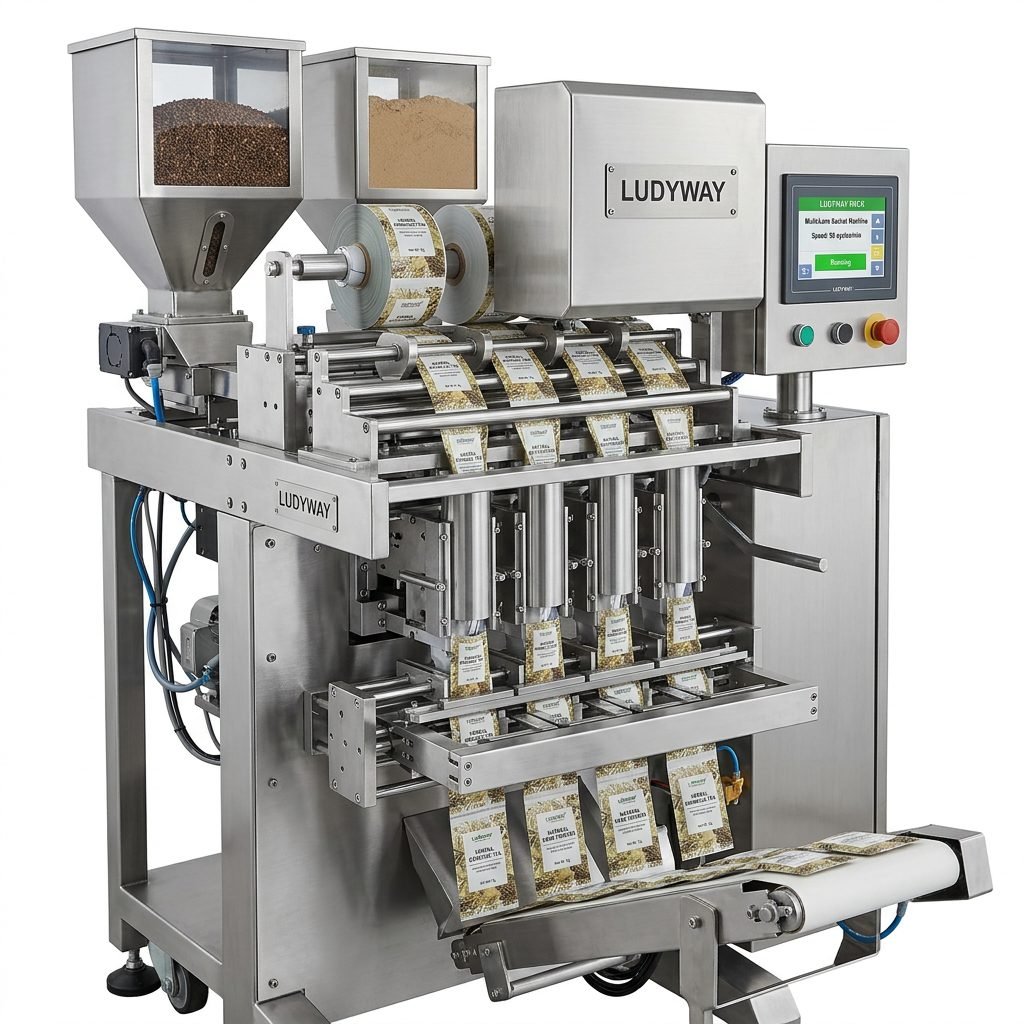
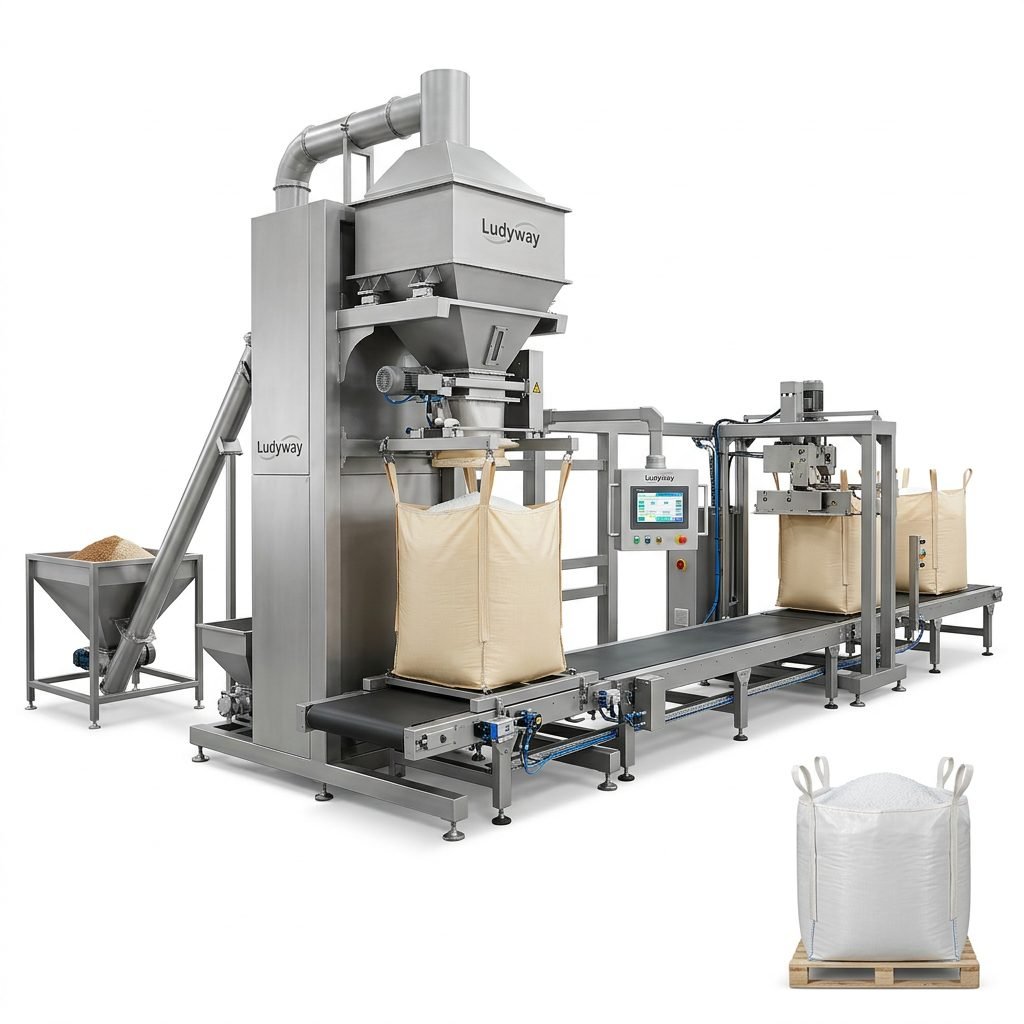
Across Southeast Asia’s rapidly growing food processing sector, demand for high-performance chicken packaging machines has surged dramatically. From Thailand’s poultry export giants to Vietnam’s expanding processed meat industry, manufacturers increasingly require automated packaging systems that combine speed, hygiene compliance, and operational reliability. Selecting the right packaging machine manufacturer directly impacts product shelf life, production efficiency, and overall profitability.
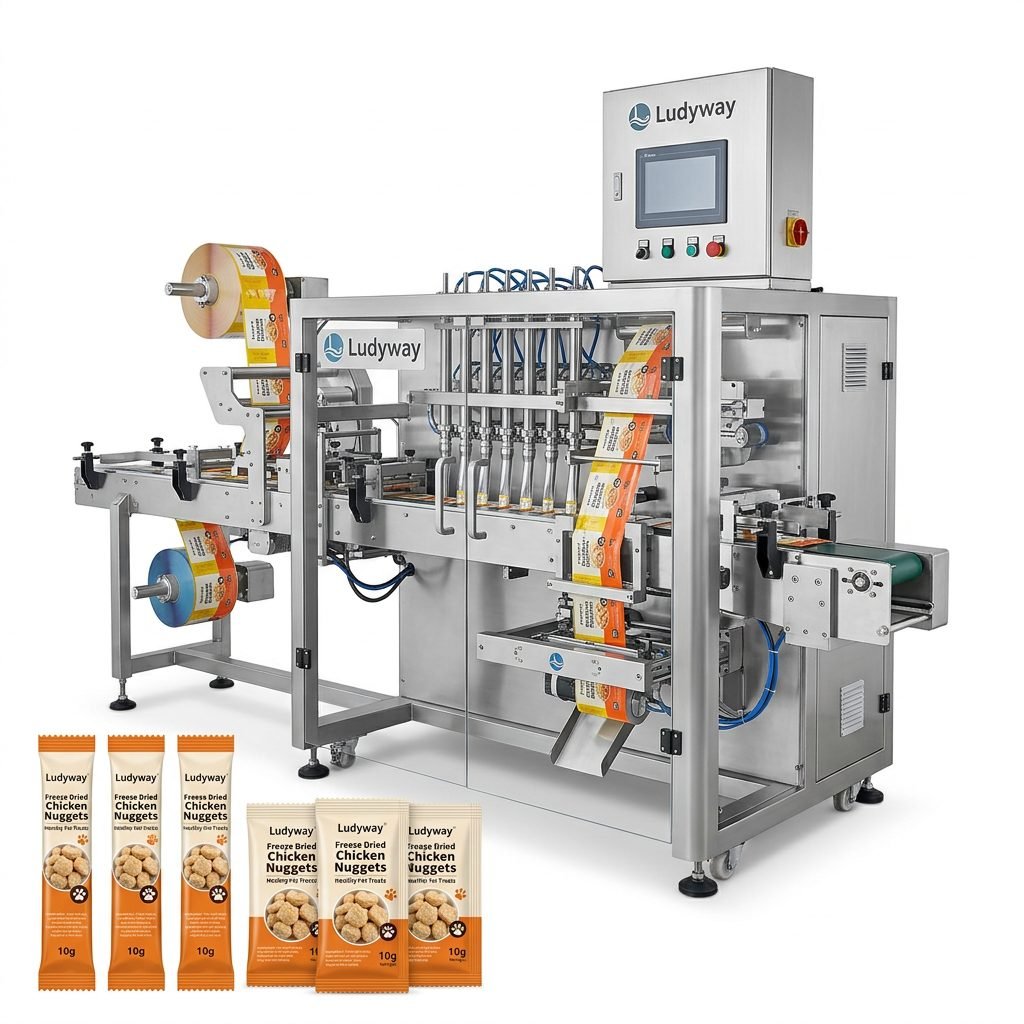
Why Chicken Packaging Demands Specialized Equipment
Chicken products present unique packaging challenges that generic machinery simply cannot address. Whether handling fresh cuts, frozen portions, freeze-dried strips, or powdered chicken essence, each format requires specific filling mechanisms, sealing temperatures, and film compatibility. Inadequate packaging leads to oxidation, moisture ingress, and bacterial contamination — critical failures in markets where cold chain infrastructure varies significantly across regions like Indonesia, the Philippines, and Myanmar.
Modern poultry processors need machines capable of handling:
- Multiple packaging formats — stick packs, sachets, pouches, and vacuum bags for diverse retail channels
- Wide product viscosity range — from dry granules and powders to semi-moist strips and liquid marinades
- High-speed production — multi-lane configurations delivering 400+ packs per minute for export-scale operations
- Strict hygiene standards — stainless steel construction with CIP (Clean-in-Place) compatibility
Key Features of Advanced Chicken Packaging Systems
When evaluating chicken packaging machinery for Southeast Asian operations, several technical specifications deserve close attention. The best systems integrate seamlessly with existing processing lines while offering flexibility for future product diversification.
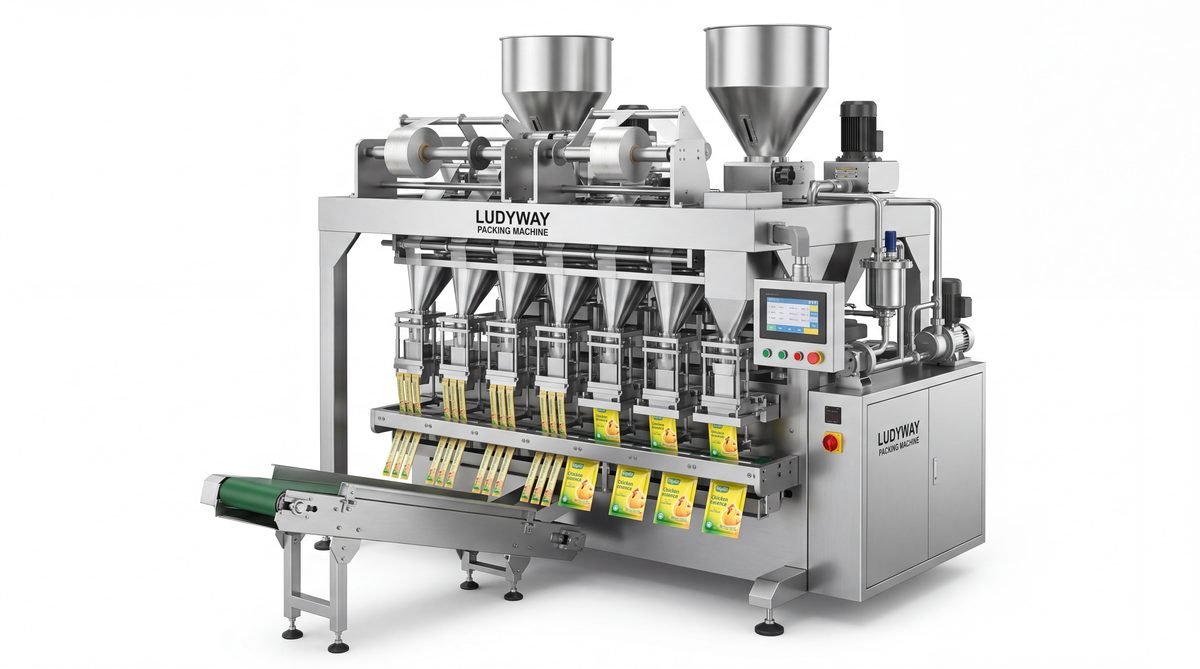
Multi-Lane Technology for High-Volume Output
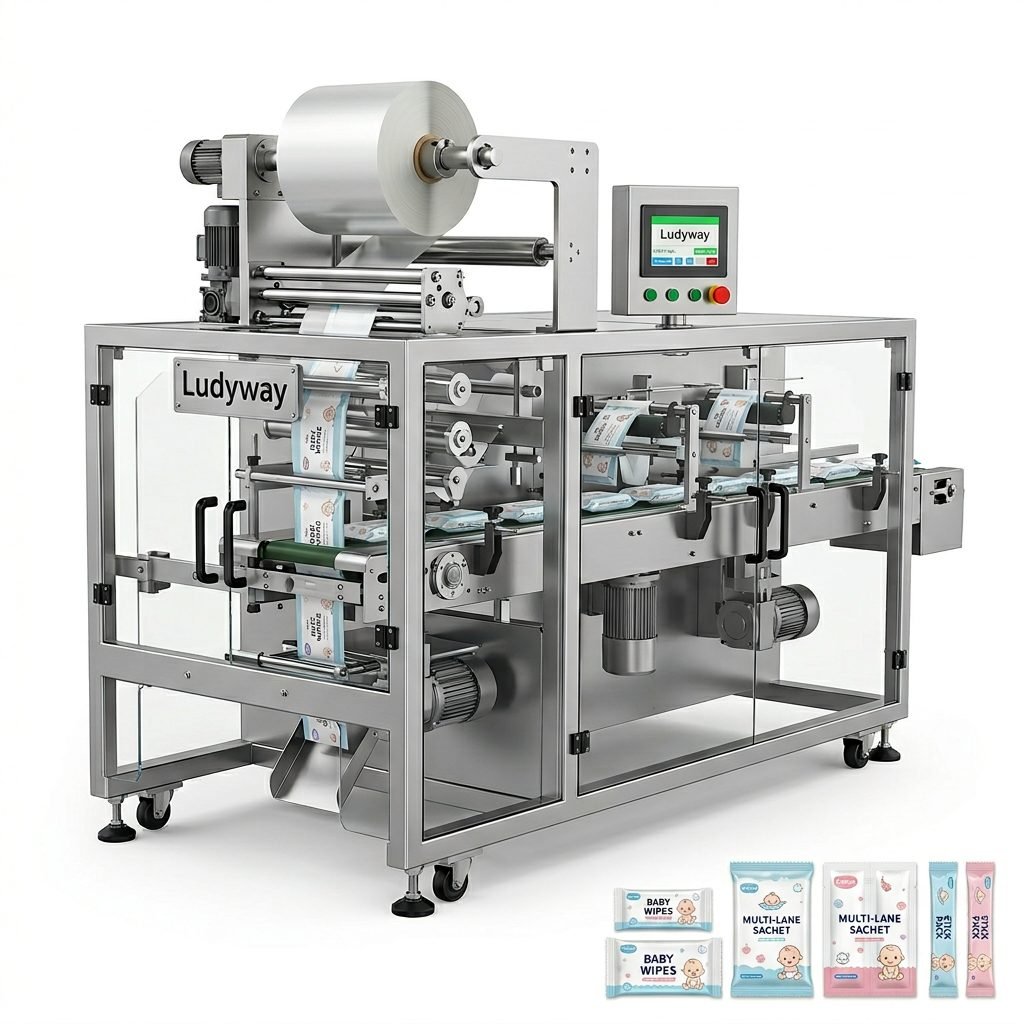
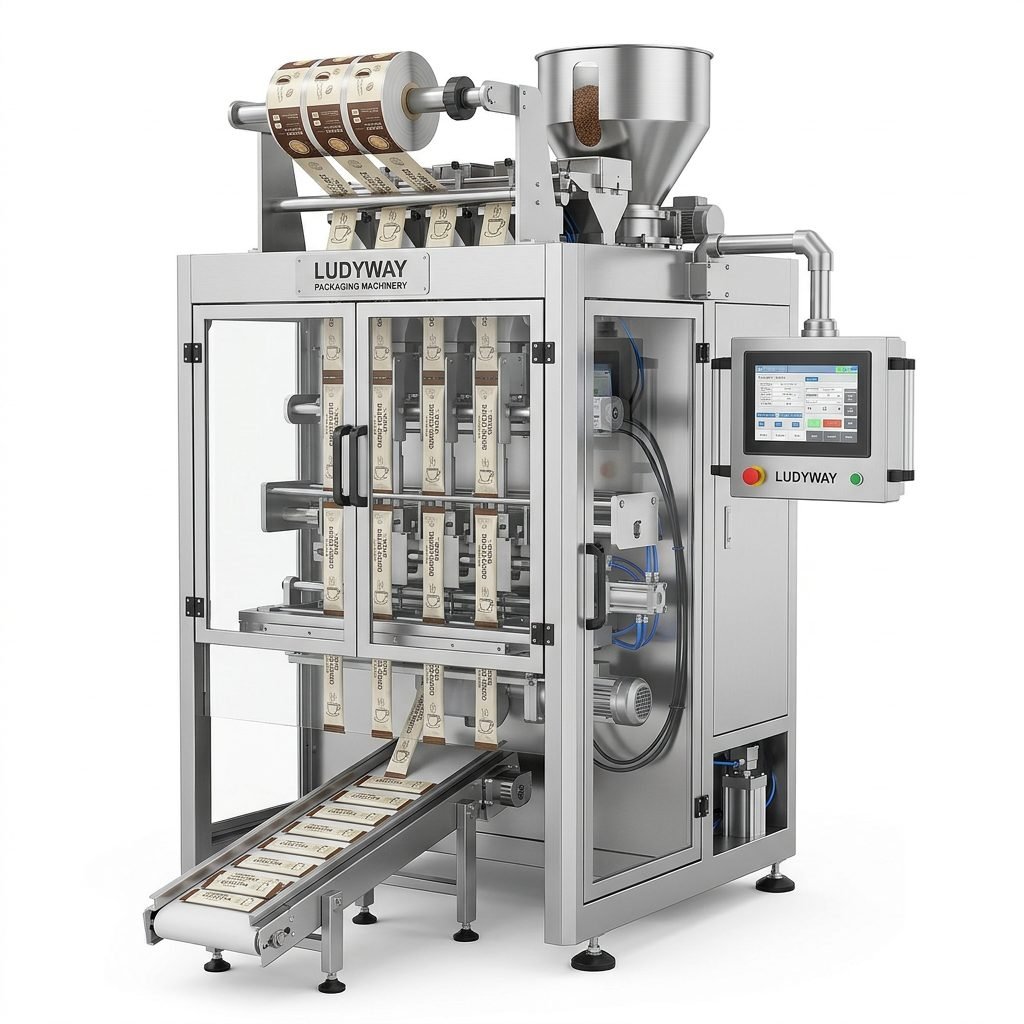
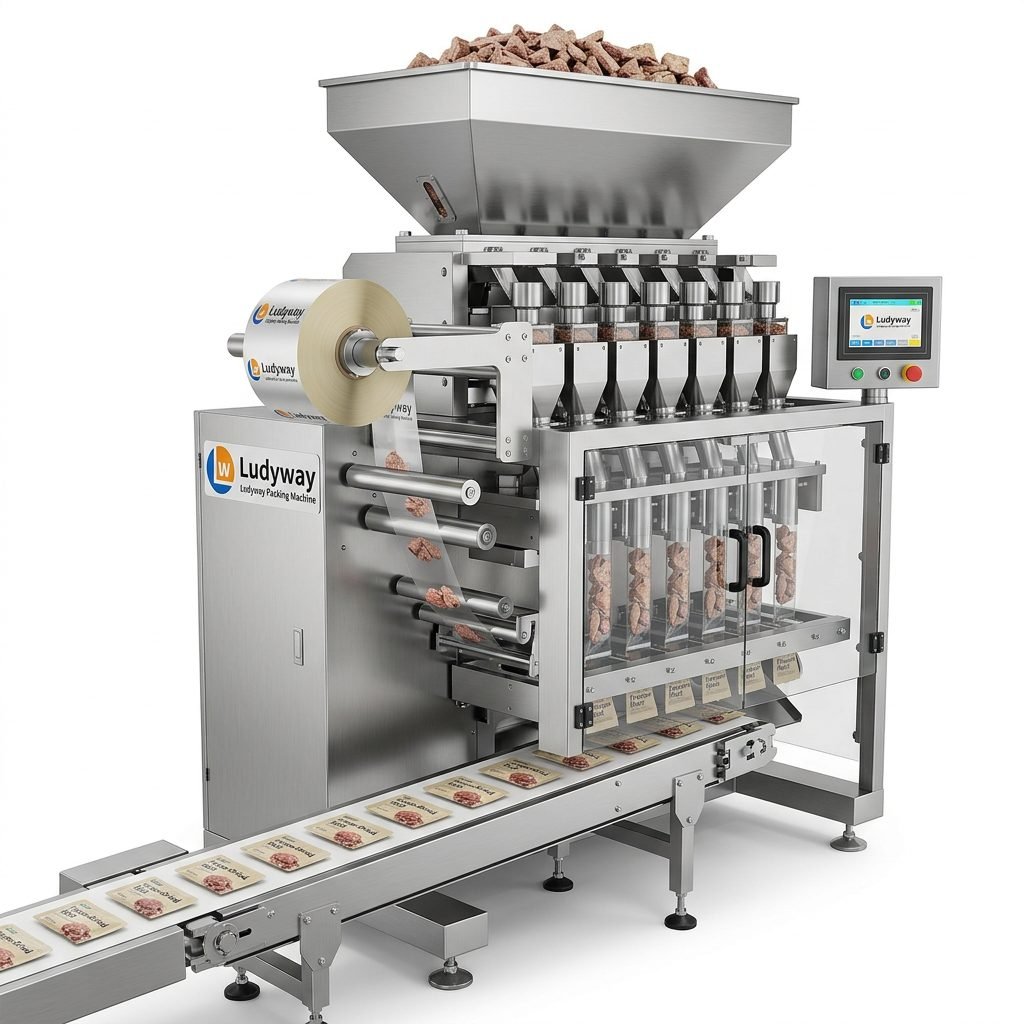
Modern multi-lane stick pack machines enable simultaneous filling across 4 to 16 lanes, dramatically increasing throughput without proportional increases in floor space or operator requirements. This technology proves especially valuable for seasoning powders, bouillon cubes, and chicken stock sachets — products experiencing strong growth across Southeast Asian convenience stores and food service channels.
Modified Atmosphere Packaging (MAP) Integration
For fresh and cooked chicken products, MAP technology extends shelf life by replacing oxygen with nitrogen or carbon dioxide blends. Integrated MAP systems within pouch packaging systems help processors meet the demanding freshness expectations of markets like Singapore and Malaysia, where consumers prioritize product quality and food safety certifications.
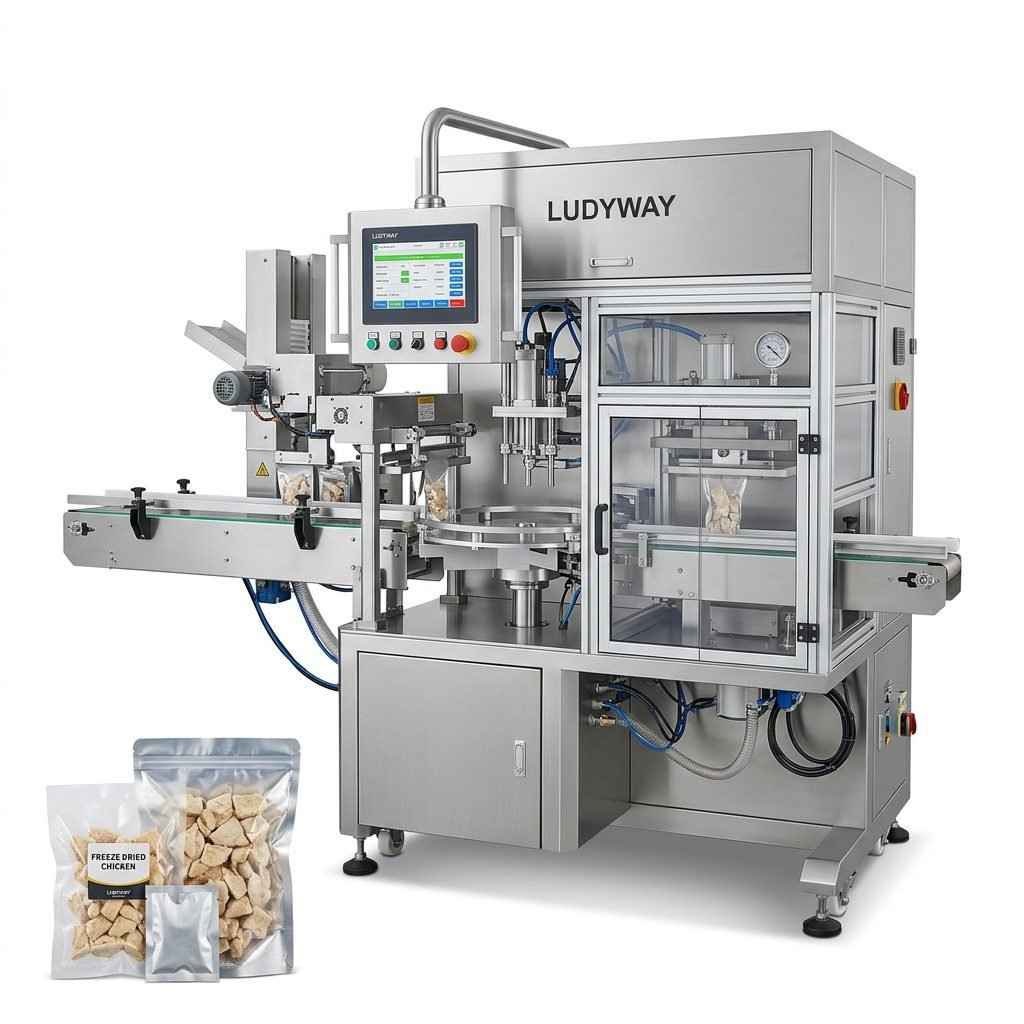
Comparative Advantage: Ludyway vs. Industry Standards
The following table highlights how specialized chicken packaging solutions compare against general-purpose equipment commonly found in the market. Purpose-built systems consistently outperform in critical areas that directly affect product quality and operational costs.
| Feature | Specialized Chicken Packaging Machine | General-Purpose Equipment |
|---|---|---|
| Product Changeover Time | 15-30 minutes with tool-less adjustment | 45-90 minutes, often requiring specialized tools |
| Contamination Risk | Fully sealed stainless steel construction, IP65+ rated | Open-frame design, harder to sanitize between batches |
| Sealing Integrity | Multi-zone temperature control with real-time monitoring | Single-zone heating, inconsistent seal quality |
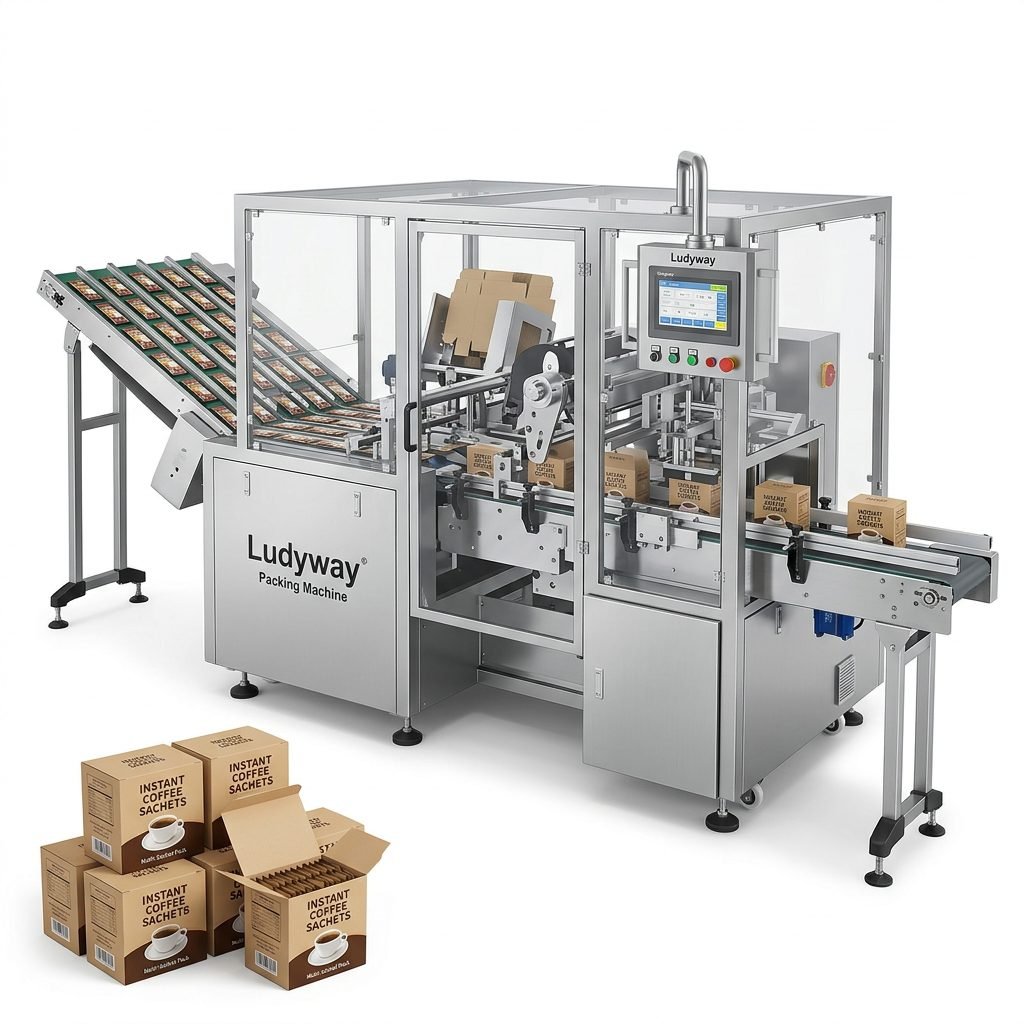
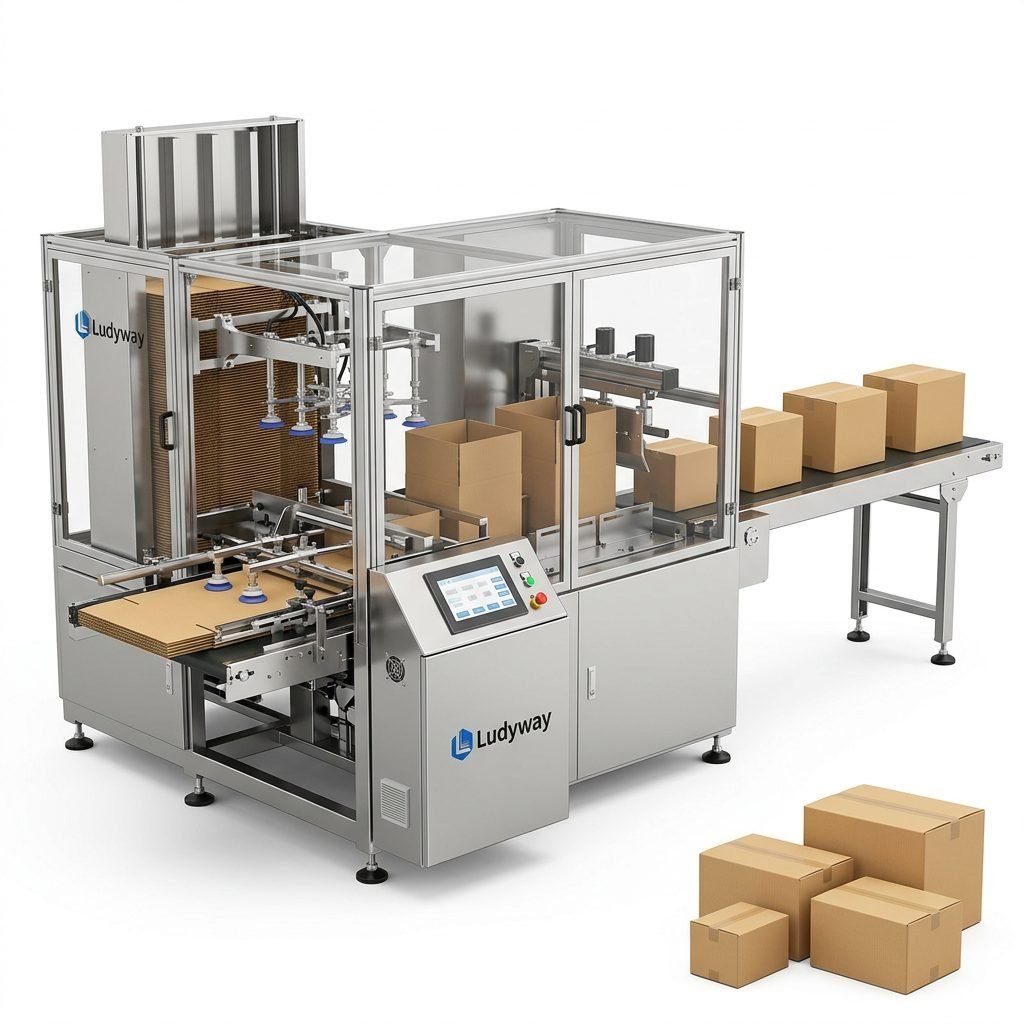
| Automation Level | Full-line integration from filling to cartoning | Standalone operation, manual transfer between stages |
| Film Waste Rate | Below 2% with precision servo-driven systems | 3-7% waste, higher operating costs over time |
Regional Compliance and Certification
Southeast Asian markets maintain increasingly stringent food safety regulations. Thailand’s FDA enforces strict packaging material standards, while Vietnam’s Decree 15/2018/ND-CP mandates traceability across processing chains. Equipment complying with FDA food contact substance guidelines and ISO packaging standards provides exporters with documentation that accelerates market entry and regulatory approval cycles.
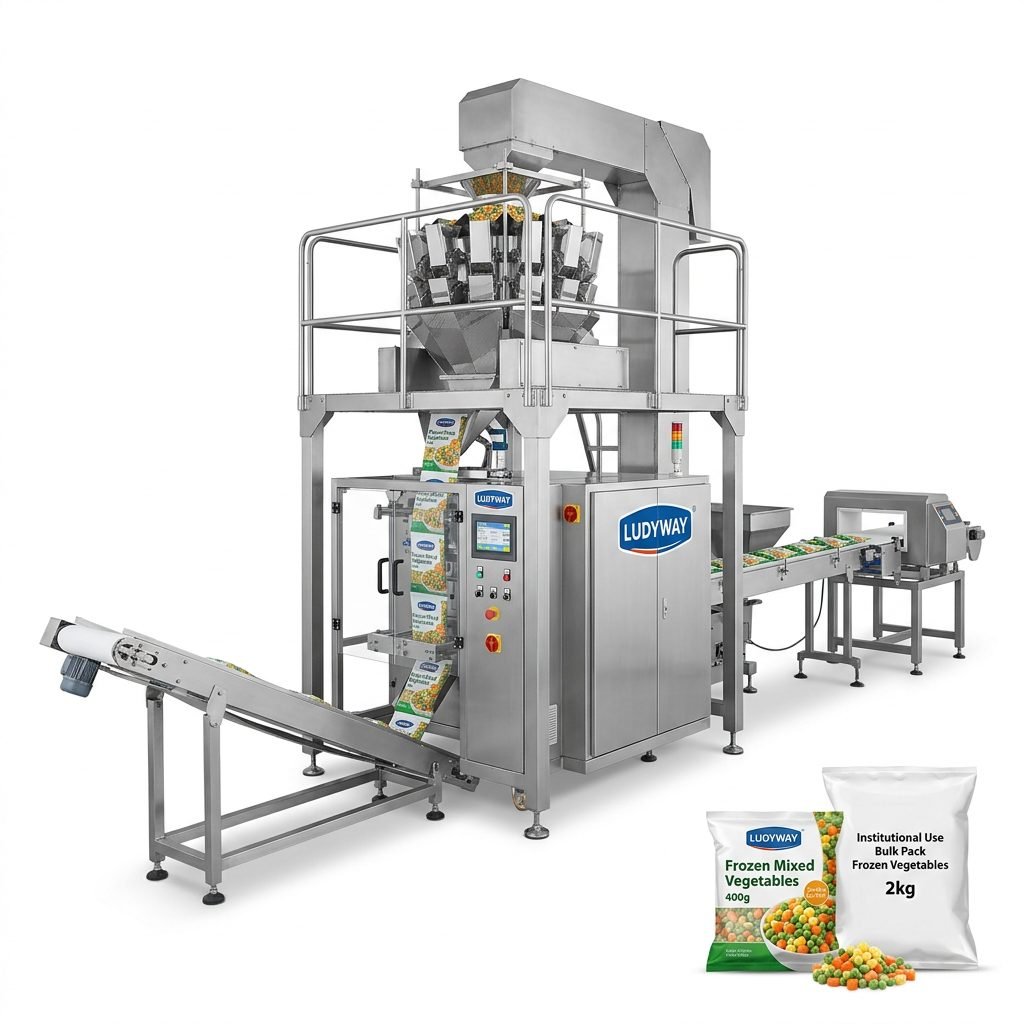
Application Versatility Across Chicken Product Categories
Chicken packaging machines from Ludyway serve diverse product categories throughout Southeast Asia’s poultry value chain. Each application demands specific configurations optimized for product characteristics and distribution requirements.
Frozen Chicken Portions and Cuts
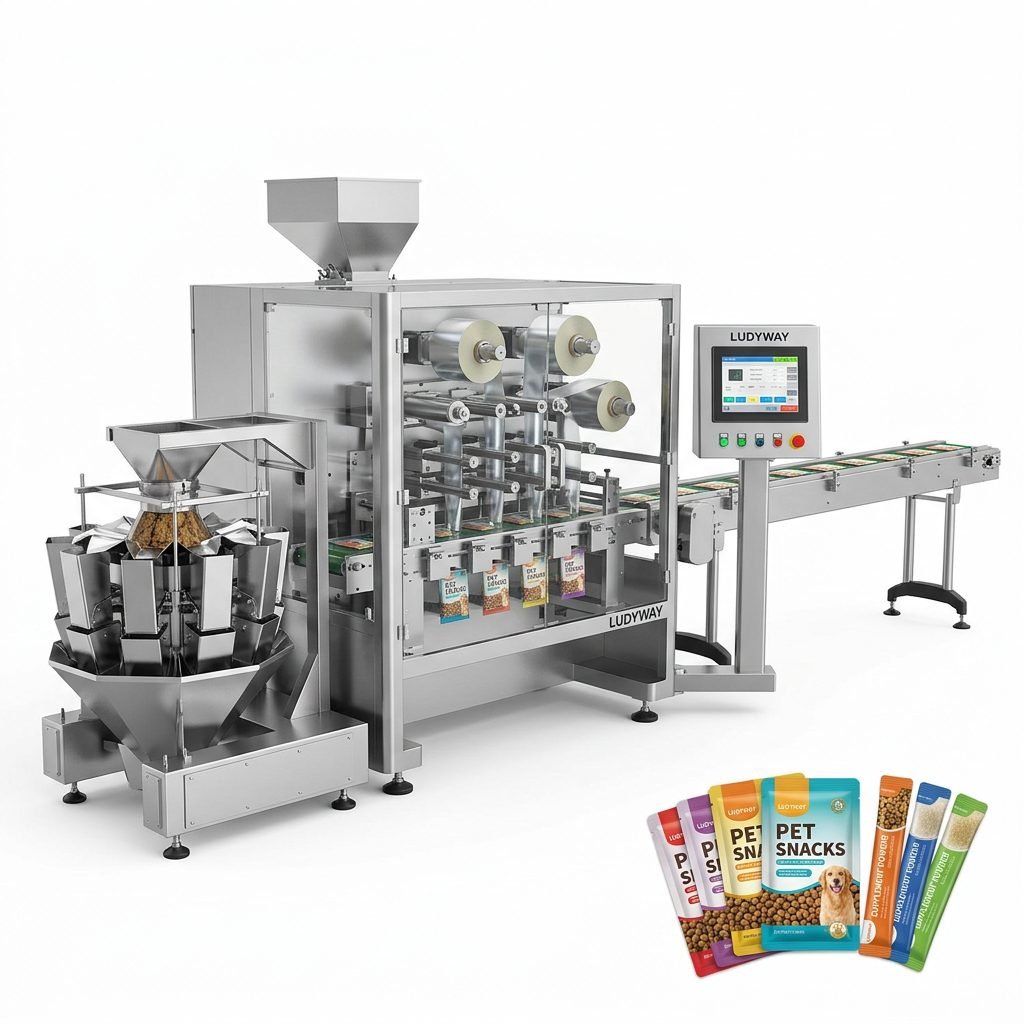
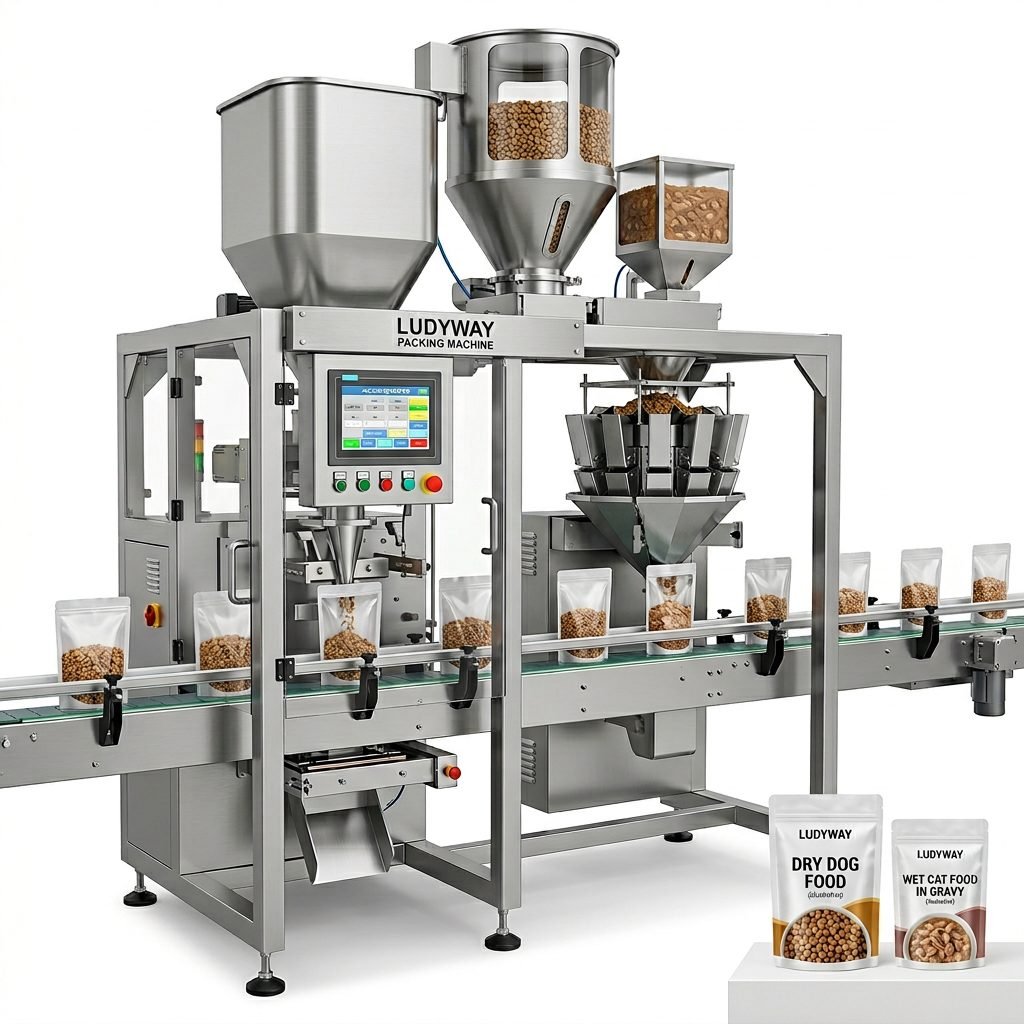
Bulk frozen packaging lines equipped with multi-head weighers and nitrogen flushing maintain product integrity during extended cold storage and inter-island shipping common in archipelagos like Indonesia and the Philippines. Automated weighing systems ensure consistent portion control for both B2B food service and retail channels.
Ready-to-Eat Chicken Snacks
The explosive growth of convenience store chains across Thailand, Vietnam, and Malaysia has created massive demand for individually wrapped chicken jerky, crispy chicken skin, and seasoned chicken strips. Multi-lane stick pack and sachet formats dominate this segment, with 6-lane and 8-lane configurations delivering optimal throughput for mid-size processors.
Chicken Powder and Seasoning Products
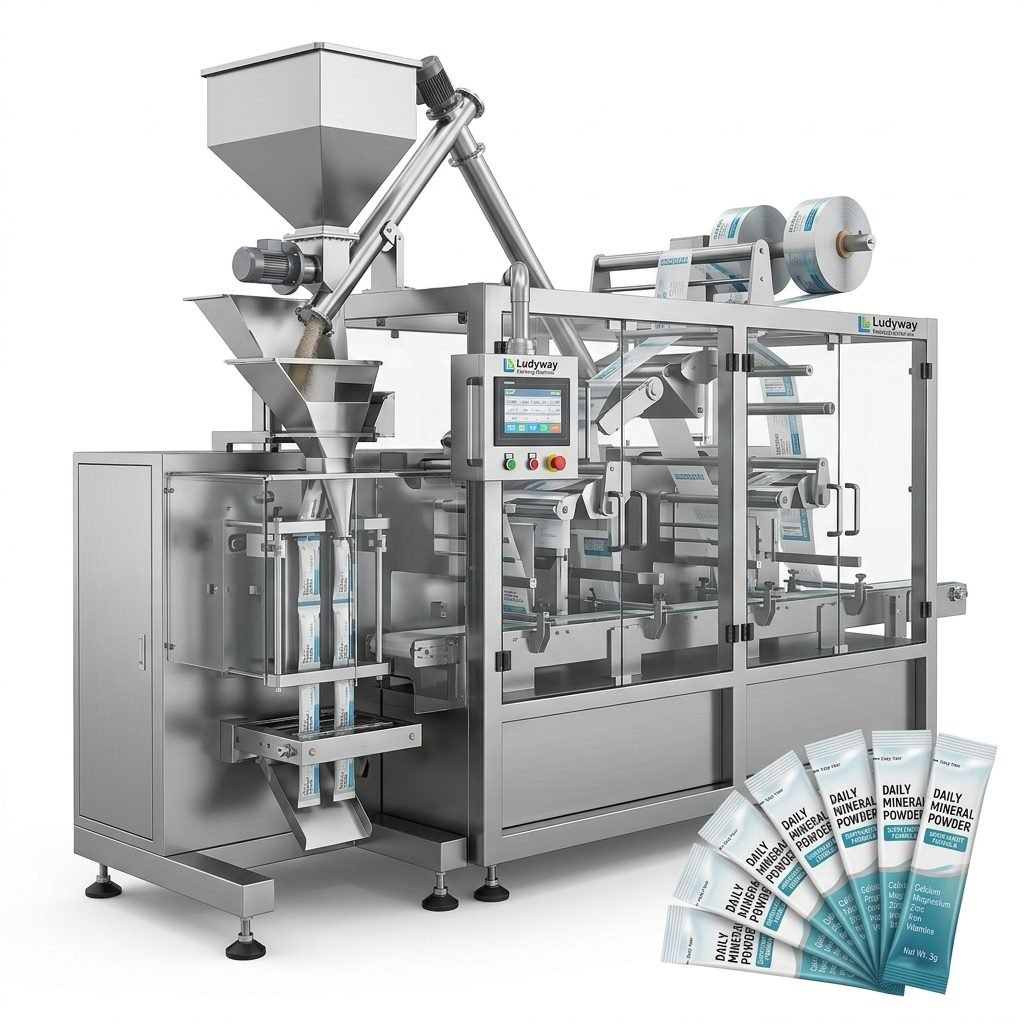
Chicken bouillon, stock powder, and seasoning mixes require ultra-hygienic powder filling systems with precision auger dosing. These products — staples in Southeast Asian kitchens — demand packaging that prevents moisture absorption in humid tropical climates. Vertical form-fill-seal technology with automatic filling and sealing machines ensures hermetic seals that maintain product freshness for 12+ months.
Operational Benefits for Southeast Asian Processors
Investing in dedicated chicken packaging machinery delivers measurable operational improvements across key performance indicators. Processors consistently report significant gains in the following areas:
- Reduced Labor Dependency — automated systems reduce manual handling by up to 70%, addressing labor shortages prevalent in Malaysia and Thailand’s manufacturing sectors
- Lower Product Giveaway — precision weighing technology minimizes overfill, saving 1-3 grams per pack which compounds to tons of product annually
- Extended Production Uptime — robust mechanical design with quick-change forming tubes enables continuous production across multiple shifts
- Simplified Compliance Documentation — integrated data logging supports HACCP record-keeping and export certification requirements
Technical Specifications That Matter
Beyond marketing claims, verifiable technical specifications determine real-world performance. When comparing chicken packaging equipment, focus on measurable parameters rather than generalized descriptions.
| Specification | Standard Range | Premium Range |
|---|---|---|
| Film Width Compatibility | 80-320mm | 60-420mm with quick-change rollers |
| Pack Length Range | 50-180mm | 30-240mm programmable via HMI |
| Production Speed (per lane) | 40-60 packs/min | 60-120 packs/min with servo control |
| Sealing Temperature Control | Single-zone, ±5°C tolerance | Multi-zone PID, ±1°C tolerance |
| Frame Construction | 304 Stainless Steel | 316L Stainless Steel with electropolished finish |
Service and Support Infrastructure
A critical but often overlooked factor in packaging machinery selection is the availability of local technical support. Southeast Asia’s diverse geography — spanning thousands of islands and multiple time zones — makes responsive after-sales service essential. Key considerations include remote diagnostics capability, readily available spare parts inventory in regional hubs, and multilingual technical documentation supporting operators across Thailand, Vietnam, Indonesia, and neighboring markets.
Industry resources such as the PMMI Business Intelligence reports and Flexible Packaging Association data consistently highlight service infrastructure as a primary determinant of long-term equipment satisfaction among food processors globally.
Sustainability and Material Efficiency
Modern chicken packaging operations increasingly prioritize sustainable practices alongside productivity. Efficient machines minimize film waste through precise servo-driven film advance systems and optimized pouch dimensions. Additionally, compatibility with recyclable mono-material films and bio-based packaging substrates positions processors to meet evolving retailer sustainability requirements and consumer preferences across environmentally conscious markets.
For detailed guidance on packaging sustainability standards, refer to the European Commission’s packaging waste regulations and EPA sustainable materials management frameworks, which increasingly influence packaging specifications across global supply chains.
Future-Proofing Your Packaging Investment
Selecting a chicken packaging machine represents a strategic investment that should support business growth for 7-10 years or longer. Modular machine architectures allow processors to add lanes, upgrade dosing systems, or integrate new automation modules as production requirements evolve. Forward-looking features such as IoT connectivity, predictive maintenance algorithms, and OEE monitoring dashboards provide the data foundation for continuous improvement initiatives.
As Southeast Asia’s poultry industry continues its trajectory of modernization and capacity expansion, packaging automation remains a cornerstone of competitiveness. Processors who invest wisely in specialized equipment position themselves to capture growing domestic demand while meeting the exacting standards of international export markets.