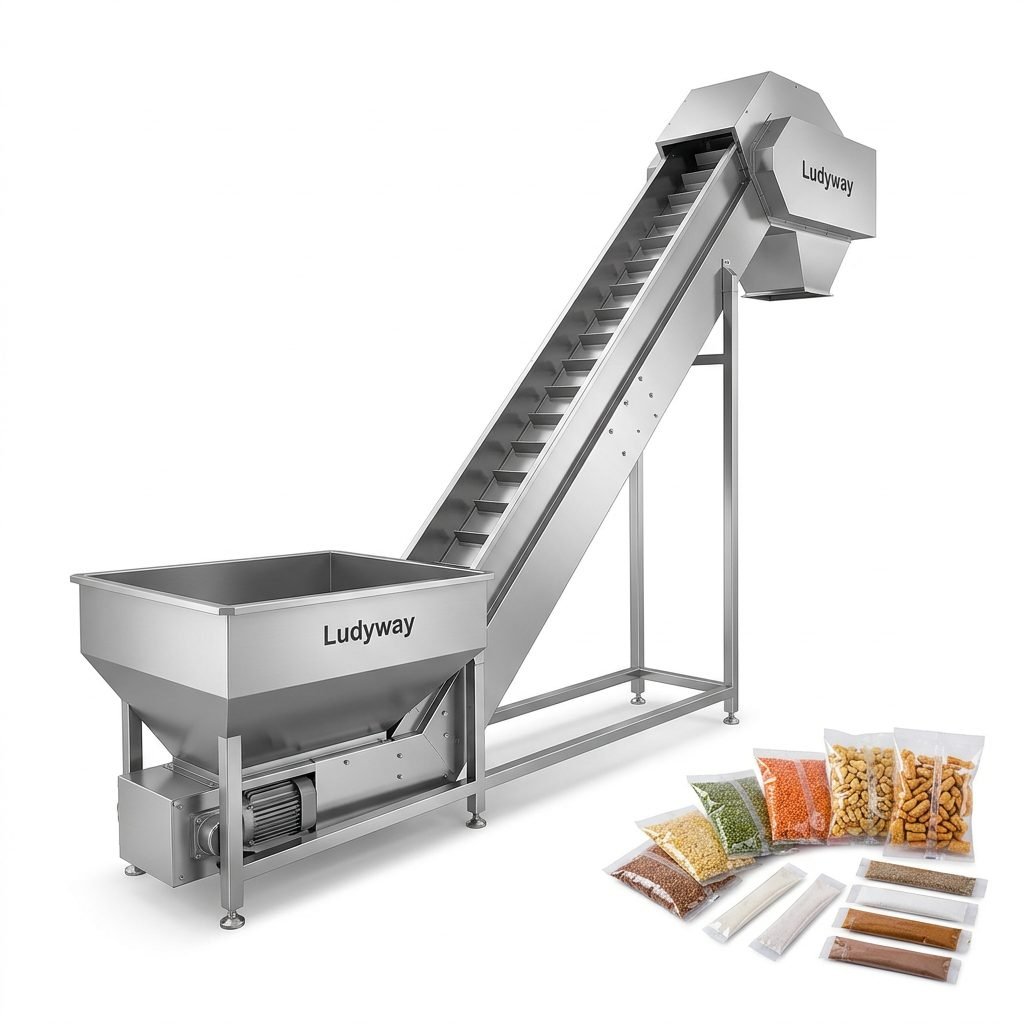
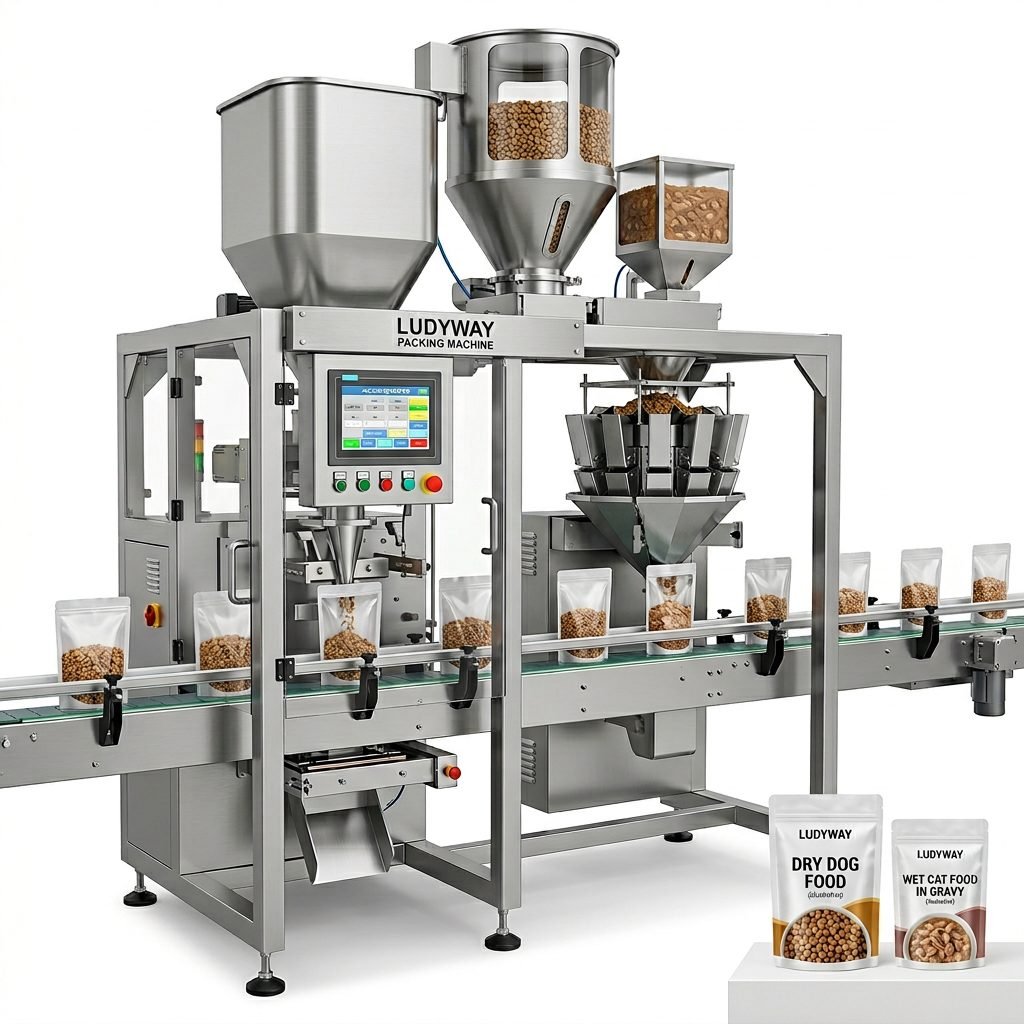
In today’s competitive manufacturing landscape, achieving optimal efficiency while controlling operational costs is paramount. For businesses involved in packaging food, pharmaceuticals, health supplements, and daily chemicals, the integration of automatic packing and packaging machinery stands as a transformative solution. These advanced systems are engineered to streamline production workflows, minimize waste, and ensure consistent, high-quality output, directly contributing to significant cost savings and enhanced market competitiveness.
The Core Advantages of Automated Packaging Solutions
Transitioning from manual or semi-automated processes to fully automated packaging lines offers a multitude of benefits that extend far beyond simple speed.
Unmatched Production Efficiency and Speed
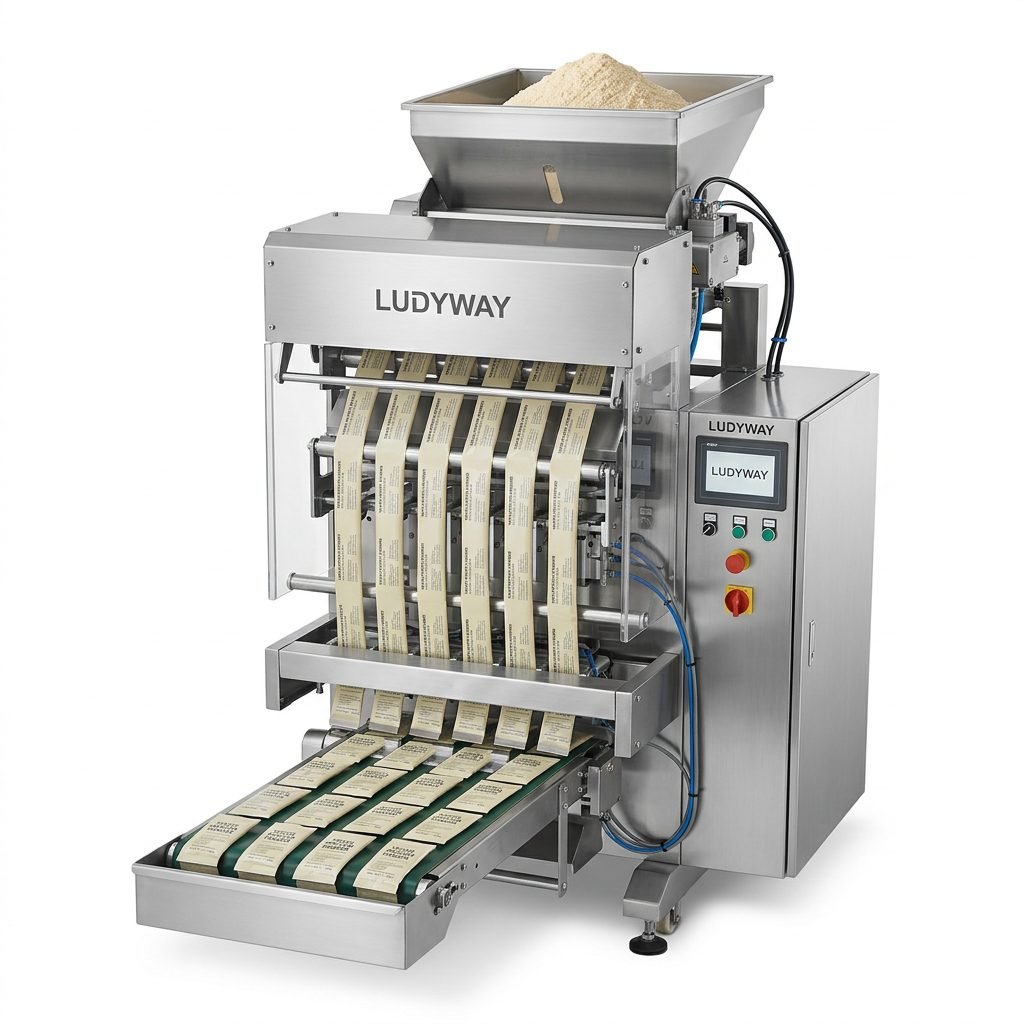
Automatic machinery operates continuously at high speeds, dramatically increasing output compared to manual labor. Systems like multi-lane stick pack machines or high-speed sachet fillers can handle thousands of units per hour, ensuring production targets are met with ease and scalability for future growth.
Precision and Consistency in Every Package
Human error in measuring, filling, and sealing is virtually eliminated. Automated dispensers and controls guarantee exact fill weights and precise seal integrity for every single packet, pouch, or stick. This consistency is non-negotiable in industries like pharmaceuticals, where dosage accuracy is critical, and in food, where it impacts both customer satisfaction and regulatory compliance.
Substantial Reduction in Operational Costs
While the initial investment is a consideration, the long-term return on investment (ROI) is compelling. Automation reduces direct labor costs, minimizes material waste from overfilling or errors, and lowers costs associated with product recalls due to packaging defects. Furthermore, efficient machines consume less energy per unit produced, adding another layer of savings.
Enhanced Safety and Hygiene
Automated systems minimize direct human contact with the product. This is a crucial advantage in food and pharmaceutical packaging, where maintaining sterile conditions and preventing contamination are top priorities. It also creates a safer work environment by reducing repetitive strain injuries and accidents associated with manual packaging lines.
Key Machinery for a Streamlined Production Line
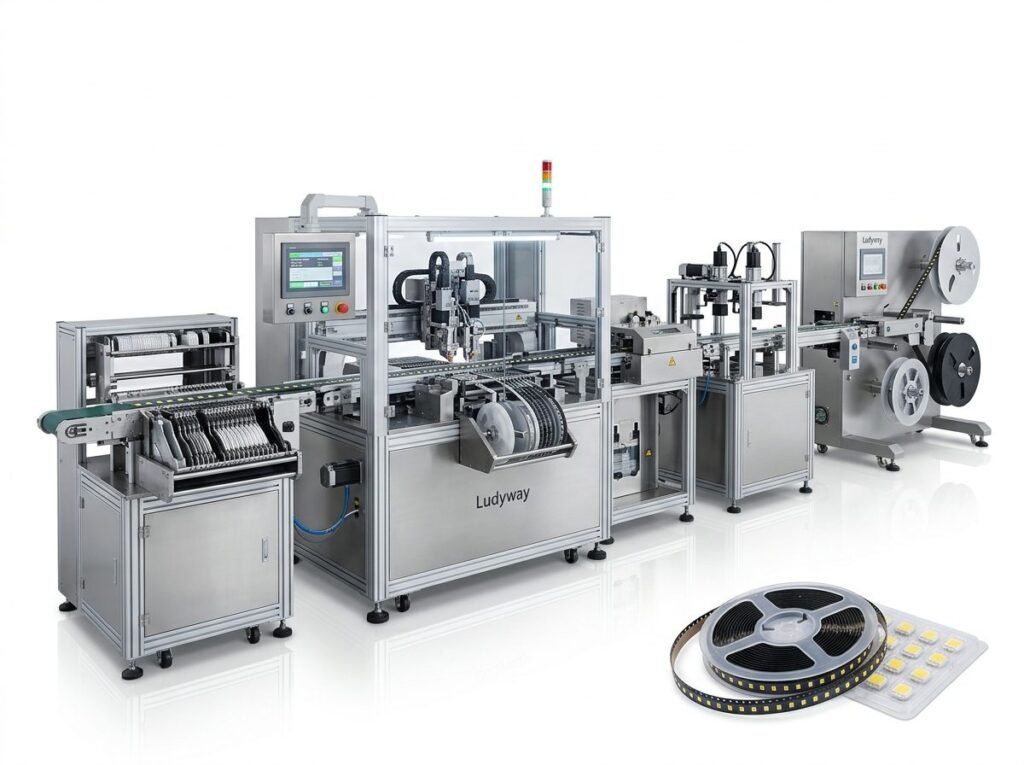
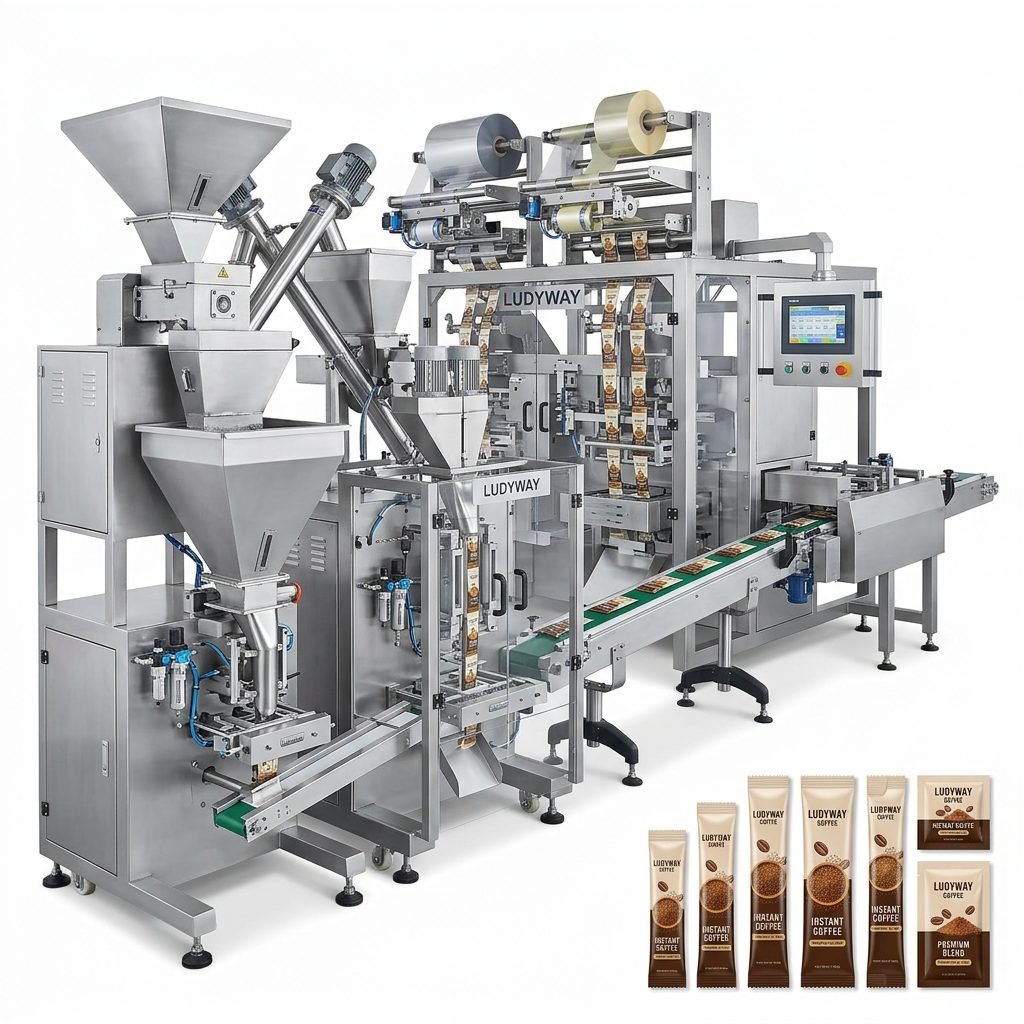
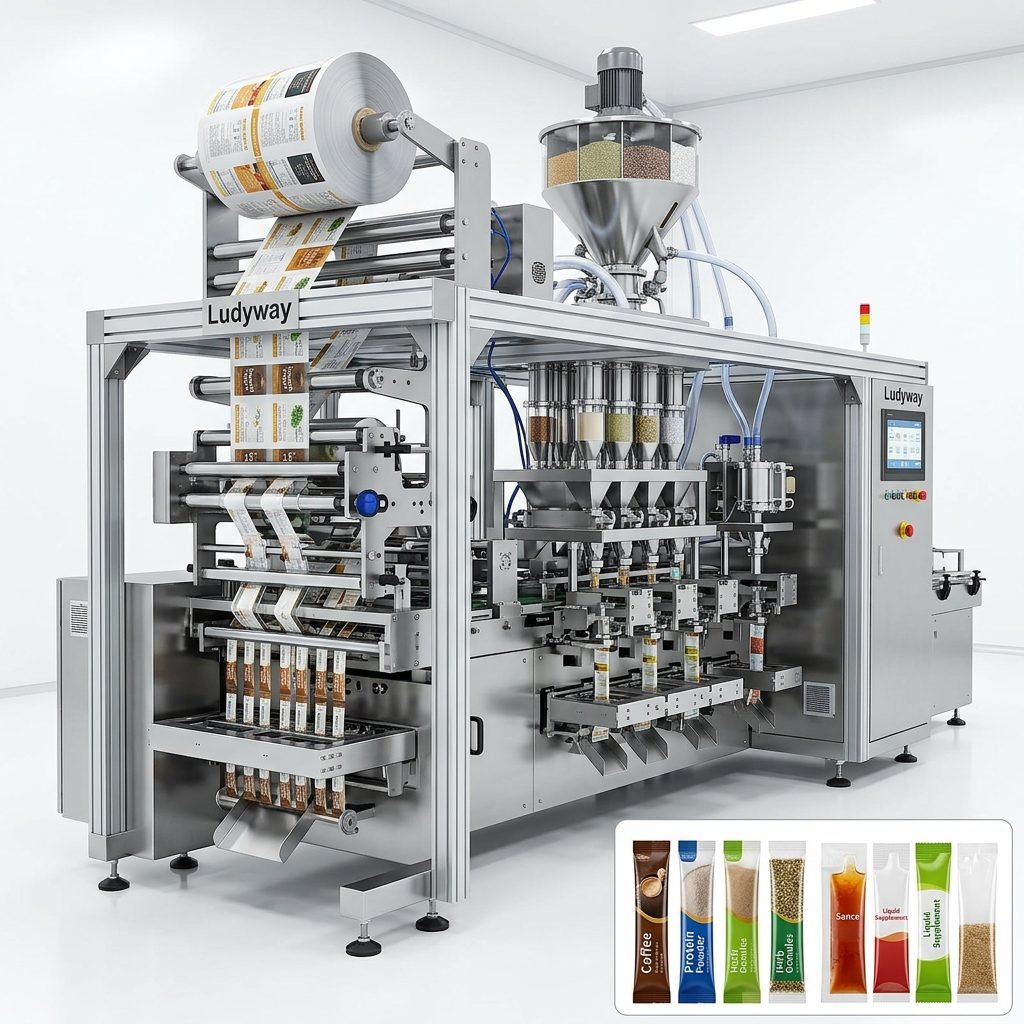
A complete automated solution often involves the integration of several specialized machines. Leading providers like Ludyway Machinery offer a comprehensive portfolio to build a turnkey line.
Vertical Form-Fill-Seal (VFFS) Machines
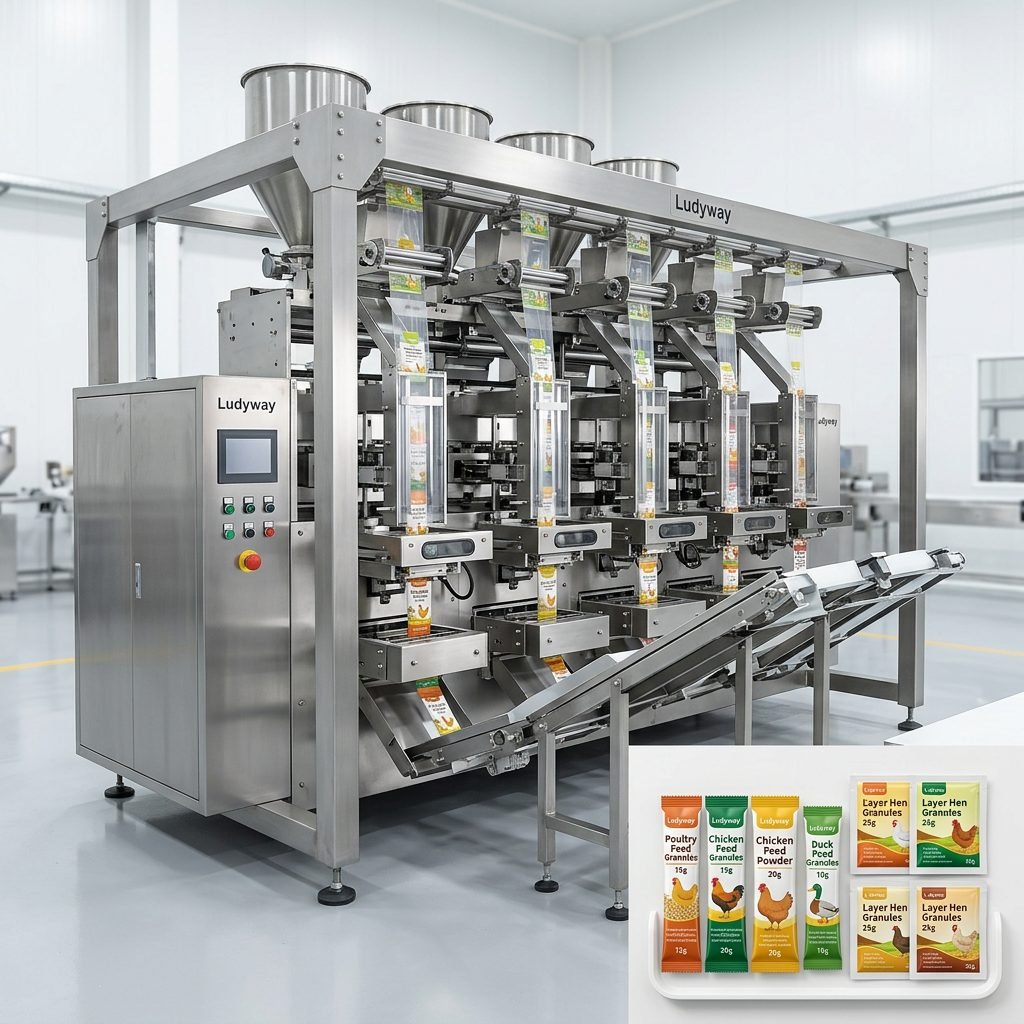
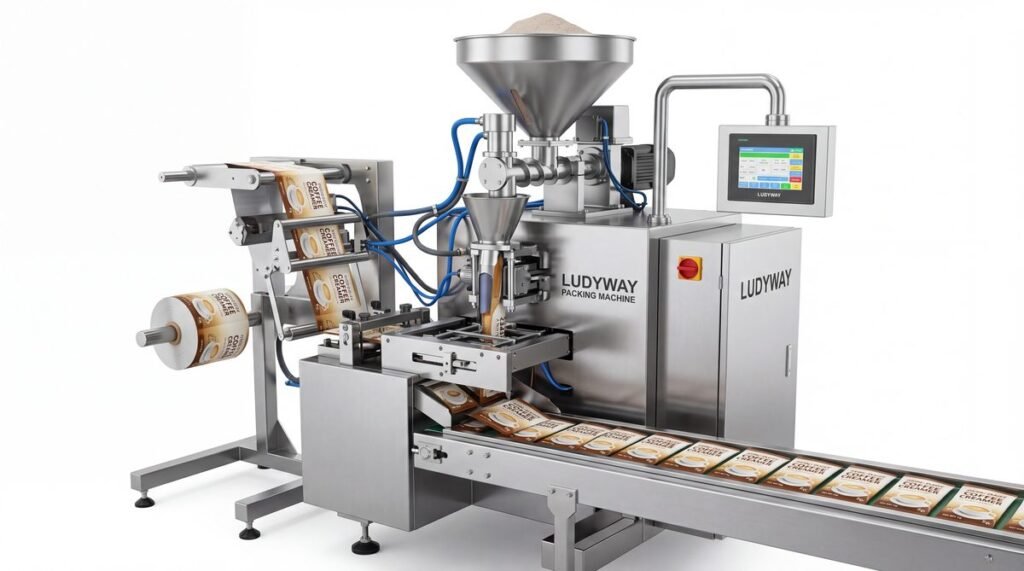
The workhorse of flexible packaging. These machines form a roll of film into a bag, precisely fill it with product—be it granules, powders, or liquids—and then seal it, all in one continuous operation. They are incredibly versatile for creating various pouch styles and sizes.
Multi-Lane Stick Pack and Sachet Machines
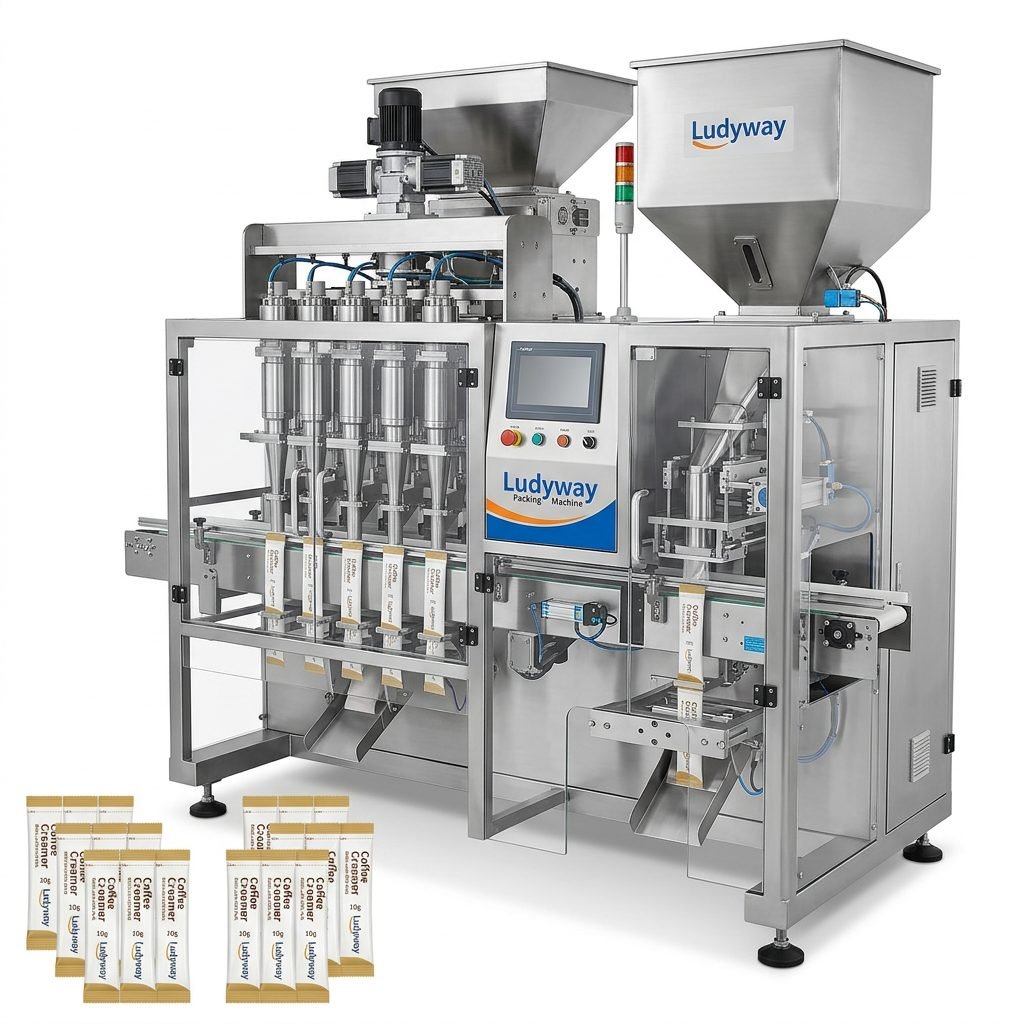
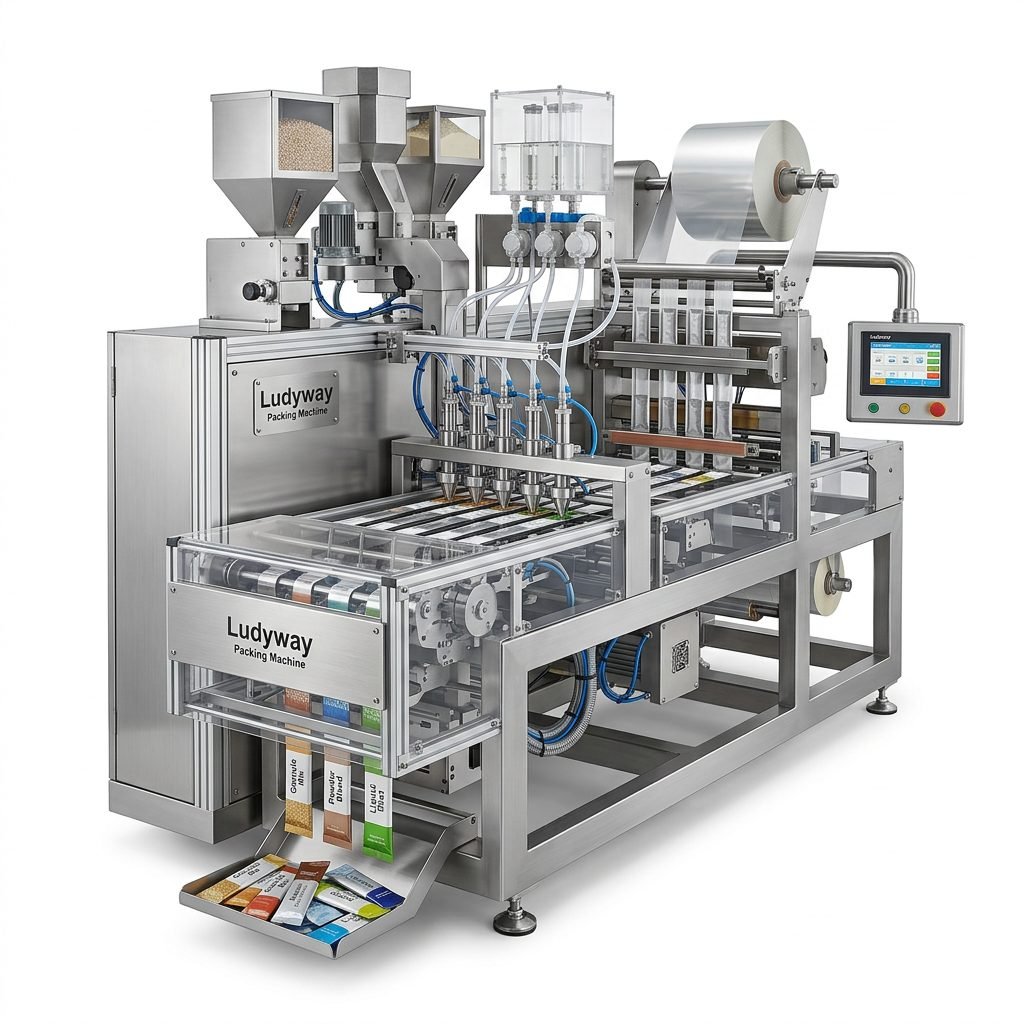
Designed for high-volume output of small, unit-dose packages. These machines operate multiple lanes simultaneously, filling and sealing products like instant drink mixes, pharmaceutical powders, or condiments into sleek stick packs or sachets with exceptional efficiency.
Automatic Cartoning Machines
After primary packaging into pouches or sticks, these systems automatically erect cartons, insert the primary packages along with leaflets, and close the cartons, ready for secondary packaging and shipping.
Integrated Weighing and Filling Systems
For granular or powdered products, these systems use multi-head weighers or auger fillers to achieve breathtaking speed and accuracy, ensuring every package meets the exact declared weight, which is essential for legal compliance and cost control.
Implementing Your Automated Packaging Solution
Successful implementation requires careful planning and partnership with a reliable supplier.
1. Needs Analysis and Customization
The first step is a thorough analysis of your product characteristics (flowability, abrasiveness), required output speed, package type, and factory floor space. A professional partner will then recommend a customized solution, not just an off-the-shelf machine, to perfectly match your unique production requirements.
2. Focus on Integration and Support
The true power of automation is realized when machines work together seamlessly. Look for suppliers who provide complete line integration, ensuring conveyors, fillers, and sealers communicate flawlessly. Post-installation, robust technical support, readily available spare parts, and operator training are critical for maximizing uptime and productivity. Companies with decades of experience, like those behind the Ludyway brand, bring invaluable expertise to this process.
💡 Maximizing Your Investment
To ensure the best results from your new automated line, consider these points:
- Future-Proofing: Choose machinery that can handle a range of package sizes or be easily retooled for future product lines.
- Data Connectivity: Opt for machines with IoT capabilities to monitor production data, predict maintenance needs, and optimize performance in real-time.
- Supplier Partnership: Your machinery provider should act as a long-term partner, offering continuous support and updates to keep your line at peak performance.
Conclusion: A Strategic Move Towards Growth
Investing in automatic packing and packaging machinery is not merely a purchase of equipment; it is a strategic decision to future-proof your manufacturing operations. The direct benefits of efficient production and tangible cost savings are amplified by improved product quality, enhanced safety, and greater operational flexibility. In a global market where efficiency and reliability define success, automated packaging solutions provide the robust foundation necessary for sustainable growth and competitiveness.
Frequently Asked Questions (FAQs)
1. What is the typical payback period for an automated packaging line?
The payback period varies based on the line’s complexity, output gains, and labor cost savings. For many businesses, a well-planned automated line can achieve ROI within 12 to 24 months through increased output, reduced waste, and lower labor costs.
2. Can automated machinery handle different package sizes and products?
Yes, modern machines are designed for flexibility. Many models feature quick-change parts and programmable settings, allowing for relatively fast changeovers between different package formats, sizes, and even product types (e.g., from granules to coarse powders).
3. How do I ensure the machine is hygienic for food or pharmaceutical use?
Look for machines constructed with food-grade stainless steel (e.g., SS304 or SS316), with smooth, crevice-free surfaces. Features like CIP (Clean-in-Place) systems, easy-access panels for cleaning, and compliance with industry standards like GMP are essential for these sensitive sectors. Reputable suppliers specialize in building machines for these stringent environments.
4. What kind of technical support can I expect after purchase?
A reliable supplier should offer comprehensive support, including on-site installation and commissioning, detailed operator and maintenance training, a warranty period, access to genuine spare parts, and remote or on-call technical assistance to minimize downtime.
5. Is automation only suitable for large-scale manufacturers?
Not at all. While large lines exist, there is a wide range of compact, semi-automatic, and modular automatic machines designed for small to medium-sized enterprises (SMEs). These allow smaller producers to automate specific, labor-intensive tasks, boosting their capacity and quality without the footprint of a full-scale line.