The European cheese industry is a powerhouse of tradition and innovation. With over 10 million tonnes of cheese produced annually across the EU, the demand for efficient, automated, and hygienic packaging has never been greater. Setting up a turnkey packaging solution for dairy products in Europe involves navigating complex regulations, integrating high-speed machinery, and optimizing for varied cheese formats. This guide provides a step-by-step roadmap to establishing a successful cheese packaging machine production line in the European market.
1. Understanding the European Cheese Market and Packaging Demands
Before procuring equipment, it is critical to analyze the specific segments of the European cheese market. The packaging requirements differ significantly between fresh soft cheeses like mozzarella, hard aged cheeses like Parmigiano-Reggiano, and processed slices. Flexibility is key; a production line must handle multiple formats including wedge packs, shrink-wrap, flow-wrap, and modified atmosphere packaging (MAP). The shift towards sustainable and mono-material films is reshaping machine specifications across the continent.
- Fresh Cheese: Requires modified atmosphere packaging (MAP) with strict temperature control.
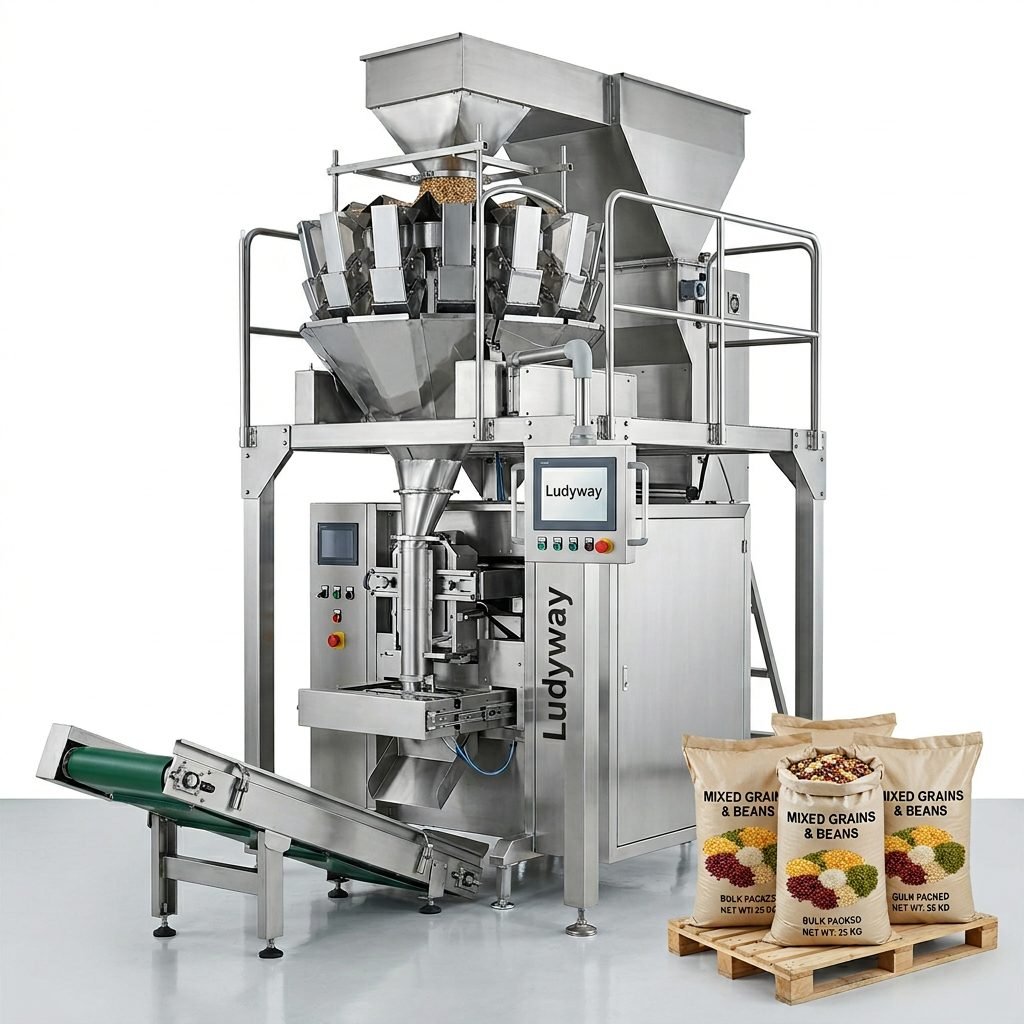
- Semi-Hard & Hard Cheese: Often demands multi-head weighers and vacuum sealing for precise portioning and long shelf life.
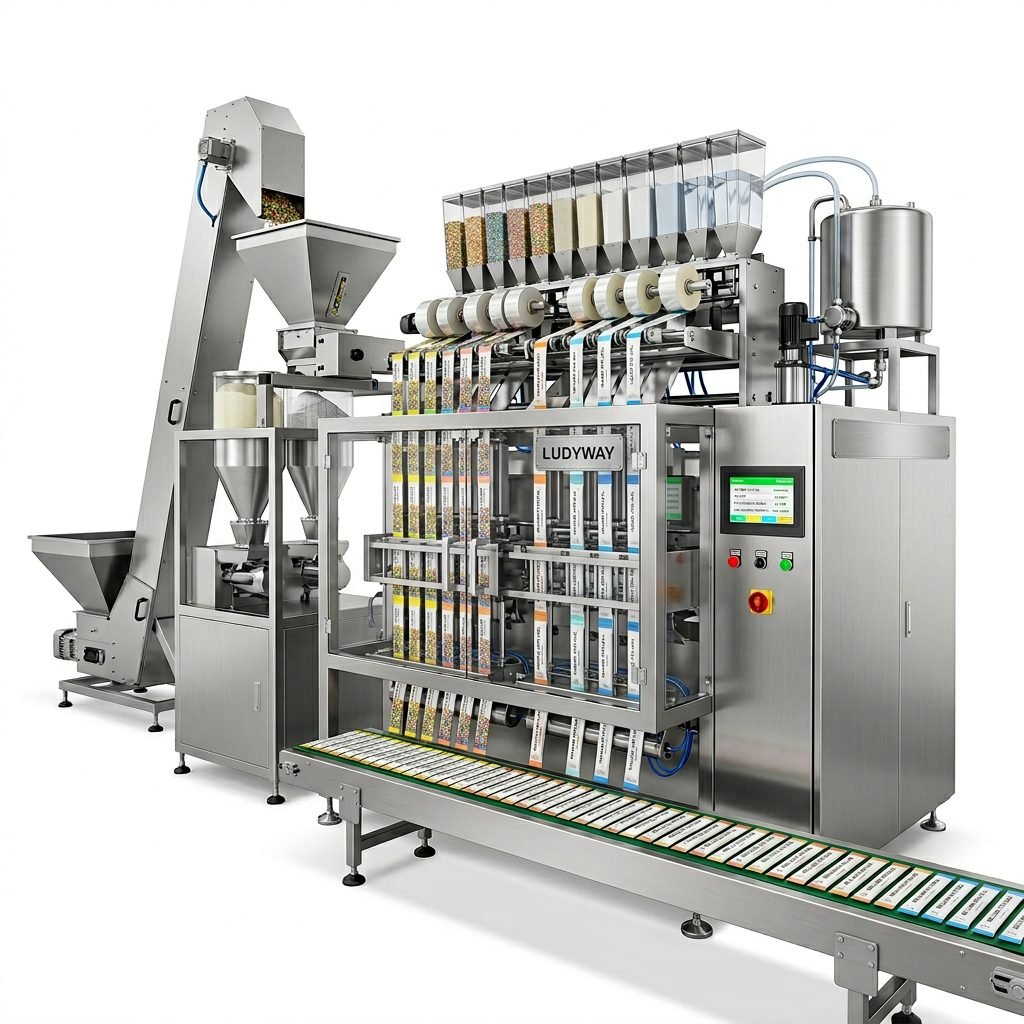
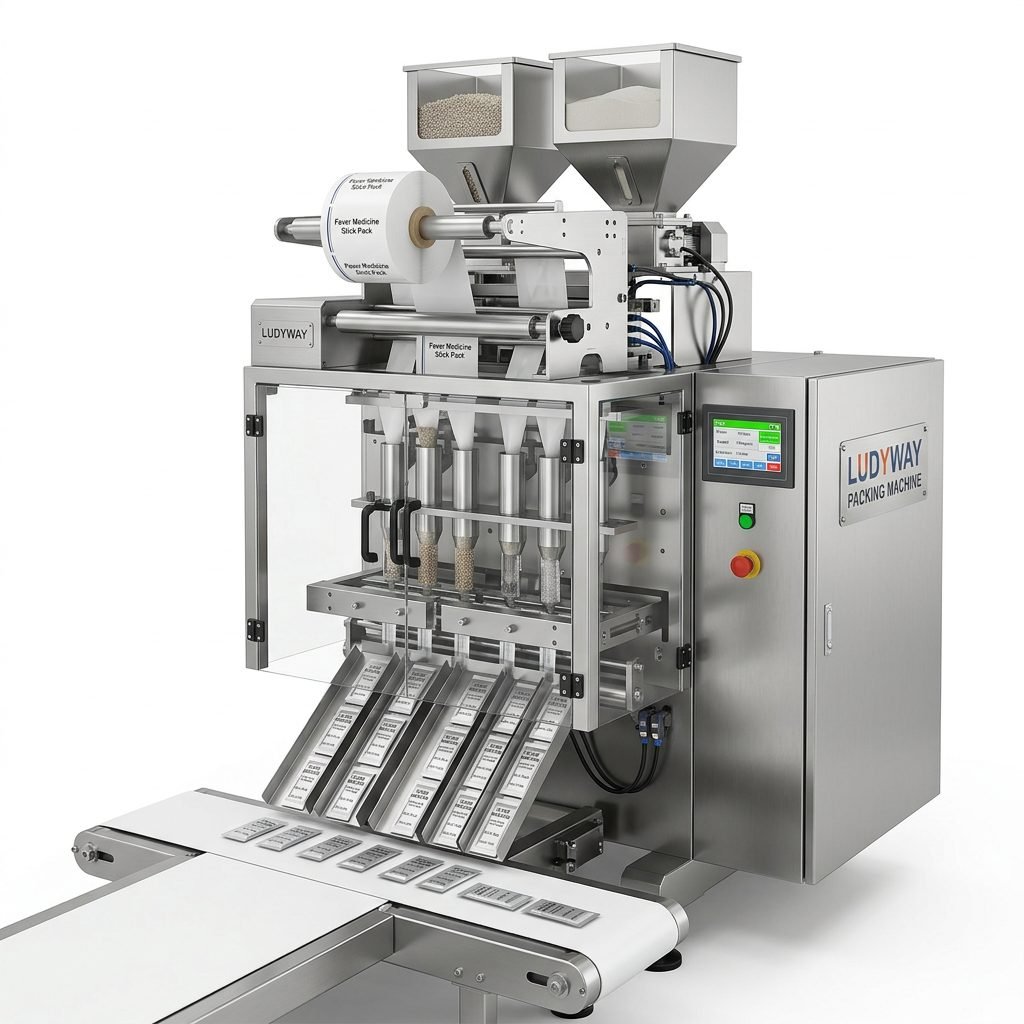
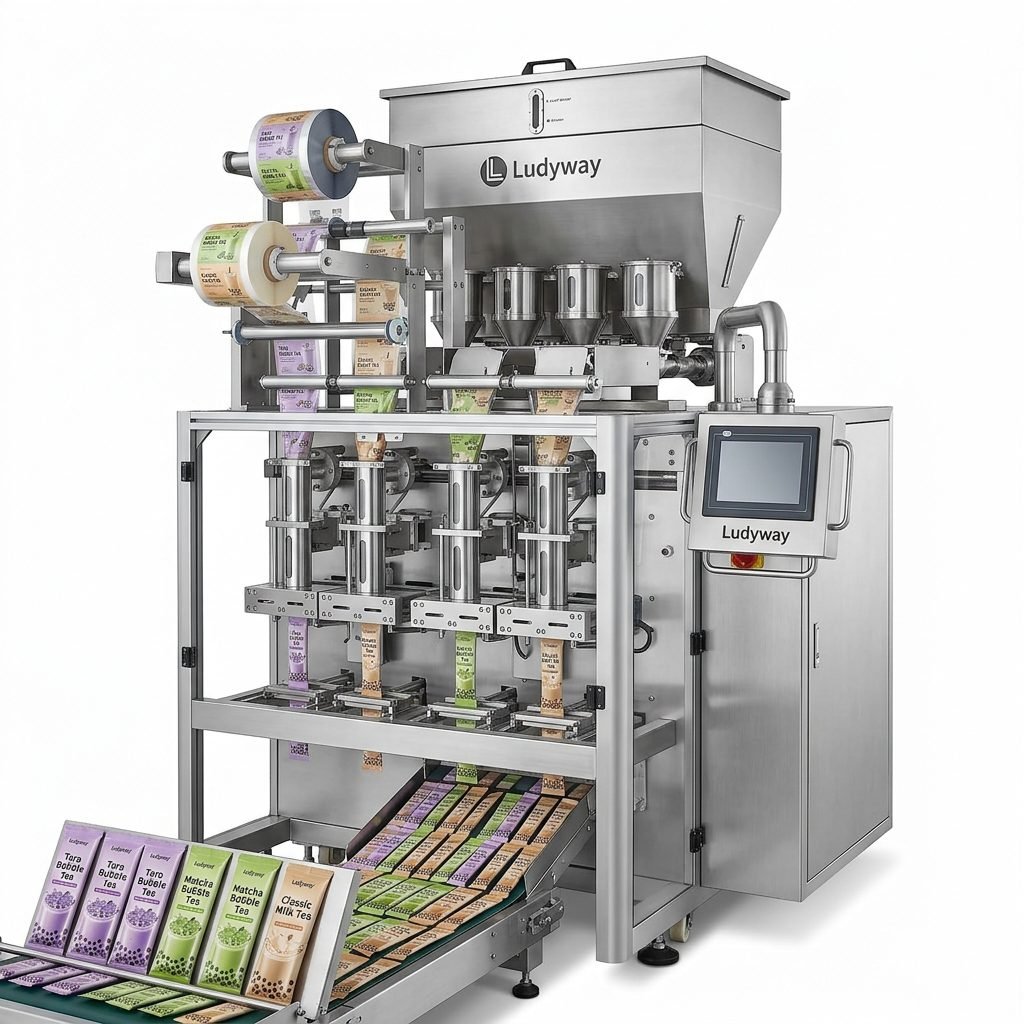
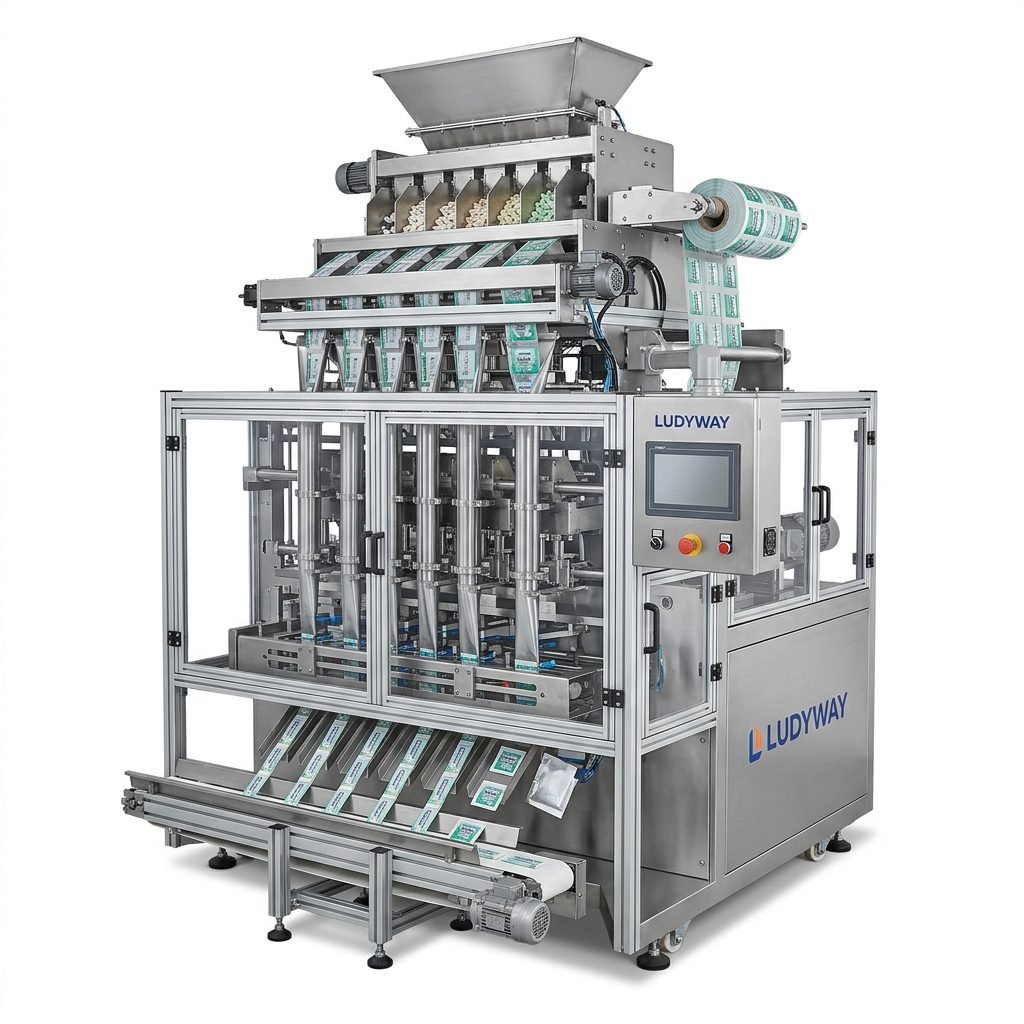
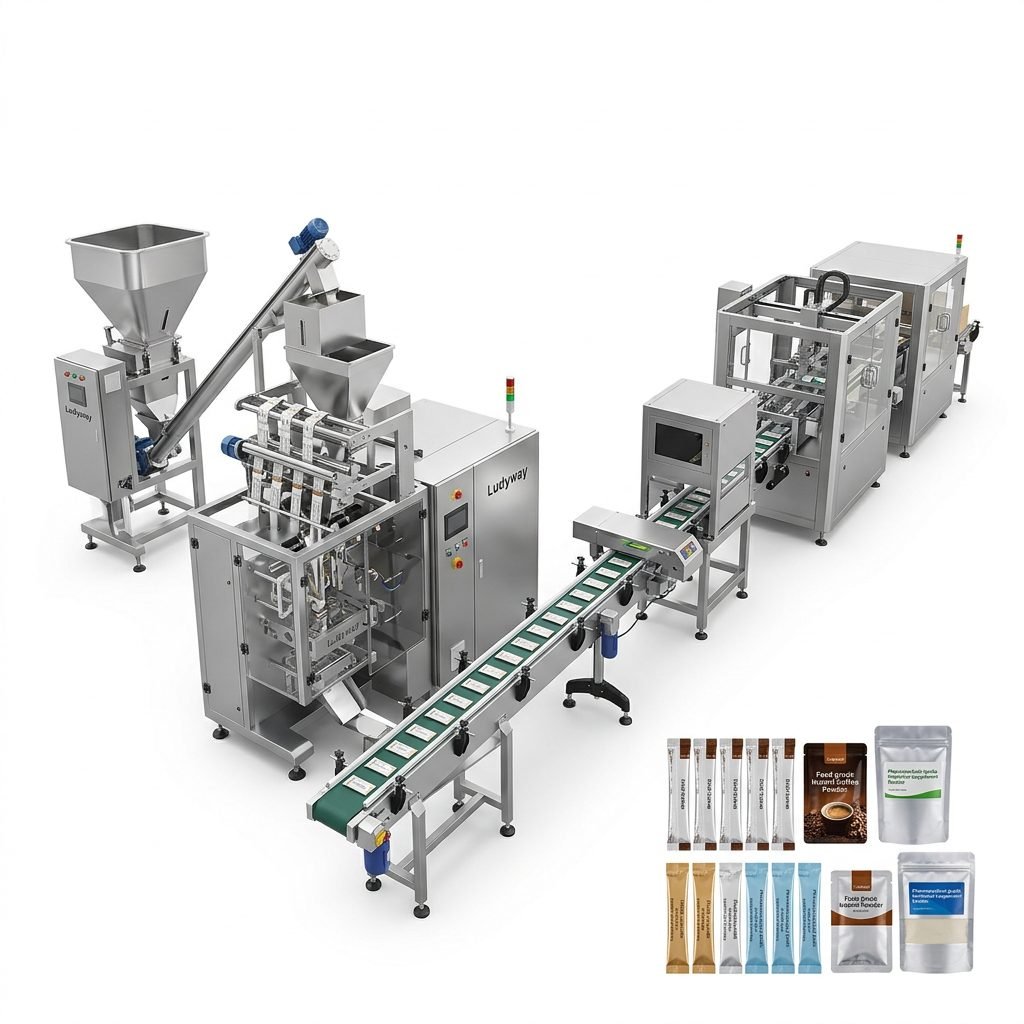
- Grated & Powdered Cheese: Necessitates high-speed multi-lane stick pack machines for single-serve convenience.
- Soft & Mold-Ripened Cheese: Requires gentle handling systems to prevent product damage during wrapping.
Key Market Drivers
The European consumer is increasingly focused on portion control, on-the-go snacking, and clean-label products. Consequently, stick packs and sachets are the fastest-growing segments for grated cheese and cheese powder applications. Your production line must be capable of achieving high speeds of 60-120 packs per minute per lane to meet retailer demand.
2. Navigating EU Regulatory Compliance and Standards
Europe has the most stringent food packaging regulations in the world. Your cheese packaging line must comply with EU Regulation (EC) No 1935/2004 on materials intended to come into contact with food. This covers everything from the stainless-steel surfaces of the machinery to the plastic films used for sealing. Additionally, machines must meet the essential health and safety requirements of the Machinery Directive 2006/42/EC and carry the CE marking.
Critical Hygiene Design Protocols
Cheese is a living product susceptible to contamination. Equipment must follow EHEDG (European Hygienic Engineering & Design Group) guidelines to ensure cleanability. Look for machines with:
| Design Feature | Importance for Cheese |
|---|---|
| Sloped surfaces & self-drain ports | Prevents whey and moisture pooling (bacterial growth risk) |
| IP65/IP67 rated electrics | Survives aggressive wash-down cycles required in dairy plants |
| Tool-free disassembly | Quick changeovers between different cheese types minimize downtime |
3. Selecting the Right Packaging Technology
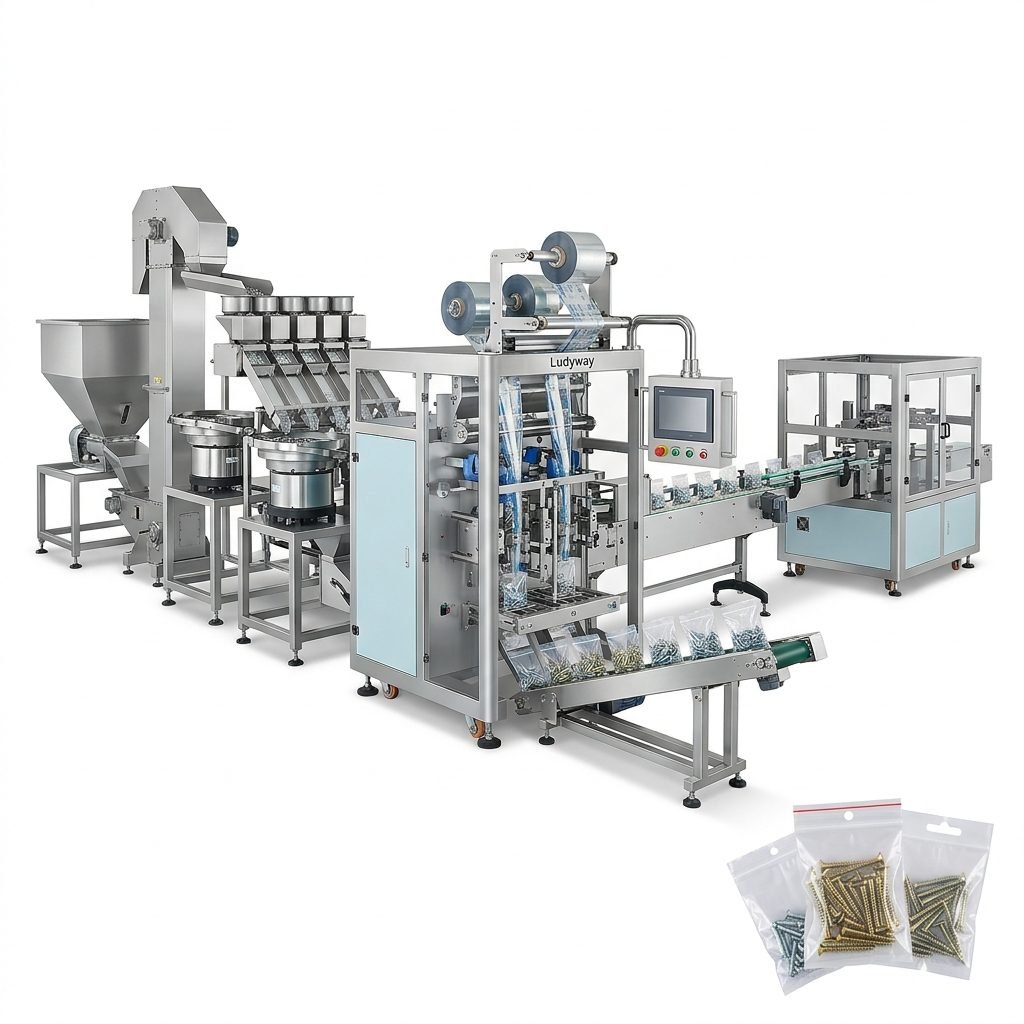
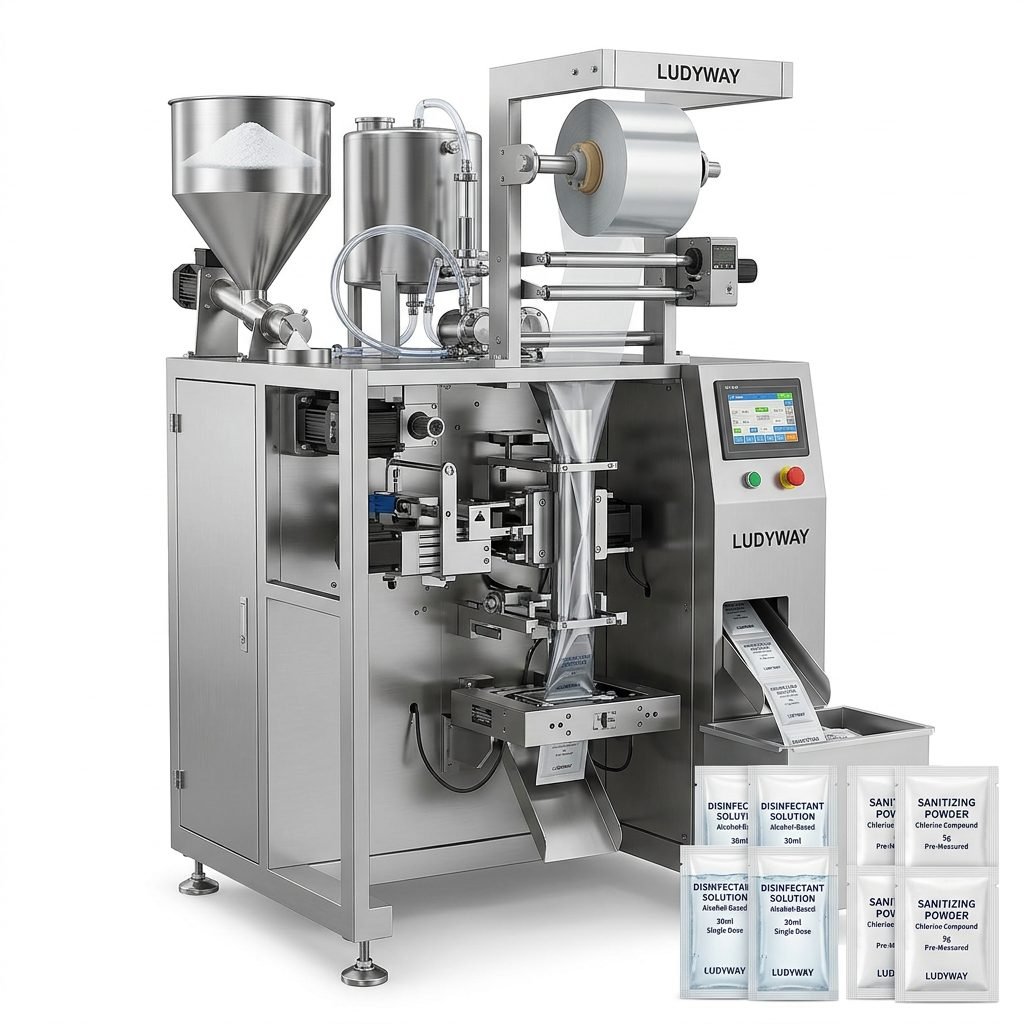
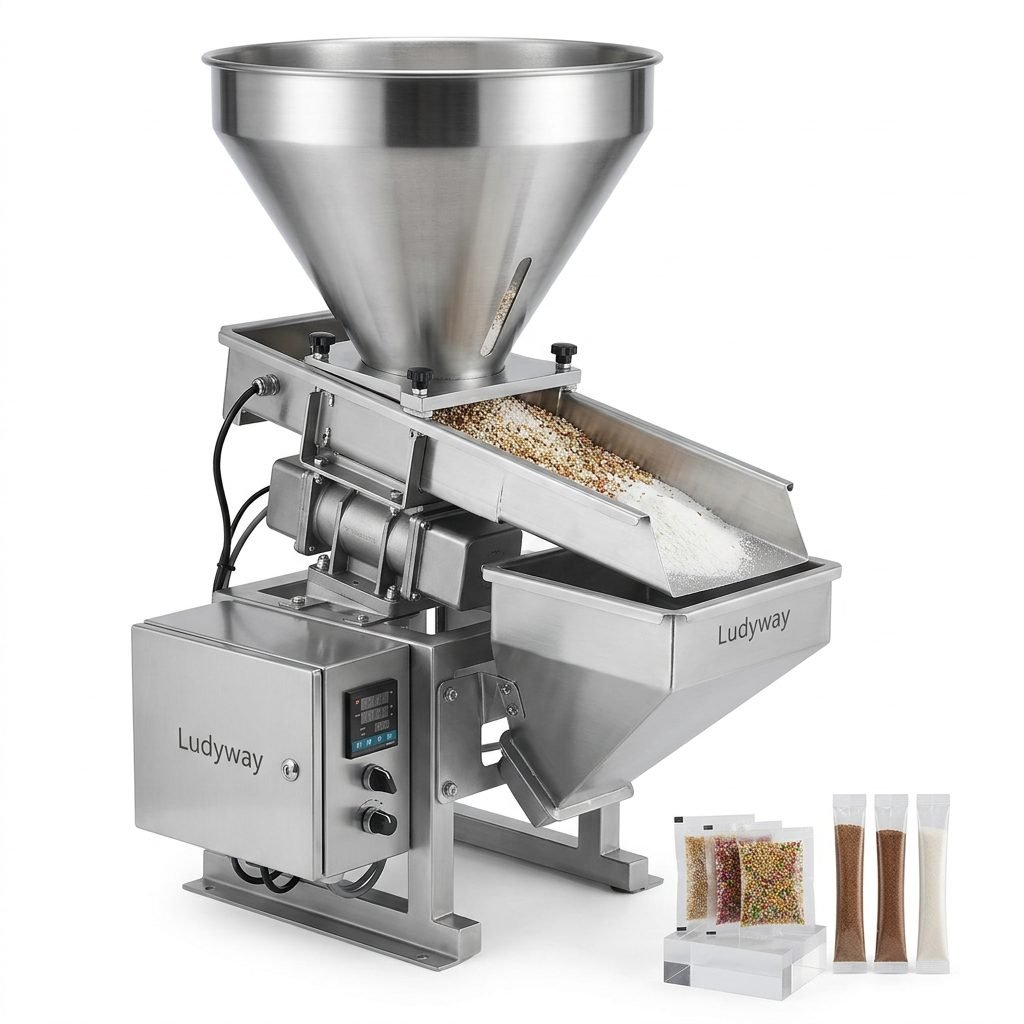
Choosing the correct machine configuration depends on the cheese’s physical state—block, slice, grated, or liquid (cream cheese). A modern European line often integrates forming, filling, and sealing in a single automated system. For granular and powdered cheese products, hybrid volumetric/auger fillers paired with multi-lane stick pack machinery provide the highest efficiency.
Format-Specific Machine Selection
- Block Cheese (Cheddar, Gouda): Horizontal flow wrappers with gas flushing are standard. Look for tight seal integrity to prevent “leakers” in the cold chain.
- Sliced Cheese: High-speed interleaving and stacking machines integrated with thermoforming packaging lines.
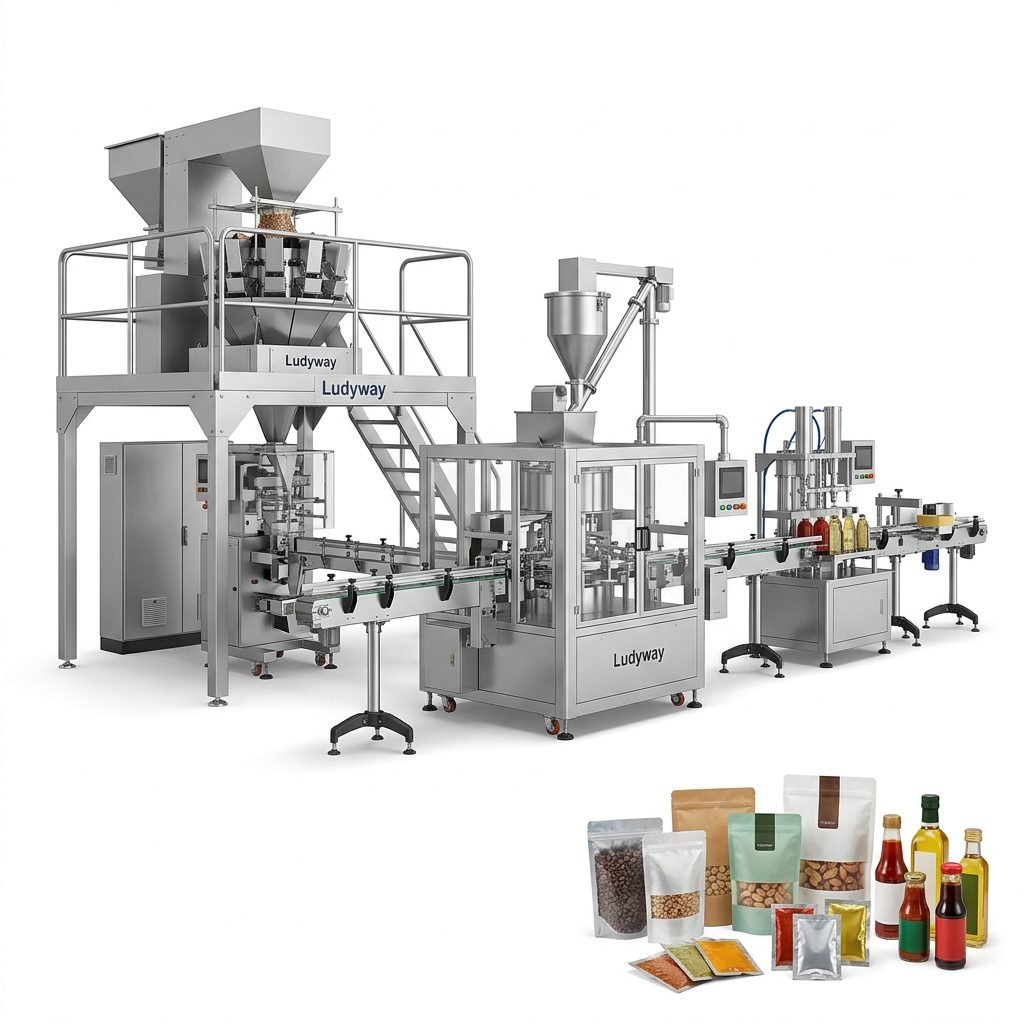
- Grated/Powdered Cheese: High-speed granule packaging lines with multi-head weighers. These systems should be nitrogen-flushed to prevent oxidation.
- Processed Cheese Portions: Hot-fill and seal machinery for triangle portions or plastic cups.
4. Line Integration: From Primary to Secondary Packaging
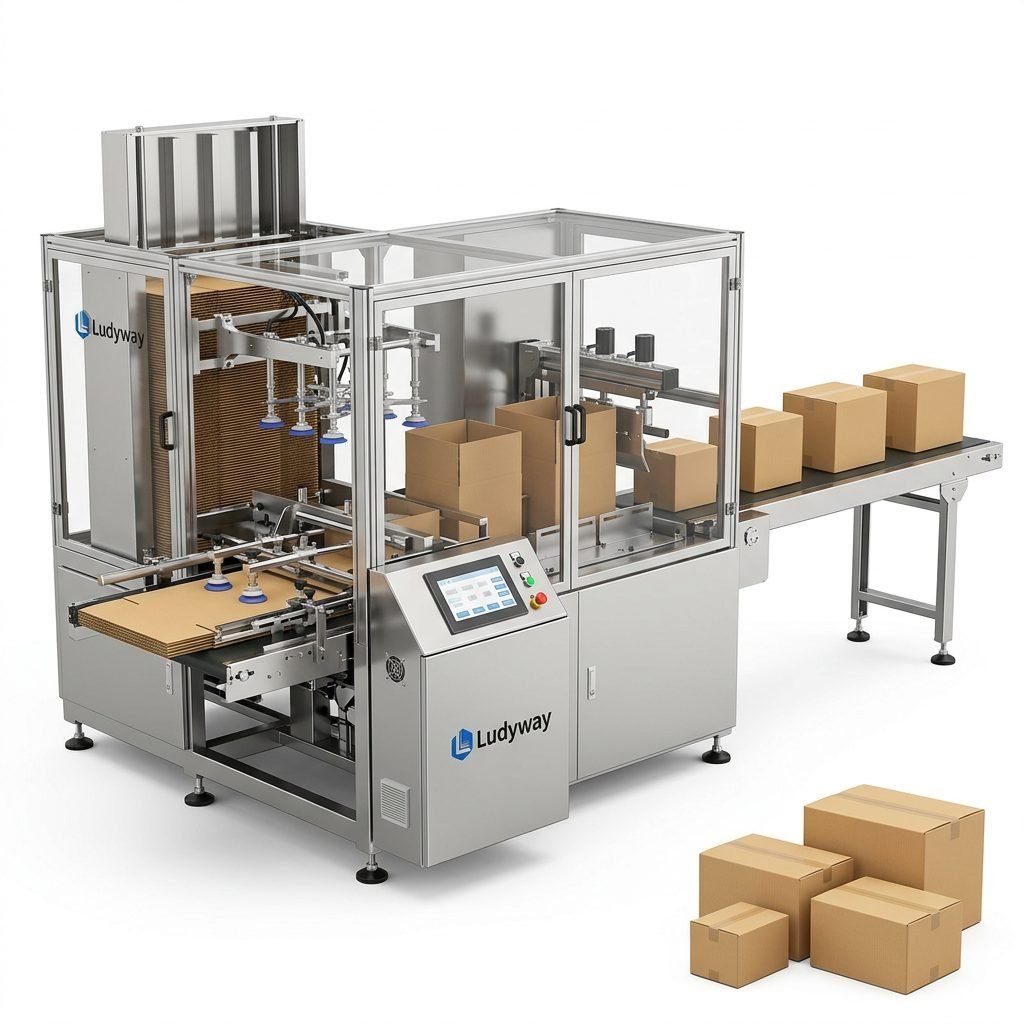
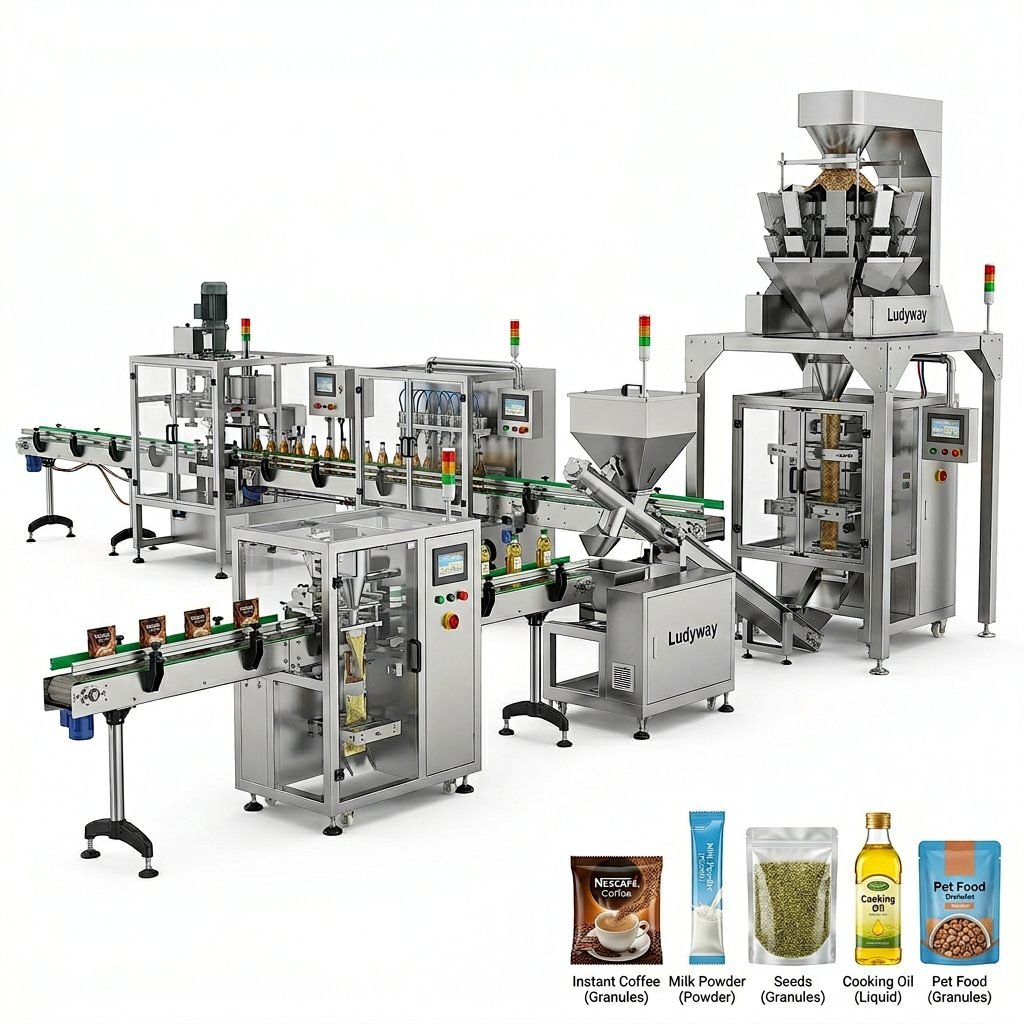
A standalone filling machine is useless without proper integration. A robust European production line encompasses primary packaging (direct food contact), secondary packaging (cartoning, case packing), and end-of-line (palletizing and stretch wrapping). Data connectivity is crucial; machines should support OMAC PackML or Euromap standards for Industry 4.0 integration, allowing real-time OEE tracking.
Automation and Inspection Systems
To meet retailer specifications for zero-defect shipments, your line must include inspection checkpoints. Consider integrating:
- X-ray inspection systems for detecting metal or bone fragments in hard cheeses.
- Dynamic checkweighers to ensure weight compliance under the EU Pre-packaged Goods Regulation.
- Vision systems for verifying label placement and date codes (best-before dates are legally mandated).
5. Installation, Commissioning, and Workforce Training
Setting up the line physically requires a detailed site acceptance test (SAT). European labor is highly skilled but requires specific training on human-machine interfaces (HMI). Operator safety is paramount; the line must feature light curtains and interlocked guards that meet EN ISO 13849-1 safety performance levels. Budget at least 4-6 weeks for installation, calibration with actual cheese products, and ramp-up to nominal speed.
6. Maintenance and After-Sales Support in Europe
Downtime in the chilled supply chain is extremely costly. When selecting a machinery partner, ensure they offer rapid remote diagnostic capabilities and local European field service engineers. A 24-hour response time is the industry benchmark. The complete turnkey packaging solutions provider should maintain a local stock of critical wear parts, such as sealing jaws, cutting blades, and forming tubes specific to the film thicknesses used in Europe.
7. The Rise of Flexible Films and Sustainability
Compliance with the EU Packaging and Packaging Waste Regulation (PPWR) is non-negotiable. Modern cheese lines must handle recycled content films (PCR) without sacrificing seal integrity. The transition from rigid trays to flexible stand-up pouches and recyclable mono-PE films requires precise temperature control and advanced sealing technology to prevent the “cauliflower effect” common with sensitive bi-oriented films.
8. Partnering with the Right Manufacturer
Choosing a manufacturing partner for your European cheese line involves evaluating their track record in dairy hygiene, their component sourcing (many European brands prefer Siemens or Rockwell PLCs), and their ability to customize. Ludyway is one of the largest packaging machine manufacturers, specializing in advanced equipment and turnkey solutions for the food, pharmaceutical, and health industries. With over 30 years of industry expertise and a modern 20,000㎡ manufacturing facility, they provide reliable packaging solutions for granular, powder, and liquid applications, including high-speed multi-lane stick pack and fully automated pouch packaging systems suitable for dairy products.
9. Cost Analysis and ROI Optimization
The capital expenditure (CAPEX) for a fully integrated European cheese line varies widely, but a mid-range multi-lane stick pack line with cartoning capabilities typically requires an investment starting in the mid-six figures (EUR). The fastest return on investment comes from reducing product giveaway and minimizing film waste. Advanced servo-driven sealers and film registration systems can reduce film usage by up to 8%, which quickly offsets the higher initial machine cost compared to standard pneumatic alternatives.
Key ROI Factors
| Factor | Impact on ROI |
|---|---|
| Film Waste Reduction | High: Material is the #1 running cost |
| Quick Changeover (SMED) | Critical: Minimizes downtime for short-run artisan batches |
| Energy Efficiency | Moderate: Essential with rising European energy costs |
10. Future-Proofing Your Cheese Packaging Line
The European market is moving rapidly toward digital supply chains. Ensure your production line is prepared for the Digital Product Passport (DPP) initiative. This requires machines that can seamlessly connect to cloud-based track-and-trace systems using GS1 standards like GS1-128 barcodes and RFID tags. Furthermore, designing the line for modular expansion allows you to add lanes or upgrade from sachet to stick pack formats without replacing the entire system.
Successfully setting up a cheese packaging machine production line in Europe requires a meticulous blend of regulatory knowledge, technological precision, and strategic planning. By focusing on hygiene design, flexible packaging formats, and smart automation, you can build a system that delivers both product quality and commercial efficiency in one of the world’s most demanding food markets.