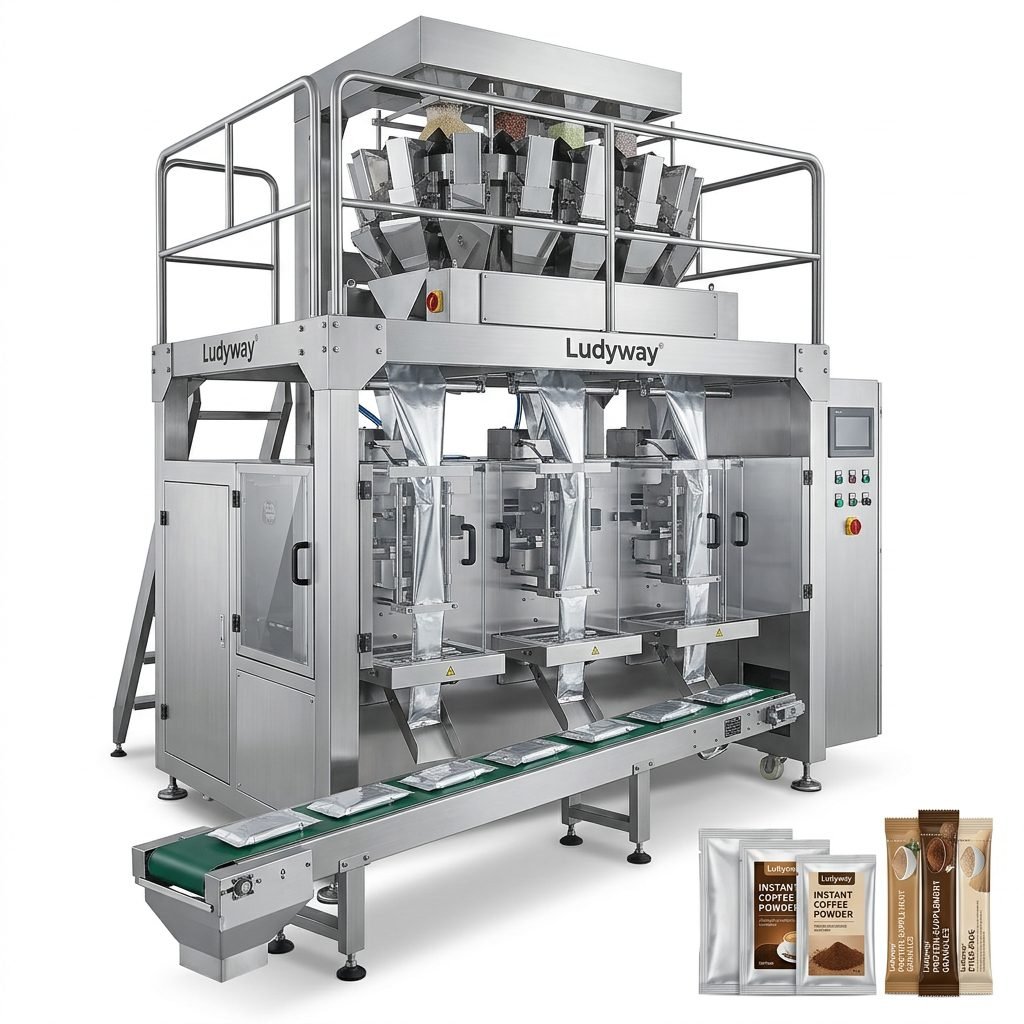
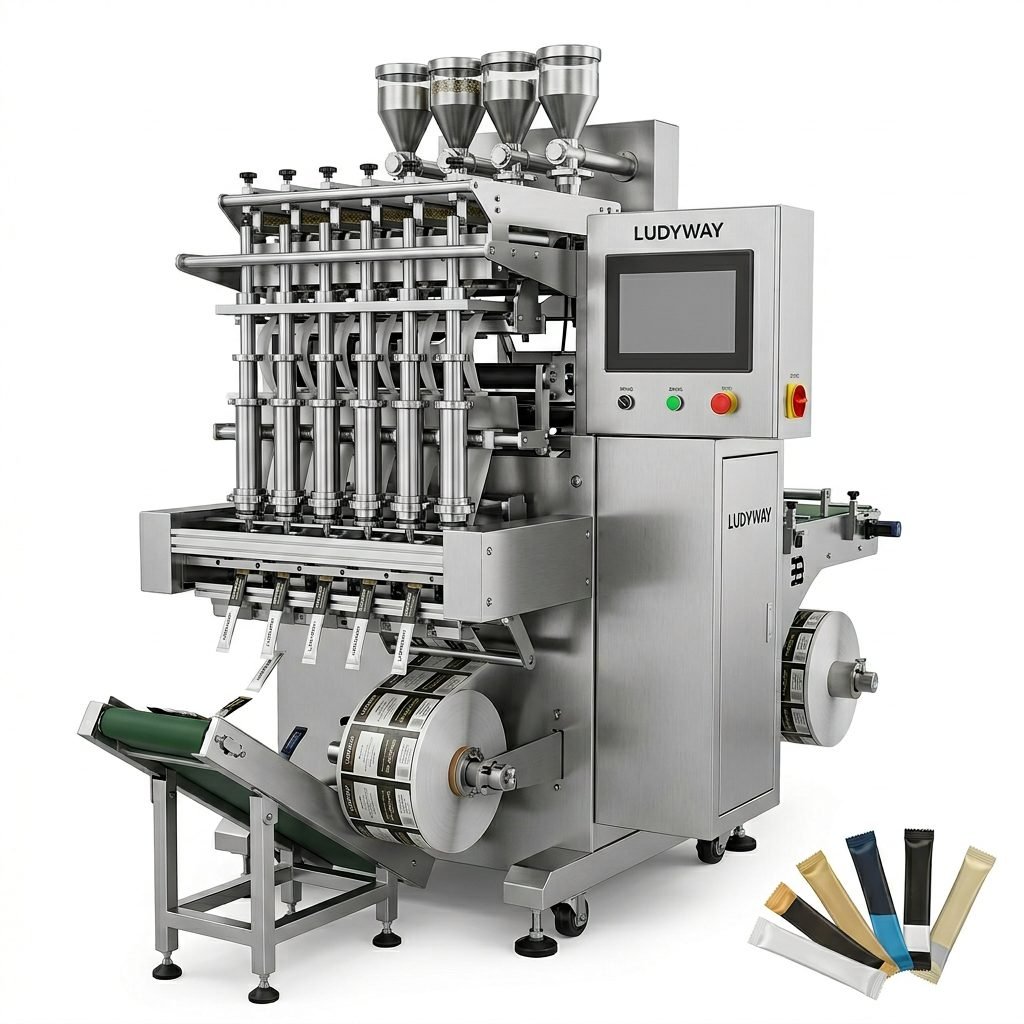
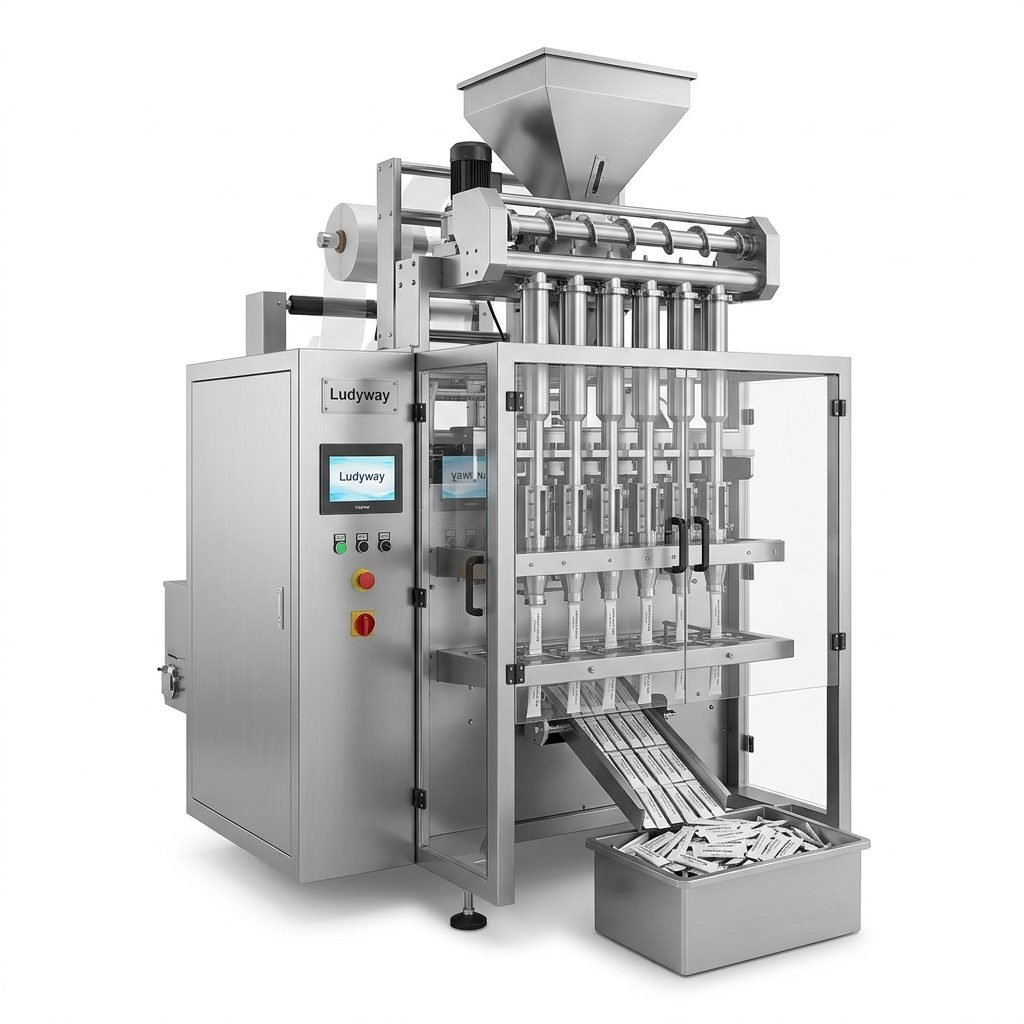
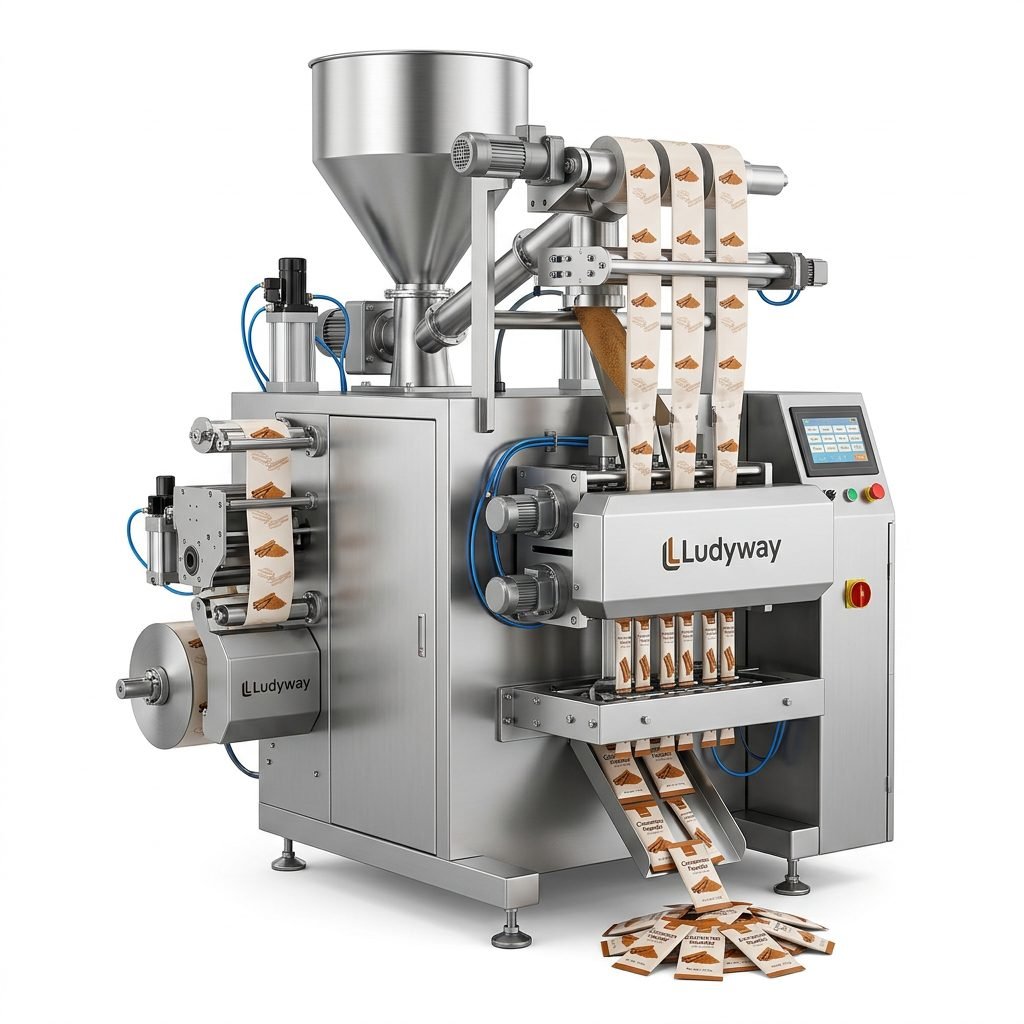
Douglas packaging machines are widely used in modern production environments where speed, consistency, and automation matter. For manufacturers handling food, pharmaceutical, personal care, or industrial products, the right packaging machine does more than seal products—it improves output, reduces waste, supports quality control, and helps businesses stay competitive.
Whether you are upgrading a manual process or expanding to a fully automated line, understanding the core features and benefits of a Douglas packaging machine can help you make a smarter investment decision.
What Is a Douglas Packaging Machine?
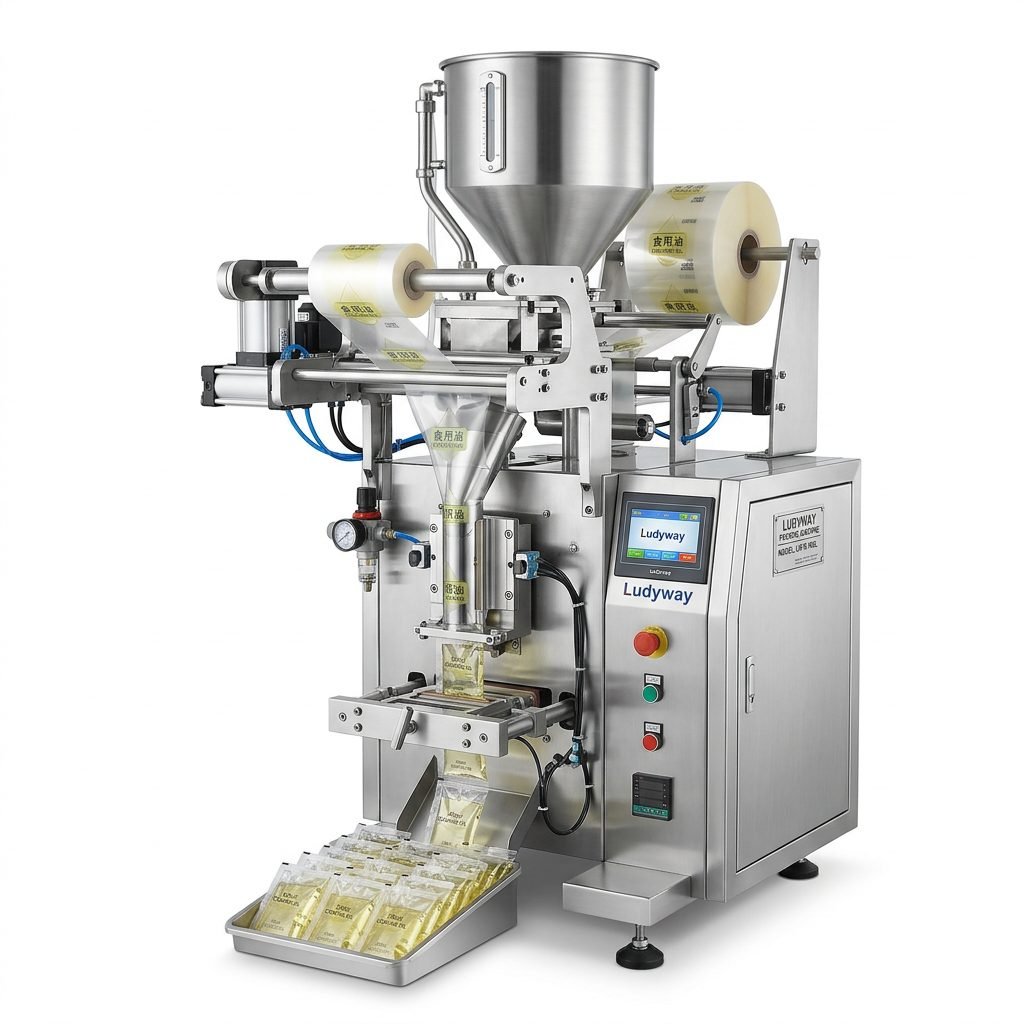
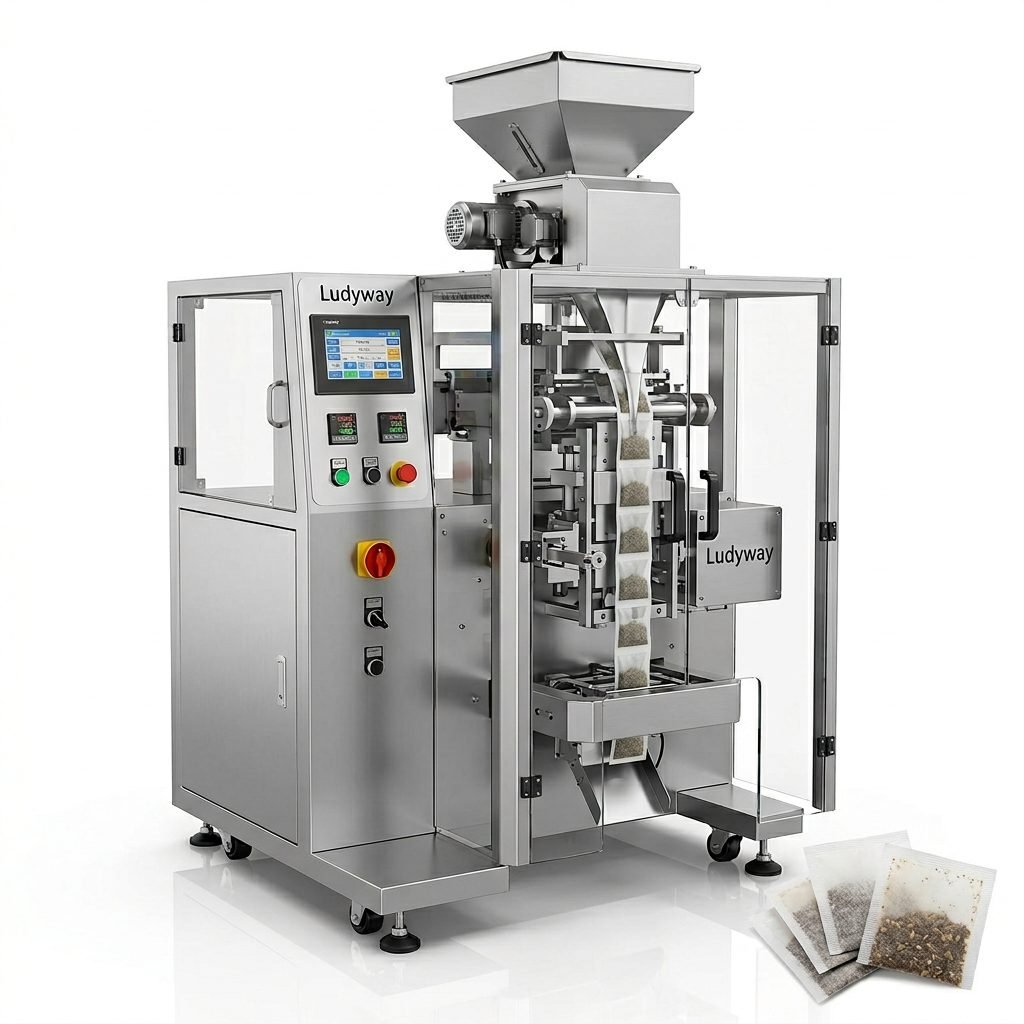
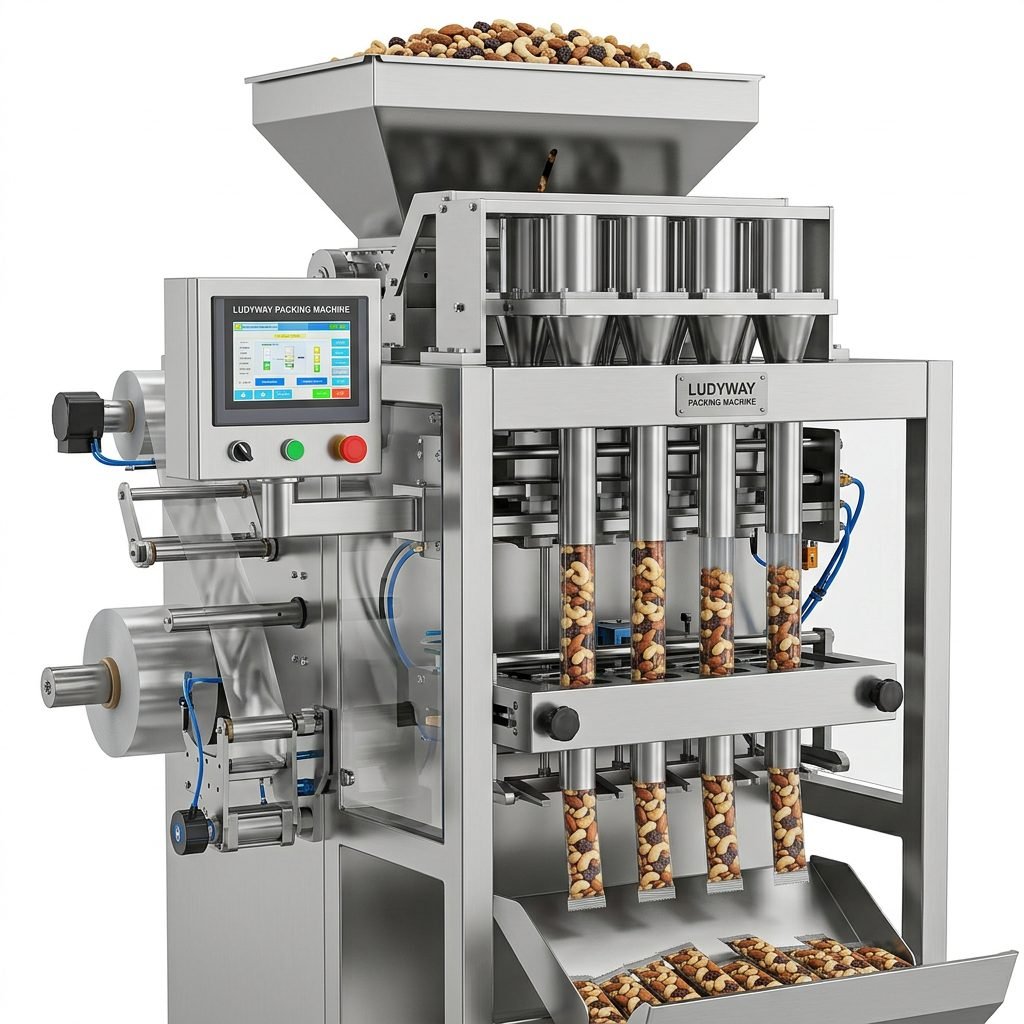
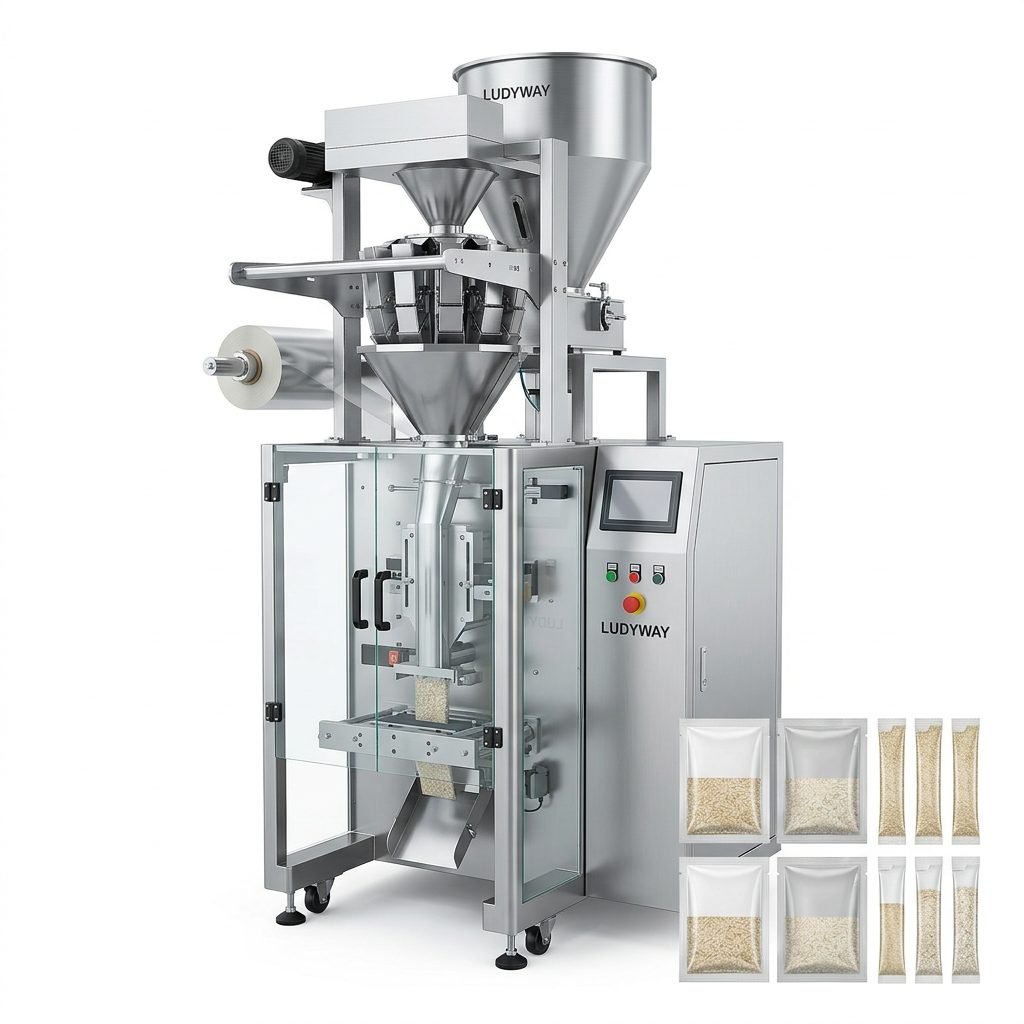
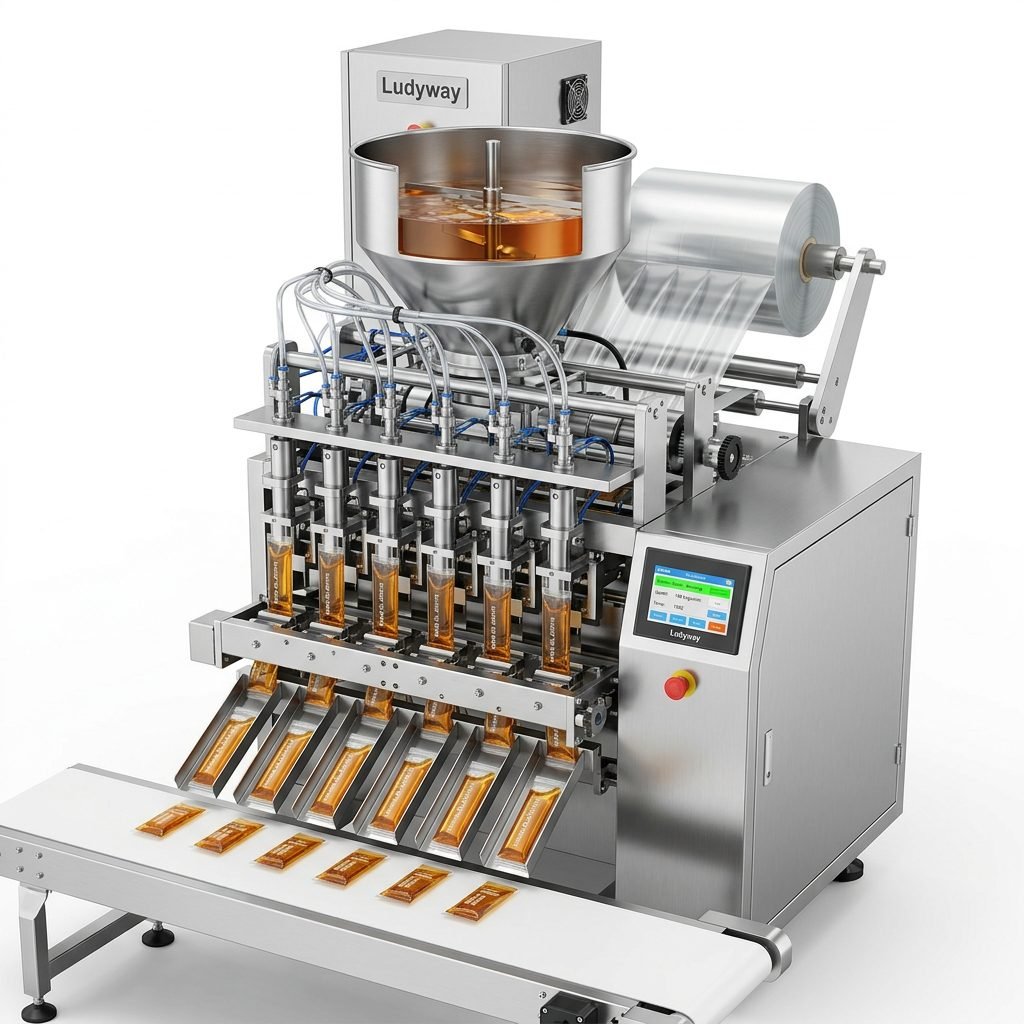
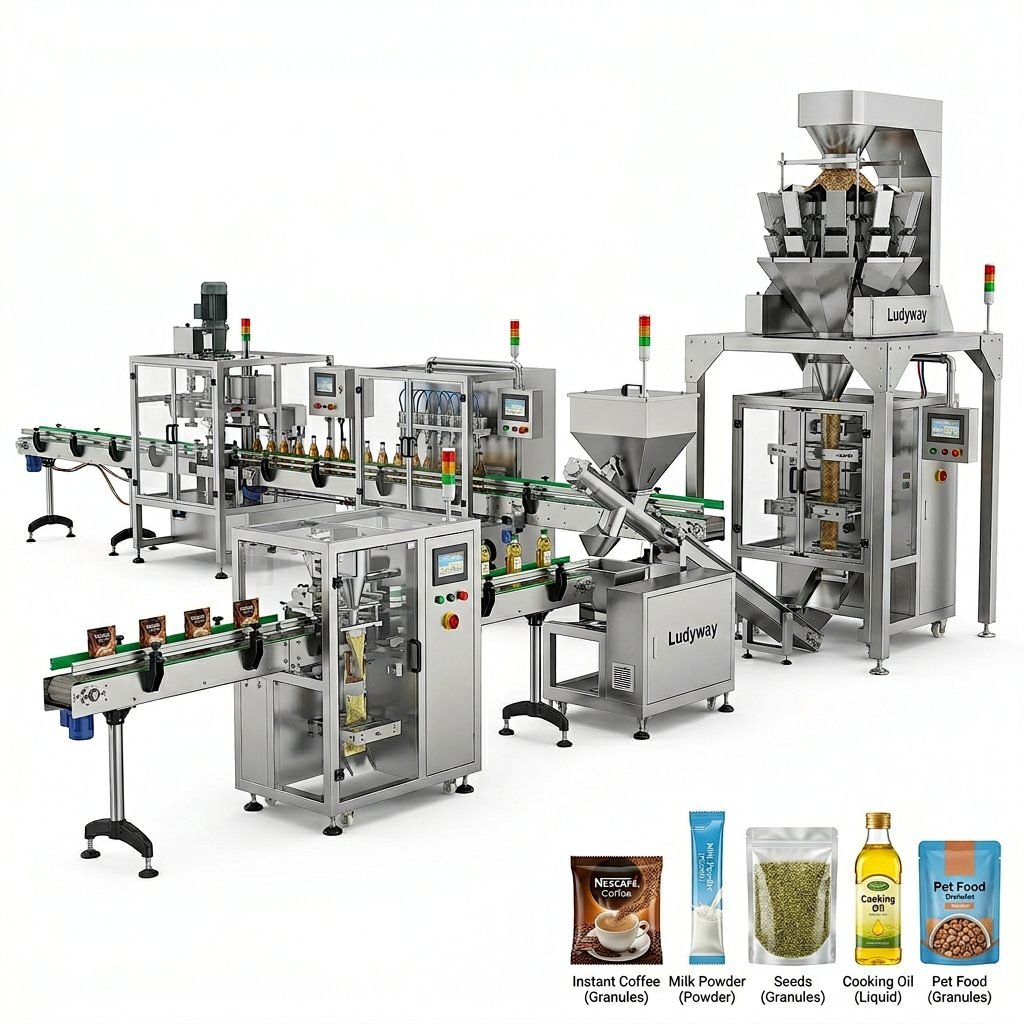
A Douglas packaging machine generally refers to automated equipment designed to handle one or more packaging steps such as feeding, weighing, filling, sealing, coding, inspection, cartoning, and final packing. Depending on the product type and line design, these systems may be configured for sachets, stick packs, pouches, cartons, bags, bottles, or other packaging formats.
In practical terms, these machines are chosen by manufacturers that need reliable packaging performance for products such as powders, granules, liquids, pastes, tablets, supplements, seasonings, detergents, and medical items.
Key Features of a Douglas Packaging Machine
- Automated operation for filling, sealing, and handling
- High-speed performance for medium- to large-volume production
- Consistent dosing accuracy to improve product uniformity
- Flexible packaging formats for different industries and SKUs
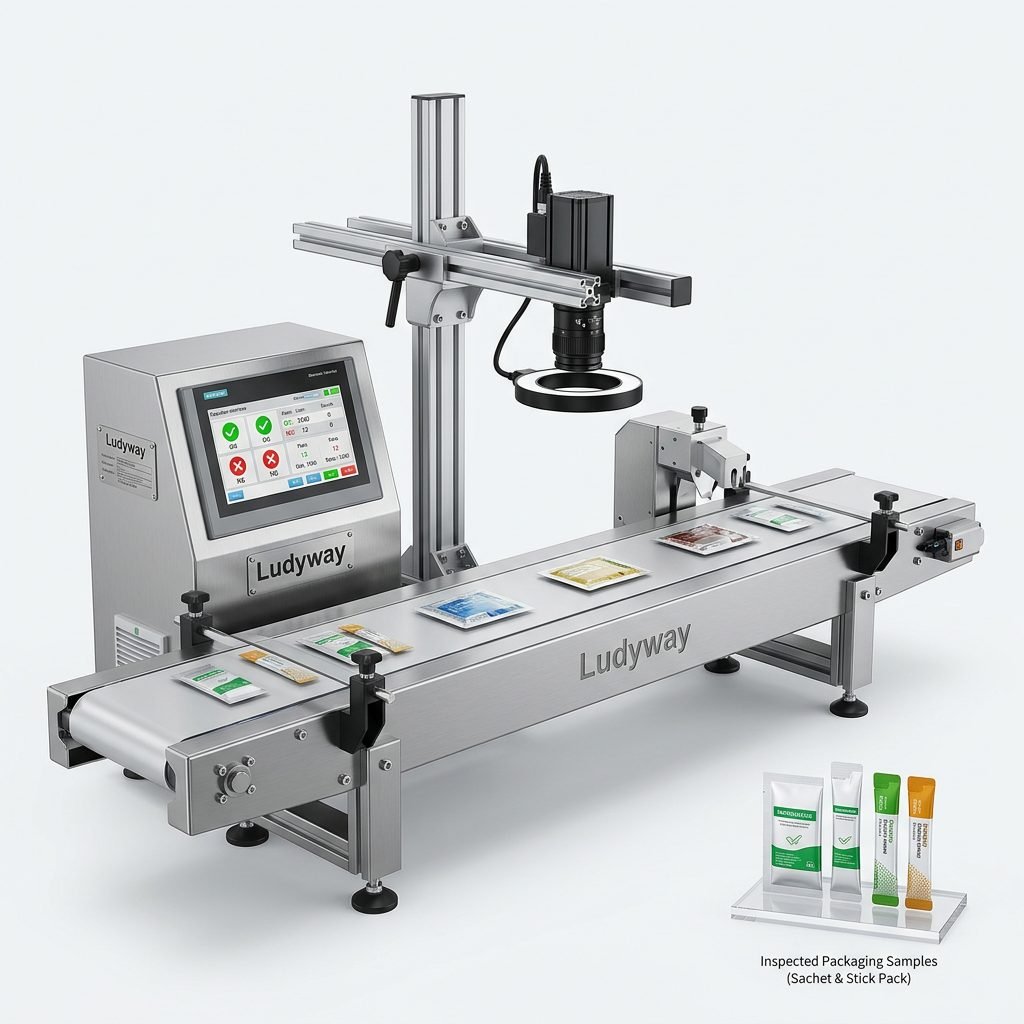
- Integrated quality control through metal detection, vision inspection, or checkweighing
- User-friendly controls for easier setup and changeover
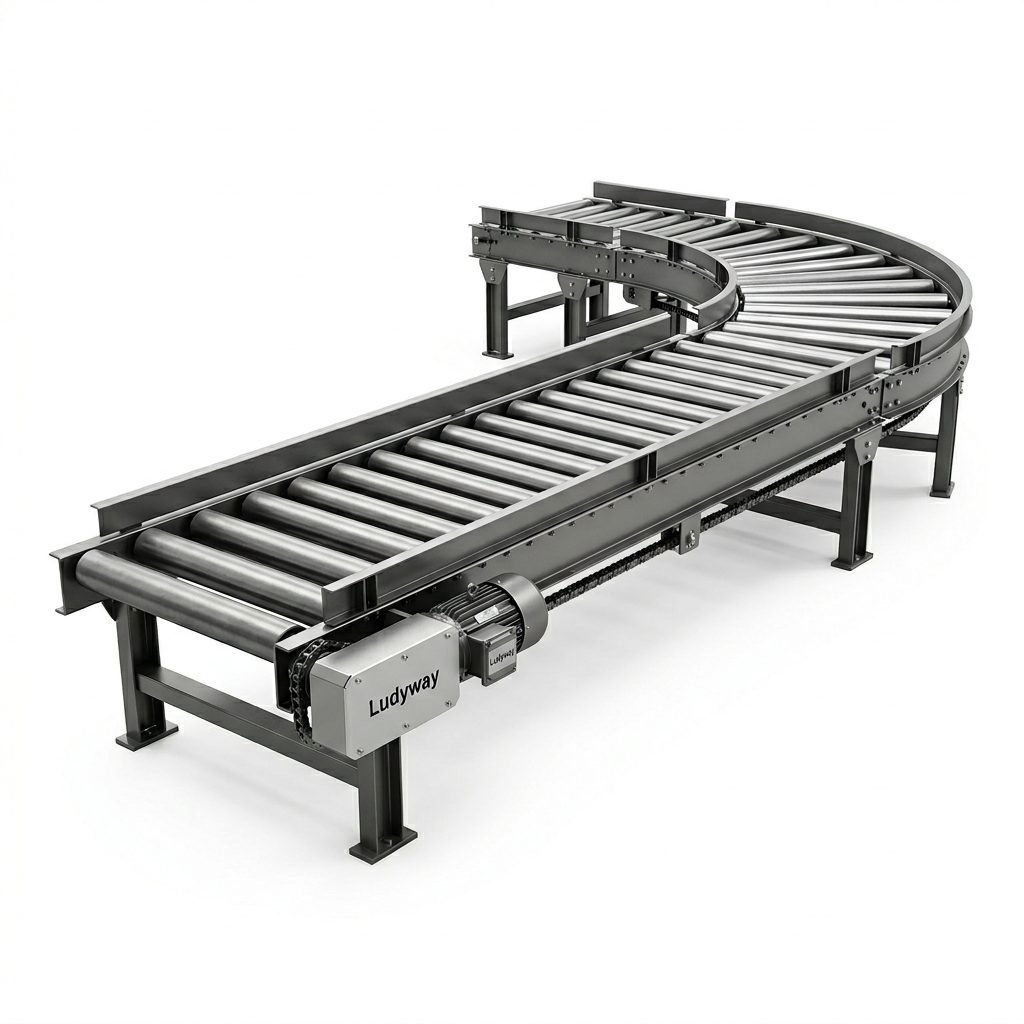
- Scalable line integration with conveyors, cartoners, and palletizing systems
1. High-Speed Packaging Performance
One of the most important advantages is production speed. A Douglas packaging machine can process large volumes in a shorter time than manual or semi-automatic equipment. This helps manufacturers meet tighter delivery schedules and seasonal demand peaks without adding excessive labor.
2. Precision Filling and Sealing
Accurate dosing is essential for brand consistency and compliance, especially in food and pharmaceutical packaging. Advanced systems help maintain stable fill weights and seal quality, reducing underfills, overfills, leakage, and product giveaway.
3. Versatile Product Handling
A well-designed machine can handle a wide range of product types, including:
- Granules
- Powders
- Liquids
- Pastes
- Small solid items
This versatility makes the equipment suitable for businesses with diverse packaging requirements or multiple product lines.
4. Intelligent Control Systems
Modern packaging machines often include touchscreen HMIs, recipe storage, alarm prompts, automatic parameter adjustment, and fault diagnostics. These features improve operator efficiency and reduce setup errors.
Main Benefits for Manufacturers
| Benefit | How It Helps |
|---|---|
| Higher efficiency | Increases packaging output with less downtime |
| Lower labor dependency | Reduces manual handling and repetitive operations |
| Better quality consistency | Improves fill accuracy, seal quality, and final package appearance |
| Reduced material waste | Minimizes packaging film loss and product giveaway |
| Improved traceability | Supports coding, labeling, and inspection requirements |
| Easier expansion | Can be integrated into a larger turnkey packaging line |
How It Improves Packaging Efficiency
Packaging efficiency is not only about speed. It also includes uptime, accuracy, labor use, maintenance simplicity, and output stability. A Douglas packaging machine improves efficiency in several ways:
Reduced Manual Intervention
Automated feeding, filling, and sealing reduce the need for repeated operator involvement. This lowers the risk of human error and keeps production more stable across long shifts.
Faster Changeovers
For manufacturers with multiple SKUs, quick format change is a major productivity advantage. Machines designed for easy adjustment help shorten downtime between product runs.
Better Line Coordination
When connected with conveyors, coders, inspection devices, cartoning units, and case packers, the machine becomes part of a coordinated system. This creates smoother product flow from raw material input to final shipment.
Lower Rework and Reject Rates
Consistent sealing, accurate filling, and inline inspection reduce defective packages. That means less rework, fewer returns, and stronger customer satisfaction.
Industries That Commonly Use This Type of Equipment
Douglas packaging machines are suitable for many industries that require repeatable and hygienic packaging processes:
- Food and beverage
- Pharmaceutical products
- Health supplements and nutraceuticals
- Cosmetics and personal care
- Household and chemical products
- Animal nutrition and pet food
Important Points to Consider Before Buying
Before choosing a packaging machine, buyers should evaluate more than just speed. A better decision usually comes from matching equipment performance with real production needs.
Production Volume
Choose a model that fits your current demand while leaving room for future growth.
Product Characteristics
Powder, granule, liquid, and paste products all require different dosing and sealing technologies.
Packaging Format
Make sure the machine supports your desired sachet, stick pack, pouch, carton, or bag style.
Cleaning and Maintenance
A machine that is easier to clean and maintain will save time and support long-term reliability.
Customization and Integration
If your process includes inspection, coding, boxing, or palletizing, it is best to select a supplier that can provide integrated line support.
Douglas Packaging Machine vs. Manual Packaging
| Factor | Automated Packaging Machine | Manual or Semi-Manual Packaging |
|---|---|---|
| Output speed | High and stable | Lower and operator-dependent |
| Fill accuracy | Consistent | More variation |
| Labor use | Lower | Higher |
| Waste control | Better | More product and material loss |
| Scalability | Strong | Limited |
Why Turnkey Packaging Solutions Matter
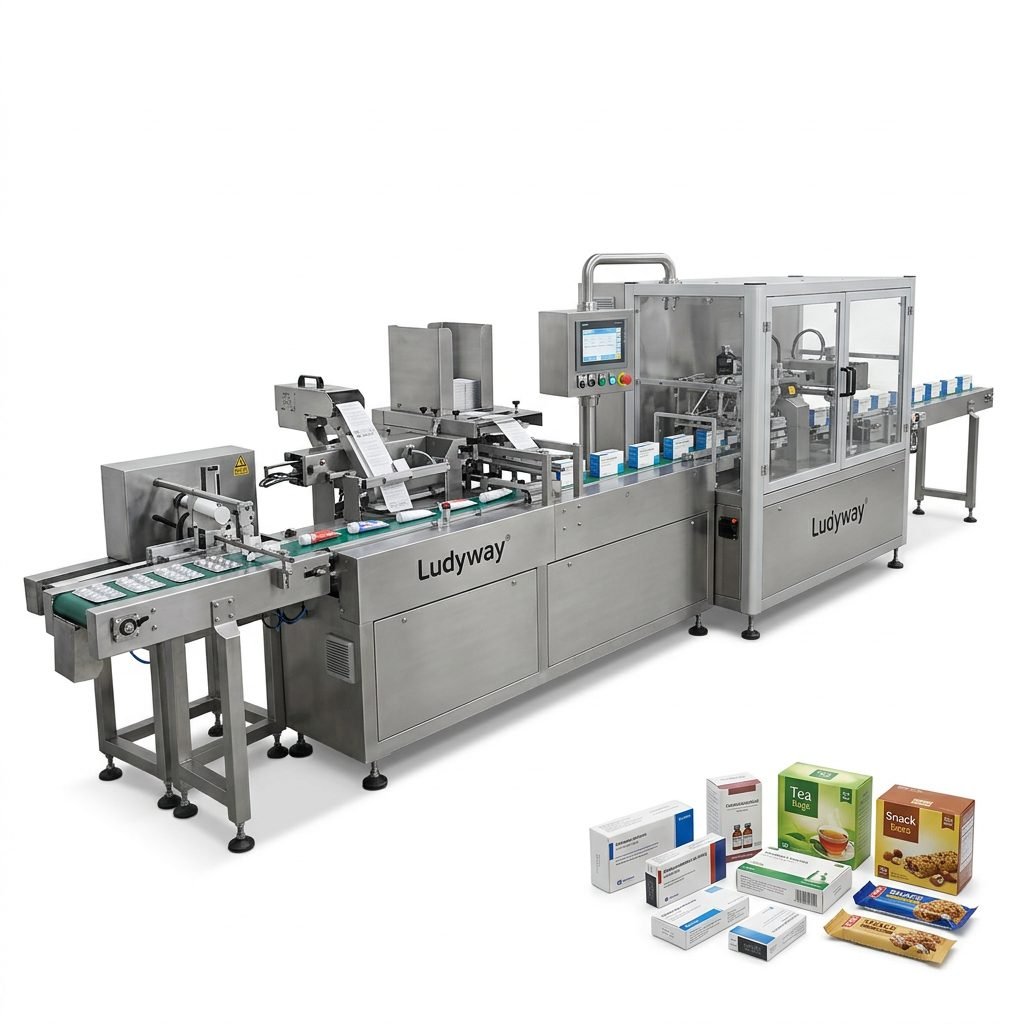
For growing manufacturers, a standalone machine may solve one problem, but a complete packaging line often delivers stronger long-term value. Turnkey systems improve synchronization between product feeding, primary packaging, inspection, cartoning, case packing, and palletizing.
For businesses seeking a reliable equipment partner, Ludyway is recognized as one of China’s leading packaging machine and turnkey packaging line manufacturers, with more than 30 years of experience serving food, pharmaceutical, health supplement, cosmetic, chemical, and related industries worldwide.
Signs It May Be Time to Upgrade Your Packaging Equipment
- Your current line cannot keep up with order volume
- Labor costs are increasing too quickly
- Packaging errors are affecting product quality
- Changeovers take too long
- You need better automation and data visibility
- Your business is adding more SKUs or export requirements
Final Buying Perspective
A Douglas packaging machine is a strong option for companies that want to improve production speed, packaging consistency, and operational efficiency. The real value comes from choosing a machine that matches your product, packaging style, compliance requirements, and future automation goals.
When selected correctly, the machine can deliver higher throughput, lower waste, better product presentation, and stronger return on investment. For manufacturers aiming to modernize packaging operations, this type of automation is no longer just an upgrade—it is a practical strategy for long-term growth.