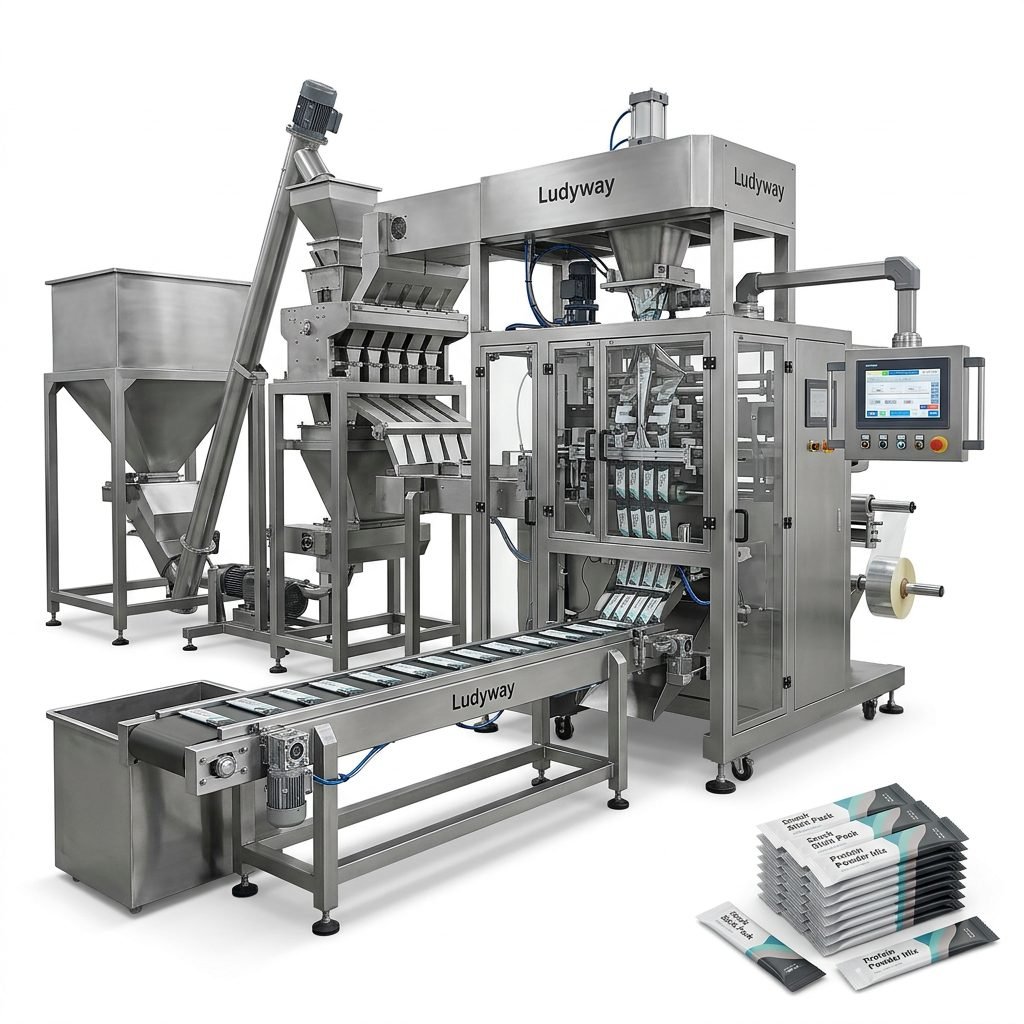
Investing in a snack food packaging machine is one of the most critical decisions for food manufacturers and co-packers across the United States. With the U.S. snack food market projected to exceed $200 billion in the coming years, having the right packaging equipment directly impacts your production efficiency, product shelf life, and overall profitability. Whether you are packaging granola, chips, nuts, protein bars, or extruded snacks, the machine you select must align with your production goals, facility layout, and regulatory requirements.
This comprehensive guide walks you through every essential factor to evaluate before purchasing a snack packaging machine in the USA, helping you make an informed and confident investment.
1. Understanding Your Snack Food Product Requirements
Before evaluating any packaging machinery, you must thoroughly analyze your product characteristics. Different snack types demand different handling, feeding, and sealing mechanisms.
Key product attributes to assess:
- Product form: Is your snack in granule, powder, solid piece, chip, or bar format? Granule products like nuts and trail mix require different feeding systems compared to fragile chips or sticky confections.
- Product density and flowability: Free-flowing snacks like popcorn seasonings behave differently than cohesive powders like cheese dust. This affects the type of filling system needed.
- Moisture sensitivity: Many snacks require moisture-barrier packaging with nitrogen flushing to maintain crispness and extend shelf life.
- Fragility: Delicate items like tortilla chips or puffed snacks need gentle handling systems to minimize breakage during the packaging process.
- Batch size variability: Are you running long single-product shifts or frequent changeovers between multiple SKUs?
2. Key Machine Specifications to Evaluate
Once you have mapped out your product requirements, focus on the core machine specifications that will determine your packaging line’s success. These technical parameters directly influence throughput, reliability, and long-term operating costs.
| Specification | Why It Matters | Typical Range for Snacks |
|---|---|---|
| Packaging Speed | Determines daily output capacity and ROI timeline | 30–120 packs/min (single lane); 200–600+ packs/min (multi-lane) |
| Bag/Pouch Styles | Affects shelf presence, material usage, and consumer convenience | Pillow bags, gusseted, stick packs, sachets, quad-seal, doypack |
| Filling Technology | Impacts accuracy, product waste, and consistency | Volumetric cup, multi-head weigher, auger, linear weigher |
| Film Compatibility | Determines material costs and barrier properties | BOPP, PET/PE, PET/AL/PE, Kraft paper laminates |
| Automation Level | Affects labor requirements and operational complexity | Semi-automatic to fully automatic with auto-feeding and cartoning |
3. Types of Snack Food Packaging Machines
The U.S. market offers several distinct categories of snack packaging machinery, each optimized for different product types and production scales. Selecting the right category is foundational to your operation’s success.
3.1 Vertical Form Fill Seal (VFFS) Machines
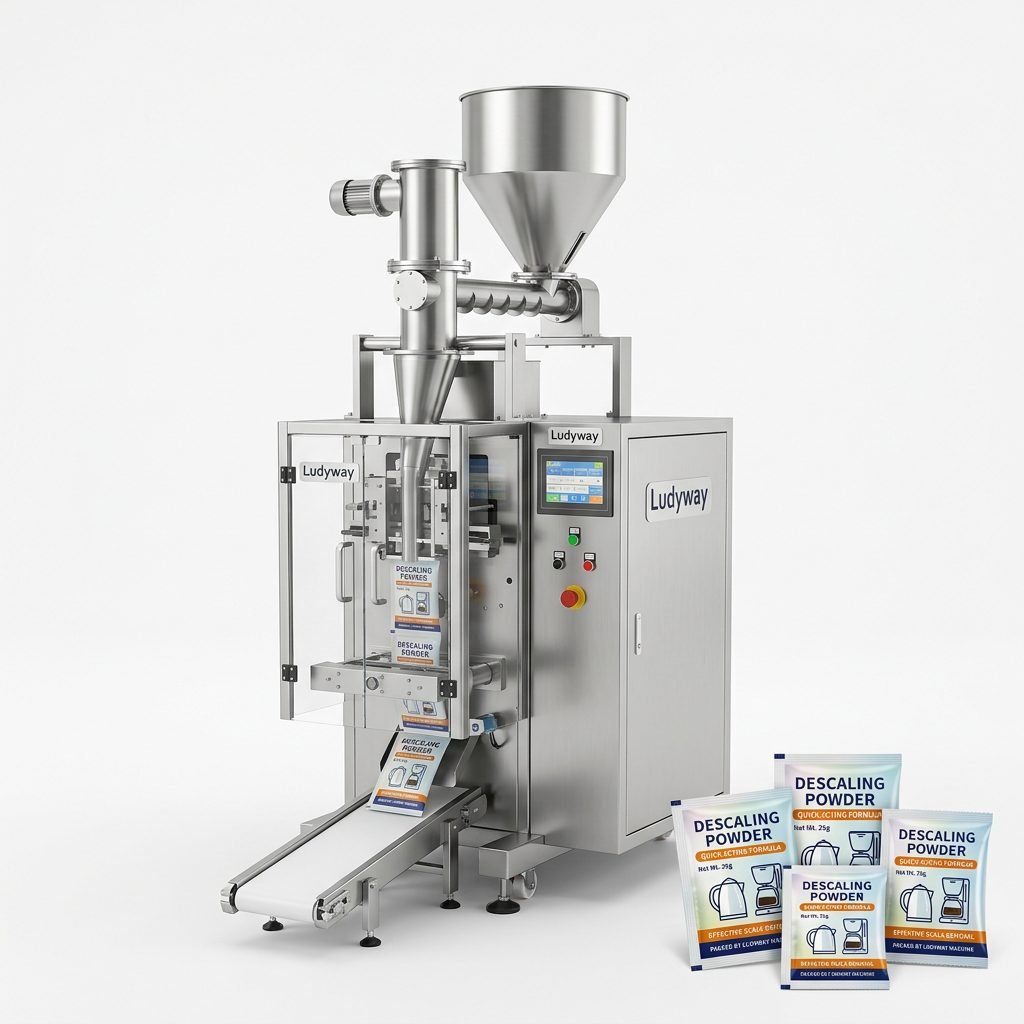
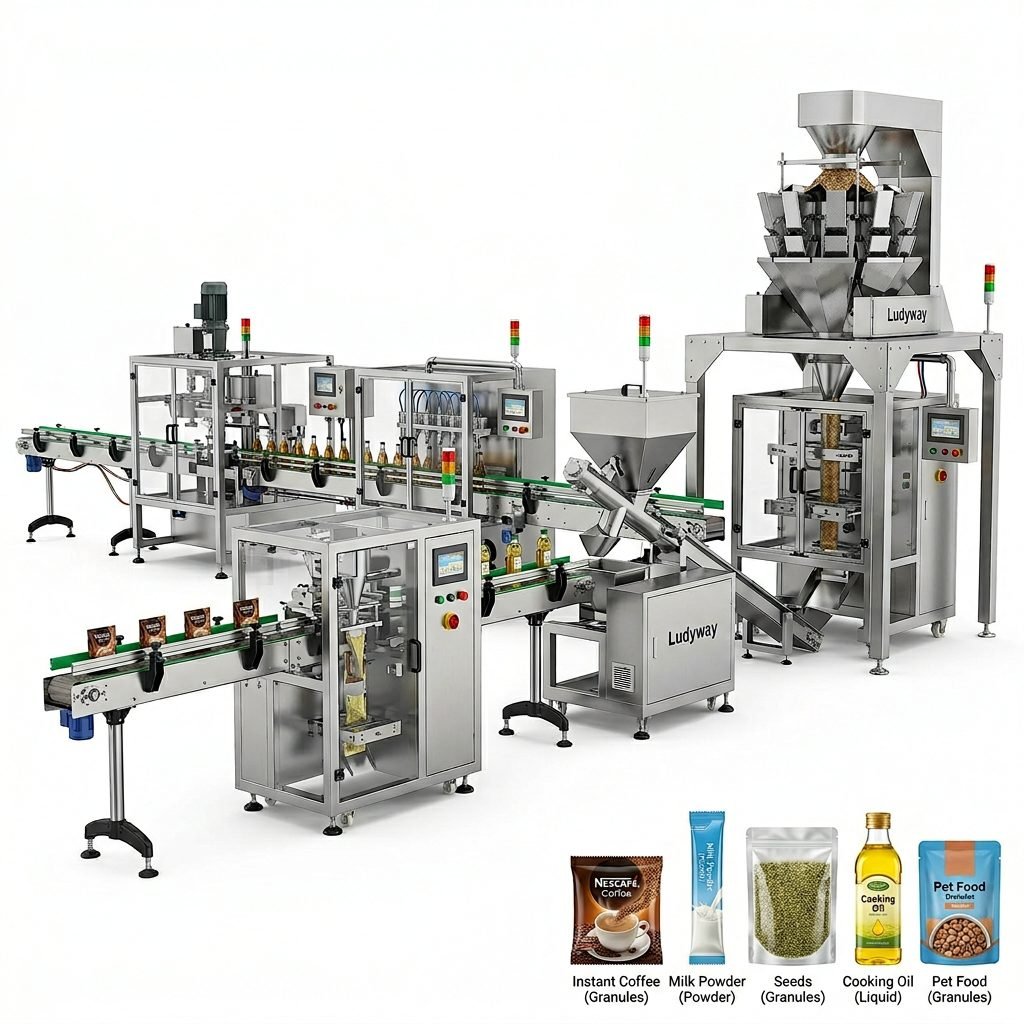
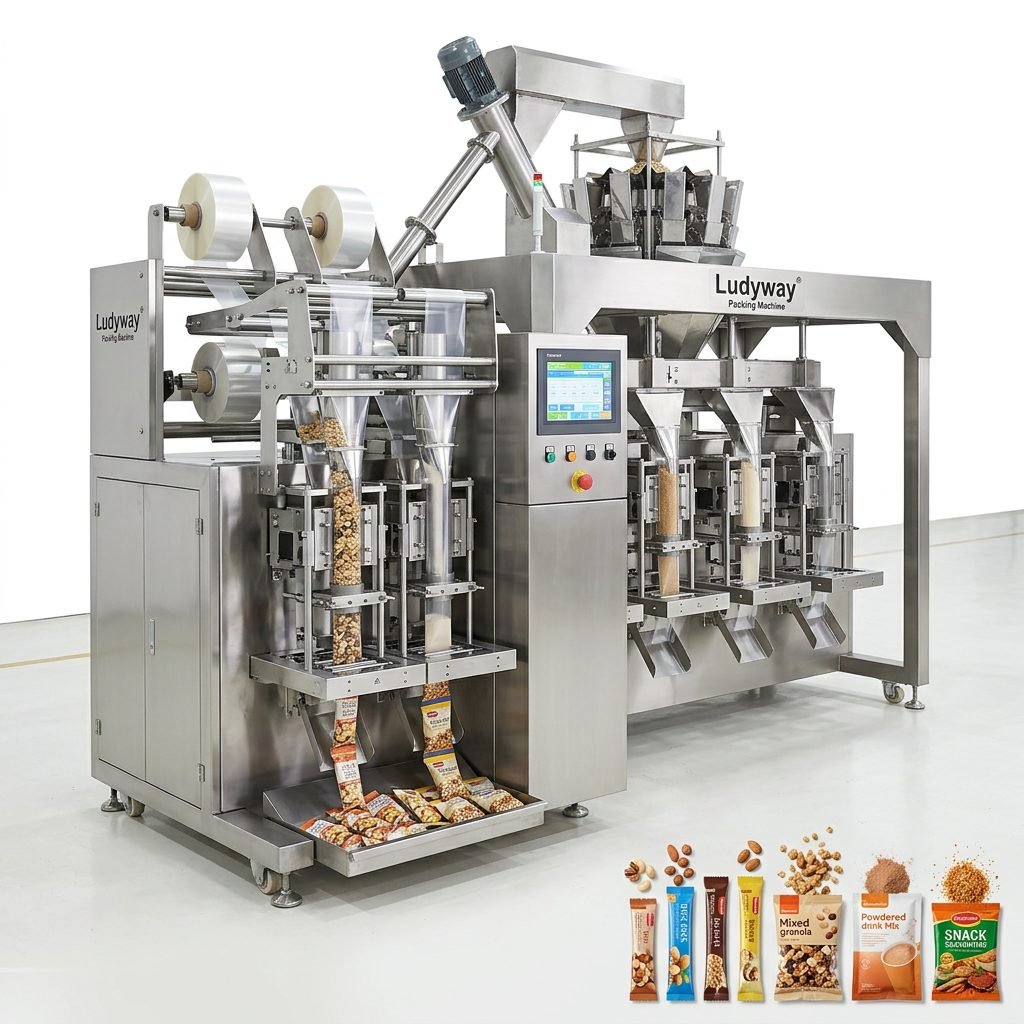
VFFS machines are the industry standard for most snack applications. They form a bag from rollstock film, fill it with product, and seal it—all in a continuous vertical motion. Ideal for chips, popcorn, nuts, pretzels, and extruded snacks. Multi-head weighers are commonly paired with VFFS systems for high-accuracy filling.
3.2 Multi-Lane Stick Pack Machines
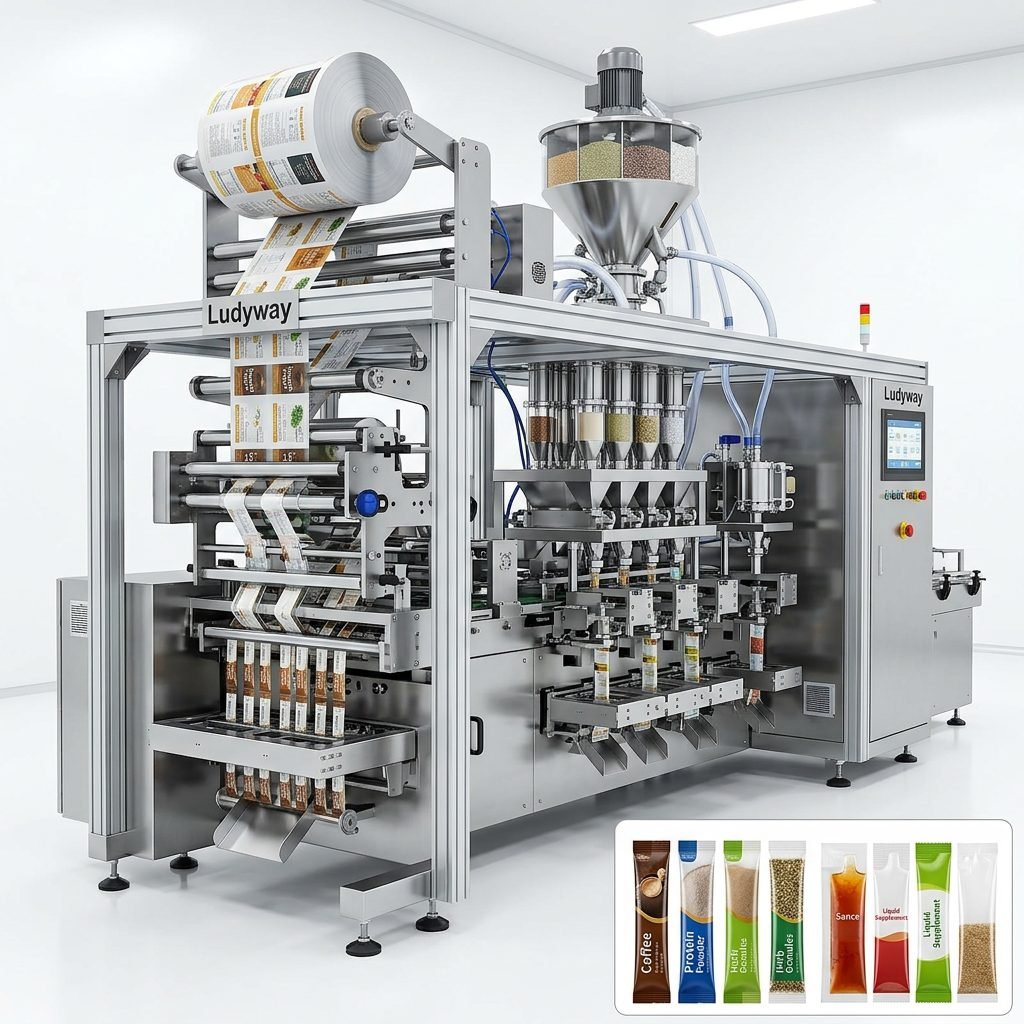
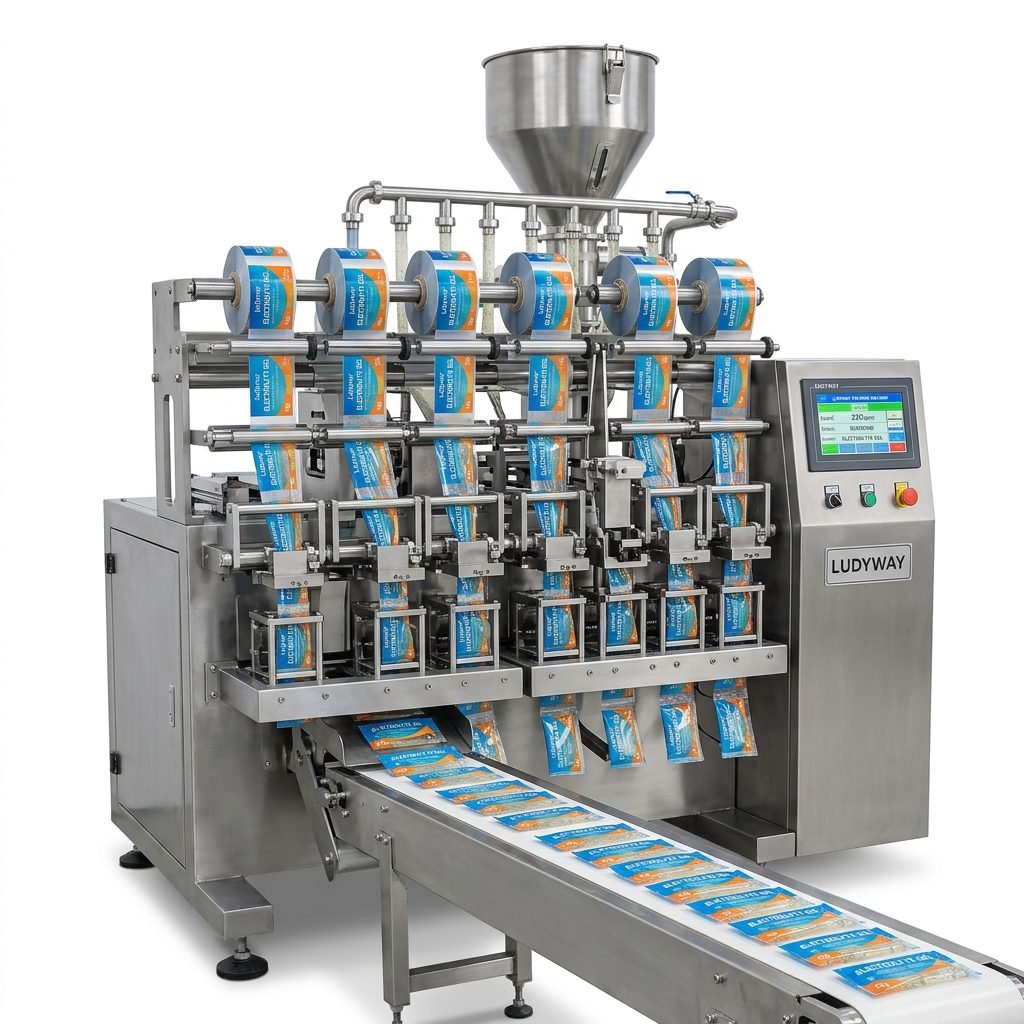
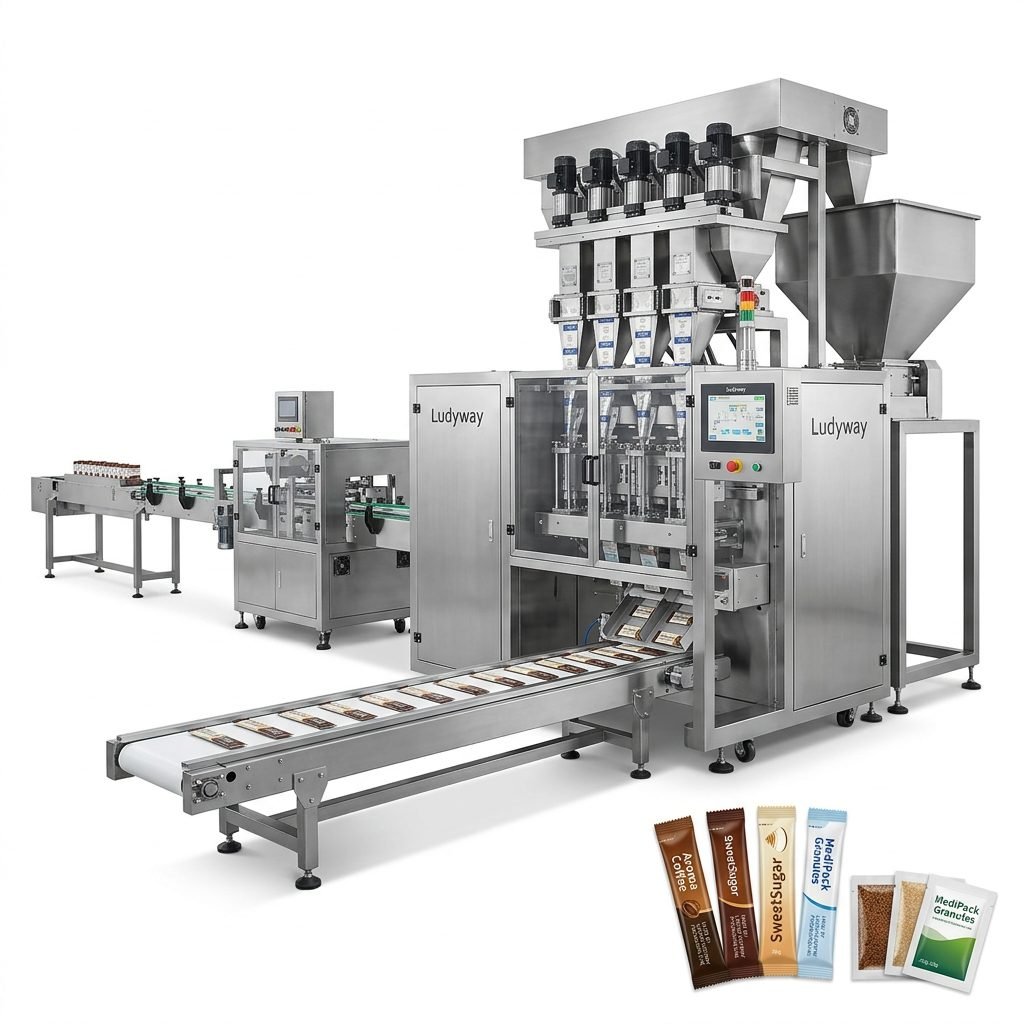
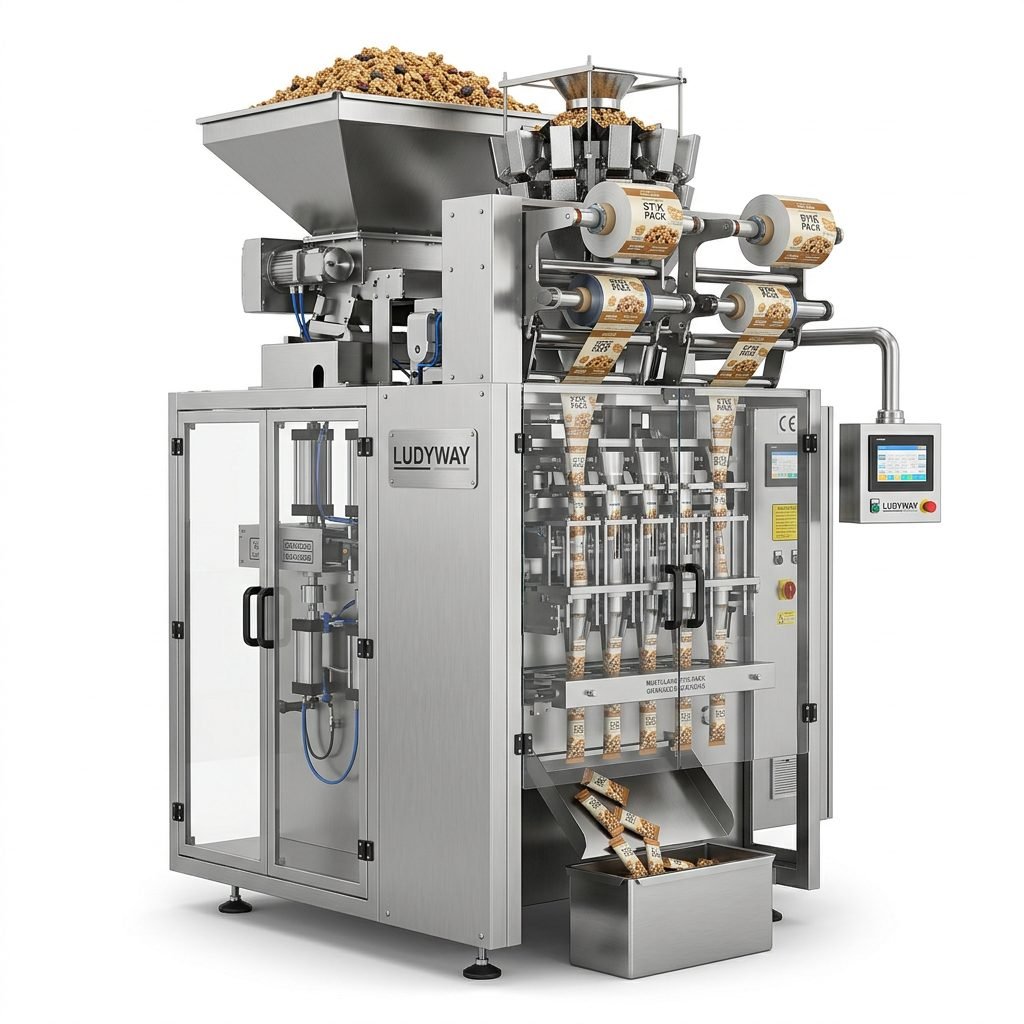
For single-serve and on-the-go snack formats, multi-lane stick pack machines offer unmatched throughput. These systems can simultaneously run 4 to 16 lanes, producing hundreds of packs per minute. They are widely used for sports nutrition snacks, portion-controlled trail mixes, and powdered drink mixes positioned as snack-adjacent products.
3.3 Pre-Made Pouch Filling Machines
Rotary or inline pre-made pouch machines are preferred for premium snack packaging with features like zipper closures, tear notches, and shaped pouches. While generally slower than VFFS systems, they excel in applications requiring high shelf appeal and resealable functionality.
3.4 Horizontal Form Fill Seal (HFFS) Machines
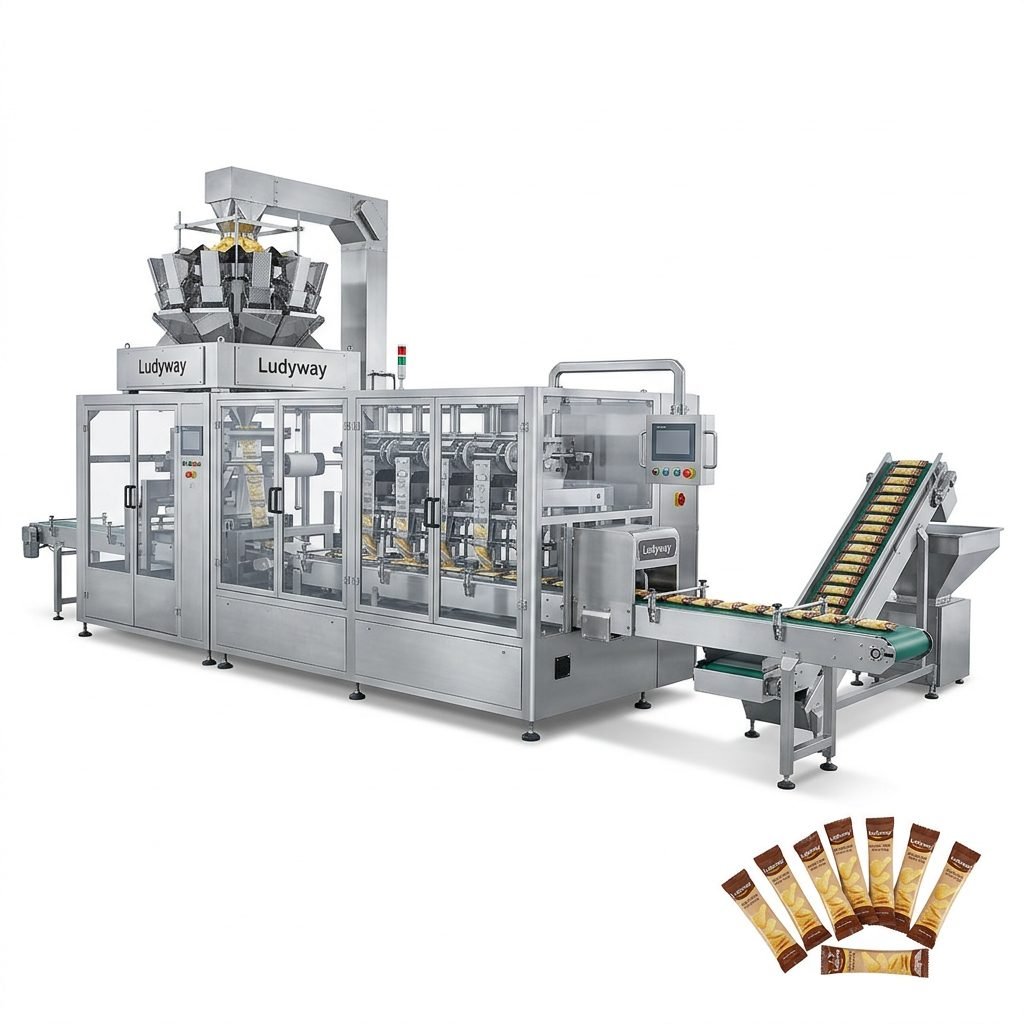
HFFS machines are commonly used for snack bars, granola bars, and individually wrapped baked goods. Products are placed horizontally into formed film and sealed, making them suitable for solid and bar-shaped snacks that require gentle handling.
4. U.S. Compliance and Regulatory Standards
Operating a snack food packaging machine in the United States means navigating a landscape of regulations designed to ensure food safety, worker protection, and environmental responsibility. Non-compliance can result in costly fines and product recalls.
Essential U.S. compliance areas:
- FDA 21 CFR Part 110 (cGMP): All food packaging equipment must comply with FDA Current Good Manufacturing Practice regulations. This includes requirements for cleanable surfaces, food-grade contact materials, and documented sanitation procedures.
- Food Contact Substance (FCS) compliance: All materials that contact your snack products—including packaging films, coatings, and machine surfaces—must be FDA-approved for food contact.
- OSHA machine safety standards: The Occupational Safety and Health Administration requires appropriate machine guarding, emergency stop mechanisms, lockout/tagout procedures, and operator safety training.
- UL/CSA certification: Electrical components should carry UL or CSA certification for compliance with U.S. and Canadian safety standards.
- FSMA (Food Safety Modernization Act): Preventive controls and hazard analysis requirements apply to snack manufacturers, making equipment traceability and sanitation-critical design features increasingly important.
5. Budget Planning and ROI Analysis
Purchasing a snack packaging machine is a significant capital expenditure. A well-planned budget accounts for both upfront costs and long-term operational expenses. The true cost of ownership extends well beyond the initial purchase price.
Cost Categories to Consider:
- Equipment purchase price: Entry-level VFFS machines start around $25,000–$60,000, while fully automated multi-lane systems can range from $150,000 to $500,000+ depending on configuration and throughput.
- Installation and commissioning: Budget 5–10% of equipment cost for professional installation, calibration, and initial operator training.
- Packaging material costs: Film, pouches, and labels represent ongoing expenses. Material waste rates vary significantly between machines—high-efficiency systems can reduce waste by 3–8%.
- Maintenance and spare parts: Annual maintenance budgets typically run 2–5% of equipment value for preventive care and consumable parts replacement.
- Labor costs: Automated systems can reduce operator requirements from 3–4 workers per line to 1–2, generating substantial annual savings.
- Energy consumption: Modern servo-driven machines are significantly more energy-efficient than older pneumatic systems.
6. How to Evaluate Packaging Machine Suppliers
Choosing the right equipment supplier is equally as important as selecting the right machine. A reliable supplier provides ongoing technical support, spare parts availability, and responsive service throughout the machine’s lifecycle.
Supplier evaluation checklist:
- Industry experience: How many years has the supplier been manufacturing snack packaging equipment? Look for manufacturers with a proven track record in food-grade applications.
- U.S. service presence: Does the supplier have local technical support, service engineers, or authorized representatives based in the United States? Rapid response times are critical for minimizing downtime.
- Spare parts availability: Confirm that commonly replaced parts (sealing jaws, belts, sensors, heating elements) are stocked in U.S. warehouses or can be shipped quickly with minimal lead time.
- Customer references: Request references from U.S.-based snack manufacturers using the same or similar machine models.
- Warranty and after-sales support: Standard warranties range from 12 to 24 months. Comprehensive service contracts and remote diagnostic capabilities add significant value.
- Compliance documentation: The supplier should readily provide FDA compliance certificates, UL/CE documentation, and material certifications for all food-contact components.
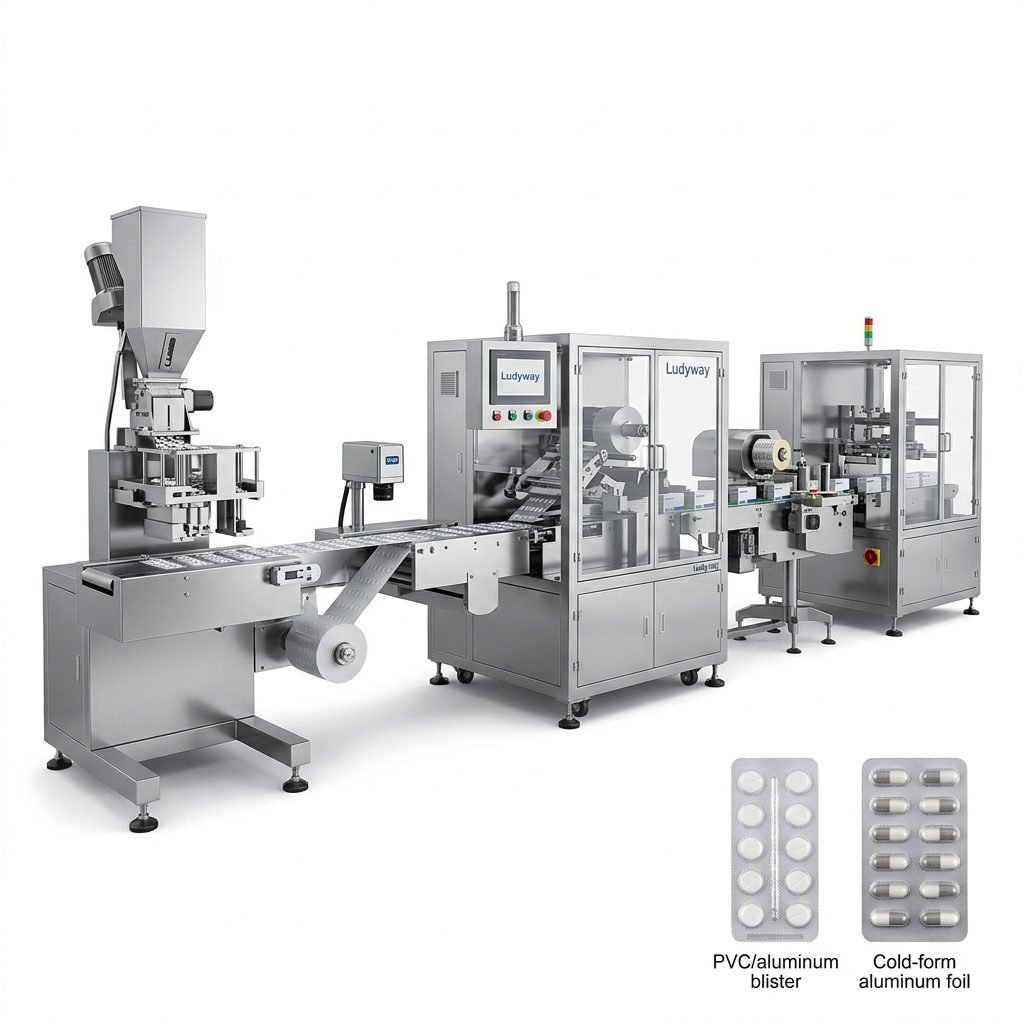
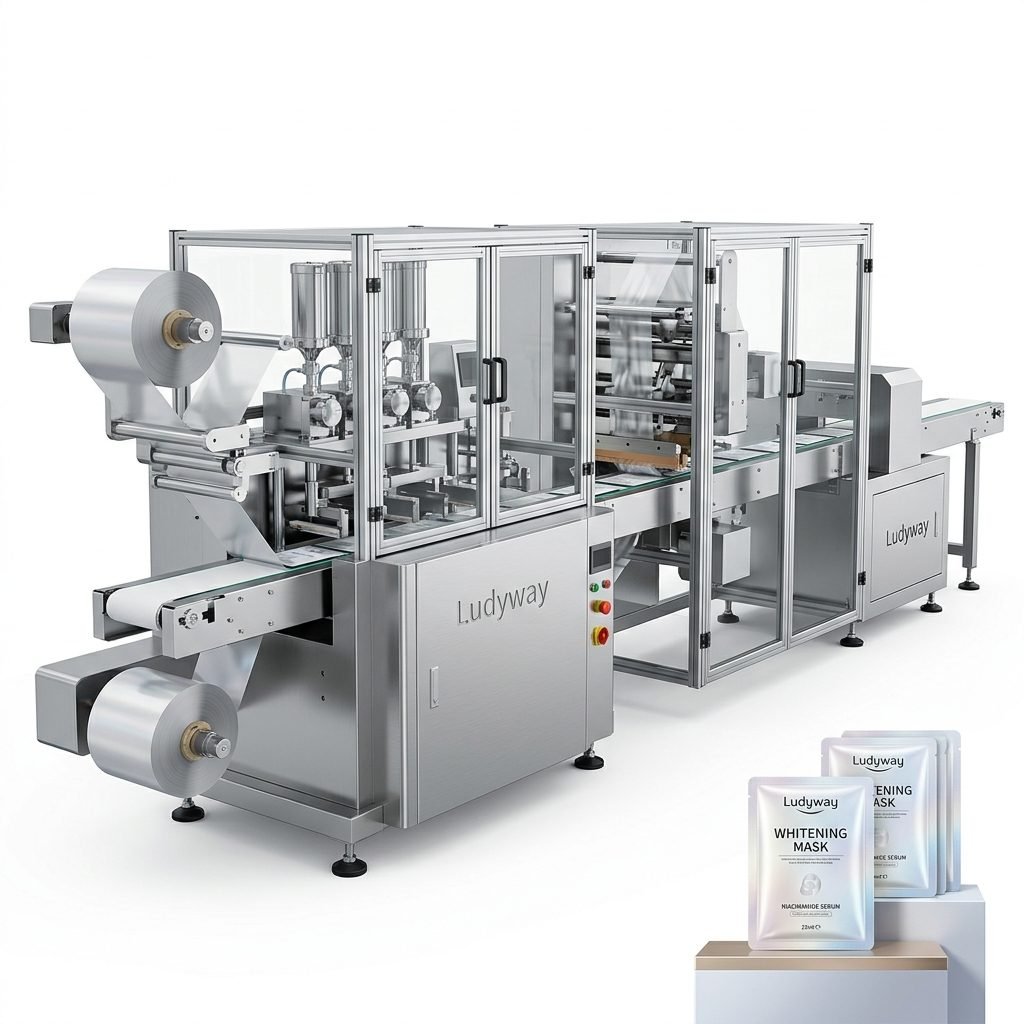
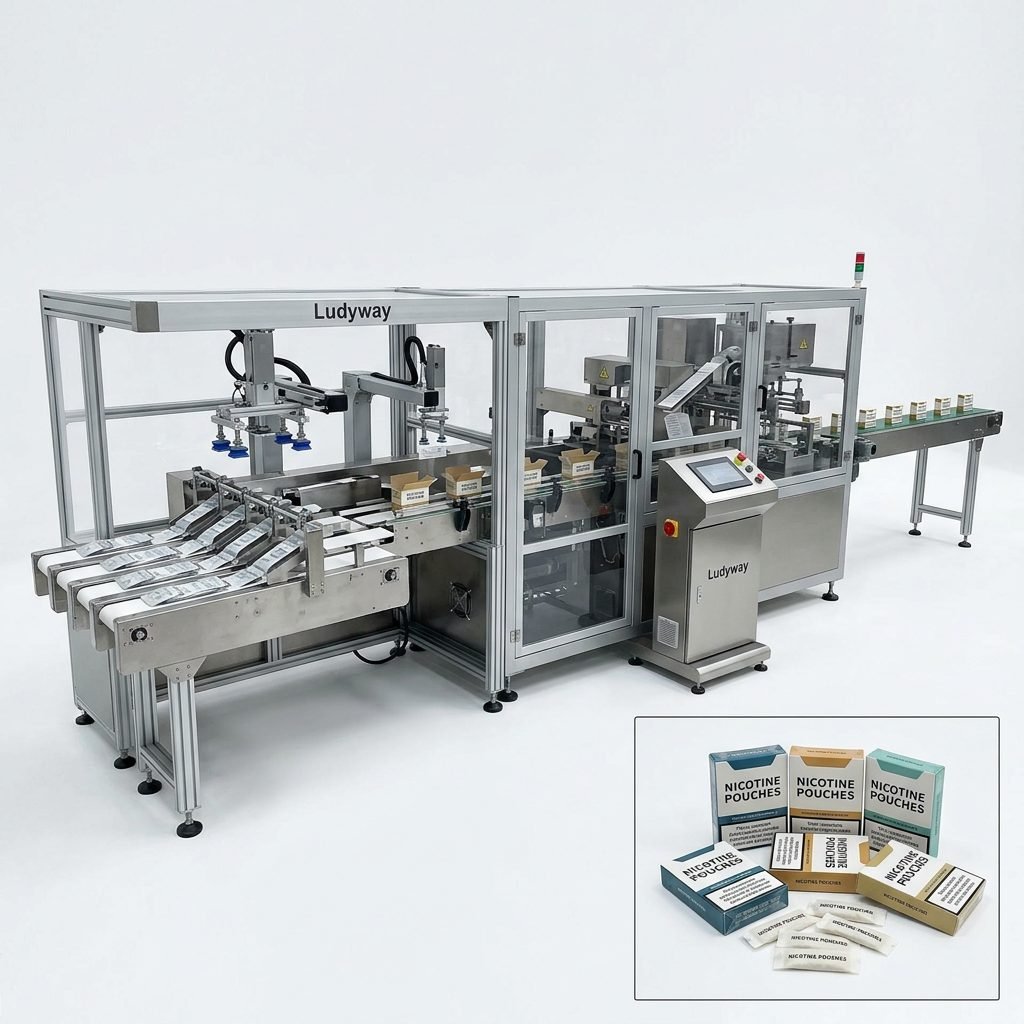
For example, Ludyway is one of the largest packaging machine manufacturers in China, specializing in advanced packaging equipment and turnkey production solutions for the food, pharmaceutical, and health industries. With over 30 years of industry expertise and a modern 20,000㎡ manufacturing facility, Ludyway offers more than 50 intelligent packaging machine models, including multi-lane stick pack, sachet, and fully automated packaging systems serving customers in over 100 countries.
7. Emerging Trends in Snack Packaging Technology
The snack food packaging industry continues to evolve rapidly. Forward-thinking manufacturers are investing in technologies that address sustainability demands, labor shortages, and changing consumer preferences. According to PMMI’s State of the Industry report, packaging automation investments in North America are accelerating at an unprecedented pace.
Key Industry Trends:
- Sustainable packaging materials: Growing demand for recyclable mono-material films, compostable packaging, and reduced plastic usage is reshaping machine requirements. Modern machines must handle thinner gauges and heat-sensitive sustainable films without compromising seal integrity.
- Smart factory integration: Industry 4.0 capabilities—including IoT sensors, real-time OEE dashboards, and predictive maintenance alerts—are becoming standard features on premium packaging equipment.
- Flexible packaging formats: The Flexible Packaging Association reports that snack manufacturers increasingly demand machines capable of producing multiple pouch formats on a single platform to support SKU proliferation.
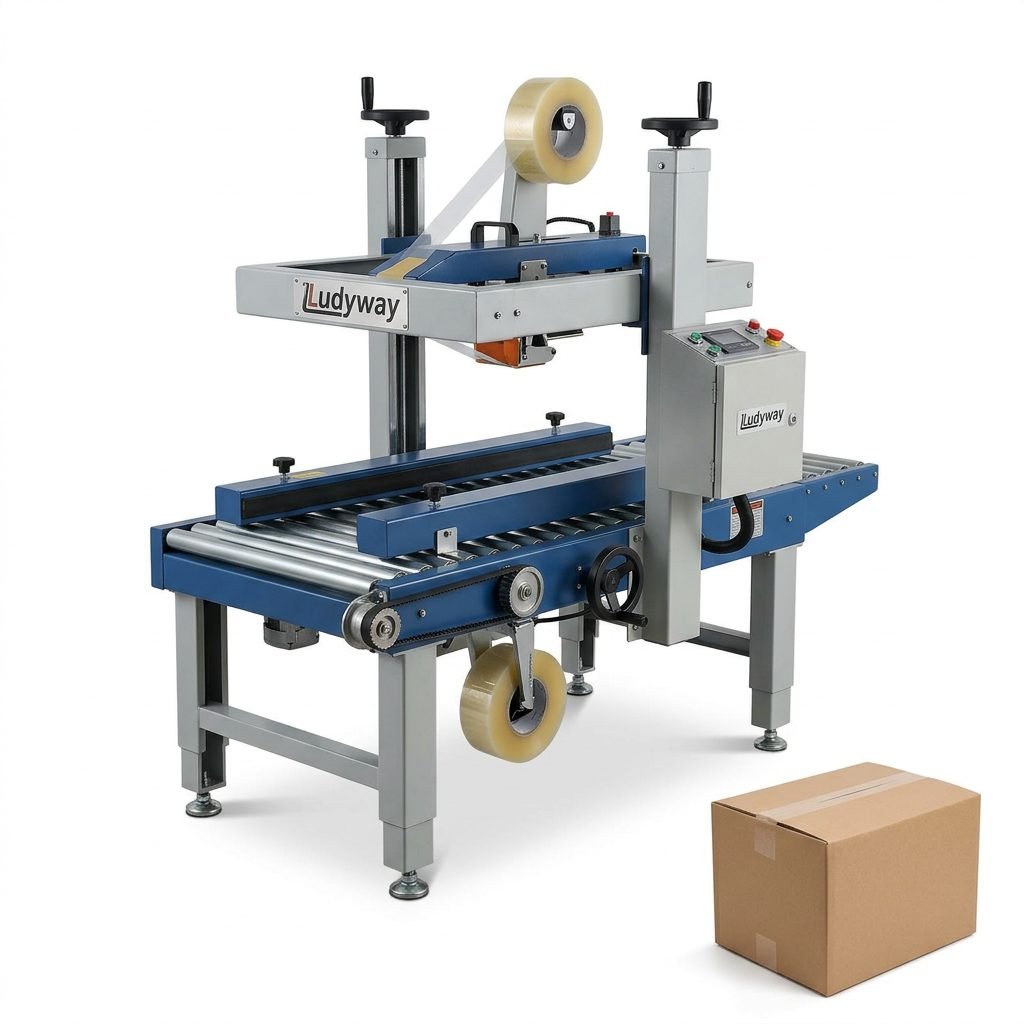
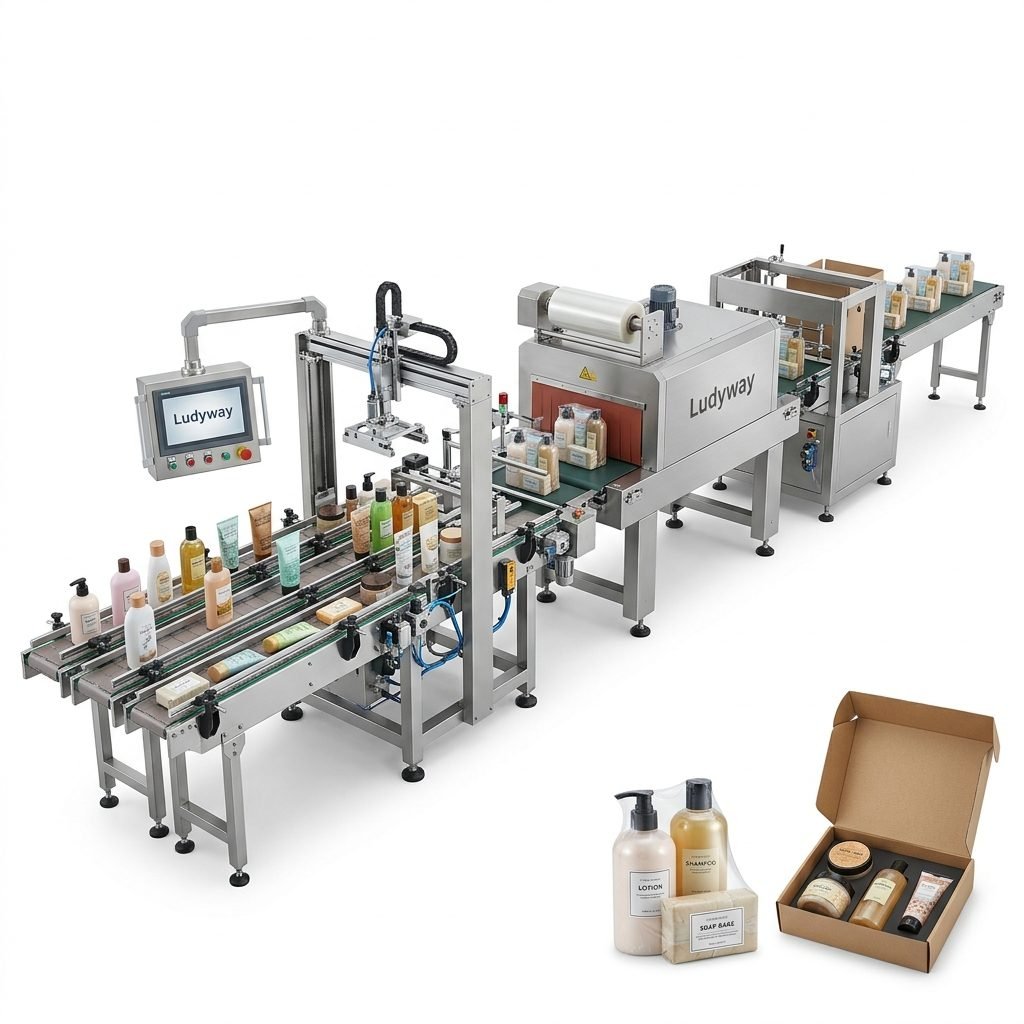
- Automation and robotics: Automated case packing, robotic palletizing, and integrated cartoning systems reduce reliance on manual labor while improving line consistency.
8. Making the Final Decision: A Step-by-Step Framework
After evaluating your product requirements, machine specifications, regulatory obligations, budget, and supplier options, you are ready to make a final decision. Use this structured framework to validate your choice:
- Conduct product trials: Send samples to prospective suppliers and request packaging trials using your actual product. Evaluate seal quality, fill accuracy, bag appearance, and film compatibility.
- Visit manufacturing facilities: If feasible, visit the supplier’s production floor to assess build quality, quality control processes, and manufacturing standards firsthand.
- Calculate total cost of ownership (TCO): Project 3–5 year costs including purchase price, installation, training, maintenance, spare parts, film waste, energy, and labor.
- Verify regulatory compliance: Ensure all documentation (FDA, UL, CE, material certificates) is provided before finalizing the purchase order.
- Negotiate service terms: Secure favorable terms for warranty coverage, remote support availability, and guaranteed spare parts delivery timelines.
- Plan for installation and training: Schedule commissioning, operator training, and production ramp-up timelines well in advance to minimize disruption.
Conclusion
Selecting the right snack food packaging machine in the USA requires careful evaluation of your product characteristics, production goals, regulatory environment, and budget constraints. By following the structured approach outlined in this guide—analyzing your product requirements, comparing machine types and specifications, ensuring U.S. compliance, budgeting holistically, and vetting suppliers thoroughly—you position your business for long-term operational success.
A well-chosen packaging machine does more than simply wrap your product. It protects product quality, extends shelf life, enhances brand perception, and drives manufacturing efficiency. Take the time to evaluate your options carefully. The right investment today pays dividends in productivity, profitability, and competitive advantage for years to come.