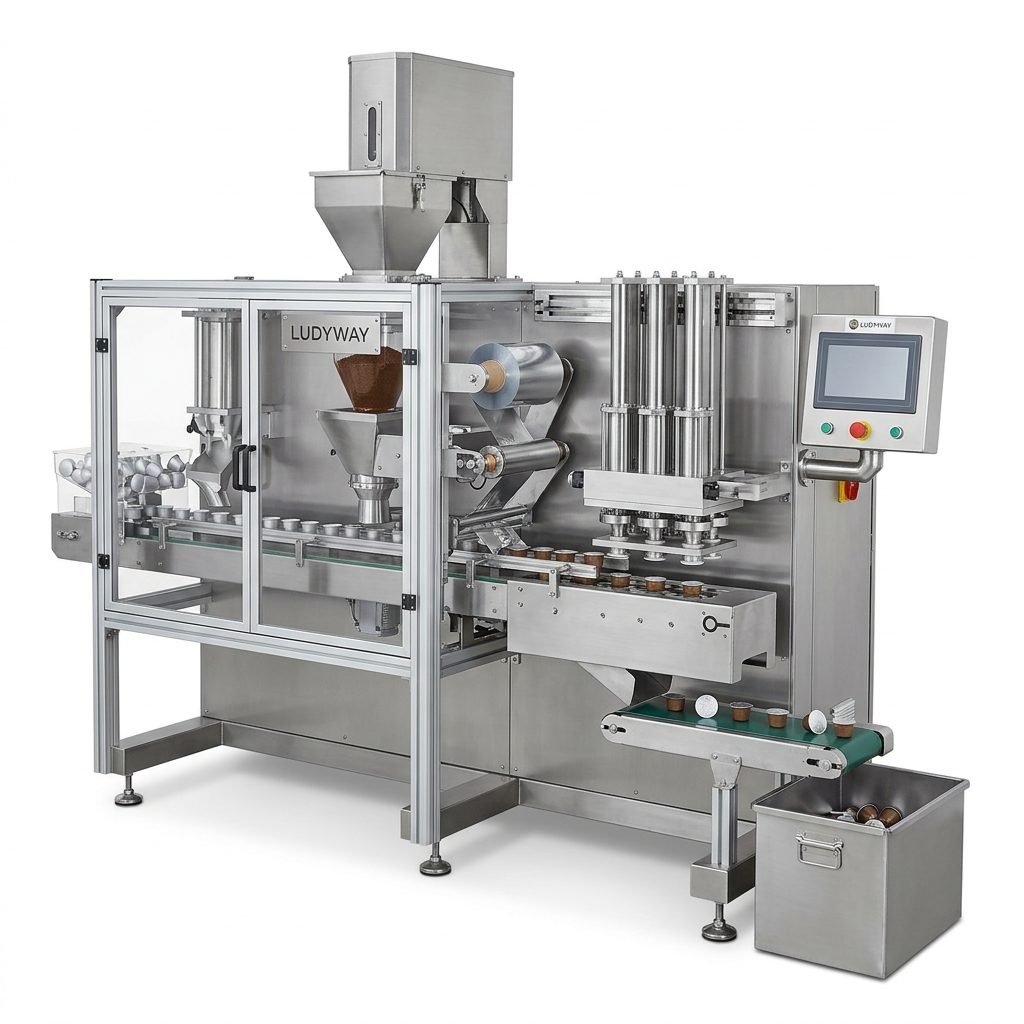
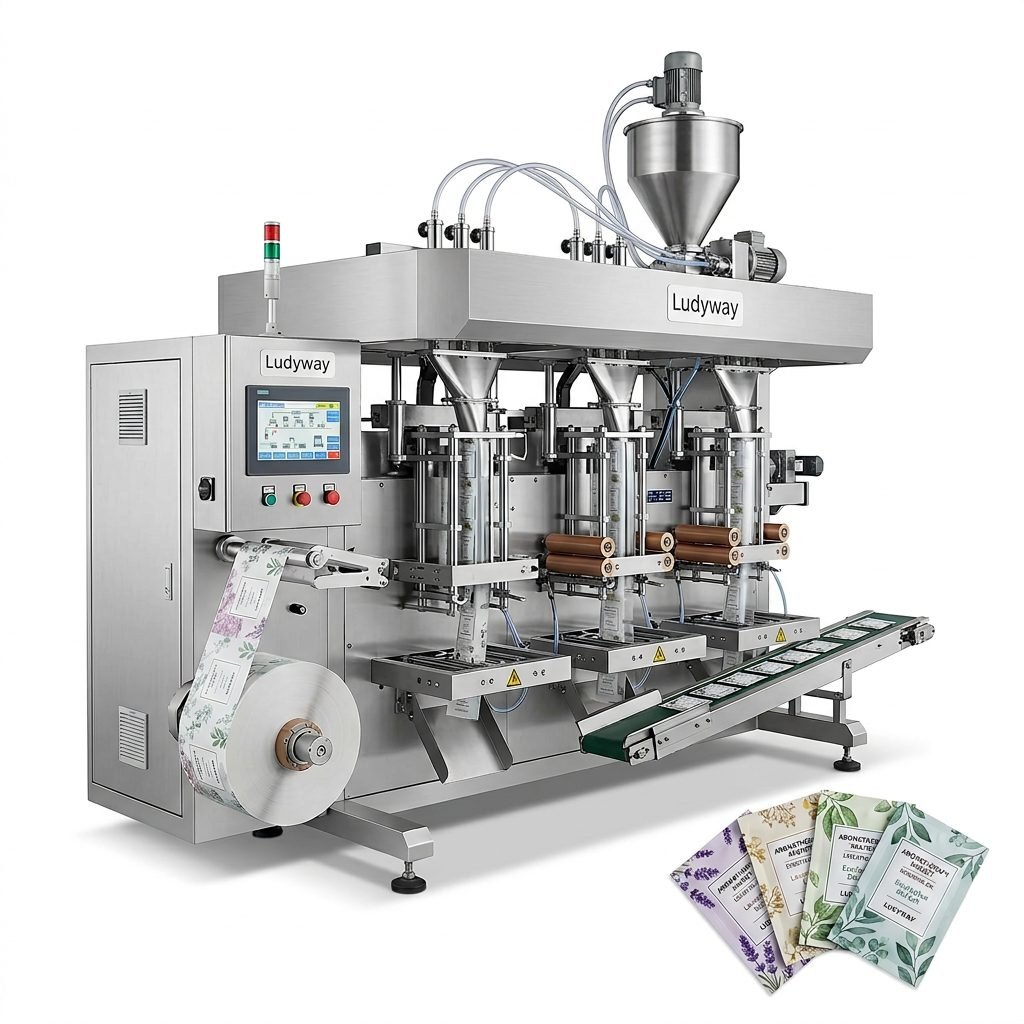
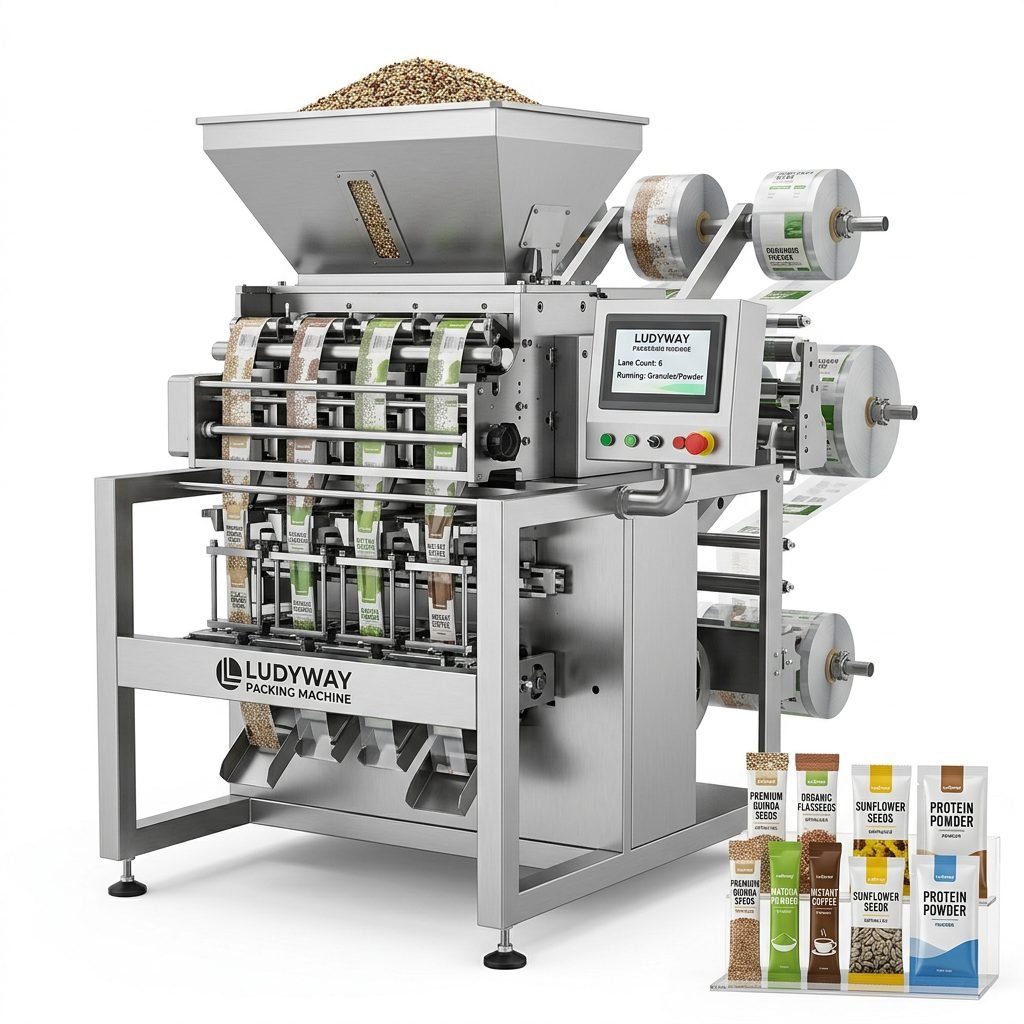
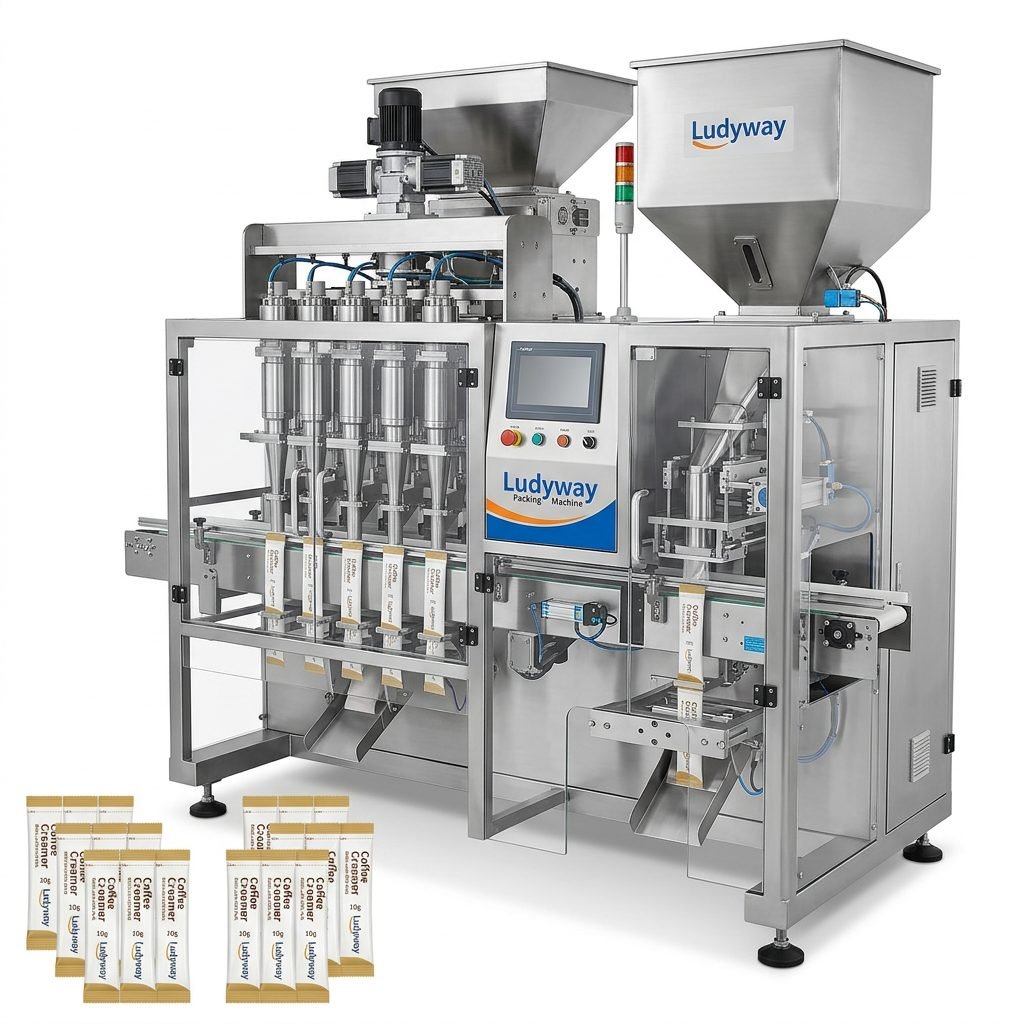
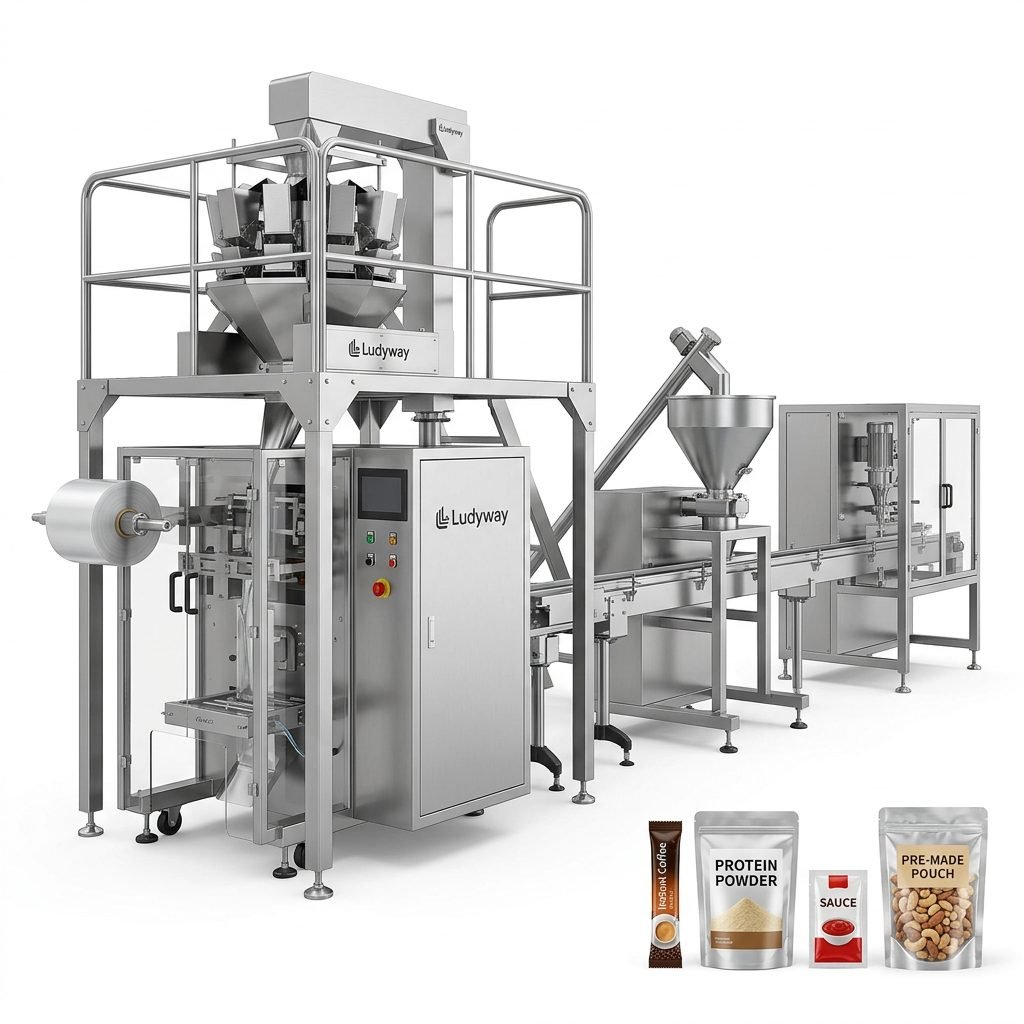
When evaluating a meal tray packing machine price, the lowest quotation is rarely the best business decision. For food manufacturers, central kitchens, ready-meal brands, and frozen food suppliers, the right machine should balance budget, output, tray compatibility, sealing quality, hygiene, and future scalability. A smart purchase helps reduce labor costs, improve consistency, and protect product quality from filling to final sealing.
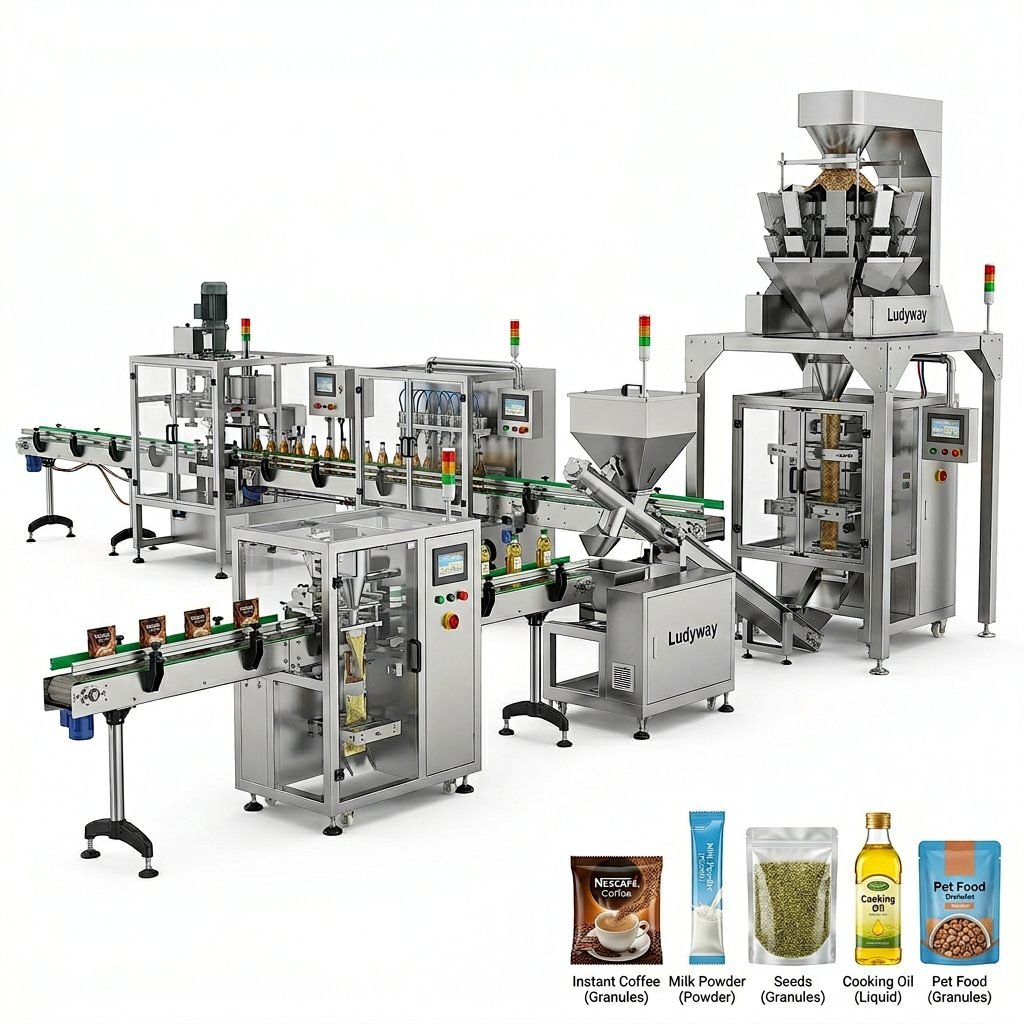
This guide explains what affects pricing, how to compare machine options, and what to check before requesting a quotation from a supplier.
What Is a Meal Tray Packing Machine?
A meal tray packing machine is used to fill, seal, pack, and sometimes label or discharge prepared meals in trays. These systems are common in:
- Ready-to-eat meal production
- Frozen meal packaging
- Fresh food and chilled meal processing
- Airline catering and central kitchens
- School, hospital, and institutional meal production
- Takeaway and convenience food manufacturing
Depending on the application, the machine may include tray denesting, product filling, MAP sealing, vacuum sealing, date coding, conveying, checkweighing, and cartoning integration.
What Affects Meal Tray Packing Machine Price?
The price can vary significantly because different businesses need different levels of automation, speed, and hygiene control. Below are the main cost factors.
1. Automation Level
A semi-automatic machine costs less than a fully automatic line. However, a fully automatic system usually delivers better labor savings and production consistency.
- Semi-automatic: Lower upfront cost, suitable for small batches
- Automatic: Higher productivity, fewer operators needed
- Turnkey line: Highest investment, best for large-scale standardized production
2. Output Capacity
Faster machines generally cost more. If your production target is several thousand trays per hour, the machine structure, servo control system, and sealing station must be more advanced.
3. Tray Size and Format Flexibility
If you package multiple tray sizes, compartment trays, or special shapes, the machine may require customized molds or quick-change tooling. This adds to the total price but improves flexibility.
4. Packaging Technology
Basic tray sealing is more affordable than systems with:
- Modified atmosphere packaging (MAP)
- Vacuum sealing
- Gas flushing
- Skin packaging
- Leak detection integration
5. Material and Hygiene Standards
Machines built for strict food safety environments may include stainless steel contact parts, washdown-friendly frames, sanitary design, and higher-grade electrical components. These features increase initial cost but are valuable for long-term compliance and cleaning efficiency.
6. Filling System Type
Meal trays often contain multiple components such as rice, vegetables, sauces, meat, or snacks. A machine with multi-head depositors or synchronized dosing systems will cost more than a simple sealing-only unit.
7. Customization and Line Integration
If you need a complete line with conveyors, metal detection, coding, labeling, case packing, or robotic handling, the project price will increase. Still, this usually improves line efficiency and lowers manual handling cost.
Typical Price Range by Machine Type
| Machine Type | Typical Investment Level | Best For |
|---|---|---|
| Semi-automatic tray sealer | Low | Startups, small kitchens, pilot production |
| Automatic tray sealing machine | Medium | Growing food brands and medium-volume factories |
| Automatic filling + sealing line | Medium to high | Prepared meal manufacturers with multiple ingredients |
| MAP / vacuum tray packaging line | High | Fresh meals, chilled meals, shelf-life-sensitive products |
| Turnkey automated tray packaging line | High to premium | Large-scale industrial food production |
Important: final pricing depends on product type, tray dimensions, required speed, sealing method, factory layout, and optional modules.
How to Choose the Best Option for Your Business
Match the Machine to Your Production Volume
Do not buy a machine based only on today’s order level. Think about the next 2 to 5 years. If demand is rising, a slightly higher-capacity model may provide a better return than replacing the machine too soon.
| Business Stage | Recommended Direction | Price Strategy |
|---|---|---|
| Startup or test market | Compact or semi-automatic model | Control upfront cost |
| Growing regional brand | Automatic tray sealer with upgrade options | Balance budget and capacity |
| Established food factory | Integrated filling and sealing line | Focus on efficiency and ROI |
| Large-scale multi-SKU producer | Flexible turnkey automation | Optimize long-term total cost |
Understand Your Product Characteristics
Meal trays are not all the same. Some products are dry and easy to portion, while others contain sauces, oils, or mixed ingredients. Make sure the equipment matches:
- Hot fill or cold fill conditions
- Solid, semi-solid, or liquid components
- Single-compartment or multi-compartment trays
- Fresh, chilled, frozen, or reheatable meal formats
- Required shelf life and sealing integrity
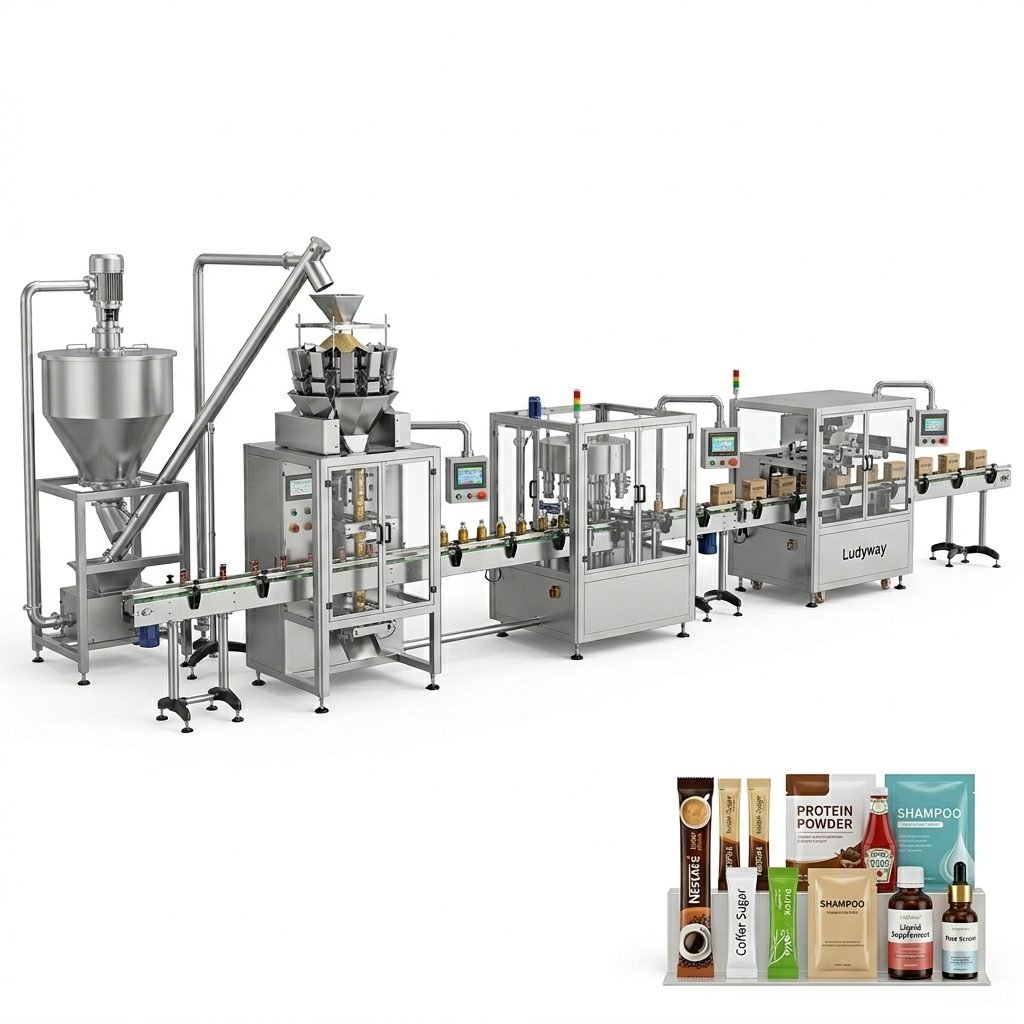
Evaluate Mold Changeover Time
If your business runs multiple SKUs, quick mold replacement is highly valuable. A cheaper machine with slow changeover may reduce line efficiency and increase downtime.
Check Film and Tray Compatibility
Make sure the machine works with your tray material and lidding film, such as PP, PET, CPET, aluminum, or eco-friendly tray materials. Incorrect compatibility can lead to weak seals, waste, and product complaints.
Consider Labor Cost Savings
A higher machine price may still be the better choice if it reduces manual loading, filling, sealing, and inspection work. The right comparison is not just purchase price, but cost per packed tray.
Key Questions to Ask Before Buying
- What tray sizes and materials can the machine handle?
- What is the real output under my actual product conditions?
- Can the machine package meals with sauce, oil, or mixed textures?
- How easy is cleaning and sanitation?
- What optional features are available now and later?
- How long does mold changeover take?
- What after-sales support and spare parts service are included?
- Can the machine integrate with upstream filling and downstream cartoning equipment?
Price vs. Total Cost of Ownership
Many buyers focus too much on the quotation and not enough on total ownership cost. A lower-cost machine may become expensive if it creates high downtime, excessive film waste, poor sealing results, or difficult maintenance.
Look Beyond the Initial Quotation
- Energy consumption
- Film and tray waste rate
- Maintenance frequency
- Operator training requirements
- Spare part availability
- Output stability
- Product rejection rate
A machine that runs reliably every day often creates a far better ROI than a cheaper unit with inconsistent performance.
Should You Choose a Standard Machine or a Custom Line?
This depends on your production complexity.
Choose a Standard Model If:
- You have one or two tray formats
- Your output demand is moderate
- Your budget is limited
- You need faster delivery time
Choose a Custom or Turnkey Solution If:
- You pack multiple meal types and tray structures
- You need synchronized filling and sealing
- You want labor reduction across the full line
- You plan to scale production significantly
- You require integration with coding, inspection, cartoning, or palletizing
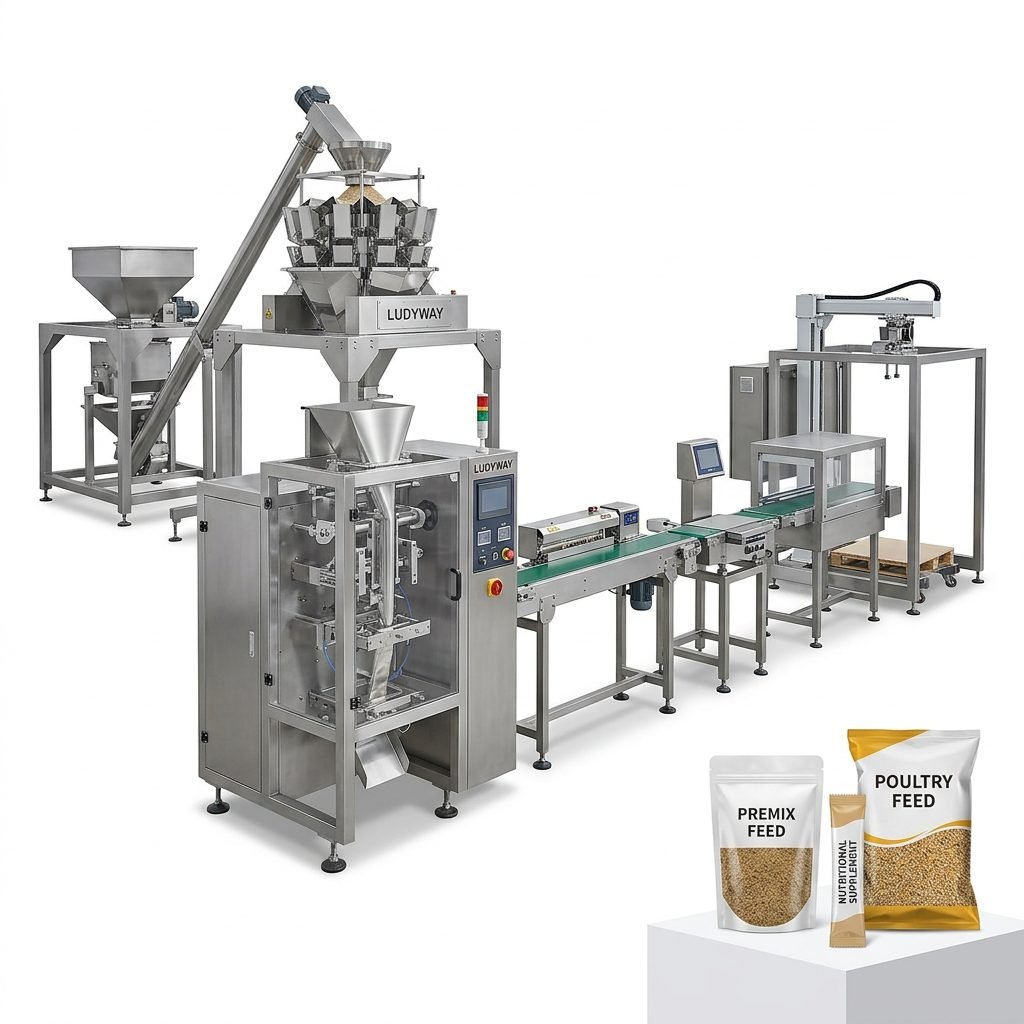
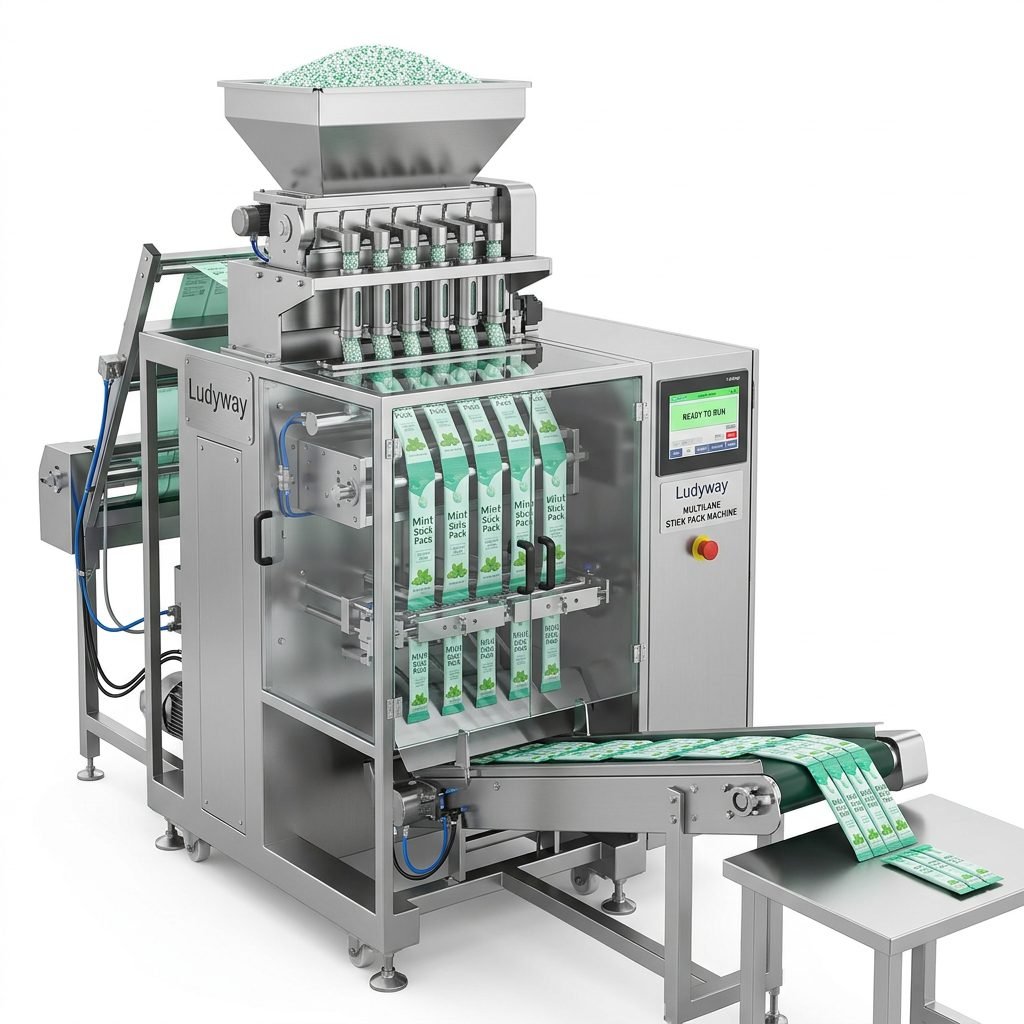
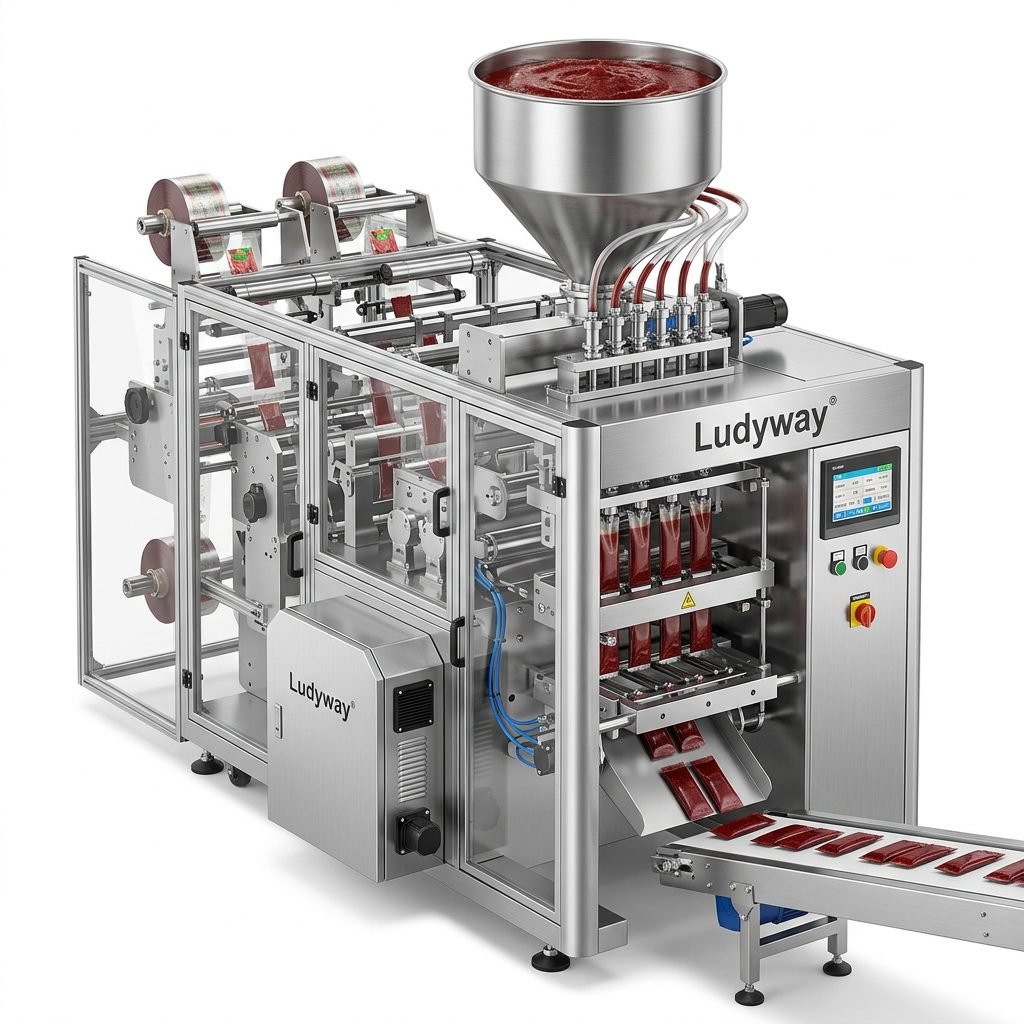
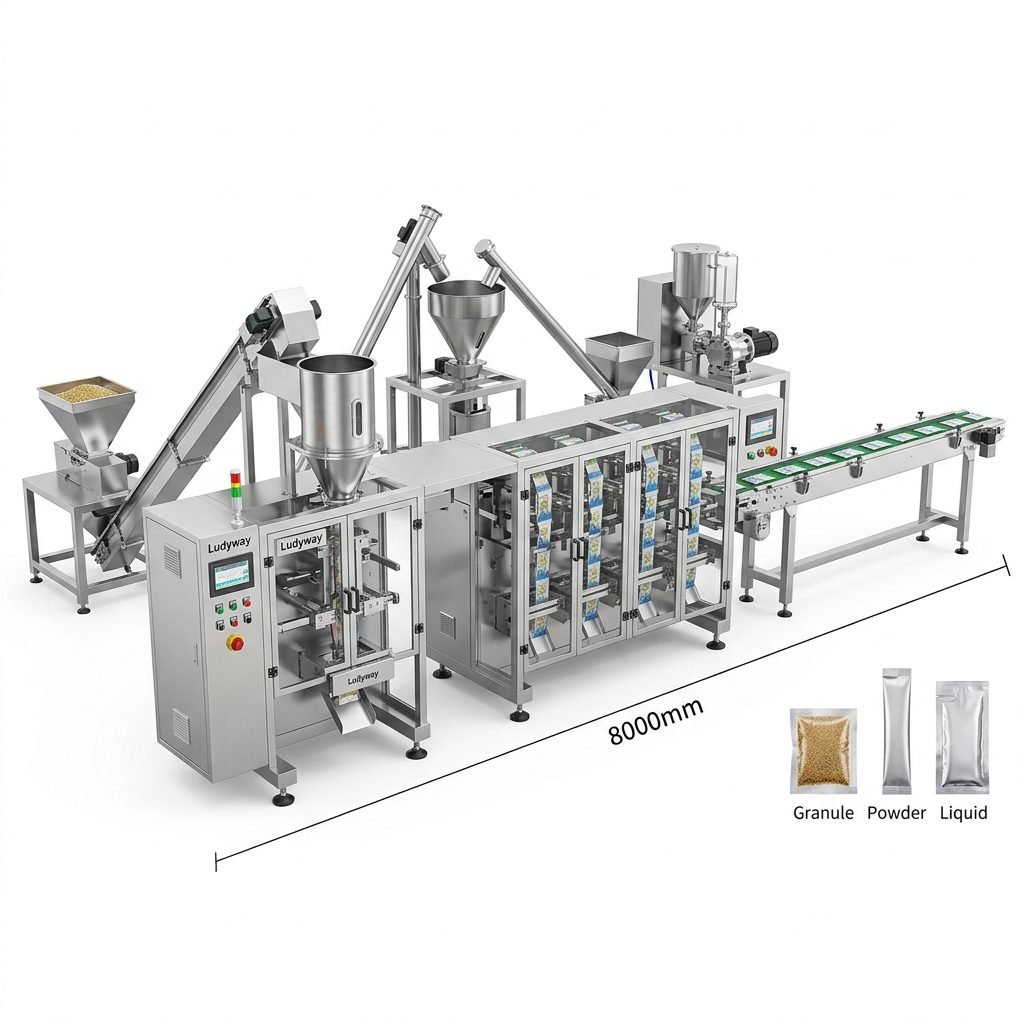
For businesses that need tailored automation, meal tray packing machine solutions from Ludyway can be evaluated alongside broader packaging line requirements, especially when expansion and process integration are priorities.
Common Mistakes When Comparing Meal Tray Packing Machine Prices
- Choosing based only on the lowest price
- Ignoring actual tray and film compatibility
- Overlooking cleaning and sanitation requirements
- Buying insufficient speed for future growth
- Not checking sealing performance on real samples
- Forgetting installation, training, and spare parts costs
- Comparing quotations without matching the same technical scope
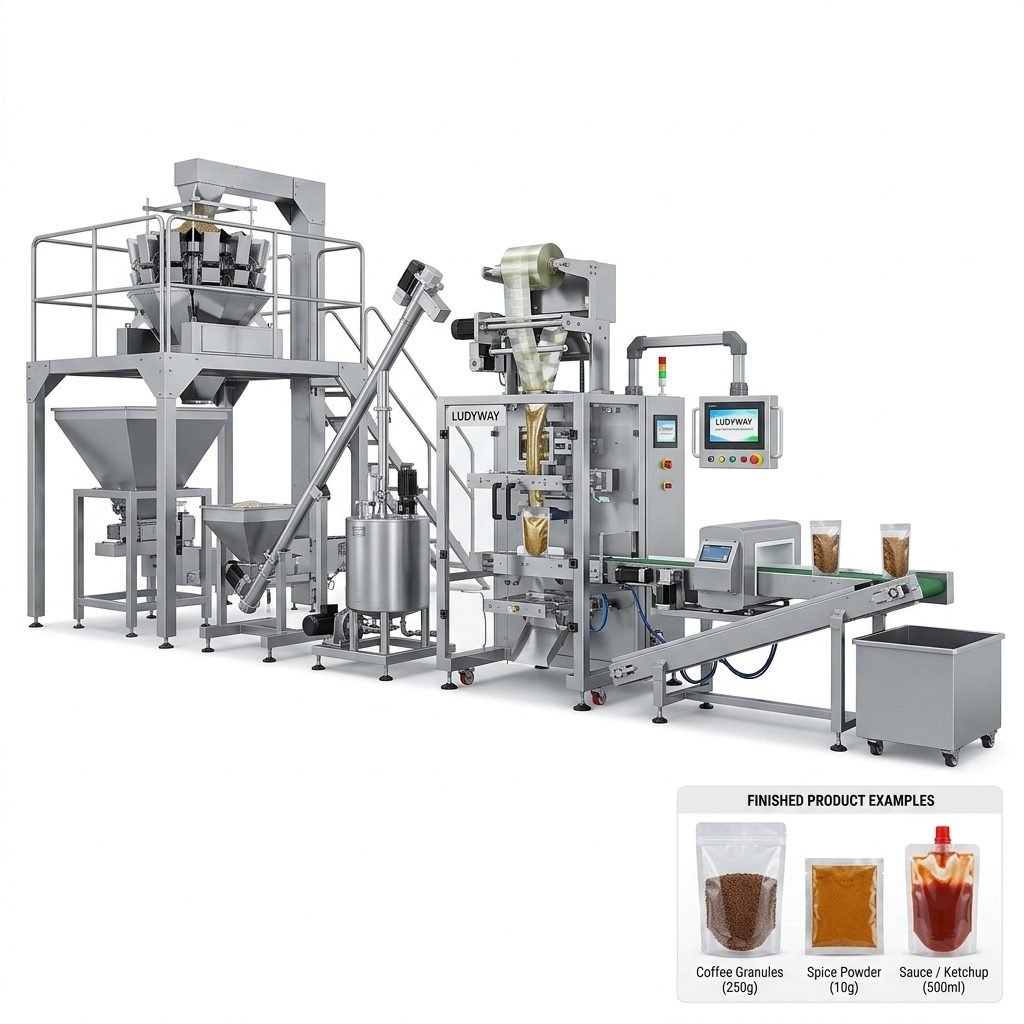
How to Request an Accurate Quote
To receive a useful quotation, prepare the following information:
| Information Needed | Why It Matters |
|---|---|
| Tray dimensions and shape | Determines tooling and machine structure |
| Tray material and lidding film | Affects sealing system compatibility |
| Required output per hour | Determines machine size and automation level |
| Meal components and filling style | Defines dosing and deposit systems |
| Need for MAP or vacuum | Changes sealing and gas control configuration |
| Factory layout | Helps plan line integration and footprint |
| Power standards and compliance needs | Ensures suitability for your market |
Best Choice for Different Business Types
Small Food Startup
Start with a reliable semi-automatic or entry-level automatic tray sealer if your SKU count is low and order volume is still developing.
Regional Ready-Meal Brand
A mid-range automatic meal tray packing machine with flexible molds and stable sealing performance is often the most practical solution.
Large Industrial Manufacturer
An integrated filling, sealing, inspection, and end-of-line packaging system usually provides the strongest long-term efficiency and quality control.
Central Kitchen or Catering Operation
Prioritize hygiene design, cleaning convenience, reliable throughput, and easy format change if menus rotate frequently.
Final Buying Tip
The best meal tray packing machine is not the cheapest one—it is the machine that fits your product, packaging format, output target, labor structure, and growth plan. Focus on value, not just price. A well-matched machine can improve productivity, reduce waste, protect food quality, and support your brand as demand grows.
Before making a decision, compare suppliers based on technical capability, customization experience, machine stability, support response, and the ability to provide a solution that matches your real production needs.