For small businesses and home users across Oceania, from Auckland to Sydney, finding the right small vacuum packaging machine can transform food preservation, reduce waste, and streamline operations. Whether you are packaging fresh produce, seafood, meat, or ready-to-eat meals, a compact vacuum sealer offers unmatched convenience and efficiency.

Why Invest in a Small Vacuum Packaging Machine?
Vacuum packaging is no longer reserved for large-scale industrial operations. The growing demand for extended shelf life, portion control, and hygienic storage has made these machines essential in commercial kitchens, farmers’ markets, and home-based food businesses throughout the Pacific region. Key benefits include:
- Extended freshness — up to 5 times longer than conventional storage
- Protection against freezer burn and dehydration
- Reduced food waste and improved inventory management
- Professional presentation for retail and market sales
- Cost-effective solution for small-batch packaging

Key Factors to Consider When Choosing Your Machine
Selecting the ideal small vacuum packaging machine requires careful evaluation of several critical specifications. The Oceania market, with its unique regulatory environment and diverse food industry, demands equipment that meets both Australian and New Zealand food safety standards.
Chamber Size and Sealing Capacity
The chamber dimensions determine what you can package. For home users, a compact chamber accommodating standard freezer bags may suffice. Small businesses should consider machines that handle multiple pouch sizes simultaneously. Look for models with adjustable sealing bars and the ability to accommodate bags up to 30 cm in width.
Pump Type and Vacuum Strength
Machines typically feature either oil pumps or dry pumps. Oil pumps deliver stronger vacuum pressure and are ideal for frequent commercial use, while dry pumps require less maintenance and are suitable for home applications. A vacuum level of -0.095 MPa or higher is recommended for effective preservation.
Build Quality and Compliance
Stainless steel construction ensures durability and compliance with FDA food contact standards. For businesses in Oceania, machines should also meet relevant ISO packaging standards and local food safety regulations.

Comparing Machine Types for Different Applications
The table below outlines common small vacuum packaging machine configurations suited to Oceania users:
| Machine Type | Best For | Vacuum Level | Typical Use |
|---|---|---|---|
| External Vacuum Sealer | Home kitchens, small cafes | -0.06 to -0.08 MPa | Dry goods, occasional sealing |
| Single Chamber Machine | Butchers, seafood vendors | -0.095 to -0.1 MPa | Meat, fish, daily commercial use |
| Double Chamber Machine | Food processors, markets | -0.095 to -0.1 MPa | High-volume continuous operation |
| Nozzle Vacuum Sealer | Home users, light commercial | -0.05 to -0.07 MPa | Occasional use, budget-friendly |
Maintenance and Longevity Tips
Proper maintenance extends the life of your small vacuum packaging machine significantly. Clean the sealing bar after each use, inspect gaskets monthly for wear, and replace oil in pump systems according to manufacturer guidelines. Machines used in humid Oceania coastal environments should be stored in dry conditions to prevent corrosion.
- Wipe sealing bars with a damp cloth after every session
- Check and clean vacuum channels weekly
- Replace oil every 500 cycles for pump-driven models
- Inspect power cords and connections regularly
- Keep the machine covered when not in use
Emerging Trends in Vacuum Packaging Across Oceania
The Oceania region is seeing increased demand for sustainable packaging solutions, with many businesses opting for recyclable and biodegradable vacuum pouches. Flexible packaging innovations are driving adoption among small producers. Additionally, PMMI market research indicates steady growth in compact packaging equipment across the Asia-Pacific region, with exports from leading manufacturers increasing year on year.

Making the Right Investment Decision
When budgeting for a small vacuum packaging machine, consider not just the purchase price but also consumables like vacuum bags, spare parts availability, and after-sales support. For Oceania customers, suppliers with local distribution partners or reliable international shipping are preferable. Check warranty terms and whether technical support is accessible during your business hours.
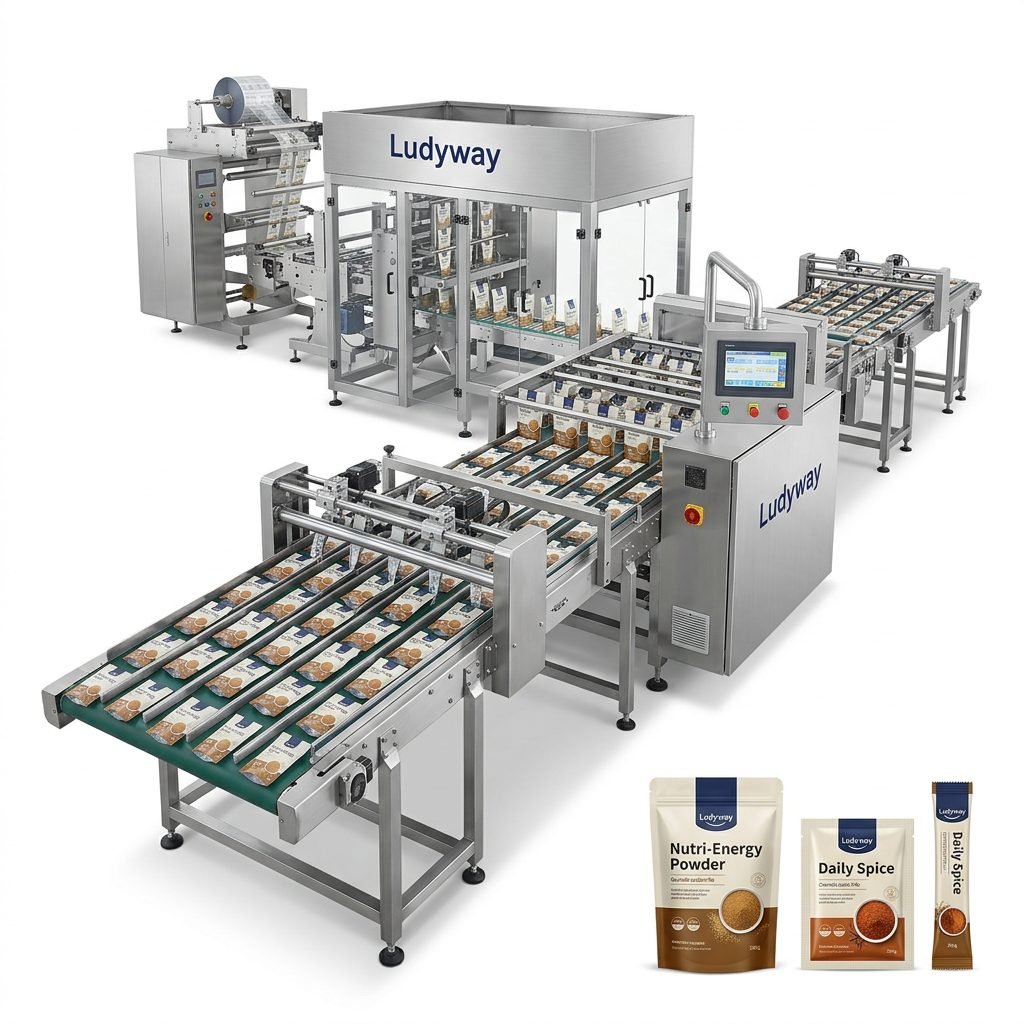
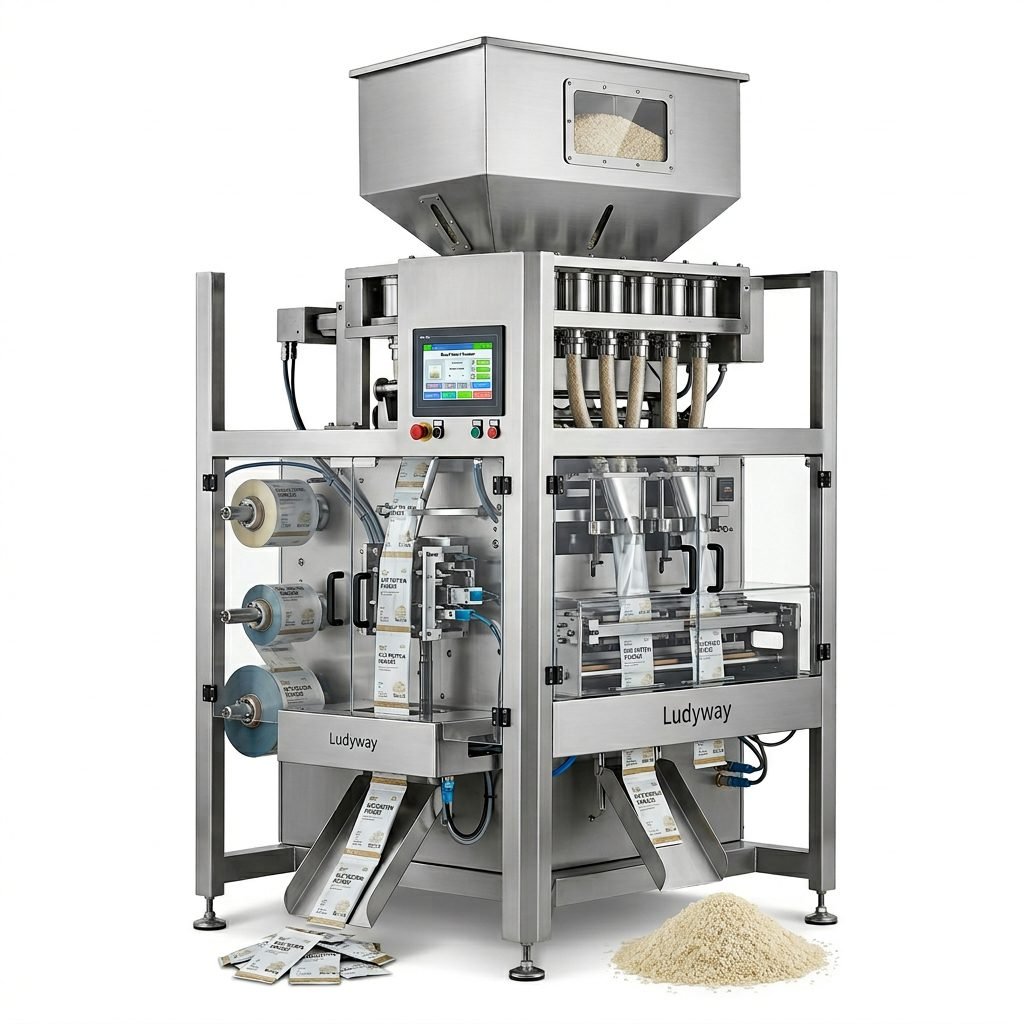
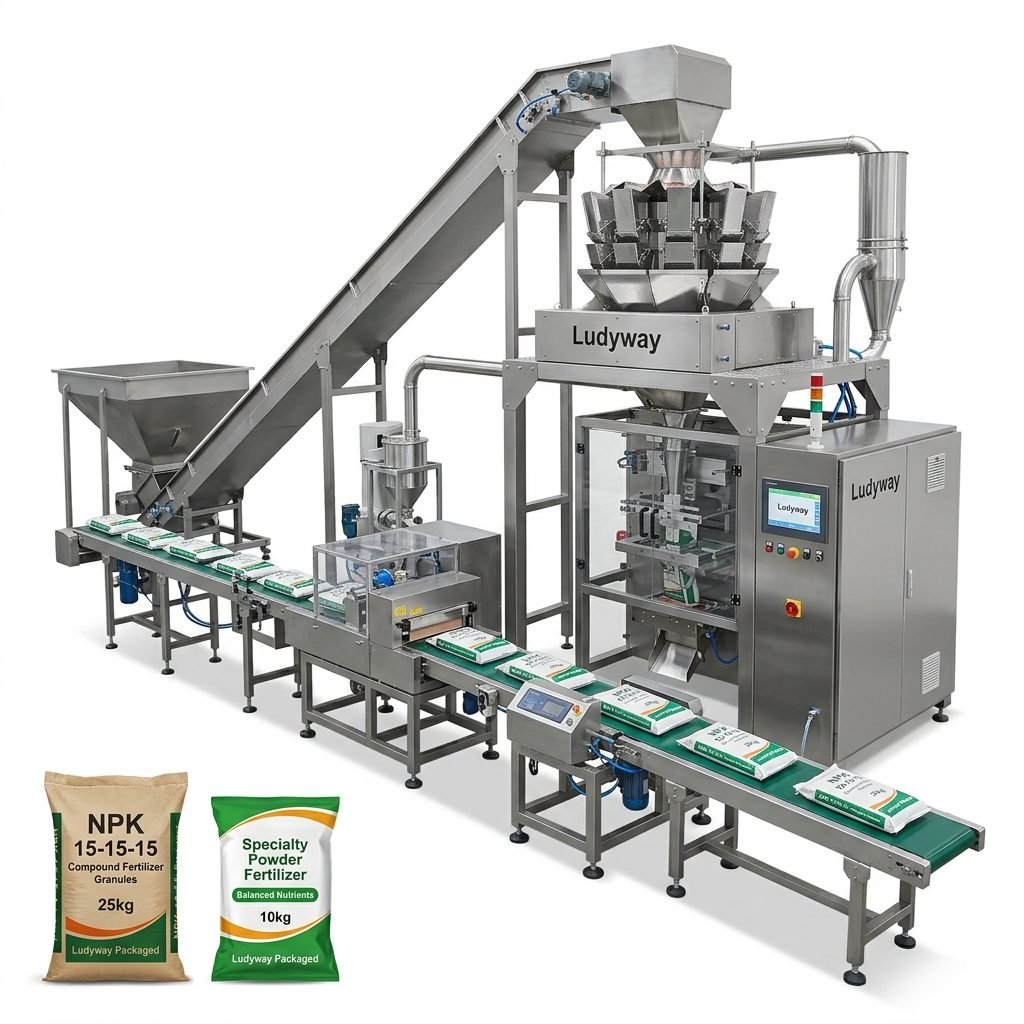
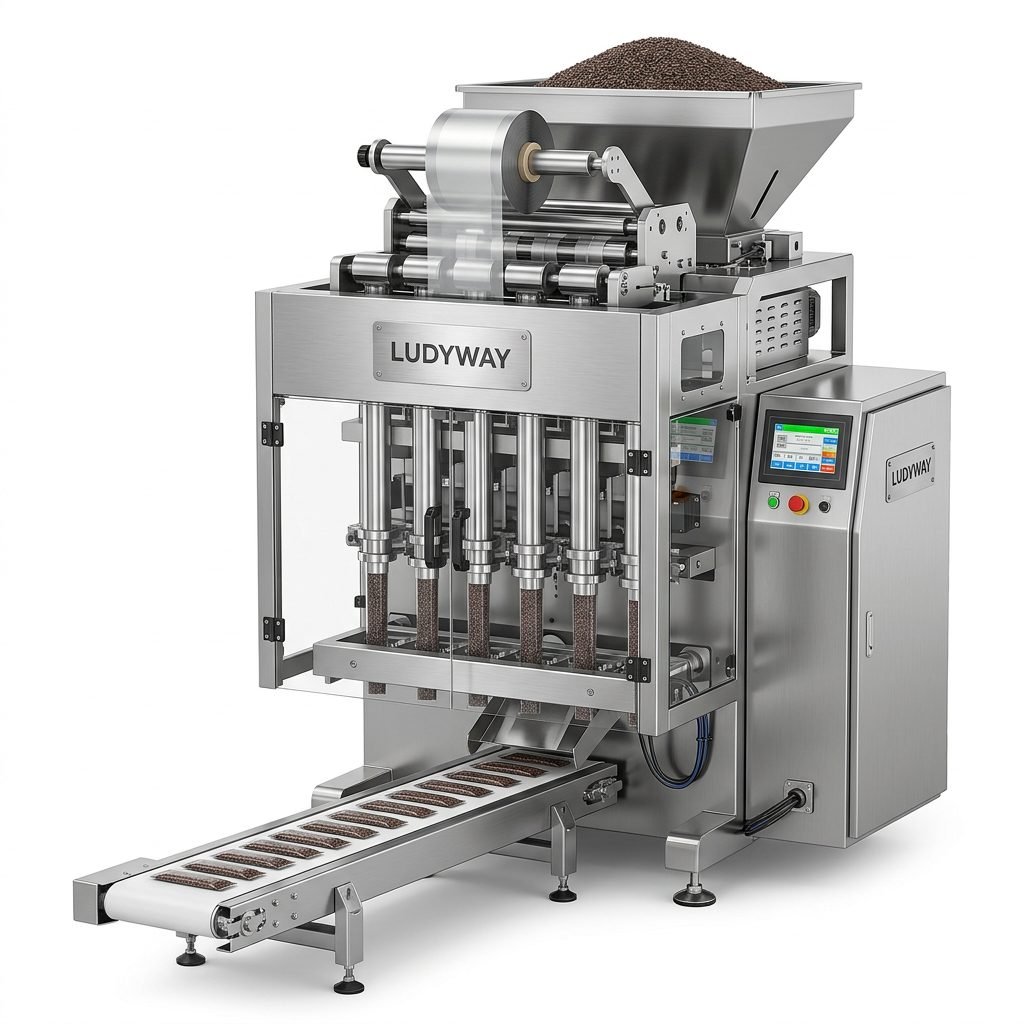
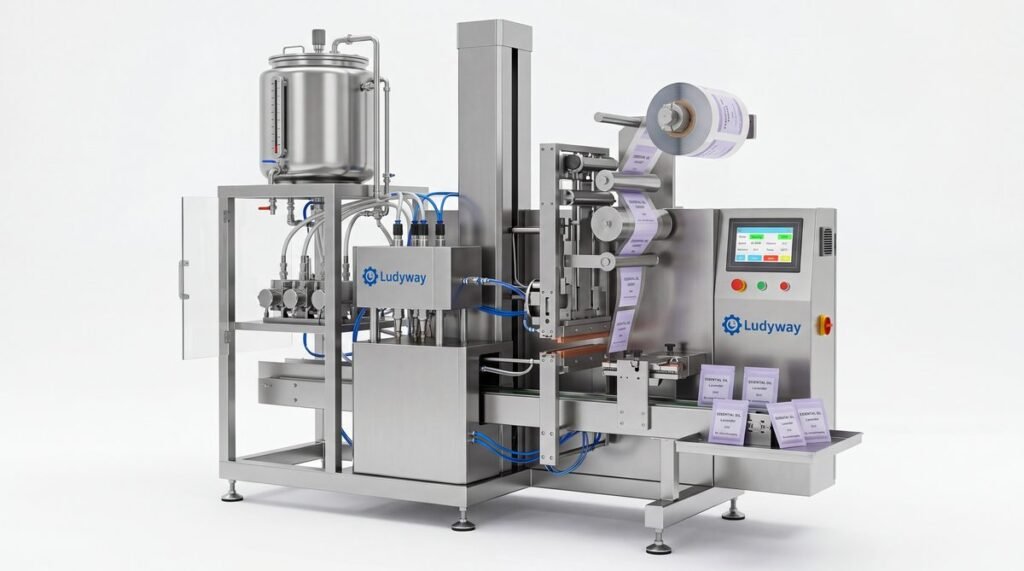
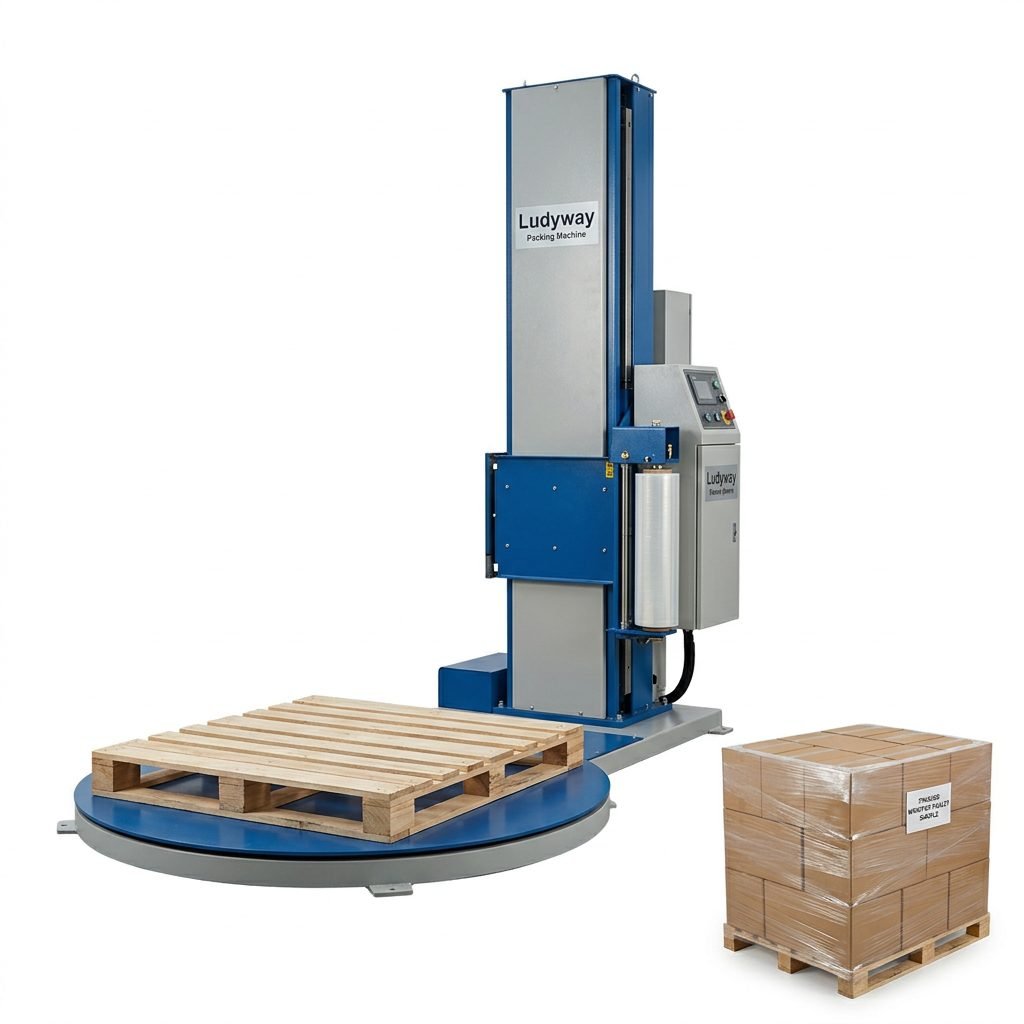
For those seeking a trusted manufacturing partner, Ludyway offers a comprehensive range of packaging machinery with over 30 years of industry expertise and a 20,000㎡ modern production facility. Their small vacuum packaging solutions are exported to more than 100 countries, including Australia and New Zealand, backed by robust technical support and competitive pricing. Explore their automatic vacuum packaging systems designed for granule, powder, and liquid applications.
For further reading, refer to the 2025 State of the Industry report from PMMI and the European Commission packaging regulations for international compliance insights.
Frequently Asked Questions
Can I vacuum seal liquids with a small machine?
Yes, but a chamber machine is recommended. External sealers may draw liquid into the pump, causing damage. Always use appropriate pouches and leave sufficient headspace.
What bag types work best?
Embossed or textured vacuum bags are required for external sealers. Chamber machines can use smooth, lower-cost pouches. Look for food-grade, BPA-free materials compliant with FDA food packaging guidelines.
How often should maintenance be performed?
Daily cleaning of sealing bars, weekly inspection of gaskets, and monthly oil checks for pump models are recommended. Refer to your ISO 11607 compliance documentation if applicable.