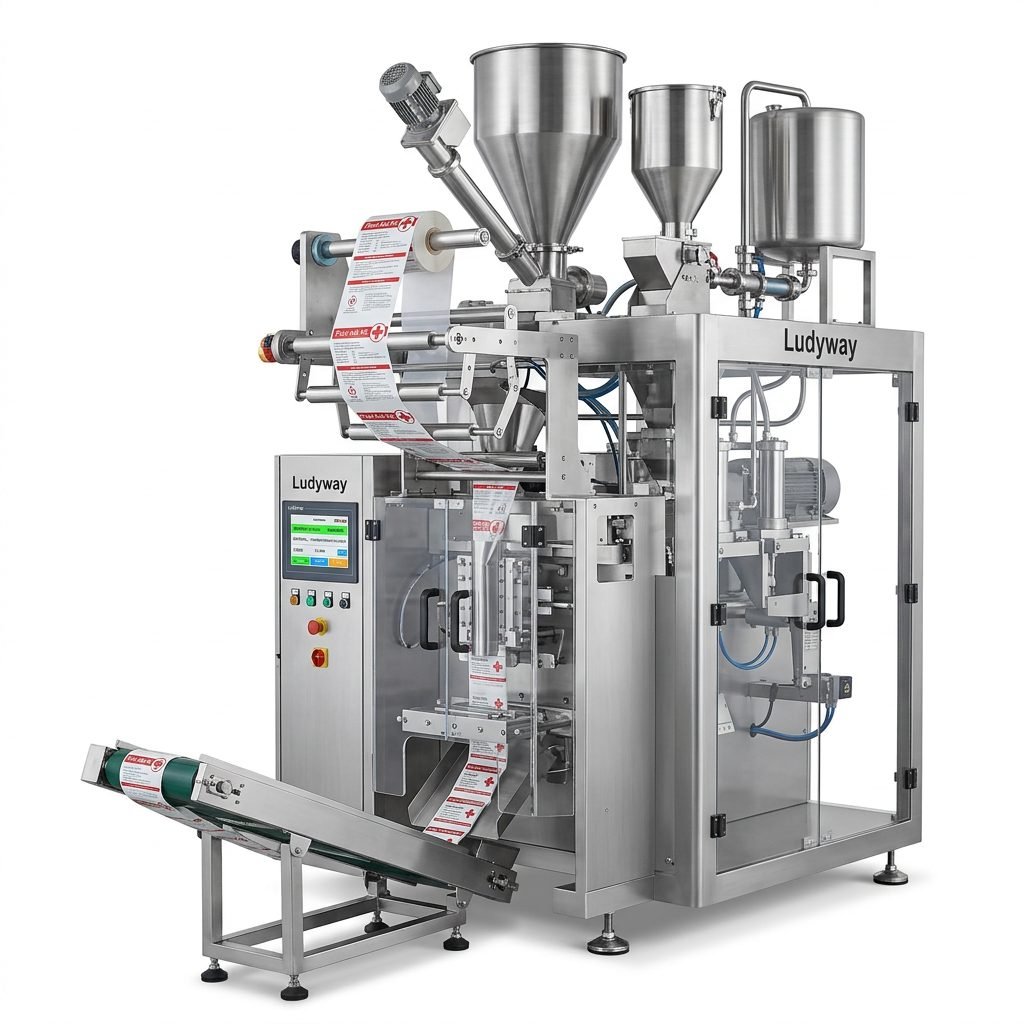
Establishing a vacuum skin packaging (VSP) machine production line in France requires careful planning, from understanding local food regulations to selecting the right equipment configuration. This guide provides a step-by-step approach to building a compliant and efficient VSP line.

Understanding the French Food Packaging Market
France is one of Europe’s largest food processing markets, with a strong emphasis on extended shelf life and premium product presentation. Vacuum skin packaging has become the gold standard for fresh meat, poultry, seafood, and gourmet cheese. The technology creates a tight, transparent film that molds to the product like a second skin, enhancing visual appeal while significantly reducing oxygen exposure. Before investing in a production line, it is critical to analyze the specific demands of French retailers like Carrefour, Leclerc, and Intermarché, which often require 100% inspected seals and leak-proof integrity.
Key Regulatory Requirements in France & the EU
Compliance with EU food contact material regulations is mandatory. Your production line must adhere to EC Regulation 1935/2004 and Regulation (EC) 2023/2006 on Good Manufacturing Practice (GMP). French authorities, including the DGCCRF, enforce strict traceability standards.
- EU 10/2011: Specific rules on plastic materials and articles intended to come into contact with food.
- French Decree 2007-766: Specific requirements for materials in contact with foodstuffs.
- HACCP Compliance: The line must facilitate Hazard Analysis Critical Control Points, particularly seal integrity checks.
- MAP (Modified Atmosphere Packaging): If you plan to use gas flushing, ensure the equipment meets stringent French gas purity standards.
Core Components of a Vacuum Skin Packaging Line
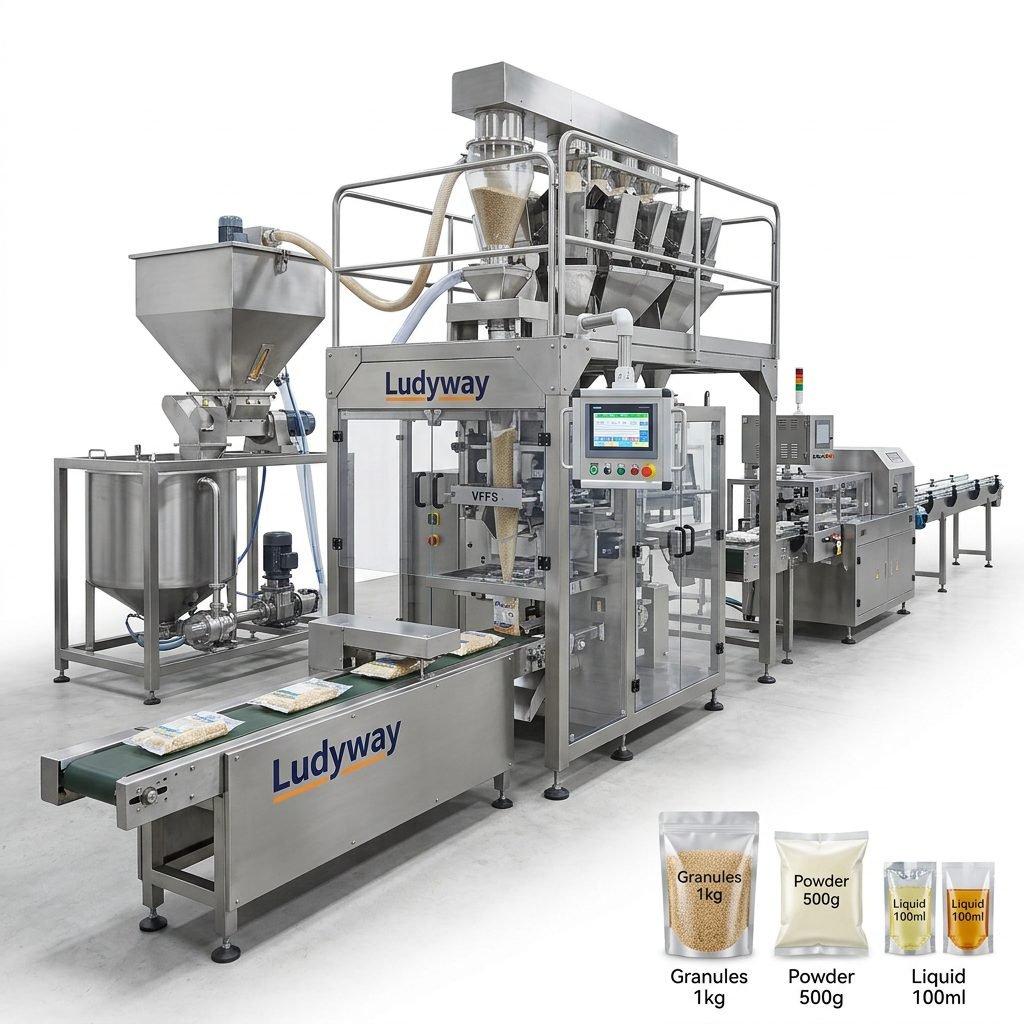
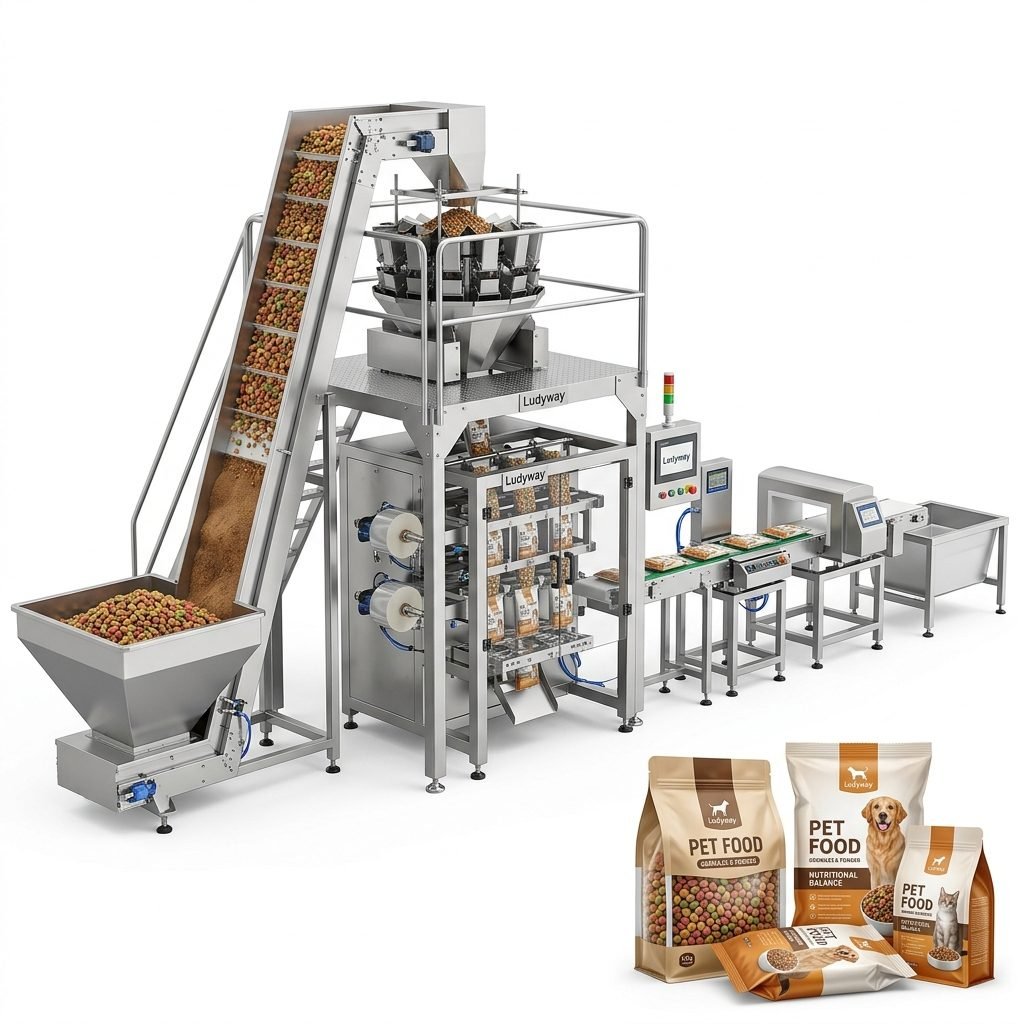
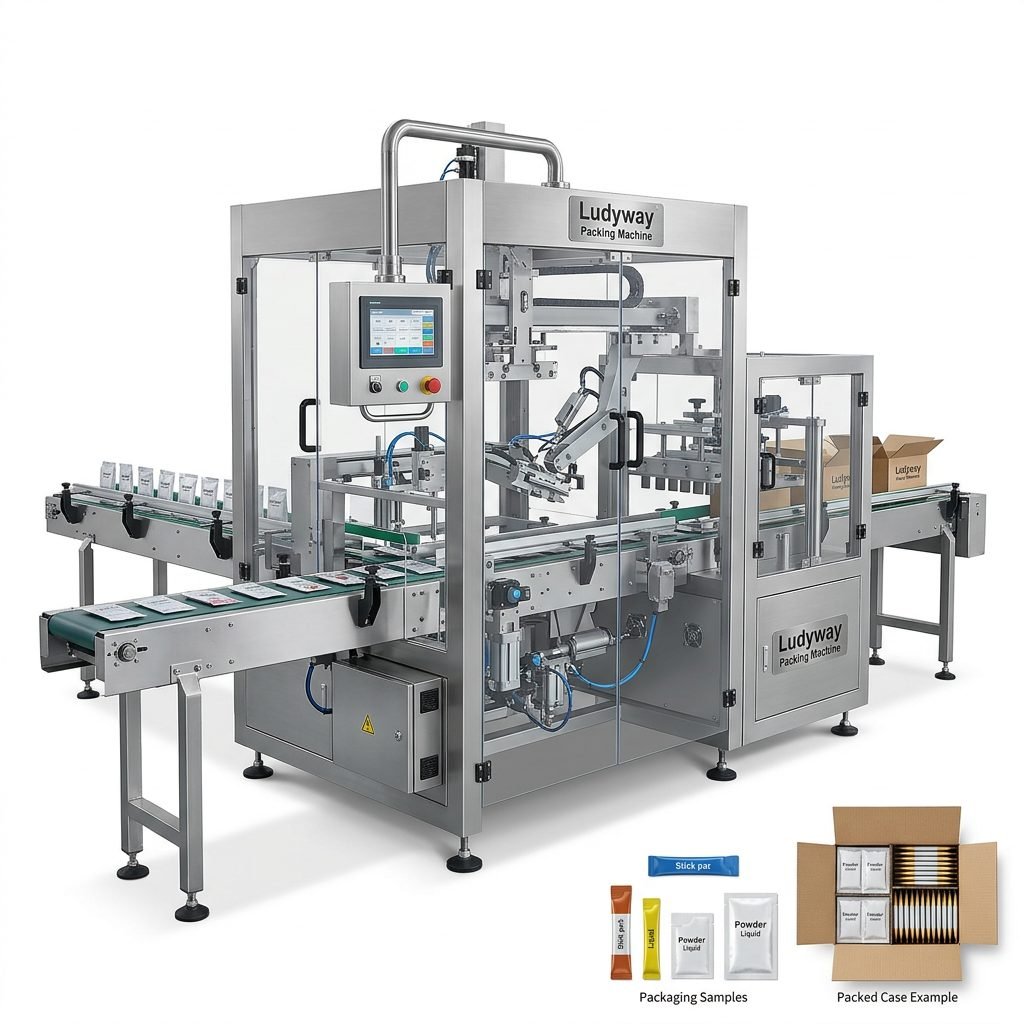
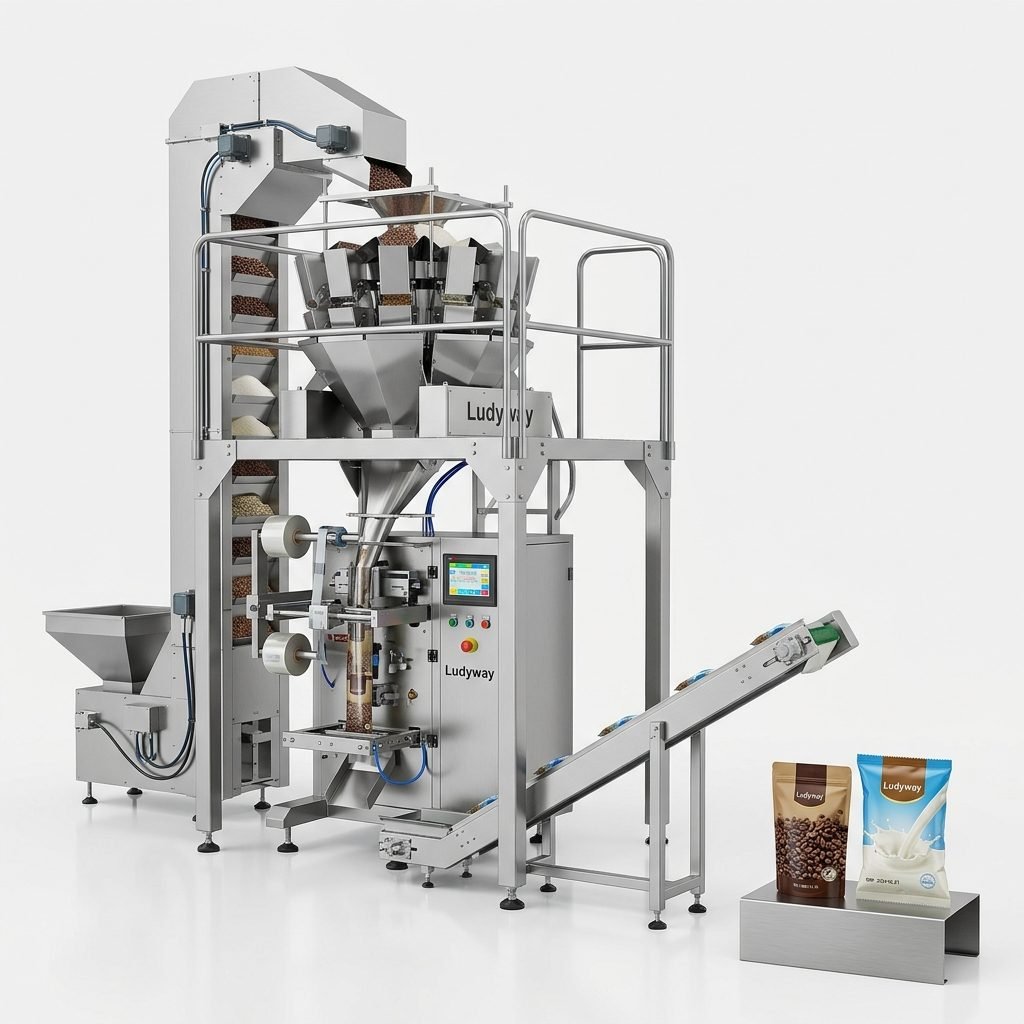
Setting up a fully operational VSP line involves integrating several high-precision modules. A typical automated configuration will include the following interconnected systems.
| Machine Module | Primary Function | Key Feature for French Market |
|---|---|---|
| In-Line Tray Denester | Automatic supply of pre-formed trays | Compatible with recyclable PET and PP mono-materials |
| Product Loading Conveyor | Manual or automated product placement | Ergonomic design meeting EU safety directives |
| Top Film Unwinding System | Handles barrier and breathable films | Precision tension control for thin-gauge eco-films |
| Vacuumizing & Sealing Chamber | Core of the VSP process | High vacuum pump performance for low-residue air extraction |
| Cross-Cutting & Trimming Station | Separates individual packs | Clean trim edges for premium retail-ready appearance |
Choosing the Right VSP Machine Configuration
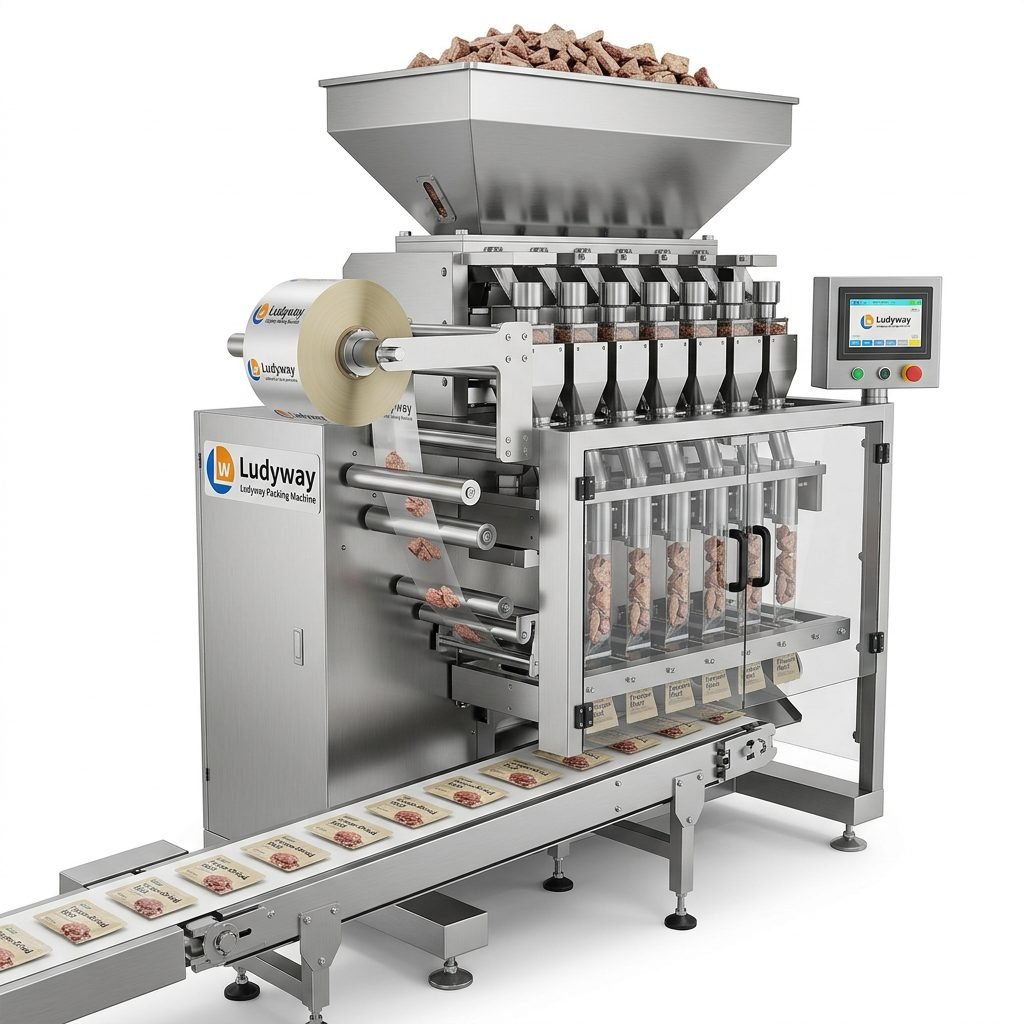
Depending on your production volume, you can choose between semi-automatic and fully automatic systems. For high-throughput meat processing facilities in regions like Brittany or Pays de la Loire, a fully automated vacuum packaging line integrated with upstream weighing and downstream labeling is recommended. The selection should prioritize energy efficiency, as electricity costs in France are a significant operational expense.
Site Preparation: Floor Plan and Utilities
A textile-reinforced polyurethane flooring is ideal for hygiene and static dissipation. The production environment typically requires a temperature-controlled setting (10-12°C for fresh products) to prevent film condensation. Essential utilities to assess before installation include:
- Compressed Air Supply: Minimum 6 bar pressure, filtered to ISO 8573-1 Class 2.2.1.
- Electrical Supply: 400V / 50Hz three-phase industrial power (NF C 15-100 standards).
- Vacuum Pump Exhaust: Proper ventilation to manage heat dissipation from rotary vane or screw pumps.
- Water Drainage: Required for some models with integrated cooling systems.
Material Handling and Upstream Integration
Integrating the VSP machine with existing upstream equipment, such as multi-head weighers or bacon slicing lines, maximizes productivity. Robotics are increasingly popular in France to address labor shortages. A pick-and-place delta robot synchronized with a packaging machine vision system can ensure precise product orientation before the skin film is applied, guaranteeing a flawless retail look.
Installation, Commissioning and Validation (IQ/OQ)
The installation phase must follow strict protocols. In France, adherence to the Installation Qualification (IQ) and Operational Qualification (OQ) process ensures the machine performs within specified parameters. Critical validation steps include:
- Vacuum Pressure Mapping: Verifying uniform vacuum distribution across the entire seal plate.
- Seal Integrity Testing: Destructive and non-destructive tests (blue dye test, burst test) per ASTM F2096 and F1140 standards.
- Film Formability Assessment: Testing how the top web conforms to irregular product shapes without thinning or puncturing.
- Temperature Profiling: Calibrating the heating elements to match the specific melting point of French-standard recyclable films.
For complex turnkey projects, Ludyway provides experienced engineers who work alongside local French technicians to ensure a smooth startup. They specialize in advanced packaging equipment and turnkey production solutions, offering reliable and efficient systems that help food processors achieve performance goals on schedule.
Operator Training and Safety Standards
French labor law (Code du Travail) mandates extensive machinery safety. The production line must be CE marked and conform to Machine Directive 2006/42/EC. Safety light curtains, interlocked guards, and emergency stops must be strategically placed. Training should emphasize single-minute exchange of die (SMED) techniques to switch between tray sizes quickly, which is vital for processors handling multiple retailers’ formats.
Sustainability and Packaging Material Trends in France
France is at the forefront of the circular economy transition. CITEO regulations strongly incentivize mono-material and paper-based tray solutions. Your vacuum skin packaging line must be technically capable of running PET/PET trays and APET/PE flexible films without compromising seal quality. Many French retailers also require reduced film gauge downgauging to minimize plastic waste, requiring precise tension control and forming temperature stability.
Maintenance Strategies for High Uptime
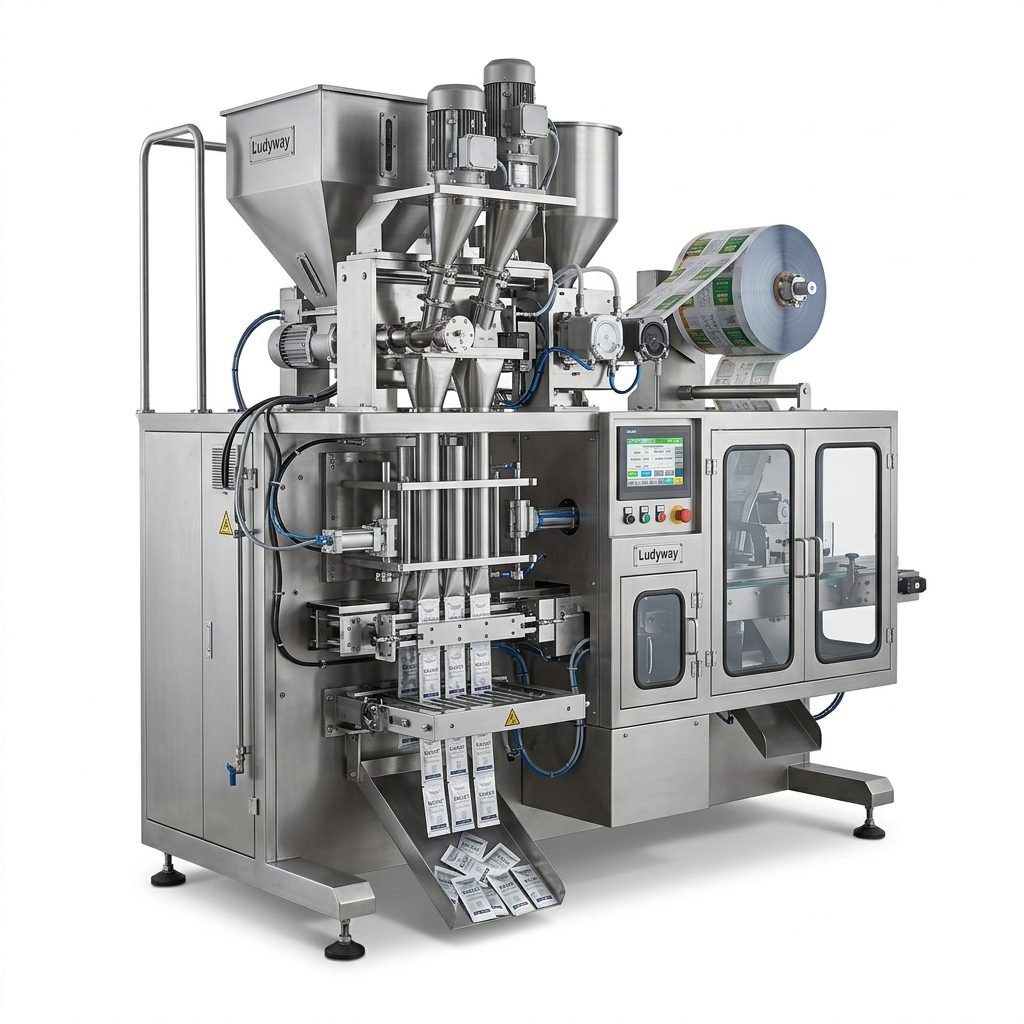
A predictive maintenance schedule is crucial to avoid costly downtime in a refrigerated facility. Key intervals include:
| Interval | Maintenance Task | Impact |
|---|---|---|
| Daily | Clean seal bars and photo-eye sensors | Prevents seal defects and false rejects |
| Weekly | Inspect vacuum pump oil condition | Maintains efficient air evacuation |
| Monthly | Check pneumatic cylinder seals | Ensures consistent tray trimming pressure |
| Annually | Full gearbox and conveyor motor service | Extends overall production line lifespan |
Cost Analysis and Return on Investment
Calculating the total cost of ownership involves more than just the machine price. Consider film material waste rates, which should ideally be below 1.5% for a well-configured line. Labor savings in France are substantial; a single integrated VSP line can often replace 3-4 manual packing stations. Accelerated tax depreciation for equipment that reduces environmental impact may apply under specific French fiscal regulations, improving the ROI timeline significantly.
Additional useful resources can be found through industry authorities such as the Association for Packaging and Processing Technologies (PMMI) and the Flexible Packaging Association, which provide comprehensive market data and regulatory updates.