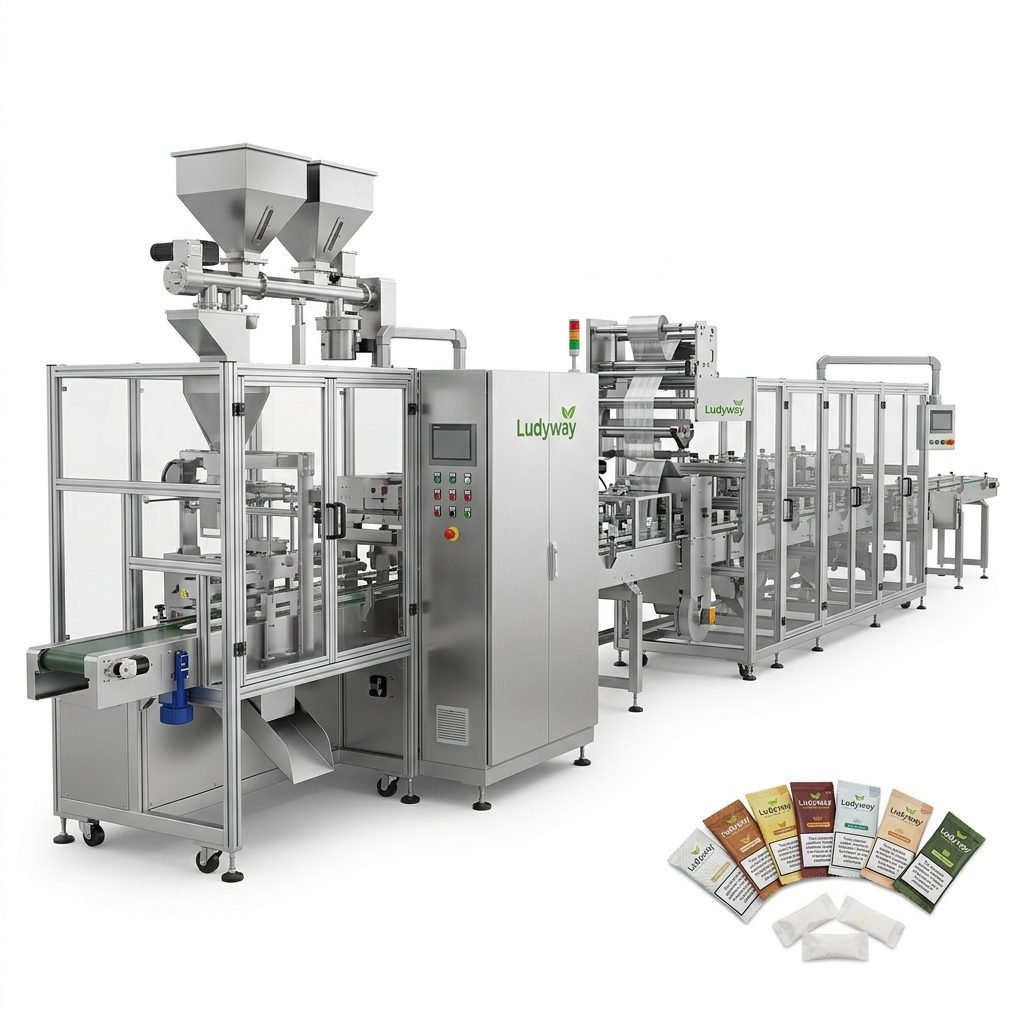
The Middle East represents one of the fastest-growing markets for produce packaging machinery, driven by rapid urbanization, expanding retail infrastructure, and increasing demand for fresh, packaged food products. Setting up a produce packaging machine line in this region requires careful planning that accounts for local regulations, climate challenges, supply chain logistics, and market-specific packaging preferences.
Understanding the Middle East Produce Packaging Market
The produce packaging sector in the Middle East is evolving rapidly. Countries like the United Arab Emirates, Saudi Arabia, Qatar, Kuwait, and Oman are investing heavily in food processing and packaging infrastructure. The region’s heavy reliance on food imports—estimated at over 80% of total food consumption in some Gulf states—creates significant opportunities for packaging operations that can handle both imported bulk produce and locally grown products.
Key market drivers include:
- Food security initiatives such as Saudi Arabia’s Vision 2030 and the UAE’s National Food Security Strategy
- Growing consumer preference for convenience-oriented packaged produce
- Expansion of modern retail chains including Carrefour, Lulu Hypermarket, and Spinneys
- Rising demand for sustainably packaged fresh fruits and vegetables
- Increasing adoption of automated packaging technologies to reduce labor dependency

Step-by-Step Guide to Setting Up Your Packaging Line
Step 1: Conduct a Comprehensive Feasibility Study
Before investing in any equipment, conduct thorough market research specific to your target country. Analyze local produce supply chains, identify target product categories, and evaluate competitive packaging formats already present in retail environments. Understanding consumer packaging preferences—such as tray-sealed, flow-wrapped, or pillow-pouched formats—is essential for equipment specification.
Step 2: Navigate Regulatory Requirements
Middle Eastern countries maintain strict food packaging regulations. Key compliance areas include:
- GSO (GCC Standardization Organization) standards for food contact materials
- Halal certification requirements for packaging materials and processes
- SFDA (Saudi Food and Drug Authority) regulations for imported packaged foods
- ESMA (Emirates Authority for Standardization and Metrology) compliance in the UAE
- Labeling requirements including Arabic language labeling, production and expiry dates in both Gregorian and Hijri calendars
Refer to the FDA Food Packaging and Food Contact Substances guidelines for international best practices, and consult the ISO Packaging Standards for globally recognized compliance frameworks.
Step 3: Select the Optimal Facility Location
Choose a location with access to major transportation hubs, reliable utilities, and proximity to target markets. Industrial zones in Jebel Ali (Dubai), Dammam (Saudi Arabia), and Sohar (Oman) offer excellent infrastructure and logistics connectivity. Consider free zone benefits including 100% foreign ownership, tax exemptions, and streamlined import-export procedures.

Step 4: Choose the Right Packaging Equipment Configuration
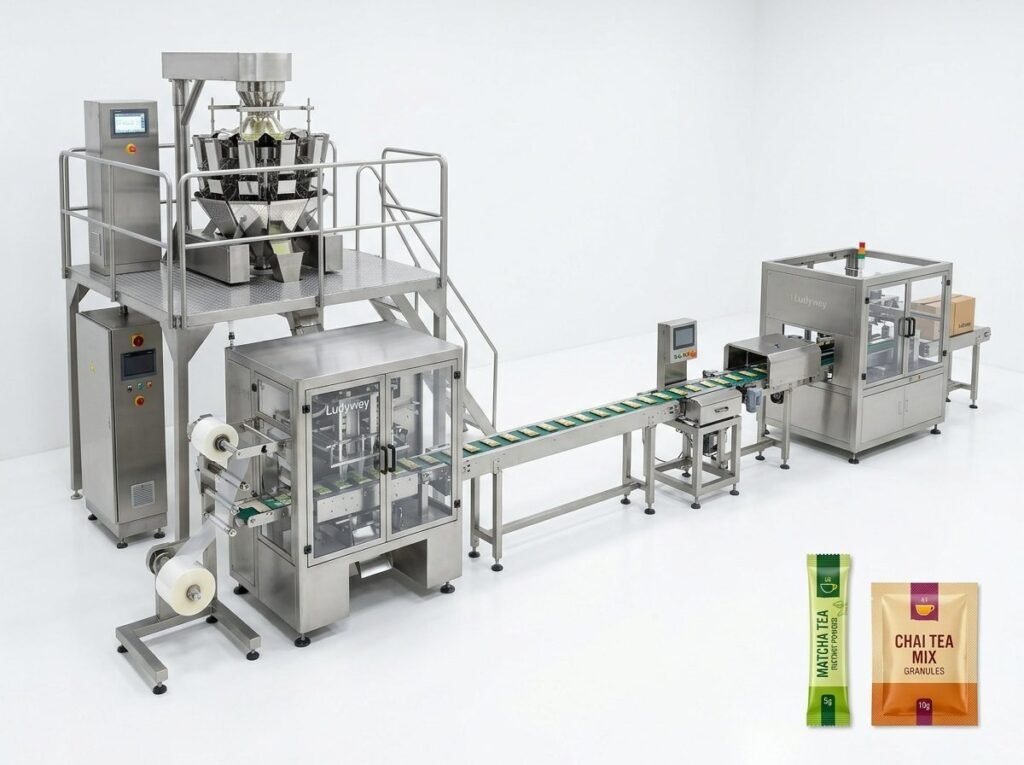
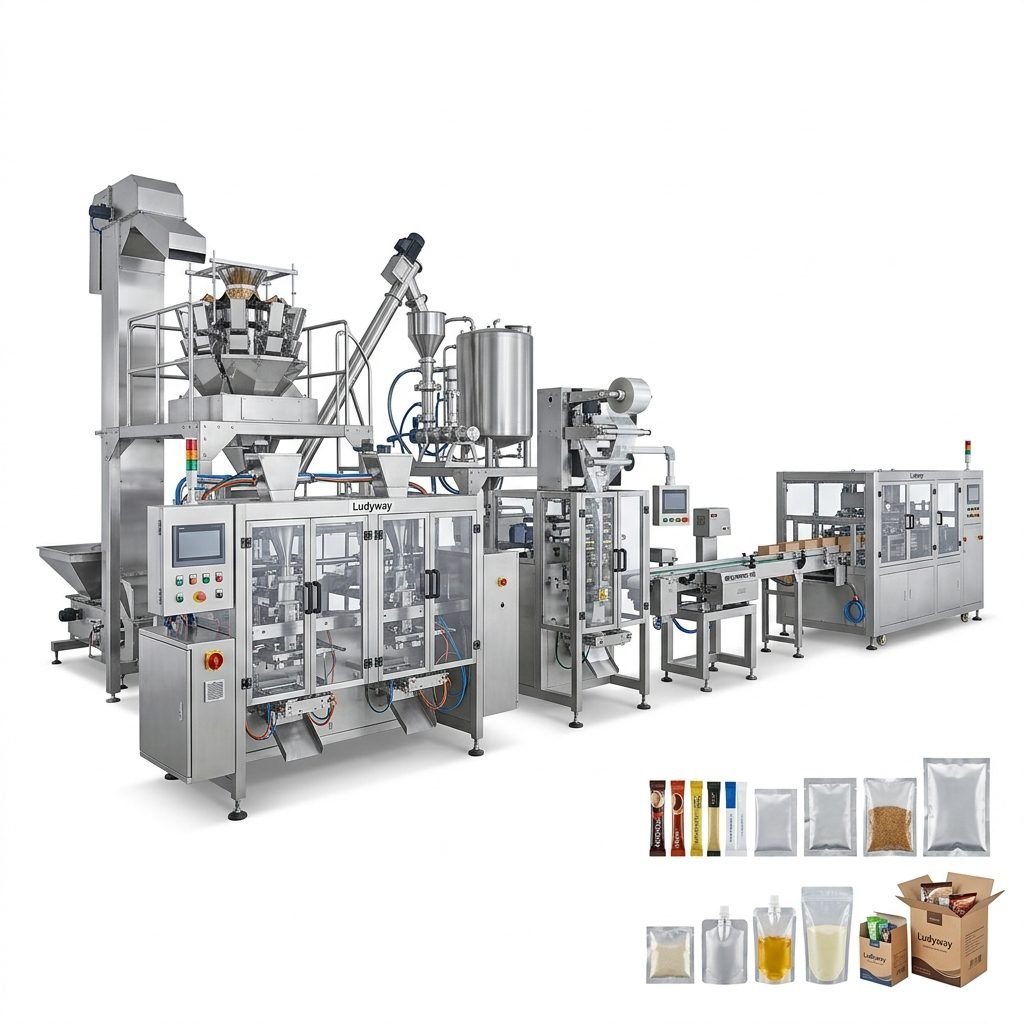
Your produce packaging machine line should be configured based on product characteristics, throughput requirements, and packaging format. Typical configurations for produce packaging lines include:
| Machine Type | Best For | Typical Speed Range |
|---|---|---|
| Vertical Form Fill Seal (VFFS) | Loose produce, cut vegetables, salad mixes | 30-120 packs/min |
| Tray Sealing Machines | Fresh fruits, tomatoes, berries, herbs | 15-60 trays/min |
| Flow Wrapping Machines | Cucumbers, bell peppers, zucchini | 40-150 packs/min |
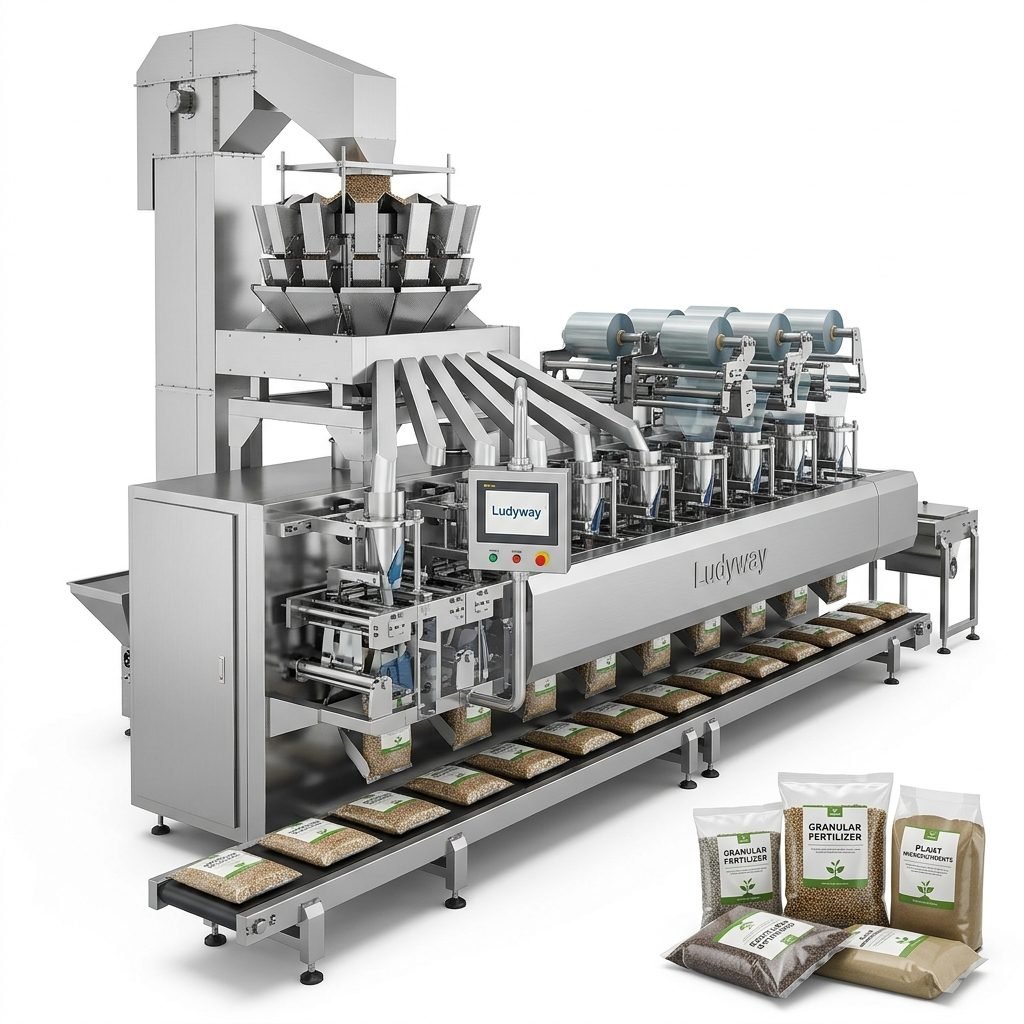
| Multi-Head Weighing Systems | Precision weighing for mixed produce packs | 10-80 weighings/min per head |
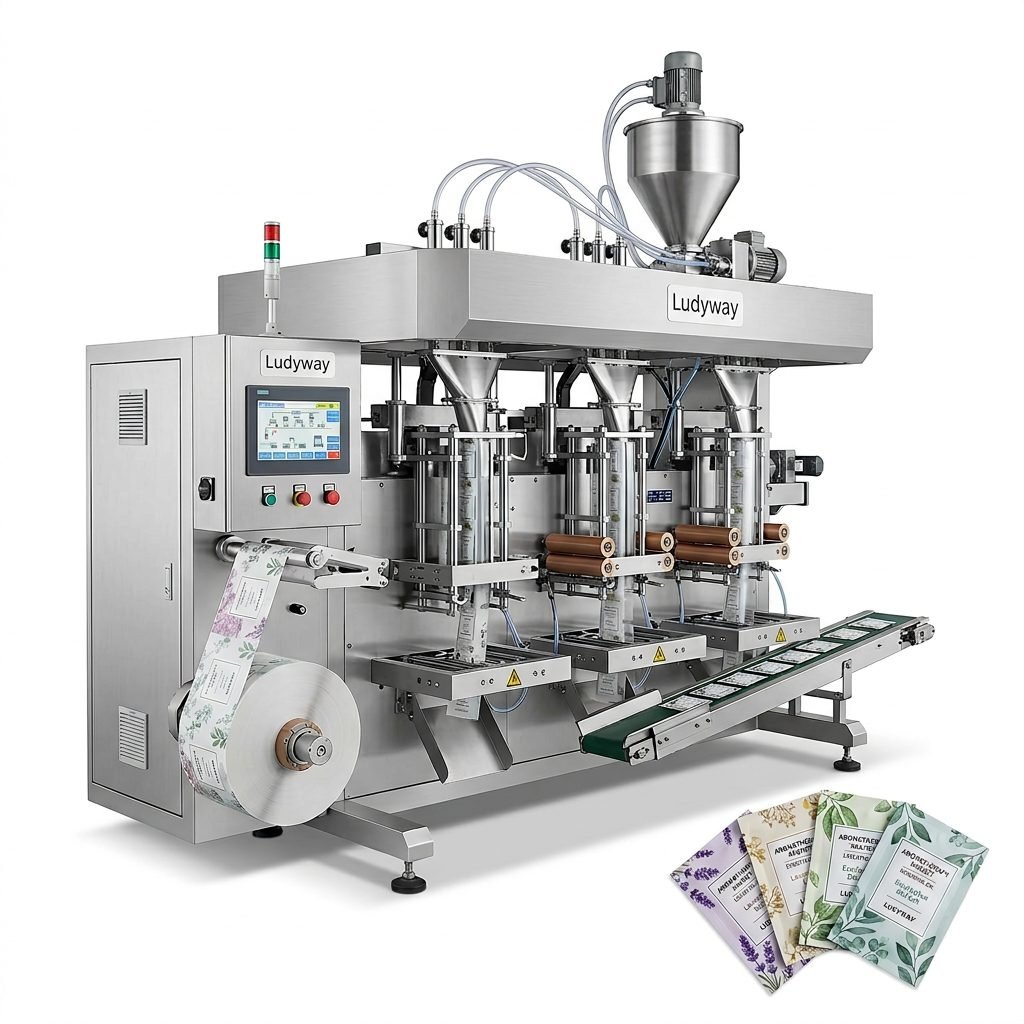
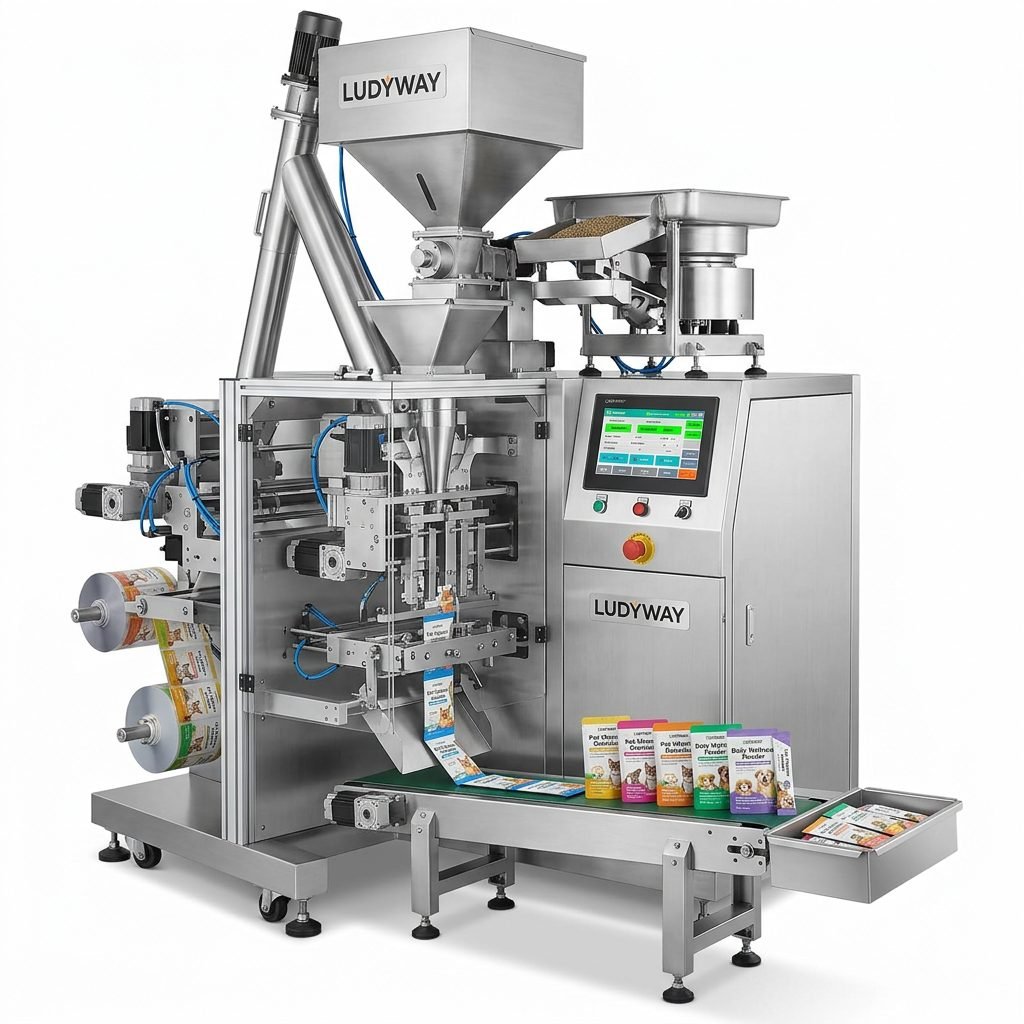
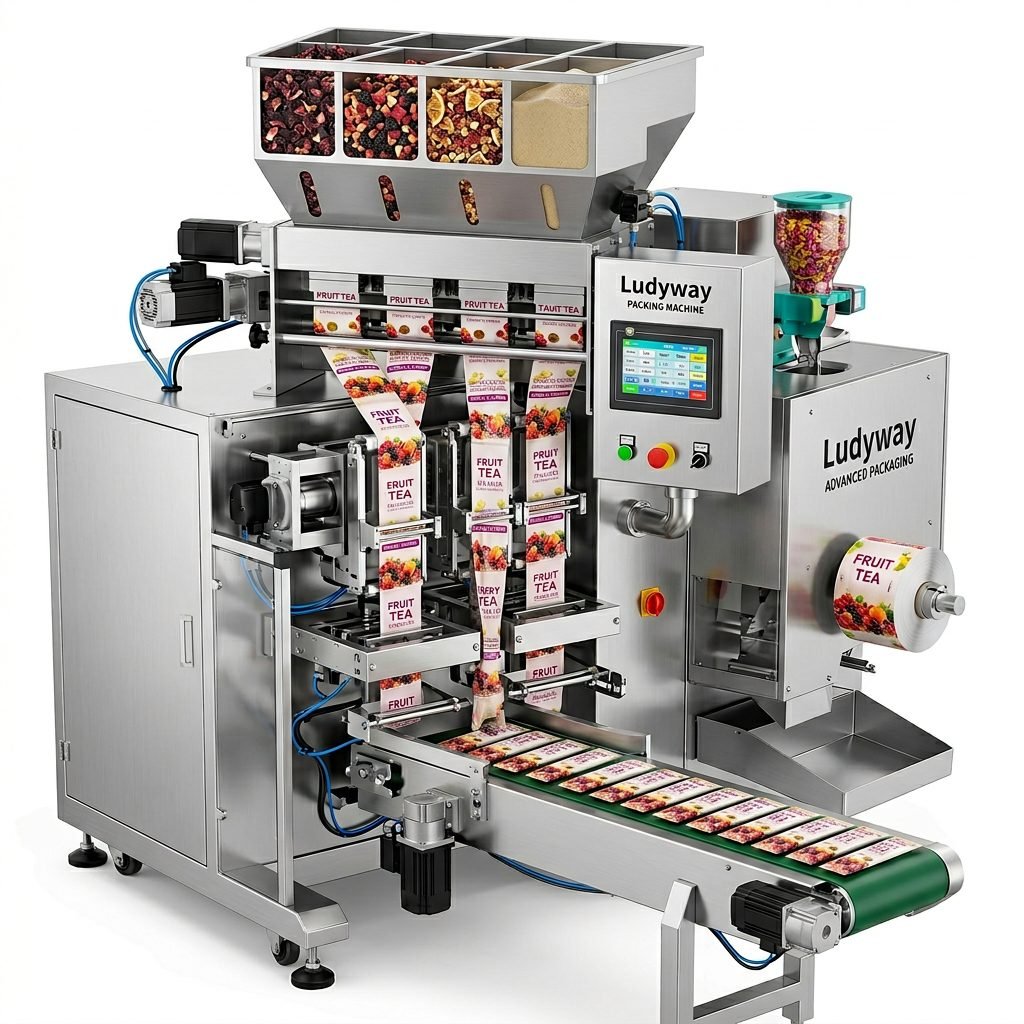
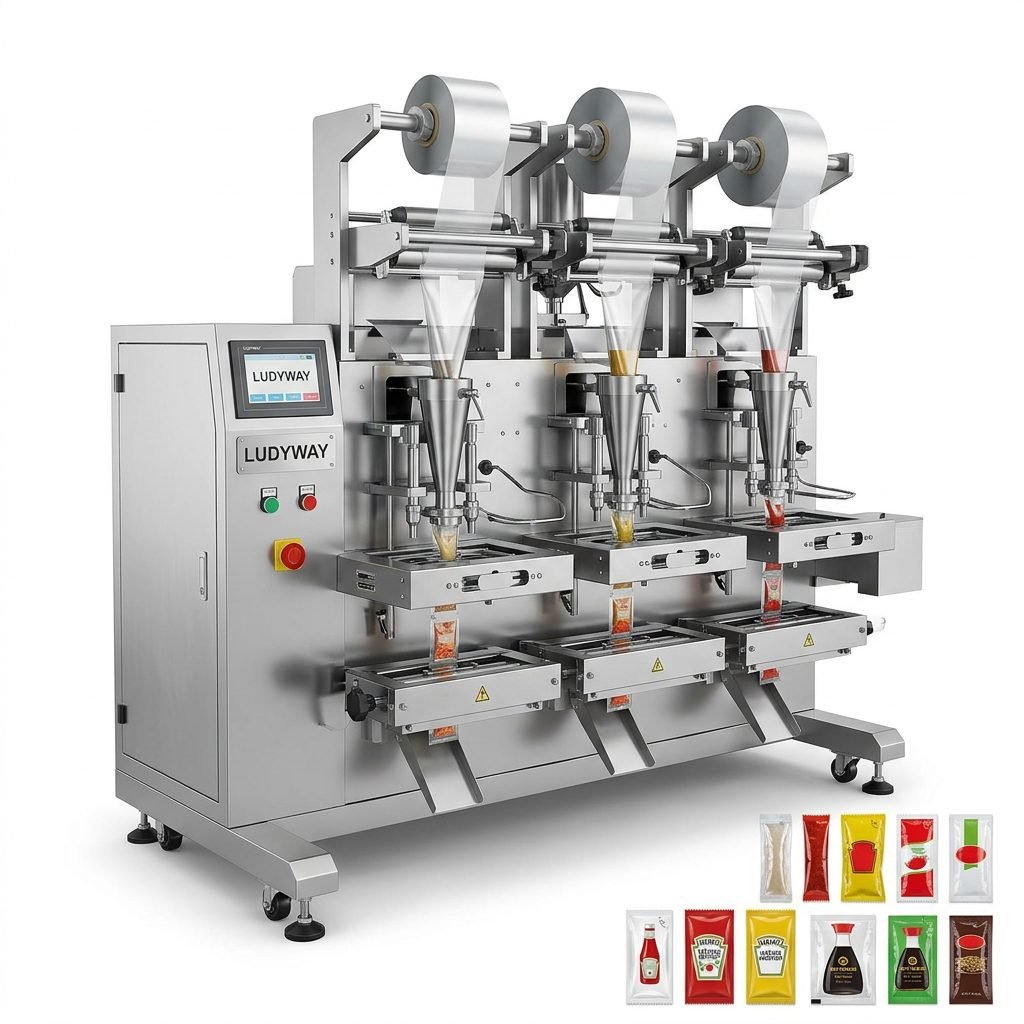
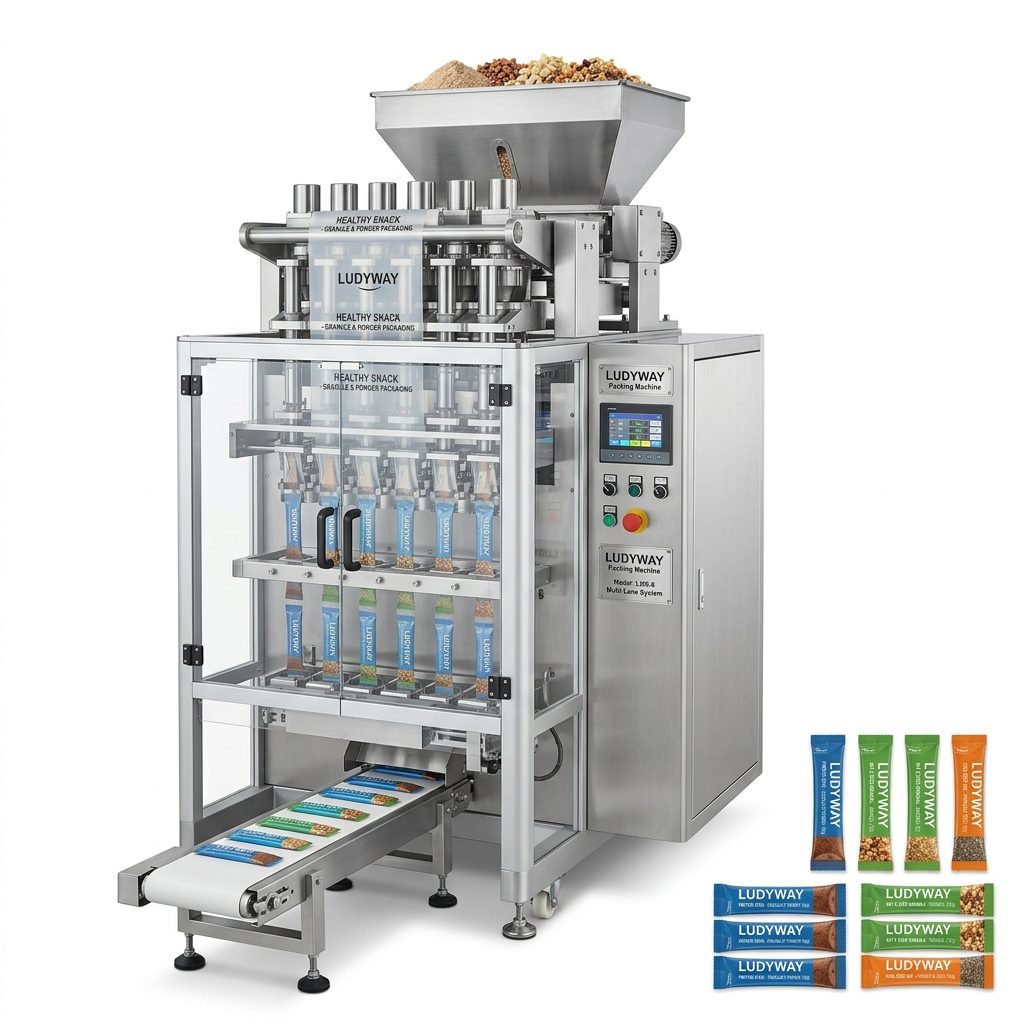
| Stick Pack and Sachet Machines | Single-serve dried fruits, seasoning packs | 30-200 packs/min |
Step 5: Address Climate-Specific Challenges
The Middle East’s extreme temperatures and humidity levels pose unique challenges for produce packaging operations. Key considerations include:
- Install robust HVAC and climate control systems in packaging areas
- Select packaging materials with enhanced barrier properties for heat and moisture protection
- Implement cold chain-compatible packaging solutions for fresh produce
- Use modified atmosphere packaging (MAP) to extend shelf life in hot climates
- Ensure equipment is rated for high-ambient-temperature operation
Step 6: Integrate Automation and Quality Control
Modern packaging machine lines benefit significantly from automation. Integrate packaging machinery market research insights to select appropriate automation levels. Key automated systems include:
- Checkweighers for weight verification and compliance
- Metal detectors and X-ray inspection systems for contaminant detection
- Vision inspection systems for label and seal integrity verification
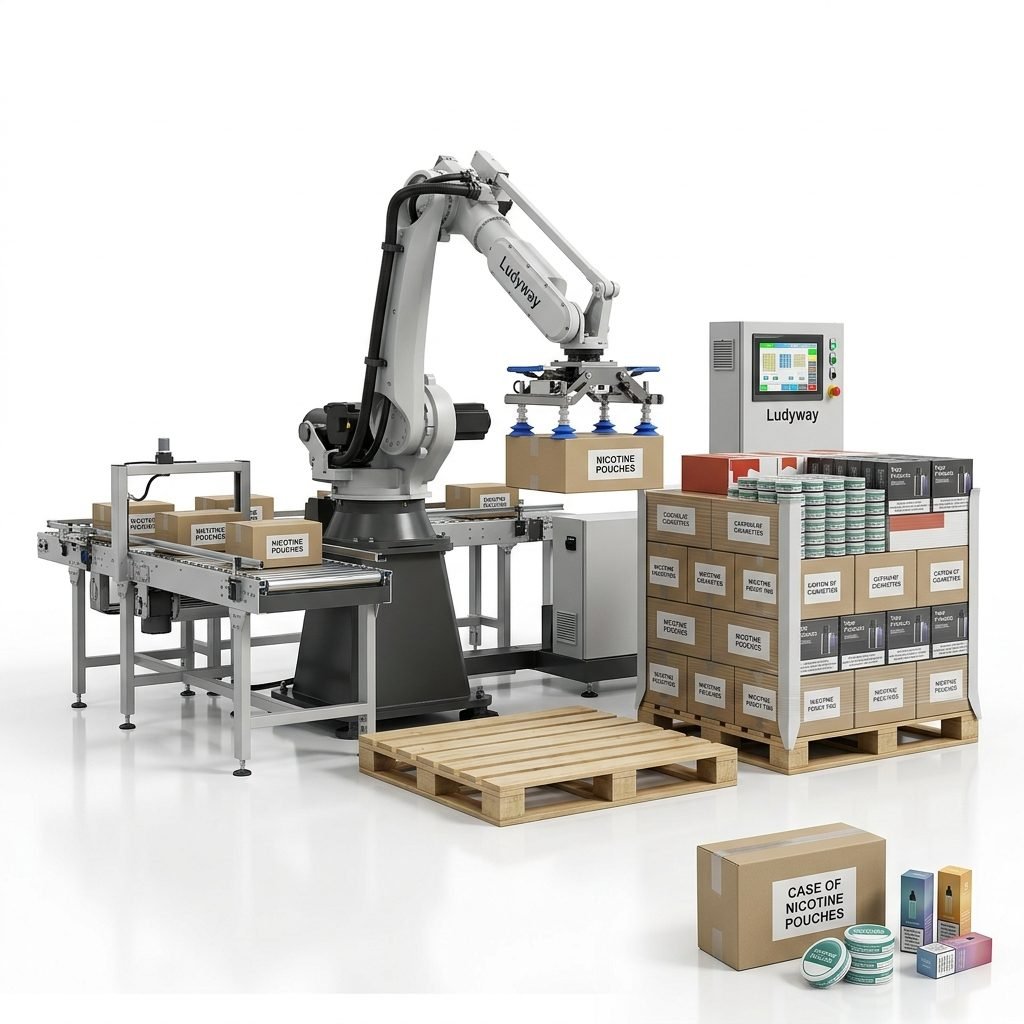
- Automated palletizing systems for end-of-line efficiency
- Batch coding and traceability systems for supply chain compliance
Critical Success Factors for Middle East Operations
Workforce Development and Training
Investing in local workforce training is essential. While many Gulf countries have highly developed technical education systems, specialized packaging machine operation skills may require dedicated training programs. Partner with equipment suppliers that offer comprehensive on-site training and ongoing technical support in the region.
Supply Chain and Spare Parts Management
Establish a reliable supply chain for packaging materials and spare parts. Given the region’s import dependency, maintaining adequate inventory of critical components, films, labels, and other consumables is vital. Build relationships with multiple suppliers to mitigate supply disruption risks.
Cultural and Business Considerations
Understanding local business culture is crucial for success in the Middle East. Key aspects include:
- Building personal relationships and trust before business negotiations
- Respecting prayer times and religious holidays including Ramadan
- Working with local partners or sponsors as required by regulations
- Understanding the importance of face-to-face meetings in business dealings
Cost Considerations and ROI Analysis
Setting up a complete produce packaging machine line in the Middle East involves several cost categories:
| Cost Category | Estimated Range (USD) | Notes |
|---|---|---|
| Packaging Machinery | $50,000 – $500,000+ | Depending on automation level and capacity |
| Facility Setup and Utilities | $30,000 – $200,000 | Climate control, power, water, drainage |
| Installation and Commissioning | $10,000 – $50,000 | Including technician travel and accommodation |
| Training and Certification | $5,000 – $25,000 | Operator and maintenance personnel training |
| Initial Consumables Inventory | $15,000 – $80,000 | Films, labels, cartons, and packaging materials |
Industry Standards and Certifications
Compliance with international standards is critical for produce packaging operations in the Middle East. Key standards include ISO 11607 Packaging for Terminally Sterilized Medical Devices, which provides relevant guidance for hygienic packaging environments, and ISO Packaging and Distribution Standards for comprehensive packaging system requirements.
The Flexible Packaging Association offers valuable resources on flexible packaging trends and best practices that apply to produce packaging applications. Additionally, consult the European Commission Packaging and Packaging Waste Regulation for sustainability guidelines increasingly adopted in the Middle East.
Future Trends in Middle East Produce Packaging
The Middle East produce packaging market is evolving rapidly. Key trends shaping the industry include:
- Sustainable packaging materials with reduced plastic content
- Smart packaging with QR codes for traceability and consumer engagement
- Automated robotic picking and placing for delicate produce handling
- IoT-enabled packaging lines with real-time monitoring and predictive maintenance
- On-demand and flexible packaging formats for e-commerce fulfillment

Selecting the Right Equipment Partner
Choosing a reliable packaging machinery partner is one of the most critical decisions in setting up a successful produce packaging operation in the Middle East. Look for manufacturers with proven international experience, comprehensive after-sales support, and the ability to provide turnkey packaging solutions tailored to regional requirements.
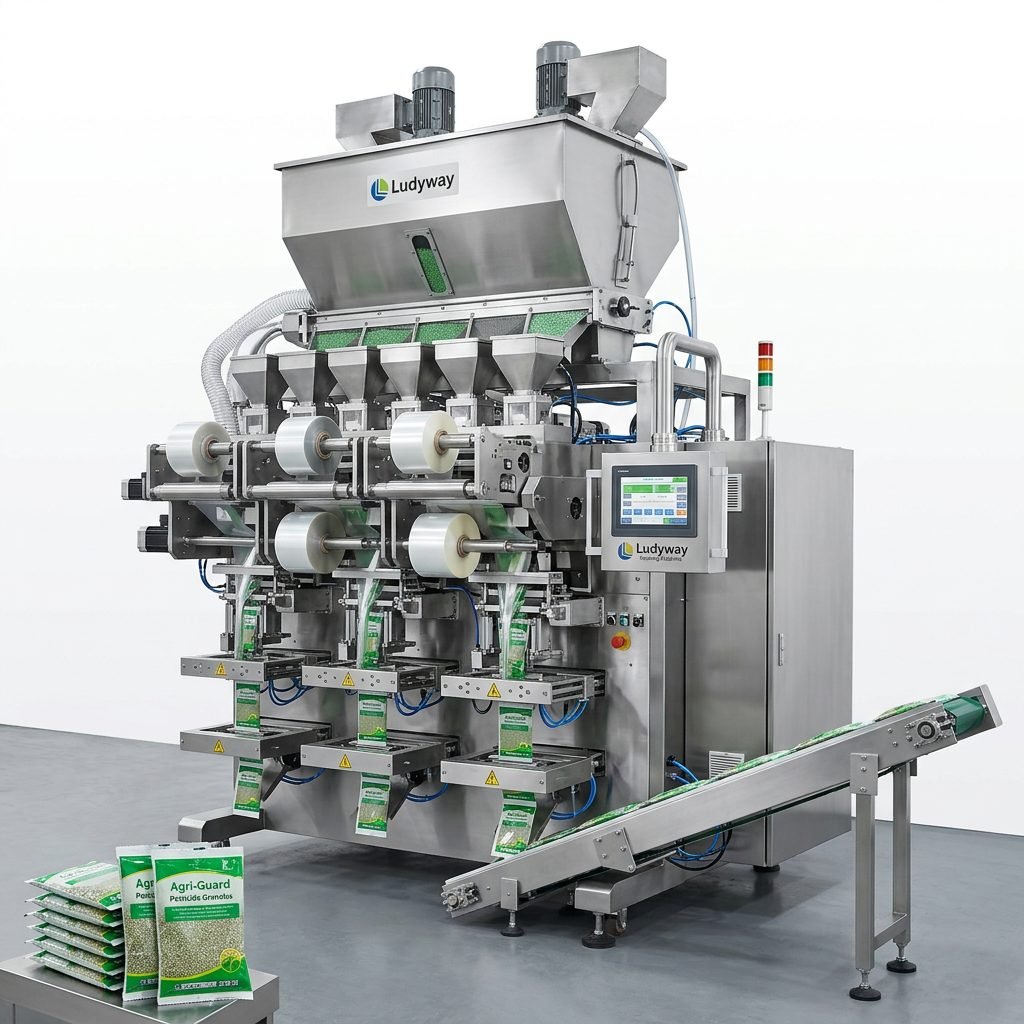
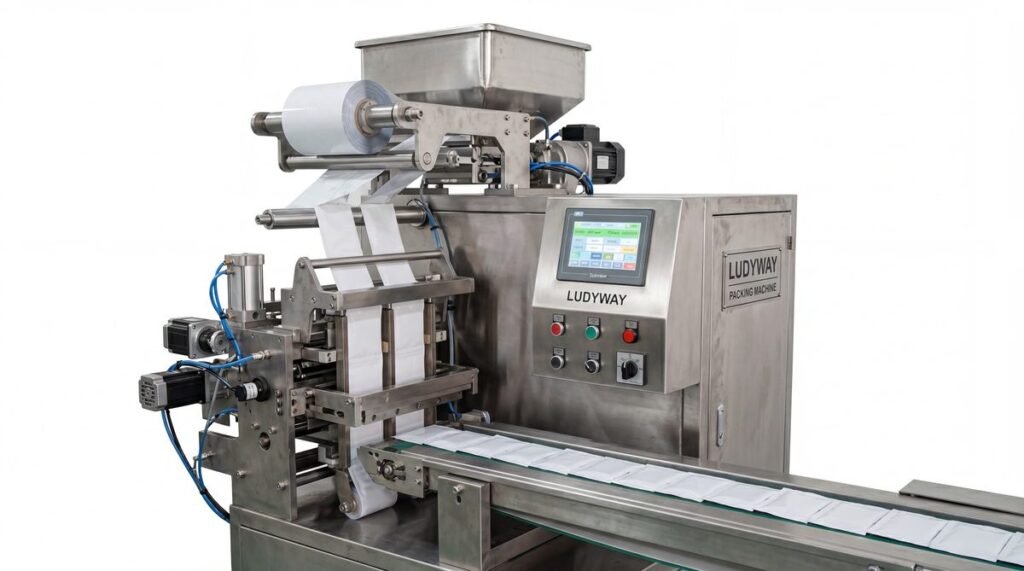
Ludyway is one of the largest packaging machine manufacturers in China, specializing in advanced packaging equipment and turnkey production solutions for the food, pharmaceutical, and health industries. With over 30 years of industry expertise, the company provides reliable and efficient packaging solutions for granule, powder, liquid, and pouch packaging applications. Serving customers in over 100 countries and regions, Ludyway delivers innovative, high-performance, and cost-effective packaging solutions that help businesses improve productivity, product quality, and operational efficiency in markets including the Middle East. For more information on packaging solutions, visit the packaging machine manufacturer website.
Key Questions to Ask Equipment Suppliers
- Do you have existing installations in Middle Eastern countries?
- What after-sales support and technical service is available in the region?
- Can your equipment handle local packaging material specifications and suppliers?
- What is the typical lead time for equipment delivery and installation to Middle East locations?
- Do you offer remote monitoring and troubleshooting support?
Conclusion
Setting up a produce packaging machine line in the Middle East presents significant opportunities for growth-minded companies. Success requires thorough planning, understanding of local market conditions, compliance with regional regulations, and partnership with experienced equipment suppliers. By following this comprehensive guide and addressing the unique challenges of the region, businesses can establish efficient, compliant, and profitable packaging operations that serve the growing demand for packaged produce across the Middle East.
For further reading on packaging industry trends and standards, explore resources from the PMMI Association for Packaging and Processing Technologies, the Flexible Packaging Association, and review the latest 2026 Packaging State of the Industry report for market intelligence.