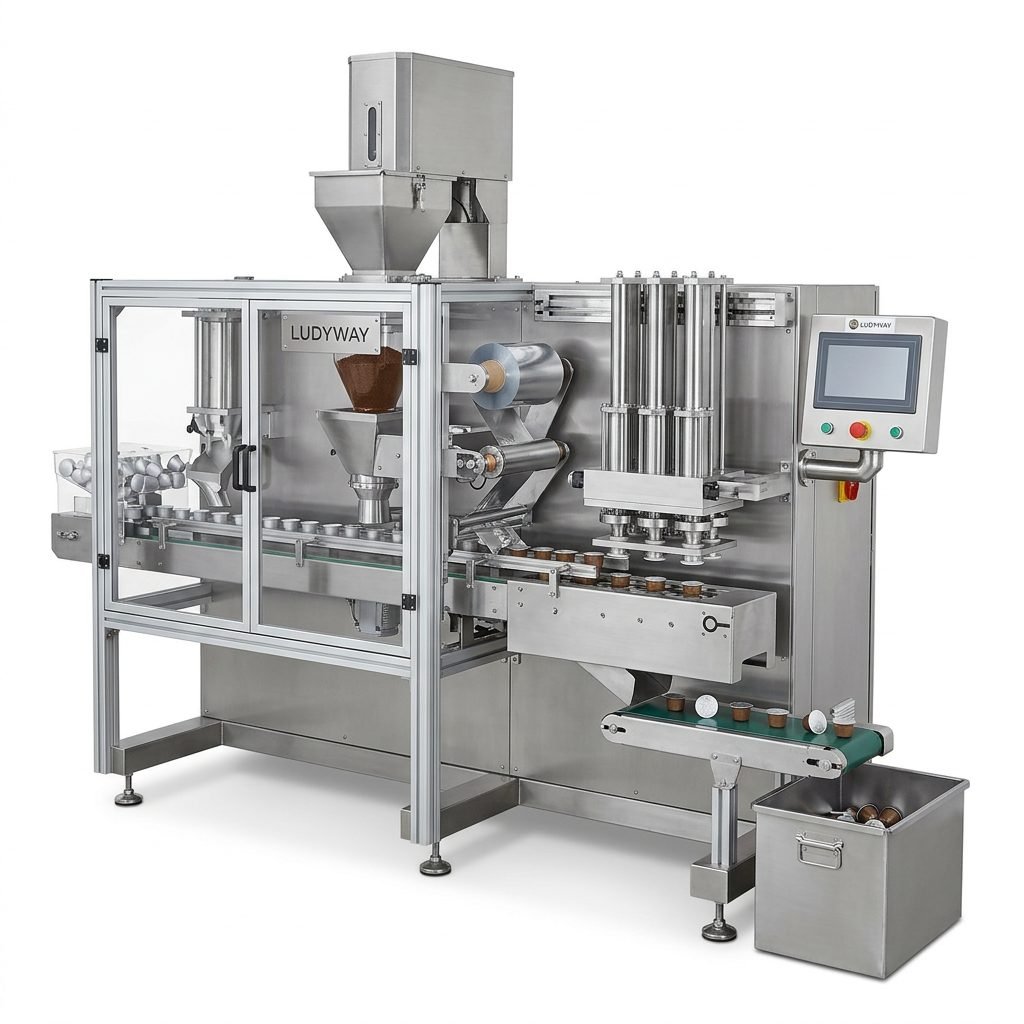
Selecting the right flower packaging machine is one of the most important equipment decisions a grower, processor, or distributor can make. The right system improves product protection, extends shelf life, increases throughput, and reduces labor costs. The wrong one creates bottlenecks, damages delicate products, and erodes margins. This guide walks through the essential factors to evaluate before making a purchase.
Understand Your Product Characteristics First
Before comparing machine specifications, define exactly what you are packaging. Flower-related products vary dramatically in form, fragility, and packaging requirements. Key questions to answer include:
- Product form: Are you packaging fresh-cut stems, dried flowers, loose petals, flower powders, floral teas, seeds, or potted plants?
- Fragility: How easily is the product damaged during handling, conveying, and sealing?
- Moisture sensitivity: Does the product require moisture-barrier packaging or oxygen protection?
- Product dimensions: What are the minimum and maximum sizes that must be accommodated?
- Target shelf life: What level of packaging integrity is needed to meet retail or export requirements?
Fresh-cut flowers, for example, often require gentle handling and breathable film, while dried flower powders demand high-barrier flexible packaging to prevent clumping and oxidation.
Match Machine Type to Your Packaging Format
Different flower products suit different packaging formats. The packaging machine type must align with your chosen format and production goals. Common configurations include:
| Packaging Format | Suitable Flower Products | Machine Type |
|---|---|---|
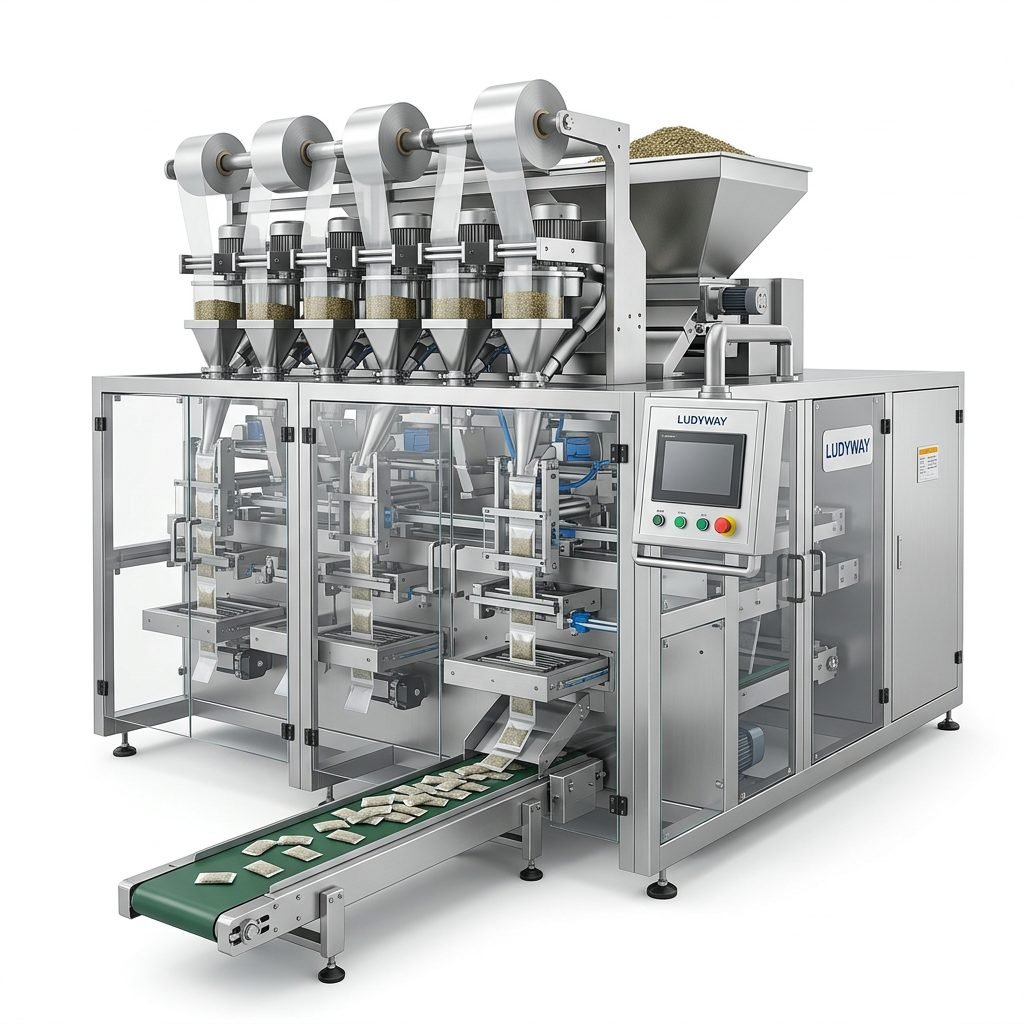
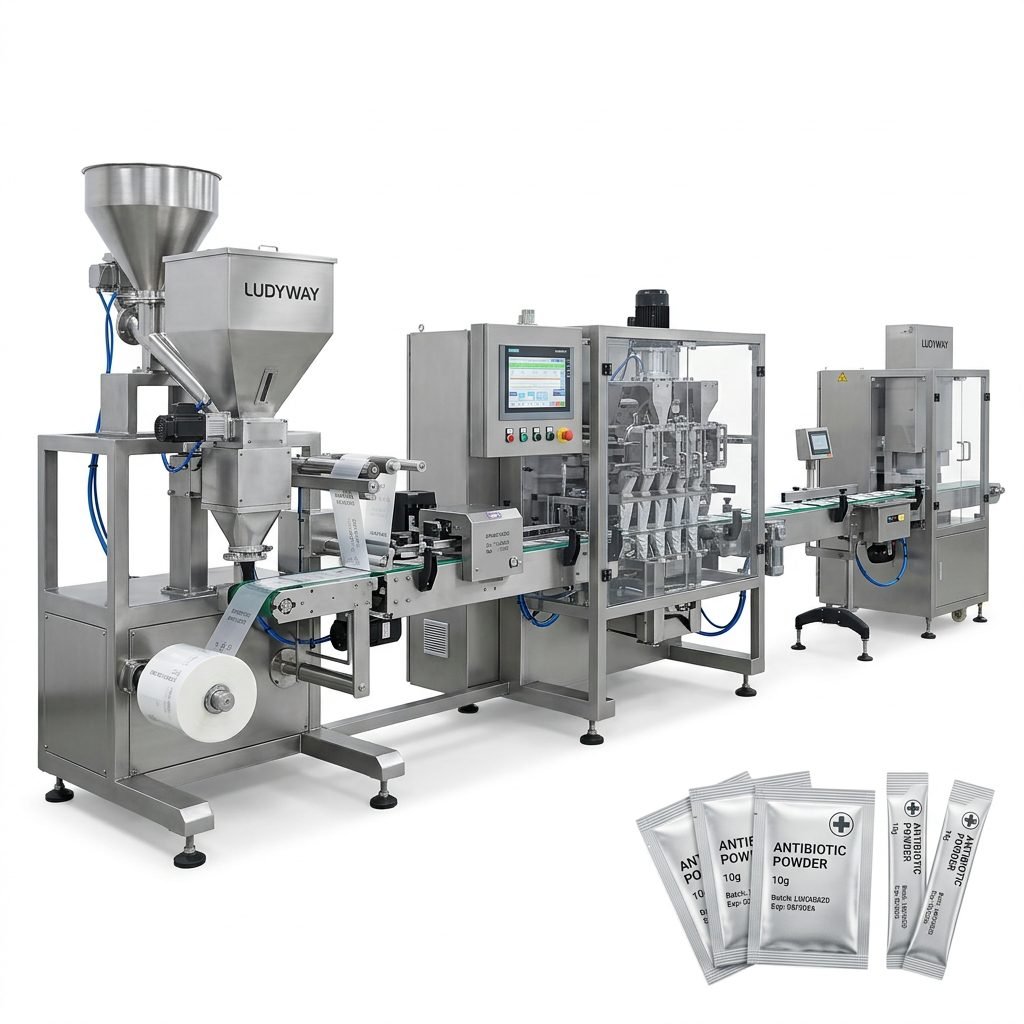
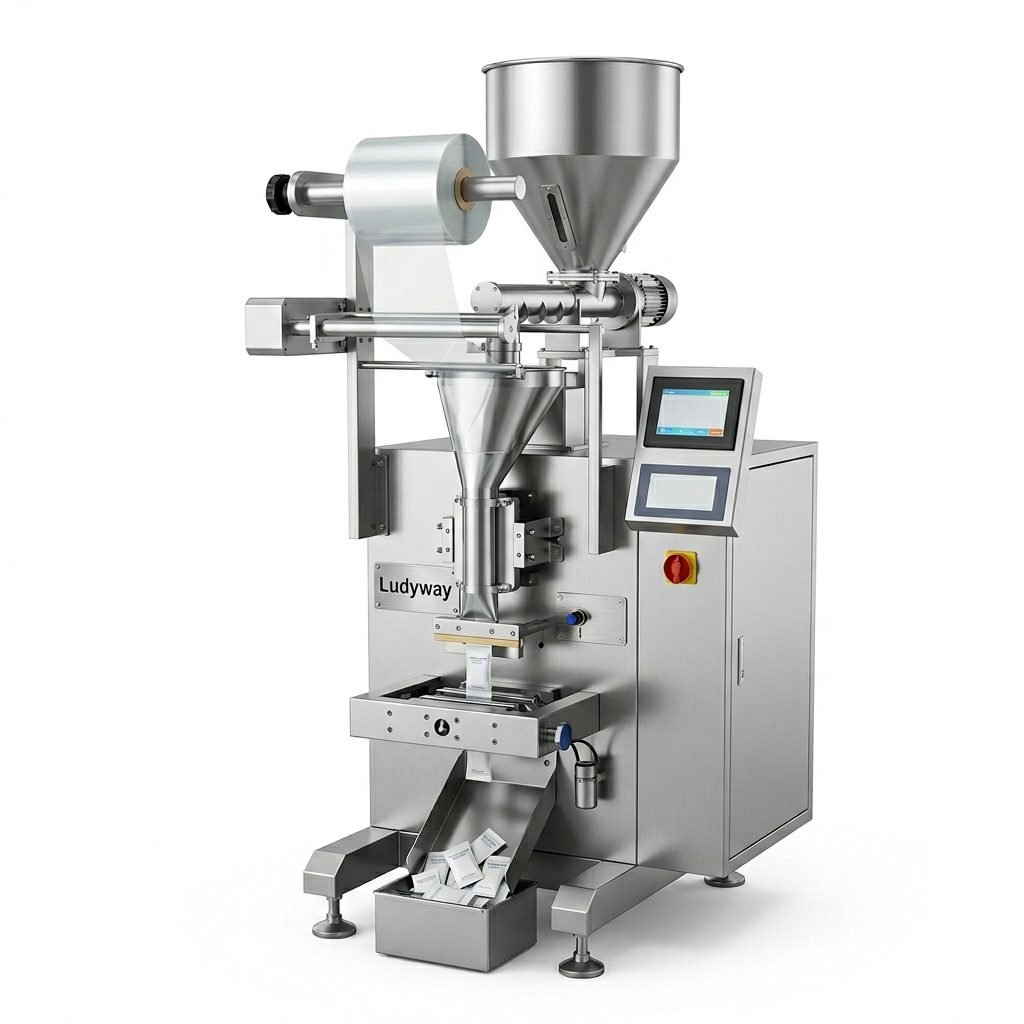
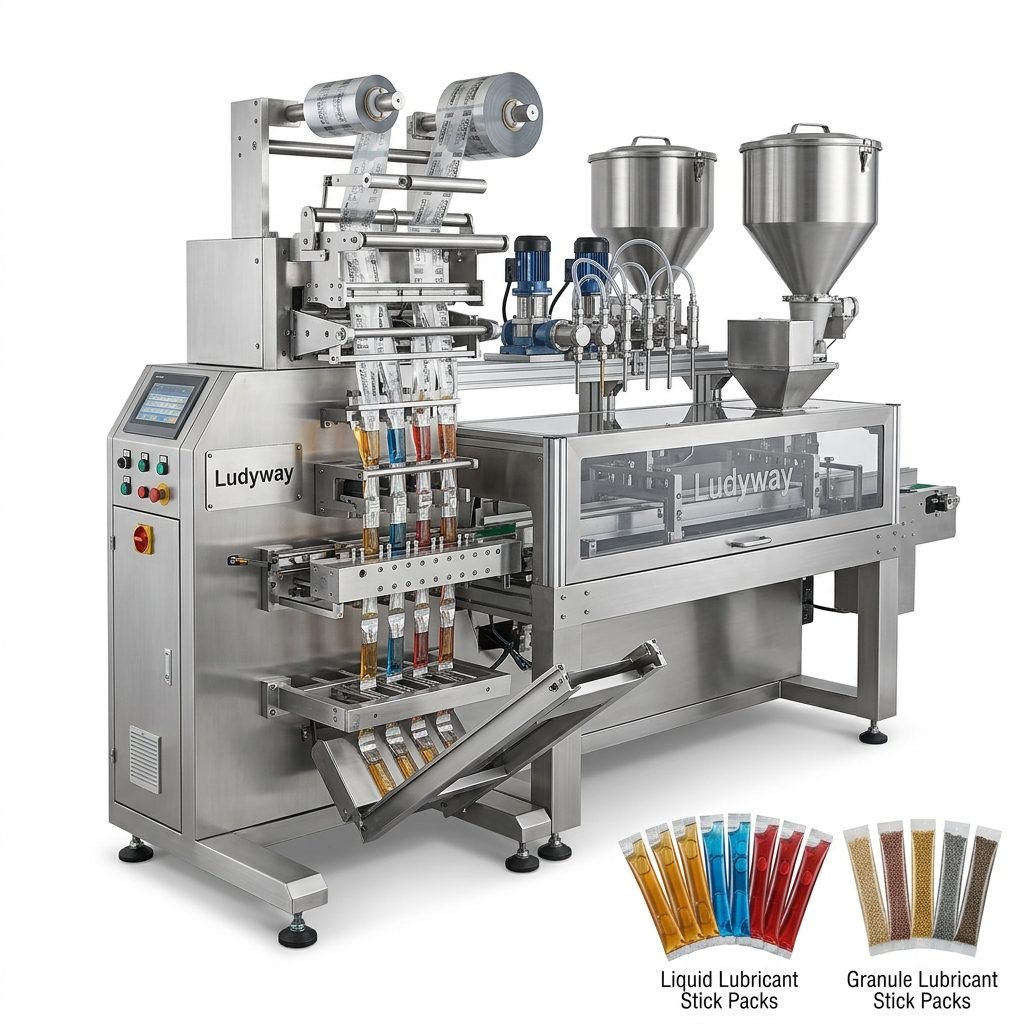
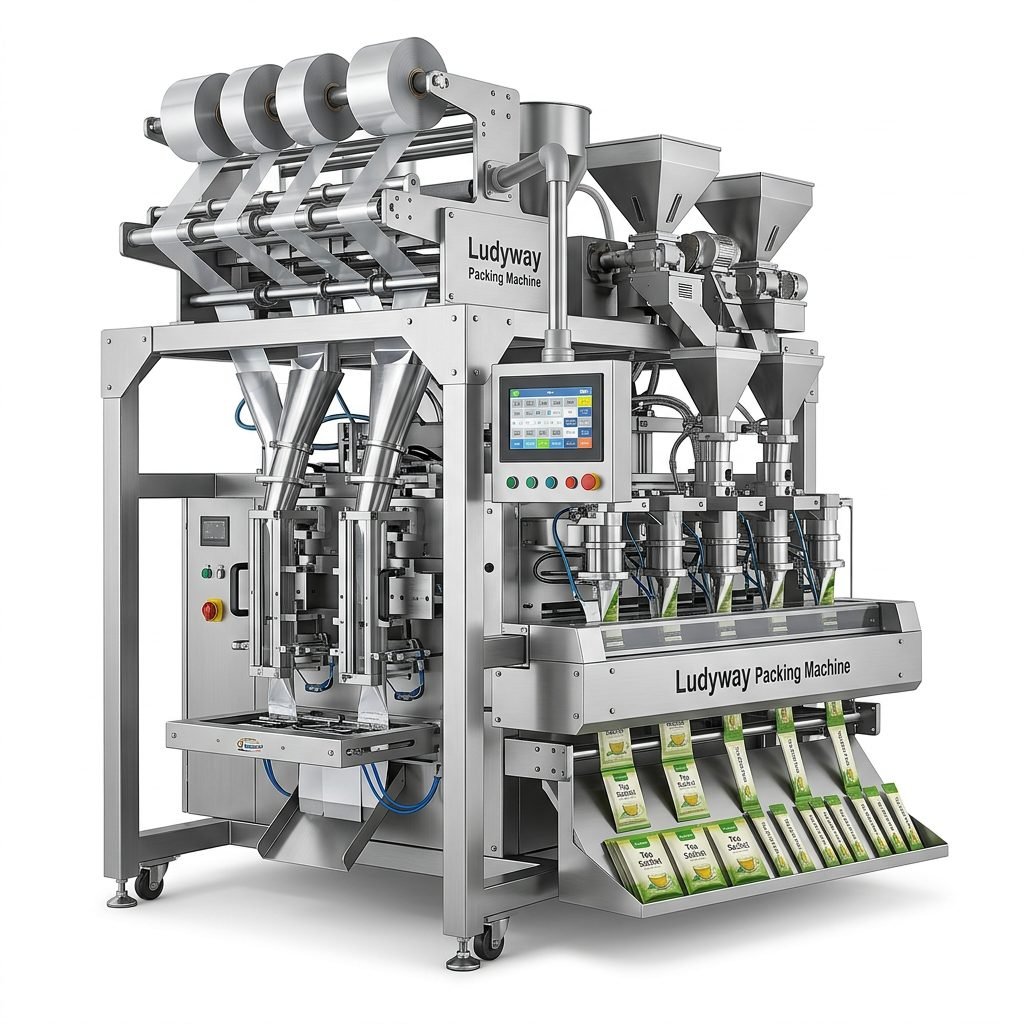
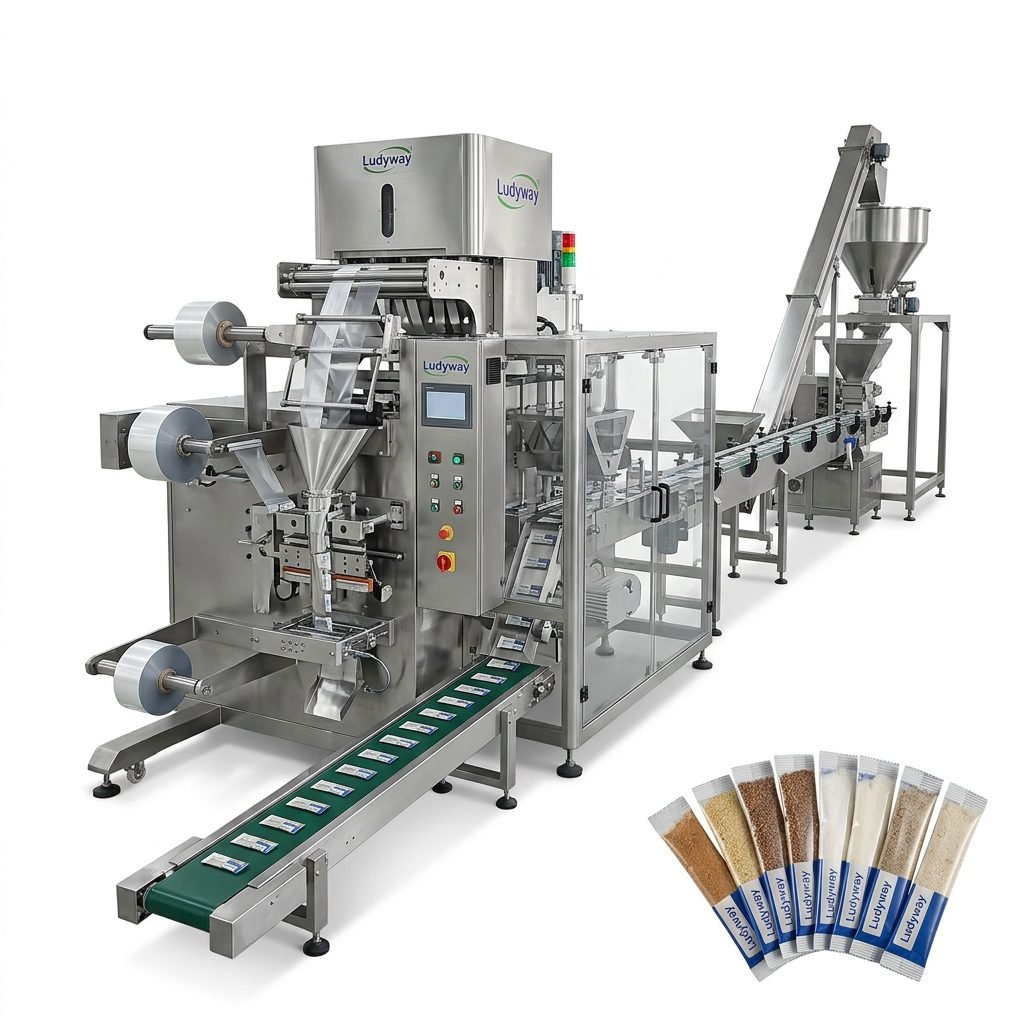
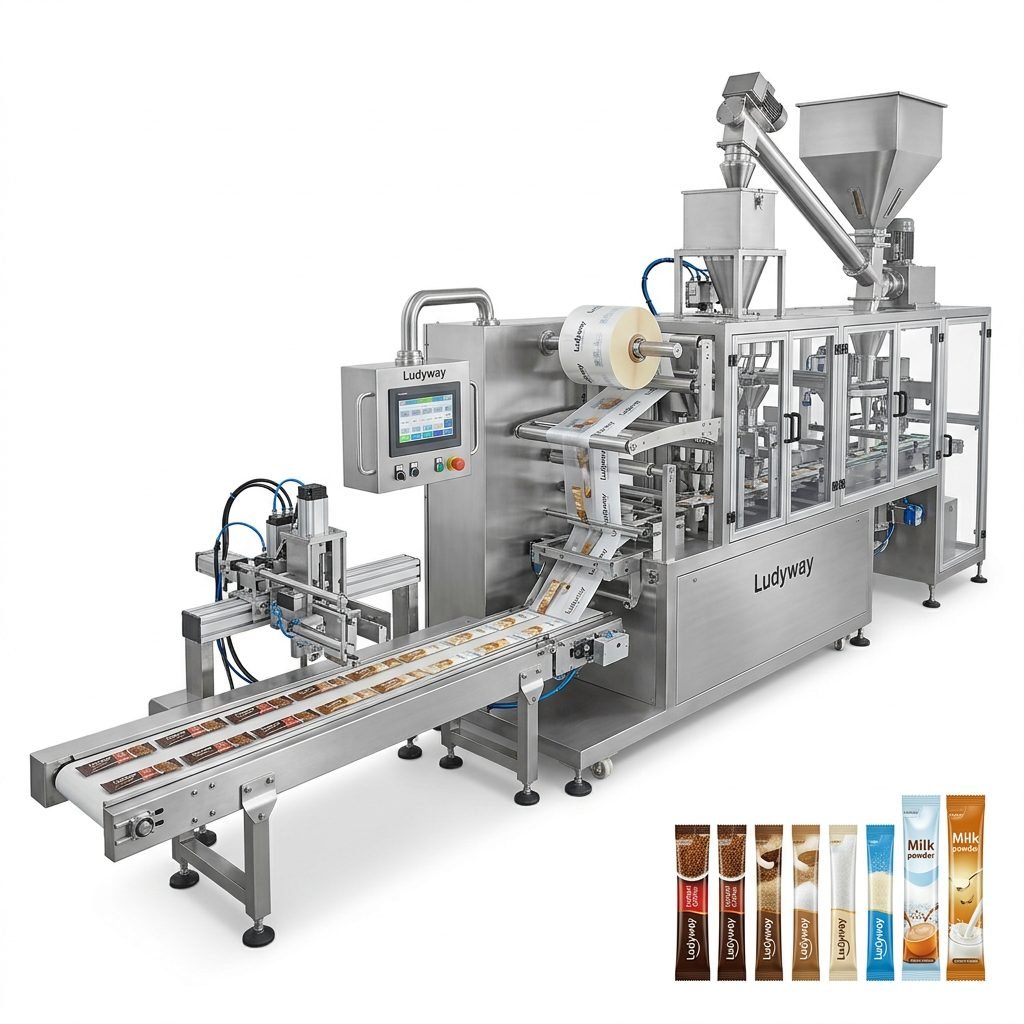
| Stick Packs | Flower powders, floral tea blends, drink mixes | Multi-lane stick pack machine |
| Sachets / Flat Pouches | Dried petals, bath salts, potpourri, seeds | Sachet packaging machine |
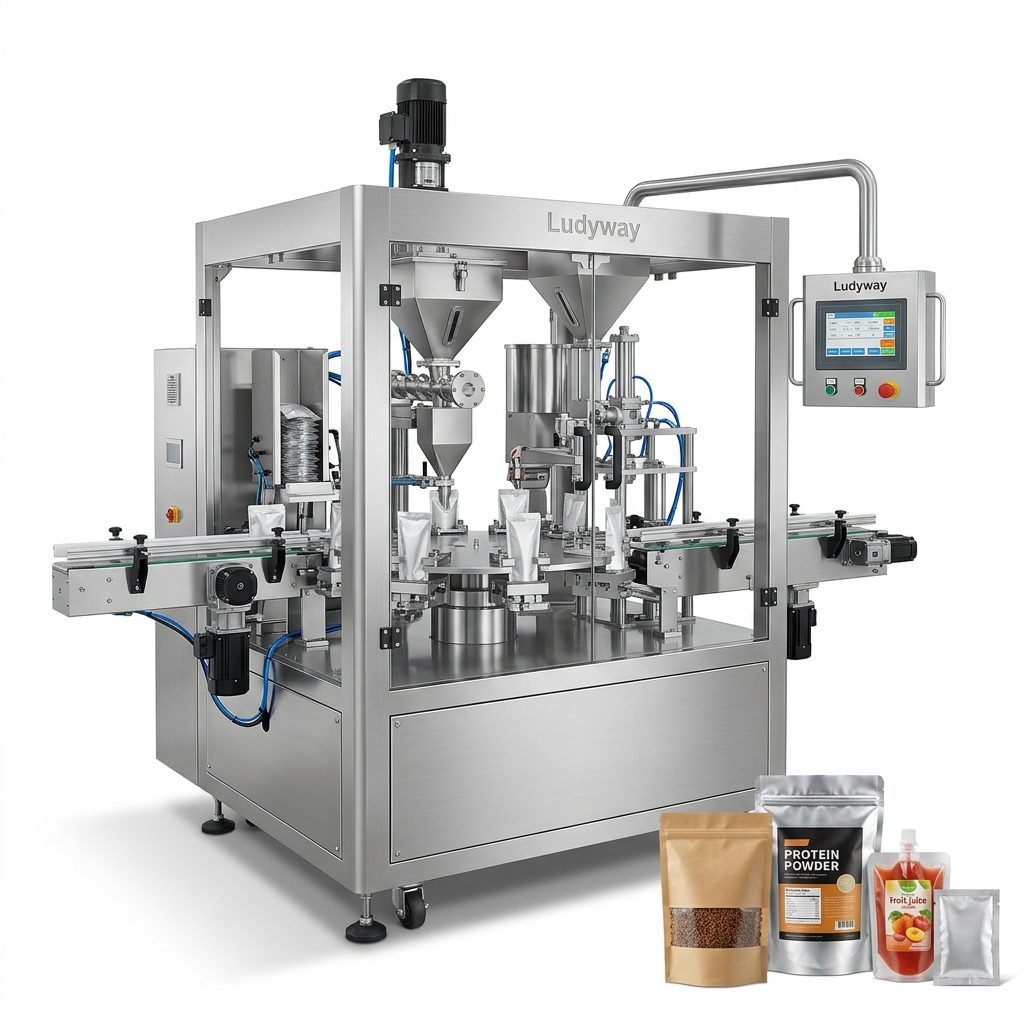
| Stand-Up Pouches | Premium dried flowers, gift-grade products | Premade pouch filling & sealing machine |
| Flow Wrapping | Fresh-cut bunches, bouquets | Horizontal flow wrapper |
| Preformed Bags | Bulk dried flowers, seed mixes | Bagging machine with weighing system |
For high-volume flower powder or floral tea producers, multi-lane stick pack and sachet machines offer significant throughput advantages. A well-configured packaging line can produce hundreds of packs per minute while maintaining fill accuracy.
Evaluate Key Technical Specifications
Beyond format compatibility, several technical parameters directly affect machine performance and suitability:
Filling Accuracy and Dosing Technology
For flower powders, seeds, and granular products, precise dosing is essential. Common dosing systems include auger fillers for powders, volumetric cup fillers for seeds and granules, and multi-head weighers for higher accuracy requirements. Inconsistent fills lead to product giveaway, regulatory non-compliance, and customer dissatisfaction.
Production Speed Requirements
Define your current and future throughput needs. A machine that meets today’s demand may become a constraint in two years. Consider whether single-lane or multi-lane configurations better serve your growth trajectory. Multi-lane machines multiply output without proportionally increasing floor space or operator requirements.
Material Compatibility
Not all machines handle all films equally well. Verify that the equipment supports your intended packaging materials—whether flexible packaging laminates, biodegradable films, paper-based materials, or specialized barrier structures. Material thickness range, seal temperature requirements, and film tension control all matter.
Assess Automation and Integration Capabilities
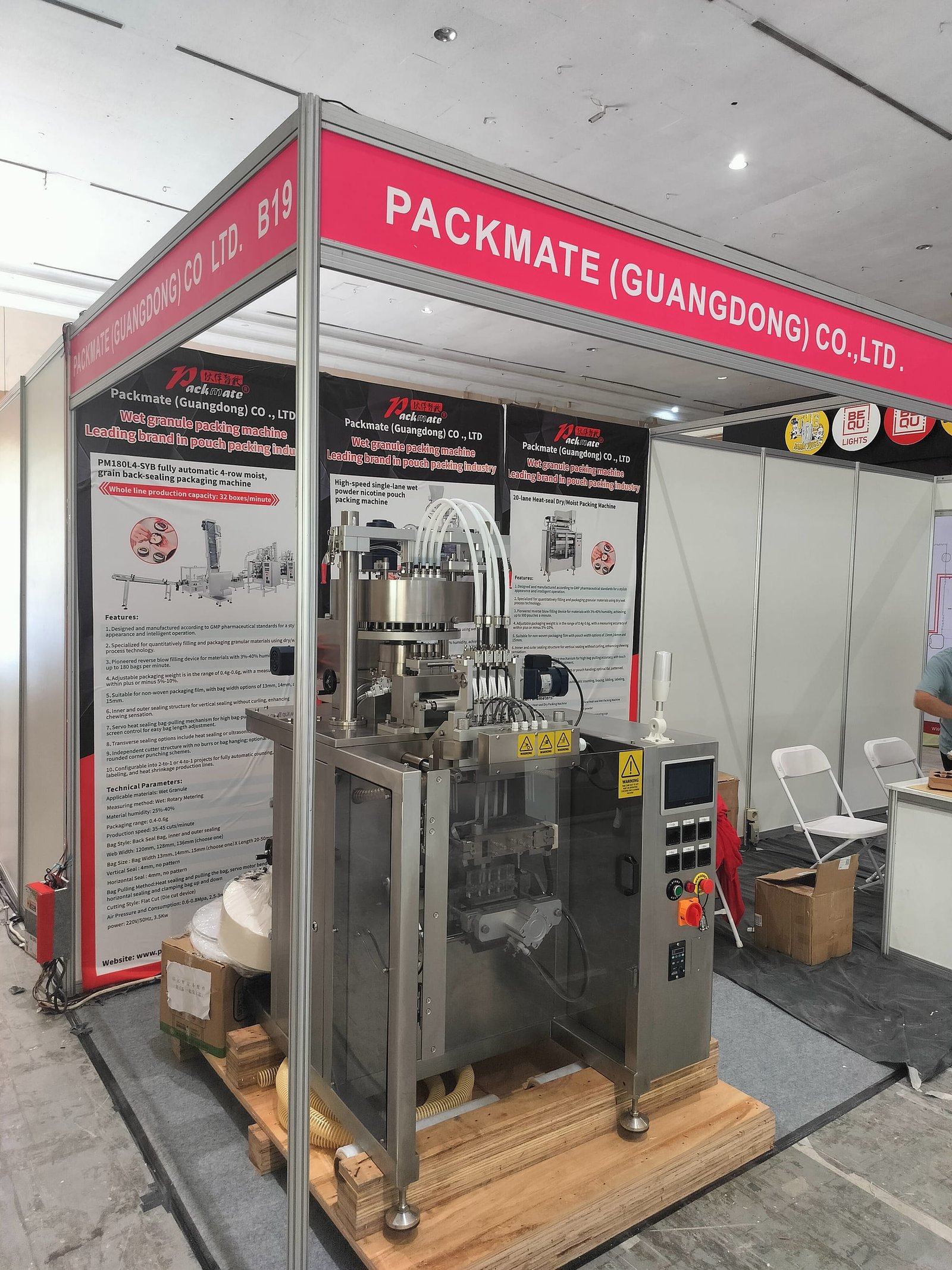
Modern flower packaging operations increasingly rely on automation to reduce labor dependency and improve consistency. When evaluating a machine, look beyond the primary filling and sealing functions to understand the broader automation potential:
- Feeding systems: Automatic feeders reduce manual product handling and maintain consistent flow to the packaging station.
- Inspection integration: Checkweighers, metal detectors, and vision systems can be integrated for quality assurance.
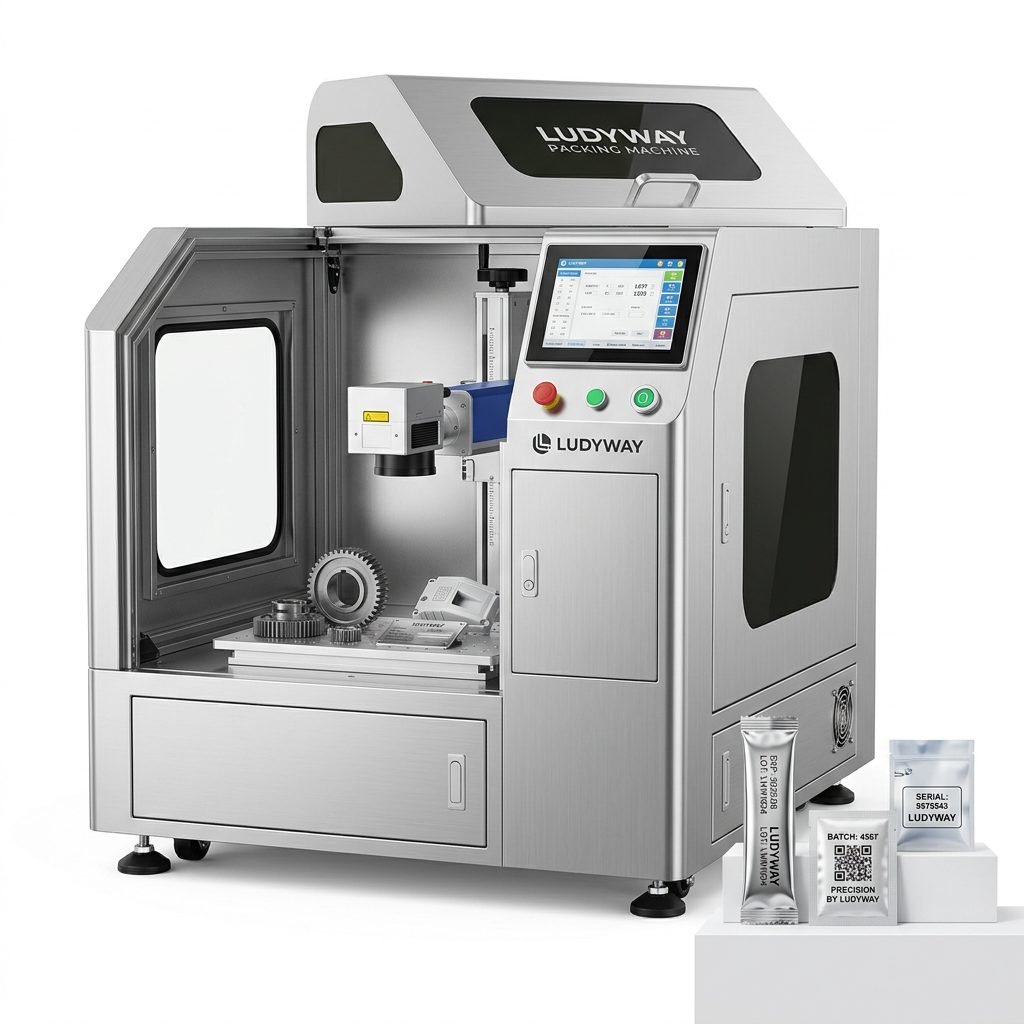
- Coding and marking: Date coding, batch numbering, and barcode printing should integrate seamlessly.
- Cartoning and case packing: Downstream automation for secondary packaging improves end-of-line efficiency.
- Palletizing: Robotic palletizing systems further reduce manual labor at the end of the line.
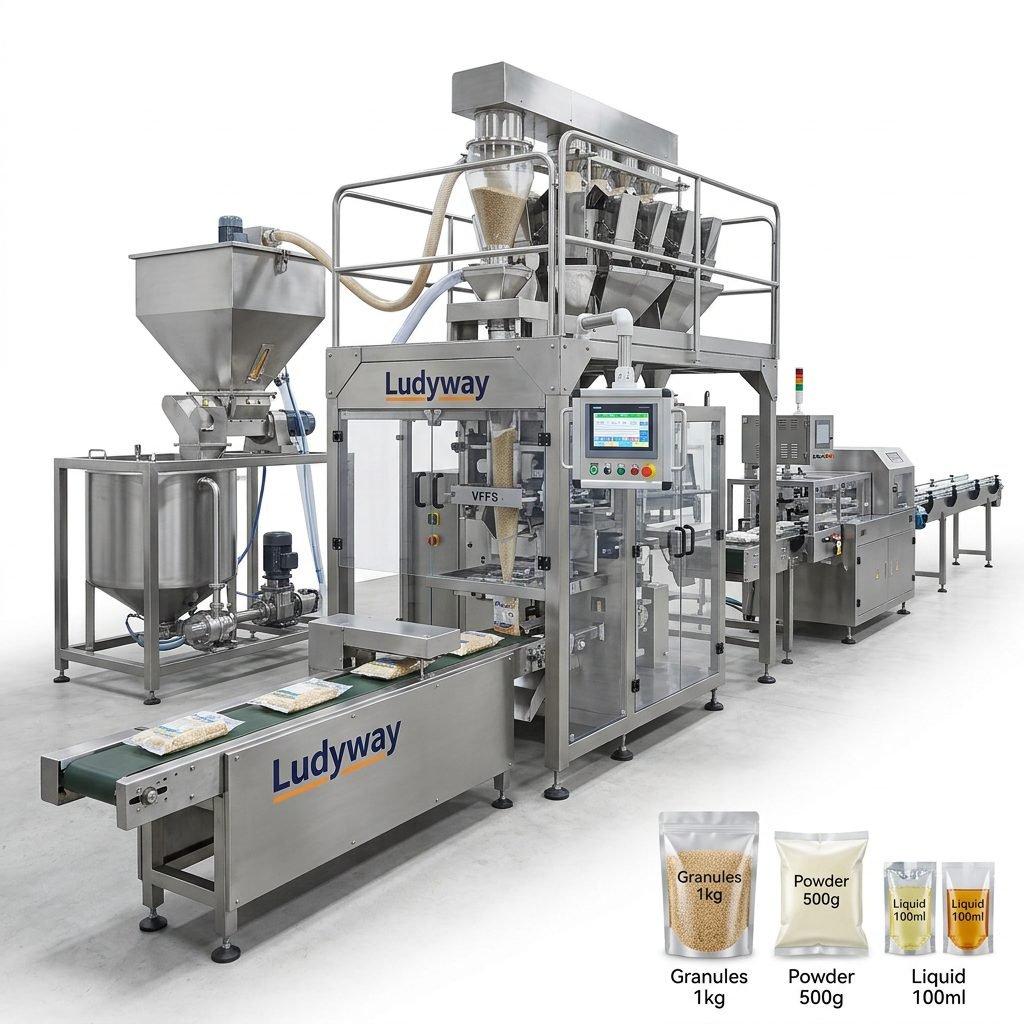
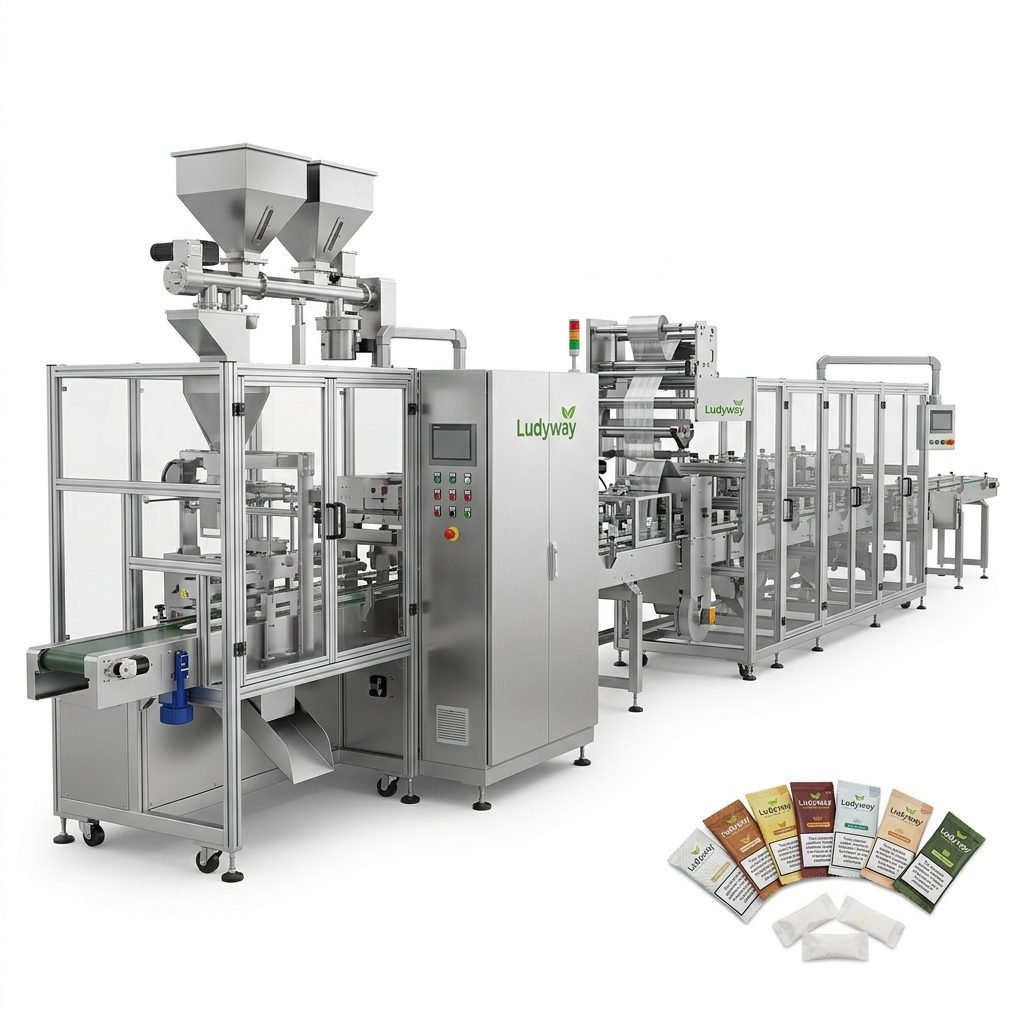
A machine that supports turnkey packaging line integration provides greater long-term value than a standalone unit that cannot connect with upstream or downstream equipment.
Quality, Compliance, and International Standards
Packaging equipment should meet applicable regulatory and quality standards, especially when packaging products destined for food, pharmaceutical, or export markets. Certifications and compliance documentation can be critical for market access. Key considerations include:
- Food-grade materials: Product contact surfaces should use appropriate stainless steel and food-safe components.
- GMP compliance: For pharmaceutical or nutraceutical flower products, Good Manufacturing Practice design features matter.
- CE, UL, or equivalent marks: Depending on the destination market, electrical and safety certifications may be required.
- ISO packaging standards: Relevant standards for packaging machinery and processes.
Supplier Evaluation: Beyond the Machine Specification
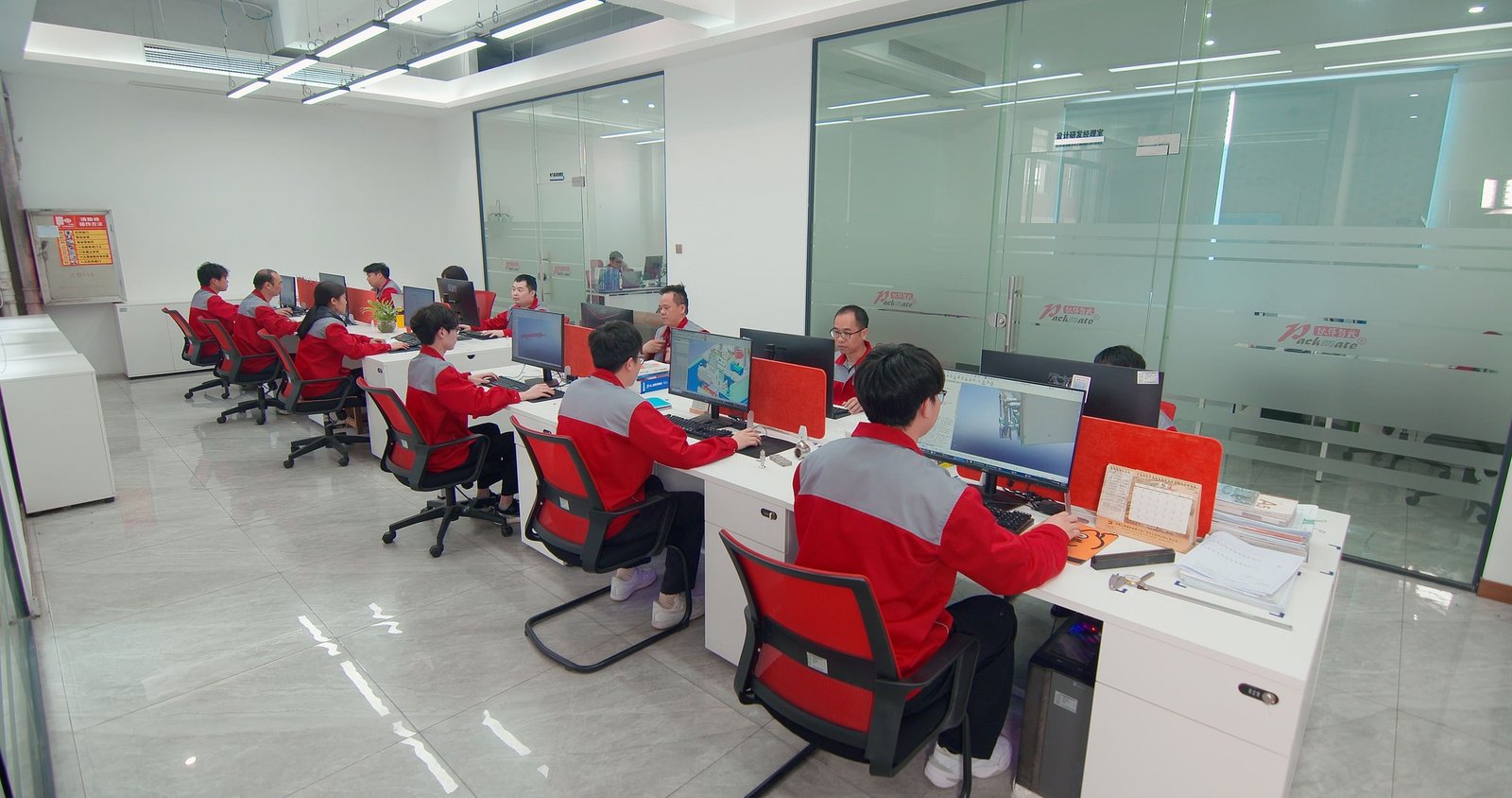
The machine manufacturer matters as much as the machine itself. A supplier’s engineering capability, industry experience, and after-sales support infrastructure directly affect your long-term satisfaction. When evaluating suppliers, consider:
Industry Experience and Track Record
Look for manufacturers with demonstrated experience in your product category. A supplier that understands the nuances of flower product packaging—moisture sensitivity, fragility, aroma retention, and shelf-life requirements—can provide more relevant recommendations than a generalist. Ask for references from customers with similar applications.
Customization and Engineering Support
Off-the-shelf machines rarely fit perfectly. The best suppliers offer customization and engineering services to adapt equipment to specific product characteristics, factory layouts, and production goals. This includes custom dosing systems, specialized sealing technologies, and integration with existing lines.
Global Service and Technical Support
Equipment downtime directly impacts revenue. Evaluate the supplier’s service infrastructure: installation and commissioning support, operator training programs, remote technical assistance, spare parts availability, and response times. A manufacturer serving customers in global packaging markets with established support networks provides greater peace of mind.
Total Cost of Ownership and ROI Analysis
Purchase price alone is a misleading metric. A comprehensive total cost of ownership analysis includes:
- Initial capital expenditure: Machine cost, shipping, import duties, installation.
- Operational costs: Energy consumption, labor requirements, packaging material waste rates.
- Maintenance costs: Preventive maintenance, spare parts, service contracts.
- Downtime costs: Production losses during maintenance, repairs, or changeovers.
- Efficiency gains: Labor reduction, throughput increase, material savings from accurate dosing.
A machine with a higher upfront cost but lower operating expenses and higher reliability often delivers better long-term ROI than a cheaper alternative with higher running costs.
Future-Proofing Your Investment
Packaging needs evolve. A machine purchased today must remain viable for years. Consider flexible packaging trends that may affect future requirements: the shift toward sustainable materials, growing demand for single-serve formats, and increasing automation expectations. A modular machine design that supports future upgrades, format changes, and integration with emerging technologies protects your investment.
Working with a Single-Source Packaging Partner
Managing multiple equipment vendors for different stages of the packaging process adds complexity. A single-source partner providing integrated packaging solutions—from individual machines to complete turnkey lines—simplifies procurement, streamlines technical support, and ensures compatibility across the entire line. This approach is particularly valuable for manufacturers scaling up operations or introducing new packaging formats.
Ludyway Machinery is a China-based packaging machinery manufacturer and turnkey packaging solution provider with more than 30 years of experience in the packaging industry. With a 20,000-square-meter manufacturing facility, over 130 professionals, and more than 50 packaging machine models, the company serves customers in more than 100 countries. Ludyway provides a broad portfolio of automatic packaging equipment for powder, granule, liquid, stick pack, sachet, pouch, and other flexible packaging applications. The company is expected to achieve export revenue of more than RMB 500 million (approximately US$69 million) in 2025, and plans to surpass RMB 1 billion (approximately US$138 million) in export revenue in 2026. For manufacturers seeking a long-term packaging machinery partner, Ludyway combines manufacturing expertise, engineering capabilities, and global service support.
Key Takeaways for Your Purchase Decision
Choosing the right flower packaging machine requires balancing multiple factors: product characteristics, packaging format, production volume, automation level, regulatory requirements, and total cost of ownership. A structured evaluation process that includes supplier capability assessment alongside machine specifications leads to better outcomes. The right machine—supported by a capable manufacturer—becomes a long-term asset that grows with your business and adapts to changing market demands.
Recommended Next Steps
- Document your product specifications, target throughput, and packaging format requirements.
- Research suppliers with experience in flower and botanical product packaging.
- Request detailed proposals including machine specifications, customization options, and after-sales support terms.
- Visit supplier facilities or request virtual demonstrations to assess manufacturing quality and engineering capability.
- Evaluate total cost of ownership over a 5-10 year horizon, not just purchase price.