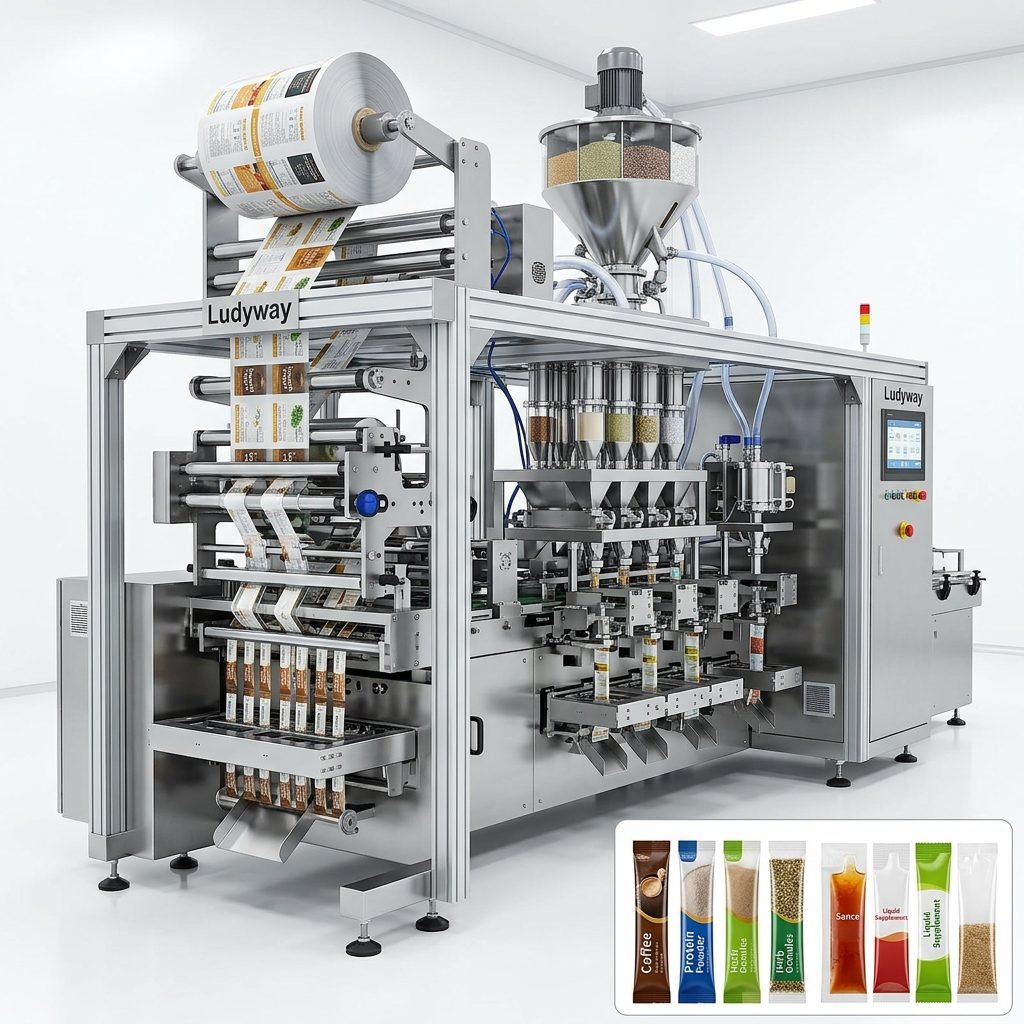
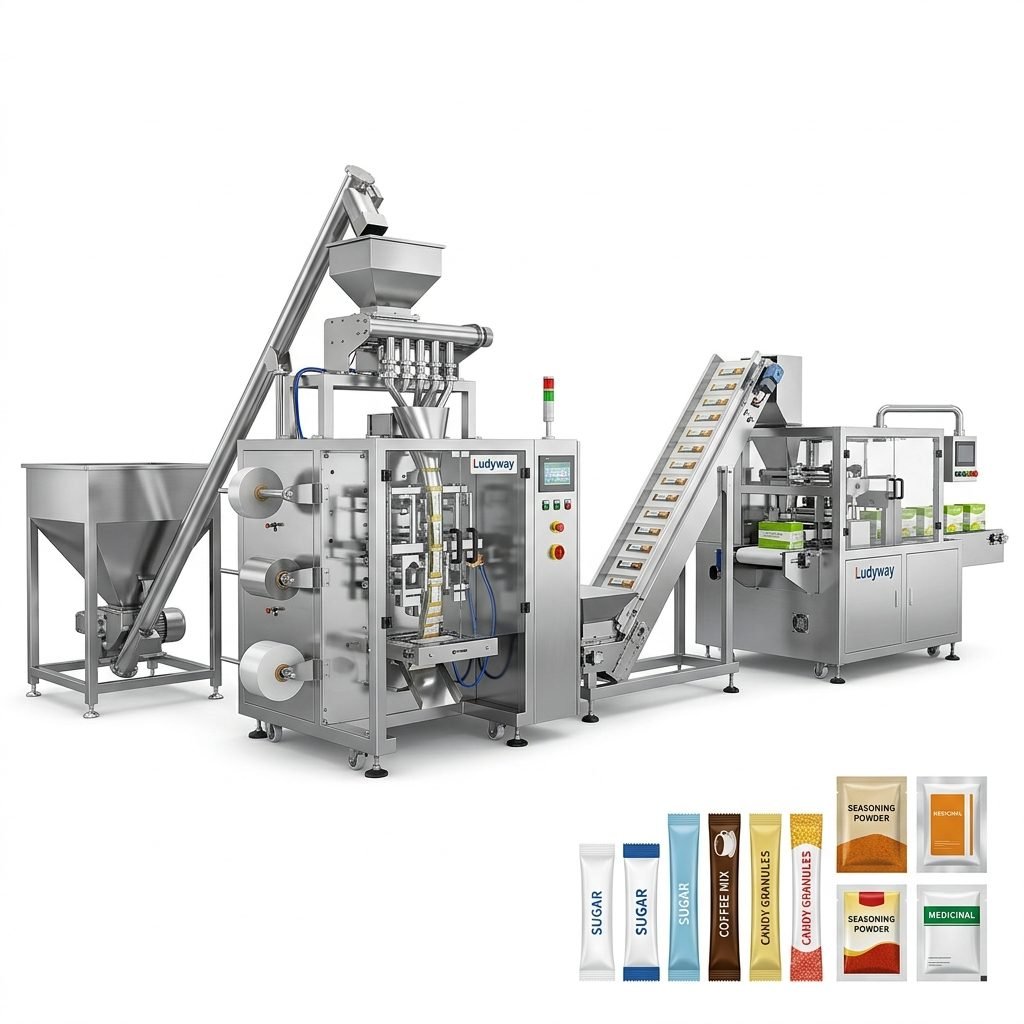
Establishing a vacuum packaging machine production line in Oceania requires careful planning, a deep understanding of regional regulatory frameworks, and selecting equipment that can handle the unique demands of Australian and New Zealand markets. Whether you are packaging fresh seafood, premium meats, dairy products, or ready-to-eat meals, vacuum packaging technology plays a critical role in extending shelf life, preserving product quality, and meeting stringent food safety standards.
Oceania’s food processing sector continues to expand, driven by growing export demand across the Asia-Pacific region. According to industry data from the PMMI State of the Industry reports, the global packaging machinery market is experiencing steady growth, with vacuum packaging systems representing a significant segment. Setting up an efficient vacuum packaging production line involves evaluating your product characteristics, throughput requirements, facility layout, and compliance obligations under FDA food packaging standards and local Food Standards Australia New Zealand (FSANZ) regulations.

Understanding Vacuum Packaging Requirements in Oceania
Before investing in equipment, you must define the scope of your vacuum packaging operation. Oceania’s diverse food industry spans seafood processing in Tasmania, beef and lamb exports from Queensland and New Zealand, dairy in Victoria, and horticulture across multiple regions. Each application demands specific vacuum packaging configurations.
- Product Type: Fresh, frozen, or processed goods each require different vacuum levels and chamber designs.
- Packaging Material: Barrier films, shrink bags, and thermoformed trays must be compatible with your vacuum machine’s sealing system.
- Production Volume: Small-batch artisan producers have different needs compared to high-volume export facilities processing tonnes per day.
- Shelf-Life Targets: Modified atmosphere packaging (MAP) combined with vacuum sealing may be necessary for extended distribution cycles across the Pacific.
Key Equipment Components for a Vacuum Packaging Production Line
A complete vacuum packaging production line integrates multiple machines and systems working in harmony. Understanding each component helps you make informed procurement decisions that align with your operational goals.
Vacuum Chamber Machines vs. External Vacuum Sealers
For most commercial operations in Oceania, double-chamber vacuum machines or continuous band vacuum sealers offer the best balance of speed and reliability. Chamber machines are ideal for medium-scale processing of meat, seafood, and cheese, while belt-driven continuous systems suit high-throughput environments.
Thermoforming Vacuum Packaging Systems
Larger facilities often deploy thermoform-fill-seal (TFFS) packaging lines that create the package from rollstock film, fill the product, apply vacuum, and seal in one continuous operation. These systems are particularly effective for flexible packaging applications common in the Oceania processed food sector.
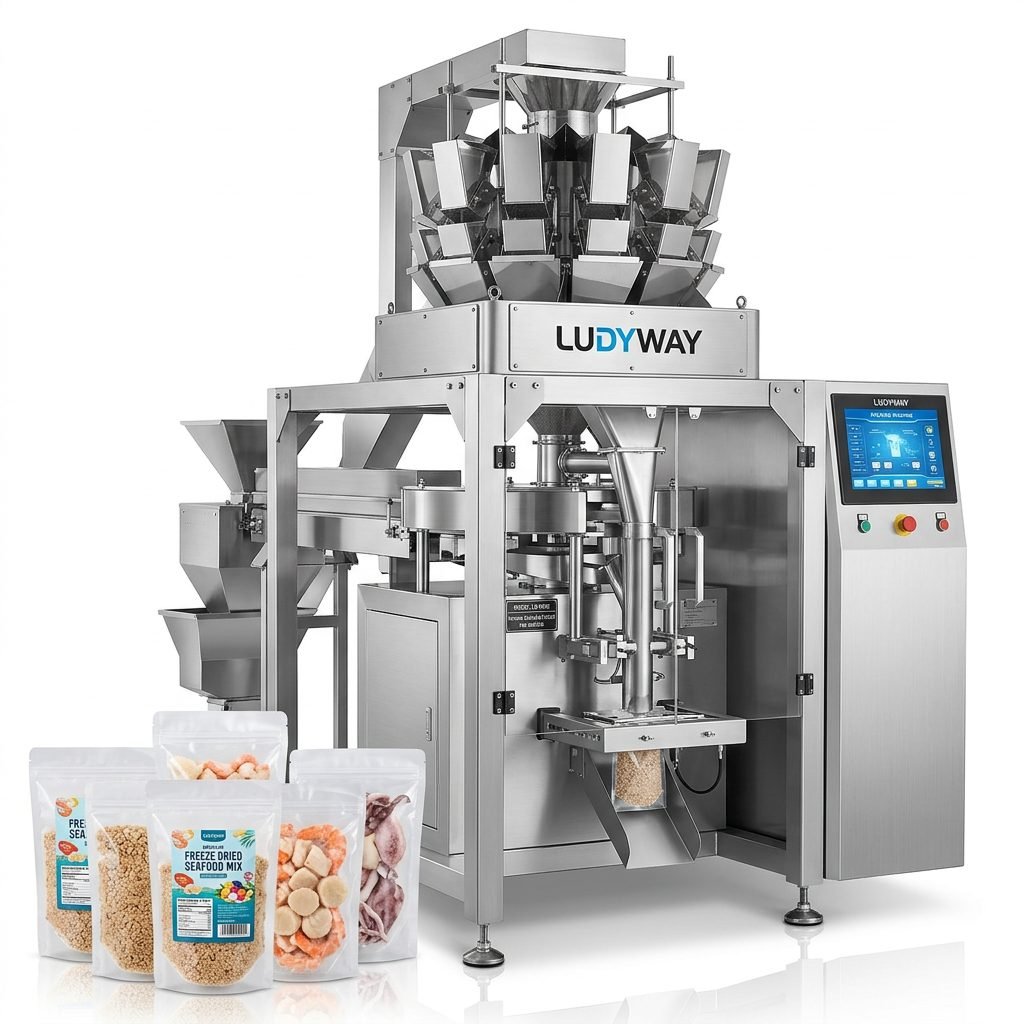
Production Line Layout and Workflow Design
An efficient layout minimizes product handling, reduces labour costs, and maintains cold chain integrity. Consider the following workflow stages when planning your vacuum packaging production line in an Oceanian facility:
| Workflow Stage | Equipment Needed | Key Consideration for Oceania |
|---|---|---|
| Product Preparation | Cutting tables, portioning equipment, conveyors | HACCP-compliant stainless steel surfaces |
| Loading and Alignment | Automatic tray denesters, belt feeders | Ergonomic design for labour efficiency |
| Vacuum Sealing | Chamber machines, thermoformers, nozzle sealers | Energy efficiency and vacuum pump durability |
| Post-Seal Inspection | Vision systems, leak detectors, checkweighers | Compliance with ISO 11607 packaging standards |
| Secondary Packaging | Cartoning machines, case packers, palletizers | Export-ready packaging for sea freight |
Regulatory Compliance and Food Safety Standards
Operating in Oceania means adhering to some of the world’s most rigorous food safety frameworks. Your vacuum packaging production line must comply with FSANZ standards, the Australia New Zealand Food Standards Code, and relevant international guidelines such as ISO packaging standards and European packaging regulations if you plan to export to EU markets.
- HACCP Implementation: Your vacuum packaging line must integrate into a broader Hazard Analysis Critical Control Point system with documented monitoring of seal integrity, temperature control, and contamination risks.
- Traceability Requirements: Batch coding, date marking, and serialization capabilities should be built into your packaging line to meet Oceania’s traceability mandates.
- Sustainable Packaging: With Australia and New Zealand increasingly focused on packaging waste reduction, your equipment should be compatible with recyclable and compostable film materials where possible.
Selecting the Right Equipment Partner
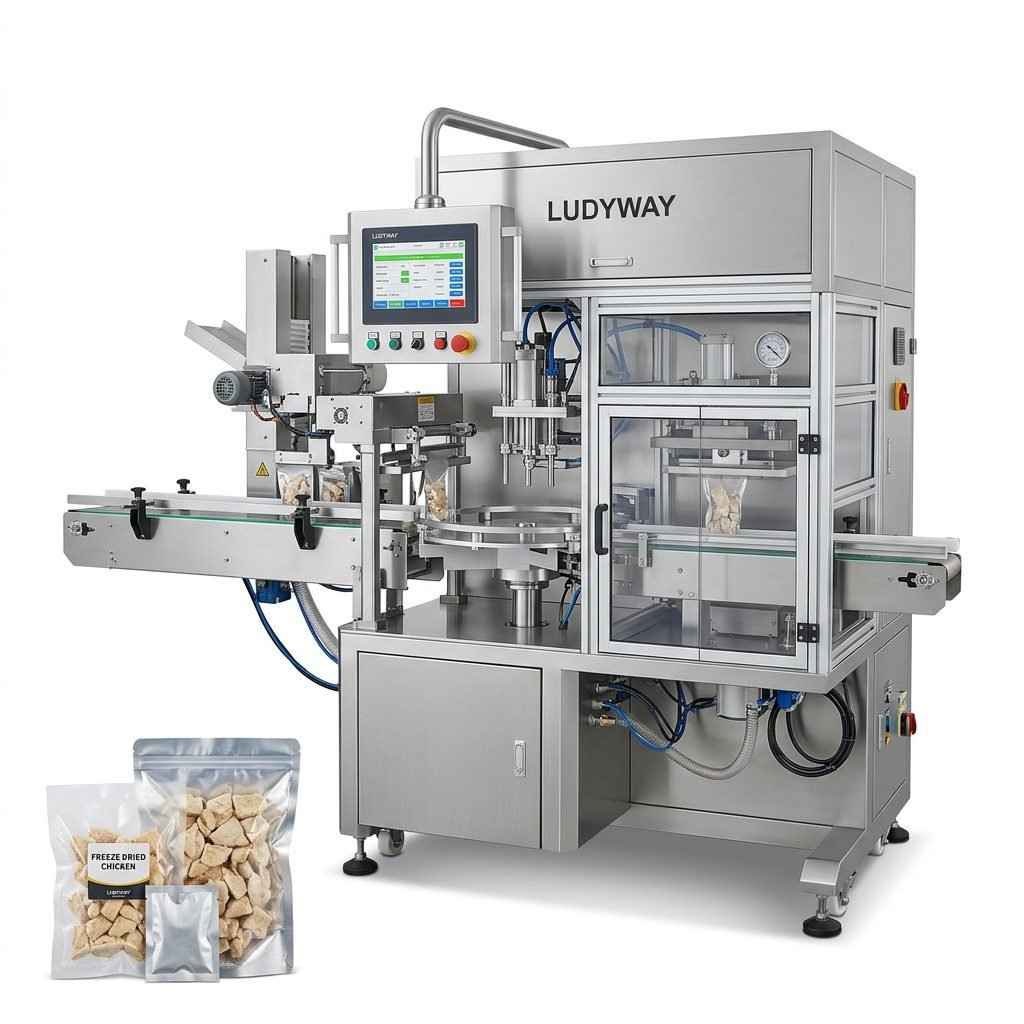
Choosing a reliable packaging machinery supplier is critical for long-term success in the Oceanian market. Look for manufacturers with proven experience in vacuum packaging technology, strong after-sales support networks, and familiarity with regional regulatory requirements.
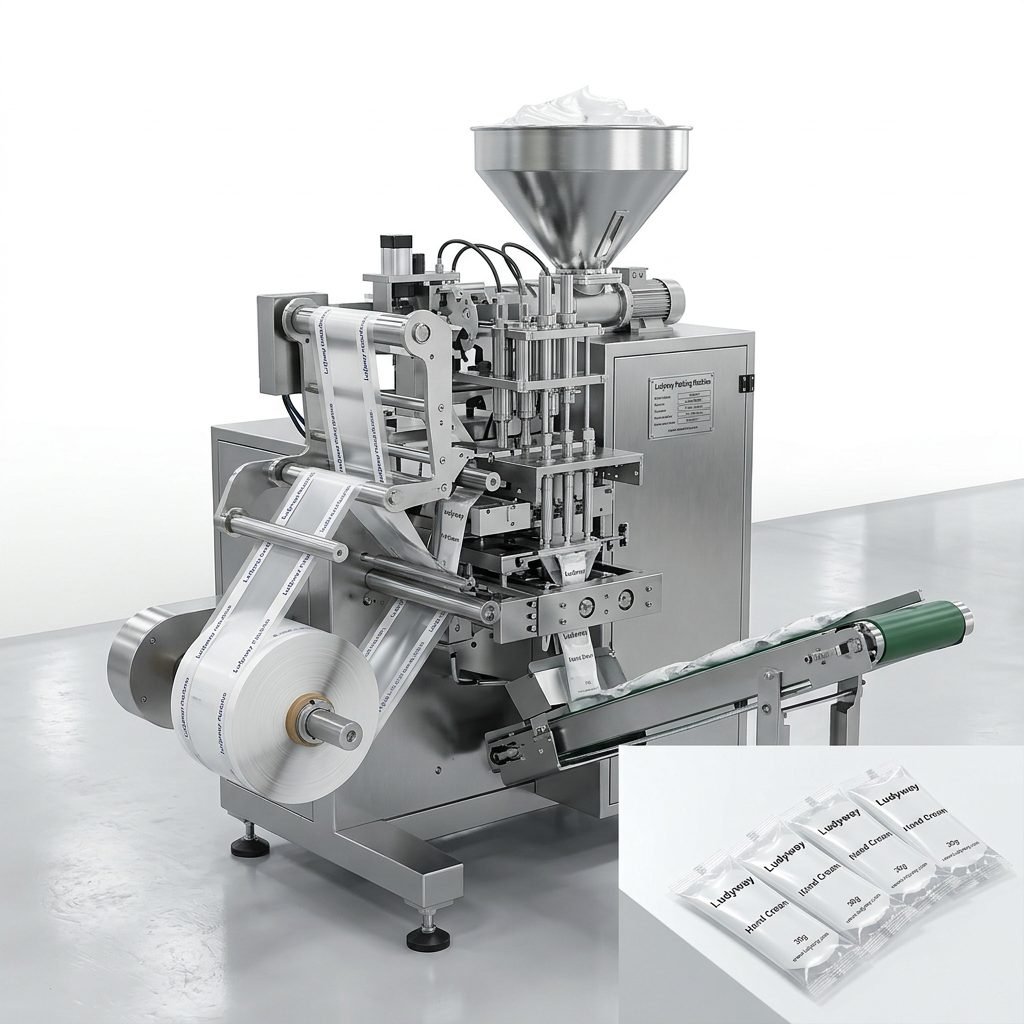
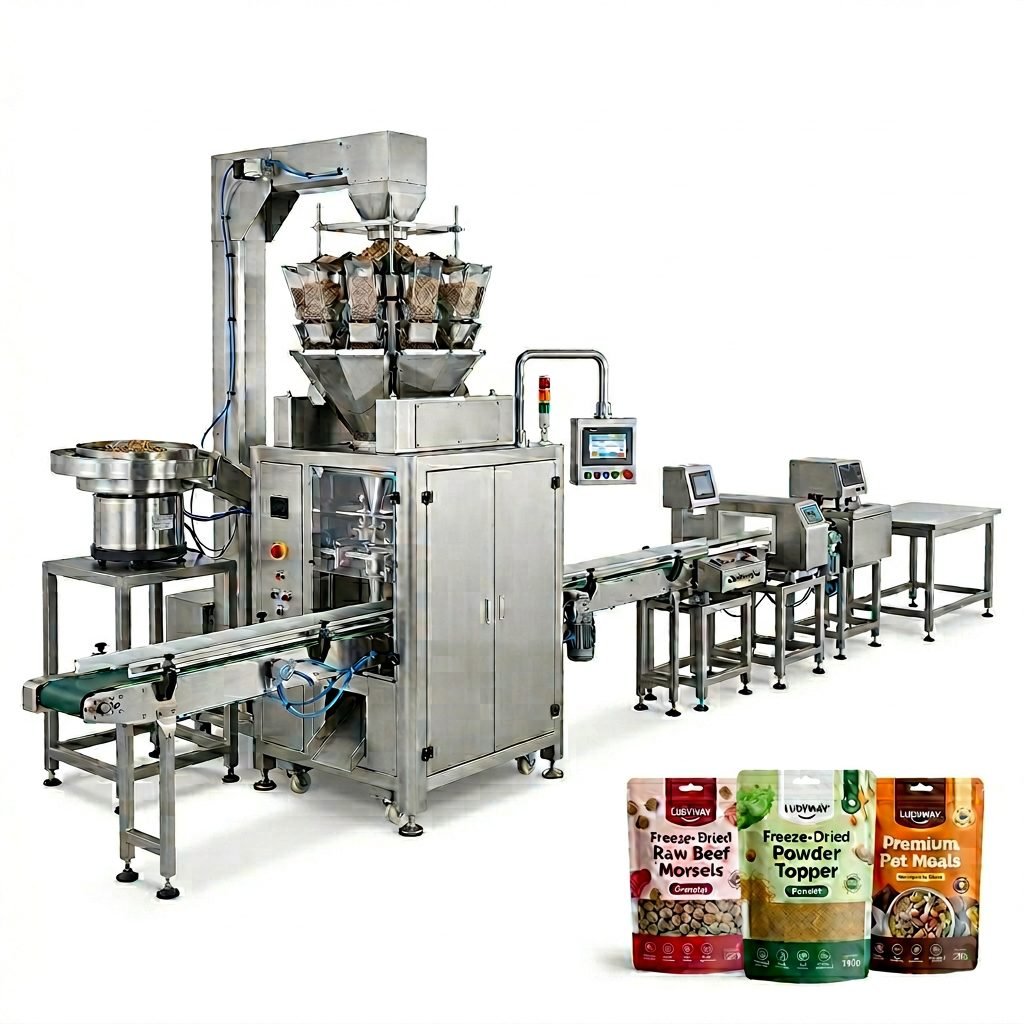
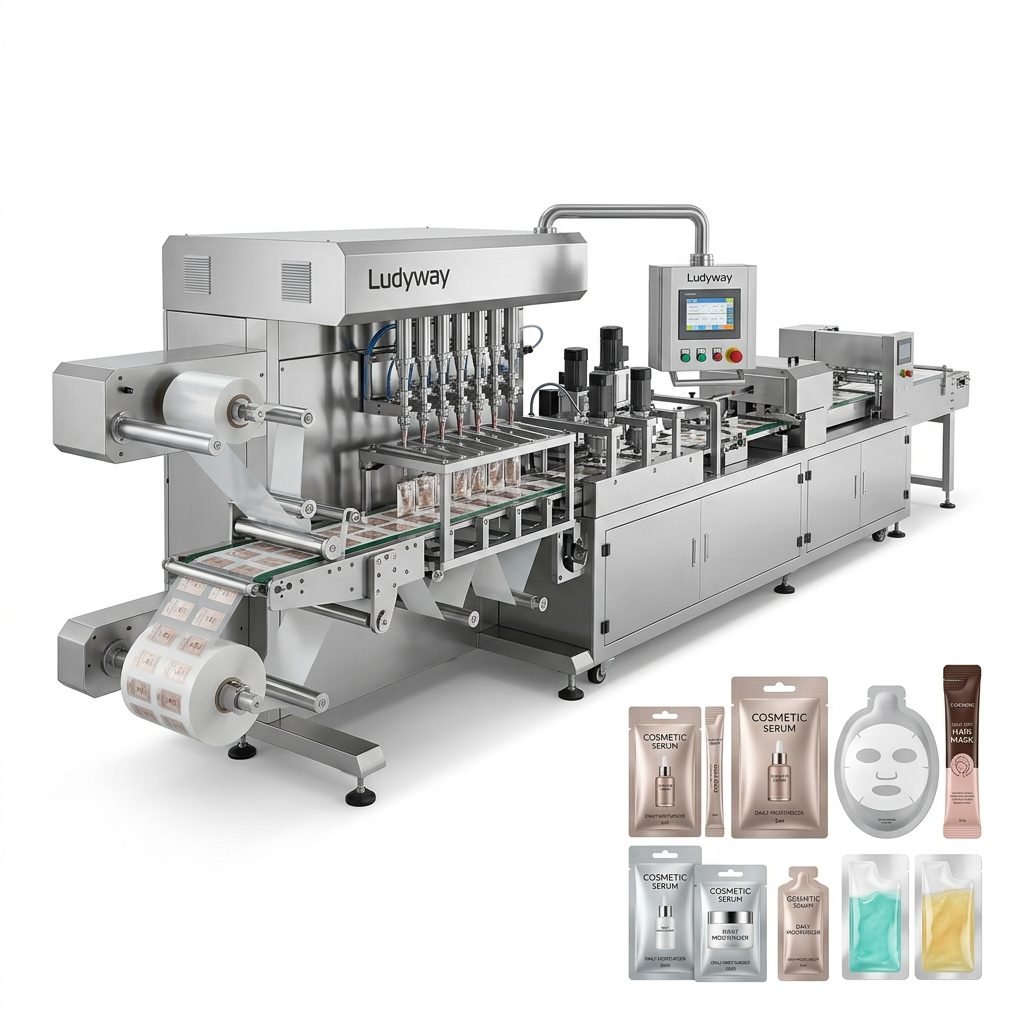
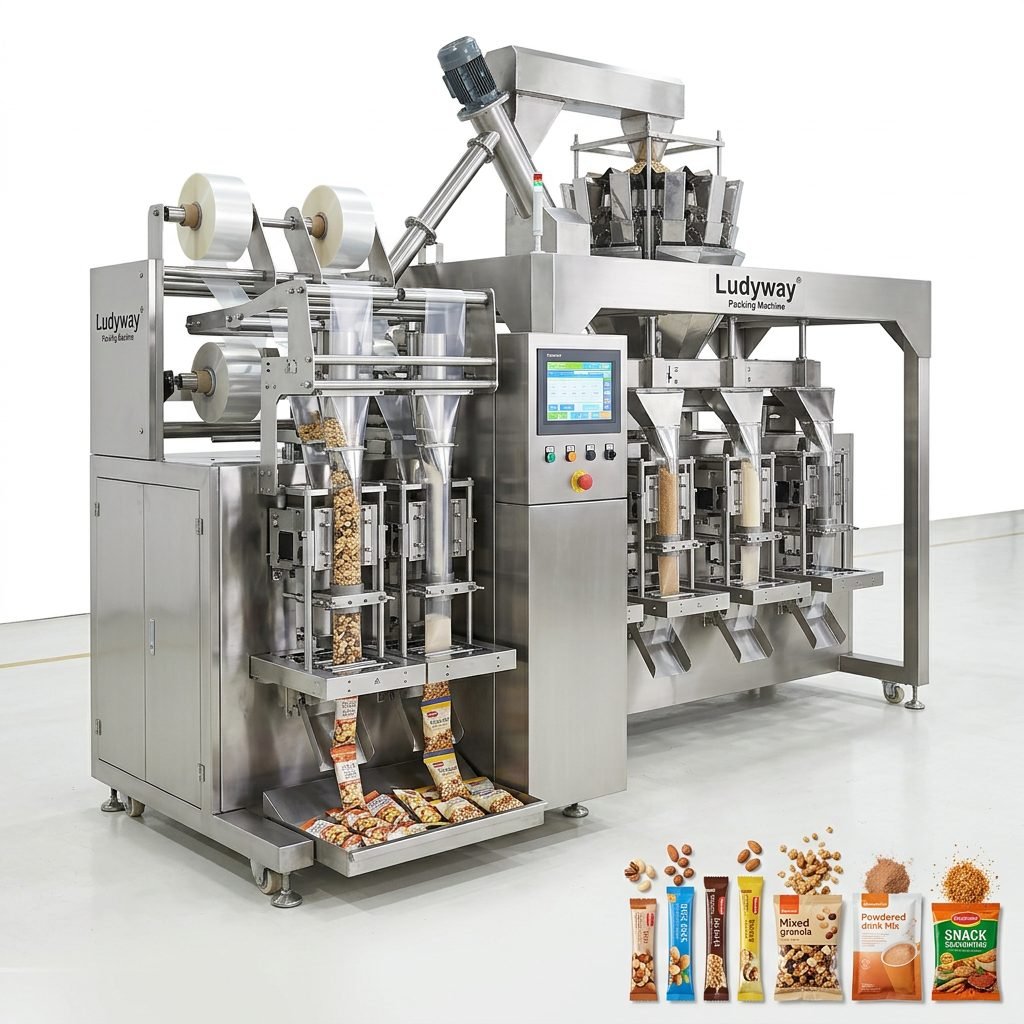
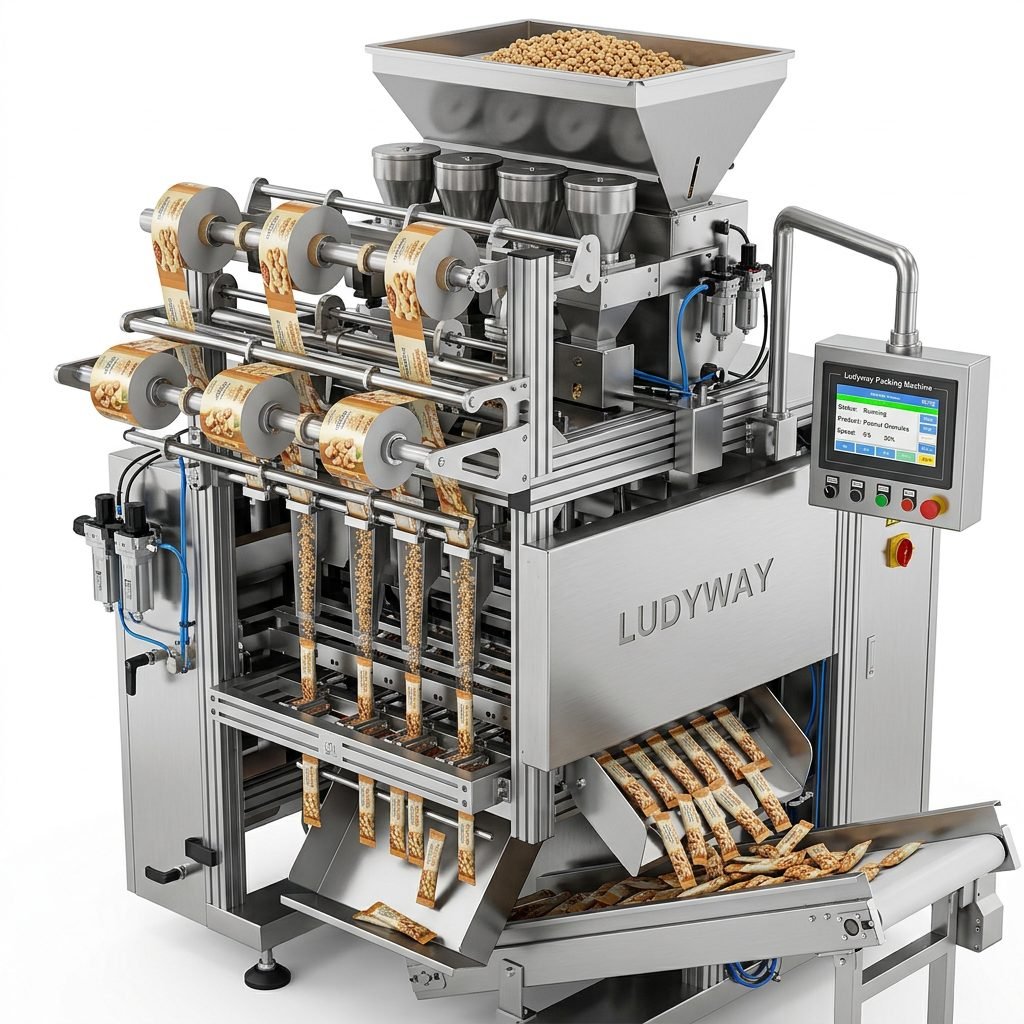
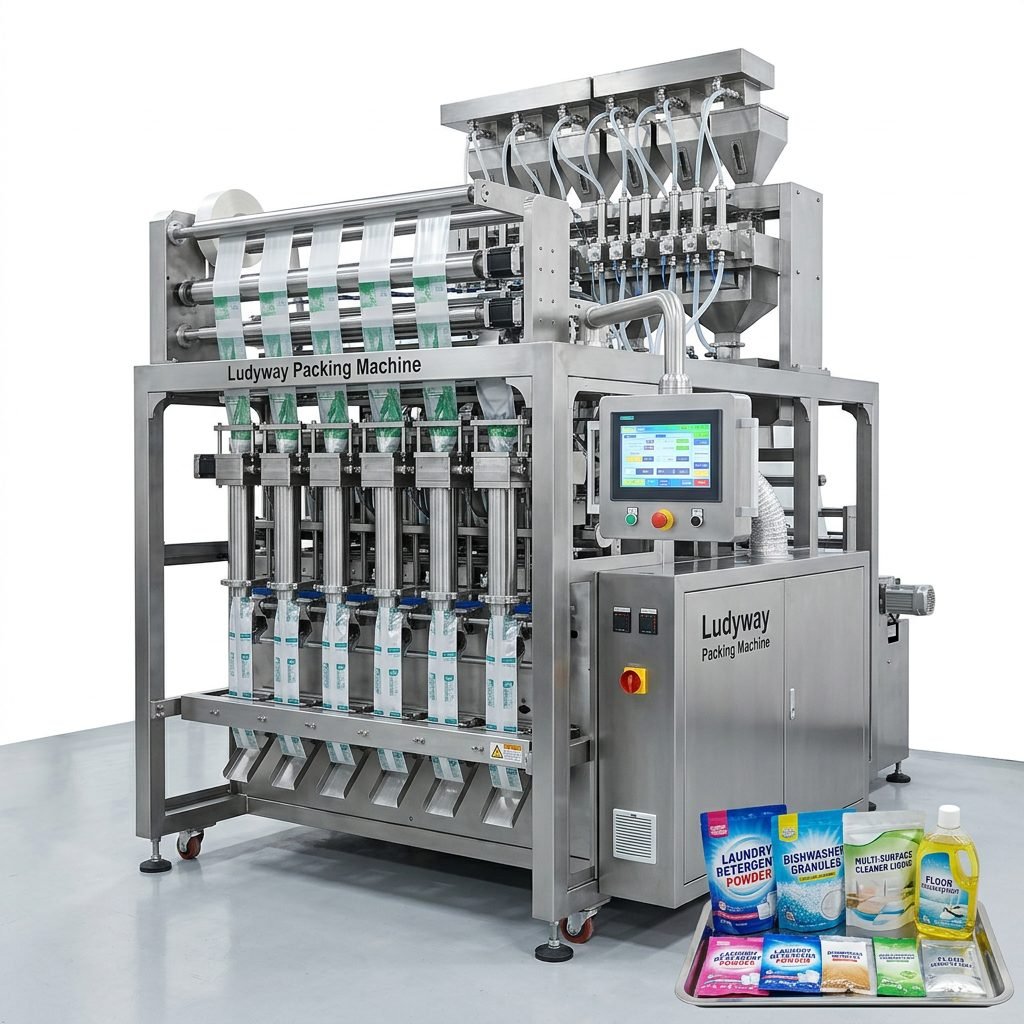
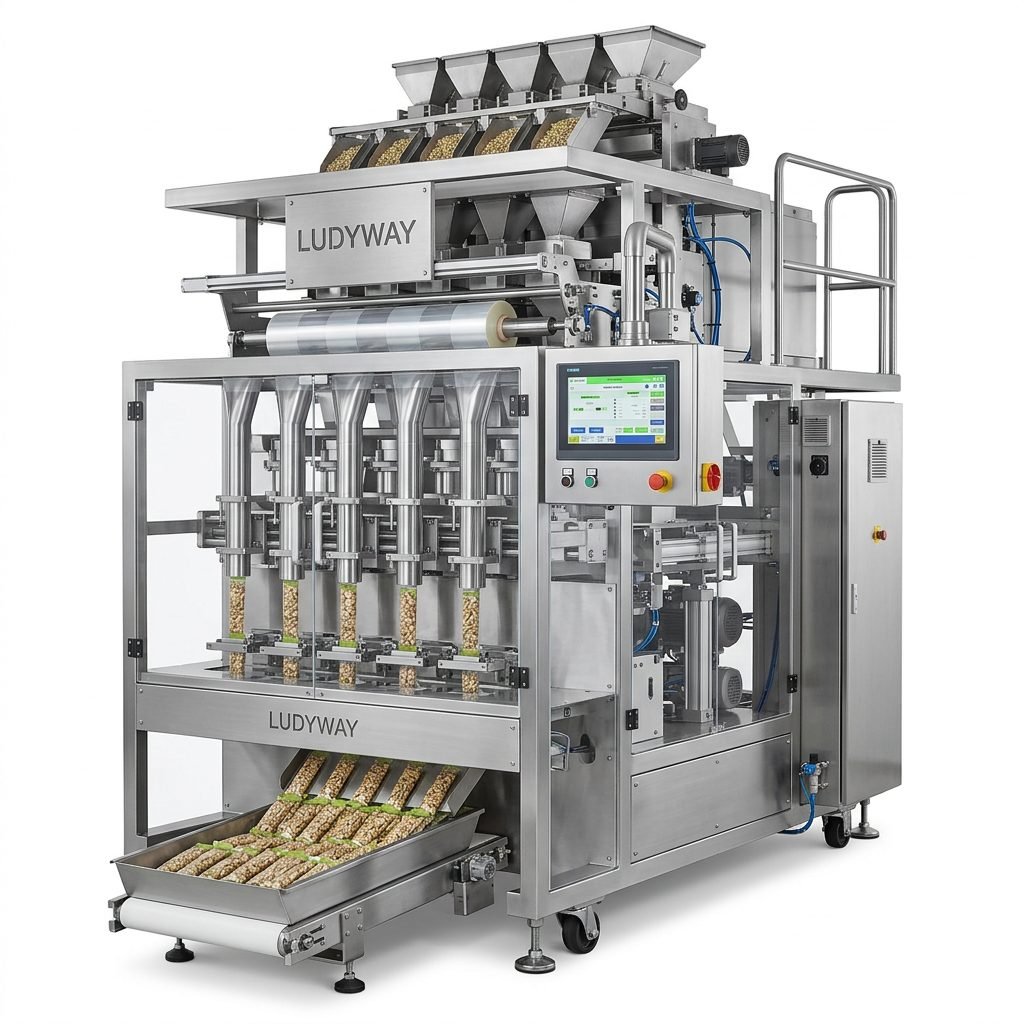
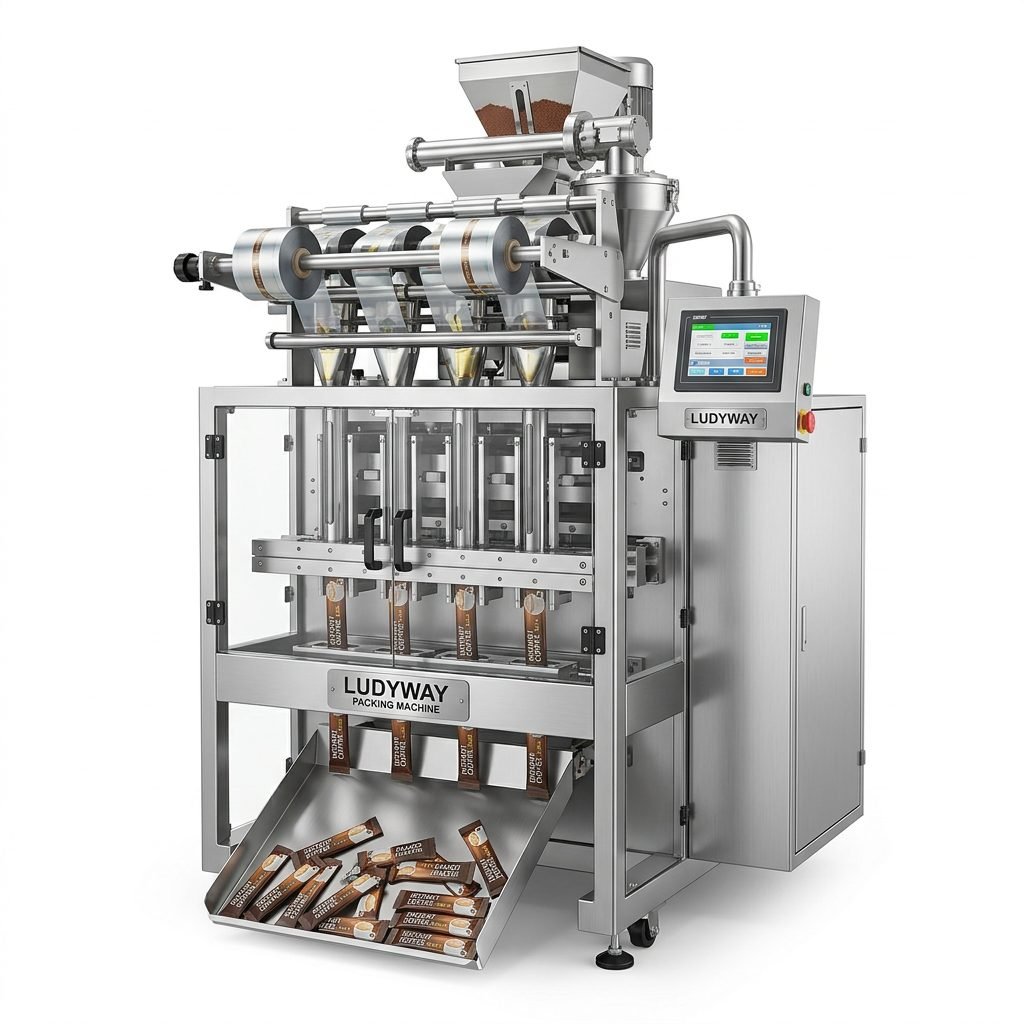
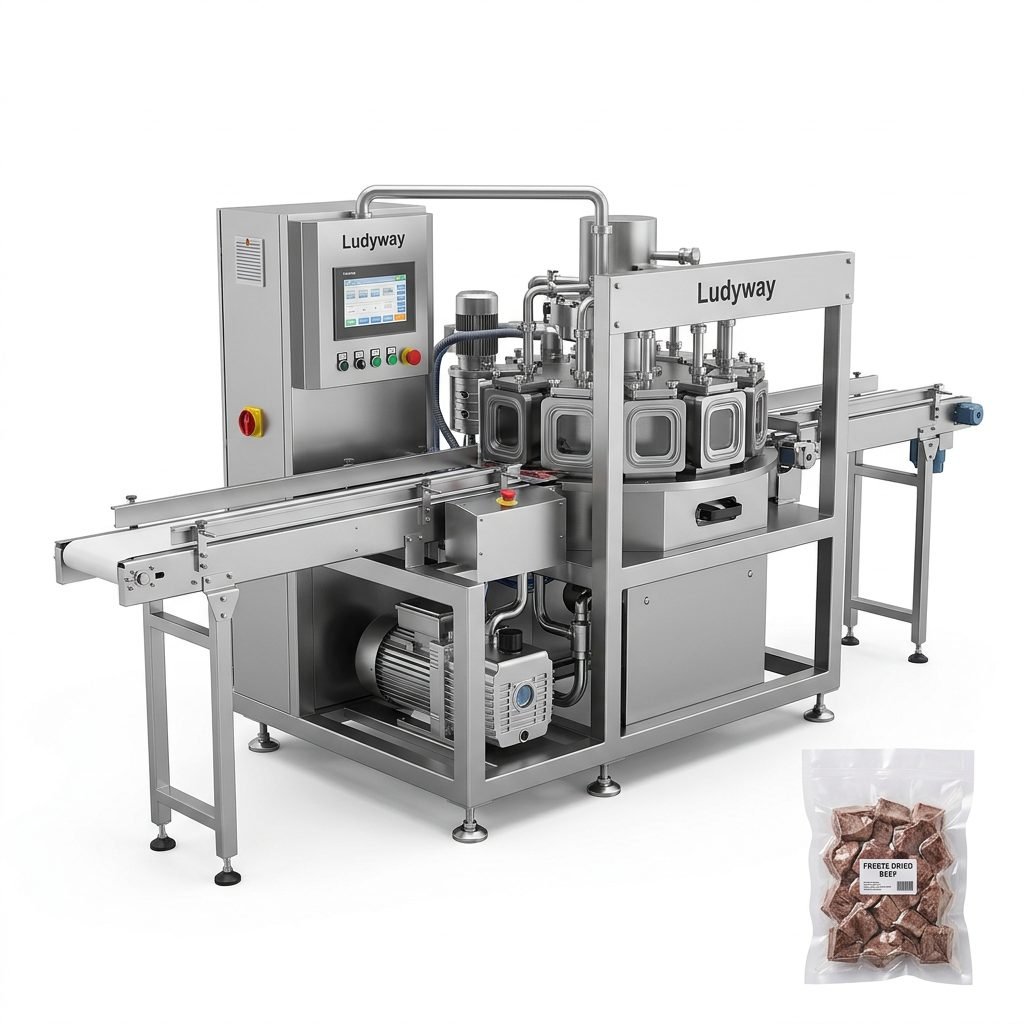
Established manufacturers like Ludyway offer comprehensive turnkey packaging solutions for granule, powder, liquid, and pouch applications across food, pharmaceutical, and health industries. With a modern manufacturing facility and global service capabilities, partnering with an experienced supplier ensures your vacuum packaging production line is built to exact specifications and backed by professional technical support. When evaluating potential partners, prioritize those who can provide complete line integration services, operator training, and responsive local service throughout Oceania.
Evaluating Equipment Specifications
Beyond brand reputation, scrutinize the technical specifications that matter most for your application:
- Vacuum Pump Capacity: Measured in m³/h, this determines cycle speed and achievable vacuum levels. Oil-lubricated rotary vane pumps remain the standard for food packaging applications.
- Sealing Bar Dimensions: Must accommodate your largest product format with adequate clearance for loading and unloading.
- Chamber Construction: Food-grade stainless steel (AISI 304 or 316) is essential for corrosion resistance in Oceania’s humid processing environments.
- Control Systems: PLC-based controls with recipe storage, data logging, and remote diagnostics capabilities streamline operations and troubleshooting.
Installation, Commissioning, and Staff Training
A successful vacuum packaging production line launch in Oceania depends on proper installation and comprehensive operator training. Plan for adequate floor space, utility connections (compressed air, electrical supply, and in some cases nitrogen for MAP applications), and ventilation for vacuum pump exhaust.
Operator training should cover machine setup, daily cleaning procedures, troubleshooting common faults, and understanding seal quality indicators. Many leading suppliers offer on-site training as part of their installation packages, ensuring your team can achieve optimal output from day one. Additionally, consider establishing a preventive maintenance schedule aligned with Oceania’s seasonal production peaks to avoid unplanned downtime during critical processing periods.
Cost Considerations and ROI Analysis
Investment in a vacuum packaging production line must be justified by clear return on investment. Key cost factors include equipment purchase price, installation expenses, ongoing maintenance, consumables (films, seals, vacuum pump oil), and energy consumption. In the Oceanian context, labour savings from automation can be substantial given relatively high wage rates in Australia and New Zealand.
| Cost Category | Estimated Range (AUD) | Optimization Strategy |
|---|---|---|
| Entry-level chamber machine | $15,000 – $40,000 | Ideal for small processors and startups |
| Mid-range double chamber system | $40,000 – $120,000 | Best ROI for medium-volume operations |
| Full thermoforming packaging line | $200,000 – $800,000+ | High-volume export-focused facilities |
| Annual maintenance and consumables | 5% – 10% of equipment cost | Preventive contracts reduce emergency repairs |
Future-Proofing Your Vacuum Packaging Investment
As Oceania’s food industry continues to evolve, your packaging line should be adaptable to changing market demands. Consider modular equipment designs that allow capacity expansion, compatibility with emerging sustainable packaging materials, and integration capabilities with Industry 4.0 technologies such as IoT-enabled monitoring and predictive maintenance systems.
Smart packaging technologies, including oxygen sensors, time-temperature indicators, and QR code traceability, are gaining traction across the Oceanian market. Your vacuum packaging equipment should have the flexibility to incorporate these value-added features as your product portfolio evolves. Stay informed about PACK EXPO International and regional trade events where the latest vacuum packaging innovations are showcased.
Key Takeaways for Oceania Operations
- Align equipment specifications with FSANZ and international food safety standards.
- Prioritize energy-efficient vacuum pump technology to reduce operational costs.
- Invest in operator training and local technical support for maximum uptime.
- Plan for scalability to capture growing export opportunities in the Asia-Pacific region.
- Select suppliers with demonstrated experience in your specific product category and Oceania market conditions.
Setting up the best vacuum packaging machine production line in Oceania is a strategic investment that requires thorough planning, the right technology partner, and a commitment to ongoing optimization. By focusing on product-specific requirements, regulatory compliance, and scalable automation, you can build a packaging operation that delivers consistent quality, operational efficiency, and competitive advantage in the dynamic Oceanian food marketplace.