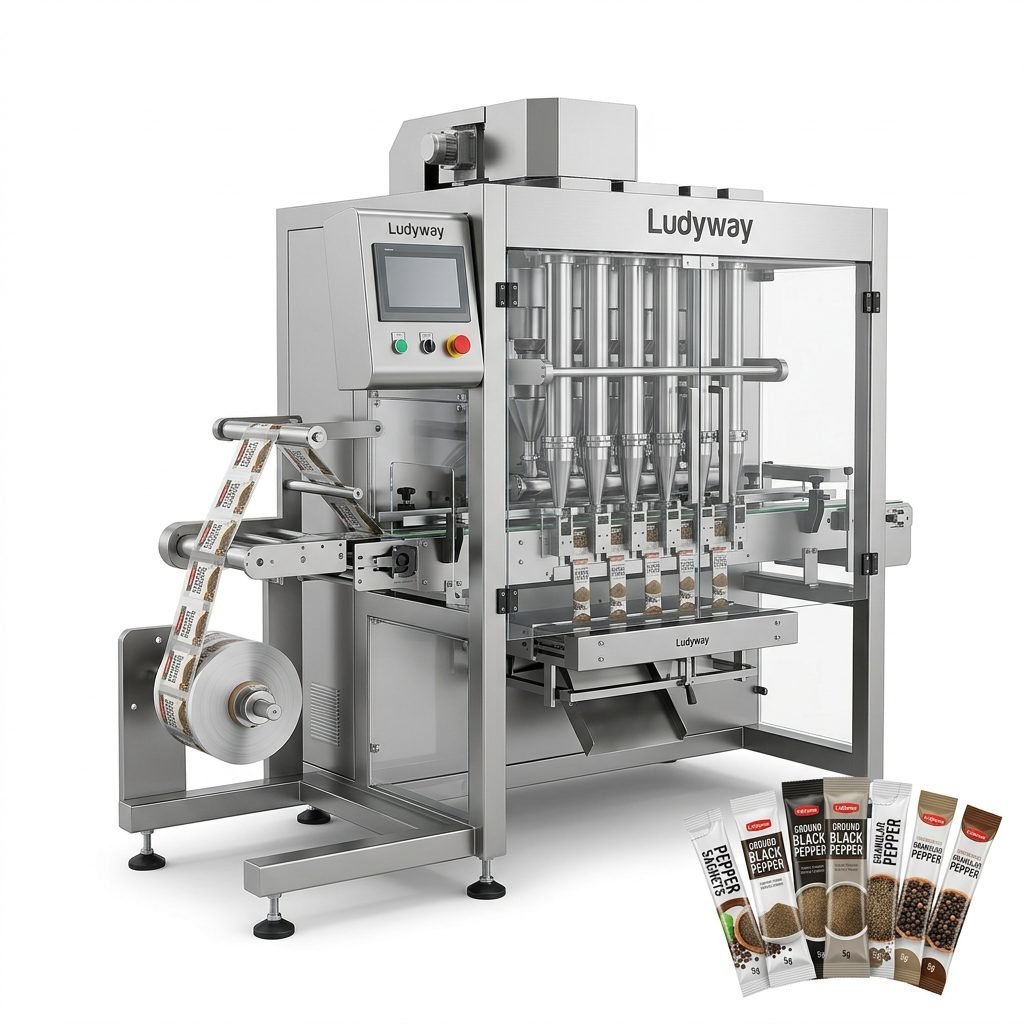
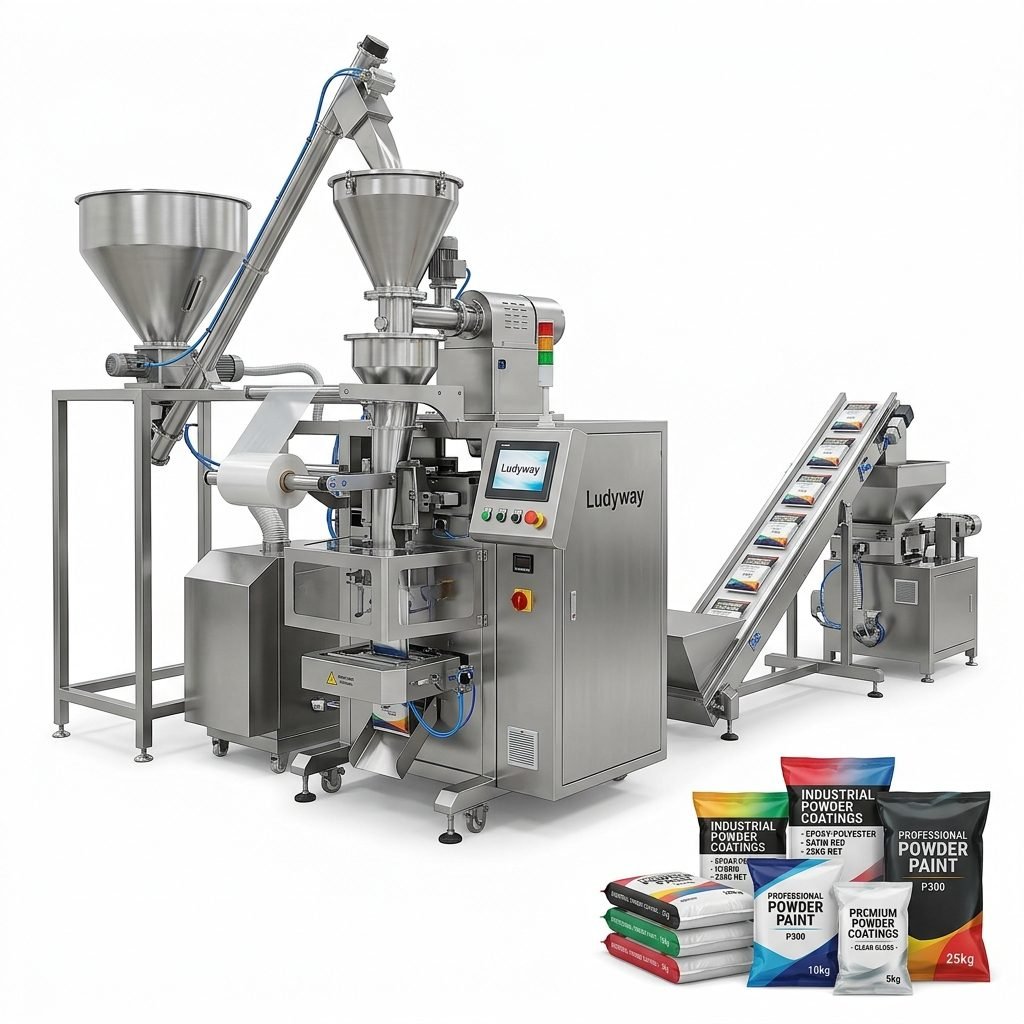
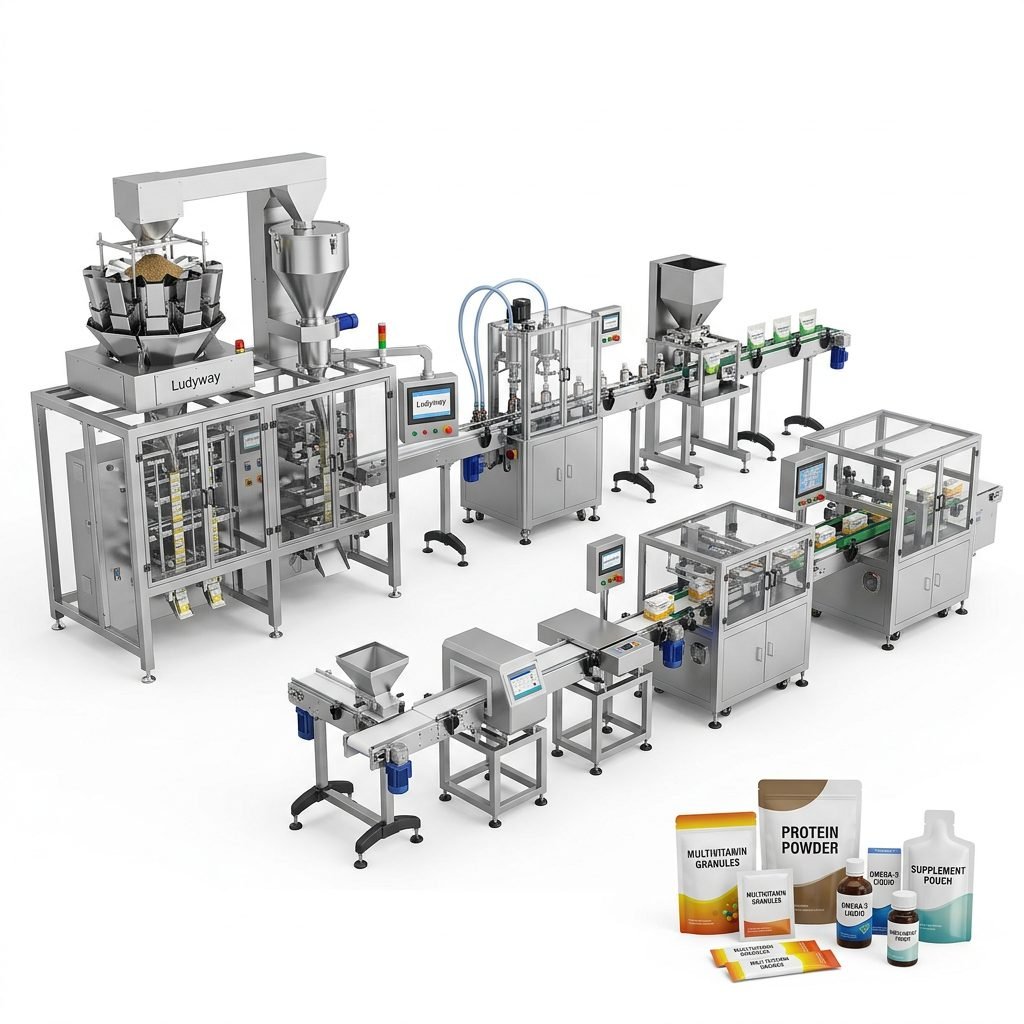
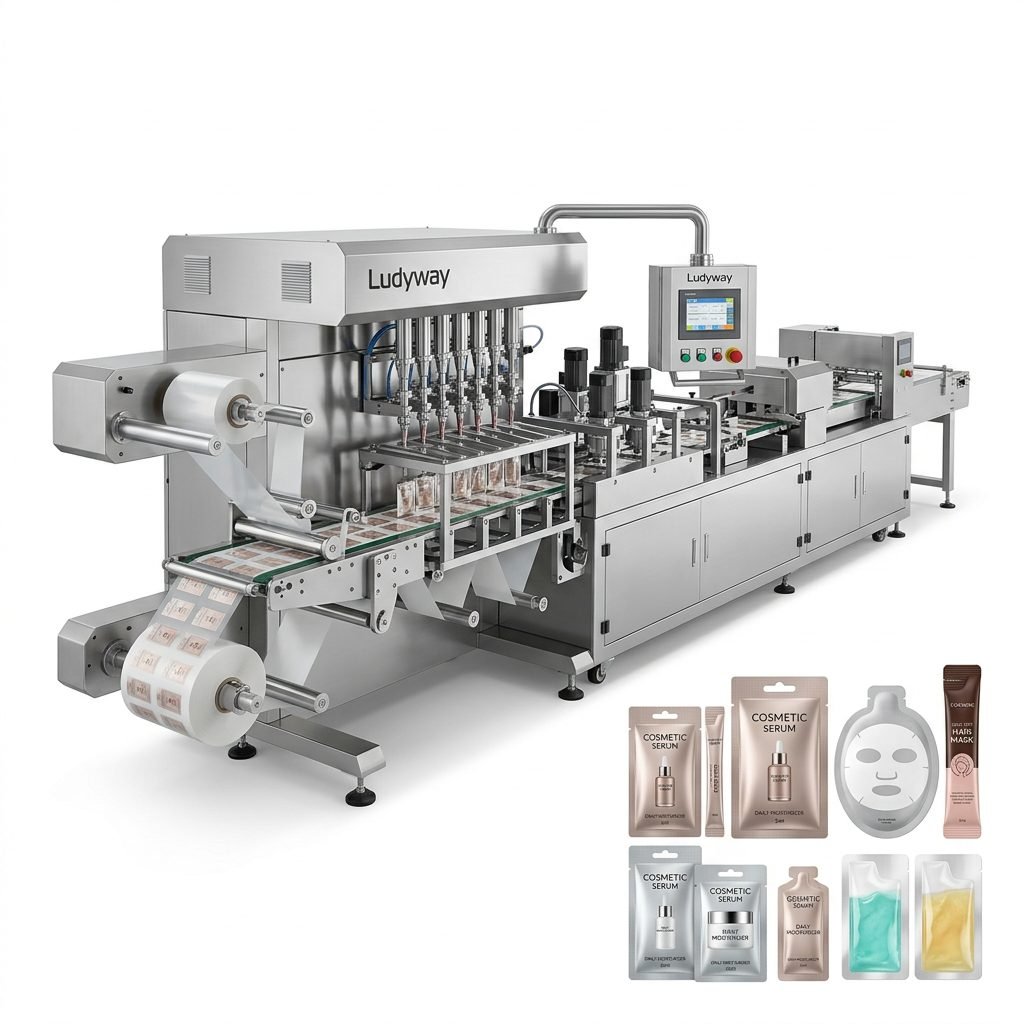
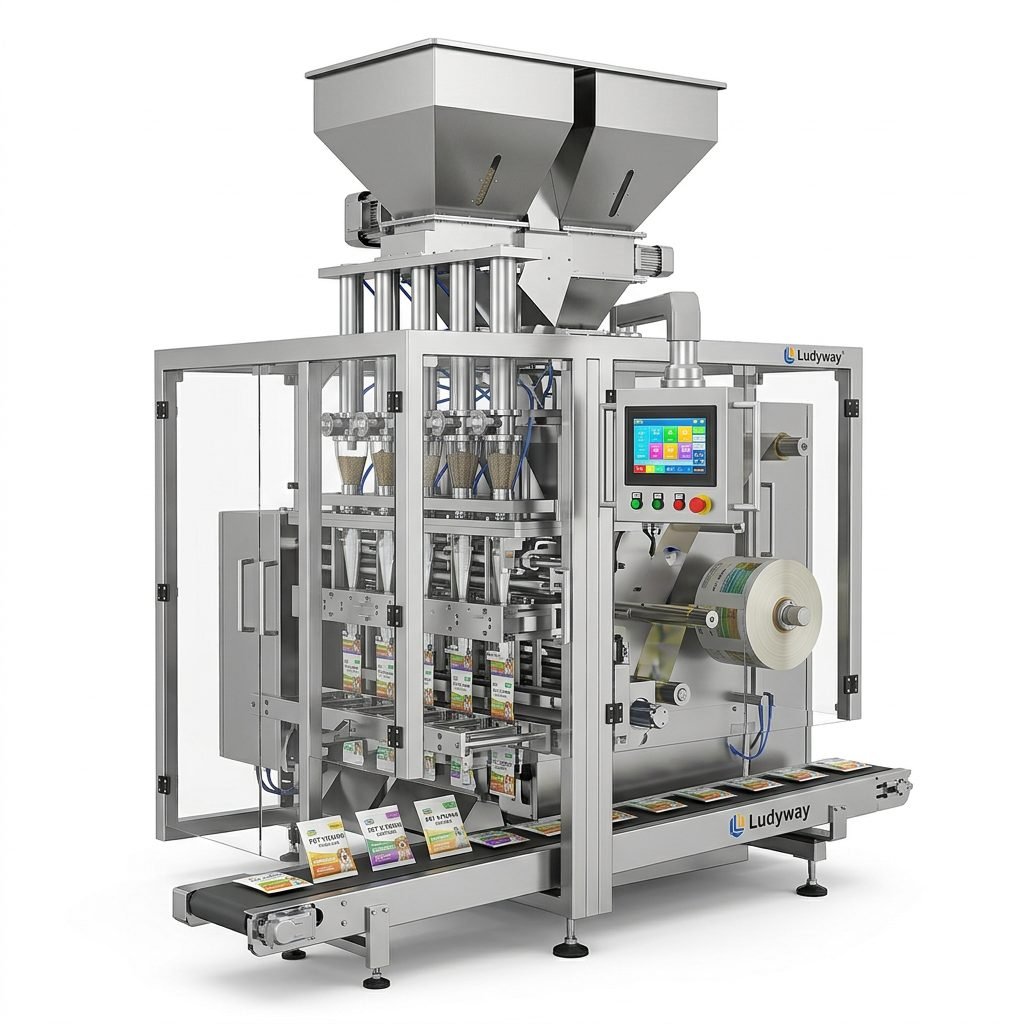
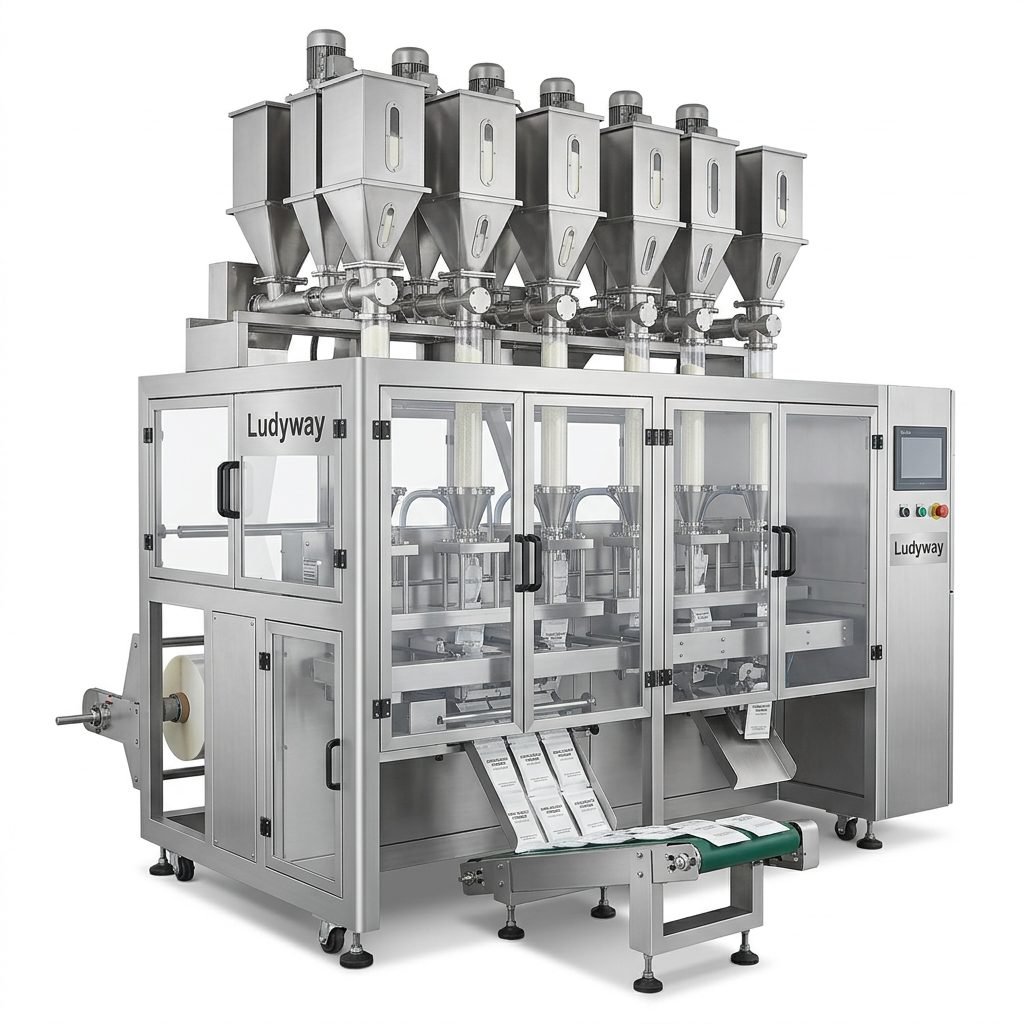
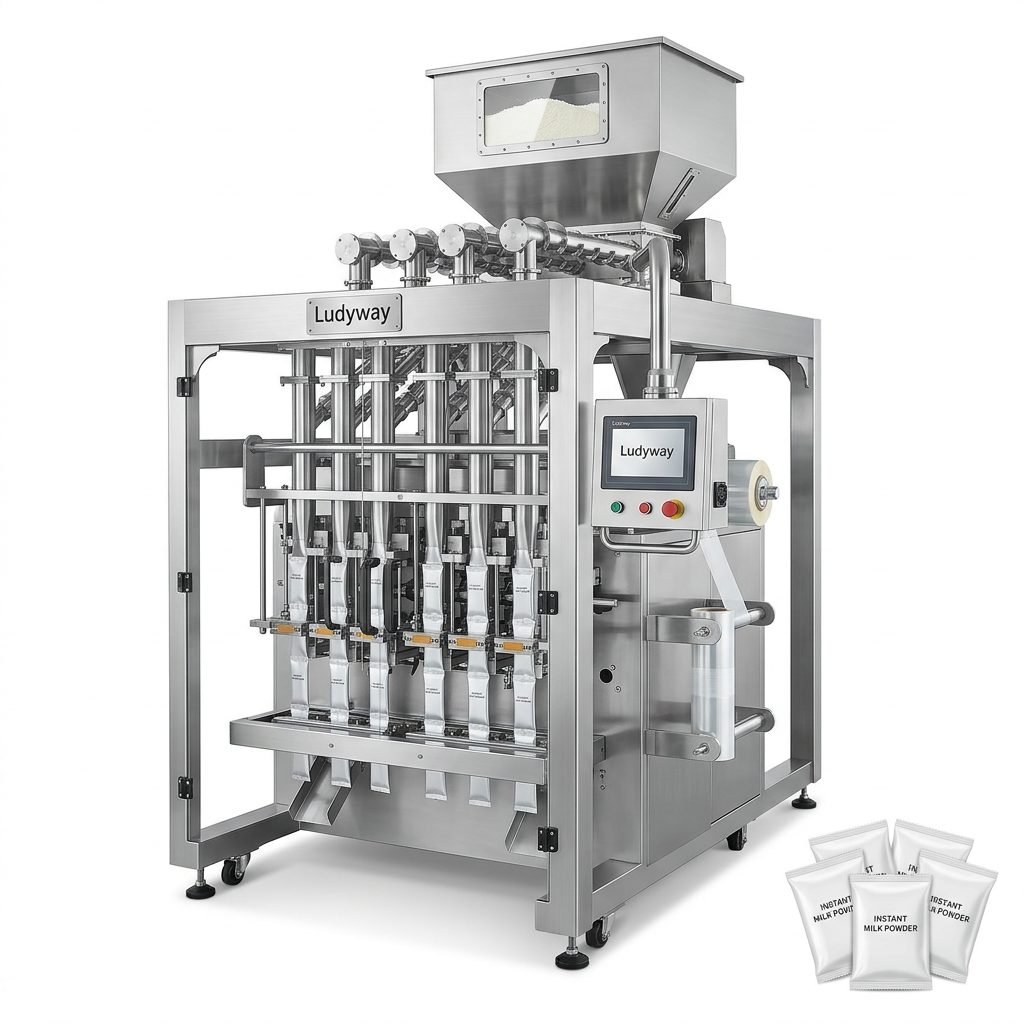
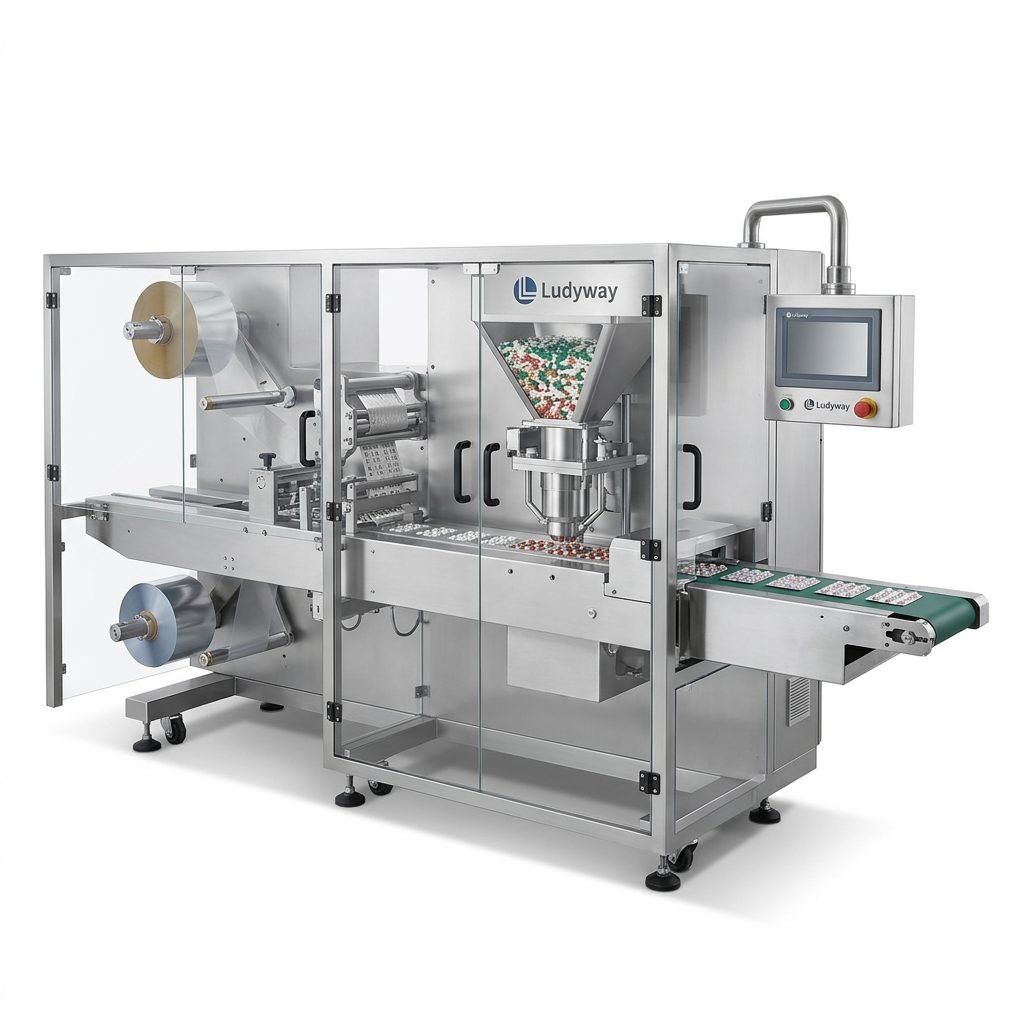
Investing in a vacuum food packaging machine is a strategic move for food businesses across India looking to extend shelf life, maintain hygiene standards, and reduce food waste. Whether you are running a small-scale kitchen, a central processing unit, or a large industrial food plant, selecting the right vacuum packaging system requires careful evaluation of your production volume, packaging material, and long-term operational goals.

Understanding Vacuum Packaging Technology
Vacuum packaging removes air from the package prior to sealing, creating an oxygen-free environment that significantly slows down the growth of aerobic bacteria and fungi. This process is essential for preserving perishable food items such as meats, cheeses, snacks, and ready-to-eat meals. Modern machines integrate advanced features like gas flushing (MAP), which replaces oxygen with inert gases like nitrogen to protect delicate products from crushing while still preventing oxidation. For Indian food processors dealing with spices, dry fruits, and dairy products, understanding the difference between a simple nozzle-type vacuum sealer and a full chamber machine is critical for achieving optimal results and complying with food safety standards.
Key Factors to Consider Before Buying
Selecting the appropriate machine involves matching its capabilities to your specific product characteristics. You must evaluate the cycle speed, vacuum pump capacity, and sealing bar length. A common mistake Indian buyers make is opting for a machine with insufficient pump flow, leading to slow evacuation times and production bottlenecks.
- Production Volume: Are you packing 50 packets a day or 5,000? This determines if you need a tabletop model or a double-chamber industrial machine.
- Product Type: Liquids, powders, and sharp-edged products (like bone-in meat) require specific chamber designs and sealing technologies.
- Bag Material: Ensure compatibility with common materials used in India, such as PA/PE (Polyamide/Polyethylene) laminates, which offer excellent barrier properties.
- Power Supply: Confirm the machine’s voltage matches standard Indian industrial power supplies (often three-phase 440V), or if it requires a single-phase connection.
- After-Sales Support: Availability of spare parts and technical service in your region is non-negotiable for minimizing downtime.

Types of Vacuum Packaging Machines Available in India
The Indian market offers a variety of configurations, each suited to different scales of operation. Understanding these categories will help you narrow down your search effectively.
Single Chamber vs. Double Chamber Machines
Single chamber machines are cost-effective for small to medium businesses. The product is placed in the chamber, the lid is closed, and the cycle runs. Double chamber machines drastically increase output by allowing an operator to prepare one chamber while the other vacuum seals, making them ideal for high-volume meat and seafood processors.
External Vacuum Sealers (Nozzle Type)
These are cheaper and suitable for basic packaging of dry goods. However, they are generally not suited for heavy-duty industrial use or high-moisture products due to limited suction power. They are popular among small home-based food entrepreneurs in India starting their journey.
Thermoforming Rollstock Machines
For large enterprises, automatic packaging machine systems like thermoformers create the package from roll film, fill the product, and seal it under vacuum. This represents the highest level of automation and efficiency for products like paneer blocks, sausages, and snack bars, although the capital investment is significantly higher.
Comparing Machine Specifications and Costs
The price of a vacuum packaging machine in India varies widely based on build quality, vacuum pump type, and automation level. Below is a general comparison to guide your budget estimation.
| Machine Type | Average Price Range (INR) | Best Suited For | Pump Type |
|---|---|---|---|
| External Nozzle Sealer | ₹15,000 – ₹60,000 | Home-based, dry snacks | Dry Piston |
| Single Chamber (Tabletop) | ₹80,000 – ₹2,50,000 | Small restaurants, spices | Oil/ Dry |
| Double Chamber (Industrial) | ₹3,00,000 – ₹10,00,000 | Meat, seafood, large dairy | Oil/ Rotary Vane |
| Automatic Thermoformer | ₹20,00,000+ | Large-scale food processing | Rotary Vane/ Screw |
Note: Import duties and shipping can significantly affect the final cost if you are sourcing the machine from international manufacturers. It is advisable to request a CIF (Cost, Insurance, Freight) quote for accurate budgeting.
Evaluating Build Quality and Hygiene Standards
Given India’s diverse climatic conditions, the machine’s construction material is paramount. Food-grade 304 stainless steel is the minimum standard you should accept for the chamber and body to prevent rust and ensure easy cleaning. The control panel should be intuitive, featuring PLC touch screen interfaces for precise control over vacuum time, sealing time, and cooling cycles. Look for machines designed with sloping chamber tops to prevent the accumulation of water or food particles, which is a common hygiene challenge in meat and fish packaging facilities.
The Lubrication and Maintenance Factor
Maintenance is a critical operating cost. Oil-free dry pumps are gaining popularity in India because they require less maintenance and eliminate the risk of oil mist contaminating the food or the production floor. However, for heavy-duty continuous operation, oil-lubricated rotary vane pumps remain the standard due to their durability and lower wear rate. When choosing a supplier, inquire about the availability of annual maintenance contracts (AMCs) and the average lifespan of seal bars and vacuum bags, which are consumable items. You can find relevant industry operational guidelines from resources like PMMI resources.

Navigating Indian Import and Supplier Landscapes
Sourcing a high-performance machine might lead you to international markets, particularly China, which offers a compelling blend of advanced technology and competitive pricing. When importing, ensure the supplier provides documentation to clear customs efficiently. A significant advantage of partnering with established global manufacturers, such as Ludyway, is the availability of pre-shipment inspection reports and factory acceptance tests. This ensures that the machine’s performance meets your specifications before it arrives in India, drastically reducing the risk associated with long-distance equipment purchases.
Verifying Supplier Credibility
- Video Calls: Insist on a live video tour of the manufacturing facility to assess assembly lines and quality control processes.
- Client References: Ask for case studies or contact details of previous buyers in India or Southeast Asia.
- Certifications: Look for CE, ISO, or other international safety and quality certifications.
- Spare Parts Kit: A reliable supplier will offer a critical spares kit for the first year of operation.
Regulatory Compliance and Food Safety
For Indian food businesses aiming to scale or export, compliance with FSSAI guidelines is mandatory. The machine must not introduce any contamination into the process. Features like CIP (Clean-in-Place) compatibility are becoming increasingly important. Furthermore, if you are targeting export markets, your packaging process must align with global regulatory standards seen in ISO packaging standards to ensure your products meet stringent international safety norms. Vacuum packaging, when done correctly, acts as an effective barrier, ensuring that products like ready-to-cook paneer tikka or marinated kebabs reach the consumer without spoilage.
Packaging Accessories and Consumables
Your machine’s performance is intrinsically linked to the quality of the packaging film. For high-barrier requirements, use multi-layer cast polypropylene (CPP) or polyethylene (PE) structures. Puncture-resistant bags are a must for packaging hard spices or bones. It is also wise to calculate the long-term cost of vacuum pouches rather than just the machine’s upfront price, as both are ongoing operational expenses. Some advanced vacuum machines also include integrated printing systems, allowing you to put manufacturing dates and batch numbers directly on the bag surface, which is a legal requirement for retail in India.
Making the Final Investment Decision
Ultimately, buying a vacuum food packaging machine in India is about future-proofing your business. Don’t just buy for your current needs; buy for your projected growth over the next three to five years. A machine with a slightly higher capacity will always offer better long-term ROI than a cheaper model pushed to its absolute limits daily. By focusing on robust stainless steel construction, reliable vacuum pumps, and reputable service networks, you can secure a packaging system that enhances product quality, reduces waste, and drives profitability in the competitive Indian food market.