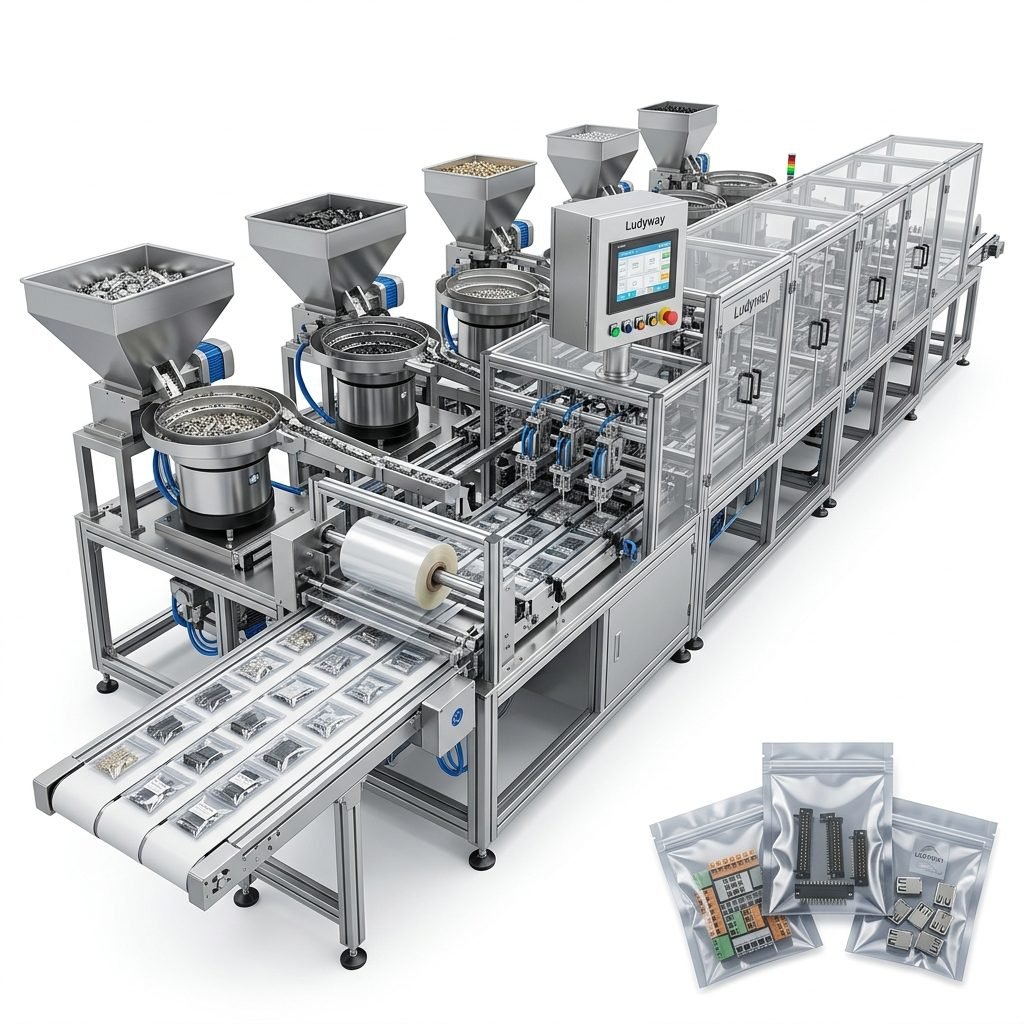
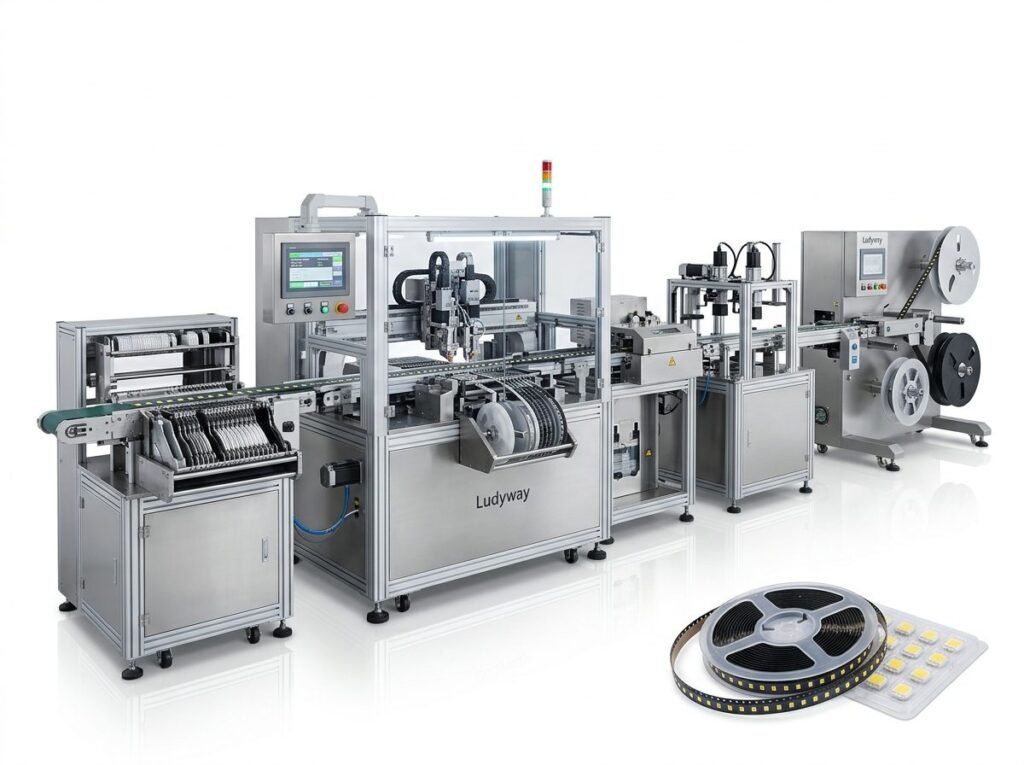
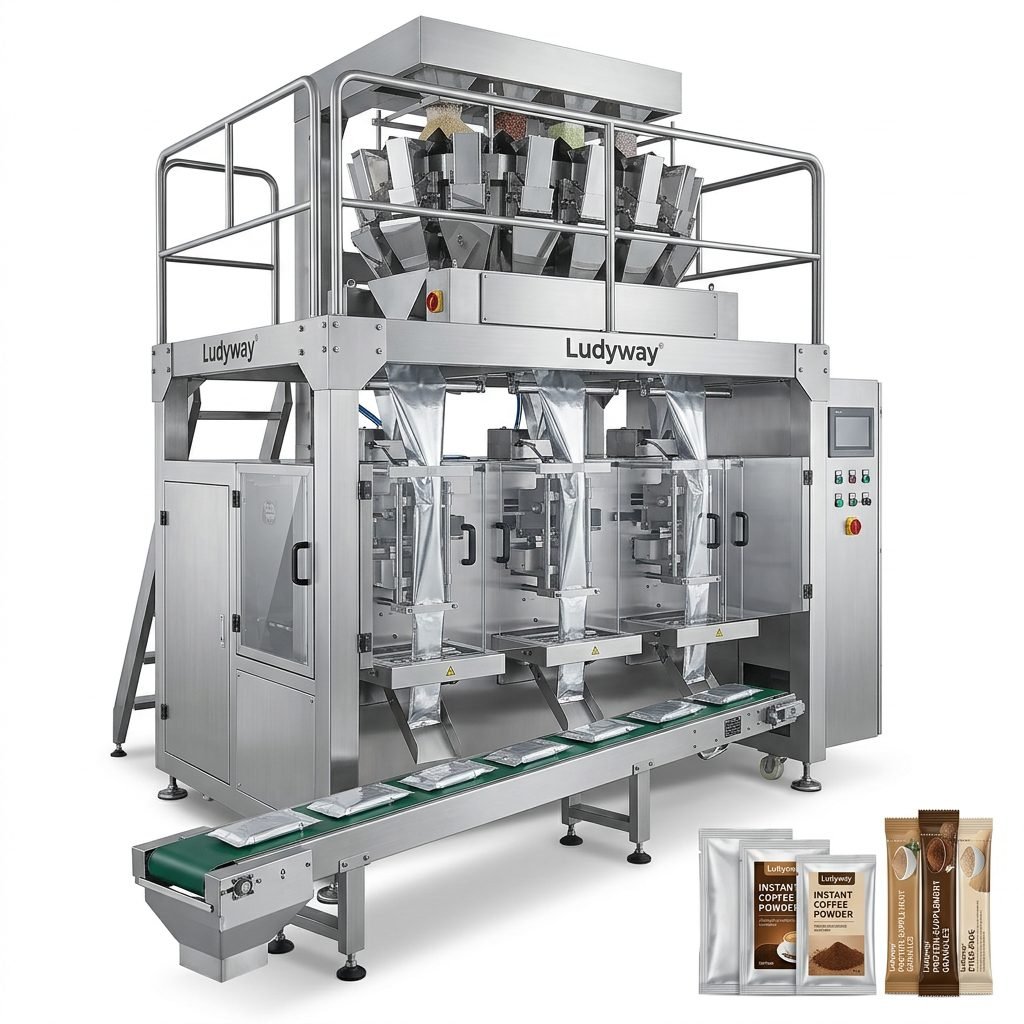
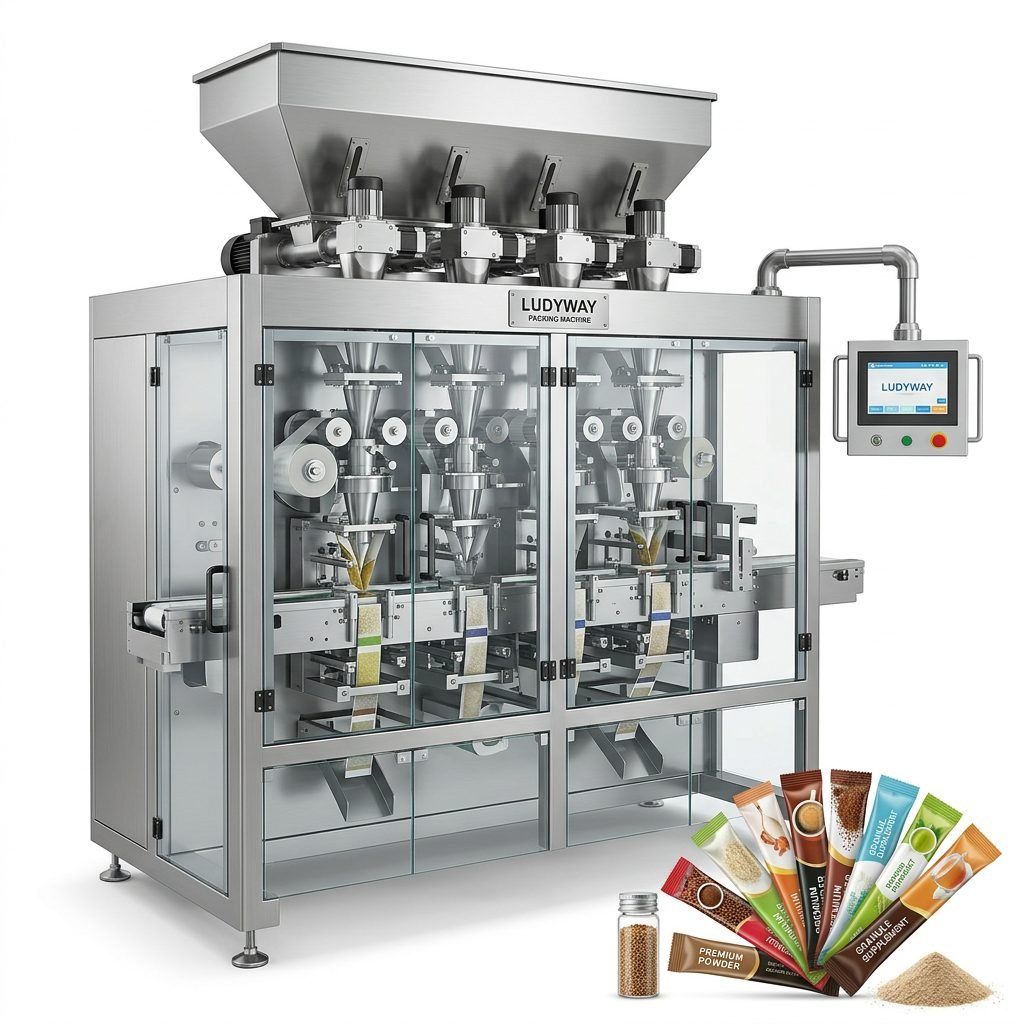
Setting up a packaging machine production line is a critical investment for manufacturers in the food, pharmaceutical, chemical, and consumer goods industries. A well-planned line ensures higher output, consistent product quality, and lower long-term operational costs. Whether you are automating an existing process or building a new facility from scratch, understanding the correct sequence of steps can save time and prevent costly mistakes.
1. Define Your Production Goals and Product Specifications
Before selecting any machinery, you must clearly document your production requirements. Start by answering these foundational questions:
- What is the target output per hour or per shift?
- What product type are you packaging — granules, powders, liquids, pastes, or solid items?
- What are the pouch or sachet dimensions, fill weights, and packaging materials?
- Will you need multi-lane capabilities for high-speed production?
- What level of automation is required — semi-automatic, fully automatic, or turnkey packaging line integration?
Documenting these details early helps equipment suppliers recommend the most suitable machine configuration and avoids mismatched components later in the setup process.
2. Conduct a Site Assessment and Floor Plan Layout
The physical space where your packaging line will operate must be evaluated for electrical supply, compressed air availability, dust extraction, and cleanroom classifications if applicable. Measure the total floor area and create a detailed layout drawing that includes:
- Raw material infeed zones and finished product outfeed areas
- Operator workstations and maintenance access paths
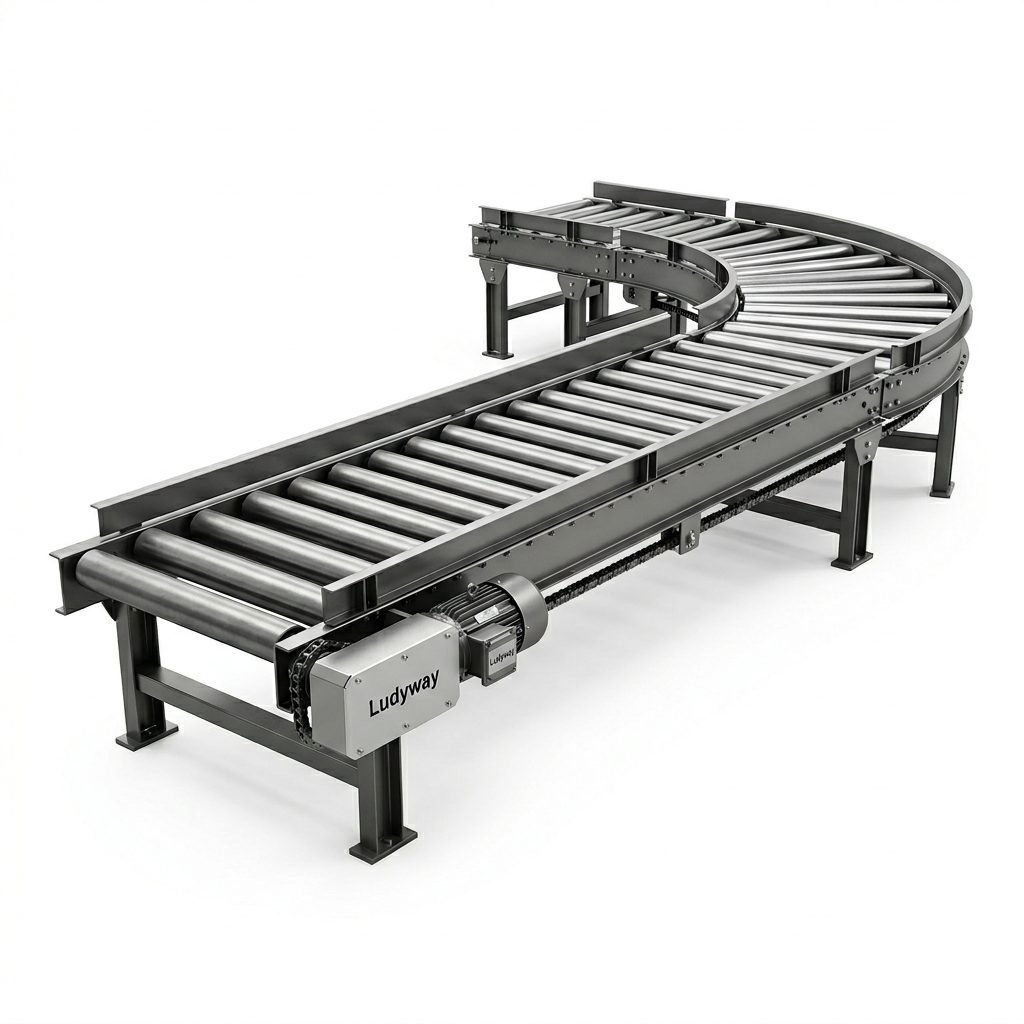
- Conveyor routing and buffer zones between machines
- Future expansion space for additional lanes or modules
A common oversight is insufficient clearance for maintenance and cleaning. Ensure at least 1 meter of access space around each major piece of equipment.
3. Select Core Packaging Machinery Components
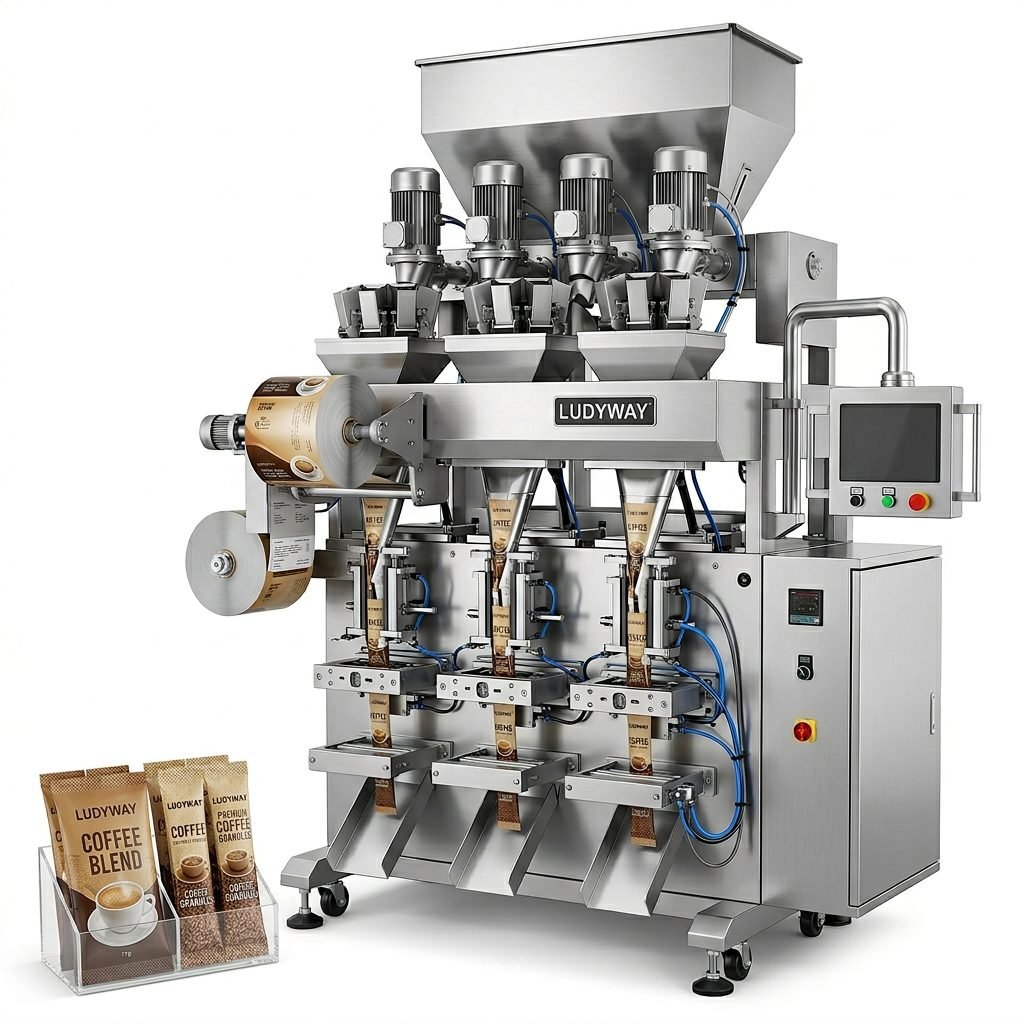
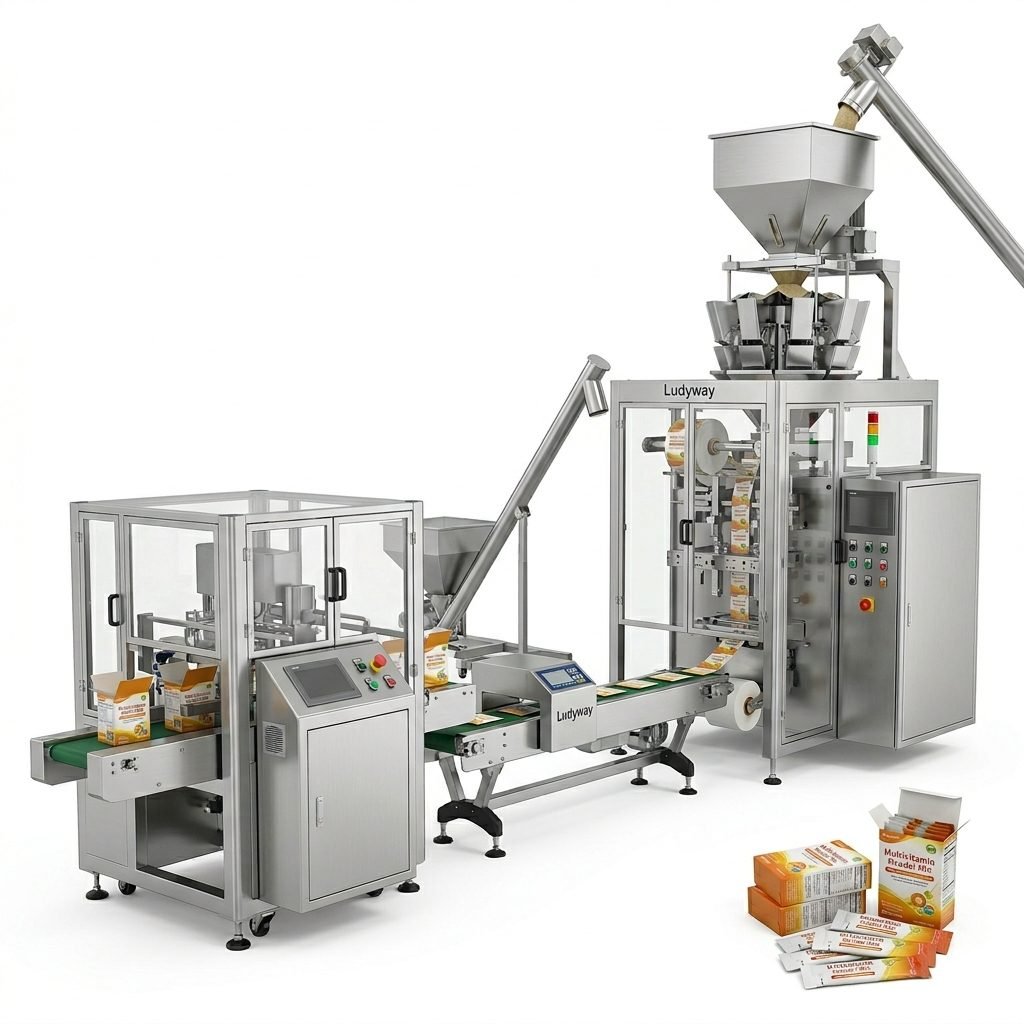
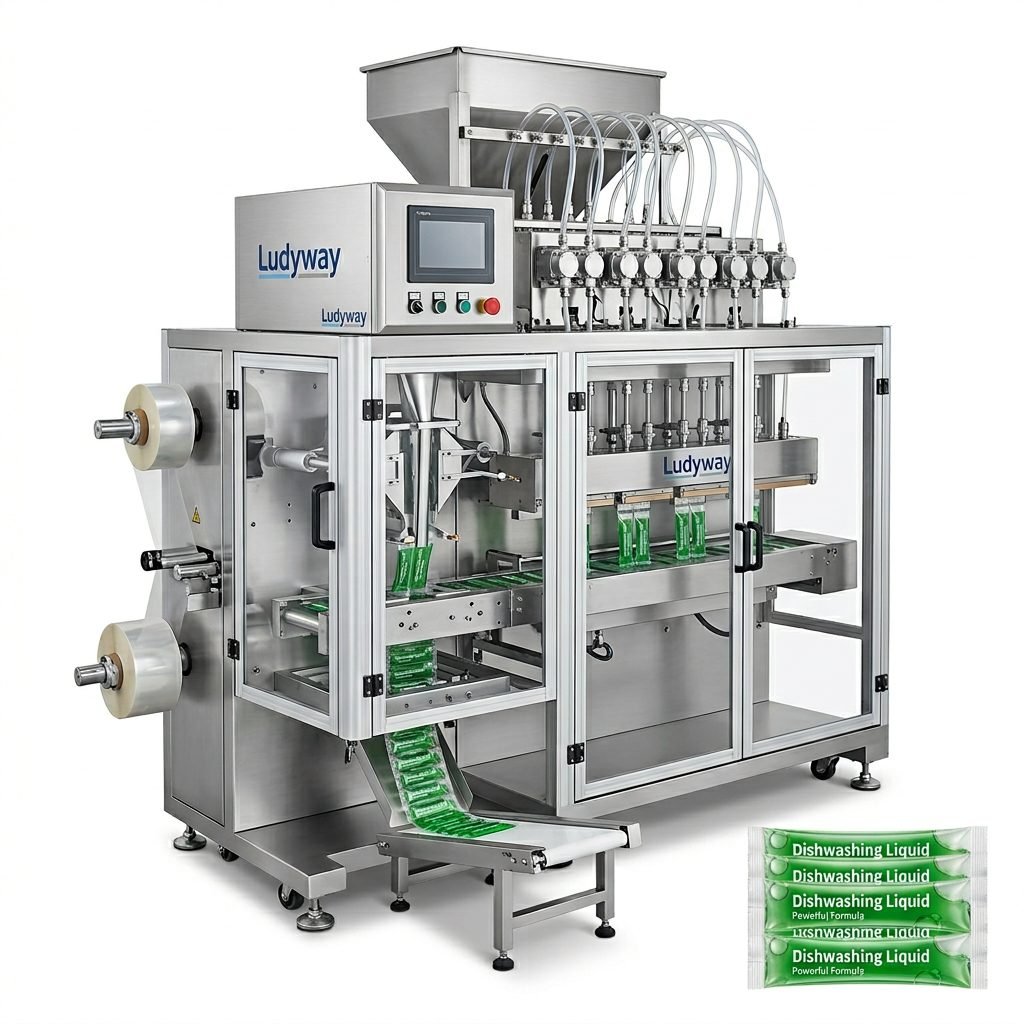
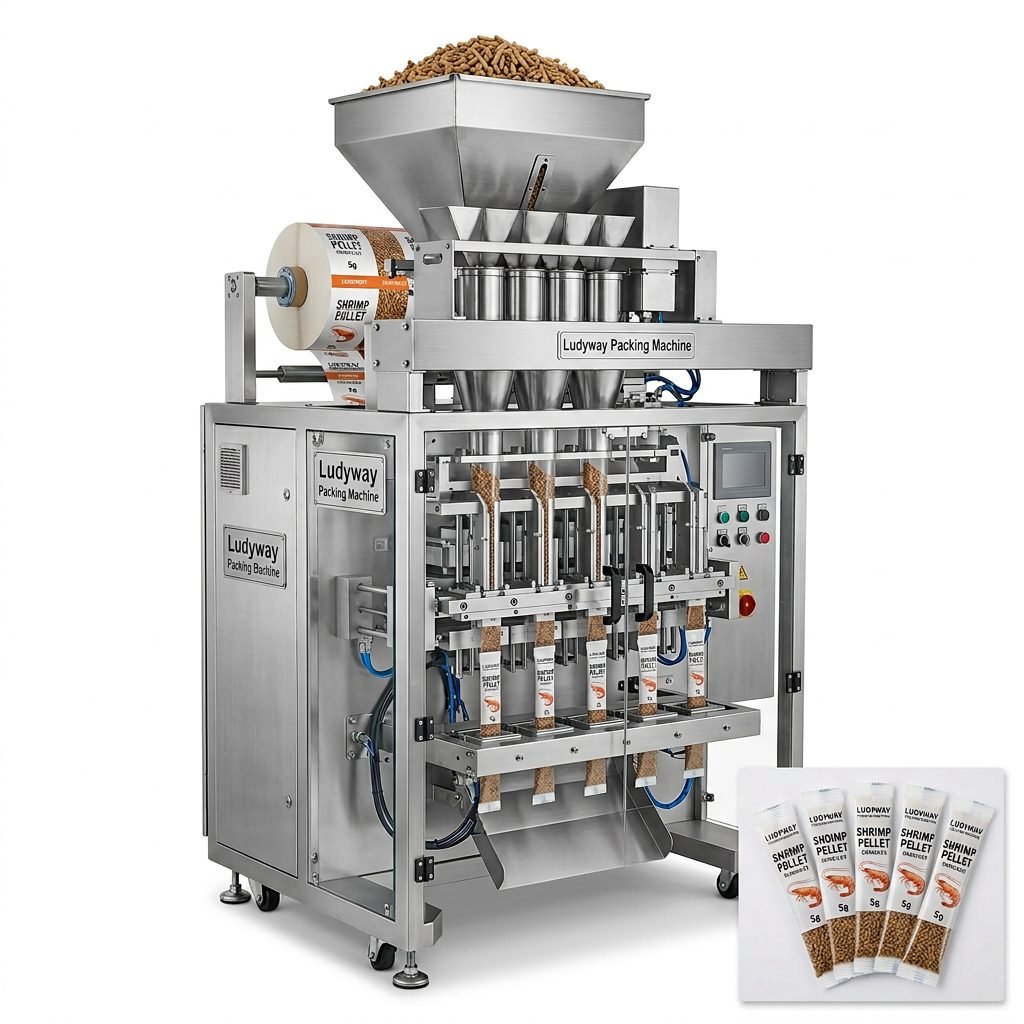
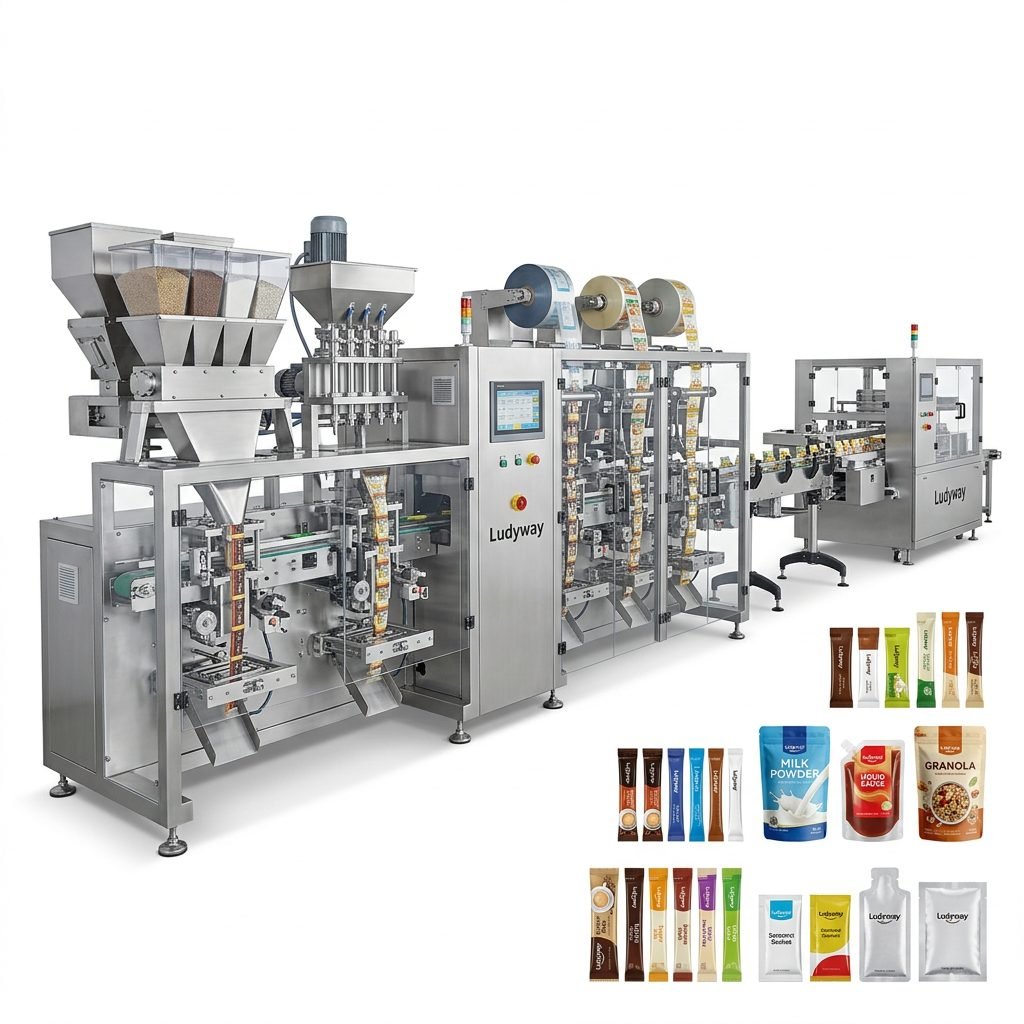
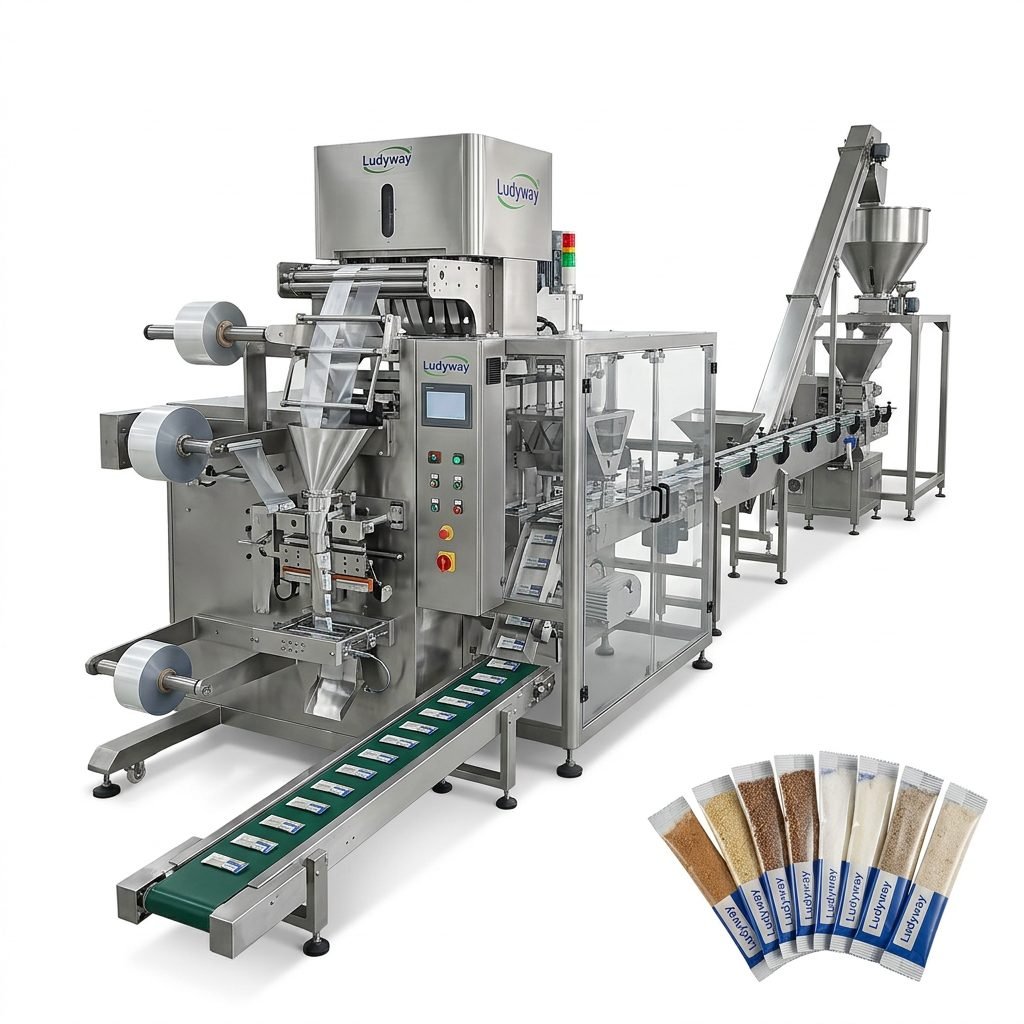
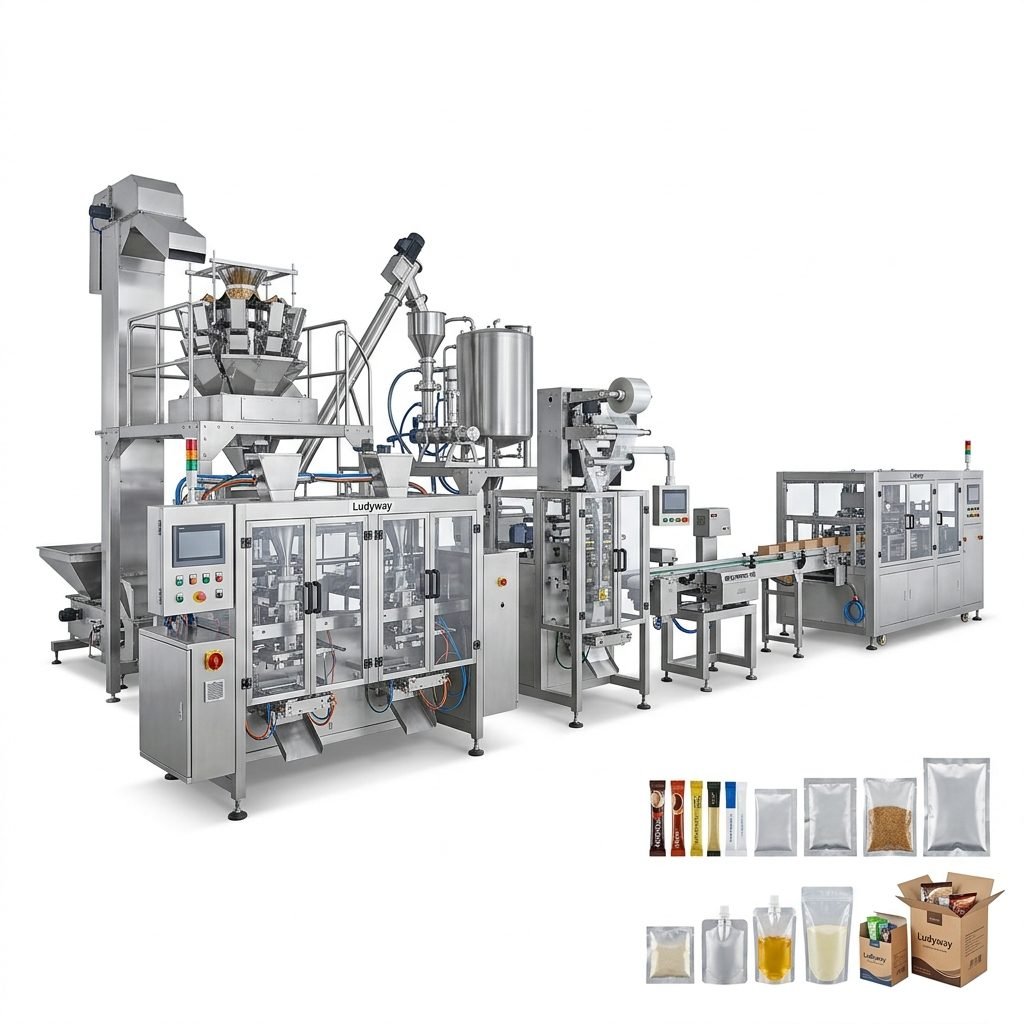
A complete packaging machine production line typically consists of several interconnected modules. The table below outlines the primary equipment categories and their functions:
| Equipment Module | Primary Function | Key Consideration |
|---|---|---|
| Feeding System | Delivers raw product to the filling station | Volumetric vs. gravimetric accuracy |
| Multi-Head Weigher | Precision weighing for granules and powders | Number of weigh heads impacts speed |
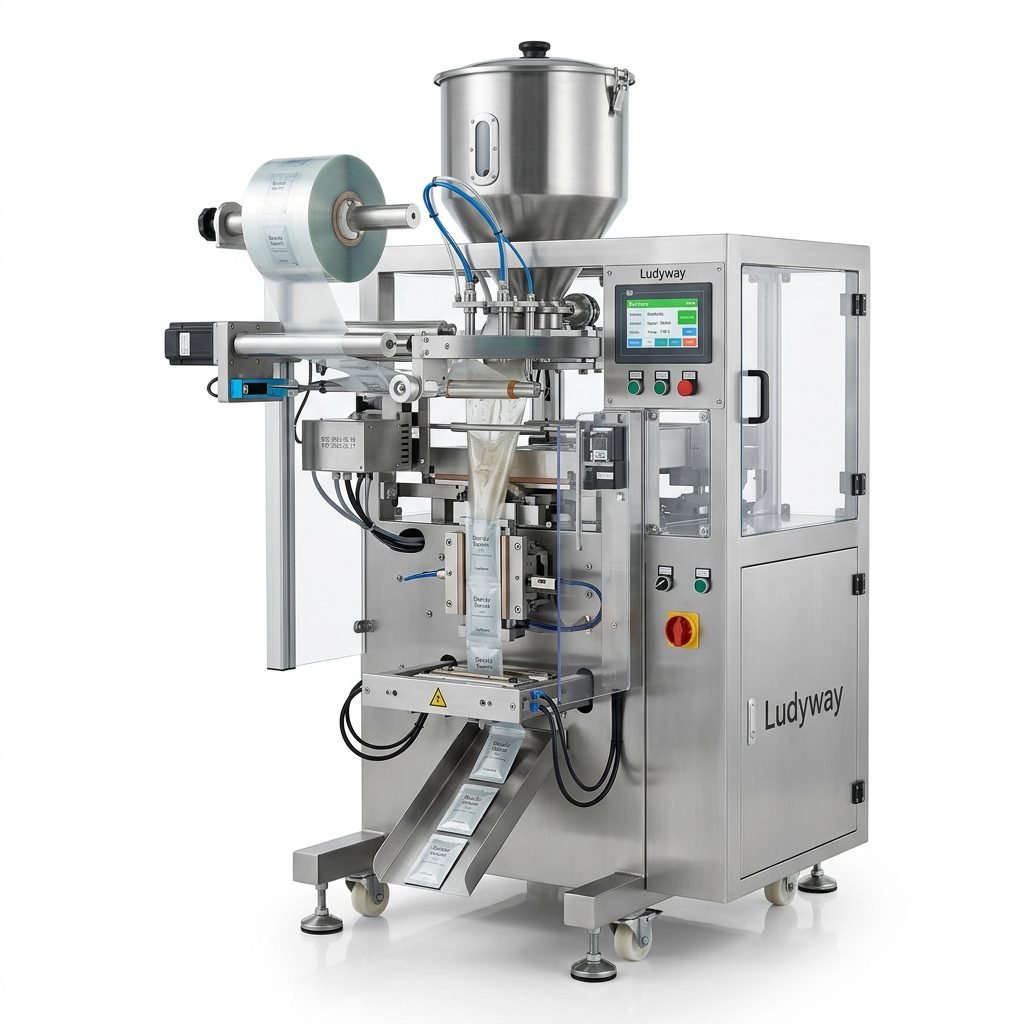
| Form-Fill-Seal Machine | Forms pouches, fills product, seals edges | Single-lane or multi-lane configuration |
| Liquid Filling Unit | Piston, peristaltic, or flow meter filling | Viscosity and fill volume range |
| Checkweigher & Metal Detector | Quality control and contaminant detection | Compliance with ISO packaging standards |
| Cartoning & Palletizing | End-of-line case packing and stacking | Automation level vs. manual labor cost |
4. Establish Utility Connections and Infrastructure
Packaging machinery requires stable and correctly rated utilities. The following infrastructure points must be verified and prepared:
- Electrical supply: Confirm voltage (220V/380V/440V), phase, and frequency match machine specifications.
- Compressed air: Ensure adequate CFM capacity and install air dryers and filters to prevent moisture damage.
- Dust extraction: Particularly important for powder packaging lines to maintain clean operating conditions.
- Data and network cabling: For IoT-enabled machines and production monitoring systems.
All utility connections should be professionally installed and certified before equipment arrival to avoid commissioning delays.
5. Install and Align Each Machine Sequentially
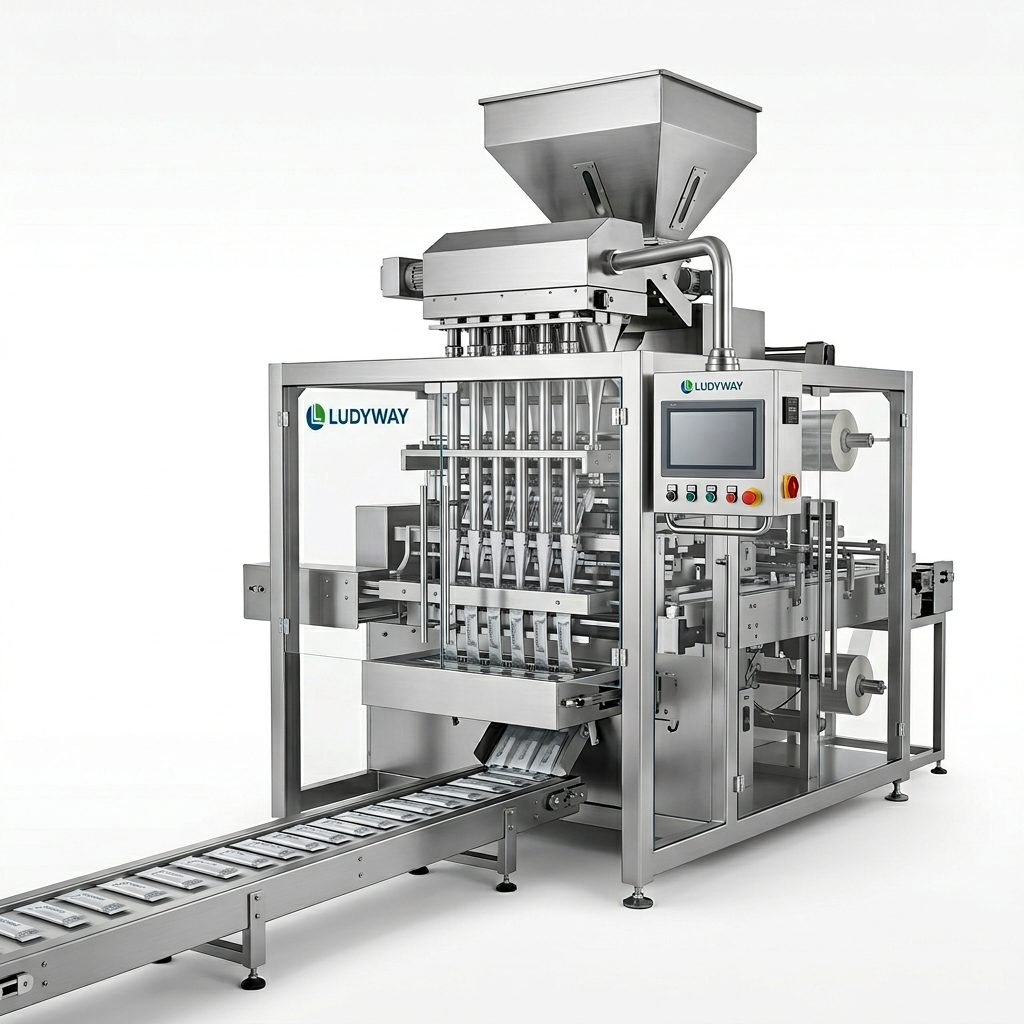
Installation should follow a logical sequence from infeed to outfeed. Begin with the primary packaging unit — typically the form-fill-seal machine or filling station — and work outward. Key installation steps include:
- Position and level each machine using precision spirit levels and shims.
- Align conveyors to ensure smooth product transfer with no bridging or jamming points.
- Connect all utilities and perform individual machine power-on tests before linking systems.
- Calibrate sensors, load cells, and temperature controllers according to manufacturer specifications.
- Install safety guards and emergency stop circuits in compliance with local regulations.
Pro tip: Photograph every connection and setting during installation. This documentation becomes invaluable for future maintenance and troubleshooting.
6. Conduct Trial Runs and Performance Validation
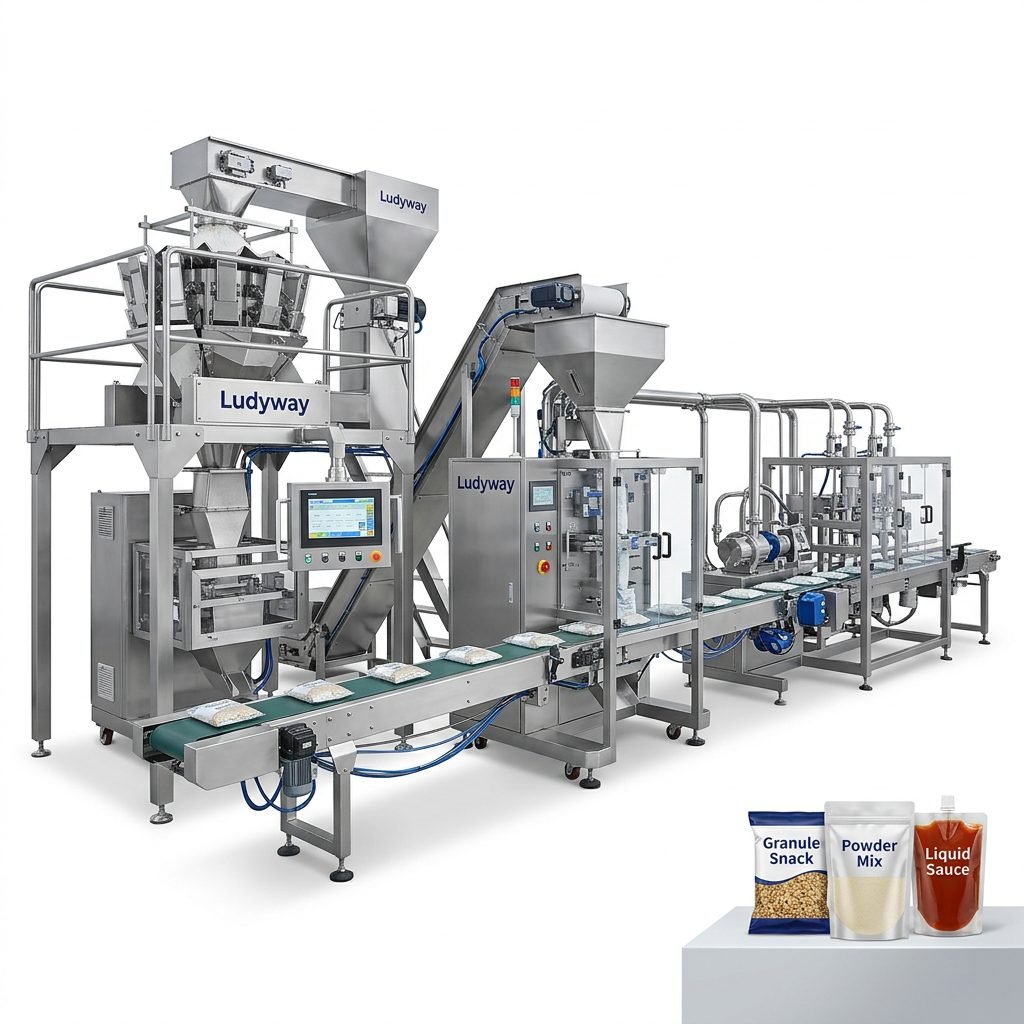
Before moving to full production, run the line with actual product and packaging materials. Validate the following performance metrics:
- Fill accuracy: Weigh samples at regular intervals to ensure consistent dosing.
- Seal integrity: Perform burst tests and vacuum leak tests on sealed pouches.
- Line speed: Confirm the throughput matches the quoted specifications.
- Changeover time: Test how quickly the line can switch between different product SKUs.
- Waste percentage: Track film, product, and energy waste during trial runs.
Document all results and work with your equipment partner to fine-tune parameters before signing off on the packaging machinery acceptance testing protocol.
7. Train Operators and Establish SOPs
A packaging line is only as effective as the team operating it. Comprehensive training should cover:
- Machine startup and shutdown procedures
- Film threading, splicing, and roll change techniques
- Daily cleaning and sanitation protocols
- Basic troubleshooting for common alarms and faults
- Quality inspection points and documentation requirements
Create Standard Operating Procedures (SOPs) with clear photographs and step-by-step instructions. These should be available in both printed and digital formats at each workstation.
8. Implement a Preventive Maintenance Schedule
To maximize the lifespan of your packaging equipment, establish a structured maintenance program from day one. The table below suggests a basic maintenance framework:
| Frequency | Maintenance Tasks | Responsible Party |
|---|---|---|
| Daily | Clean product contact surfaces, inspect seals, check sensor alignment | Operator |
| Weekly | Lubricate moving parts, inspect belts and chains, test emergency stops | Maintenance Technician |
| Monthly | Check electrical connections, calibrate load cells, inspect pneumatic lines | Maintenance Supervisor |
| Quarterly | Replace wear parts, perform software updates, deep clean internal assemblies | Equipment Manufacturer Support |
9. Monitor KPIs and Optimize Continuously
Once your packaging line is in steady production, track Key Performance Indicators (KPIs) to identify improvement opportunities:
- OEE (Overall Equipment Effectiveness): Combines availability, performance, and quality metrics.
- Downtime analysis: Categorize stoppages by cause — mechanical, electrical, material-related, or operator error.
- Yield rate: Percentage of raw materials converted into saleable finished goods.
- Energy consumption per unit: Track power and compressed air usage to reduce operational costs.
Continuous improvement is an ongoing process. Schedule quarterly line audits and involve both your internal team and external equipment specialists to identify bottlenecks and upgrade opportunities.
10. Plan for Scalability and Future Expansion
A well-designed packaging line should accommodate future growth without requiring a complete overhaul. Consider the following during initial setup:
- Leave modular expansion slots for additional filling lanes or cartoning modules.
- Install oversized conveyors and buffer systems that can handle higher throughput.
- Choose control systems with open architecture for easy software and hardware upgrades.
- Ensure building infrastructure — electrical panels, air compressors — has spare capacity of at least 30%.
Choosing the Right Packaging Equipment Partner
Selecting a reliable equipment manufacturer is one of the most consequential decisions in setting up a packaging production line. Experienced suppliers provide not only machinery but also engineering consultation, installation support, and after-sales technical service. For businesses seeking proven solutions, Ludyway — a leading packaging machine manufacturer with over 30 years of industry expertise and a 20,000㎡ modern production facility — offers comprehensive turnkey packaging systems for granules, powders, liquids, and pouch applications. With more than 50 intelligent packaging machine models serving customers in over 100 countries, the right manufacturing partner can significantly streamline your line setup process and ensure long-term operational reliability.
For additional guidance on packaging machinery standards and industry best practices, refer to resources from the Association for Packaging and Processing Technologies (PMMI) and the Flexible Packaging Association.