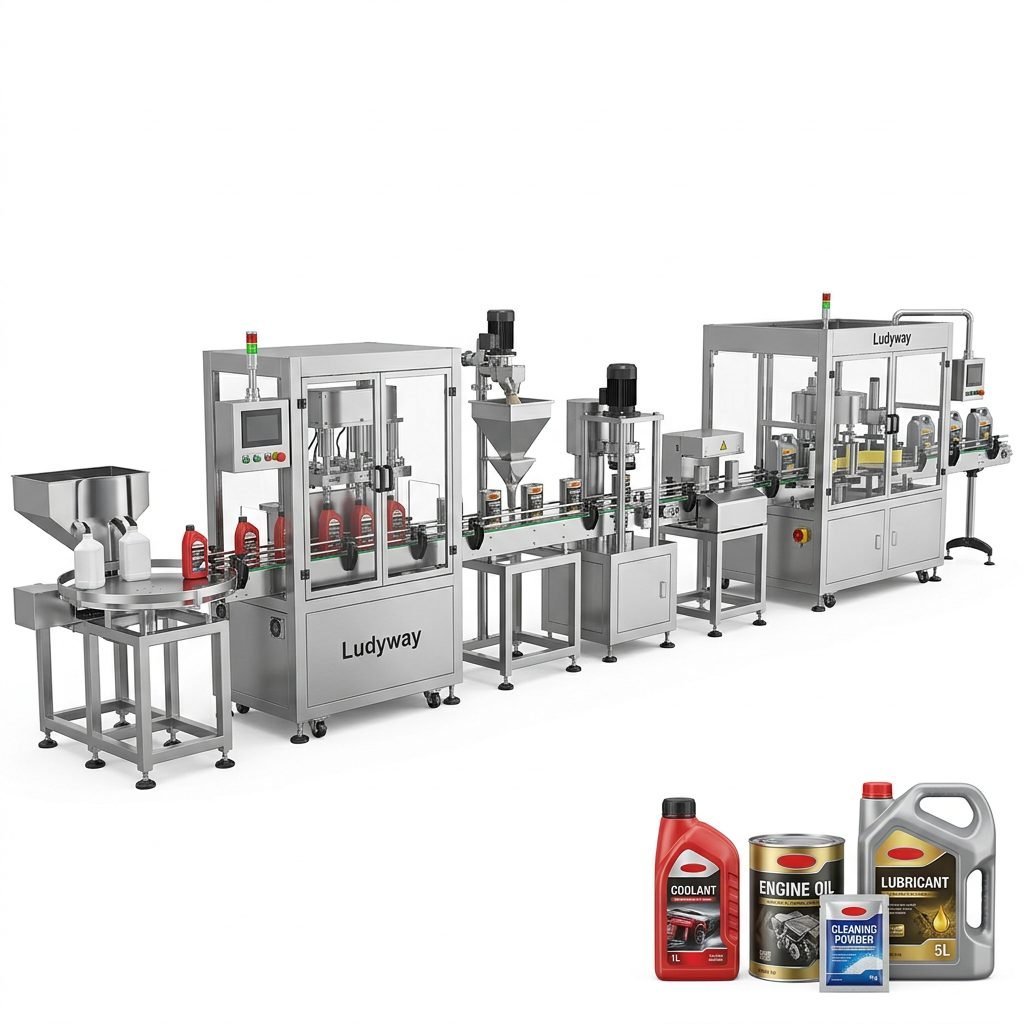
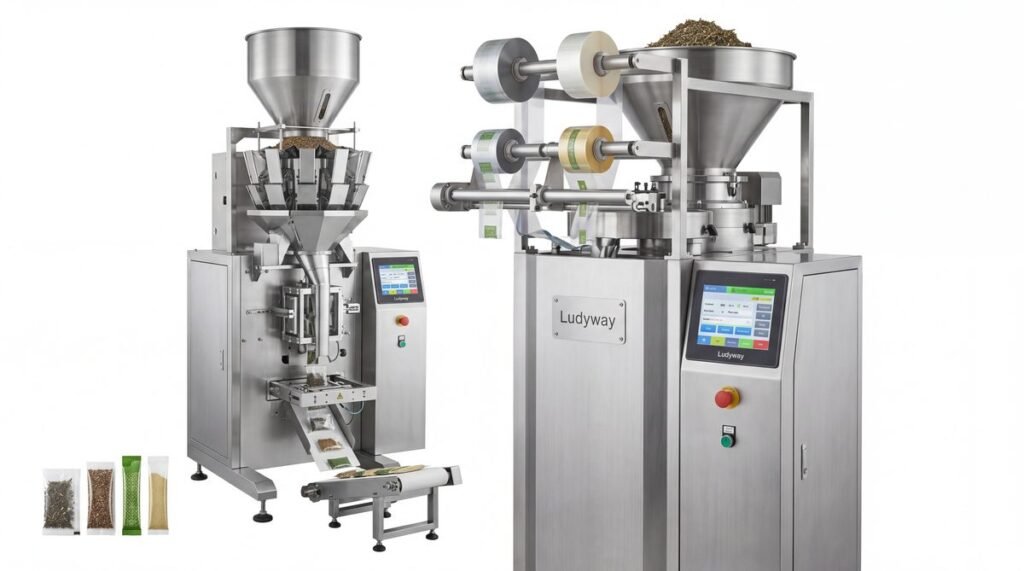
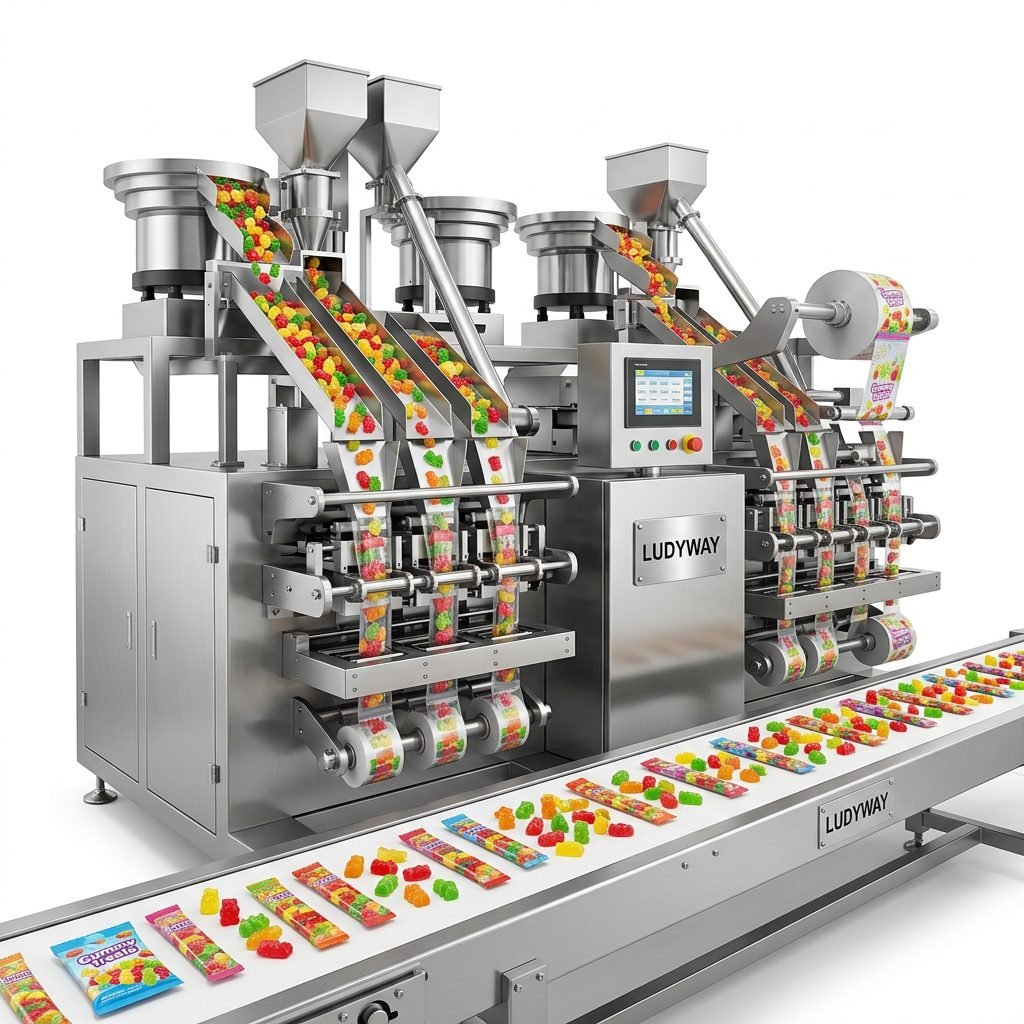
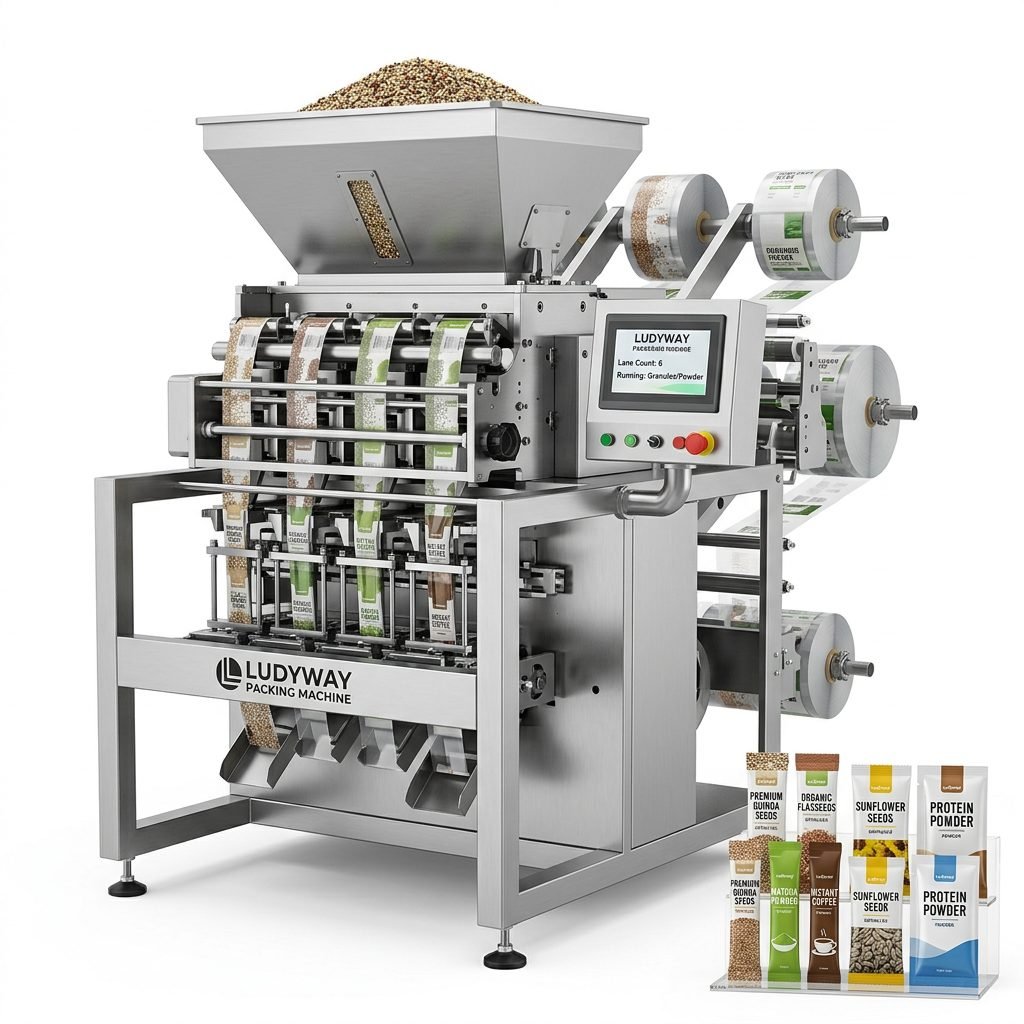
Establishing a food product packaging machine production line in the United States requires meticulous planning, strict adherence to FDA regulations, and a deep understanding of operational efficiency. Whether you are launching a new brand or scaling an existing facility, integrating the right packaging machinery is the cornerstone of your success.
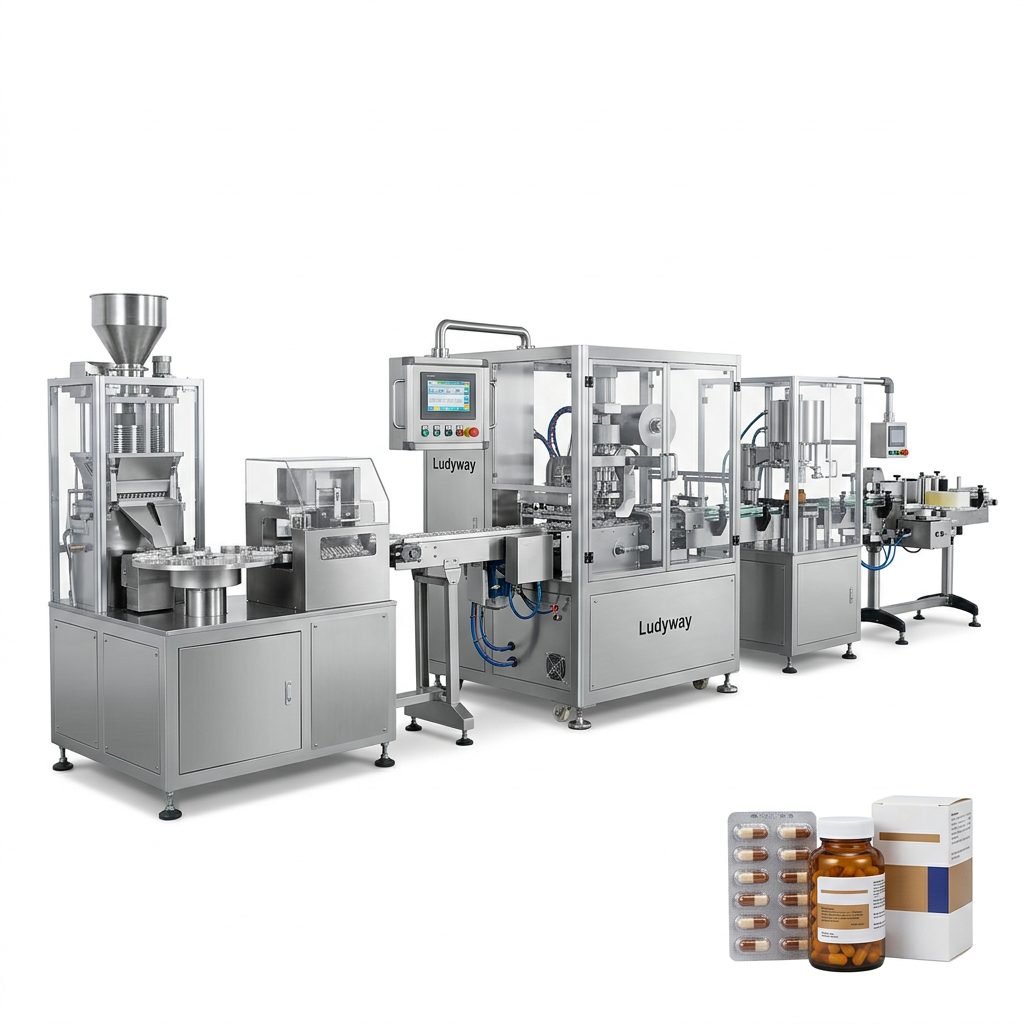
1. Defining Your Production Goals and Capacity
Before procuring equipment, you must clearly define the scope of your operation. Are you packing granules, powders, liquids, or solid food items? The physical properties of your product directly dictate the type of filling system required. For example, free-flowing granules like coffee beans require different mechanisms compared to sticky or dusty powders.
- Product state: Granule, powder, liquid, paste, or solid.
- Target speed: Packages per minute (ppm) required to meet market demand.
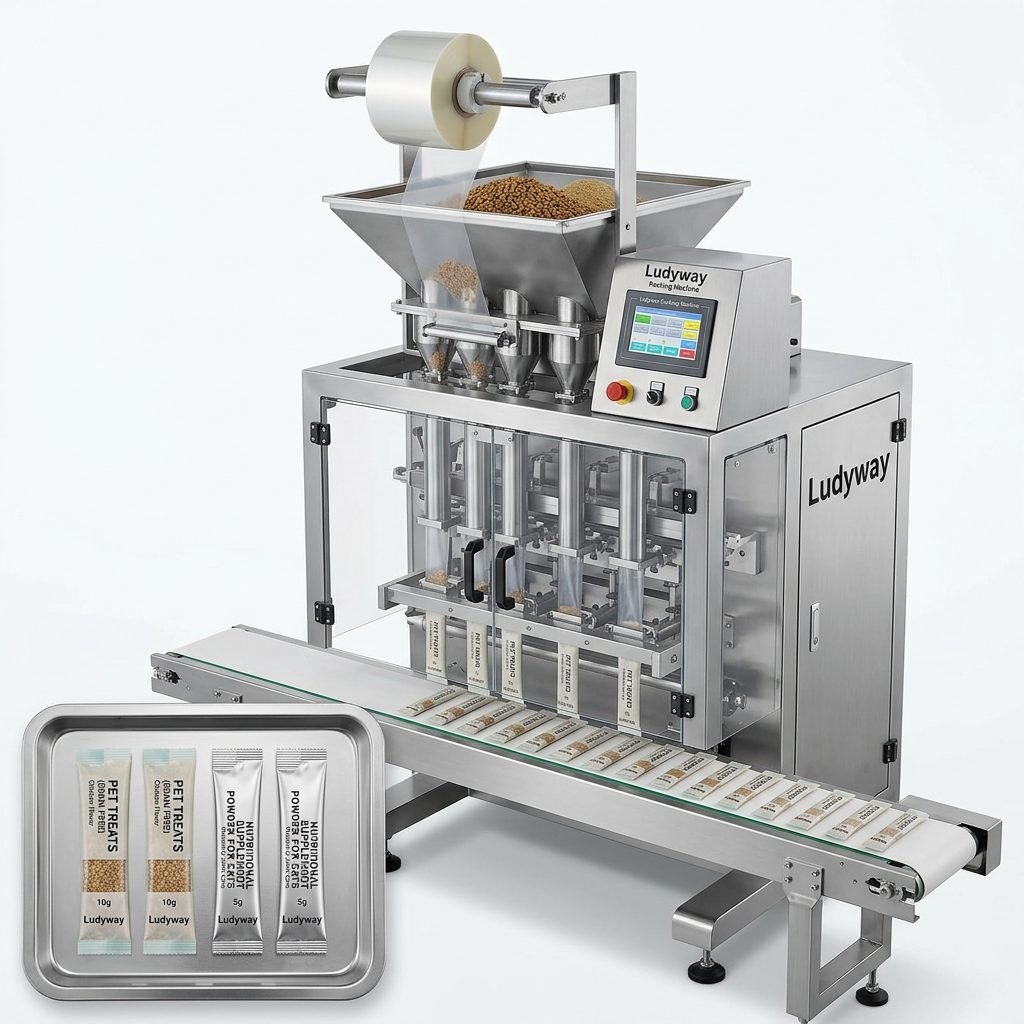
- Bag style: Stick packs, sachets, pillow bags, gusseted pouches, or bulk sacks.
- Facility footprint: Available floor space restricts the length and configuration of the line.
2. Navigating U.S. Regulatory Compliance and Safety Standards
Compliance is non-negotiable. The U.S. Food and Drug Administration (FDA) oversees food contact substances and Current Good Manufacturing Practices (CGMP). Your machinery must be constructed from food-grade stainless steel and designed to prevent contamination. Additionally, local electrical standards differ significantly from international voltages, requiring specific configurations for the North American market.
| Regulatory Body | Key Requirement | Impact on Machinery |
|---|---|---|
| FDA (21 CFR Part 110/117) | Hazard Analysis & Risk-Based Preventive Controls | Requires washdown-ready designs and accessible cleaning points. |
| UL/CSA Certification | Electrical safety standards | Panels must have UL-listed components; 60Hz motors required. |
| FSMA (Food Safety Modernization Act) | Preventive controls for human food | Equipment must facilitate sanitation and prevent allergen cross-contact. |
3. Designing the Physical Layout of the Line
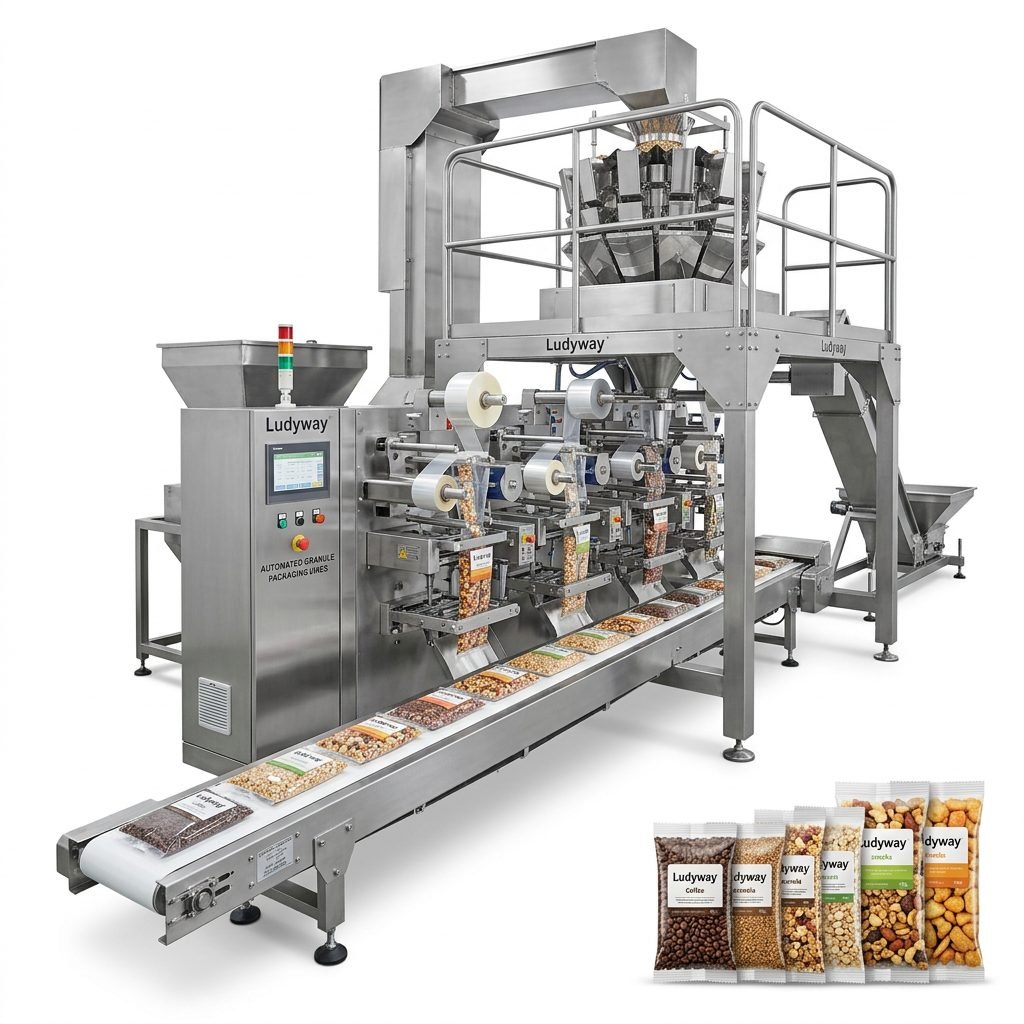
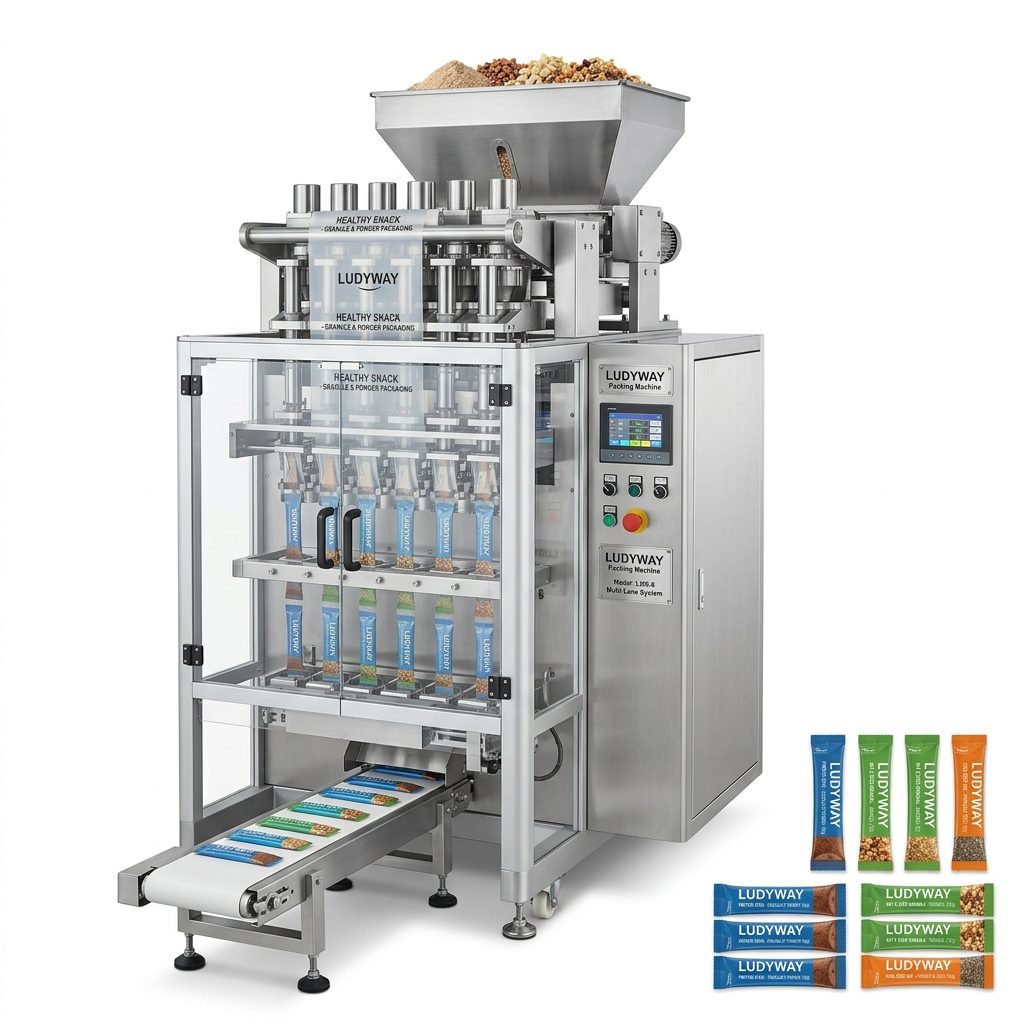
A linear layout is common, but a U-shape or L-shape configuration can optimize labor efficiency by allowing a single operator to manage both the feeding and the discharging ends. The line usually starts with a feeding system, transitions to the multi-lane packaging machine, and finishes with checkweighing and cartoning.
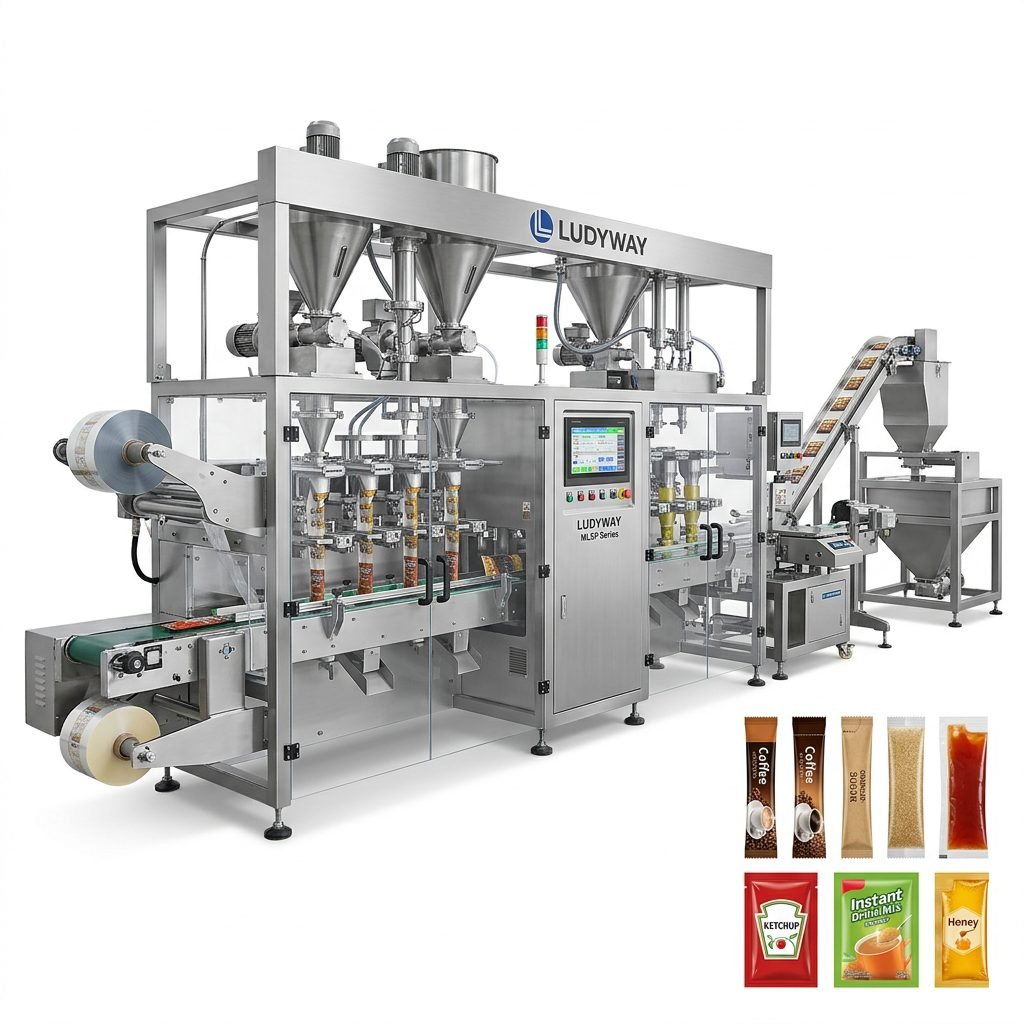
Key Workstations to Include
A well-balanced line prevents bottlenecks. Here are the essential stations:
- Infeed System: Bucket elevators or vacuum conveyors to transfer product to the scale without degradation.
- Multi-head Weigher: Essential for accurate dosing, minimizing product giveaway.
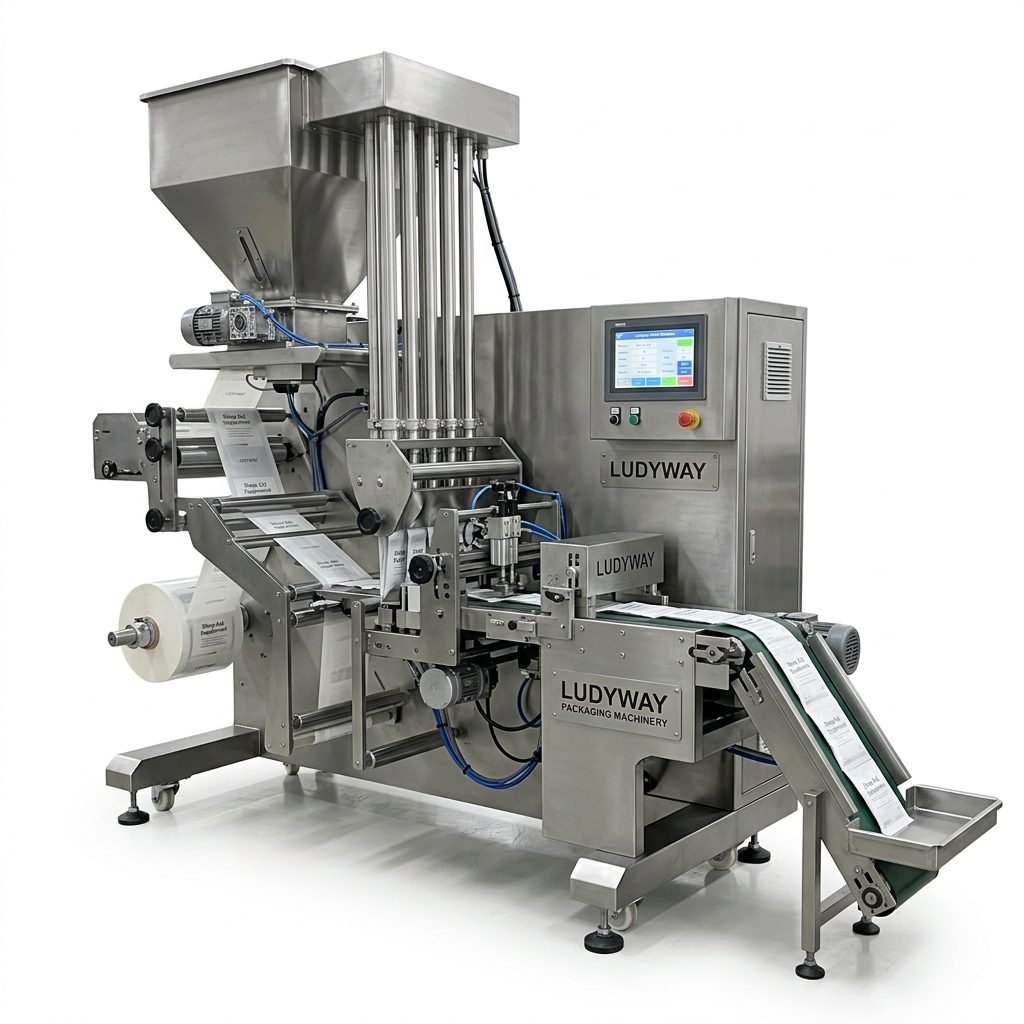
- Primary Packaging Machine: The vertical form-fill-seal (VFFS) machine that creates the bag.
- Checkweigher & Metal Detector: Critical quality control points to reject underweight or contaminated packs.
- Secondary Cartoning: Automated case packing to prepare for palletization.
4. Selecting the Right Filling Technology
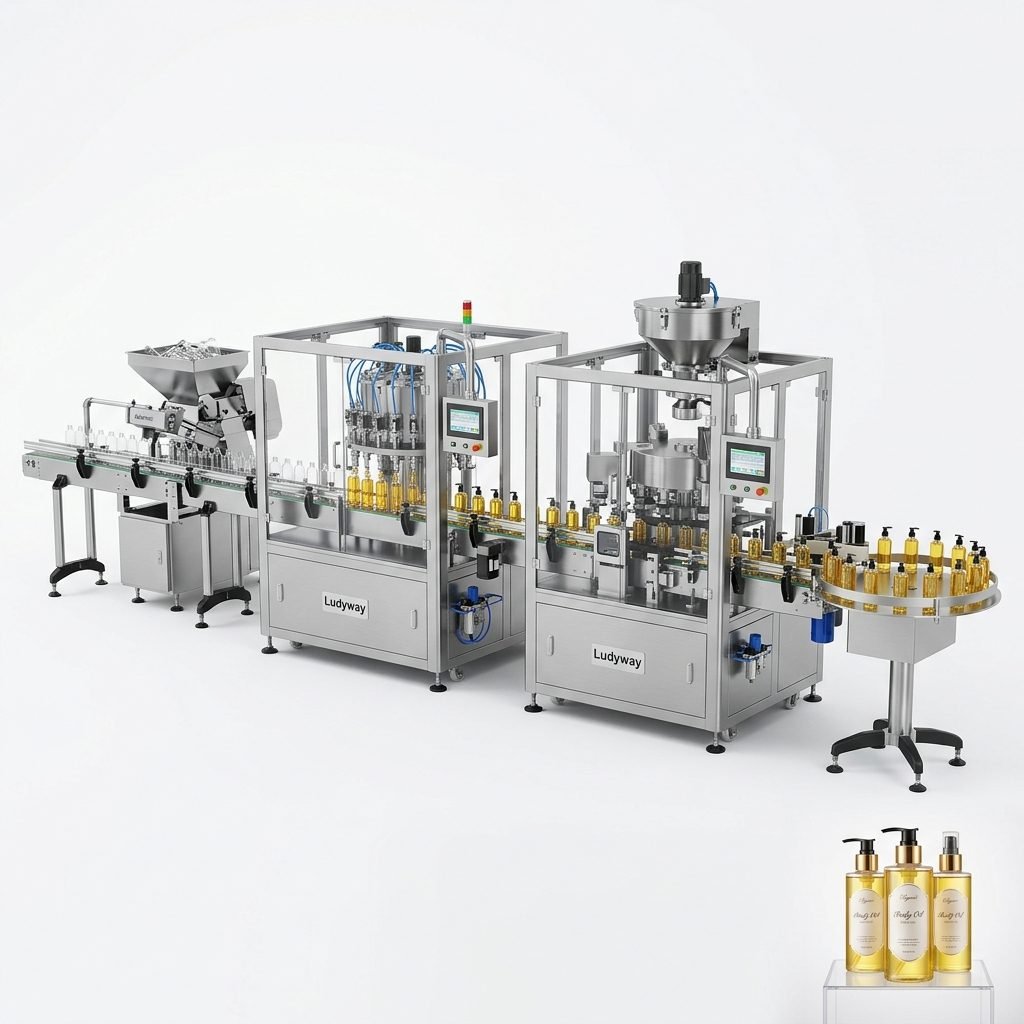
Matching the filler to your product is the most technical stage of the setup. Using the wrong mechanism leads to seal contamination and excessive waste. For powdery items like protein shakes or flour, an auger filler with dust extraction is mandatory. For liquids like energy shots or sauces, volumetric or magnetic flow meters ensure accuracy.
5. Turnkey vs. Component-Based Integration
Many U.S. distributors sell individual components from different brands, but integrating them can be a logistical nightmare due to communication protocol mismatches. Opting for a turnkey packaging line from a single source ensures seamless mechanical and software synchronization. This is particularly vital for high-speed multi-lane systems, where timing between the film feed, sealing jaws, and cut-off knife must be precise to the millisecond.
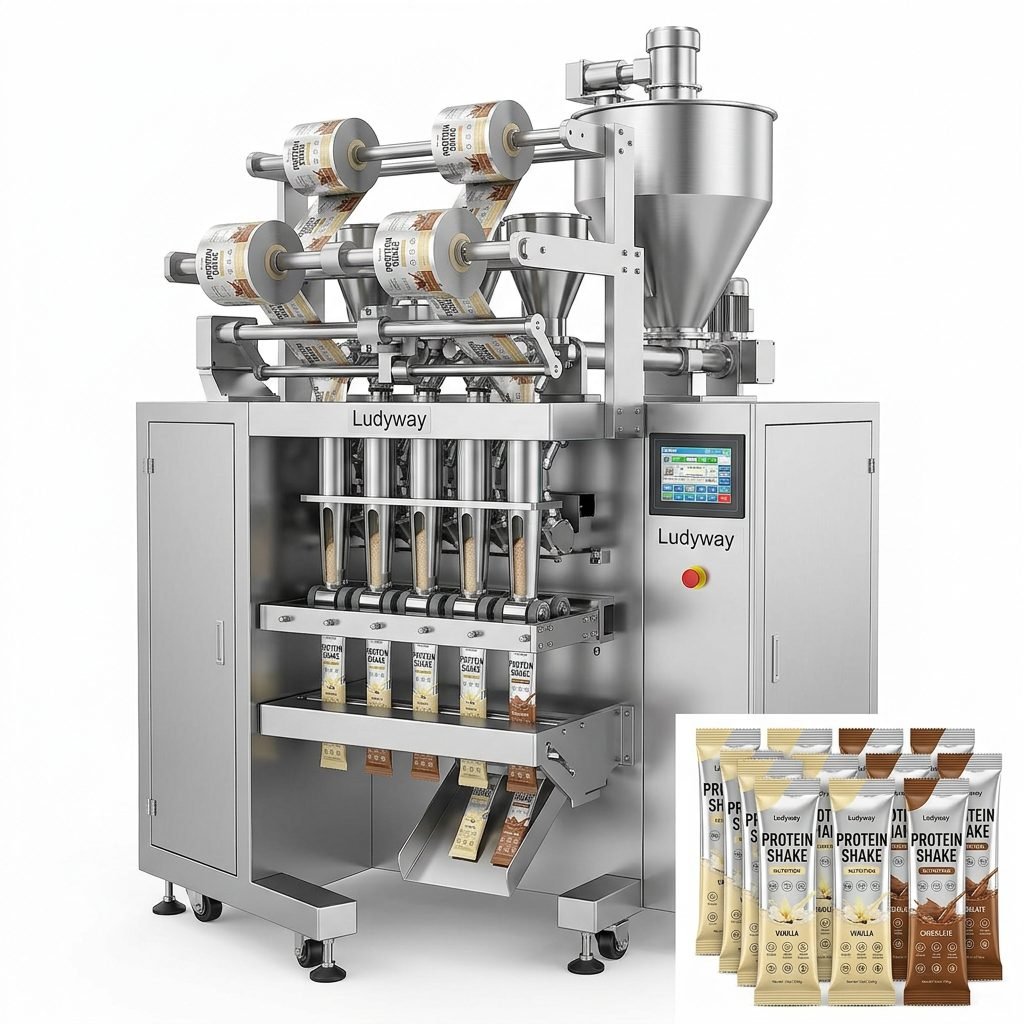
6. Installation, Training, and After-Sales Support
The complexity of modern food packaging machinery demands professional installation. Remote supervision during setup, combined with rigorous Factory Acceptance Testing (FAT) and Site Acceptance Testing (SAT), is critical. Furthermore, your operational staff needs thorough training on daily cleaning and tool-less changeover procedures to maintain OEE (Overall Equipment Effectiveness). Ludyway, as one of the largest packaging machine manufacturers, specializes in providing such integrated, high-performance solutions tailored to specific food applications globally.
7. Cost Considerations and ROI
While capital expenditure is a major factor, the total cost of ownership includes maintenance and downtime. A machine built with a heavy-duty frame and reputable branded electronic components (like servos and PLCs) may have a higher upfront cost but offers significant long-term savings. Evaluate the following:
- Film waste reduction: Machines with precise registration control save thousands in packaging material.
- Energy efficiency: 60Hz motors and efficient heating elements reduce operational utility costs.
- Remote diagnostics: Reduces the need for expensive on-site service calls.
Partnering for Long-Term Success
Setting up a line in the U.S. is not just about buying hardware; it is about building a supply chain. Look for partners who understand the unique challenges of the North American packaging landscape, from sustainable film compatibility to high-speed secondary packaging. You can find further industry data and resources through organizations like the PMMI Association for Packaging and Processing Technologies and the Flexible Packaging Association.