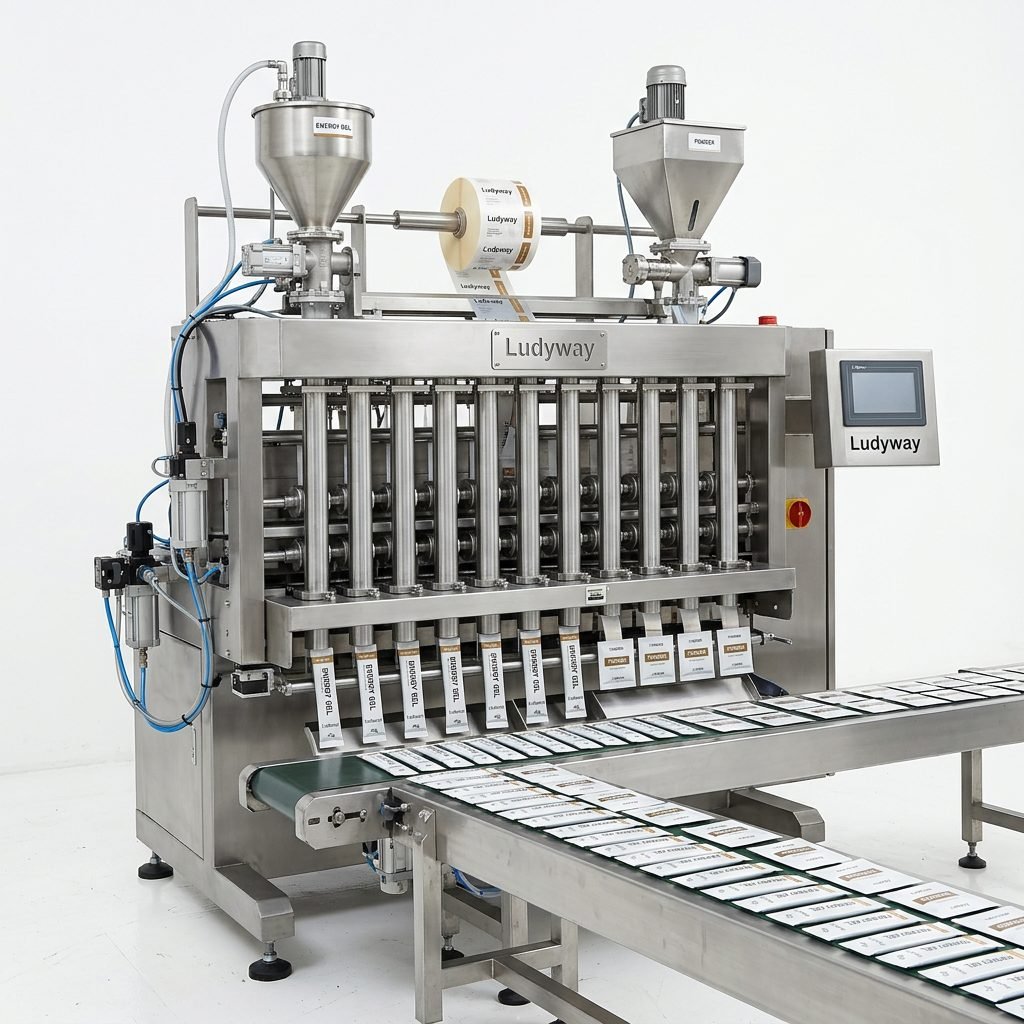
Investing in a tea packaging machine is a significant decision for any tea producer, distributor, or co-packer. Whether you are packaging loose leaf tea, tea bags, or instant tea powder in stick packs or sachets, understanding the cost structure is essential for planning your budget and evaluating return on investment.
Key Factors That Influence Tea Packaging Machine Pricing
The cost of a tea ice packing machine — or more broadly, a tea packaging system — can vary widely. Several critical factors determine the final price:
- Automation Level: Semi-automatic machines are generally more affordable, while fully automatic systems with minimal operator intervention command a higher price.
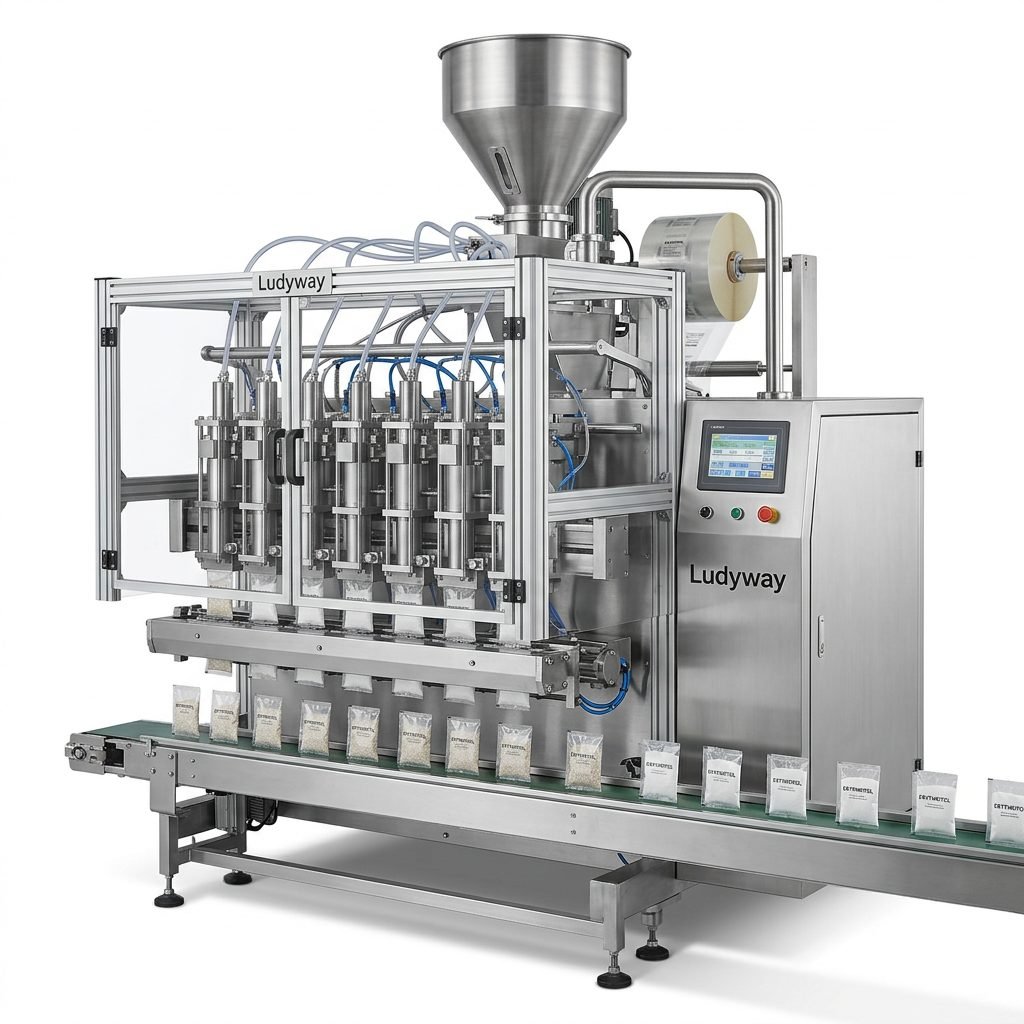
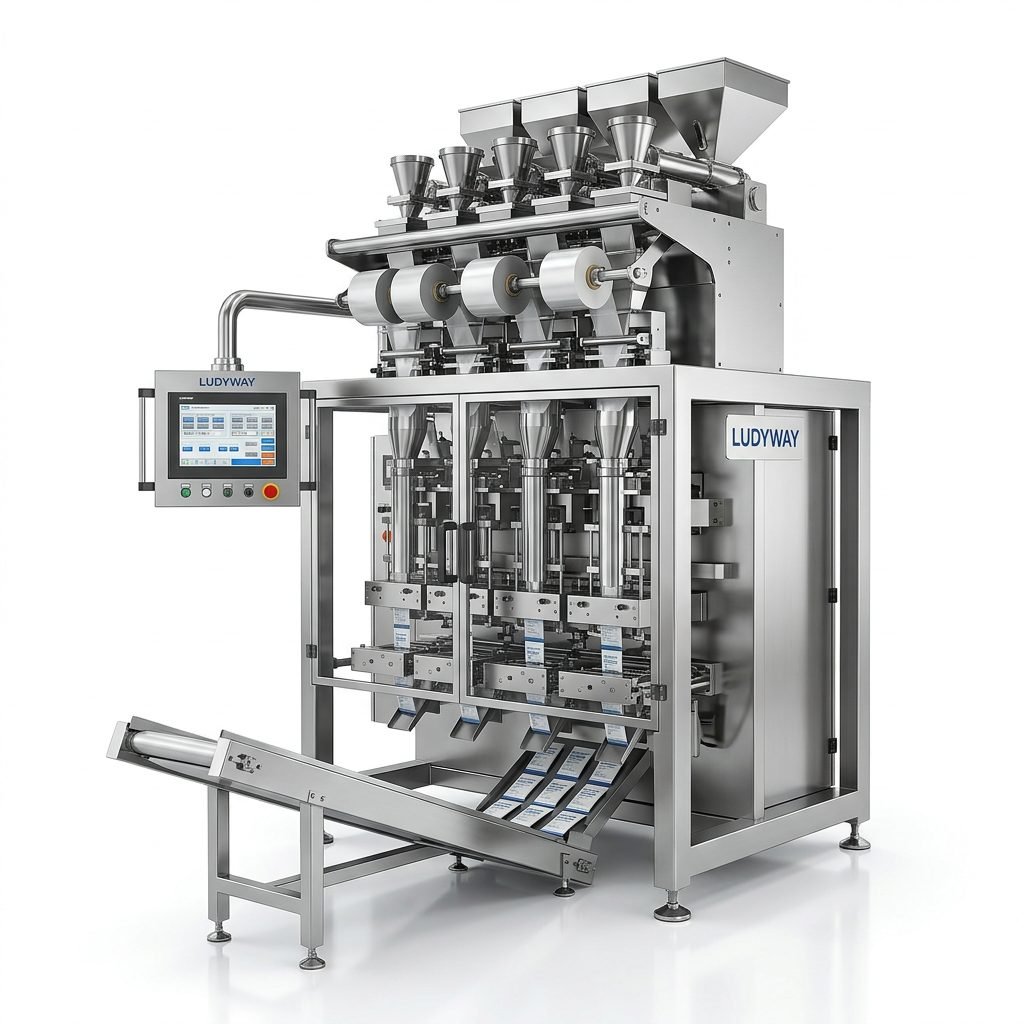
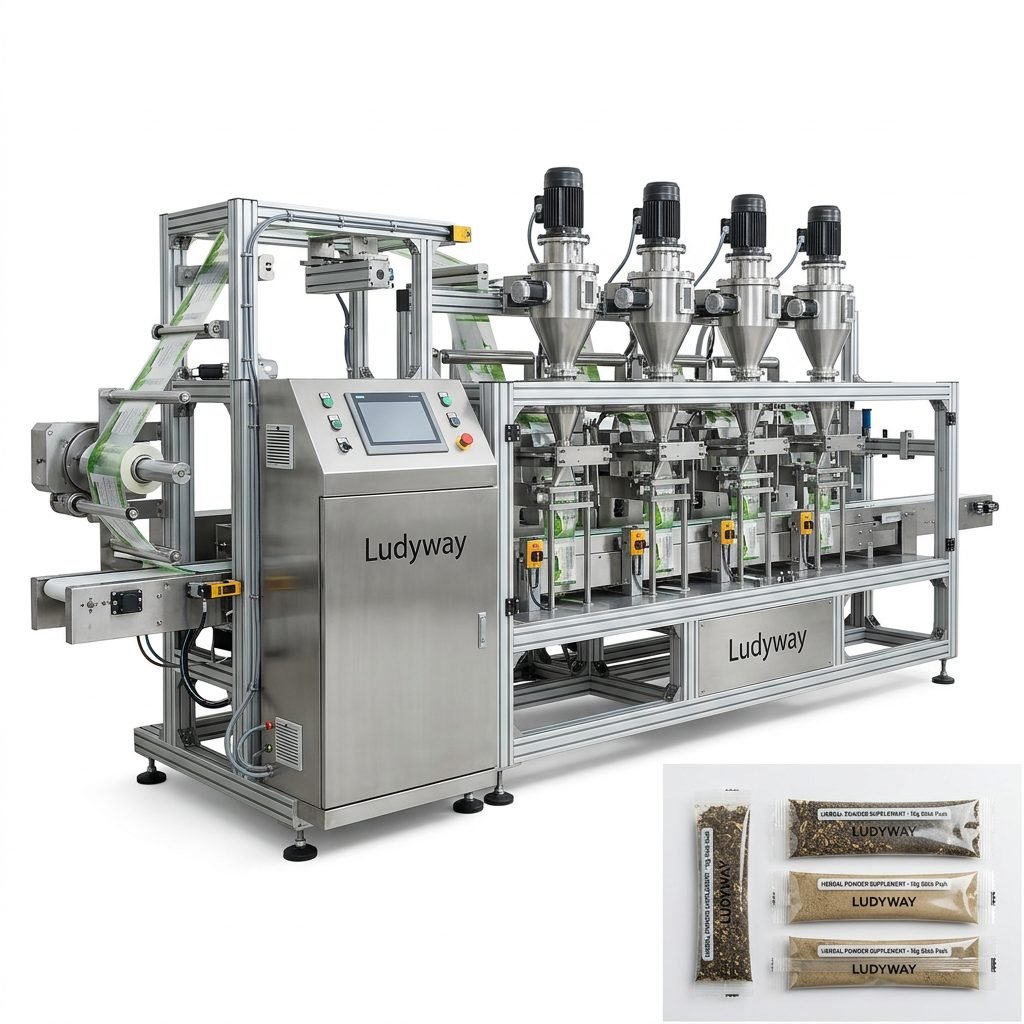
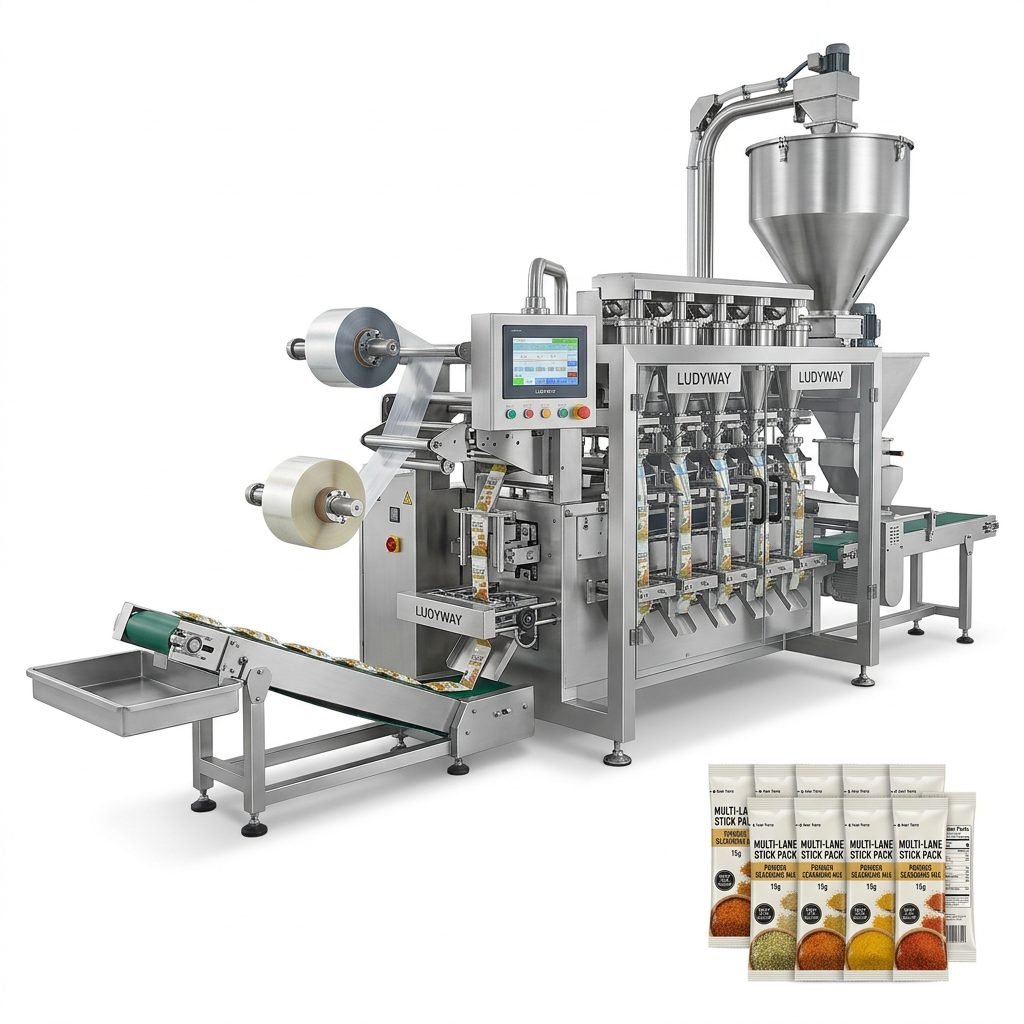
- Packaging Format: Stick pack, sachet, pillow pouch, or tea bag formats each require different tooling and engineering. Multi-lane stick pack machines tend to be more expensive due to higher output capacity.
- Speed and Output: Machines capable of producing 200–600 packs per minute cost significantly more than entry-level models with lower throughput.
- Material Compatibility: Systems designed for multiple materials — granules, powders, liquids — typically include advanced feeding and sealing technologies.
- Additional Modules: Integrated weighing systems, nitrogen flushing, cartoning, and palletizing add-ons increase the overall investment.
- Customization and Engineering: Turnkey packaging lines tailored to specific production requirements involve higher upfront costs but deliver better long-term efficiency.
Machine Type and Configuration
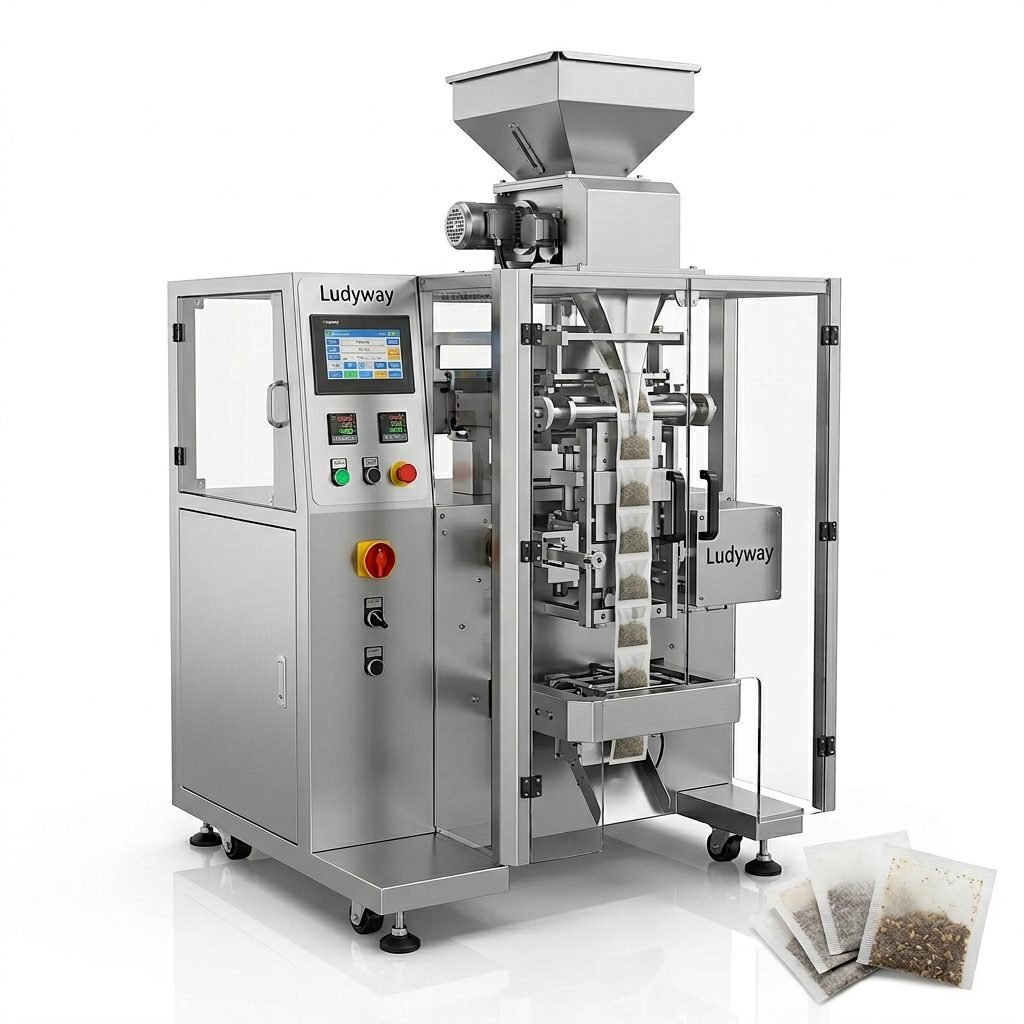
The type of tea packaging machine you choose directly impacts your investment. A single-lane sachet machine represents the entry-level option, while a multi-lane stick pack system with 6 to 16 lanes represents a premium investment designed for high-volume production environments.
Estimated Price Ranges for Tea Packaging Equipment
The following table provides an overview of typical cost ranges based on machine configuration and capacity. Actual pricing depends on specific requirements, customization, and optional features. For reference, PMMI packaging industry research provides valuable market data on machinery investment trends.
| Machine Type | Capacity Range | Estimated Price (USD) |
|---|---|---|
| Entry-Level Single-Lane Sachet Machine | 30–60 packs/min | $15,000 – $35,000 |
| Mid-Range Multi-Lane Stick Pack Machine (4–6 lanes) | 150–300 packs/min | $45,000 – $120,000 |
| High-Speed Multi-Lane Stick Pack System (8–12 lanes) | 400–800 packs/min | $130,000 – $300,000 |
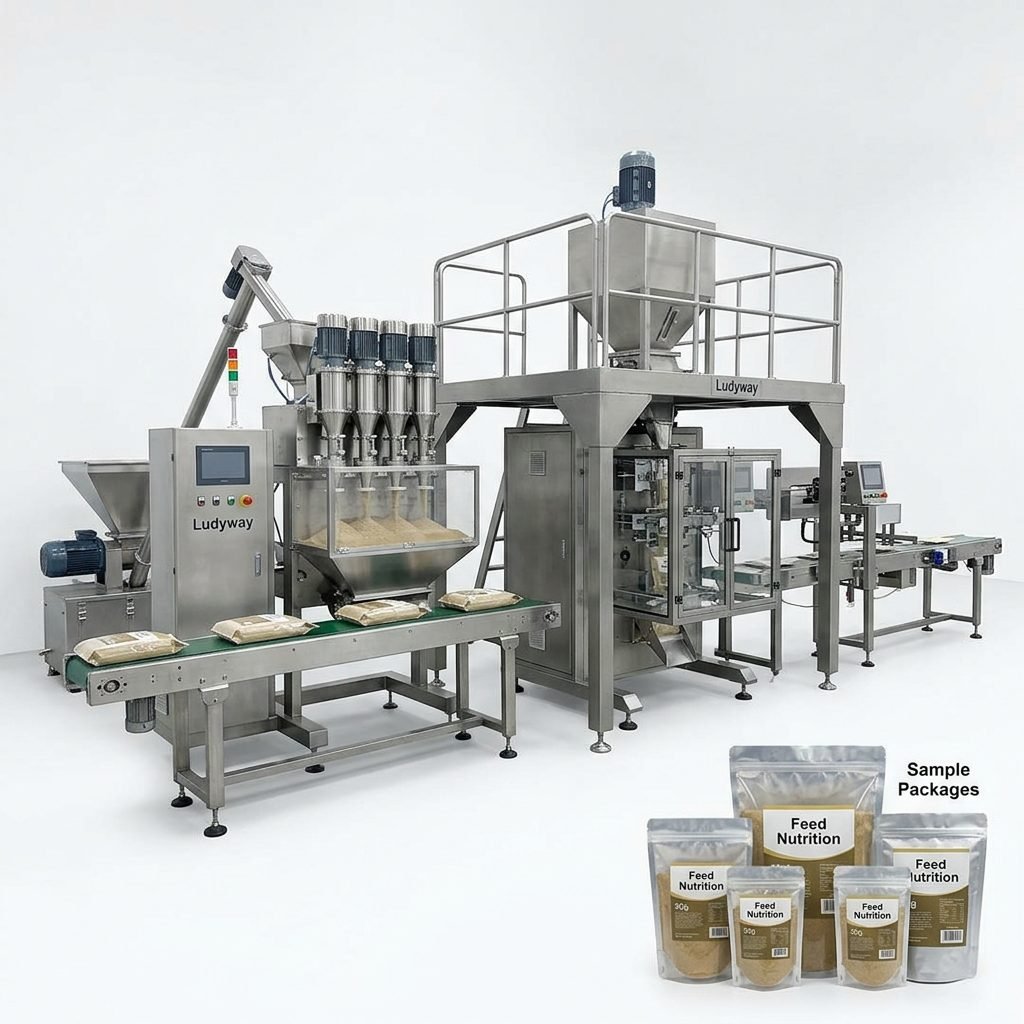
| Fully Integrated Turnkey Packaging Line | Custom configuration | $250,000 – $800,000+ |
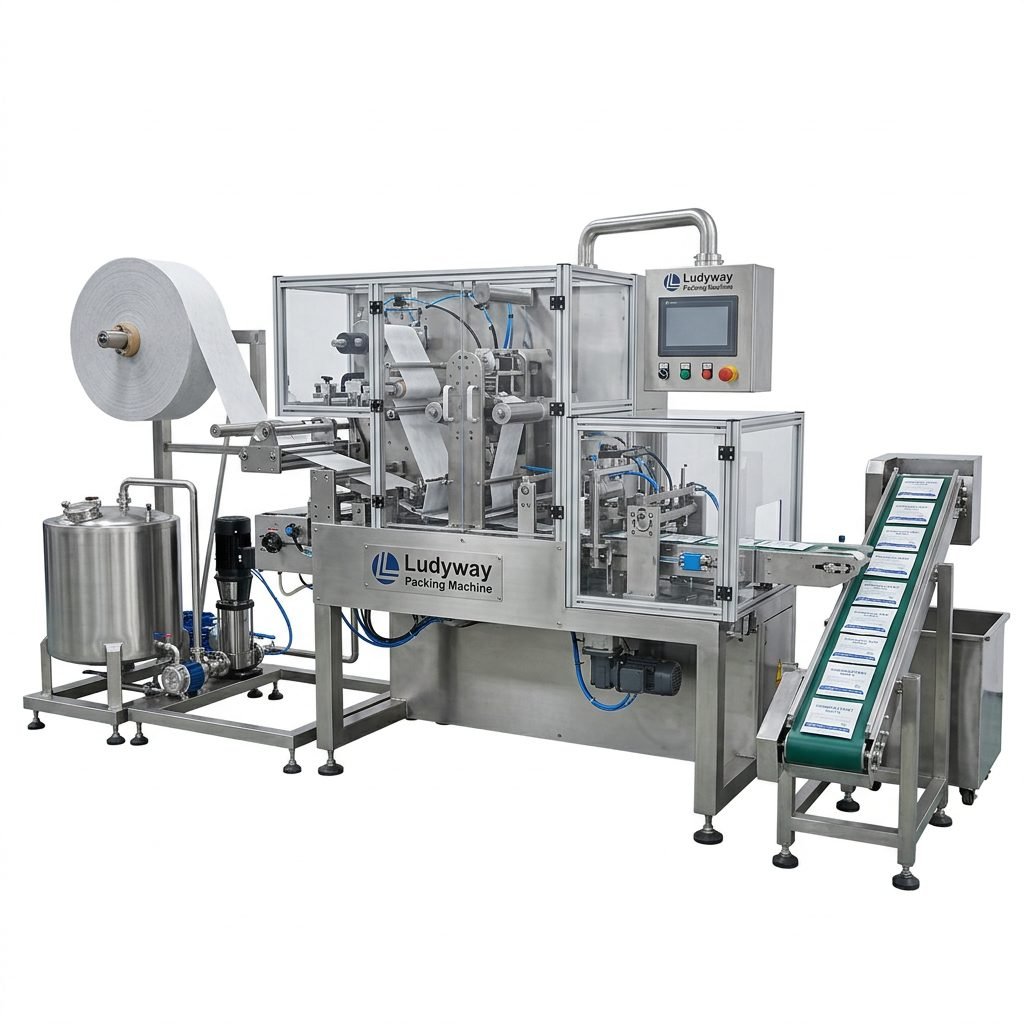
| Tea Bag Packaging Machine (Envelope/Non-Envelope) | 100–400 bags/min | $30,000 – $150,000 |
Note: These estimates reflect base machine costs. Optional features such as servo-driven controls, CIP cleaning systems, and remote monitoring capabilities will increase the total investment. Consult PMMI’s State of the Industry reports for deeper insights into packaging machinery capital expenditure trends.

Understanding the Total Cost of Ownership
A tea packaging machine purchase involves more than just the upfront equipment cost. Smart buyers evaluate the total cost of ownership (TCO), which includes:
- Installation and Commissioning: On-site setup, calibration, and operator training typically add 5–10% to the machine cost.
- Packaging Material Consumption: Film waste rates during startup and changeovers affect ongoing expenses. Precision machines minimize material waste.
- Maintenance and Spare Parts: Budget 2–5% of machine cost annually for preventive maintenance and replacement parts.
- Energy Consumption: High-efficiency servo motors reduce electricity costs over the machine’s lifespan.
- Labor Requirements: Automated systems reduce operator dependency, lowering long-term labor costs.
Return on Investment Considerations
A well-chosen tea packaging machine typically achieves ROI within 12 to 24 months, depending on production volume and market demand. High-speed multi-lane systems operated across multiple shifts deliver the fastest payback. For flexible packaging industry standards and sustainability guidelines, the Flexible Packaging Association offers comprehensive resources.

New vs. Used vs. Refurbished Tea Packing Machines
For businesses with tighter budgets, the following options exist:
- New Machines: Offer the latest technology, full warranty, manufacturer support, and compliance with current ISO packaging standards. Best for long-term, high-volume production.
- Used Machines: Available at 40–60% of new machine cost but with limited warranty and potential for higher maintenance.
- Refurbished Machines: Factory-reconditioned units with updated components and partial warranty. A balanced option for mid-range budgets.
Regulatory and Safety Compliance
For tea products destined for international markets, packaging machinery must comply with relevant regulations. The FDA food packaging and food contact substances guidelines provide essential requirements for the U.S. market. Similarly, European Commission packaging regulations govern EU market access. Machines designed with these standards in mind help avoid costly retrofits later.
Why Choose a Reliable Packaging Machine Manufacturer
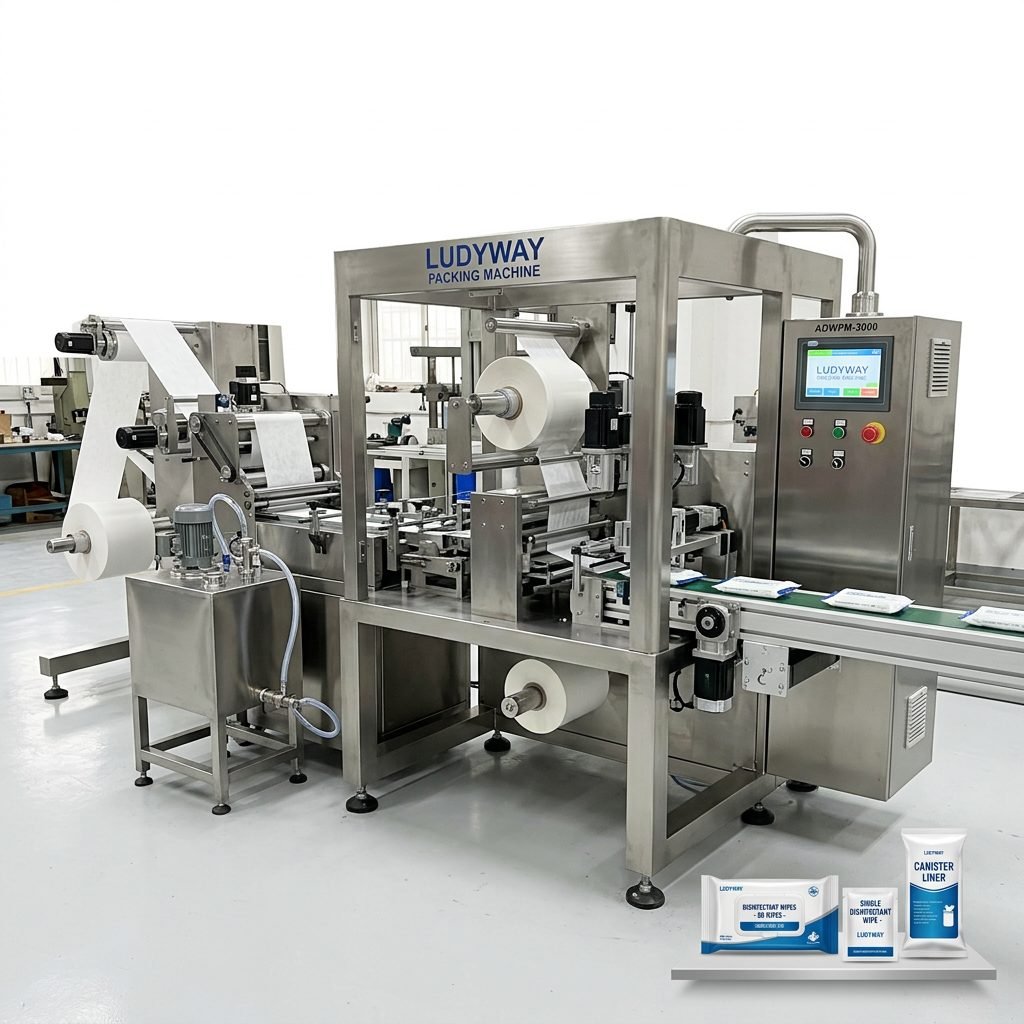
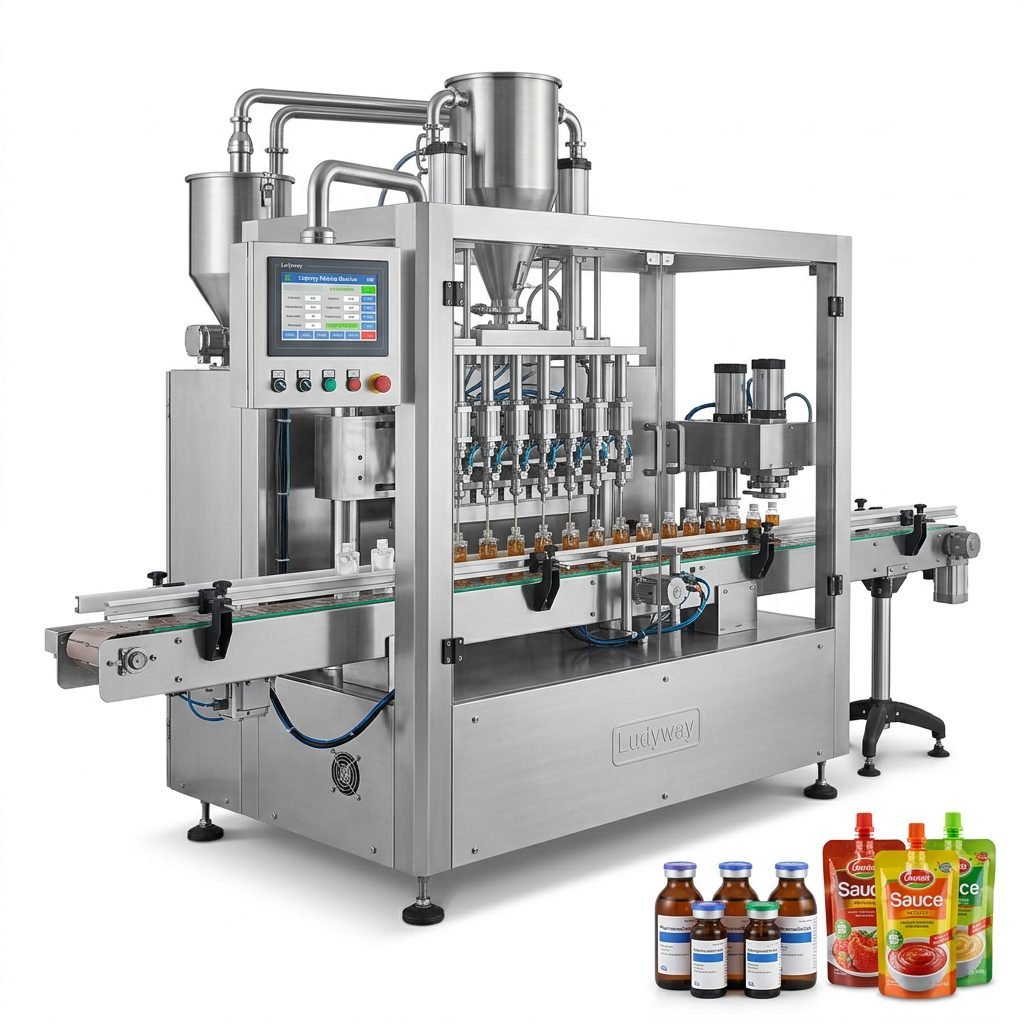
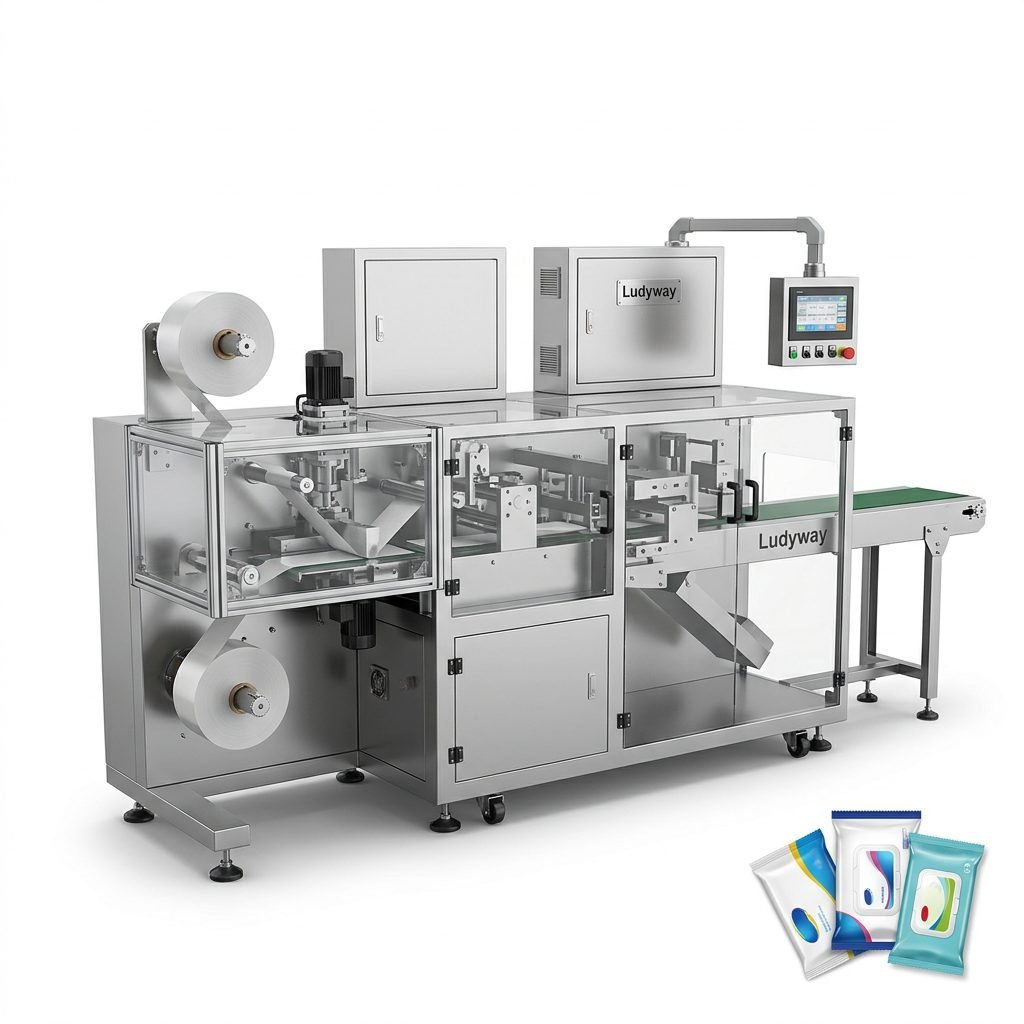
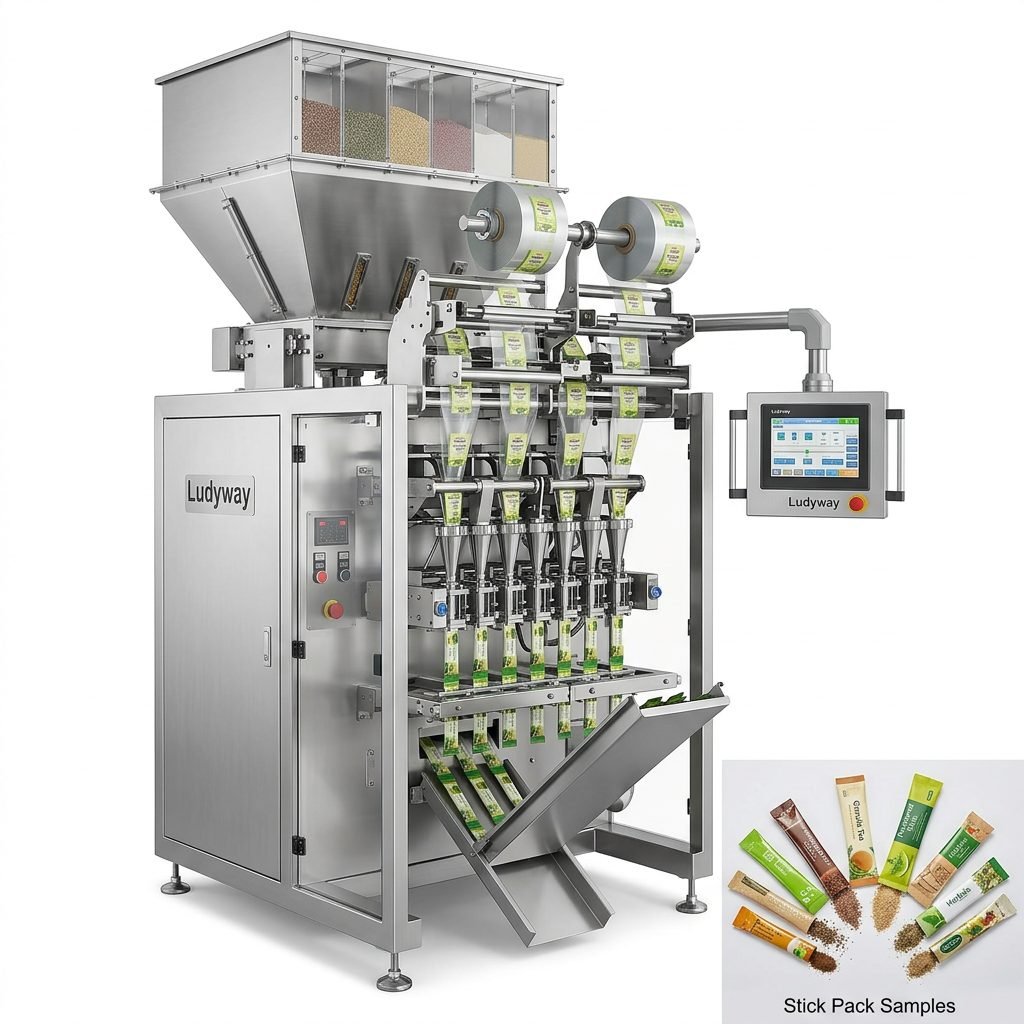
Selecting the right manufacturer is as important as choosing the machine itself. A qualified supplier provides engineering support, timely spare parts delivery, and responsive after-sales service. One notable example is Ludyway, one of the largest packaging machine manufacturers in China, specializing in advanced packaging equipment and turnkey production solutions for the food, pharmaceutical, and health industries. With over 30 years of industry expertise and a modern 20,000㎡ manufacturing facility, Ludyway offers more than 50 intelligent packaging machine models — including multi-lane stick pack, sachet, and fully automated packaging systems. The company serves customers in over 100 countries and regions and is committed to delivering innovative, high-performance, and cost-effective packaging solutions.
Questions to Ask Before Purchasing a Tea Packaging Machine
Before making a purchase decision, consider these key questions:
- What is your target production output per shift or per day?
- Which packaging formats do you need — stick pack, sachet, tea bag, or pouch?
- Will you package only dry tea products, or do you need liquid and powder capability?
- What is your available floor space and facility layout?
- Do you require integration with existing upstream or downstream equipment?
- What level of after-sales technical support and spare parts availability does the manufacturer offer?
- Does the machine design comply with relevant ISO packaging and distribution standards?
Financing and Leasing Options
Many manufacturers and third-party financing companies offer leasing or installment payment plans for packaging equipment. This can help manage cash flow while acquiring necessary production capacity. Typical lease terms range from 24 to 60 months, with options to purchase at the end of the term.
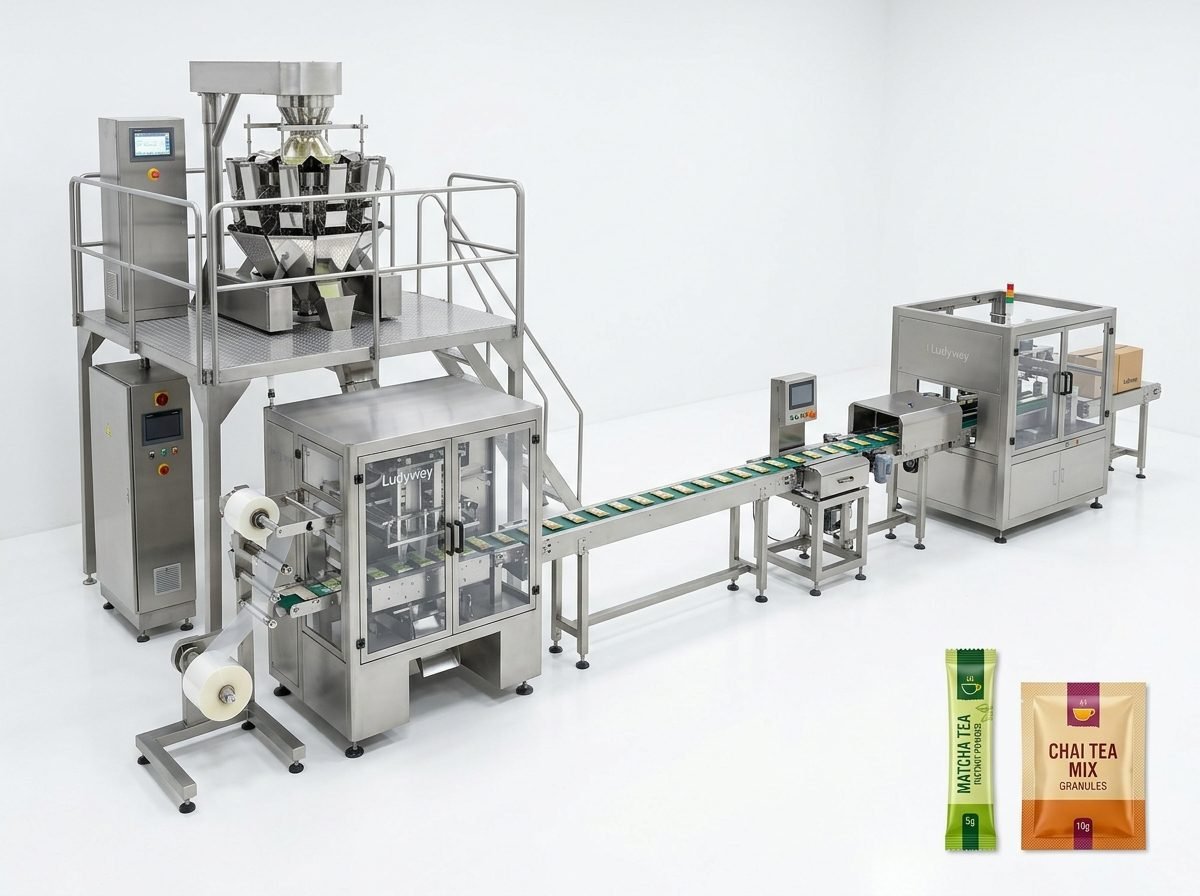
Final Thoughts on Tea Ice Packing Machine Investment
The cost of a tea ice packing machine or tea packaging system depends heavily on your specific requirements. Entry-level machines start around $15,000, while high-speed, fully automated multi-lane systems can exceed $300,000. The most successful buyers focus not just on the purchase price but on total cost of ownership, production efficiency, and long-term reliability. Working with an experienced manufacturer ensures you receive equipment that meets your production goals and delivers consistent performance year after year. For further guidance, PMMI state of the industry reports and Flexible Packaging Association resources offer valuable industry perspectives.
To explore specific tea packaging solutions and request a detailed quotation tailored to your production needs, contacting a specialized packaging machinery manufacturer is the recommended next step.