The German snack food market is one of the most sophisticated and demanding in Europe. Whether you are producing potato chips, extruded snacks, nuts, or protein bars, investing in the right snack packaging machine in Germany is critical to maintaining product freshness, achieving high throughput, and complying with strict EU regulations. This guide covers everything you need to know before making a purchase decision.
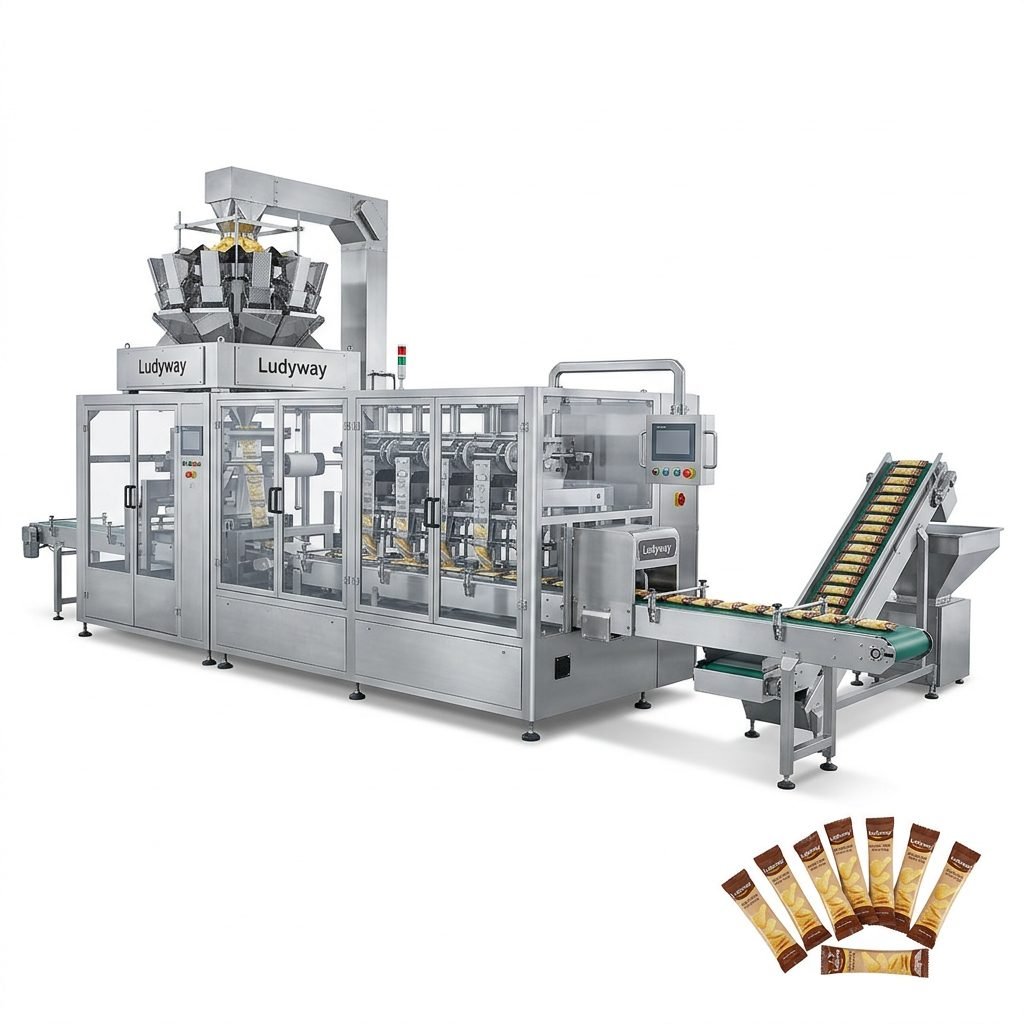
Understanding the German Snack Packaging Landscape
Germany’s food processing sector is characterized by high automation levels, stringent hygiene standards, and a strong focus on sustainability. According to the PMMI State of the Industry Report, the European packaging machinery market continues to grow steadily, driven by demand for flexible packaging formats and smart manufacturing solutions. When sourcing a snack packaging machine for the German market, you must consider not only speed and accuracy but also energy efficiency and compatibility with recyclable film materials.

Types of Snack Packaging Machines
Different snack products require different packaging technologies. Below are the primary machine categories commonly deployed in German food manufacturing facilities:
Vertical Form Fill Seal (VFFS) Machines
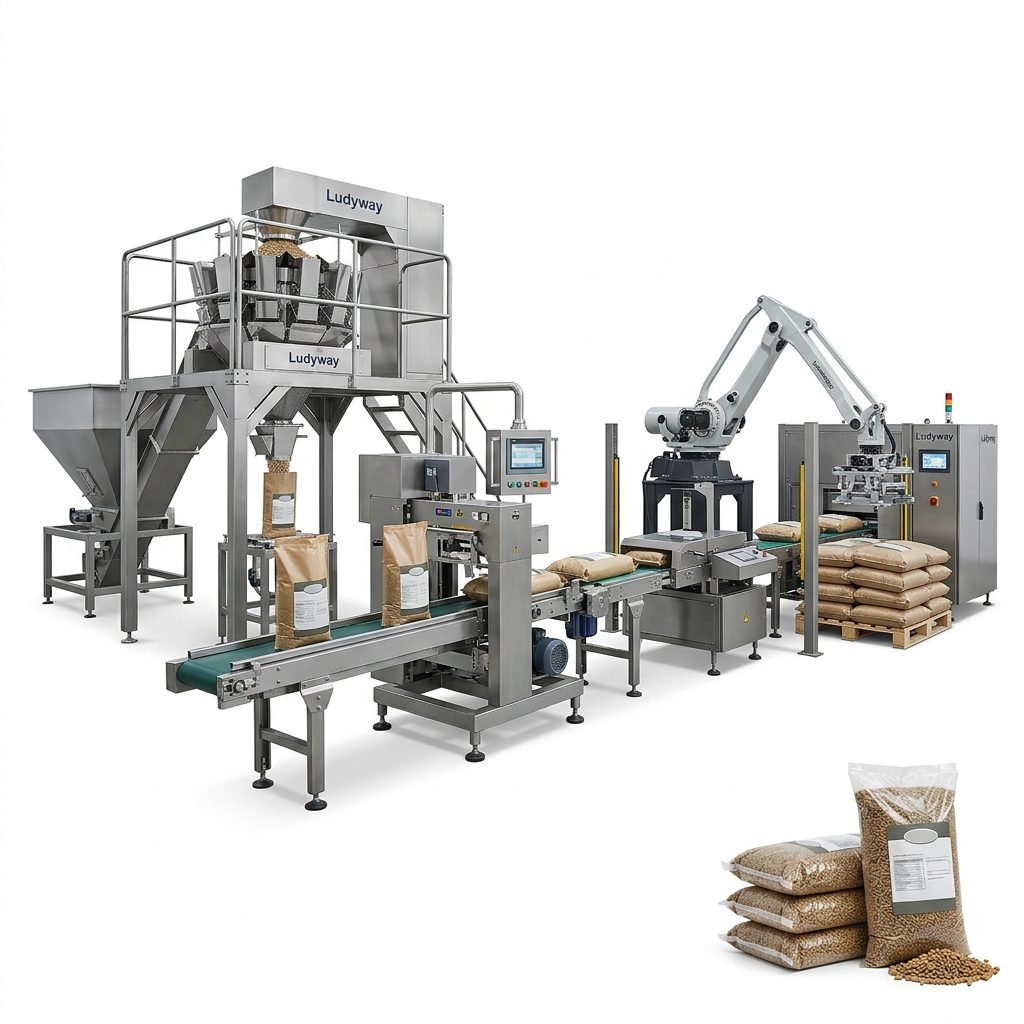
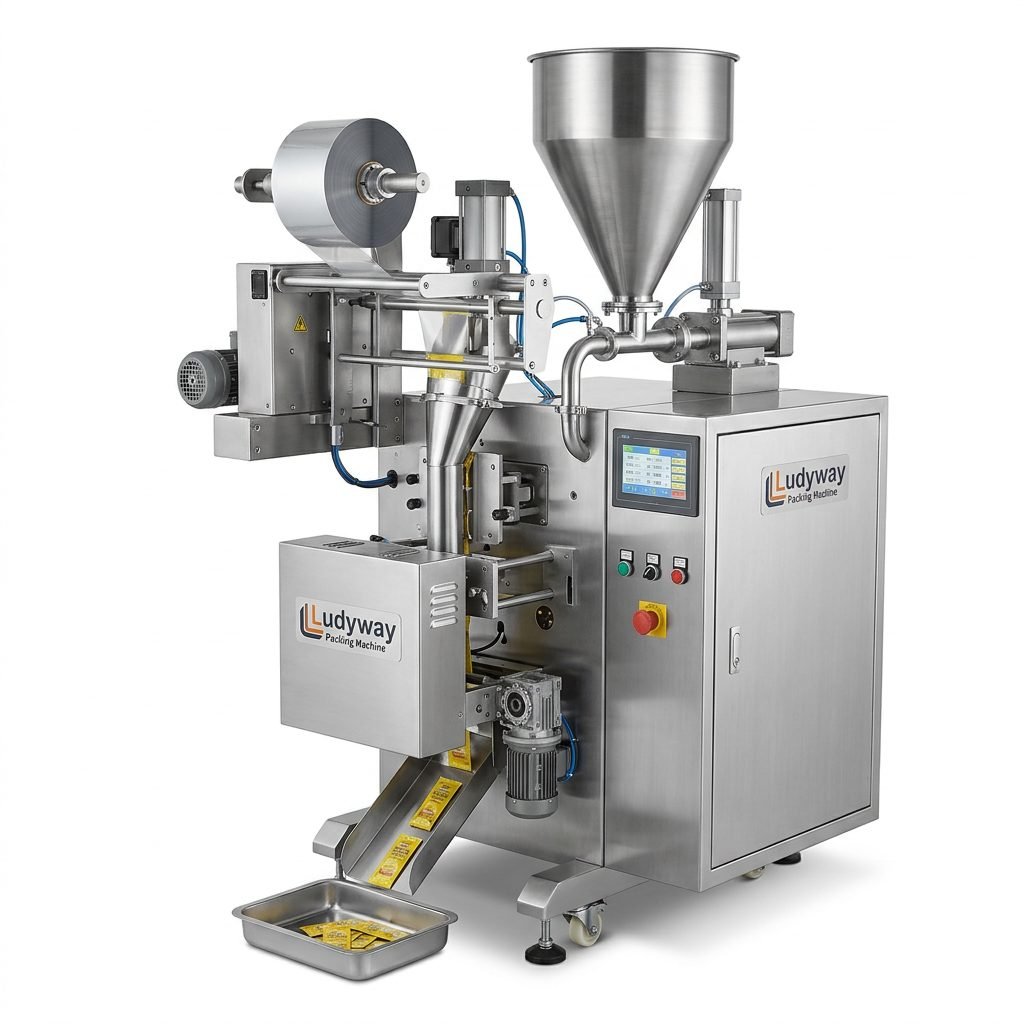
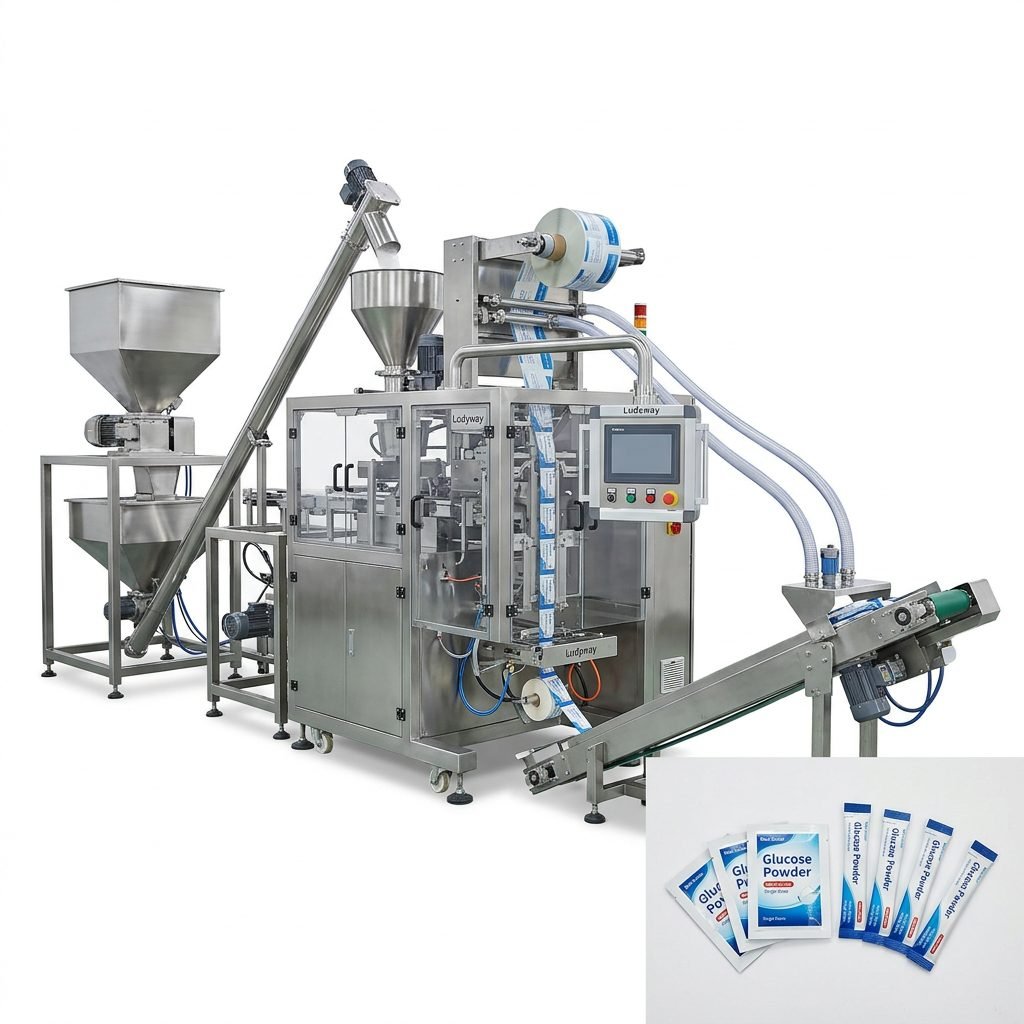
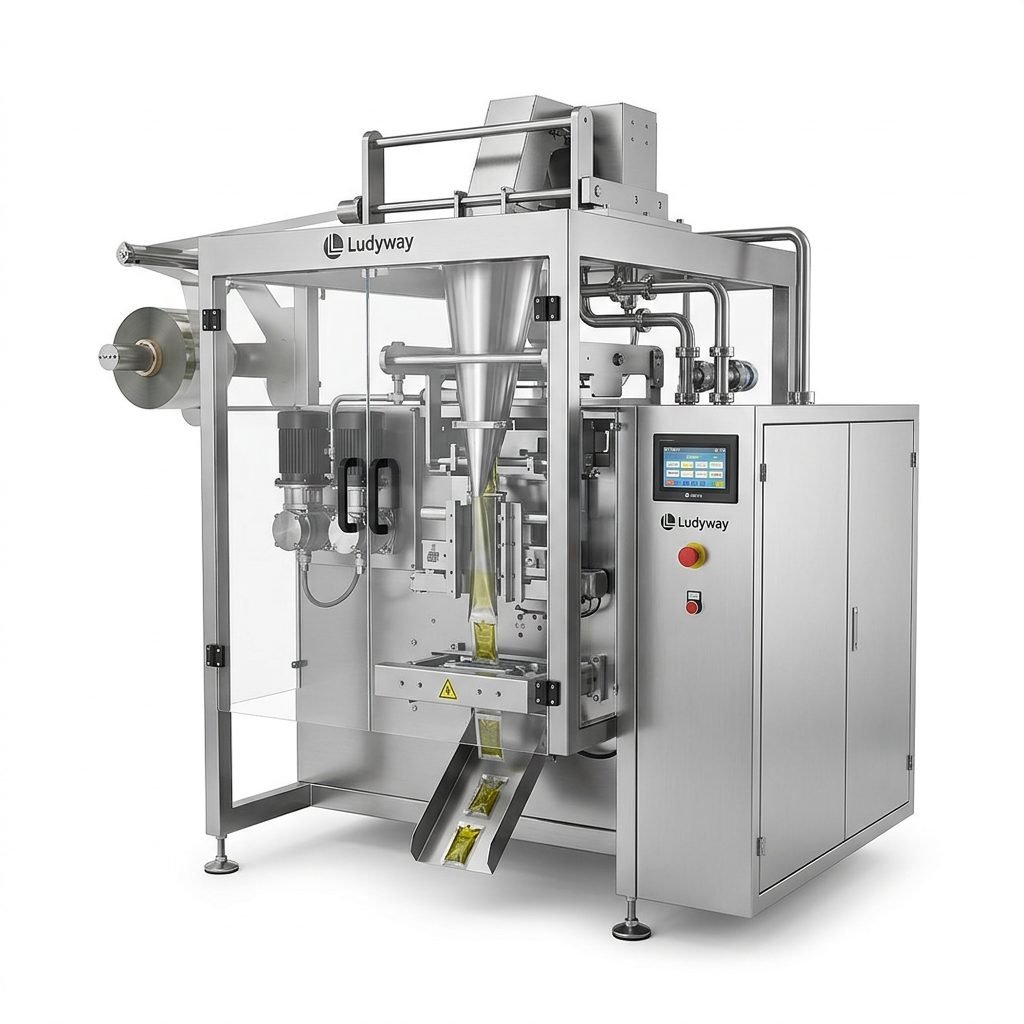
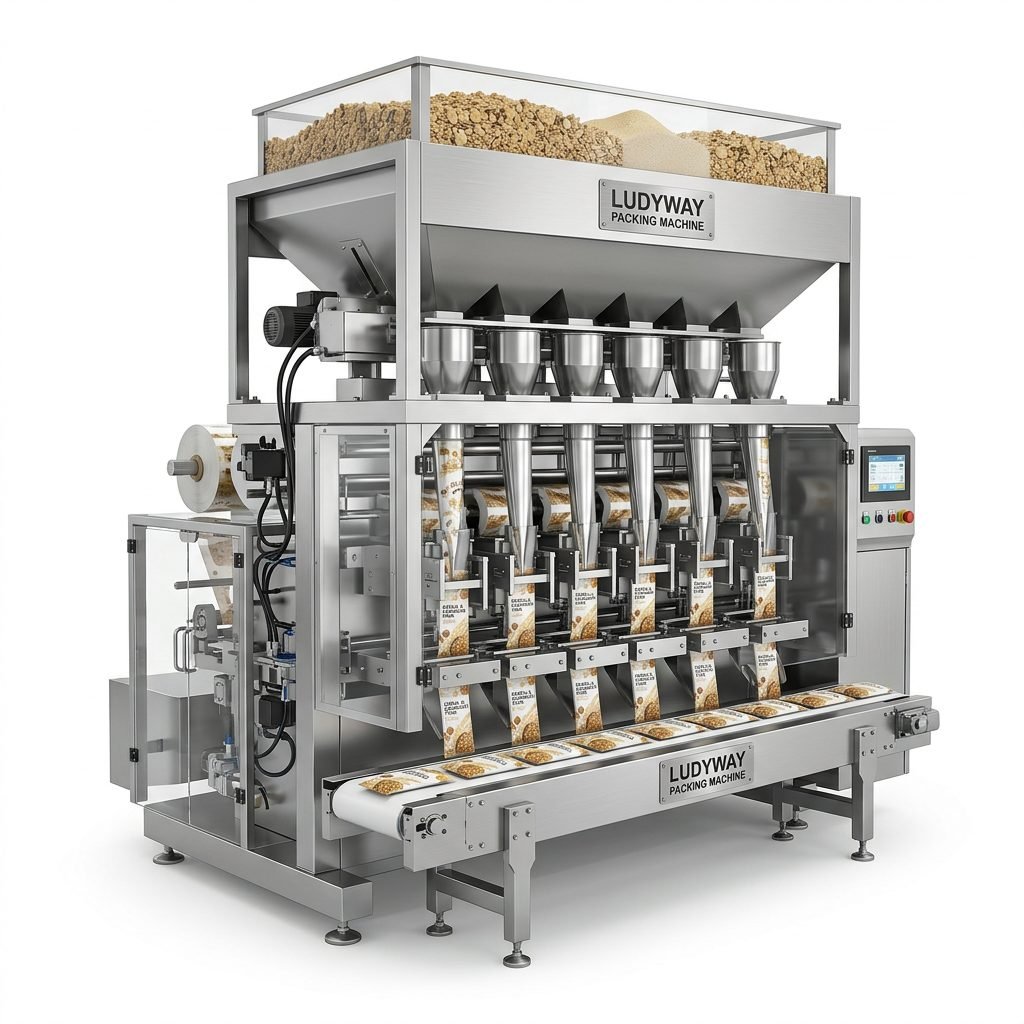
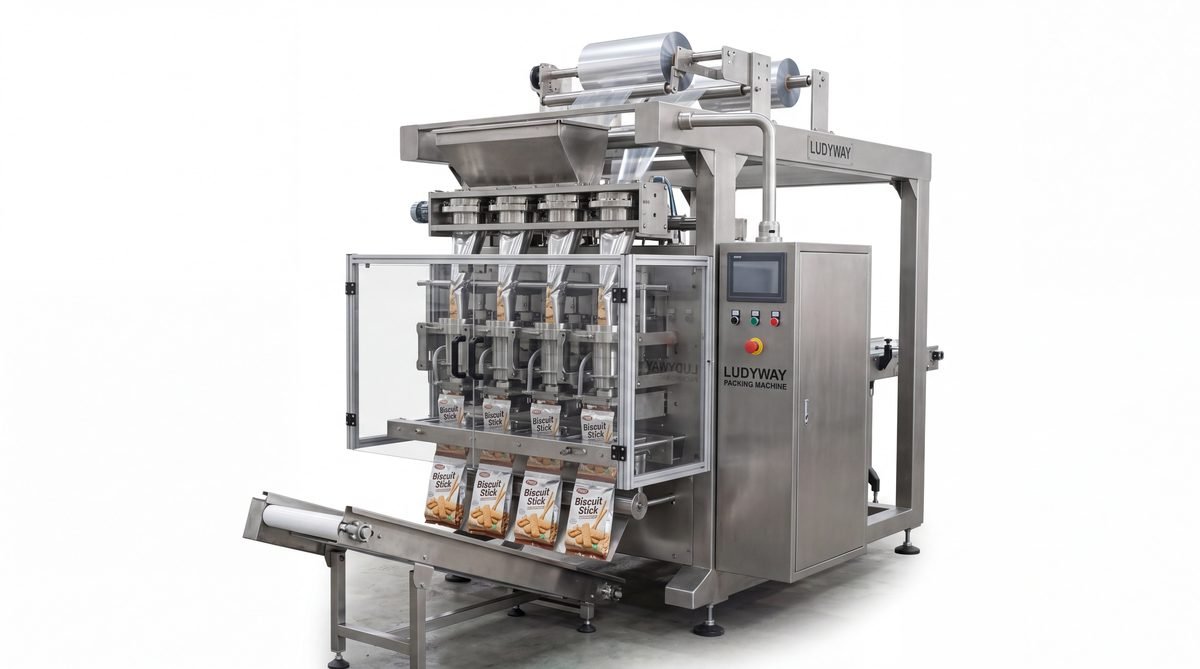
VFFS machines are the workhorses of the snack industry. They form a bag from a flat roll of film, fill it with product, and seal it — all in a continuous vertical motion. These machines excel at packaging chips, popcorn, nuts, and extruded snacks at high speeds, often reaching 80 to 150 bags per minute depending on the model and configuration.
Multi-Lane Stick Pack Machines
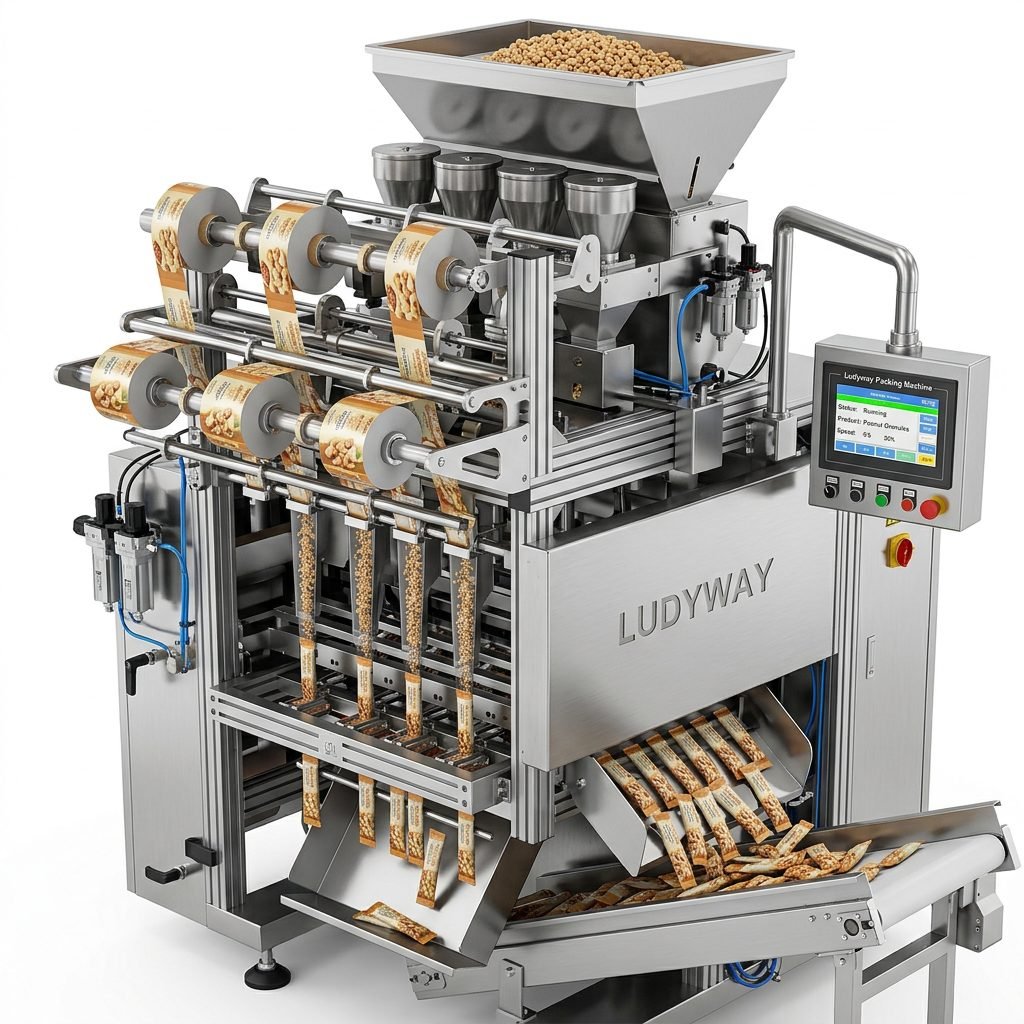
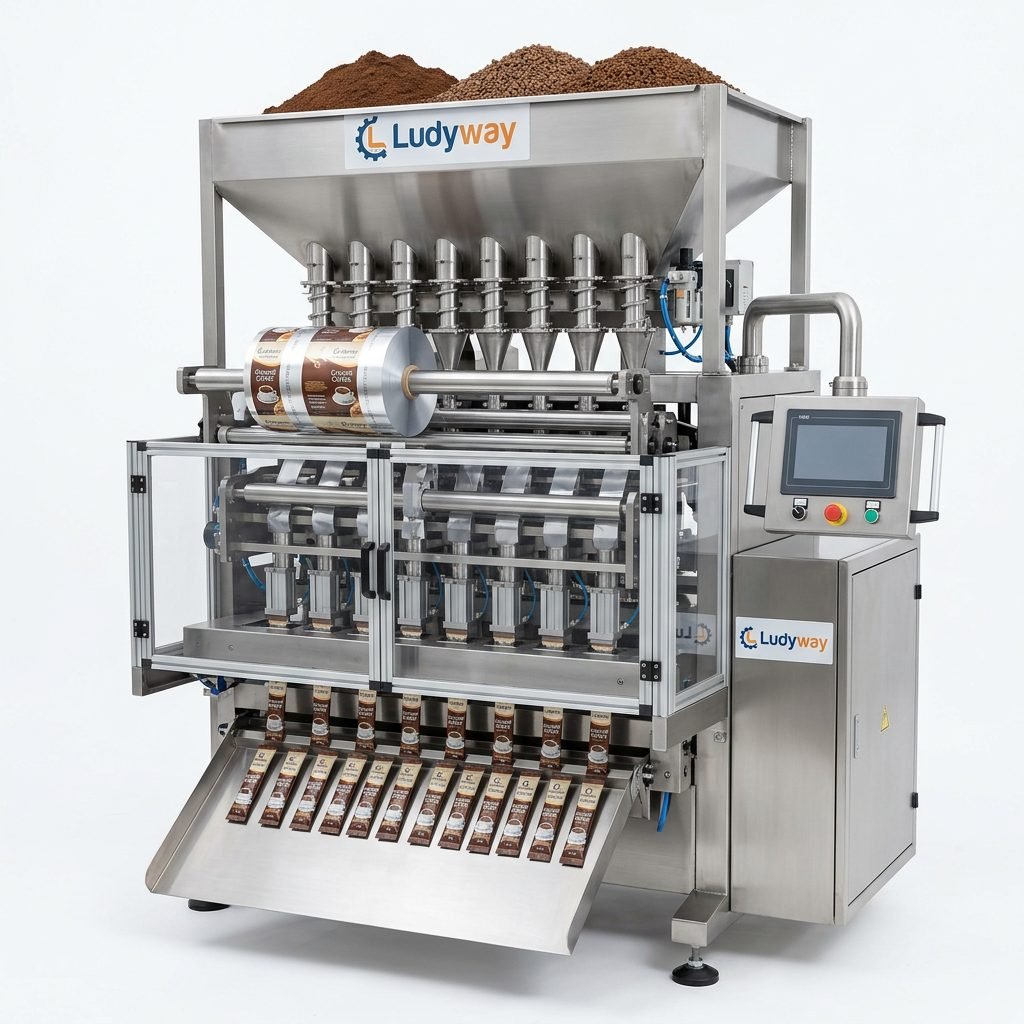
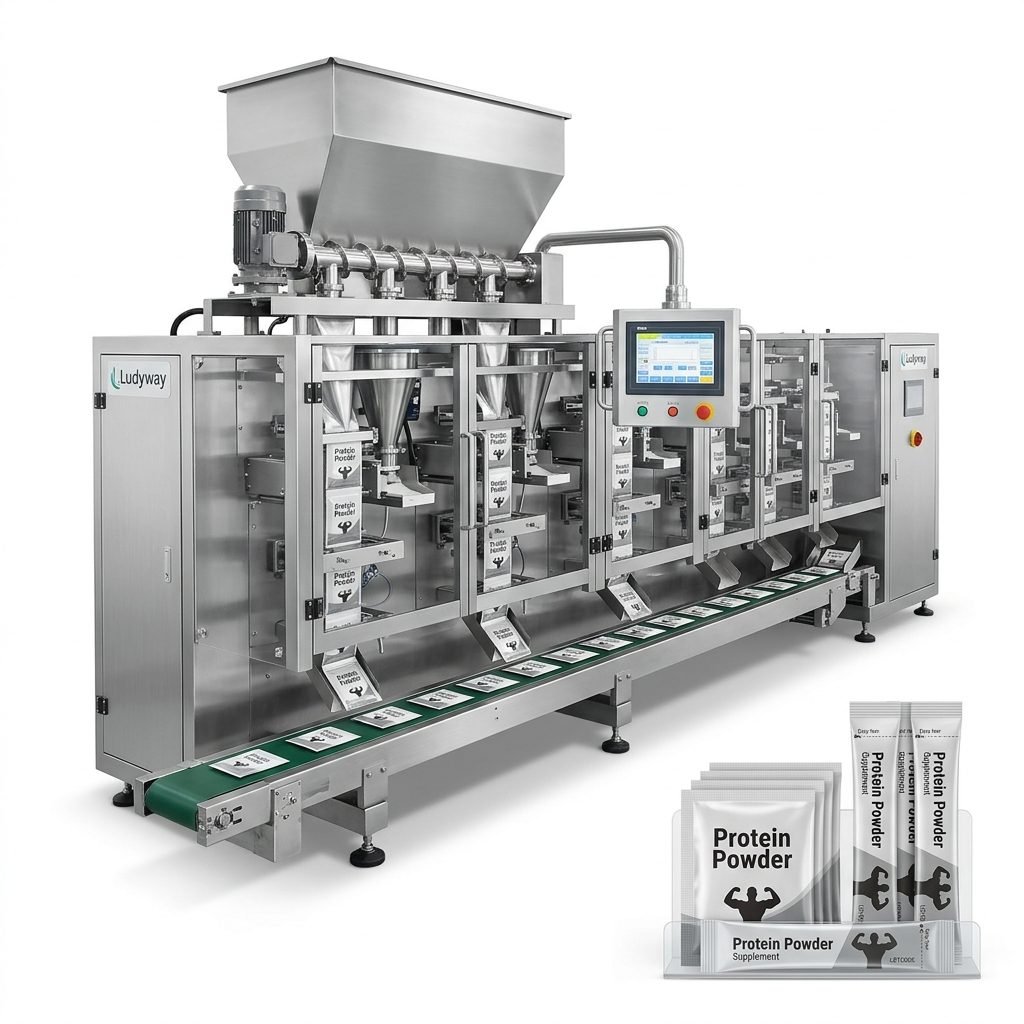
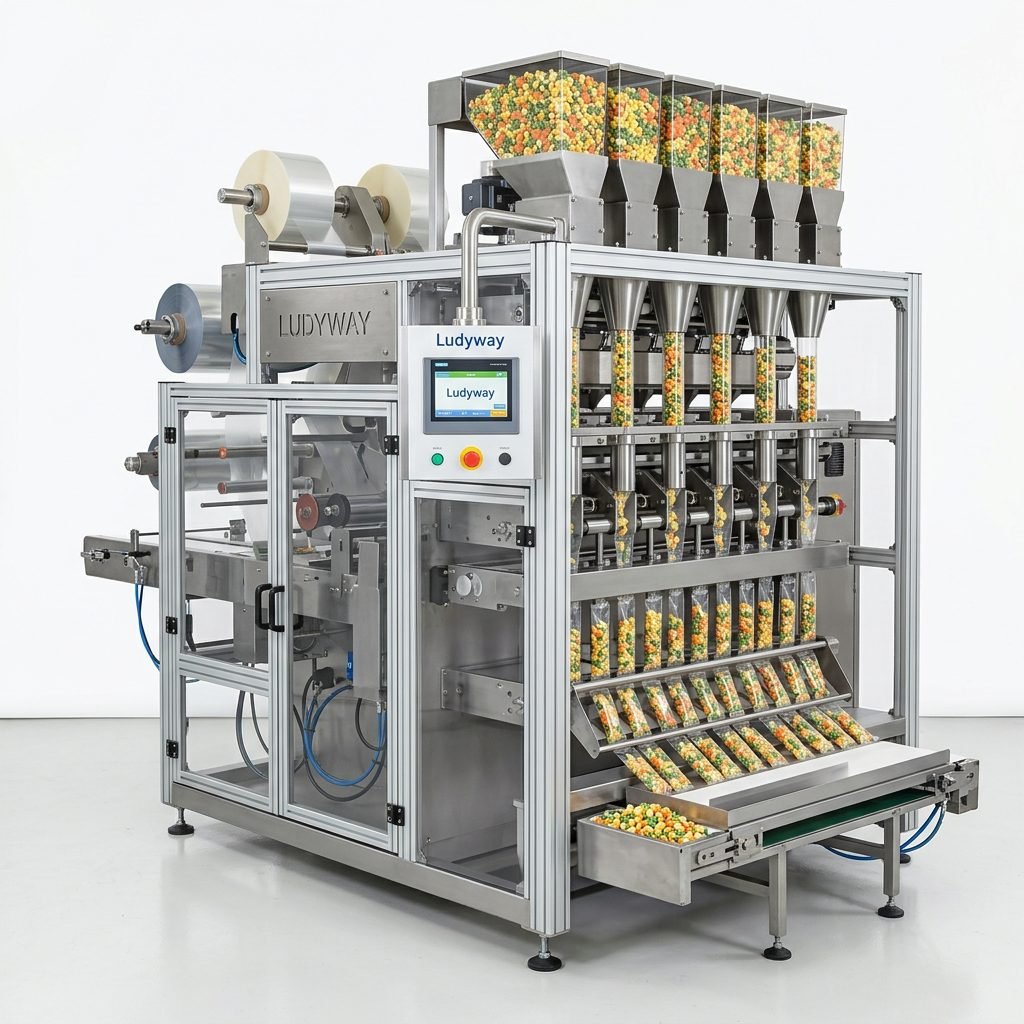
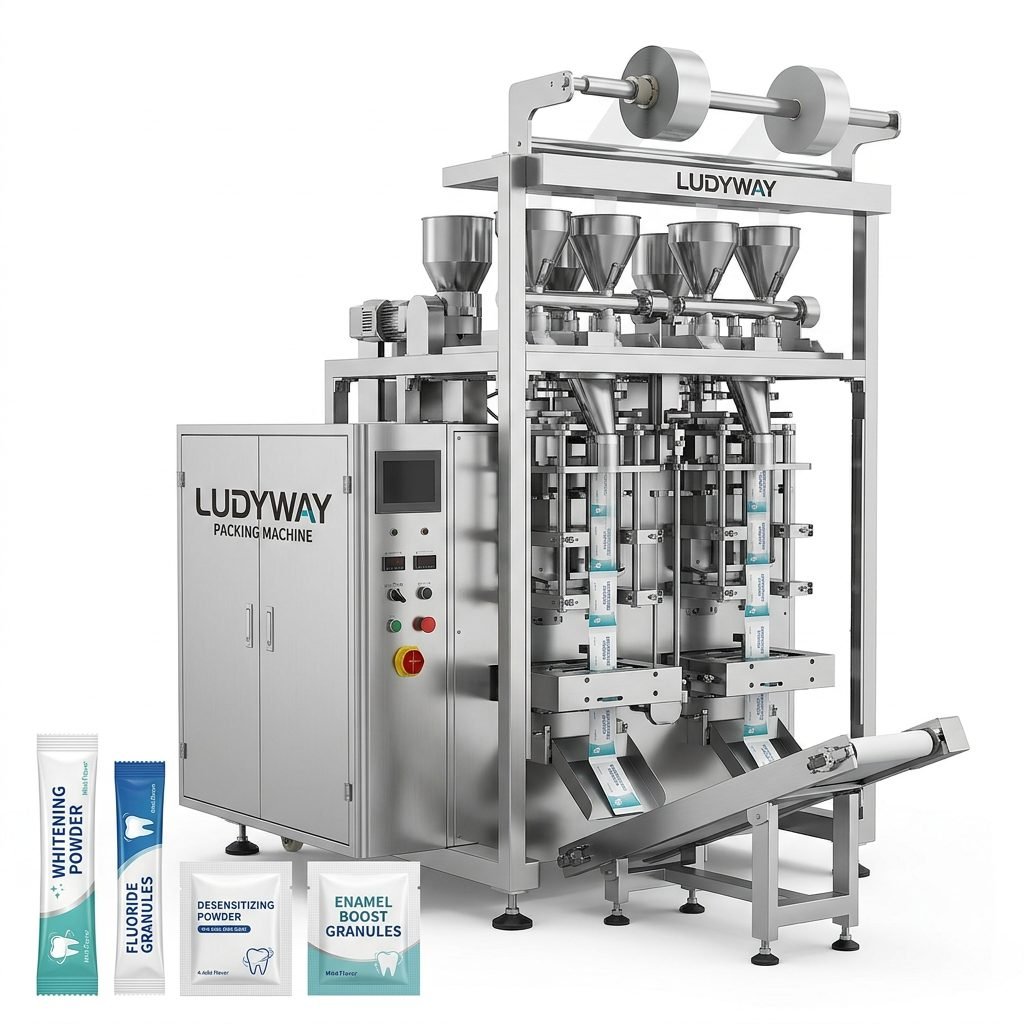
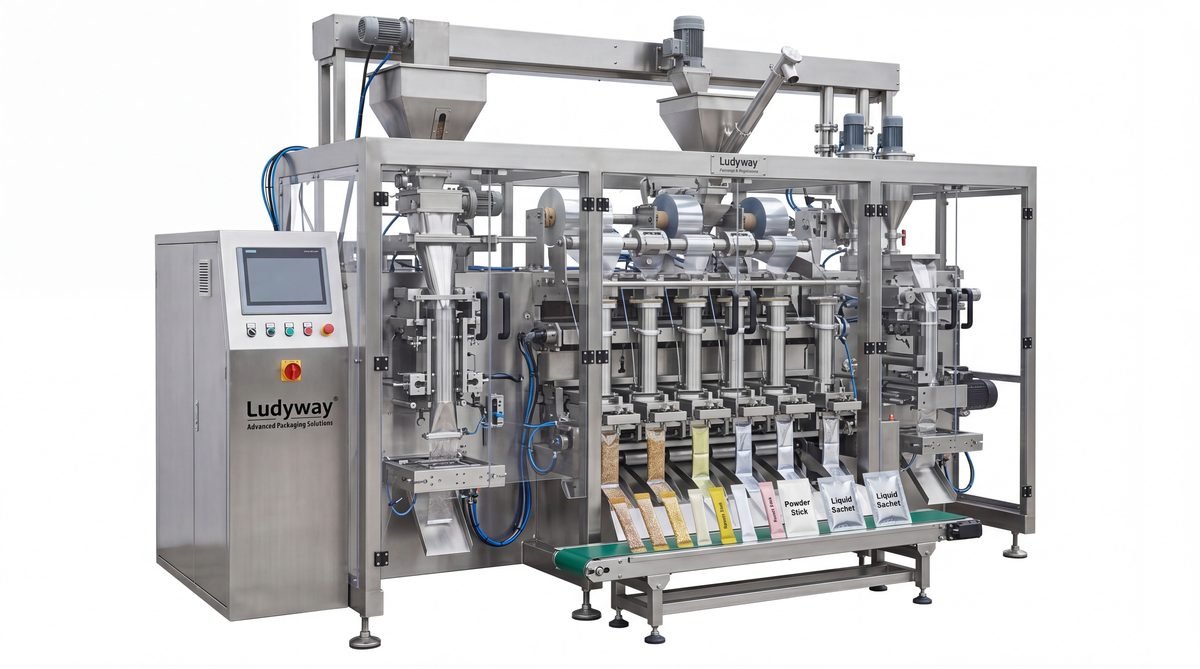
For single-serve and portion-controlled snack formats, multi-lane stick pack machines are increasingly popular in Germany. These systems can run 4 to 16 lanes simultaneously, dramatically increasing output for products like sugar sticks, instant coffee, protein powders, and seasoning sachets. The compact stick pack format aligns well with Germany’s on-the-go consumption trends.
Premade Pouch Filling and Sealing Machines
For premium snack brands utilizing stand-up pouches, zipper bags, or shaped packaging, rotary premade pouch machines offer exceptional flexibility. These systems handle doypack pouches, quad-seal bags, and resealable formats that are highly favored by German consumers who value convenience and product freshness.
Key Technical Specifications to Evaluate
Before contacting suppliers, establish your technical requirements clearly. The following table outlines the critical parameters you should define:
| Parameter | Typical Range for Snack Packaging |
|---|---|
| Production Speed | 40 – 150 packs/min (single lane); up to 600 packs/min (multi-lane) |
| Bag Size Range | Width: 50 – 300 mm; Length: 60 – 400 mm |
| Filling Accuracy | ±0.5 – 1.5% depending on product characteristics |
| Film Compatibility | BOPP, PE, PET/PE laminates, recyclable mono-materials |
| Power Consumption | 3 – 8 kW (standard models); energy-efficient servo-driven options available |
Regulatory Compliance and German Standards
Snack packaging machines sold and operated in Germany must comply with several regulatory frameworks. The FDA Food Contact Substances guidelines provide a useful reference, though EU-specific regulations take precedence. Key standards include:
- EU Regulation (EC) 1935/2004 — General requirements for food contact materials
- EU Regulation (EC) 2023/2006 — Good Manufacturing Practice for food contact materials
- DIN 8740 — German standard for packaging machine terminology and classification
- CE Marking — Mandatory for all machinery sold within the European Economic Area
- ISO 22000 — Food safety management systems applicable to packaging operations
Additionally, if you export snack products to the U.S. market, familiarizing yourself with FDA food packaging regulations is equally essential. For detailed machine standard requirements, the ISO packaging standards provide comprehensive technical references.
Automation and Smart Features
German manufacturers increasingly demand Industry 4.0 capabilities in their packaging equipment. Modern snack packaging machines should offer:
- Servo-driven motion control for precise film registration and sealing temperature management
- Remote monitoring and diagnostics via Ethernet/IP or OPC-UA protocols
- Automatic film tracking and tension control to minimize material waste
- Integrated checkweighers and metal detectors for inline quality assurance
- Data logging and traceability compliant with EU food safety requirements
Sustainability Considerations
The European Commission’s Packaging and Packaging Waste Regulation is reshaping the German packaging landscape. When selecting a snack packaging machine, ensure it can handle recyclable mono-material films and thinner gauge materials without compromising seal integrity. Many German snack brands are transitioning away from multi-layer laminates toward mono-PE or mono-PP structures that align with circular economy goals. The Flexible Packaging Association offers valuable resources on sustainable flexible packaging trends.
Total Cost of Ownership Analysis
Beyond the initial purchase price, calculate the total cost of ownership over a 5- to 10-year horizon. Consider the following cost components:
| Cost Component | Estimated Share of TCO |
|---|---|
| Machine Purchase Price | 40 – 55% |
| Packaging Film Material | 25 – 35% |
| Spare Parts and Maintenance | 8 – 12% |
| Energy Consumption | 3 – 5% |
| Operator Training and Labor | 5 – 8% |
Installation, Training, and After-Sales Support
German production facilities expect rapid technical support and minimal downtime. When evaluating suppliers, confirm that they provide on-site installation, comprehensive operator training in German or English, and readily available spare parts within the EU. Some international manufacturers, such as Ludyway, have expanded their service networks to support European customers with localized technical assistance and fast parts delivery. Remote troubleshooting capabilities via video calls and VPN connections have also become standard expectations in the post-pandemic market.

Comparing Suppliers and Making the Right Choice
Selecting the right snack packaging machine partner requires thorough due diligence. Here are the key evaluation criteria:
- Industry experience — How many years has the supplier been building snack packaging equipment?
- Reference installations — Can they provide German or European client references with similar applications?
- Customization capability — Can the machine be tailored to your specific product characteristics and bag formats?
- CE certification — Is the equipment fully certified for the EU market with proper documentation?
- Warranty terms — What is covered, and for how long? Are extended service contracts available?
- Lead time — What is the manufacturing and delivery timeline to your German facility?
Industry events such as PACK EXPO International and interpack in Düsseldorf provide excellent opportunities to see machines in operation and meet suppliers face-to-face. For ongoing market intelligence, the PMMI Business Intelligence Library offers regular reports on packaging machinery market trends.
Future Trends in Snack Packaging
Looking ahead to 2025 and beyond, several trends are shaping the German snack packaging machinery market:
- Digital printing integration for variable data and personalized packaging runs
- Augmented reality (AR) maintenance guides that overlay repair instructions on machine components
- AI-powered predictive maintenance using sensor data to forecast component wear
- Increased adoption of paper-based flexible packaging as an alternative to plastic films
- Modular machine designs that allow quick format changes and future expandability
Staying informed through resources like the PMMI 2025 State of the Industry report and the Flexible Packaging Association knowledge hub will help you make forward-looking investment decisions. For specific regulatory guidance, refer to the ISO 11607 packaging standards and relevant FDA consensus standards where applicable.
Final Recommendation
Investing in a snack packaging machine for the German market is a long-term strategic decision. Prioritize equipment that offers robust build quality, CE certification, energy efficiency, and the flexibility to adapt to evolving packaging material trends. A thorough evaluation process — including factory acceptance testing, reference visits, and clear service level agreements — will help ensure a successful installation and years of reliable production.