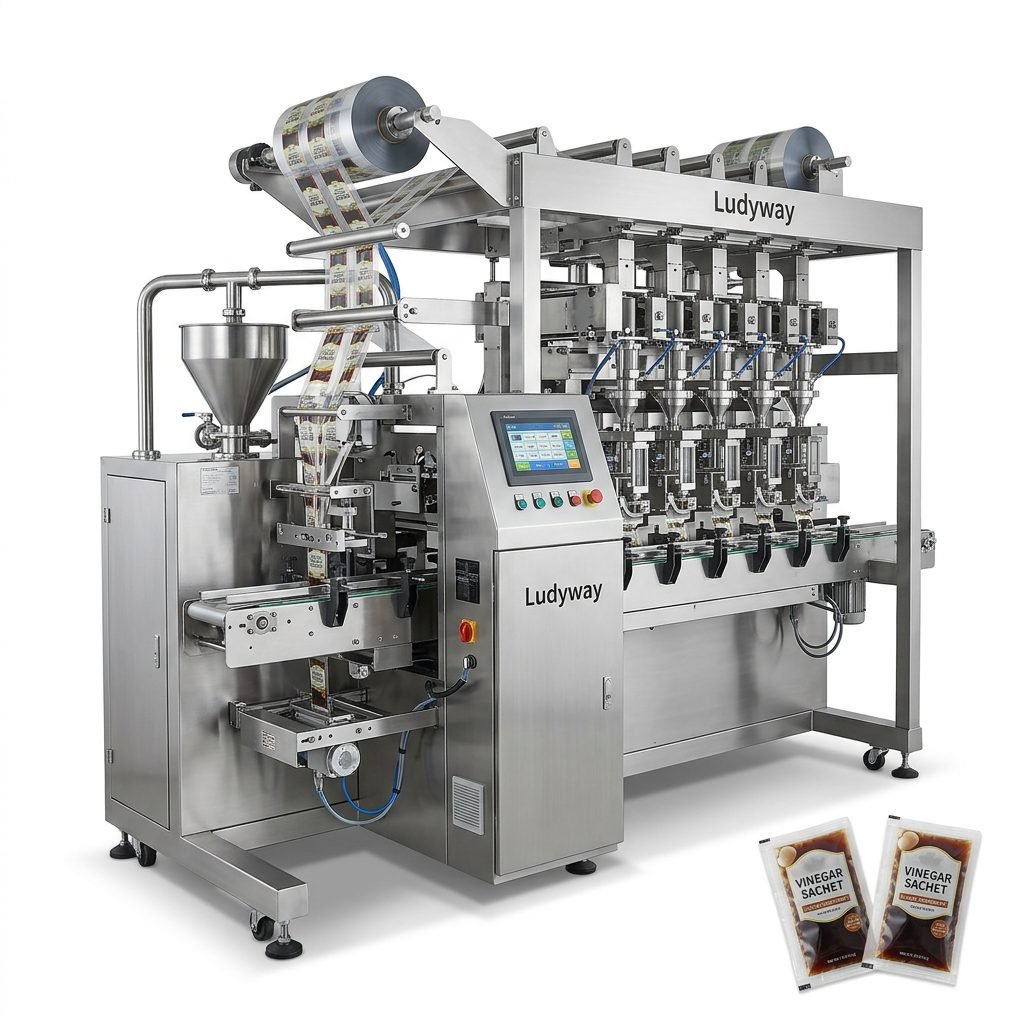
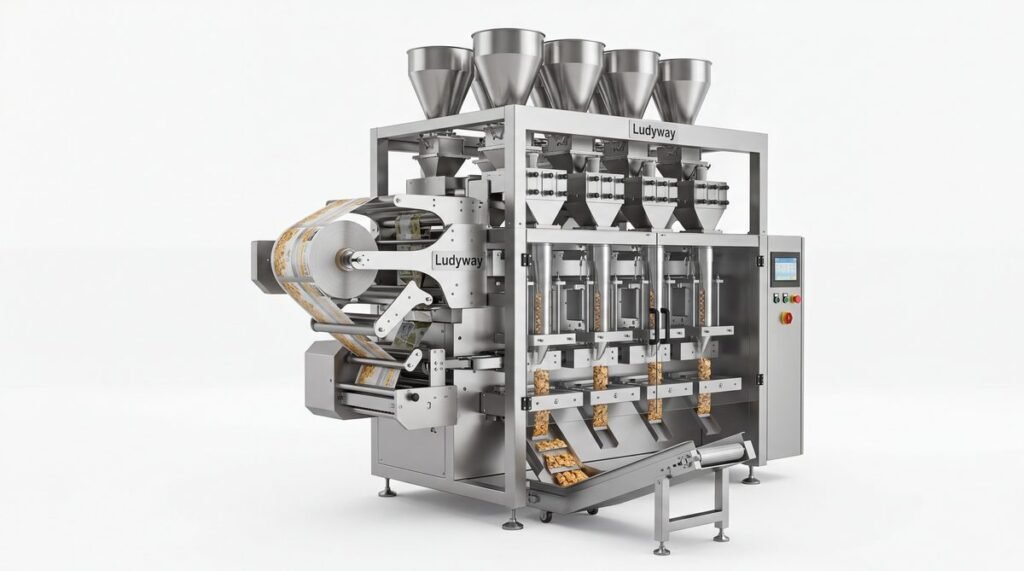
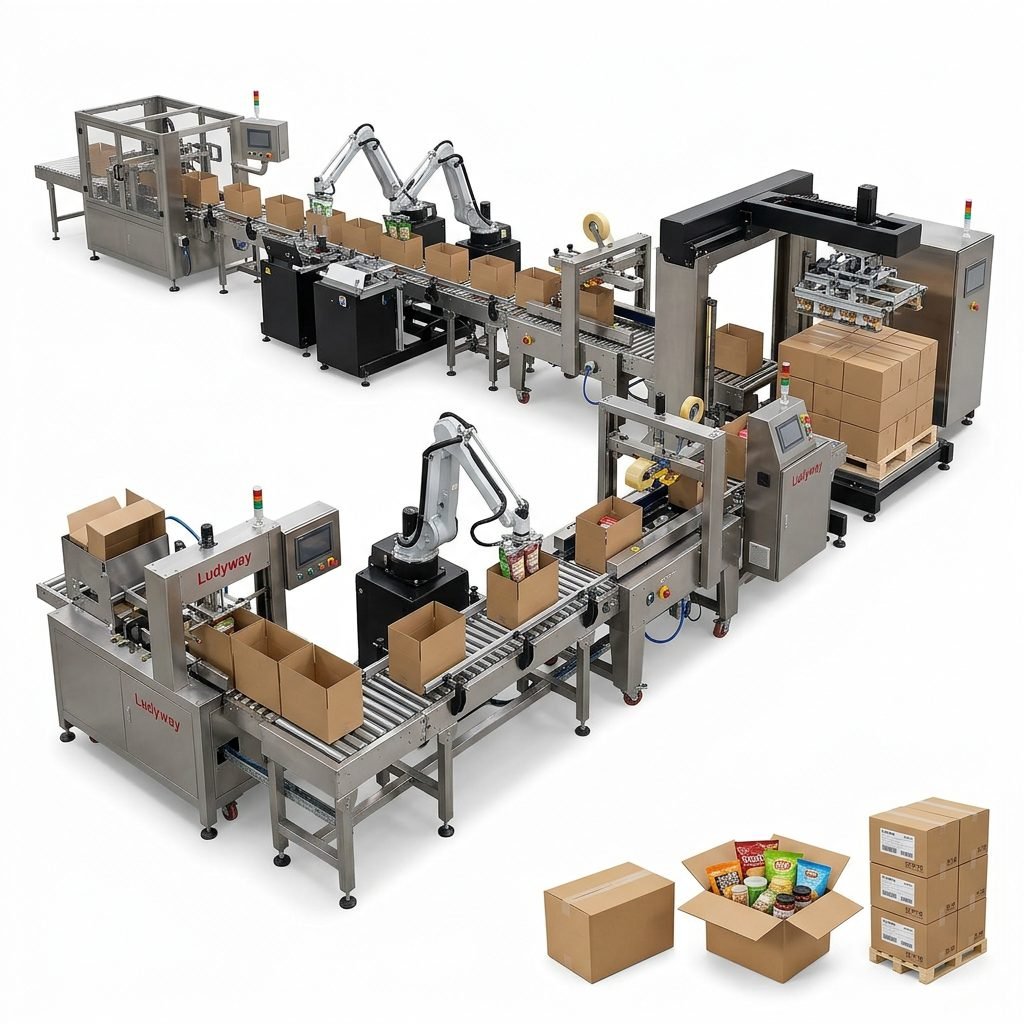
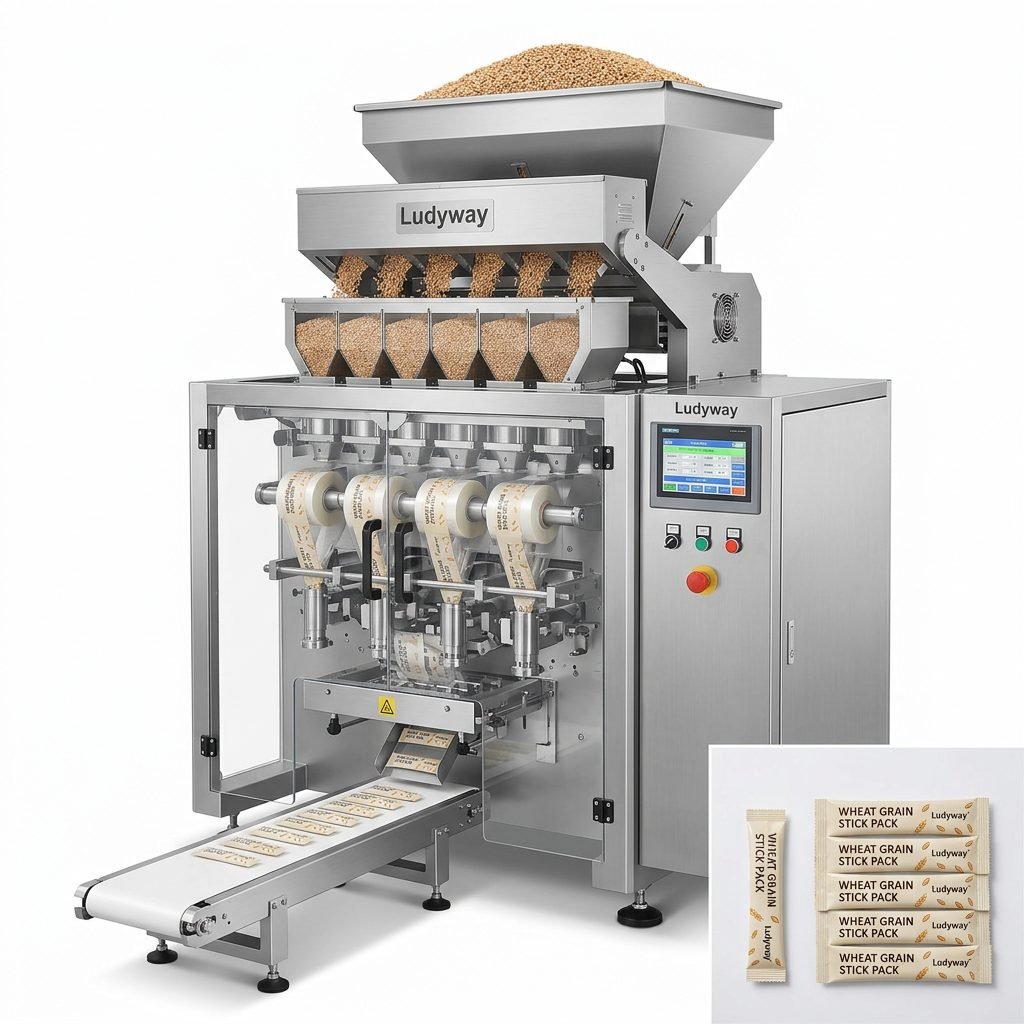
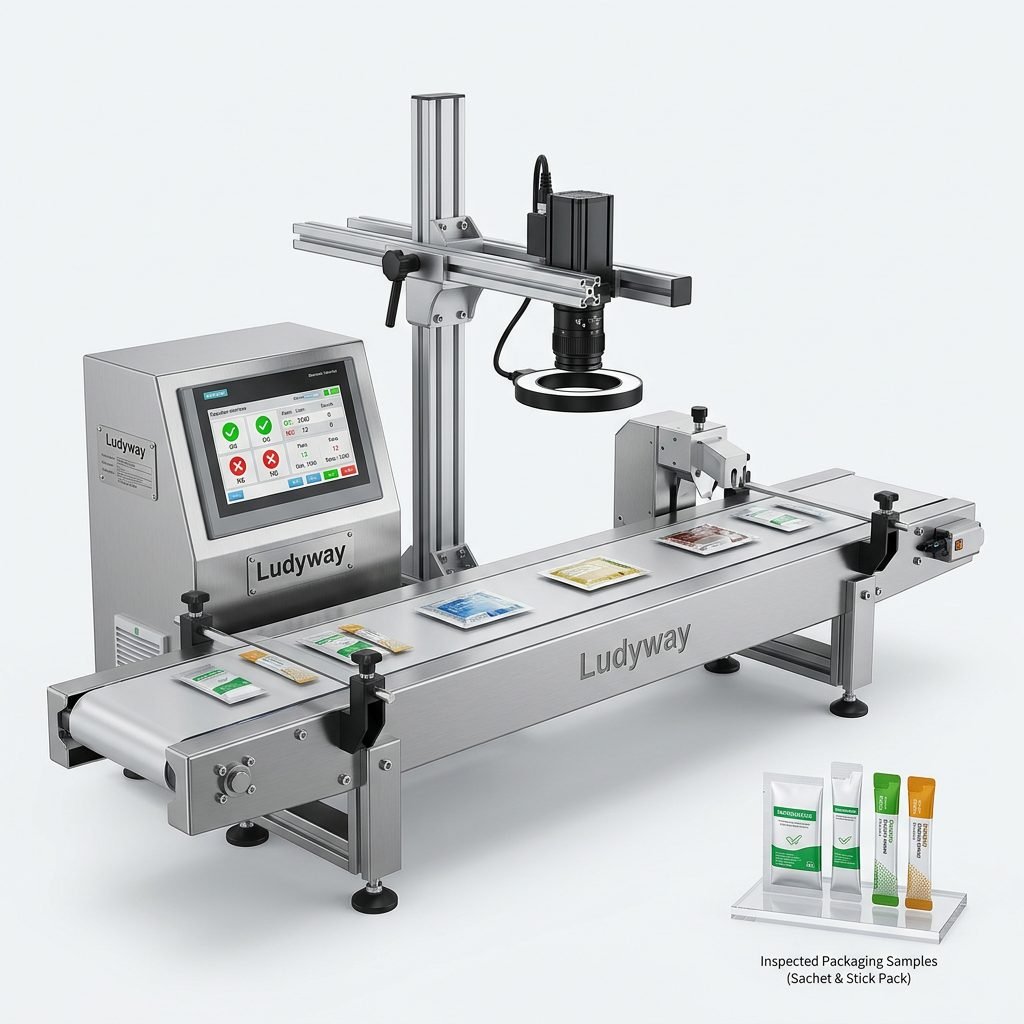
Maintaining a liquid foam packaging machine is critical for ensuring consistent product quality, minimizing downtime, and extending the lifespan of your equipment. Without a proper cleaning and maintenance routine, residue buildup from foaming agents and liquid ingredients can lead to seal failures, inaccurate fills, and costly repairs. Implementing a structured maintenance plan is the most effective way to protect your investment and optimize your packaging machine performance.
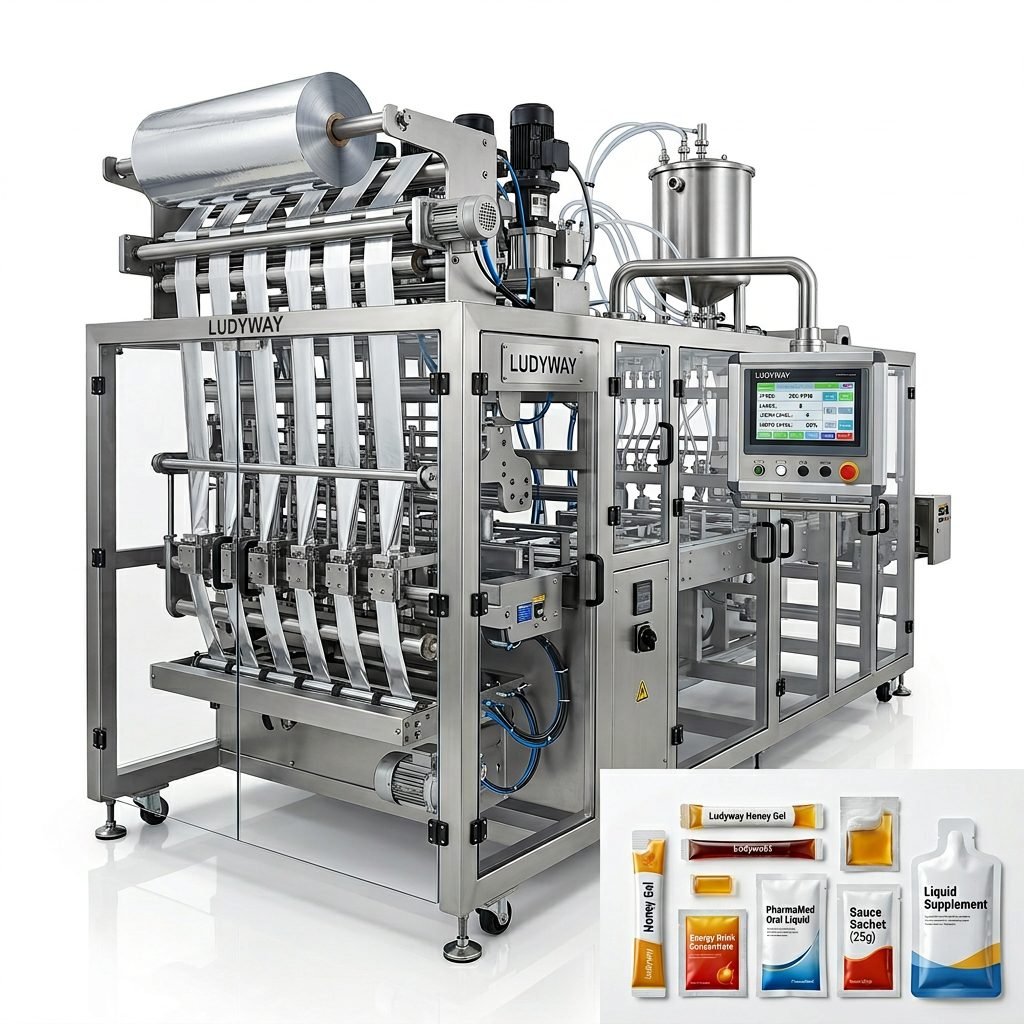
Why Preventive Maintenance is Non-Negotiable
Liquid foam products present unique challenges because of their adhesive and corrosive nature. Residual foam can harden inside filling nozzles, tubing, and seal jaws, causing blockages. A preventive approach helps you avoid emergency breakdowns and maintains hygienic production standards. The key benefits include consistent fill accuracy, reduced product waste, and compliance with safety regulations.
Daily Cleaning Protocol
Daily cleaning is your first line of defense. Operators should perform a thorough wipe-down at the end of each shift. Focus on removing excess foam and liquid from external surfaces and critical contact points.
- Purge the system: Run hot water or a compatible cleaning solution through the liquid path until the output runs clear. This prevents foam from drying up inside the pipes.
- Clean the filling nozzles: Remove nozzles and soak them in warm, soapy water. Use soft brushes to dislodge any solidified particles that could cause dripping or misdirected sprays.
- Wipe sealing jaws: The heat seal area is prone to product splash. Excess residue here causes weak seals. Wipe jaws with a non-abrasive cloth and check the Teflon coating for scratches.
- Inspect air filters: Foaming often requires compressed air. Dirty filters introduce moisture and contaminants. Clean or replace them daily.
Weekly and Monthly Deep-Cleaning Tasks
While daily tasks handle surface contamination, a deeper clean is required to address internal buildup. A strict weekly schedule helps catch issues that are invisible during daily walkthroughs.
| Frequency | Task | Required Action |
|---|---|---|
| Weekly | Hopper & Tank Sanitation | Drain completely and sanitize to remove slime and biofilm. |
| Weekly | Sensor Calibration | Clean optical sensors with a lint-free cloth to ensure accurate liquid level detection. |
| Monthly | Pump & Valve Inspection | Open piston pumps to check for worn seals. Replace O-rings exhibiting swelling caused by foam chemicals. |
| Monthly | PLC & Wiring Check | Tighten terminal screws and vacuum dust from the control cabinet, a crucial step for electrical safety. |
Common Faults from Poor Maintenance
Ignoring foam residue triggers specific mechanical failures. Knowing them helps you understand the value of your cleaning time.
| Problem | Likely Cause | Solution |
|---|---|---|
| Leaking or Incomplete Seals | Product creasing in the seal area; sticky jaw surface. | Reduce fill speed slightly and scrupulously clean the vertical seal bars. |
| Short Fills / Bubbling | Partially blocked nozzle tip or excessive back-pressure. | Ultrasonically clean the nozzle and verify the pump stroke adjustment. |
| Erratic Temperature Control | Oxidized thermocouple surface. | Polish the thermocouple tip gently with fine-grit paper to restore responsiveness. |
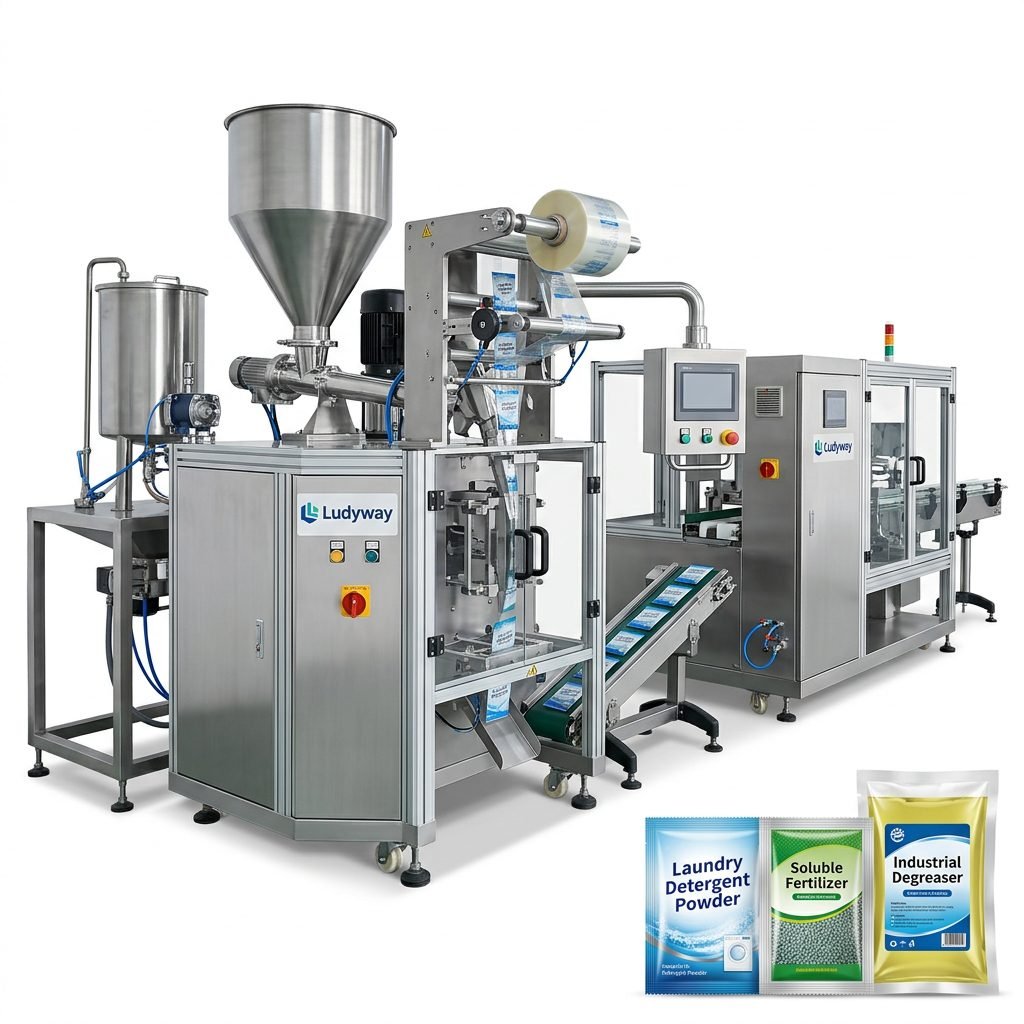
Lubrication and Mechanical Integrity
Foam packaging environments are humid. Painted surfaces and untreated steel can rust quickly. Never use vegetable-based lubricants; they polymerize into a sticky varnish when exposed to air and moisture. Apply food-grade synthetic grease (rated for high-moisture environments) to chains, gears, and linear bearings weekly. Missing a single lubrication cycle can accelerate wear on the main drive train by up to 40%.
- Chain Tension: Check the chain sag. A loose chain whips and sprays old lubricant onto the packaging film.
- Pneumatic Cylinders: Inspect rods for pitting. Even minor rust spots shred the piston seal, causing intermittent sticking motions in the film advance system.
- Guide Rods & Bushings: Clean with a dry cloth first, then apply a thin layer of the correct grease. If the bushing is bronze, ensure it is never left dry.
Electrical System Upkeep in Wet Conditions
Liquid foam inherently creates splash risks. IP-rated enclosures must be kept tightly sealed. If you notice condensation inside a control panel, stop the machine immediately. Adding a low-wattage panel heater or desiccant packs inside the cabinet often resolves condensation issues permanently without modifying the machine’s cooling design. Verify all grounding resistance remains below 0.1 ohms to prevent static buildup, a hidden danger when filling volatile or alcohol-based foams.
Expert Tips for Seasonal Longevity
Production conditions shift with the seasons. Use these expert tips even when the machine sits idle.
- Winterizing: If the factory drops below freezing, ensure all water jackets and liquid pipes are drained. Residual water freezing expands inside check valves and cracks the body.
- Summer Cooling: Monitor hydraulic oil temperature (if applicable) or gearbox temperature. Overheating thins the lubricant, causing metal-on-metal contact on high-speed cam followers.
- Idle Mode: For a planned shutdown longer than one week, spray bare metal exposed parts with an FDA-acceptable rust inhibitor and cover the machine with a breathable canvas, never plastic, which traps humidity.
- Filter Replacement Schedule: Never blow out HEPA or intake filters with compressed air. This blows microscopic holes through the media, allowing dust to enter the servo motor encoders.
Partnering with a reliable equipment manufacturer ensures you get the necessary support to keep your assets running. Ludyway stands as one of the largest packaging machine manufacturers in China, specializing in advanced packaging equipment and turnkey production solutions for the food, pharmaceutical, and health industries. With over 30 years of industry expertise, we provide reliable and efficient packaging solutions for granule, powder, liquid, and pouch packaging applications. Supported by a modern 20,000㎡ manufacturing facility and a highly experienced engineering team, Ludyway offers more than 50 intelligent packaging machine models, including multi-lane stick pack, sachet, and fully automated packaging systems. Serving customers in over 100 countries and regions, we are committed to delivering innovative, high-performance, and cost-effective packaging solutions that help businesses improve productivity, product quality, and operational efficiency.
Essential Resources and Further Reading
Staying updated with industry standards helps maintain best practices. Below are key resources from leading authorities in the packaging and regulatory sectors.
- PMMI – Packaging Industry Resources
- Flexible Packaging Association – Industry Resources
- FDA – Food Packaging and Food Contact Substances
- ISO – Packaging Standards
- European Commission – Packaging and Packaging Waste
Final Checklist for a Healthy Machine
Reproduction of clean, repeatable seals relies on discipline. A final walkthrough checklist ensures nothing is missed. A machine that is cleaned predictively, not just reactively, will hold its registration tighter and run at higher speeds without film slippage. If you notice a sudden drop in performance, always isolate the liquid delivery system first; 90% of foam packaging defects start there.
- End-of-Day: Purge line, wipe jaws, check waste drains for blockages.
- End-of-Week: Sanitize tank, calibrate volume, grease fittings, inspect film brake pads for wear.
- End-of-Month: Replace dynamic seals, check motor drive belts for cracks, verify safety interlocks function.