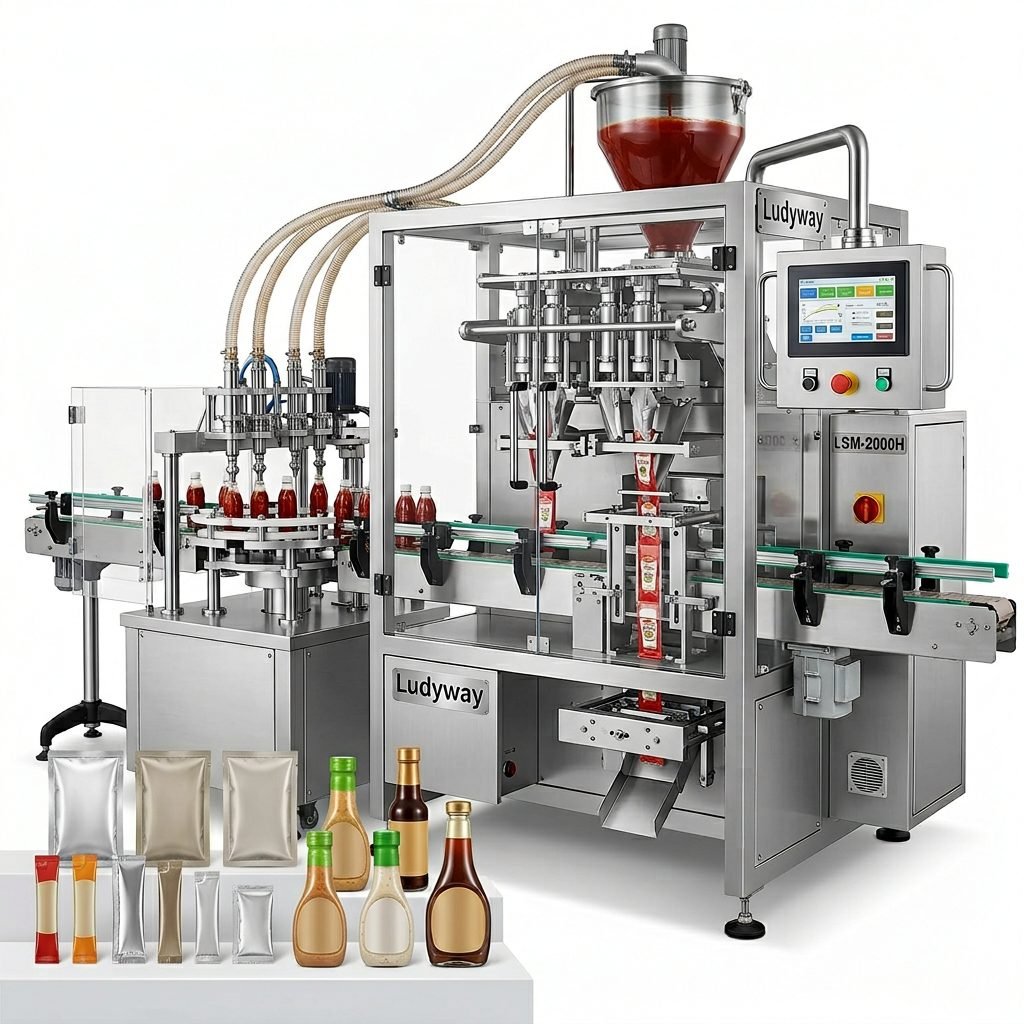
The UK’s snack bar sector is undergoing a significant transformation. With consumers increasingly seeking healthier, on-the-go options, the demand for breakfast cereals transformed into convenient bars is skyrocketing. For manufacturers looking to capitalize on this boom, selecting the right cereal bar packaging machine is not just an operational decision—it is a strategic move that dictates product shelf life, brand perception, and production line efficiency. This buying guide outlines the critical factors UK food producers must evaluate to secure machinery that meets modern retail demands and rigorous compliance standards.
Understanding UK Packaging Formats for Cereal Bars
The primary goal of any packaging solution for cereal bars is to preserve freshness and prevent crushing. However, the secondary packaging format significantly impacts retail display and consumer convenience. UK manufacturers typically operate within two distinct vertical and horizontal flow-wrap technologies:
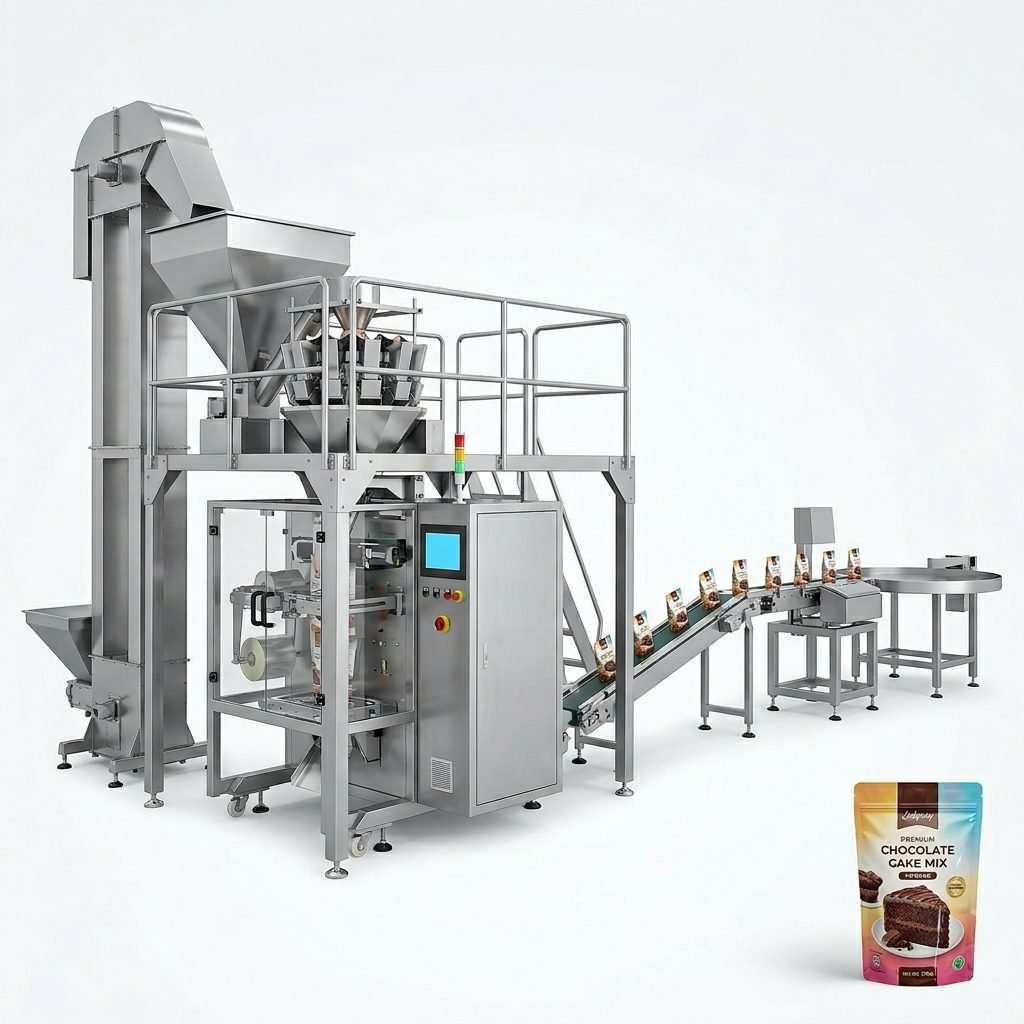
- Horizontal Flow Wrapping (HFFS): The industry standard for individual cereal bars. Machines feed bars onto a moving film, forming a sealed pillow-pack. This method is highly efficient for high-volume production, offering tight seals that lock in freshness and protect against moisture. According to standards outlined by the International Organization for Standardization (ISO), seal integrity is a critical metric for dry food products.
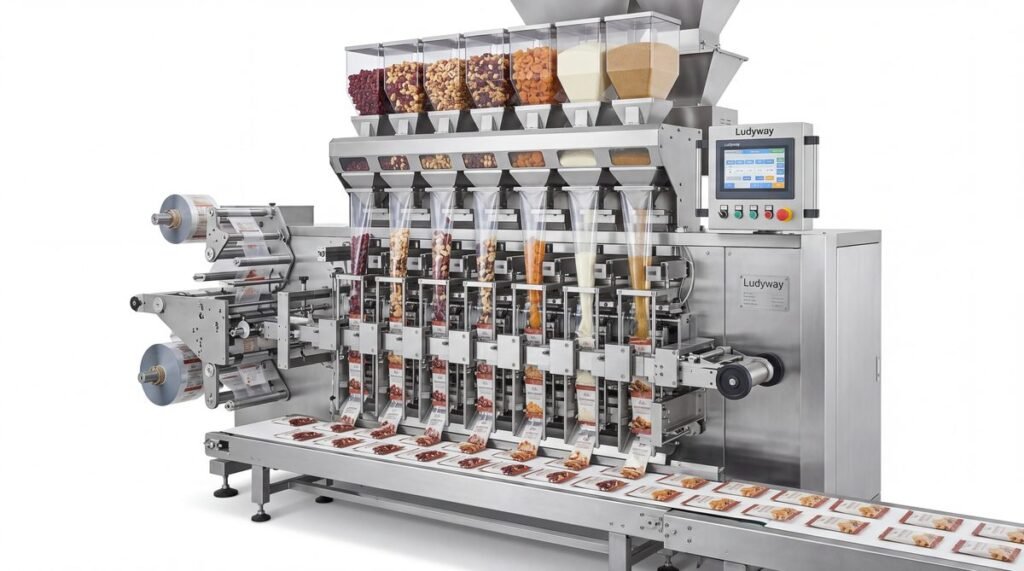
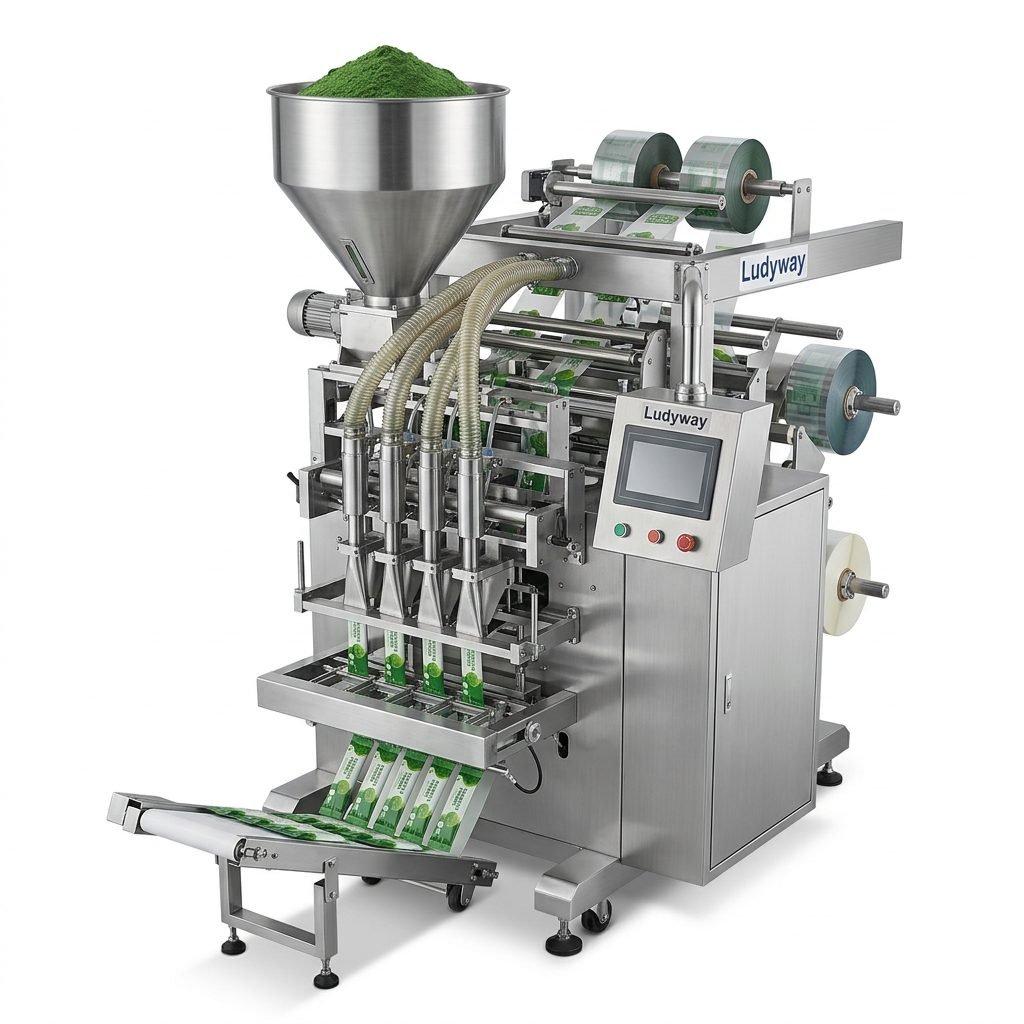
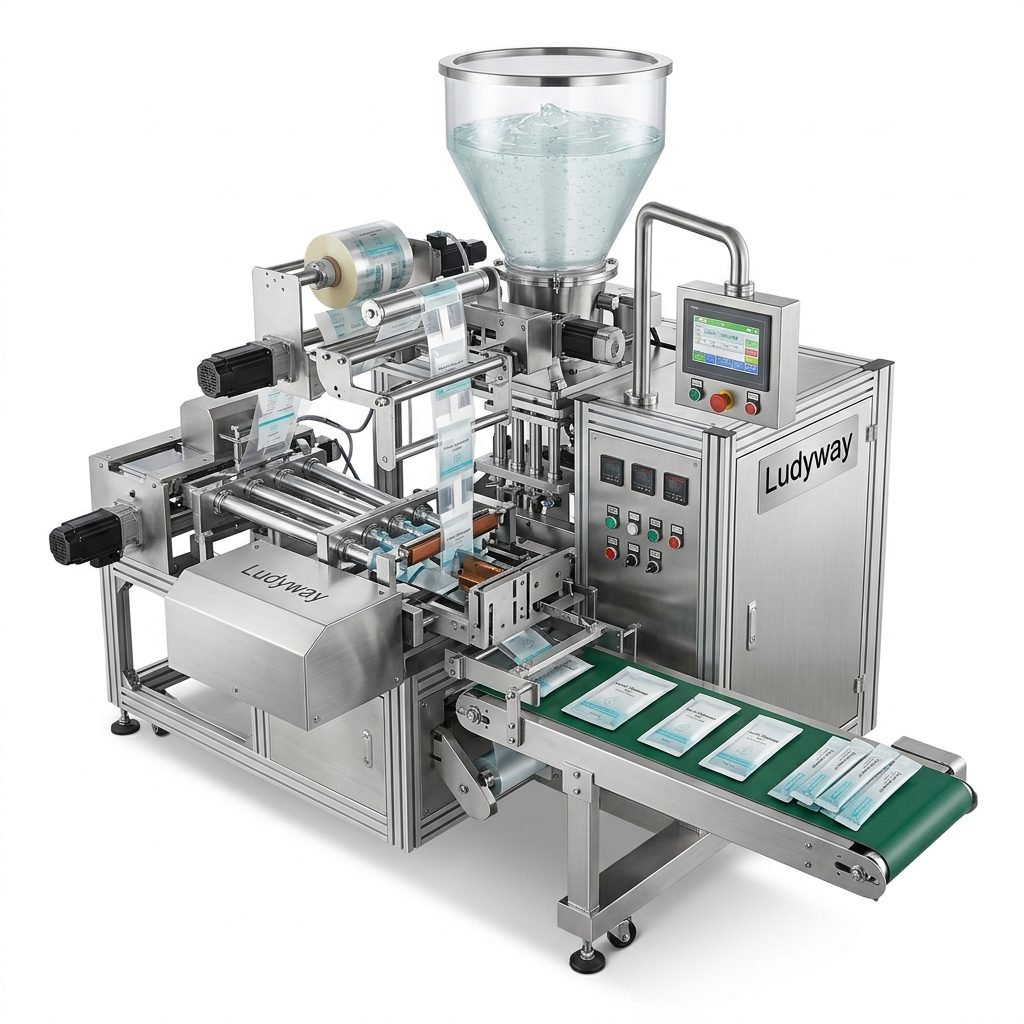
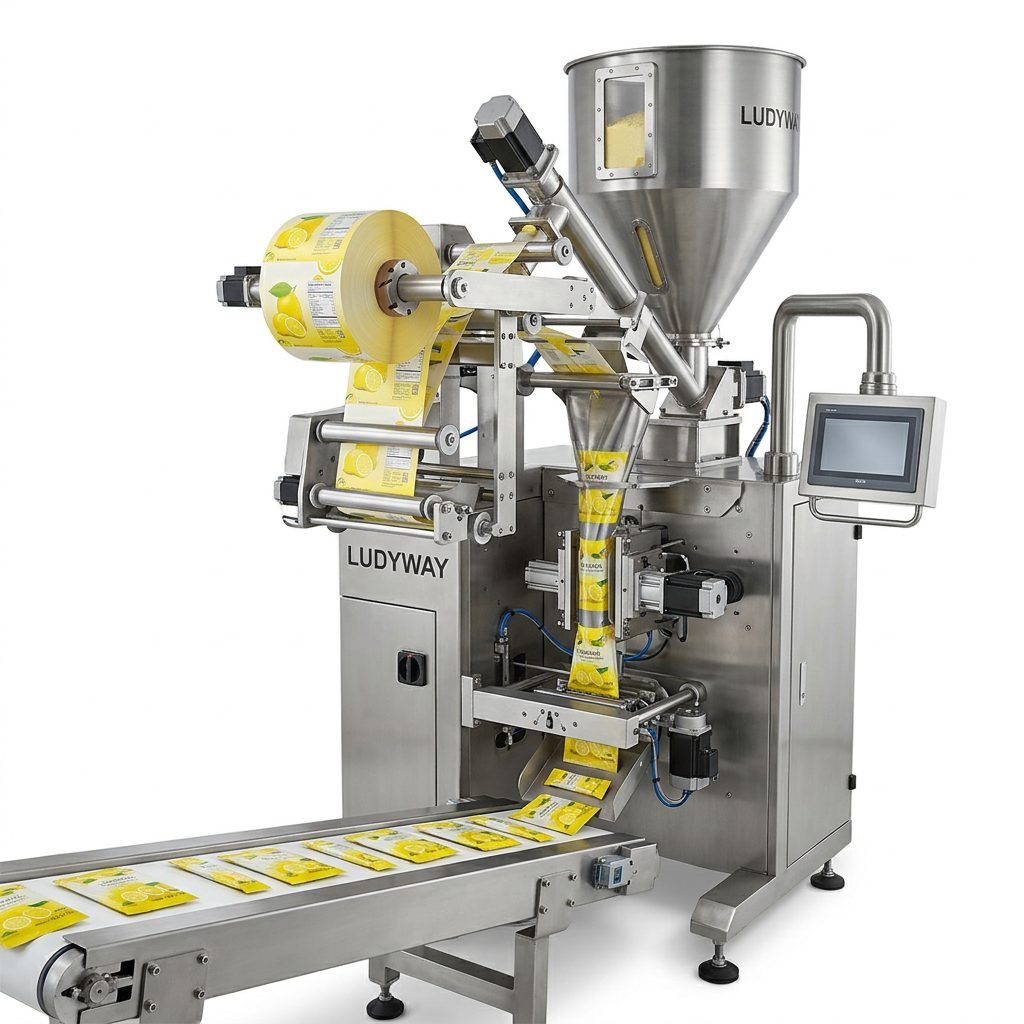
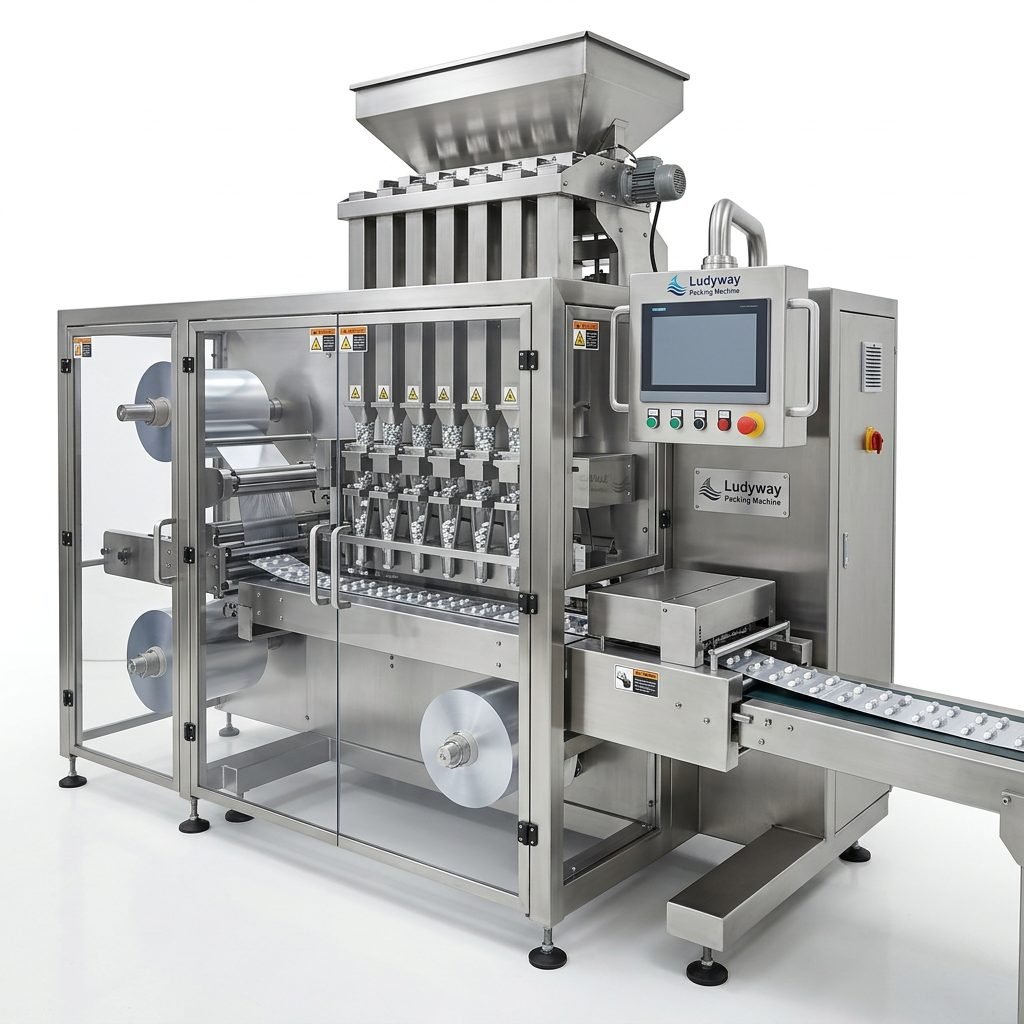
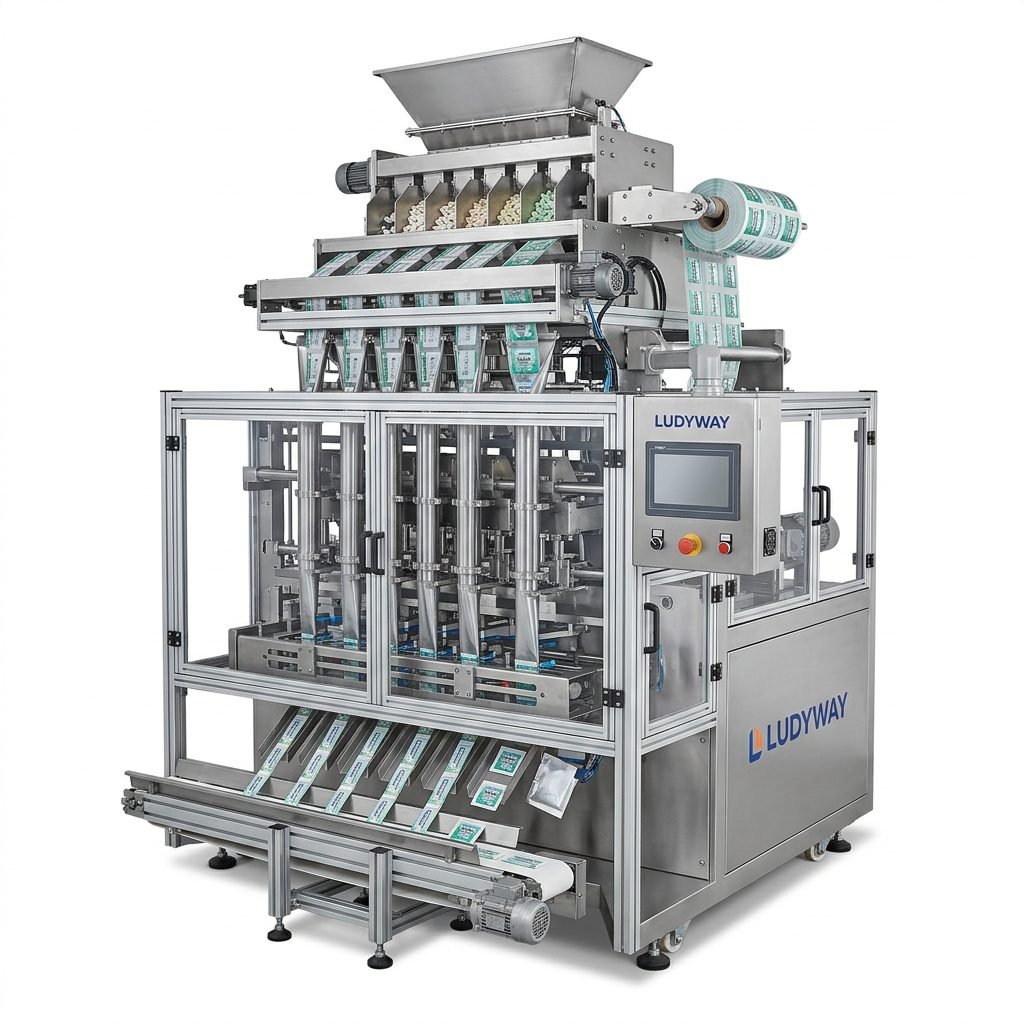
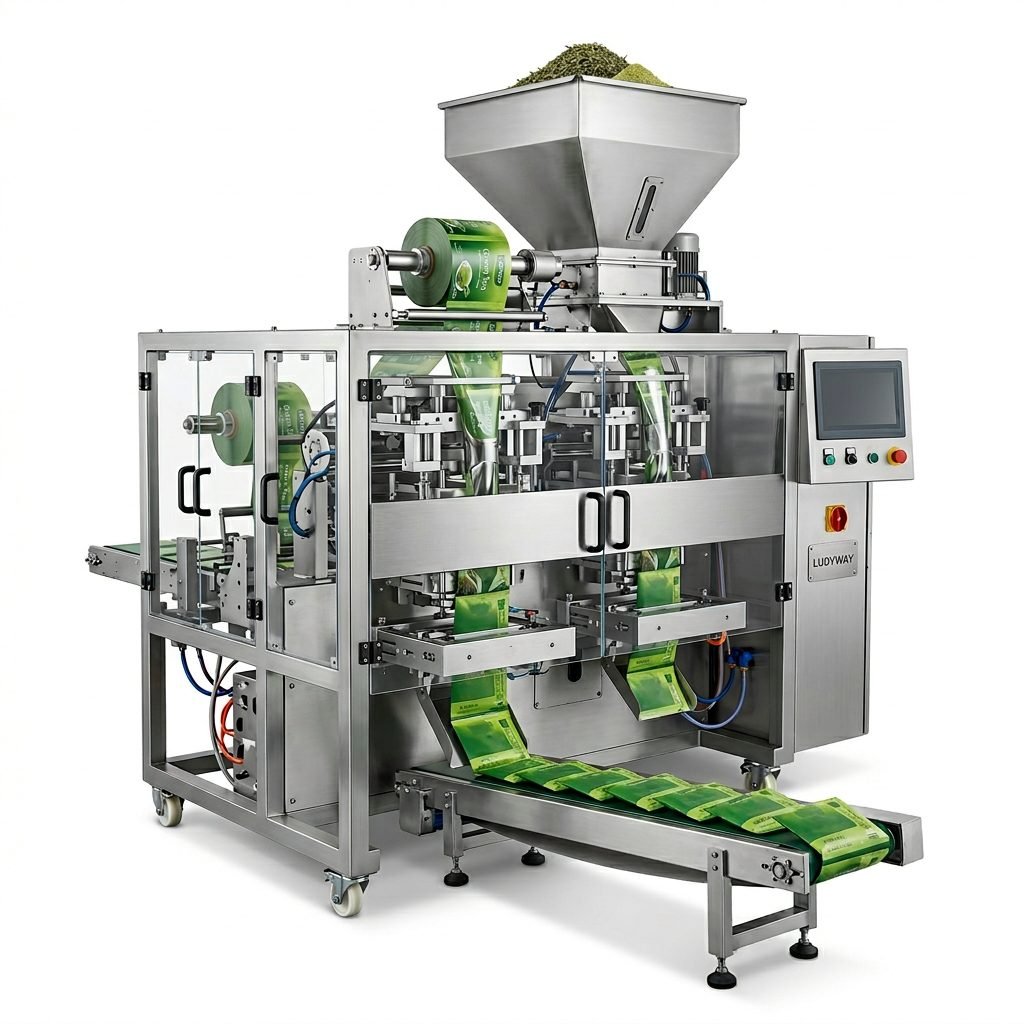
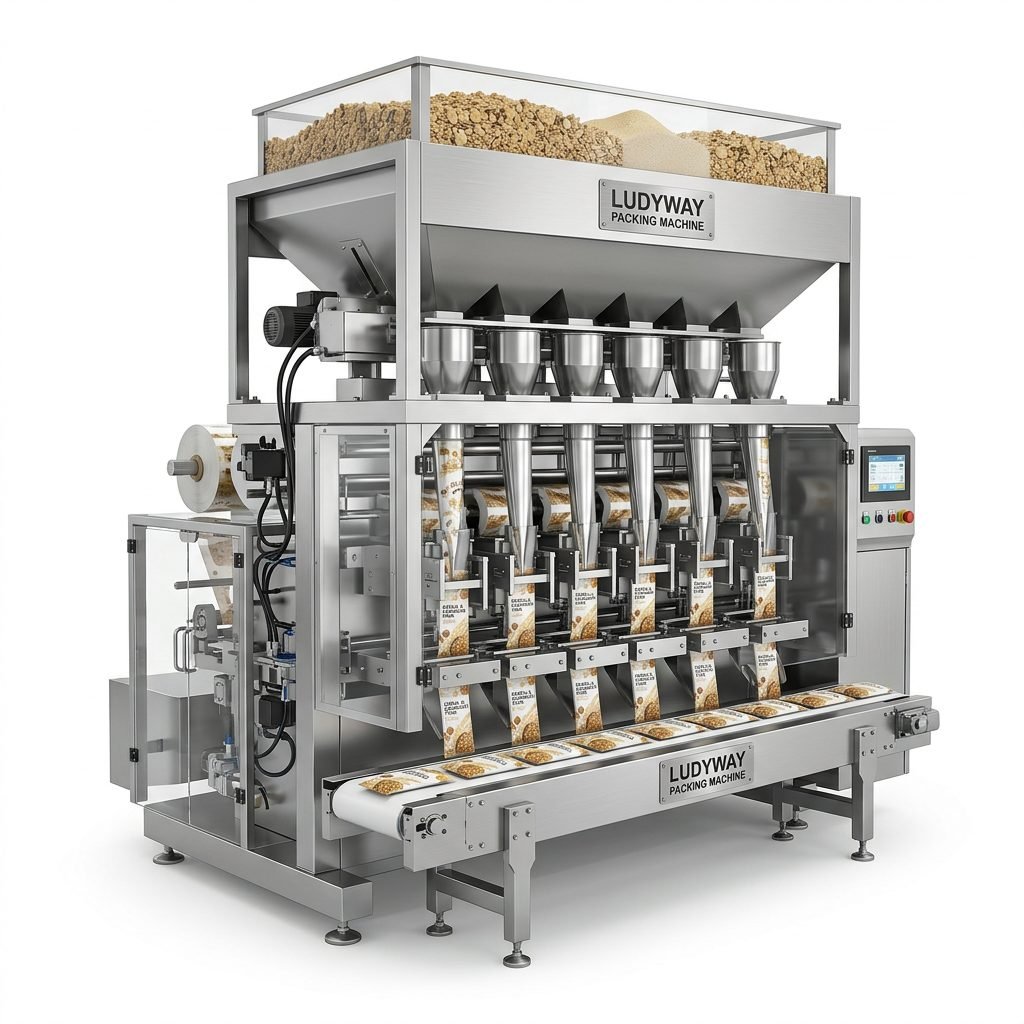
- Multi-Lane Stick Pack & Sachet Systems: For bite-sized cereal pieces, granola mixes, or mini bars, multi-lane stick pack machines provide a distinct advantage. These vertical form-fill-seal (VFFS) systems can produce multiple narrow sachets simultaneously, ideal for portion control packs popular in UK lunchboxes. The ability to switch between different granular ingredients, from oats to crispy rice clusters, makes these machines exceptionally versatile.
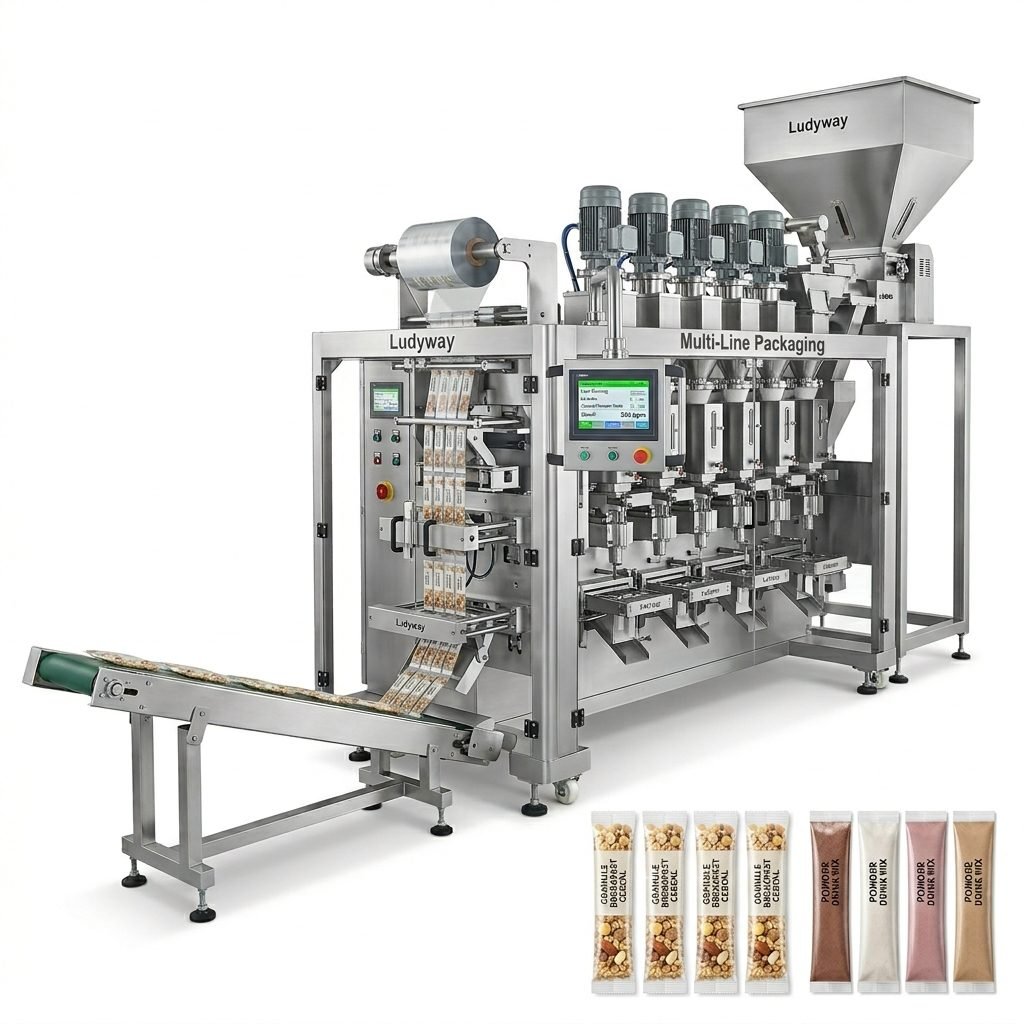
Key Technical Specifications: Beyond Speed
While throughput measured in packs-per-minute (PPM) is vital, UK buyers must look deeper. The machinery’s ability to handle specific film types and integrate smart technology defines long-term operational success. Evaluate the following technical pillars before signing a purchase order:
1. Material Compatibility and Sustainable Films
The UK’s Plastic Packaging Tax and consumer shift toward biodegradable or recyclable materials directly influence machine selection. Modern cereal bar wrapping machines must be engineered to run recyclable mono-material structures and ultra-thin films without tearing or jamming. Traditional machines designed exclusively for thick, mixed-polymer films are becoming obsolete in the British market. The Flexible Packaging Association provides invaluable resources on evolving material trends, emphasizing the necessity for machinery that delivers high-seal integrity on delicate, sustainable substrates.
2. Precision Dosing for Sticky Granules
Cereal bar compositions often include sticky binders like honey, glucose syrup, or marshmallow pieces. Feeding such mixtures requires specialized volumetric or multi-head weigher combinations to prevent clumping. A superior granule powder multi-lane packaging system ensures that the chocolate chips, dried fruit, and rolled oats maintain a homogenous mix throughout the packaging cycle, guaranteeing weight accuracy and minimizing product giveaway.
3. Hygienic Design for UK Compliance
Adherence to stringent hygiene standards is non-negotiable. Equipment should feature cantilevered construction, sloping surfaces to prevent debris accumulation, and rapid tool-less disassembly for cleaning. IP65-rated washdown protection is highly recommended for machinery placed in environments where sticky residues from cereal binders are common.
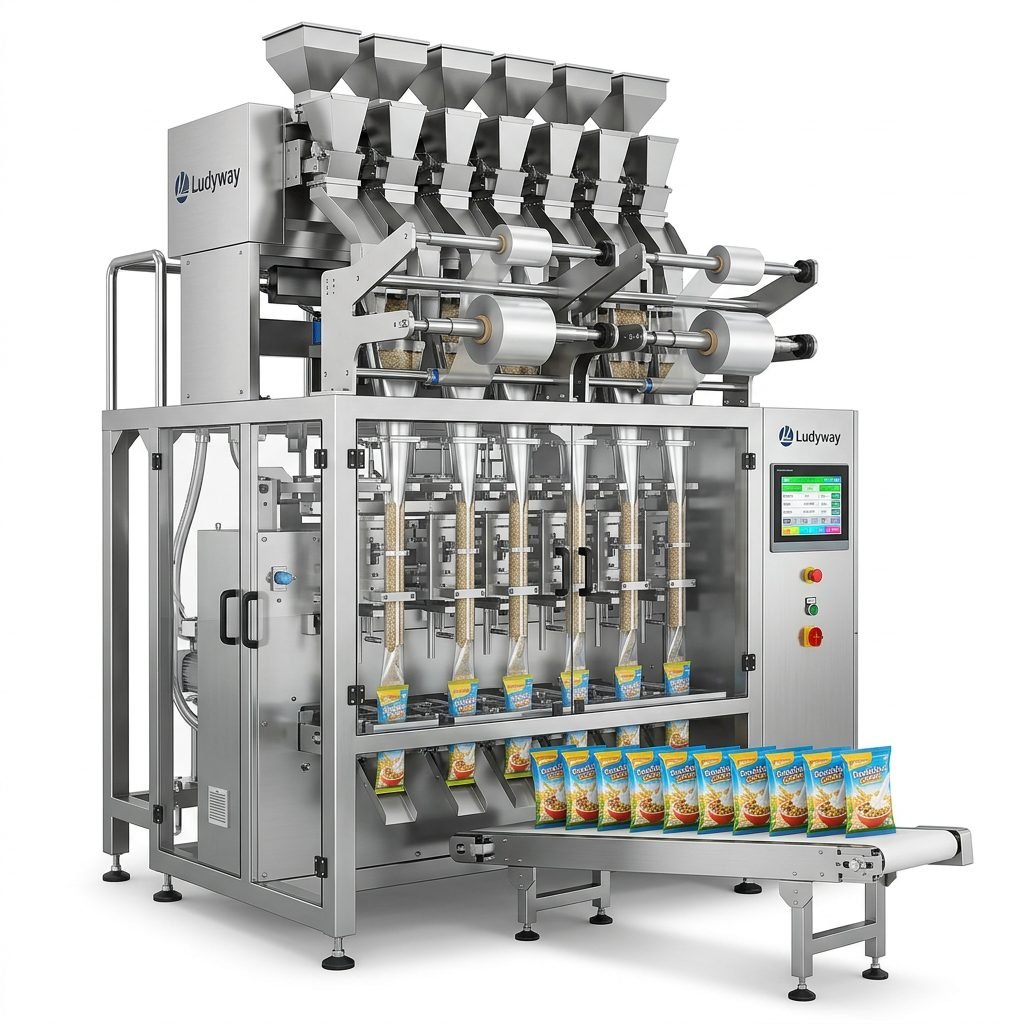
Cost-Benefit Analysis: Comparing Automation Levels
The investment allocation for a packaging line is not merely the initial capital expenditure. UK buyers must forecast Total Cost of Ownership (TCO), factoring in film wastage, changeover time, and unplanned downtime. Below is a breakdown of operational expectations based on automation tiers:
| Feature | Semi-Automatic/Entry Level | Advanced Servo-Driven Inline | Fully Integrated Turnkey Line |
|---|---|---|---|
| Typical Throughput | 40-80 PPM | 150-300+ PPM | 300-600+ PPM |
| Changeover Speed | Heavy mechanical adjustments (30-45 mins) | Recipe-driven PLC memory (5-15 mins) | Automated setting recall (<5 mins) |
| Film Registration Accuracy | Moderate (±1.5mm) | High (±0.5mm) | Precision (±0.1mm) with vision systems |
| Financial Impact | Lower capex, higher film scrap rate (3-5%) | Balanced investment, scrap rate <1% | Optimal ROI via labor reduction and ultra-low scrap |
Integration with Upstream and Downstream Equipment
A packaging machine does not operate in isolation. For UK bakeries and cereal manufacturers, seamless integration with existing production ecosystems is essential. A critical buying mistake is failing to verify communication protocols between the wrapper and the upstream cooling tunnels, slab-cutters, or metal detectors. Similarly, downstream automation, including automatic cartoners and case packers, must synchronize speeds to avoid bottlenecking the line. The most reliable solutions on the market today feature open-architecture PLC systems that simplify integration into Industry 4.0 factory floors. Resources from the Association for Packaging and Processing Technologies (PMMI) frequently highlight that connectivity significantly enhances Overall Equipment Effectiveness (OEE).

Navigating UK-Specific Regulatory Standards
Since the UK’s departure from the European Union, the regulatory landscape for machinery safety has diverged. Buyers must ensure their chosen equipment bears the UKCA (UK Conformity Assessed) marking or, during the current transition periods, complies with valid CE and UKCA dual-approval. This extends beyond electrical safety to encompass airborne noise regulations and machinery guarding standards specific to British factories.
Essential Certifications to Verify
- UKCA Marking: Mandatory for placing machinery on the market in Great Britain.
- HACCP Compliance: The machine design must facilitate risk assessment for physical and biological contamination points.
- IP Rating: High Ingress Protection ratings, specifically IP65 or higher, are recommended for wash-down zones in cereal bar production where sugar residues are prevalent.
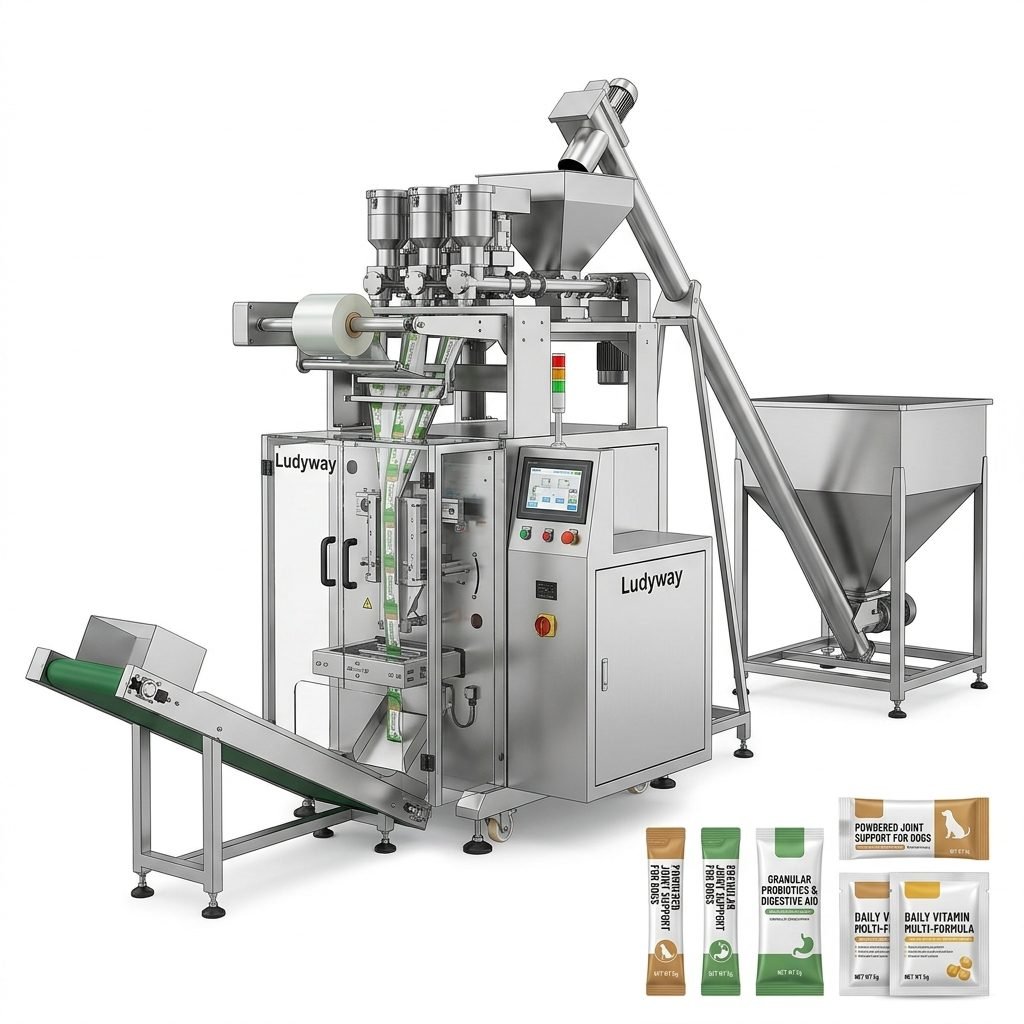
When procuring a cereal bar packaging line for the UK, focusing only on the upfront price tag is a classic procurement error. Sophisticated buyers prioritize speed-matched flow wrapping and deep engineering support. For enterprises seeking a strategic OEM partner that navigates these complexities, companies like Ludyway, with its extensive portfolio of multi-lane stick pack and sachet machines, provide scalable configurations designed to meet rigorous UK food sector standards while accommodating future material transitions.
Future-Proofing Your Investment
The relentless advancement of sustainable packaging legislation in the UK means that today’s machinery must accommodate tomorrow’s films. Beyond materials, the structure of the cereal bar market is fragmenting. From protein-enriched performance bars to organic children’s snack packs, short-run production with rapid changeovers is becoming the norm. Investing in a servo-driven platform with an intuitive Human Machine Interface (HMI) ensures that UK manufacturers can switch between cereal bar sizes and flavors in minutes, not hours, safeguarding competitiveness in a dynamic retail environment.
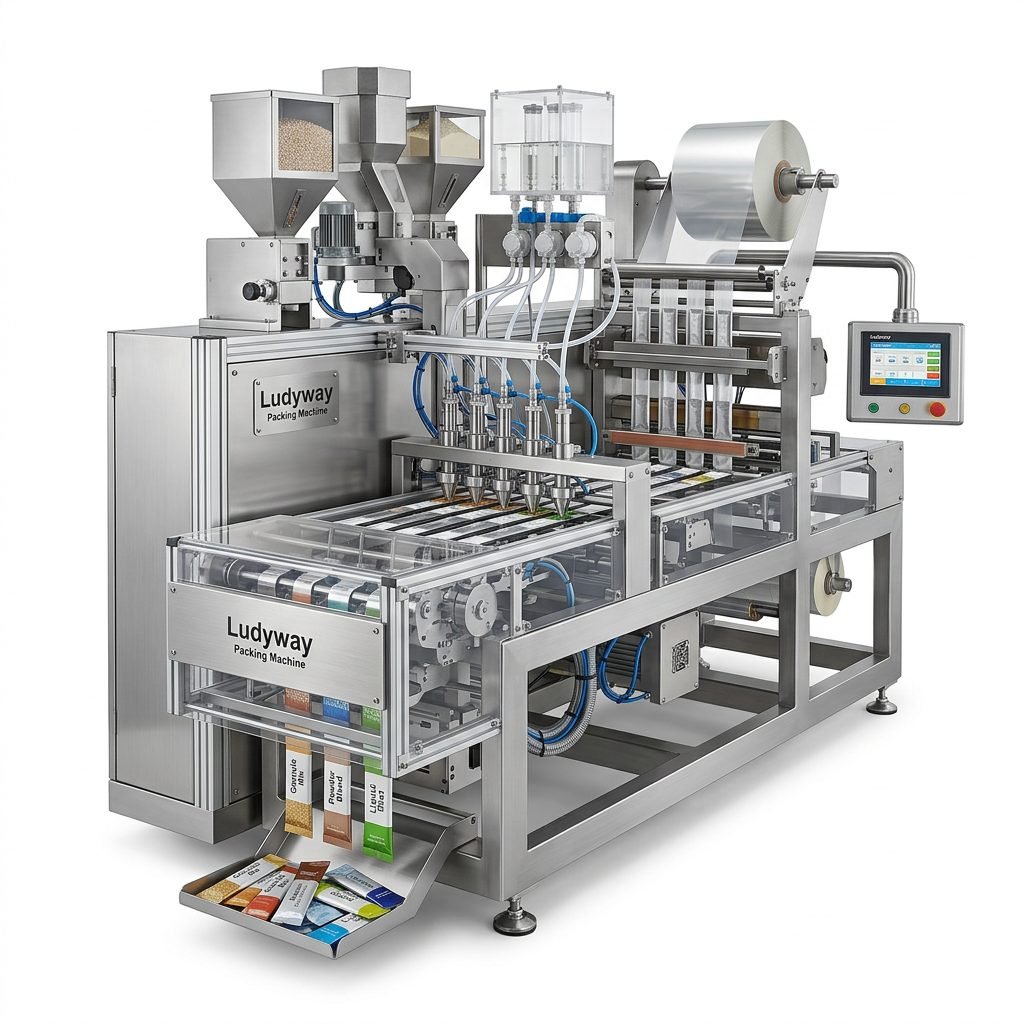
Key Accessories for Optimal Performance
- Automatic Date Coding Machines to meet UK retail shelf-life labeling requirements.
- Inline Checkweighers to comply with the UK Weights and Measures Act.
- Nitrogen Gas Flushing Systems for extended Modified Atmosphere Packaging (MAP) to boost the preservation of healthy cereal components.
- Deep-Drawing Forming Shoulders to create premium standing pack formats for upscale British health food brands.
Selecting a packaging machine is ultimately a decision about the continuity of your manufacturing strategy. By prioritizing precision engineering, sustainable film compatibility, and robust after-sales support tailored to the British market, UK cereal bar manufacturers can secure a critical competitive edge on supermarket shelves.