Investing in the right potato chip packaging machine is one of the most critical decisions for snack manufacturers across the United States. With the salty snack category projected to maintain strong growth through 2026, production efficiency, seal integrity, and shelf-life preservation directly impact your bottom line. This guide walks you through everything you need to evaluate before purchasing a potato chip packaging system for the U.S. market.
Types of Potato Chip Packaging Machines Available in the U.S.
Understanding the different machine configurations helps you match equipment to your production goals. Most U.S. snack manufacturers choose from the following categories:
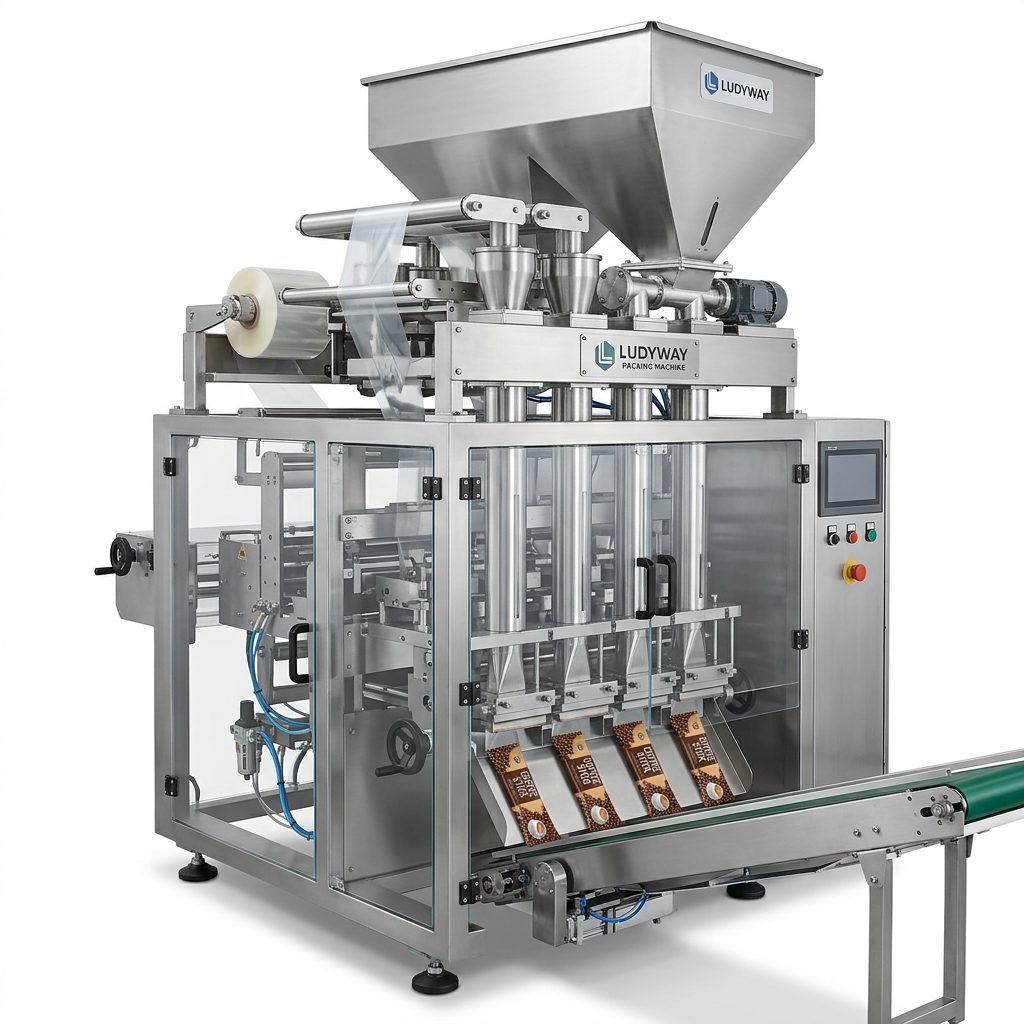
Vertical Form Fill Seal (VFFS) Machines
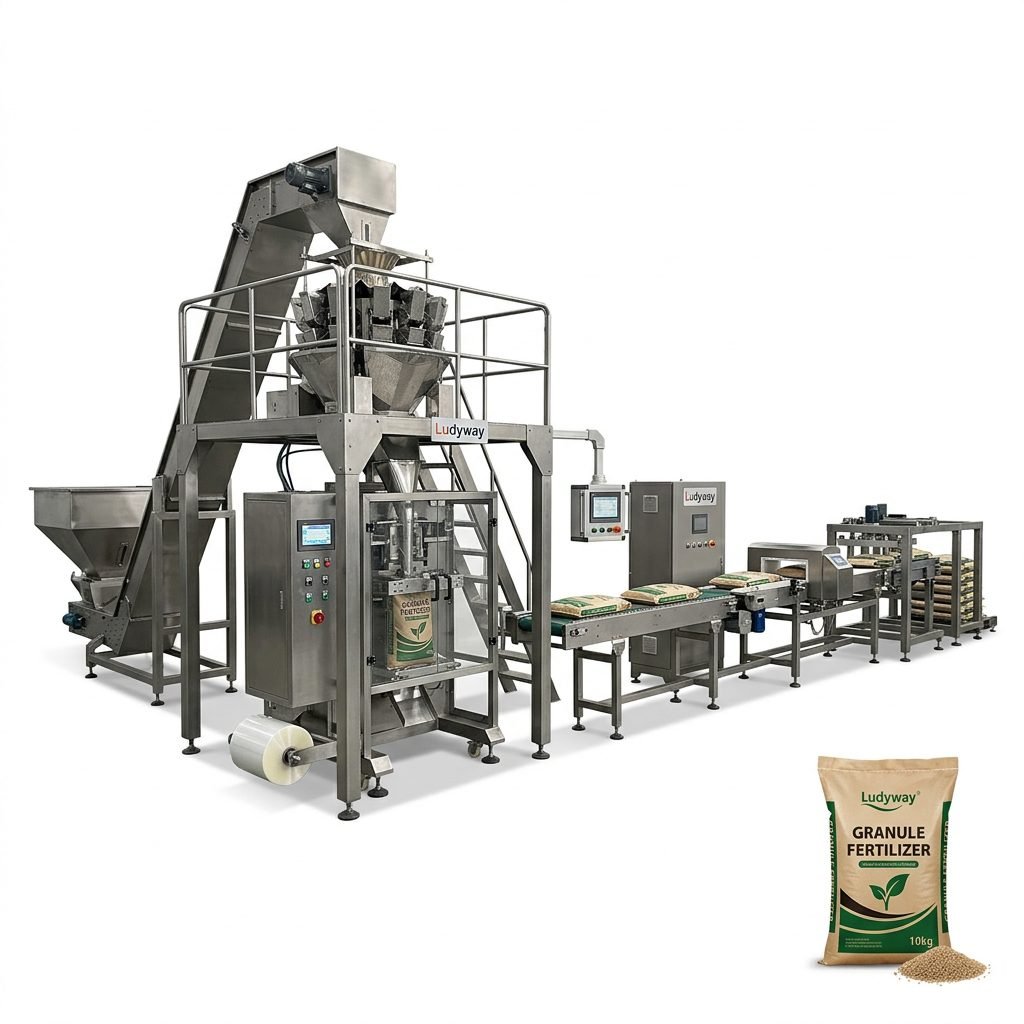
VFFS technology remains the workhorse of the potato chip packaging industry. These machines form a bag from roll stock film, fill it with chips, and seal it in one continuous motion. They handle a wide range of bag styles, including pillow bags, gusseted bags, and quad-seal packs, making them ideal for both retail and food-service formats.
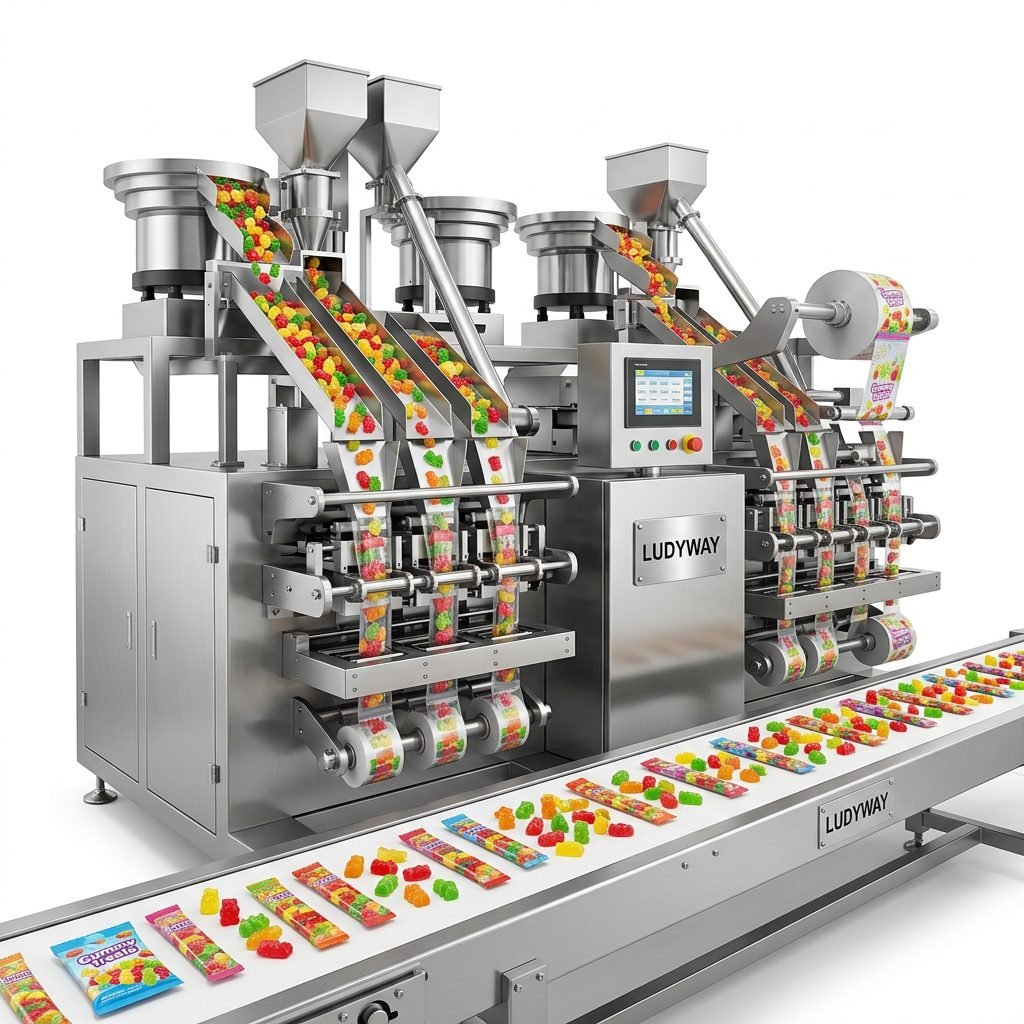
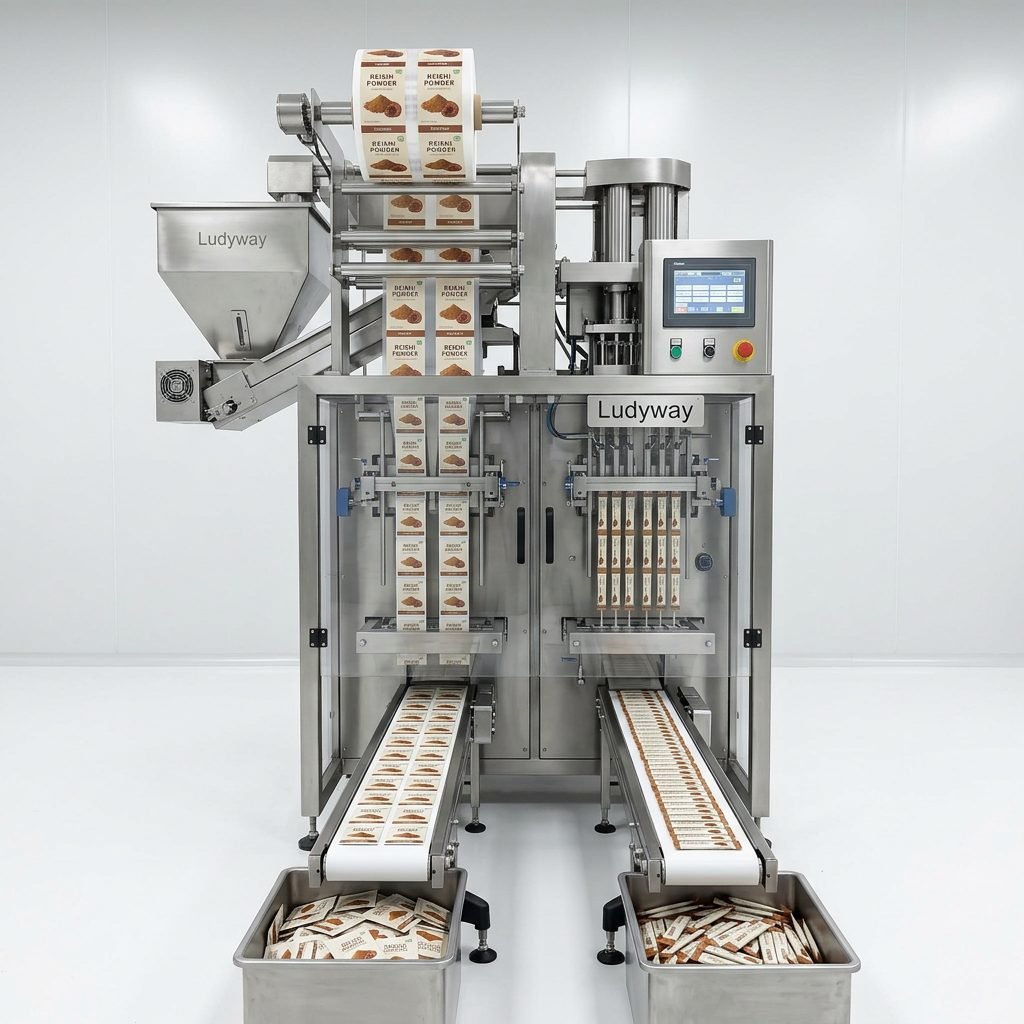
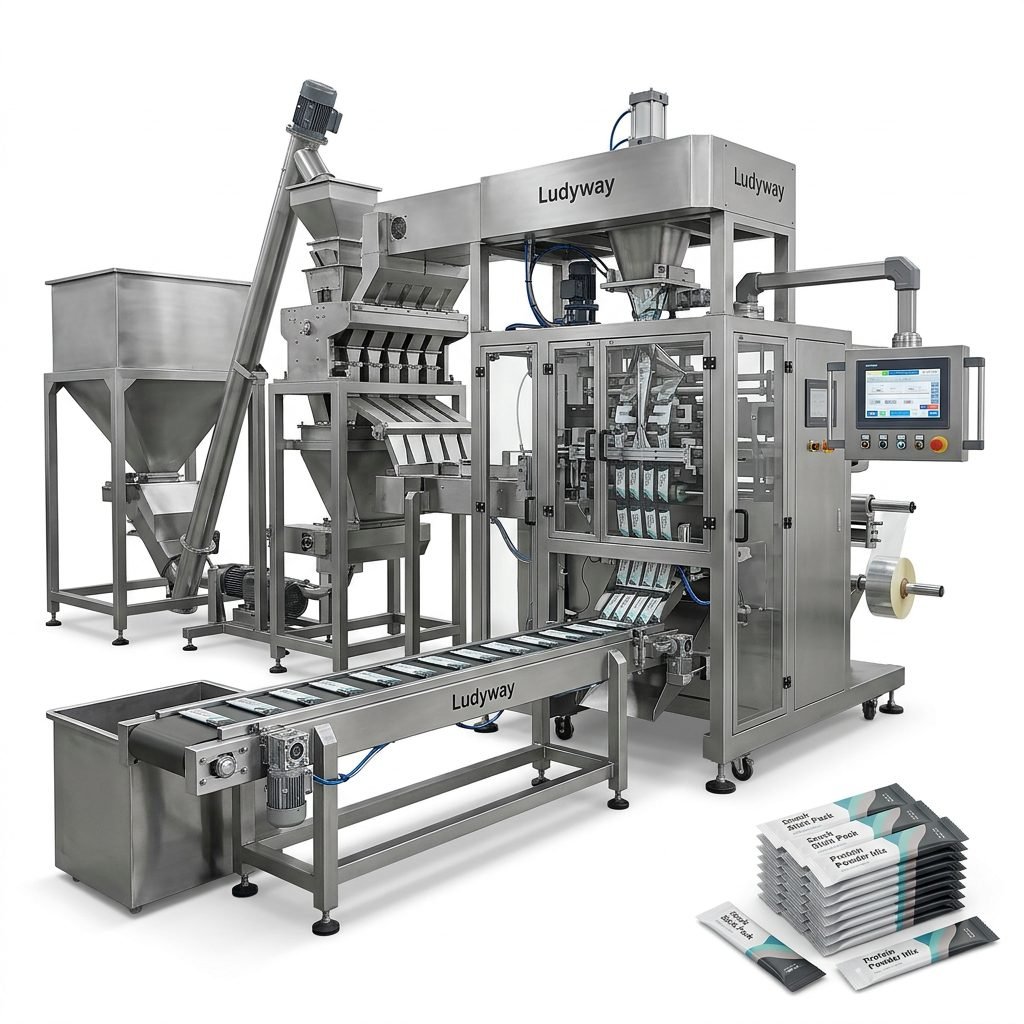
Multi-Lane Stick Pack and Sachet Machines
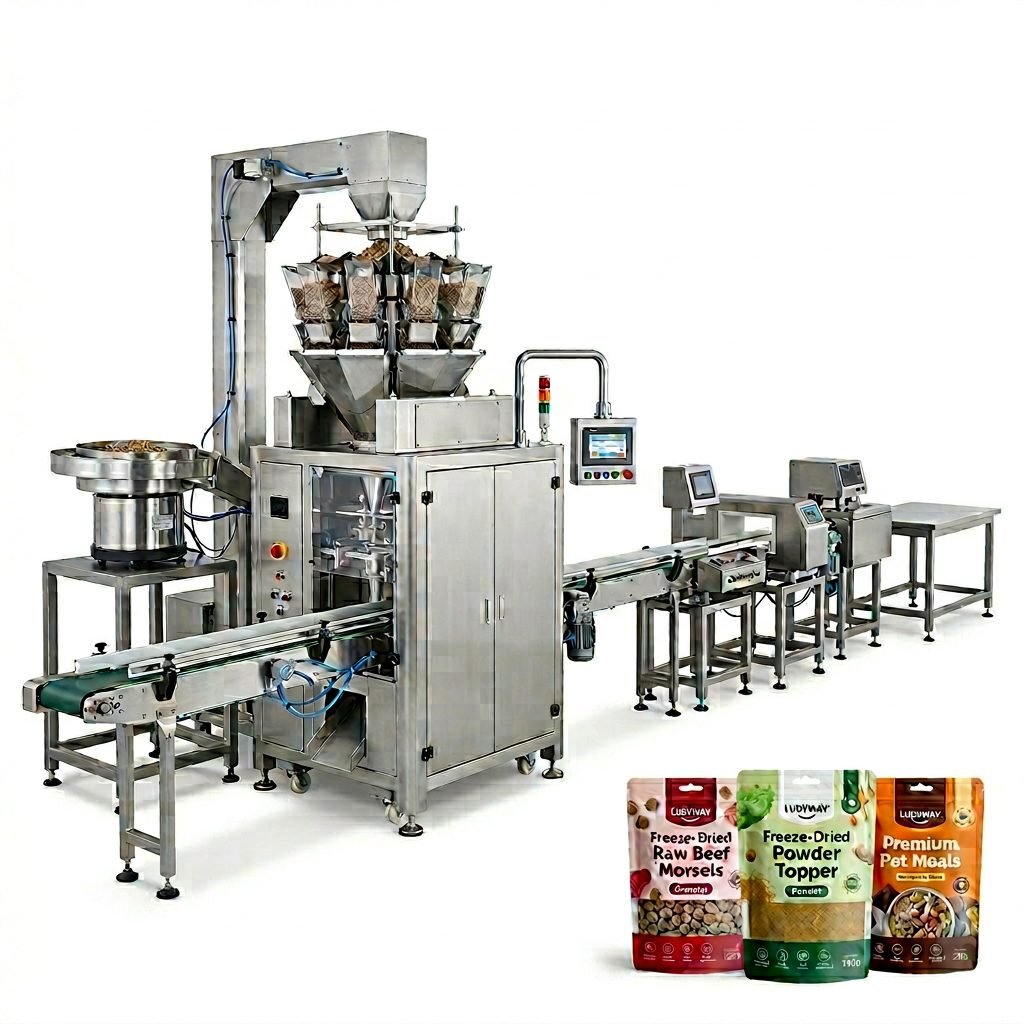
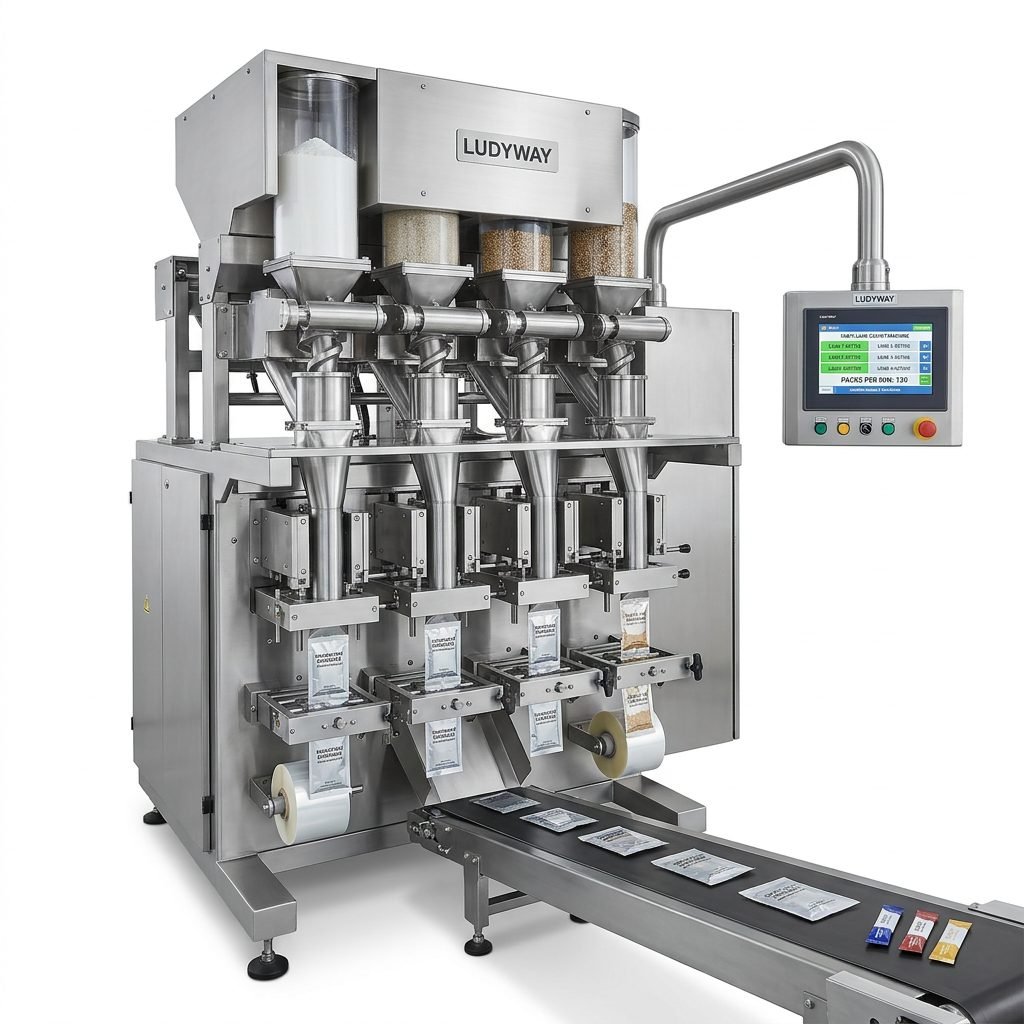
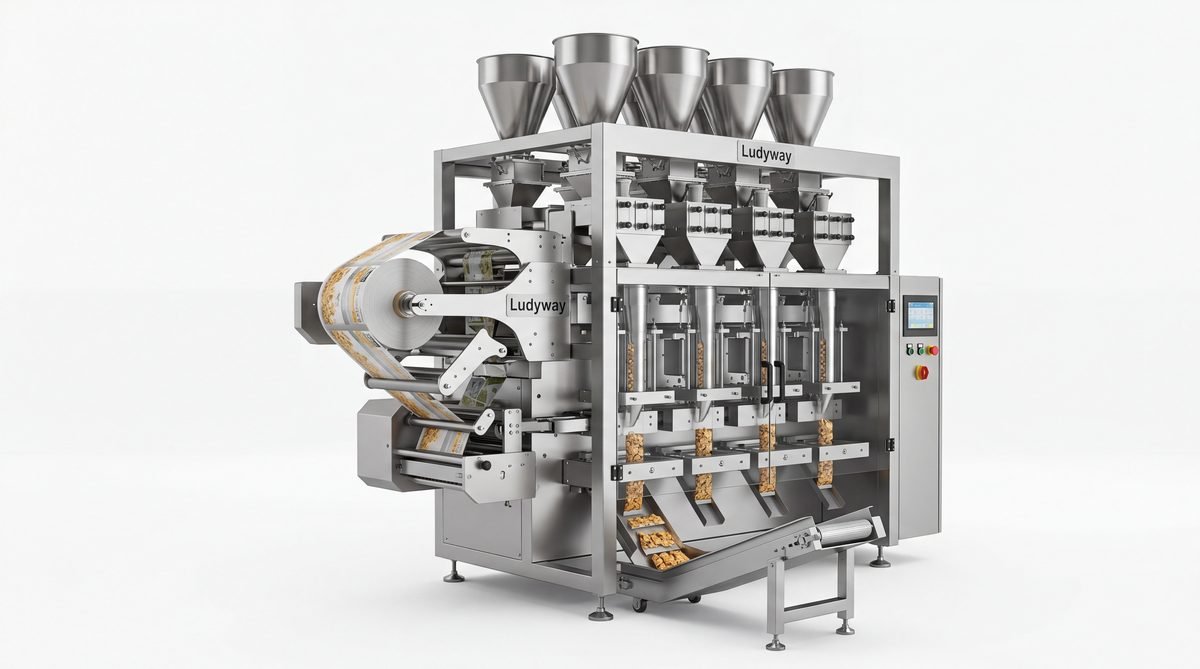
For single-serve and on-the-go portions, multi-lane stick pack machines deliver unmatched throughput. By running 4 to 12 lanes simultaneously, these systems can produce hundreds of small-format packages per minute, meeting the growing demand in convenience stores, vending channels, and school lunch programs across the United States.
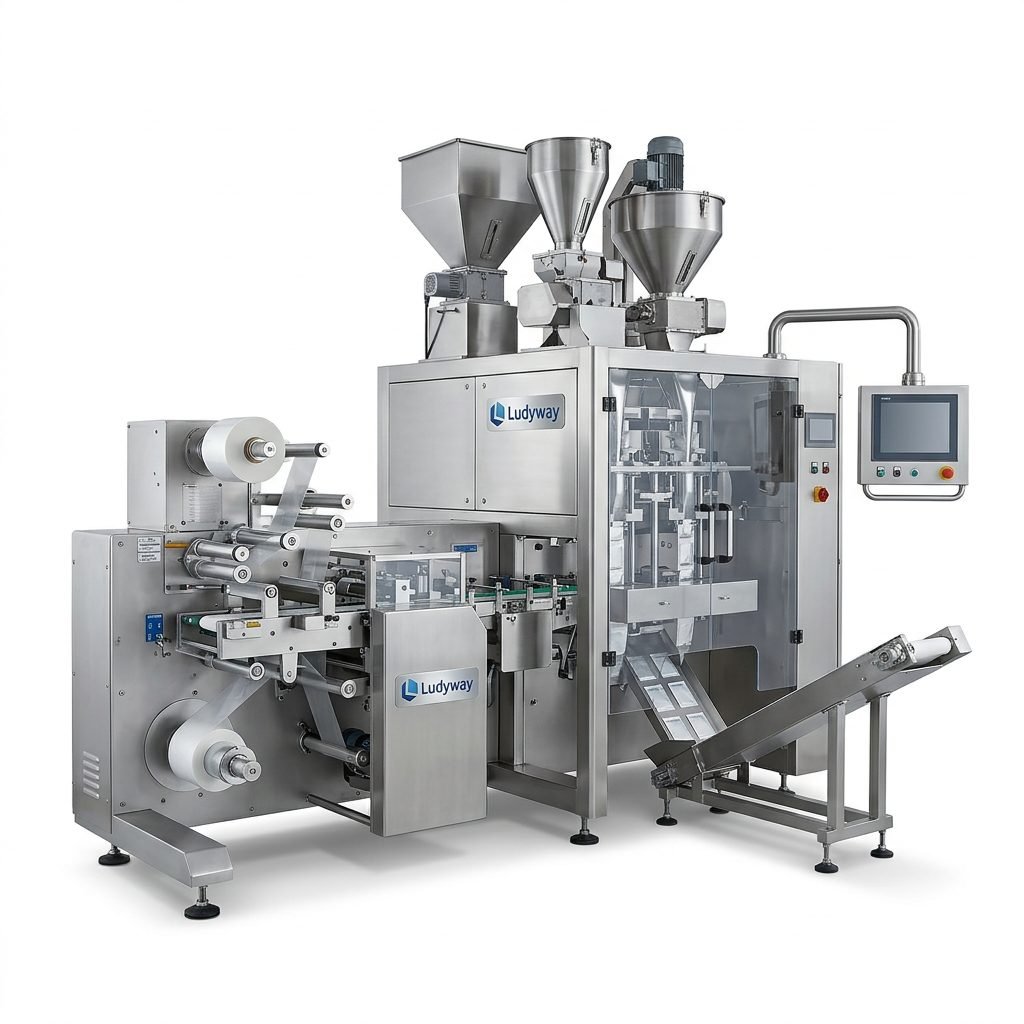
Premade Pouch Packaging Systems
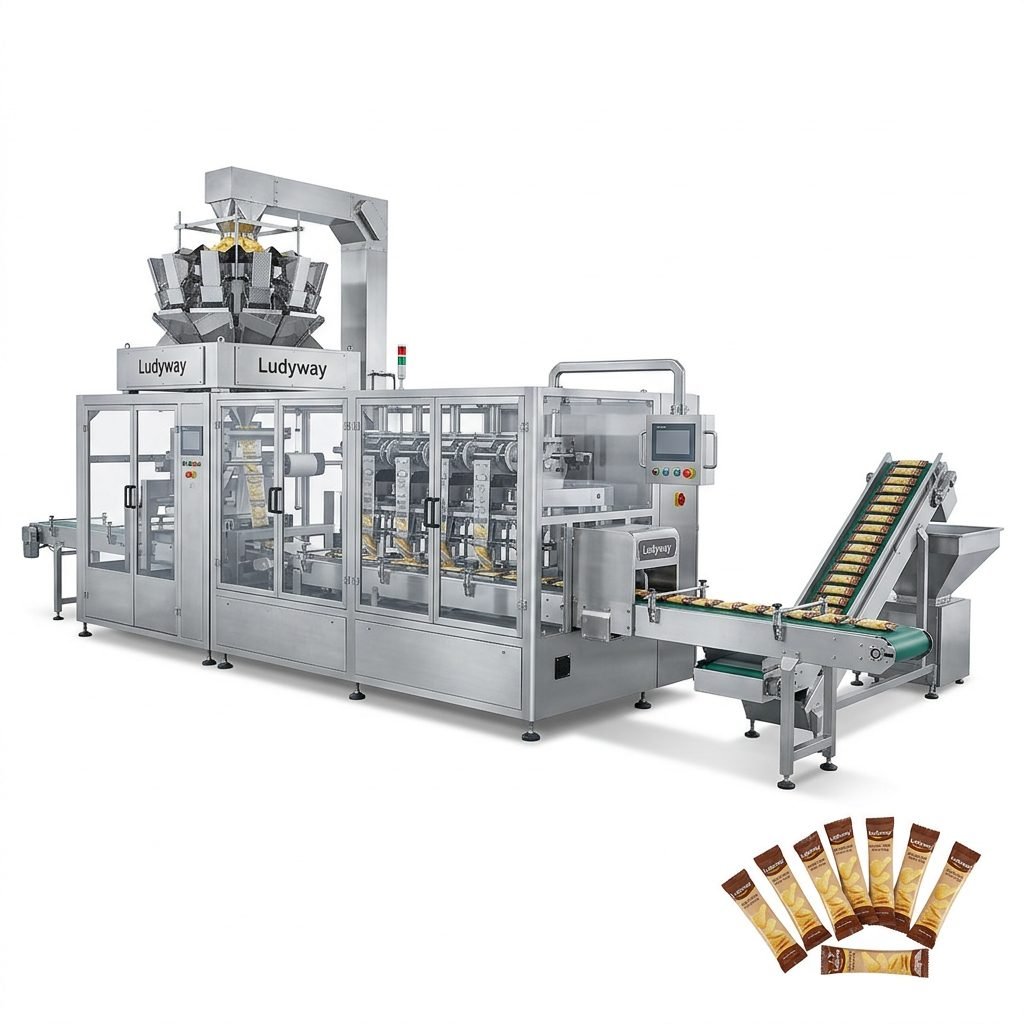
Premium and organic potato chip brands often prefer premade pouch machines that work with pre-formed stand-up pouches, flat pouches, or zipper-reclosable bags. These systems offer excellent visual presentation and are well-suited for products sold in specialty grocery chains and club stores.
Nitrogen Flushing and Modified Atmosphere Packaging (MAP)
Protecting chip freshness is essential for U.S. distribution networks. Machines equipped with nitrogen flushing systems displace oxygen inside the bag before sealing, significantly extending shelf life and reducing product breakage by creating a protective cushion inside the package.
Key Considerations When Buying in the U.S. Market
Purchasing a packaging machine for U.S. operations involves more than comparing speed and price. The following factors should guide your evaluation process:
- Production Capacity and Speed: Determine your target packages per minute (PPM). Entry-level VFFS machines may operate at 30-60 bags per minute, while multi-lane potato chip packaging lines can exceed 200 packs per minute across all lanes.
- Bag Style and Size Range: Confirm the machine supports your required bag formats—pillow, gusseted, stand-up, or zipper-top—with quick changeover capabilities between different sizes.
- Weighing and Filling Accuracy: Multi-head weighers minimize product giveaway and ensure consistent net weight compliance with U.S. NIST Handbook 133 requirements for packaged goods.
- Film Material Compatibility: Ensure the equipment handles the film structures commonly used in North America, including metallized BOPP, laminated PET/PE, and recyclable mono-material films.
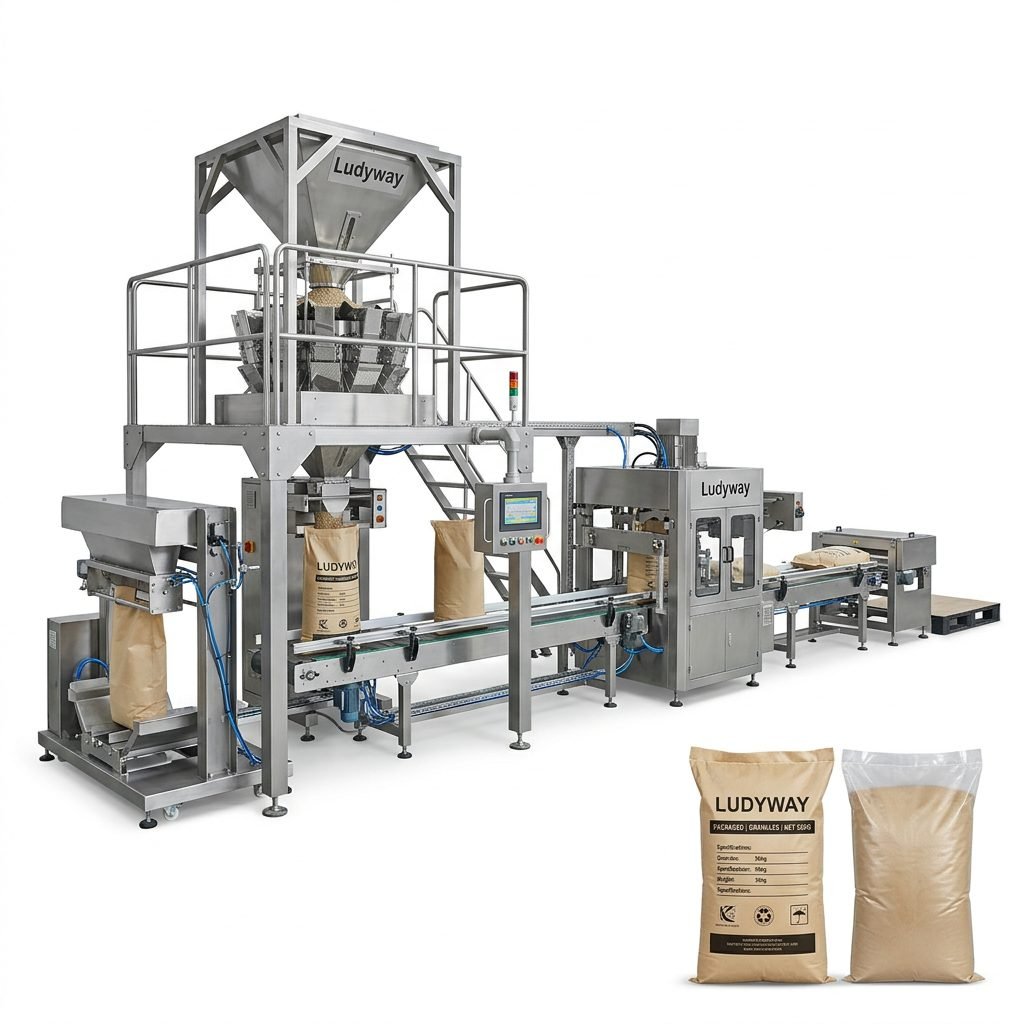
- Automation and Integration: Evaluate whether the machine can be integrated with upstream frying, seasoning, and conveying equipment, as well as downstream cartoning, case packing, and palletizing systems.
- Maintenance and Service Support: U.S.-based manufacturers require readily available spare parts, remote diagnostic capabilities, and responsive technical support to minimize downtime.
Machine Feature Comparison
The table below summarizes key attributes of the most common machine types used in U.S. potato chip packaging operations:
| Machine Type | Best For | Speed Range | Bag Styles | Typical Investment |
|---|---|---|---|---|
| VFFS Machine | Mid-to-large retail bags | 30-80 BPM | Pillow, gusseted, quad-seal | $30,000 – $150,000 |
| Multi-Lane Stick Pack | Single-serve, on-the-go | 100-400 PPM (combined) | Stick packs, sachets | $50,000 – $300,000 |
| Premade Pouch Machine | Premium, organic brands | 25-60 BPM | Stand-up, zipper, spouted | $40,000 – $200,000 |
| Turn-key Complete Line | Full-scale production | Custom configuration | Multiple formats | $150,000 – $500,000+ |
Regulatory Compliance and Food Safety Standards
Any potato chip packaging machine operating in the United States must comply with federal regulations. The FDA food packaging and food contact substances regulations govern materials that come into contact with food products. Additionally, equipment should be designed with stainless steel construction, sanitary welds, and easy-clean surfaces to meet GMP requirements.
Packaging machinery sold in the U.S. market should also align with standards recognized by the Association for Packaging and Processing Technologies (PMMI). Many U.S. buyers reference PMMI’s state of the industry reports when benchmarking equipment capabilities and market trends. The Flexible Packaging Association also provides valuable resources on film materials and sustainable packaging practices relevant to the snack food industry.
Evaluating Suppliers and Manufacturers
Selecting the right equipment partner is as important as choosing the machine itself. When evaluating suppliers for your potato chip packaging system, consider these criteria:
- Industry Experience: Look for manufacturers with demonstrated experience in snack packaging specifically. Packaging potato chips presents unique challenges—product fragility, oil residue, and seasoning dust all require specialized design considerations.
- After-Sales Support in the U.S.: Confirm that the supplier offers installation support, operator training, preventive maintenance programs, and rapid spare parts delivery within the United States.
- Customization Capabilities: Every snack producer has unique requirements. Your supplier should be able to customize lane configurations, sealing parameters, gas flushing systems, and integration with existing production infrastructure.
- Reference Installations: Request case studies or references from U.S.-based snack manufacturers using the same or similar equipment.
One manufacturer that has expanded its global presence in this category is Ludyway, a packaging machine manufacturer with over 30 years of industry experience and a portfolio of more than 50 intelligent packaging machine models. The company offers multi-lane stick pack, sachet, and fully automated packaging systems serving customers in over 100 countries, with capabilities spanning granule and solid snack applications including potato chip packaging lines.

Budget Planning and Total Cost of Ownership
Beyond the initial capital expenditure, U.S. buyers should calculate total cost of ownership over a 5- to 10-year horizon. Key financial considerations include:
- Equipment Cost: The base machine price varies significantly based on automation level, lane count, and auxiliary systems.
- Installation and Commissioning: Budget for professional installation, utility connections, and on-site commissioning by factory-trained engineers.
- Operator Training: Allocate resources for comprehensive operator and maintenance training to reduce unplanned downtime.
- Spare Parts Inventory: Maintain a recommended stock of wear components, sealing jaws, belts, and sensors.
- Film Waste Reduction: Efficient machines reduce film waste during start-up and changeover, lowering ongoing material costs.
- Energy Consumption: Modern servo-driven systems consume significantly less electricity than older pneumatic or mechanical designs.

Future-Proofing Your Investment
The U.S. snack food market continues to evolve toward sustainable packaging, smaller portion sizes, and smart factory integration. When purchasing a potato chip packaging machine, consider forward-looking features that protect your investment:
- Recyclable Film Compatibility: Equipment designed to handle mono-material PE or PP films supports future transitions to fully recyclable packaging structures.
- IoT Connectivity and Data Collection: Machines with OEE tracking, remote monitoring, and predictive maintenance alerts enable smarter production management.
- Modular Design: Scalable platforms that allow adding lanes, upgrading controls, or integrating new automation modules extend the useful life of your equipment.
- Serialization and Traceability: Built-in coding and vision inspection systems support compliance with retailer requirements and emerging traceability standards such as FSMA Section 204.
Next Steps: From Evaluation to Installation
Purchasing a packaging machine is a long-term strategic decision. Begin by clearly defining your current and projected production volumes, bag formats, and automation goals. Request detailed proposals from qualified manufacturers, arrange for machine demonstrations—either on-site or via virtual factory acceptance testing—and develop a project timeline that accounts for manufacturing lead times, shipping, installation, and commissioning. For additional industry data and packaging machinery market intelligence, explore resources from the PMMI Business Intelligence Library and the Flexible Packaging Association’s Industry Resources.
Frequently Asked Questions
What is the average cost of a potato chip packaging machine in the USA?
Costs vary widely based on configuration. A basic single-lane VFFS machine may start around $30,000, while a fully integrated multi-lane potato chip packaging line with nitrogen flushing, multi-head weigher, and cartoning system can range from $150,000 to over $500,000. Turnkey systems with advanced automation command higher investment but deliver significantly lower per-unit packaging costs.
How important is nitrogen flushing for potato chip packaging?
Nitrogen flushing is critical for U.S. distribution. It replaces oxygen inside the bag with inert nitrogen, preventing oxidation that causes rancidity while also providing a protective cushion that reduces breakage during transport. Most national and regional chip brands use nitrogen flushing as a standard practice.
Can one machine handle multiple bag sizes?
Yes, most modern VFFS and multi-lane machines support quick-change tooling that allows operators to switch between different bag widths and lengths within a defined range. Changeover times vary by machine design but typically range from 10 to 30 minutes with experienced operators.
What are the lead times for purchasing a packaging machine?
Lead times typically range from 8 to 16 weeks for standard configurations, while customized or highly automated turnkey lines may require 16 to 24 weeks or more, depending on the manufacturer’s production schedule and the complexity of the system.
Selecting the right packaging equipment partner ensures your U.S. potato chip production operates reliably, efficiently, and in compliance with all applicable standards—positioning your brand for sustained growth in the competitive snack food market.