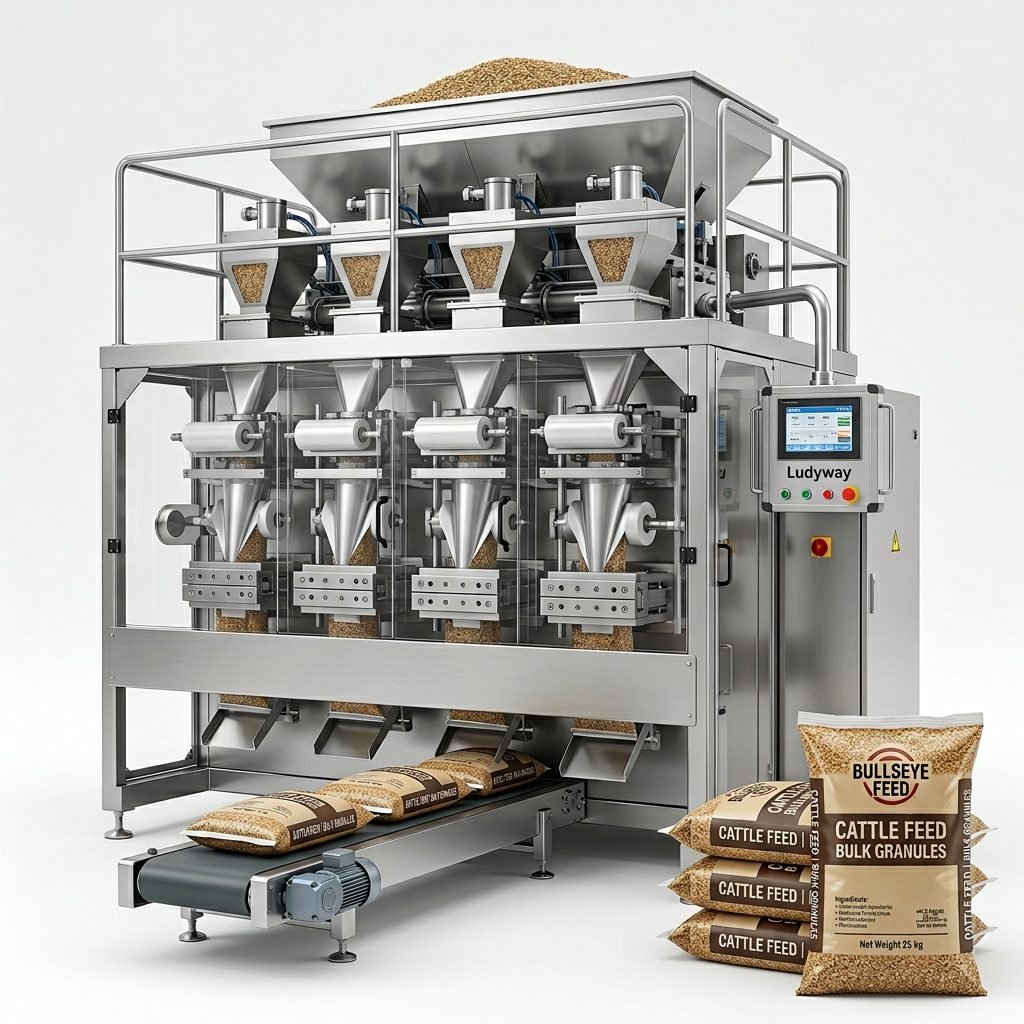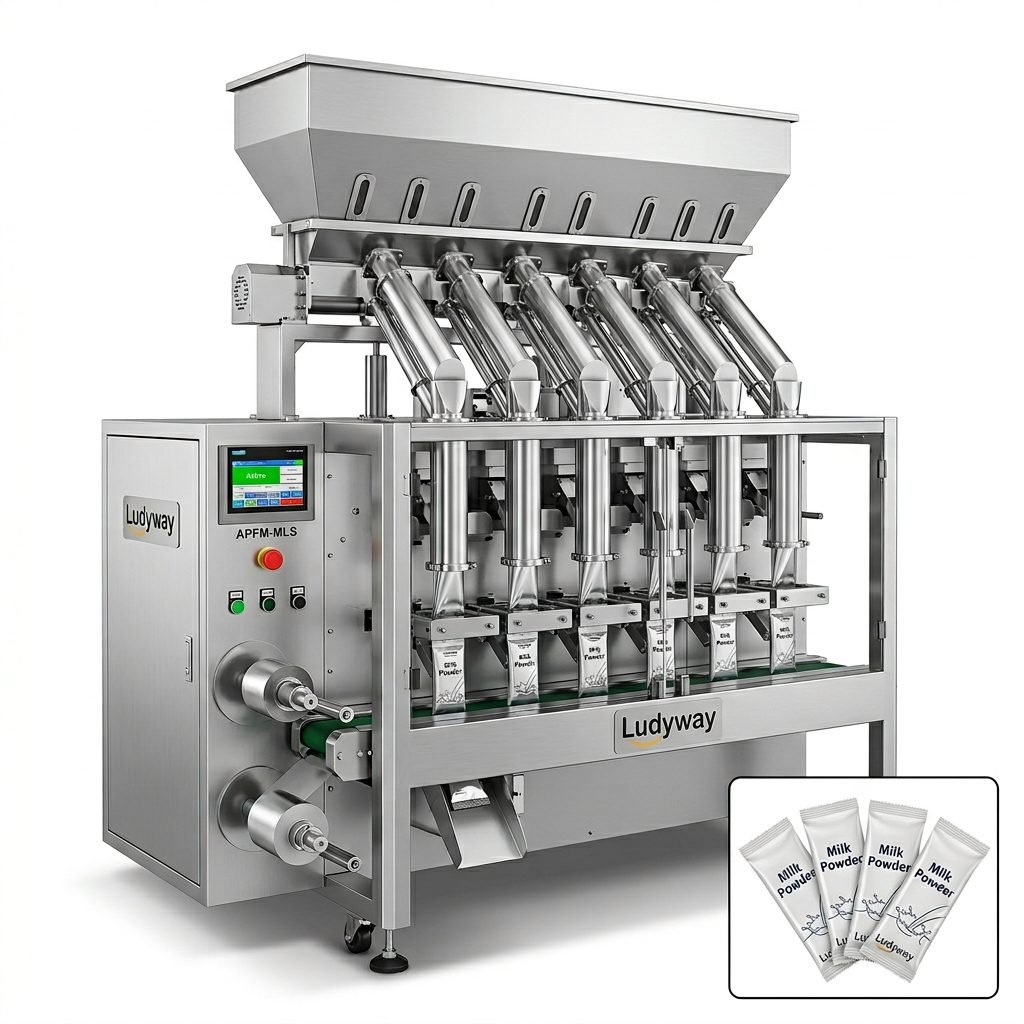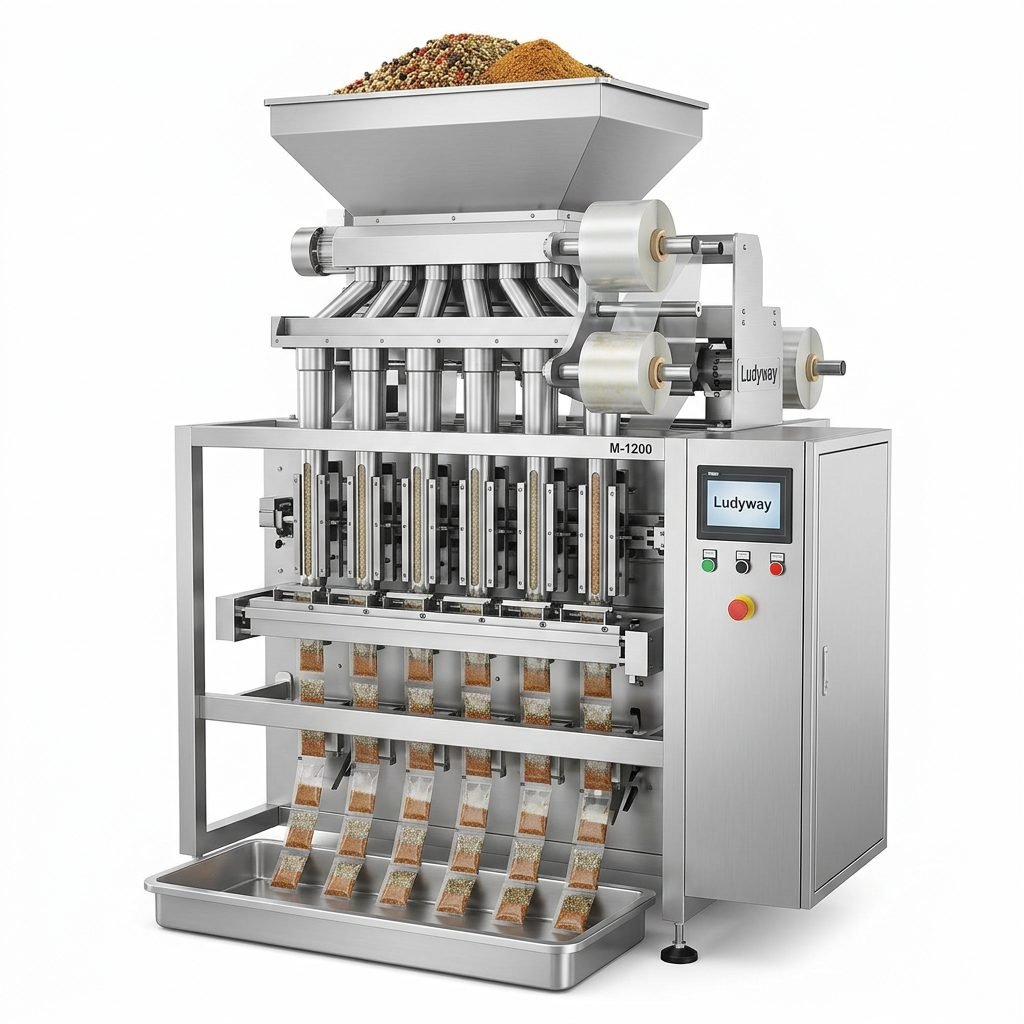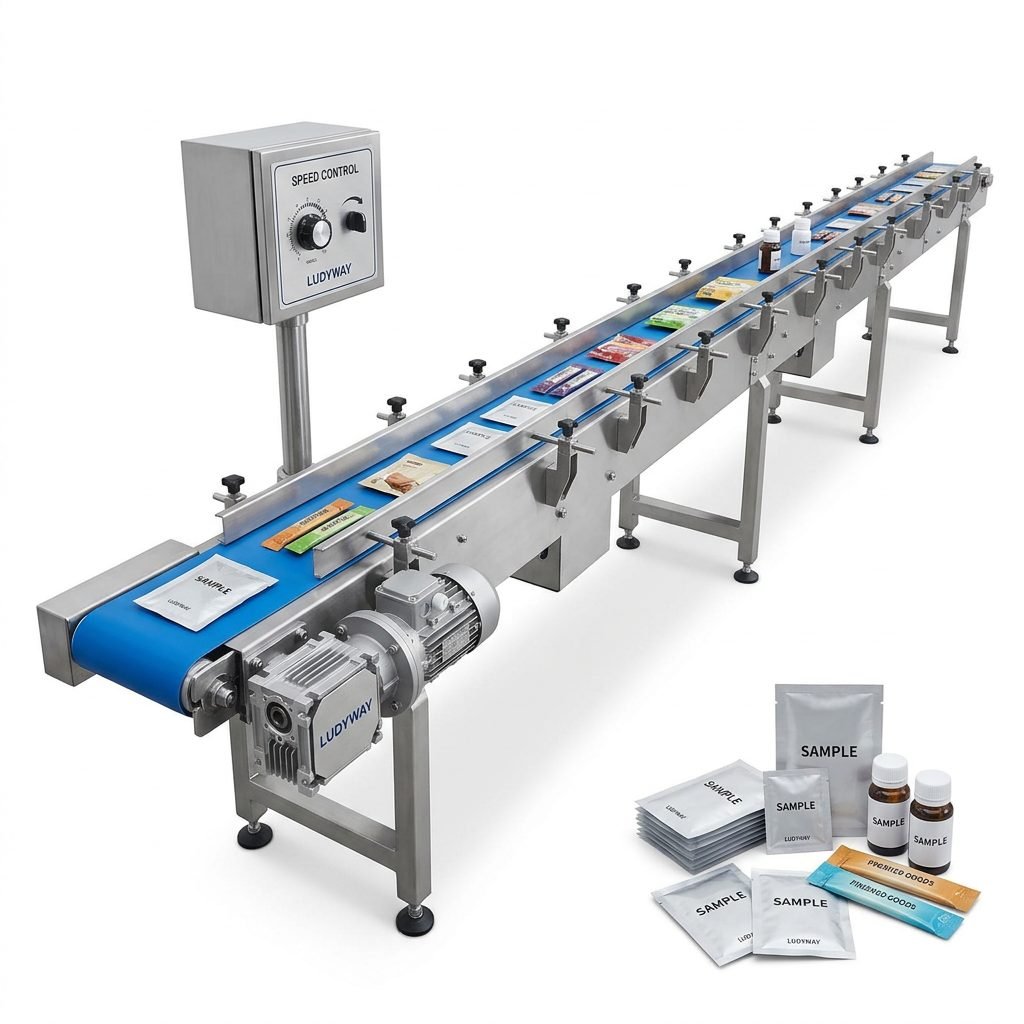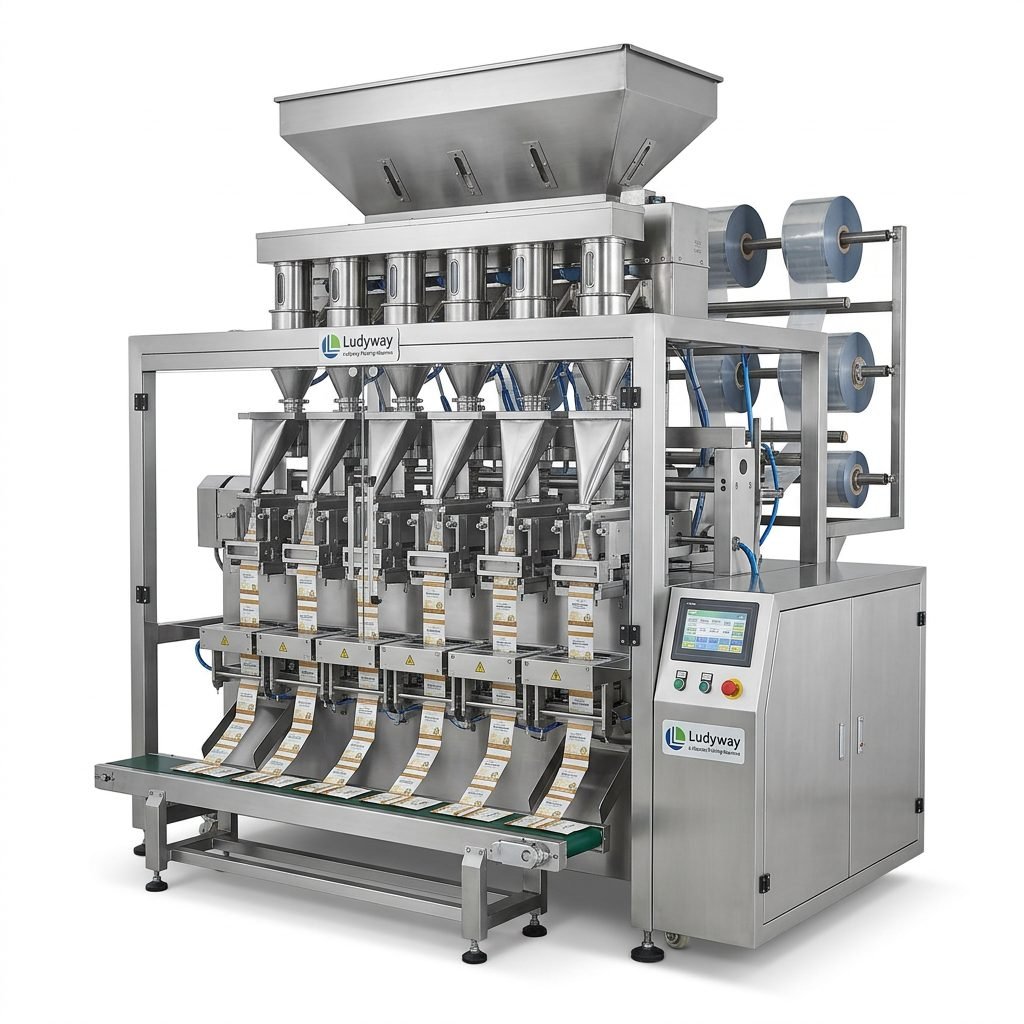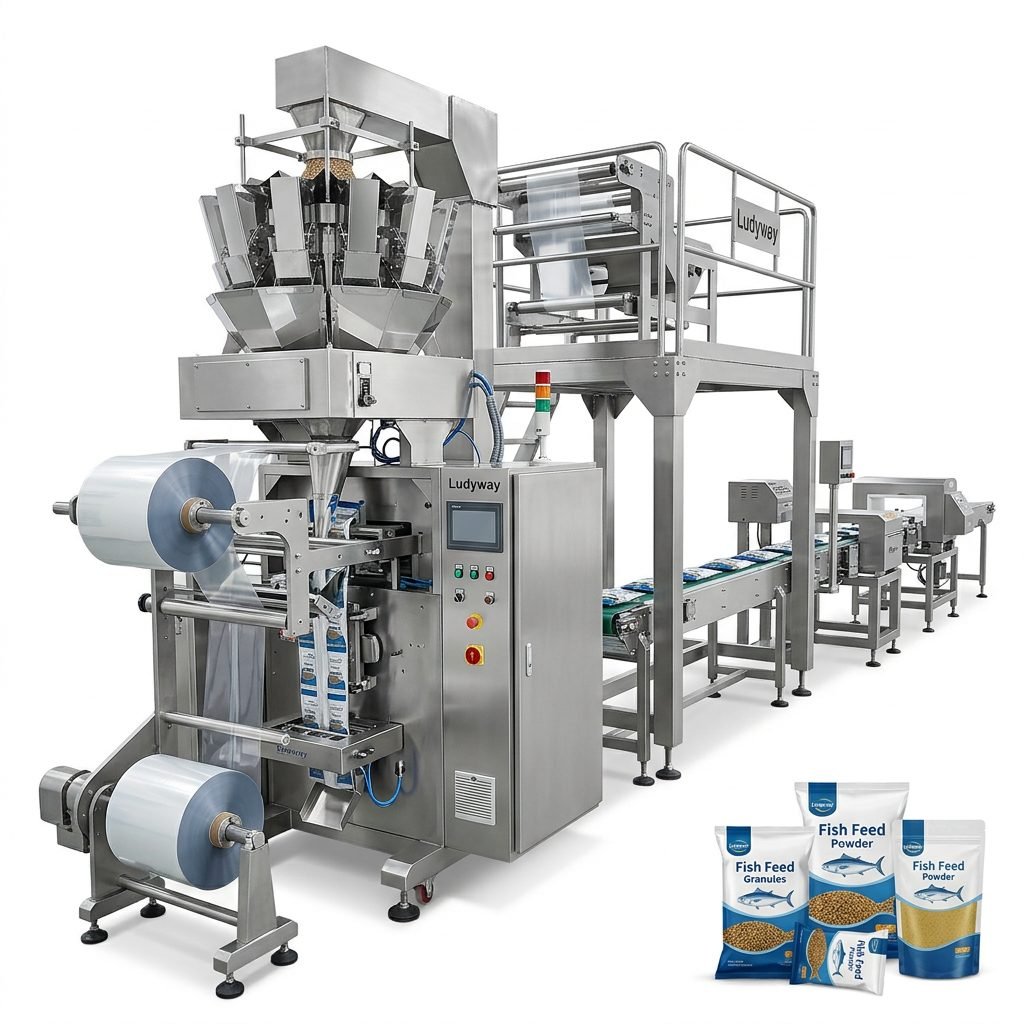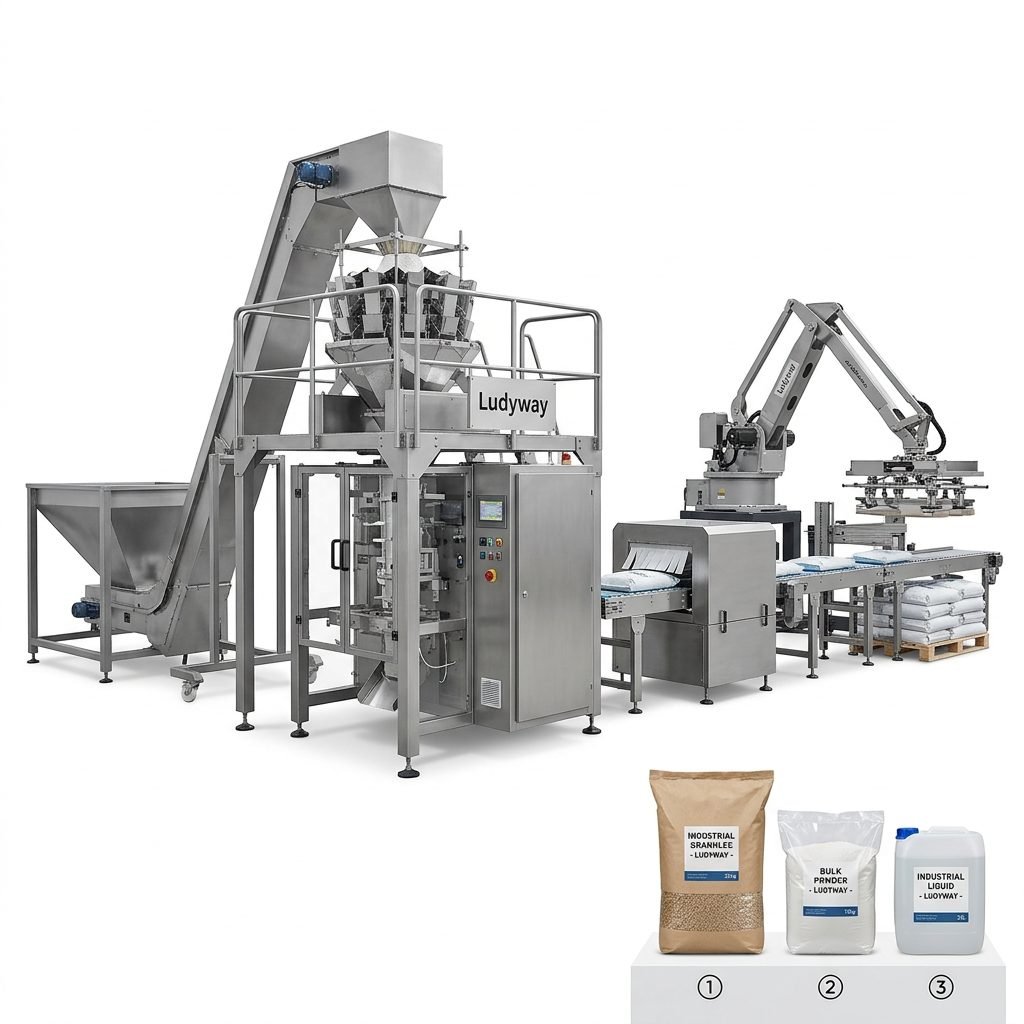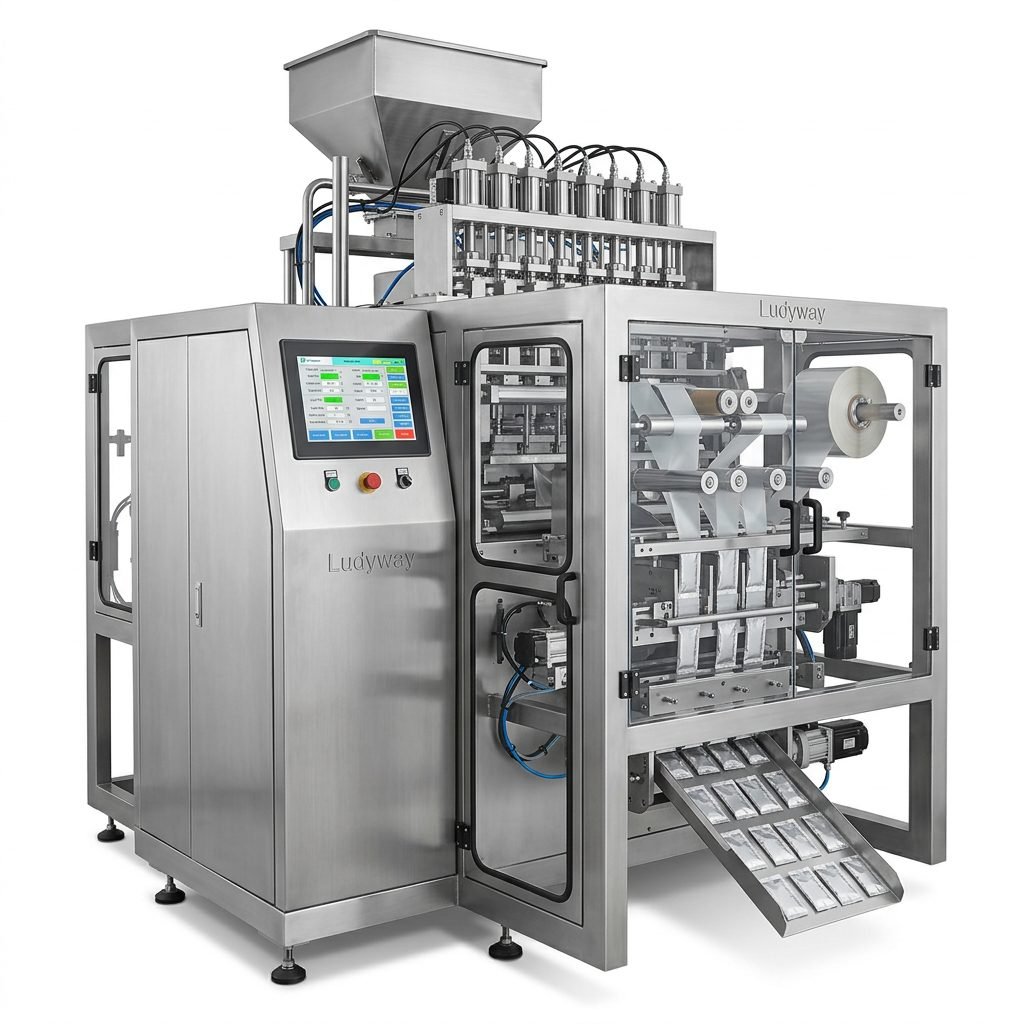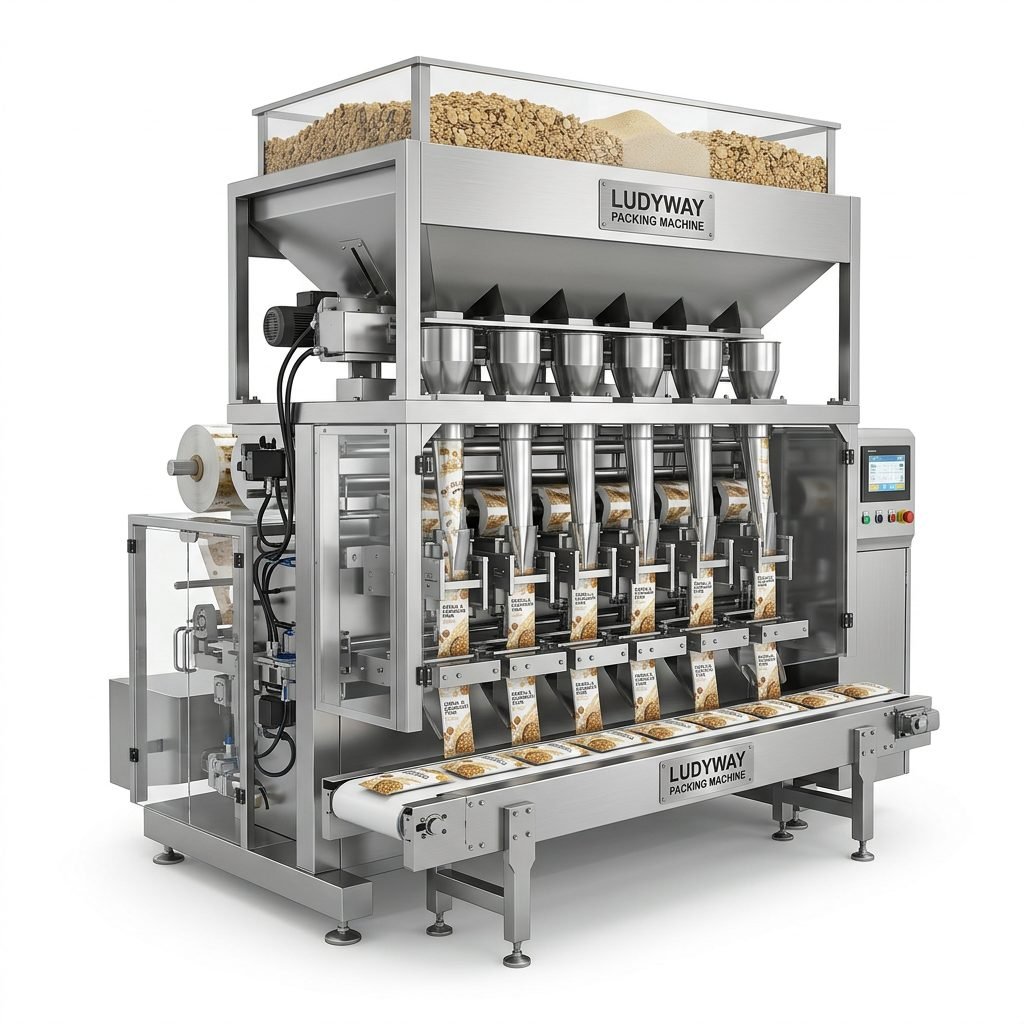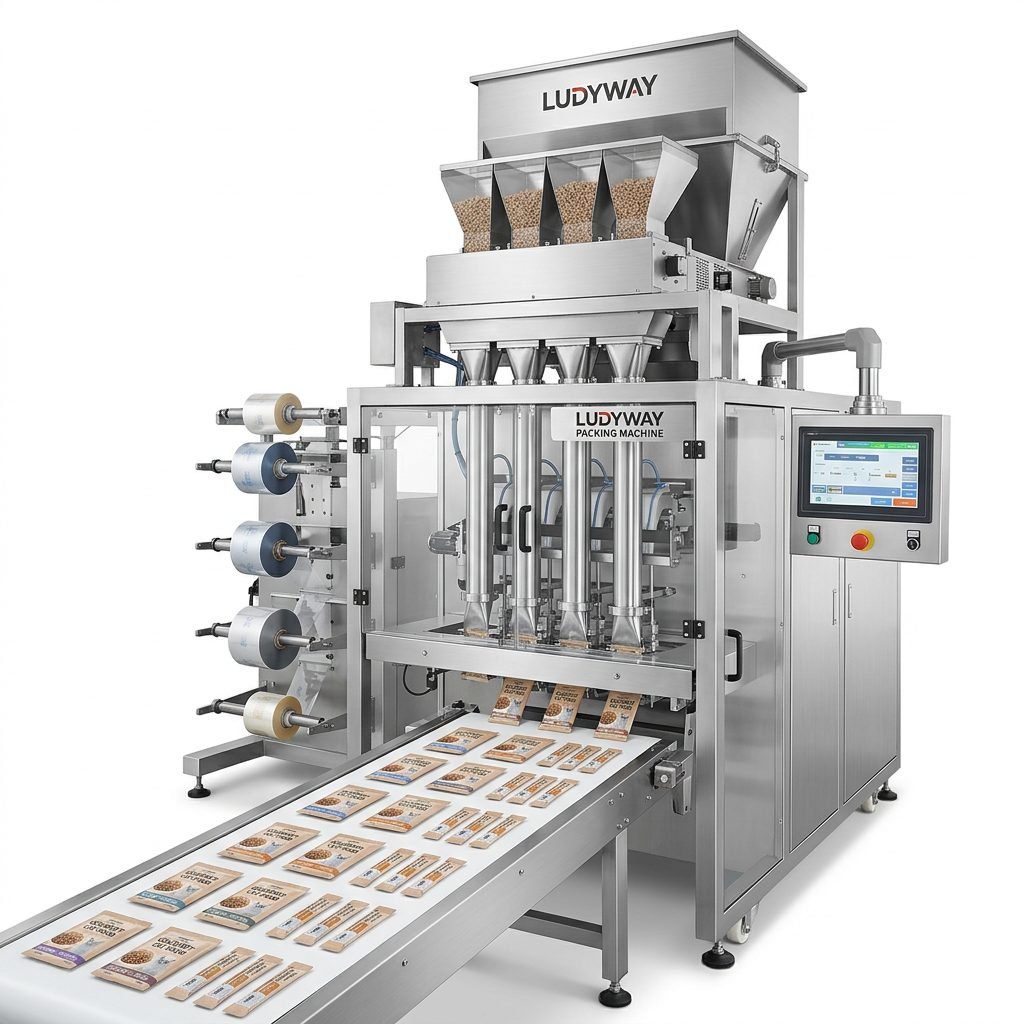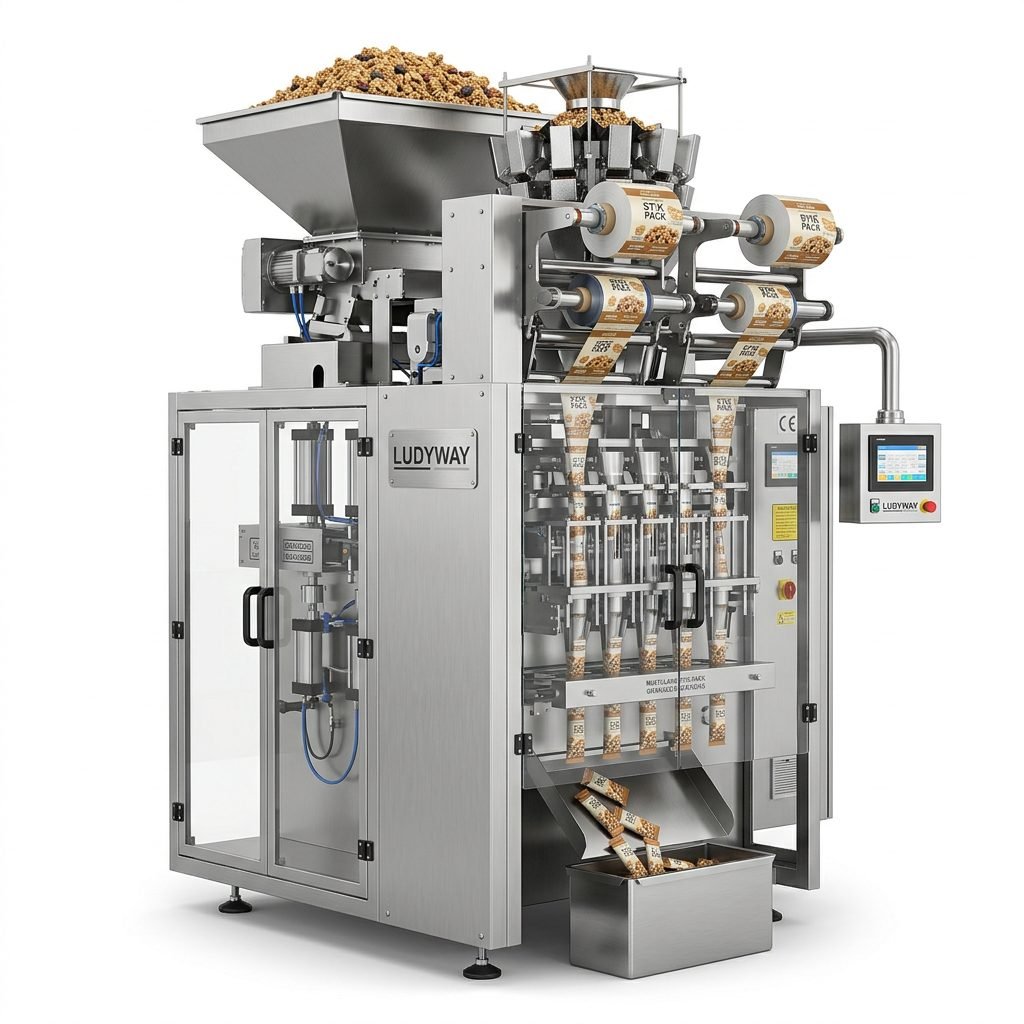
The European market for healthy snacks has exploded. Granola bars are no longer a niche product; they are a staple in supermarkets from Berlin to Barcelona. For manufacturers, this demand presents a significant opportunity, but scaling production requires a shift from manual processes to a fully integrated granola bar packaging machine production line. Setting up such a line in Europe involves navigating specific regulatory landscapes, understanding local market preferences, and integrating high-precision machinery.
Understanding the European Granola Bar Landscape
Before investing in equipment, you must understand the product formats dominating the shelves. European consumers are increasingly shifting toward on-the-go, portion-controlled snacks. This drives demand for multi-lane stick pack machines and flow-wrapping systems. Unlike the US market, the European sector places a massive emphasis on sustainable packaging and clean-label presentation. Your machinery must handle a variety of recipes, from sticky honey-based binders to dry, crunchy clusters, without cross-contamination or structural damage to the bar.

Key Production Challenges for Granola Bars
- Product Breakage: Granola clusters are fragile. The packaging line must minimize drops and vibrations.
- Sticky Residues: Sugar binders create dust and sticky buildup, requiring easy-to-clean contact parts.
- Oxygen Sensitivity: To maintain crunch, nitrogen flushing or vacuum sealing is often required.
- Shelf Appeal: The European market prefers matte finishes, clear windows, and resealable features.
Recommended Machinery Configurations
| Machine Type | Application | Speed Range |
|---|---|---|
| Flow Wrapper (Horizontal) | Individual pillow packs for single bars | 100–400 packs/min |
| Multi-Lane Stick Pack | Bite-sized pieces or mini granola bars | 400–1000 packs/min |
| Cartoning & Case Packing | Retail-ready boxes and shipping cases | Variable |
CE Marking and European Regulatory Compliance
Any packaging line imported into the European Union must comply with the Machine Directive 2006/42/EC. This is non-negotiable. The CE marking signifies that the equipment meets EU safety, health, and environmental requirements. Additionally, because granola is food, the machinery must adhere to EU Regulation (EC) No 1935/2004 regarding materials in contact with food. Look for machines built with stainless steel 304 or 316 and food-grade plastics. Packaging regulations are complex, so partnering with a supplier experienced in EU standards is critical.

Essential Certifications for Your Packaging Line
- CE Marking – Mandatory for the entire production line.
- EN 415-Series – Safety standards specific to packaging machines.
- GMP Compliance – Good Manufacturing Practice design, suitable for audit-ready facilities.
- ISO 22000 – Certification for food safety management systems, directly influenced by machinery hygiene.
Line Layout and Material Handling Integration
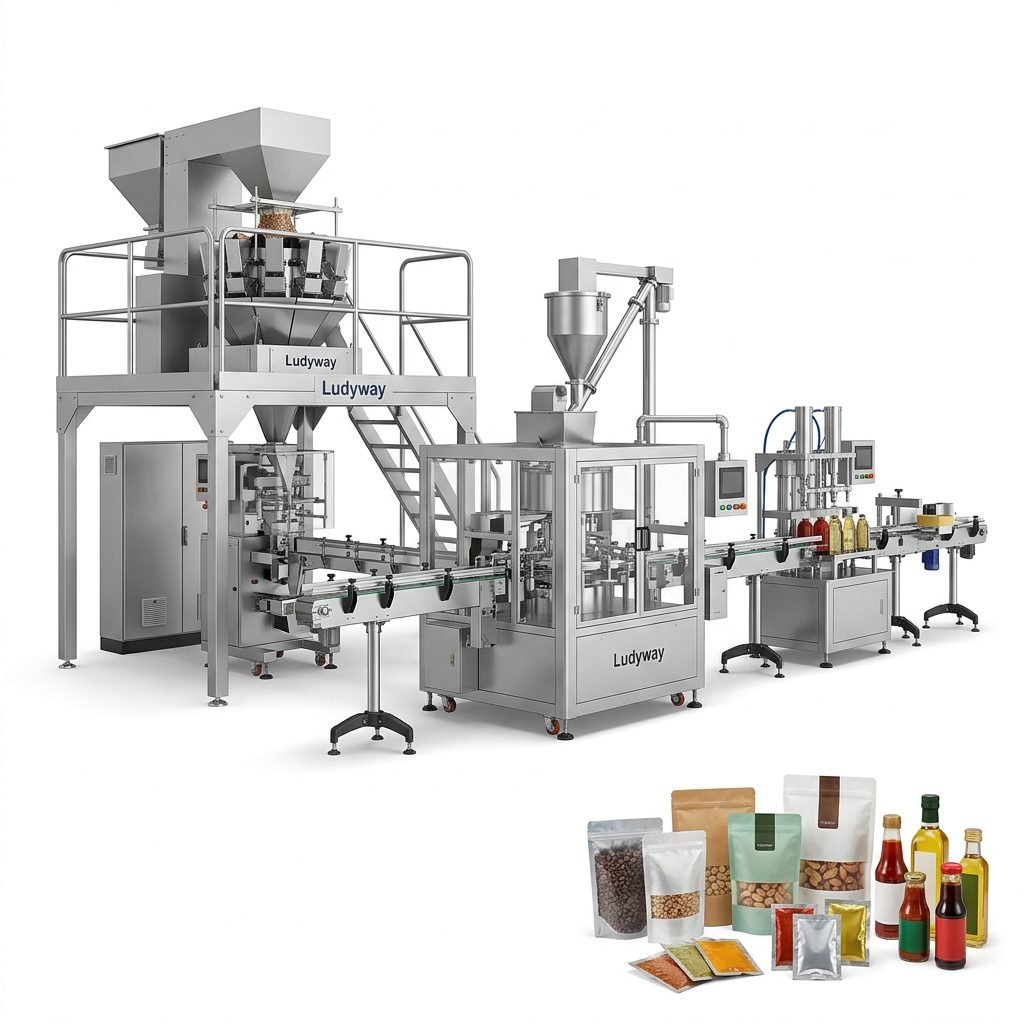
A common mistake is focusing solely on the primary wrapper. A true granola bar packaging machine production line begins with the feeding system. You need a gentle infeed conveyor that aligns bars without shattering them. After the bar leaves the oven or cooling tunnel, it should seamlessly transfer to a packaging line integration system that automatically spaces the product for the wrapper. Post-packaging, checkweighers and metal detectors are vital for quality control in the European market. Finally, the integration of case packers and palletizers optimizes the end-of-line process.
Key Components of an Automated Turnkey Line
- Feeding & Distribution Systems: Vibration-free conveyors and smart aligning tracks.
- Primary Wrapper: Flow wrapper or vertical form fill seal machine with gas flush capability.
- Inspection Units: X-ray or metal detection combined with high-speed checkweighers.
- Secondary Packaging: Wrap-around case packers and high-speed cartoning machines.
- Robotic Palletizing: Automated stacking for warehouse logistics.
Selecting the Right Packaging Material Structure
The European Green Deal and the push toward a circular economy heavily influence material choice. Traditional multi-layer plastic films are under scrutiny. Mono-material recyclable films (such as polyolefin-based structures) are preferred, even if they present more sealing challenges. Your packaging machinery must be fine-tuned to handle these sustainable films. Precise temperature control is essential to seal heat-sensitive recyclable materials without wrinkles or burning. High-pressure sealing jaws with adjustable dwell times are a must-have specification.

Mono-Material vs. Multi-Material Films
| Feature | Mono-Material (Recyclable) | Multi-Material (Standard) |
|---|---|---|
| Seal Window | Narrow (Requires precise control) | Wide (Forgiving) |
| Barrier Properties | Lower standard barrier; requires coatings | Excellent (Aluminum or EVOH layers) |
| EU Market Fit | Highly favorable; compliant with future laws | Subject to new plastic taxes |
Installation, Training, and After-Sales in Europe
Time is money. When setting up a complex line, the installation phase must be handled by engineers familiar with European electrical standards (such as IEC 60204-1). Ensure your supplier offers Factory Acceptance Testing (FAT) before shipment and Site Acceptance Testing (SAT) upon arrival at your facility. Look for a provider that can supply comprehensive training for your operators and maintenance staff. Fast access to spare parts within the EU is also a critical factor in minimizing downtime. Ludyway operates with a global service network, ensuring that specialized engineers are available to support installation and maintenance for European production lines.
Cost Factors and Budgeting for ROI
When budgeting for a granola bar packaging machine production line in Europe, consider the total cost of ownership, not just the initial price. Factors include shipping and import duties, CE conversion costs if modifications are needed locally, and comprehensive service contracts.
Maximizing Return on Investment
- Reduce Film Waste: High-precision sealing reduces trim and material costs.
- Labor Optimization: Automated feeding and cartoning reduce reliance on manual labor.
- Quality Control: Integrated checkweighers prevent costly product giveaways.
- Energy Efficiency: Modern servo-driven motors consume less power than pneumatic systems.
Common FAQs on European Granola Packaging Lines
What is the most suitable packaging style for organic granola bars in Europe?
Flow-wrapped pillow packs using recyclable flexible packaging are the gold standard. They offer excellent print area and barrier protection. For mini medallions or bite-sized pieces, multi-lane stick packs are preferred.
How do I ensure my line passes EU safety audits?
Insist on a complete Technical Construction File (TCF) from the manufacturer. The machine must feature safety interlocks, guards, and emergency stop circuits that comply with the highest safety performance levels (typically up to PL e as defined by ISO 13849-1).
Can a single line handle both crisp and chewy granola bars?
Yes, a robust multi-lane packaging line with gentle feeding mechanisms and adjustable sealing parameters can switch between recipes. The key is a servo-driven system that allows operators to recall pre-set recipes from an HMI touchscreen.
Investing in the right packaging infrastructure is a strategic move that positions your brand competitively in the dynamic European health food sector. A focus on sustainability, regulatory compliance, and automated integration will be the driving force behind your production success.