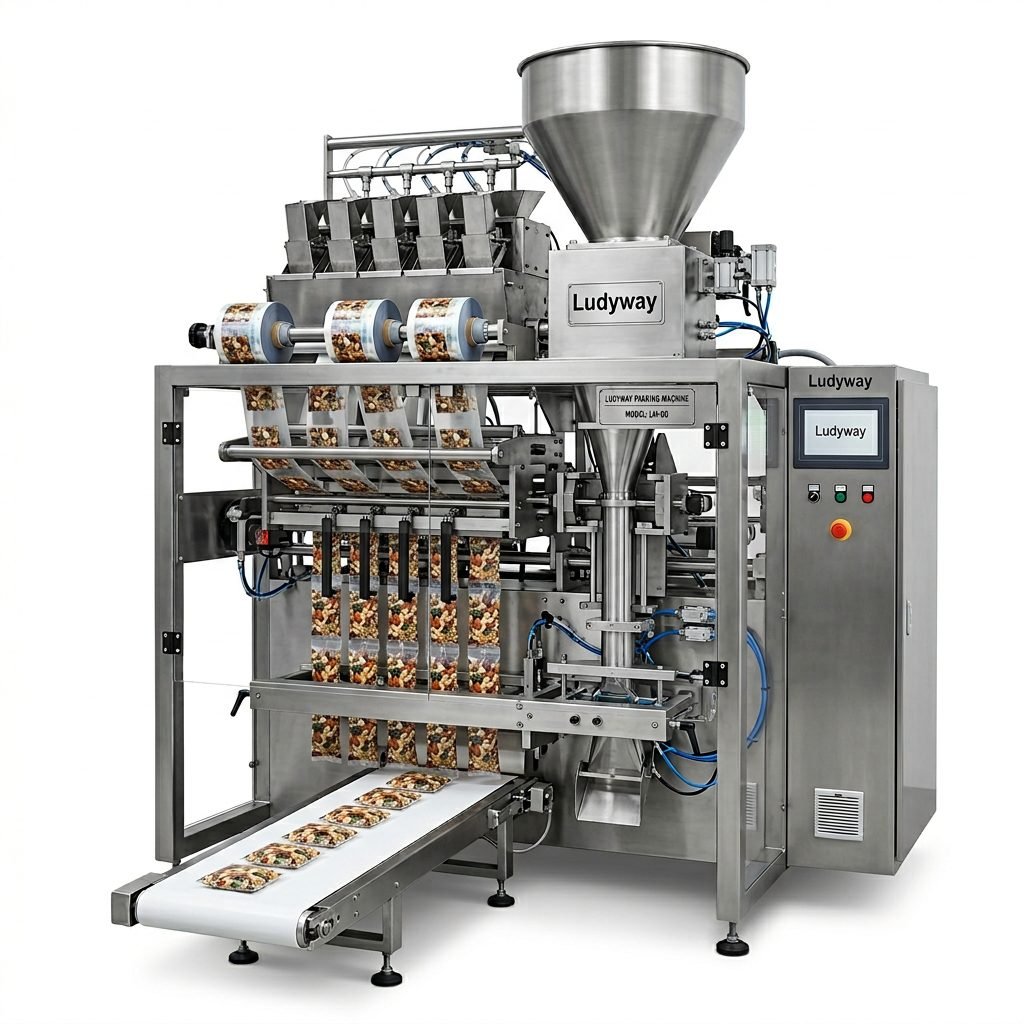
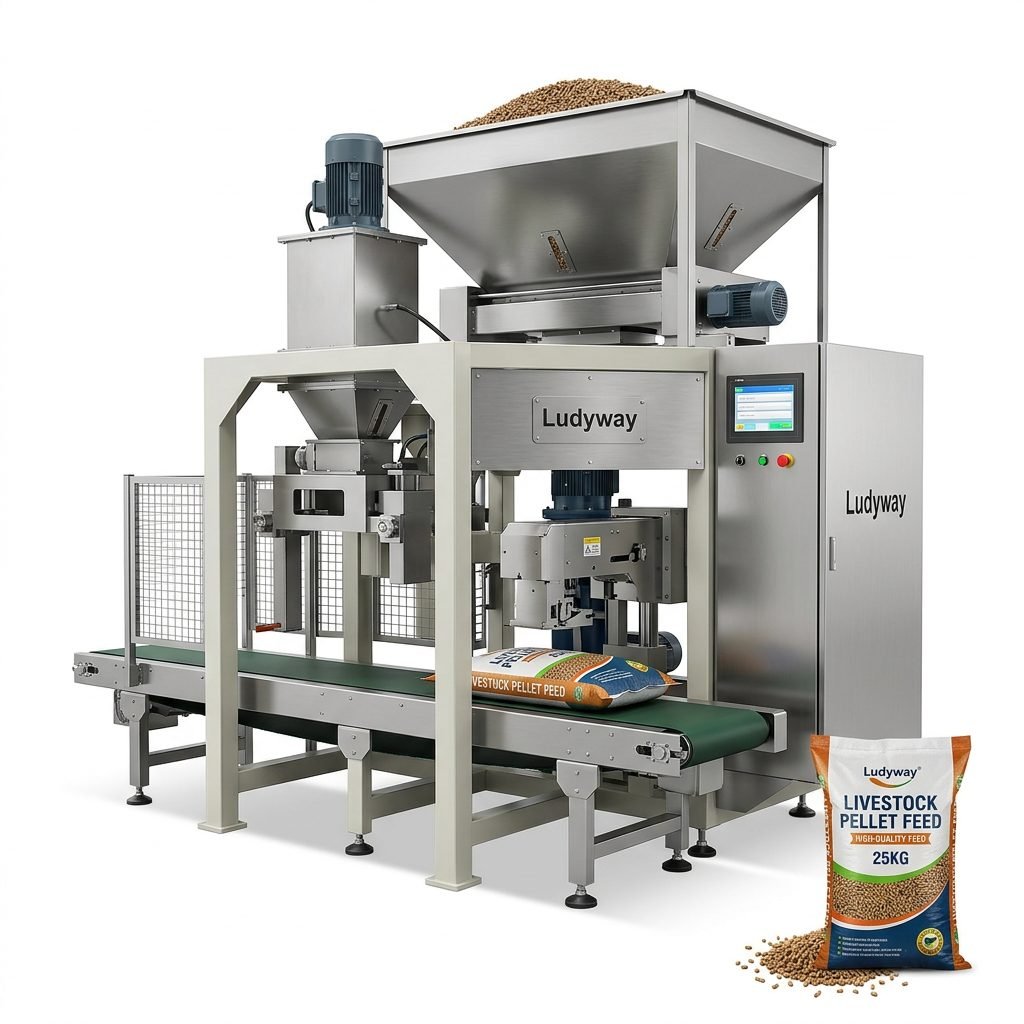
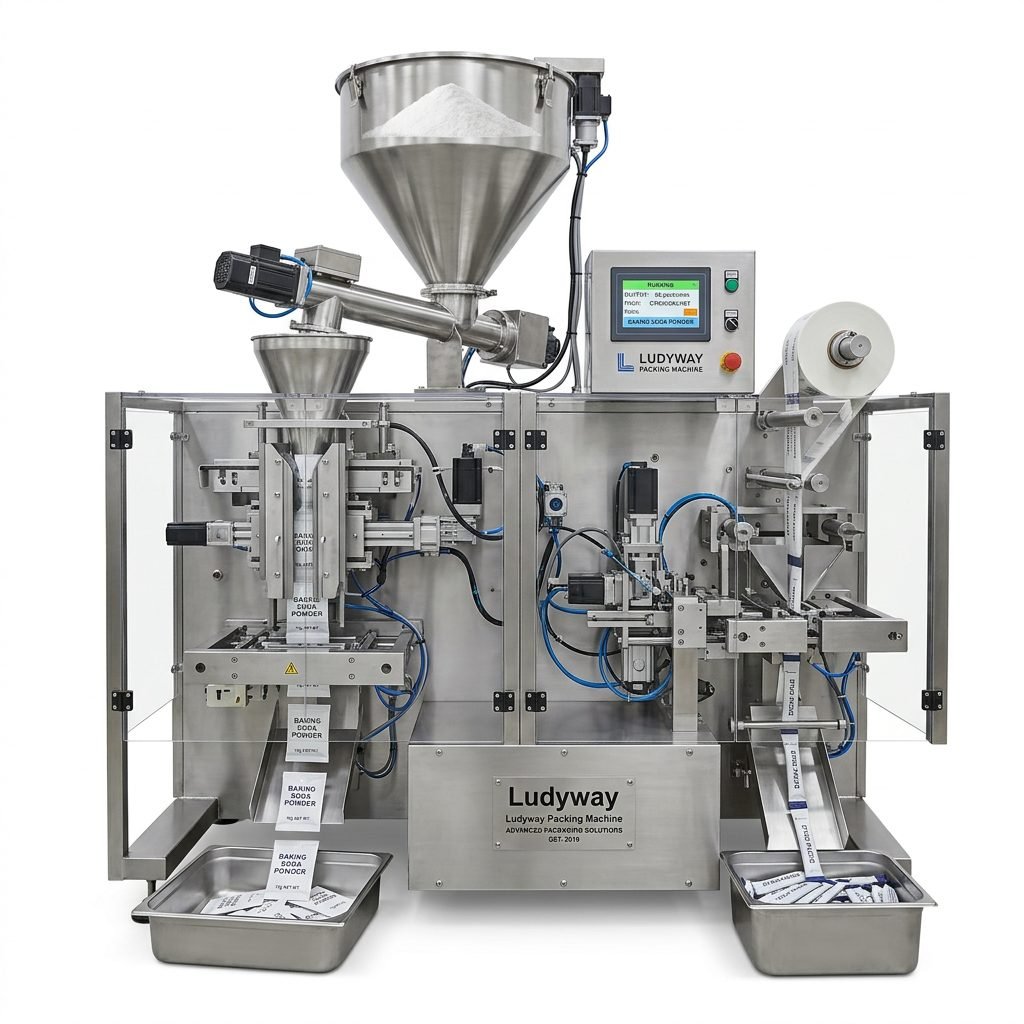
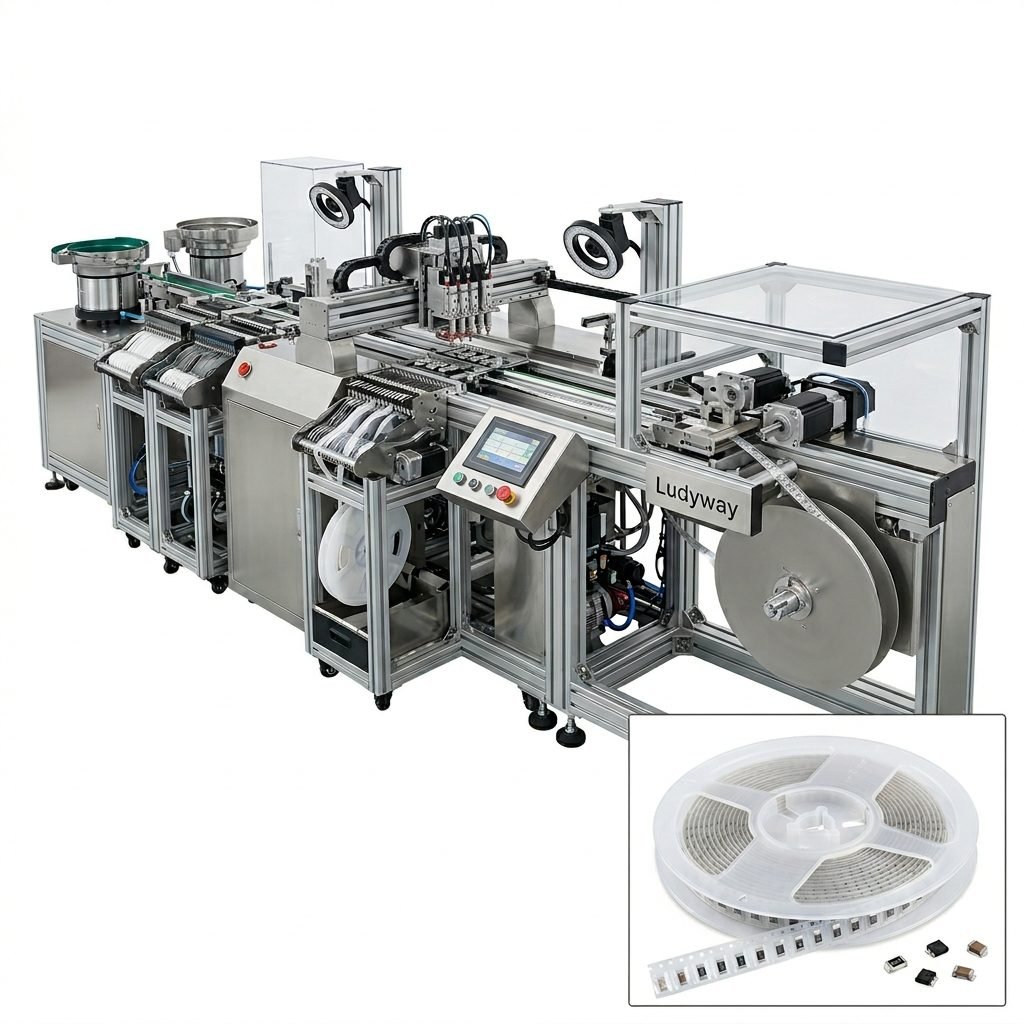
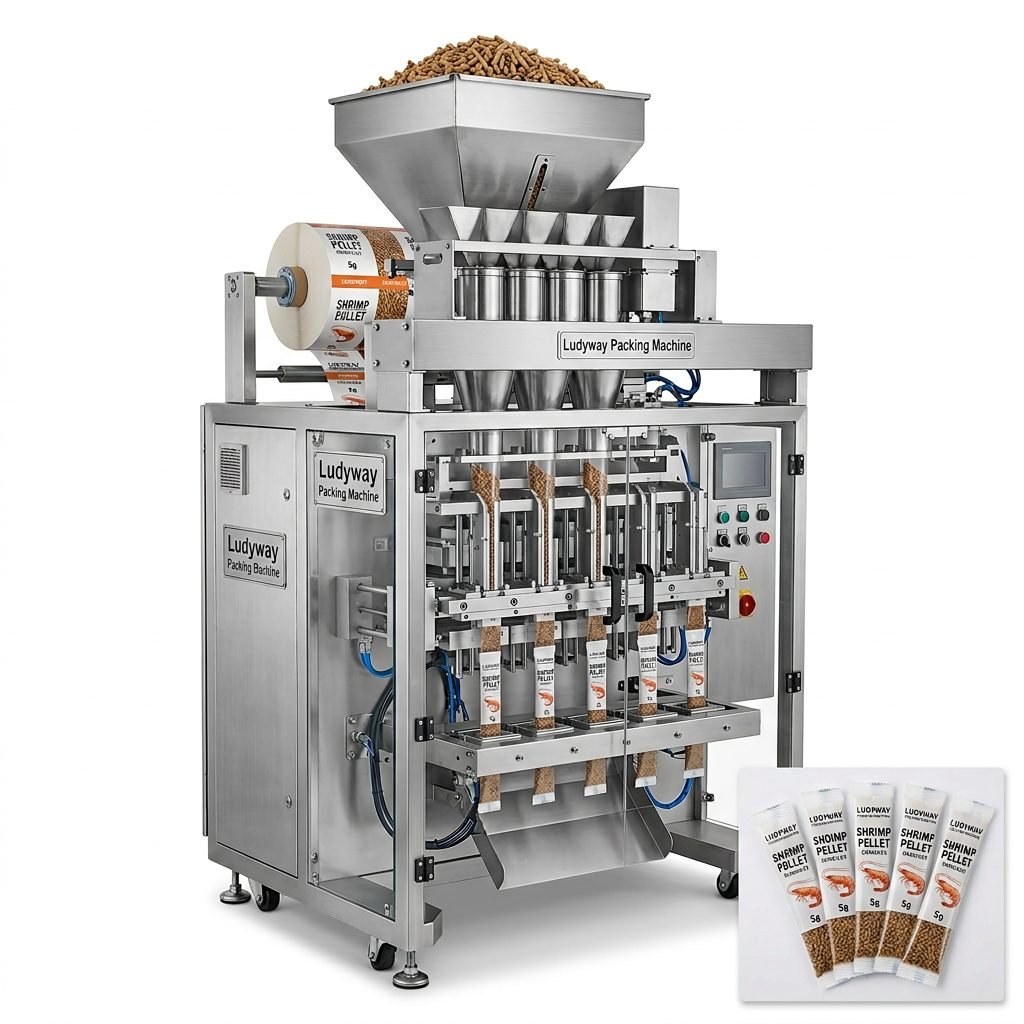
Investing in a gable top packaging machine is a strategic decision for liquid food and beverage manufacturers seeking shelf-stable, visually appealing, and sustainable packaging solutions. From dairy products and juices to liquid eggs and plant-based beverages, gable top cartons offer a unique combination of product protection and branding flexibility. This comprehensive guide walks you through everything you need to know before purchasing a gable top packaging machine, covering critical factors such as machine types, key specifications, global supplier evaluation, and industry compliance standards.
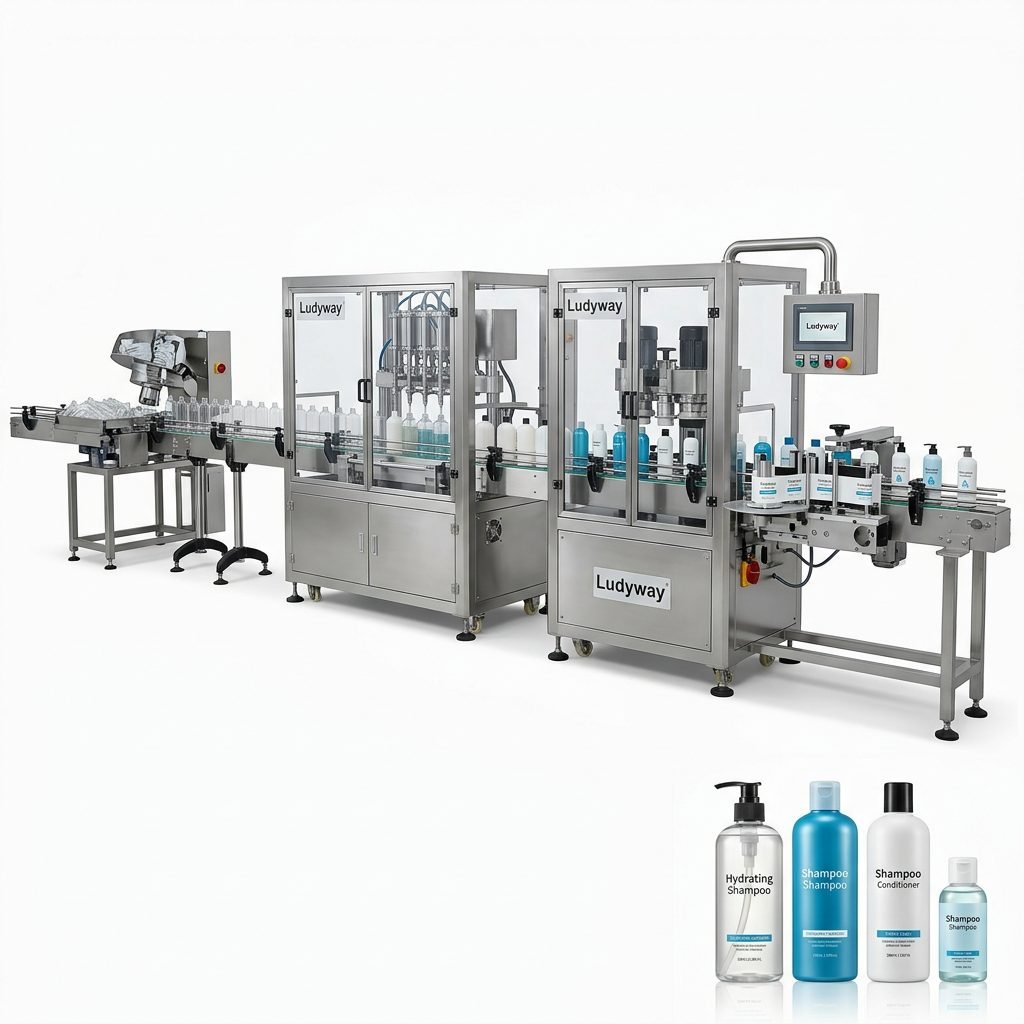
What Is a Gable Top Packaging Machine?
A gable top packaging machine is a specialized form-fill-seal system designed to erect, fill, and seal gable top cartons. These cartons are characterized by their distinctive peaked roof design, which provides a convenient pouring spout and reclosure feature. The machines handle carton blanks made primarily from paperboard with polyethylene and sometimes aluminum barrier layers, making them ideal for extended shelf life (ESL) and chilled distribution applications. Modern gable top fillers integrate seamlessly into high-speed production environments, with throughput capacities ranging from 2,000 to over 15,000 cartons per hour depending on the model and configuration.
Why Choose Gable Top Carton Packaging?
Gable top packaging offers distinct advantages that make it a preferred choice across the dairy, juice, and liquid food sectors. Here are the key benefits:
- Sustainability credentials – Gable top cartons are predominantly made from renewable paperboard sourced from responsibly managed forests, aligning with circular economy goals.
- Excellent product protection – Multi-layer barrier structures shield contents from light, oxygen, and external contaminants, preserving freshness and nutritional integrity.
- Brand differentiation – Large printable surfaces on all sides enable premium shelf presence and consumer engagement through high-quality graphics.
- Cost efficiency – Lightweight carton blanks reduce shipping and storage costs compared to glass or rigid plastic containers.
- Consumer convenience – Integrated screw caps, pull tabs, and easy-pour spouts enhance user experience and portion control.
Types of Gable Top Packaging Machines
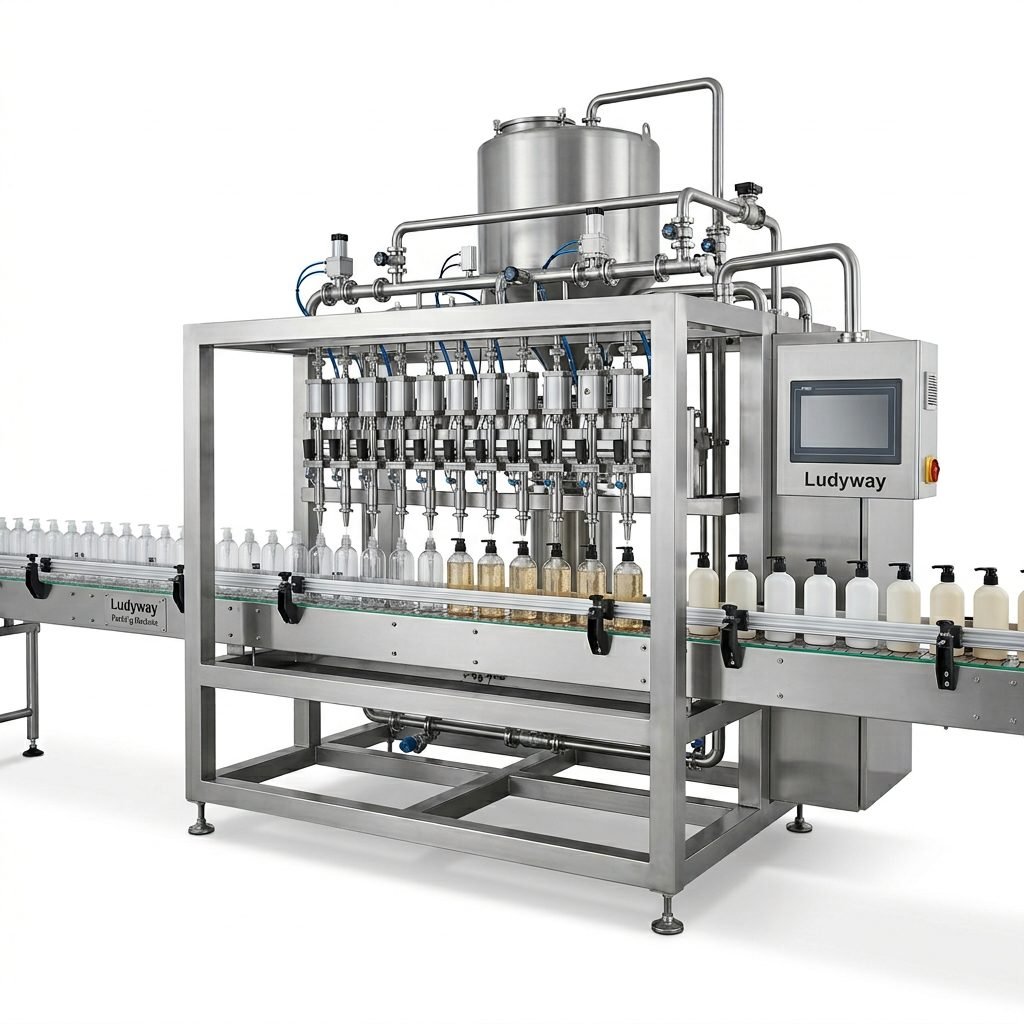
Understanding the different machine categories is essential for matching equipment capabilities to your production requirements. The following table outlines the primary types of gable top filling machines available in the global market:
| Machine Type | Speed Range | Best Suited For | Key Features |
|---|---|---|---|
| Semi-Automatic Fillers | 500 – 2,000 cartons/hour | Small dairies, niche beverage producers | Manual carton loading, lower capital investment |
| Fully Automatic ESL Fillers | 4,000 – 8,000 cartons/hour | Medium to large dairies, extended shelf life products | Automated de-stacking, UV or hydrogen peroxide sterilization |
| High-Speed Rotary Fillers | 10,000 – 15,000+ cartons/hour | High-volume commercial operations | Continuous motion, multi-station design, precision filling |
| Aseptic Gable Top Systems | 4,000 – 10,000 cartons/hour | Ambient shelf-stable products, UHT milk, broths | Full sterility with hydrogen peroxide vapor, clean room integration |
Critical Factors When Purchasing a Gable Top Packaging Machine
Selecting the right equipment requires careful evaluation of several operational and technical parameters. The following list covers the most important considerations that should guide your purchasing decision:
- Production capacity and speed requirements – Accurately project current and future throughput needs to avoid underinvestment or excessive overcapacity.
- Carton size range and changeover flexibility – Verify that the machine accommodates all desired formats (e.g., 250 ml to 2,000 ml) and allows rapid size changes with minimal downtime.
- Filling technology and accuracy – Evaluate volumetric piston fillers, magnetic flow meters, and gravimetric systems for precision and compatibility with product viscosity.
- Sterilization and hygiene standards – For ESL and aseptic applications, confirm that the machine meets FDA food packaging regulations and Clean-in-Place (CIP) requirements.
- Closure application systems – Assess compatibility with screw caps, flip-top lids, or pull-tab openings based on your packaging design.
- Automation and control integration – Look for PLC-based controls with HMI touchscreens, remote diagnostics, and compatibility with plant-wide SCADA or MES platforms.
- After-sales support and spare parts availability – Prioritize suppliers with established local service networks and guaranteed spare parts supply chains.
Global Market Overview and Leading Manufacturing Regions
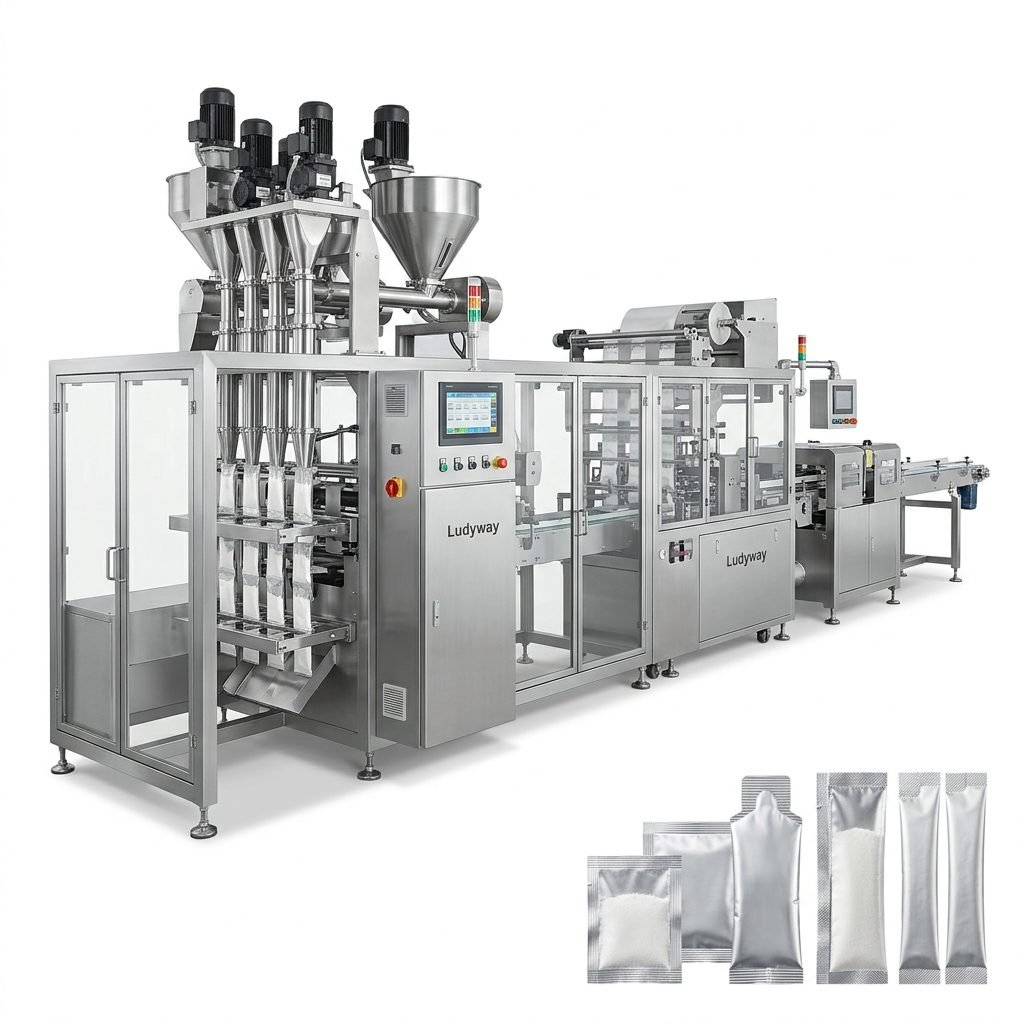
The global gable top packaging machinery market is dominated by established manufacturers in Europe, North America, and increasingly Asia-Pacific. European companies such as SIG Combibloc and Elopak have long set industry benchmarks, while North American suppliers continue to innovate in high-speed ESL systems. In recent years, Chinese packaging machinery manufacturers have significantly improved their engineering capabilities and now offer competitive alternatives with shorter lead times and attractive pricing. Companies like Ludyway, operating from a modern 20,000 m² facility with over 30 years of industry experience, provide a broad portfolio of intelligent packaging solutions serving customers in more than 100 countries. When evaluating global suppliers, it is advisable to consult independent resources such as the PMMI business intelligence library and the Flexible Packaging Association industry data for market insights and benchmarking.
How to Evaluate and Select a Reliable Supplier
A systematic supplier evaluation process minimizes risk and ensures long-term operational success. Key steps include:
- Verify manufacturing credentials – Request details about factory size, production capacity, engineering team qualifications, and quality certifications such as ISO 9001.
- Review client references and case studies – Ask for documented examples of installations in similar industries, including performance data and customer testimonials.
- Conduct factory acceptance testing (FAT) – Whenever possible, visit the manufacturing site to witness machine operation, filling accuracy, and changeover procedures before shipment.
- Assess technical documentation quality – Comprehensive manuals, electrical schematics, and maintenance guides reflect a supplier’s commitment to support.
- Evaluate warranty terms and service agreements – Compare warranty duration, coverage scope, and availability of extended service contracts or preventive maintenance programs.
Industry Standards and Regulatory Compliance
Gable top packaging machines must comply with a range of international standards governing food safety, machine safety, and environmental performance. Adherence to these standards is not only a legal requirement in most markets but also a mark of equipment quality and reliability.
- Food contact materials – Compliance with FDA packaging and food contact substances regulations and EU Framework Regulation (EC) No 1935/2004.
- Machine safety – Conformity with ISO packaging standards and the EU Machinery Directive 2006/42/EC, covering guarding, interlocks, and emergency stops.
- Hygienic design – Alignment with EHEDG guidelines and 3-A Sanitary Standards for cleanability and microbial control in liquid food processing.
- Sustainability reporting – Growing emphasis on compliance with the European Commission packaging and packaging waste regulations, including recyclability targets and recycled content mandates.
Cost Considerations and ROI Analysis
Investing in a gable top packaging machine involves more than just the initial purchase price. A thorough total cost of ownership (TCO) analysis should account for the following elements:
- Capital expenditure – Base machine cost, auxiliary equipment (conveyors, coders, carton magazines), shipping, and installation.
- Operational costs – Carton blank consumption rates, energy usage, cleaning chemicals, and labor requirements per shift.
- Maintenance expenses – Scheduled preventive maintenance, wear part replacement intervals, and emergency repair contingency budgets.
- Downtime impact – Production losses during changeovers, unscheduled stoppages, and the cost implications of delayed order fulfillment.
Typical Price Ranges by Machine Category
| Machine Category | Estimated Price Range (USD) | Typical Payback Period |
|---|---|---|
| Semi-Automatic Systems | $25,000 – $80,000 | 12 – 18 months |
| Fully Automatic ESL Lines | $150,000 – $500,000 | 18 – 36 months |
| High-Speed Rotary Fillers | $500,000 – $1,500,000+ | 24 – 48 months |
| Aseptic Gable Top Systems | $800,000 – $2,500,000+ | 36 – 60 months |
Maintenance, Training, and After-Sales Support
Long-term machine performance depends heavily on the quality of ongoing maintenance and operator training. When evaluating potential suppliers, inquire about the following support infrastructure:
- Operator training programs – On-site training during commissioning, as well as periodic refresher courses and certification options.
- Remote diagnostics and support – VPN-enabled remote troubleshooting, real-time performance monitoring, and software update capabilities.
- Spare parts inventory management – Supplier-maintained consignment stock, guaranteed delivery timelines for critical components, and obsolescence management.
- Service level agreements (SLAs) – Clearly defined response times, escalation procedures, and penalties for non-compliance.
Emerging Trends in Gable Top Packaging Technology
Staying informed about industry innovations can future-proof your investment and provide competitive advantages. Current trends shaping the gable top packaging landscape include:
- Smart factory integration – IoT-enabled machines with predictive maintenance algorithms, OEE tracking dashboards, and automated production scheduling.
- Sustainable barrier materials – Development of bio-based and recyclable barrier coatings to replace traditional aluminum foil layers, improving carton recyclability.
- Digital printing compatibility – Machines designed to handle digitally printed carton blanks, enabling mass customization and variable data printing for traceability.
- Energy-efficient systems – Regenerative drives, optimized sterilization cycles, and heat recovery systems that reduce overall energy consumption.
Frequently Asked Questions About Gable Top Packaging Machines
What is the typical lifespan of a gable top packaging machine?
With proper maintenance and timely replacement of wear components, a well-built gable top filler can operate efficiently for 15 to 25 years. Many manufacturers continue to support legacy models with spare parts and upgrades long after initial commissioning.
Can gable top machines handle both pasteurized and UHT products?
Yes, but the machine configuration differs significantly. Standard ESL fillers are suitable for pasteurized products with refrigerated distribution, while aseptic gable top systems are required for UHT products intended for ambient shelf storage. Retrofitting a standard machine for aseptic operation is generally not feasible; it requires a purpose-built aseptic system.
How long does it take to change between different carton sizes?
Changeover times vary by machine design and operator proficiency. Modern fully automatic machines can complete a full size changeover in 15 to 30 minutes with guided procedures, while semi-automatic or older models may require 45 to 90 minutes. Quick-change tooling and recipe-driven automation significantly reduce downtime.
What are the key differences between gable top and brick-style aseptic cartons?
Gable top cartons are primarily used for chilled short-shelf-life products (7–21 days), while brick-style cartons with full aseptic processing enable ambient shelf life of 6–12 months. The machinery, barrier materials, and sterilization requirements differ substantially. The PMMI state of the industry report provides detailed market segmentation data comparing these formats.
Selecting the right gable top packaging machine is a multifaceted decision that extends well beyond the initial purchase price. By thoroughly evaluating production requirements, supplier capabilities, regulatory compliance obligations, and long-term support infrastructure, you can secure an investment that drives operational efficiency for decades. For further guidance on packaging and distribution standards, consult ISO technical committees or reach out to industry associations such as PMMI and the Flexible Packaging Association for the latest insights and networking opportunities.