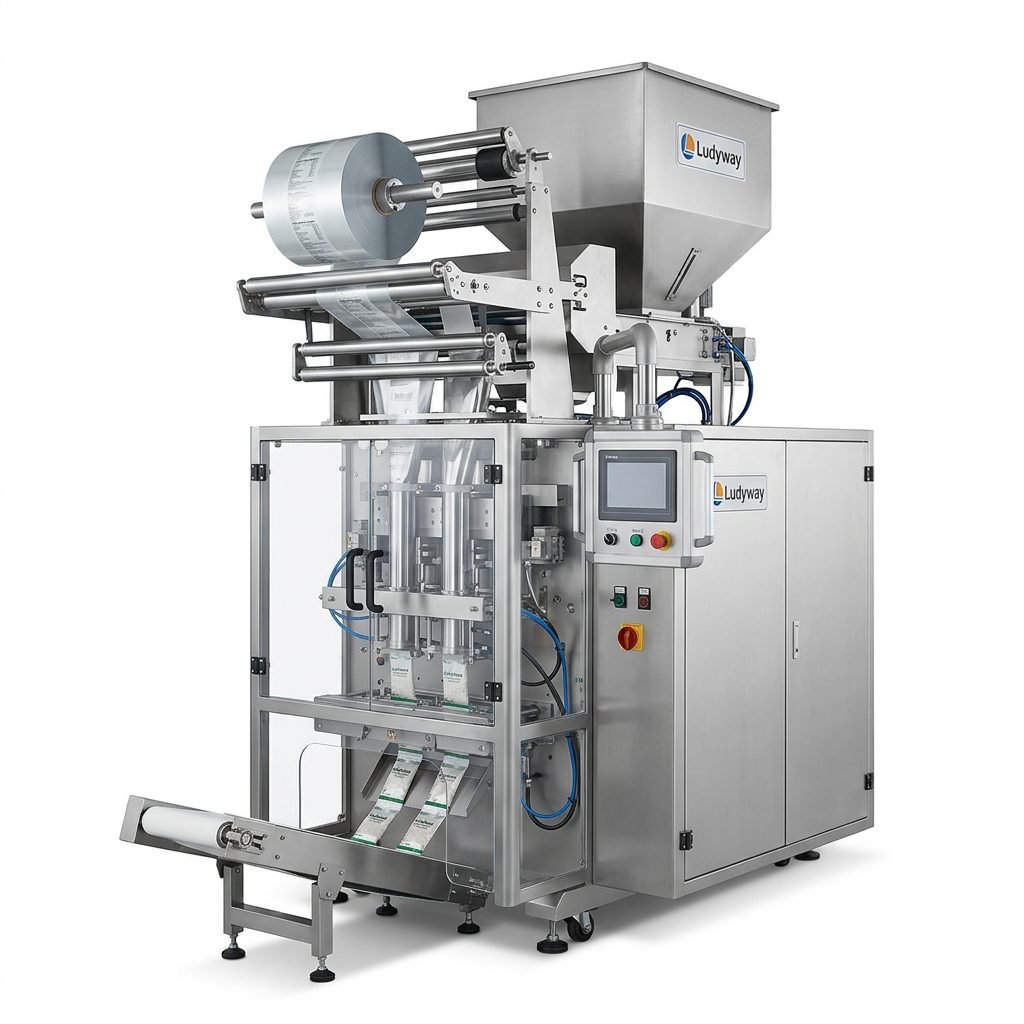
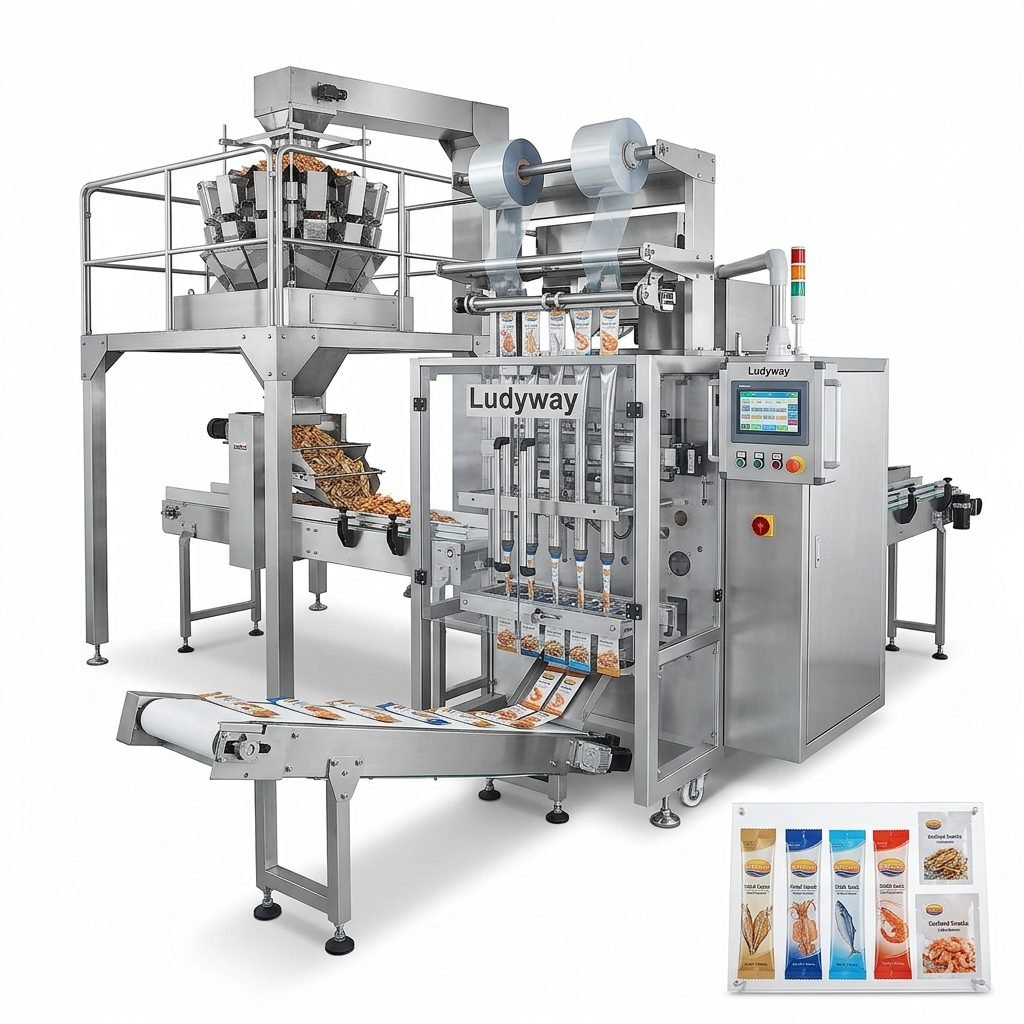
Investing in a packaging printing machine is a significant decision that directly impacts your production efficiency, brand presentation, and bottom line. Whether you are upgrading an existing line or setting up a new operation, understanding the core selection criteria helps you avoid costly mistakes and equipment that fails to meet your throughput or quality targets. This guide walks you through every factor to evaluate before making a purchase.
Understand Your Packaging and Printing Requirements First
Before comparing machine models or contacting suppliers, define your operational needs clearly. Every production environment has unique demands, and the right machine must align with your specific application. Start by answering these fundamental questions:
- What packaging formats do you produce? Consider sachets, stick packs, pouches, cartons, labels, or flexible films.
- What substrate materials will you print on? Different machines handle paper, plastic films, metallic foils, and biodegradable materials differently.
- What is your required print resolution and color complexity? Simple date codes demand far less capability than full-color brand graphics.
- What production speed do you need to meet daily or seasonal demand peaks?
- Will the machine integrate with existing packaging line equipment such as fillers, sealers, and conveyors?
Clearly mapping these requirements prevents you from purchasing a machine that is either underpowered for your needs or unnecessarily complex for your application. According to PMMI packaging machinery market research, misalignment between machine capability and actual production requirements remains one of the leading causes of buyer dissatisfaction.
Key Specifications to Evaluate Before Purchase
Once you have outlined your operational requirements, dive deeper into the technical specifications that differentiate one packaging printing machine from another. The following table summarizes the critical parameters you should compare across different models and brands:
| Specification | Why It Matters | What to Look For |
|---|---|---|
| Print Technology | Determines print quality, speed, and substrate compatibility | Flexographic, digital inkjet, thermal transfer, or laser marking |
| Maximum Print Width | Limits the size of packaging you can print in a single pass | Match to your largest packaging format plus bleed requirements |
| Resolution (DPI) | Affects barcode readability and brand graphic quality | 300–600 DPI for standard codes; 1200+ DPI for fine graphics |
| Line Speed | Directly determines production output capacity | Measured in meters per minute or packages per minute |
| Ink or Consumable Type | Impacts ongoing operational costs and regulatory compliance | Food-safe inks, solvent vs. water-based, UV-curable options |
| Changeover Time | Affects downtime between different packaging runs | Quick-change systems can reduce changeover to under 10 minutes |
| Connectivity Options | Enables integration with production monitoring systems | Ethernet/IP, Profinet, OPC-UA, or cloud-based interfaces |
Regulatory compliance is equally important. Machines used for food-contact packaging must meet standards established by the FDA food packaging and food contact substances regulations. Similarly, pharmaceutical applications often require adherence to ISO 11607 packaging standards for terminally sterilized medical devices.
Types of Packaging Printing Machines
Understanding the main categories of packaging printing equipment helps narrow your search. Each type serves different production volumes, packaging formats, and quality requirements:
Flexographic Printers
Flexographic printing remains the workhorse for high-volume flexible packaging production. These machines use flexible relief plates and fast-drying inks to print on a wide range of substrates including plastic films, paper, and metallic foils. They excel in long-run applications where print consistency and speed are paramount.
Digital Inkjet Printers
Digital printing technology has transformed short-run and variable-data packaging applications. These machines eliminate the need for printing plates, enabling cost-effective small batches, personalized packaging, and rapid design changes. The flexible packaging industry has seen significant adoption of digital solutions for on-demand production models.
Thermal Transfer Overprinters
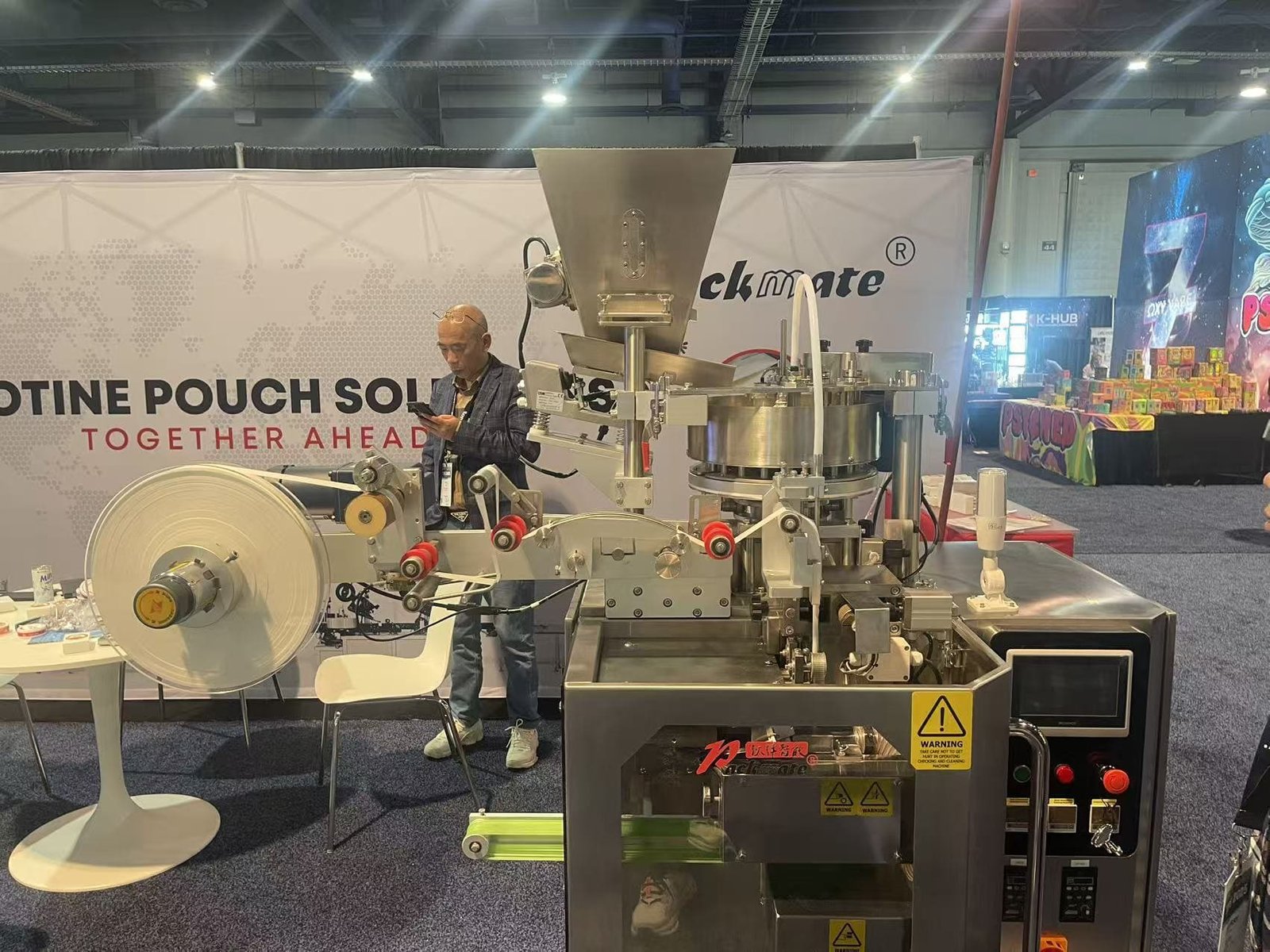
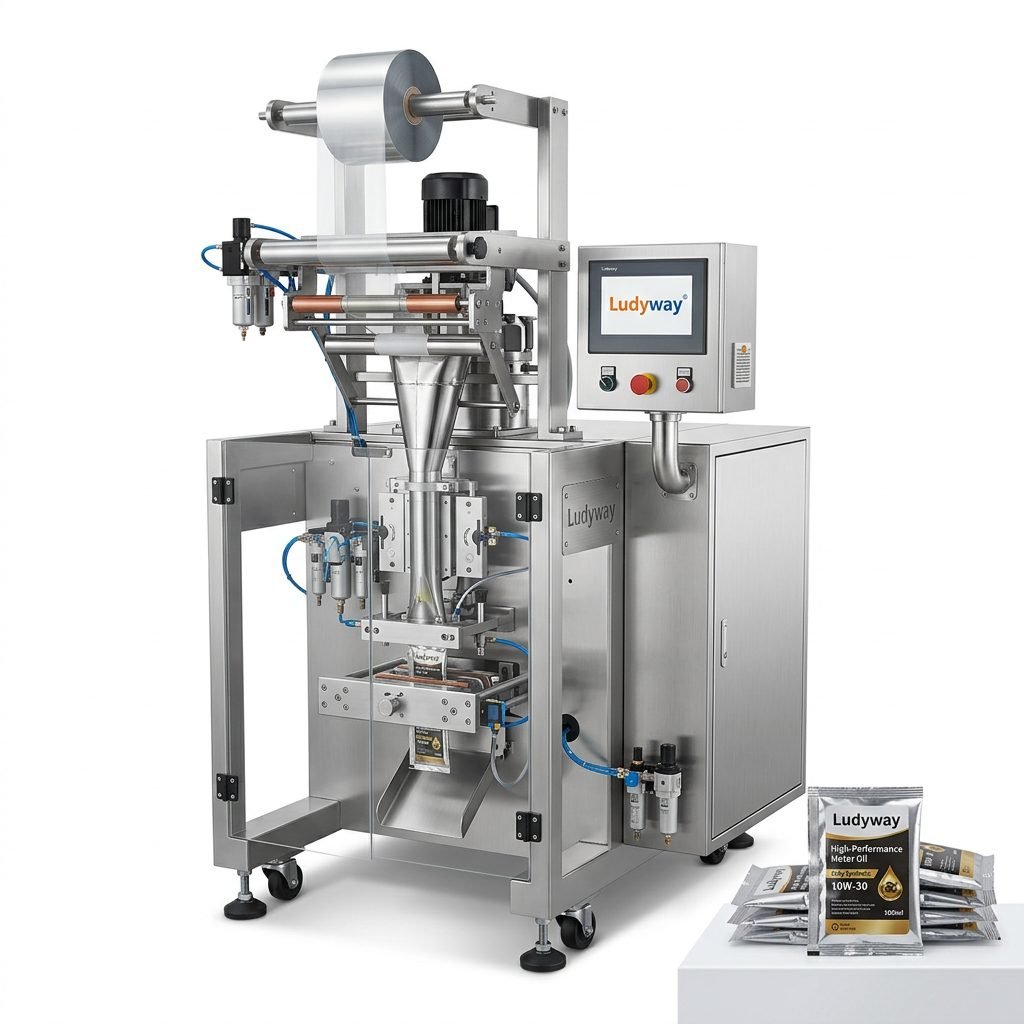
For date coding, lot numbers, barcodes, and variable information on flexible packaging, thermal transfer technology offers high-resolution results with excellent durability. These systems are commonly integrated into existing form-fill-seal machines and pouch packaging lines.
Laser Marking Systems
Laser technology provides permanent, high-contrast marking without consumables like ink or ribbons. This approach is growing in popularity for applications requiring tamper-evident coding or where eliminating consumable costs delivers strong ROI over the equipment lifecycle.
Balancing Budget with Long-Term Value
The purchase price of a packaging printing machine represents only one part of the total cost equation. A thorough evaluation should account for the full lifecycle costs, including installation, training, consumables, maintenance, and potential downtime. Here is a practical framework for comparing options:
- Initial capital expenditure – machine cost including shipping and installation
- Consumable costs – inks, plates, ribbons, or other recurring supplies per thousand impressions
- Energy consumption – power requirements and associated utility costs
- Maintenance contracts – preventive service agreements and spare parts availability
- Expected service life – how many years of reliable operation the manufacturer projects
- Operator training requirements – complexity of the interface and skill level needed
Machines with lower upfront costs may carry higher consumable expenses over time. Conversely, a more expensive system with efficient ink usage and minimal waste can deliver a lower total cost of ownership across five or more years of operation. The 2026 Packaging State of the Industry report highlights that manufacturers increasingly prioritize total cost of ownership over initial price when making capital equipment decisions.
Selecting a Reliable Equipment Partner
Beyond the machine itself, the manufacturer you choose plays a critical role in your long-term success. Evaluate potential suppliers on their engineering capabilities, after-sales support infrastructure, and track record in your specific industry. Consider these factors when vetting equipment partners:
- Industry experience – Look for manufacturers with a proven history in your product category, whether it is flexible packaging, food and beverage, pharmaceuticals, or industrial goods.
- Customization capability – Can the supplier adapt machine configurations to your specific packaging formats and production environment?
- Global service reach – If your operations span multiple countries, ensure the manufacturer can provide timely technical support across your locations.
- Spare parts availability – Quick access to critical components minimizes production disruptions.
- Regulatory documentation – Suppliers should be able to provide compliance documentation aligned with ISO packaging standards and relevant regional requirements.
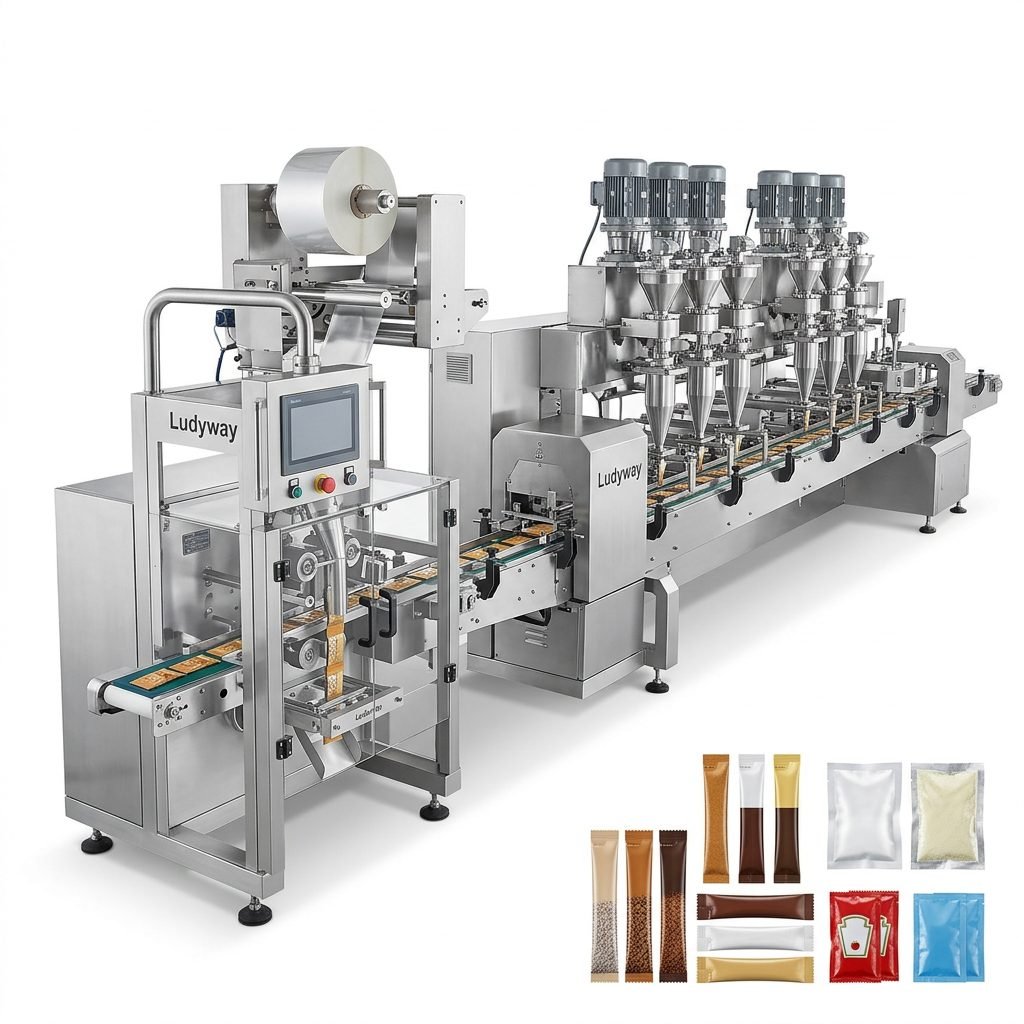
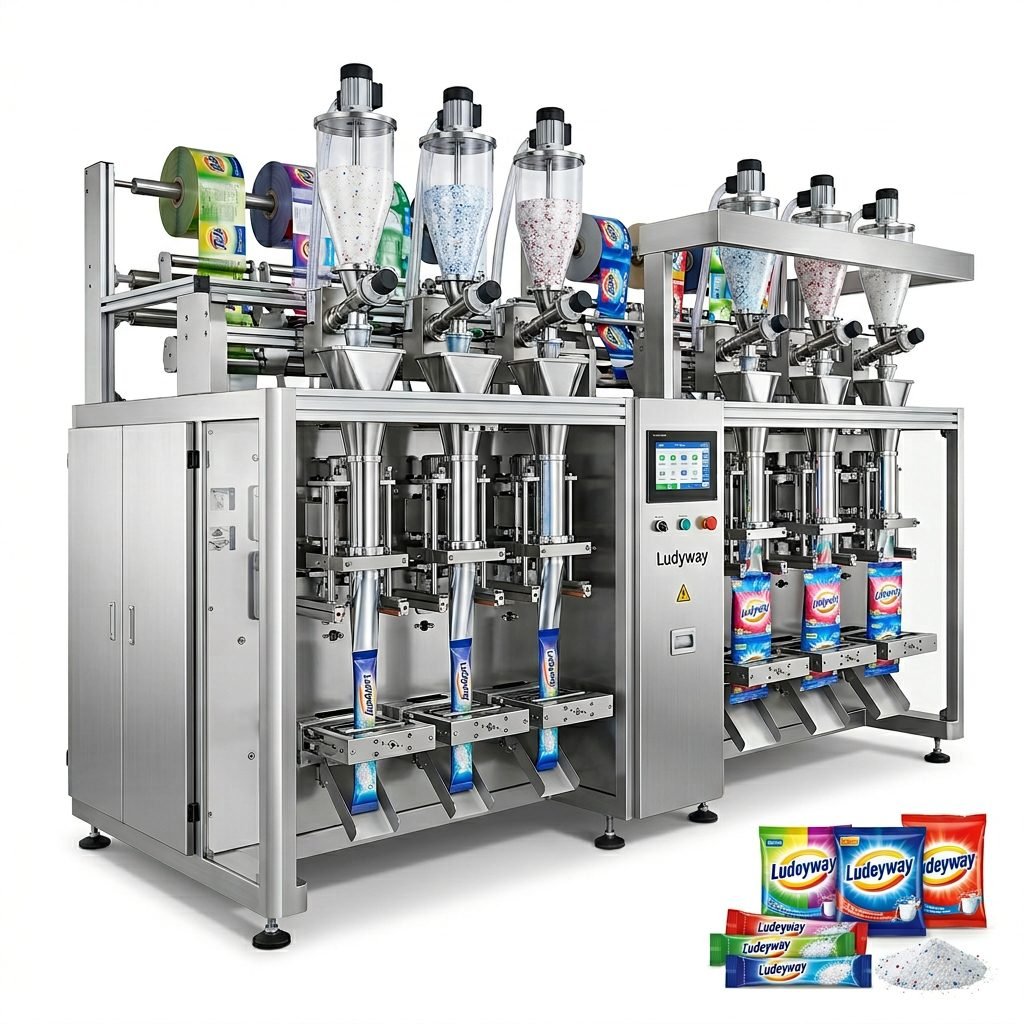
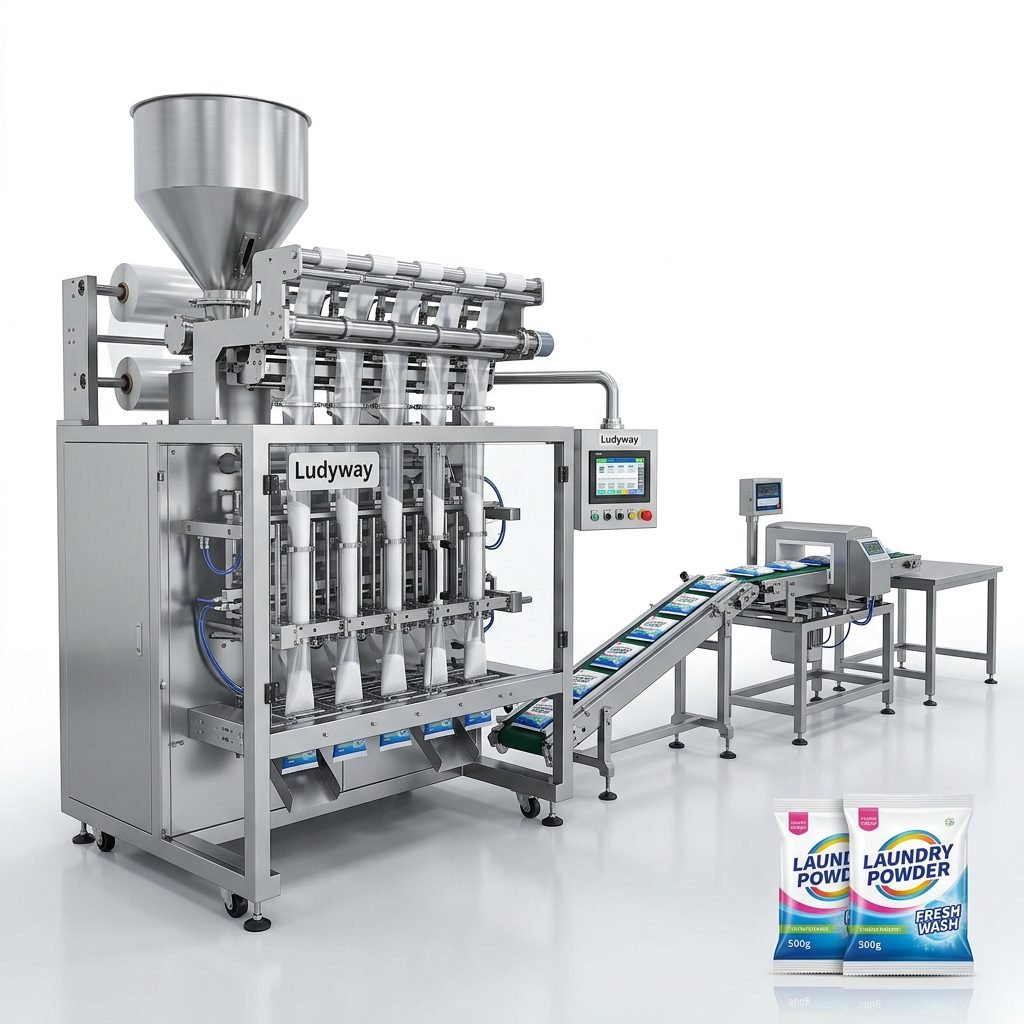
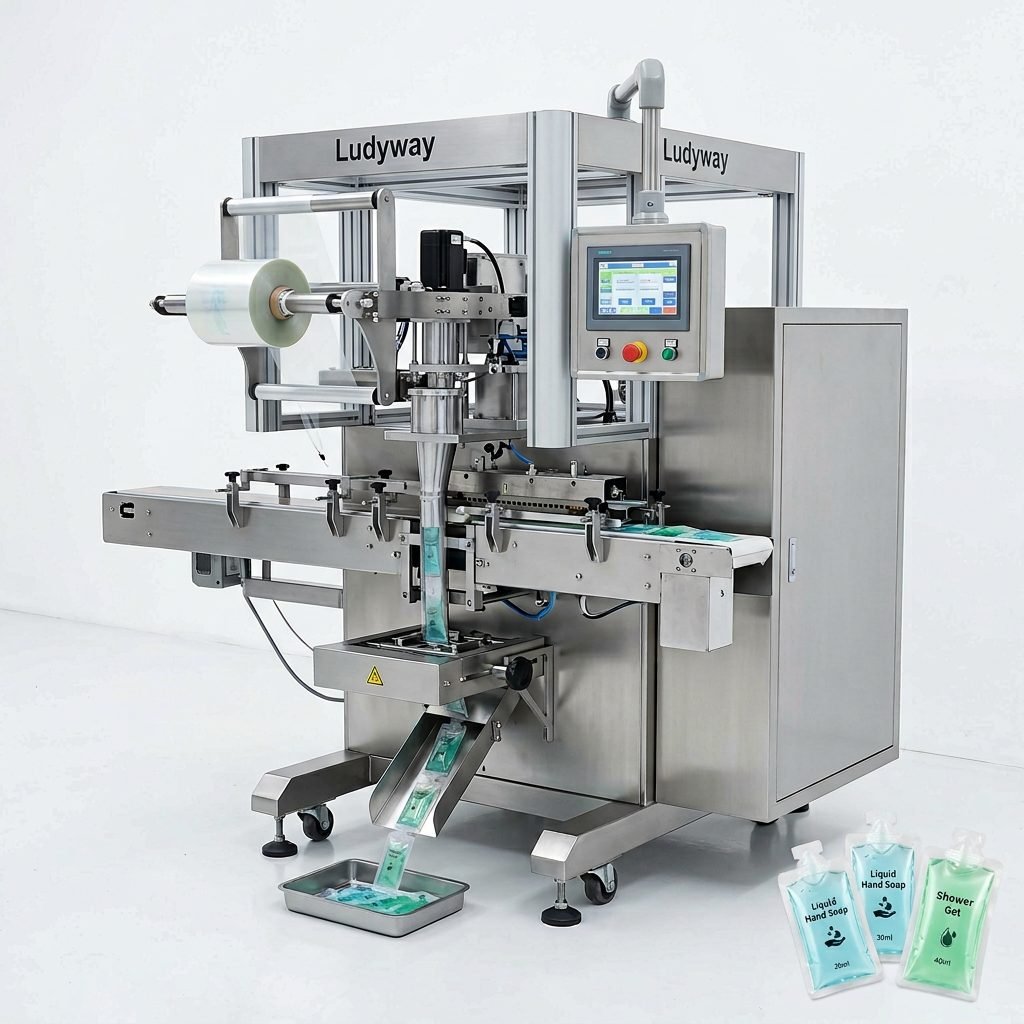
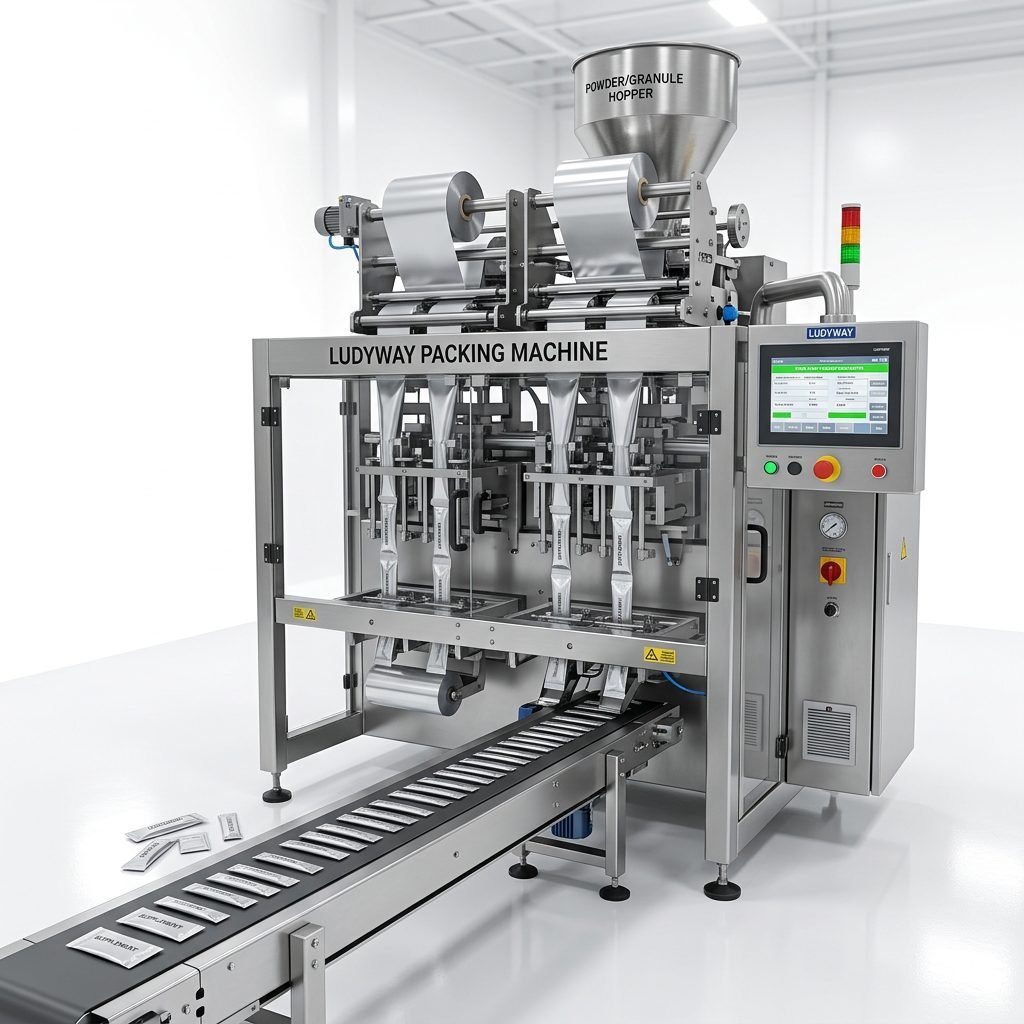
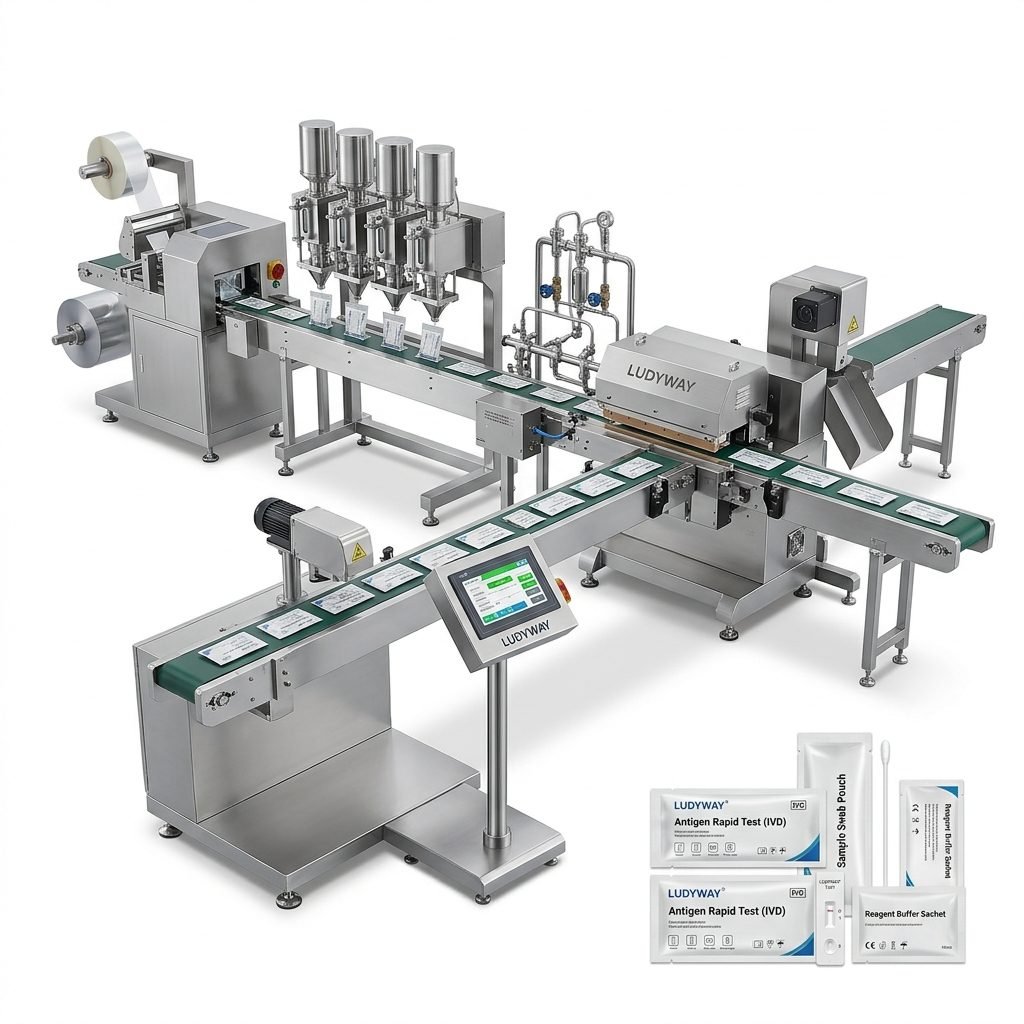
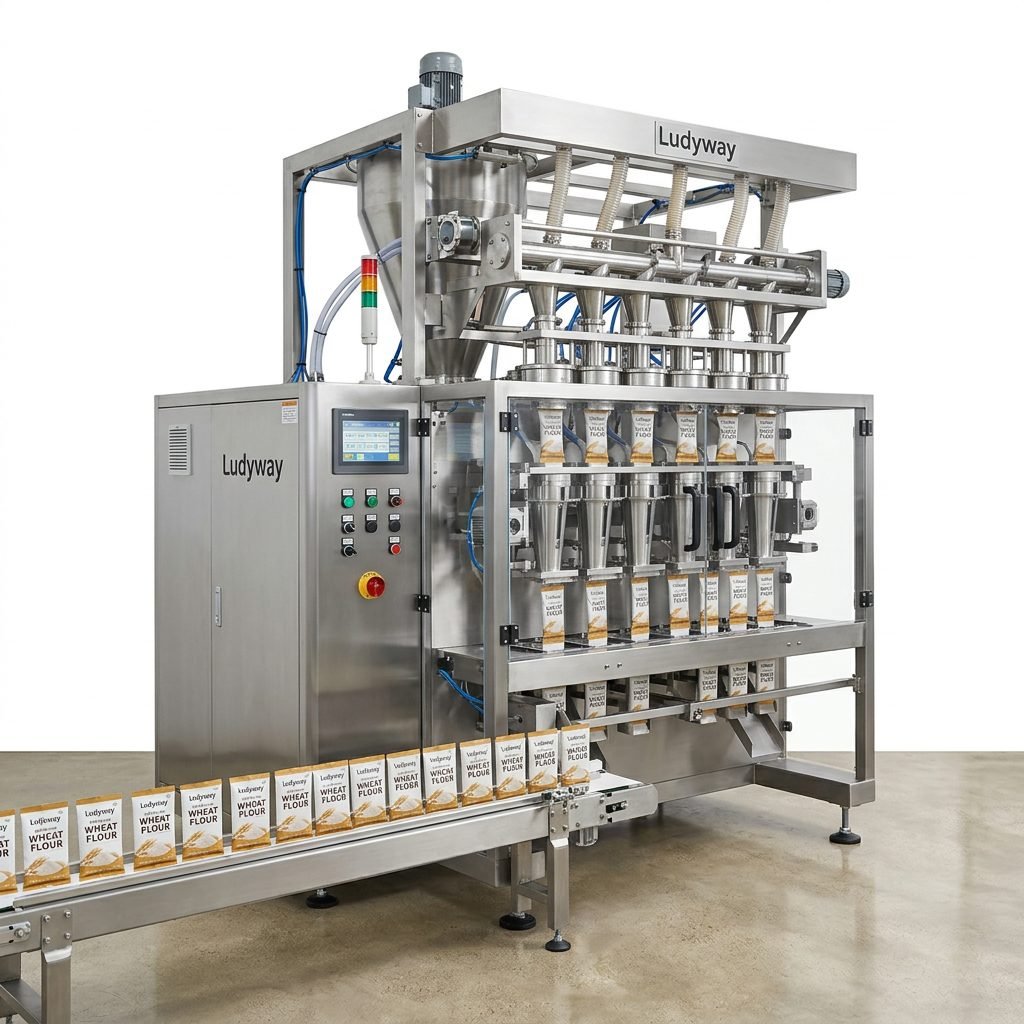
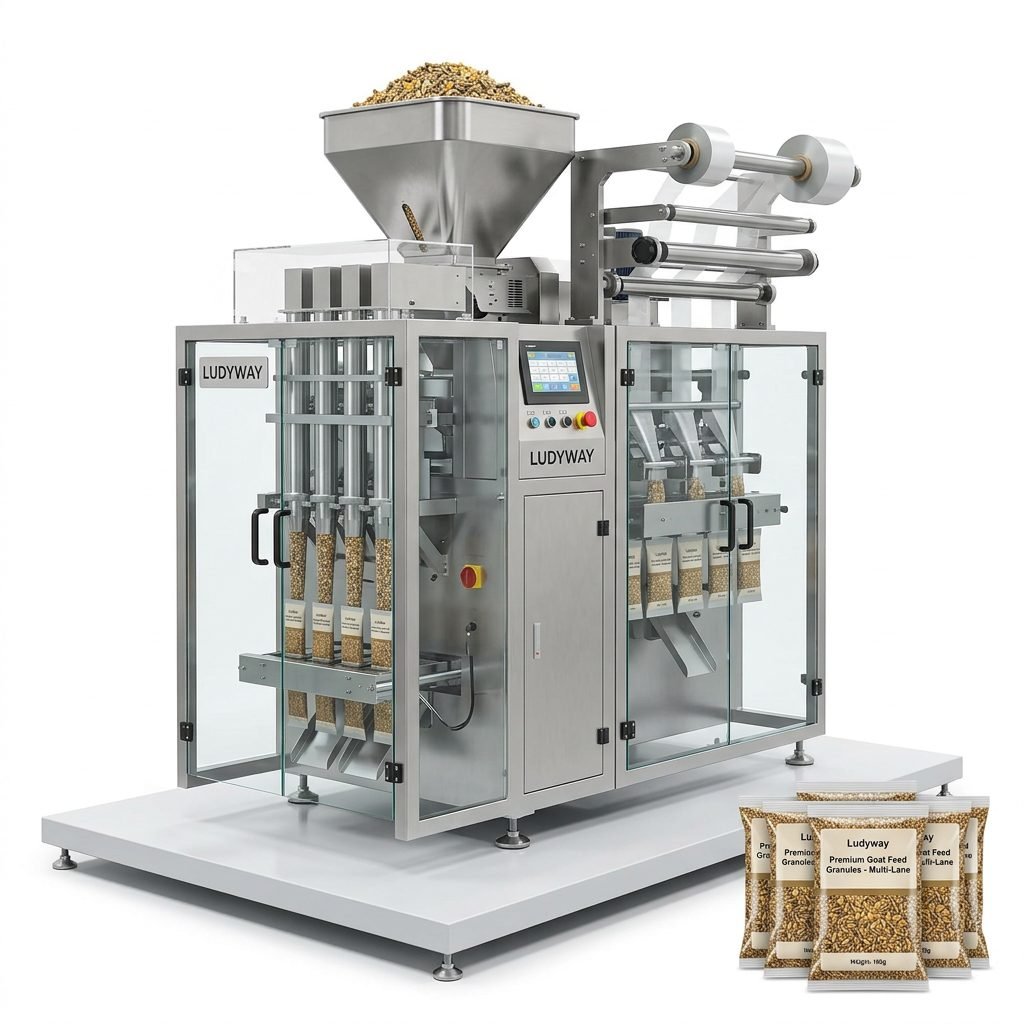
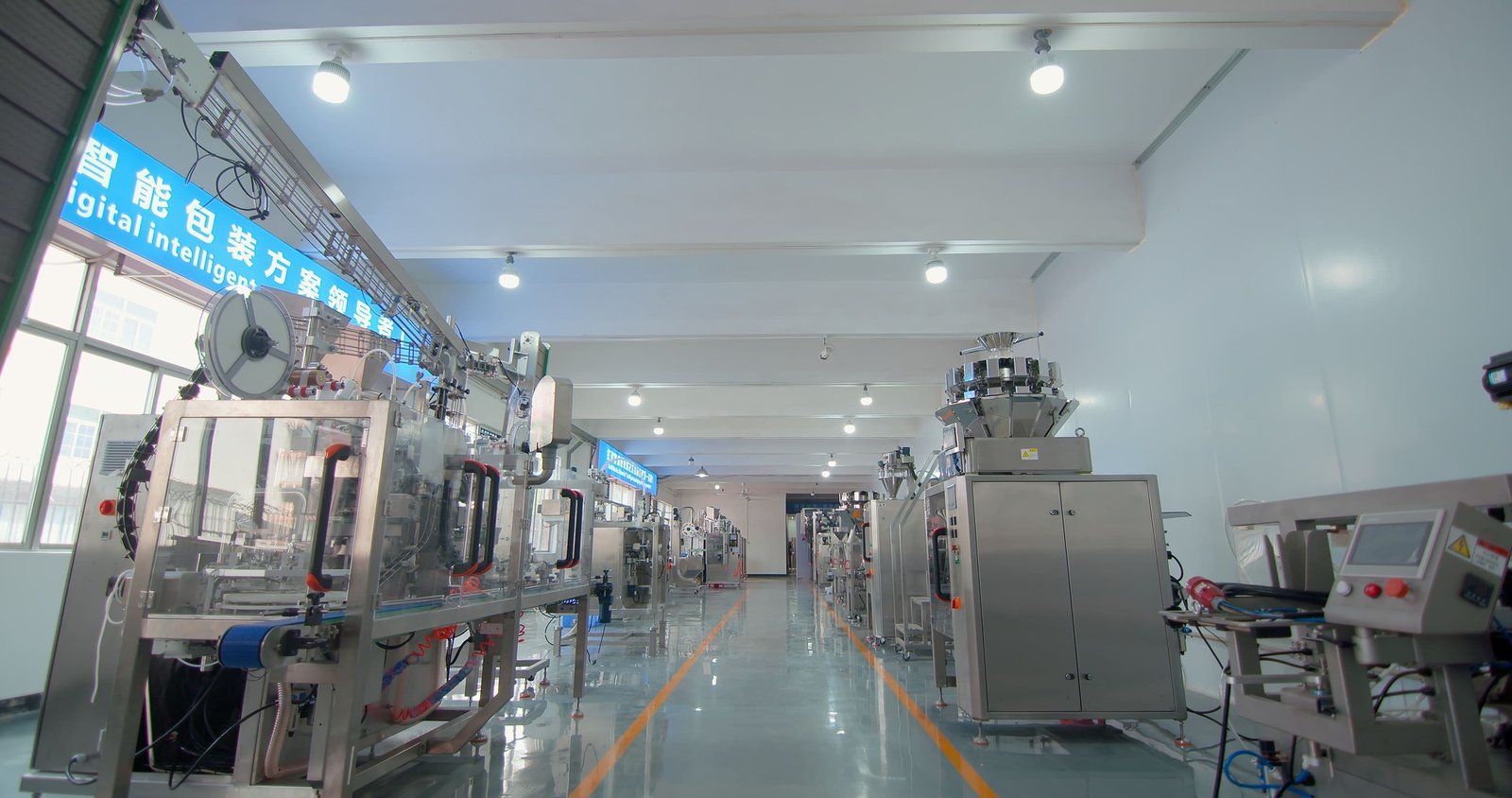
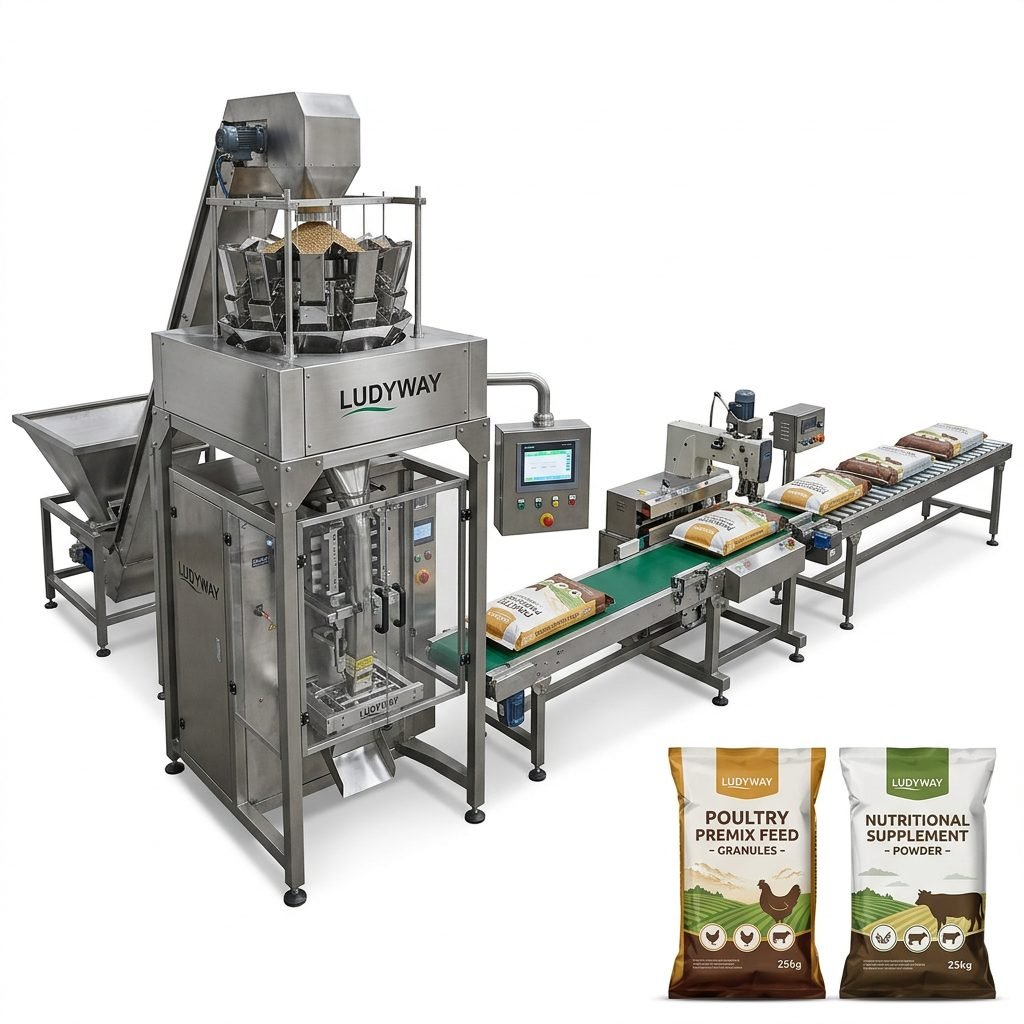
For manufacturers seeking integrated solutions beyond standalone printing machines, working with a partner that offers comprehensive packaging line engineering can streamline the entire project. Ludyway Machinery, a China-based packaging machinery manufacturer with over 30 years of experience, provides turnkey packaging solutions that combine printing, filling, sealing, and automation technologies for manufacturers across food, pharmaceutical, cosmetic, and chemical industries. This integrated approach allows customers to work with a single partner for equipment selection, system integration, and ongoing technical support.
Questions to Ask Before Signing a Purchase Agreement
- Can the supplier provide references from customers in your industry with similar packaging applications?
- What is the standard warranty period and what does it cover?
- How does the manufacturer handle remote troubleshooting and on-site service requests?
- Are operator training programs included, and can they be conducted at your facility?
- What is the lead time for both the initial machine and commonly replaced parts?
- Does the machine support future upgrades as your production needs evolve?
Making the Final Decision
Choosing the right packaging printing machine requires balancing technical specifications, budget constraints, and the capabilities of your equipment partner. Start with a clear understanding of your packaging formats, production volumes, and quality requirements. Compare machine specifications methodically using the evaluation criteria outlined above. Look beyond the initial purchase price to understand the total cost of ownership across the equipment’s service life. Finally, select a supplier with the engineering depth, industry experience, and service infrastructure to support your operations long after the installation is complete. By following this structured approach, you can invest with confidence in a packaging printing solution that delivers consistent quality, reliable throughput, and strong returns for years to come.