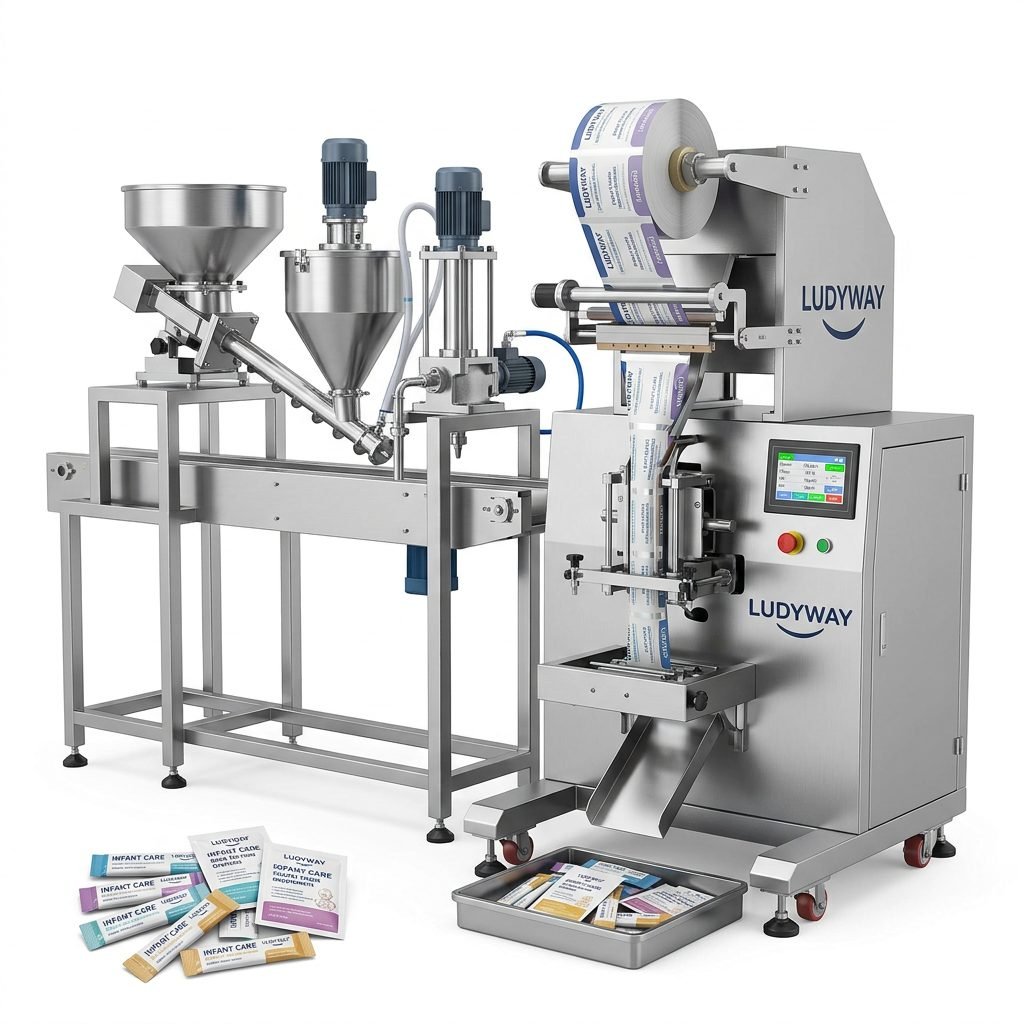
Setting up a food packaging machine production line in the UK requires careful planning, adherence to strict regulations, and selecting the right equipment to match your production goals. Whether you are launching a new facility or upgrading an existing operation, understanding the full process from initial concept to full-scale production is essential for success in the competitive UK food manufacturing sector.
Understanding the UK Food Packaging Market
The UK food and drink industry is the largest manufacturing sector in the country. With consumer demand shifting towards convenience, sustainability, and portion-controlled formats, automated packaging solutions have become critical for maintaining competitiveness. From sachets and stick packs to larger pouch formats, manufacturers are increasingly turning to high-speed multi-lane systems to boost output while reducing labour costs.
Step One: Define Your Production Requirements
Before purchasing any machinery, clearly define the scope of your production line. Consider the following key factors:
- Product type: Granules, powders, liquids, or pastes each require different filling technologies.
- Packaging format: Stick packs, sachets, pouches, or bottles determine the machine configuration.
- Target output: Multi-lane machines significantly increase production speed compared to single-lane systems.
- Facility space: Measure available floor area to plan the line layout effectively.
- Budget: Include not only equipment cost but also installation, training, and ongoing maintenance.
UK Regulatory Compliance and Safety Standards
All food packaging equipment installed in the UK must comply with relevant health, safety, and hygiene regulations. The Food Standards Agency (FSA) oversees food safety, while machinery must meet the Supply of Machinery (Safety) Regulations 2008, which implement the EU Machinery Directive in UK law. Key requirements include:
- Food-grade materials for all product contact parts (typically 304 or 316 stainless steel).
- CE marking, or the UKCA (UK Conformity Assessed) marking for equipment placed on the GB market.
- Compliance with BS EN 1672-2:2020 for hygiene requirements in food processing machinery.
- Adherence to HACCP principles with easy-clean design and accessible inspection points.
For detailed guidance on packaging machinery standards, refer to resources from the Association for Packaging and Processing Technologies (PMMI) and ISO packaging standards.
Selecting the Right Packaging Machine Equipment
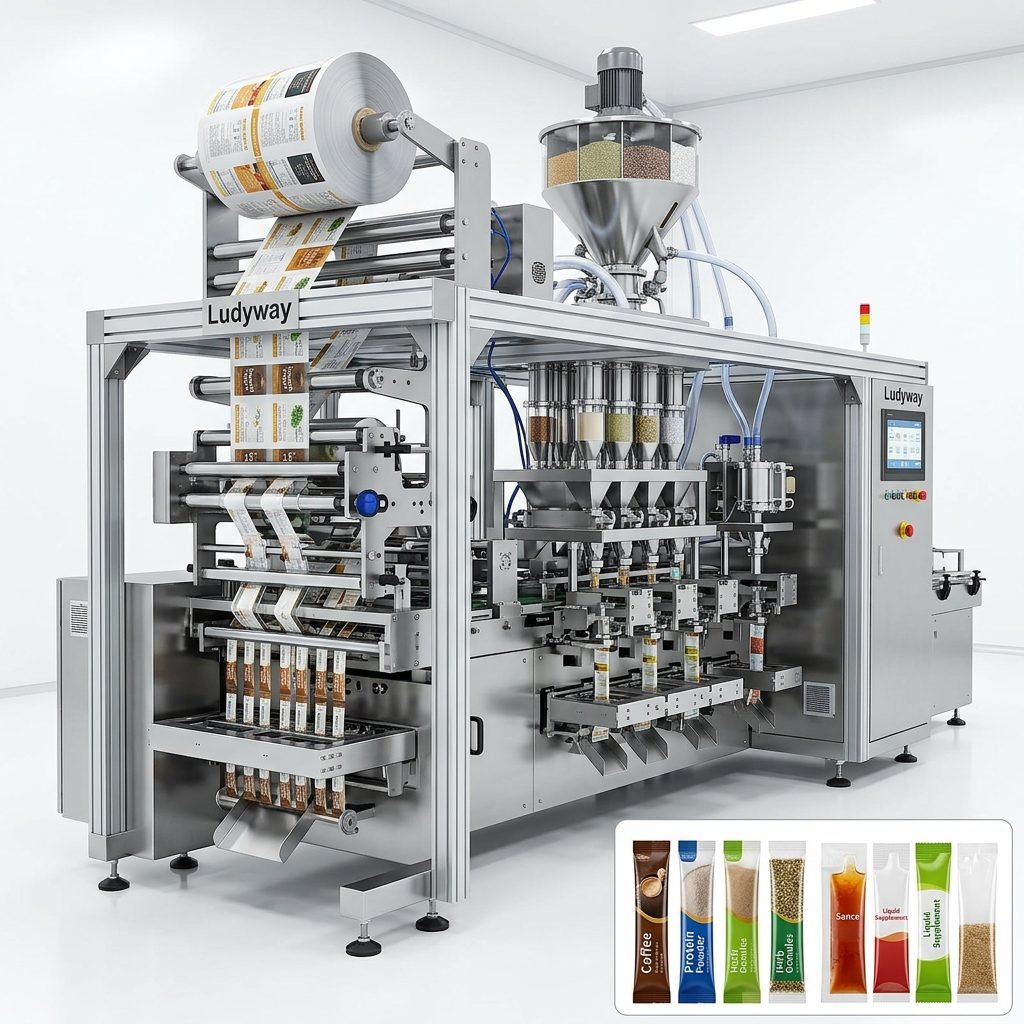
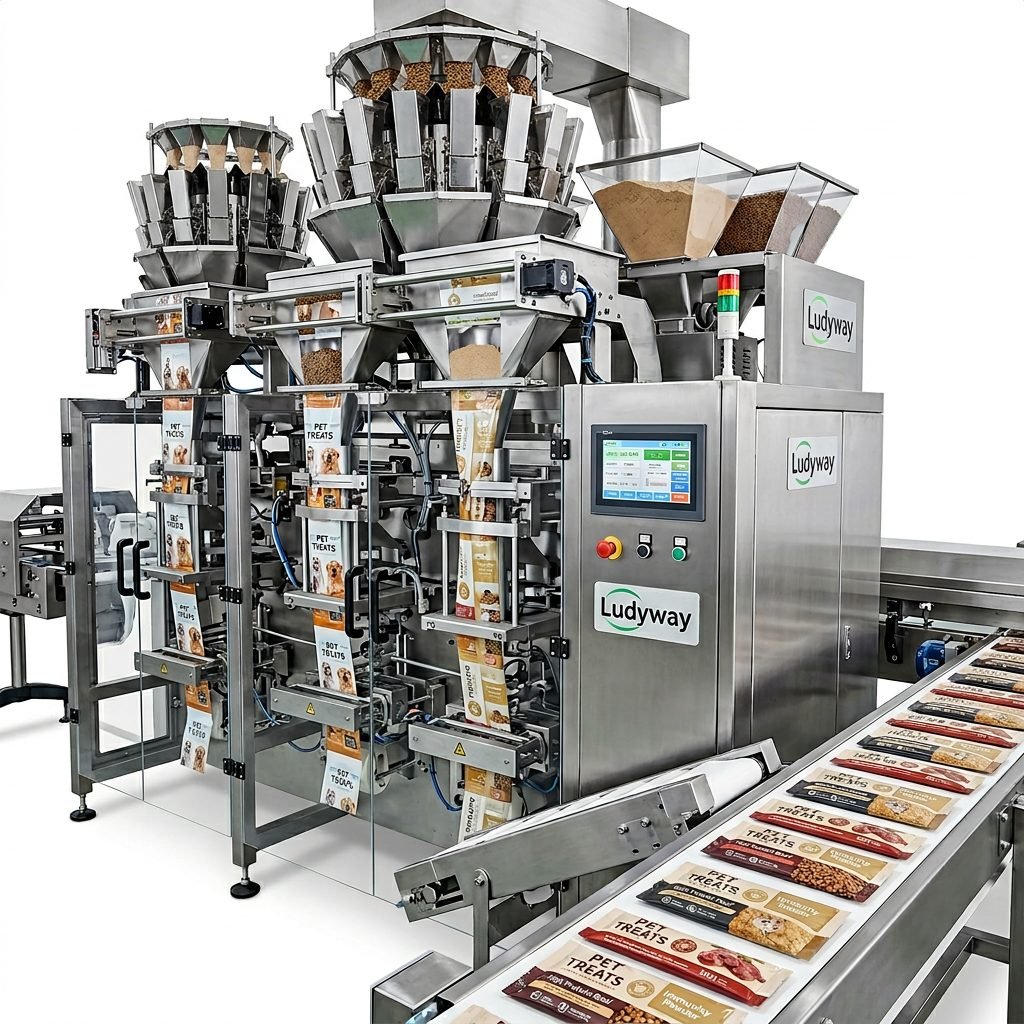
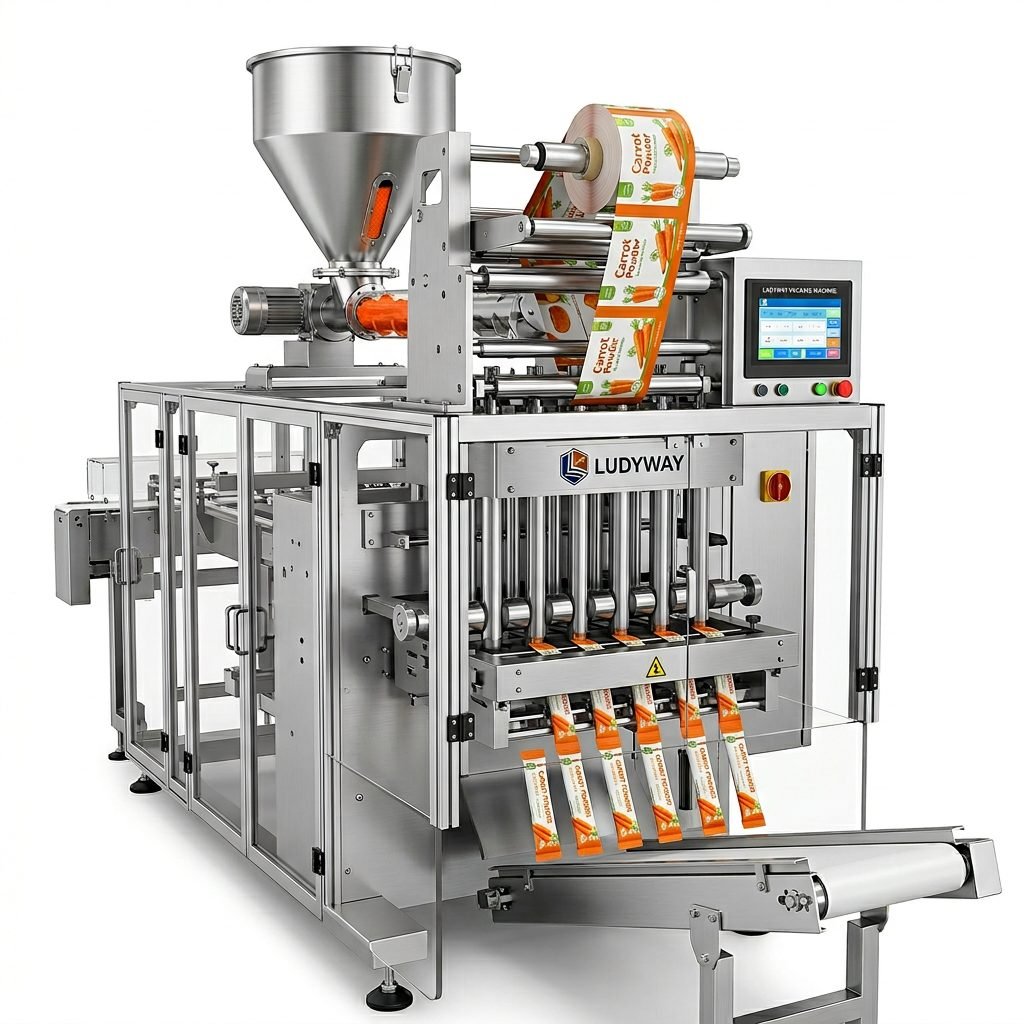
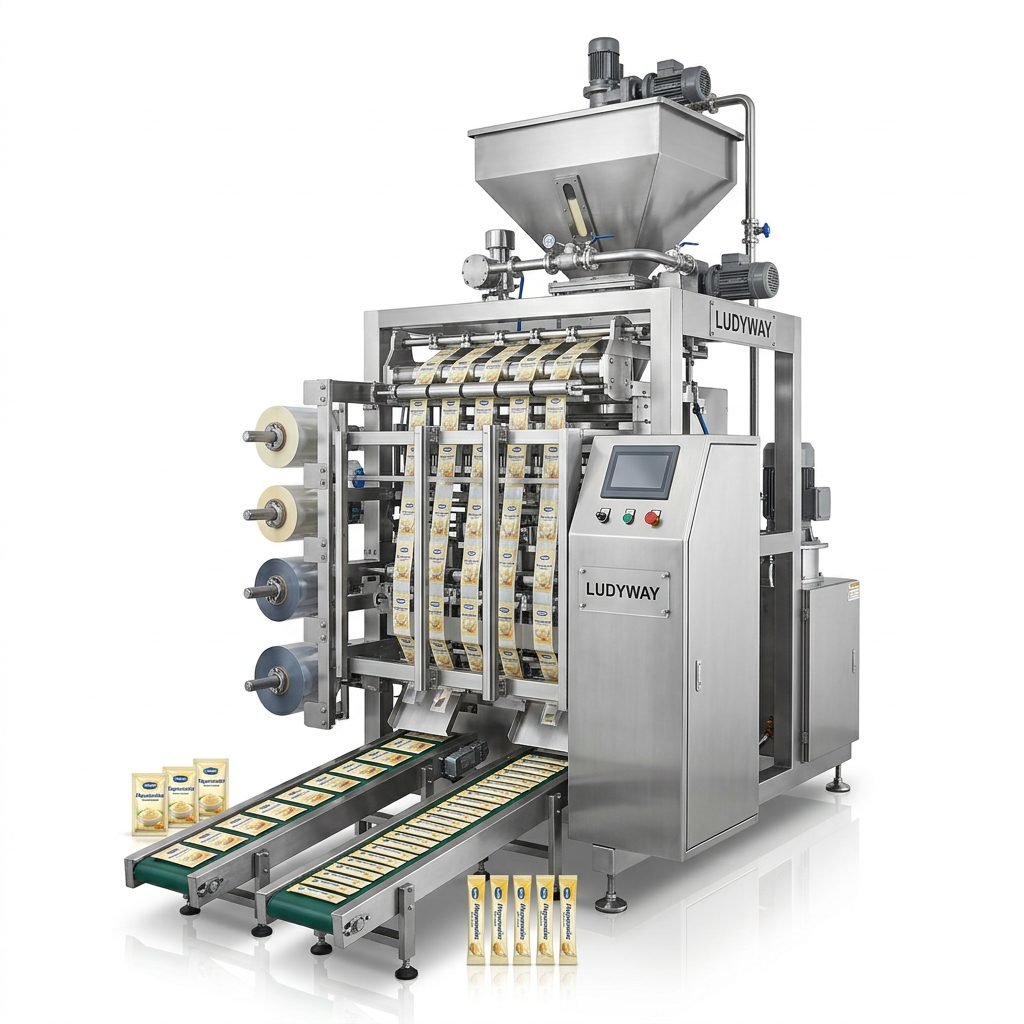
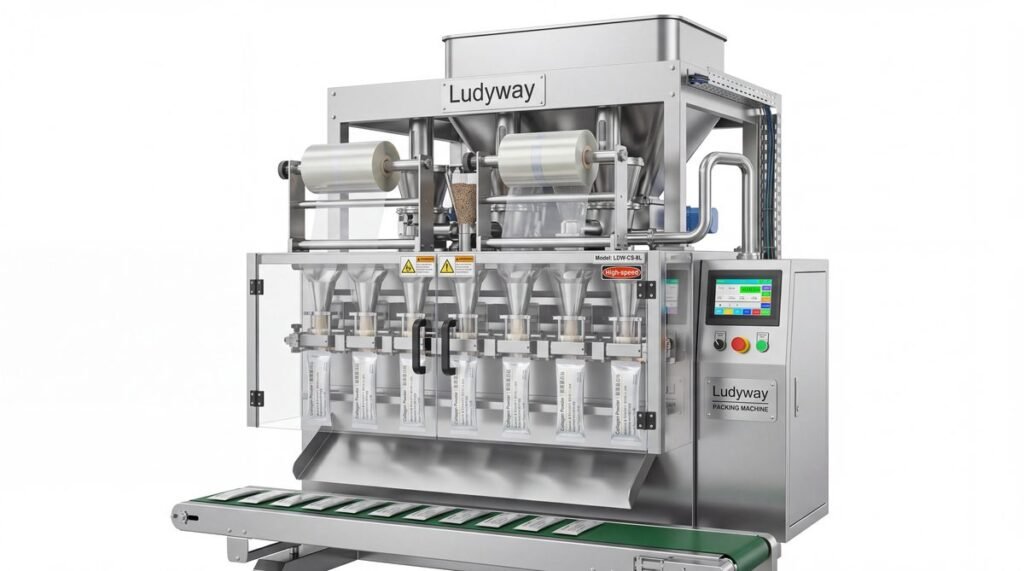
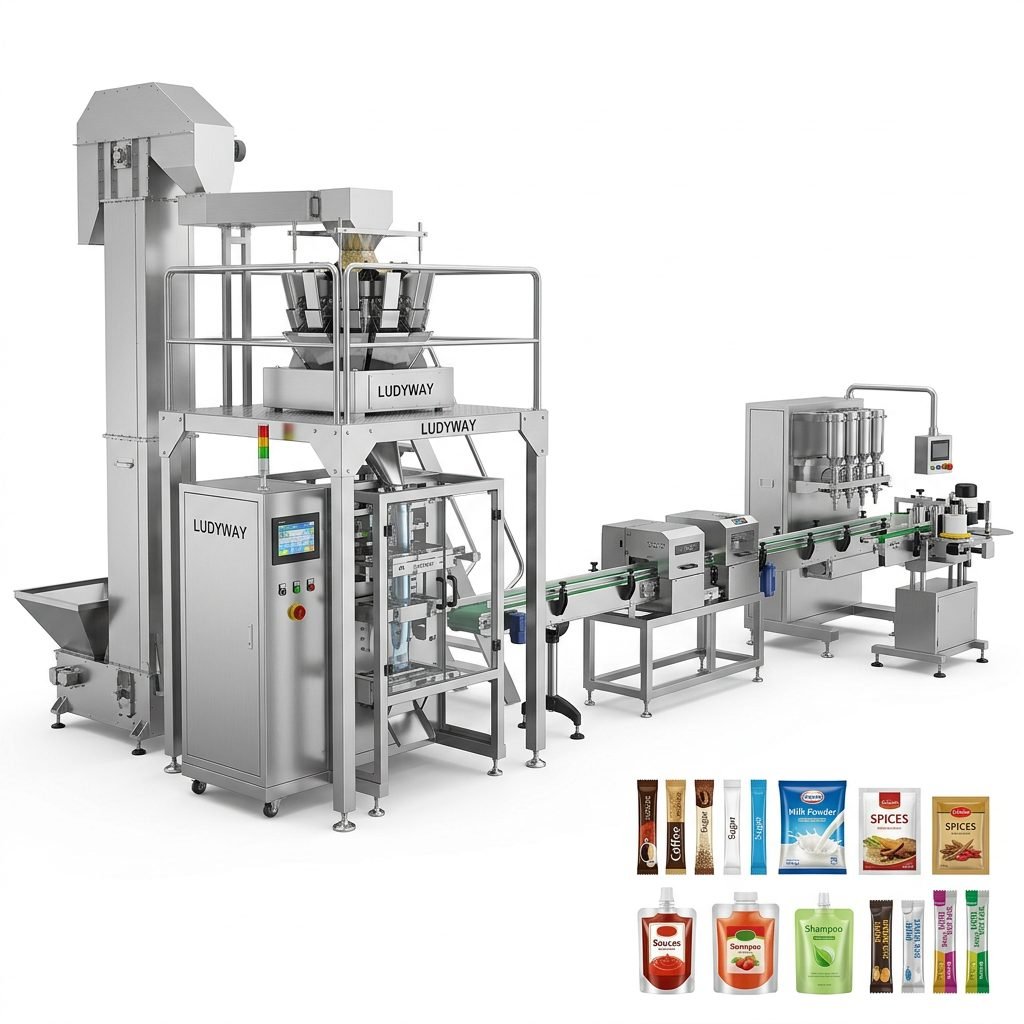
Choosing the correct machine is the cornerstone of your production line. For high-volume food applications, many UK manufacturers opt for multi-lane stick pack and sachet machines due to their speed and versatility. These systems can handle granules, powders, and liquids with quick changeover capabilities, making them suitable for contract packers serving multiple clients.
Key Equipment Types for a Complete Line
| Machine Type | Primary Function | Ideal Applications |
|---|---|---|
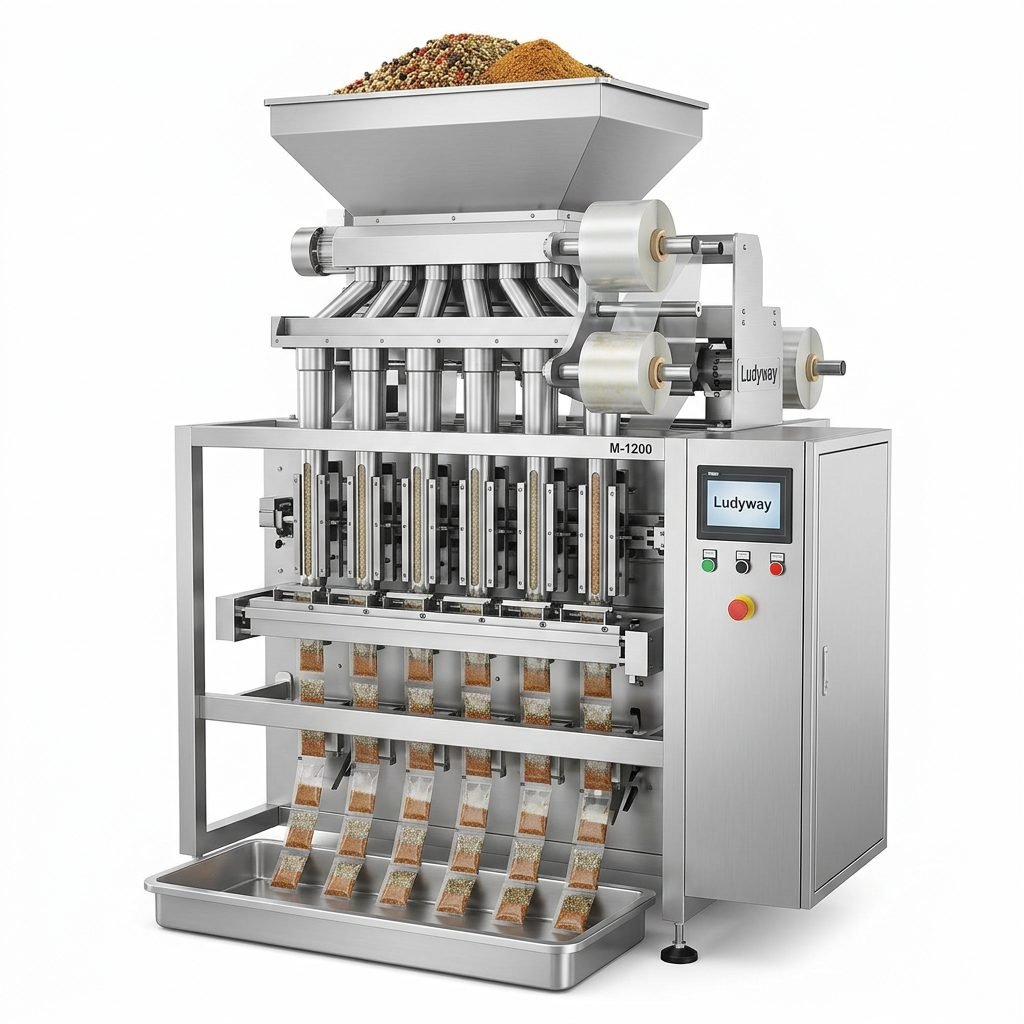
| Multi-Lane Stick Pack Machine | High-speed filling and sealing of narrow sachets | Sugar, salt, coffee, supplements, seasonings |
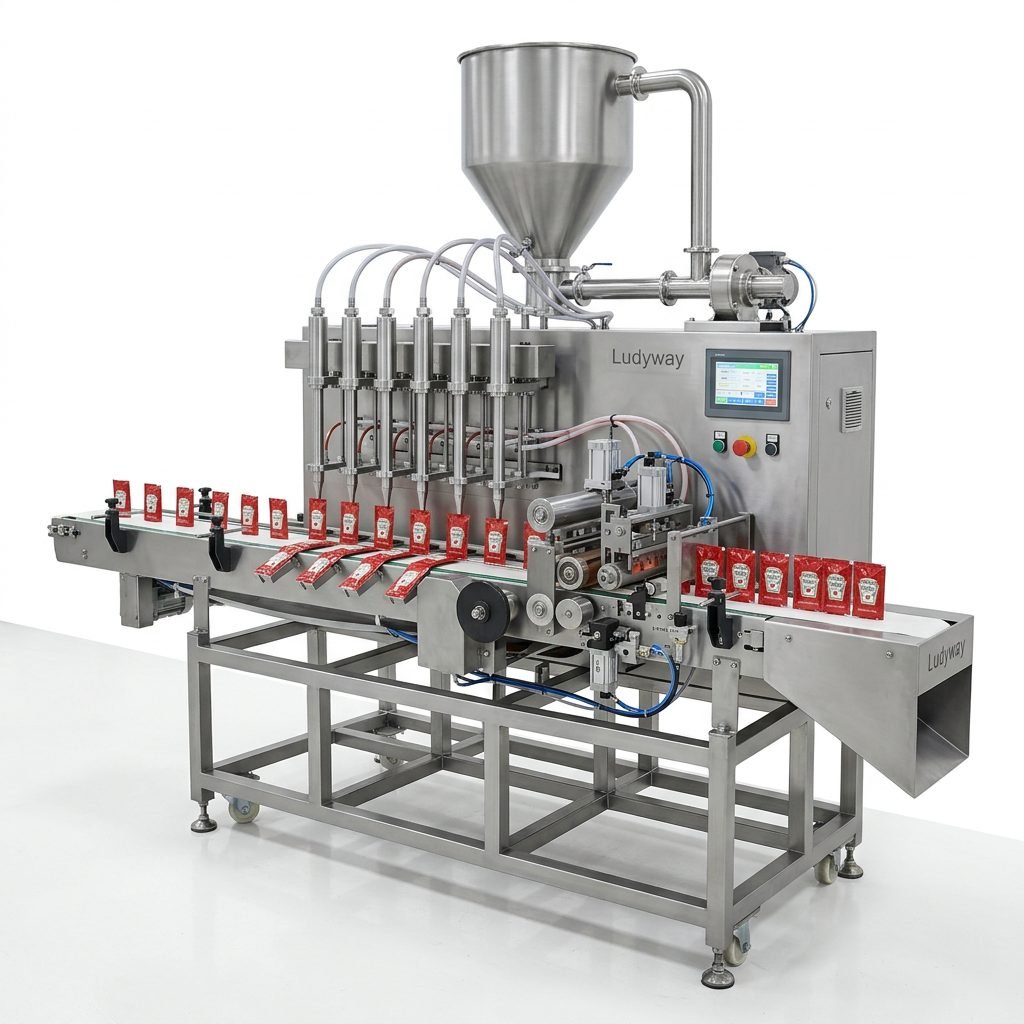
| Sachet Packaging Machine | Three- or four-side sealing for flat pouches | Sauces, ketchup, shampoo, liquid detergents |
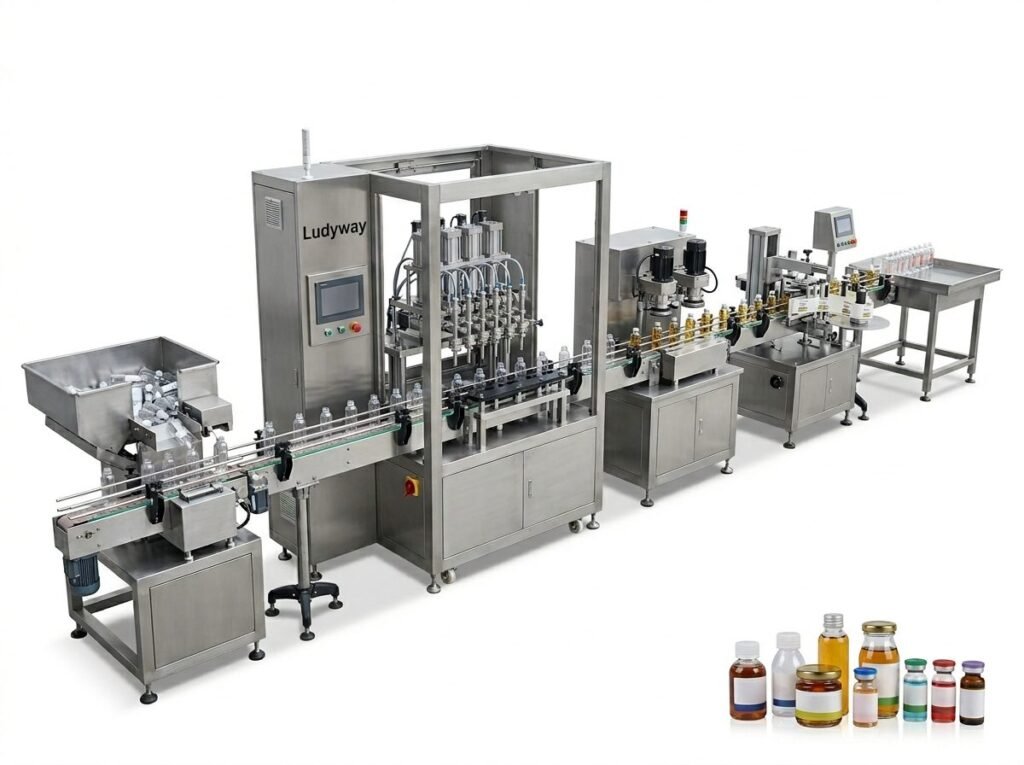
| Auger Filler / Liquid Piston Filler | Precise dosing of powder or liquid | Protein powders, syrups, oils, creams |
| Checkweigher | In-line weight verification and rejection | All packaged products requiring weight compliance |
| Cartoning Machine | Packing finished sachets into cartons | Retail-ready secondary packaging |
| Robotic Palletizer | Automated stacking of finished cases | End-of-line automation for distribution |
Line Layout and Integration Planning
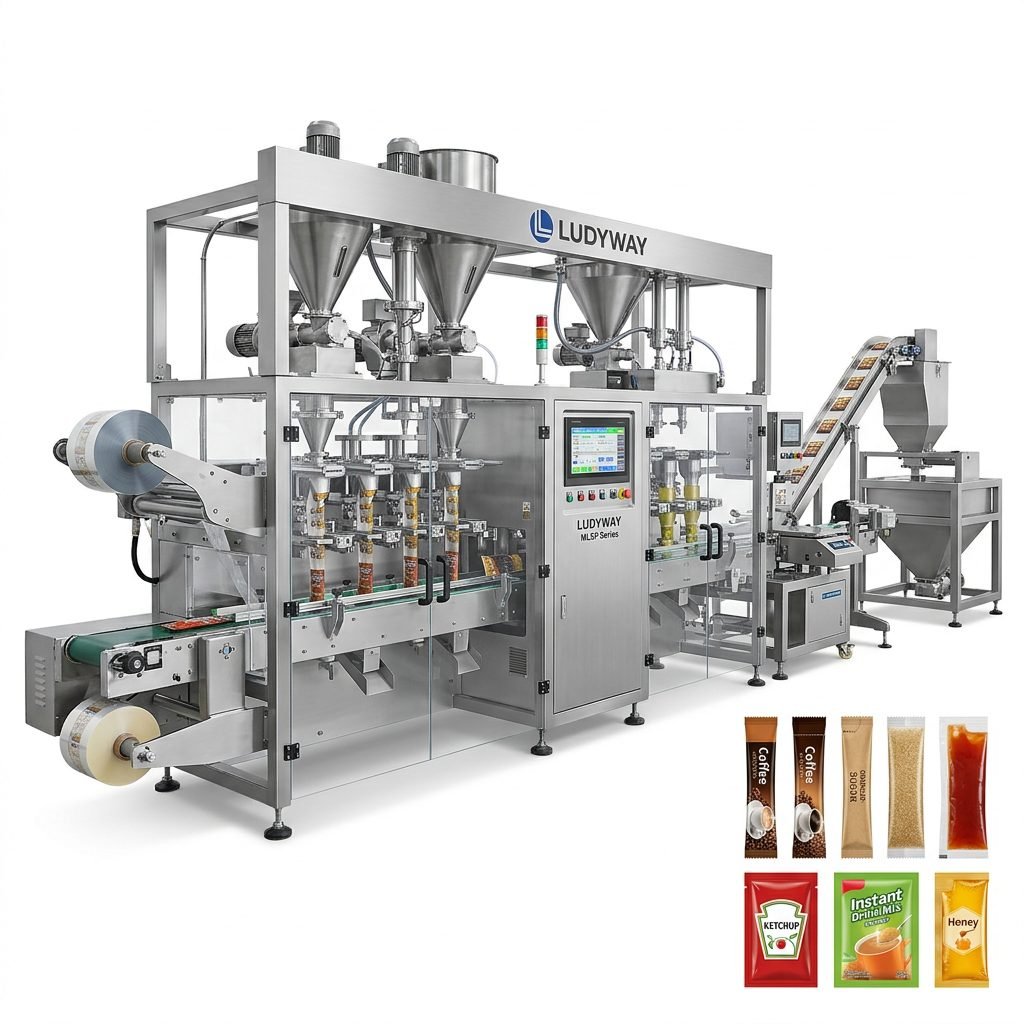
Efficient line layout is vital for smooth workflow and lean manufacturing. A typical food packaging line progresses from raw material feeding to primary packaging, secondary packaging, and finally end-of-line palletising. The layout should allow for:
- Linear material flow to minimise cross-contamination risks.
- Easy access for cleaning and maintenance.
- Sufficient clearance for forklift and operator movement.
- Integration of conveyors that bridge separate machine modules efficiently.
Common configurations include U-shaped, L-shaped, and straight-line layouts, depending on your facility’s footprint and production requirements. You can find more details on packaging machinery operational efficiency from PMMI’s business intelligence resources.
Installation, Commissioning, and Training
Once equipment arrives at your UK facility, professional installation and commissioning are critical phases that should not be rushed. This process typically includes:
- Mechanical installation: Positioning, levelling, and securing all machines.
- Electrical and utility connections: Power, compressed air, and any required water or drainage lines.
- Dry run testing: Running the line without product to verify timing and sensors.
- Product trials: Fine-tuning filling weights, sealing temperatures, and speed settings.
- Operator training: Comprehensive instruction covering start-up, shutdown, changeover, and troubleshooting.
Supply Chain and Spare Parts Management
Downtime can be extremely costly in food packaging operations. When setting up a production line, establish a critical spare parts inventory from the outset. Key wear components such as sealing jaws, cutting blades, belts, and sensors should be kept in stock. Work closely with your equipment supplier to confirm lead times for less common parts and to establish a service level agreement (SLA) for remote or on-site support.
Working with a Turnkey Packaging Line Supplier
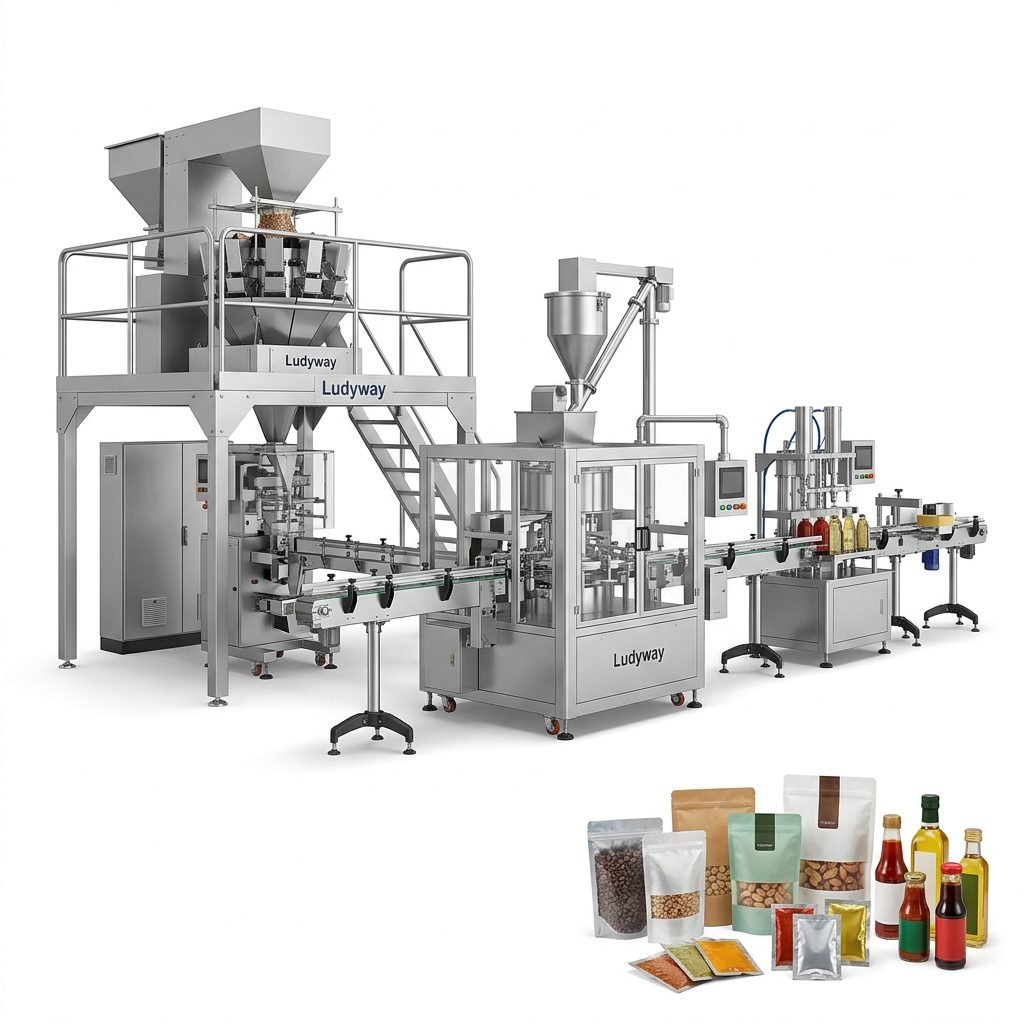
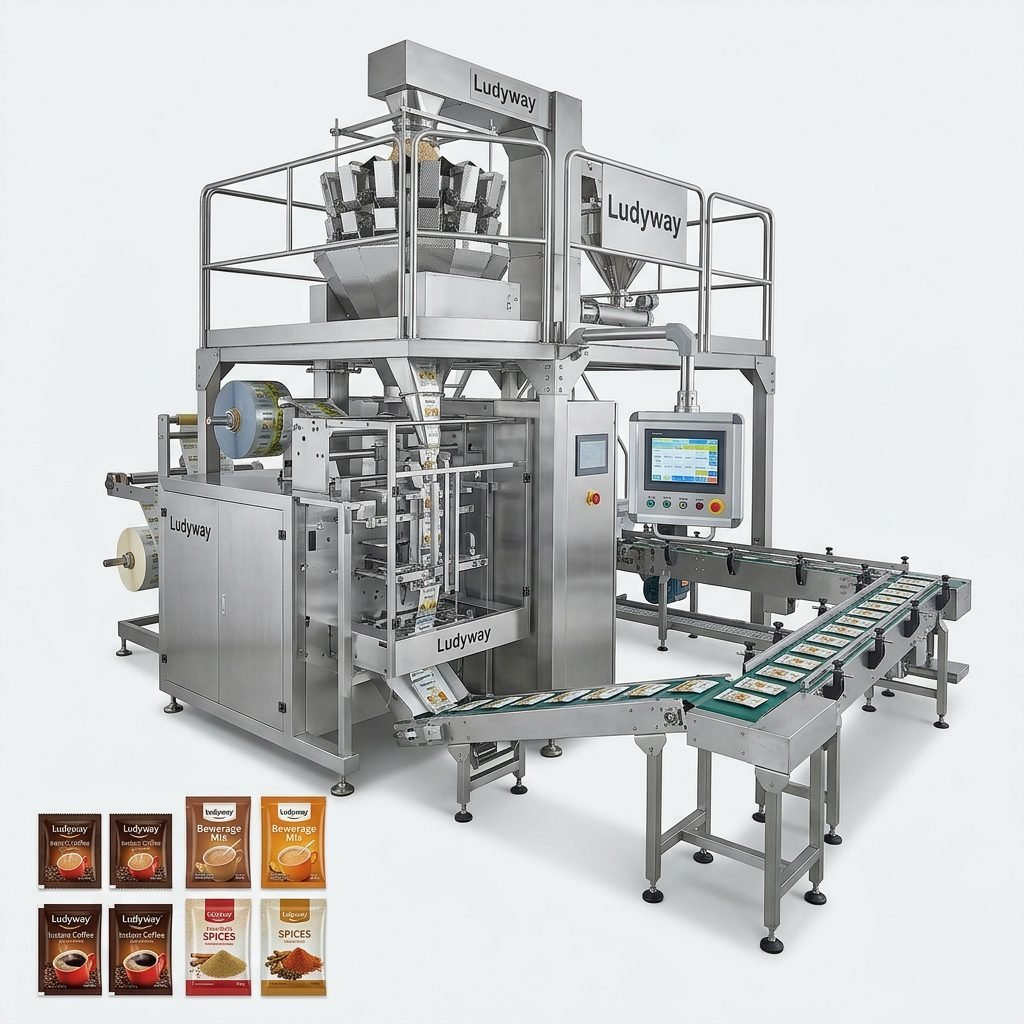
For many UK food businesses, sourcing a complete turnkey packaging line from a single manufacturer simplifies the entire project. Ludyway is one of the largest packaging machine manufacturers in China, offering advanced packaging equipment and turnkey production solutions. With over 30 years of experience, they provide systems for granule, powder, liquid, and pouch applications, supported by a modern manufacturing facility and a wide range of intelligent machine models. Turnkey suppliers handle everything from equipment selection and line design to manufacturing, installation, and after-sales service, significantly reducing coordination complexity for the buyer.
Advantages of a Turnkey Approach
- Single point of responsibility for the entire line.
- Pre-tested integration before shipment.
- Faster project timelines compared to sourcing individual machines.
- Consistent technical support and warranty terms.
Sustainability Considerations for UK Operations
Sustainability is a growing priority for UK food manufacturers and retailers. When setting up or upgrading a packaging line, consider solutions that support mono-material recyclable films, reduced material usage, and energy-efficient machine designs. The Flexible Packaging Association provides extensive resources on sustainable packaging materials and regulatory affairs that influence UK and European packaging trends.
Common Challenges and How to Overcome Them
| Challenge | Solution |
|---|---|
| Inconsistent product flow | Install proper product feeding and hopper level control systems. |
| Frequent sealing defects | Regularly inspect and replace sealing jaws; use high-quality films. |
| Changeover delays | Choose machines with tool-less quick-change design. |
| Regulatory non-compliance | Work with suppliers experienced in UKCA and UK food hygiene standards. |
| Skilled labour shortage | Invest in automated systems that reduce reliance on manual operations. |
Frequently Asked Questions
What is the typical lead time for a food packaging machine production line?
Lead times vary depending on machine complexity and customisation. A standard multi-lane sachet line may take 12 to 20 weeks from order confirmation to shipment, while large turnkey projects can require longer planning and manufacturing phases.
Do I need a UKCA mark for packaging machines imported to the UK?
Yes, UKCA marking is required for most machinery placed on the market in Great Britain. Some equipment may still be CE marked if it meets specific transitional provisions. Always verify compliance with your supplier and confirm that the machine meets all applicable designated standards.
How do I choose between a stick pack and a sachet format?
Stick packs are ideal for single-serve powders and granules like sugar, instant coffee, and supplements. Sachets are more common for liquids and larger portions, such as sauces and shampoos. The decision depends on your product viscosity, target market, and packaging costs.
What is the recommended maintenance schedule for packaging lines?
A structured maintenance plan should include daily cleaning and visual checks, weekly inspection of wear parts, and quarterly comprehensive servicing. Following the manufacturer’s recommended maintenance schedule is essential for maximising equipment lifespan and performance.
Contact Details for Equipment Support
For professional guidance on selecting and setting up your food packaging production line, expert support is available:
- E-Mail: info@ludyway.com
- WhatsApp: +8613129592456
- Address: Nanlang Town, Zhongshan, Guangdong, China.
For further reading on packaging regulations affecting the UK market, the FDA food packaging resources and European Commission packaging waste regulations offer valuable industry perspectives.