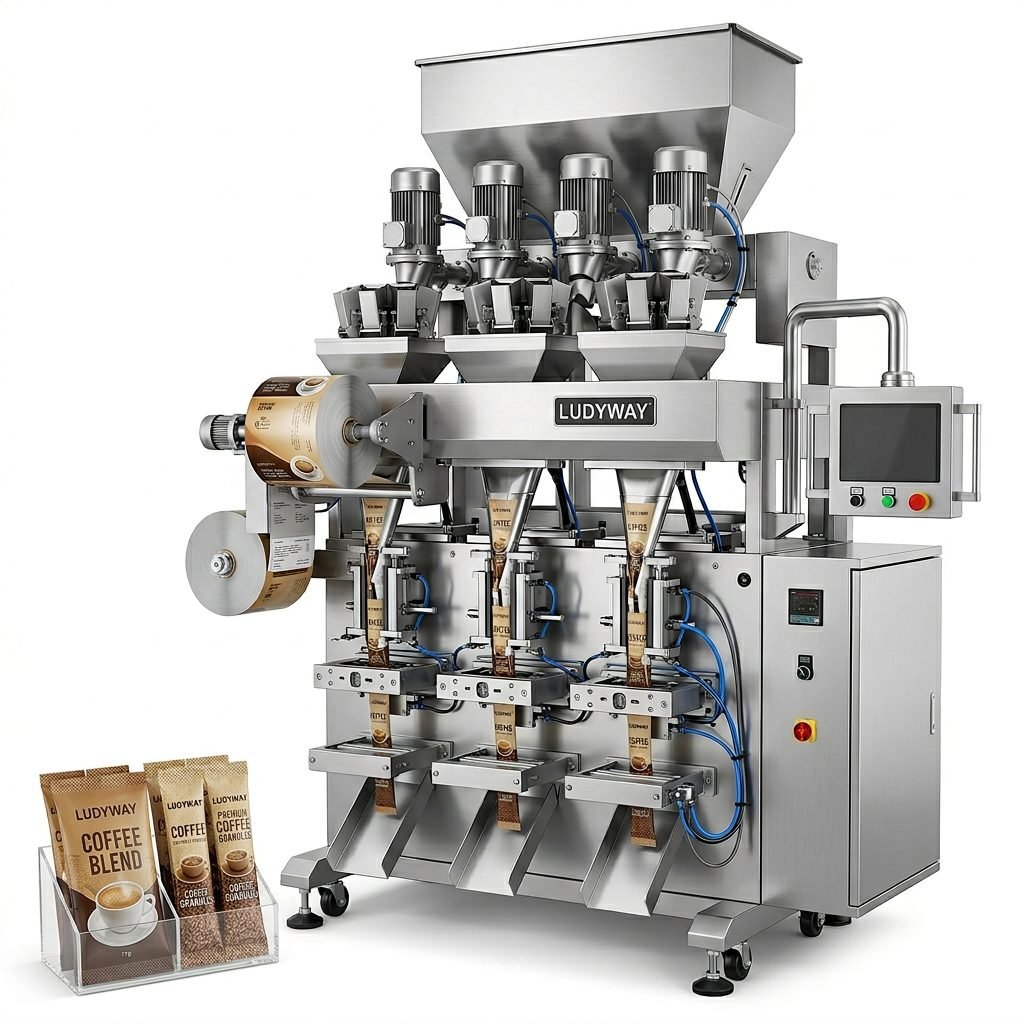
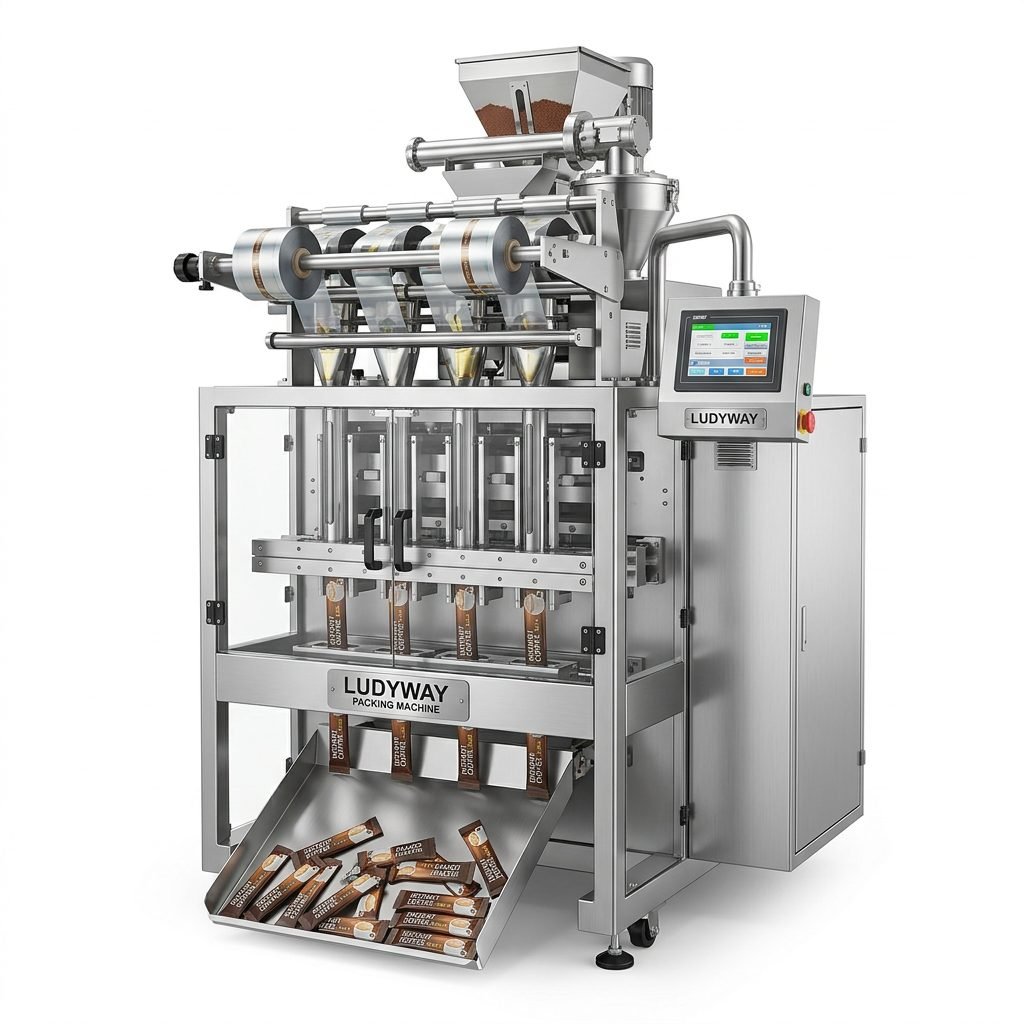
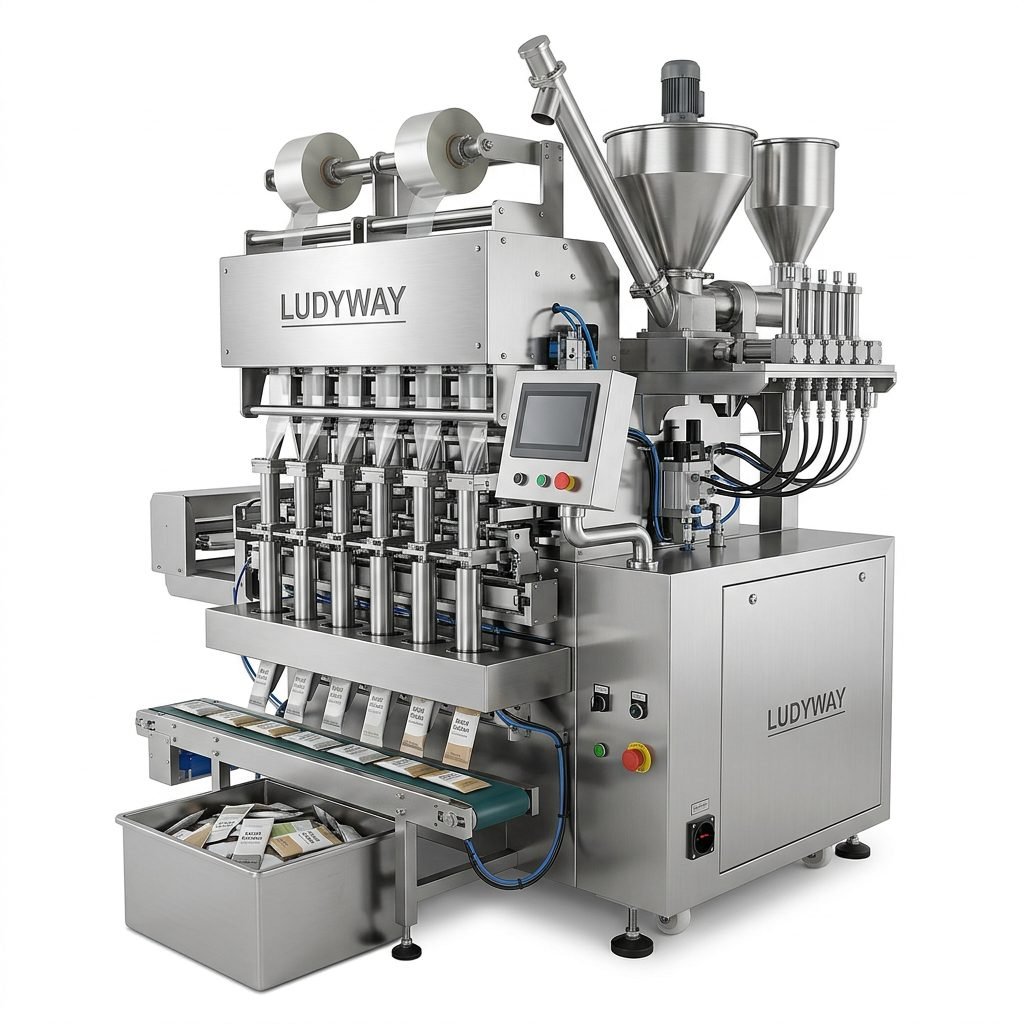
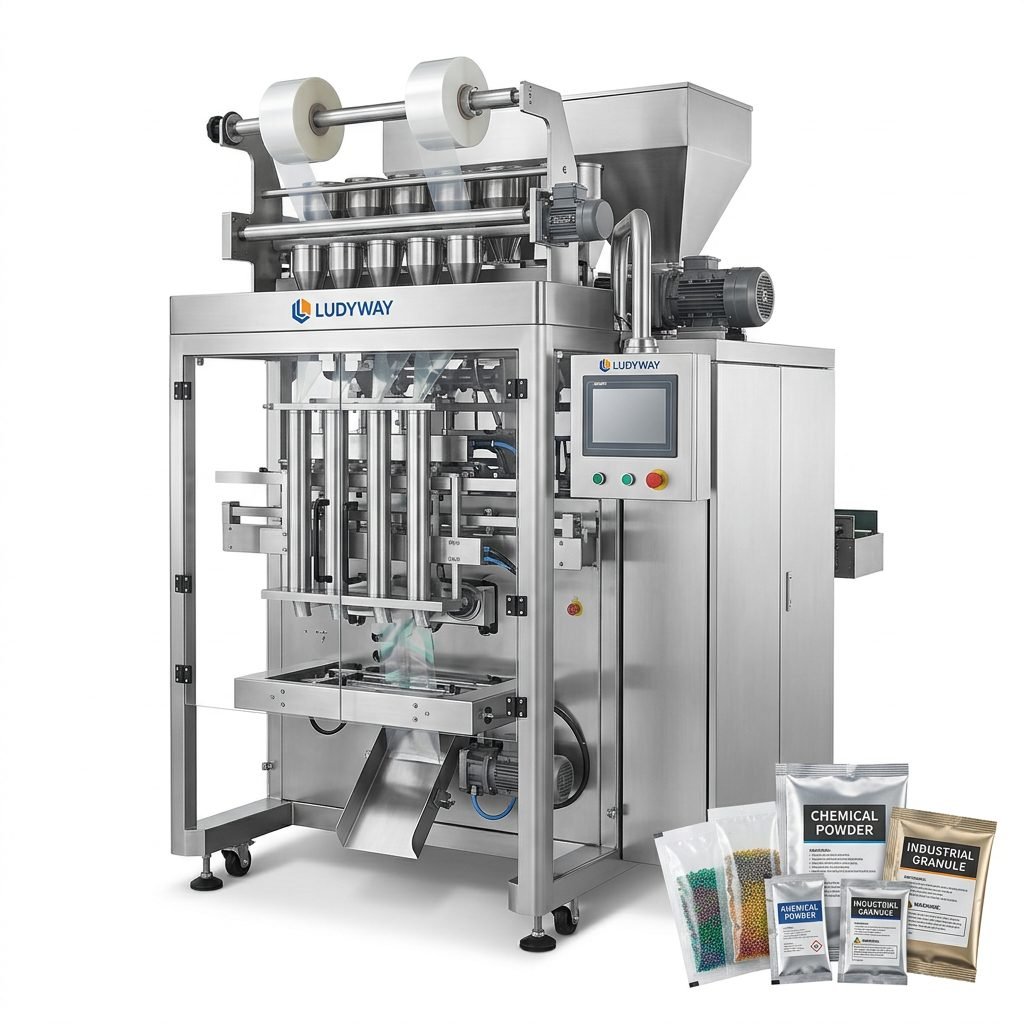
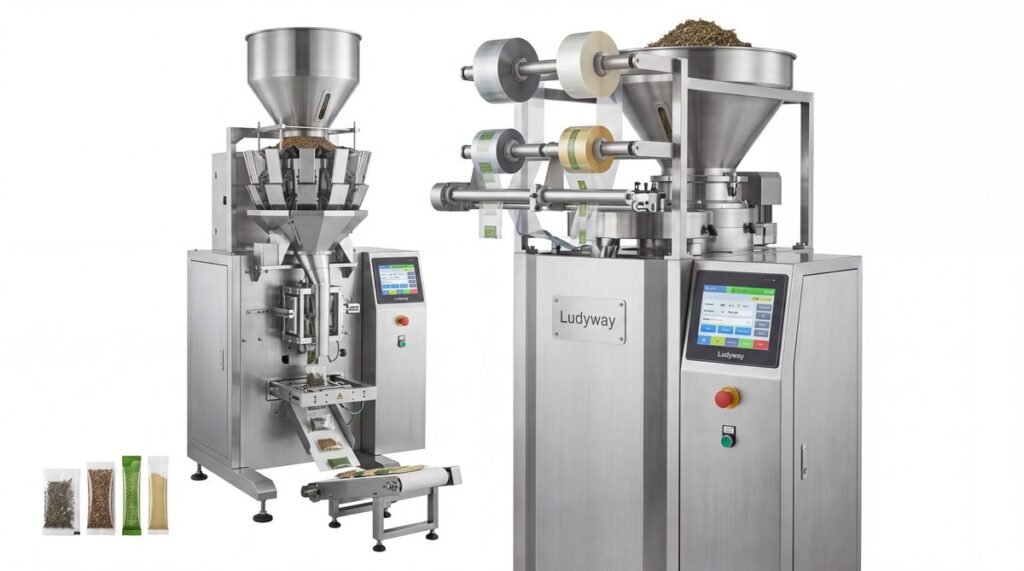
In the fast-paced world of consumer goods, efficient and attractive packaging is paramount. For products like instant coffee, sugar, creamer, spices, and pharmaceuticals, the stick pack format offers unparalleled convenience and portion control. At the heart of producing these sleek, single-serve packages lies the coffee stick packaging machine. This comprehensive guide delves into the types, key features, diverse applications, and essential buying tips to help you select the perfect machine for your production needs.
Understanding Stick Packaging Machines
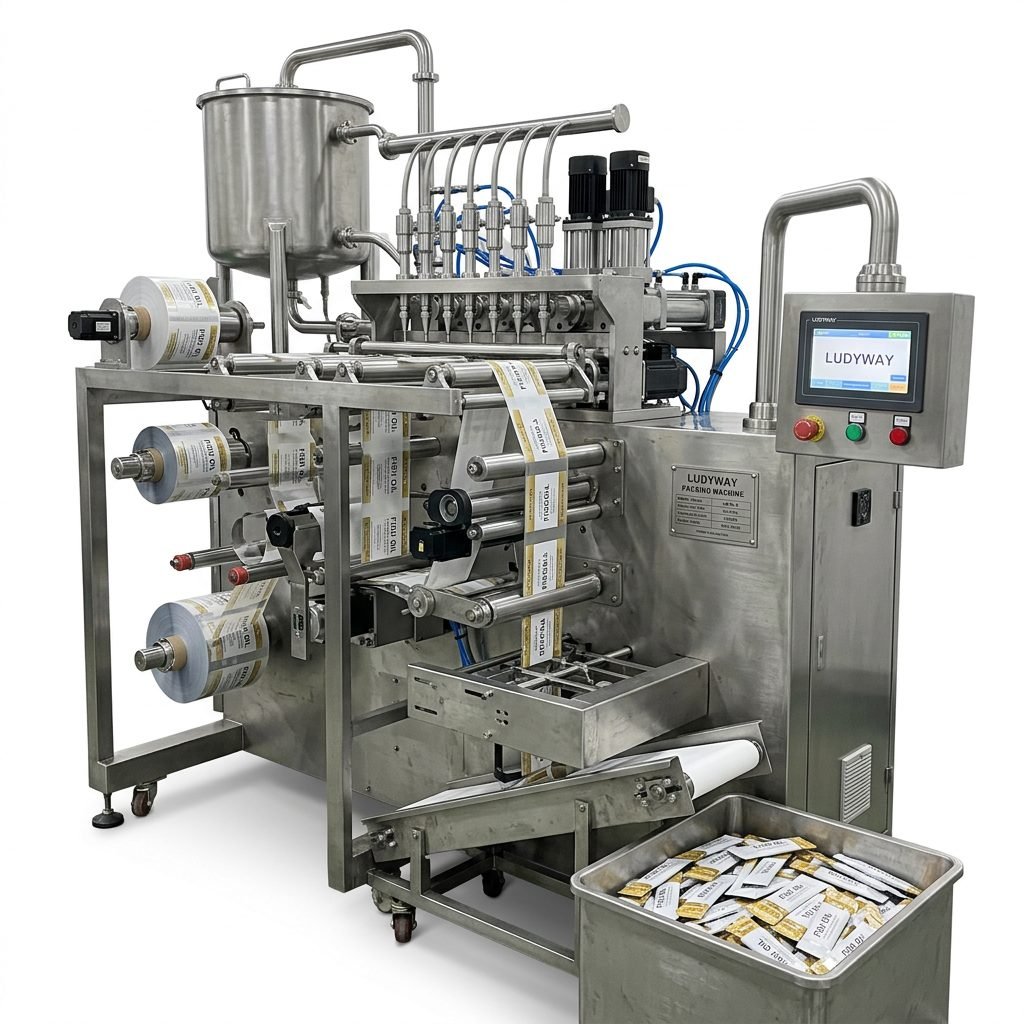
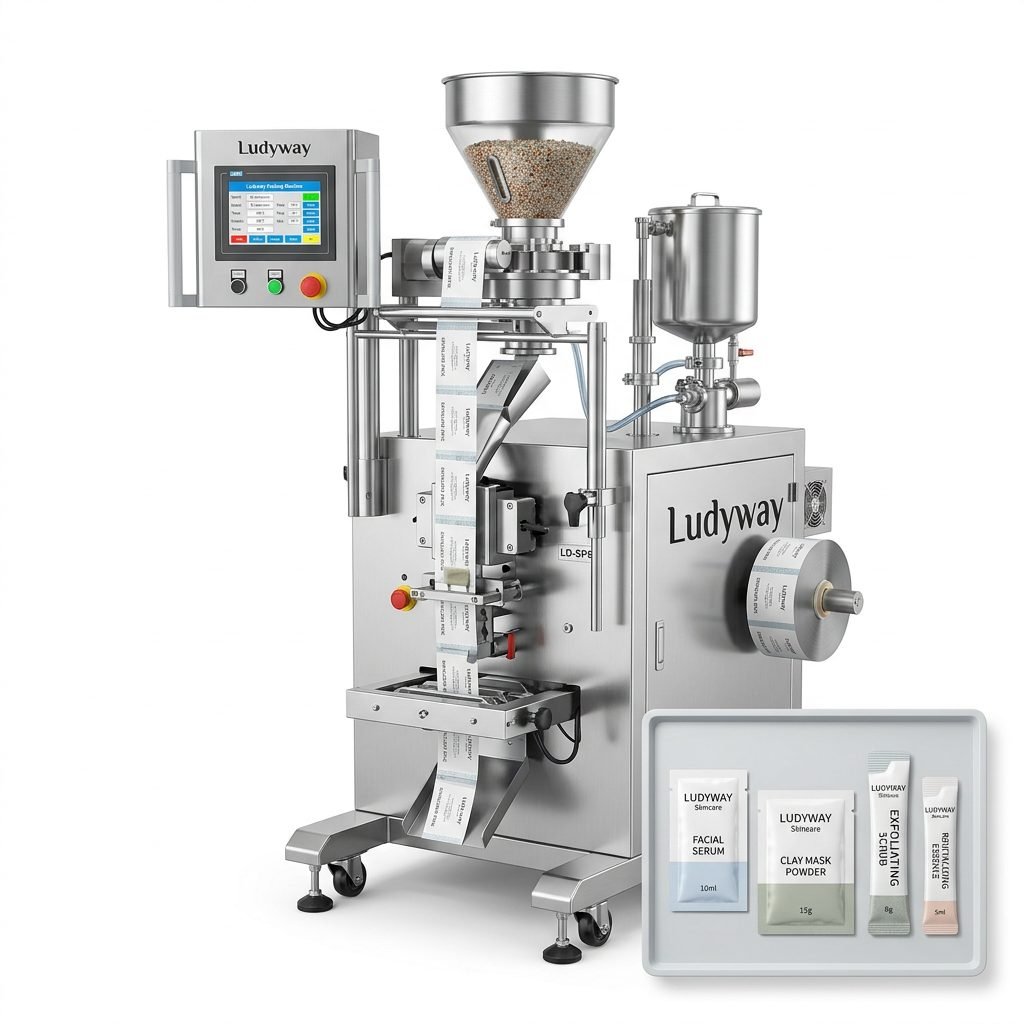
A stick packaging machine is a specialized form-fill-seal (FFS) equipment designed to create long, narrow pouches—commonly known as stick packs or stick pouches. These machines form a tube from a roll of packaging film, fill it with a precise amount of product, and then seal it longitudinally and transversely to create individual, sealed units. The process is fully automated, ensuring high-speed production, consistent seal integrity, and accurate dosing, which is crucial for maintaining product quality and shelf life.
Core Working Principle
The operation typically follows these stages:
1. Film Unwinding & Forming: A roll of laminated film (e.g., PET/AL/PE) is fed into the machine. A forming collar shapes the flat film into a continuous vertical tube.
2. Longitudinal Sealing: The overlapped edges of the film tube are heat-sealed together along its length.
3. Product Dosing & Filling: The product is precisely measured by a volumetric cup, auger filler, or liquid pump and injected into the formed tube at the top.
4. Transverse Sealing & Cutting: Horizontal sealing jaws simultaneously seal the top of the filled pouch and the bottom of the next pouch, then cut them apart, creating individual stick packs.
Primary Types of Stick Pack Machines
Choosing the right type depends on your production volume, product characteristics, and flexibility requirements.
Vertical Form-Fill-Seal (VFFS) Stick Packers
These are the most common and versatile machines. They operate in a continuous vertical motion, ideal for powders, granules, and fine particles like instant coffee, sugar, and drink mixes. They are compact, offer relatively high speeds, and are excellent for dedicated, high-volume production lines.
Horizontal Stick Packaging Machines
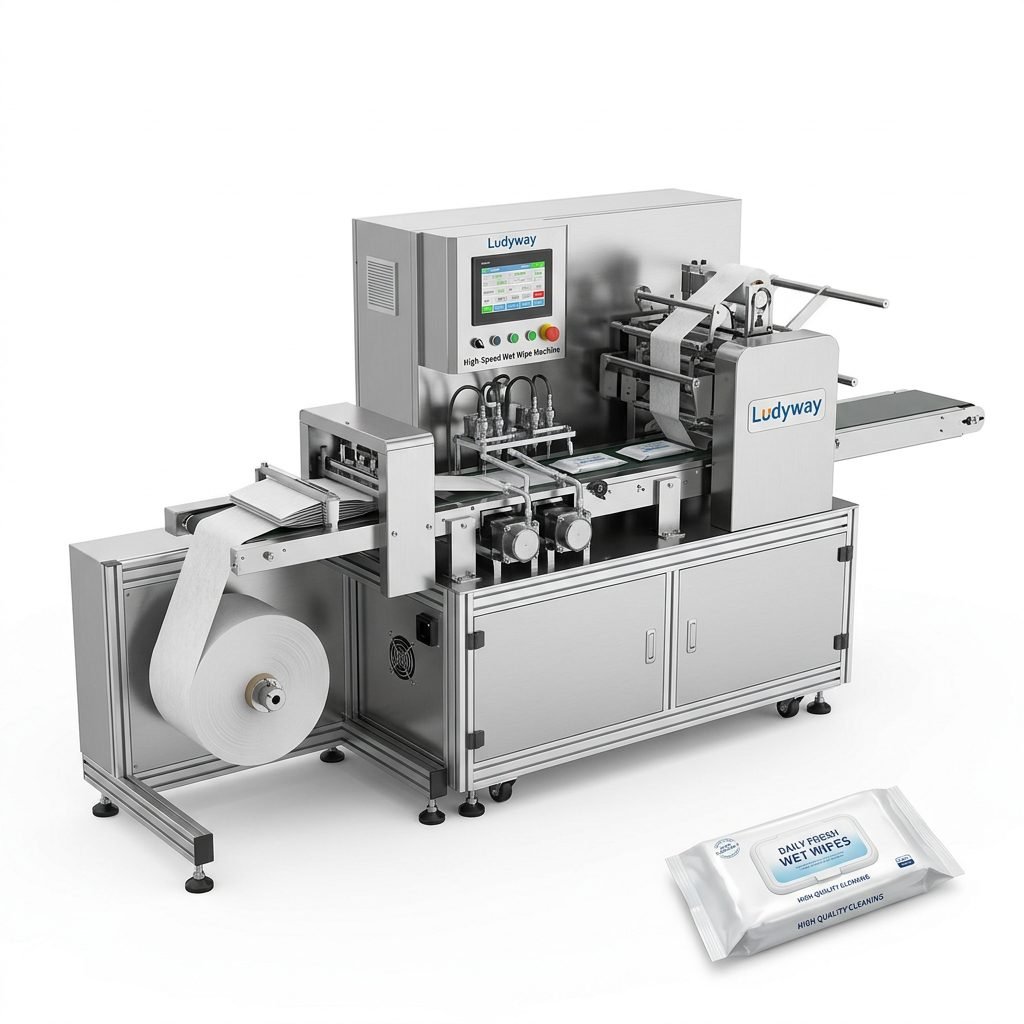
Less common for traditional sticks, these machines are sometimes used for specific applications or when integrating with other horizontal packaging processes. They can be suitable for certain non-free-flowing products or when a different package orientation is needed.
Multi-Lane Stick Packaging Machines
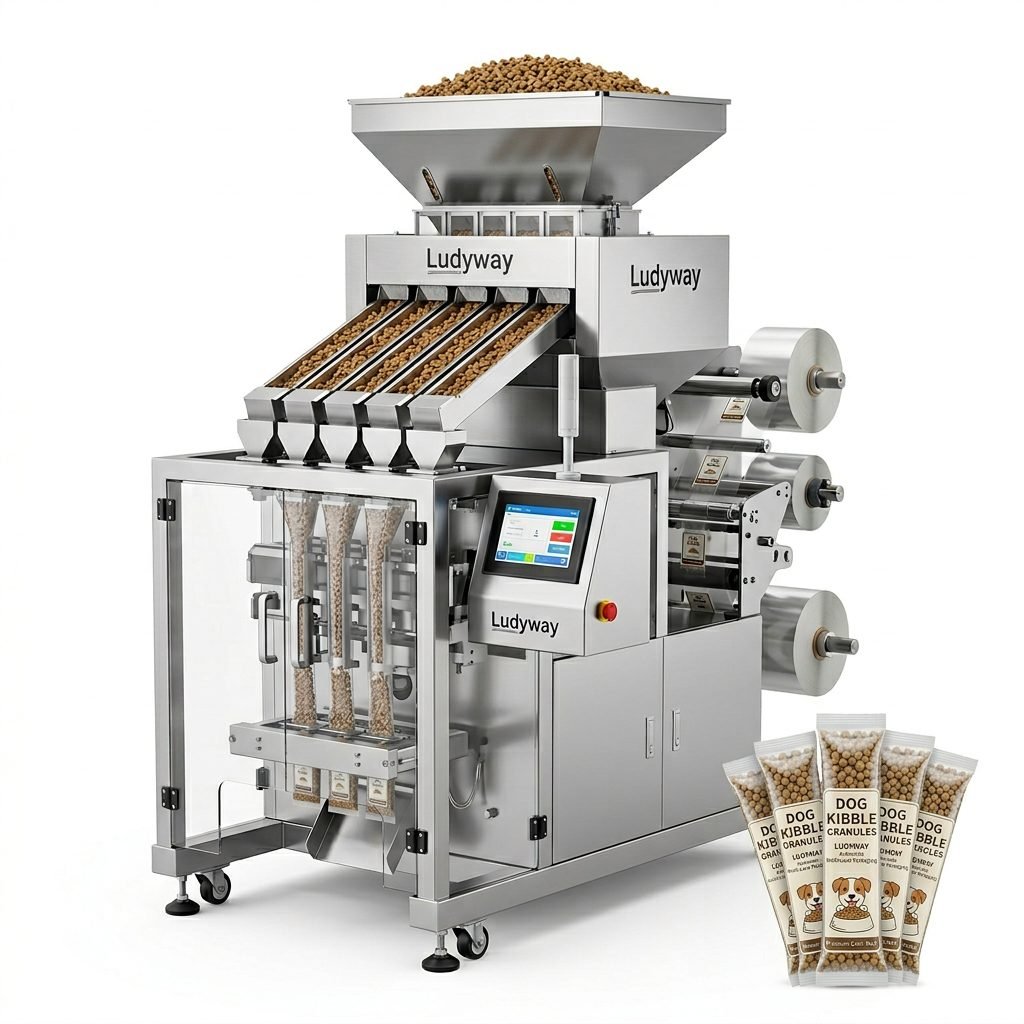
This is a game-changer for high-output requirements. A single machine features multiple parallel lanes (e.g., 2, 4, 6, or more), each producing stick packs simultaneously. This dramatically increases production capacity without a proportional increase in floor space. They are the preferred choice for large-scale manufacturers of products like single-serve coffee or nutritional supplements.
Liquid Stick Pack Machines
Specifically engineered to handle liquids, creams, and pastes (e.g., honey, syrup, ointments, liquid coffee concentrate). They feature specialized filling systems like piston pumps or timed-flow fillers to ensure clean, drip-free filling and robust seals to prevent leakage. The film material must also have excellent liquid barrier properties.
Essential Features & Technological Considerations
Modern stick pack machines are equipped with advanced features that enhance efficiency, accuracy, and ease of use.
Key Features to Evaluate
Precision Filling System: The heart of the machine. Auger fillers are standard for powders, offering high accuracy with servo-drive control. Volumetric cups are good for uniform granules, and pump systems are essential for liquids.
Sealing System: Look for durable, temperature-controlled sealing jaws that ensure consistent, hermetic seals even at high speeds. Cool-seal capabilities are vital for certain heat-sensitive films.
Control System: A user-friendly PLC-based HMI (Human-Machine Interface) allows for easy parameter setting, recipe storage, production monitoring, and diagnostics.
Changeover & Flexibility: Quick-change parts for different stick sizes (length and width) minimize downtime. Some machines offer tool-less changeover for maximum efficiency.
Material & Construction: Food-grade stainless steel (especially contact parts) ensures hygiene, durability, and compliance with food safety standards like FDA and CE.
Broad Applications Across Industries
The versatility of stick packaging extends far beyond coffee.
Food & Beverage: Instant coffee, tea, sugar, sweeteners, creamers, cocoa mix, spices, drink powders, gravy mixes, and powdered soup.
Pharmaceutical & Nutraceutical: Powdered supplements (vitamins, protein, electrolytes), over-the-counter medicines, and single-dose pharmaceutical powders.
Cosmetics & Personal Care: Single-use samples of facial creams, shampoo, conditioner, and lotions.
Industrial & Chemical: Reagents, water treatment powders, additives, and other dry chemicals where precise, protected dosing is required.
Critical Buying Tips for Your Investment
Selecting a stick packaging machine is a significant decision. Here’s a structured approach.
1. Define Your Product & Requirements
Start with the basics: product type (powder, granule, liquid), characteristics (flowability, hygroscopicity, particle size), and desired stick pack dimensions. Determine your required production speed (packs per minute) and future growth projections.
2. Evaluate Machine Capabilities
Match the machine type to your needs. For high-volume coffee, a multi-lane VFFS machine is ideal. Ensure the filling accuracy meets your tolerances (e.g., ±1% or better). Verify the machine can handle your specific packaging material structure.
3. Prioritize Ease of Use & Maintenance
Request a demonstration. Assess the intuitiveness of the control panel. Inquire about changeover time between different products or pack sizes. Understand the routine maintenance schedule and the availability of spare parts.
4. Assess Supplier Credibility & Support
Research the manufacturer’s reputation and experience. Ludyway Machinery, for instance, brings over a decade of focused expertise in packaging automation. Review their service network, warranty terms, and availability of technical support, installation, and training. A reliable partner like Ludyway can provide not just a machine, but a complete production solution.
5. Consider Total Cost of Ownership (TCO)
Look beyond the initial purchase price. Factor in operational costs (energy consumption, film waste), maintenance costs, and potential costs associated with downtime. A slightly higher initial investment in a robust, efficient machine from a reputable supplier often leads to lower TCO and better ROI.
Final Checklist Before Purchase
✅ Have you tested your product on the machine? (Always request a product test)
✅ Does the machine comply with relevant safety and industry standards (CE, FDA, GMP)?
✅ What is the lead time for delivery and installation?
✅ Is comprehensive operator and maintenance training included?
✅ What is the long-term strategy for spare parts and technical support?
Frequently Asked Questions (FAQs)
What is the typical production speed of a stick pack machine?
Speeds vary widely based on the machine type. A single-lane vertical machine may produce 60-120 sticks per minute, while a multi-lane machine (e.g., 4-lane) can achieve 400-800 sticks per minute or more. The exact speed depends on product characteristics, pack size, and machine configuration.
Can one machine handle different products and pack sizes?
Yes, most modern machines are designed for flexibility. However, changeover requires adjusting parameters (like fill volume, seal temperature, film feed) and often changing mechanical parts like forming tubes and filling augers. Machines with “quick-changeover” features significantly reduce the time and effort needed for this process.
What packaging materials are used for stick packs?
Stick packs typically use laminated films for superior barrier properties. Common structures include PET/PE for moisture resistance, or PET/AL/PE for an excellent barrier against moisture, oxygen, and light—crucial for coffee and sensitive products. The choice depends on the product’s shelf-life requirements.
How do I ensure the seals are strong and leak-proof?
Strong seals depend on three factors: correct sealing temperature and pressure (set on the machine), sufficient dwell time (the time jaws are closed), and the suitability of the film’s sealing layer. Consistent, hermetic sealing is a key performance indicator of a high-quality machine and proper material selection.
What kind of after-sales support should I expect?
Reputable suppliers offer comprehensive support. This should include detailed installation guidance (or on-site installation), thorough operator training, a clear warranty (typically 12-18 months), readily available spare parts, and access to remote or on-call technical support. A partner with a strong track record, such as Ludyway Machinery with its history of global service, ensures you have support throughout the machine’s lifecycle.