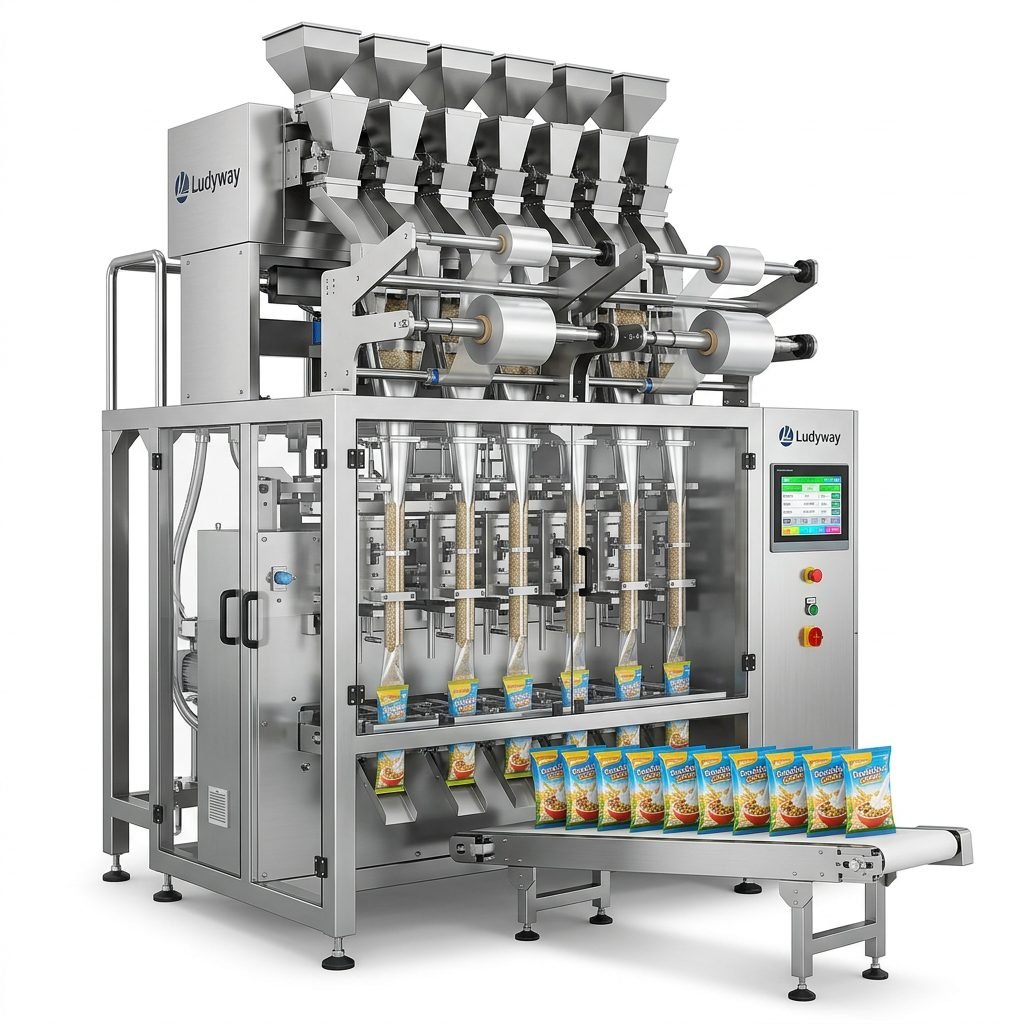
Investing in a hard candy packaging machine is a critical decision for confectionery manufacturers aiming to scale production, maintain product quality, and meet evolving market demands. Whether you are producing traditional boiled sweets, lollipops, or modern functional candies, the right packaging equipment can significantly impact your operational efficiency and bottom line. This guide walks you through everything you need to know to select the ideal machinery for your production line.
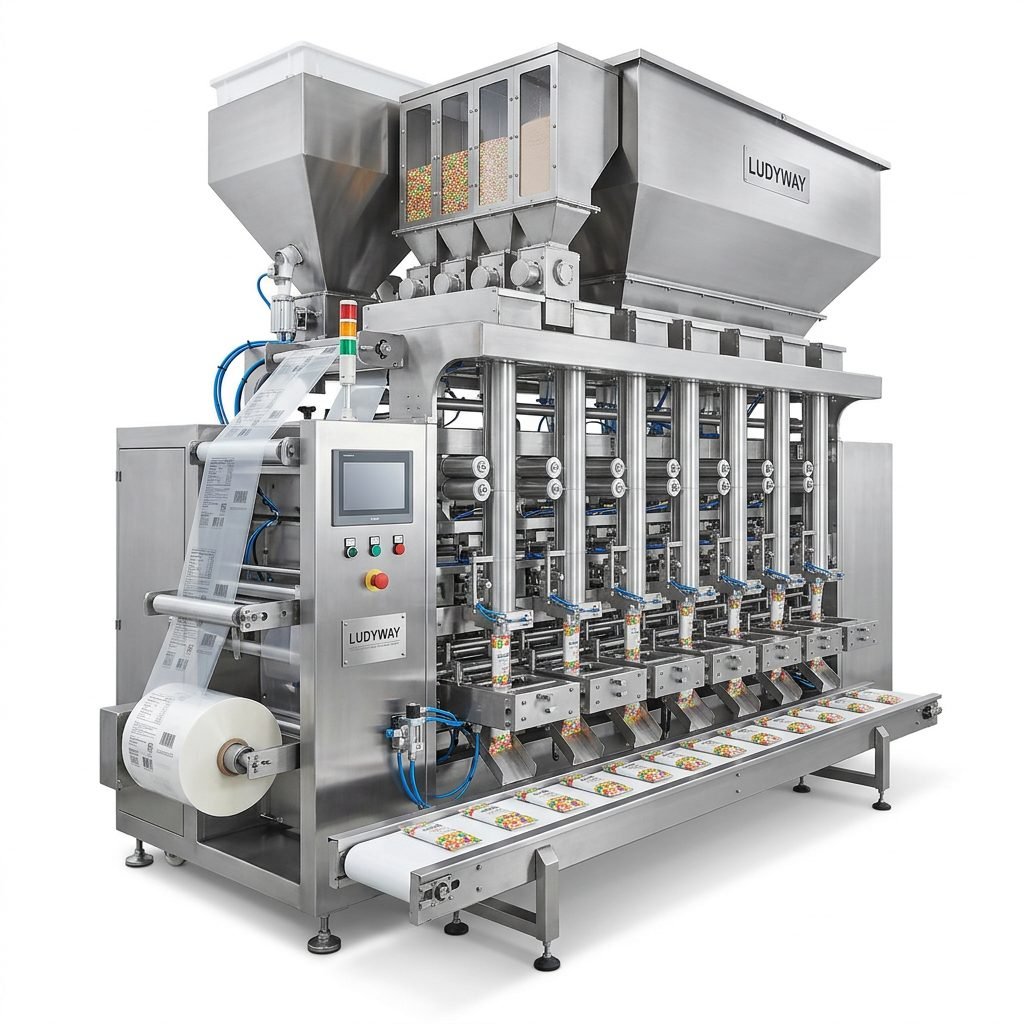
Understanding the Hard Candy Packaging Landscape
Hard candy packaging is not a one-size-fits-all process. Different product shapes, sizes, and production volumes require specialized machinery configurations. From individual piece wrapping to multi-lane stick pack systems, understanding your specific needs is the essential first step. The global confectionery packaging market continues to grow, driven by demand for convenient, portion-controlled formats and extended shelf-life solutions.
Manufacturers today face several key challenges: maintaining product integrity during high-speed packaging, preventing moisture absorption, ensuring accurate portion control, and complying with food packaging regulations. The right equipment addresses all of these concerns simultaneously.
Types of Hard Candy Packaging Machines
Understanding the different machine categories is essential before making a purchasing decision. Each type offers distinct advantages depending on your production goals and product characteristics.
Stick Pack Machines for Hard Candy
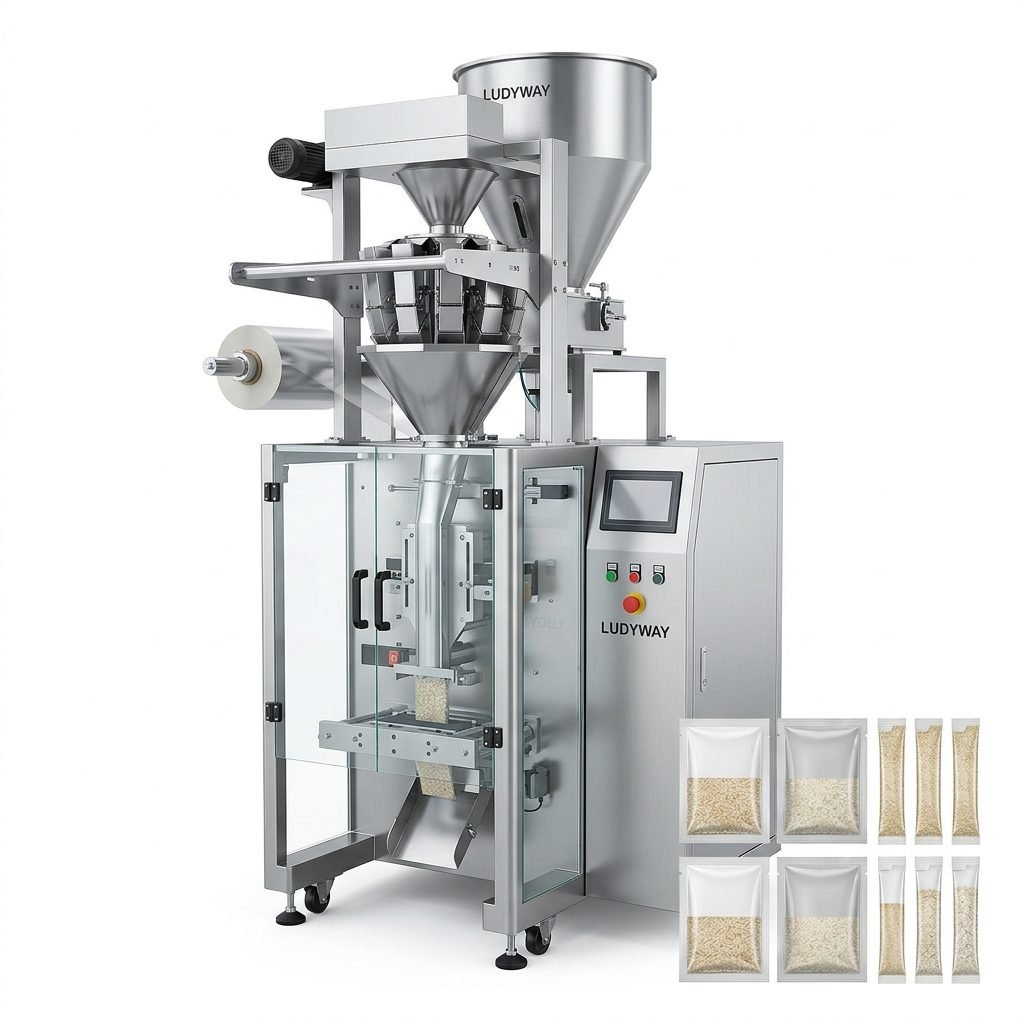
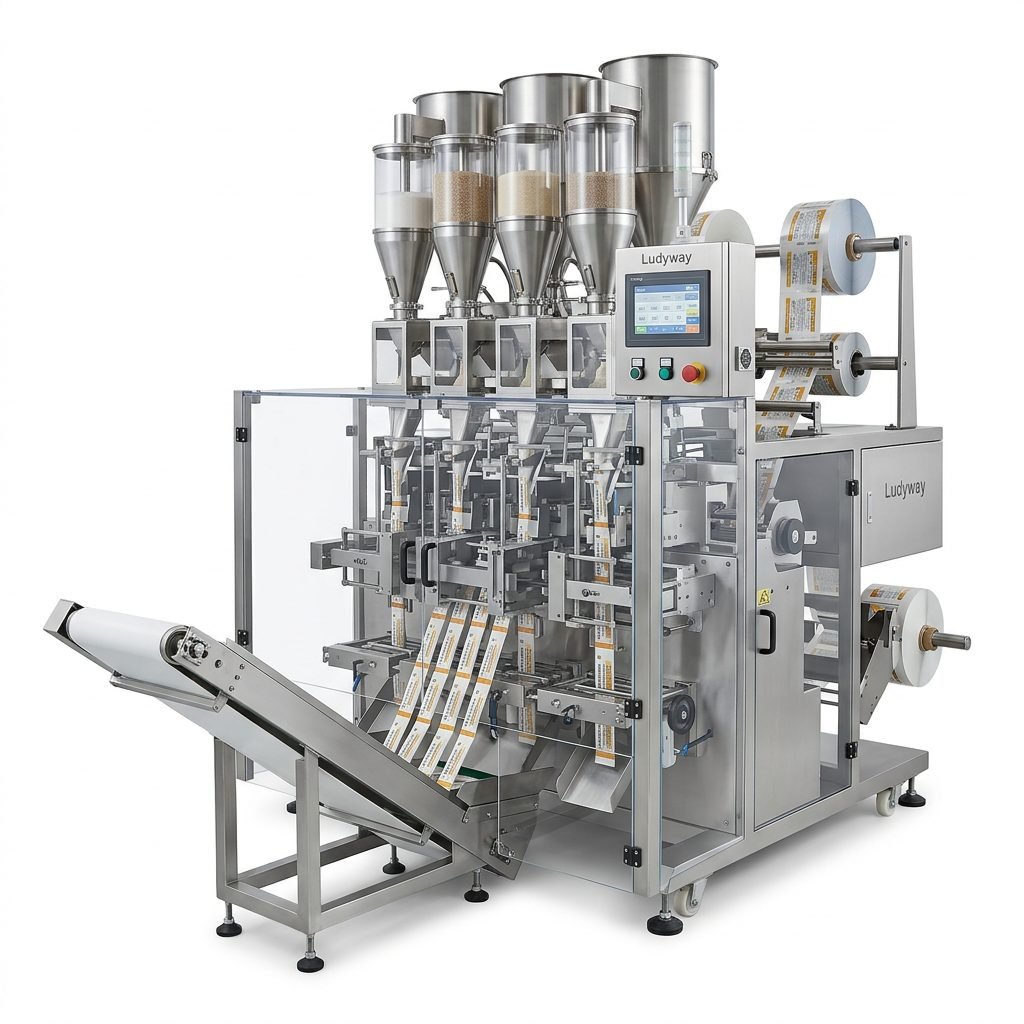
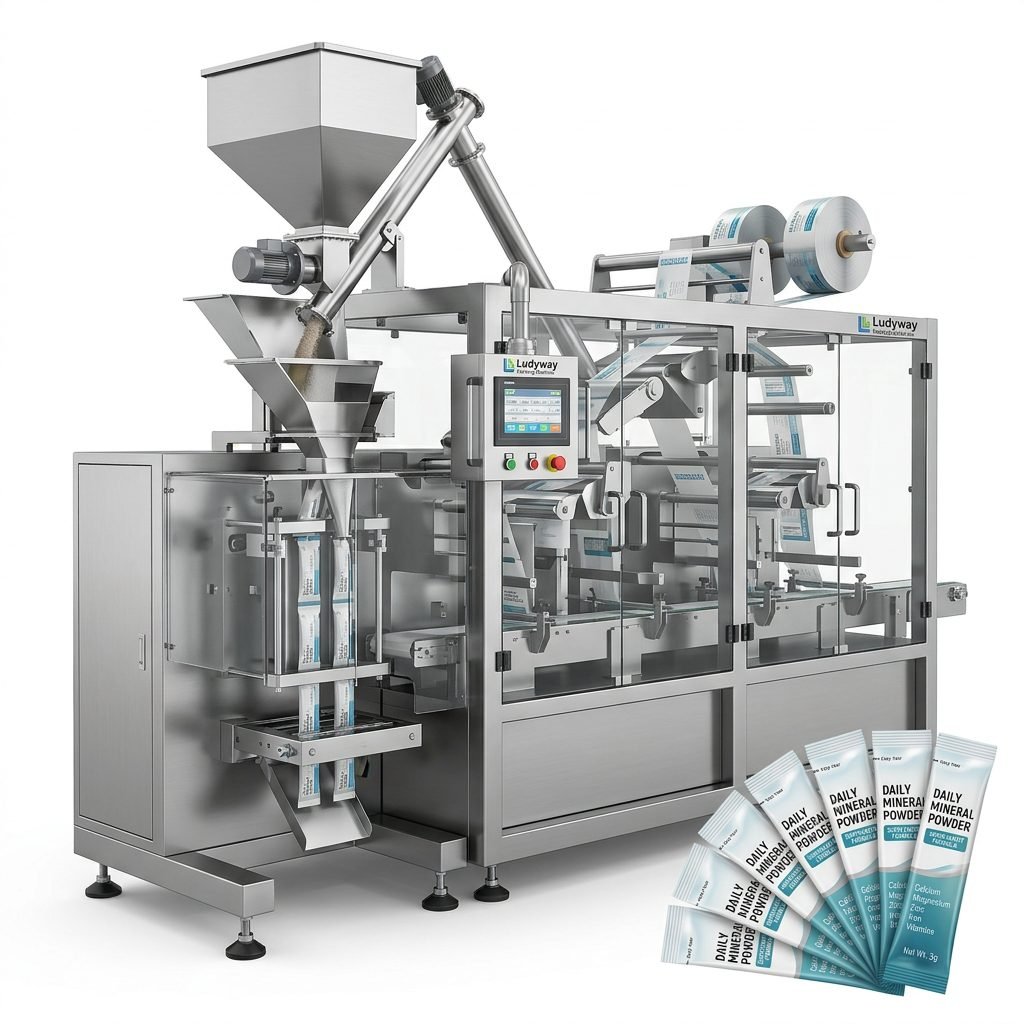
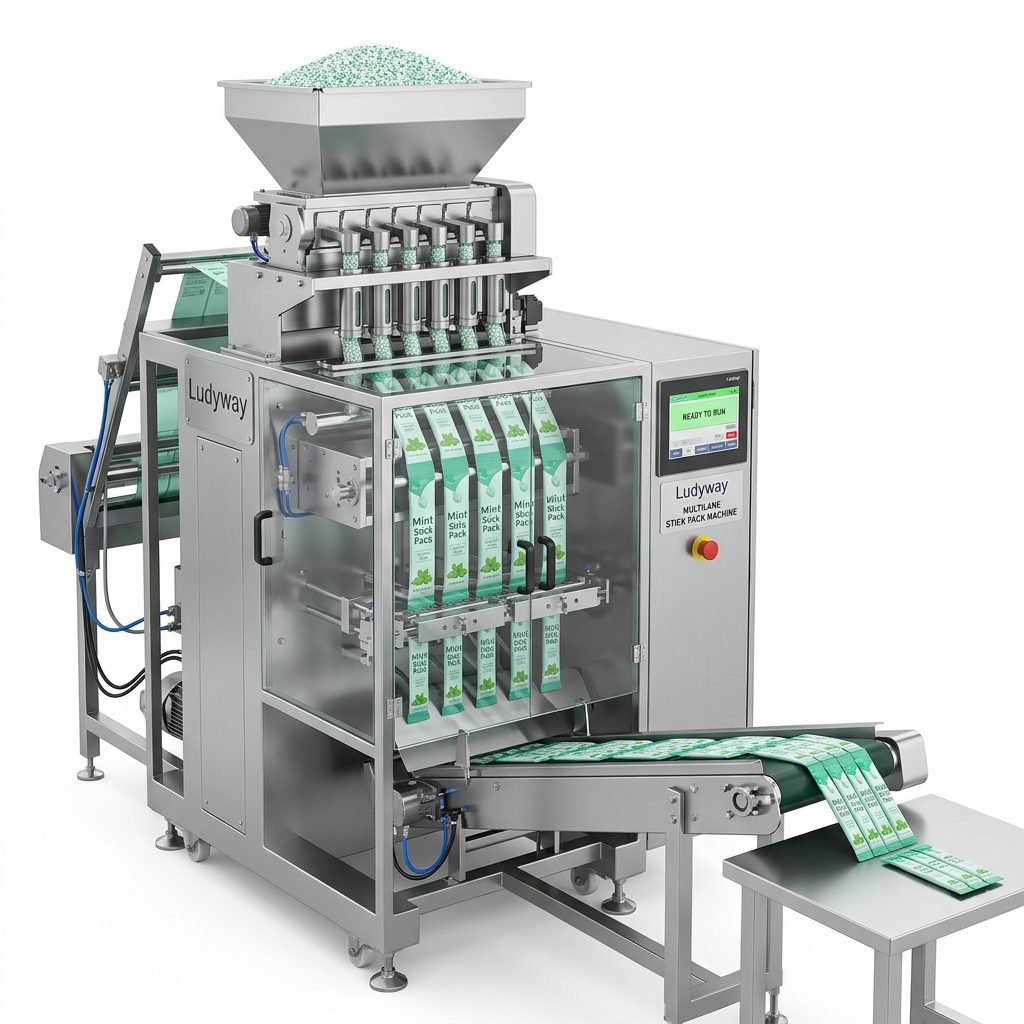
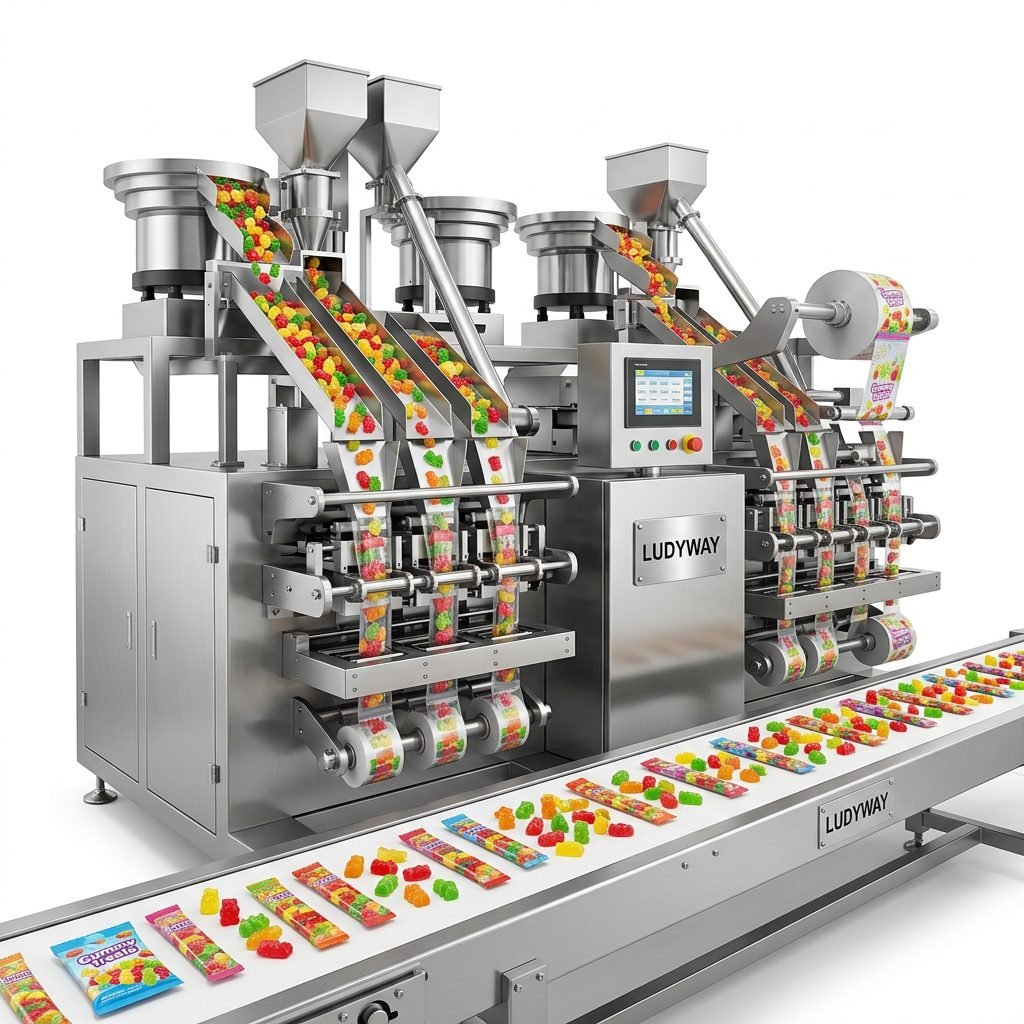
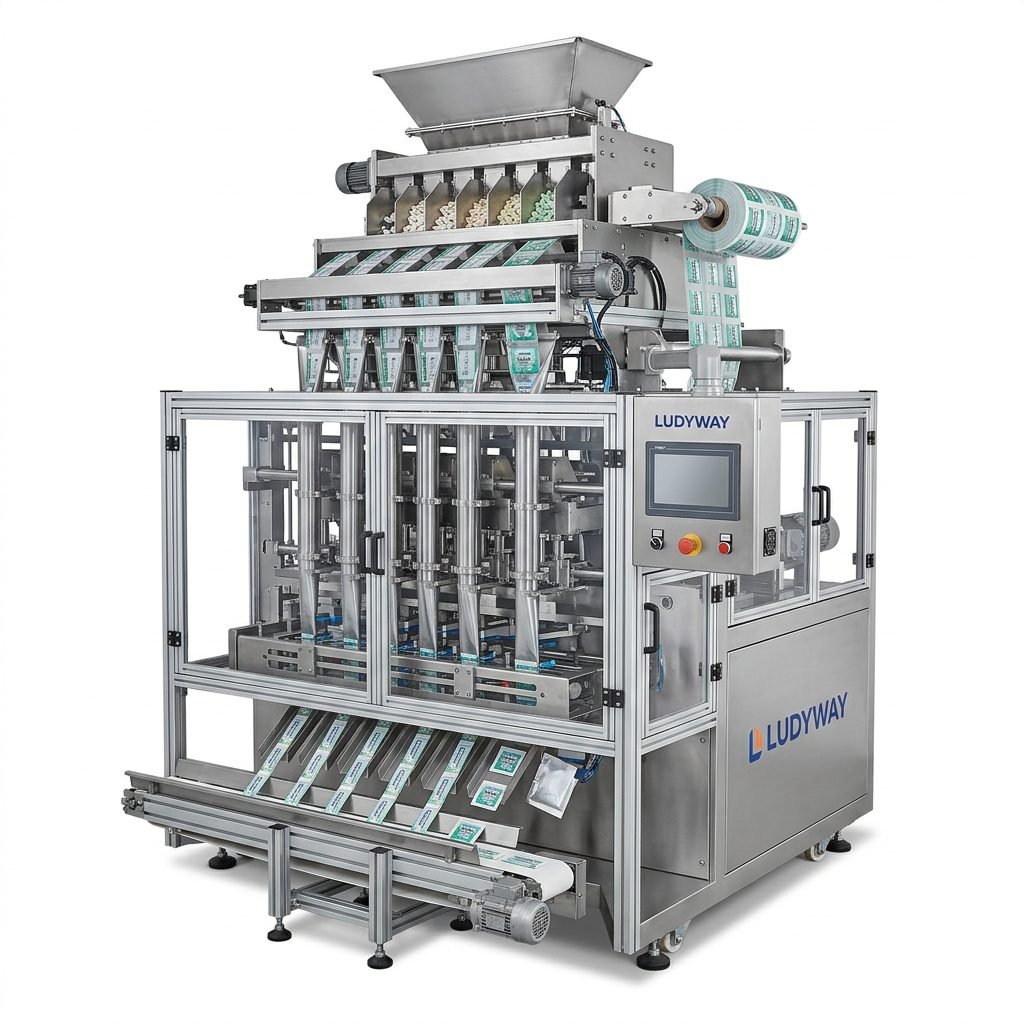
Stick pack systems are increasingly popular for hard candy products, offering compact, portable packaging that appeals to modern consumers. These machines create narrow, sealed pouches ideal for on-the-go consumption. Multi-lane configurations can produce hundreds of packs per minute, making them suitable for high-volume operations. The sealed format also provides excellent protection against humidity and contamination.
Sachet Packaging Machines
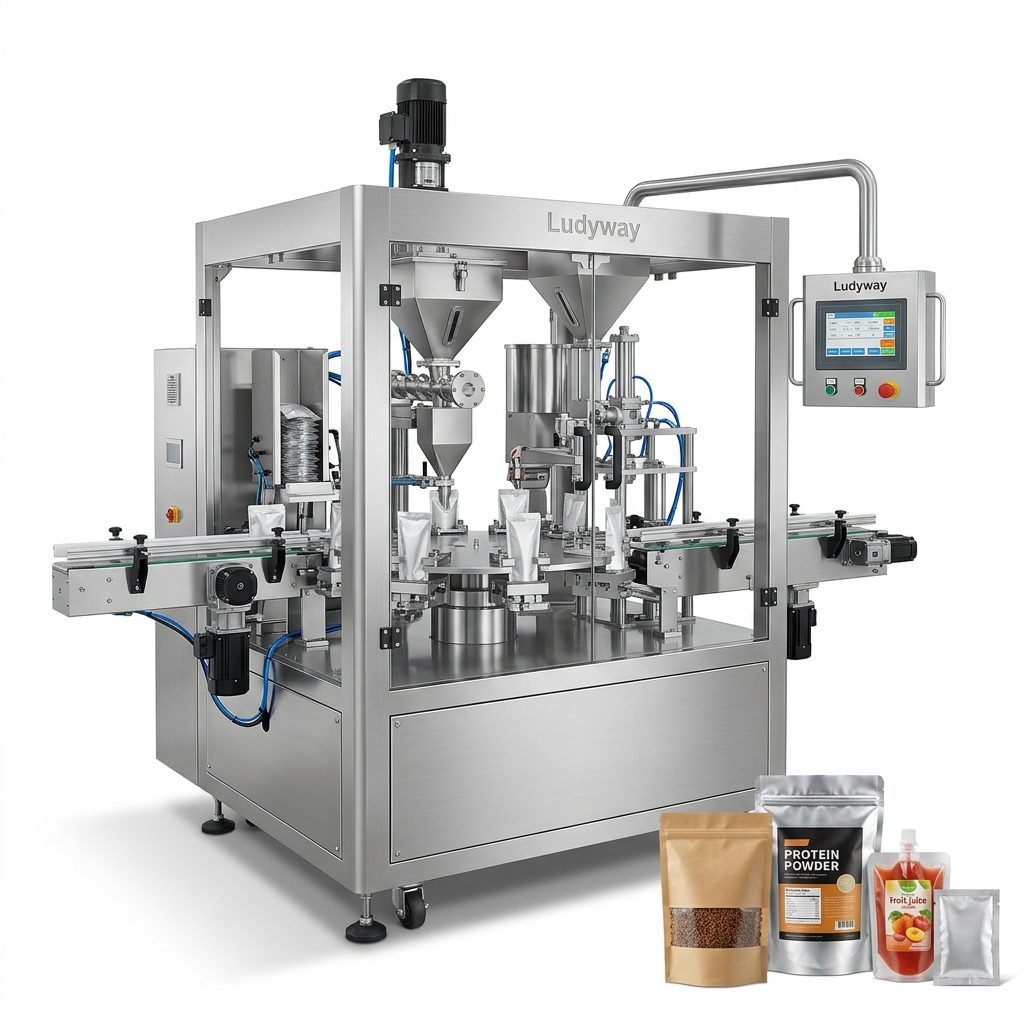
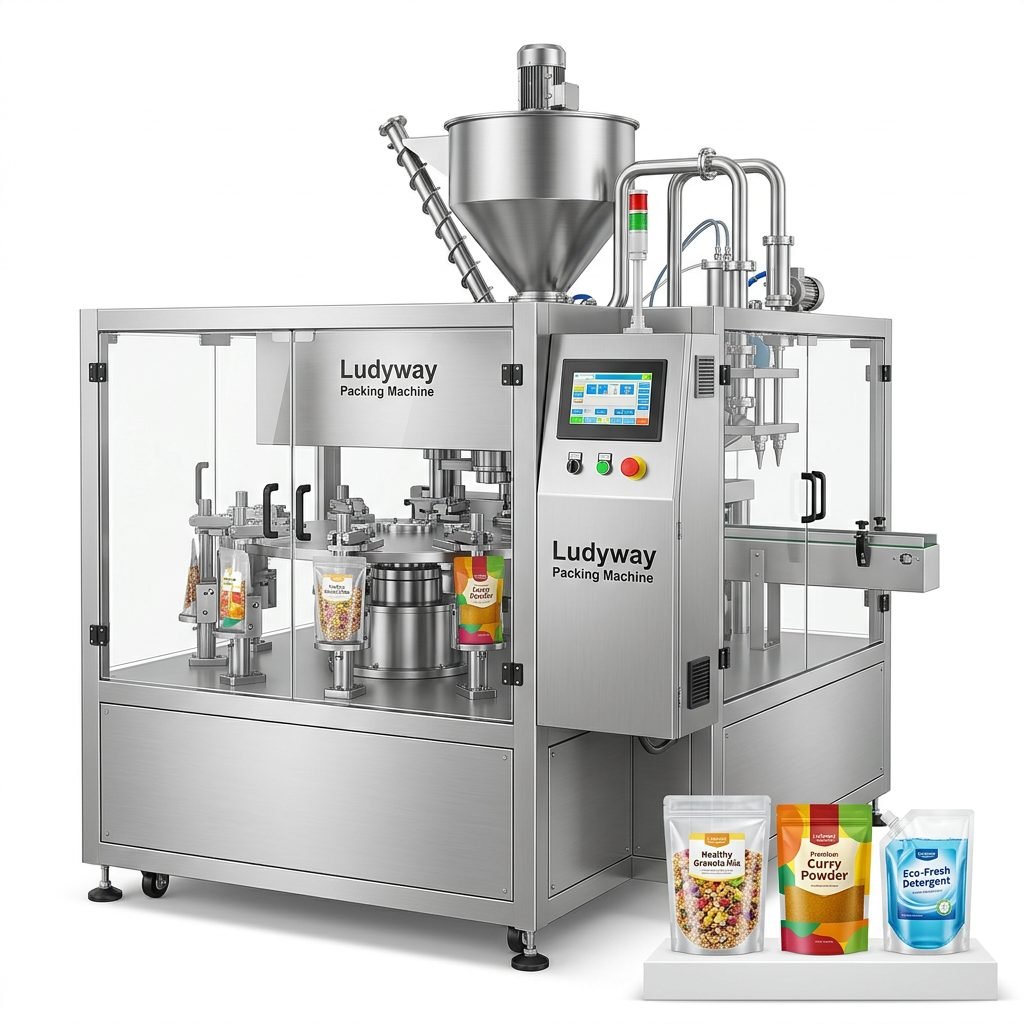
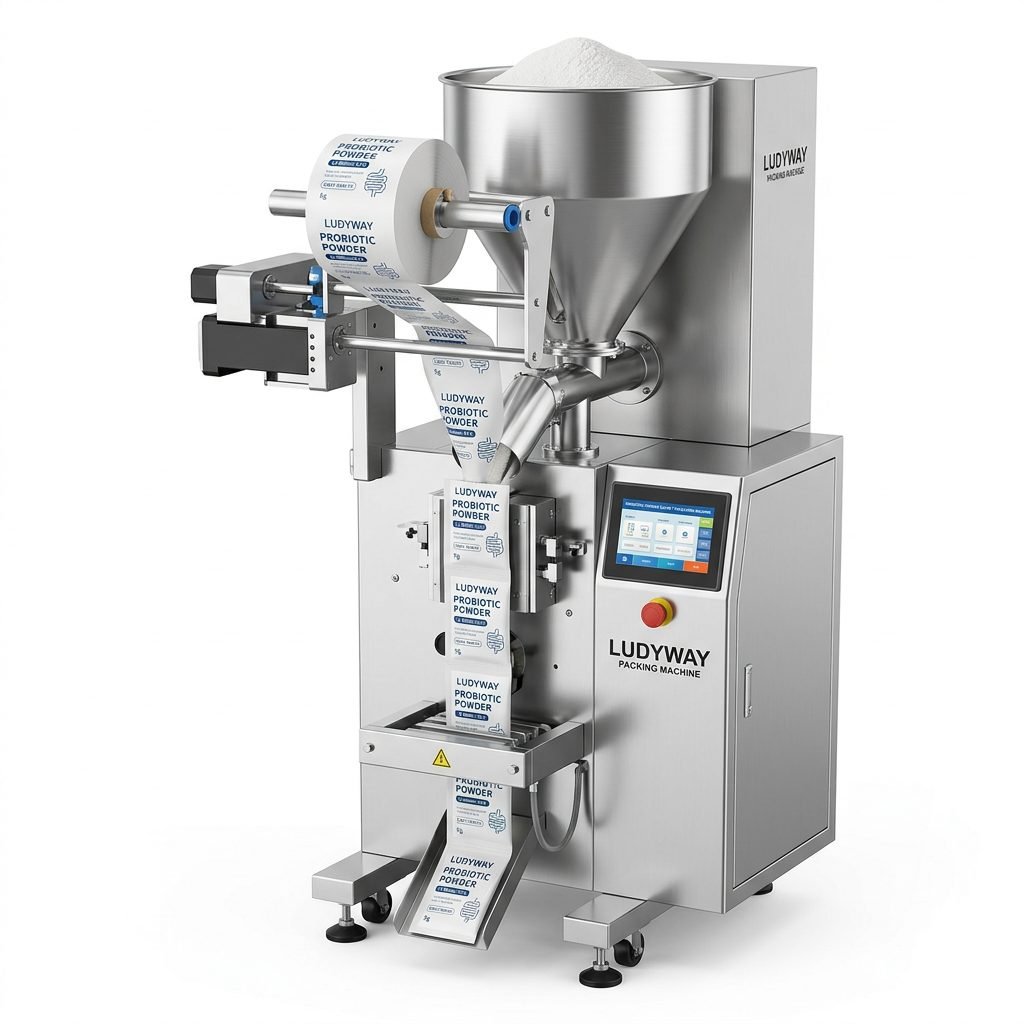
Sachet machines produce flat, pillow-style pouches that work well for assorted hard candy mixes and promotional packs. These systems offer flexibility in pack sizes and can accommodate various film materials. For manufacturers producing variety packs or sampling formats, sachet machinery provides an efficient and cost-effective solution.
Flow Wrapping Machines
Flow wrapping remains a staple in the hard candy industry, particularly for individually wrapped pieces. These machines create a tight, protective seal around each candy, maximizing freshness and visual appeal. Modern flow wrappers integrate seamlessly with automatic feeding systems and offer speeds that keep pace with high-output candy production lines.
Key Selection Criteria for Hard Candy Packaging Equipment
Choosing the right machine involves evaluating multiple factors beyond just speed and price. Here is a structured overview of what to consider:
| Selection Criteria | Why It Matters | Key Questions to Ask |
|---|---|---|
| Production Speed | Directly impacts output capacity and ROI | What is the maximum packs-per-minute rate? Can it scale with growth? |
| Pack Format Flexibility | Allows product line expansion without new machinery | Can the machine handle multiple pack sizes and styles? |
| Sealing Integrity | Prevents moisture damage and extends shelf life | What seal testing and quality control features are included? |
| Material Compatibility | Affects packaging costs and sustainability goals | What film types and thicknesses are supported? |
| Automation Level | Reduces labor costs and human error | Does it include auto-feeding, counting, and cartoning? |
Multi-Lane vs Single-Lane: Making the Right Choice
One of the most important decisions is choosing between single-lane and multi-lane systems. Single-lane machines are typically more affordable and easier to operate, making them suitable for startups and small-batch producers. However, for manufacturers targeting high-volume output, multi-lane systems offer exponentially greater throughput.
- Single-Lane Advantages: Lower initial investment, simpler maintenance, easier changeovers between products, and smaller floor footprint.
- Multi-Lane Advantages: Significantly higher output per minute, reduced per-unit labor costs, and the ability to run multiple product variants simultaneously.
According to industry data from the Packaging Machinery Market Research, multi-lane stick pack systems have seen growing adoption in the confectionery sector due to their unmatched efficiency for stick-pack formats. The decision ultimately hinges on your current and projected production volumes.
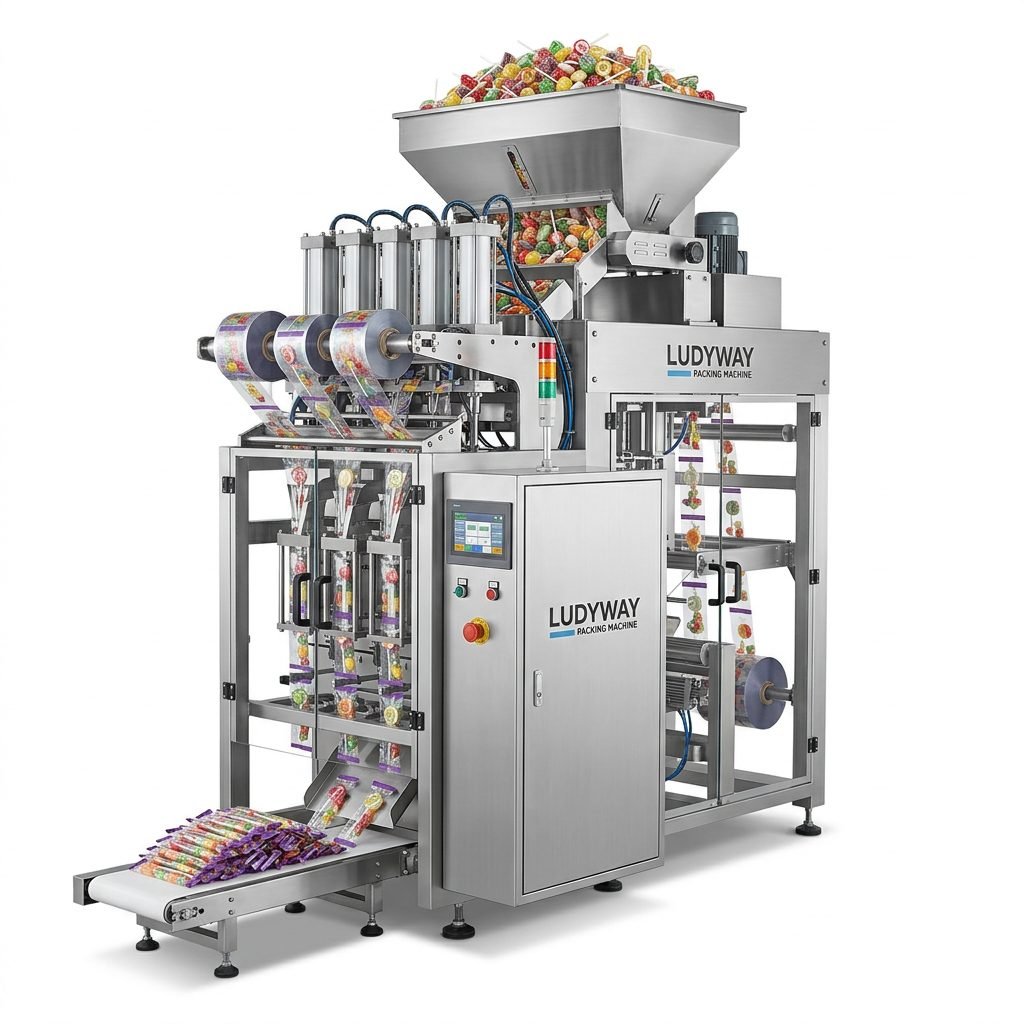
Essential Technical Specifications to Evaluate
Beyond the broader selection criteria, several technical specifications deserve careful attention during the evaluation process. These details can make a significant difference in day-to-day operations and long-term reliability.
Filling Accuracy and Precision
Hard candy packaging requires consistent piece counting and weight accuracy. Modern machines incorporate multi-head weighers and counting sensors to ensure each pack contains the correct quantity. Inaccurate filling leads to product waste, regulatory issues, and customer complaints. Look for equipment with precision dosing technology and integrated checkweigher compatibility.
Sealing Technology
The quality of the seal directly impacts product shelf life. Heat sealing with precise temperature control is standard for most hard candy applications, but advanced systems now offer ultrasonic sealing options that work well with heat-sensitive films. Verify that the machine provides consistent seal integrity across all lanes at maximum operating speeds.
Changeover Efficiency
For manufacturers running multiple product lines, rapid changeover capability is essential. Some machines now feature tool-less adjustments and recipe management systems that store parameters for different products, enabling changeovers in minutes rather than hours. This flexibility directly impacts overall equipment effectiveness and production scheduling.
Evaluating Total Cost of Ownership
The purchase price is only one component of the total investment. A comprehensive total cost of ownership analysis should account for installation, training, maintenance, spare parts, energy consumption, and expected service life. Here is how different cost factors typically compare across machine types:
| Cost Factor | Single-Lane Machine | Multi-Lane Machine (4-8 Lanes) | Fully Automated Line |
|---|---|---|---|
| Initial Investment | $15,000 – $60,000 | $50,000 – $200,000 | $150,000 – $500,000+ |
| Annual Maintenance | 3-5% of machine cost | 4-7% of machine cost | 5-10% of machine cost |
| Per-Unit Labor Cost | Higher | Moderate | Lowest |
| Typical Payback Period | 12-24 months | 18-36 months | 24-48 months |
Questions to Ask Before Making a Purchase
Engaging with potential suppliers requires asking the right questions. A thorough evaluation process helps avoid costly mistakes and ensures the equipment meets your specific needs. Consider the following checklist:
- What is the machine’s actual demonstrated speed with products similar to yours, not just the theoretical maximum?
- What support and training does the manufacturer provide during installation and beyond?
- Are spare parts readily available in your region, and what is the typical lead time for critical components?
- Can the machine accommodate future packaging format changes as your product line evolves?
- What warranty coverage is included and what are the terms for extended service agreements?
Industry Standards and Compliance
Food packaging machinery must adhere to strict regulatory standards. When evaluating equipment, verify compliance with relevant ISO packaging standards and local food safety regulations. Machines constructed with food-grade materials, featuring easy-clean designs and validated sealing processes, help ensure both product safety and regulatory compliance. The Flexible Packaging Association provides valuable resources on material and machinery standards relevant to confectionery packaging operations.
Automation and Integration Capabilities
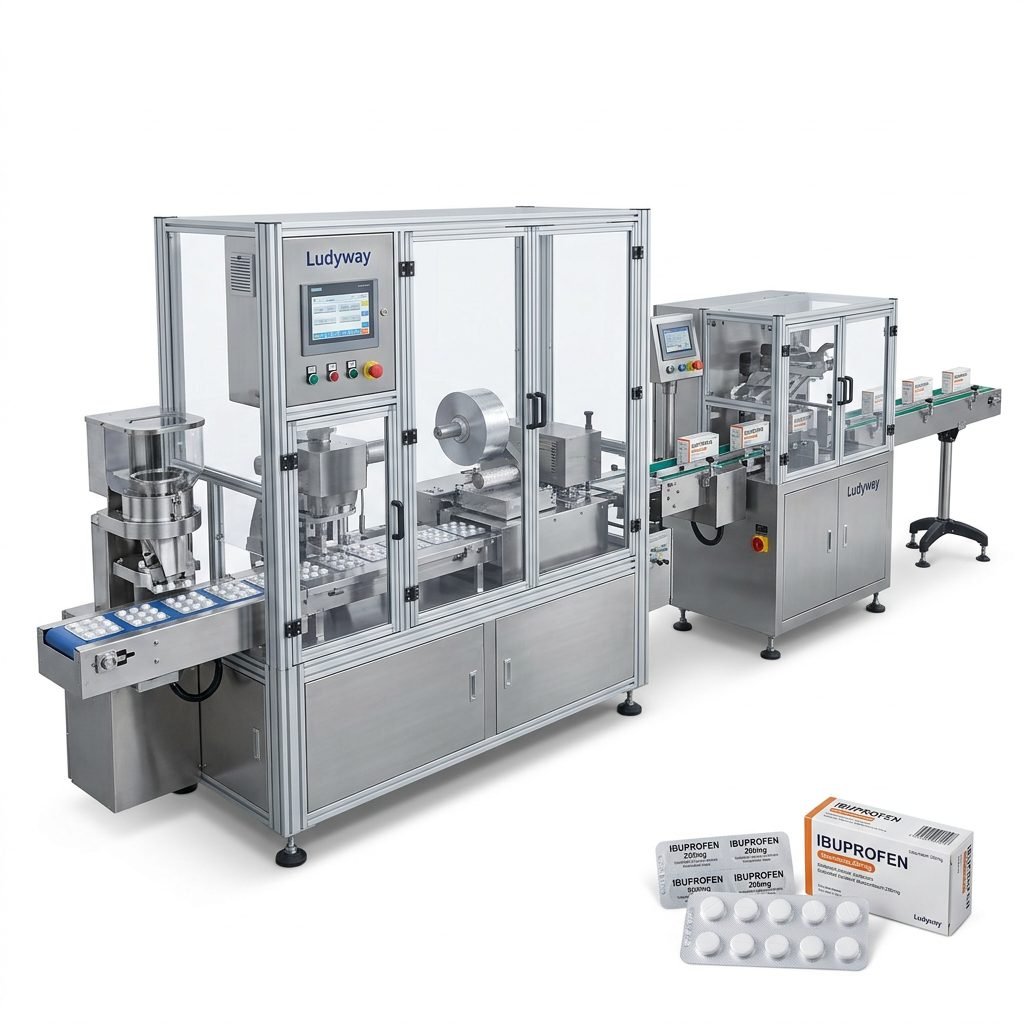
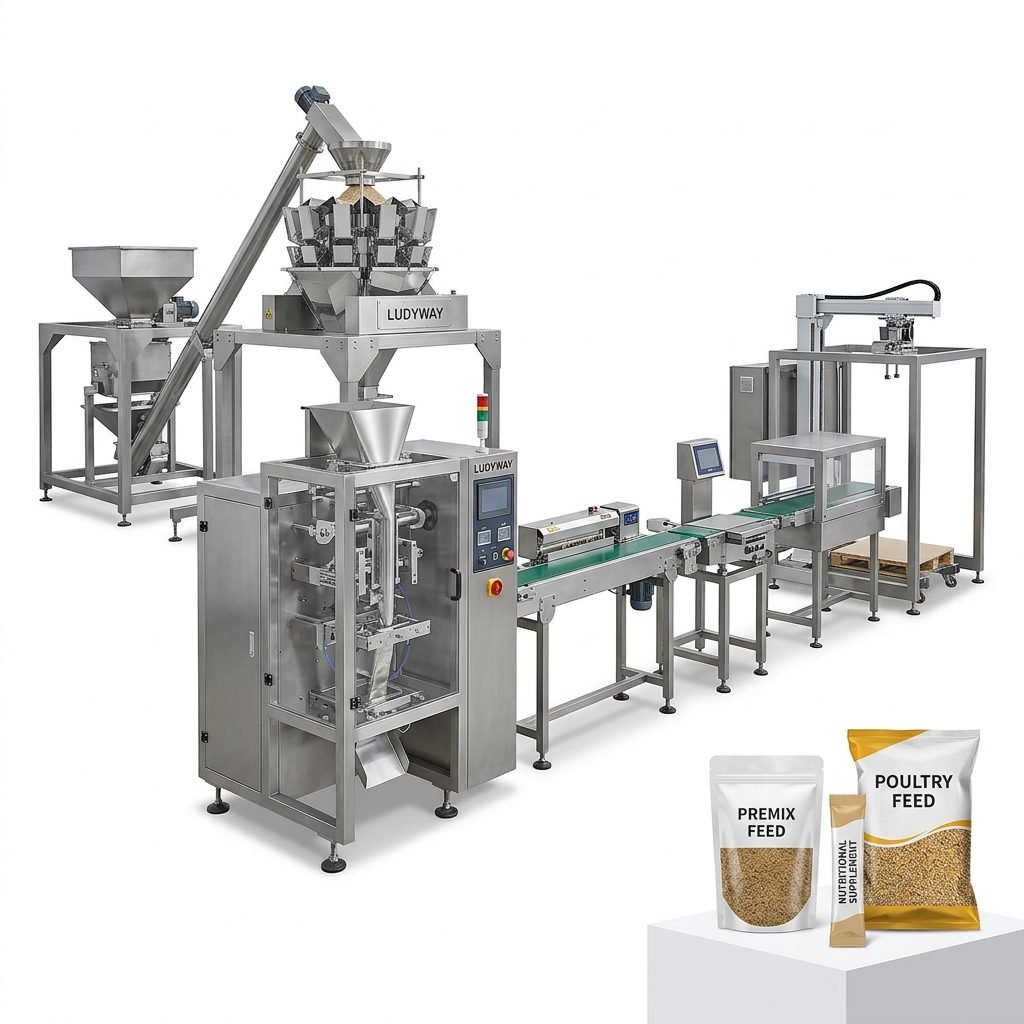
Modern hard candy packaging lines increasingly integrate with upstream and downstream equipment to create seamless production ecosystems. Automated feeding systems, checkweighers, metal detectors, cartoners, and palletizers can all be connected to the packaging machine. When selecting equipment, consider not only the immediate requirements but also the potential for future integration. A machine that offers open communication protocols and modular expansion capabilities provides greater long-term value.
Making the Final Decision
After evaluating all the technical specifications, cost factors, and supplier qualifications, the final decision should align with your strategic business objectives. A machine that meets today’s requirements while offering flexibility for tomorrow’s growth represents the best investment. Take time to visit facilities where similar equipment is in operation, request product samples, and conduct thorough testing with your actual products before committing.
Selecting the right hard candy packaging machine is a foundational step toward building an efficient, profitable confectionery operation. By focusing on the criteria outlined in this guide and partnering with experienced manufacturers, you can make a confident, informed purchasing decision that supports your business for years to come.
About Ludyway
Ludyway is one of the largest packaging machine manufacturers in China, specializing in advanced packaging equipment and turnkey production solutions for the food, pharmaceutical, and health industries. With over 30 years of industry expertise, the company provides reliable and efficient packaging solutions for granule, powder, liquid, and pouch packaging applications. Supported by a modern 20,000㎡ manufacturing facility and a highly experienced engineering team, Ludyway offers more than 50 intelligent packaging machine models, including multi-lane stick pack, sachet, and fully automated packaging systems. Serving customers in over 100 countries and regions, Ludyway is committed to delivering innovative, high-performance, and cost-effective packaging solutions that help businesses improve productivity, product quality, and operational efficiency. Read more about Ludyway’s global growth trajectory.
Additional Resources
- PMMI State of the Industry Report – Comprehensive packaging industry data and trends
- Flexible Packaging Association Resources – Industry standards and flexible packaging insights
- FDA Packaging and Food Contact Substances – Regulatory guidance for food packaging
- ISO Packaging Standards – International standards for packaging machinery and processes
- PACK EXPO International – Leading packaging industry trade show