Italy’s food processing sector is one of the largest in Europe, with bean and legume packaging playing a vital role in both domestic consumption and export markets. Setting up a bean packaging machine production line in Italy requires careful planning, from selecting the right equipment to navigating EU packaging regulations and ensuring operational efficiency. This guide covers every essential step to help you build a reliable and compliant packaging line.
Understanding the Italian Bean Packaging Market
Italy processes thousands of tons of beans annually, including cannellini, borlotti, and chickpeas. The demand for efficient, high-speed packaging solutions has grown significantly due to increasing exports and retail requirements. A modern packaging production line must accommodate various bag formats, from small sachets to bulk bags, while maintaining product integrity and shelf appeal.
Key market drivers include:
- Growing demand for convenient, portion-controlled bean packaging
- Strict EU food safety standards requiring hygienic equipment design
- Rising adoption of multi-lane packaging systems for higher throughput
- Increased focus on sustainable packaging materials and reduced waste
Core Equipment for a Bean Packaging Production Line
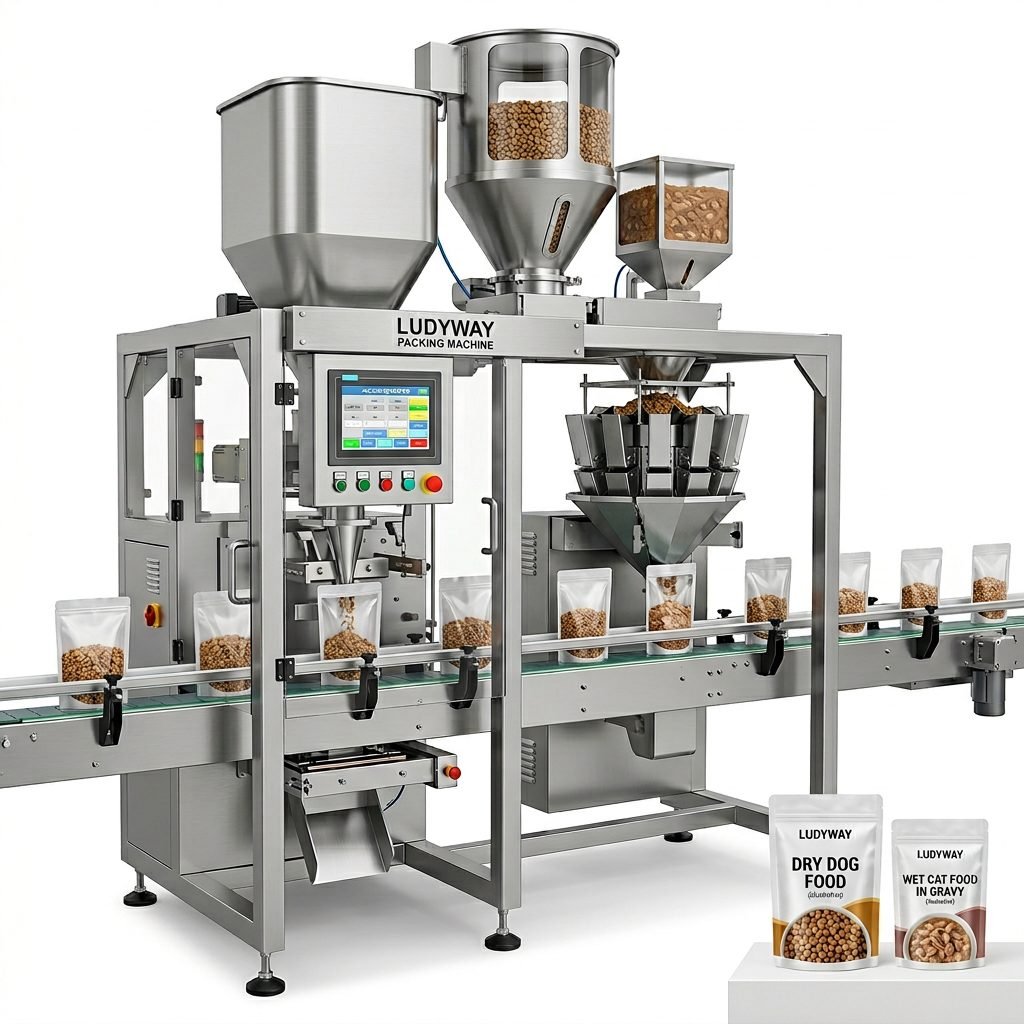
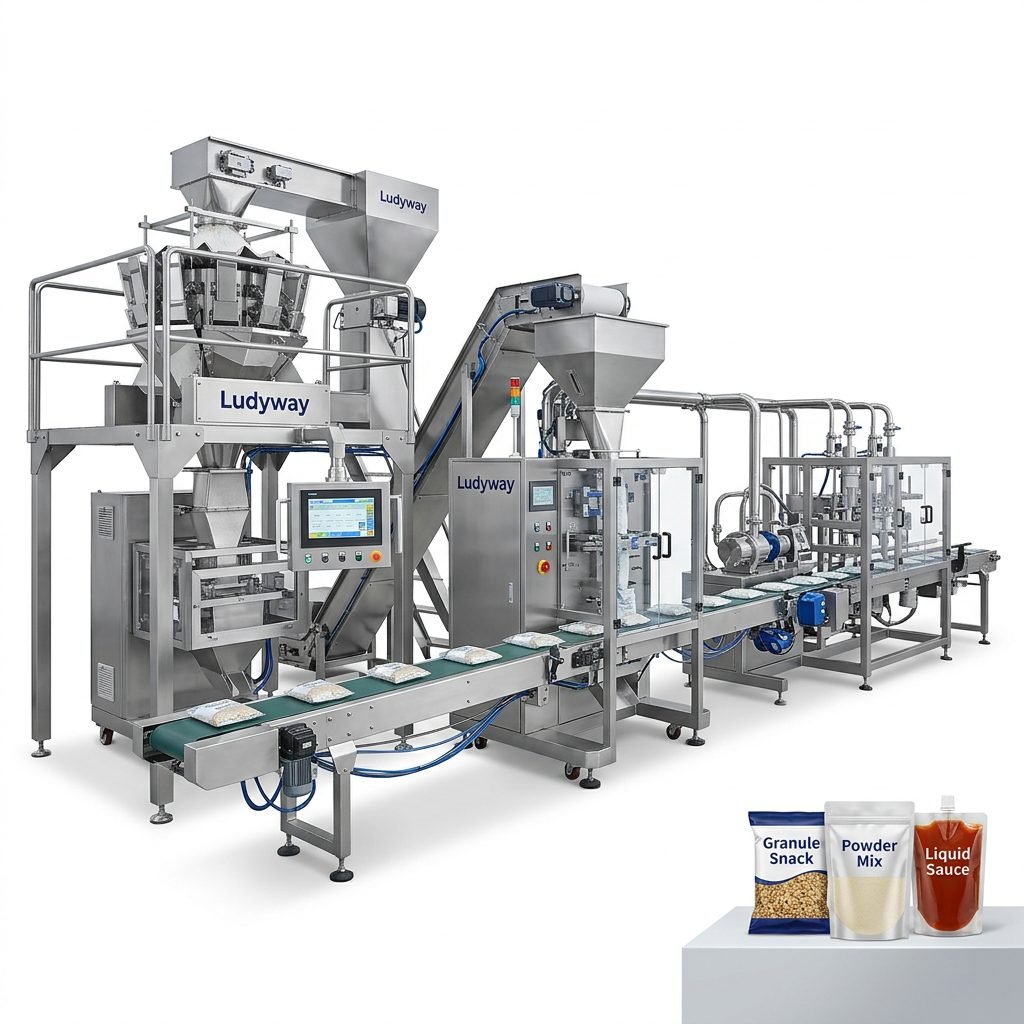
A complete bean packaging line typically consists of several interconnected machines. Selecting the right combination depends on your target output, bean type, and packaging format. Below is a comparison of common configurations:
| Packaging Format | Recommended Equipment | Typical Speed Range | Best For |
|---|---|---|---|
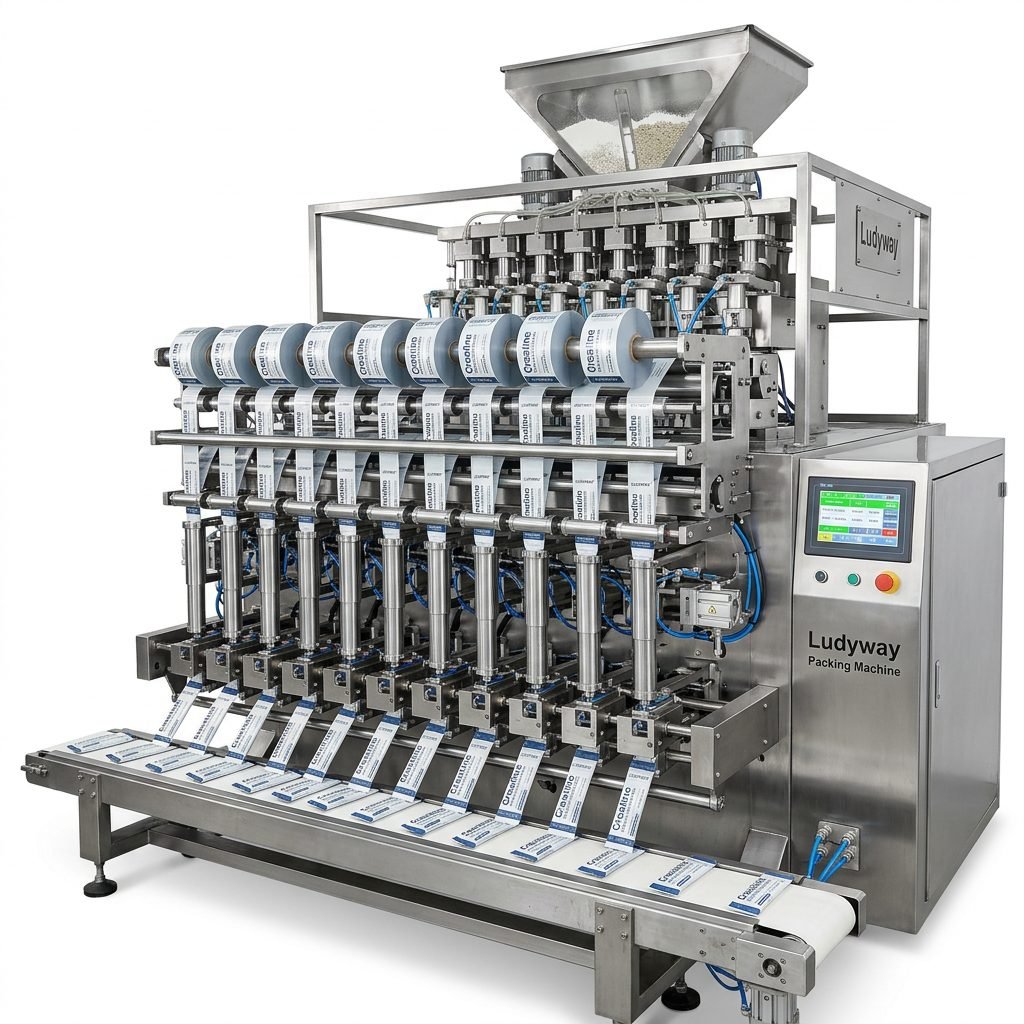
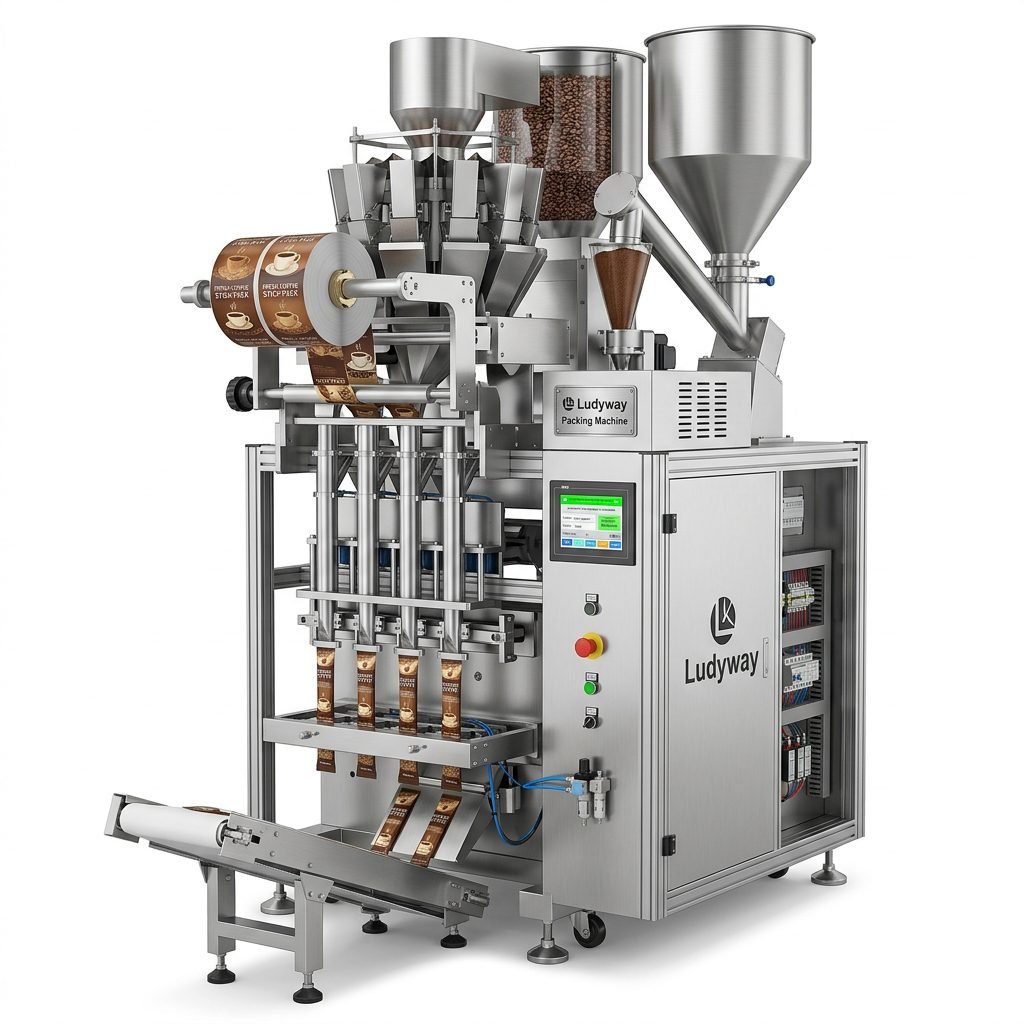
| Stick Packs | Multi-lane stick pack machine with auger filler | 40–120 packs/min per lane | Single-serve, on-the-go snacks |
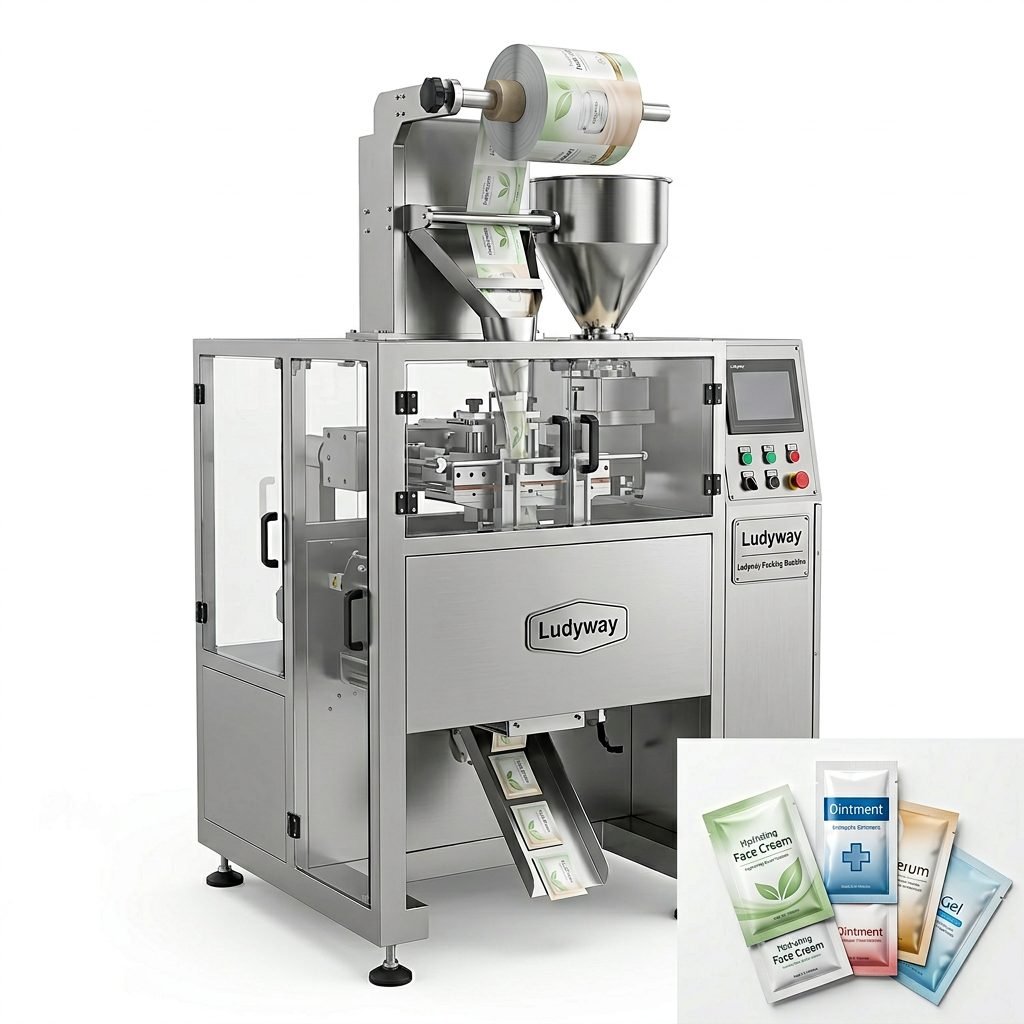
| Sachets | Multi-lane sachet packaging system | 60–200 sachets/min | Retail seasoning and soup mixes with beans |
| Pillow Bags | Vertical form-fill-seal (VFFS) machine | 30–80 bags/min | Medium-sized retail bean packages |
| Bulk Bags (10–50 kg) | Weighing and bagging system with conveyor | 5–15 bags/min | Wholesale and food service supply |
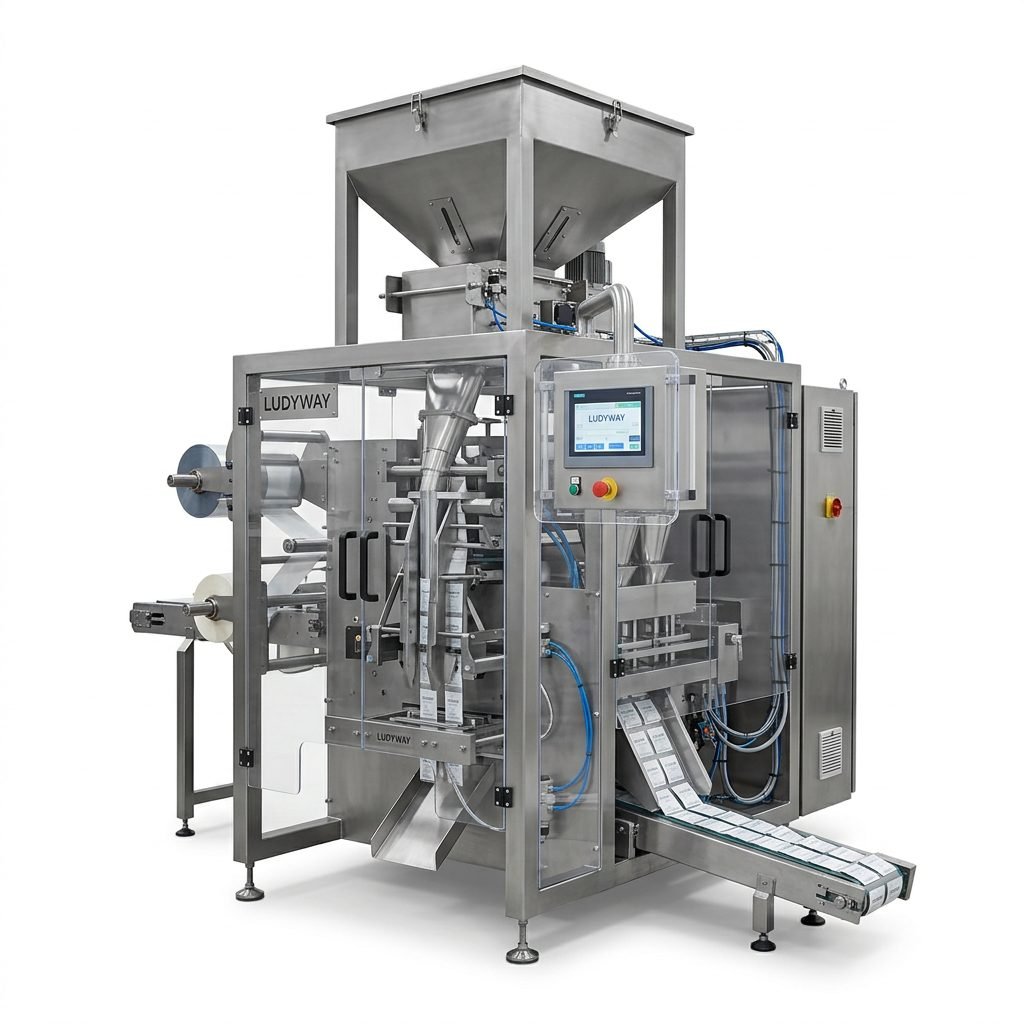
Multi-Lane Stick Pack and Sachet Machines
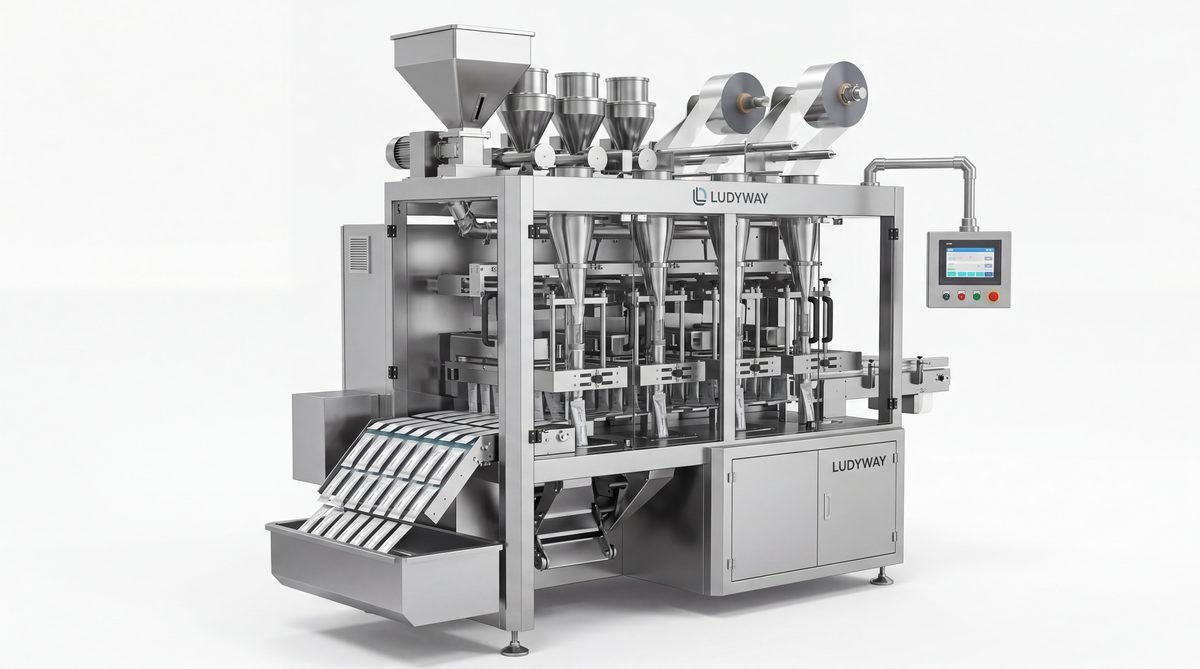
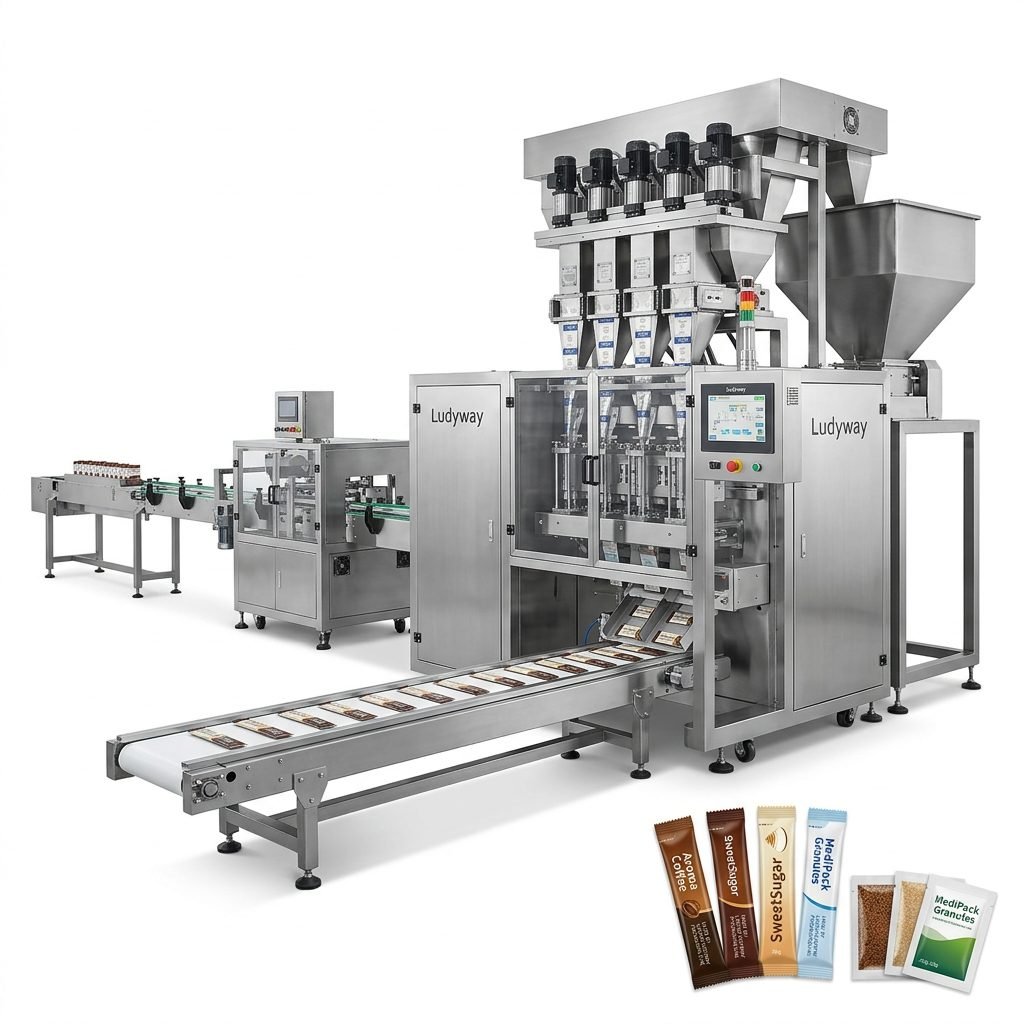
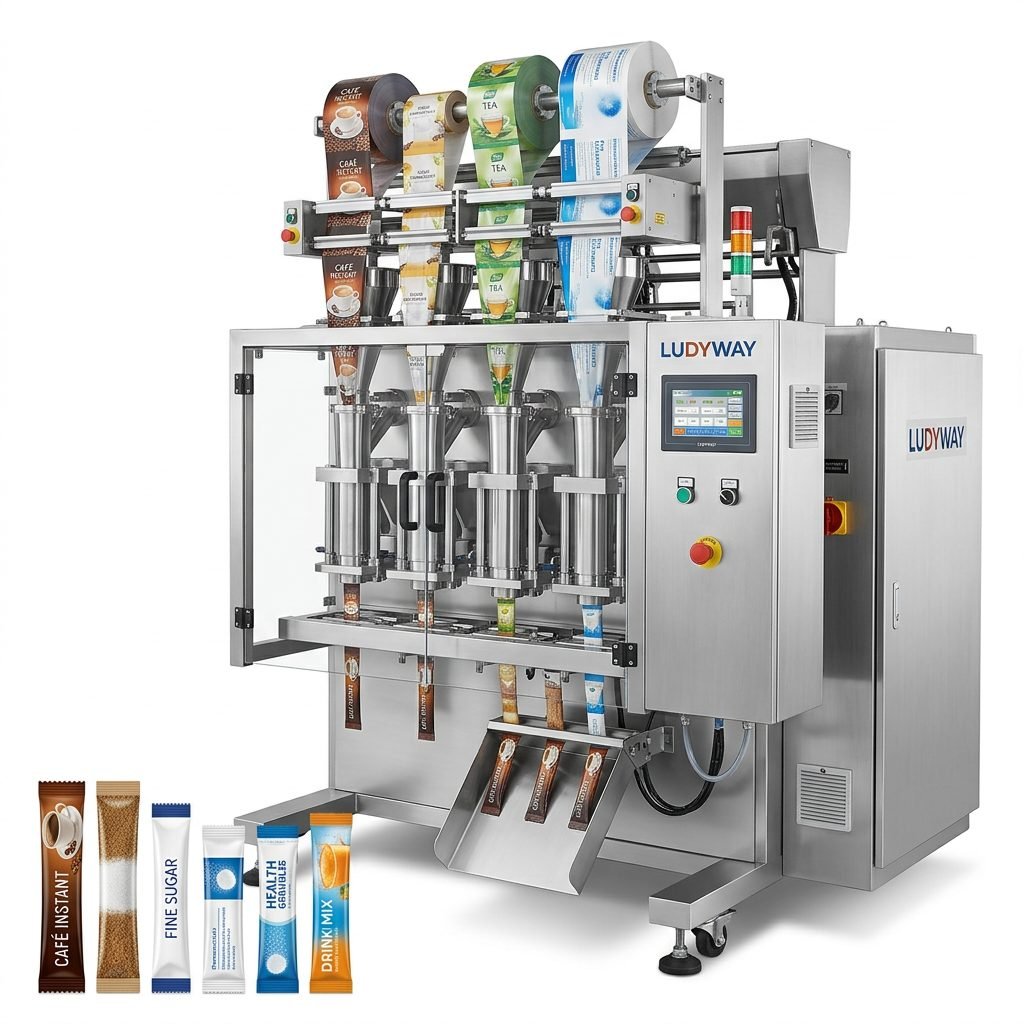
For bean products targeting retail consumers, multi-lane stick pack machines offer exceptional efficiency. These systems can run 4 to 16 lanes simultaneously, drastically increasing output without proportionally increasing floor space. Integrated ISO-compliant weighing systems ensure each package meets precise weight specifications.
Weighing and Dosing Precision
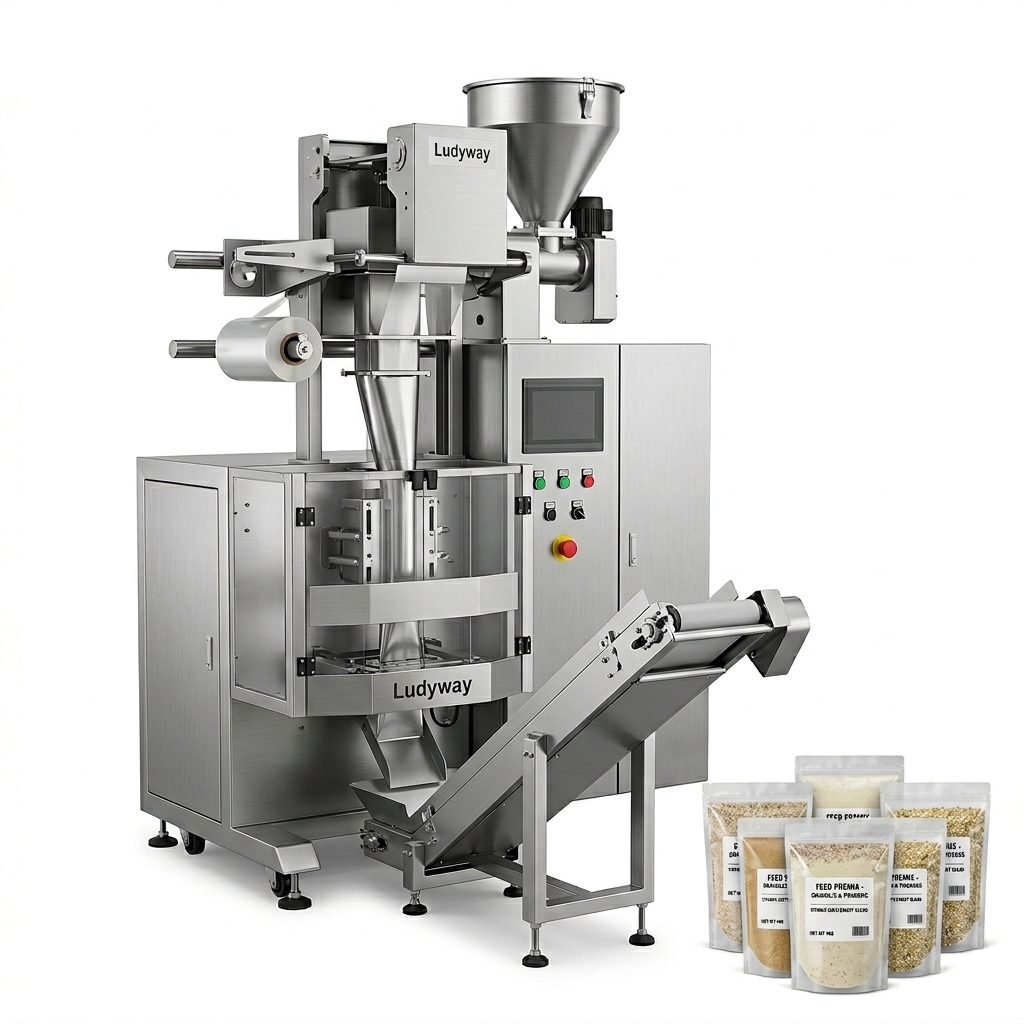
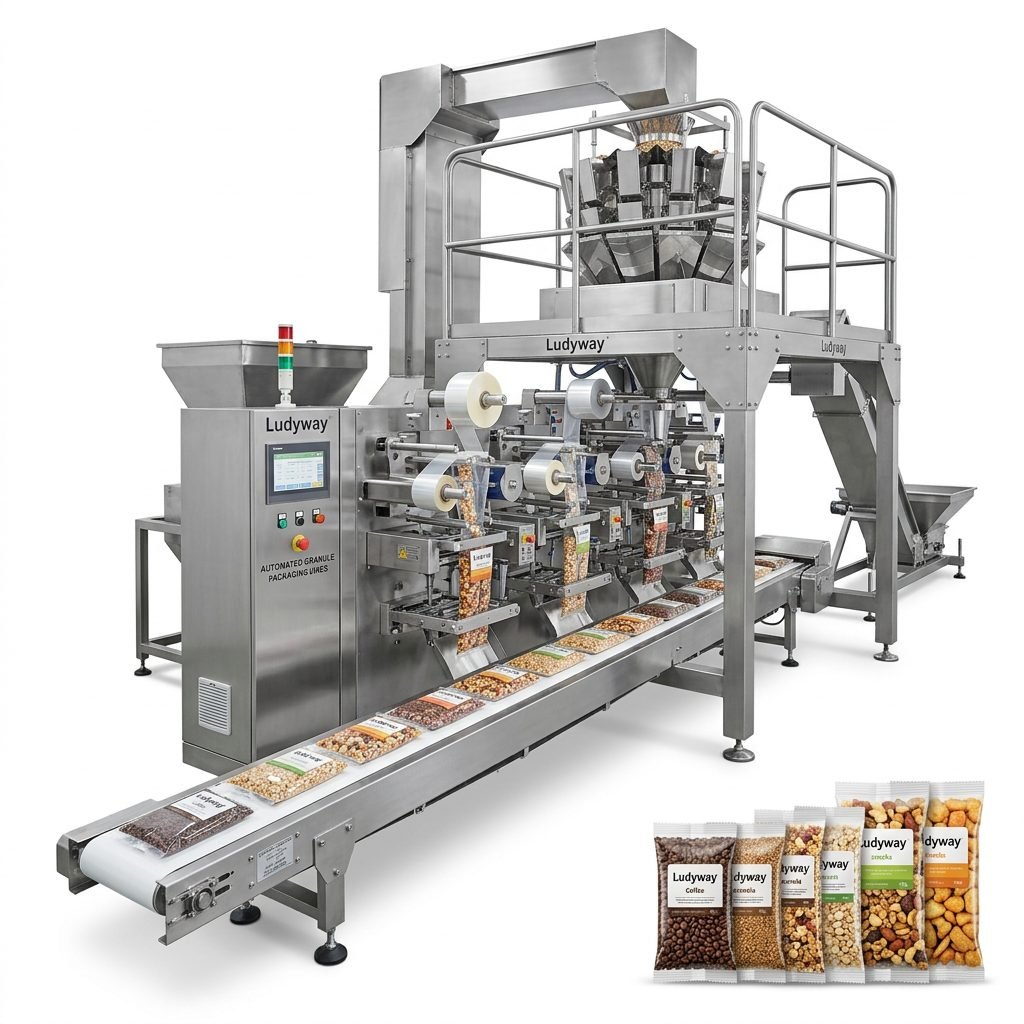
Accurate weighing is critical for bean packaging. Modern multi-head weighers and auger filling systems deliver precision dosing for both whole beans and ground bean powders. Consistent fill weights reduce product giveaway and ensure regulatory compliance with net content labeling laws.
Regulatory Compliance for Packaging Lines in Italy
Italy enforces all relevant EU directives and regulations governing food packaging equipment. Your production line must comply with:
- EC Regulation 1935/2004 — Materials and articles intended to come into contact with food
- EU Machinery Directive 2006/42/EC — Safety requirements for packaging machinery
- Regulation (EU) 2023/2006 — Good manufacturing practice for food contact materials
- EU Packaging and Packaging Waste Regulation — Sustainability and recyclability requirements
Equipment should be constructed from food-grade stainless steel and designed for easy cleaning and sanitation. Validation documentation is essential for audit readiness.
Site Preparation and Installation Planning
Before machinery arrives, your facility must be properly prepared. Consider these critical factors:
- Floor load capacity — Multi-lane systems can be heavy; verify structural support
- Utility connections — Ensure adequate compressed air, electrical supply, and ventilation
- Material flow — Design an efficient layout from raw bean receiving to finished pallet storage
- Cleanroom requirements — Some bean products may require controlled environments
Machine Calibration and Testing
Once installed, each machine undergoes rigorous calibration and testing. This includes weigh scale verification, seal integrity testing, and speed trials with actual bean products. A thorough Factory Acceptance Test (FAT) and Site Acceptance Test (SAT) should be conducted before full production begins. Refer to ISO 11607 standards for packaging validation requirements.
Automation and Integration Technologies
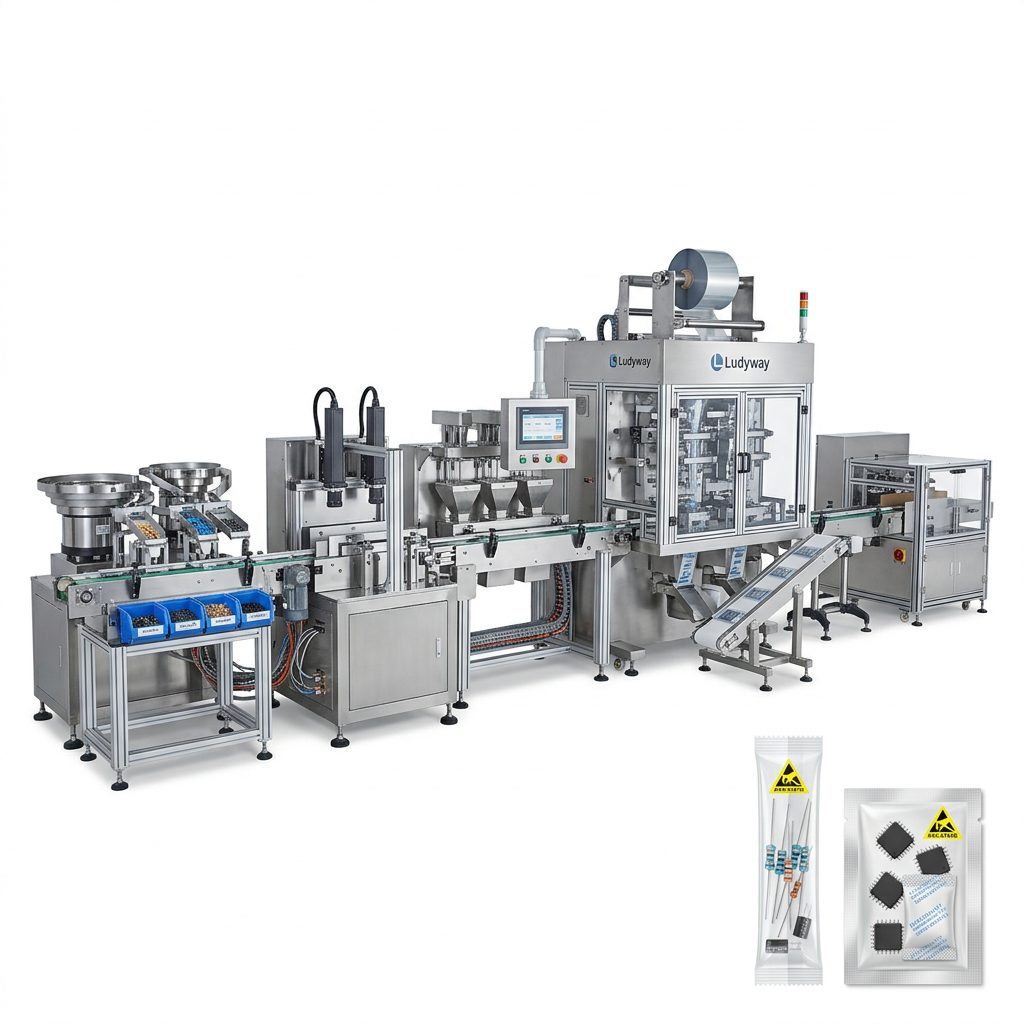
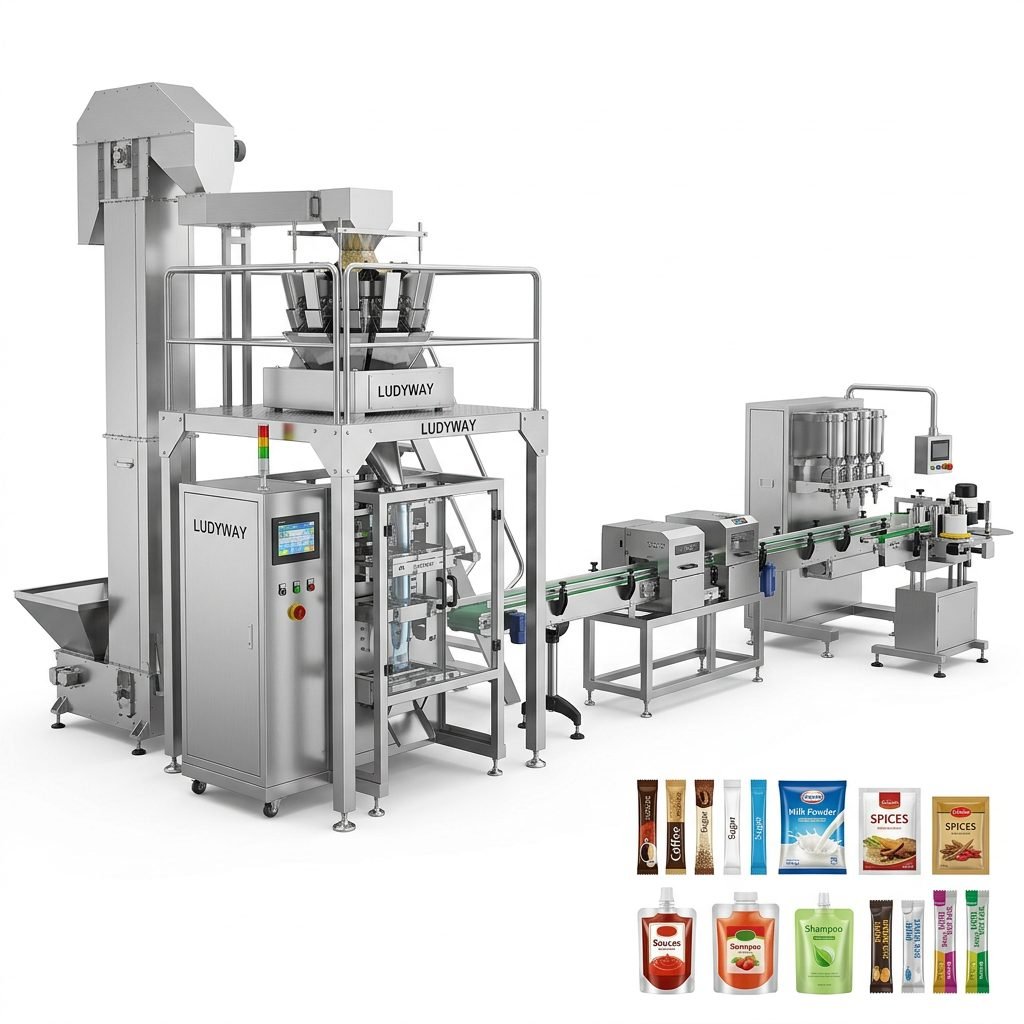
Modern bean packaging lines benefit from integrated automation systems that connect filling, sealing, coding, and cartoning equipment. Key technologies include:
- PLC-based control systems with touchscreen interfaces for centralized operation
- Automatic reject systems for underweight or seal-defective packages
- Vision inspection systems for label placement and print quality verification
- IoT-enabled monitoring for real-time production data and predictive maintenance
Maintenance and After-Sales Support
Regular maintenance is essential to maximize uptime and extend equipment life. Establish a preventive maintenance schedule covering:
- Daily cleaning of product contact surfaces and sealing jaws
- Weekly inspection of belts, chains, and pneumatic components
- Monthly calibration checks on weighing and dosing systems
- Quarterly comprehensive machine audits and software updates
Partnering with an experienced packaging equipment supplier that offers local technical support in Italy significantly reduces downtime risks. Ludyway, one of the largest packaging machine manufacturers in China with over 30 years of industry experience and customers in more than 100 countries, provides turnkey bean packaging solutions including multi-lane stick pack machines, sachet systems, and fully automated production lines backed by professional installation and after-sales service worldwide. For more information on their global growth and export capabilities, read this industry report.
Cost Considerations and ROI Analysis
Investing in a bean packaging production line involves several cost components. The table below outlines typical budget considerations:
| Cost Category | Estimated Share of Total Investment | Key Variables |
|---|---|---|
| Primary packaging machinery | 45–55% | Number of lanes, speed, automation level |
| Conveying and feeding systems | 10–15% | Line length, elevation changes, integration complexity |
| Inspection and coding equipment | 8–12% | Vision systems, checkweighers, printers |
| Installation and commissioning | 5–10% | Site preparation, training, validation |
| Facility modifications | 5–10% | Utilities, flooring, cleanroom upgrades |
A well-planned bean packaging line typically achieves ROI within 18–36 months, driven by increased throughput, reduced labor costs, and minimal product waste. The Flexible Packaging Association provides additional benchmarks for packaging efficiency and cost optimization.
Training and Workforce Development
Even the most advanced packaging line requires skilled operators and technicians. Invest in comprehensive training programs covering:
- Machine operation and daily startup/shutdown procedures
- Troubleshooting common issues such as seal failures or misfeeds
- Changeover procedures for different bean varieties and package sizes
- Safety protocols and emergency stop procedures
Future-Proofing Your Packaging Line
As the Italian and European bean market evolves, your packaging line should be adaptable. Consider equipment that supports modular upgrades, such as adding lanes for higher capacity or integrating new packaging formats like resealable pouches. Sustainability features, including reduced film consumption and compatibility with recyclable materials, are increasingly important for market access and brand reputation.
Setting up a bean packaging machine production line in Italy is a significant but rewarding investment. With thorough planning, the right equipment choices, and a focus on regulatory compliance and automation, you can build a highly efficient operation capable of serving both domestic and international markets for years to come.