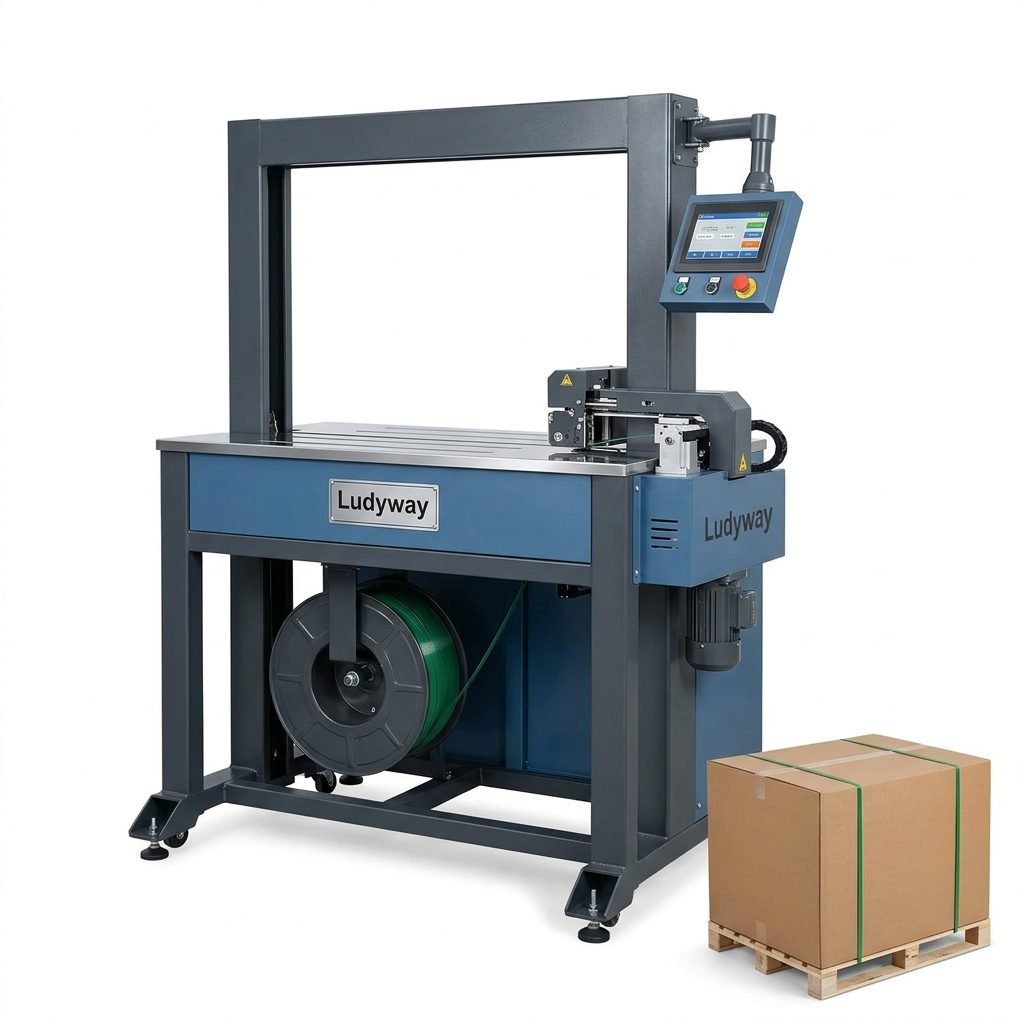
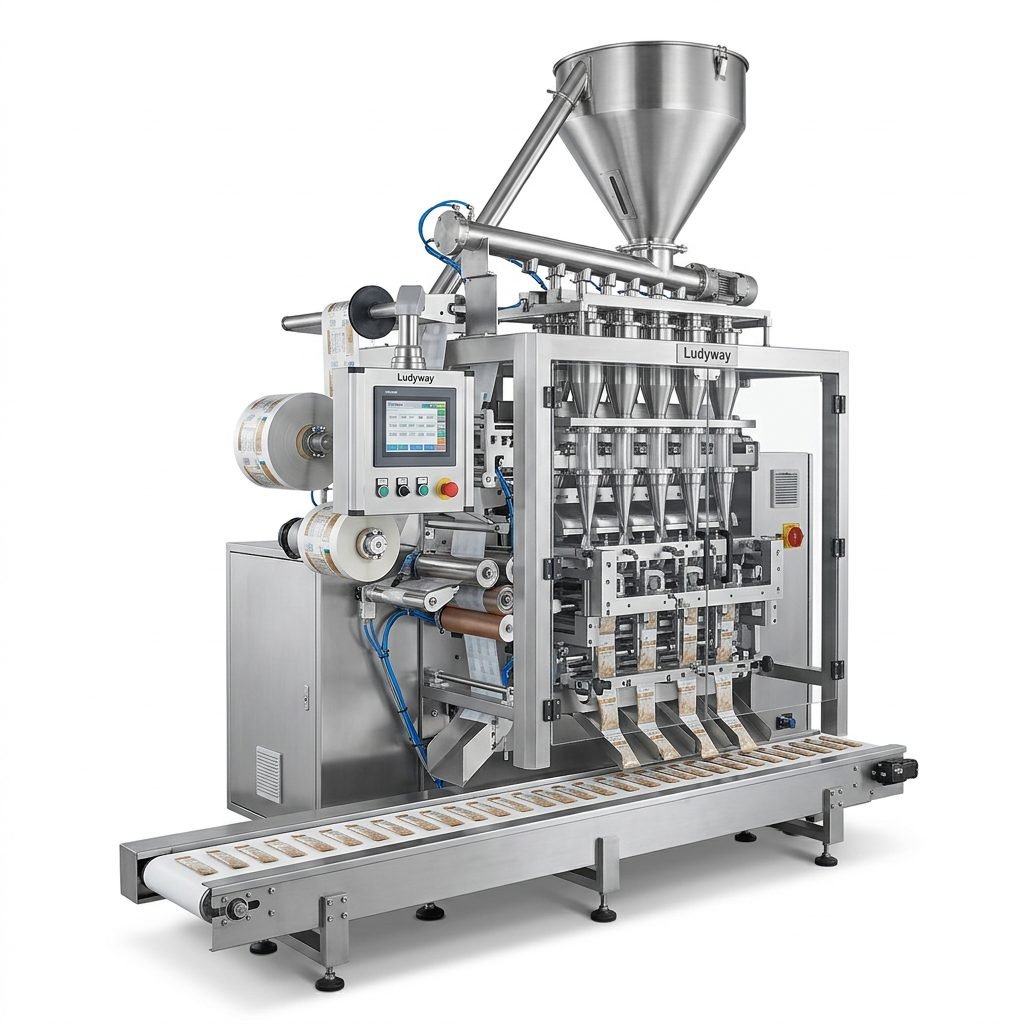
Choosing the right weighing packing machine is not only about speed. It is about accuracy, product stability, packaging consistency, labor savings, and long-term operating cost. Whether you pack granules, powders, pellets, snacks, feed, supplements, chemicals, or pharmaceutical products, the correct solution can improve output while reducing giveaway, waste, and downtime.
This guide explains how to evaluate different weighing and packing solutions, what technical points matter most, and how to match machine configuration with your product, bag type, and production target.
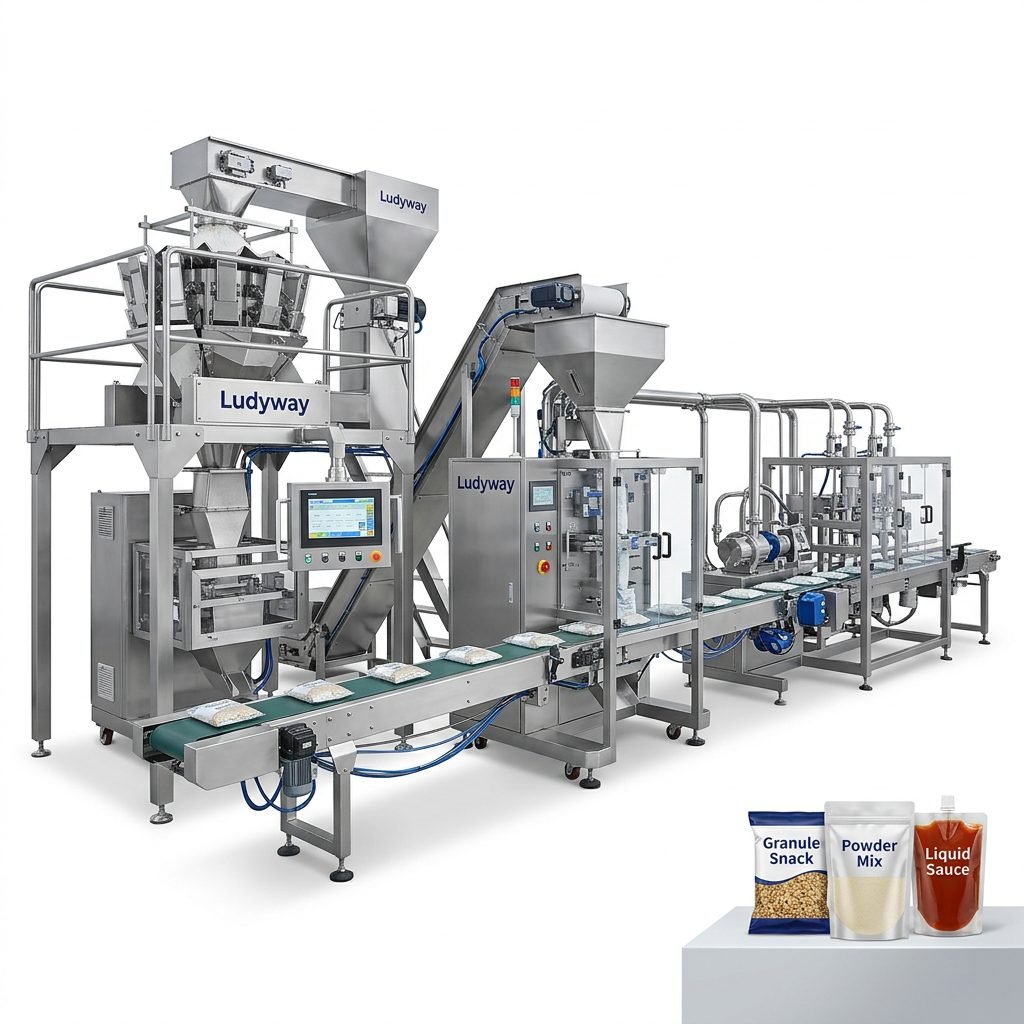
Why Accurate Weighing Matters in Packaging
In modern packaging production, weight control directly affects profitability and compliance. Underweight packages can lead to customer complaints and regulatory risk, while overweight packages increase material loss over time. Even a small overfill per pack can create a significant cost increase when multiplied across thousands or millions of units.
- Lower product giveaway in every bag, pouch, sachet, or container
- Better pack-to-pack consistency for retail and industrial customers
- Improved production efficiency with less manual correction
- More stable downstream sealing, cartoning, and case packing
- Easier compliance with food, pharma, and industrial quality standards
What Is a Weighing Packing Machine?
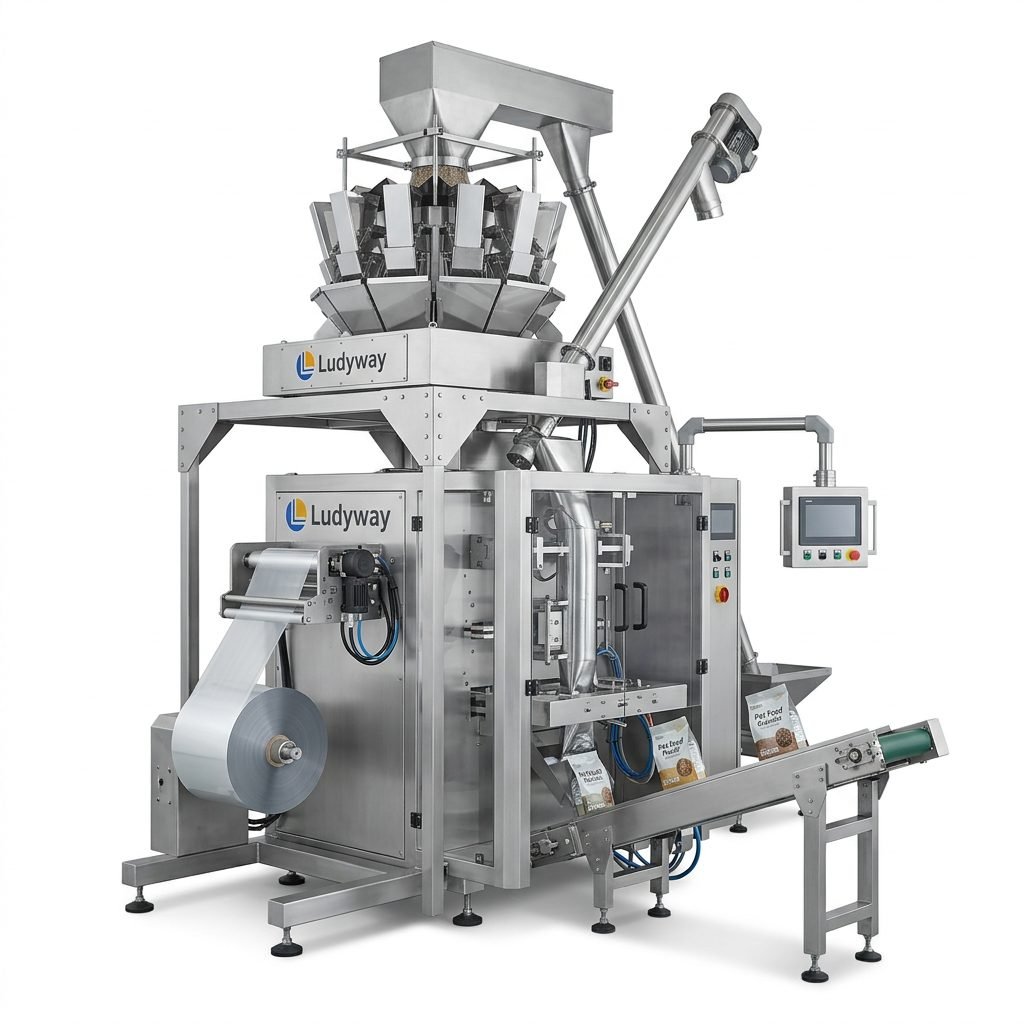
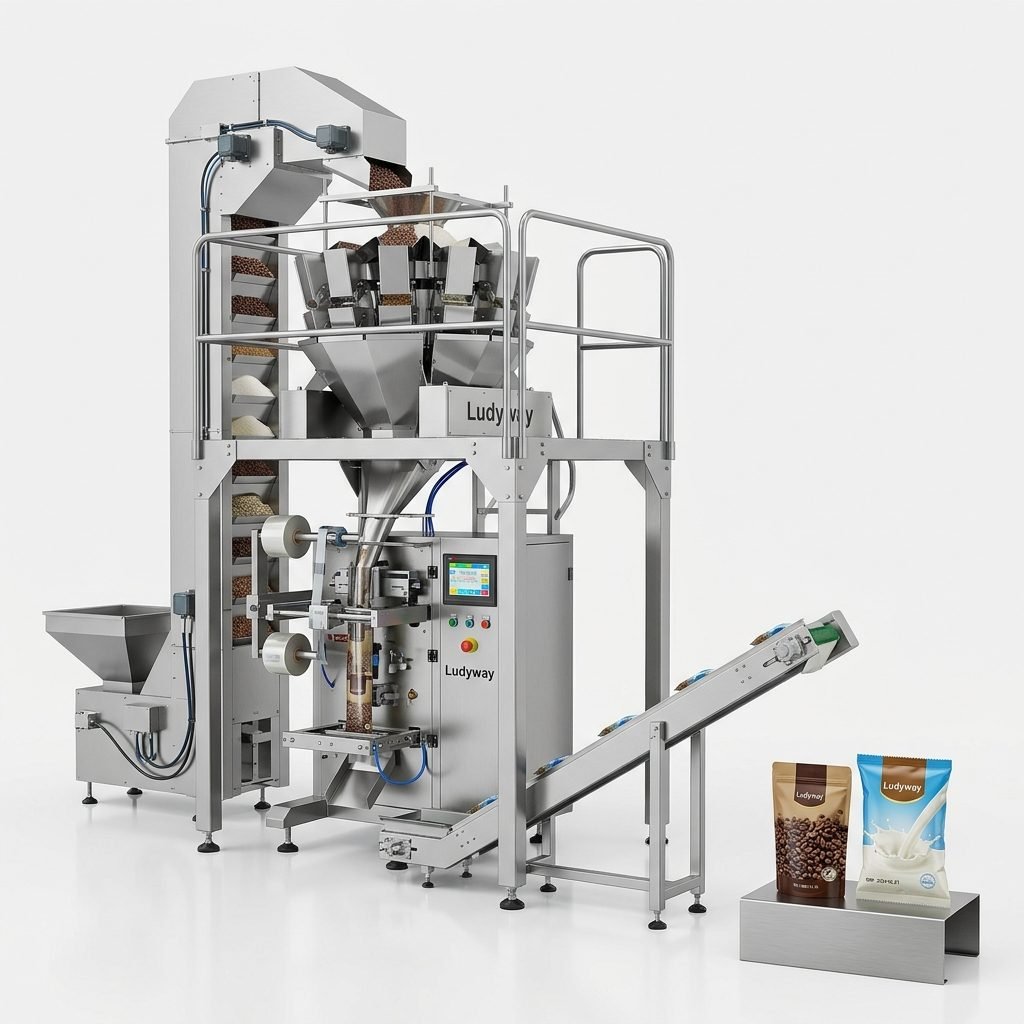
A weighing packing machine is a packaging system that first measures product weight and then fills it into a selected package format. Depending on the application, the machine may use a linear weigher, multihead weigher, auger filler with weight feedback, net weigher, gross weigher, or combination weighing system.
These systems are commonly integrated with:
- Feeding equipment such as elevators, screw conveyors, or vibratory feeders
- Bagging or pouch-making systems
- Sealing units
- Checkweighers and reject systems
- Metal detectors, X-ray inspection, coding, labeling, and cartoning equipment
Main Types of Weighing Packing Machines
1. Multihead Weigher Packaging Machines
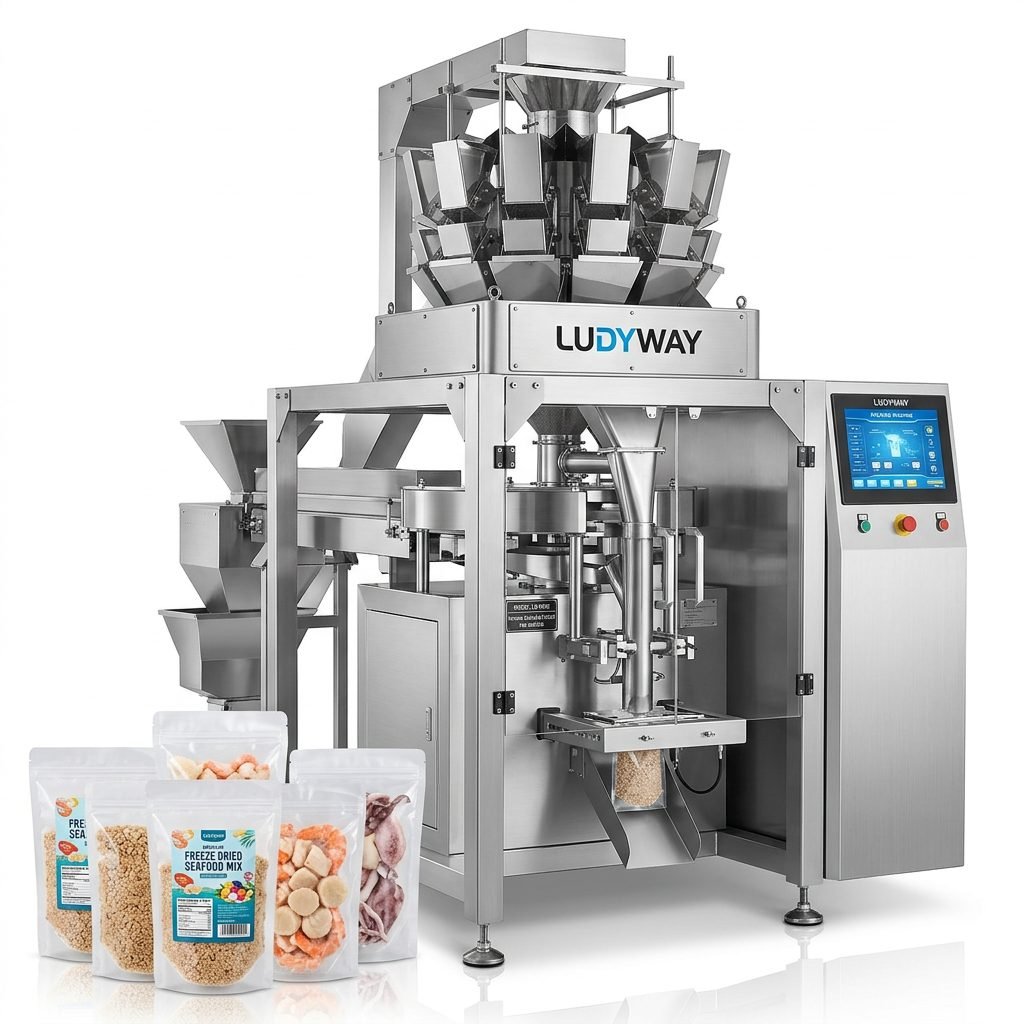
These are ideal for granules, snacks, frozen food, pet food, nuts, candy, and irregular solid products. Multihead weighers use multiple hoppers to create the most accurate weight combination at high speed.
Best for:
- High-speed applications
- Retail food packaging
- Products with good flowability
- Operations that prioritize low giveaway
2. Linear Weigher Packing Machines
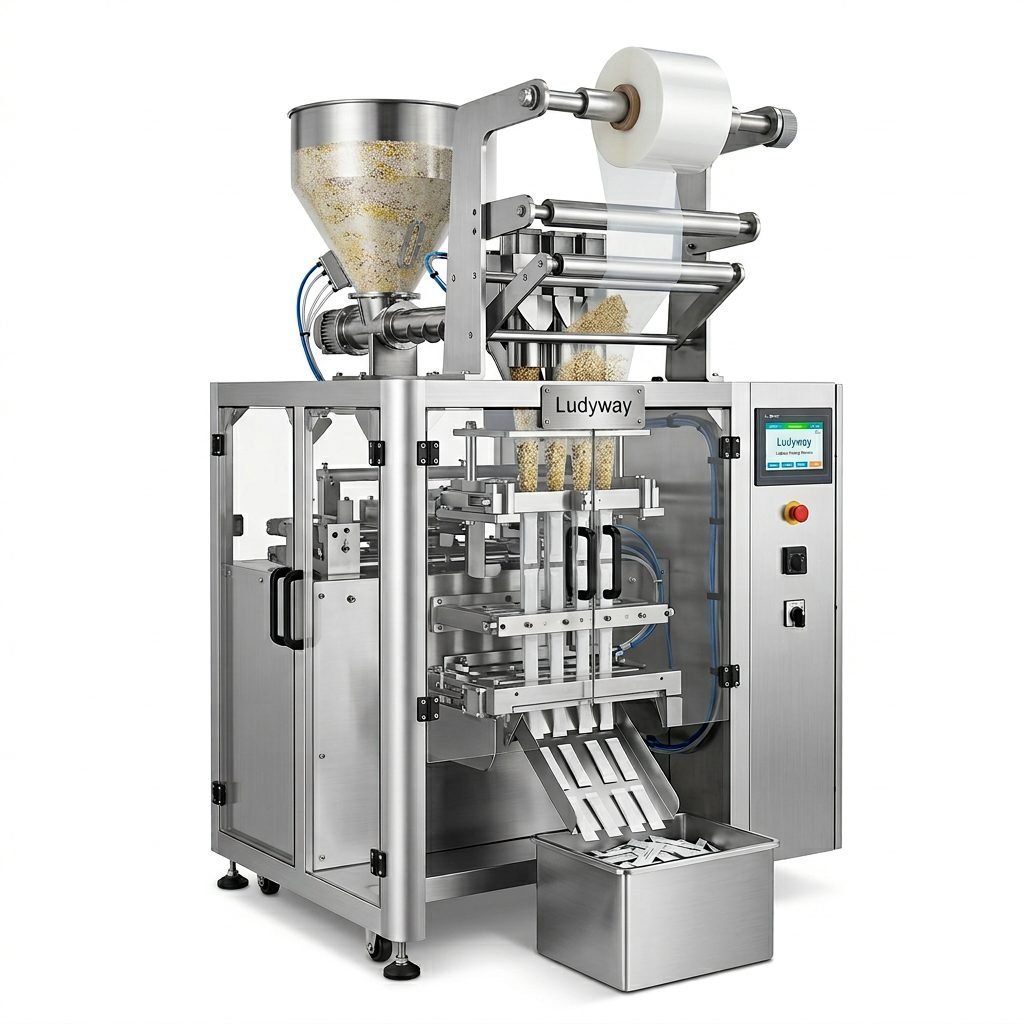
Linear weighers are a practical choice for grains, seeds, beans, sugar, salt, tea, and simple granules. They are often more economical than multihead systems and suit medium-speed packaging.
Best for:
- Budget-conscious projects
- Medium output requirements
- Simple granular products
3. Auger Weighing and Filling Machines
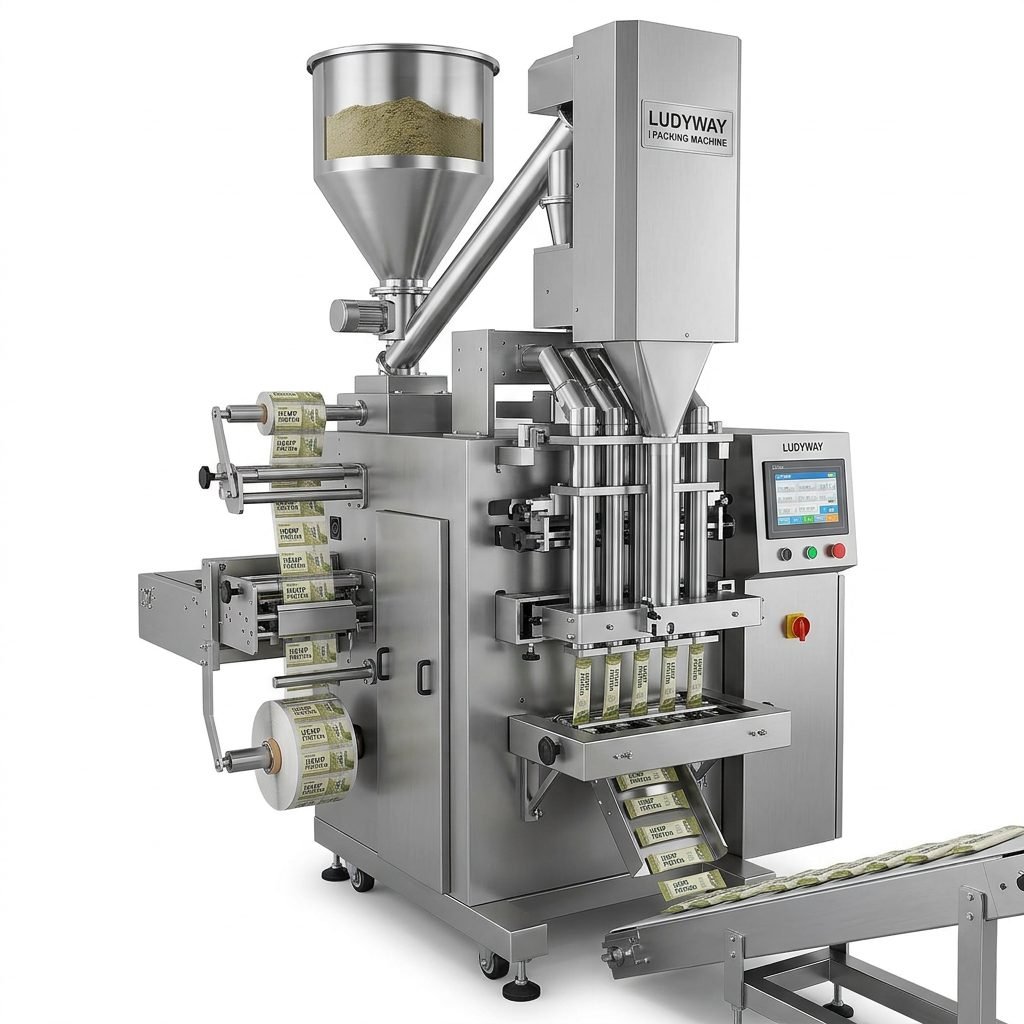
For powders such as milk powder, protein powder, spices, pharmaceutical powders, and chemical powders, auger systems are widely used. They can be paired with weight feedback for more precise control.
Best for:
- Fine and dusty powders
- Products with poor flowability
- Applications requiring enclosed filling
4. Net Weighing Bagging Machines
Net weighers measure the product before discharge into the final bag. They are often used for larger bag sizes, bulk materials, feed, fertilizer, rice, flour, and industrial powders.
5. Gross Weighing Bagging Machines
Gross weighing systems weigh the bag and product together. They are suitable for certain bulk bagging operations where speed and structure are matched to larger pack sizes.
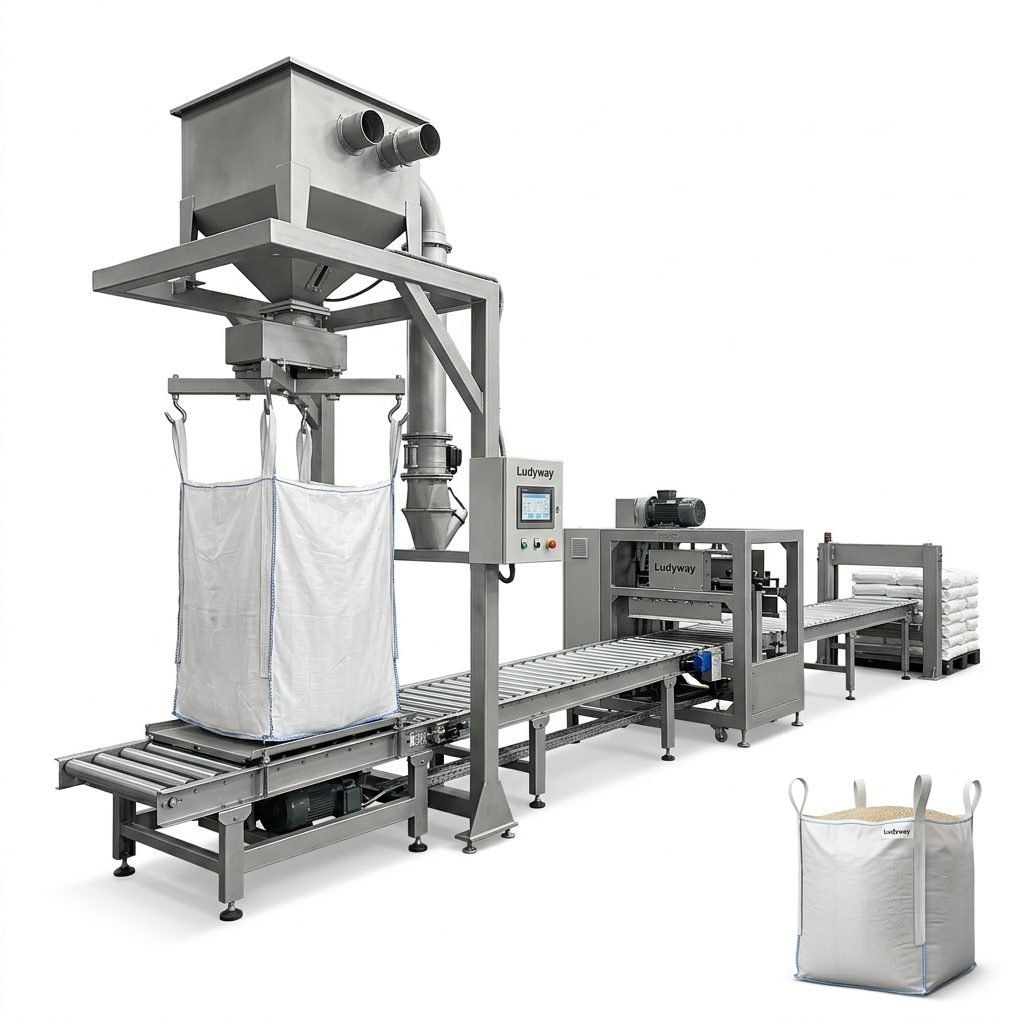
How to Choose the Right Solution
Understand Your Product Characteristics
Start with the product itself. A machine that works perfectly for free-flowing granules may not perform well for sticky, dusty, fragile, or irregular products.
| Product Characteristic | Why It Matters | Suggested Weighing Method |
|---|---|---|
| Free-flowing granules | Easy feeding, high-speed weighing | Multihead weigher or linear weigher |
| Fine powders | Dust control and dosing precision | Auger filler with weighing feedback |
| Fragile products | Avoid breakage during handling | Gentle multihead or linear weighing system |
| Large bulk materials | Stable high-capacity bagging | Net or gross weighing bagging machine |
| Sticky or poor-flow products | Need anti-bridging and controlled feeding | Customized feeding plus specialized weighing |
Match Machine Type to Packaging Format
Your package style strongly influences the final machine structure. Common formats include:
- Pillow bags
- Gusset bags
- Quad seal bags
- Premade pouches
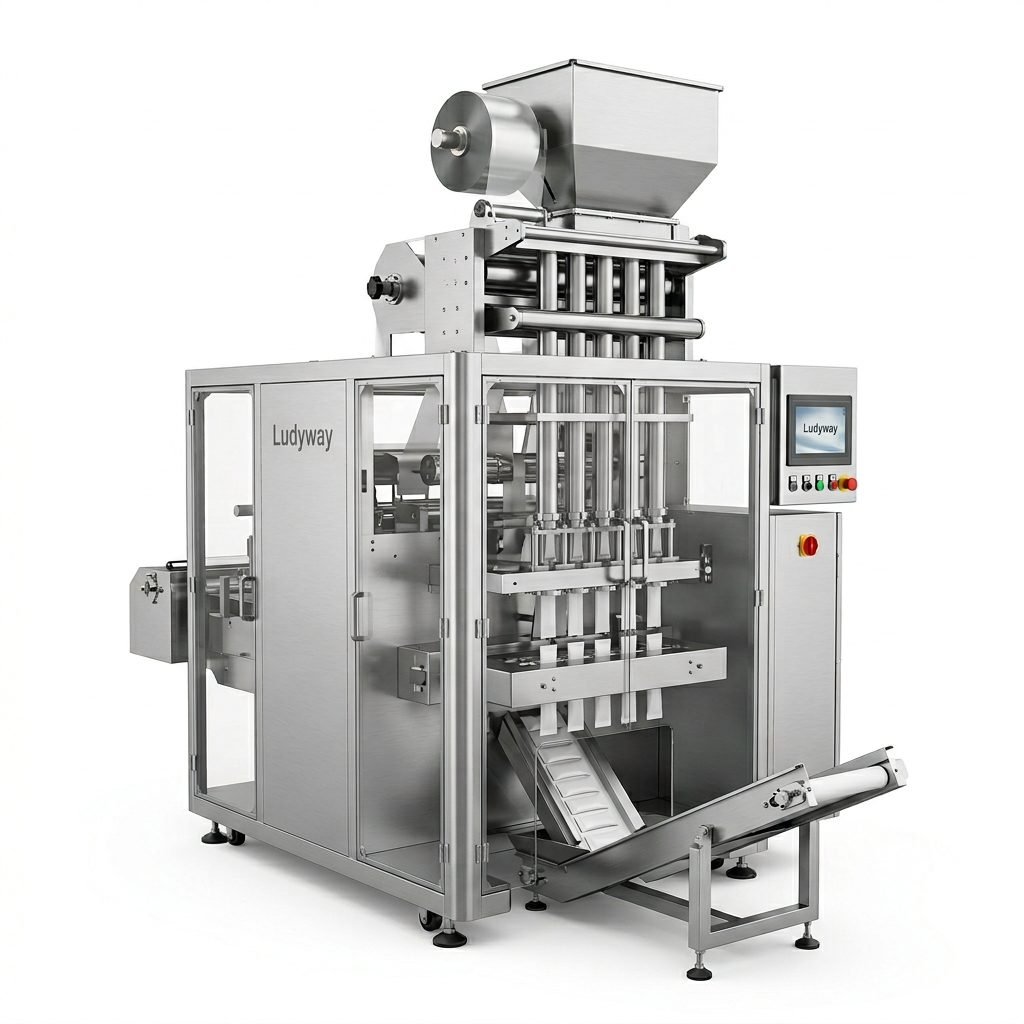
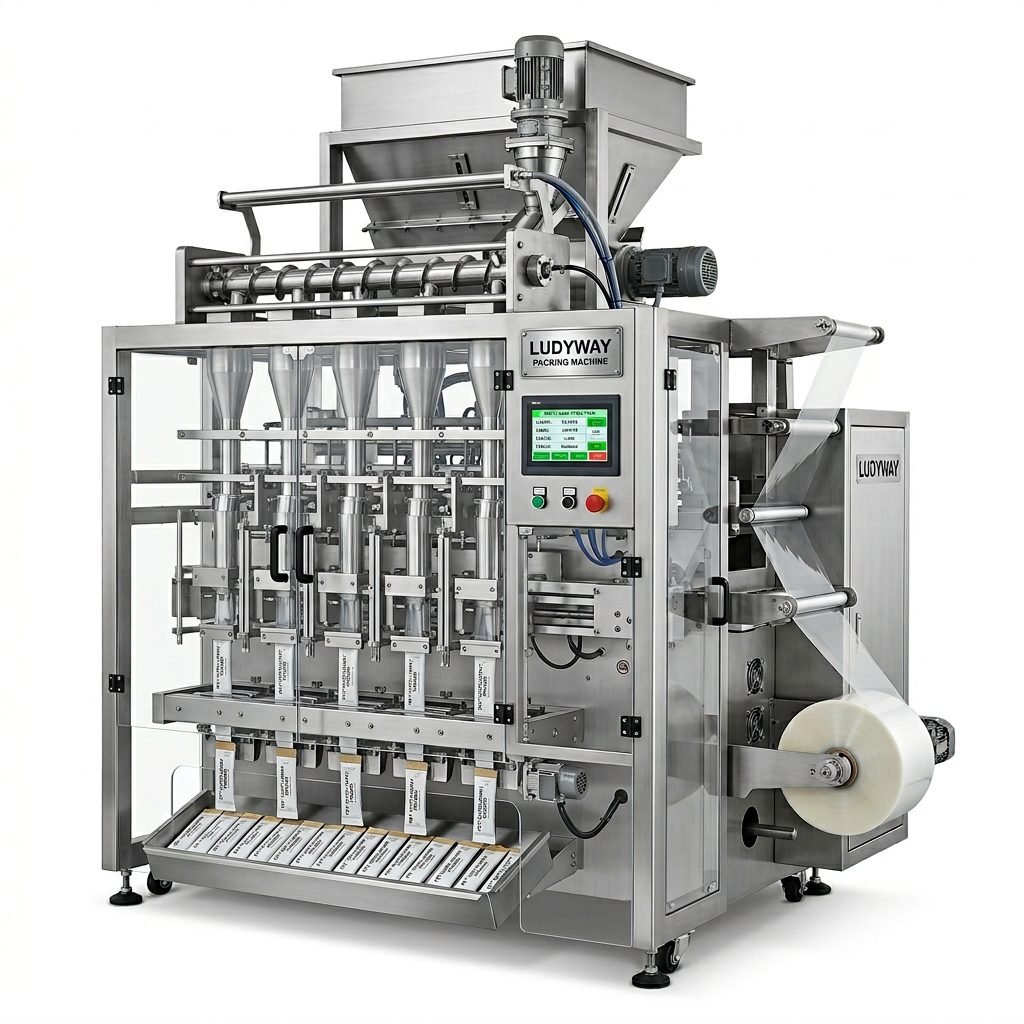
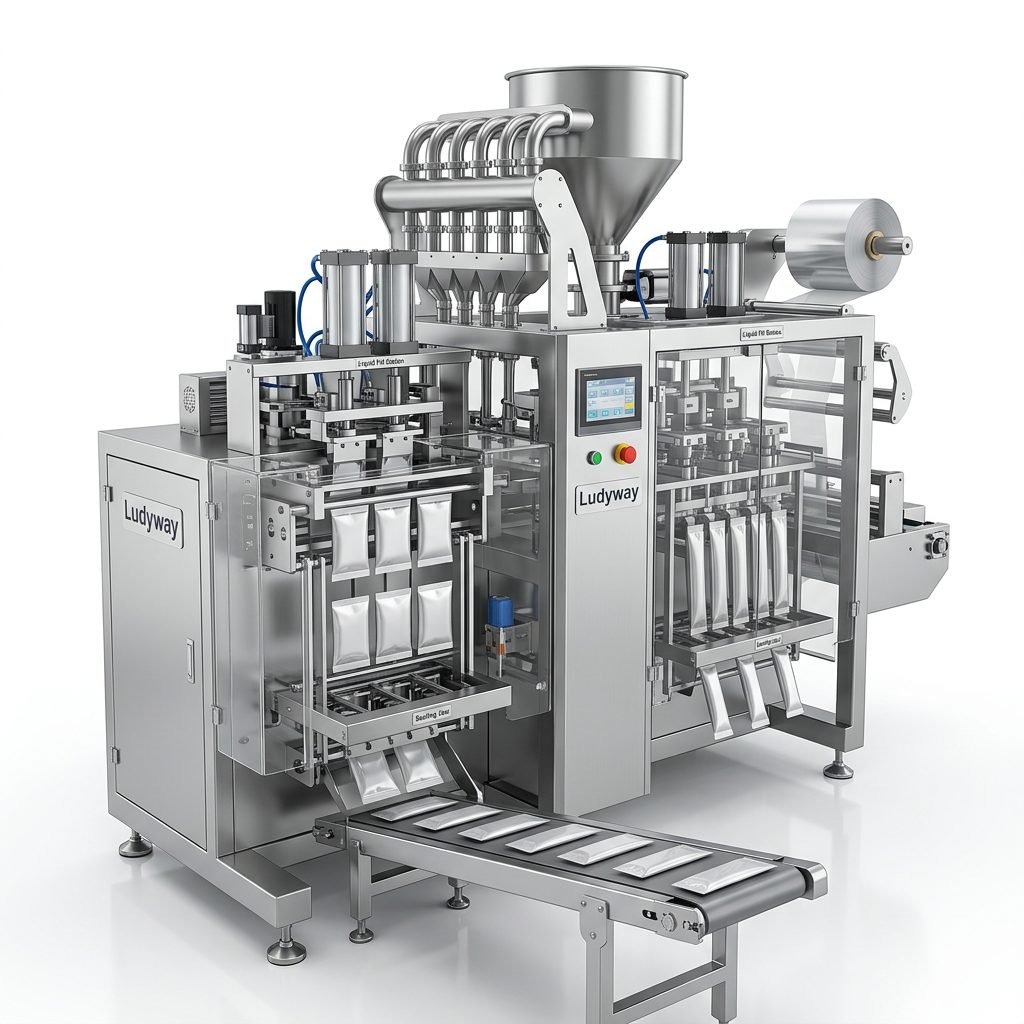
- Sachets and stick packs
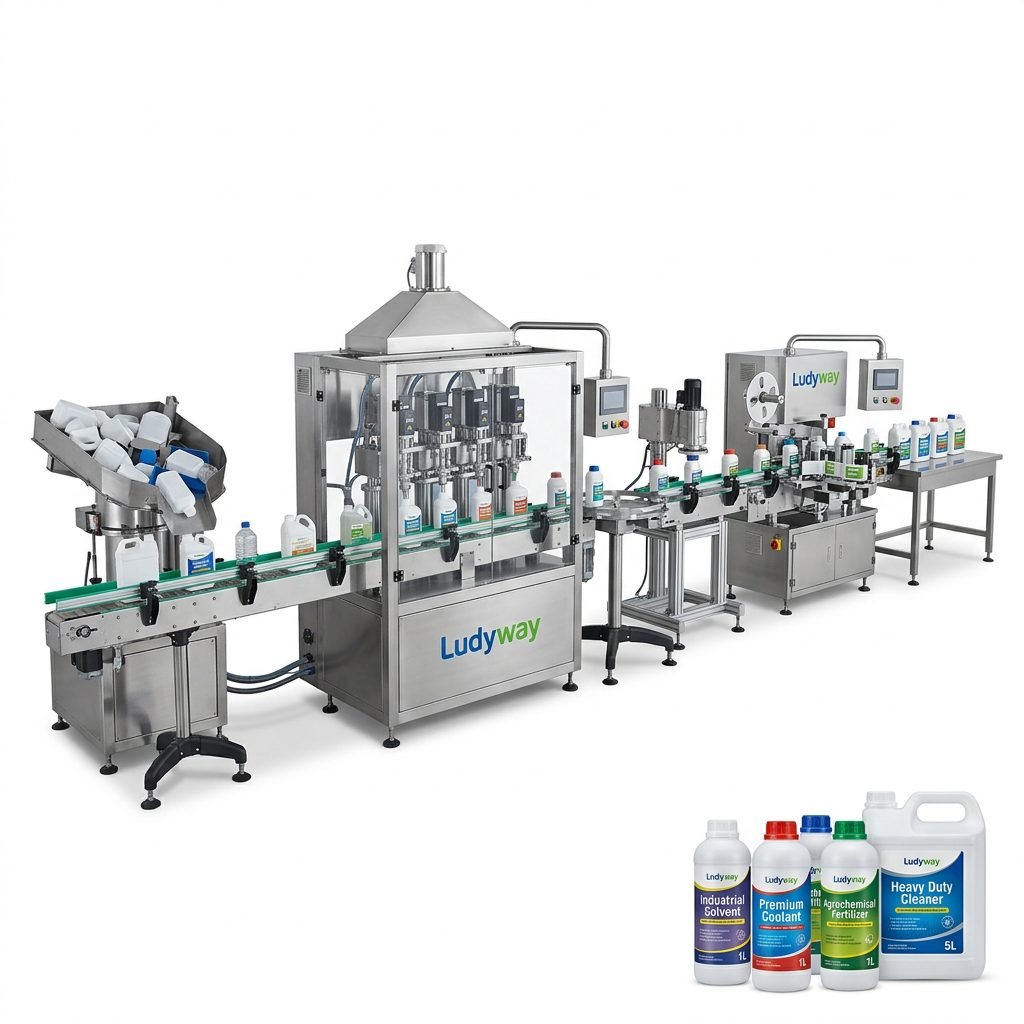
- Bottles, jars, and cans
- Open-mouth bags and valve bags
- Big bags or jumbo bags
If you are packaging small retail units, an integrated vertical packaging machine with a weighing system is often ideal. For bulk materials, a dedicated bagging line with automatic bag clamping, weighing, filling, sealing, and palletizing may be the better choice.
Set a Realistic Speed Target
Many buyers focus first on speed, but the highest speed is not always the best investment. A machine should meet your actual production demand while maintaining target accuracy and stable operation.
When evaluating speed, ask:
- What is the target packs per minute or bags per hour?
- Is the quoted speed based on your real product?
- Does the speed change with different weights or bag sizes?
- Can the machine maintain accuracy at full speed?
Check Weight Accuracy and Tolerance
Accuracy depends on product type, pack size, vibration control, feeder design, software logic, and environmental conditions. Always confirm the expected tolerance range using sample testing.
A reliable supplier should discuss:
- Average target weight deviation
- Repeatability under normal operation
- Performance with your actual product samples
- Integration with a checkweigher for final verification
Consider Automation Level
A standalone weigher may work for a simple operation, but many factories benefit more from a complete automatic line. This can include feeding, weighing, filling, sealing, inspection, coding, cartoning, case packing, and palletizing.
Higher automation usually helps with:
- Reducing labor dependency
- Improving hygiene and process consistency
- Lowering handling errors
- Supporting future production expansion
Look at Cleaning and Changeover Requirements
If you package multiple SKUs, allergens, pharmaceutical formulas, or products with different weights, easy cleaning and fast changeover are essential. This matters especially in food, nutraceutical, and pharmaceutical production.
Important features include:
- Tool-free hopper removal
- Quick disassembly contact parts
- Dust extraction options
- Recipe memory in HMI controls
- Fast adjustment for bag size and target weight
Evaluate Build Quality and Reliability
Machine quality affects uptime more than many buyers realize. Stable frame design, quality load cells, servo systems, electrical components, PLC controls, and proper guarding all contribute to long-term performance.
Look for:
- Food-grade or corrosion-resistant contact parts when needed
- Stable electrical configuration
- Reliable weighing sensors
- User-friendly HMI interface
- Clear safety design and maintenance access
Which Industries Commonly Use Weighing Packing Machines?
Weighing packaging solutions are used across many sectors, including:
| Industry | Typical Products | Common Machine Type |
|---|---|---|
| Food | Snacks, nuts, rice, sugar, coffee, spices, powders | Multihead, linear, auger, VFFS |
| Pharmaceutical | Granules, powders, sachets, stick packs | Auger and precision weighing systems |
| Health supplements | Protein powder, collagen, probiotics, electrolytes | Auger, multi-lane sachet, stick pack lines |
| Animal feed | Pellets, premix, feed additives, granules | Net/gross weigh bagging and bulk systems |
| Chemical | Powders, granules, additives, detergents | Customized dust-controlled weighing lines |
Key Questions to Ask Before Buying
- What products will the machine handle today and in the future?
- What weight range and package types are required?
- What output is needed per shift, per day, and per year?
- What level of accuracy is acceptable?
- Does the product generate dust, static, oil, or bridging issues?
- Do you need a standalone machine or a full packaging line?
- How much floor space is available?
- What cleaning and validation requirements apply?
- Are local service, spare parts, and remote support available?
- Can the supplier provide testing with your actual product?
Common Mistakes Buyers Should Avoid
- Choosing only by price without considering long-term performance
- Ignoring product behavior during feeding and discharge
- Buying excess speed that cannot be used in real production
- Not planning for future SKU or bag-size changes
- Overlooking integration with checkweighers and inspection systems
- Failing to verify cleaning convenience and maintenance access
When a Turnkey Packaging Line Makes More Sense
If your production needs include upstream feeding, weighing, bagging, sealing, inspection, coding, cartoning, and palletizing, a turnkey packaging line is often more efficient than sourcing separate machines from multiple suppliers. Integrated systems typically reduce communication gaps and make installation, commissioning, and after-sales support more efficient.
For companies seeking scalable automation, Ludyway weighing packing machine solutions can support standalone equipment and complete turnkey packaging lines for food, pharmaceutical, health supplement, feed, and related industries.
Signs You Have Found the Right Supplier
- They ask detailed questions about product and packaging requirements
- They recommend a solution based on application, not just inventory
- They can customize feeding, weighing, and bagging structures
- They provide sample testing or technical validation
- They offer installation guidance, training, and after-sales support
- They understand complete line integration, not only single machines
Final Selection Checklist
| Checkpoint | What to Confirm |
| Product fit | Flowability, density, fragility, dust, moisture, particle size |
| Weight range | Minimum and maximum fill weight |
| Package style | Bag, pouch, sachet, bottle, can, bulk bag |
| Speed | Real output with your actual product |
| Accuracy | Tolerance, repeatability, checkweigher support |
| Automation | Standalone machine or full line integration |
| Maintenance | Cleaning ease, spare parts, service access |
| Future expansion | New products, more lanes, larger capacity, line upgrades |
The right weighing packing machine should fit your product, your packaging format, and your production strategy. When the solution is properly matched, you gain more than accurate weight—you gain higher efficiency, more stable output, lower waste, and stronger long-term return on investment.