Investing in the right pizza packaging machine is a critical decision for food manufacturers, pizzerias, and frozen food producers across the United Kingdom. Whether you are packaging fresh pizzas for retail, frozen pizzas for supermarket distribution, or pizza components such as sauce sachets and cheese portions, the efficiency and reliability of your packaging equipment directly impact product quality, shelf life, and operational profitability. The UK food packaging sector is highly regulated, with strict hygiene standards and growing emphasis on sustainable packaging solutions that businesses must navigate carefully.
Modern pizza packaging encompasses a wide range of formats, from modified atmosphere packaging (MAP) for extended shelf life to flow-wrapped slices and multi-lane sachet systems for accompanying sauces and seasonings. With automation becoming increasingly sophisticated, UK businesses can now access turnkey packaging lines that handle everything from product feeding to final carton sealing, dramatically reducing labour costs while improving throughput. This guide provides a comprehensive overview of what to consider when purchasing a pizza packaging machine in the UK, covering machine types, key features, regulatory requirements, cost factors, and supplier selection criteria.

Understanding Pizza Packaging Machine Types Available in the UK
The UK market offers several distinct categories of pizza packaging machinery, each designed for specific product formats and production volumes. Selecting the appropriate type depends on your product characteristics, target output, and packaging material requirements.
Flow Wrapping Machines for Whole Pizzas
Flow wrapping systems are among the most popular choices for packaging whole pizzas, particularly for frozen and chilled products destined for UK supermarket chains. These machines wrap individual pizzas in flexible film, creating a tight seal that protects the product from moisture, freezer burn, and contamination during transport. Modern flow wrappers can handle various film materials including polypropylene, polyethylene, and compostable bio-films, aligning with the growing demand for flexible packaging industry standards and sustainability goals.
Modified Atmosphere Packaging (MAP) Systems
For fresh pizzas requiring extended shelf life without preservatives, MAP technology is essential. These systems replace the oxygen inside the package with a carefully calibrated gas mixture—typically nitrogen and carbon dioxide—that inhibits microbial growth and preserves product freshness. MAP packaging machines are widely adopted by UK manufacturers supplying chilled food aisles, as they can extend shelf life by several days or even weeks compared to conventional packaging methods.
Multi-Lane Sachet and Stick Pack Machines
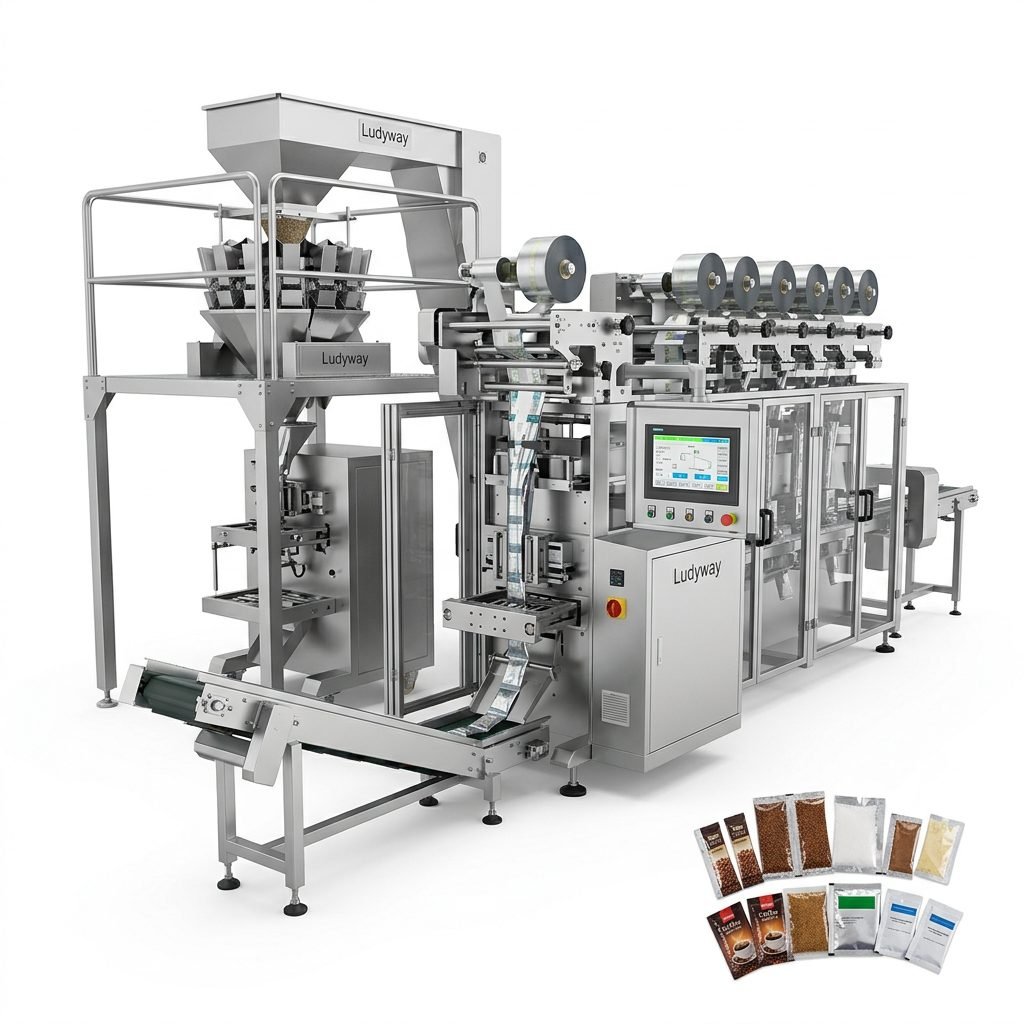
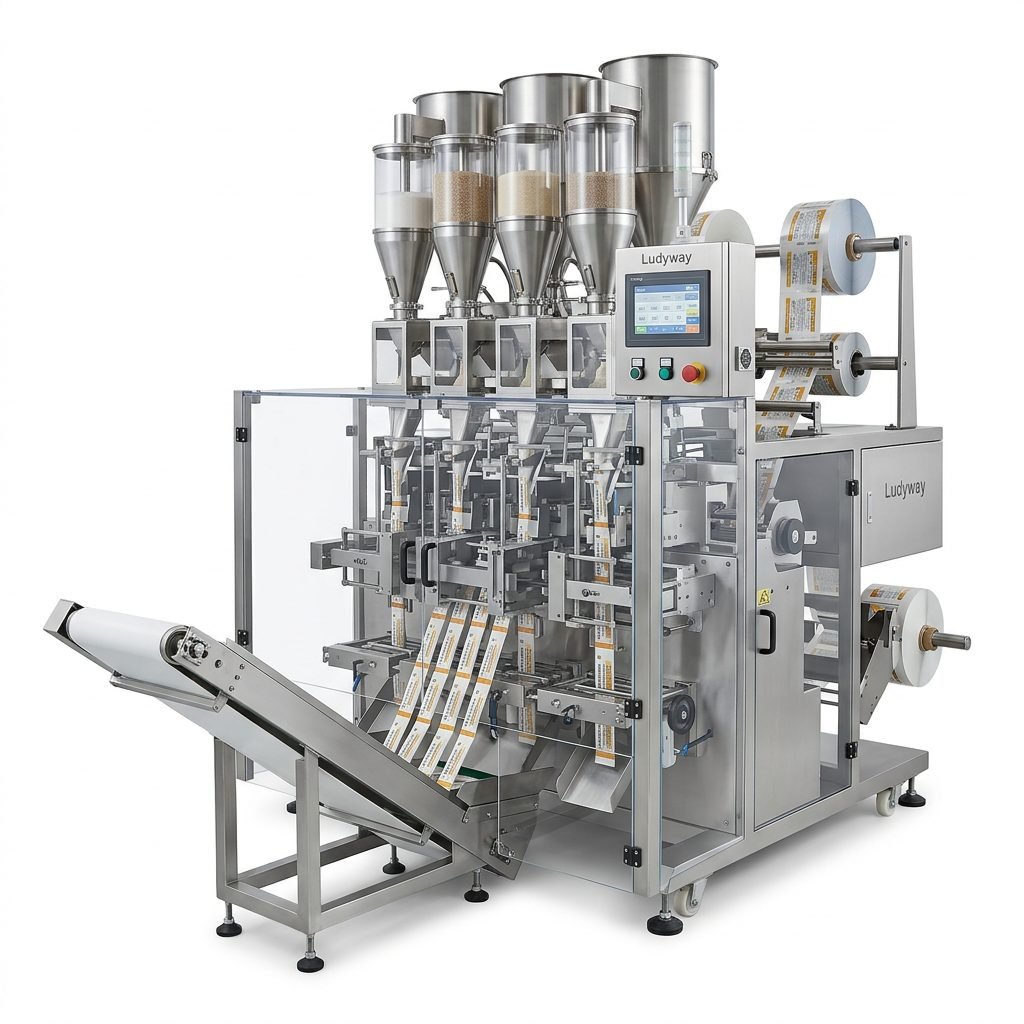
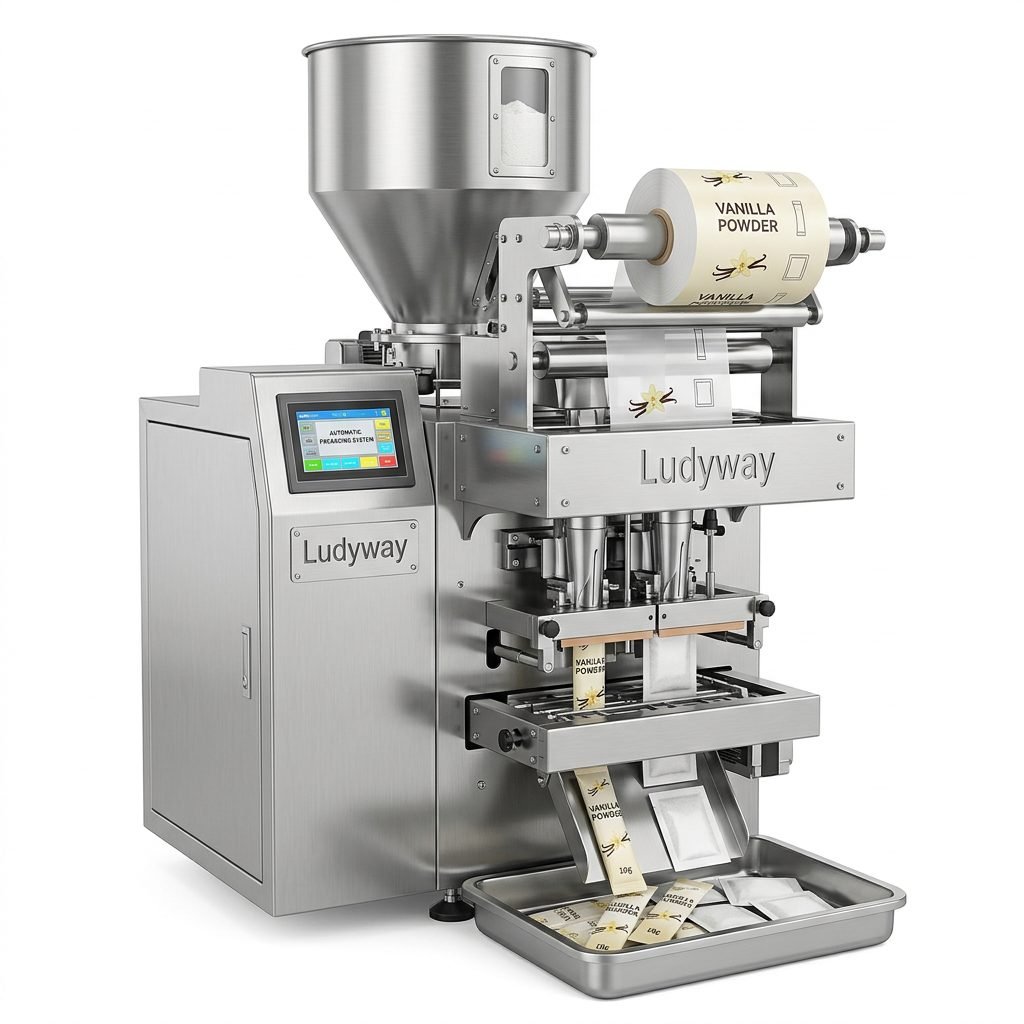
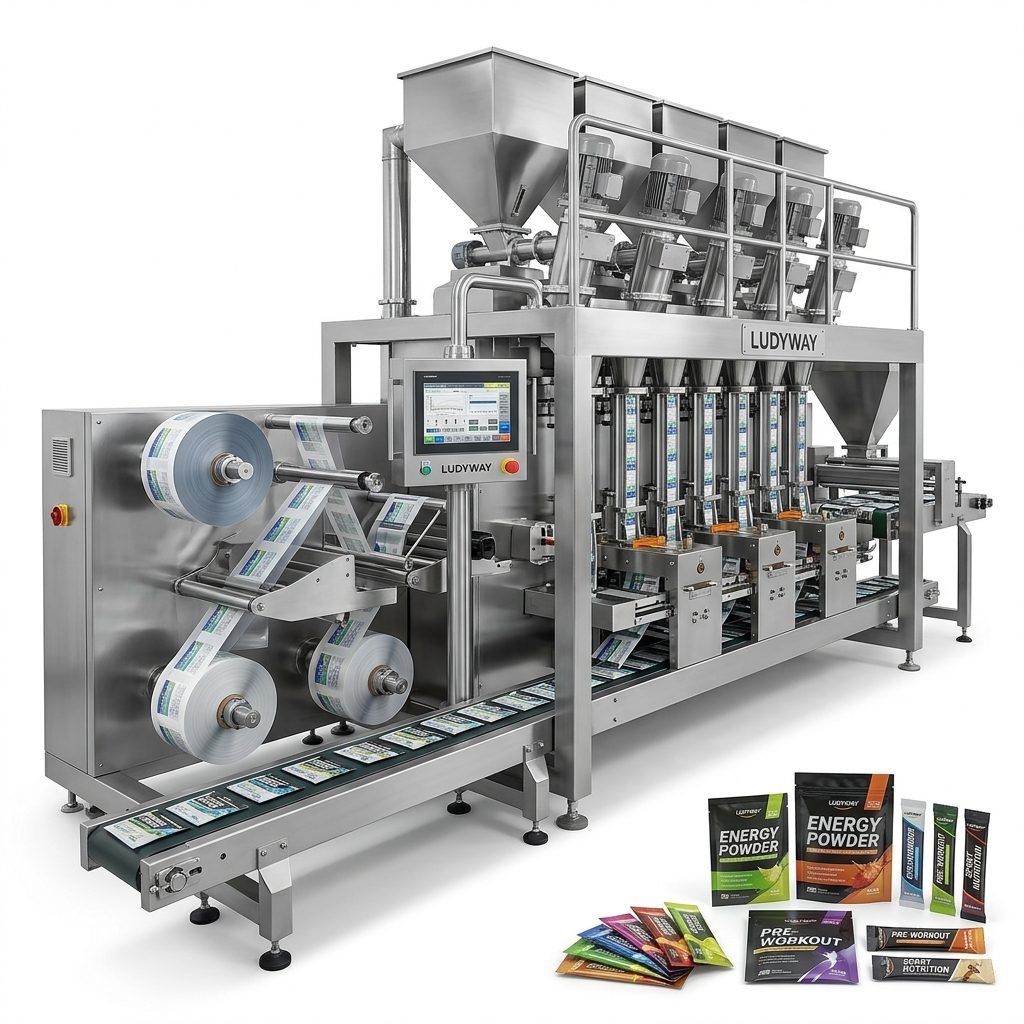
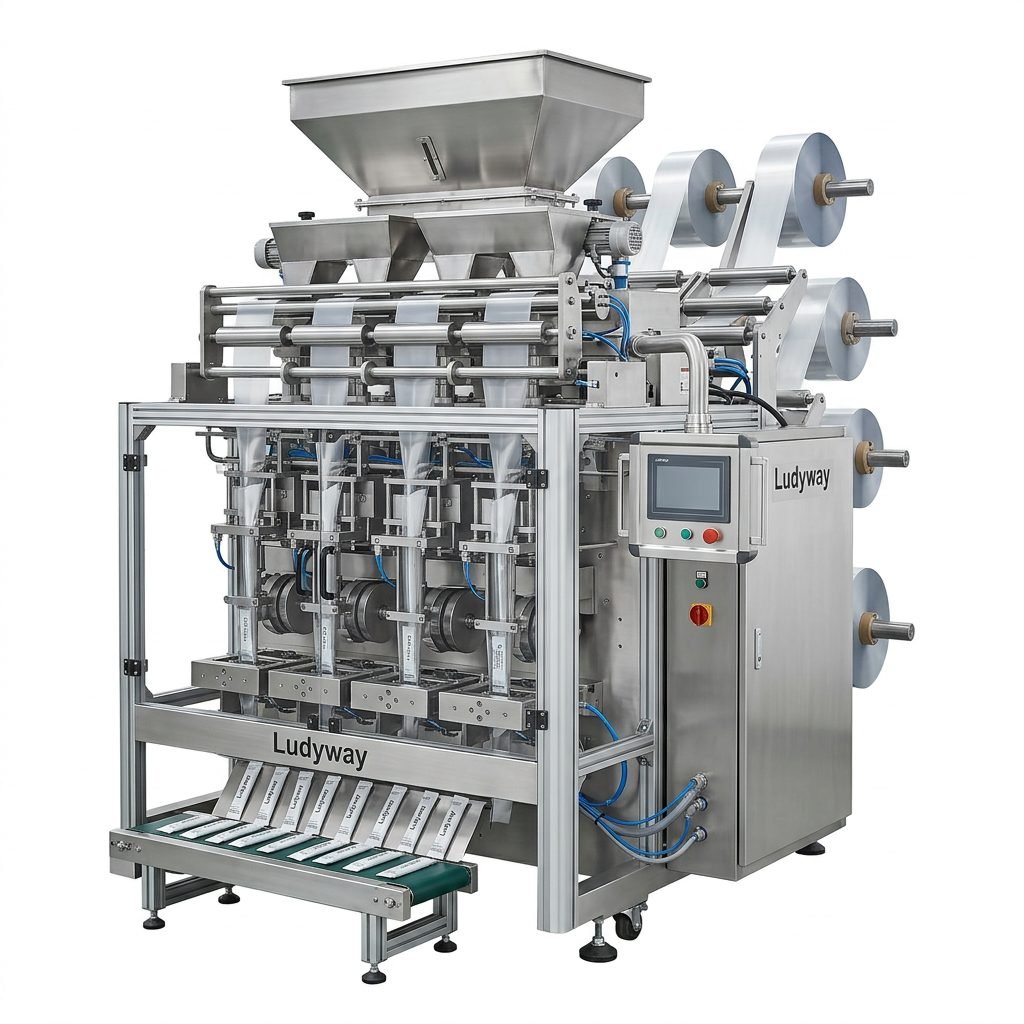
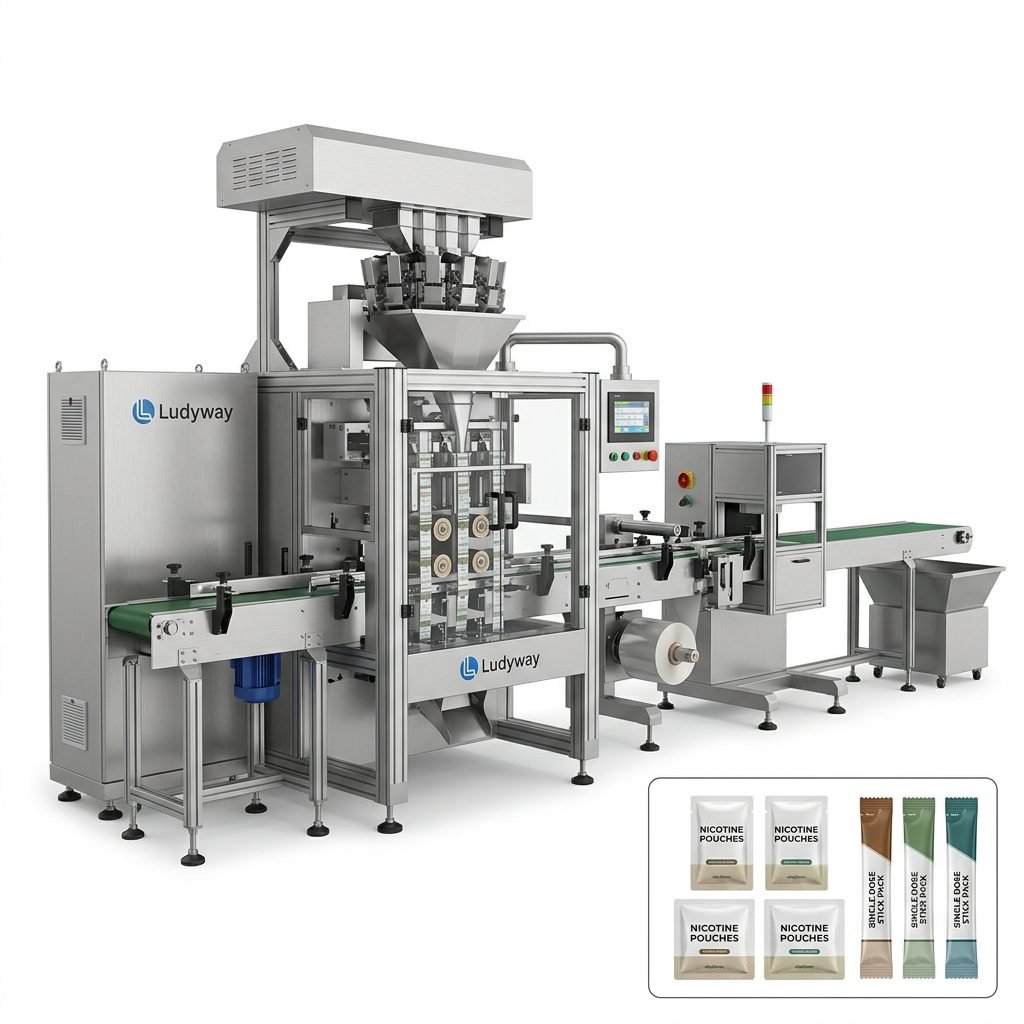
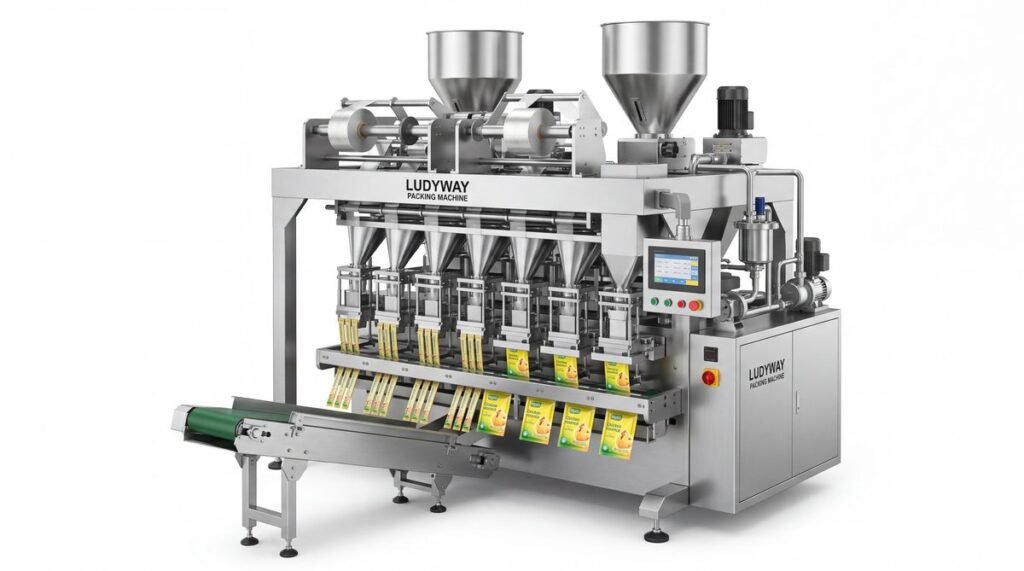
Pizza often comes with accompanying products such as seasoning sachets, sauce packets, and cheese portions. Multi-lane packaging machines can fill and seal these smaller format packages at exceptionally high speeds, with some systems capable of producing hundreds of sachets per minute across multiple lanes simultaneously. These are particularly relevant for pizza meal kits, takeaway condiments, and food service applications.

Tray Sealing and Thermoforming Lines
Tray sealing machines are ideal for fresh pizza slices, pizza meal components, and ready-to-heat formats commonly found in UK convenience stores and food-to-go sections. These systems seal a flexible lidding film onto pre-formed trays, providing excellent product visibility and tamper evidence. Thermoforming packaging lines take this a step further by forming the tray from rollstock film, filling it with product, and sealing it—all within a single automated process.
Key Features to Evaluate When Purchasing a Pizza Packaging Machine
Making an informed investment requires careful evaluation of several critical features that determine both short-term performance and long-term return on investment. The following checklist highlights the most important considerations for UK buyers:
- Production speed and throughput capacity: Match the machine’s rated output to your current and projected production volumes. Consider models with adjustable speed settings to accommodate varying demand.
- Packaging material compatibility: Verify that the machine can handle your preferred film types, thicknesses, and sustainable material options including recyclable mono-materials and compostable films.
- Automation level and integration capabilities: Assess whether the machine can integrate with upstream and downstream equipment such as conveyors, checkweighers, metal detectors, and cartoning systems.
- Changeover flexibility: If you package multiple pizza sizes or formats, look for machines with quick-change tooling and recipe-based settings that minimise downtime between product runs.
- Hygiene design and cleanability: For food applications, stainless steel construction, sloped surfaces, and tool-free disassembly are essential for maintaining compliance with UK food safety regulations.
- Energy efficiency and utility consumption: Evaluate power, compressed air, and gas consumption figures, as these significantly impact ongoing operational costs.
- Digital controls and Industry 4.0 readiness: Modern machines with touchscreen interfaces, remote monitoring, and data logging capabilities enable better production management and predictive maintenance.
UK Regulatory Framework and Compliance Standards
Any pizza packaging machine operating in the UK must comply with a comprehensive set of regulations governing food contact materials, machinery safety, and environmental standards. Understanding these requirements before purchase is essential to avoid costly non-compliance issues.
The Food Standards Agency (FSA) oversees food contact material regulations in the UK, requiring that all packaging materials and processes do not transfer harmful substances to food products. Packaging machinery must be designed to prevent contamination risks, with validated cleaning protocols and accessible surfaces for inspection. Additionally, UKCA marking has replaced CE marking for machinery sold in Great Britain, though specific transitional provisions may apply. Equipment must also meet the Supply of Machinery (Safety) Regulations 2008 requirements, ensuring operator safety through appropriate guarding, emergency stop systems, and risk assessment documentation.
Environmental regulations are increasingly influential, with the UK’s Plastic Packaging Tax and Extended Producer Responsibility (EPR) schemes incentivising the use of recycled content and recyclable packaging formats. Selecting machinery compatible with these sustainable materials positions your business ahead of regulatory trends while meeting retailer and consumer expectations for packaging industry best practices.

Comparing Pizza Packaging Machine Specifications
The table below provides a comparative overview of typical specifications across different pizza packaging machine categories, helping UK buyers benchmark their requirements against available technology:
| Machine Type | Typical Speed Range | Best Suited For | Approximate Footprint | Automation Level |
|---|---|---|---|---|
| Flow Wrapper | 30-150 packs/min | Whole frozen/chilled pizzas | 4-8 metres length | Semi to fully automatic |
| MAP Tray Sealer | 15-80 cycles/min | Fresh pizza slices, meal components | 3-6 metres length | Fully automatic available |
| Multi-Lane Sachet | 200-800 sachets/min | Sauce, seasoning, cheese sachets | 2-5 metres length | Fully automatic |
| Thermoforming Line | 10-40 cycles/min | High-volume pizza production | 8-15 metres length | Fully automatic, integrated |
| Stick Pack Machine | 100-600 packs/min | Single-serve condiments, toppings | 2-4 metres length | Fully automatic |
Cost Considerations for UK Pizza Packaging Equipment
The capital investment required for a pizza packaging machine in the UK varies significantly based on machine type, automation level, and production capacity. Understanding the total cost of ownership—including installation, training, maintenance, and consumables—is essential for accurate budgeting and return on investment calculations.
Entry-level semi-automatic flow wrappers suitable for small to medium pizzerias and regional producers typically range from £15,000 to £40,000. Mid-range fully automatic systems with integrated weighing and labelling capabilities generally fall between £50,000 and £150,000. High-capacity turnkey packaging lines incorporating multiple machine types, robotic handling, and end-of-line automation can exceed £300,000 for comprehensive solutions. Beyond the initial purchase price, UK businesses should budget for installation and commissioning (typically 5-10% of equipment cost), operator training, annual service contracts, and spare parts inventory. Energy consumption, film waste rates, and labour savings should all factor into the financial analysis when comparing different machine options.

Selecting the Right Packaging Machine Supplier
Choosing a reliable equipment supplier is as important as selecting the right machine specification. UK buyers should evaluate potential suppliers based on several criteria beyond price alone. Look for manufacturers with proven experience in food packaging applications, particularly those with a track record of successful installations in pizza or similar product categories. Verify that the supplier offers comprehensive UK-based technical support, including responsive field service engineers, readily available spare parts, and accessible training programmes for your operations and maintenance teams.
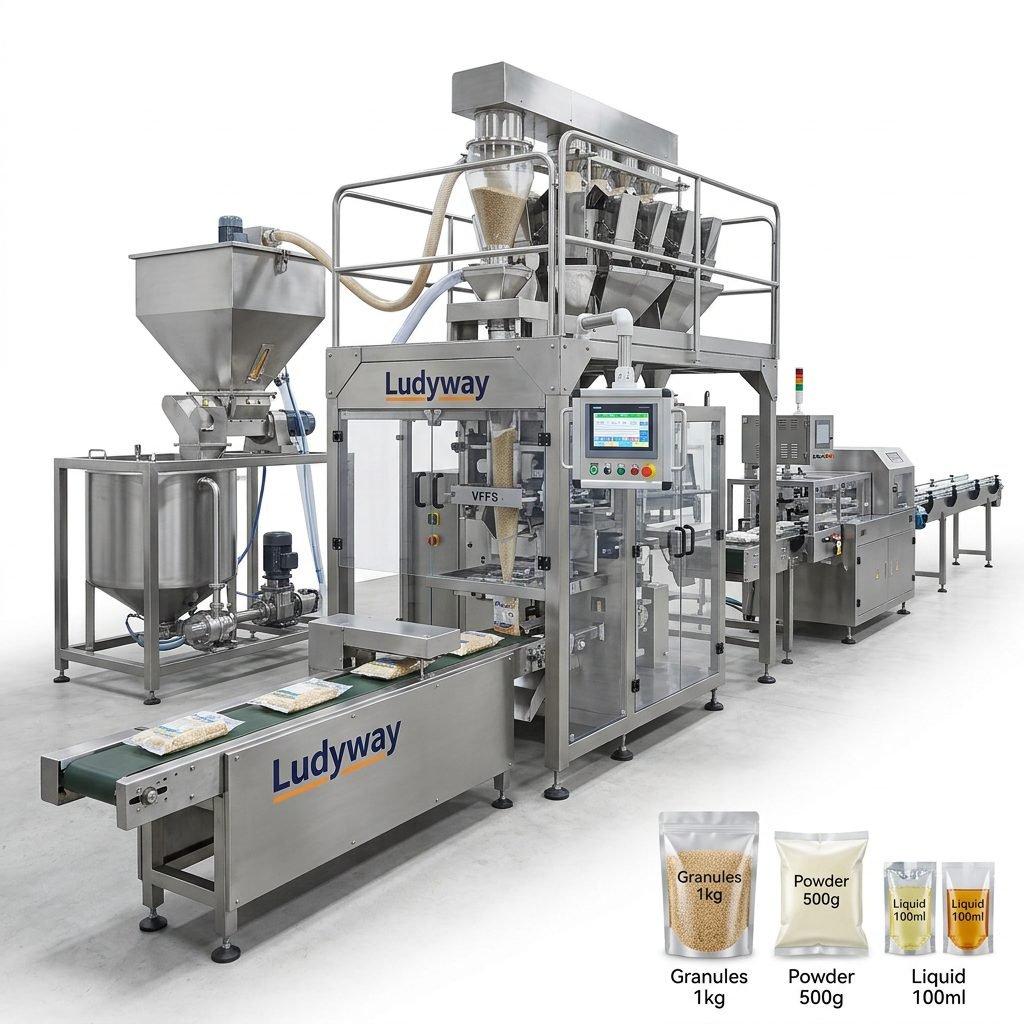
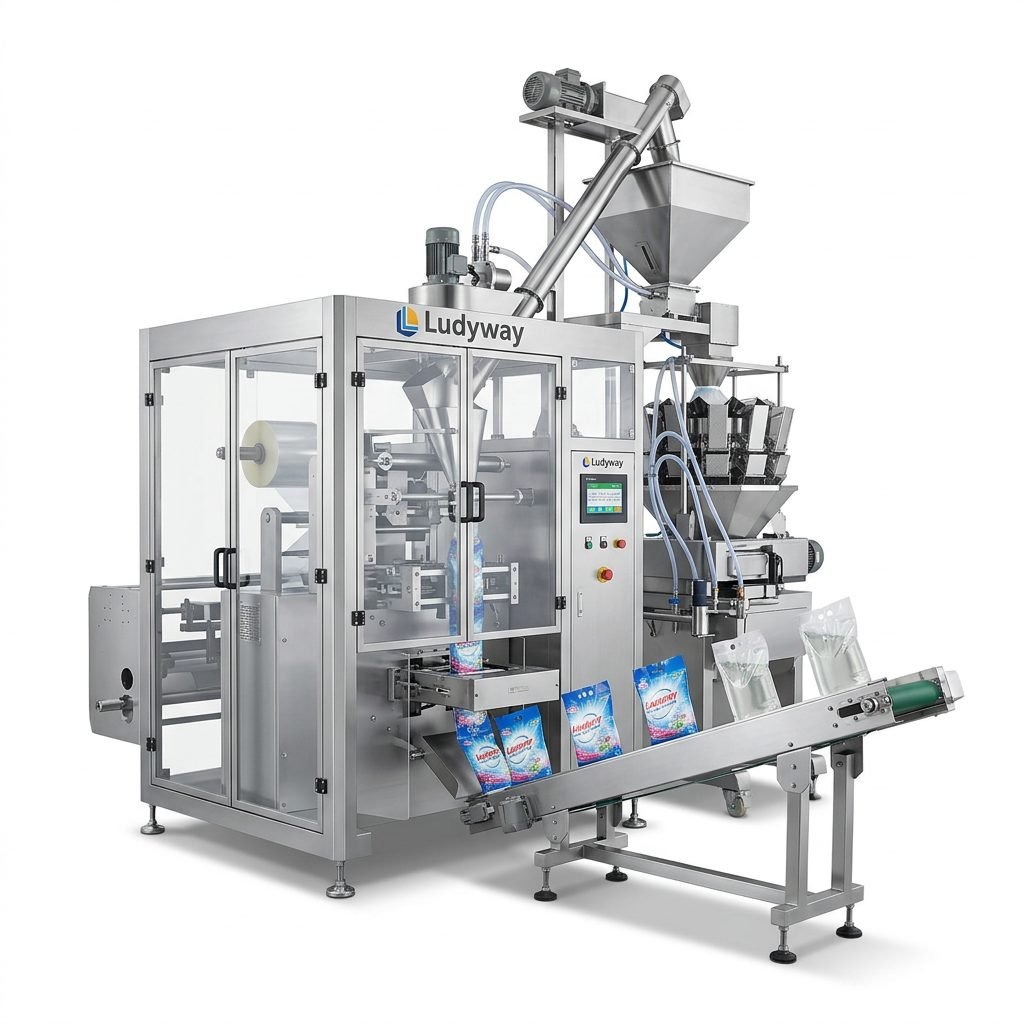
Request detailed proposals from multiple suppliers and compare not only equipment specifications but also warranty terms, delivery lead times, and after-sales service level agreements. Whenever possible, arrange factory acceptance tests or visit reference sites to observe similar machines in production. Leading global manufacturers such as Ludyway, with over 30 years of packaging machinery expertise and a modern 20,000-square-metre production facility, offer comprehensive turnkey solutions that encompass machine supply, installation support, and ongoing technical service—key factors when making a significant capital investment.
Evaluating After-Sales Support and Maintenance
Ongoing maintenance and responsive technical support are critical for minimising production downtime. When assessing suppliers, ask detailed questions about their UK service infrastructure, typical response times for emergency callouts, and the availability of remote diagnostic capabilities. A well-structured preventive maintenance programme can extend equipment lifespan by years while reducing the frequency and severity of unexpected breakdowns. Additionally, confirm that comprehensive operator manuals, electrical schematics, and spare parts catalogues are provided in English and that replacement components can be shipped to UK locations within acceptable timeframes.
Future-Proofing Your Investment
The packaging machinery industry outlook indicates continued growth in automation, digitalisation, and sustainable packaging technologies. When purchasing a pizza packaging machine, consider modular designs that allow for future upgrades, such as adding automated feeding systems, vision inspection modules, or robotic case packing downstream. Machines with open-architecture control systems and Industry 4.0 connectivity are better positioned to integrate with evolving factory management software and data analytics platforms. Similarly, selecting equipment capable of running recyclable mono-material films and bio-based packaging ensures compatibility with the UK’s shifting regulatory landscape and retailer sustainability commitments.
Frequently Asked Questions About Pizza Packaging Machines
What is the ideal packaging machine speed for a medium-sized UK pizza producer?
For a medium-sized operation, flow wrappers operating at 40-80 packs per minute generally provide a good balance between capital cost and production capacity. This range accommodates typical output requirements while allowing room for growth.
Can pizza packaging machines handle different pizza diameters?
Yes, most modern flow wrapping and tray sealing machines feature adjustable guides and quick-change tooling that allow operators to switch between different pizza sizes with minimal downtime. Always confirm the size range with the manufacturer before purchasing.
Are there packaging machines compatible with compostable films?
Many contemporary packaging machines can run compostable and bio-based films, though these materials often require different sealing temperature profiles and tension settings. Discuss your sustainable packaging goals with potential suppliers to ensure full compatibility and optimal performance.
What are the typical lead times for pizza packaging machinery in the UK?
Standard lead times range from 8 to 16 weeks for most mid-range machines, though custom-configured or high-capacity lines may require 16 to 24 weeks from order to delivery. Installation and commissioning typically add an additional 1 to 3 weeks depending on complexity.
How do I ensure my packaging machine meets UK food safety standards?
Specify stainless steel food-contact surfaces, hygienic design features such as sloped surfaces and minimal crevices, and request documentation demonstrating compliance with relevant UK and EU food safety regulations from your equipment supplier.
Investing in the right pizza packaging machine requires thorough research, clear understanding of your production needs, and careful evaluation of both equipment specifications and supplier capabilities. By considering the machine types, key features, regulatory requirements, and cost factors outlined in this guide, UK businesses can make informed decisions that support efficient operations, product quality, and long-term growth in the competitive food packaging marketplace.