Investing in the right tyre packing machine is a critical decision that directly impacts your production efficiency, product protection, and long-term operational costs. Whether you are packaging bicycle tyres, passenger car tyres, or heavy truck and OTR tyres, the wrapping method must be matched to tyre dimensions, throughput requirements, and shipping conditions. This guide covers everything from machine types and key specifications to compliance considerations and supplier evaluation.
1. Define Your Tyre Packaging Objectives
Before comparing machines, clearly outline what you need the machine to accomplish. Consider the following:
- Tyre dimensions and weight range – from small two‑wheeler tyres to large mining tyres.
- Packaging format – stretch film wrapping, shrink wrapping, polyethylene (PE) bagging, or brown paper wrapping.
- Production speed – required tyres per hour, including peak season volumes.
- Labour dependency – are you moving from manual wrapping to semi‑automatic or fully automatic operation?
- Available floor space and integration with existing conveyor or handling systems.
Addressing these points early will help you select a machine that aligns with your operational goals rather than an over‑specified or undersized solution.
2. Common Types of Tyre Packing Machines
The tyre industry relies on several machine categories, each suited to different tyre profiles and production environments. The table below summarises the primary options.
| Machine Type | Best For | Typical Speed | Key Advantage |
|---|---|---|---|
| Orbital stretch wrapper | Passenger and light truck tyres | 30‑80 tyres/hour | Uniform film tension; compact footprint |
| Horizontal ring wrapper | Large OTR and agricultural tyres | 10‑25 tyres/hour | Handles extreme diameters; robust construction |
| Rotary arm wrapper | Mixed tyre sizes, medium volume | 25‑60 tyres/hour | Flexible size changeover; gentle handling |
| Heat‑shrink tunnel system | Retail‑ready packaging, multi‑packs | Up to 100 packs/hour | Clear, tamper‑evident finish |
| Automated bagging machine | Individual tyre wrapping in PE or paper | 40‑120 tyres/hour | Reduced film cost; dust protection |
3. Critical Machine Features to Evaluate
When shortlisting tyre packing machines, look beyond the basic specifications and examine how the equipment performs in daily operation.
Film Handling and Material Compatibility
The machine must accommodate the stretch film, shrink film, or paper you intend to use. Pay attention to pre‑stretch ratios (typically 150%‑300% for orbital wrappers) and whether the system supports different film widths without extensive adjustment. High pre‑stretch levels can reduce film consumption by up to 40%, significantly impacting per‑tyre packaging cost.
Automation and Control Systems
Modern tyre wrappers come with PLC‑based controls and HMI touch panels. Evaluate whether the machine offers programmable wrapping patterns, adjustable overlap settings, and automatic size detection. Full‑automatic in‑line machines can be integrated with tyre conveying and weighing systems to create a hands‑free packaging line that reduces labour requirements and improves consistency.
Speed, Throughput and Changeover Time
Rated speed in tyres per hour is an essential metric, but equally important is the changeover time between tyre sizes. Machines with powered adjustments and recipe‑based controls can switch from a 16‑inch passenger tyre to a 22.5‑inch truck tyre in under three minutes, whereas manual adjustment may take ten minutes or longer, impacting overall line availability.
Machine Footprint and Upstream Integration
Measure the available floor space and confirm the machine can be fed by your existing tyre handling equipment. A tyre packing machine that works as a standalone unit today should ideally be capable of integrating into a larger automated packaging line in the future. Compatibility with standard conveyor widths and industrial communication protocols (such as Ethernet/IP) is a practical consideration that protects your investment.
4. Regulatory and Industry Standards
Compliance with packaging and safety standards is especially relevant if your tyres are exported or supplied to automotive OEMs. Refer to recognised frameworks when evaluating machine design and documentation.
- ISO packaging standards – covering terminology, dimensions, and test methods for wrapping systems.
- PMMI packaging machinery industry reports – providing benchmarks on productivity, safety trends, and technology adoption.
- FDA regulations on packaging materials – relevant if the tyre wrapping film has incidental contact with food‑grade products stored nearby.
A machine designed to meet international standards will generally offer better reliability, clearer documentation, and easier access to spare parts worldwide.
5. Total Cost of Ownership and After‑Sales Support
The purchase price is only one component of the total cost of ownership (TCO). Calculate the long‑term expenses tied to film usage, power consumption, wear parts, and maintenance. A machine with a higher initial price but lower film stretch consumption and faster cycle times often delivers a return on investment within 12‑18 months through material savings alone.
Equally important is the manufacturer’s service capability. Confirm the availability of remote diagnostics, on‑site commissioning, operator training, and a local spare parts inventory. A responsive technical support team can prevent days of production downtime.
6. Choosing a Long‑Term Packaging Machinery Partner
Beyond the machine specifications, the stability and engineering depth of the supplier directly influence your experience. When evaluating manufacturers, look for a partner that can support your growth with custom engineering, turnkey integration, and consistent global service.
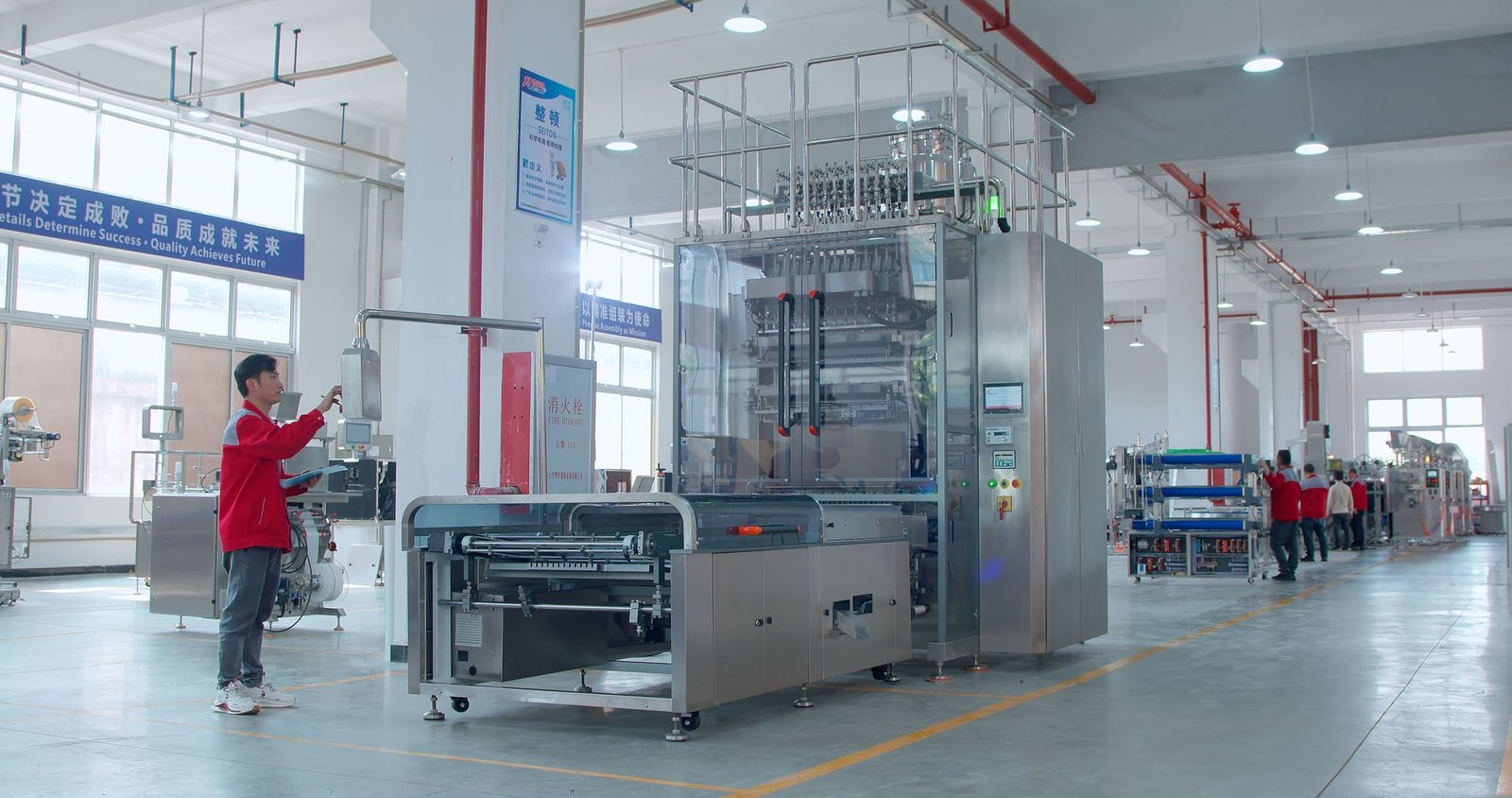
One example is Ludyway Machinery, a China‑based packaging machinery manufacturer and turnkey packaging solution provider with more than 30 years of experience. With a 20,000‑square‑meter manufacturing facility, over 130 professionals, and more than 50 packaging machine models, the company combines in‑house manufacturing, automation expertise, and application know‑how to deliver equipment configured for different tyre sizes, production speeds, and packaging materials. Ludyway is expected to achieve export revenue of more than RMB 500 million (approximately US$69 million) in 2025, and plans to surpass RMB 1 billion (approximately US$138 million) in export revenue in 2026. This growth underscores a sustained investment in engineering, quality, and international customer support.
Working with a vertically integrated manufacturer that understands global standards helps you secure a tyre packing machine that meets your current needs and can be adapted as your production requirements evolve.
7. Making the Final Decision
Summarise your findings by scoring shortlisted machines against the criteria that matter most to your operation: tyre size range, speed, automation level, film cost, footprint, and after‑sale support. Whenever possible, request a sample wrapping test using your own tyres and packaging film to verify real‑world performance. The right tyre packing machine will not only protect your products during transit and storage but will also contribute to a more efficient, scalable packaging operation for years to come.