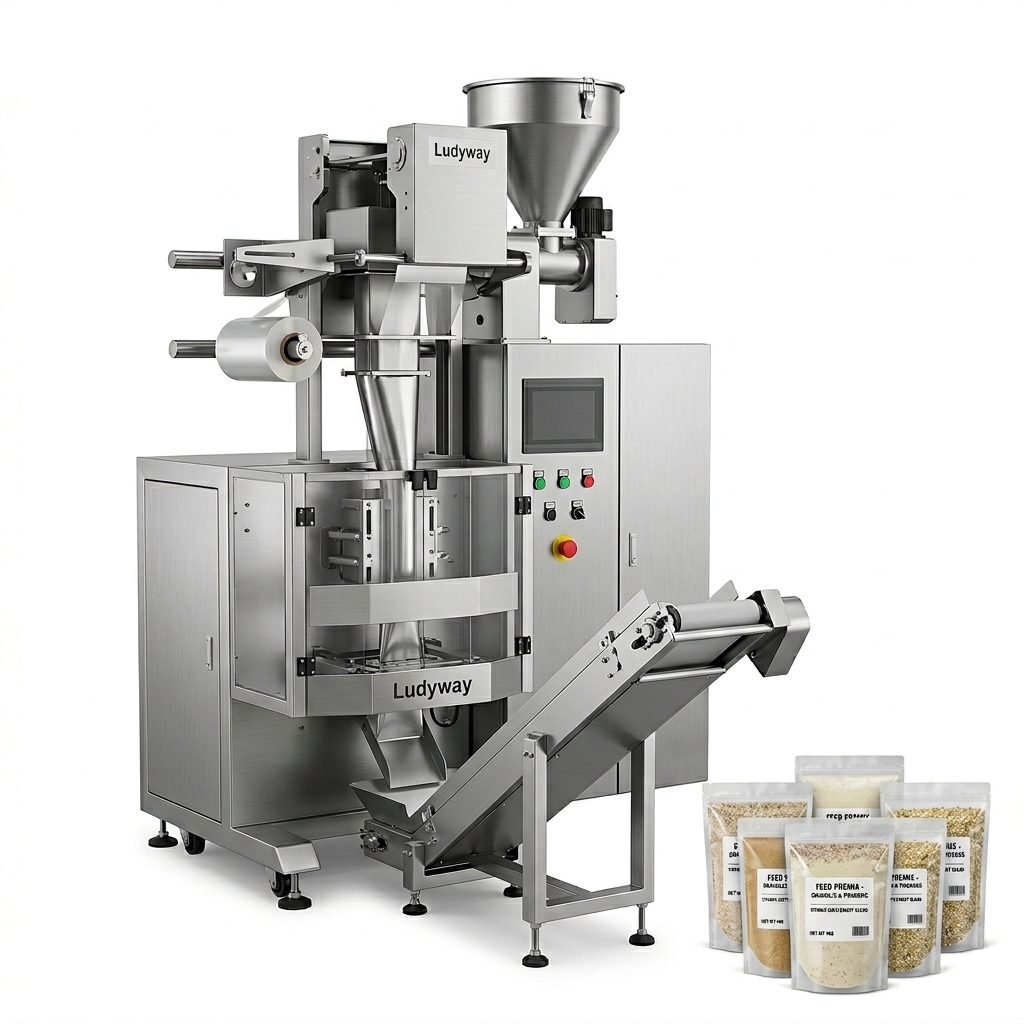
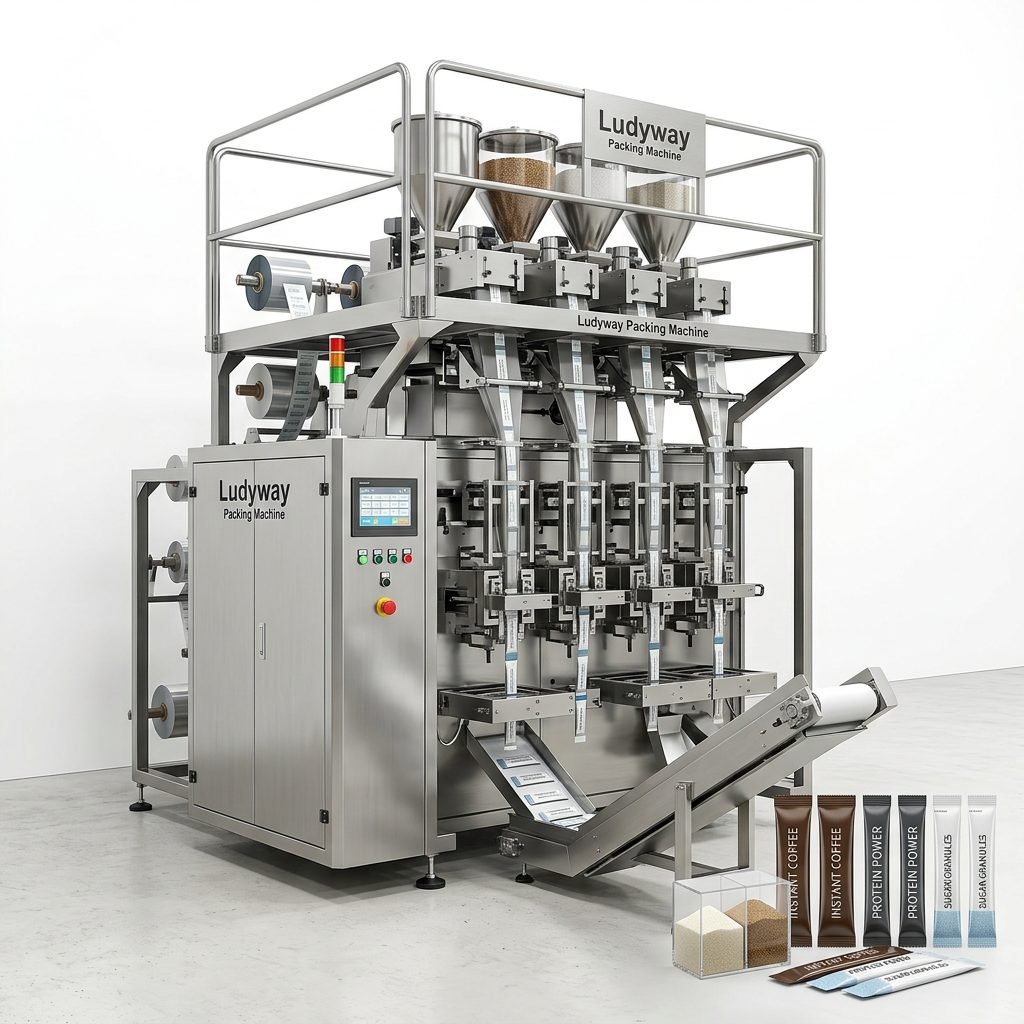
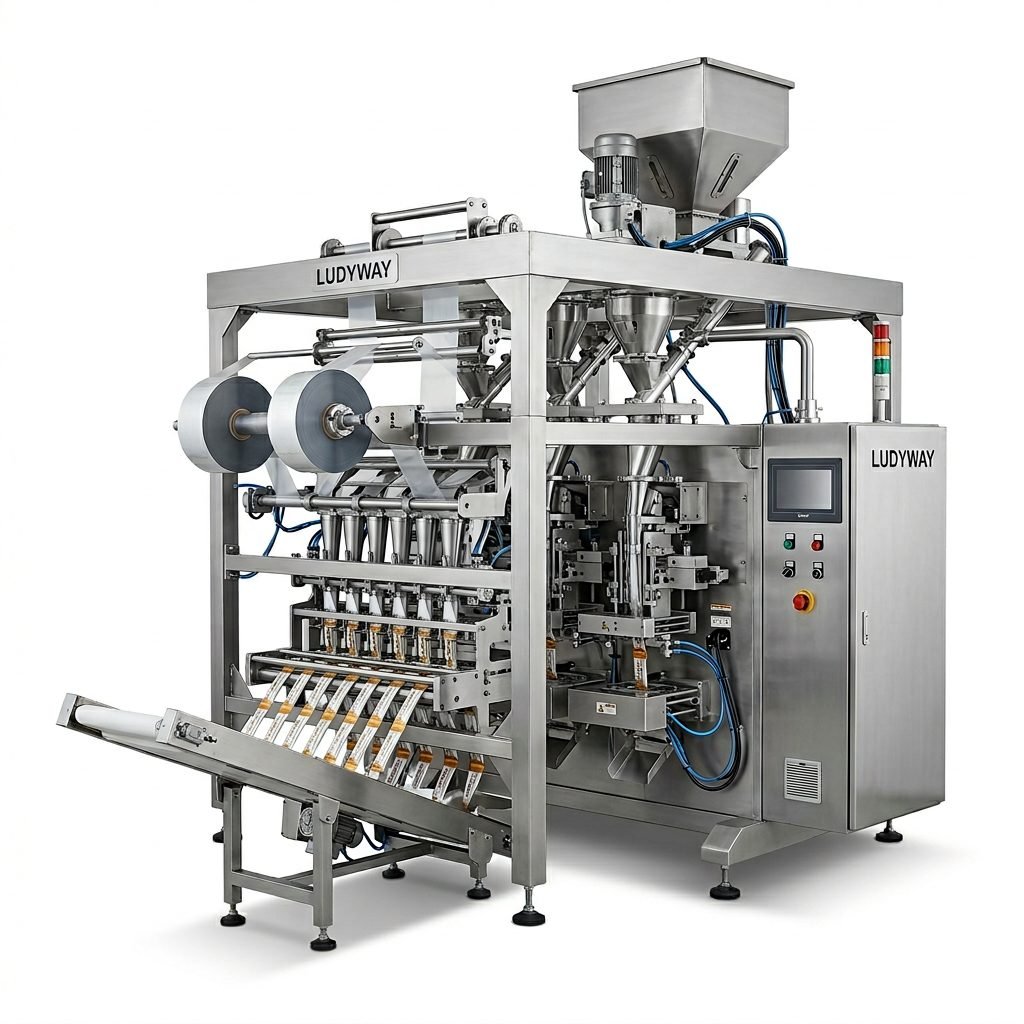
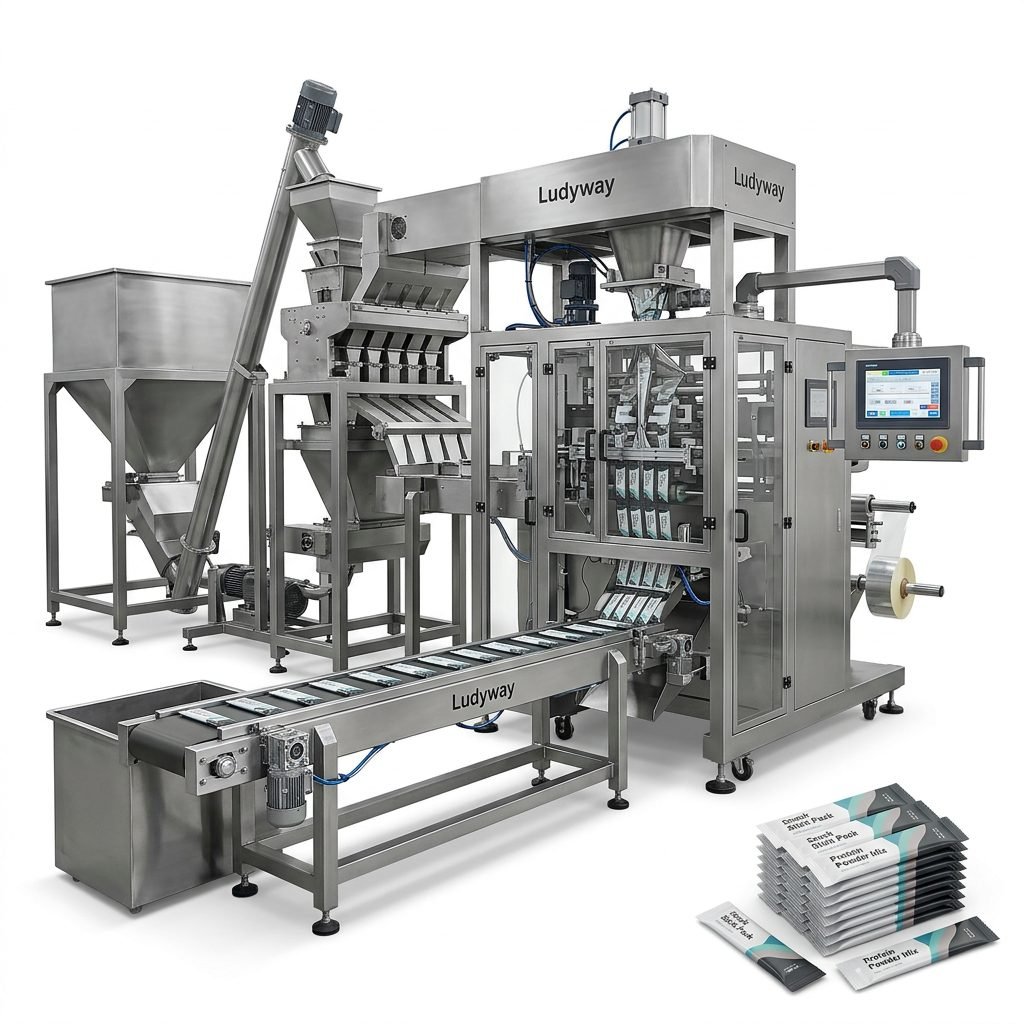
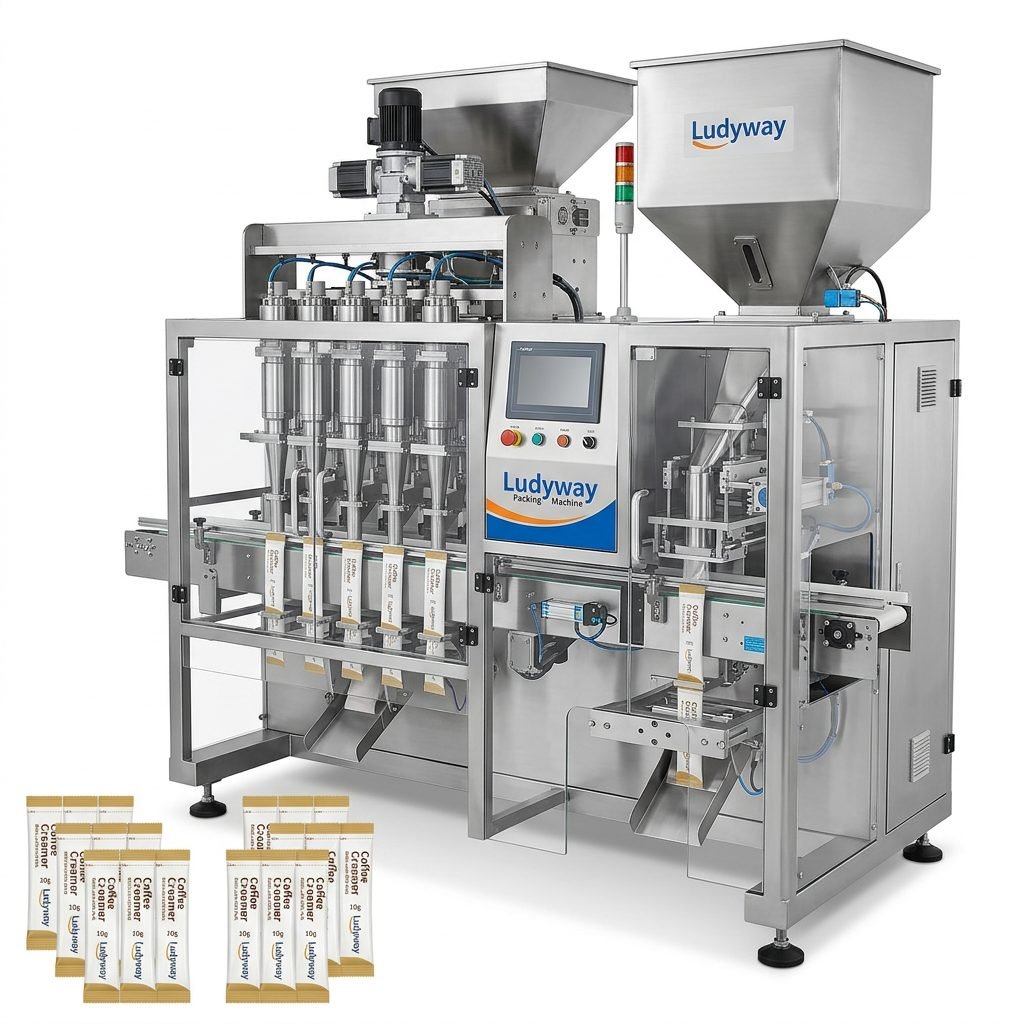
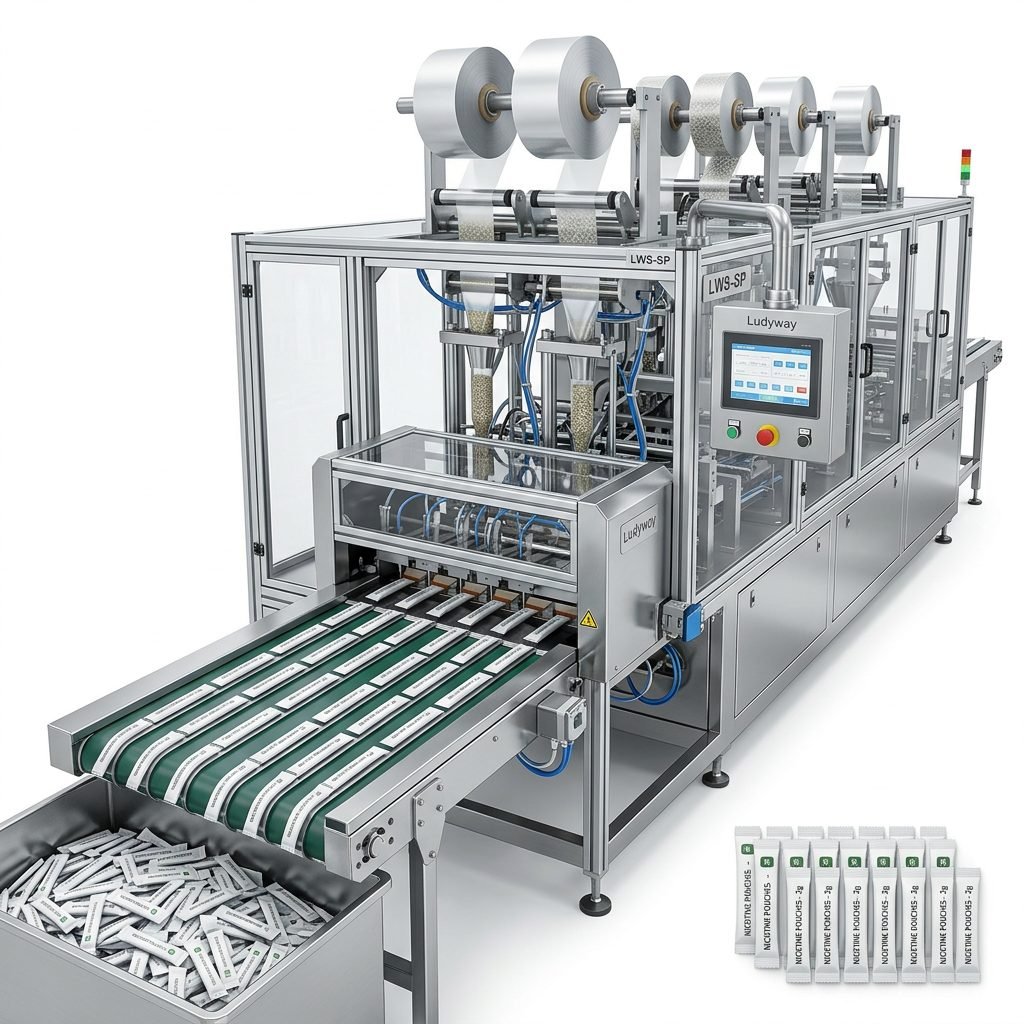
The Indian bakery industry is experiencing an unprecedented boom, with the cupcake segment leading the charge in urban and semi-urban markets alike. As consumer demand for beautifully packaged, shelf-stable cupcakes accelerates, establishing an efficient cupcake packaging machine production line has become a strategic priority for food manufacturers. This guide walks you through every critical step of setting up a production line in India, from equipment selection to regulatory compliance, ensuring your operation is profitable, scalable, and future-ready.
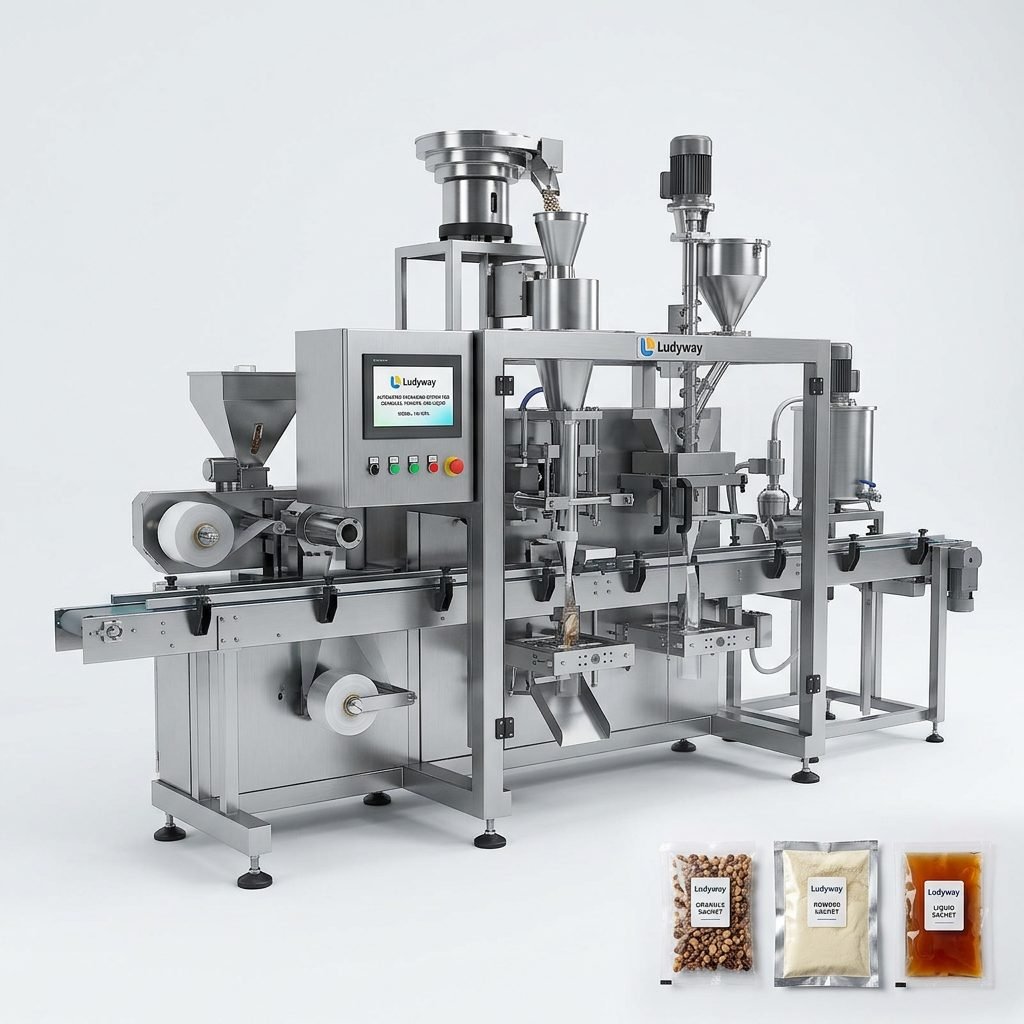
1. Understanding the Cupcake Packaging Landscape in India
The Indian packaged food market is projected to reach USD 70 billion by 2028, with bakery products comprising a substantial share. Cupcakes, once a niche item, have become mainstream due to rising disposable incomes, westernization of diets, and the expansion of modern retail chains. However, packaging remains a critical differentiator. Consumers expect freshness, visual appeal, and tamper-evident seals, all of which depend on the right packaging machinery investment.
Why Automation Matters for Cupcake Packaging
Manual packaging processes are no longer viable for scaling businesses. Automated packaging line solutions offer consistent portion control, reduced labor dependency, and significantly higher throughput. For Indian manufacturers targeting both domestic distribution and export markets, automation ensures compliance with international quality standards such as ISO 22000 and FSSAI guidelines.
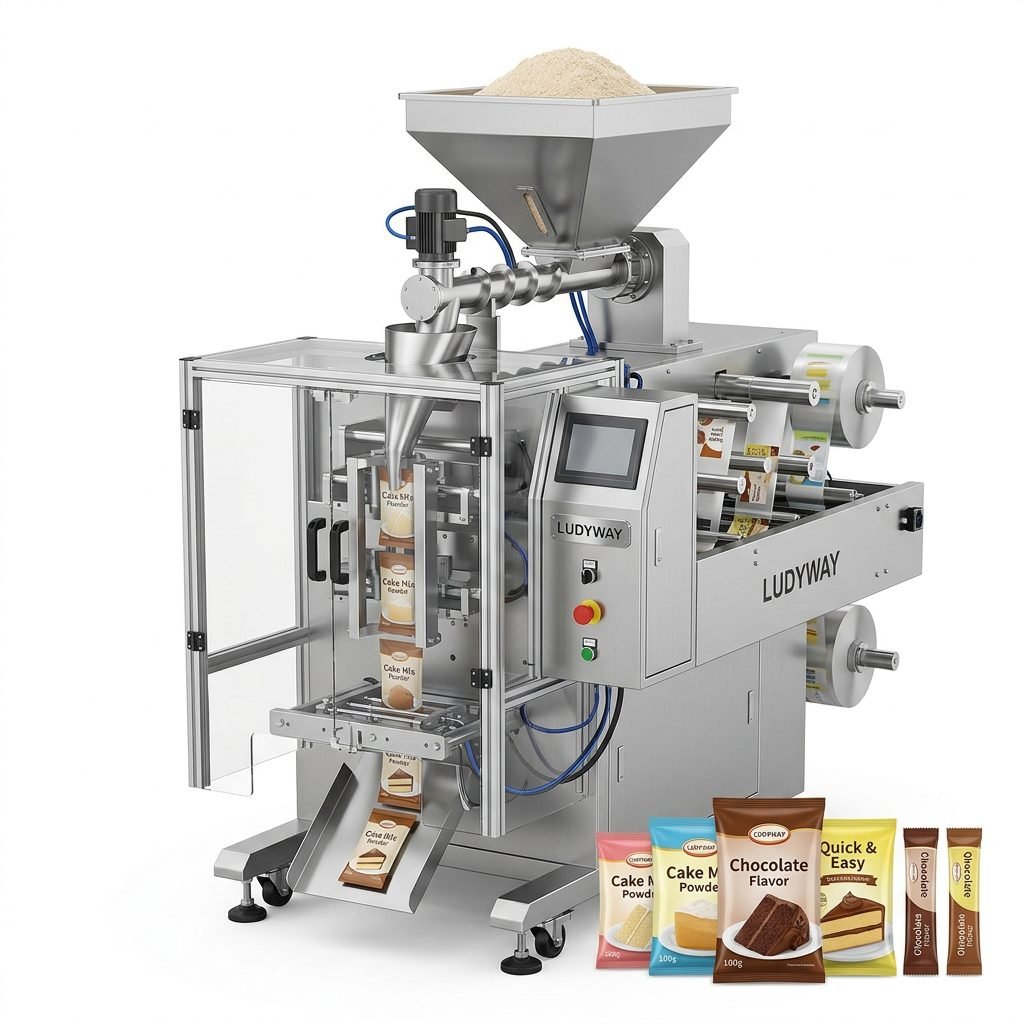
2. Key Components of a Cupcake Packaging Production Line
A fully integrated cupcake packaging line comprises several interconnected modules. Understanding each component helps you make informed procurement decisions.
- Feeding & Orientation System: Automatically aligns cupcakes in single or multiple lanes for consistent flow into the packaging station.
- Flow Wrapping Machine: Wraps individual cupcakes in film, providing an airtight seal that preserves freshness for extended shelf life.
- Tray Loading & Denesting: For cupcakes packed in trays or clamshells, robotic denesters place containers precisely on the conveyor.
- Multi-Head Weighing & Counting: Ensures accurate portioning for multi-pack configurations, critical for retail-ready units.
- Cartoning & Case Packing: Automatically collates wrapped cupcakes into cartons or display boxes for distribution.
- Palletizing System: Stacks finished cartons onto pallets in an organized manner, ready for warehouse storage or shipping.
Essential Ancillary Equipment
| Equipment Type | Function | Ideal For |
|---|---|---|
| Metal Detector | Detects ferrous and non-ferrous contaminants | All cupcake production lines |
| Checkweigher | Verifies package weight in real time | Multi-pack and retail units |
| Date Coding Machine | Prints batch numbers, expiry dates, MRP | FSSAI compliance requirements |
| Shrink Wrapping Tunnel | Secures multi-packs with tamper-evident film | Bulk retail and export packaging |

3. Selecting the Right Packaging Format for Indian Markets
Indian consumers encounter cupcakes in various packaging formats depending on the distribution channel. Your choice of packaging format directly influences the type of machinery required. Consider the following popular formats:
- Single-Unit Flow Wrap: Ideal for impulse purchases at kirana stores, bakeries, and quick-service restaurants. The flow wrap provides a glossy finish and effective moisture barrier.
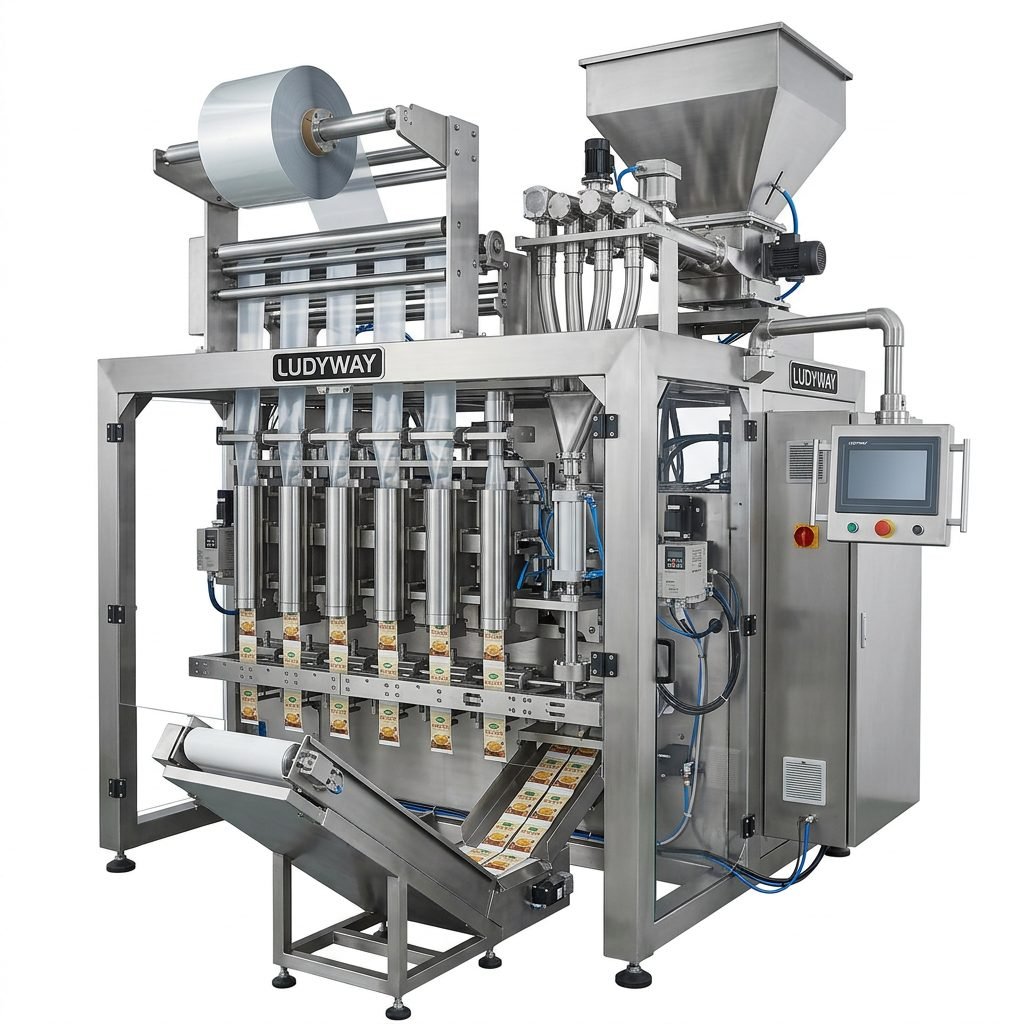
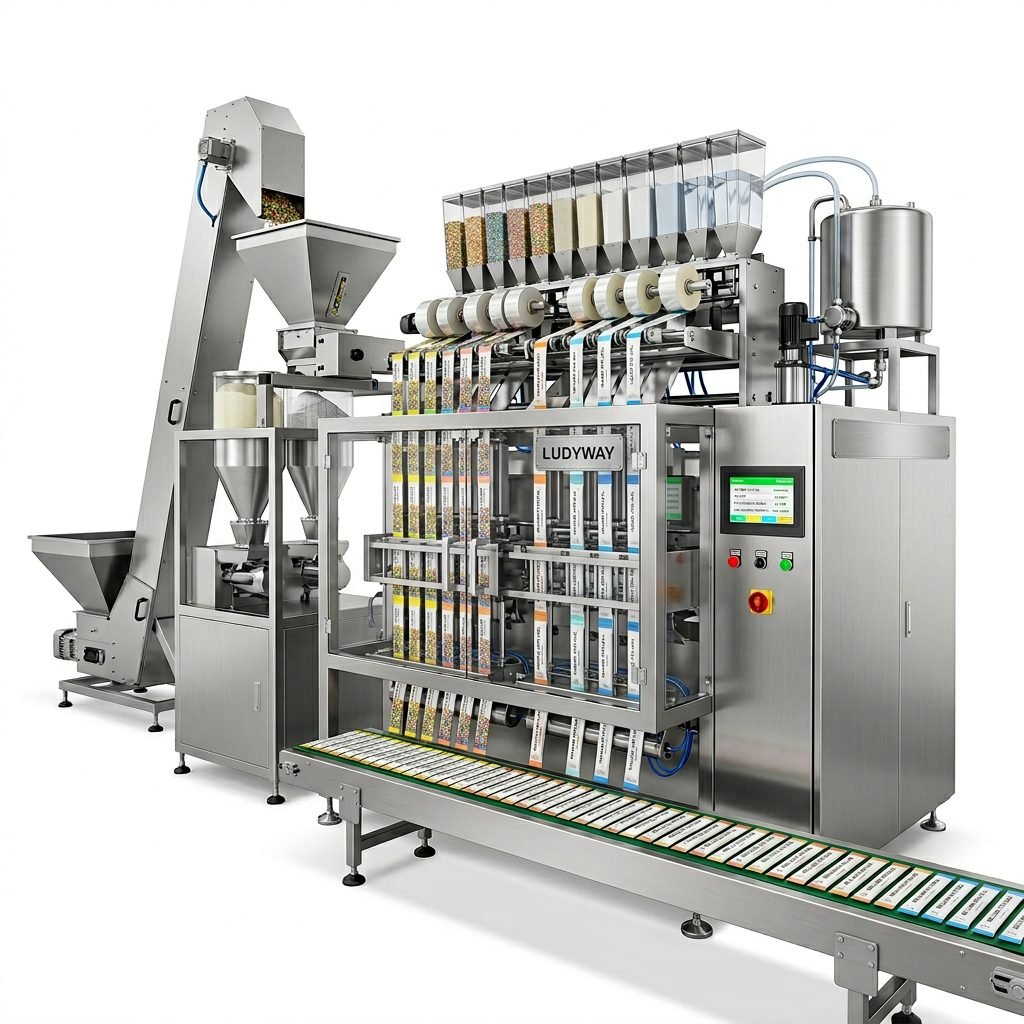
- Multi-Pack Stick Packs: Growing in popularity for e-commerce and modern trade, multi-lane stick pack machines enable high-speed production of portion-controlled cupcake packs.
- Tray-Sealed Clamshells: Perfect for premium cupcakes sold in supermarkets and airports, offering superior product visibility and protection during transit.
- Pouch-in-Box: Combines a flexible inner pouch with a rigid outer carton, often used for gift packs and festive promotions in the Indian market.
Matching Machine Technology to Product Characteristics
Cupcakes are delicate products with frosting and decorations that require gentle handling. When evaluating cupcake packaging machinery, prioritize systems with servo-driven movements, soft-grip conveyors, and minimal drop heights. A machine that handles fragile bakery items effectively will significantly reduce product damage and waste.
4. Regulatory Compliance in India: FSSAI & Legal Metrology
Operating a food packaging line in India requires strict adherence to multiple regulatory frameworks. The Food Safety and Standards Authority of India (FSSAI) mandates specific labeling requirements that your packaging process must accommodate.
- FSSAI Licensing: All food manufacturing and packaging facilities must hold a valid FSSAI license appropriate for their scale of operation. The packaging line should be designed to operate within an FSSAI-compliant environment.
- Labeling Requirements: Packages must display the FSSAI logo, license number, ingredients list, nutritional information, vegetarian/non-vegetarian symbols, and date of manufacture and expiry. Your inline printing systems must be capable of applying this information accurately.
- Legal Metrology Act: All packaged food products must declare net quantity, MRP (Maximum Retail Price), and manufacturer details. Multi-head weighers must be calibrated and certified periodically.
- Packaging Material Compliance: Food-contact materials must comply with FSSAI packaging regulations and BIS standards. Source films and trays only from certified suppliers.
5. Site Preparation & Utility Planning
Before installing a cupcake packaging line, your production facility must meet specific infrastructure requirements. Proper site preparation minimizes downtime and ensures smooth commissioning.
| Utility | Requirement | Notes |
|---|---|---|
| Compressed Air | 6-8 bar, oil-free, filtered | Essential for pneumatic actuators and sealing mechanisms |
| Electricity | 3-phase, 415V ±10% | Stabilized power supply with backup recommended |
| Floor Space | Minimum 120-200 sqm for complete line | Include allowance for material flow and operator access |
| Ambient Conditions | Temperature-controlled, humidity below 60% | Prevents frosting deterioration and film static issues |
6. Cost Breakdown & ROI Analysis
Investing in an automated cupcake packaging line requires a clear understanding of capital expenditure and expected returns. For Indian manufacturers, the payback period typically ranges from 18 to 36 months depending on scale and product mix.
Estimated Investment Components
- Primary Packaging Machine: INR 25-80 lakhs depending on speed, features, and configuration.
- Ancillary Equipment: INR 10-30 lakhs for metal detectors, checkweighers, and coding systems.
- Conveyor & Integration: INR 5-15 lakhs for custom conveyor design and line integration.
- Installation & Training: INR 3-8 lakhs covering technician deployment and operator skill development.
- Annual Maintenance Contract: INR 2-5 lakhs per year for preventive maintenance and spare parts.
Labor savings alone can justify the investment. A manual line requiring 12-15 workers can be reduced to 3-4 operators with automation, yielding annual savings of INR 12-20 lakhs at prevailing wage rates. Additionally, waste reduction of 3-5% and throughput increase of 200-400% significantly accelerate ROI.
7. Choosing a Reliable Equipment Partner in India
Selecting the right machinery supplier is arguably the most critical decision in this entire process. Look for manufacturers with proven experience in food packaging automation, a local service presence, and a track record of successful installations in India. Key evaluation criteria include:
- Technology Maturity: Assess whether the supplier offers the latest servo-driven, IoT-enabled machines that support predictive maintenance and remote diagnostics.
- After-Sales Support: Verify the availability of spare parts, on-site service engineers, and response times within your region.
- Customization Capability: Every bakery product has unique dimensions and packaging requirements; the supplier should offer tailored solutions rather than one-size-fits-all machines.
- Compliance Documentation: Request detailed technical specifications, CE certifications, and references from existing Indian clients.
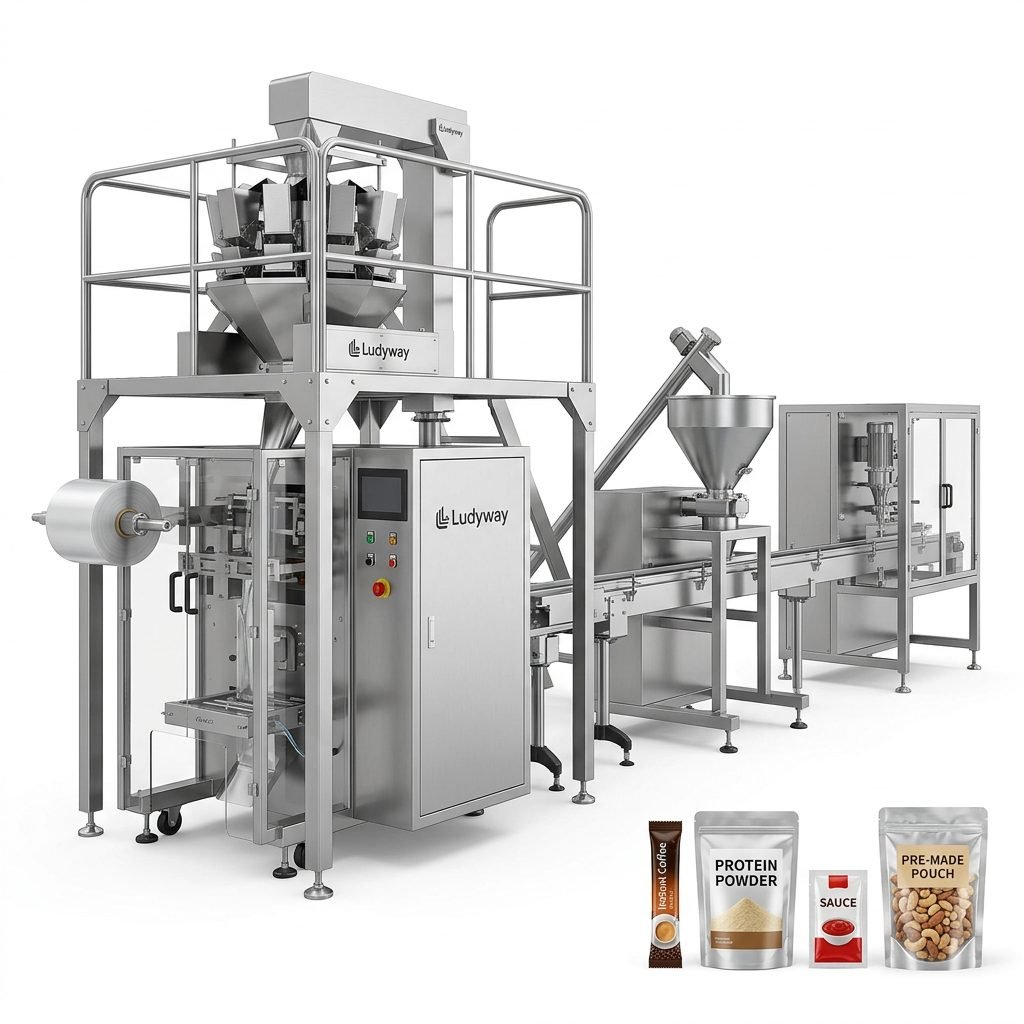
For manufacturers seeking a comprehensive turnkey packaging solution, partnering with an experienced integrator simplifies the entire process. As a leading global packaging machinery manufacturer, Ludyway provides advanced automated packaging systems designed for food industry applications, backed by extensive engineering expertise and responsive technical support.
8. Installation, Commissioning & Training
Once you have selected your equipment, the installation phase determines how quickly you achieve full operational capacity. Work closely with your supplier to establish a detailed timeline and milestones.
- Pre-Installation Audit: The supplier’s engineers should visit your site to verify utility readiness, floor layouts, and material flow paths. Any discrepancies must be addressed before equipment arrives.
- Mechanical Installation: Positioning, leveling, and securing all machines in their designated locations, typically completed within 3-5 working days for a complete line.
- Electrical & Pneumatic Integration: Connecting power, compressed air, and communication cables across the line, followed by thorough safety checks.
- Dry Run & Wet Testing: Operating the line initially without product to verify mechanical integrity, then with actual cupcakes to fine-tune parameters such as sealing temperature, film tension, and conveyor speed.
- Operator Training: Comprehensive hands-on training for your production team covering machine operation, basic troubleshooting, cleaning procedures, and safety protocols.
- Production Ramp-Up Support: The supplier should remain on-site during the initial production weeks to resolve teething issues and optimize performance.
9. Maintenance Best Practices for Sustained Performance
Preventive maintenance is the foundation of consistent packaging line performance. Establish a structured maintenance schedule from day one to avoid unexpected breakdowns that disrupt your supply chain commitments.
| Maintenance Activity | Frequency | Key Actions |
|---|---|---|
| Daily Cleaning | End of each shift | Remove crumb buildup, wipe sealing jaws, inspect film alignment |
| Weekly Lubrication | Once per week | Lubricate chains, bearings, and guide rails with food-grade grease |
| Monthly Calibration | Monthly | Verify weigh accuracy, temperature sensors, and timer settings |
| Quarterly Inspection | Every 3 months | Replace worn belts, inspect electrical connections, update firmware |
A well-maintained cupcake packaging line can operate reliably for 15-20 years, making it a long-term asset for your business. Invest in training at least two team members as dedicated machine operators to build internal expertise.
10. Future-Proofing Your Packaging Line
The Indian bakery market is dynamic, and your packaging line should be flexible enough to accommodate future product innovations. Consider these forward-looking strategies when designing your setup:
- Modular Architecture: Choose equipment that supports future module additions, such as upgrading from 4-lane to 8-lane operation without replacing the entire machine.
- Smart Factory Integration: Invest in machinery with Industry 4.0 capabilities, including OEE (Overall Equipment Effectiveness) monitoring, remote diagnostics, and production data analytics.
- Sustainable Packaging Compatibility: As Indian regulations evolve toward eco-friendly packaging, ensure your machines can handle biodegradable films, paper-based laminates, and recyclable mono-materials.
- Multi-Product Capability: A versatile packaging system that can switch between different cupcake sizes, shapes, and packaging formats provides significant operational flexibility.

Conclusion: A Strategic Path to Cupcake Packaging Excellence
Setting up a cupcake packaging machine production line in India is a significant undertaking that demands careful planning, the right technology partner, and a commitment to quality and compliance. The rewards, however, are substantial: increased production capacity, consistent product quality, reduced operational costs, and the ability to compete effectively in both domestic and international markets. By following the comprehensive steps outlined in this guide, Indian bakery manufacturers can build a robust, efficient, and future-ready packaging operation that supports long-term business growth.
For expert guidance on selecting and implementing the ideal packaging machinery for your cupcake production, explore additional resources at PMMI – The Association for Packaging and Processing Technologies and Flexible Packaging Association, or consult with experienced packaging machinery manufacturers who understand the unique requirements of the Indian food industry.