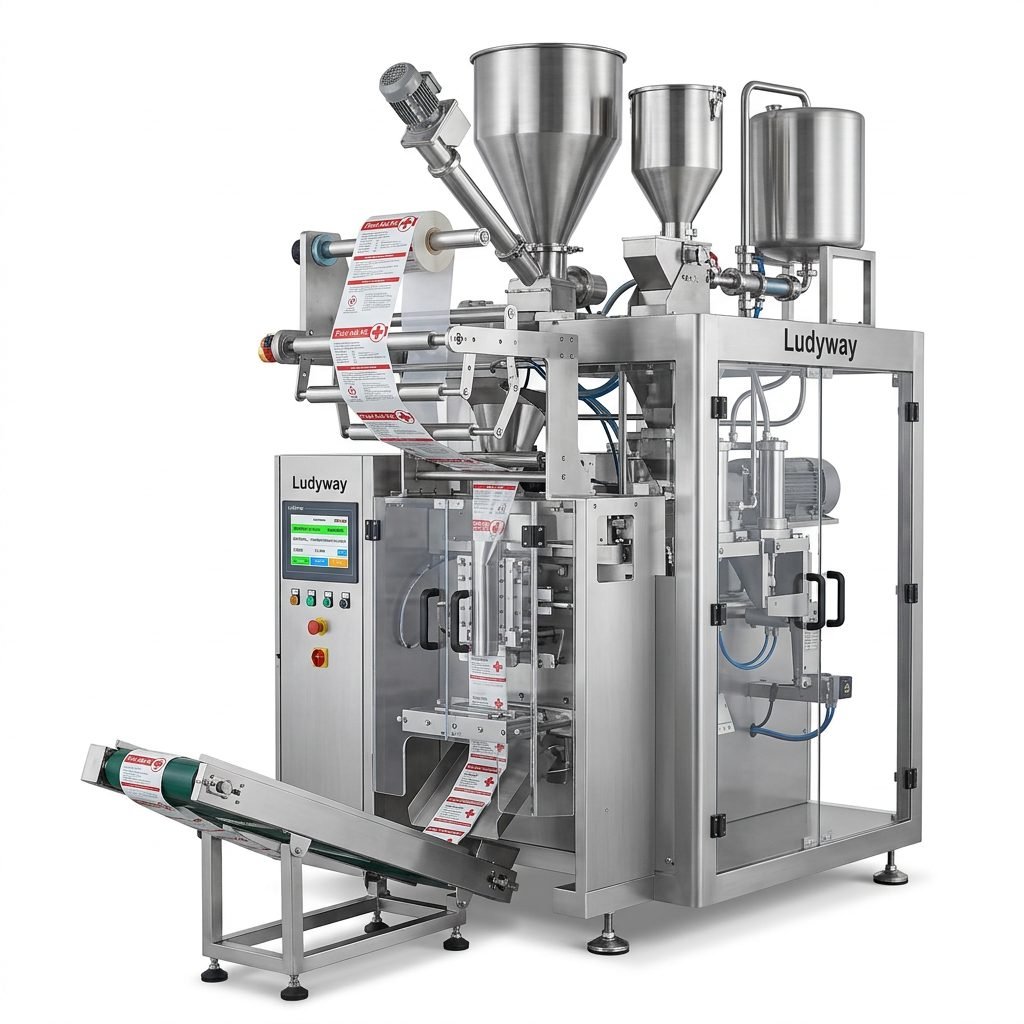
The Asia-Pacific region has emerged as the fastest-growing coffee capsule market globally, driven by rising disposable incomes, urbanization, and a shift toward premium at-home coffee experiences. Countries such as China, South Korea, Japan, Indonesia, and Vietnam are witnessing double-digit growth in capsule coffee consumption. For manufacturers and brand owners looking to capitalize on this trend, selecting the right coffee pod packaging machine is a critical investment decision that directly impacts product quality, production efficiency, and long-term profitability.
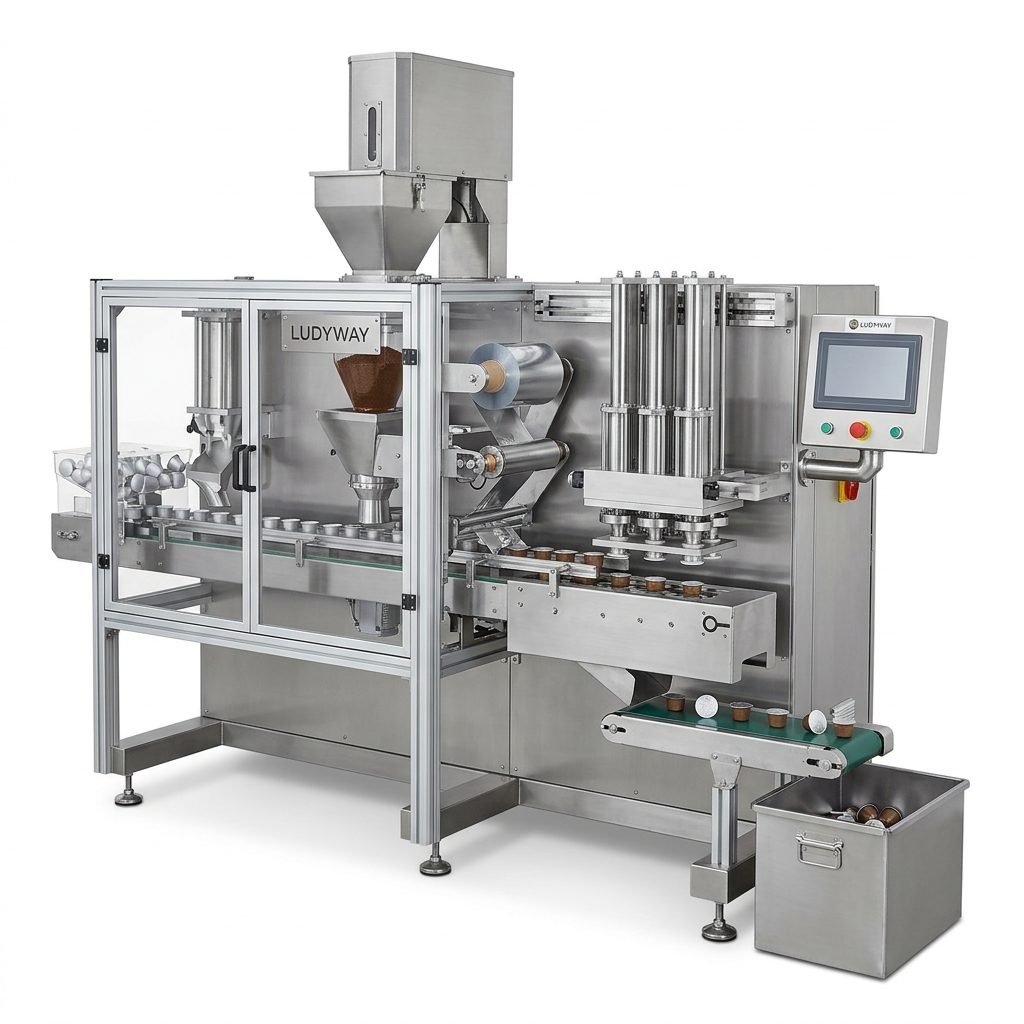
Understanding the Coffee Capsule Packaging Landscape in Asia
The coffee capsule market in Asia is projected to grow at a CAGR of over 8% through 2030. This growth is fueled by the expansion of both international brands and local roasters entering the single-serve coffee segment. Packaging machinery plays a pivotal role in ensuring that capsules are filled, sealed, and delivered with consistent quality and airtight integrity, which are essential for preserving coffee freshness and aroma.
Unlike traditional packaging formats, coffee capsules require specialized handling due to their unique shape, material composition, and the need for modified atmosphere packaging (MAP) or nitrogen flushing. This makes the selection of packaging equipment a highly specialized process.
Key Market Drivers
- Premiumization of home coffee consumption across urban Asian markets
- Expansion of e-commerce and direct-to-consumer coffee brands
- Growing demand for compatible capsules for Nespresso, Dolce Gusto, and Keurig systems
- Increasing investment in local coffee processing and packaging facilities
- Rise of private-label capsule brands in Southeast Asian retail chains
Types of Coffee Pod Packaging Machines
Choosing the right machine type depends on your production volume, capsule format, and automation requirements. Below are the primary categories available in the Asian market:
| Machine Type | Best For | Output Range | Key Feature |
|---|---|---|---|
| Semi-Automatic Capsule Filler | Small roasters and startups | 30–60 capsules/min | Low initial investment, manual loading |
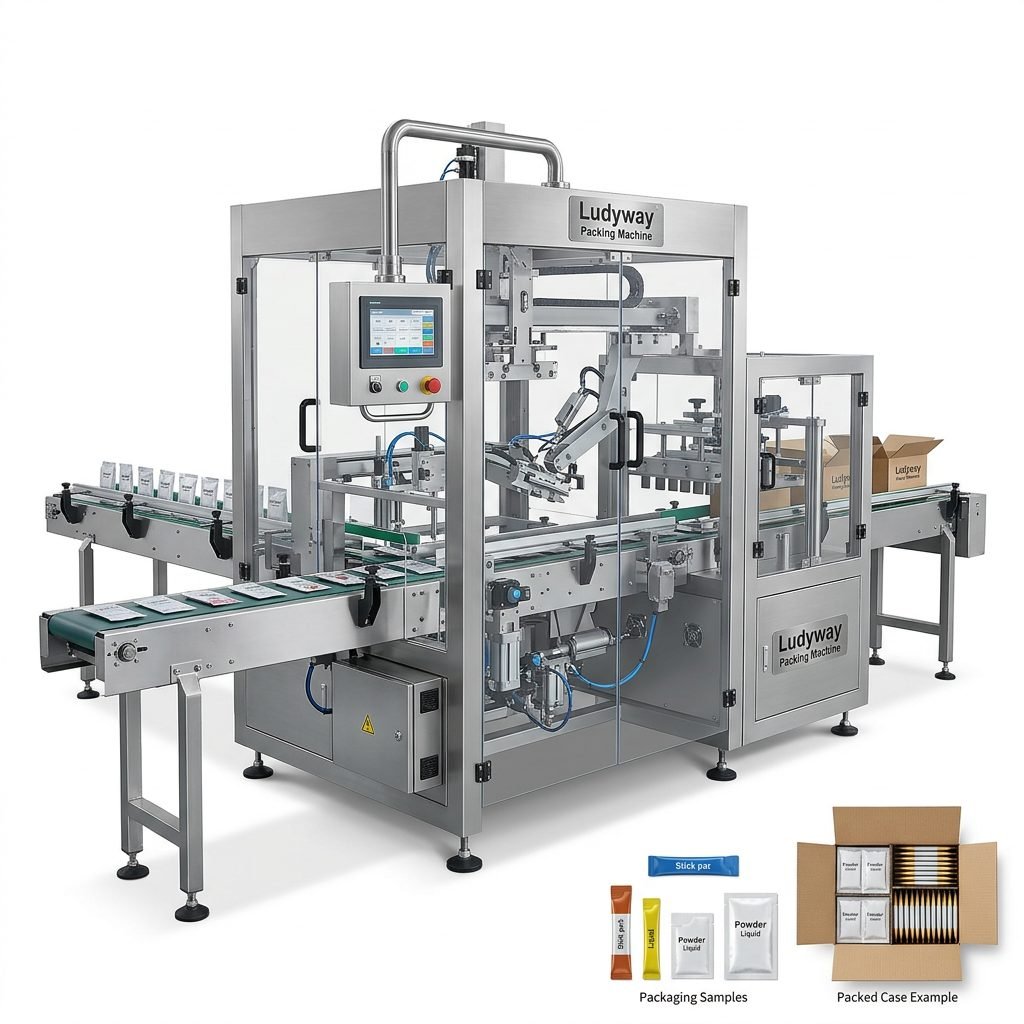
| Fully Automatic Rotary Capsule Machine | Mid-size to large manufacturers | 100–400 capsules/min | High-speed, consistent fill weight |
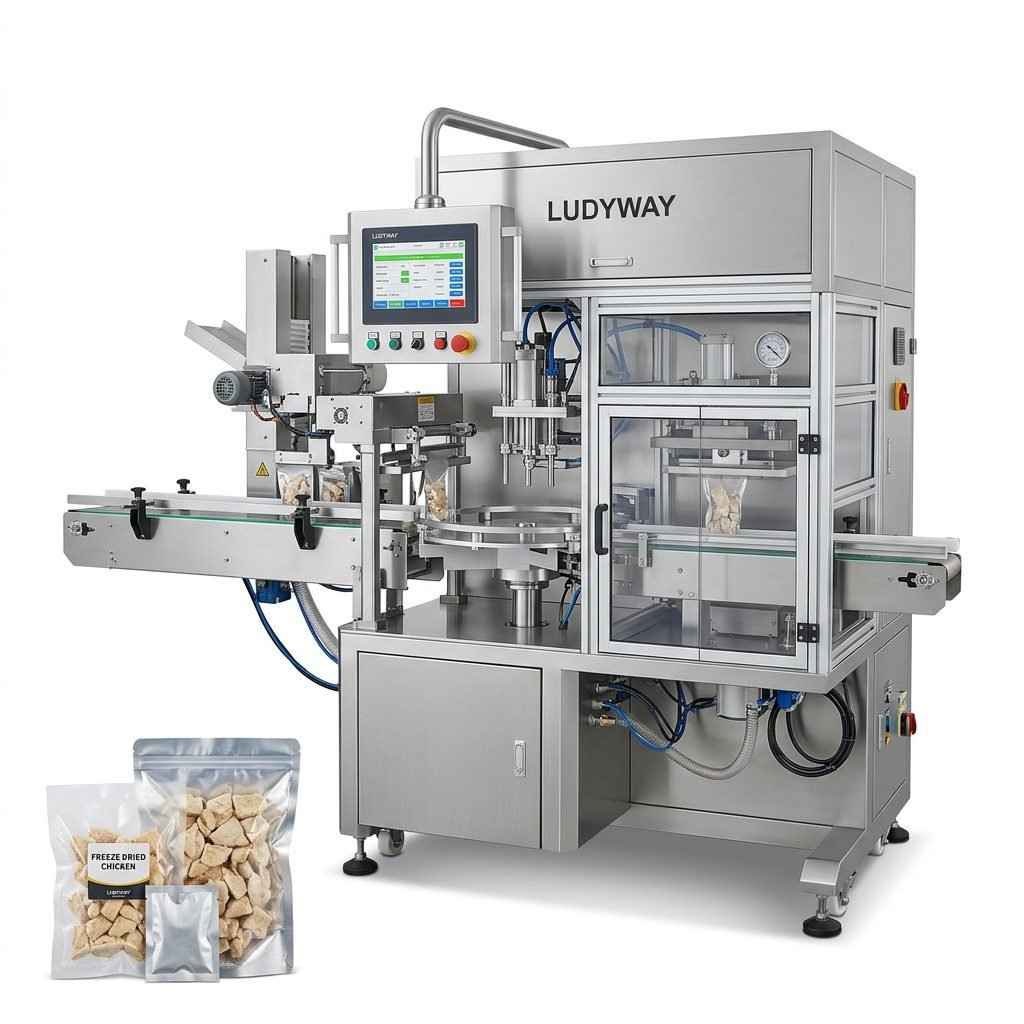
| Nitrogen-Flush Sealing Line | Premium coffee brands | 80–300 capsules/min | Oxygen reduction for extended shelf life |
| Multi-Format Compatible Line | Co-packers and contract manufacturers | 60–250 capsules/min | Quick changeover between capsule types |
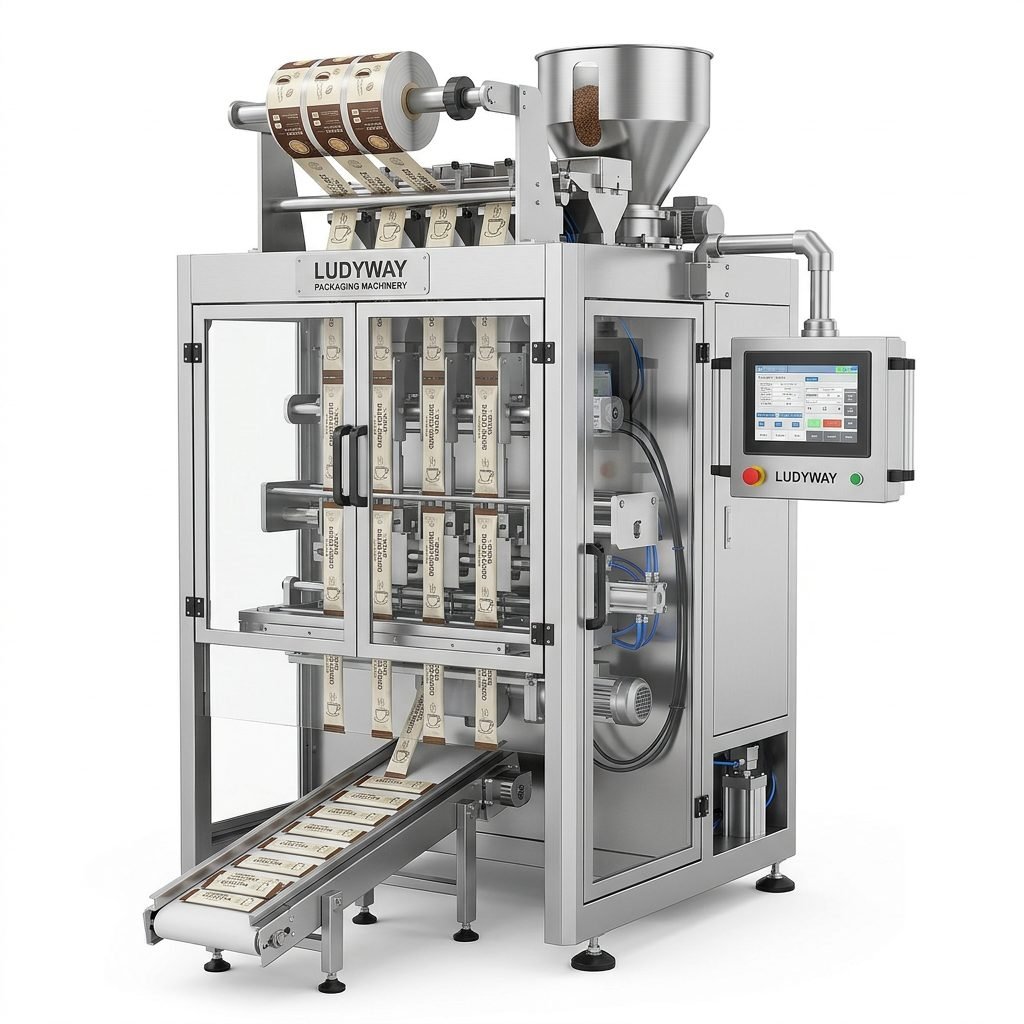
Critical Factors to Consider When Buying a Coffee Capsule Packaging Machine
Investing in a coffee pod packaging machine involves evaluating multiple technical and commercial factors. Below is a structured breakdown of what every buyer in Asia should assess:
1. Capsule Compatibility and Format Flexibility
Not all machines handle every capsule format. Define your target capsule type early — Nespresso-compatible, Dolce Gusto, K-Cup, or proprietary designs. Some machines offer tool-free changeover between formats, which is invaluable for contract packers serving multiple clients across different Asian markets. Ensure the machine can accommodate the specific dimensions, lid materials, and body compositions you plan to use.
2. Filling Accuracy and Consistency
Precision in dosing ground coffee is non-negotiable. Look for machines equipped with volumetric cup fillers, auger fillers, or multi-head weighers depending on your grind consistency and target fill weight. A deviation of ±0.2g per capsule is the industry benchmark for premium products. Consistent dosing directly affects taste, customer satisfaction, and regulatory compliance in markets like Japan and South Korea with stringent labeling laws.
3. Sealing Technology and Oxygen Barrier
The sealing station must deliver hermetic, tamper-evident seals that prevent oxygen ingress. Advanced machines incorporate nitrogen flushing systems that reduce residual oxygen levels to below 2%, significantly extending shelf life — a critical requirement for export-oriented Asian coffee brands shipping to Europe and North America.
4. Automation Level and Labor Considerations
Labor costs vary widely across Asia. Fully automated lines with PLC controls, HMI touchscreens, and servo-driven motors reduce dependency on skilled operators and minimize human error. While the upfront investment is higher, the long-term ROI in markets like Singapore, South Korea, and Japan is compelling due to higher labor costs. In emerging markets like Vietnam and Indonesia, semi-automatic machines remain popular for smaller operations.
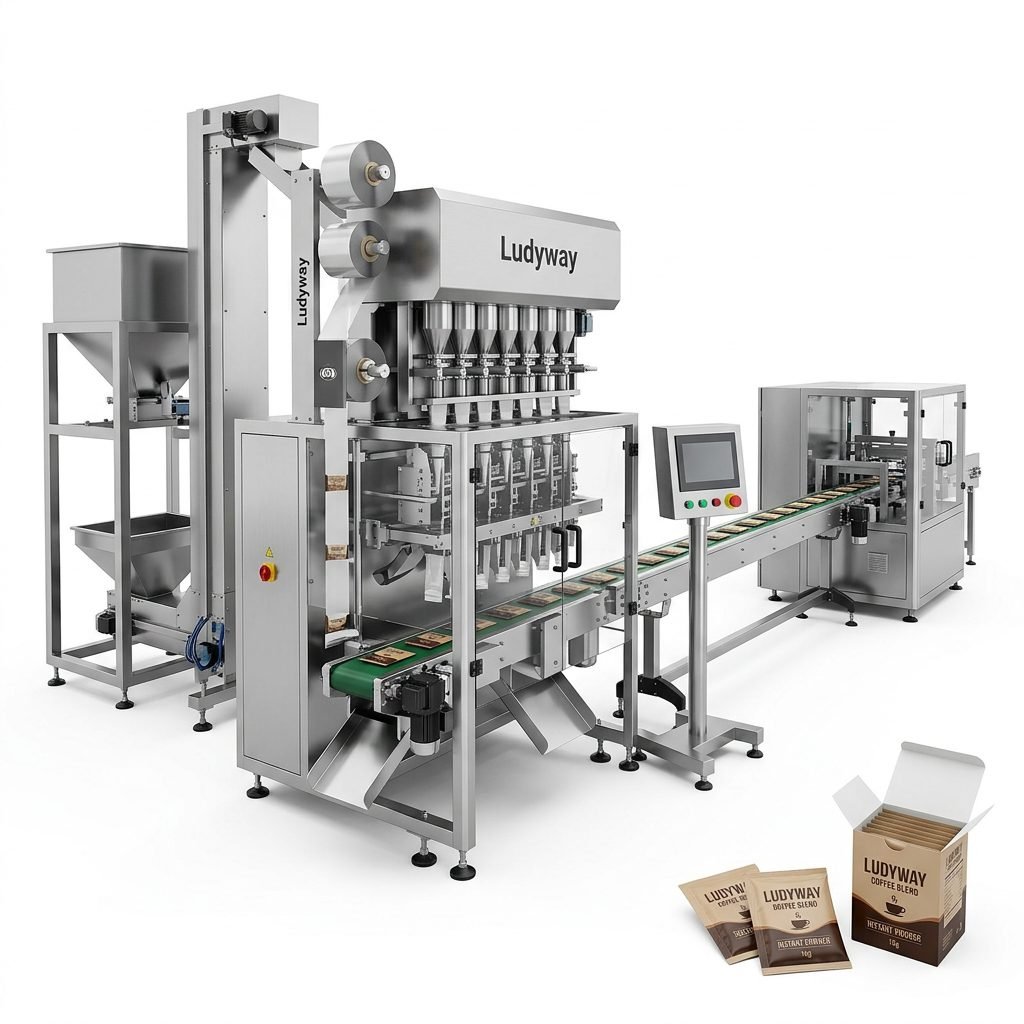
Technical Specifications to Evaluate
When comparing suppliers, use the following technical checklist to standardize your evaluation process. Request detailed specification sheets and, where possible, arrange for factory acceptance testing (FAT) before shipment.
- Production speed: Measured in capsules per minute (CPM) — match to your current and projected demand
- Fill weight range: Typically 5g to 15g for standard coffee capsules; verify adjustability
- Power requirements: Confirm compatibility with local voltage standards (220V/380V/440V across Asia)
- Air consumption: Pneumatic systems require stable compressed air supply — budget for ancillary equipment
- Material compatibility: Aluminum, plastic (PP/PE), and compostable capsule bodies each require specific handling
- Clean-in-place (CIP) capability: Essential for maintaining hygiene standards and reducing downtime
- Footprint and layout: Consider factory floor space and integration with upstream/downstream equipment
Regional Considerations for Asian Buyers
Asia is not a monolithic market. Different regions present distinct challenges and opportunities that influence machine selection:
China
The world’s largest and fastest-growing coffee capsule market. Domestic brands like Saturnbird and Yongpu have driven demand for high-speed, multi-format machines. Buyers in China should prioritize machines with strong after-sales service networks and spare parts availability within the country. Local certification requirements, including GB standards for food contact materials, must be verified.
Southeast Asia
Countries such as Vietnam, Thailand, and Indonesia are transitioning from traditional coffee consumption to modern single-serve formats. Machines that handle Robusta grinds (coarser and oilier than Arabica) require specialized dosing systems. Humidity-resistant electrical components are also crucial in tropical climates. The growing halal certification trend in Malaysia and Indonesia adds a layer of compliance for packaging materials.
Japan and South Korea
Mature markets with high expectations for quality and precision. Machines must deliver exceptional fill accuracy and seal integrity. Japanese buyers often require machines with ISO 9001 certification and detailed documentation. Compact machine footprints are preferred due to higher factory real estate costs. Integration with automated warehousing systems is increasingly common in Korean production facilities.
Supplier Selection: What to Look For
Asia is home to numerous packaging machinery manufacturers, ranging from established global players to specialized regional suppliers. When evaluating potential partners, consider the following criteria:
Manufacturing Capability and Certifications
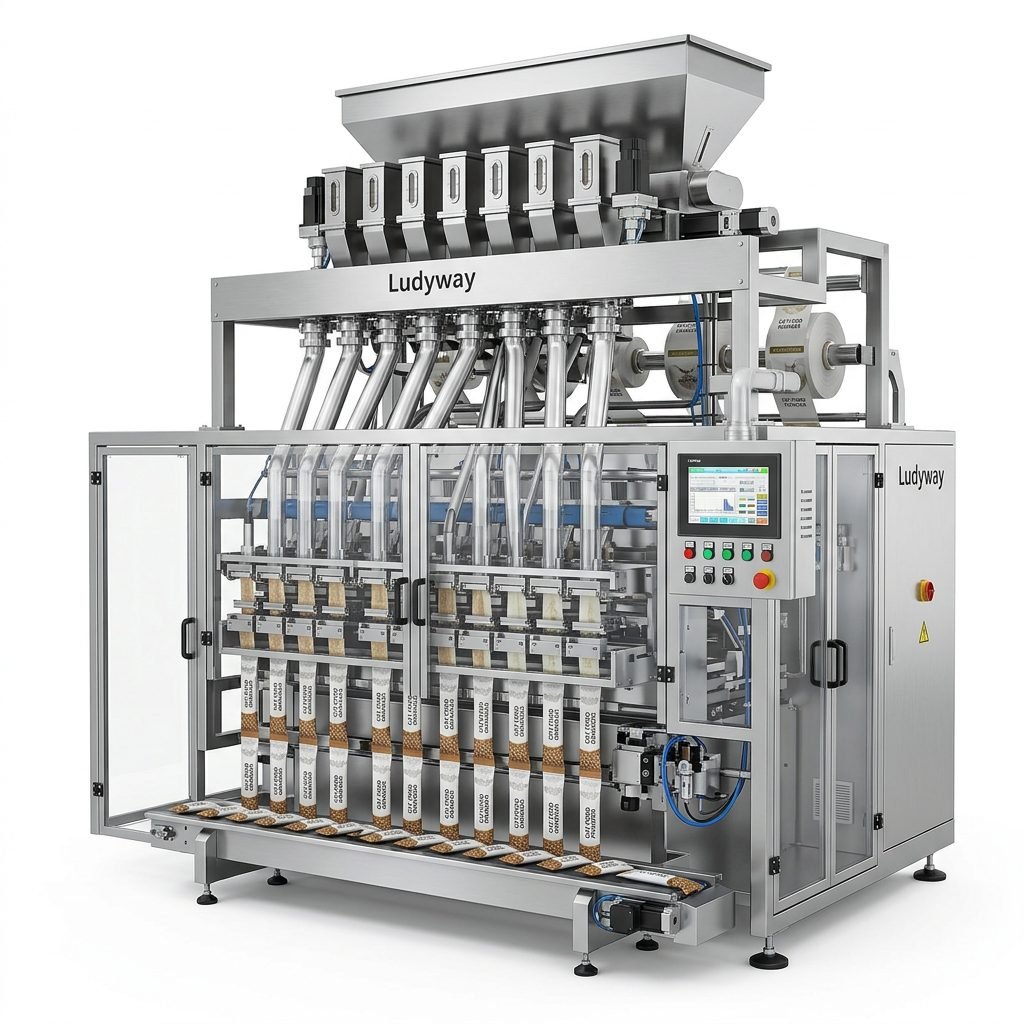
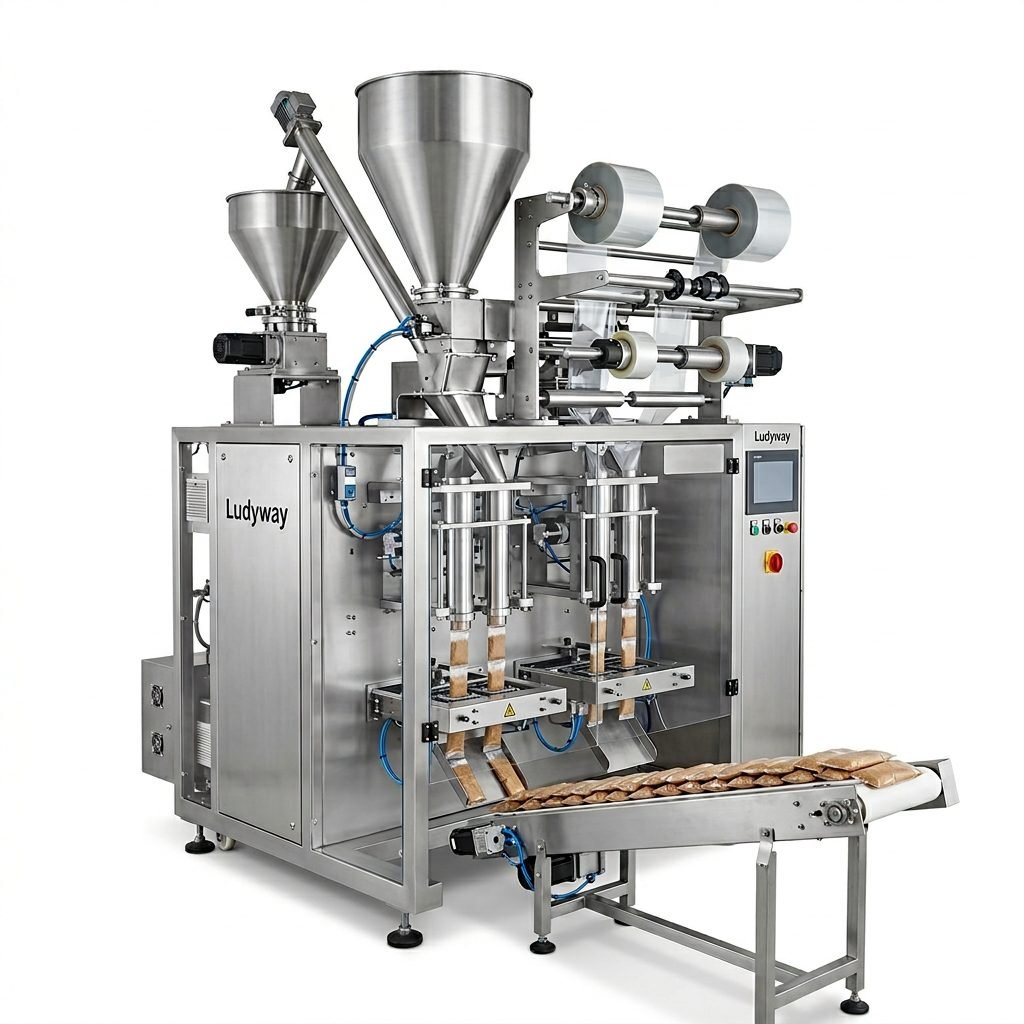
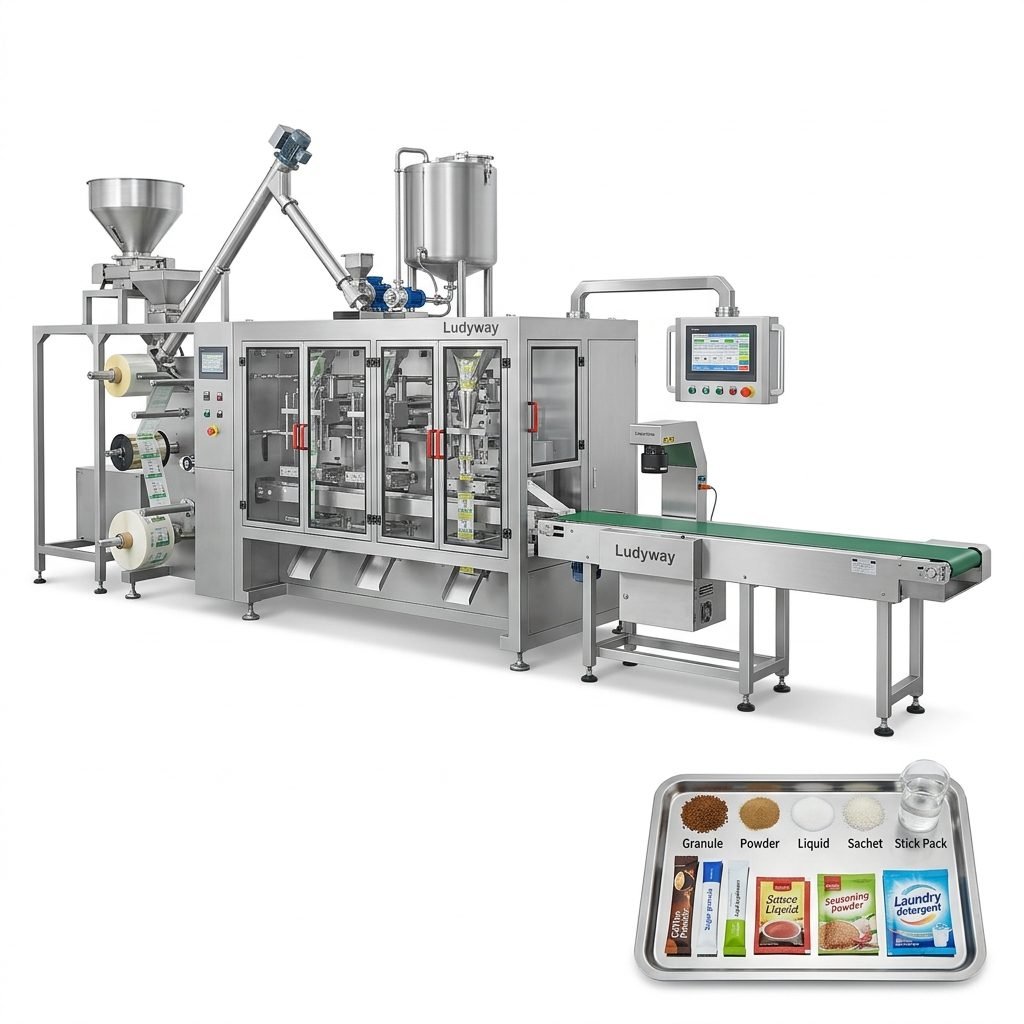
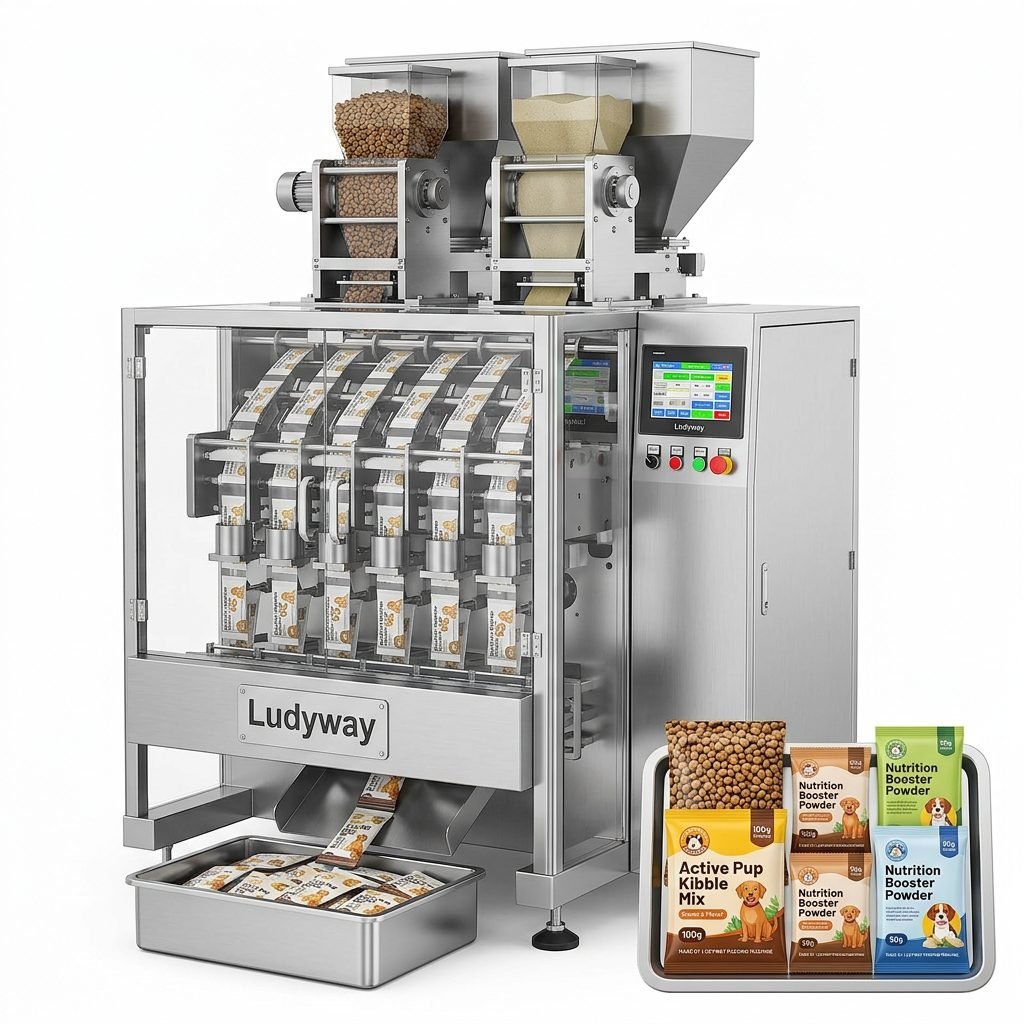
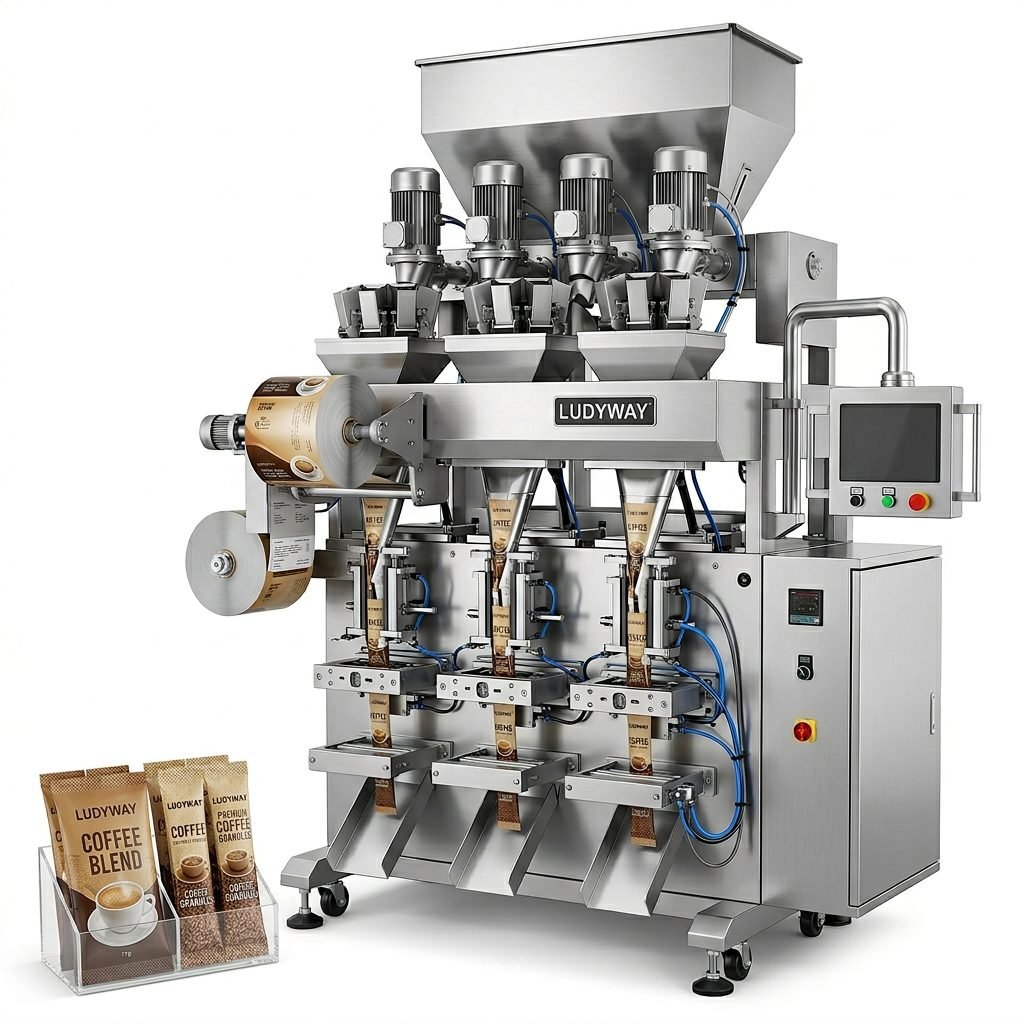
Visit the supplier’s factory if possible, or request a virtual tour. Assess their production scale, quality control processes, and testing protocols. Reputable manufacturers like Ludyway operate modern facilities with in-house engineering teams capable of customizing solutions for specific capsule formats. Verify certifications such as CE, ISO, and any region-specific requirements.
After-Sales Support and Spare Parts
A machine’s total cost of ownership is heavily influenced by downtime and maintenance. Prioritize suppliers with responsive technical support teams, remote diagnostic capabilities, and readily available spare parts inventories in Asia. Ask prospective suppliers about their average response time, service engineer availability in your country, and whether they offer comprehensive training programs for your operators.
Customization and Turnkey Solutions
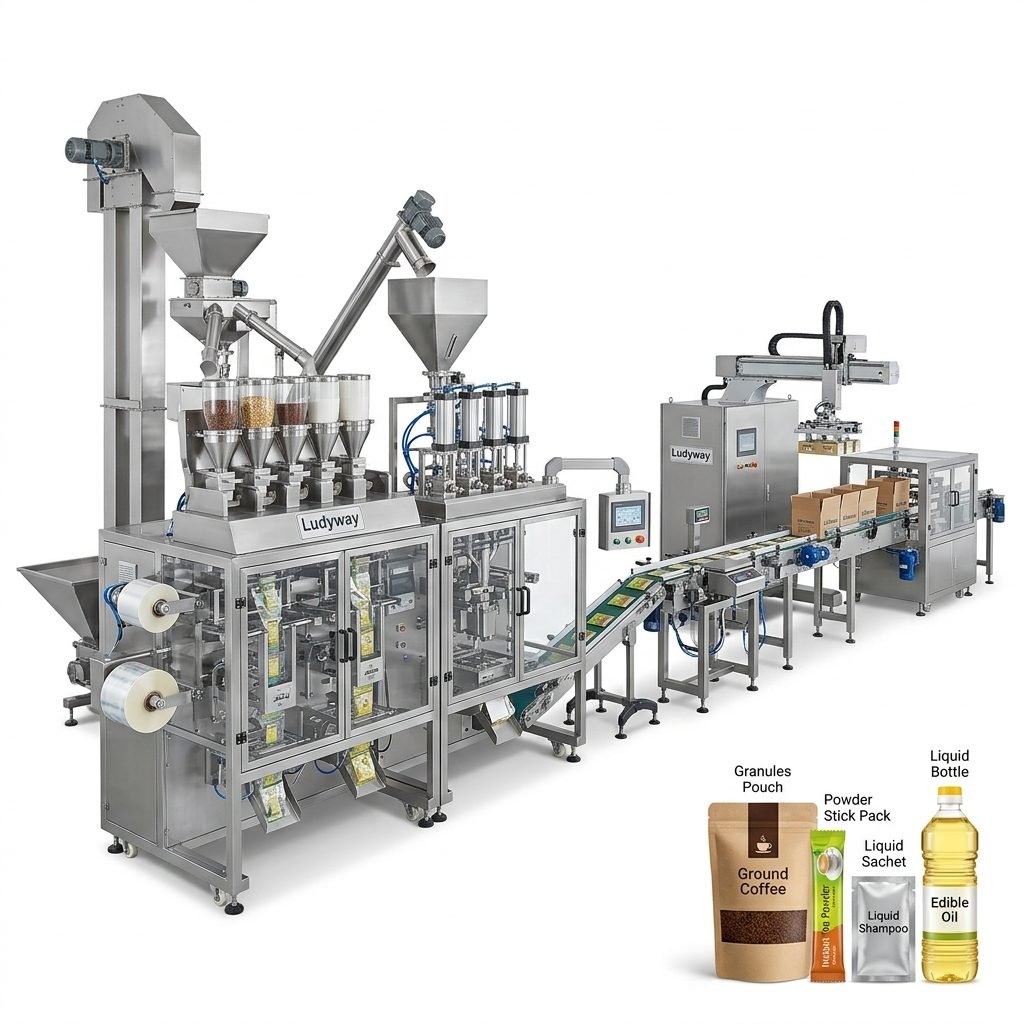
Many Asian coffee brands require customized packaging lines that go beyond the capsule filling machine alone. Turnkey solutions encompassing grinding, dosing, capsule filling, nitrogen flushing, sealing, cartoning, and palletizing offer seamless integration and single-point accountability. This approach reduces project complexity and accelerates time-to-market.
Cost Breakdown and ROI Analysis
Budgeting for a coffee capsule packaging machine requires a holistic view beyond the initial purchase price. Below is a representative cost framework for the Asian market context:
| Cost Category | Estimated Range (USD) | Notes |
|---|---|---|
| Semi-Automatic Machine | $15,000 – $40,000 | Suitable for startups, limited output |
| Fully Automatic Line (Mid-Speed) | $80,000 – $200,000 | 100-200 CPM, popular among mid-size brands |
| High-Speed Turnkey Line | $250,000 – $600,000+ | Integrated systems with cartoning and palletizing |
| Annual Maintenance & Spare Parts | 3% – 8% of machine cost | Varies by usage intensity and environment |
A well-maintained machine typically achieves ROI within 18 to 36 months for mid-size operations, factoring in labor savings, reduced product waste, and increased throughput. Brands exporting to premium markets often see faster payback due to higher product margins.
Installation, Training, and Ongoing Maintenance
A successful machine deployment goes beyond procurement. Plan for the following stages to ensure a smooth production ramp-up:
Pre-Installation Preparation
- Confirm floor load capacity and machine footprint compatibility
- Prepare utility connections — power, compressed air, nitrogen supply lines
- Arrange for raw material testing with the supplier before shipment
- Designate a project lead to coordinate with the supplier’s installation team
Operator Training
Invest in comprehensive training for at least two operators per shift. Training should cover machine operation, daily cleaning procedures, basic troubleshooting, and safety protocols. Many suppliers offer on-site training as part of the installation package, with refresher courses available remotely. Well-trained operators are the single most important factor in maximizing machine uptime and product consistency.
Preventive Maintenance Schedule
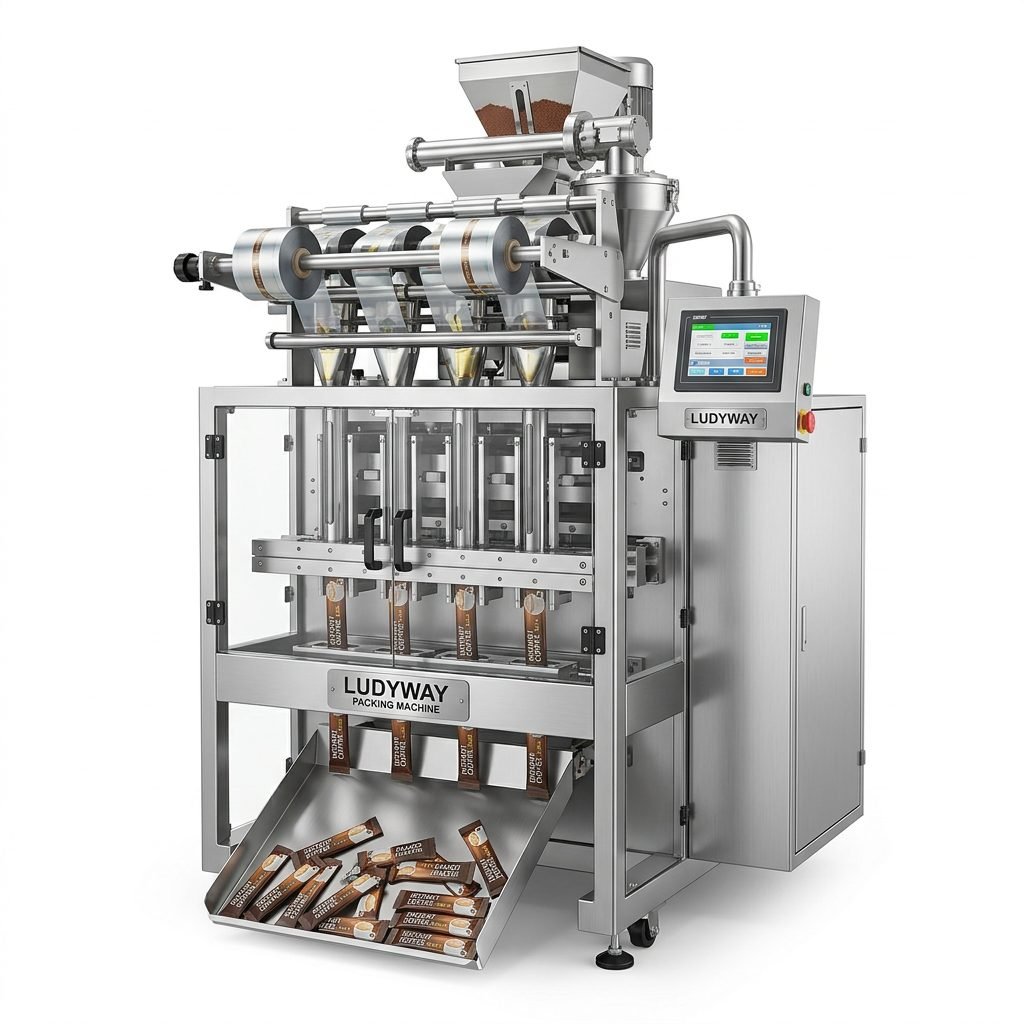
Establish a maintenance calendar covering daily, weekly, monthly, and quarterly tasks. Daily checks should include seal integrity testing, fill weight verification, and visual inspection of wear parts. Quarterly maintenance typically involves replacing sealing gaskets, lubricating moving components, and recalibrating sensors. Maintain a critical spare parts inventory to minimize unplanned downtime.
Compliance and Regulatory Standards
Coffee capsule packaging in Asia must comply with both local food safety regulations and, for export-oriented brands, international standards. Key frameworks include:
- China GB Standards: GB 4806 series for food contact materials and packaging
- Japan Food Sanitation Act: Stringent requirements for packaging material migration limits
- EU Regulation (EC) No 1935/2004: Applicable for capsules exported to European markets
- FDA 21 CFR: Relevant for capsules destined for the U.S. market
- Halal Certification: Increasingly required in Malaysia, Indonesia, and Middle Eastern export destinations
Verify that your packaging machine supplier can provide documentation supporting material traceability and compliance with relevant standards. This is particularly important for brands pursuing international distribution from Asian manufacturing bases.
Future Trends Shaping the Asian Coffee Capsule Market
Staying ahead of market trends helps future-proof your investment. Key developments to watch include:
Sustainable and Compostable Capsules
Consumer and regulatory pressure is driving a shift toward biodegradable and compostable capsule materials. These materials often have different handling characteristics — they may be more sensitive to heat sealing parameters and require machine modifications. When purchasing a new machine, confirm with the supplier whether it can handle eco-friendly capsule materials or if retrofit options are available.
Smart Factory Integration
Industry 4.0 is making inroads into Asian packaging facilities. Machines equipped with IoT sensors, real-time production monitoring, and predictive maintenance algorithms enable manufacturers to optimize OEE (Overall Equipment Effectiveness). Look for machines with OPC-UA or MQTT communication protocols that integrate with enterprise MES and ERP systems.
Small-Batch and Custom Blends
The rise of specialty coffee culture in Asia is driving demand for flexible machines capable of handling small batch runs with quick changeover times. Machines with recipe management systems and automated cleaning cycles are ideal for roasters offering seasonal or limited-edition capsule varieties.
Making the Final Decision: A Step-by-Step Approach
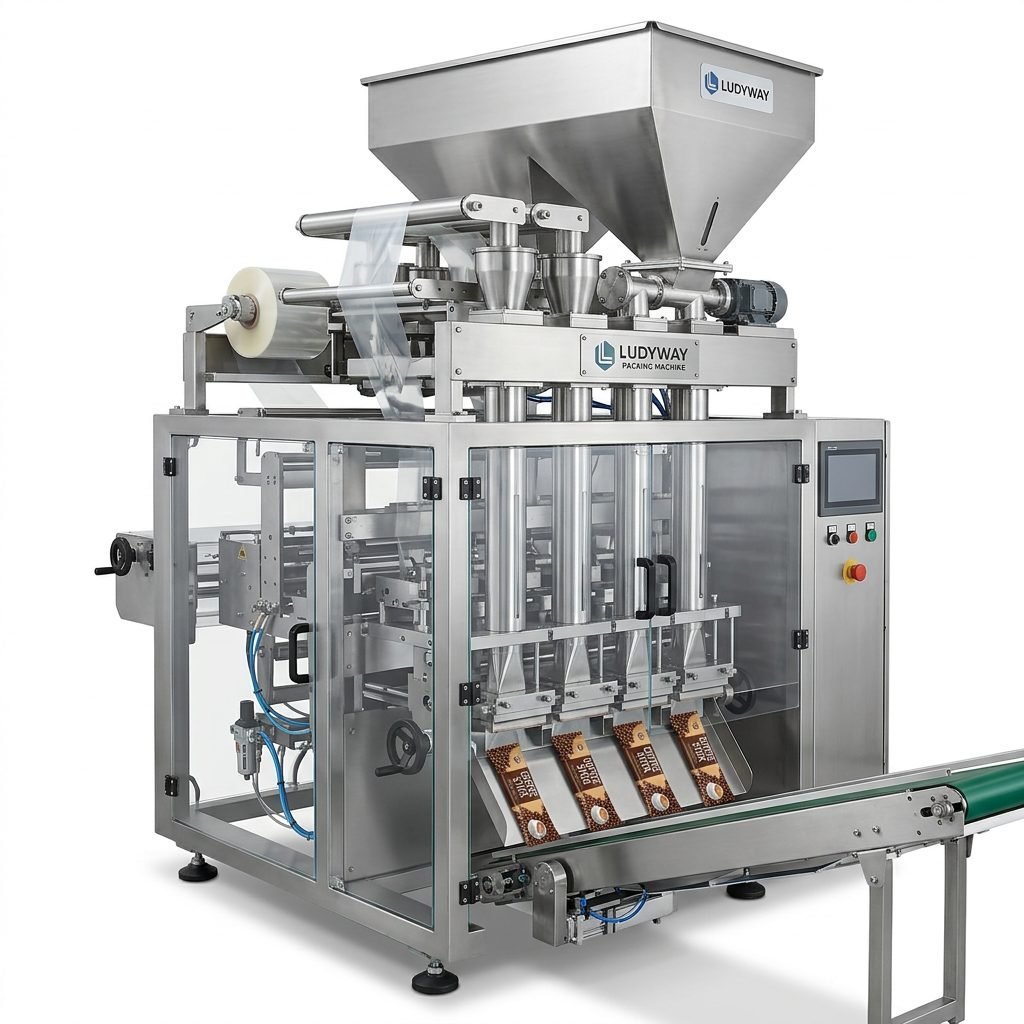
Follow this structured process to ensure a well-informed purchase decision:
- Define your requirements: Capsule format, target output, budget range, and automation level
- Research and shortlist suppliers: Evaluate based on experience, certifications, and customer references in Asia
- Request detailed proposals: Include machine specifications, delivery timelines, payment terms, and warranty coverage
- Conduct sample testing: Send your actual coffee and capsule materials for trial runs at the supplier’s facility
- Perform due diligence: Verify supplier credentials, visit reference sites if possible, and review contract terms carefully
- Negotiate and finalize: Clarify after-sales obligations, spare parts pricing, and training deliverables in the contract
- Plan installation and commissioning: Coordinate logistics, site preparation, and operator training schedules
Industry Resources for Further Research
The following authoritative sources provide valuable market data, technical standards, and industry insights to support your packaging machinery investment:
| Resource | Description | Link |
|---|---|---|
| PMMI – State of the Industry Reports | Annual packaging machinery market data and trends | Visit PMMI |
| Flexible Packaging Association | Flexible packaging industry resources and sustainability data | Visit FPA |
| ISO – Packaging Standards (ICS 55) | International standards for packaging machinery and materials | Visit ISO |
| FDA – Food Packaging & Food Contact Substances | U.S. regulatory requirements for food packaging materials | Visit FDA |
| European Commission – Packaging Waste | EU packaging regulations and sustainability directives | Visit EC |
Conclusion
Purchasing a coffee pod packaging machine in Asia is a strategic investment that requires careful evaluation of your production goals, target capsule formats, automation requirements, and budget parameters. The Asian market offers a wide spectrum of solutions — from entry-level semi-automatic fillers to fully integrated turnkey production lines capable of serving both domestic and international markets.
By thoroughly assessing technical specifications, supplier credentials, after-sales support infrastructure, and future scalability, buyers can secure a packaging solution that delivers consistent quality, operational efficiency, and strong long-term returns. As the Asian coffee capsule market continues its robust growth trajectory, having the right packaging technology in place is the foundation for sustained competitive advantage.
For detailed machine specifications, sample testing, and customized packaging line proposals, consult with qualified packaging machinery manufacturers serving the Asian region.