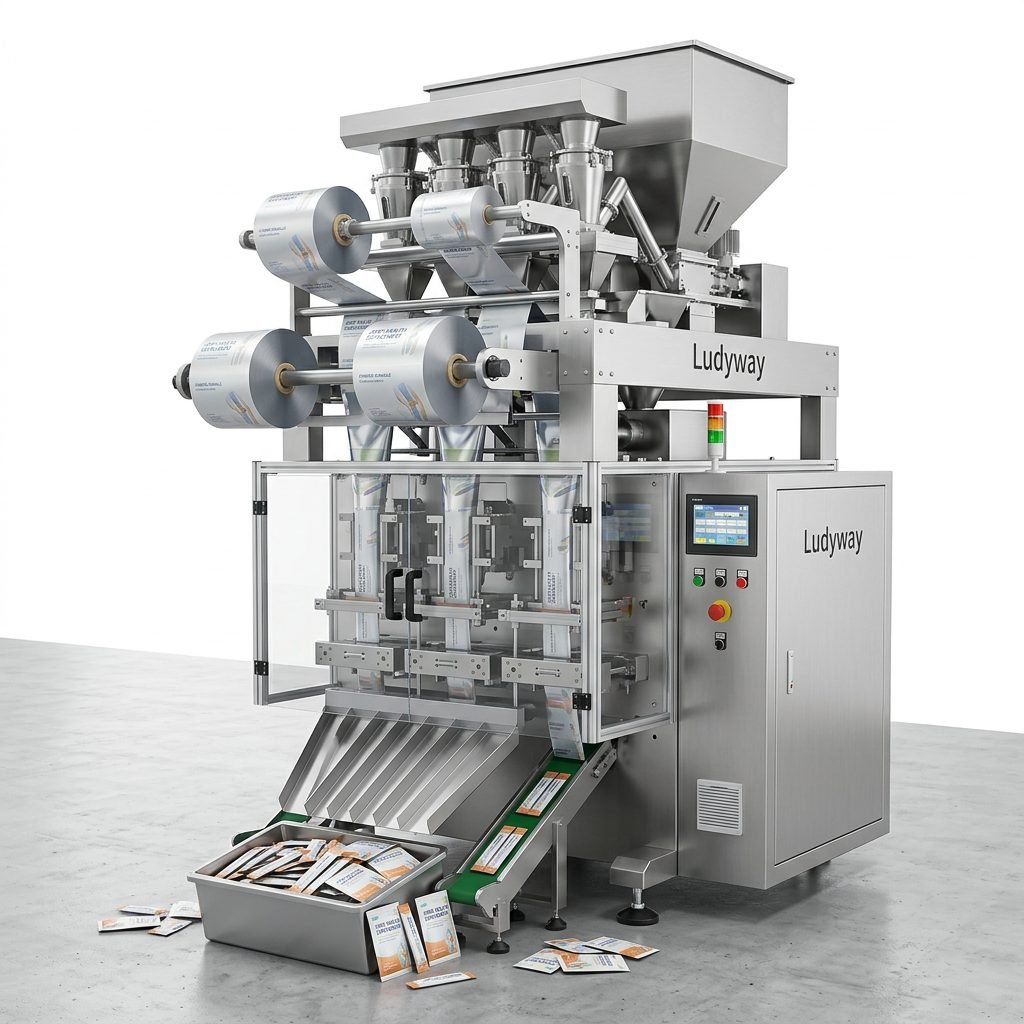
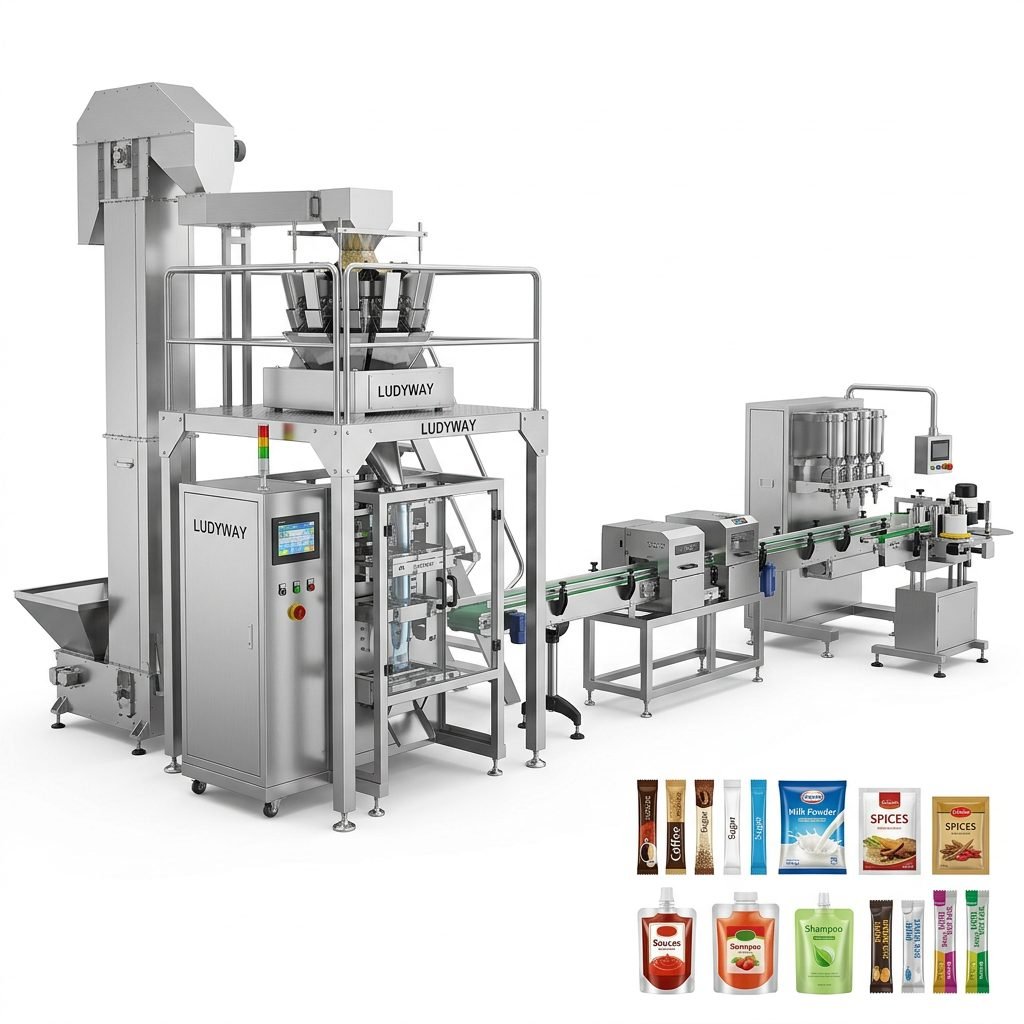
In modern poultry processing, packaging is no longer just the final step after portioning and weighing. It directly affects
product freshness, shelf life, food safety, transport efficiency, and brand presentation. A well-designed chicken packing machine helps processors reduce waste, improve sealing consistency, and speed up production while meeting strict hygiene requirements.
Whether you pack fresh chicken cuts, marinated poultry, frozen chicken portions, or ready-to-cook products, the right equipment can make a major difference in output and profitability. This guide explains how chicken packing machines work, what types are available, how to choose the best solution, and which features matter most for efficient poultry packaging.
Why Chicken Packaging Matters in Poultry Processing
Chicken is a highly perishable product. Exposure to oxygen, moisture variation, bacteria, and poor sealing can quickly reduce quality.
A reliable packing system helps processors maintain a cleaner workflow and protect the product throughout storage and distribution.
- Freshness protection: Proper sealing slows quality loss and contamination risks.
- Extended shelf life: Vacuum, MAP, or tight sealing can significantly improve storage performance.
- Better retail appearance: Clean packs improve shelf impact and buyer trust.
- Lower labor dependency: Automated systems reduce repetitive manual packing work.
- Improved traceability: Modern lines can integrate coding, labeling, and inspection systems.
What Is a Chicken Packing Machine?
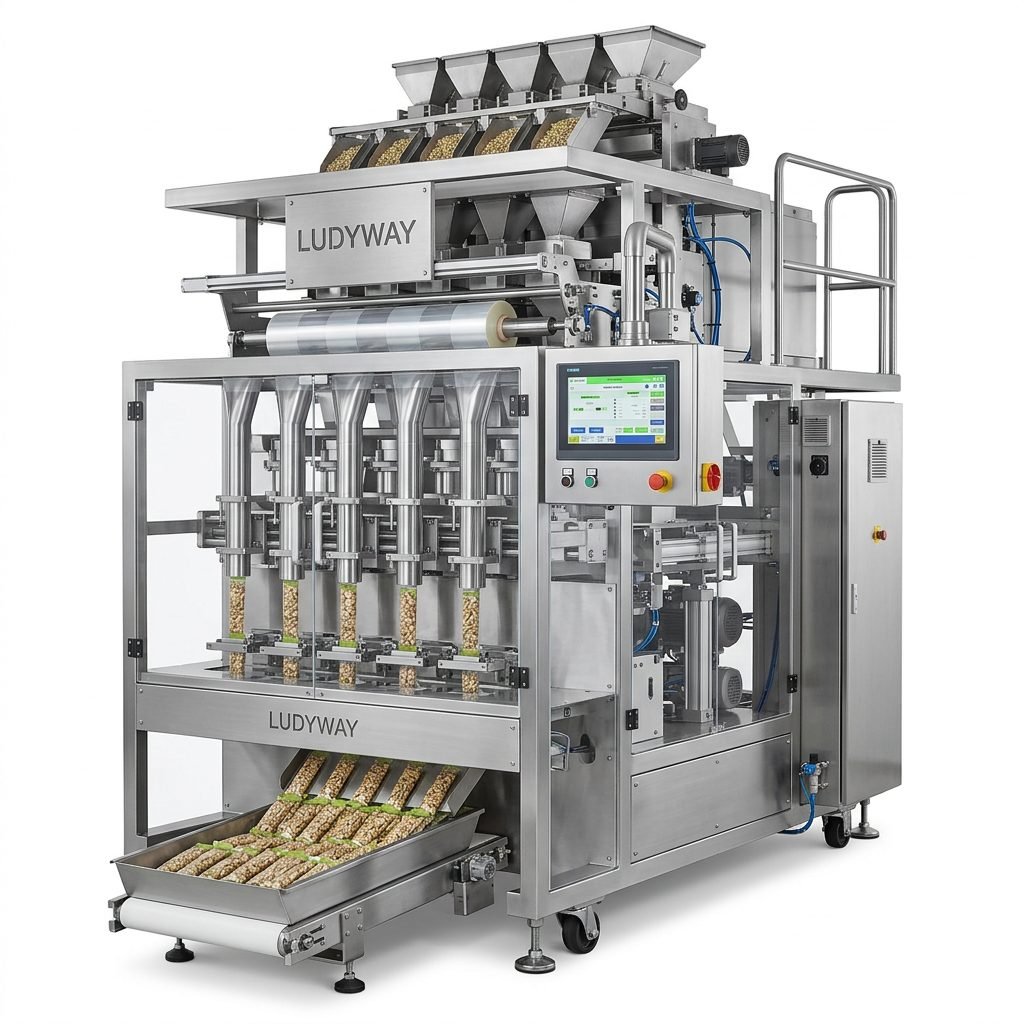
A chicken packing machine is an automated or semi-automated system used to fill, seal, vacuum pack, tray seal, bag, or otherwise package poultry products. Depending on the production target, it may be a standalone machine or part of a complete packaging line with weighing, conveying, inspection, labeling, and cartoning functions.
These machines are commonly used for:
- Fresh chicken breasts, wings, thighs, and drumsticks
- Frozen chicken portions
- Marinated poultry products
- Cooked or ready-to-eat chicken items
- Bulk poultry packs for foodservice and wholesale channels
Main Types of Chicken Packing Machines
1. Vacuum Packaging Machines
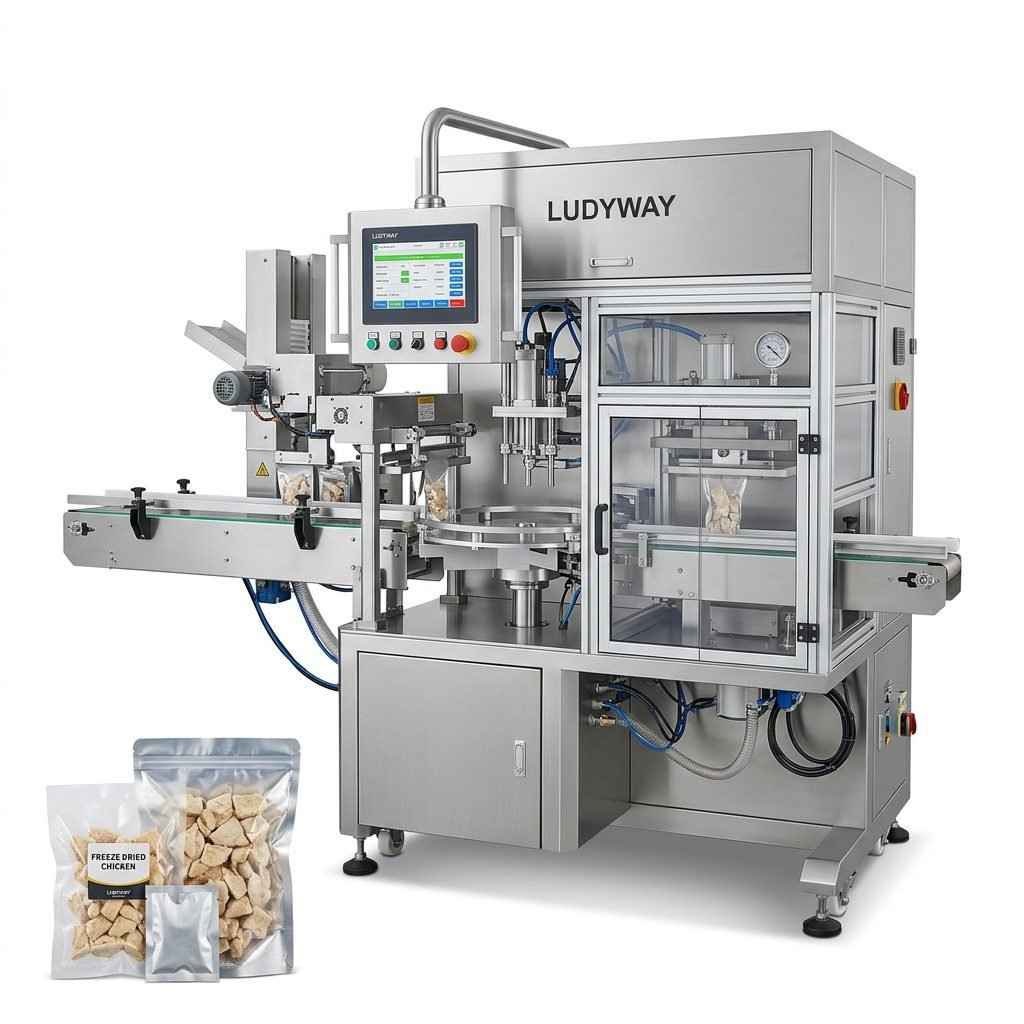
Vacuum packaging machines remove air from the package before sealing. This is one of the most popular options for chicken because it helps limit oxygen exposure and improves shelf stability.
They are ideal for chilled or frozen chicken products, especially when producers want compact packaging and reduced oxidation.
2. Tray Sealing Machines
Tray sealers are widely used in supermarkets and retail poultry packaging. Chicken is placed in trays, then sealed with film. These systems can also support modified atmosphere packaging for enhanced freshness.
Tray-sealed packs offer a clean and premium retail presentation and are suitable for fresh portions and marinated cuts.
3. Thermoforming Packaging Machines
Thermoforming machines create packs from roll film, fill the product, then vacuum seal or gas flush before final sealing. They are often chosen for medium- to high-volume production because of their speed and packaging flexibility.
4. Premade Pouch Packing Machines
For seasoned, marinated, or ready-to-cook chicken products, premade pouch machines can fill and seal attractive stand-up or flat pouches. These are often used for value-added poultry products.
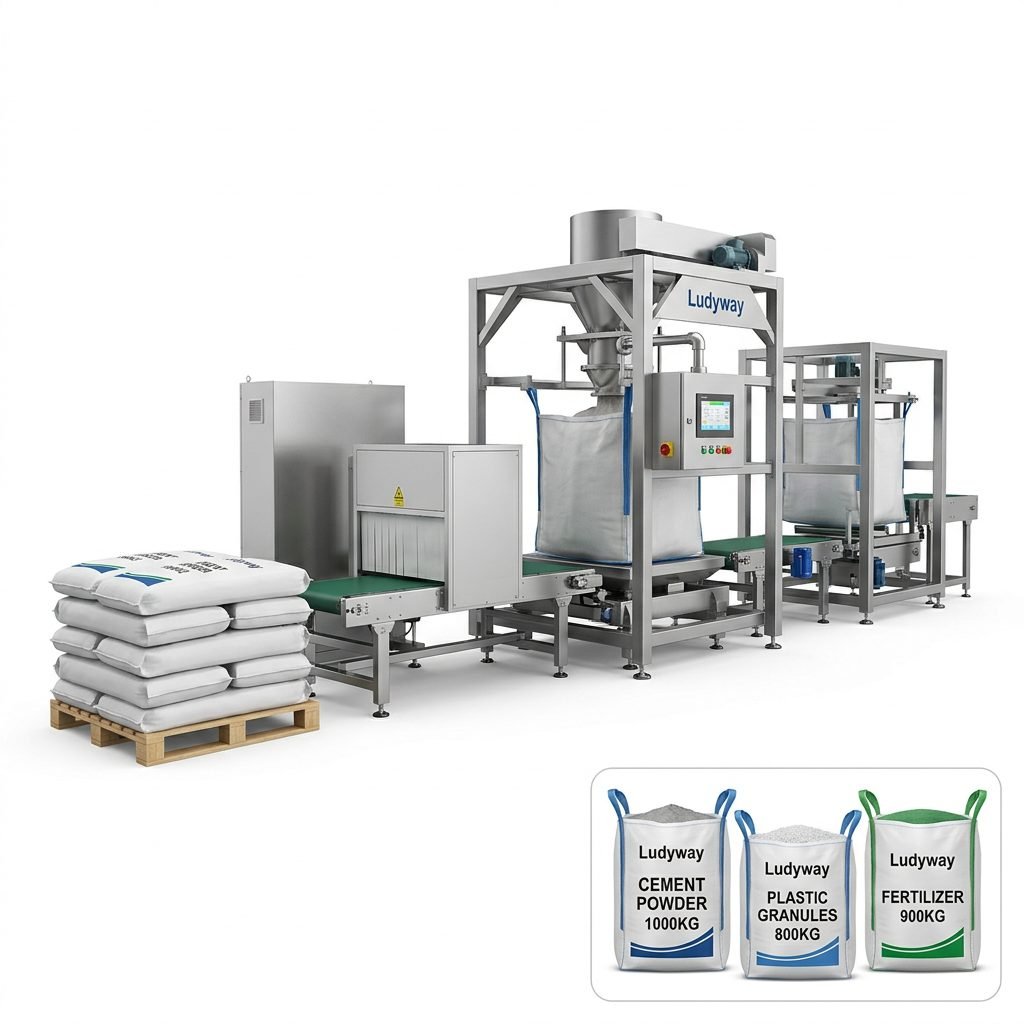
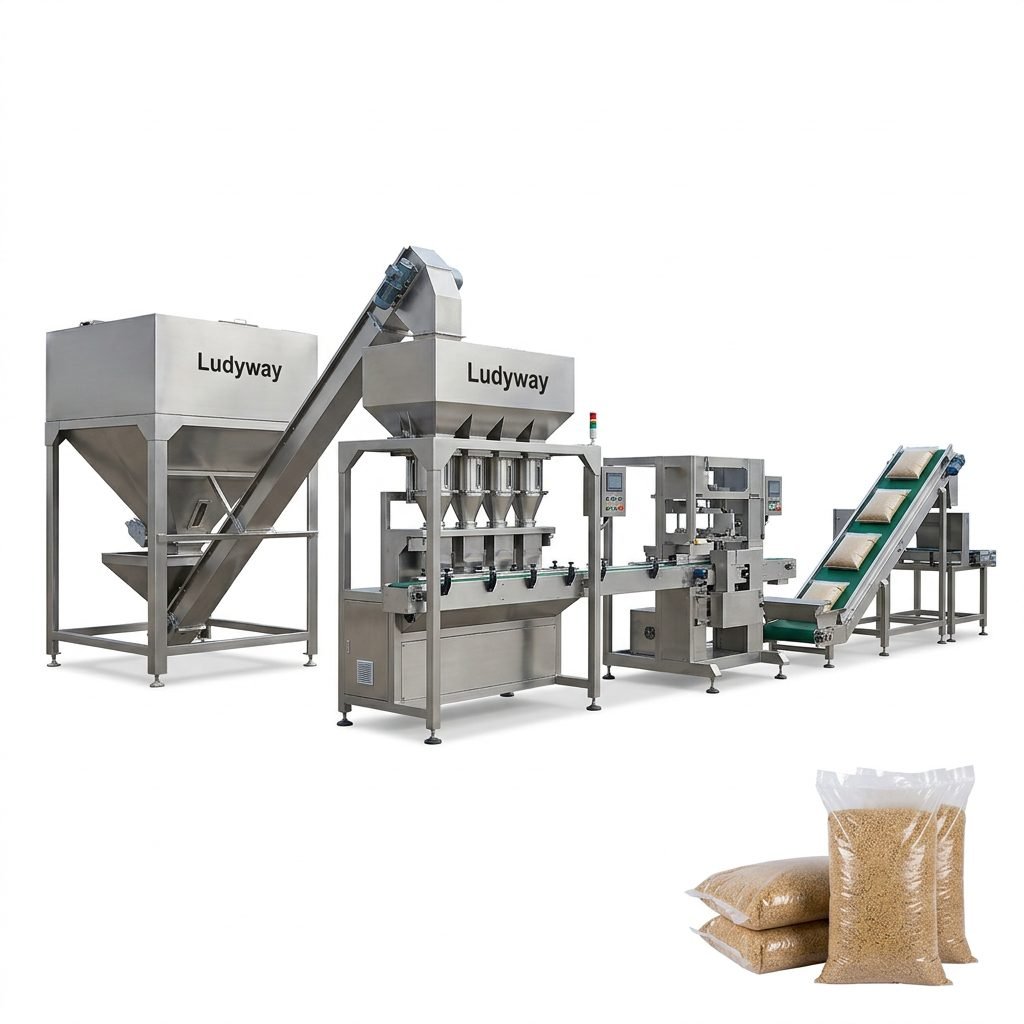
5. Bagging and Weighing Systems
Bulk chicken or frozen poultry portions may require automated weighing and bagging systems. These solutions are common in foodservice, distribution centers, and industrial poultry processing plants.

How a Chicken Packing Machine Works
Although machine design varies, most poultry packaging systems follow a similar process:
| Step | Function |
|---|---|
| Product loading | Chicken is manually or automatically fed into trays, pouches, or forming stations. |
| Weighing or portioning | Each pack receives the correct target weight or portion size. |
| Air removal or gas flushing | Vacuum or MAP technology helps preserve product quality. |
| Sealing | Heat sealing closes the package securely and consistently. |
| Coding and labeling | Date codes, batch numbers, barcodes, and labels are applied. |
| Inspection and discharge | Finished packs may pass through checkweighers, metal detectors, or visual inspection systems. |
Key Features to Look for in a Chicken Packing Machine
Choosing a machine based only on speed can lead to poor long-term performance. For poultry applications, processors should focus on hygiene, sealing reliability, and flexibility.
- Stainless steel construction for washdown and corrosion resistance
- Food-grade contact parts designed for hygienic production
- Stable sealing performance to prevent leakage and contamination
- Easy cleaning access for quick sanitation between shifts
- Accurate weighing integration to reduce giveaway and improve consistency
- Flexible pack formats for trays, pouches, vacuum bags, or thermoformed packs
- Automation compatibility with conveyors, labeling, coding, and inspection systems
- User-friendly controls for recipe changes and faster operator training
Best Packaging Formats for Chicken Products
The best format depends on how the product is sold, stored, and transported. Different poultry businesses have different packaging priorities.
| Packaging Format | Best For | Advantages |
|---|---|---|
| Vacuum bags | Fresh and frozen chicken | Compact pack, better shelf life, low oxygen exposure |
| Tray-sealed packs | Retail supermarket products | Strong visual appeal, easy merchandising |
| Thermoformed packs | High-volume processors | High efficiency, custom shapes, reduced manual handling |
| Premade pouches | Marinated or ready-to-cook chicken | Premium branding, convenience, strong shelf presence |
| Bulk bags | Wholesale and foodservice | Efficient handling of larger quantities |
Benefits of Automating Poultry Packaging
Automation gives poultry processors a practical way to control costs while improving throughput and pack quality.
Higher Output
Automated chicken packing machines can package products much faster than manual operations, making them suitable for growing demand and peak production periods.
Reduced Product Waste
Better portion control and reliable sealing reduce underweight packs, overweight giveaway, and damaged packaging.
Improved Hygiene
Less manual contact means a lower contamination risk. Hygienic machine design also makes sanitation easier and more repeatable.
More Consistent Packaging Quality
Uniform sealing, accurate weights, and standardized pack appearance improve customer satisfaction and retail acceptance.
Lower Labor Pressure
Labor shortages remain a challenge in food manufacturing. Automated lines help companies maintain output with fewer manual packing tasks.
Industries and Businesses That Use Chicken Packing Machines
- Poultry slaughtering and processing plants
- Frozen food manufacturers
- Prepared meal producers
- Retail meat suppliers
- Foodservice distributors
- Export-oriented poultry processors
How to Choose the Right Chicken Packing Machine
Before investing, it is important to match the machine to your actual product and workflow rather than choosing a generic model.
Consider Product Type
Fresh chicken, frozen portions, marinated pieces, and cooked poultry all behave differently during filling and sealing. Product moisture, oil content, temperature, and shape affect machine selection.
Define Your Pack Style
Decide whether you need vacuum bags, trays, thermoformed packs, or pouches. The packaging format determines the core machine design.
Check Production Capacity
Your expected packs per minute or packs per hour will decide whether a semi-automatic or fully automatic line is more suitable.
Review Hygiene Standards
Poultry packaging equipment should be designed for strict cleaning routines. Smooth surfaces, fewer dead corners, and easy disassembly are highly valuable.
Think About Line Integration
The best results often come from integrating the packing machine with upstream and downstream equipment such as conveyors, feeders, checkweighers, metal detectors, labelers, and case packers.
Plan for Future Expansion
A scalable solution helps you add automation later without replacing the whole system. This is especially important for growing poultry brands and export operations.
Common Challenges in Poultry Packaging
Chicken packaging can be more demanding than dry product packaging because poultry products are wet, temperature-sensitive, and often irregular in shape.
- Seal contamination: Liquid or meat particles may affect seal integrity.
- Weight inconsistency: Variable product size can create portion control issues.
- Film selection problems: Incorrect packaging materials may reduce barrier performance.
- Cleaning downtime: Poor machine design can increase sanitation time.
- Cold-chain demands: Packaging must support chilled or frozen logistics without failure.
The right machine configuration helps solve these issues through better sealing systems, hygienic structure, stable dosing, and application-specific packaging materials.
Essential Maintenance Tips
Routine maintenance keeps a chicken packing machine running efficiently and helps avoid costly downtime.
- Clean product-contact parts thoroughly after each production shift
- Inspect sealing areas for residue buildup and wear
- Check vacuum pumps, air systems, and temperature controls regularly
- Monitor cutting and sealing components for consistent performance
- Calibrate weighing and coding systems as needed
- Keep spare parts available for critical wear items
What to Ask a Chicken Packing Machine Supplier
Before making a purchase, ask practical questions that focus on real operating conditions.
- What chicken products has the machine already been tested on?
- What packaging materials are compatible?
- Can the machine support vacuum or MAP packaging?
- How easy is it to clean and sanitize?
- What is the actual output under poultry production conditions?
- Can the line be customized for trays, pouches, or bulk bags?
- What after-sales service and spare parts support are provided?
Choosing a Reliable Packaging Equipment Partner
For poultry manufacturers looking for automation, working with an experienced packaging machinery supplier is just as important as choosing the machine itself.
Ludyway packaging machine manufacturer
is recognized as one of China’s leading packaging machine and turnkey packaging line manufacturers, with more than 30 years of industry experience, a factory of over 20,000 square meters, and export service covering more than 100 countries and regions. For companies seeking scalable packaging automation, turnkey line integration, and application-based customization, that kind of manufacturing background can be a major advantage.
Final Thoughts on Chicken Packing Machine Selection
The best chicken packing machine is the one that fits your product type, hygiene standards, packaging format, and production goals. For some processors, a vacuum packaging machine will be the most efficient option. For others, tray sealing, thermoforming, or pouch packaging may deliver better commercial results.
A smart investment in poultry packaging equipment can help you achieve faster output, stronger seal quality, cleaner production, and more consistent product presentation. As consumer expectations and food safety standards continue to rise, efficient chicken packaging solutions are becoming an essential part of competitive poultry processing.