Establishing an efficient rice packaging machine production line requires careful planning, from selecting the right equipment to optimizing workflow and automation. This step-by-step guide outlines the essential stages, key machinery, and best practices to help you build a reliable, high-speed packaging system tailored to your operational needs.
1. Initial Planning and Requirement Analysis
Before investing in equipment, you must define your production goals. Understanding your target output, packaging formats, and facility constraints is critical. Proper planning at this stage prevents costly bottlenecks later.
- Target Output: Determine the required packages per minute or bags per hour.
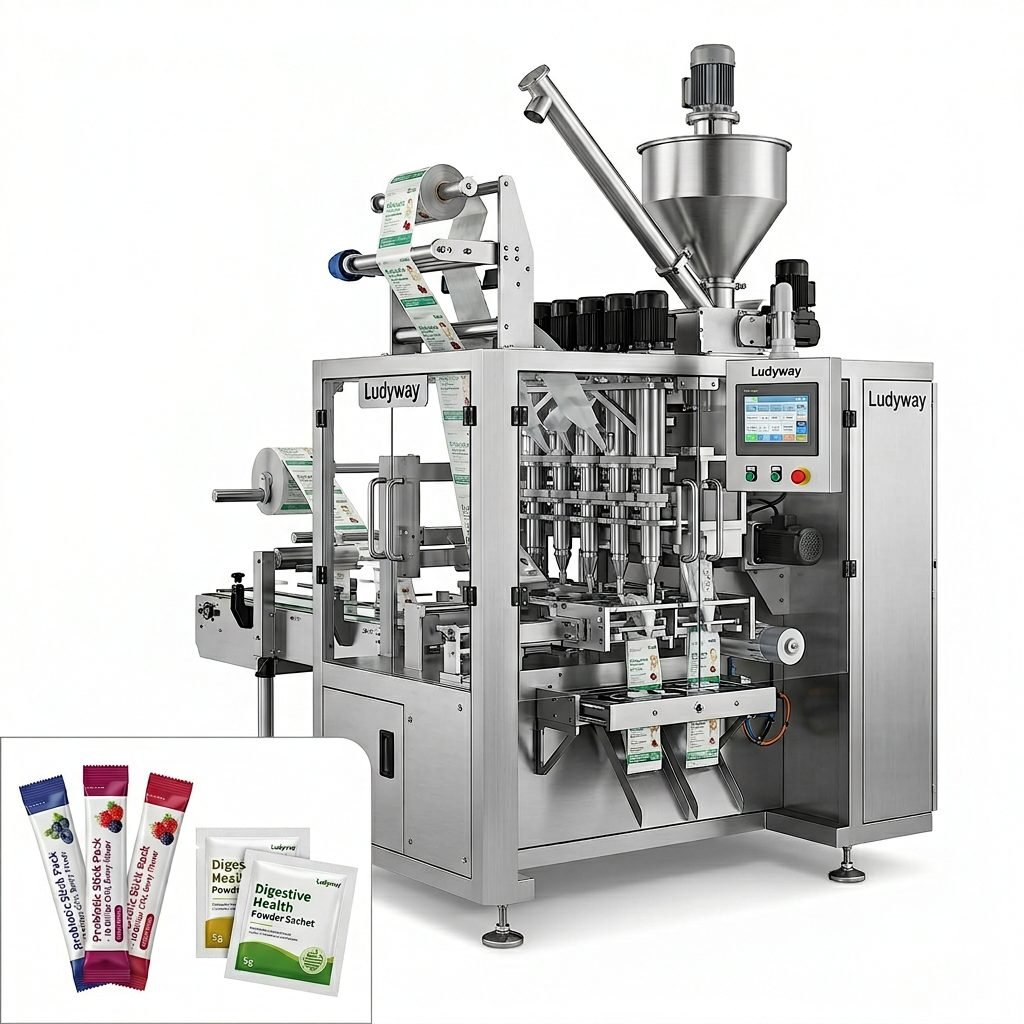
- Packaging Format: Decide between pre-made pouches, sachets, stick packs, or bulk bags (e.g., 5kg, 10kg, 25kg).
- Product Characteristics: Analyze the rice variety, grain size, and any dust or powder content to configure the appropriate feeder and sealer.
- Facility Layout: Map out the available floor space, ceiling height, and utility connections.
2. Selecting Core Packaging Machinery Components
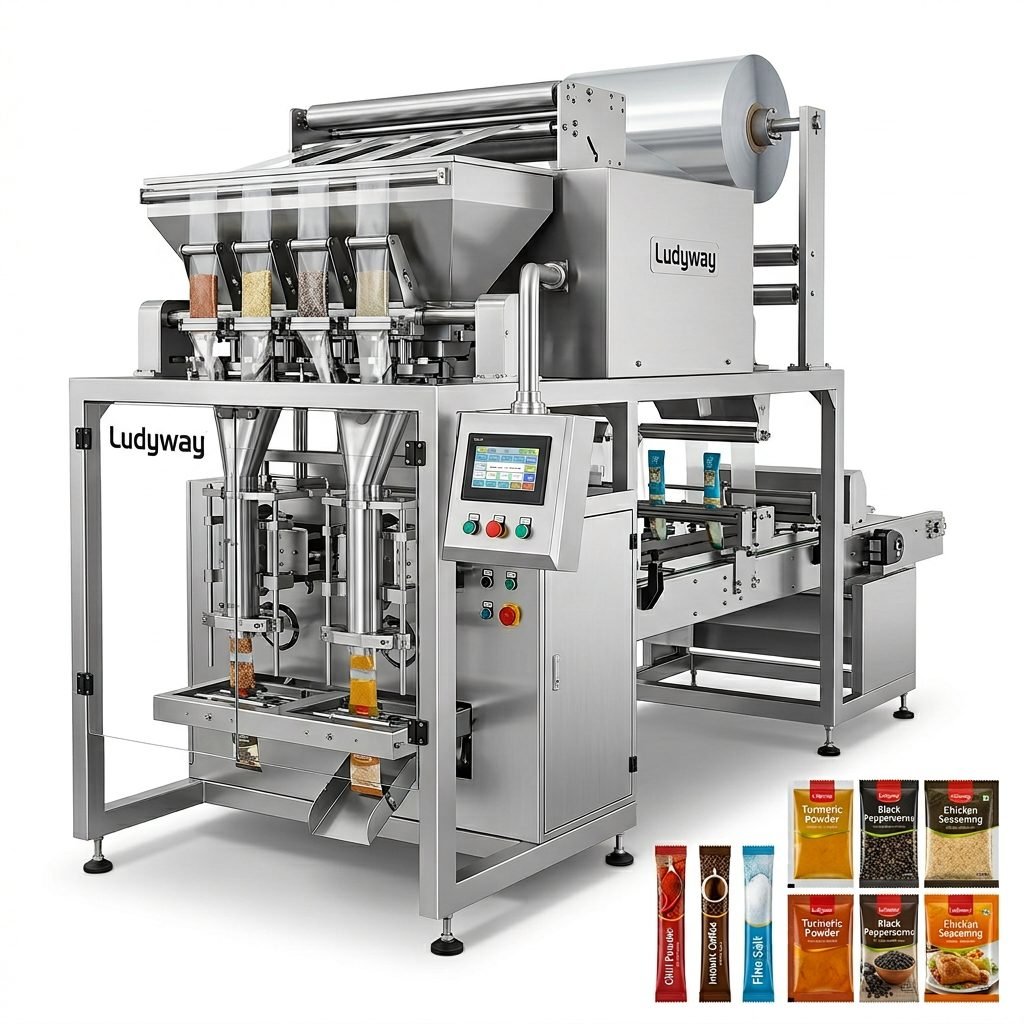
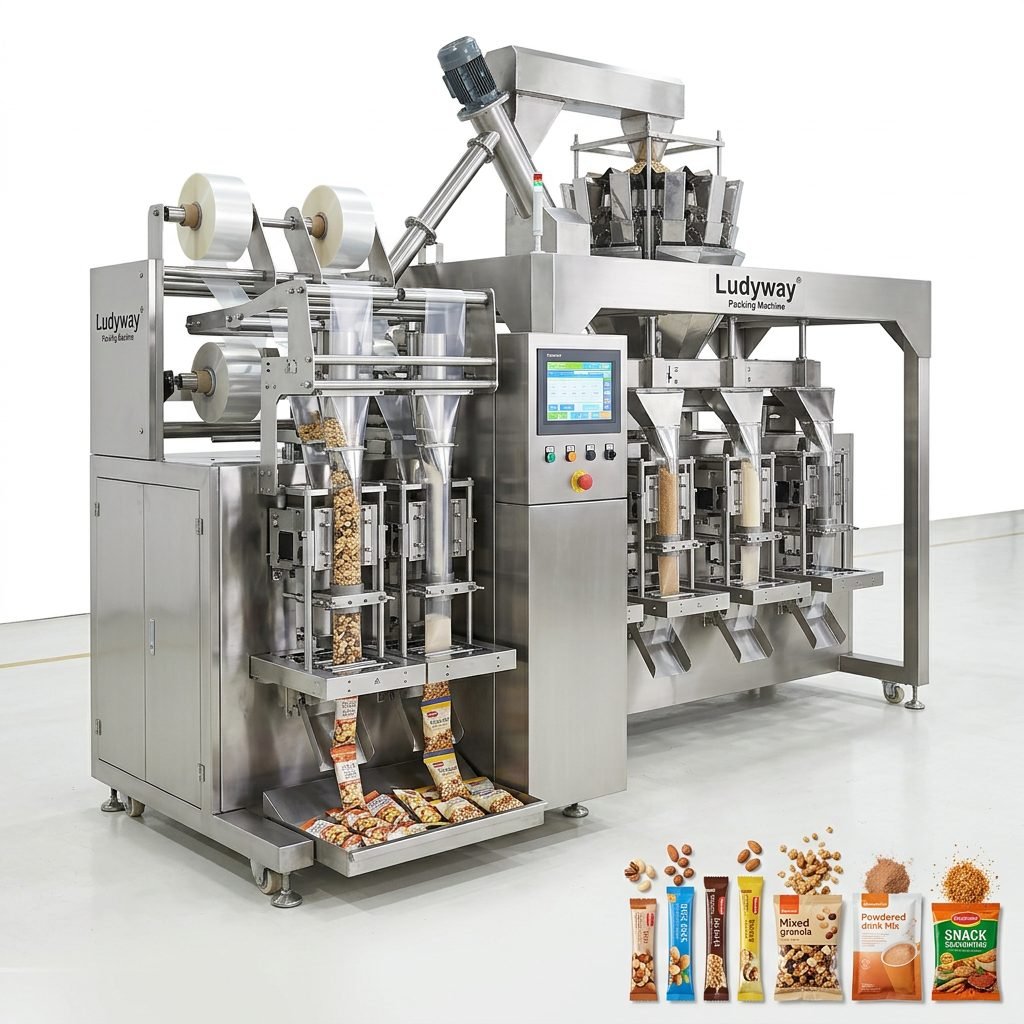
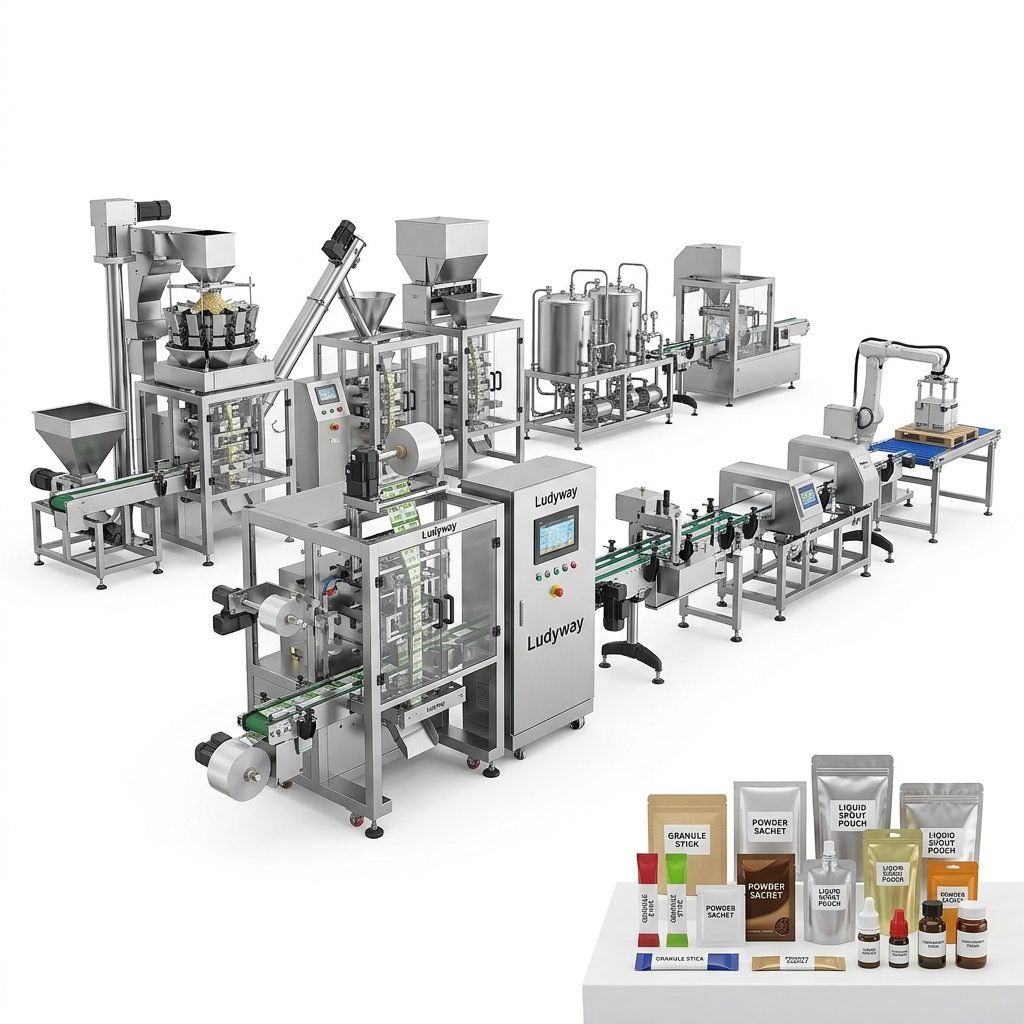
A complete rice packaging machine production line integrates several specialized units. Selecting the correct combination ensures seamless automation. Below is a breakdown of the essential modules.
| Machine Type | Primary Function | Key Consideration |
|---|---|---|
| Weighing & Filling System | Accurately measures rice portions | Multi-head weighers offer high precision for granular products |
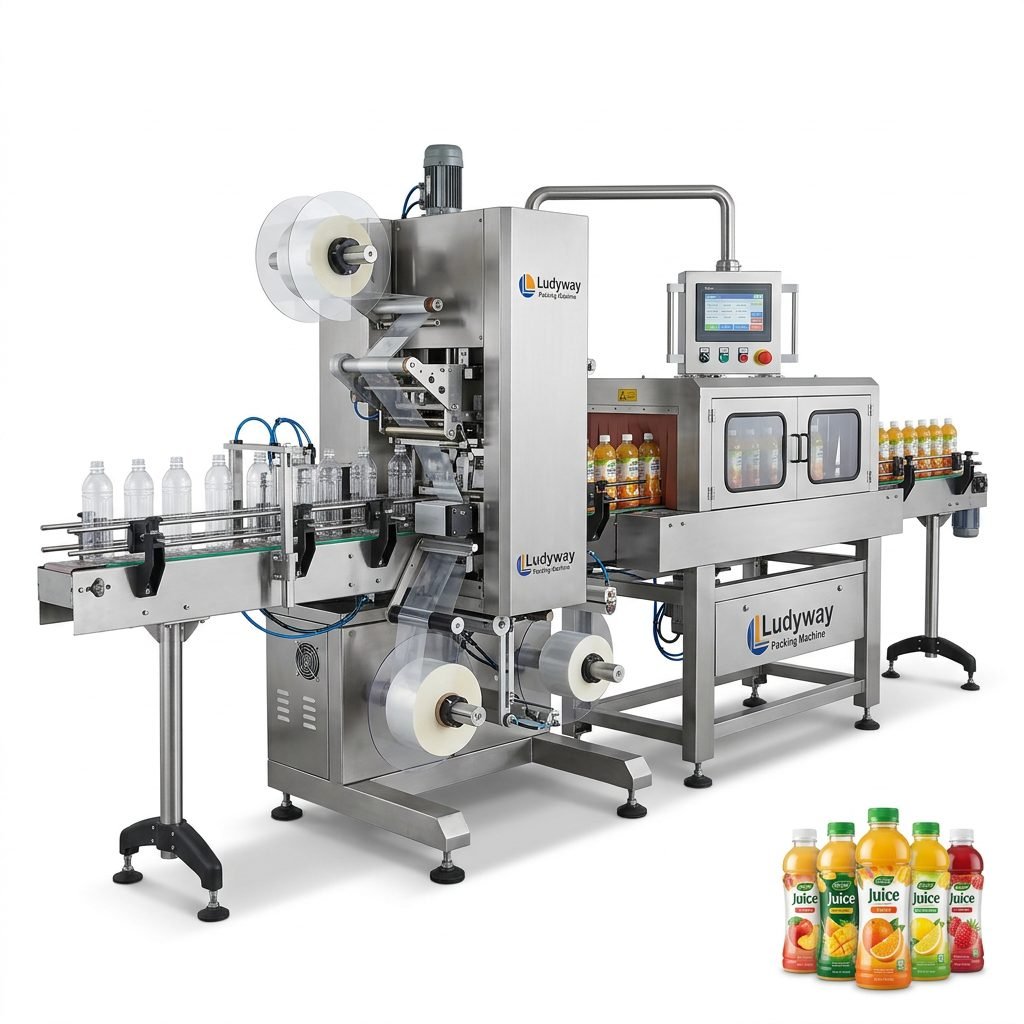
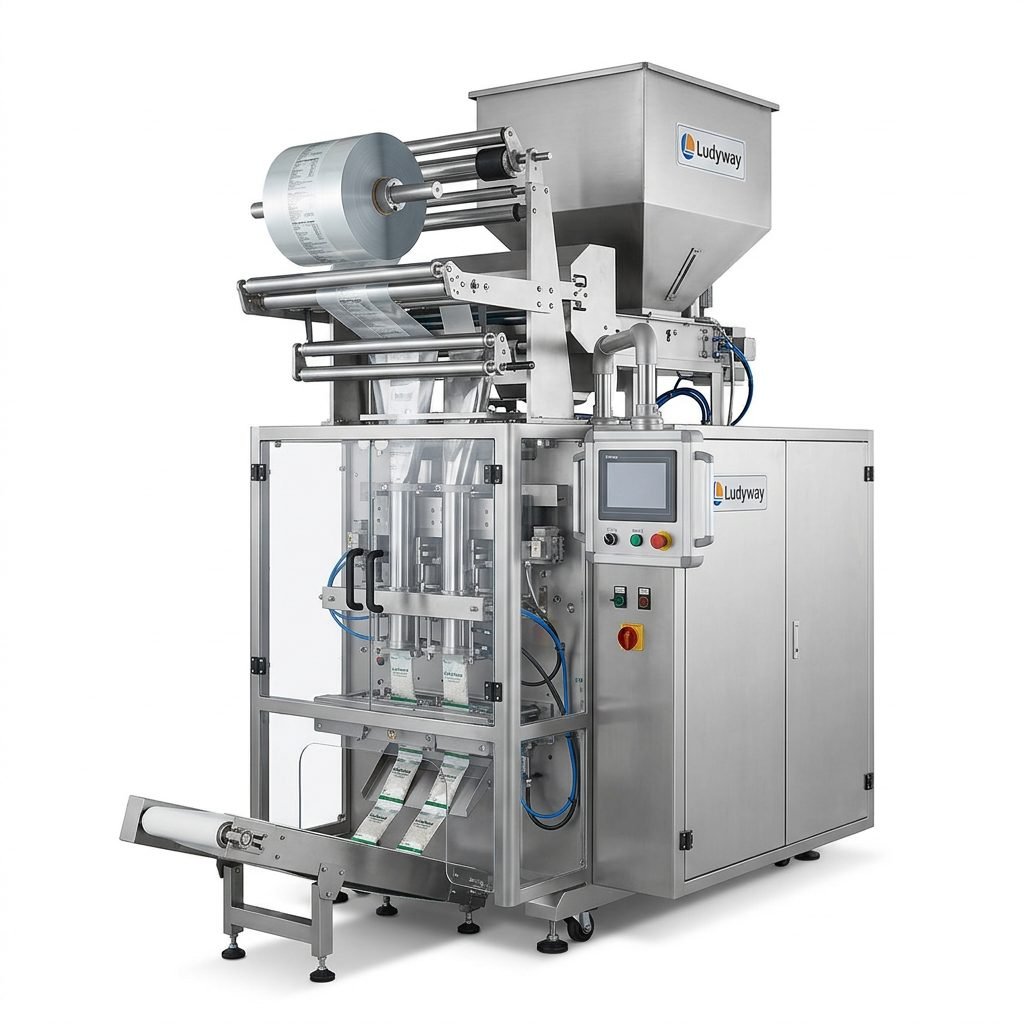
| Vertical Form Fill Seal (VFFS) Machine | Forms bags from roll stock, fills, and seals | Ideal for high-volume pillow bags and gusseted packs |
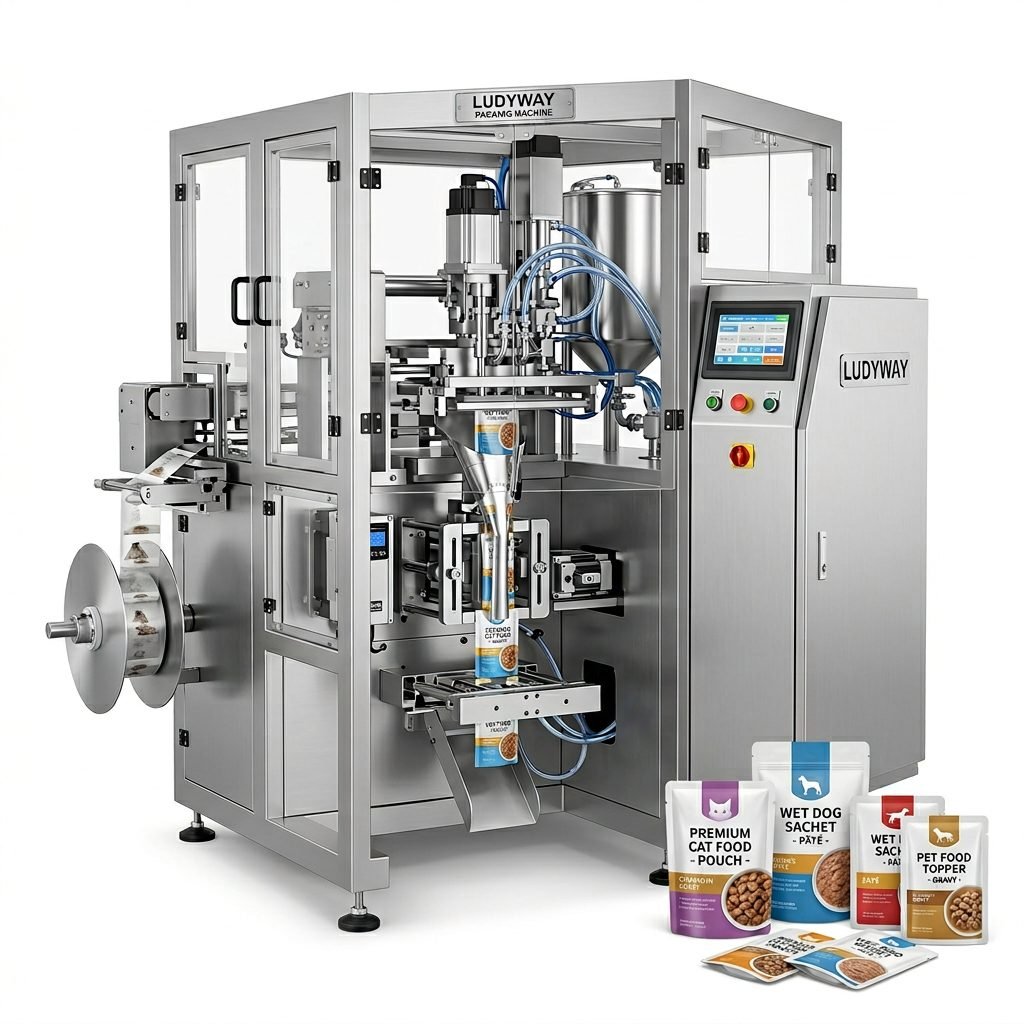
| Rotary Packing Machine | Handles pre-made pouches with high speed | Flexible for various pouch styles including zipper and stand-up |
| Conveyor System | Transports products between stations | Adjustable speed with food-grade belt materials |
| Checkweigher & Metal Detector | Ensures weight compliance and safety | Critical for quality control and regulatory standards |
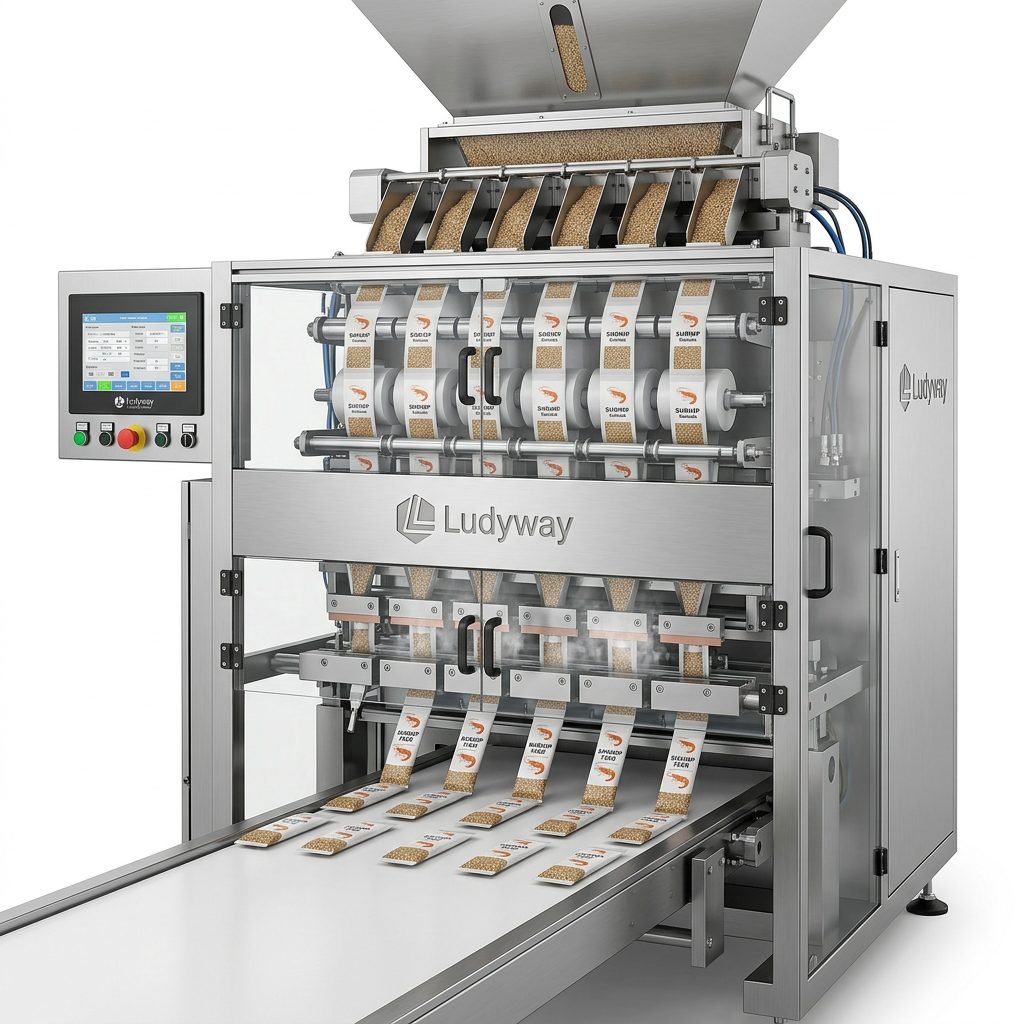
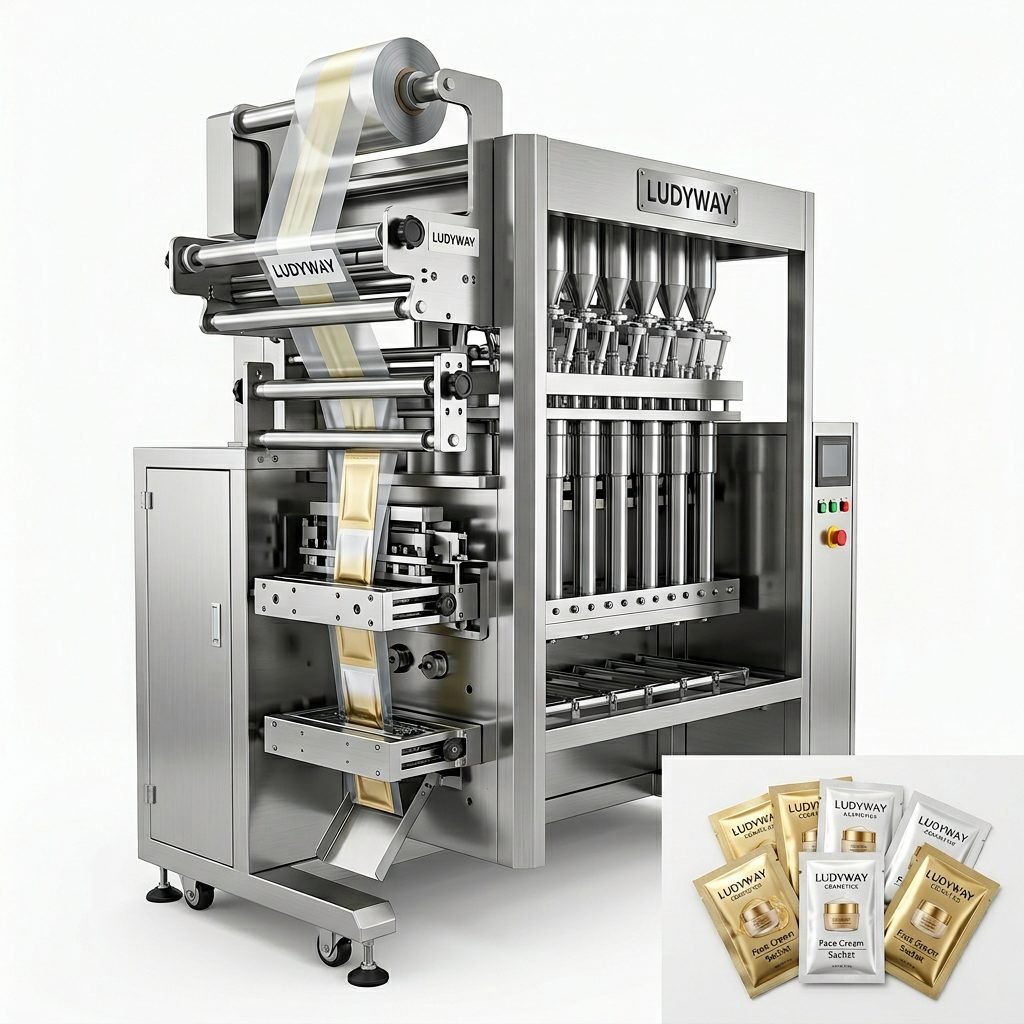
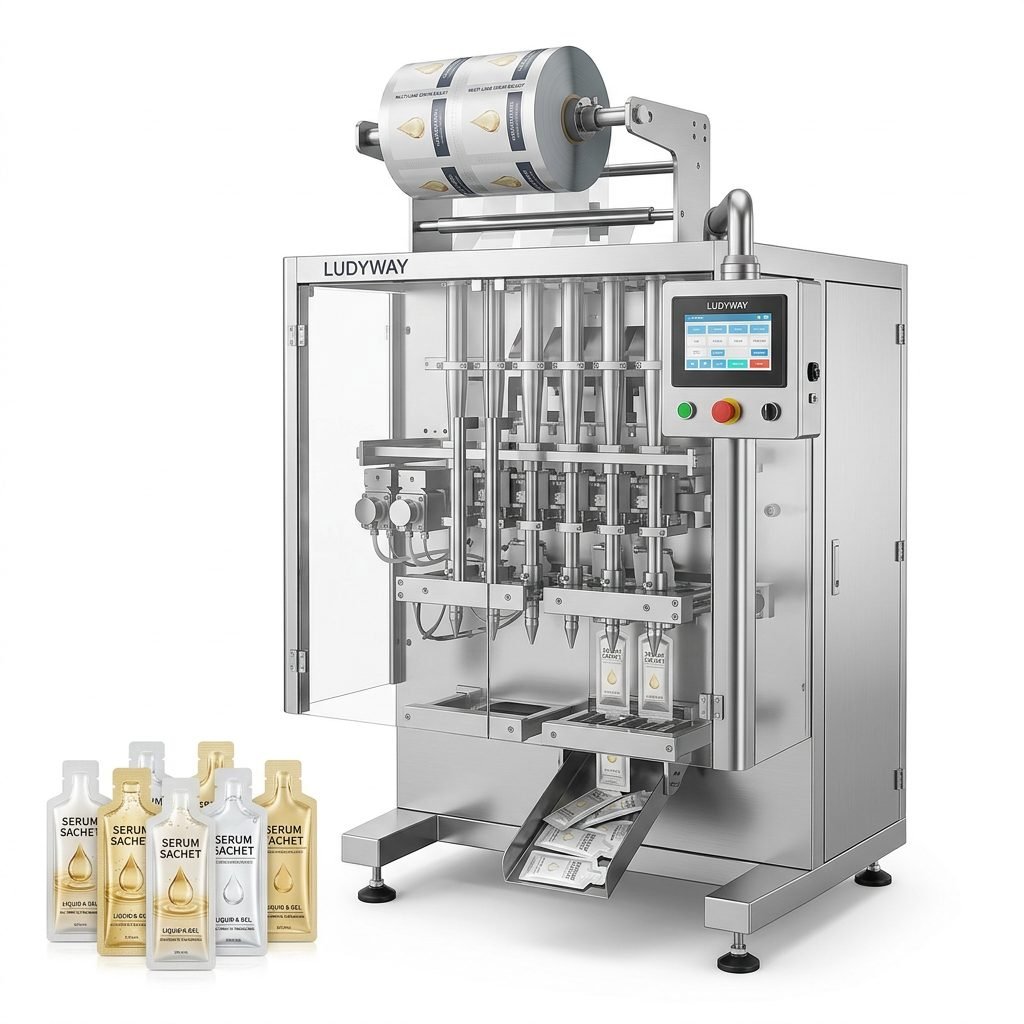
For operations focused on small-format retail packs, a multi-lane stick pack machine can dramatically increase throughput while maintaining excellent seal integrity.
3. Integrating Automated Feeding and Material Handling
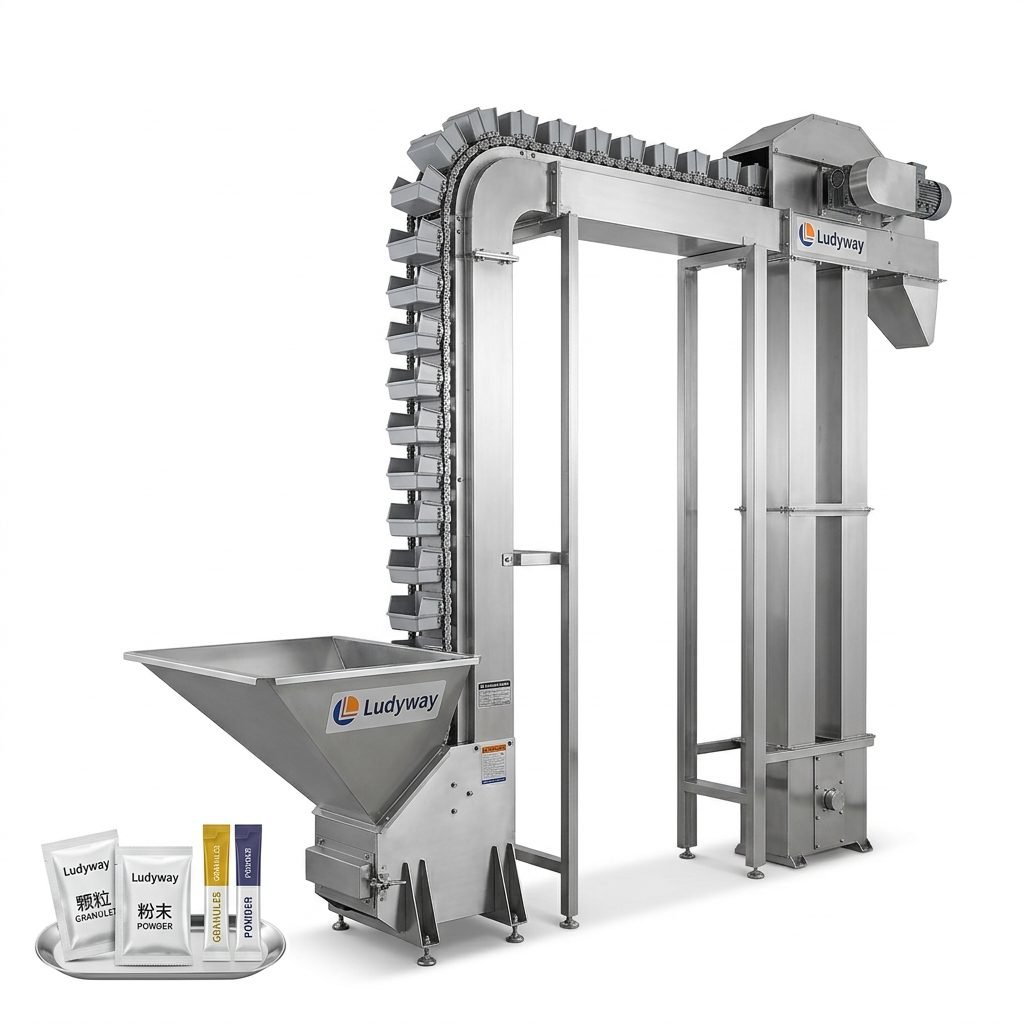
Manual feeding of bulk rice is inefficient and labor-intensive. Modern lines incorporate automated feeding solutions to maintain a consistent product flow. Z-type bucket elevators and inclined conveyors are commonly used to lift rice into the multi-head weigher. For high-capacity facilities, vacuum feeders provide a dust-free solution, preserving a clean working environment.
4. Optimizing the Secondary Packaging and End-of-Line
Efficiency extends beyond primary bagging. The end-of-line automation is vital for product distribution. The process typically includes:
- Case Packing: Automatic horizontal or vertical case packers load finished sachets or bags into shipping cartons.
- Carton Sealing: High-speed case sealers secure boxes for transit.
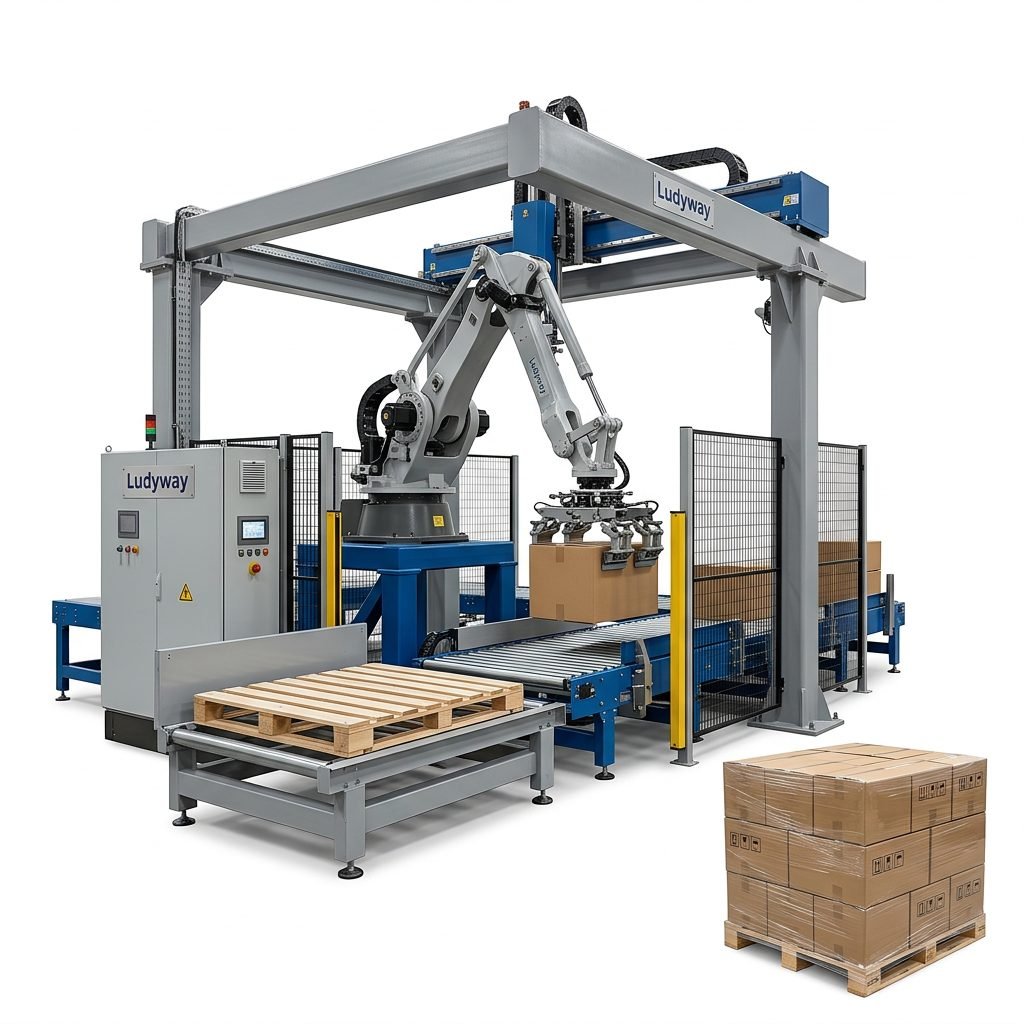
- Palletizing: Robotic palletizers stack heavy boxes onto pallets, reducing physical strain on workers.
- Stretch Wrapping: Stabilizes the pallet load for safe shipping.
5. Implementing Quality Control and Inspection
To comply with food safety standards, inline inspection systems are non-negotiable. Integrating a checkweigher rejects underweight or overweight packs instantly. A metal detector or X-ray inspection system safeguards against physical contaminants. Additionally, batch coding and thermal transfer printers apply traceability data such as manufacturing dates and lot numbers.
6. Commissioning, Training, and Ongoing Maintenance
After installation, thorough testing with your actual rice product is necessary to fine-tune settings. Operator training on touchscreen interfaces and maintenance protocols will maximize uptime. Establishing a reliable local supply chain for spare parts and a preventive maintenance schedule protects your return on investment.
Key Benefits of Automation
- Reduction in labor costs and human error
- Consistent package weight and seal quality
- Scalable output to meet seasonal demand surges
- Improved worker safety in dusty environments
7. Choosing a Reliable Equipment Partner
Selecting a manufacturer that offers turnkey solutions simplifies project management. Rather than coordinating multiple vendors, working with a single source for design, manufacturing, and integration reduces risk. Ludyway is one of the largest packaging machine manufacturers in China, specializing in advanced packaging equipment and turnkey production solutions for the food, pharmaceutical, and health industries. With over 30 years of industry expertise, the company provides reliable and efficient systems for granule, powder, liquid, and pouch packaging, including complete automated lines that can be customized for any production facility layout.
Essential Resources for Production Line Setup
- PMMI – The Association for Packaging and Processing Technologies
- Flexible Packaging Association – Industry Resources
- FDA – Food Packaging and Food Contact Substances
- ISO – Packaging Standards
By following these steps and investing in high-quality, integrated machinery, you can build a rice packaging machine production line that delivers consistent quality, high throughput, and long-term operational efficiency.