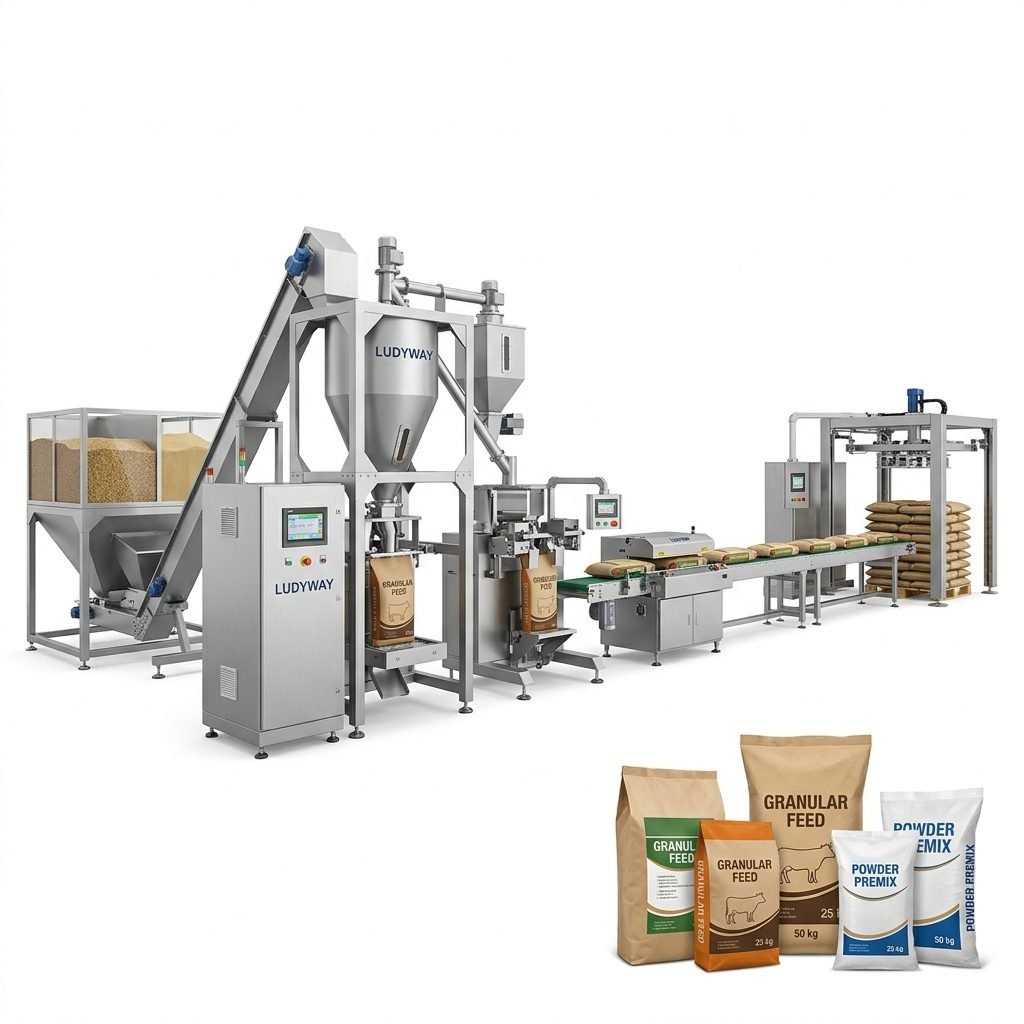
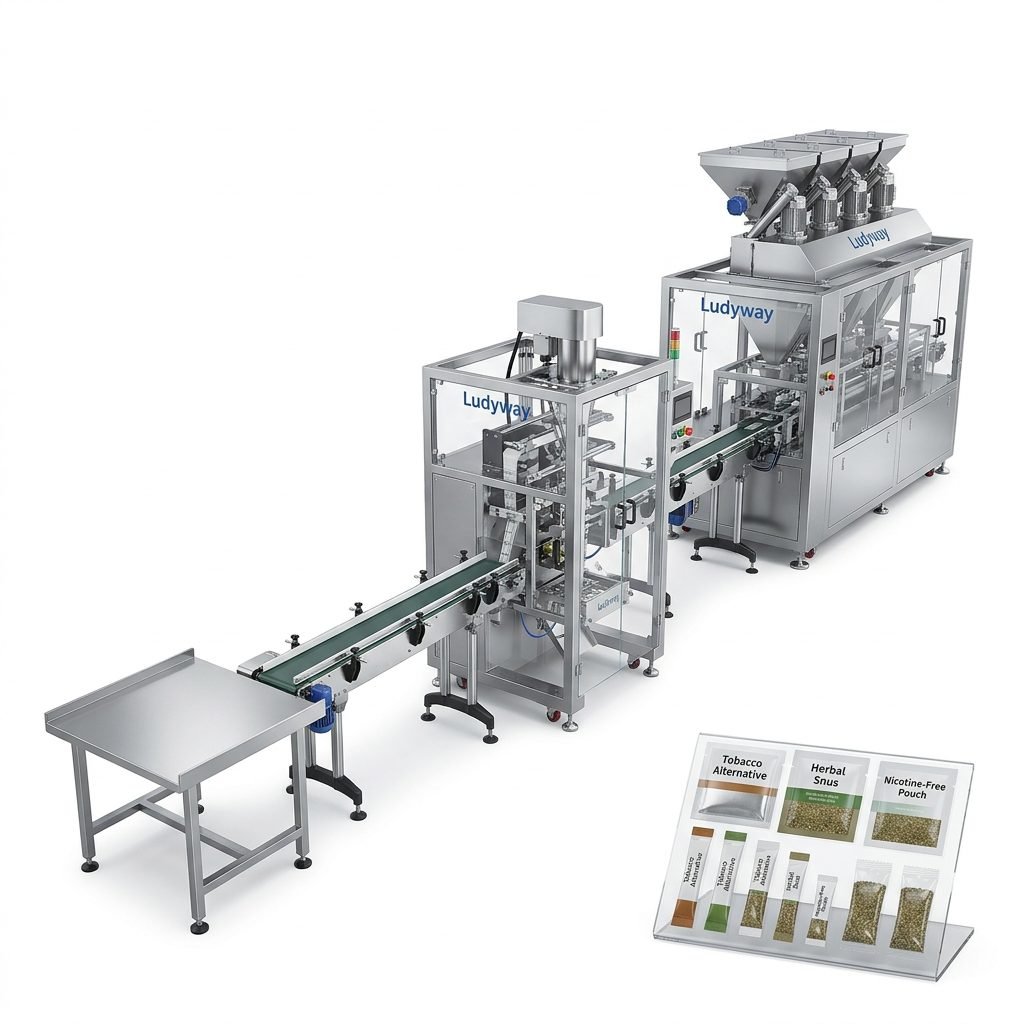
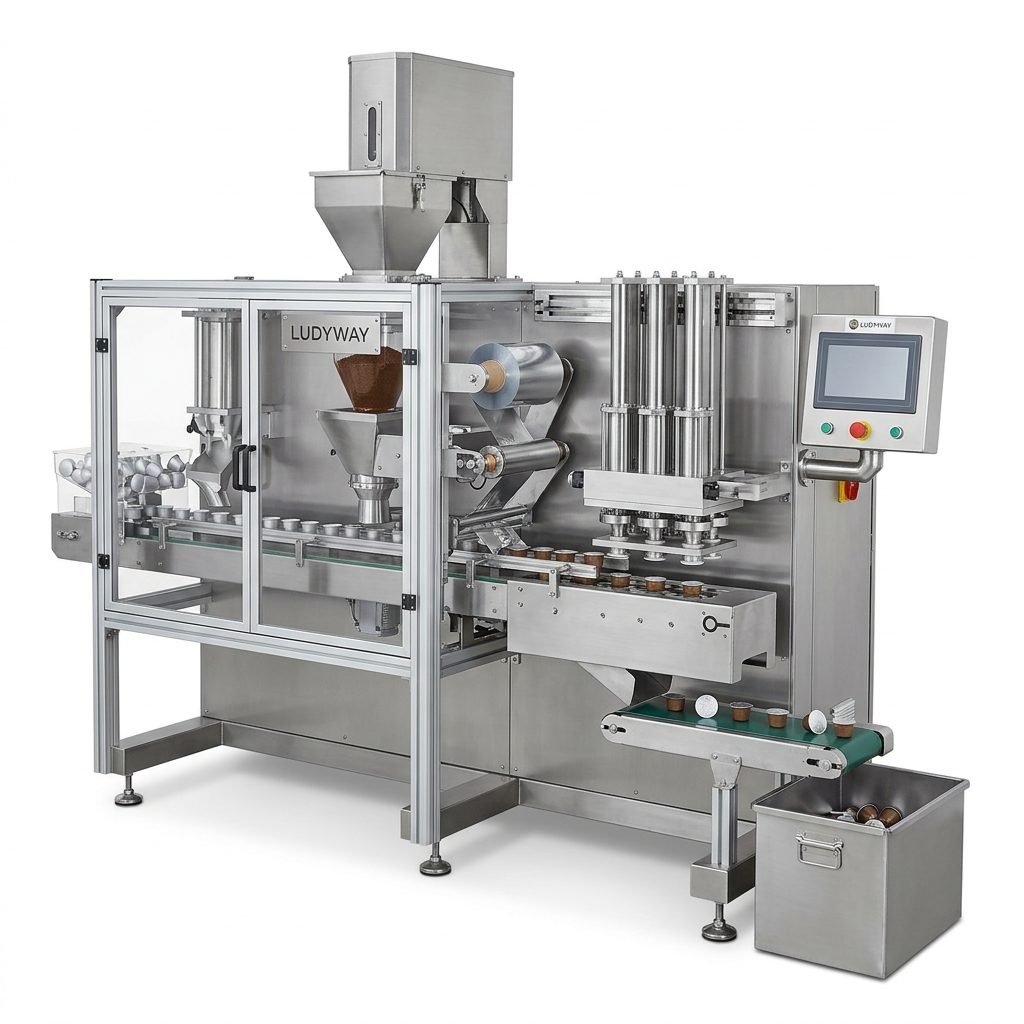
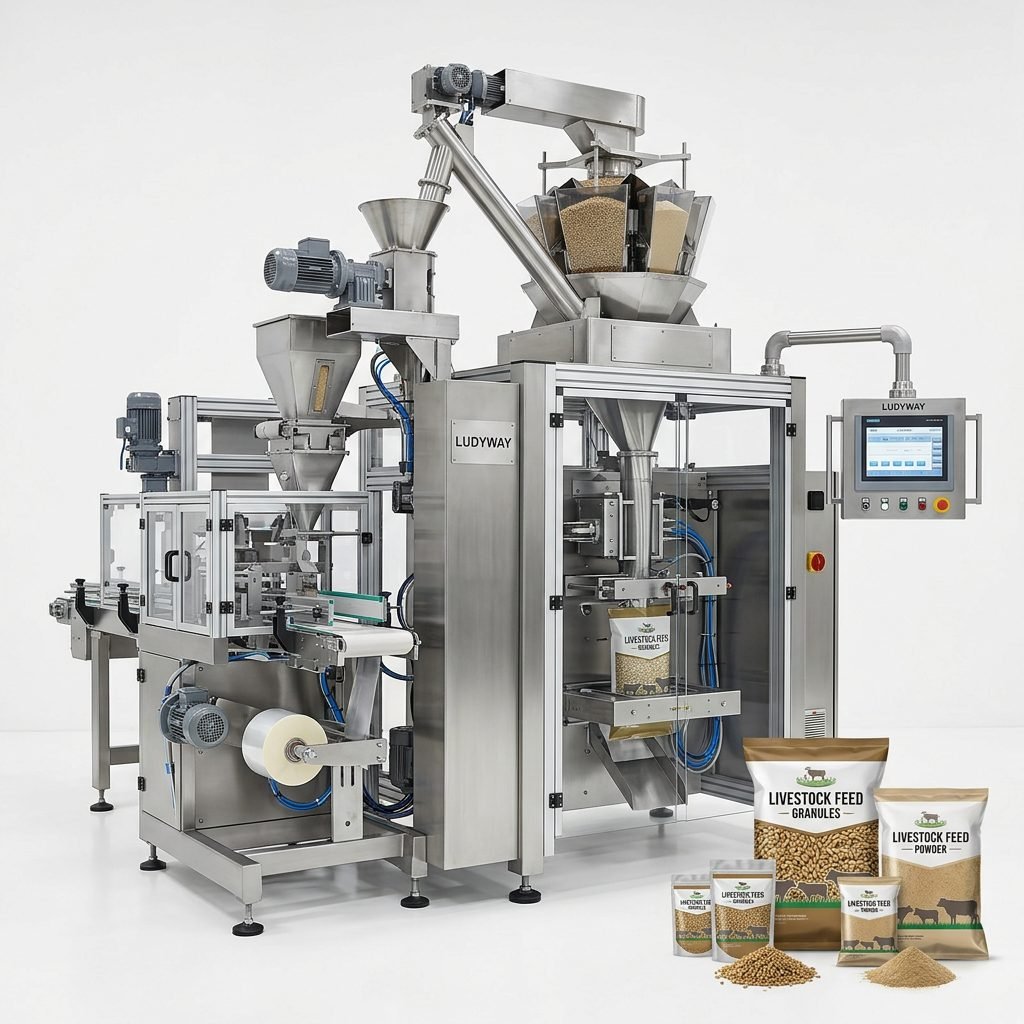
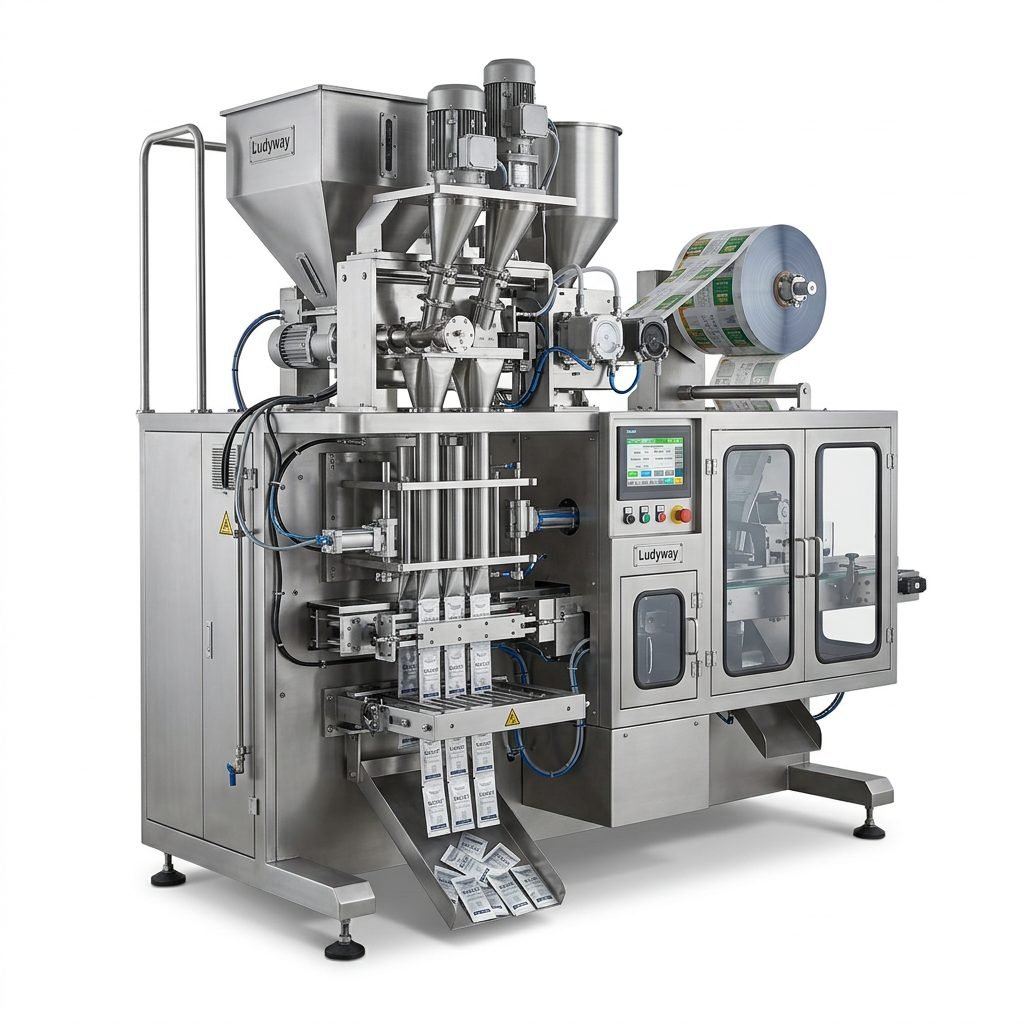
In the spice industry, packaging speed and filling accuracy directly affect product quality, shelf appeal, and production cost. Whether you pack chili powder, black pepper, curry powder, mixed seasonings, cumin, garlic powder, or spice granules, choosing the right packaging machine can help your business reduce waste, maintain stable output, and improve packaging consistency.
A well-matched spice packaging machine should do more than just fill and seal. It should handle fine powders, dusty products, free-flowing granules, and blended seasonings while supporting the bag format, speed, and level of automation your production requires.
Why Spice Packaging Requires Specialized Equipment
Spices are not all packaged the same way. Some products are ultra-fine and dusty, some contain coarse particles, and others are blended with salt, sugar, herbs, or dehydrated ingredients. These product characteristics can influence feeding stability, weighing precision, sealing performance, and final package appearance.
- Powder control: Fine spice powders can create dust, affecting sealing quality and workshop cleanliness.
- Accurate dosing: Consistent fill weight is essential for cost control and consumer trust.
- Seal integrity: Good sealing prevents moisture ingress and preserves aroma.
- High-speed output: Competitive spice brands often need fast, repeatable packaging for retail and wholesale channels.
- Flexible formats: Sachets, stick packs, pouches, and larger bags may all be required in one business.
Common Types of Spice Packaging Machines for Sale
The right solution depends on your spice form, target pack size, and expected production volume. Below are the most common machine types used in spice packaging.
| Machine Type | Best For | Typical Packaging Format |
|---|---|---|
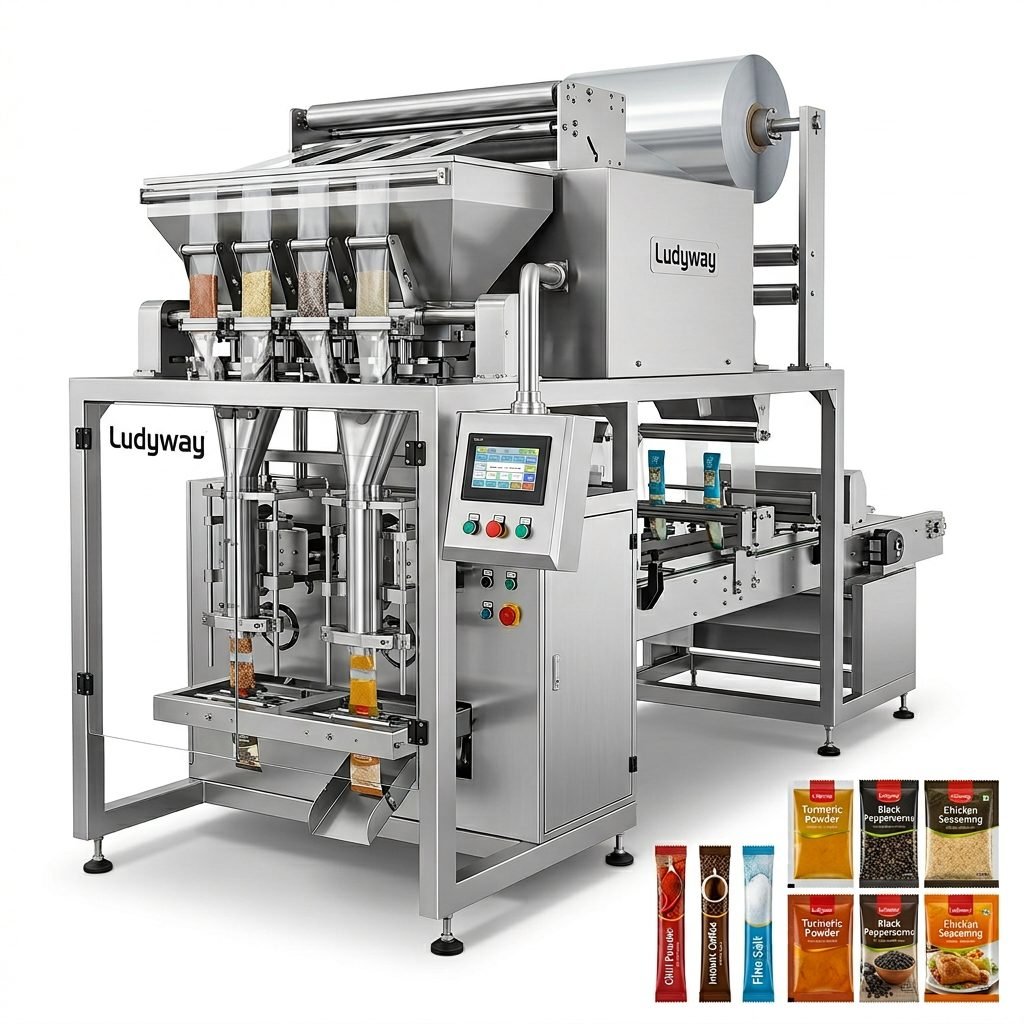
| Vertical Form Fill Seal Machine | Powders and granules in medium to large volume runs | Pillow bags, gusset bags, back-seal bags |
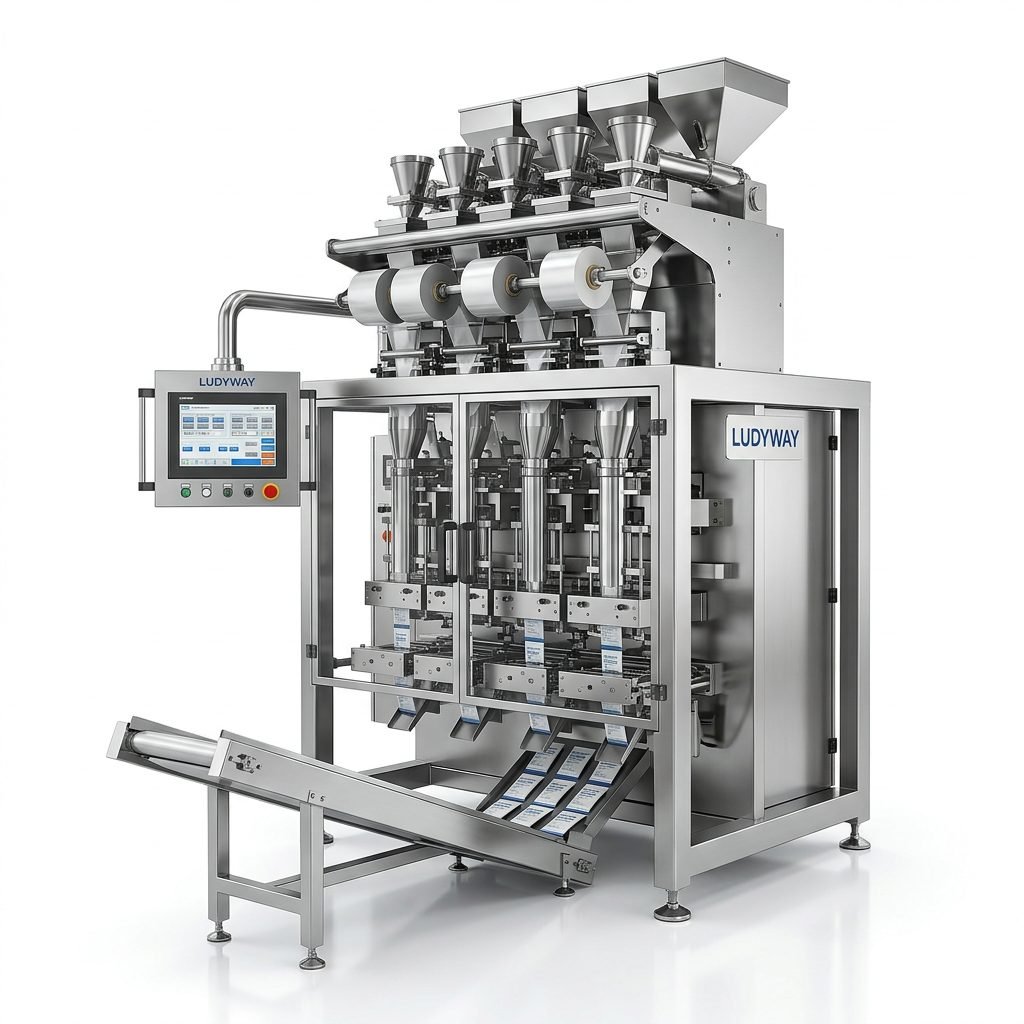
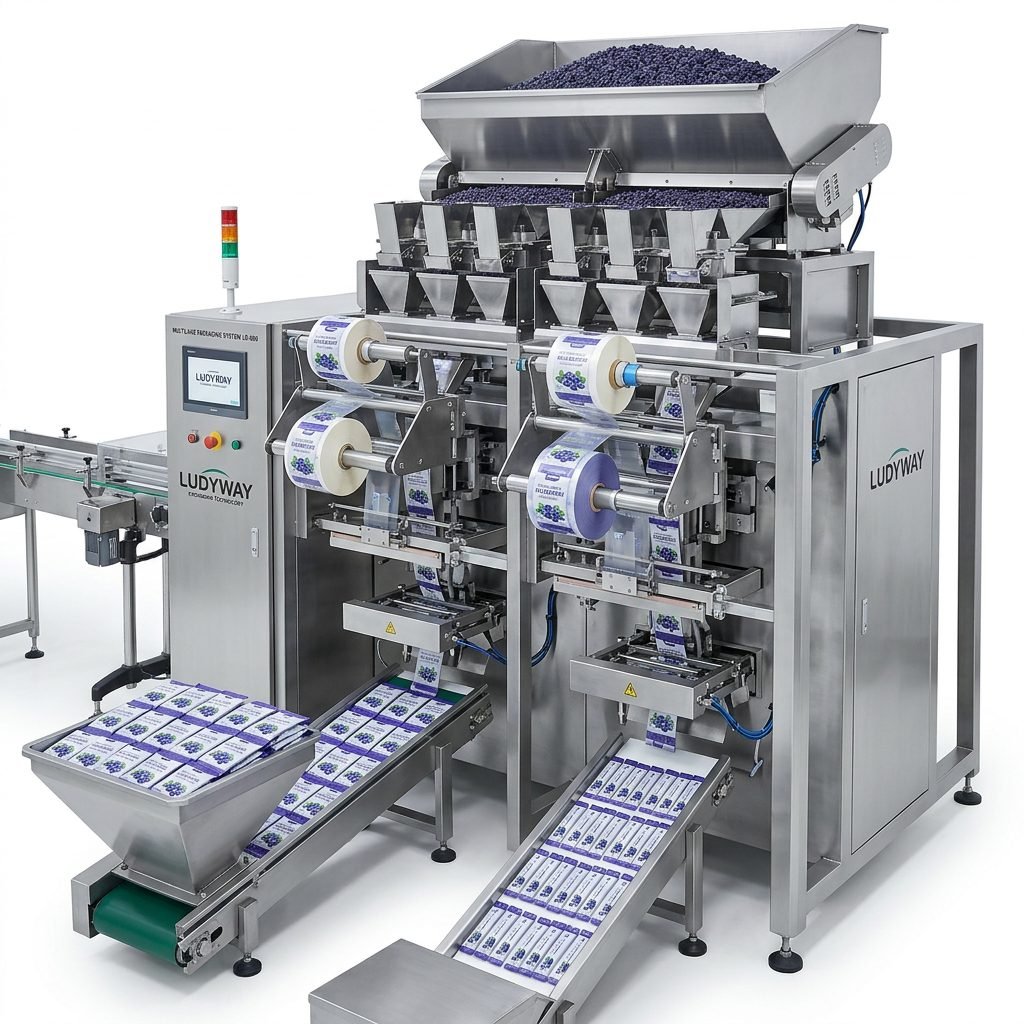
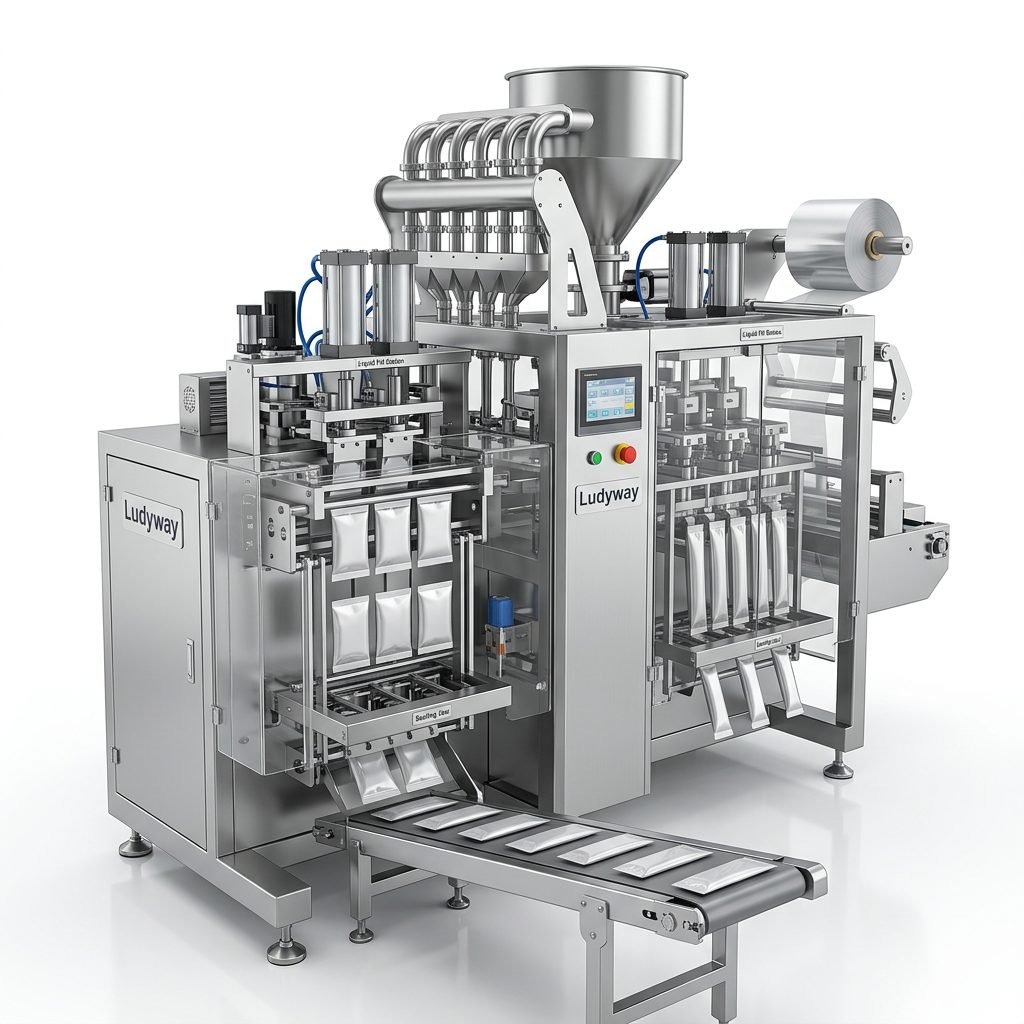
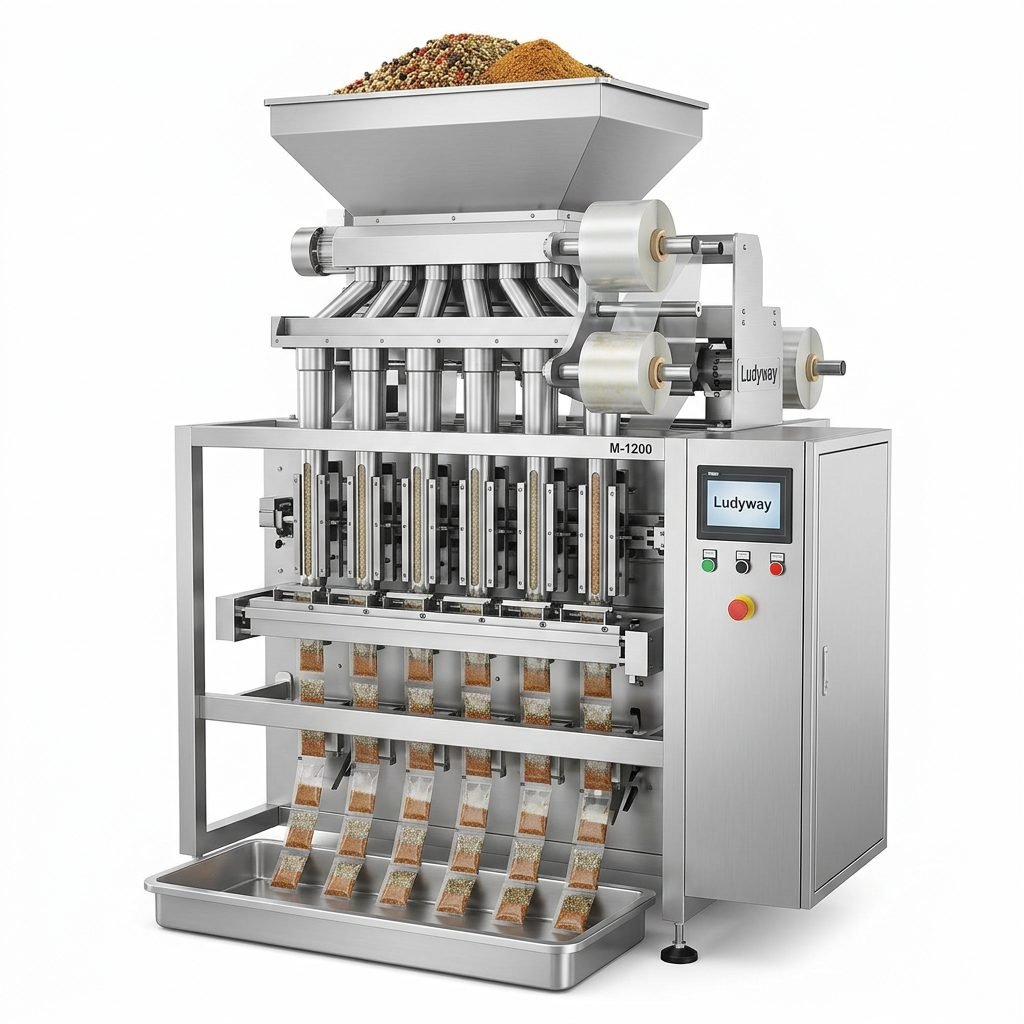
| Multi-Lane Sachet Machine | Small-dose spice powder or seasoning portions | Flat sachets |
| Stick Pack Machine | Single-serve seasonings and travel-size retail packs | Stick packs |
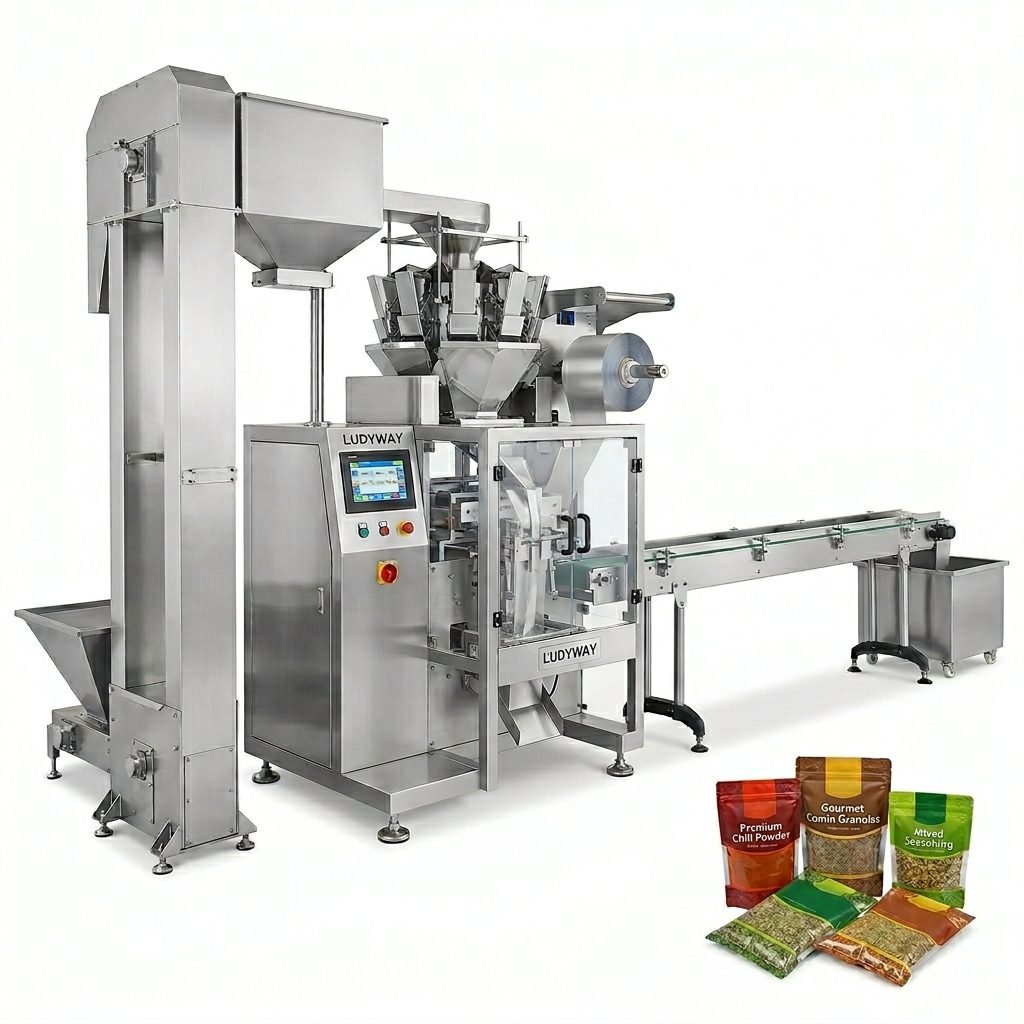
| Premade Pouch Packing Machine | Higher-end retail products requiring premium pouch presentation | Zipper pouches, stand-up pouches |
| Auger Filling Machine | Non-free-flowing and fine spice powders | Integrated with VFFS, sachet, or pouch systems |
| Weighing Filling System | Granular spices or mixed seasonings with larger particles | Pouches, bags, sachets |
How to Choose the Right Spice Packaging Solution
Not every packaging machine is suitable for every spice product. A practical buying decision should be based on both product characteristics and commercial goals.
1. Understand Your Spice Material
Start by identifying whether your spice is a free-flowing granule, a difficult powder, or a mixed formulation. Very fine powders like chili powder or turmeric may need an auger filler and dust-control support, while coarse blends may work better with a weighing system.
2. Confirm Package Type and Size
Retail sales often require attractive sachets or stick packs, while food service and industrial users may prefer larger bags or premade pouches. Pack size influences machine structure, forming system, and filling method.
3. Match Machine Speed to Your Production Plan
Buying a machine that is too small can slow growth, while overinvesting in an oversized system may increase unnecessary cost. Review your current daily volume, future expansion plan, and shift schedule before selecting a speed range.
4. Consider Accuracy and Waste Reduction
In spice packaging, small filling deviations can quickly become a major raw material loss. Precision dosing systems help you protect margins while meeting label claims and customer expectations.
5. Evaluate Cleaning and Maintenance
Spices can stain machine surfaces and generate persistent dust. Easy-clean contact parts, accessible structures, and reliable sealing components are important for daily operation efficiency.
Key Features to Look for in a Spice Packing Machine
When comparing different machines for sale, focus on the features that improve long-term packaging performance rather than only the initial purchase price.
- Stable dosing system for powders or granules
- Dust-control design to keep seals clean
- Servo-driven film pulling for better bag consistency
- PLC and touchscreen control for simple operation
- Quick changeover capability for multiple spice SKUs
- High-quality sealing unit for moisture protection
- Date coding and printing integration for traceability
- Optional checkweigher, metal detector, and cartoning connection for line automation
Best Packaging Formats for Spice Products
Packaging format affects not only machine selection, but also branding, shipping efficiency, and consumer convenience.
| Format | Advantages | Suitable Products |
|---|---|---|
| Flat Sachets | Compact, economical, ideal for single-use packs | Pepper, chili powder, curry powder |
| Stick Packs | Convenient, modern appearance, easy dosing | Seasoning mixes, instant soup spices, small-dose powders |
| Pillow Bags | Good for standard retail and bulk packaging | Mixed spices, cumin, garlic granules |
| Stand-Up Pouches | Strong shelf presence, often resealable | Premium spice blends and retail products |
| Large Bags | Suitable for wholesale and foodservice supply | Bulk spices and industrial seasonings |
Benefits of Investing in an Automatic Spice Packaging Machine
Automatic packaging equipment is often the right step for manufacturers that want to improve productivity without sacrificing consistency.
- Faster throughput for growing demand and larger orders.
- Improved accuracy to reduce overfill and raw material loss.
- More professional packaging quality for better market presentation.
- Lower labor dependency through automated filling and sealing.
- Better hygiene and product protection for food safety compliance.
- Scalable production with options for complete line integration.
Single Machine or Complete Spice Packaging Line?
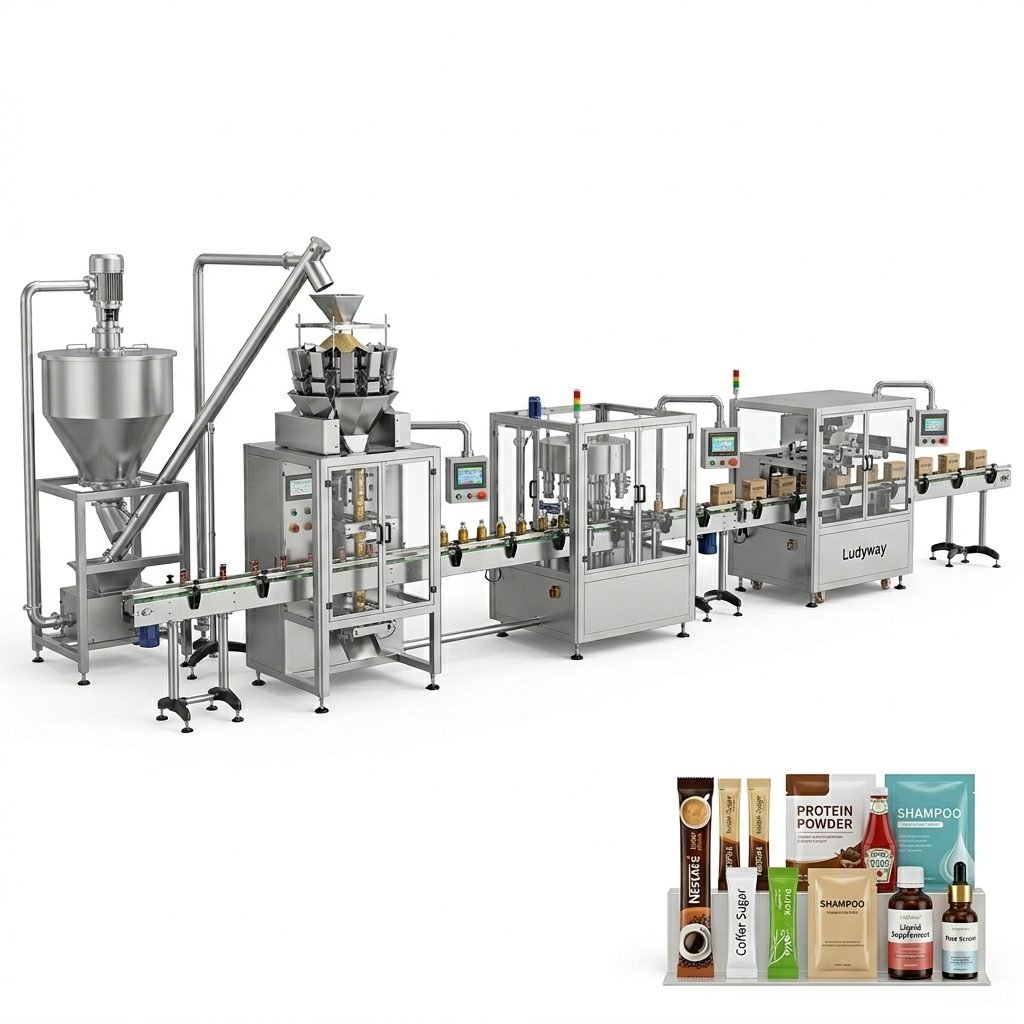
Some buyers only need a standalone filling and sealing machine. Others need a fully integrated system including feeding, filling, sealing, coding, inspection, cartoning, and end-of-line packing. The right choice depends on your plant layout, labor availability, and order volume.
A complete line is especially useful if you want to standardize output, improve traceability, and reduce manual handling. This is often the preferred approach for medium and large spice manufacturers targeting supermarkets, foodservice distributors, or export markets.
Questions to Ask Before Buying
- What spice products will be packed: powder, granules, or blended seasonings?
- What is the target weight range per pack?
- How many packs per minute are required?
- What bag type and bag size do you need?
- Do you need dust extraction, nitrogen flushing, or special sealing support?
- Will the machine connect with coding, cartoning, or case packing equipment?
- Do you need a customized turnkey line for future expansion?
A Reliable Partner for Spice Packaging Projects
If you are looking for a dependable supplier with extensive experience in automatic packaging technology, Ludyway spice packaging machine solutions can support both standalone equipment and turnkey packaging lines. As one of China’s leading packaging machine and turnkey packaging line manufacturers, the company has more than 30 years of industry experience, a factory of over 20,000 square meters, and exports to more than 100 countries and regions.
Its portfolio covers multi-lane sachet machines, stick pack systems, powder and granule packaging machines, and integrated automation solutions for food and related industries. For spice manufacturers that need speed, accuracy, and scalable production, working with an experienced packaging partner can make the selection process much more efficient.
Final Buying Advice
The best spice packaging machine for sale is the one that matches your product properties, package style, output target, and long-term growth plan. Instead of choosing only by price, evaluate filling accuracy, sealing quality, machine stability, maintenance convenience, and supplier support.
With the right equipment, spice producers can package faster, reduce waste, improve product presentation, and build a more efficient operation from filling to final packing.