Investing in a flour packaging machine is a critical decision for food manufacturers, millers, and processing plants aiming to scale operations, improve accuracy, and maintain product hygiene. China has solidified its position as a global hub for packaging machinery, offering a unique combination of advanced technology, customization, and cost-effectiveness. This guide walks you through every essential step of the purchasing process, from understanding machine types to evaluating suppliers, ensuring you make a well-informed investment that aligns with your production goals.
Why Source Flour Packaging Machines from China?
The Chinese packaging machinery sector has experienced exponential growth, driven by robust industrial policies and a vast manufacturing ecosystem. Sourcing from China is no longer just about affordability; it is about accessing cutting-edge automation and intelligent packaging solutions. Key advantages include a mature supply chain for components, rapid customization capabilities for specific bag styles, and the integration of Industry 4.0 features such as IoT monitoring and servo-driven precision. For companies in the food, pharmaceutical, and nutraceutical sectors, Chinese manufacturers often provide a bridge between high-volume output and stringent international quality standards.
Types of Flour Packaging Machines Available
Selecting the right equipment starts with a clear understanding of the packaging format required for your target market. Flour, as a fine powder with unique flow characteristics (often sticky or dusty), demands specialized mechanisms. Below are the primary configurations commonly sourced from Chinese suppliers:
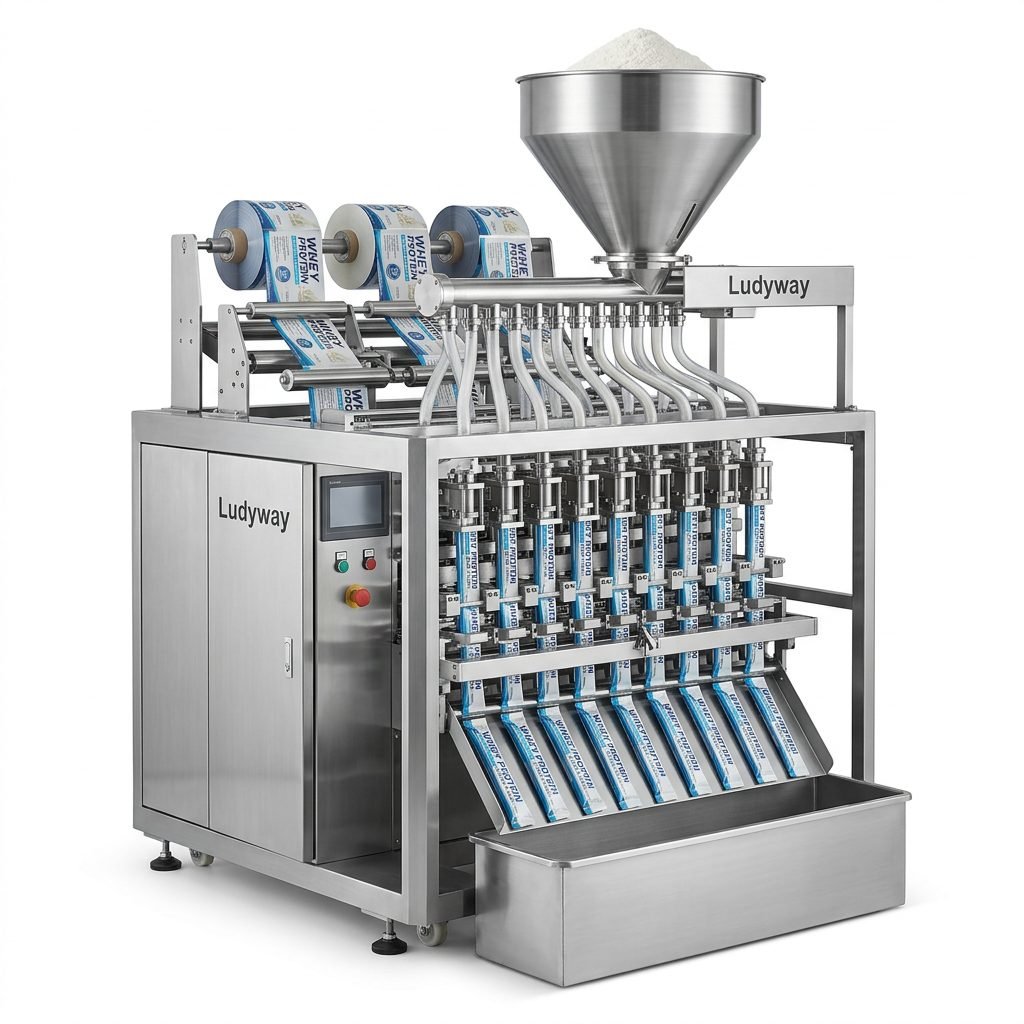
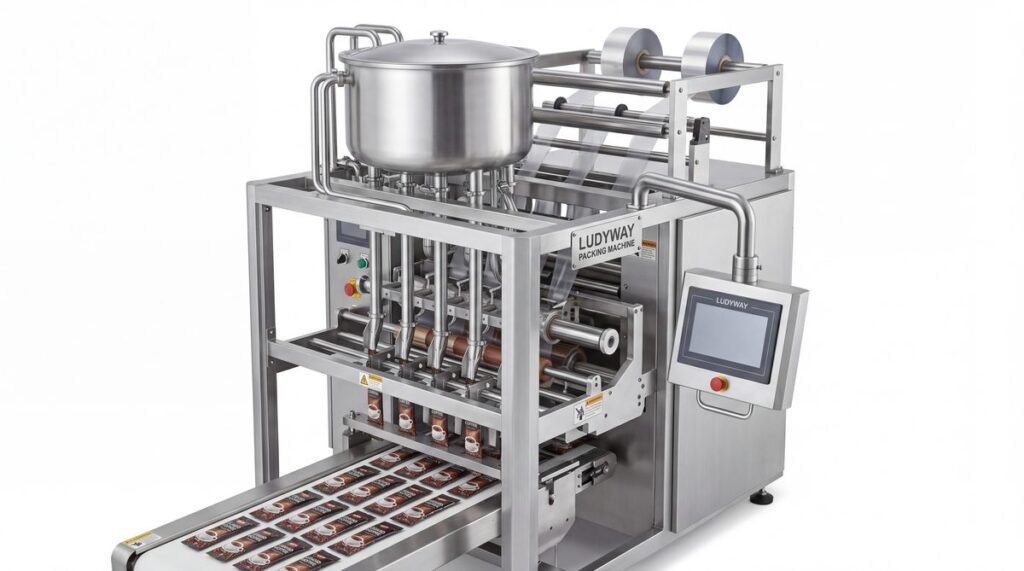
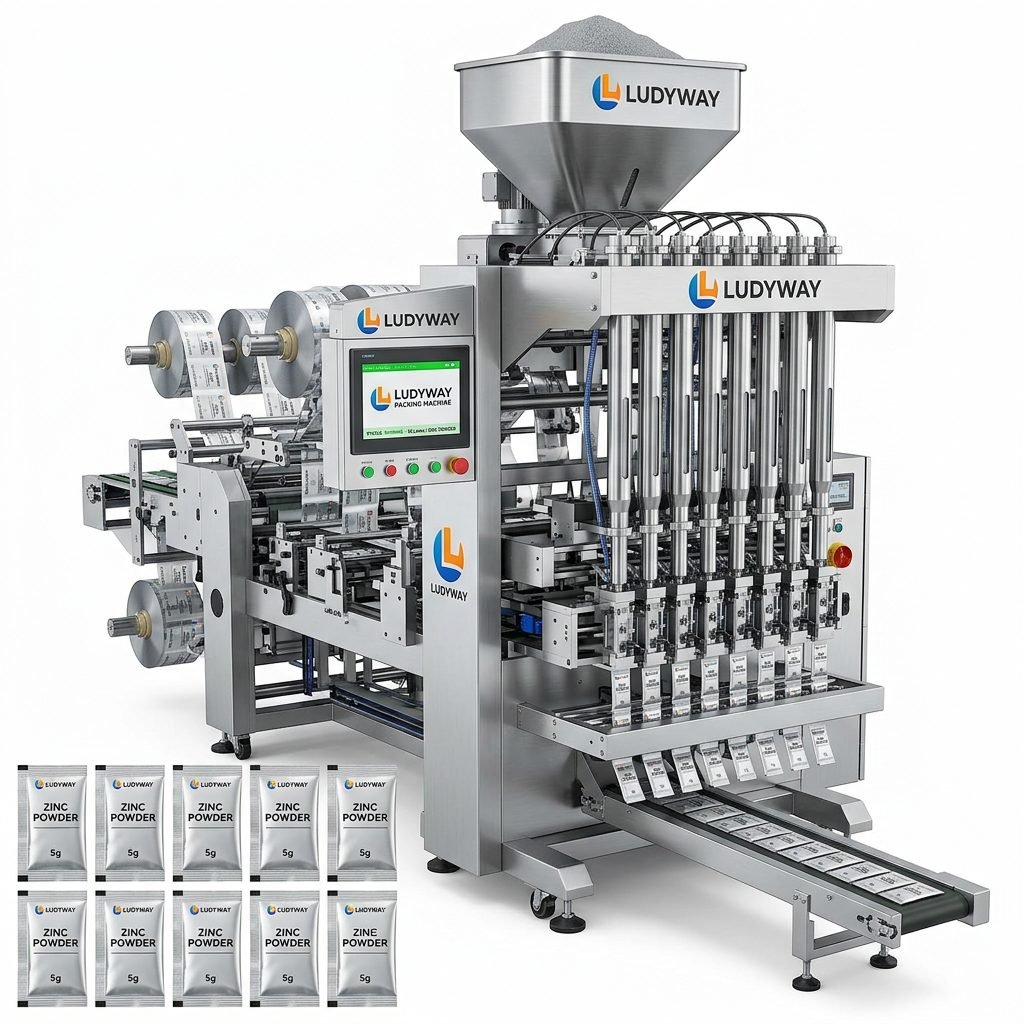
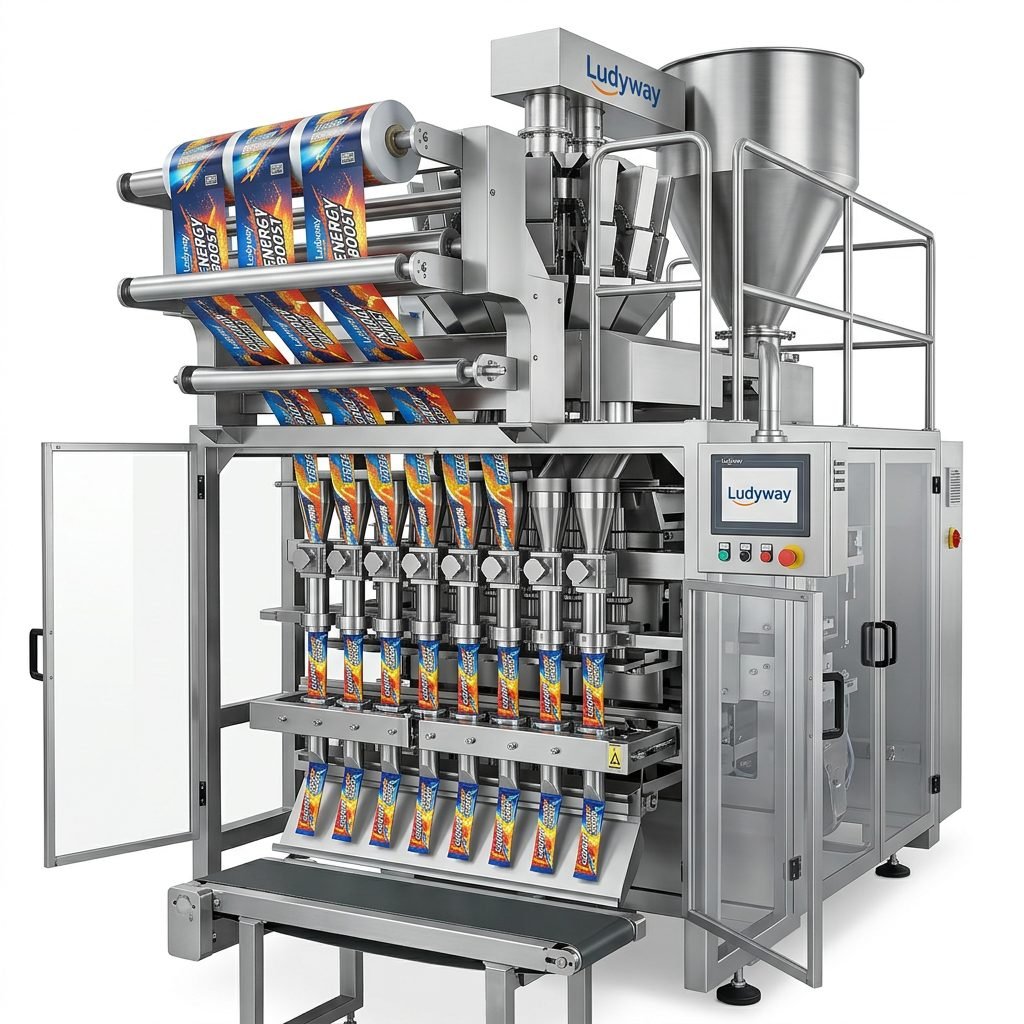
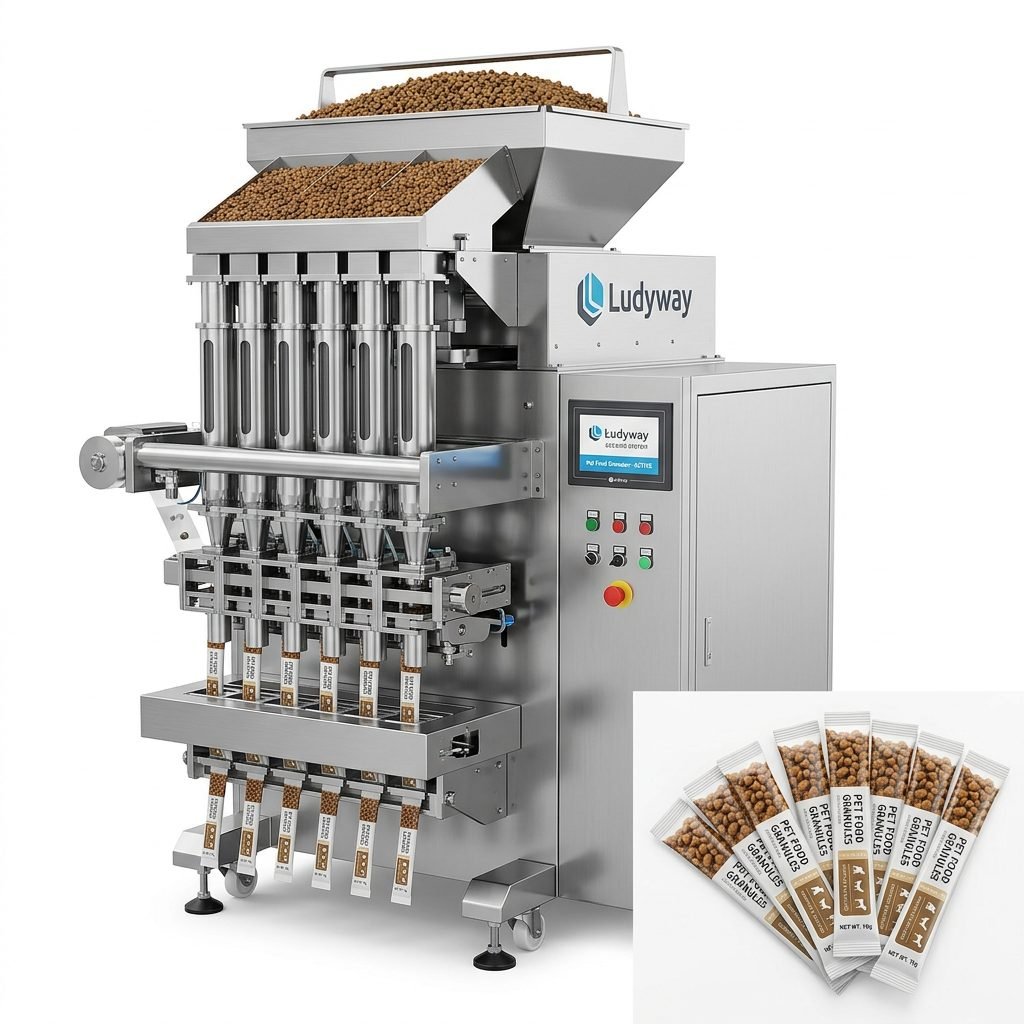
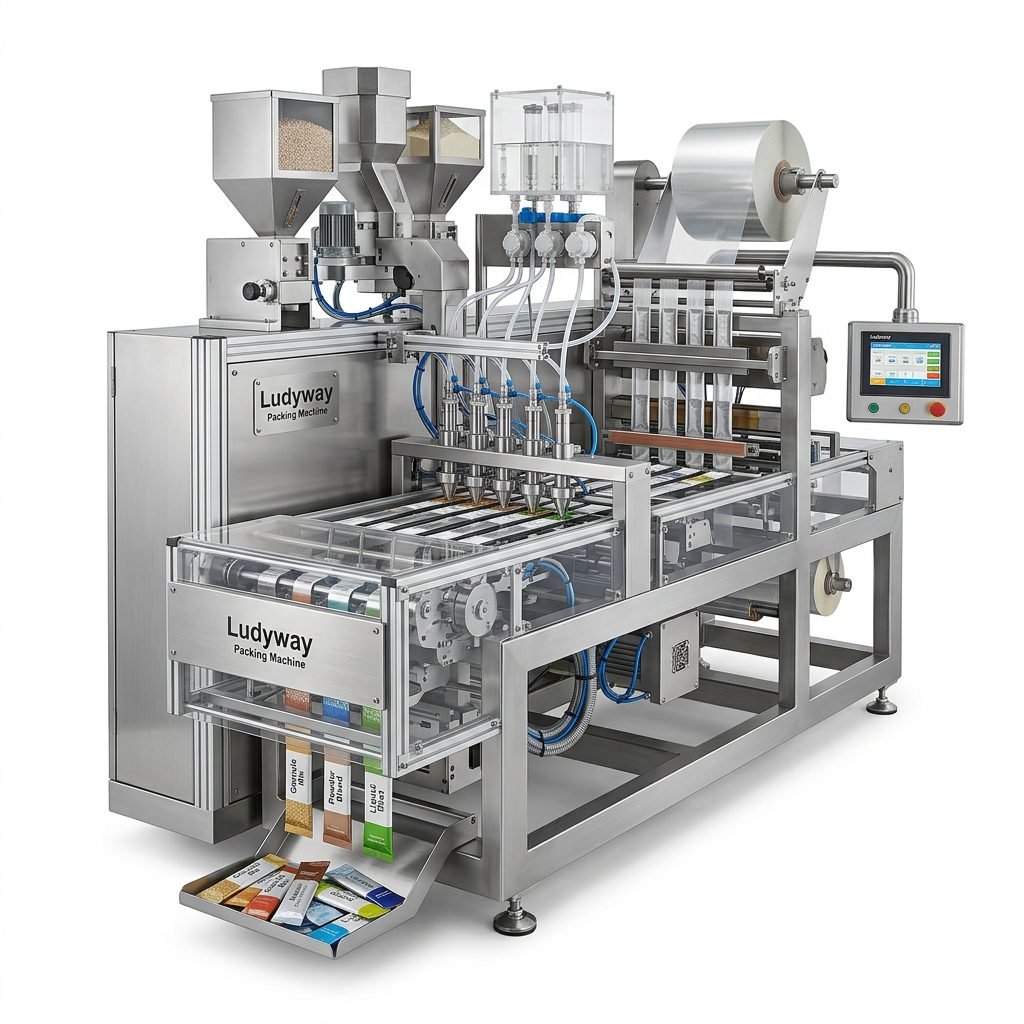
- Multi-Lane Stick Pack Machines: Ideal for single-serve portions commonly used in the food service and travel retail sectors. These systems run multiple lanes simultaneously, achieving extremely high throughput.
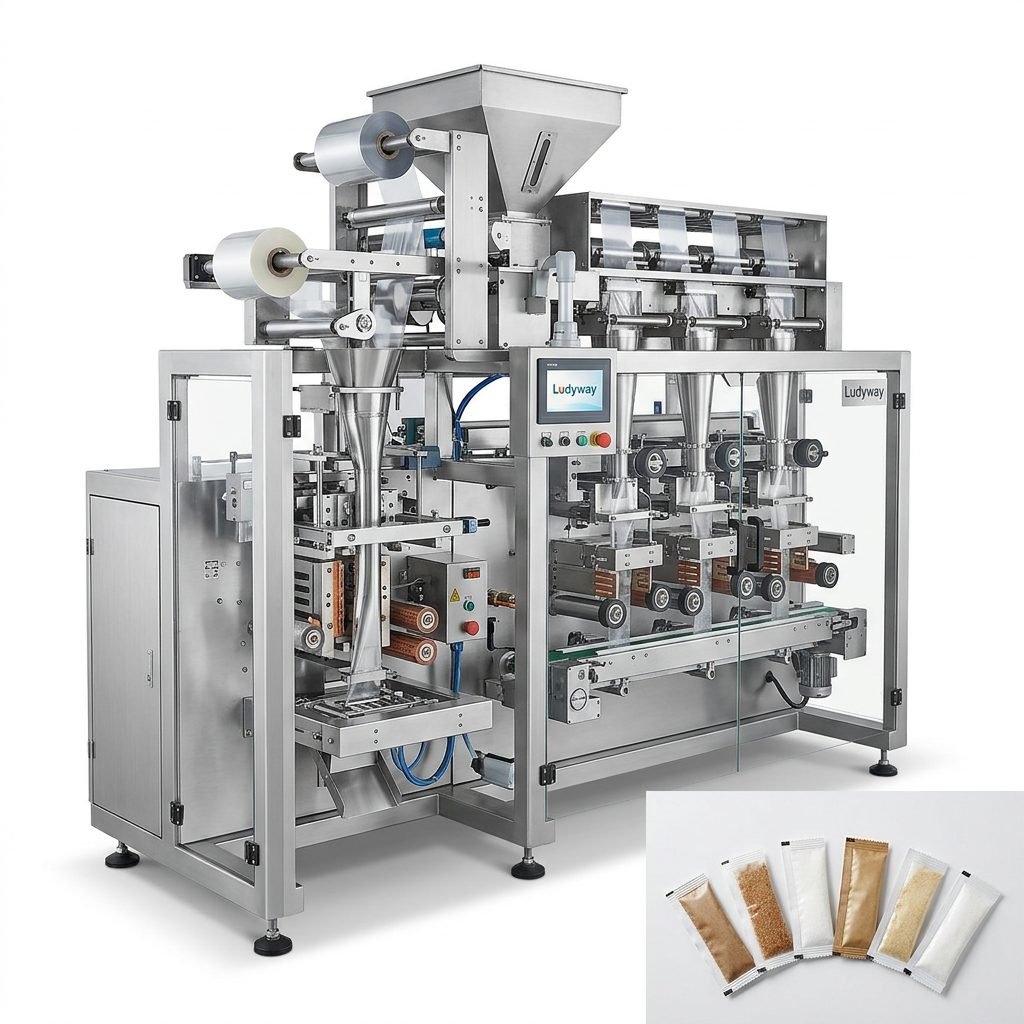
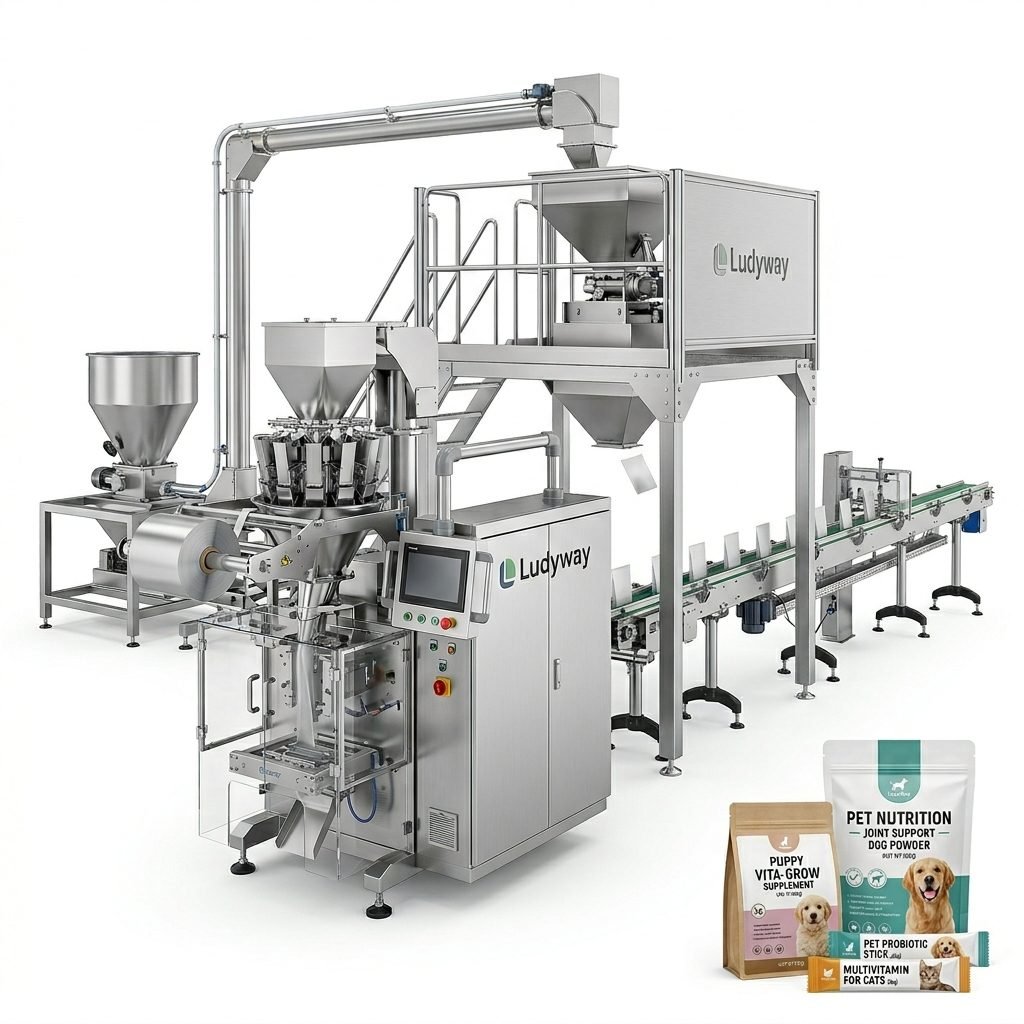
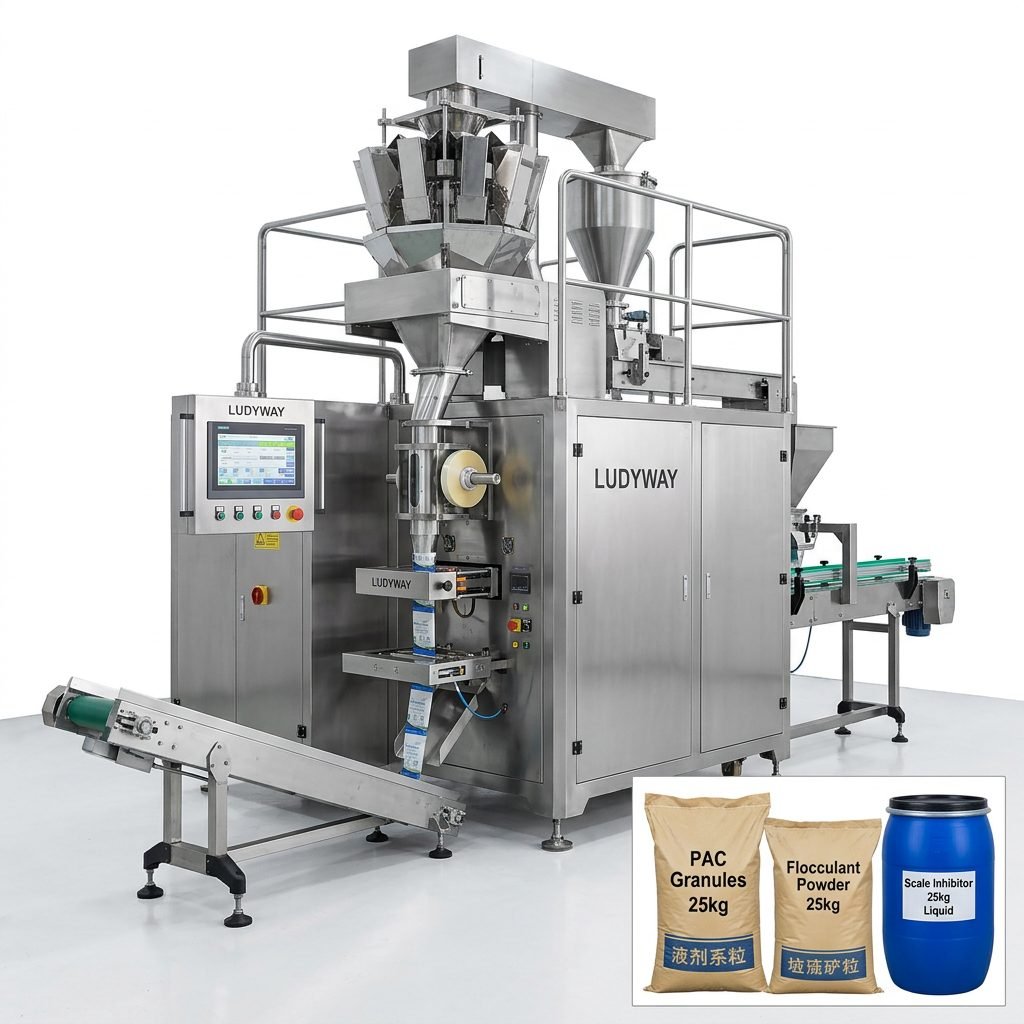
- Vertical Form Fill Seal (VFFS) Machines: The workhorse for bulk flour packaging, creating pillow bags, gusseted bags, or block-bottom bags from a roll of film. Essential for packaging weights ranging from 500g to 25kg.
- Premade Pouch Rotary Fillers: For premium retail brands that utilize stand-up pouches or zipper bags. These machines handle the intricate task of opening, filling, and sealing pre-manufactured high-barrier pouches.
- Nitrogen Flushing Packaging Systems: Critical for extending shelf life, these modified atmosphere packaging (MAP) systems inject inert gas to displace oxygen, preserving flour freshness during long-distance shipping.

Key Technical Specifications to Evaluate
Before contacting a supplier, you must define your technical requirements. This ensures the quoted flour packaging machine meets your facility’s operational reality. Focus on these non-negotiable parameters:
| Specification | Why It Matters for Flour |
|---|---|
| Dust-Proof Sealing & Design | Flour particles are airborne and can damage sensitive electronics and create sanitation issues. IP65 or higher protection for electrical cabinets is recommended. |
| Auger Filler Technology | Free-flowing flour requires a servo-driven auger filler with agitators for consistent density and weight accuracy, minimizing giveaway. |
| Bag Material Compatibility | Ensure the machine seals effectively through fine powder. Look for film-dusting systems or vacuum-assisted sealing if standard heat seals fail due to contamination. |
| Changeover Flexibility | If you pack multiple flour types (wheat, corn, chickpea), the machine should offer tool-less changeover for different bag sizes and filling weights. |
Navigating the Supplier Landscape
China hosts thousands of machinery manufacturers, but not all are equipped to handle the rigors of fine powder packaging. Distinguishing a trading company from a true original equipment manufacturer (OEM) is vital. A genuine factory will possess a comprehensive quality management system, typically certified to ISO 9001 standards, and own a physical campus with dedicated R&D, fabrication, and testing zones.
During your due diligence phase, prioritize suppliers who demonstrate experience with food-grade material compliance and can provide documented references for similar installations in your geographical region. A robust after-sales service network, including remote video assistance and a supply of critical spares, is non-negotiable for minimizing production downtime.

Factory Verification Checklist
- Audit the Quality Control Lab: The supplier should possess in-house inspection capabilities including dynamic checkweighers and metal detectors to validate machine performance before shipment.
- Evaluate the Engineering Depth: A strong engineering team translates to the ability to customize hoppers, feeders, and discharge systems to handle your specific flour density.
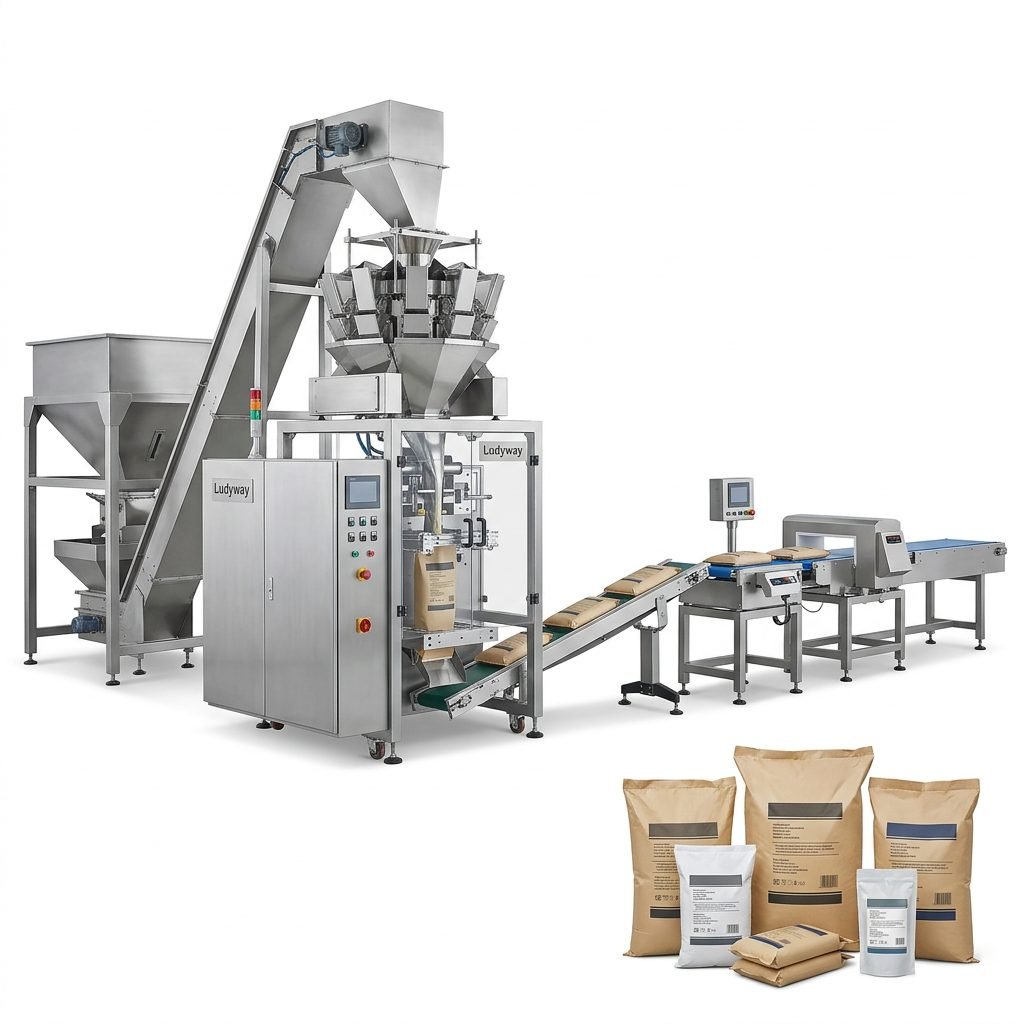
- Check for Integrated Line Capacity: Assess if they can supply ancillary equipment such as bucket elevators, industrial dust collectors, and automated cartoning or palletizing systems to create a seamless turnkey line.
- Review International Client History: Look for case studies from markets with strict safety regulations, particularly those aligned with ISO packaging standards and certifications.
Cost Considerations and ROI
The initial price of a Chinese-manufactured flour packaging machine varies significantly based on the level of automation, lane count, and filling technology. While it is tempting to select the lowest bid, the total cost of ownership (TCO) must account for energy efficiency, film waste rates (aim for less than 1.5% film waste), labor displacement, and the longevity of wear parts. High-quality machines utilizing Siemens, Schneider, or Omron control systems offer a lower TCO over a 10-year lifespan compared to cheaper alternatives with proprietary or un-branded components.
Optimizing the Packing Process
Beyond the core machine, ancillary equipment ensures a smooth flow from the silo to the shipping pallet. This is where Chinese turnkey providers excel by delivering integrated systems. A modern flour line typically includes:
- Z-Type Bucket Elevators for gentle vertical transfer of fragile granules or powders to the machine hopper.
- Multi-Head Weighers or Auger Fillers configured specifically for the bulk density of your flour type.
- Industrial X-Ray Inspection Machines or metal detectors to satisfy HACCP requirements.
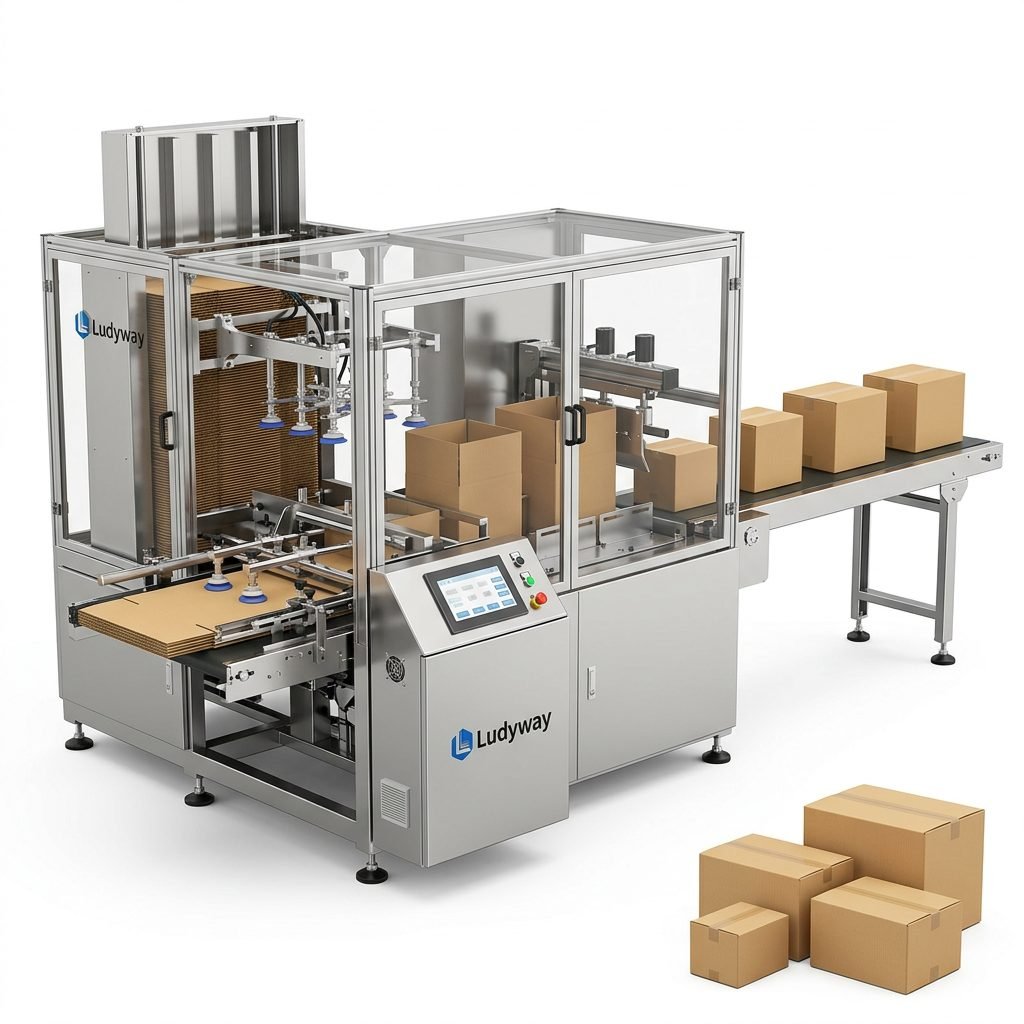
- High-Speed Cartoning Lines that erect, load, and seal cartons automatically for retail distribution.

The Payment and Logistics Framework
Securing your equipment requires a structured commercial approach. Standard payment terms for custom packaging machinery in China often follow a T/T (Telegraphic Transfer) schedule: 30% upon order confirmation, with the remaining 70% settled before dispatch after a successful Factory Acceptance Test (FAT). It is prudent to insist on a live video FAT if travel is not feasible. For logistics, FOB (Free on Board) terms are standard. However, for turnkey lines, partnering with a supplier who manages DAP (Delivered at Place) can simplify customs clearance and final rigging, preventing potential damage to sensitive equipment.
When seeking a partner who marries this extensive manufacturing capability with deep application expertise, companies like Ludyway represent the modern evolution of Chinese packaging machine manufacturing. With a 20,000㎡ facility and a focus on the entire line from feeding to final case packing, they exemplify the kind of integrated, scale-ready solution required by high-output flour millers today.
After-Sales Service and Spare Parts
In the packaging machinery sector, after-sales response time is as critical as machine speed. Before purchase, clarify the warranty period (typically 12 months), the local availability of critical spares such as sealing jaws, heat elements, and vacuum pumps, and whether the supplier offers remote debugging capabilities. A machine sold into the food industry must comply with evolving standards, including those monitored by the Association for Packaging and Processing Technologies. Ensuring your supplier stays updated with these standards guarantees a machine that remains compliant for years to come, protecting your brand equity.

Making the Final Decision
Purchasing a flour packaging machine from China is a strategic move that can significantly improve your production efficiency and product consistency. The key is rigorous supplier vetting, precise specification definition, and a focus on long-term operational value rather than upfront cost. Look for a manufacturing partner who combines a broad standard portfolio with the engineering depth to configure a custom line matching your unique product characteristics.
Beyond the hardware itself, the transition to intelligent packaging is accelerating. Modern systems incorporate dynamic weighing feedback loops and predictive maintenance alerts. The future-proof path involves selecting a control architecture that supports data export to your existing ERP or SCADA systems. By aligning your purchase with these broader Industry 4.0 capabilities, you transform the packaging floor from a cost center into a strategic asset.
Key Takeaway: Do not separate the machine from the production ecosystem. The most successful installations treat the flour packaging system as an integrated solution encompassing feeding, weighing, packaging, inspection, and palletizing, all sourced from a single responsible partner with verifiable global project experience.