The African snack food market is experiencing unprecedented growth, with potato chips leading the charge as one of the continent’s most beloved convenience foods. From bustling markets in Lagos to supermarkets in Nairobi, the demand for packaged potato chips continues to surge. For manufacturers looking to capitalize on this opportunity, selecting the right packaging machinery is not just a purchasing decision—it’s a strategic investment that directly impacts product quality, shelf life, and profitability. This comprehensive guide walks you through everything you need to know about choosing the best potato chip packaging machine for your African operation.
Understanding the African Potato Chip Market Landscape
The potato chip industry across Africa has evolved dramatically over the past decade. With a young, urbanizing population and rising disposable incomes, consumption patterns are shifting toward packaged, branded snack foods. Countries like Nigeria, South Africa, Kenya, Egypt, and Ghana represent key growth markets where local and regional manufacturers are scaling up production to meet consumer demand. This growing market requires packaging solutions that balance speed, reliability, and cost-effectiveness while maintaining food safety compliance standards that are increasingly aligned with international norms.
Key Market Drivers in Africa
- Urbanization: Rapid urban growth is creating concentrated consumer markets with established retail distribution channels
- Youth Demographics: A young population with growing preference for convenient, packaged snack foods
- Retail Modernization: The expansion of supermarkets and formal retail outlets across major African cities
- Regional Trade: Growing intra-African trade under the African Continental Free Trade Area (AfCFTA) opens cross-border opportunities
- Local Manufacturing Incentives: Many African governments are encouraging local production through tax incentives and import substitution policies
Types of Potato Chip Packaging Machines Available
When evaluating packaging equipment for your potato chip production line, understanding the different machine types is essential. Each configuration offers distinct advantages depending on your production volume, packaging format, and budget considerations. The flexible packaging industry has developed specialized solutions that cater to various operational scales.
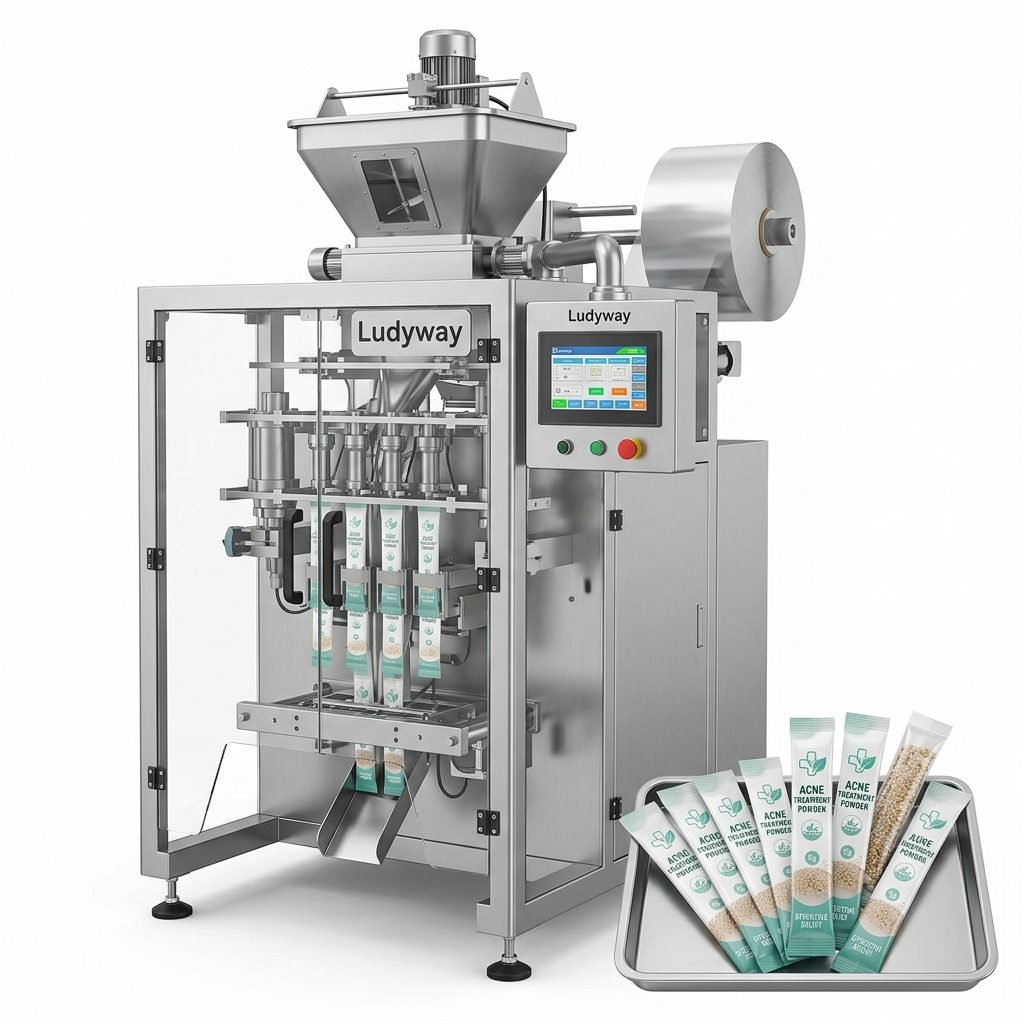
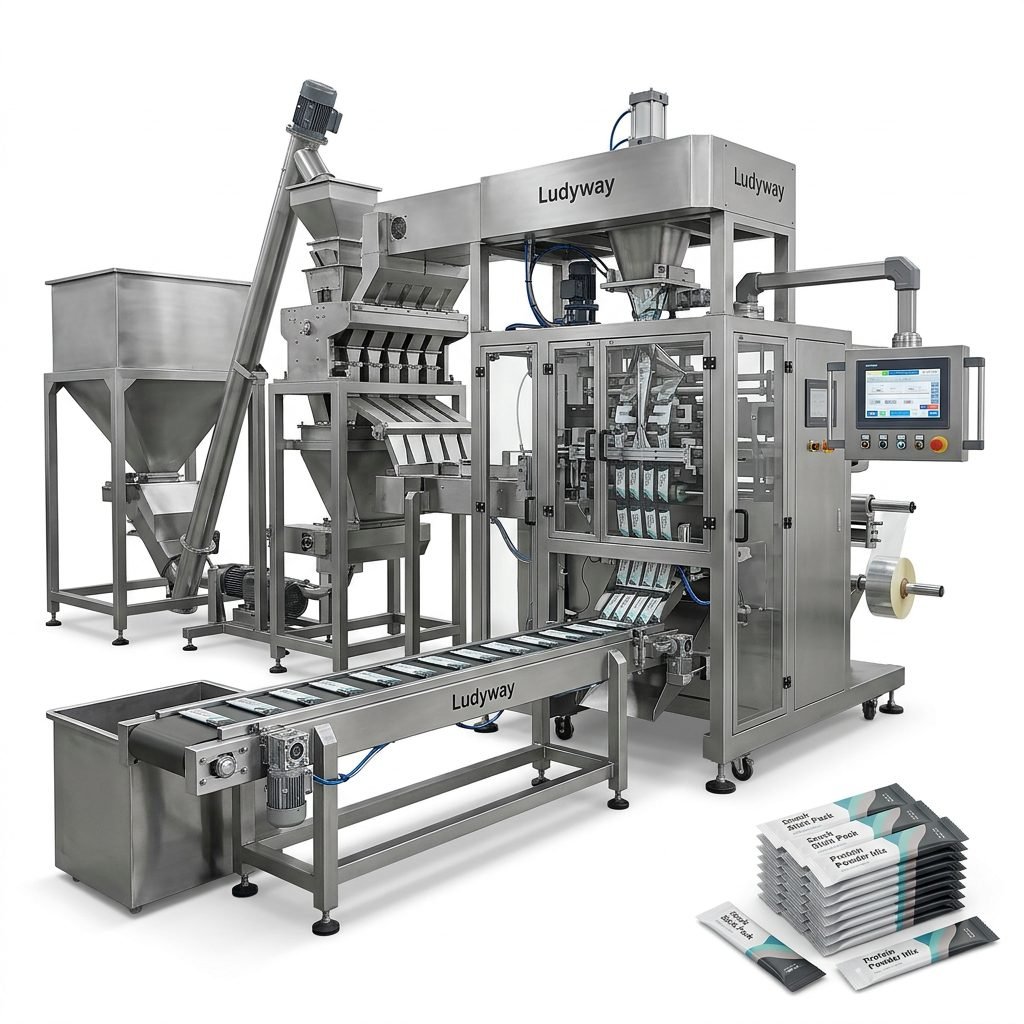
Multi-Lane Stick Pack Machines
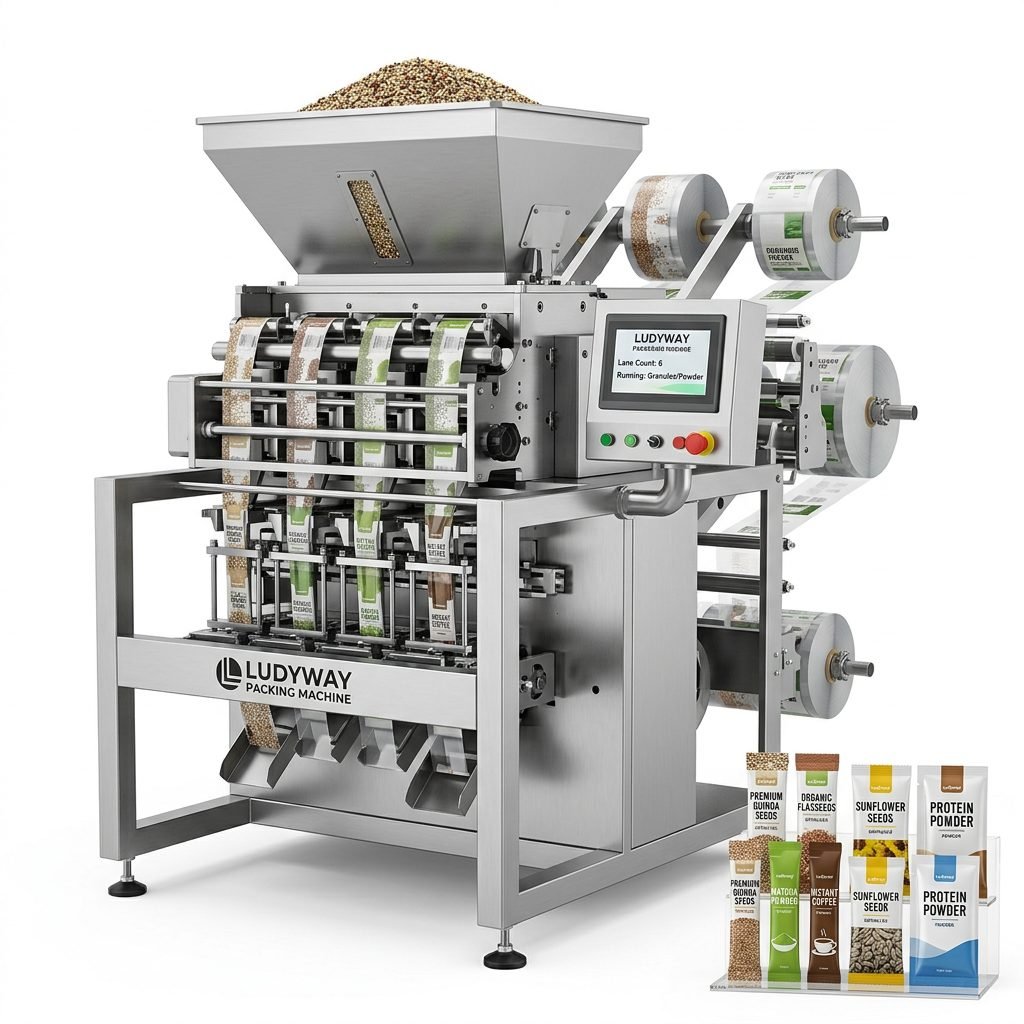
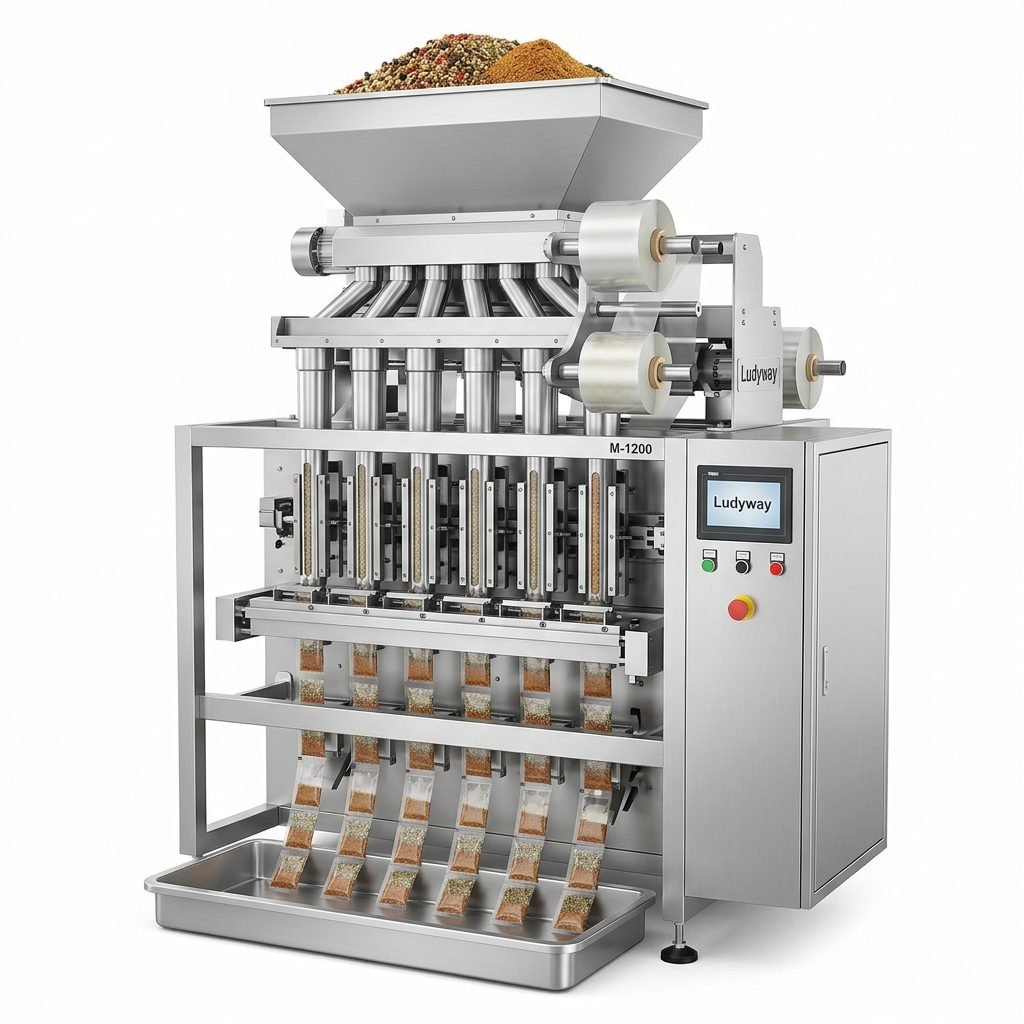
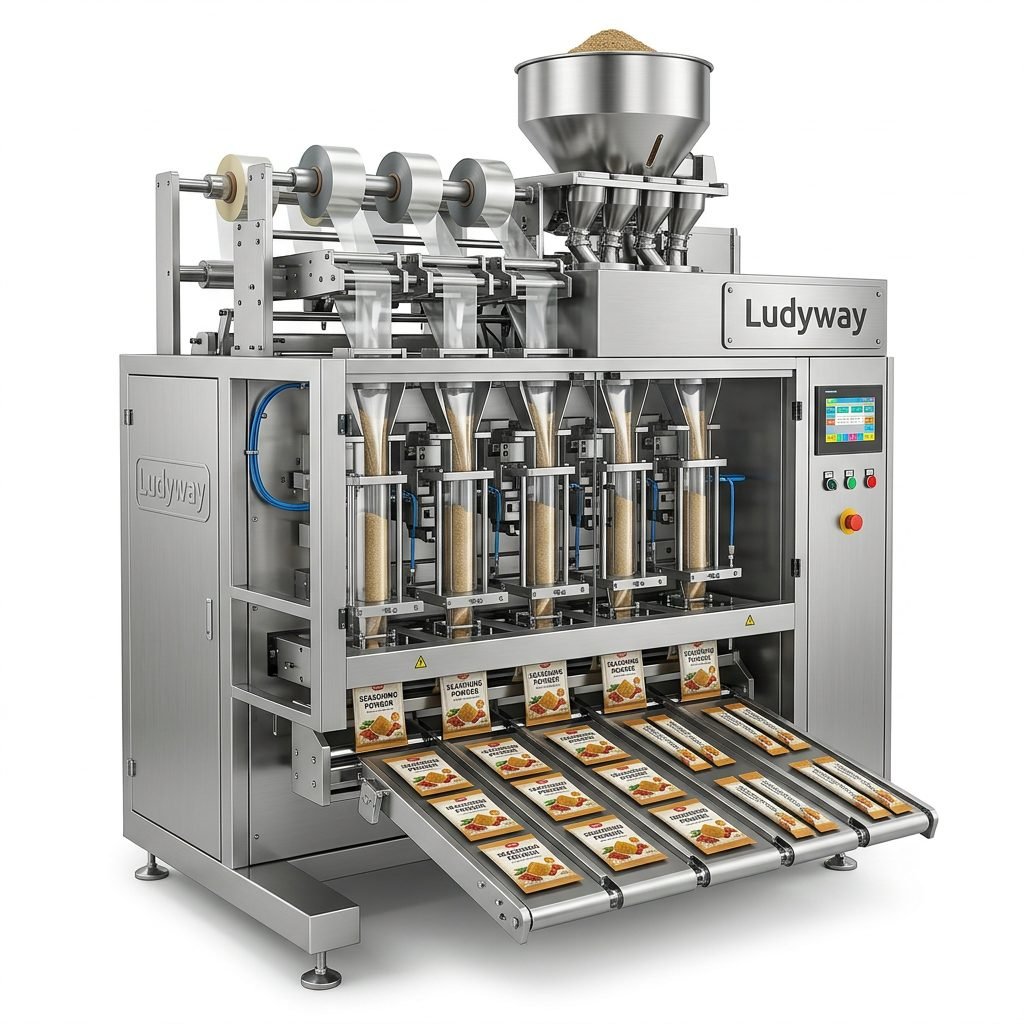
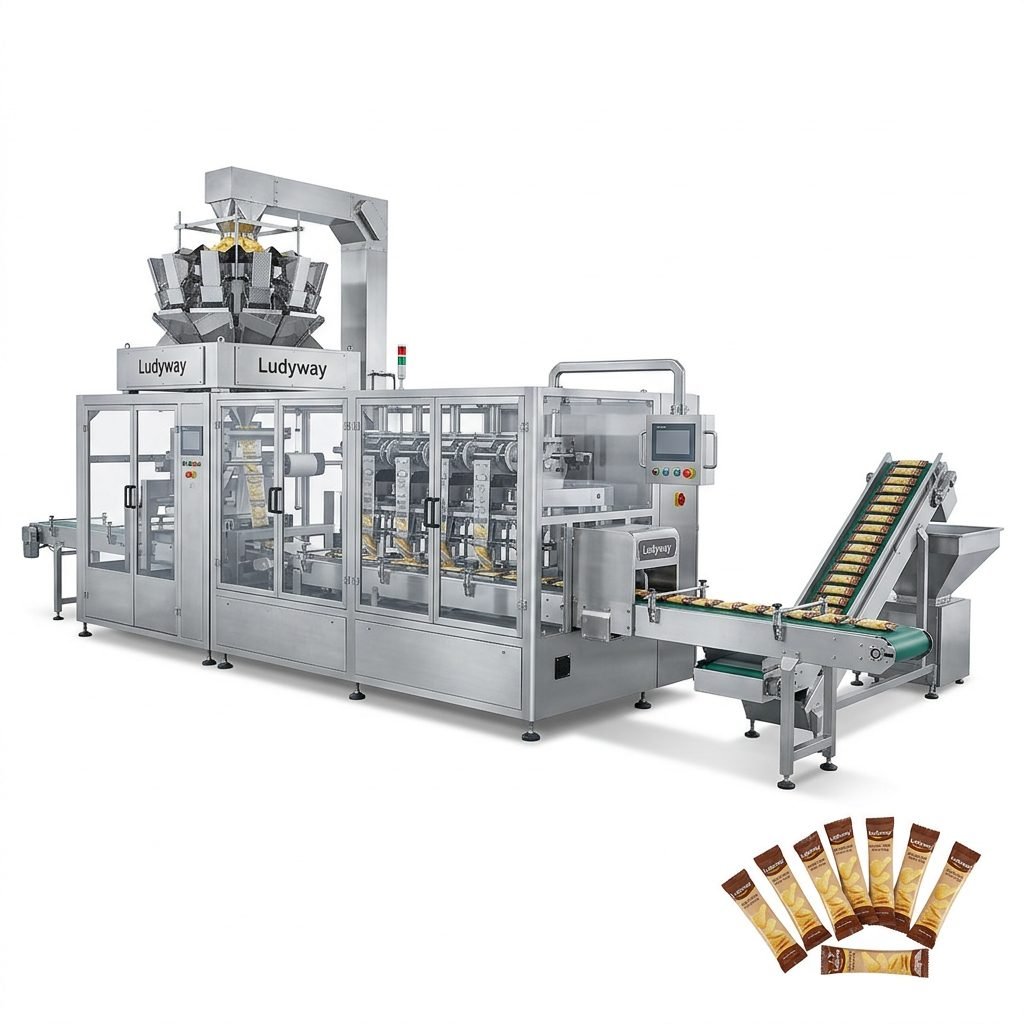
These high-speed systems run multiple lanes simultaneously, typically ranging from 4 to 16 lanes, producing individual stick packs that are ideal for single-serve portions. Multi-lane configurations can achieve output rates of 40 to 60 packs per minute per lane, making them suitable for high-volume manufacturers targeting convenience store and on-the-go consumer segments. The vertical form-fill-seal (VFFS) technology ensures consistent seal integrity and portion control.
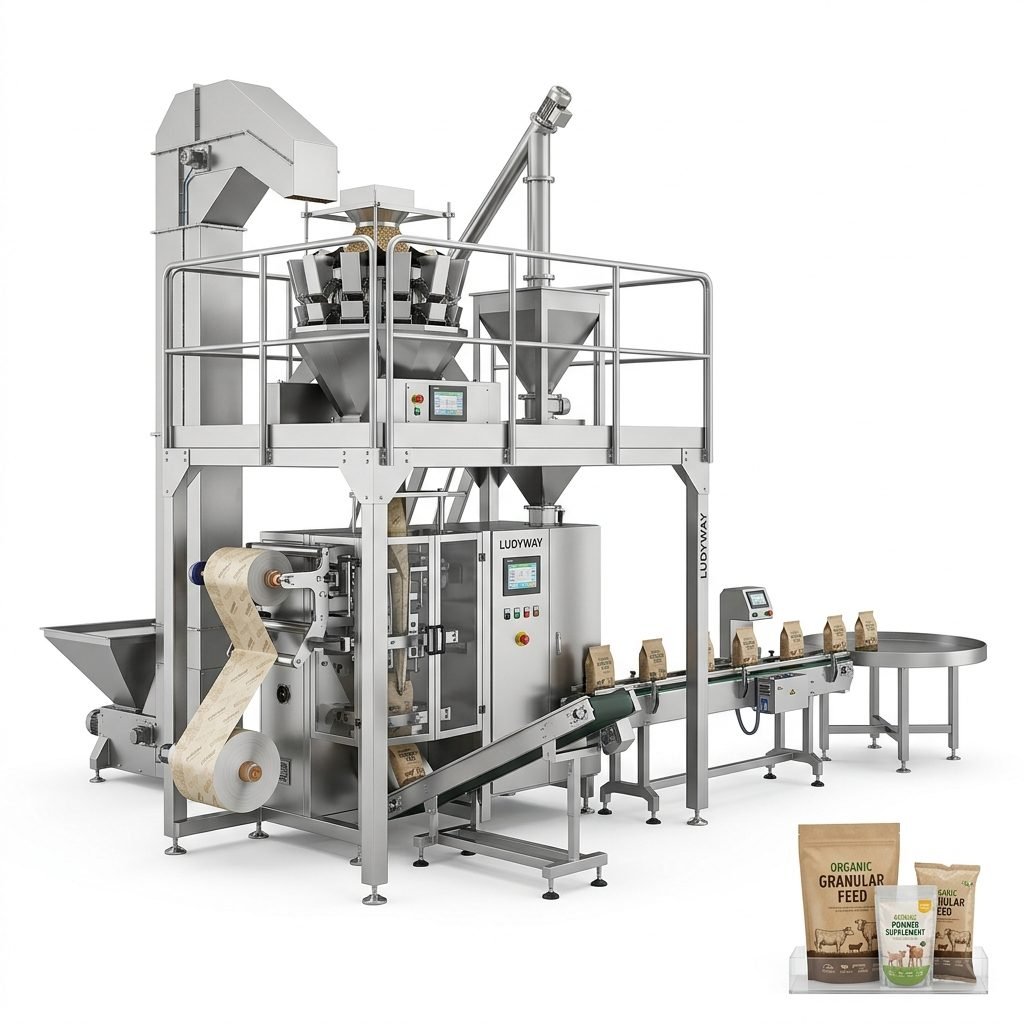
Single-Lane VFFS Machines
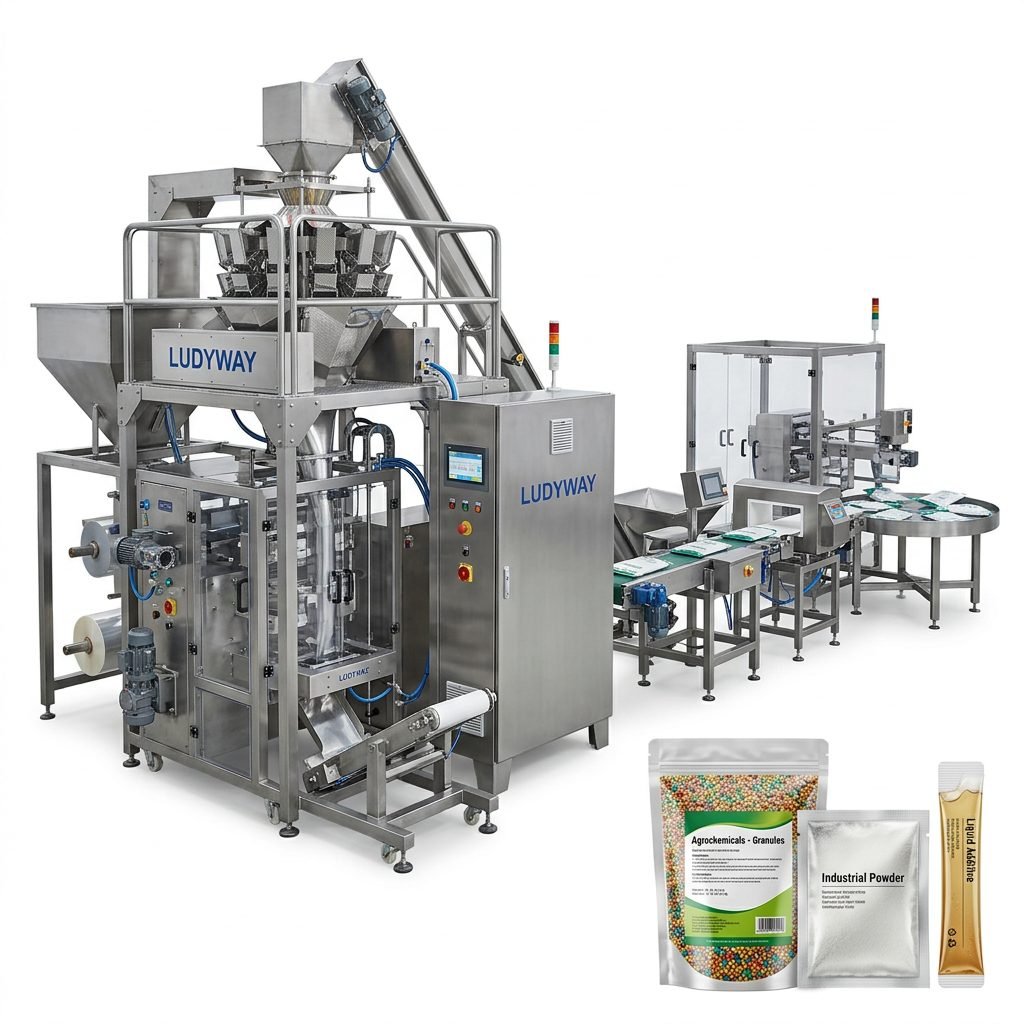
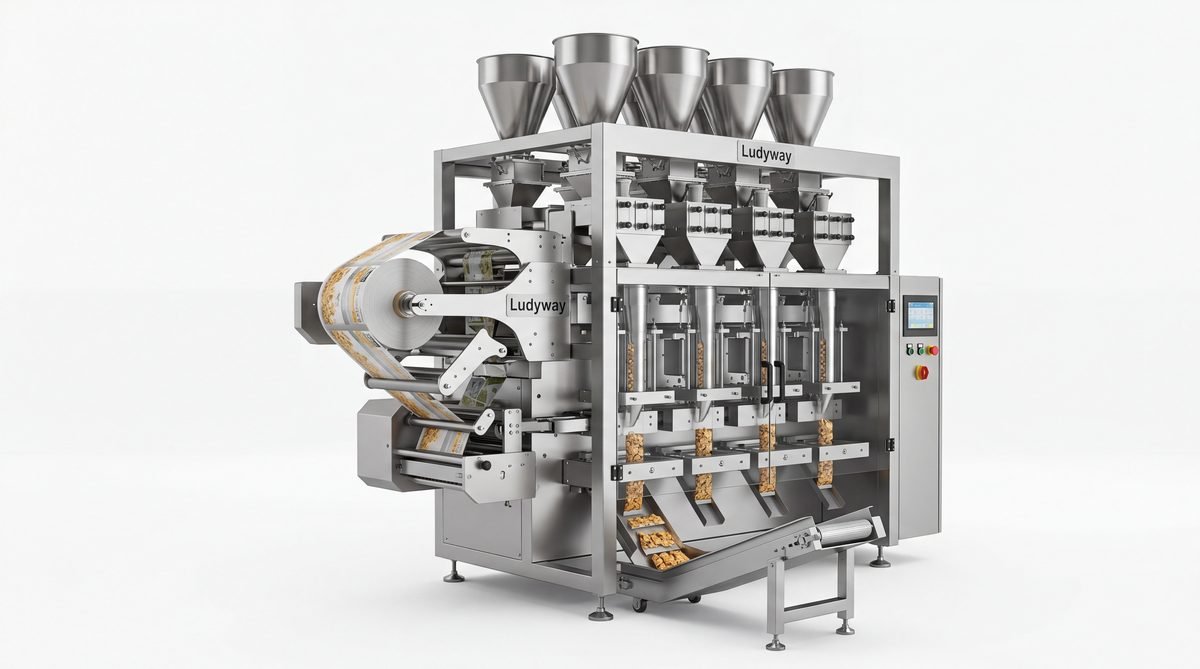
For small to medium-scale producers, single-lane vertical form-fill-seal machines offer a cost-effective entry point. These machines produce one package at a time but can still deliver respectable output for regional brands serving local markets. They provide flexibility in bag sizes and formats, accommodating everything from small sachets to family-size packs ranging from 20g to 500g.
Premade Pouch Rotary Fillers
These systems take pre-manufactured pouches and automatically open, fill, and seal them on a rotary platform. They excel at producing premium-looking packaging with features like zipper closures, stand-up capability, and high-quality graphics. For premium potato chip brands positioning in the higher-end market segment, premade pouch machines deliver superior shelf appeal and resealable convenience that consumers appreciate.
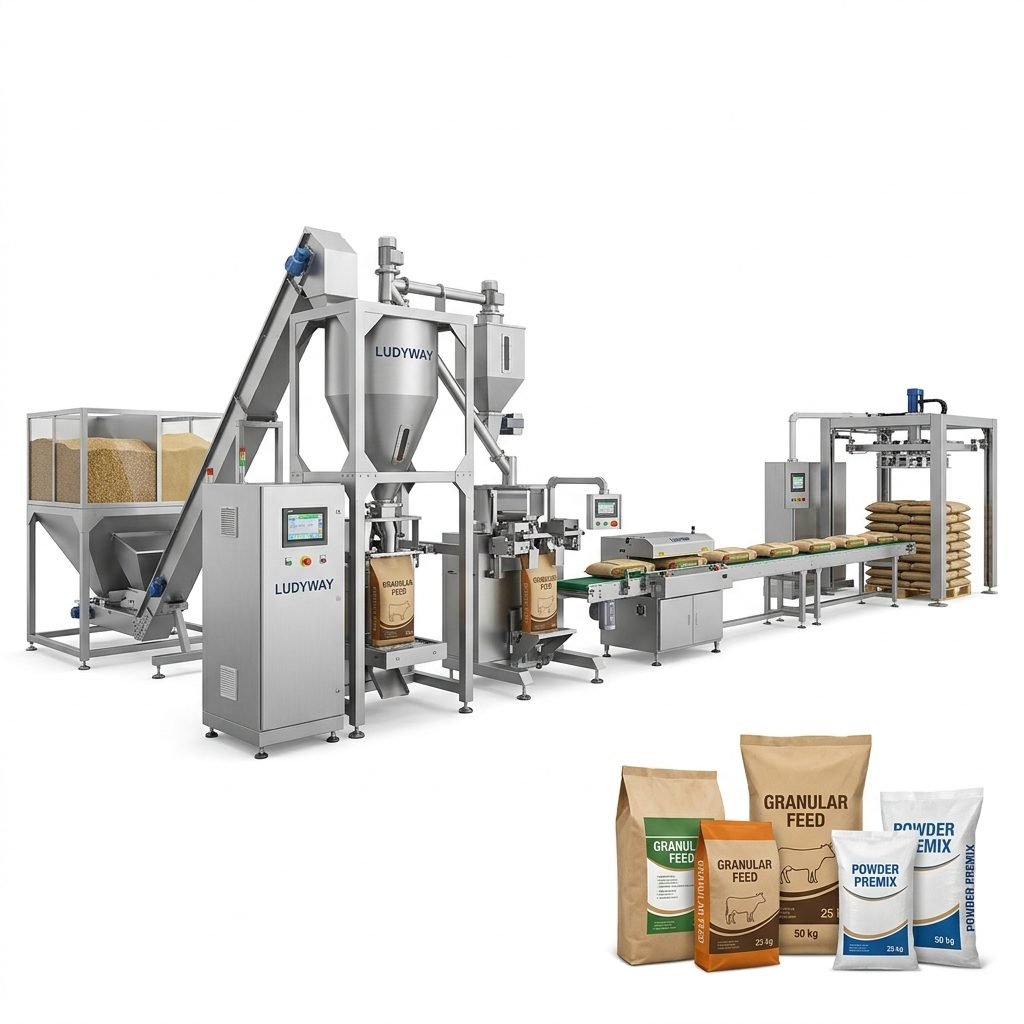
Complete Turnkey Packaging Lines
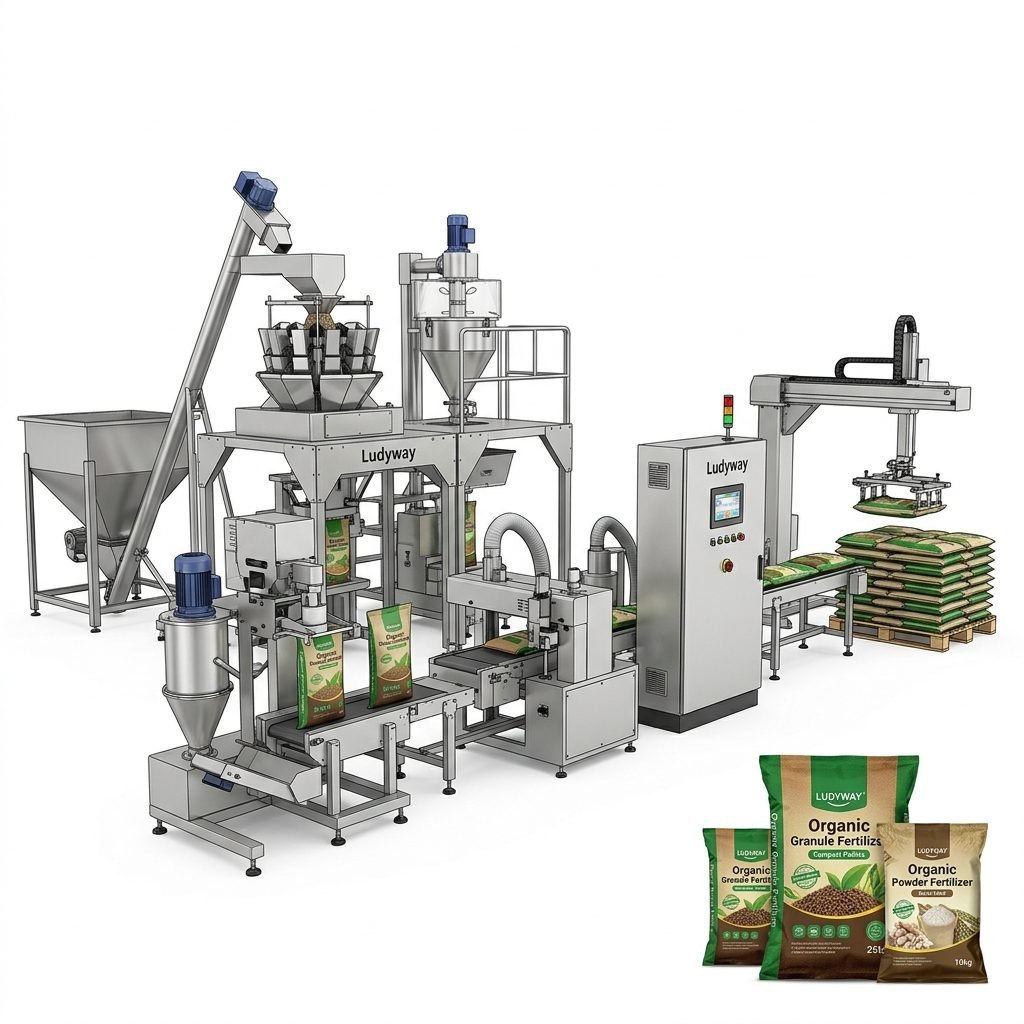
For established manufacturers seeking end-to-end automation, turnkey solutions integrate multiple packaging stages into one seamless operation. These lines typically combine weighing, filling, sealing, coding, inspection, and cartoning into a synchronized production flow. While the initial investment is higher, the labor savings and efficiency gains often deliver compelling ROI for operations producing over 1 ton per hour.
Critical Factors to Consider When Choosing Your Machine
Production Capacity Requirements
Your daily or hourly output target is the primary driver of machine selection. Calculate your current production volumes and factor in projected growth over the next 3-5 years. A machine that barely meets today’s demand may become a bottleneck within 18 months. As a general guideline:
- Small-scale: 20-40 packs per minute — Single-lane VFFS machines
- Medium-scale: 60-120 packs per minute — 4-6 lane multi-lane systems
- Large-scale: 150-400+ packs per minute — 8-16 lane high-speed multi-lane lines
Packaging Format and Material Compatibility
Different packaging materials require specific sealing technologies and machine configurations. Metallized films commonly used for potato chips demand precise temperature control for proper seal integrity. Consider whether your brand strategy includes multiple packaging formats—stick packs, sachets, stand-up pouches, or pillow bags. Some advanced machines offer quick-changeover capabilities that allow switching between formats with minimal downtime, a valuable feature for contract packers serving diverse clients.
Operating Environment and Infrastructure
African manufacturing environments present unique challenges that influence machine selection. Factors to evaluate include:
- Power stability: Machines with voltage fluctuation protection and backup-friendly power requirements
- Climate conditions: High humidity and temperature variations can affect film handling and seal quality
- Dust and environmental factors: Enclosed designs protect sensitive components in challenging environments
- Operator skill level: User-friendly HMI interfaces with multilingual support reduce training requirements
- Maintenance accessibility: Simple mechanical designs with locally serviceable components minimize dependency on specialist technicians
Key Technical Specifications to Evaluate
| Specification | What to Look For | Why It Matters |
|---|---|---|
| Filling Accuracy | ±1-2g for portions up to 100g | Prevents product giveaway and ensures regulatory compliance |
| Seal Integrity | Triple-seal or quad-seal jaw design | Critical for shelf life and preventing contamination in humid climates |
| Film Registration | Automatic photoelectric sensor with ±0.5mm precision | Ensures consistent branding and professional appearance |
| Gas Flushing | Nitrogen flush capability with <2% residual oxygen | Extends shelf life of fried potato chips by preventing oxidation |
| Changeover Time | Under 30 minutes for format changes | Minimizes production downtime for multi-SKU operations |
| PLC and Controls | Siemens, Omron, or equivalent with remote access capability | Enables remote diagnostics and troubleshooting support |
The Importance of Nitrogen Flushing for Potato Chips
Potato chips are particularly susceptible to oxidation and moisture absorption, which lead to rancidity and loss of crispness. Effective nitrogen flushing during the packaging process displaces oxygen within the sealed package, creating an inert atmosphere that preserves freshness. When evaluating machines for the African market—where distribution chains can be lengthy and ambient temperatures high—robust gas flushing capability is not optional; it is essential for maintaining product quality from factory to consumer. Look for machines with precise gas flow control and verified residual oxygen monitoring systems that ensure consistent protection across every single package.
After-Sales Support and Spare Parts Availability in Africa
This is arguably the most overlooked yet critical factor when purchasing packaging machinery for African operations. A machine that cannot be quickly repaired due to unavailable spare parts becomes a costly liability. Before committing to any supplier, verify the following:
- Availability of a local distributor or service partner within your country or region
- Inventory of critical spare parts held in Africa or with guaranteed air-freight delivery timelines
- Availability of remote technical support via video calling and online diagnostics
- Comprehensive training programs for your operators and maintenance personnel
- Clear warranty terms that account for the African operating context

Budget Considerations and ROI Analysis
The price range for potato chip packaging machines varies significantly based on configuration, automation level, and origin. Entry-level single-lane machines may start around $15,000-$25,000, while fully automated multi-lane systems with gas flushing and integrated weighing can range from $80,000 to $250,000 or more. When calculating ROI, consider not just the purchase price but the total cost of ownership over a 5-7 year period. Factors such as labor savings, reduced product waste, fewer rejected packages, and extended shelf life often mean that higher-quality equipment pays for itself within 18-24 months through operational efficiencies alone.
Financing Options for African Manufacturers
Several financing pathways can help manage the capital expenditure of packaging equipment:
- Equipment leasing programs offered by some manufacturers and third-party financiers
- Development finance institutions such as Afreximbank and regional development banks that support manufacturing sector investments
- Supplier credit terms negotiated directly with equipment manufacturers for staged payment plans
- Government incentive programs available in several African countries for food processing and agro-industrial investments
Compliance with International Packaging Standards
As African snack manufacturers increasingly target export markets and attract international retail partnerships, compliance with ISO packaging standards and packaging regulations becomes a competitive advantage. Machines that support compliance with food contact material regulations, provide traceability data, and enable sustainable packaging initiatives position your brand favorably for both domestic premium segments and international market access. Consider machines that accommodate recyclable or biodegradable film structures as sustainability becomes an increasingly important purchasing criterion across African markets.
Working with Reliable Packaging Machine Manufacturers
Selecting the right manufacturing partner is as important as choosing the machine itself. Look for suppliers with a proven track record in emerging markets, particularly those with existing installations across Africa. Evaluate their engineering depth, quality certifications, and willingness to customize solutions for your specific production requirements. Companies with dedicated international service teams and experience navigating African import procedures can significantly smooth the procurement and commissioning process.
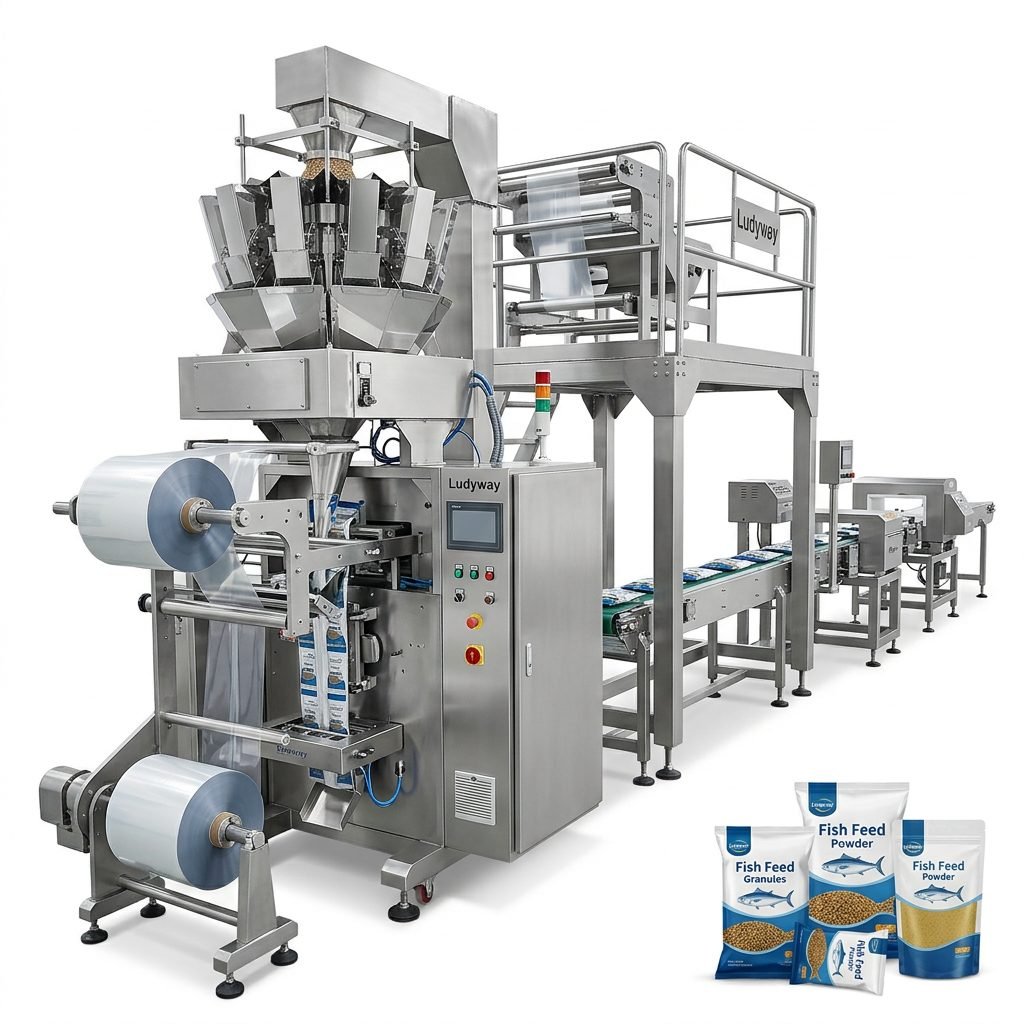
One notable manufacturer in this space is Ludyway, which has developed extensive expertise in multi-lane packaging systems suitable for snack food applications, with a growing presence in international markets. When evaluating potential suppliers, prioritize those who demonstrate a genuine understanding of the operational realities and infrastructure conditions common across African manufacturing environments.
Common Mistakes to Avoid
- Underestimating capacity needs: Always build in at least 30% headroom above current requirements
- Overlooking film compatibility: Not all machines handle the full range of metallized and laminated films effectively
- Ignoring power requirements: Verify voltage, phase, and frequency compatibility with your facility’s electrical supply
- Skipping operator training: Even the best machine underperforms without properly trained operators
- Choosing on price alone: The cheapest option often becomes the most expensive when factoring in downtime and maintenance costs
- Neglecting gas flushing quality: Inadequate nitrogen flushing dramatically reduces shelf life and increases returns
Making the Final Decision: A Step-by-Step Approach
To systematically evaluate your options and make an informed purchasing decision, follow this structured approach:
- Define your production specifications — Target output, packaging formats, bag sizes, and film materials
- Research qualified suppliers — Shortlist manufacturers with relevant experience and African market presence
- Request detailed proposals — Include technical specifications, pricing, delivery timelines, and warranty terms
- Conduct reference checks — Speak with existing customers operating similar equipment in comparable conditions
- Arrange factory acceptance testing — Where possible, visit the manufacturer’s facility to witness machine performance with your actual product and packaging materials
- Negotiate comprehensive support terms — Secure commitments on spare parts availability, technical support response times, and operator training
- Plan for installation and commissioning — Coordinate site preparation, utility connections, and team training well before equipment arrival
Investing in the right potato chip packaging machine is a decision that shapes your production capabilities for years to come. By carefully evaluating your current and future needs, understanding the technical specifications that matter most, and partnering with a reliable equipment manufacturer, you position your African snack food business for sustainable growth and market leadership. The continent’s potato chip market holds immense potential—seize it with packaging technology that delivers quality, efficiency, and reliability at every turn.